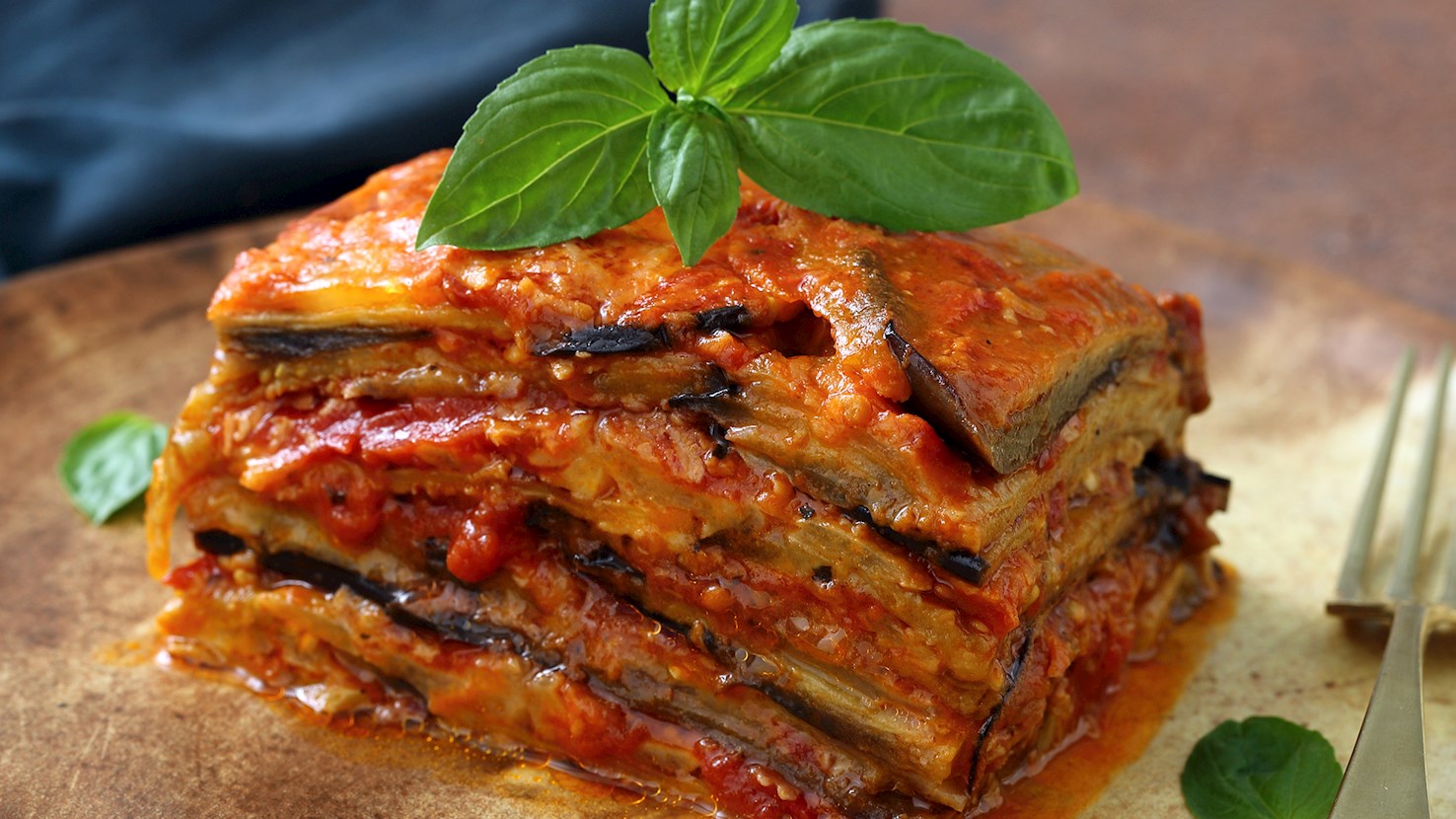
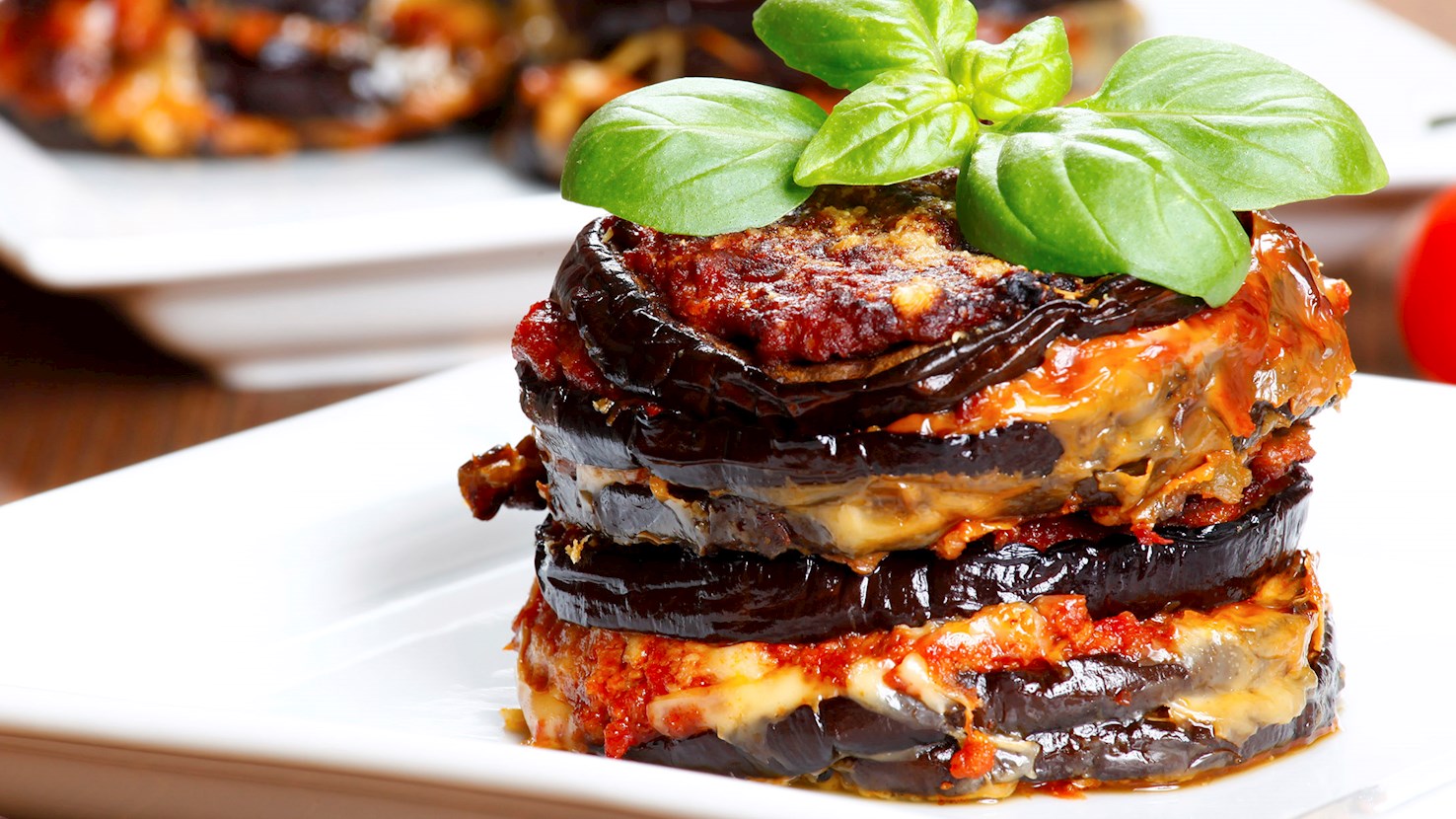
This version of eggplant parmigiana is the most popular outside of Italy. Hailing from Campania, this variation on a dish is made with eggplants, olive oil, onions, basil, tomatoes, mozzarella or fior di latte cheese, and grated Parmigiano-Reggiano. The eggplants are peeled, sliced, and shortly fried, then arranged in a baking dish over the tomato sauce along with the cheese, basil leaves, and grated Parmigiano-Reggiano. The layers are repeated, and the final one should end with tomato sauce and grated cheese. The dish is baked until the surface becomes crisp, and it is then served, ideally at room temperature.
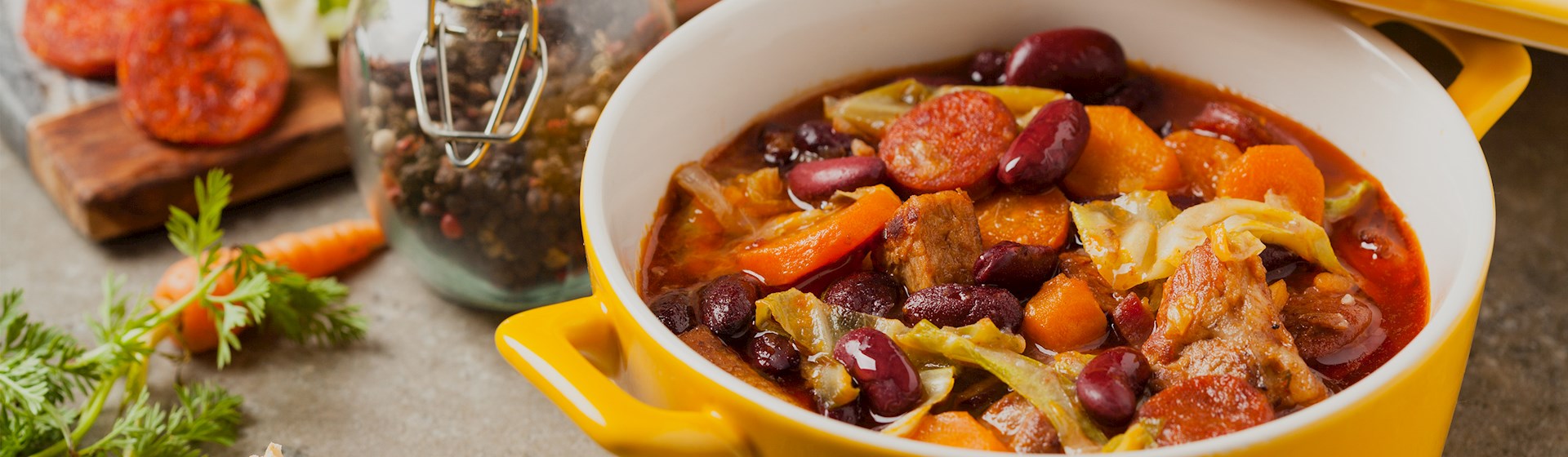
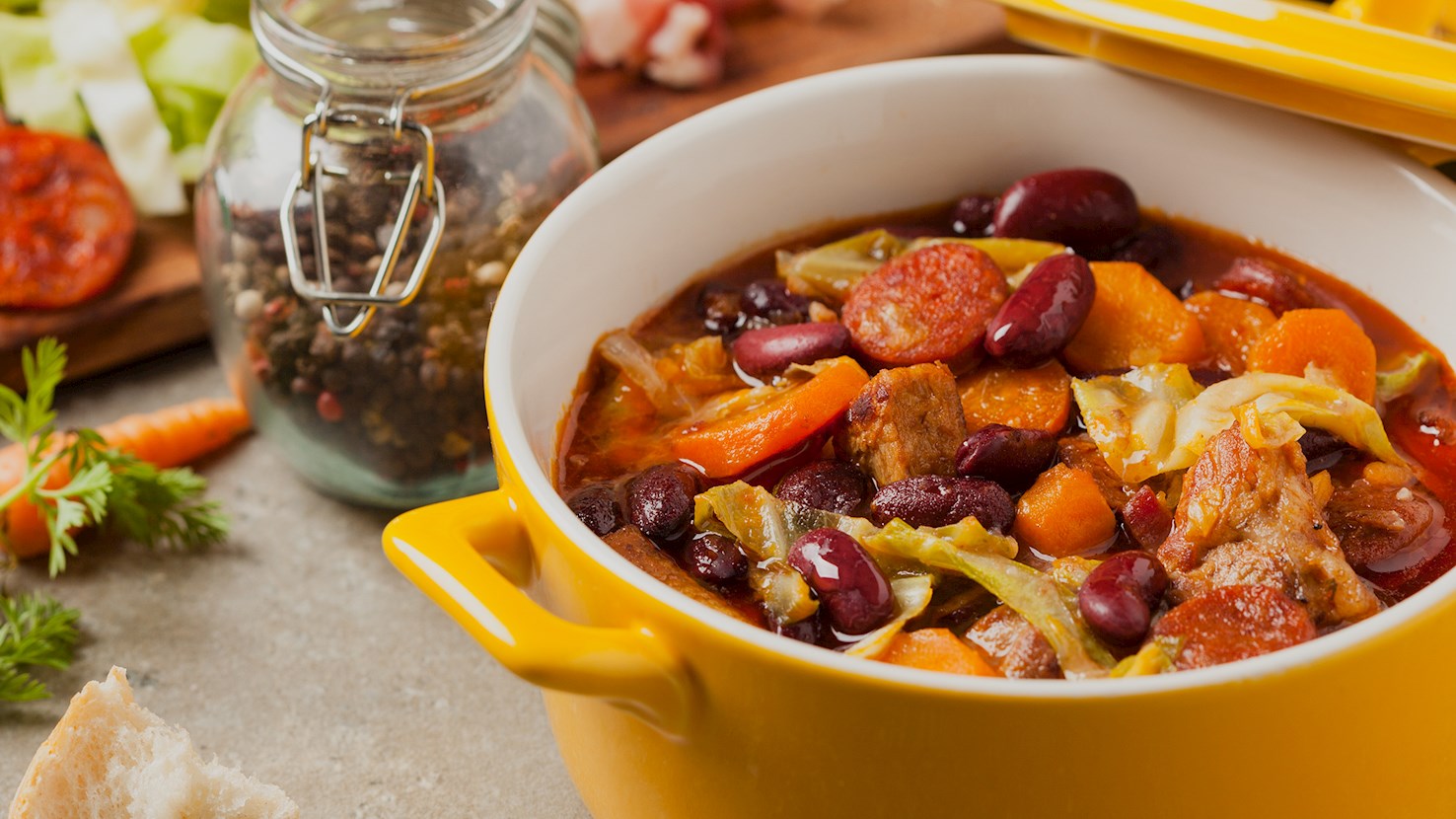
Although it translates as stone soup, this hearty Portuguese dish is actually a combination of beans and sausages such as chouriço and morcela (blood sausage), as well as pork belly, pig’s ear, and potatoes, while different regional varieties may also include pasta, carrots, and cabbage. There's a legend saying that a monk in need wanted to prepare soup by using merely stones and water. When he asked for additional ingredients to supposedly flavor the soup, the family who'd hosted him was more than willing to provide some pork cuts, beans, sausages, and vegetables, and the monk ended with a rich and nutritious dish without any stones inside. Similar stories exist in various European countries, but the moral of each always revolves around sharing and compassion. It is believed that sopa da pedra originated in Almeirim, which has been dubbed the capital of stone soup.
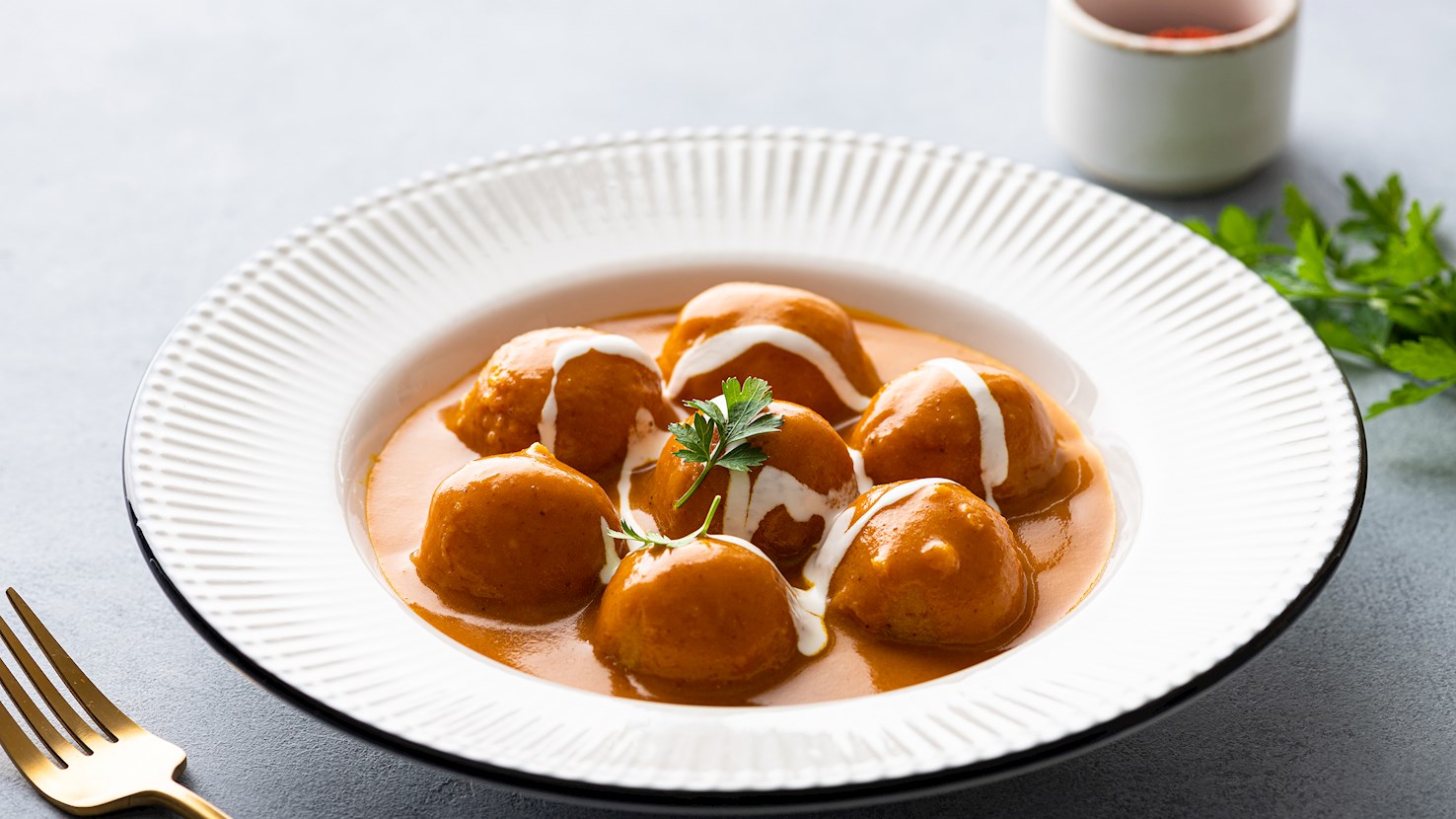
Malai kofta is a traditional North Indian dish consisting of fried potato and paneer balls in a creamy sauce. The dish is commonly served at festivals, celebrations, and weddings due to its rich texture and flavors. A typical dish of Mughal cuisine, developed in Medieval India by the cooks of the Mughal Empire, it is essentially a vegetarian substitute for a meatball curry, malai meaning cream, and kofta meaning dumplings. The dish is often prepared in a unique wok called a kadai, hence the other name of the dish, kadai kofta. Some food historians believe that these deep-fried dumplings have incorporated the influences of Turkish and Persian food cultures within them. The best and most usual accompaniments to malai kofta include naan bread and rice, and the dish is commonly garnished with shredded paneer and chopped coriander.
Found throughout southern Italy, parmigiana di melanzane is a type of gratinated vegetable casserole traditionally made of fried or grilled slices of eggplant layered with basil-flavored tomato sauce and topped with one or more cheeses, such as mozzarella, pecorino Siciliano, scamorza, and caciocavallo Silano. Contrary to popular belief, parmigiana has nothing to do with parmigiano Reggiano cheese, even though it is used in many recipes as it makes for a crunchier crust. Nor, in fact, does it have any connection with the city of Parma whatsoever. In fact, the name of this scrumptious summer dish supposedly stems from parmisciana, the word for “Persian” in the Sicilian dialect, and it is often suggested that the word is rooted in the Arabic badhnajan or Turkish patlıcan, both of which mean “eggplant”. Although the eggplant was introduced to Italy by the Arabs as early as the 8th century, the parmigiana we know today may have originated in Sicily at around the 16th century, when tomatoes were first brought to Italy from the New World by the Spaniards. Later, the eggplant casserole spread across the country, taking on a version of its own in each region. Regardless of its true origins and the many different takes on the classic recipe, parmigiana di melanzane remains Southern Italian comfort food at its best, and is one of the most popular Italian dishes today.
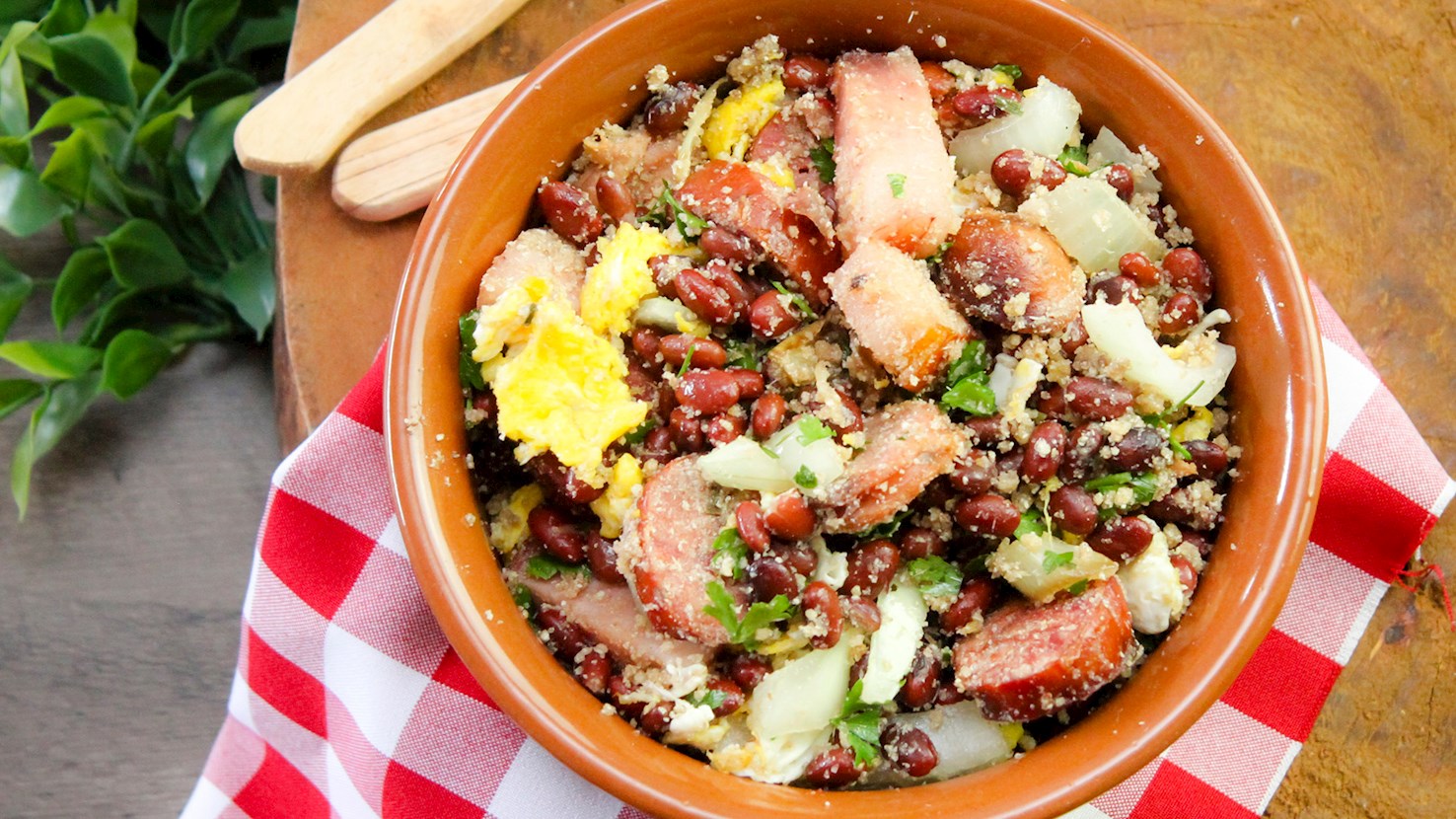
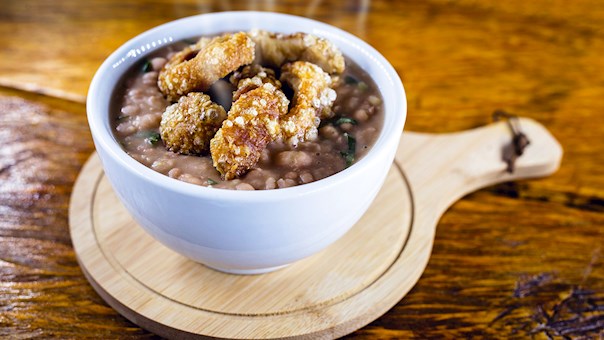
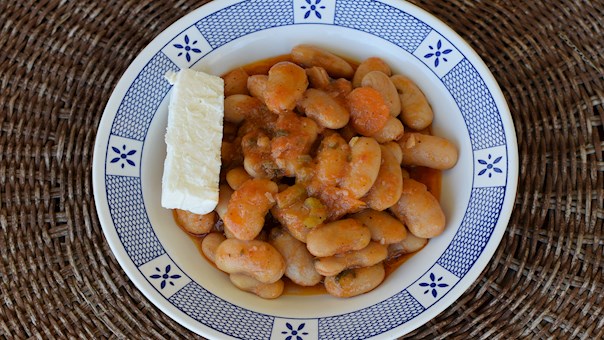
Feijão tropeiro is a traditional dish from the Brazilian state of Minas Gerais. A favorite dish of cattle rangers (tropeiros), it consists of beans that are cooked with salted or dried meat, manioc flour, and various flavorings, herbs, and vegetables. Today, there are numerous variations on the dish, so the type of beans and meat vary from one part of the country to the next. It is believed that the dish was invented during the Brazilian Colonial period, when tropeiros used to sell things while traveling on horses, bringing beans, manioc flour, and dried meat with them on long journeys.
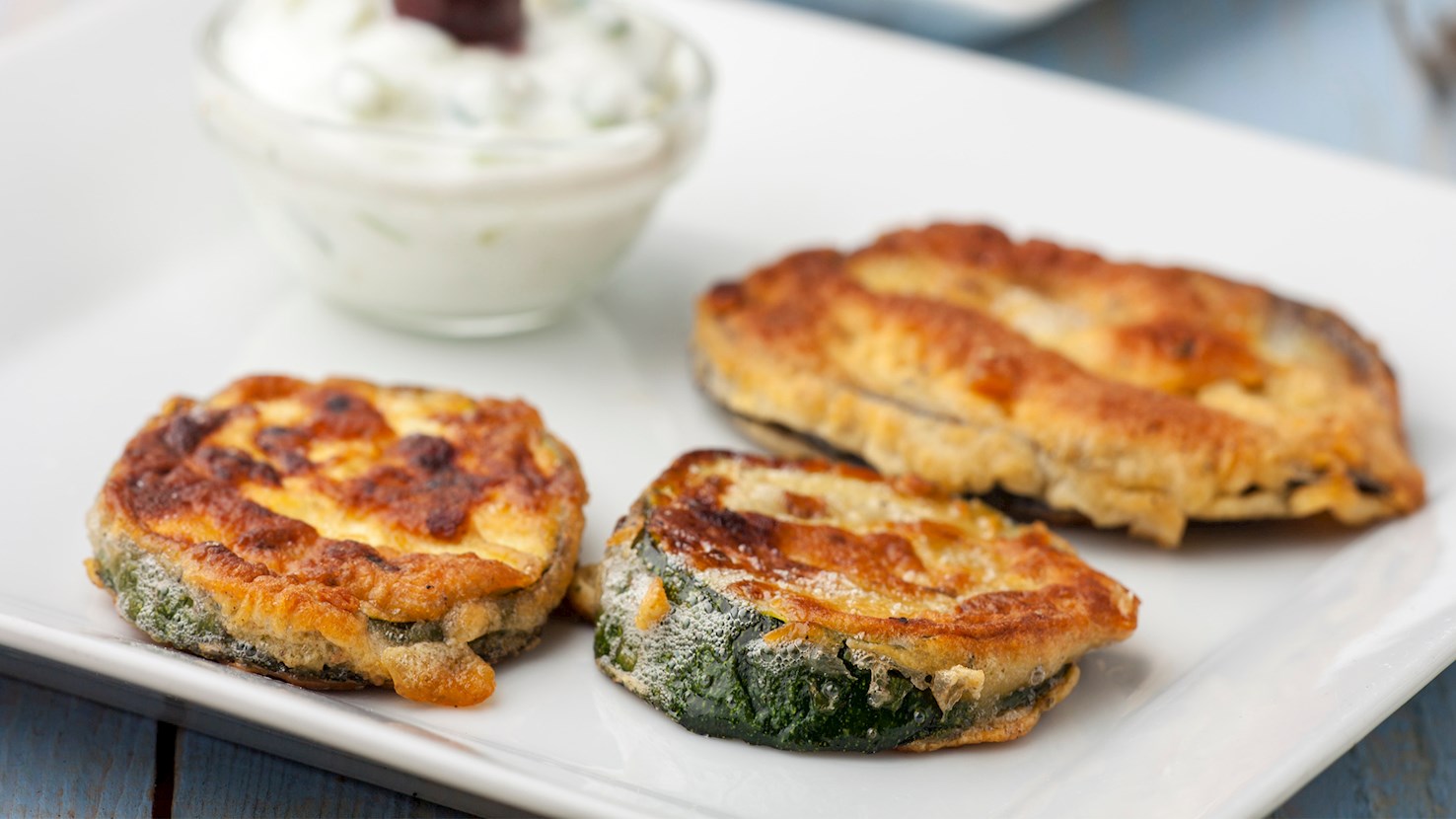
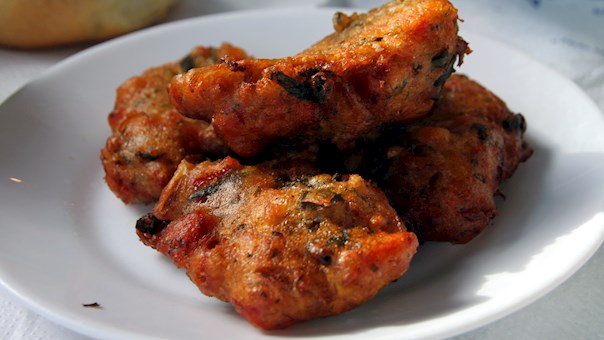
In Greece, fried zucchinis can be enjoyed as a meze or a side dish. The zucchinis are sliced, seasoned, and then simply dusted with flour or dipped in an egg batter before they are fried until crispy and golden. It is recommended to pair them with various dips such as yogurt-based tzatziki or garlicky skordalia.
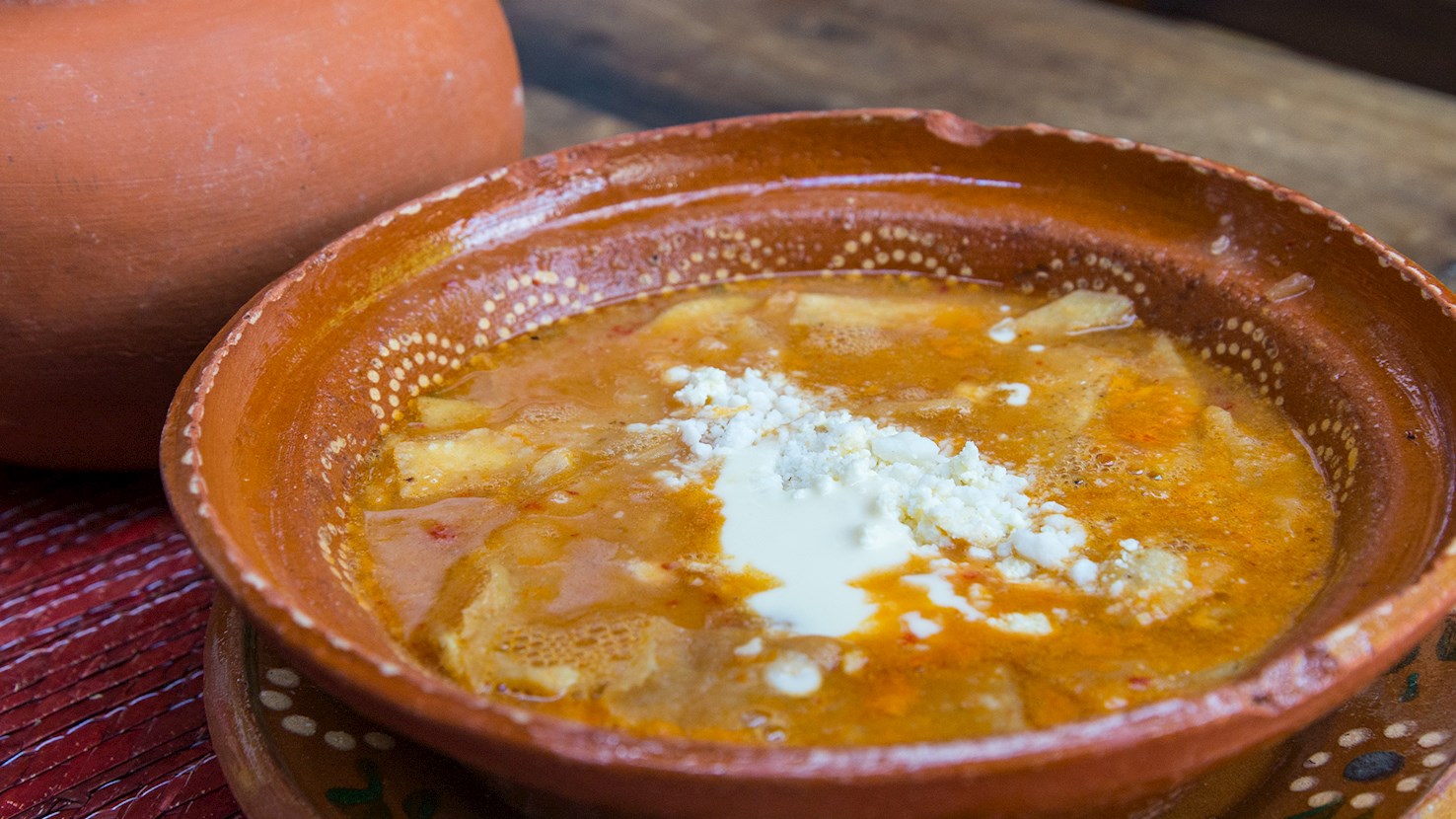
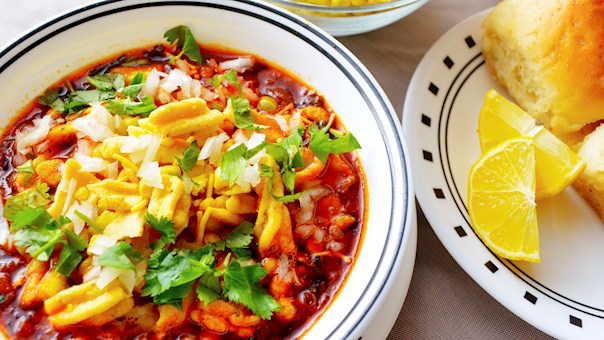
Tarascan puréed bean soup hails from the Mexican state of Michoacán, home of the Tarascan or Purépecha people — one of the major pre-Columbian civilizations of Mesoamerica. Their culture flourished from 1100s to the early 1500s, but by the 1530, Purépecha people had succumbed to the Spanish conquistadors who eventually named them Tarascos, hence the name sopa Tarasca. Apart from the beans — which are usually cooked together with tomatoes in a simple chicken broth — this dish is a great source of both fresh and dried chili peppers, most of which are native to the New World like the smoked pasilla de Oaxaca, which imparts not only a delicate heat but also adds a nice smoky flavor to this hearty soup.
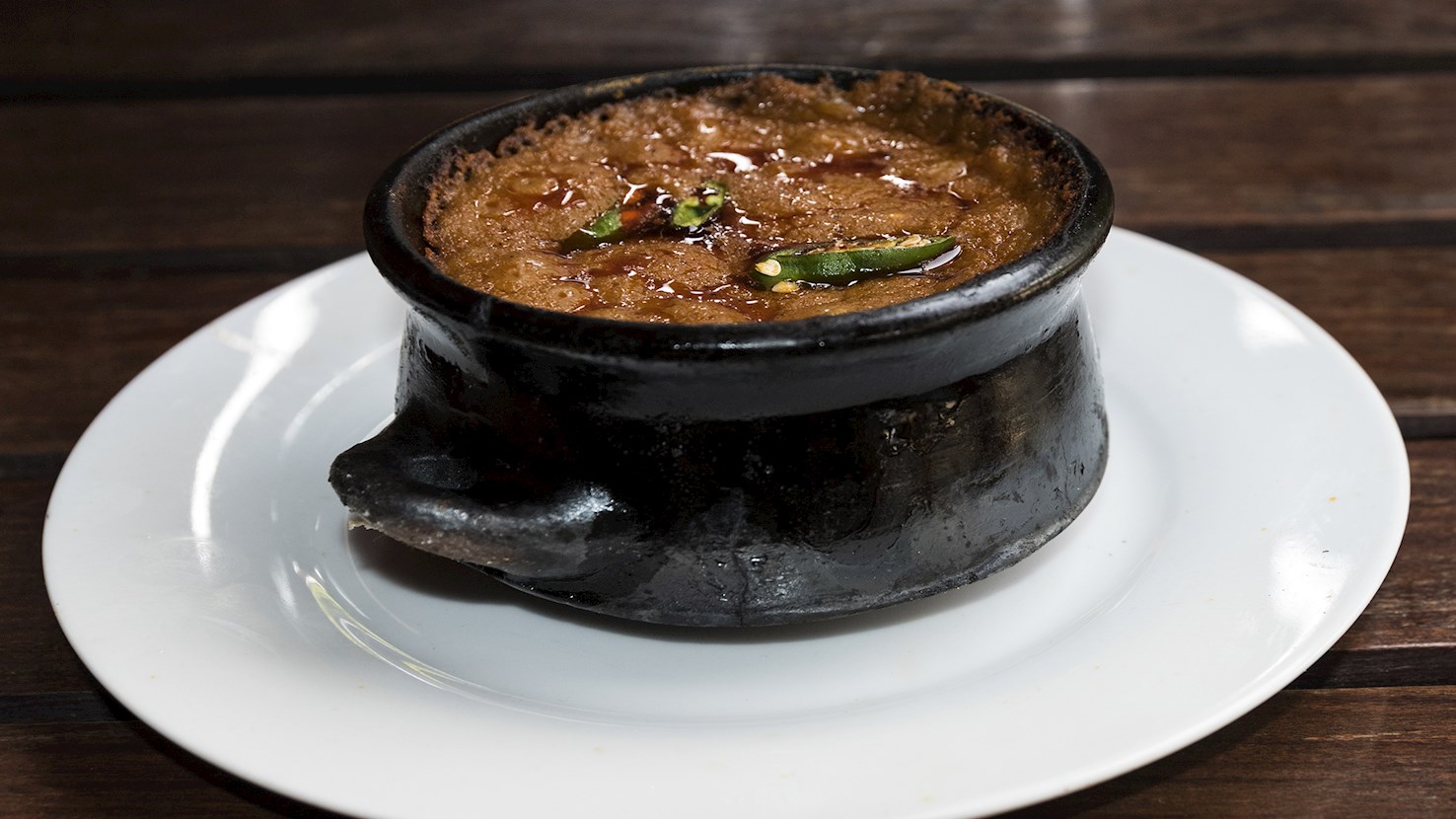
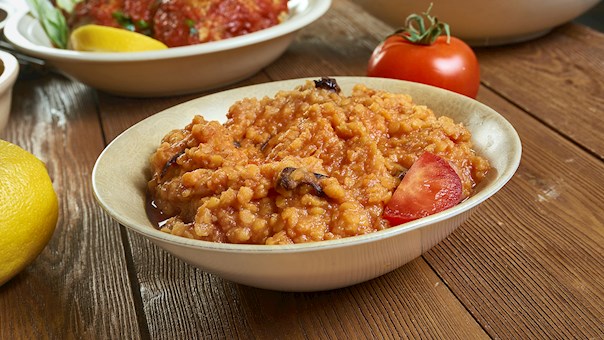
Shiro wat, known simply as shiro and tsebhi shiro, is a smooth pulse-flour stew shared by Ethiopian and Eritrean cuisines, most commonly made from finely ground chickpeas, field peas, fava beans, or a mixture of several legumes. Unlike stews built from whole lentils or beans, shiro begins with a flour that dissolves into the cooking liquid and thickens it into an even, creamy sauce, making its texture as important to its identity as its seasoning. Shiro developed in a region where pulses have long provided an important complement to cereal-based foods, and turning roasted legumes into a shelf-stable flour offered several practical advantages: the dry mixture could be stored for extended periods and transformed into a substantial meal much faster than whole dried beans. Chickpea versions are commonly produced by soaking the seeds, drying and roasting them, removing the hulls, and milling the cotyledons into a fine powder; other legumes undergo comparable processing, and spices such as garlic, korarima, chili, herbs, and ginger can be ground into the mixture itself. This ready-made seasoned flour helps explain why shiro occupies such a prominent place in everyday home cooking. To make the stew, finely chopped onions are softened in oil or seasoned clarified butter and commonly joined by garlic, ginger, chili, berbere, tomato, or peppers, depending on the household and region. Water is added before the shiro flour is introduced gradually, with continuous stirring preventing lumps as the ground pulses hydrate. The mixture quickly changes from a thin liquid into a smooth sauce and is then simmered until the raw flour character disappears and the desired consistency is reached. Recent food-science research describes shiro wat as a quick-cooking stew made from roasted pulse flour combined with onions and aromatics and served primarily with injera. Thickness varies considerably: an everyday shiro may remain loose enough to spread across injera, whereas shiro tegamino is cooked much thicker and richer, often served bubbling in a small clay vessel and sometimes enriched with additional seasoned butter. Another variation, bozena shiro, incorporates meat, showing that the pulse base itself does not automatically make every form meatless. The most widespread fasting version, however, is prepared entirely with vegetable oil and contains no meat, butter, or other animal products. This makes shiro especially important during Ethiopian and Eritrean Orthodox fasting periods, when animal-derived foods are excluded and pulse-based meals become central to the table. Shiro is therefore not simply a substitute for meat but a well-established dish with its own flour mixtures, textures, and regional preferences. In Ethiopia it is consumed extensively in both rural and urban households, while Eritrean dietary research likewise records shiro flour made from mixtures of peas, beans, red pepper, garlic, and other spices and eaten together with injera. At serving time, the hot stew is spooned onto injera, whose porous surface readily absorbs the sauce while its sourness contrasts with the earthy pulses and chili seasoning. It may be eaten alone for a simple lunch or dinner or included among the components of a larger fasting platter with lentils, greens, cabbage, potatoes, beetroot, or fresh tomato salad. Bread can also accompany it, particularly when injera is unavailable. Water and tea suit simpler meals, while tella or suwa can accompany a larger spread, and coffee commonly follows.
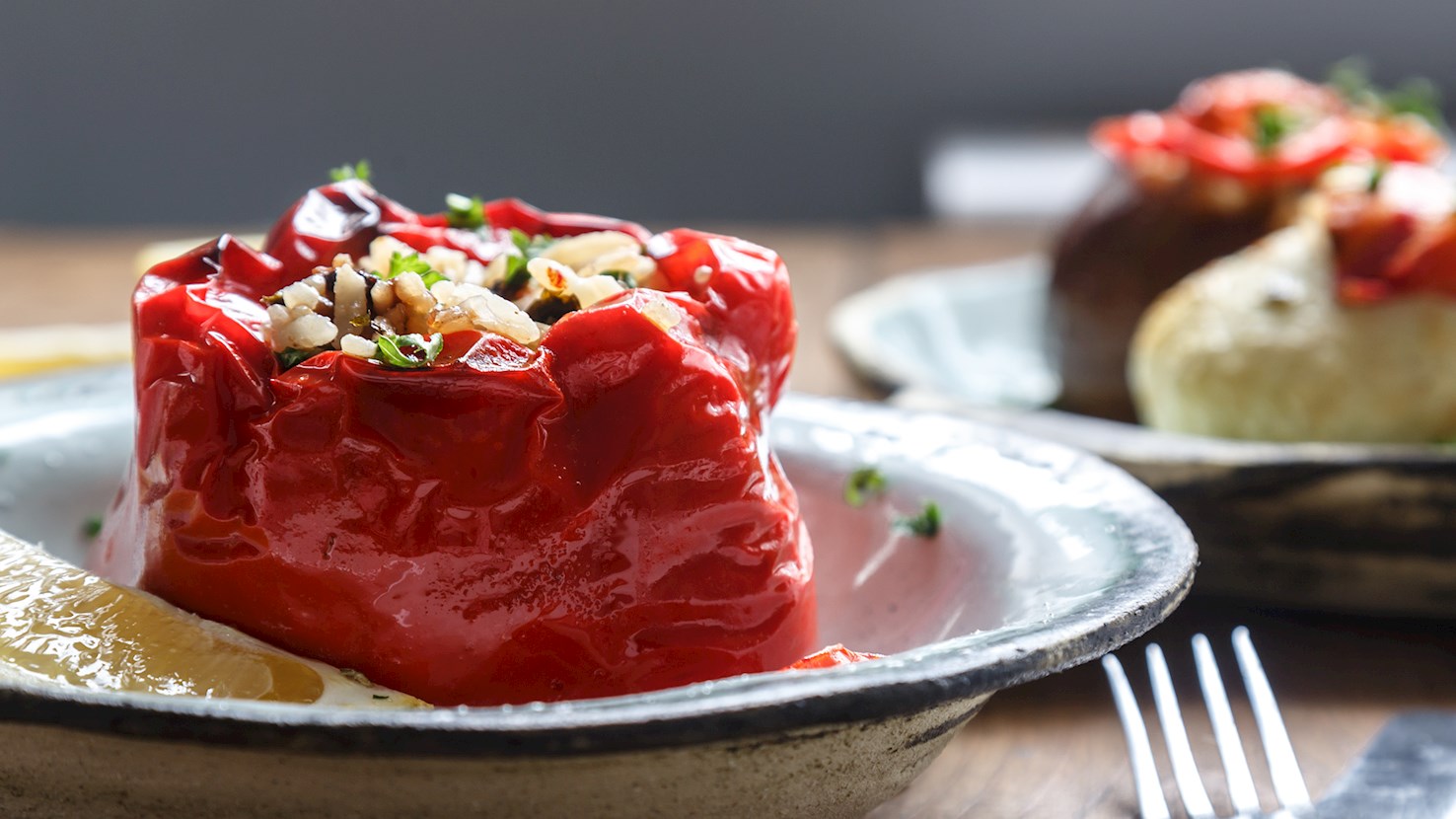
Yemitsa, frequently spelled gemista, is a vegetable dish of hollowed-out vegetables, predominantly ripe tomatoes and green bell peppers, stuffed entirely with a wet mixture of short-grain rice, fresh herbs, and heavy amounts of olive oil. The name originates from a verb meaning to fill or stuff, and is a typical summer dish. Yemitsa gained massive popularity across Greece following World War I, largely introduced by refugees arriving from Turkey. Prepping vegetables is the first step. The tops are sliced off the raw vegetables, and the inner flesh and seeds are carefully scooped out to create empty edible shells. The extracted tomato pulp is finely chopped and mixed in a hot pan with sautéed onions, grated zucchini, garlic, and raw rice. Handfuls of fresh mint and parsley, along with salt, pepper, and tomato puree, are folded into the filling before it gets spooned directly into the hollowed vegetables. The stuffed shells are topped with their original lids and tightly packed into a deep baking tray, surrounded entirely by thick potato wedges. A massive drizzle of olive oil and a splash of water go over the top before the entire pan hits a hot oven, baking until the rice softens completely and the vegetable skins become deeply wrinkled and slightly charred. Variations are present in different parts of Greece. Northern areas frequently incorporate heavy amounts of minced beef or pork directly into the rice, while Mediterranean coastal regions mix crunchy pine nuts and sweet raisins into the filling. Beyond tomatoes and bell peppers, large eggplants, zucchinis, and even hollowed onions serve as alternatives to tomatoes and peppers. Yemitsa is served either warm or at room temperature, almost universally accompanied by a large slab of salty feta cheese and thick slices of crusty bread, specifically used to soak up the heavily seasoned olive oil pooling at the bottom of the pan.
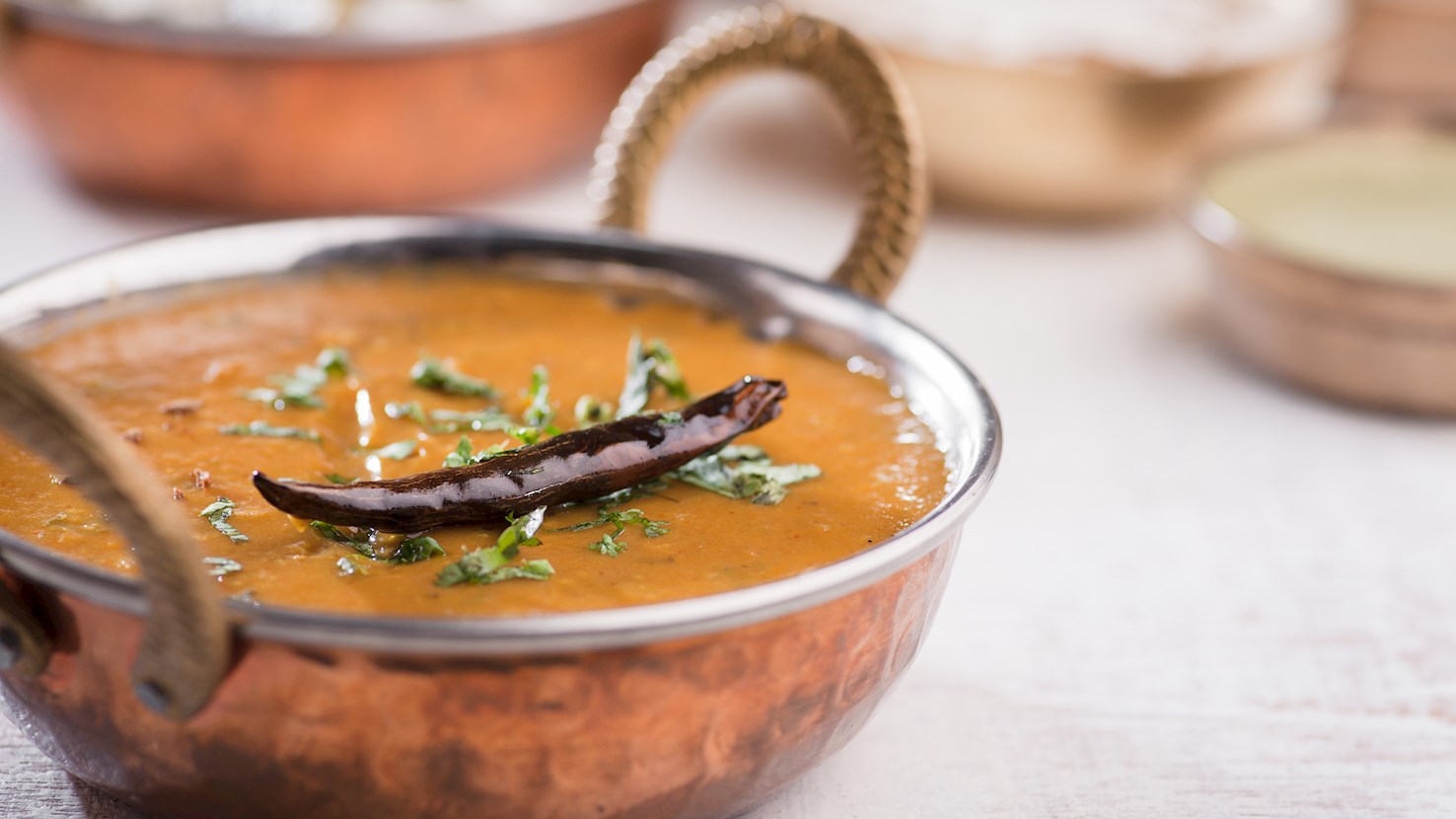
Dal tadka or tadkewali dal is a traditional legume-based dish originating from the northern parts of India. Although there are variations, the dish is usually prepared with toor dal (split yellow pigeon peas), garlic, ginger, onions, tomatoes, garam masala, chili peppers, ghee, cumin, coriander, turmeric, red chili powder, and fenugreek leaves. These ingredients are cooked and mixed with tadka (tempering), consisting of spices such as asafoetida, chili peppers, and garlic that are cooked in ghee. Once prepared, dal tadka is usually garnished with coriander leaves and served hot with jeera rice and roti on the side.
TasteAtlas food rankings are based on the ratings of the TasteAtlas audience, with a series of mechanisms that recognize real users and that ignore bot,
nationalist or local patriotic ratings, and give additional value to the ratings of users that the system recognizes as knowledgeable.
For the “Top 100 Vegetable Dishes in the World” list until October 15, 2026, 23,982 ratings were recorded, of which 13,895 were recognized by the system as legitimate.
TasteAtlas Rankings should not be seen as the final global conclusion about food. Their purpose is to promote excellent local foods,
instill pride in traditional dishes, and arouse curiosity about dishes you haven’t tried.









What People Say