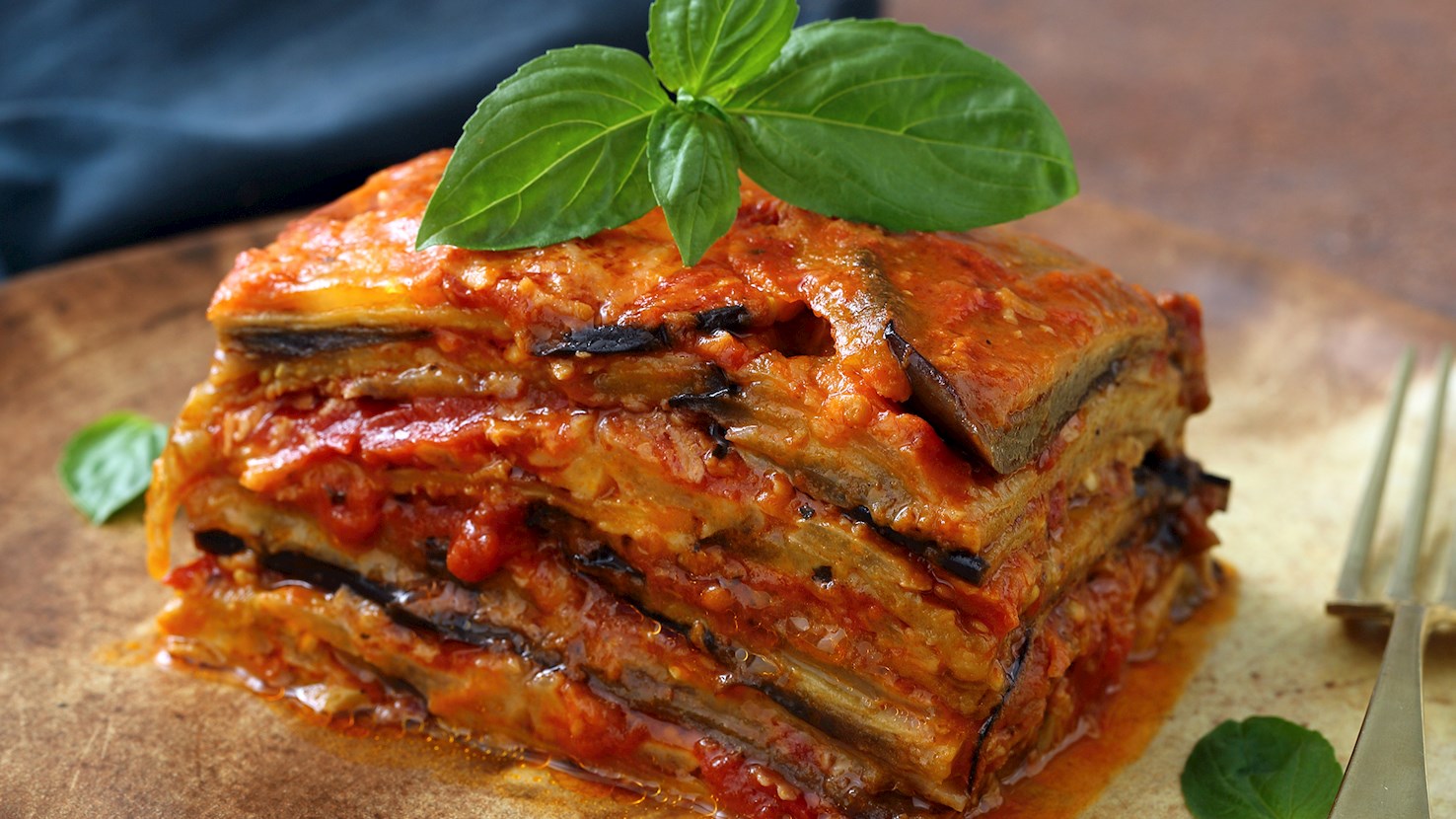
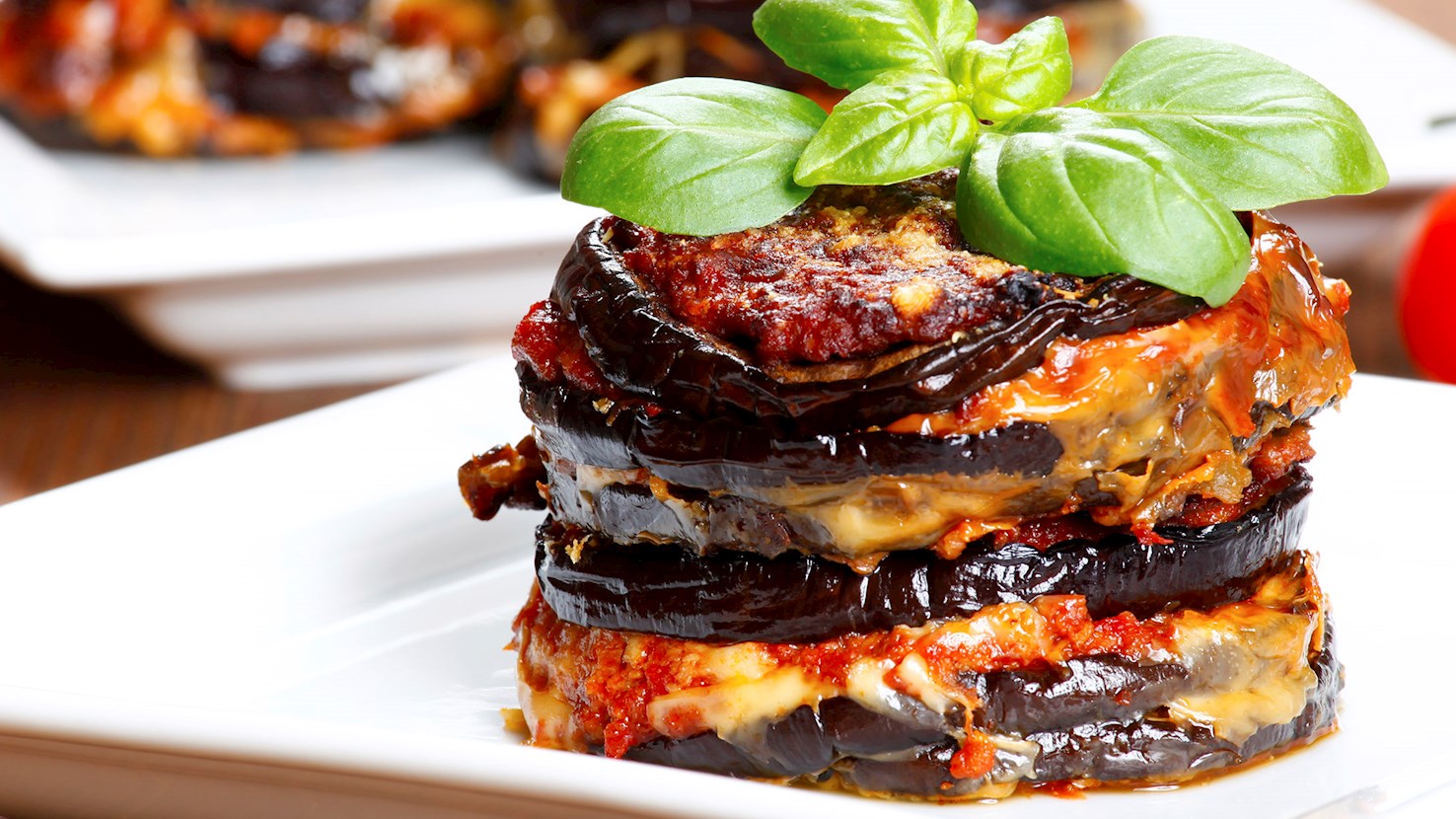
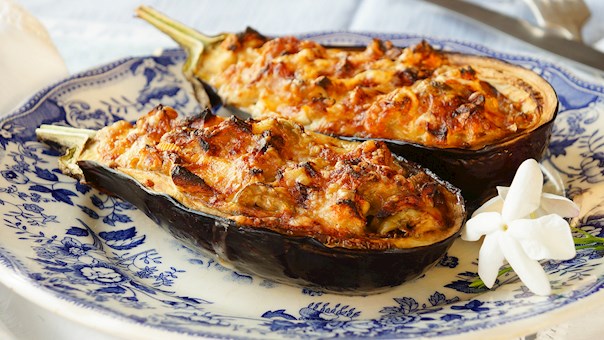
This version of eggplant parmigiana is the most popular outside of Italy. Hailing from Campania, this variation on a dish is made with eggplants, olive oil, onions, basil, tomatoes, mozzarella or fior di latte cheese, and grated Parmigiano-Reggiano. The eggplants are peeled, sliced, and shortly fried, then arranged in a baking dish over the tomato sauce along with the cheese, basil leaves, and grated Parmigiano-Reggiano. The layers are repeated, and the final one should end with tomato sauce and grated cheese. The dish is baked until the surface becomes crisp, and it is then served, ideally at room temperature.
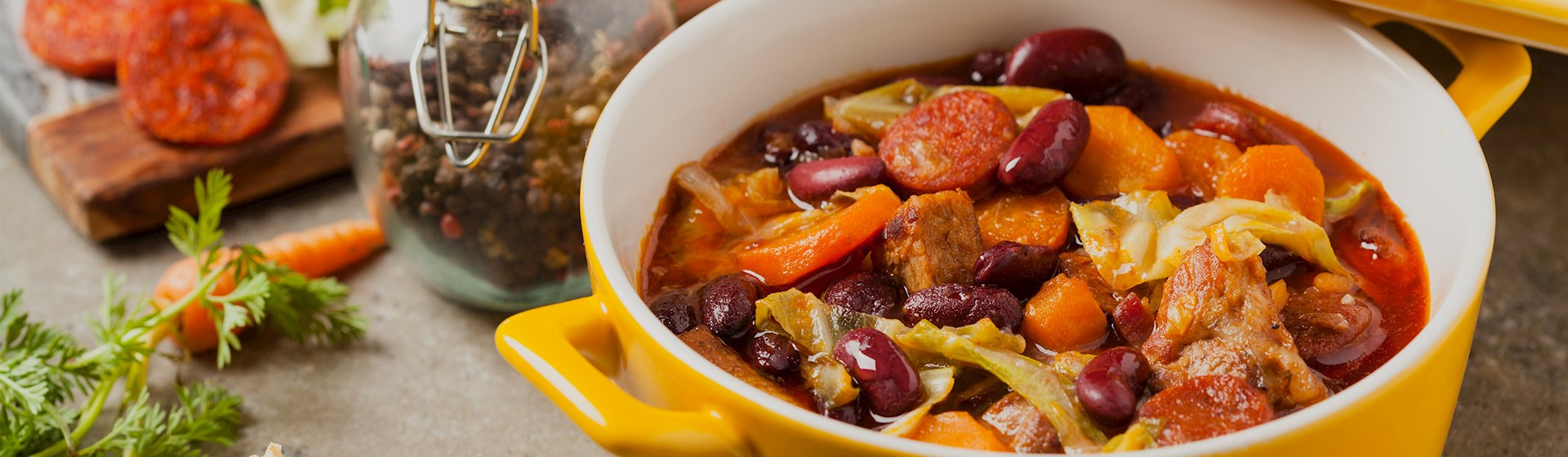
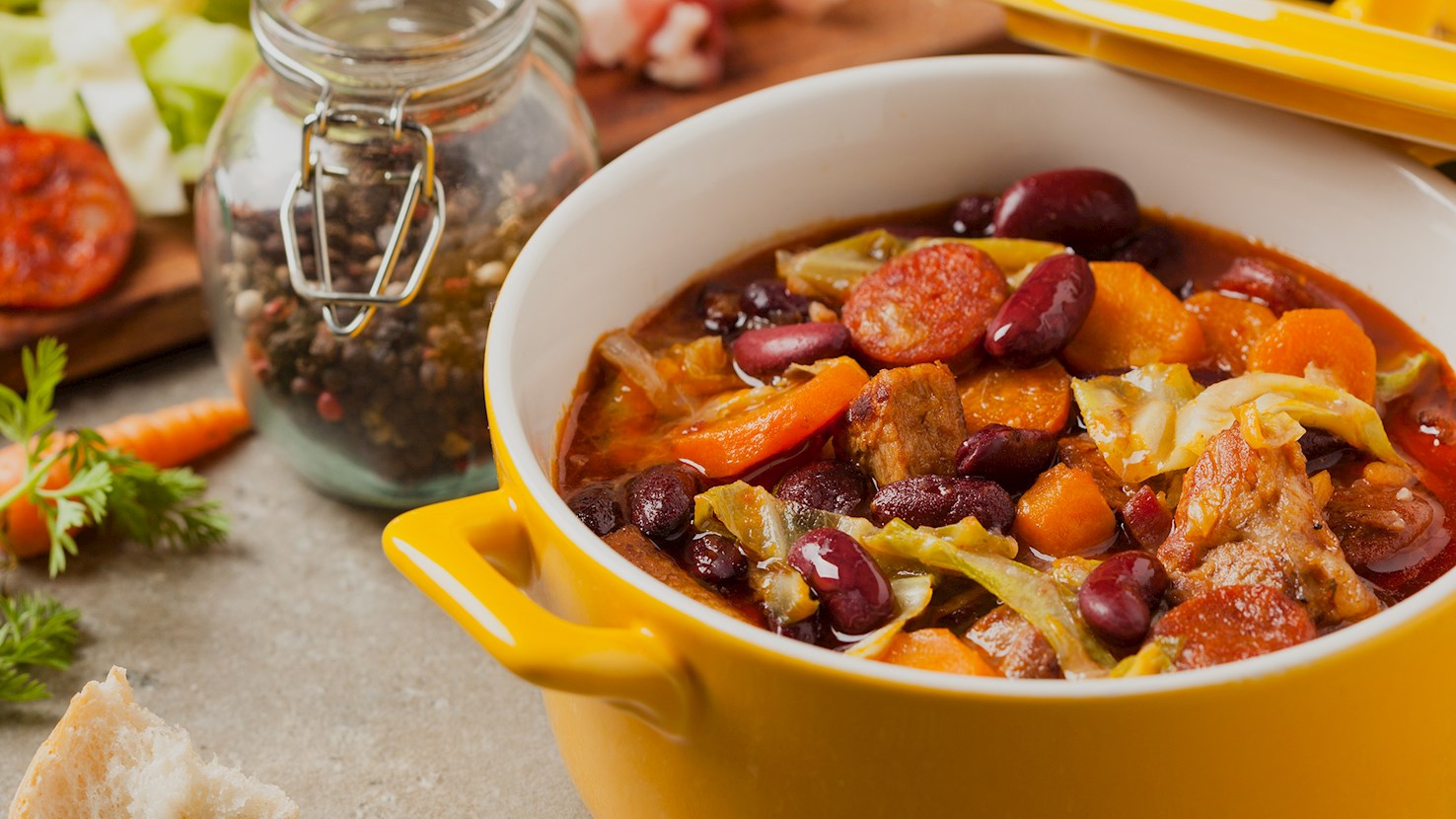
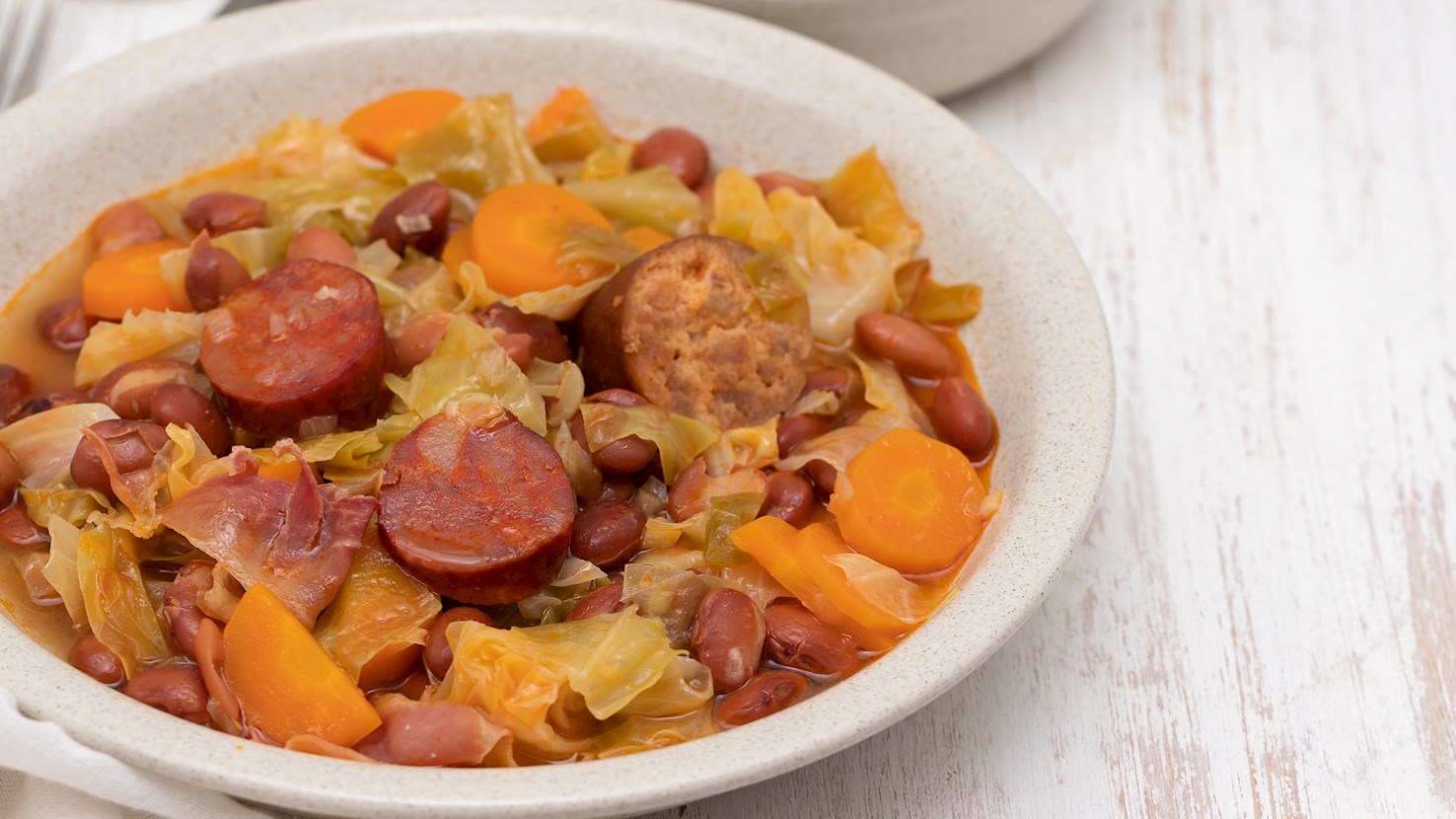
Although it translates as stone soup, this hearty Portuguese dish is actually a combination of beans and sausages such as chouriço and morcela (blood sausage), as well as pork belly, pig’s ear, and potatoes, while different regional varieties may also include pasta, carrots, and cabbage. There's a legend saying that a monk in need wanted to prepare soup by using merely stones and water. When he asked for additional ingredients to supposedly flavor the soup, the family who'd hosted him was more than willing to provide some pork cuts, beans, sausages, and vegetables, and the monk ended with a rich and nutritious dish without any stones inside. Similar stories exist in various European countries, but the moral of each always revolves around sharing and compassion. It is believed that sopa da pedra originated in Almeirim, which has been dubbed the capital of stone soup.
Found throughout southern Italy, parmigiana di melanzane is a type of gratinated vegetable casserole traditionally made of fried or grilled slices of eggplant layered with basil-flavored tomato sauce and topped with one or more cheeses, such as mozzarella, pecorino Siciliano, scamorza, and caciocavallo Silano. Contrary to popular belief, parmigiana has nothing to do with parmigiano Reggiano cheese, even though it is used in many recipes as it makes for a crunchier crust. Nor, in fact, does it have any connection with the city of Parma whatsoever. In fact, the name of this scrumptious summer dish supposedly stems from parmisciana, the word for “Persian” in the Sicilian dialect, and it is often suggested that the word is rooted in the Arabic badhnajan or Turkish patlıcan, both of which mean “eggplant”. Although the eggplant was introduced to Italy by the Arabs as early as the 8th century, the parmigiana we know today may have originated in Sicily at around the 16th century, when tomatoes were first brought to Italy from the New World by the Spaniards. Later, the eggplant casserole spread across the country, taking on a version of its own in each region. Regardless of its true origins and the many different takes on the classic recipe, parmigiana di melanzane remains Southern Italian comfort food at its best, and is one of the most popular Italian dishes today.
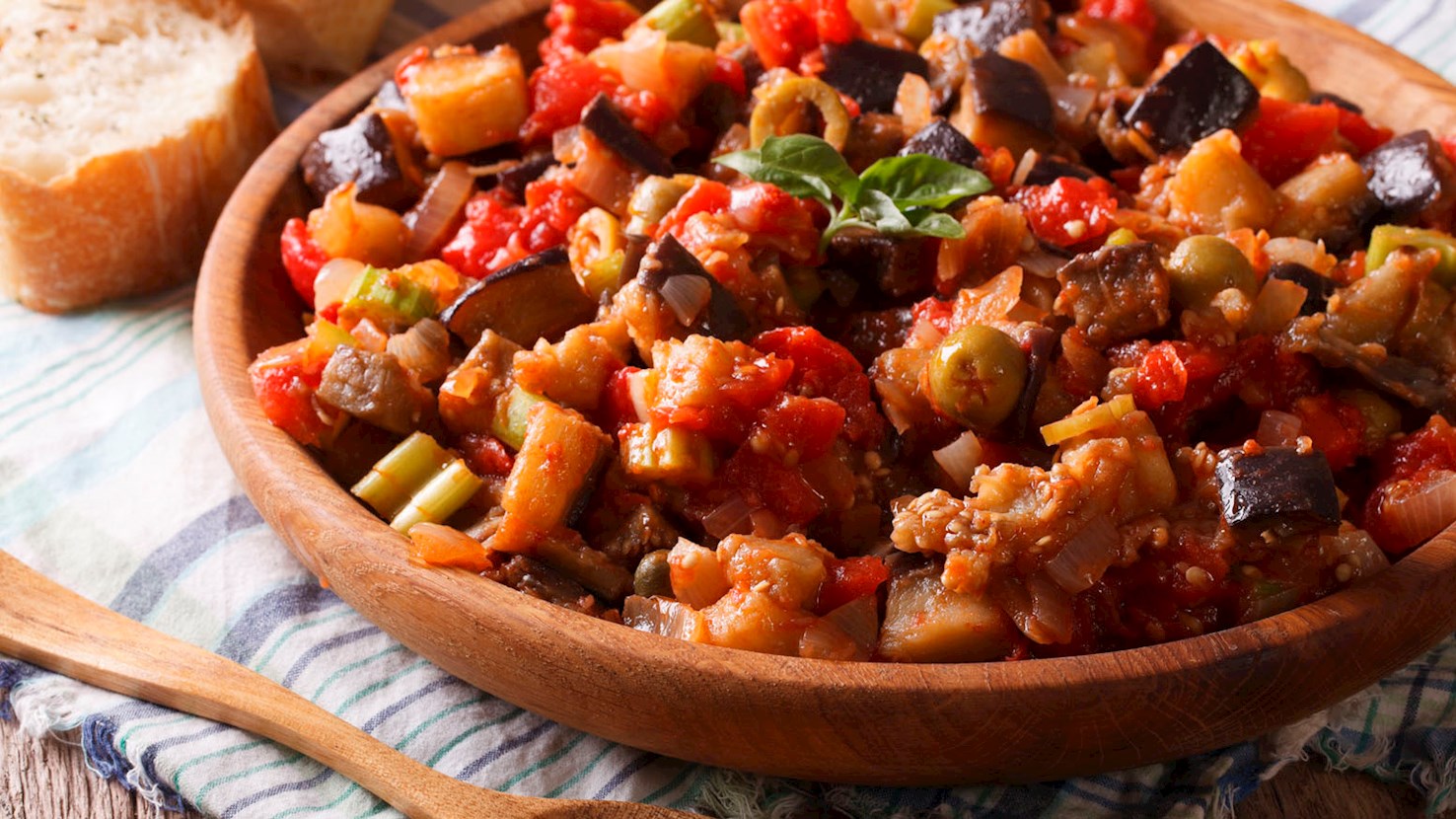
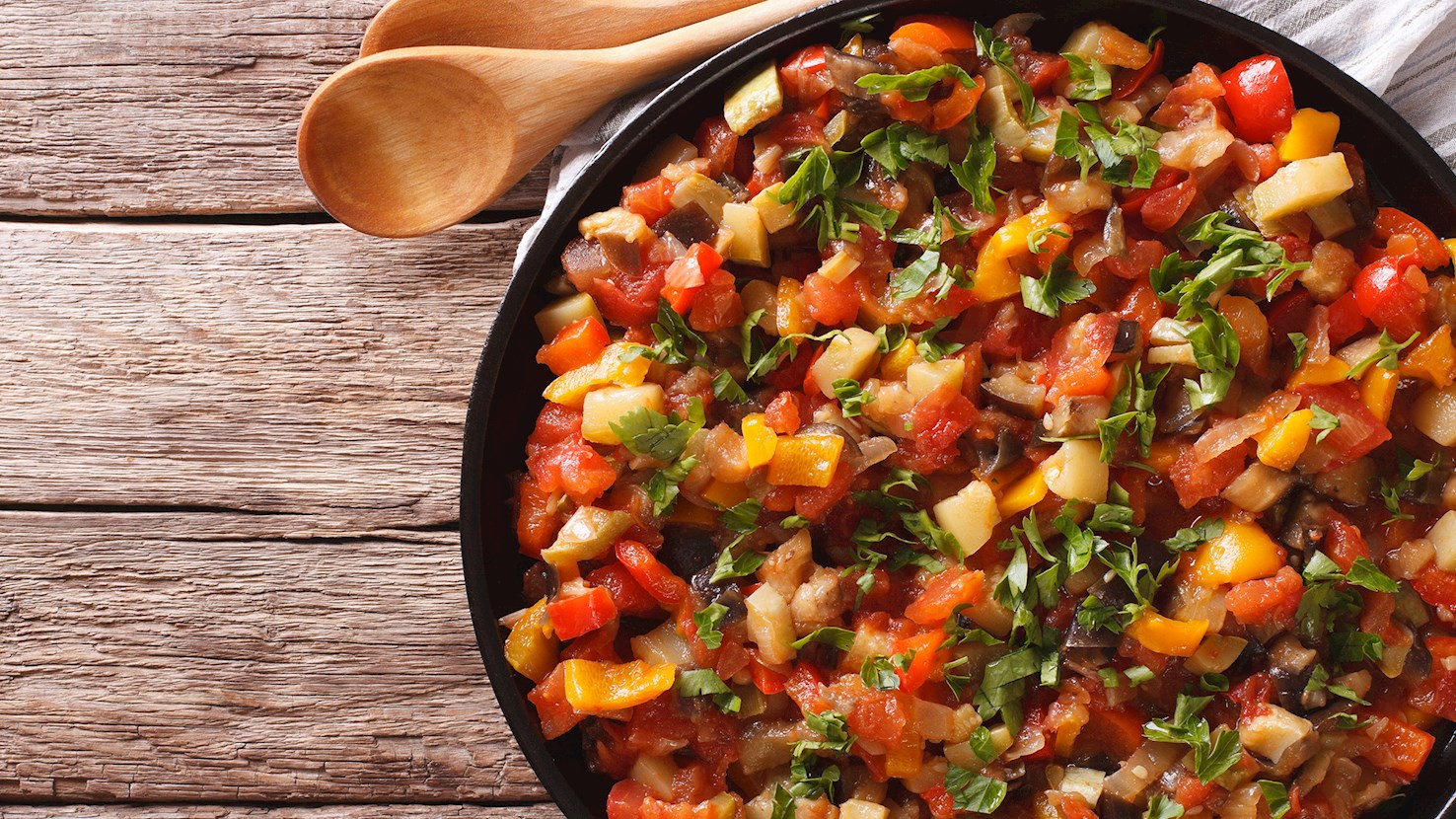
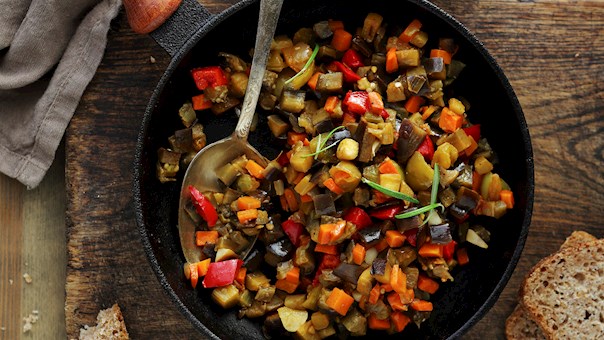
Even though it is prepared throughout southern Italy, the flavorful caponata is a typical Sicilian vegetable dish whose origins date back to the early 18th century. In the original recipe, the most important ingredient was gurnard fish (capone in Italian), but due to its price, gurnard was soon replaced by the widely available and much cheaper eggplant. This version that has remained the most popular to this day. Today, there are over 30 different recipes for caponata, all of which make an amazing use of the rich late summer harvest of eggplants and tomatoes. Capers, olives, onions, and celery lend an invigorating bite to this delicately piquant dish, and with other ingredients such as pine nuts, raisins, almonds, and friggitello peppers, the colorful caponata easily becomes a wonderful embodiment of the true essence of Sicily. After being sautéed one at a time, the vegetables are seasoned with a pinch of sugar and simmered in vinegar, which slowly melts into a tangy medley of sweet and sour flavors. Caponata can be enjoyed while still warm, as a side with various meat, poultry, and seafood dishes, or it can be served atop rigatoni or ziti for a filling pasta meal. In Sicily, caponata is typically kept for a couple of days after cooking, allowing time for the flavors to deepen, after which it is most often served as a cold antipasto on a crispy bruschetta or alongside sfincione Palermitano - Sicilian-style focaccia bread.
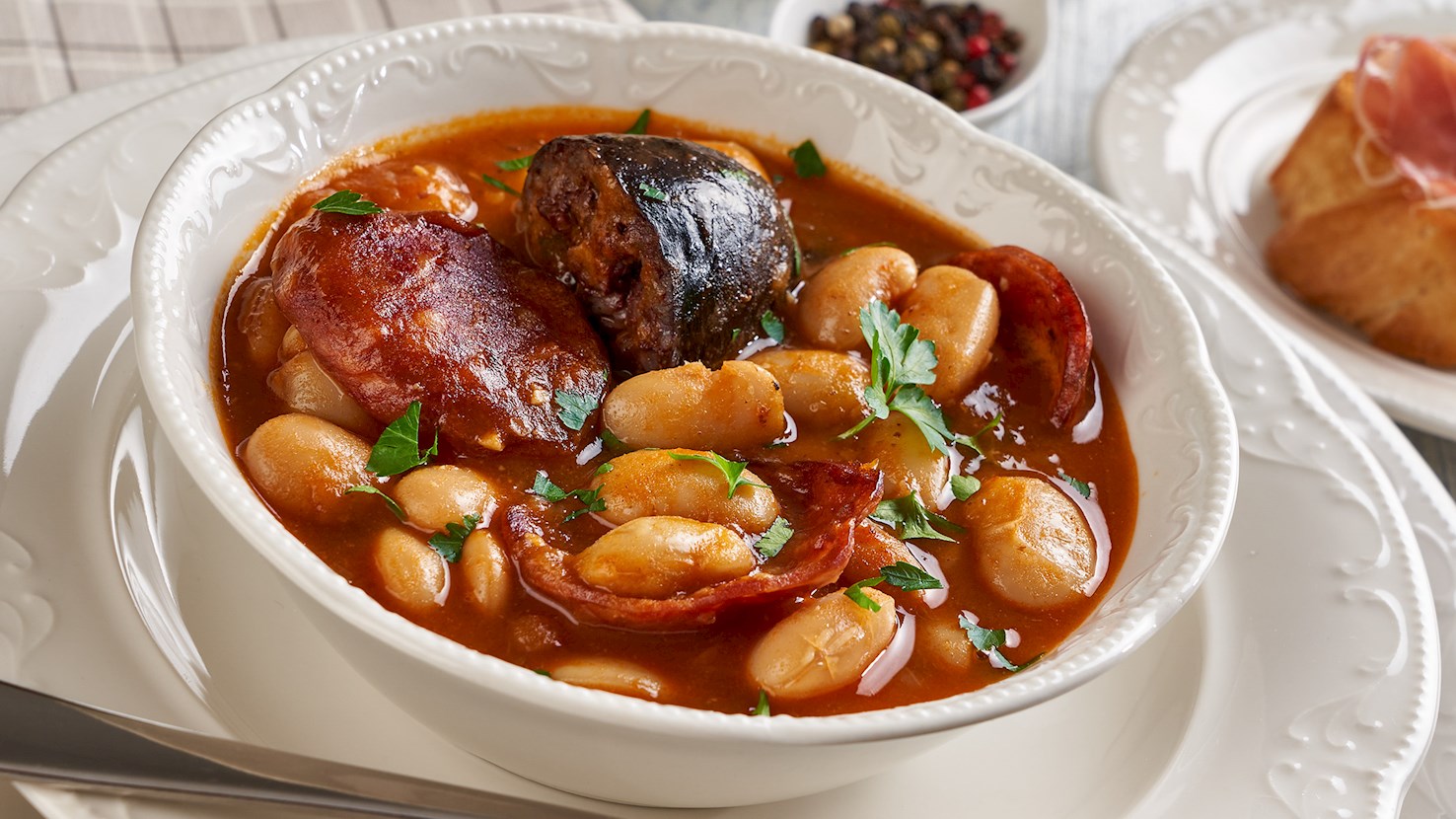
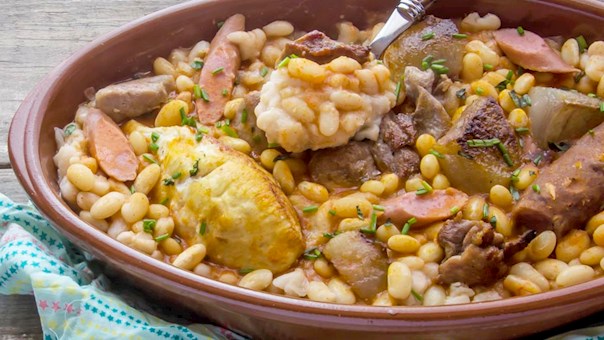
This comforting stew known as fabada Asturiana is a signature dish of the famous Spanish region of Asturias. The stew consists of plump white beans, chorizo, morcilla blood sausages, and pork fat, flavored with smoked paprika and saffron. Some recipes also use olive oil. Spicy and hearty, with robust and earthy flavors, this Spanish classic combines simple ingredients to create an extraordinary dish. It is believed that fabada appeared sometime between the 19th and the 20th century. Due to its nutritious elements, it is usually enjoyed in the colder winter months. Fabada is a staple of every traditional and authentic Spanish restaurant, and its less sophisticated versions are often sold in supermarkets. In restaurants, it is mainly served as a starter or a main dish and is usually accompanied by slices of crusty bread.
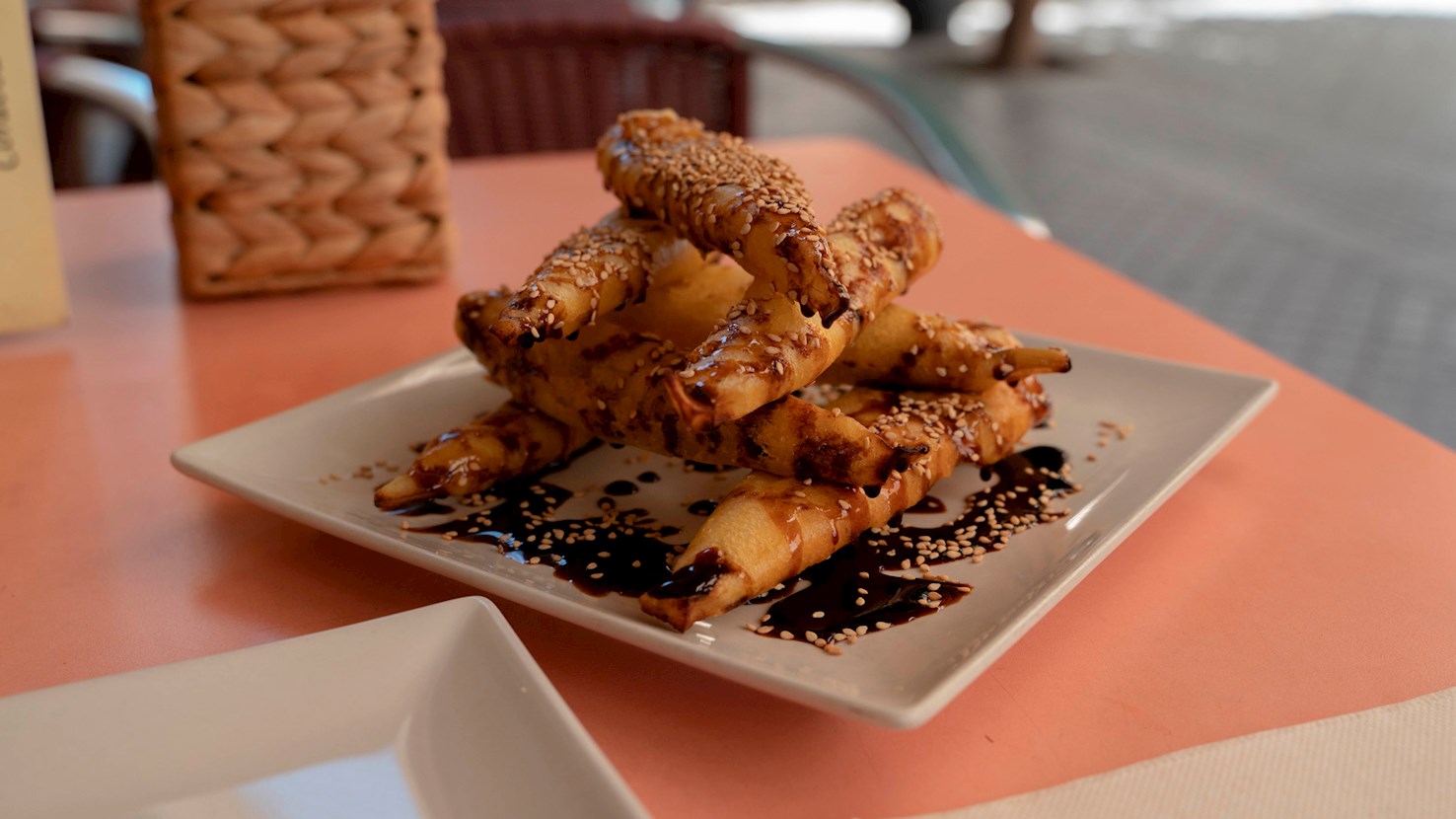
Berenjenas con miel, which translates as eggplants with honey, is one of the most popular dishes in Córdoba, and it is also found in other parts of Andalusia. The dish consists of slices or strips of eggplant that are battered and fried, and traditionally come served drizzled with honey and sprinkled with sesame seeds. In Córdoba, the dish is usually served with thick and dark molasses, known as miel de caña. Because of the unusual combination of sweet and savory flavors, the origin of the dish is associated with Moorish influences in the region. Berenjenas con miel is usually served as tapas, but it can also be enjoyed as a side dish with salmorejo and gazpacho—two popular tomato-based soups that are traditionally served cold.
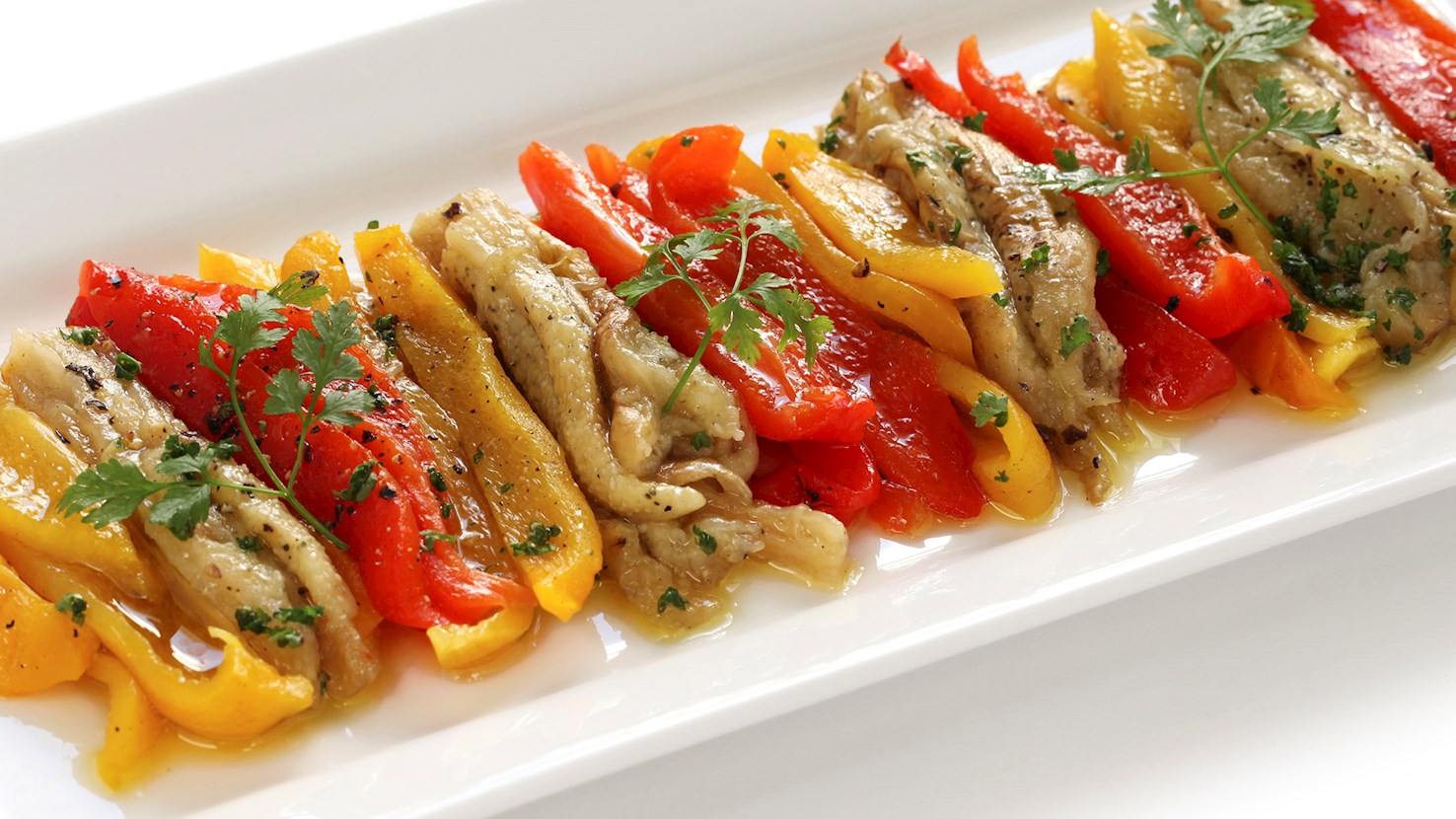
Escalivada is one of the most famous dishes from the Catalonia region of Spain, but it is also one of the simplest. The main ingredients include eggplants, bell peppers, and sometimes onions and tomatoes, typically grilled whole over hot embers. The vegetables are then peeled, seeded, seasoned, and served as appetizers or side dishes, accompanying numerous roasted or grilled meat dishes and complementing each other. The name of the dish is derived from the word escalivar, meaning to roast over embers, to grill, or to roast in ashes. It is believed that the first escalivada was prepared by farmers from the Pyrenees mountains, who would prepare the meal while the cattle was out on the pastures. Although escalivada is nowadays served mostly as a side dish, it can also be served as tapas, a warm salad, or as an accompaniment to fish dishes.
Pisto is a traditional dish from La Mancha, consisting of a variety of cooked and fried vegetables such as tomatoes, onions, bell peppers, and courgettes. It is very similar to the famous ratatouille. The dish can be served cold as a starter, or warm as a side dish. It is believed that pisto was introduced to Spain by the Moors, who used to call it alboronia. There are also numerous variations of pisto, with added ingredients such as potatoes, pumpkin, or ham.
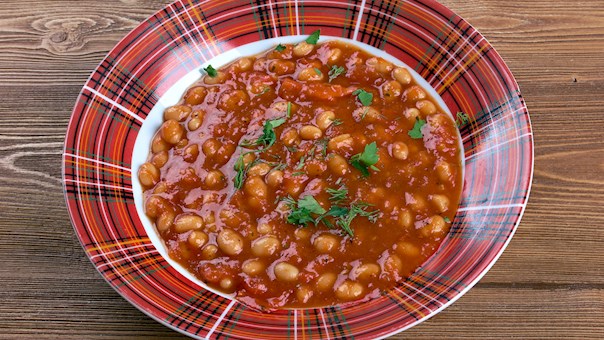
Feijoada is a hearty bean stew that appears in several local and international varieties. Although it is often assumed that feijoada originated in Brazil, where it is considered a national dish, it was primarily made in Portugal before it was introduced to Brazil. The Portuguese version is believed to have originated in the north of Portugal, but today it appears in several versions throughout the country. It is usually made with red kidney or white beans, while the additions usually include pork, blood sausage (morcela), farinheira sausage, or chouriço. Some variations also include vegetables. Similar versions of feijoada are found in most Portuguese colonies, including Brazil, Macau, Angola, Mozambique.
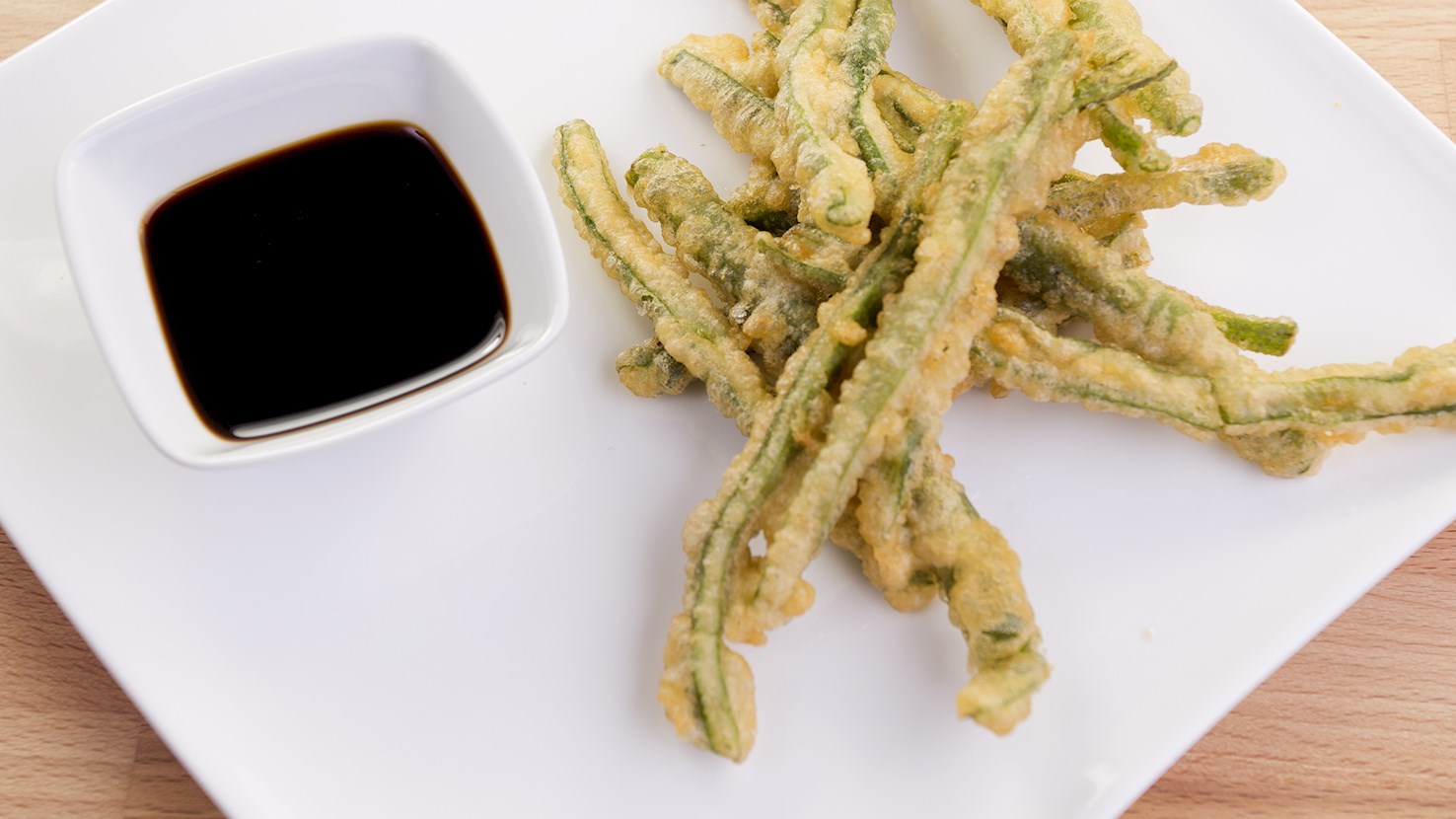
Peixinhos da horta is a Portuguese dish consisting of green beans that are dusted in flour, then fried. The name means fish from the garden because it resembles small fried fish. Although the dish is traditionally prepared with green beans, some might use red peppers or sweet potatoes instead. Interestingly, peixinhos da horta was introduced to Japan in the 16th century, and over time it evolved into one of the Japanese staples – the popular tempura!
TasteAtlas food rankings are based on the ratings of the TasteAtlas audience, with a series of mechanisms that recognize real users and that ignore bot,
nationalist or local patriotic ratings, and give additional value to the ratings of users that the system recognizes as knowledgeable.
For the “Top 100 Western European Vegetable Dishes” list until June 15, 2026, 3,688 ratings were recorded, of which 2,883 were recognized by the system as legitimate.
TasteAtlas Rankings should not be seen as the final global conclusion about food. Their purpose is to promote excellent local foods,
instill pride in traditional dishes, and arouse curiosity about dishes you haven’t tried.