shutterstock

Top 30 Spanish Vegetables

Last updated on July 08, 2026

Best Spanish Vegetable Types

01

Pementos de Padrón

4.2 ·

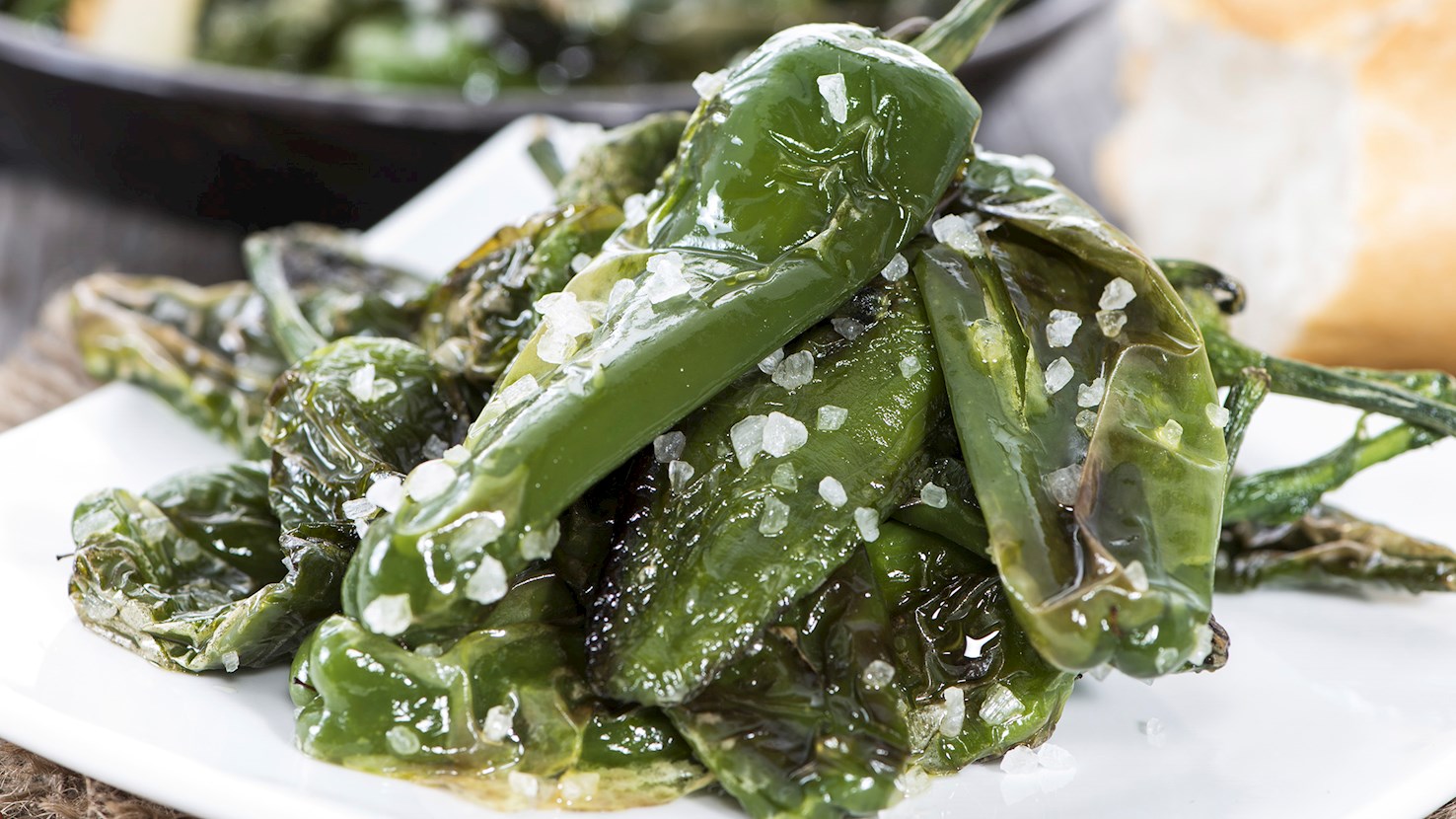
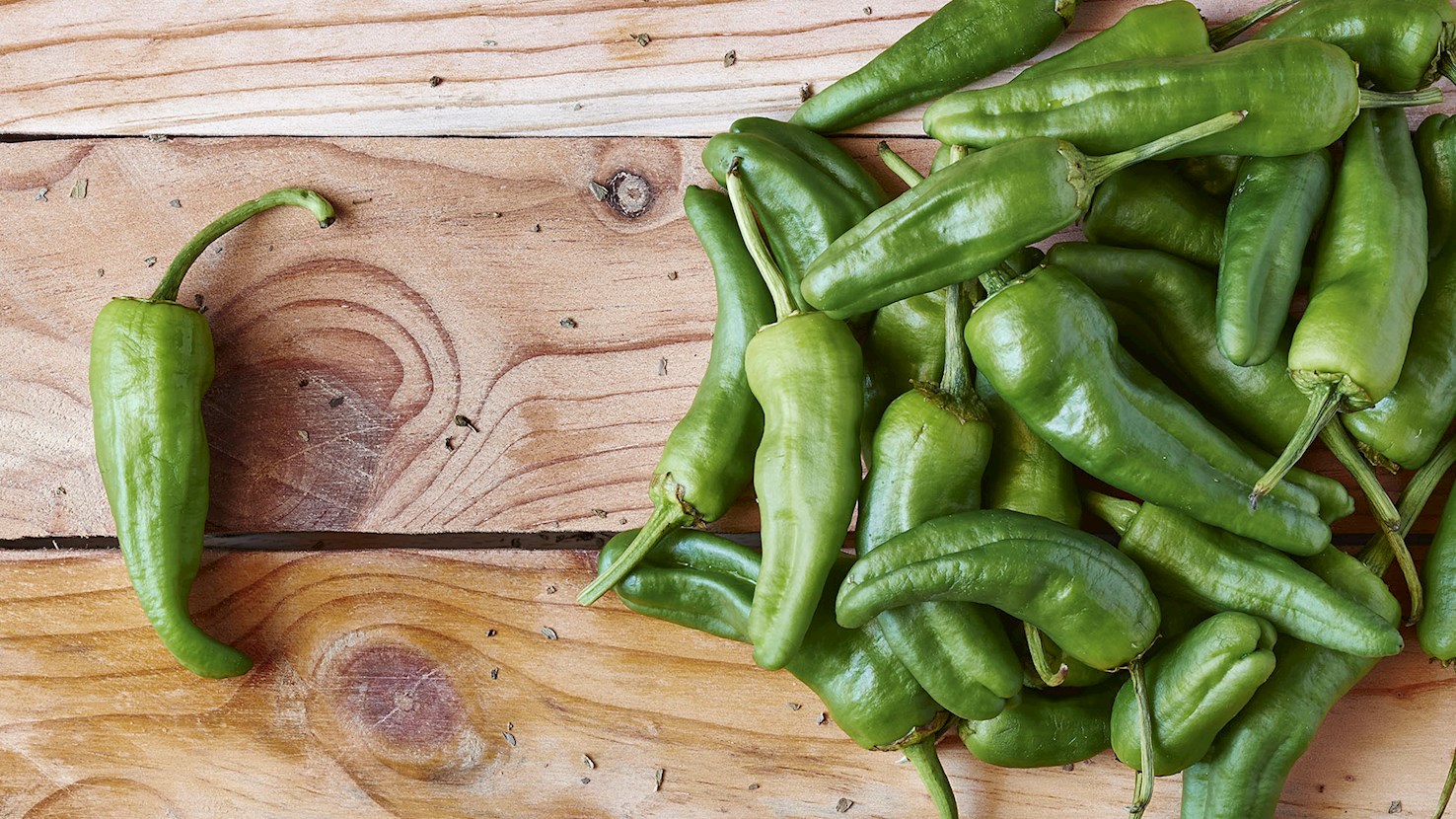
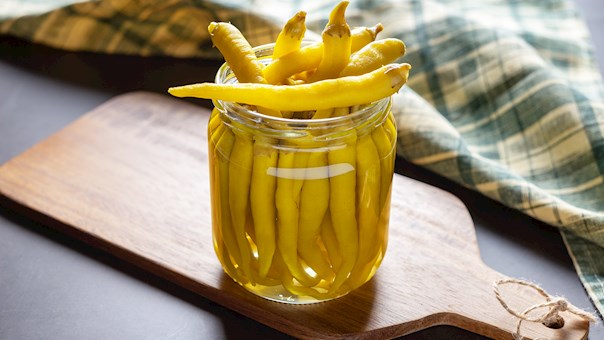
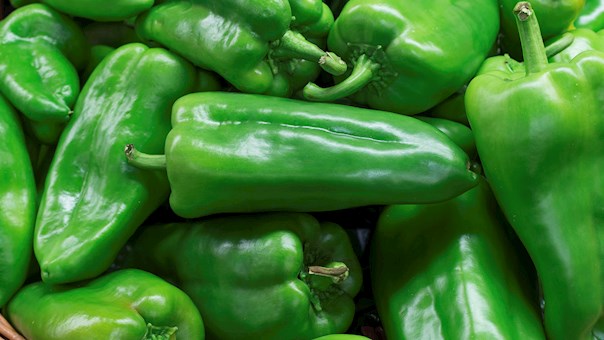
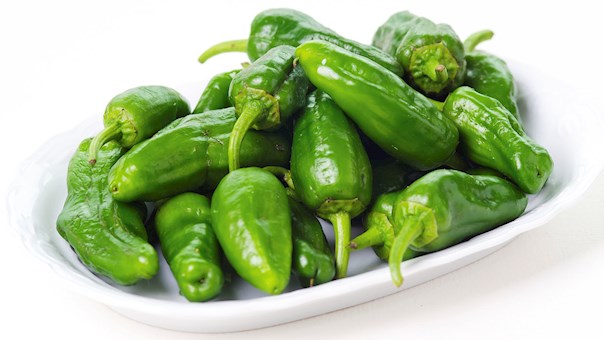
Padrón pepper is a Galician pepper originating from the Padrón municipality. The peppers range in color from bright green to yellowish green. Although they are usually mild in flavor, about one in ten of these peppers is spicy as hell, but it's almost impossible to tell them apart until you taste them, which is like playing Russian roulette with peppers. Padrón peppers are traditionally fried in olive oil and seasoned with coarse sea salt. They are served in most tapa bars and restaurants in the region, and it's recommended to have a glass of beer, wine, or cider nearby - in case you eat a few of the spicy ones. The official and protected name of these peppers is pementos de Herbón.

02

Pataca de Galicia

4.0 ·

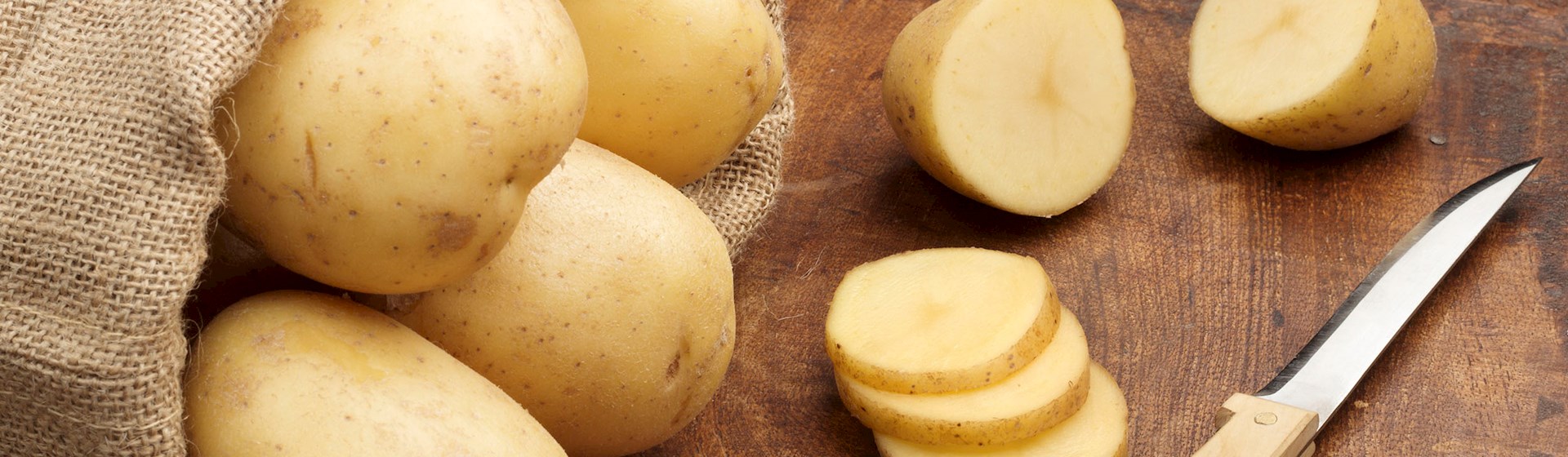
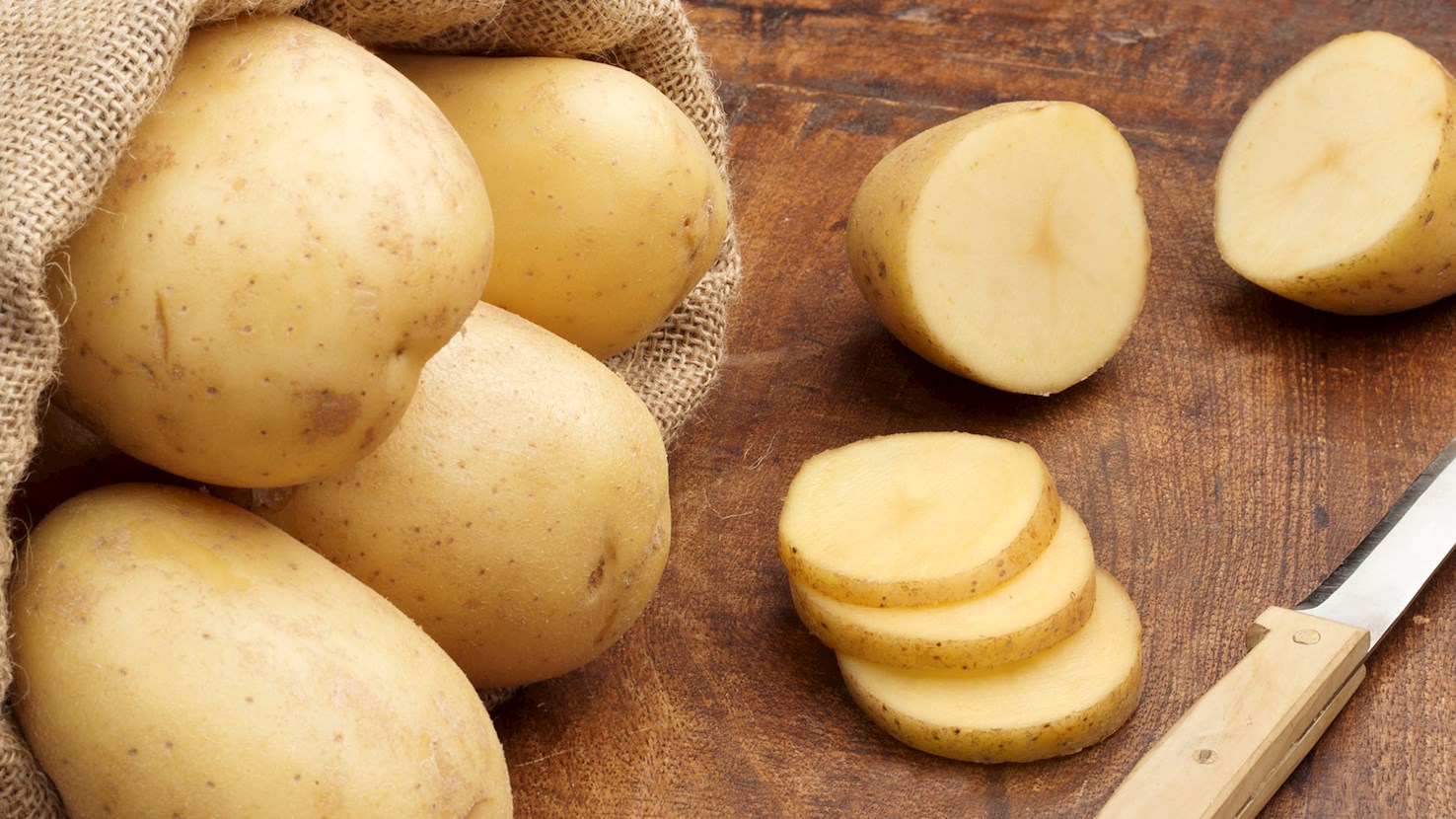
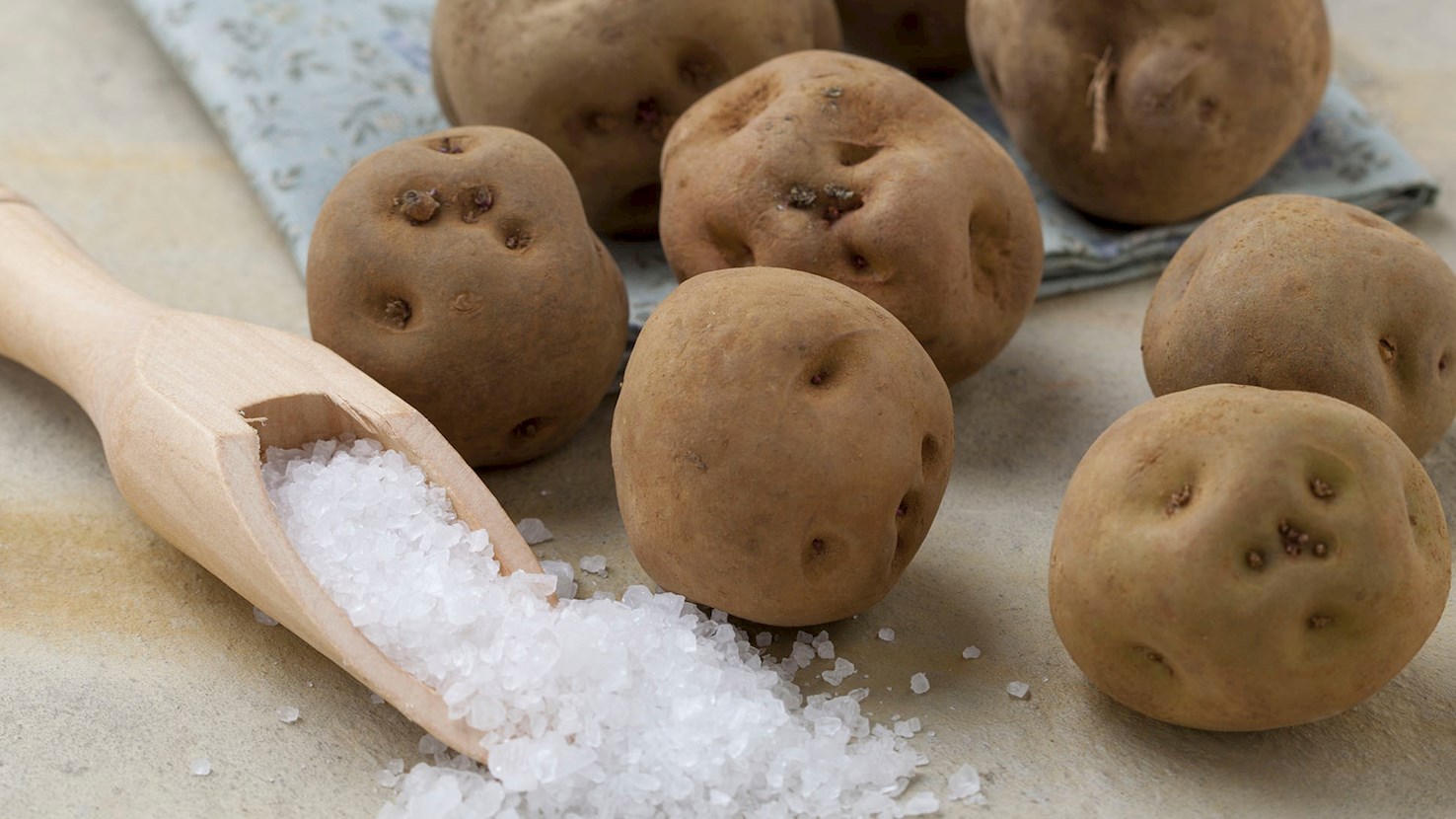
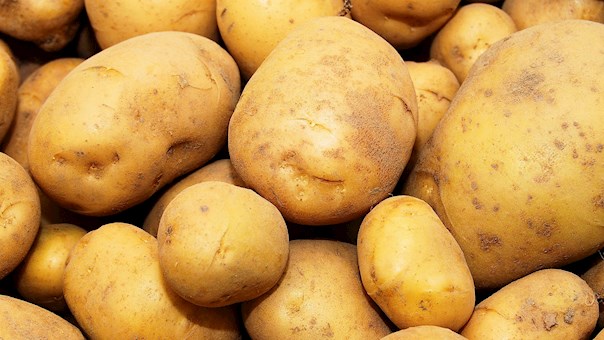
Patata de Galicia is a potato of the Solanum tuberosum L. cv. Kennebec variety grown in the Autonomous Community of Galicia. This location offers optimal soil and climatic conditions which ensure the proper development and superior characteristics of these potatoes. This potato is round or oval in shape with smooth, light yellow skin and white flesh. It is creamy in texture after cooking and very flavorful. Patata de Galicia is a staple ingredient in local cuisine and plays a significant role in many traditional dishes, from different stews and soups to roasts.

03

Ajo Morado de Las Pedroñeras

4.0 ·

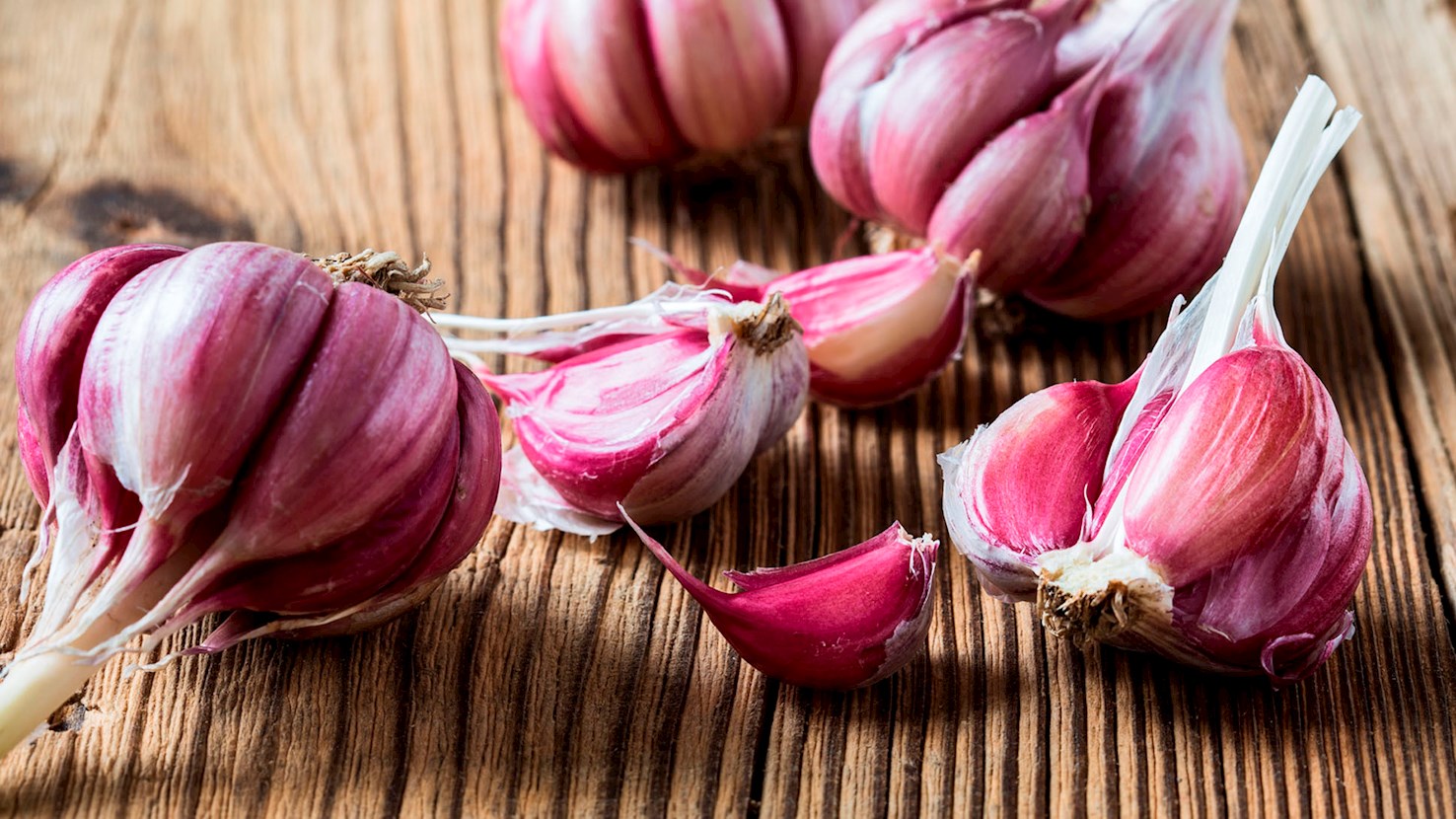
Ajo Morado de Las Pedroñeras are the purple garlic bulbs grown in the in the provinces of Albacete, Ciudad Real, Cuenca and Toledo in the Autonomous Community of Castilla-La Mancha. Nutritionally, this garlic is different from that grown elsewhere because it contains more organosulfur compounds and allicin. These compounds give garlic its characteristic smell and flavor and are thought to have antibiotic properties and could be beneficial for overall health. Ajo Morado de Las Pedroñeras is spicy, very flavorful and has an intense smell and aroma. It is easily identified and differentiated from other types of garlic because it contains 8 to 10 teeth while other types, including white and Chinese garlic, contain 10 to 12 teeth.

04

Grelos de Galicia

3.9 ·

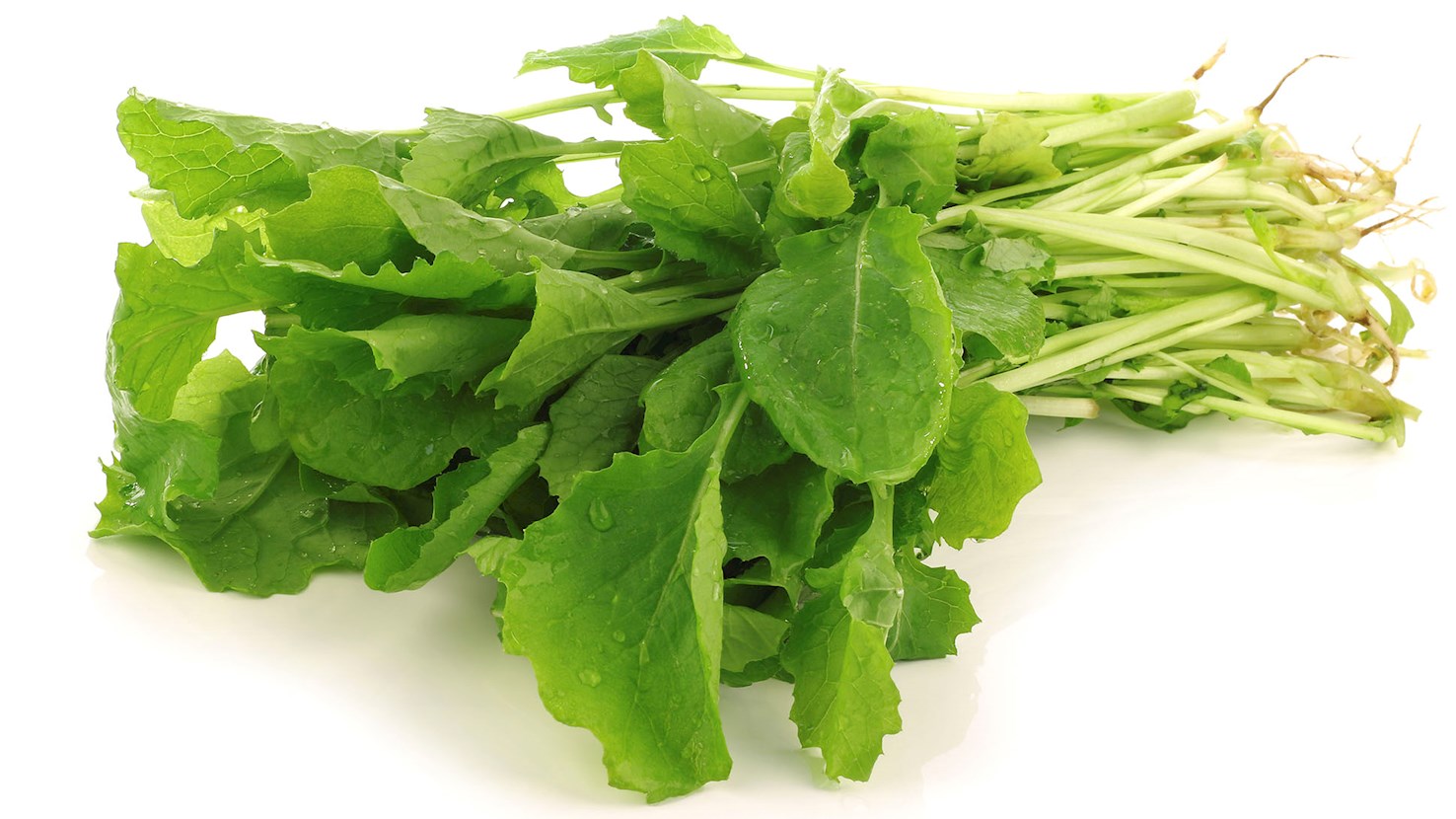
Grelos de Galicia are turnip greens of the species Brassica rapa L. var. rapain, grown in the Autonomous Community of Galicia. These turnip greens are dark green and have a slightly bitter and acidic taste. Their texture is very soft due to their low fibre content. Grelos de Galicia is harvested from October to January by hand and it is very common to see farmers markets full of this colorful vegetable in the winter months. It is a staple ingredient in local cuisine with many traditional dishes such as Galician stew featuring it as the main ingredient. Nutritionally, this vegetable is rich in beta-carotene, vitamin C, and folic acid.

05

Calçot de Valls

3.8 ·

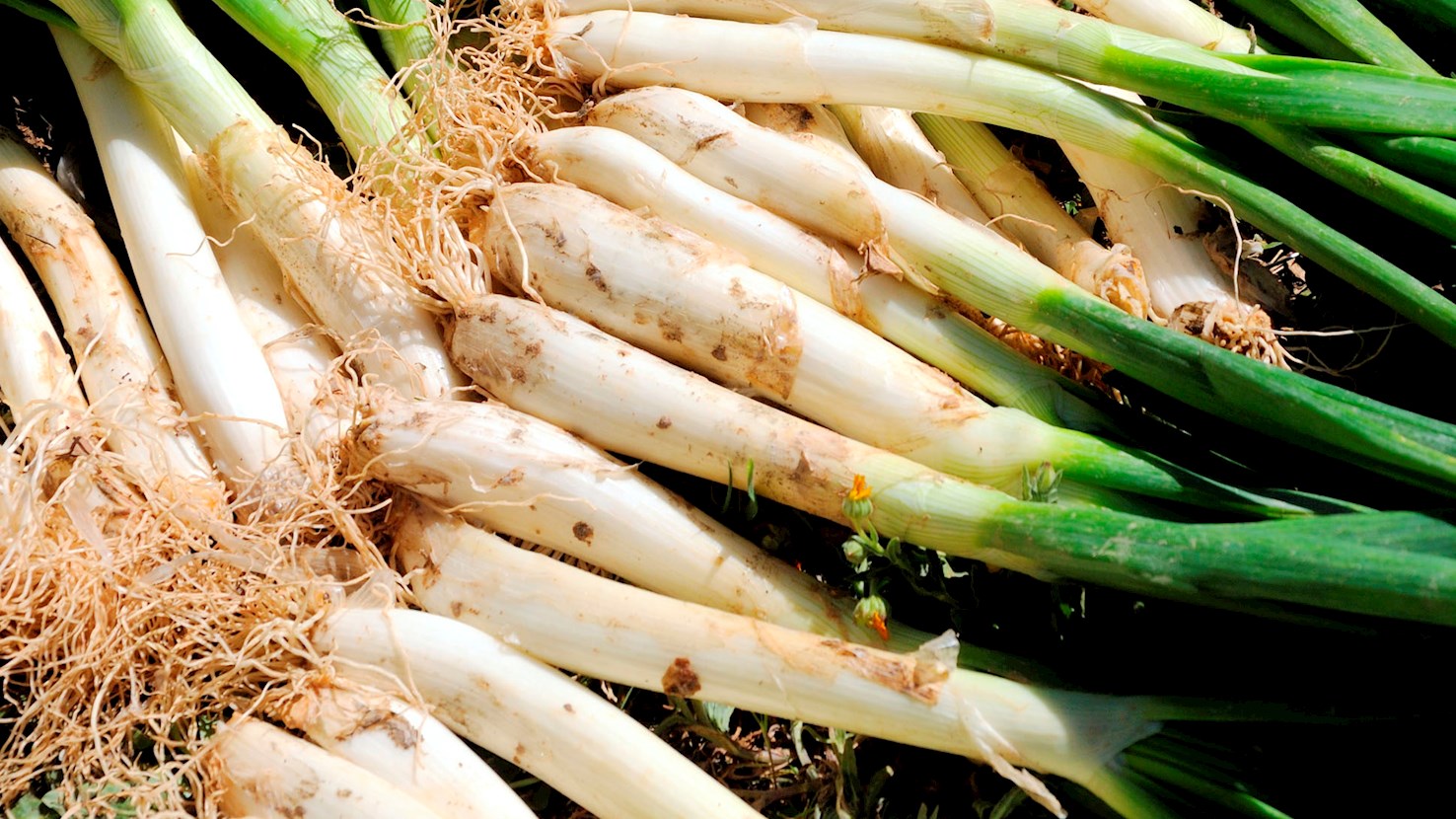
Calçot de Valls are shoots of white onion replanted in the ground, grown in the municipalities of the Catalan districts of Baix PenedŁs, el TarragonŁs, el Baix Camp and l’Alt Camp. The production of this vegetable is strictly regulated, and that combined with the water, soil and climate found in the area of production contributes to its distinctive characteristics. Calçot de Valls are never washed and can be recognized because they still contain some traces of dirt on them. These shoots are 15 to 25 cm long and can be found tied with blue ribbon with all the relevant production details.

06

Pemento de Herbón

3.8 ·

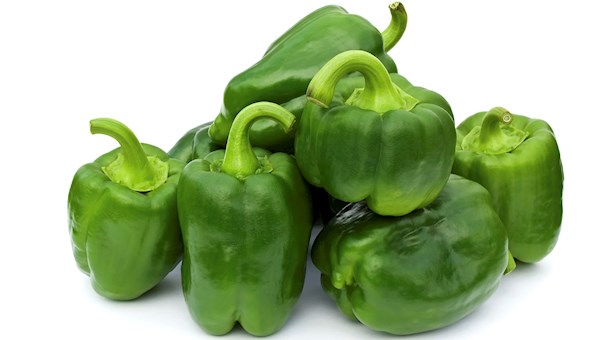
Pemento de Herbón are the Capsicum annuun L. green peppers of the Padrón variety grown at farms in the south of the province of A Coruña and in the north of the province of Pontevedra. These peppers are hand harvested while they are still unripe to preserve the green color. Pemento de Herbón are relatively small peppers with a length of about 5 cm, smooth and shiny skin and an intensely sweet, mildly spicy flavor. They have developed from a variety that was initially red and spicy, but the growers preserved only the seeds of the plants that were mild in flavor, thus producing a pepper that is far less spicy. Pemento de Herbón is grown without the use of artificial fertilizers, insecticides and herbicides by experienced farmers to ensure the superior characteristics and quality of this exceptional pepper. In tapa bars and restaurants, these peppers go by their more famous name pementos de Padrón.

07

Pimientos del Piquillo de Lodosa

3.7 ·

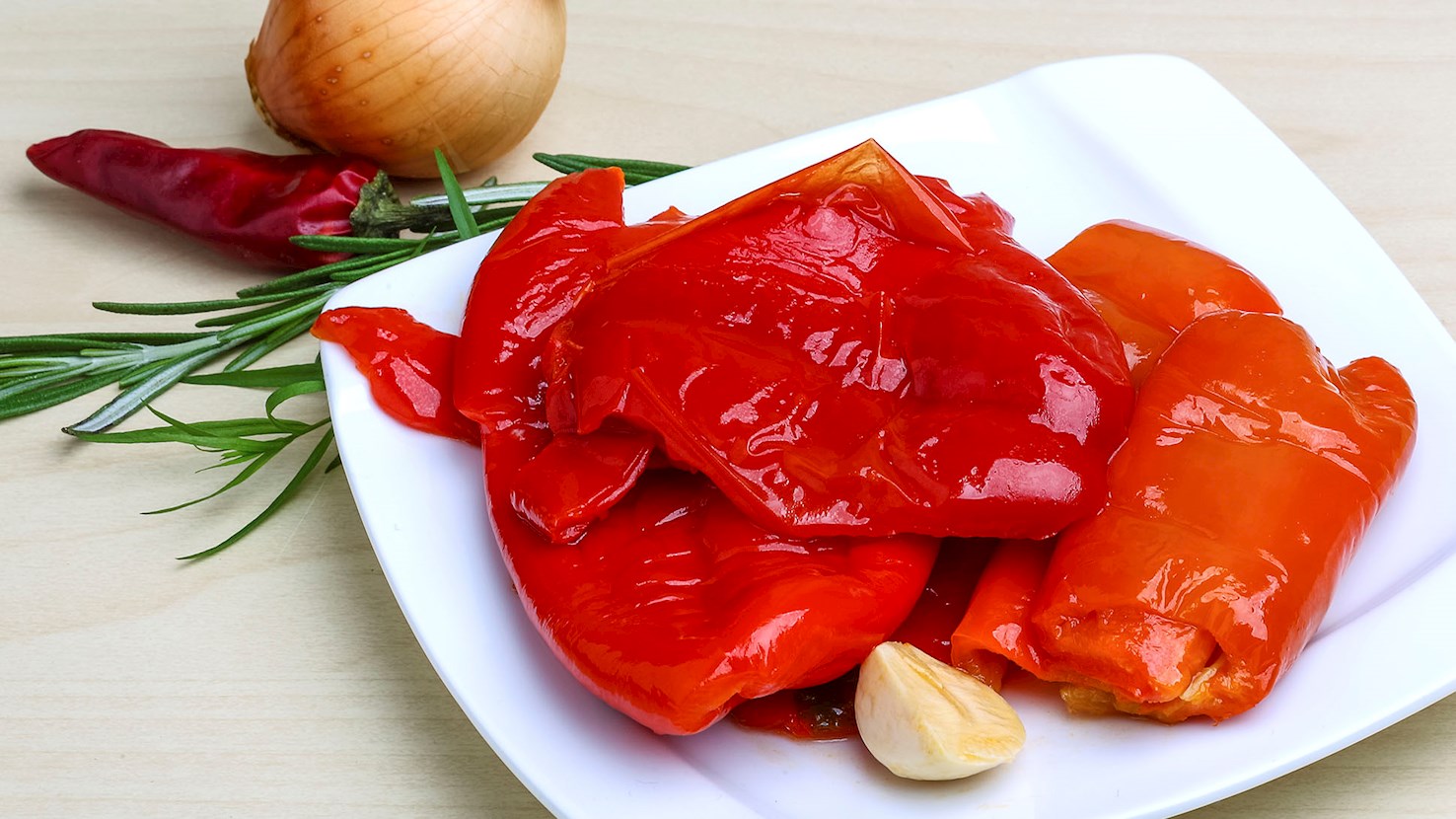
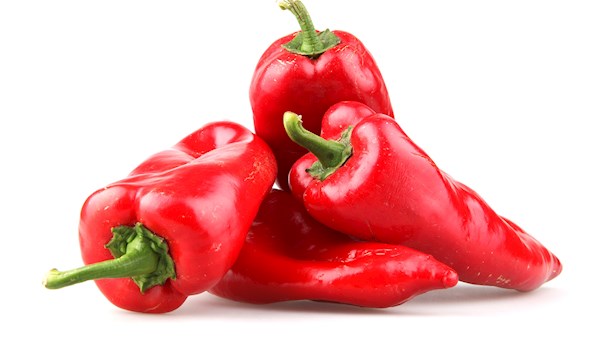
Pimientos del Piquillo de Lodosa are roasted Piquillo variety peppers produced in the autonomous community of Navarre. The area of production has a Mediterranean climate with relatively high levels of precipitation, which is essential for the optimal development of these pepper. They are grilled or roasted (to bring out their sweetness), hand-peeled, marinated in olive oil with herbs, then jarred. The flavor of Pimientos del Piquillo de Lodosa is pleasantly bitter, with a sweet and slightly spicy aftertaste.

08

Pimiento de Gernika

3.7 ·

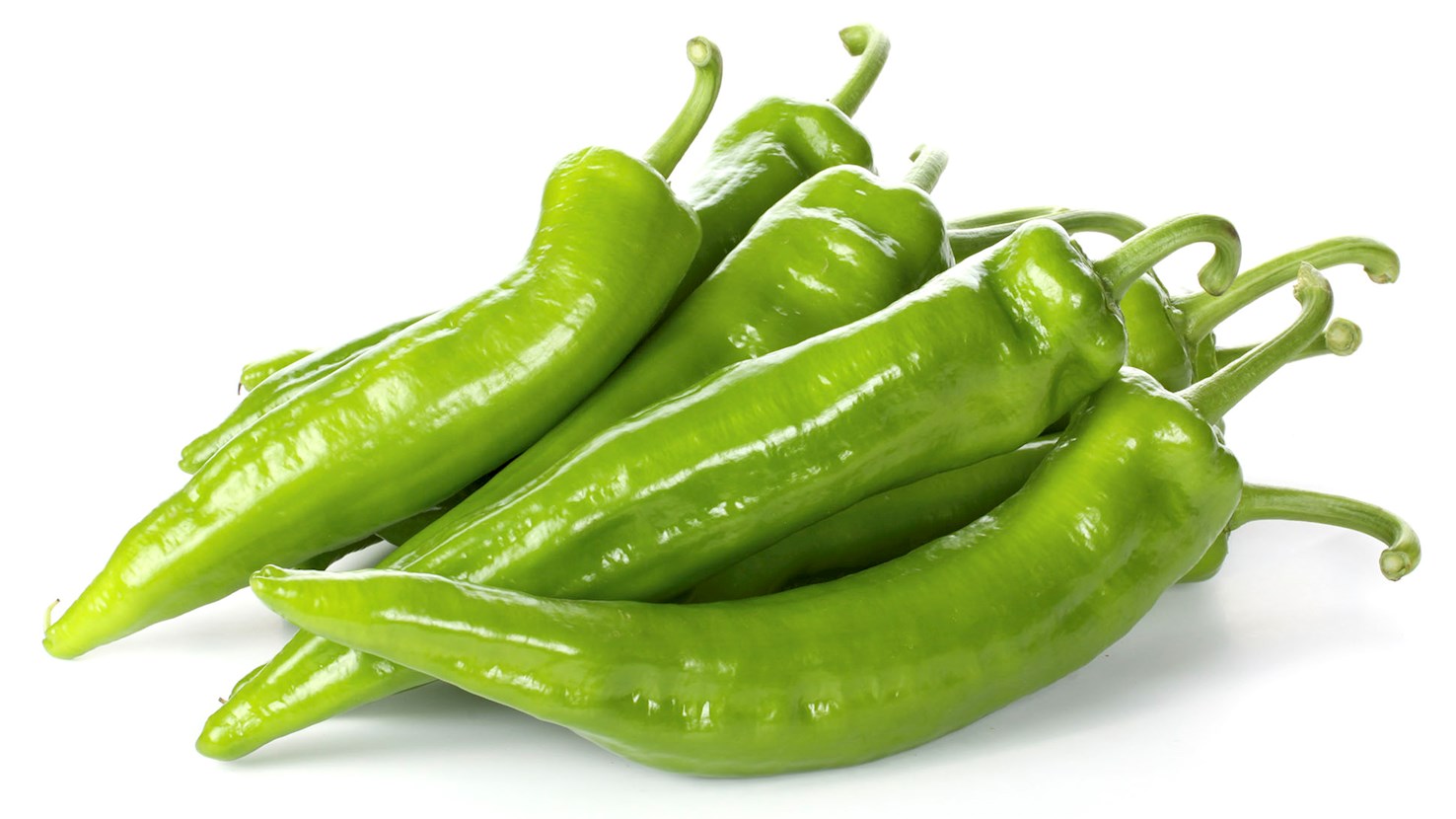
Pimiento de Gernika are the green peppers traditionally grown in the area in the north of Spain, encompassing the northern part of the Basque region. This area has a typical Atlantic climate with high levels of precipitation which provide optimal conditions for the development of this pepper variety. The seed and ways of cultivation have been passed down through generations and have been a carefully protected secret. Gernikako Piperra are elongated peppers of the Derio and Iker varieties, harvested before they are fully ripe and are best enjoyed fried. The mild Guernica peppers—named for a town in the Basque region of Spain that was bombed during the Spanish Civil War—is generally prepared in a similar way to the Padrón pepper: lightly charred and then tossed in olive oil and sea salt. While the Padrónes can occasionally have quite a bit of heat to them, the Guernica peppers are consistently sweet and mild and the larger peppers are marvelous stuffed with goat cheese and fried.

09

Papas Antiguas de Canarias

3.6 ·

Papas Antiguas de Canarias are old potato varieties, known as the antiguas or locales, tradicionales, de color y/o de la tierra, grown in the Canary Islands. They are small in size and round in shape, with a color that ranges from deep purple through pink and orange to brown. The flesh of these potatoes is light to deep yellow in color and has a mellow, sweet and fresh aroma that is similar to that of chestnuts. Papas Antiguas de Canarias can be floury or smooth and buttery in texture, but are never grainy. The cultivation of these potatoes is rather complicated, and the yield is rather low because the potatoes cannot be harvested mechanically.

10

Alcachofa de Tudela

3.6 ·

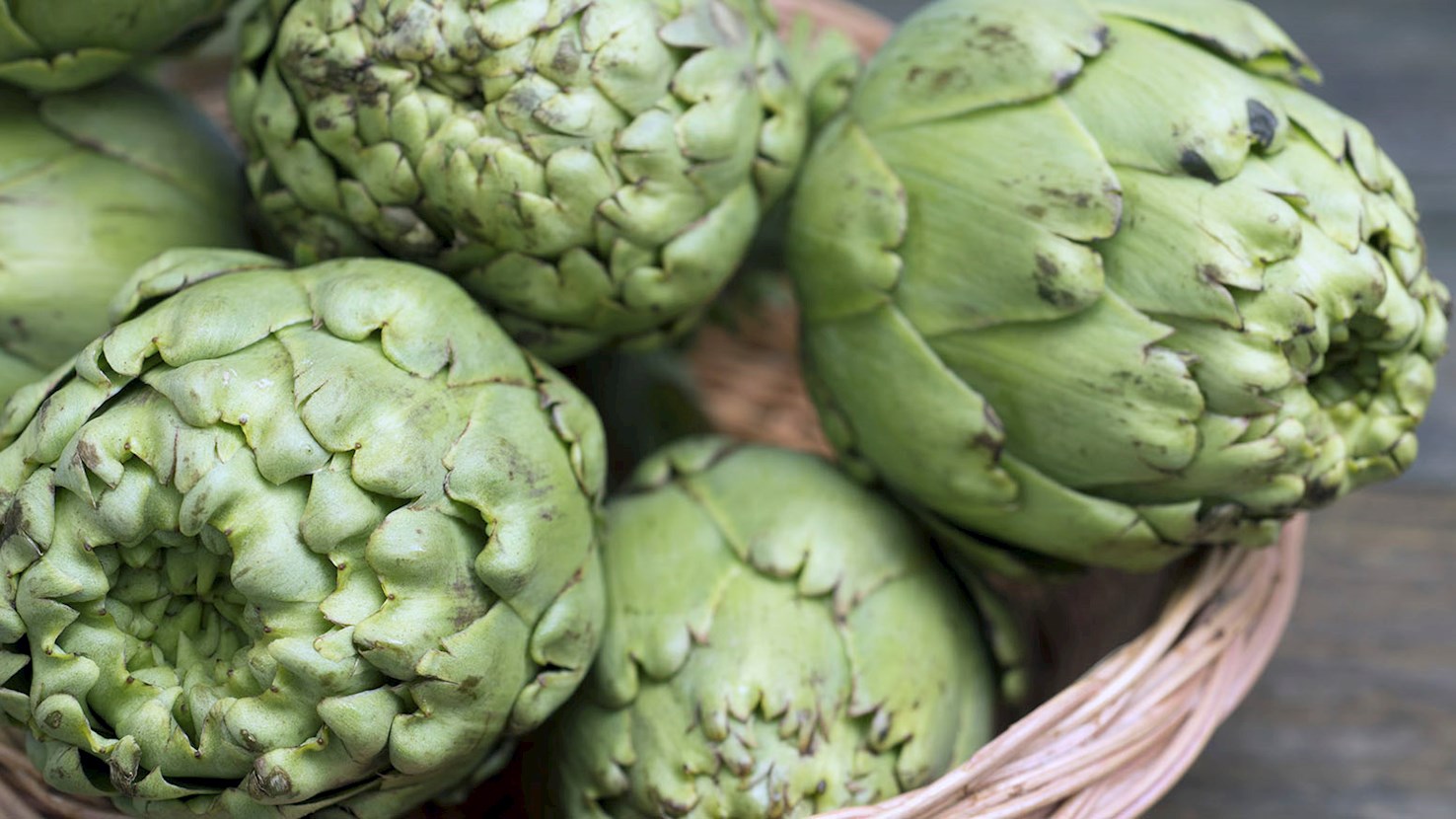
Alcachofa de Tudela are flower buds of the Blanca de Tudela artichoke variety, grown mostly in the district of Ribera, in the Spanish Navarre region. Artichokes have been cultivated in this region since medieval times and they are Navarre’s best-known vegetable produce, alongside asparagus. Rigorously screened and graded before being packaged and shipped, Tudela artichokes are usually marketed fresh, stemless and in bunches of a -dozen, or canned. Their most distinctive feature is their resistance to blackening after harvesting. To ensure the premium quality of buds, artichokes of this variety are carefully harvested from August to July using only labour-intensive manual methods.

Best Spanish Vegetables
01

El Navarrico

4.7 ·

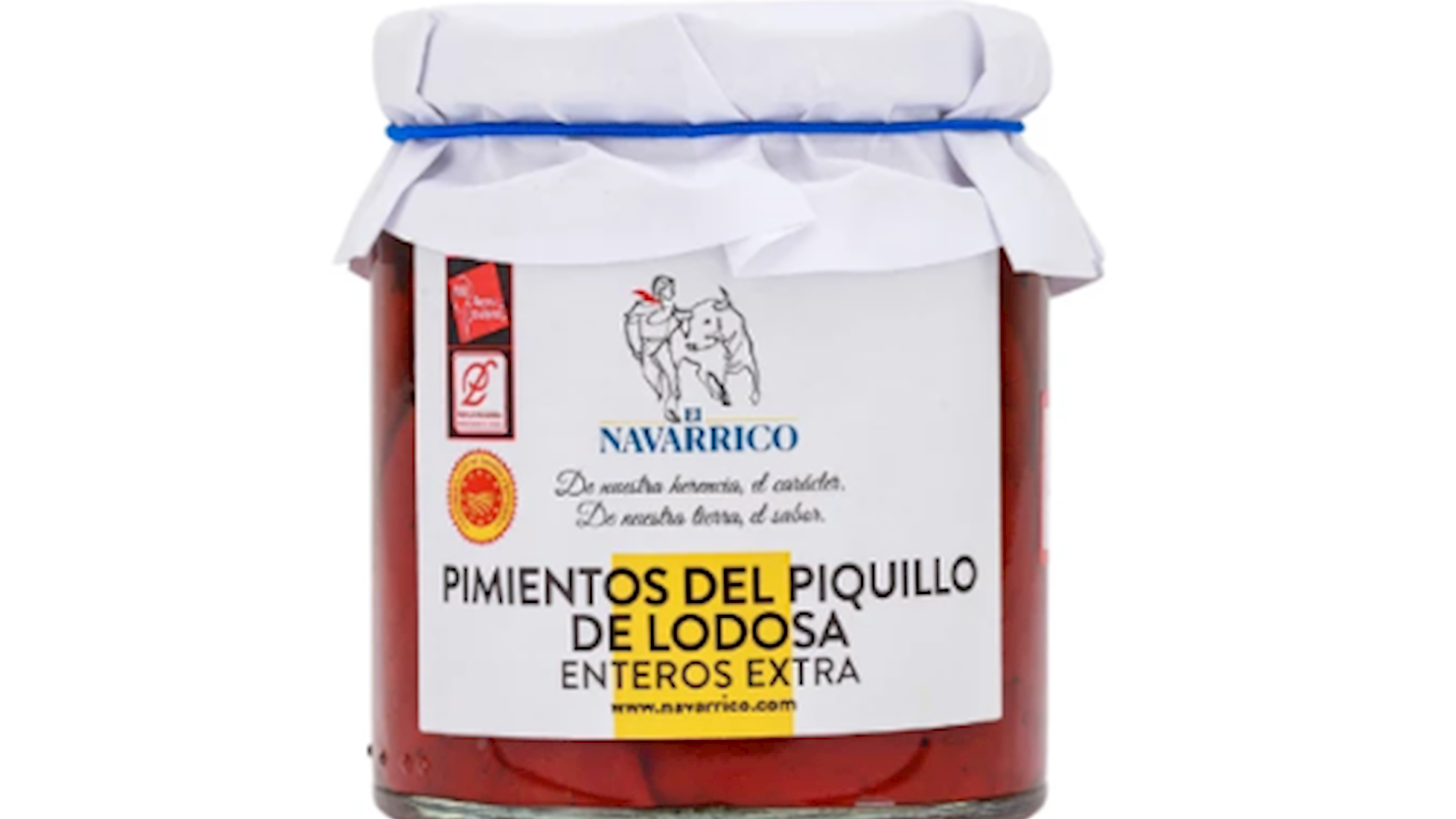
El Navarrico is a Spanish family-owned company specializing in high-quality vegetable preserves, based in San Adrián in the Navarra region of northern Spain. Founded in 1960 by José Salcedo and Amalia Herce, the company began as a small family initiative focused on preserving local vegetables such as asparagus and piquillo peppers.

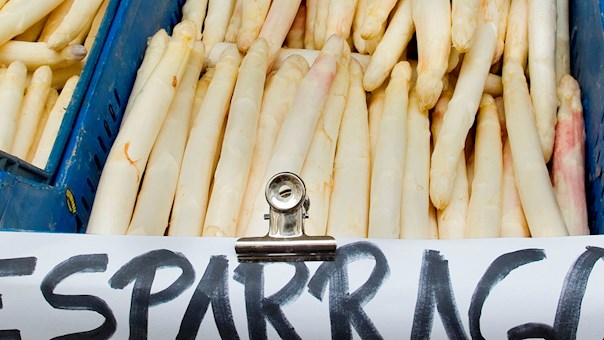
Over time it developed into a recognized producer of gourmet canned vegetables, legumes, sauces and prepared dishes while maintaining a close connection with regional agriculture. Navarra’s fertile soils and favorable climate provide ideal conditions for cultivating products like white asparagus, artichokes and piquillo peppers, which form the core of the company’s production.

El Navarrico emphasizes the use of fresh, carefully selected ingredients and processing methods designed to preserve the natural flavor and texture of the vegetables. The company combines traditional preserving techniques with modern production technology to ensure quality and consistency.

Today its portfolio includes a wide range of vegetable preserves and other pantry products distributed in many international markets. Through its focus on regional ingredients and careful preparation, El Navarrico reflects the long culinary tradition of vegetable preservation in Navarra.

02

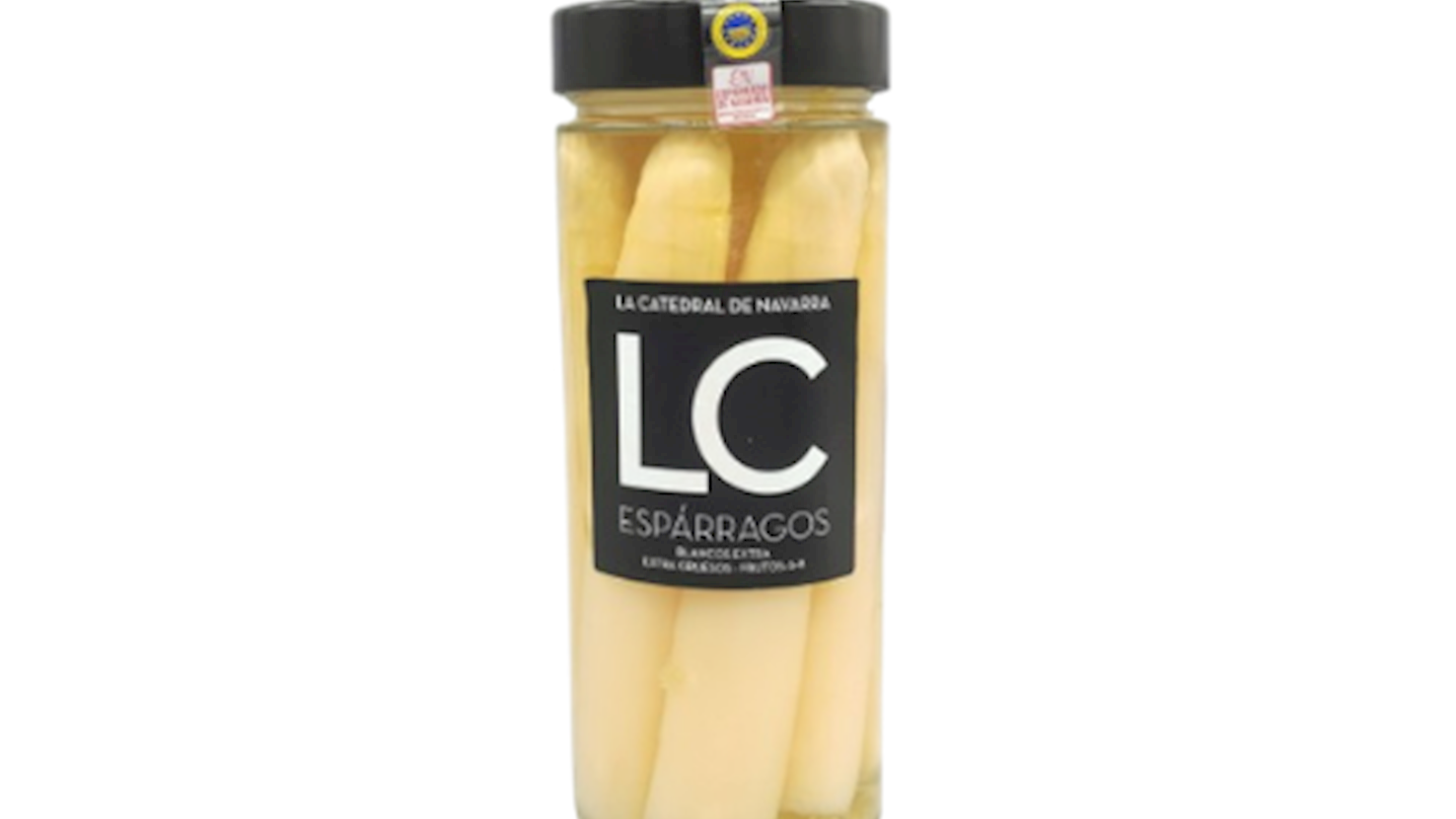
La Catedral de Navarra

4.7 ·

La Catedral de Navarra is a Spanish company specializing in premium vegetable preserves, based in Mendavia in the Navarra region of northern Spain. The origins of the brand date back to the early 20th century, when Petra López began preserving locally grown vegetables in small glass jars using traditional methods.

Over time, this family initiative developed into a company dedicated to producing high-quality preserves that reflect the agricultural heritage of the fertile Ebro valley. The company focuses on vegetables such as white asparagus, piquillo peppers, artichokes and other seasonal crops cultivated in Navarra.

These products benefit from the region’s fertile soils and favorable climate, which contribute to their distinctive flavor and quality. La Catedral de Navarra works closely with local farmers and processes the vegetables shortly after harvest to maintain freshness and natural taste.

Several of its products are linked to protected quality schemes such as Espárrago de Navarra PGI, Pimiento del Piquillo de Lodosa DO and Alcachofa de Tudela PGI. By combining traditional preserving techniques with modern quality control, the company has become recognized for producing gourmet vegetable preserves rooted in the culinary traditions of Navarra.

03

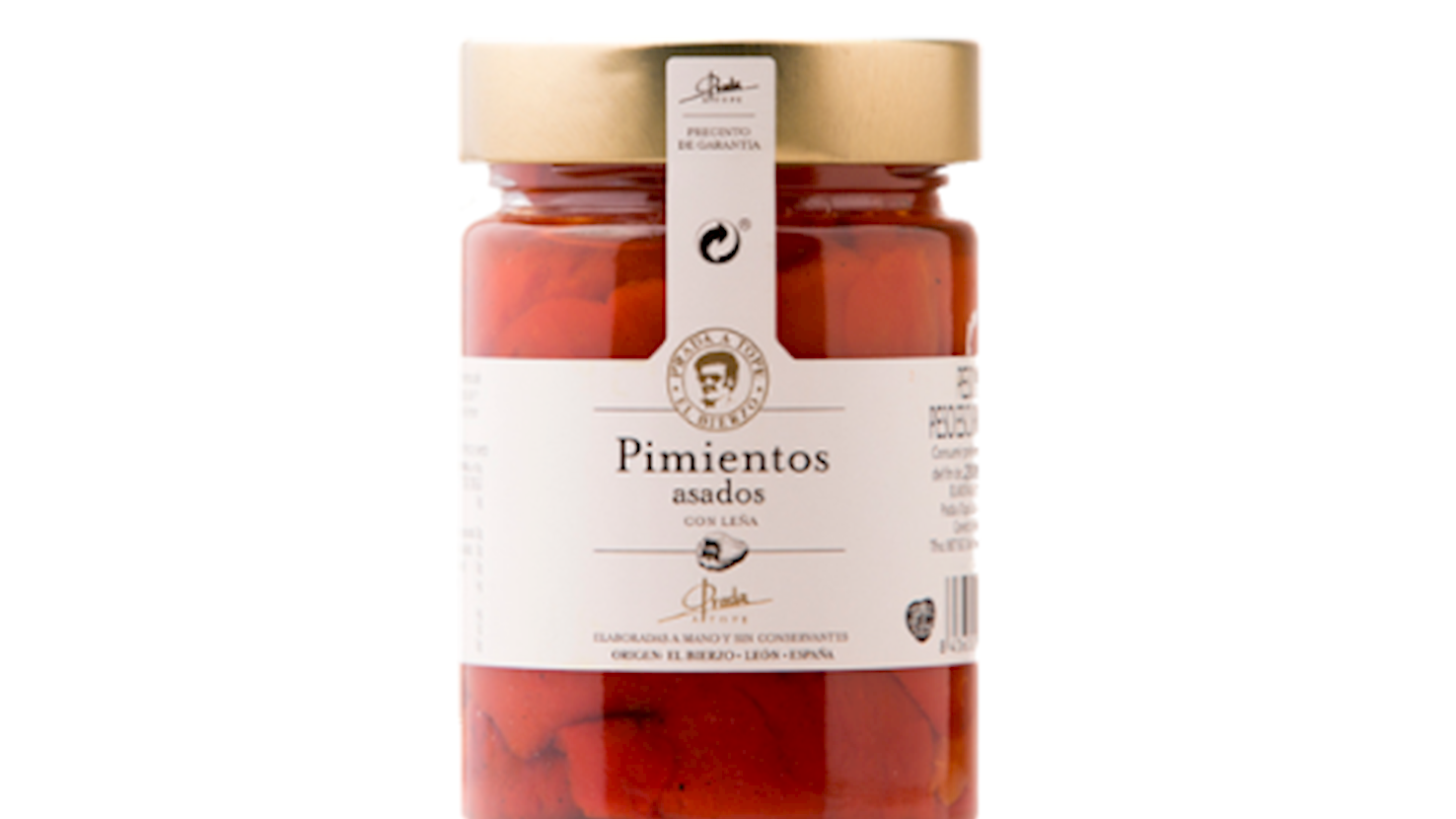
Prada a Tope

4.5 ·

Prada a Tope is a Spanish enogastronomic brand from the El Bierzo region, founded in the 1970s by José Luis Prada, combining wine production, traditional food processing, and hospitality within a single concept. Its operations are centered around Palacio de Canedo, a restored estate that integrates a winery, restaurant, hotel, and production facilities, linking products directly to their place of origin.

The winery focuses on native grape varieties such as mencía and godello, cultivated with organic practices and minimal intervention to preserve terroir expression. In parallel, the brand produces a wide range of gourmet products - such as roasted peppers, chestnuts, and fruit preserves - using traditional, slow-processing methods.

Prada a Tope emphasizes local sourcing and collaboration with small producers, reinforcing regional identity while maintaining control over distribution through its own retail channels.

Read more
View all
View map
About this ranking

TasteAtlas food rankings are based on the ratings of the TasteAtlas audience, with a series of mechanisms that recognize real users and that ignore bot, nationalist or local patriotic ratings, and give additional value to the ratings of users that the system recognizes as knowledgeable. For the “Top 30 Spanish Vegetables” list until July 08, 2026, 450 ratings were recorded, of which 342 were recognized by the system as legitimate. TasteAtlas Rankings should not be seen as the final global conclusion about food. Their purpose is to promote excellent local foods, instill pride in traditional dishes, and arouse curiosity about dishes you haven’t tried.

The initial list of top producers was compiled based on available reviews, awards, local recommendations, media and blog coverage, and consumer reviews. The list will be updated with ratings from TasteAtlas local ambassadors and TasteAtlas users.

Similar lists