Top 100 Wine Varieties
in the World

Last updated on June 04, 2026

Best Wine Variety Types in the World
01

Saperavi

4.4 ·

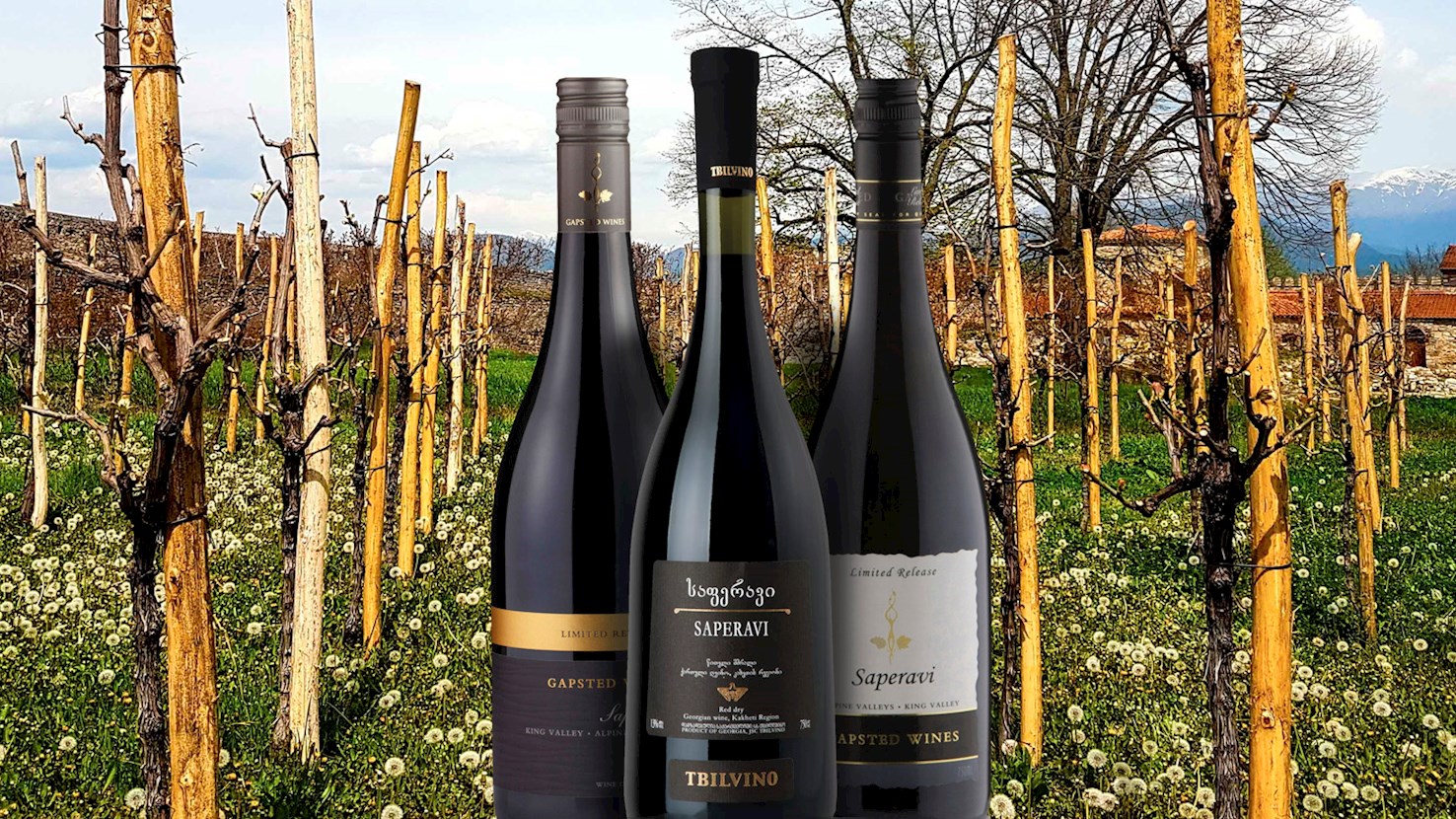
Saperavi is a resilient red Georgian grape that originated in the eastern region of Kakheti, and though it is still predominant in Georgia, small amounts are also grown in other Eastern European regions, Australia, and the United States. This teinturier grape that has dark skins and flesh produces full-bodied wines of a dark garnet color which are characterized by aromas of ripe red berries and pleasant acidity. Most wines produced from the Saperavi grapes are varietal and have a great tendency to age. Sapervai wines are incredibly versatile and can match a variety of dishes, including delicate fish dishes, stews, grilled meat, or game.

02

Nero d’Avola

4.4 ·

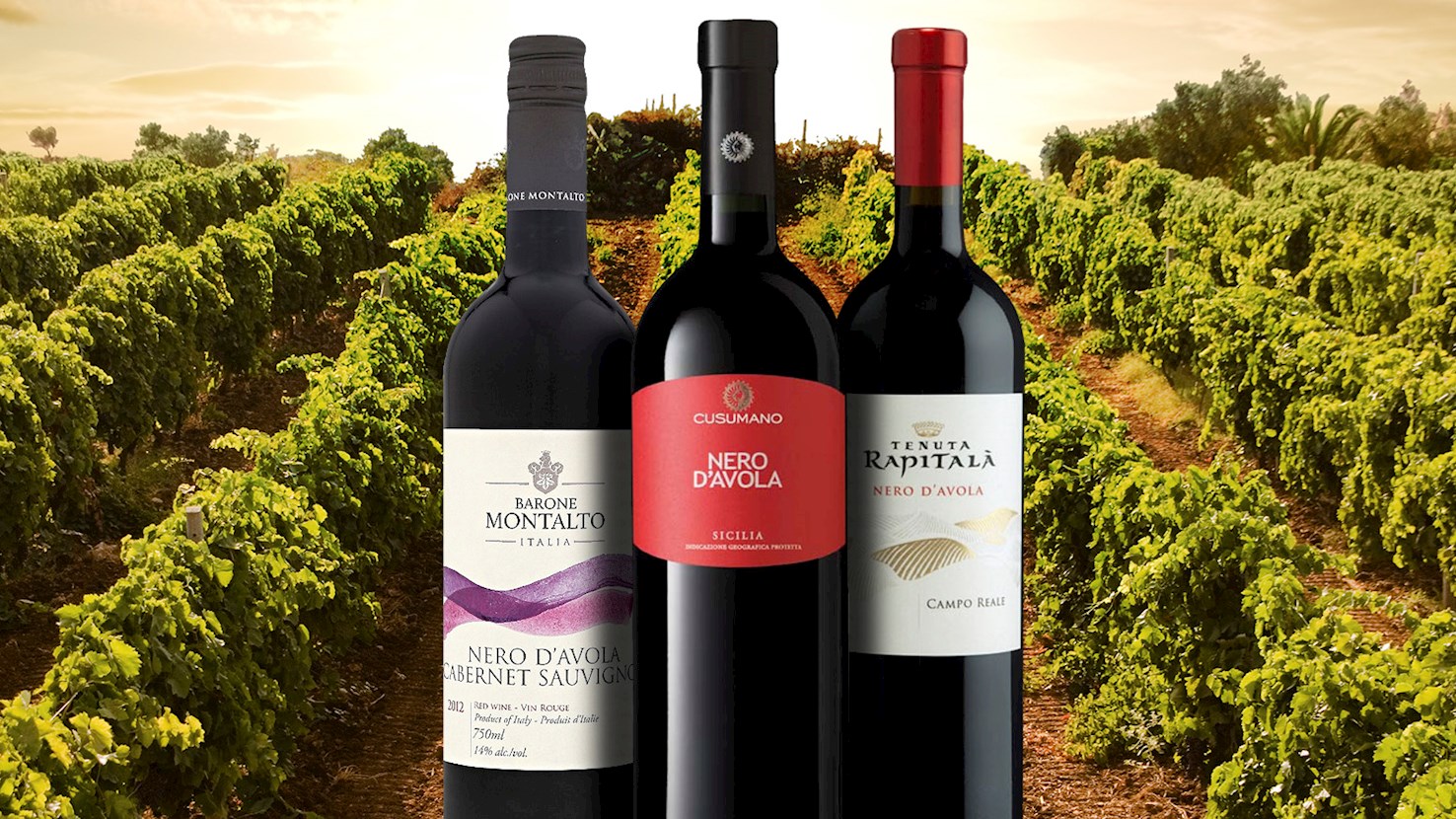
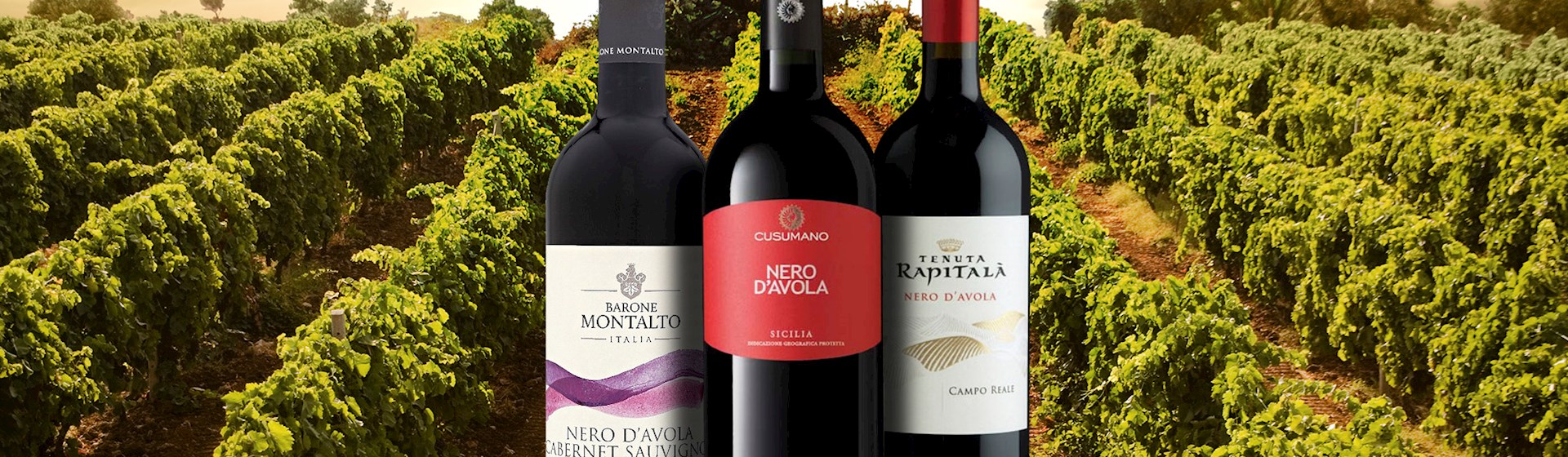
Nero d’Avola is an indigenous Sicilian red grape, whose name, meaning the black of Avola, refers to its distinctive dark color. For most of the 20th century, Nero d'Avola was used as a blending grape, but in the 1990s winemakers started making high-quality, bold varietal wines. Nero d’Avola wines are typically produced as dense and dark, with flavors reminiscent of black fruit and chocolate, or as young and fresh wines that are characterized by cherry and herbal notes. They are high in tannins and pair well with rich meat dishes, hearty stews, and barbecued meat.

Best producers
03

Primitivo

4.3 ·

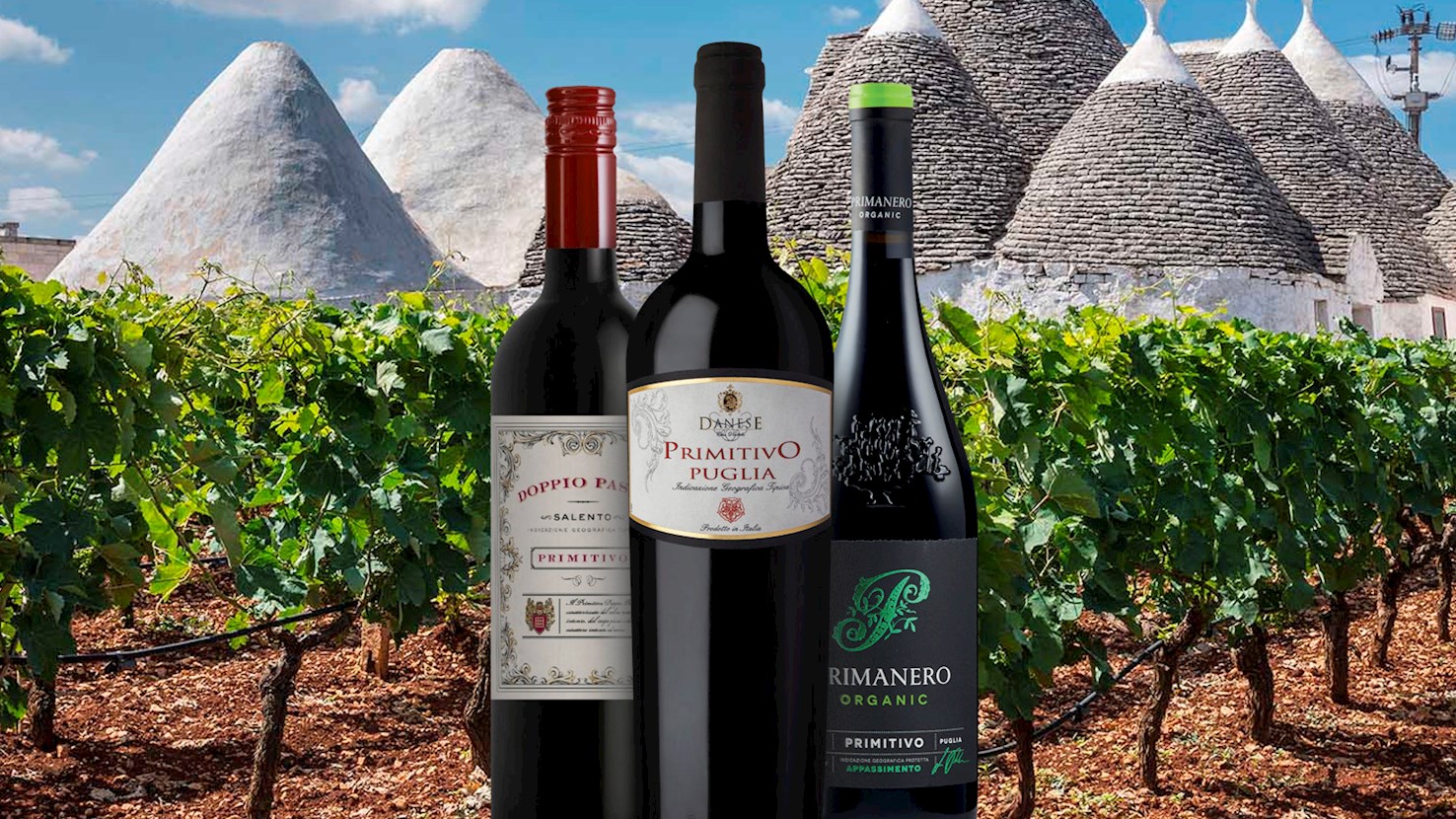
Primitivo is an Italian grape variety with quite interesting origins. Research conducted in 1994 proved that the grape is identical to Californian Zinfandel, while it was later discovered that both grapes originated from an old and obscure Croatian grape Crljenak Kaštelanski. Despite the same lineage, these grapes are influenced by their terroir, and they can slightly differ in character. In Italy, Primitivo is mostly cultivated in Apulia, where it is used in the appellation Primitivo di Manduria. Primitivo is a somewhat rustic wine, dark, intense, and rich in tannins that tend to mellow with age. Young styles usually display fruity aromas of cherries, plums, and blackberries, as well as floral notes of violets. Aged varieties tend to develop nuances of cocoa, tobacco, and spices. Primitivo is best paired with meat dishes and aged cheese. It can also work well with lamb, vegetable dishes, game, and legumes.

04

Gewurztraminer d'Alsace

4.3 ·

Gewurztraminer is a pink-skinned grape that produces some of the most aromatic and complex white wines in the world. The exact origin of Gewurztraminer is hard to trace, but the grape is related to Traminer family that is cultivated across Europe, and although Gewurztraminer has shown success in Germany, Austria, Australia, Washington and California, the French Alsace region remains its foreground. Alsace produces varietals that are rich and typically deeply colored, often low in acidity and high in alcohol with exotic aromas of lychee and rose petals. Their character and the body heavily depends on the terroir and ripeness of the grapes, and they may range from dry to off-dry and sweet styles. Dry Gewurztraminer from Alsace is a perfect match to cheese and savory, preferably spicy or creamy dishes, while sweeter styles may match fruit or spiced desserts.

05

Malbec Argentina

4.3 ·

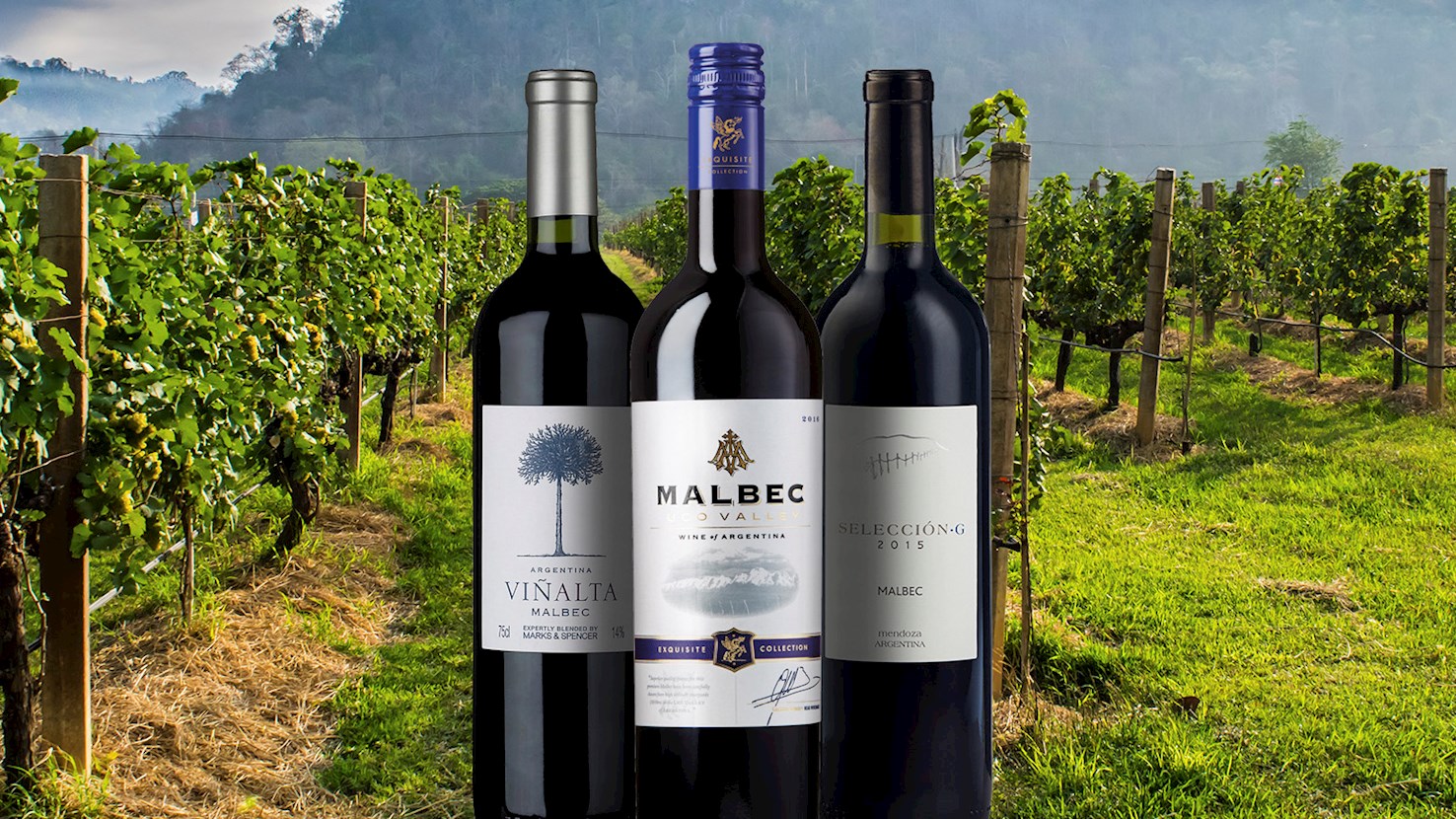
Malbec originally comes from southwest France, but recently it has become one of the most important grape varieties in Argentina, where it developed an entirely different flavor profile. Due to the unique geographic and climatic features, Argentinian Malbec usually displays fruity notes of cherries, strawberries, or plums that are complemented by soft and velvety tannins. When aged in oak, the wine usually develops chocolate, vanilla, tobacco, or cocoa nuances. Argentinian Malbec is best paired with grilled or roasted beef, especially leaner cuts such as skirt steak, but it can also work well with pork or poultry.

06

Albariño

4.3 ·

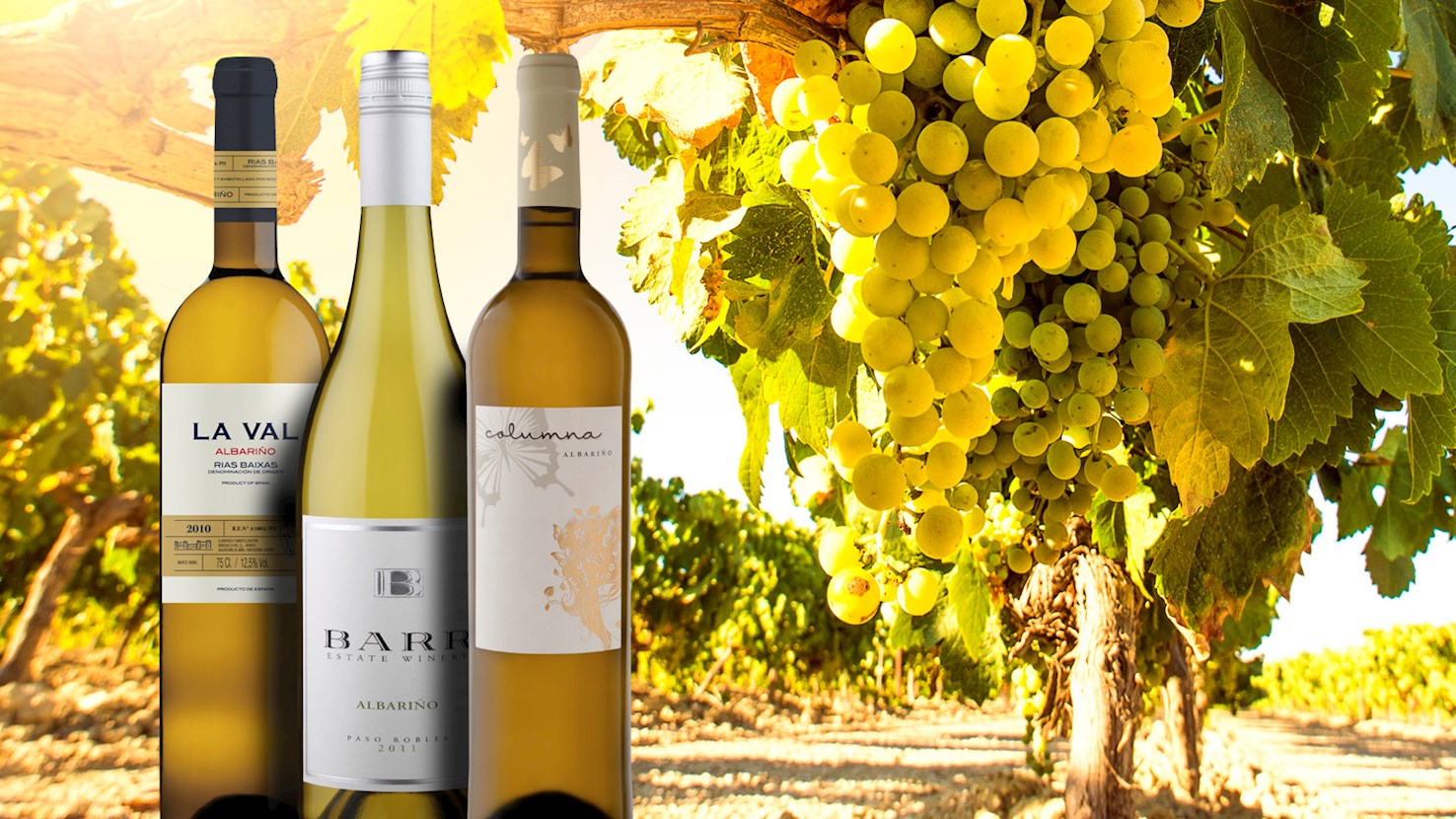
Albariño is a white grape variety grown in northwest Spain (Galicia) and northwest Portugal (Monção and Melgaço) where it is used to make varietal white wines. Albariño wines are very light, fresh, crisp, with high acids and of a rich, floral, and aromatic character. Its specific aromas often include white peach, apricot, melon, pineapple, mango, and honeysuckle with an underlying minerality. Albariño wines are very versatile when it comes to food pairing, with seafood being the most obvious choice, along with a variety of dishes from Chinese, Indian, and Thai cuisine.

07

Alsace Riesling

4.3 ·

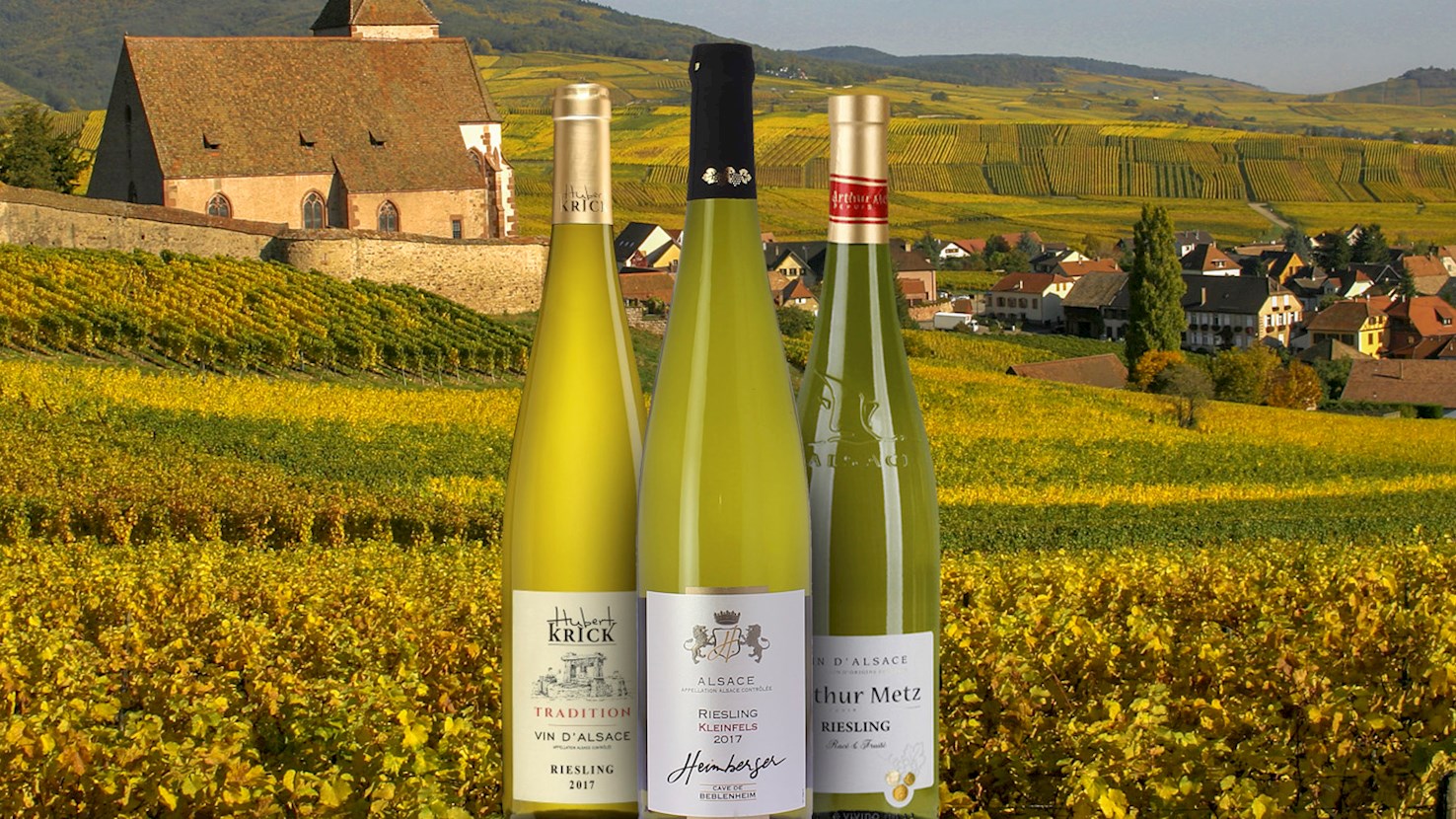
Riesling is an aromatic white grape native to Germany. It is a terroir-driven wine known for its versatile character and intense aroma, usually reminiscent of citrus, petroleum, and white flowers. In Alsace, Riesling is one of the main varieties. Although the grape is often associated with sweeter styles, most of the examples coming from Alsace are bone dry. Riesling from Alsace can slightly vary in character, from leaner to more opulent, flavor-packed expressions, but it is generally complex, richly flavored, and high in acidity. It has intense citrus, stone fruit, and floral aromas. Usually, these wines will have steel-like mineral notes. They are typically full-bodied and have good aging potential, with the best vintages reaching up to 15 years. Most Rieslings are excellent with food. Lighter Alsace styles should be paired with lighter dishes, primarily seafood, including fish, shellfish, and crustaceans, but they could also work with salads and poultry. More complex and concentrated examples can be paired with Asian fare, and late harvest styles (Vendange Tardive) are best paired with desserts. Alsace Riesling will usually have higher alcohol content than their German counterparts.

08

Sangiovese

4.2 ·

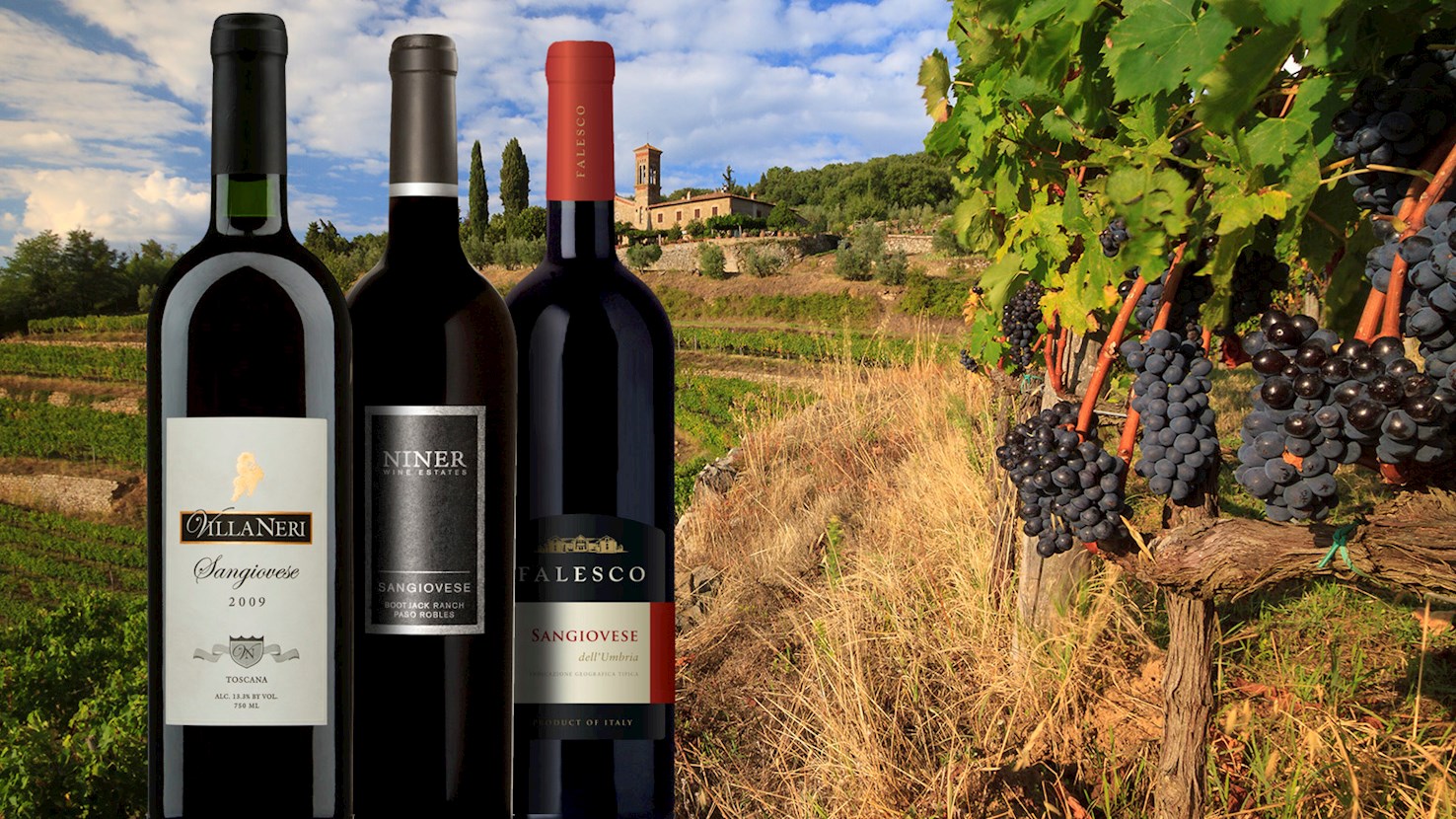
Sangiovese is a red grape variety indigenous to Italy that is predominantly grown in Tuscany, but also in other central and southern regions, from Romagna down to Lazio, Campania, and Sicily. It is best known as the main grape used in Chianti or Vino Nobile di Montepulciano and as the only grape in the prestigious Brunello di Montalcino. Though its flavor profile may be influenced by the terroir, Sangiovese based wines are rich in tannins and high in acidity, while their flavor is savory, and may range from rustic to fruity, with typical notes of cherries, dark stone fruit, spices, tobacco, and dry herbs. Because of its savory character, it goes well with a wide range dishes, including pasta, pizza, grilled meats, poultry, charcuterie and matured cheese varieties.

09

Pinot Gris d'Alsace

4.2 ·

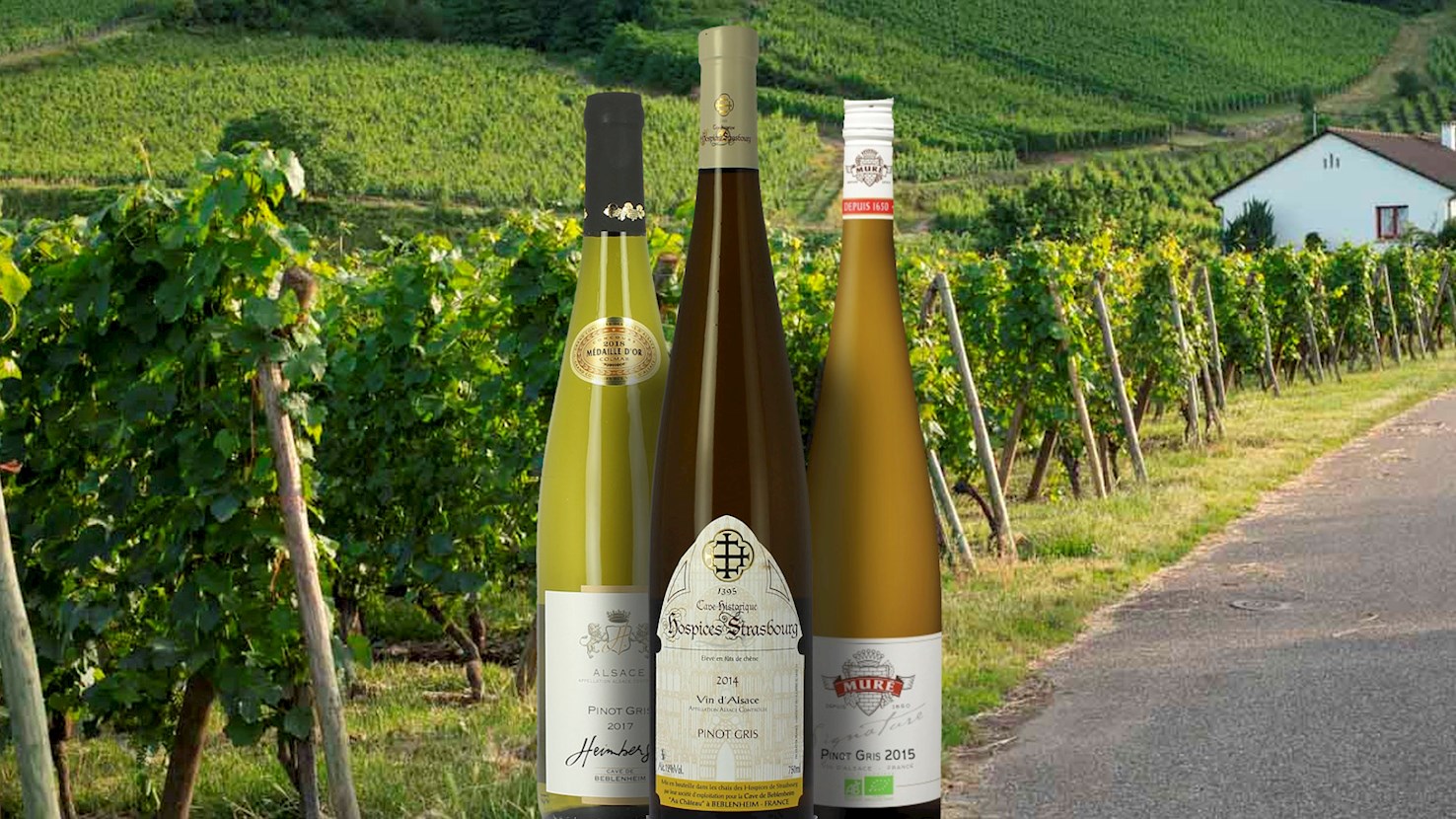
Pinot Gris, also known as Pinot Grigio and Grauburgunder, is a white grape variety whose origins are believed to be in Burgundy, but the grape has shown amazing potential in Alsace—the region with which it is mostly associated nowadays. In Alsace, Pinot Gris is considered a noble grape. In the past, it was mistakenly related with Hungarian Tokaj, and it was often called Tokaj d'Alsace. The wines made from Pinot Gris considerably differ in character than those found in other wine-growing regions. They are dense and concentrated, with typical notes of white flowers, honey, ginger, apricot, lemons, spices, and dry fruit. The wines are typically dry with some off-dry varieties. They are usually full-bodied and pair well with poultry, feathered game, and pork.

10

Touriga Nacional

4.2 ·

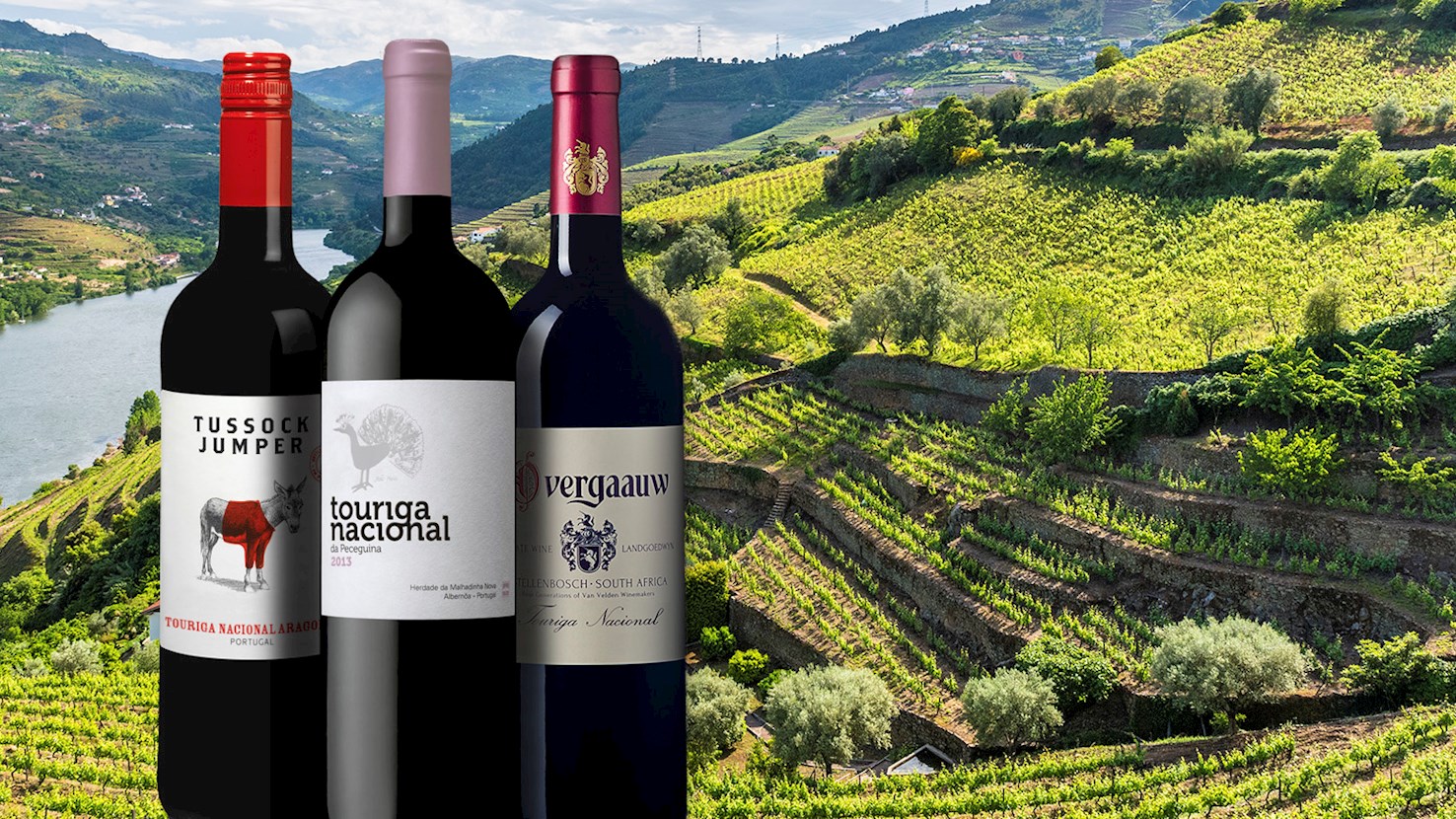
Touriga Nacional is a red grape variety indigenous to Portugal, mainly used to make port. It is predominately grown in the wine regions of Douro and Dão, and recently it has become an appreciated varietal dry wine, which offers great value for money and has a good aging potential. The wines are usually high in tannins, with a full body, intense flavors, and aromas of blue and black fruits, violets, spices, mint, and cocoa. Touriga Nacional is occasionally blended with Touriga Franca and Tempranillo, which creates more approachable, balanced wines. Dry Touriga Nacional should be paired with rich red meat dishes and fruit-infused sauces that are not too laden with spices.

Best Wine Varieties in the World
01

Champagne Krug

5 ·
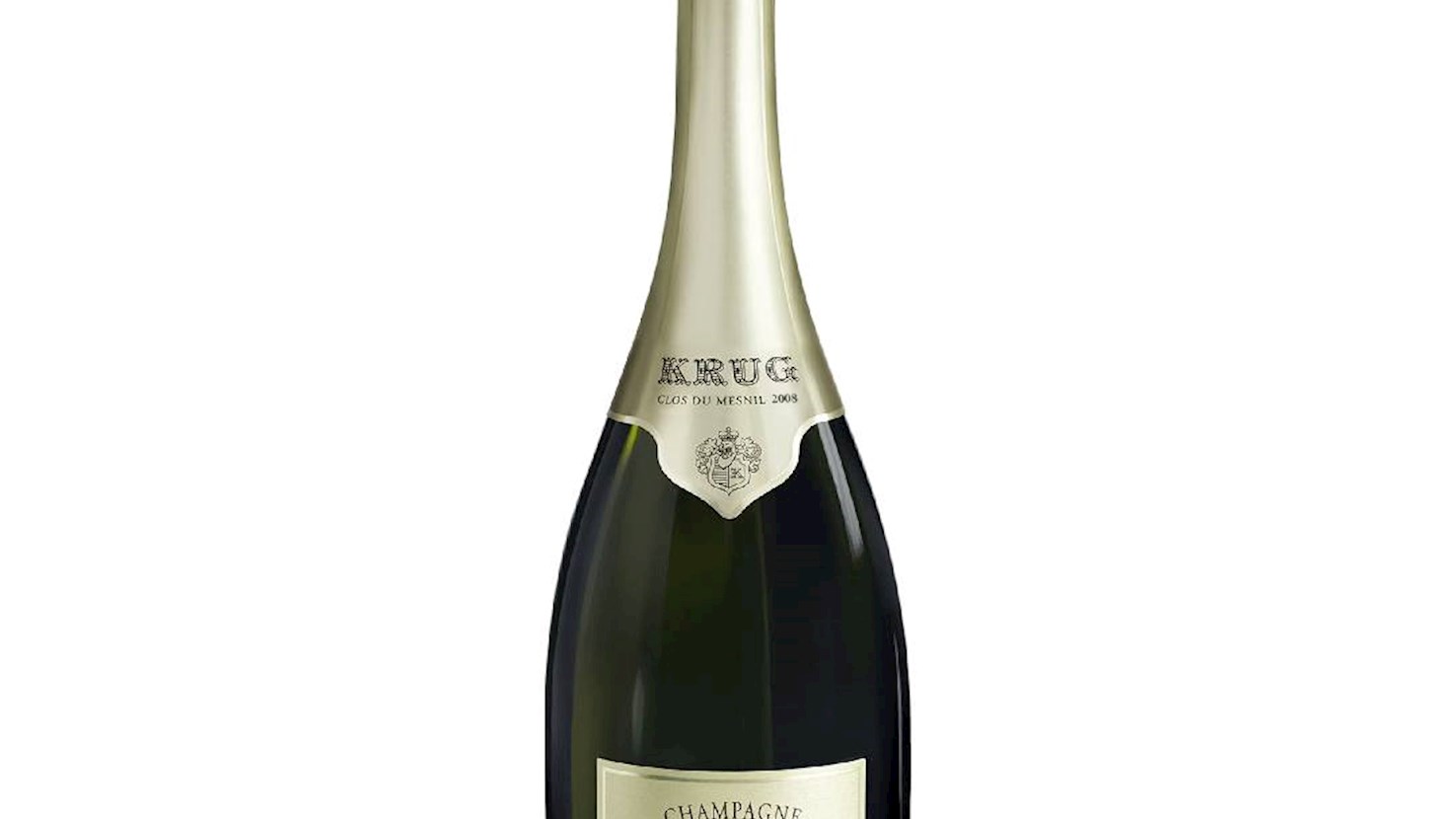
Champagne Krug is one of the most prestigious and revered Champagne houses, renowned for its unwavering commitment to excellence and the artistry of champagne-making. Founded in 1843 by Johann Joseph Krug, this family-run house has always adhered to a philosophy of uncompromising quality, emphasizing the individuality of each vintage and terroir. Krug stands apart with its unique approach - each bottle of champagne is crafted from meticulously selected wines from different years and vineyards, creating unparalleled depth, complexity, and richness. Their most iconic champagne, Krug Grande Cuvée, embodies this philosophy, blending up to 200 wines from over 10 different vintages to achieve perfect harmony and sophistication in every edition. Additionally, Krug is renowned for its exclusive vintage champagnes, Krug Rosé, and rare single-vineyard expressions like Clos du Mesnil and Clos d'Ambonnay, which originate from exceptional, limited-production plots. Each bottle undergoes an extended aging process in Krug’s cellars, allowing the champagnes to develop profound aromas, refined textures, and remarkable elegance. With an uncompromising dedication to quality, a deep respect for tradition, and an innovative spirit, Krug remains synonymous with luxury, refinement, and the ultimate champagne experience.
Awards
Wine Spectator - 99 (2021)
Falstaff - 100
02

Estate Argyros

5 ·
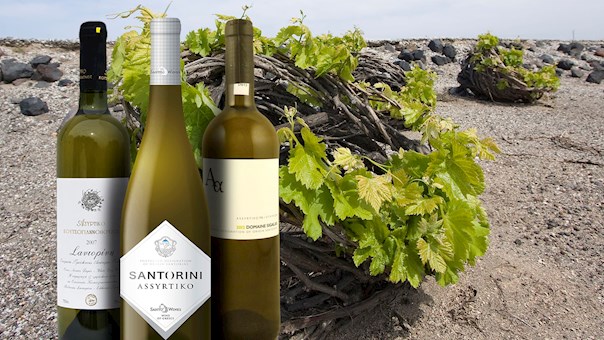
Estate Argyros is a family-owned winery on the island of Santorini, founded in 1903 in the village of Episkopi Gonia, in the heart of the island’s volcanic wine-growing zone. The estate covers more than 120 hectares of vineyards, making Argyros one of the largest private vineyard owners on Santorini. Most vines are 70-100 years old, while some parcels of Assyrtiko exceed 150-200 years, resulting in extremely low yields but grapes of remarkable concentration and purity. The terroir is harsh and distinctive - volcanic, rocky and sandy soil with almost no organic material, naturally protecting the vines from disease and allowing them to remain ungrafted on their original rootstock. The traditional training method known as kouloura, where the vine is shaped into a basket, protects the grapes from strong winds and intense sun. The winery is especially devoted to the native variety Assyrtiko, which here expresses a unique combination of salinity, minerality and sharp linear structure. Argyros combines minimal intervention in the vineyard with precise winemaking, preserving both varietal character and terroir expression. Their dry Assyrtiko wines are known for high acidity, tension and exceptional aging potential. The estate also produces other indigenous varieties such as Aidani and Mavrotragano. A signature of the winery is Vinsanto, a traditional dessert wine made from sun-dried grapes and aged for years in oak barrels, resulting in deep complexity and richness.
Awards
Decanter World Wine Awards - Best in Show (2023, 2020)
Decanter World Wine Awards - Platinum (2022, 2021, 2020, 2017, 2016)
03

Château de Meursault

5 ·
With over 1000 years of history, Château de Meursault follows an approach of excellence in respect of nature, the environment and the climates. With the 2022 vintage, the entire vineyard of Château de Meursault is conducted in organic farming.
Awards
Decanter World Wine Awards - Best in Show (2023, 2021, 2019)
Decanter World Wine Awards - Platinum (2020, 2019)
04

Louis Roederer

5 ·
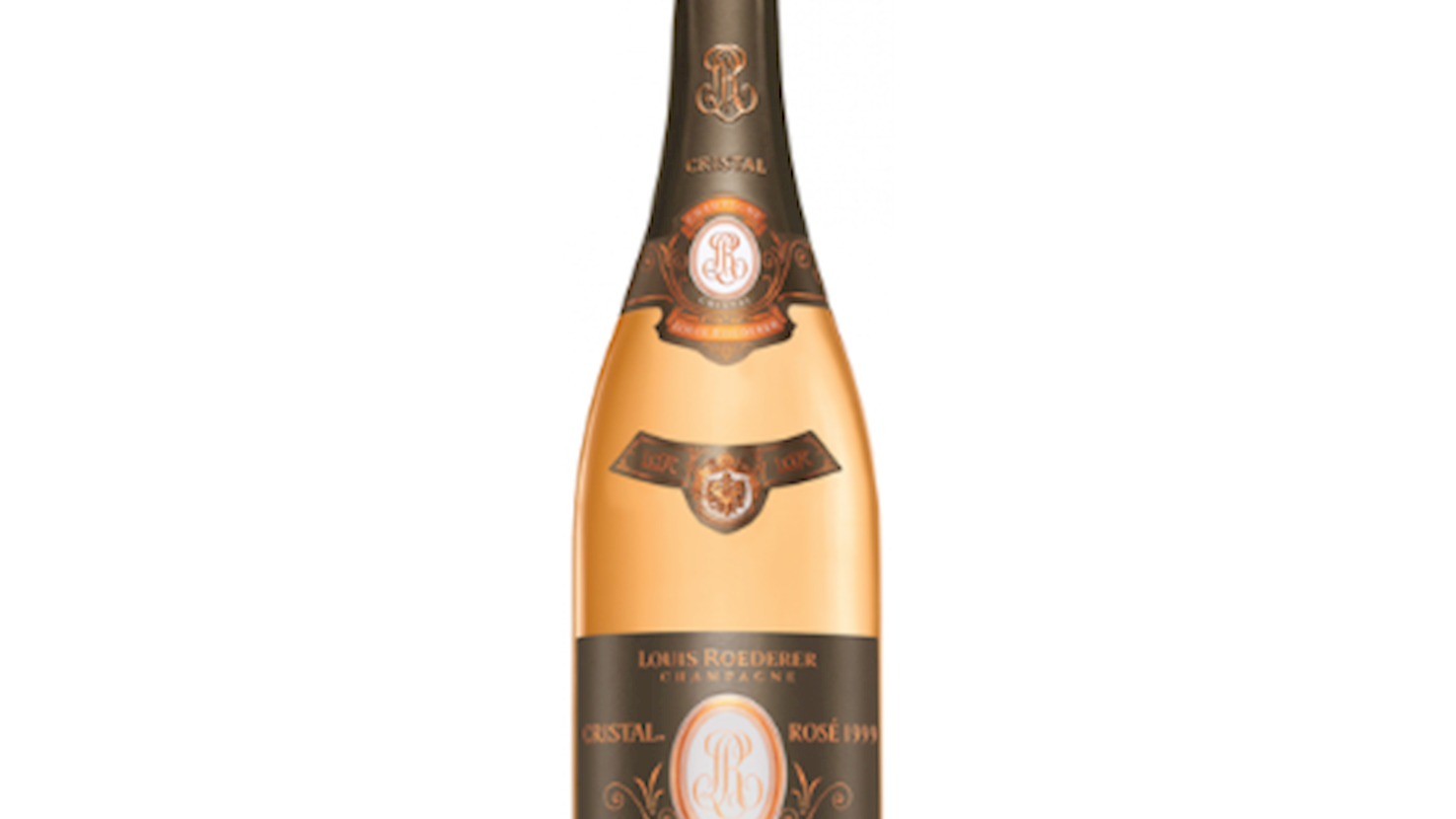
Louis Roederer is one of the most prestigious and oldest independent Champagne houses, synonymous with luxury, tradition, and innovation. Founded in 1776 in the heart of Champagne, in the city of Reims, this family-run house has been nurturing the art of producing exceptional Champagnes for centuries, captivating connoisseurs worldwide. The true rise of the house began in 1833, when Louis Roederer took over the family business and introduced a revolutionary approach - unlike other producers who purchased grapes, he decided to own and cultivate his own vineyards. This decision allowed him complete control over quality, terroir, and the unique style of his Champagnes, establishing the Louis Roederer brand’s distinctive signature. Thanks to its passion, expertise, and unwavering commitment to excellence, Louis Roederer remains one of the most respected Champagne producers in the world, cherished by collectors, sommeliers, and lovers of fine wines.
Awards
Wine Spectator - 98 (2022)
Falstaff - 100
05

Weingut Dr. Loosen

5 ·
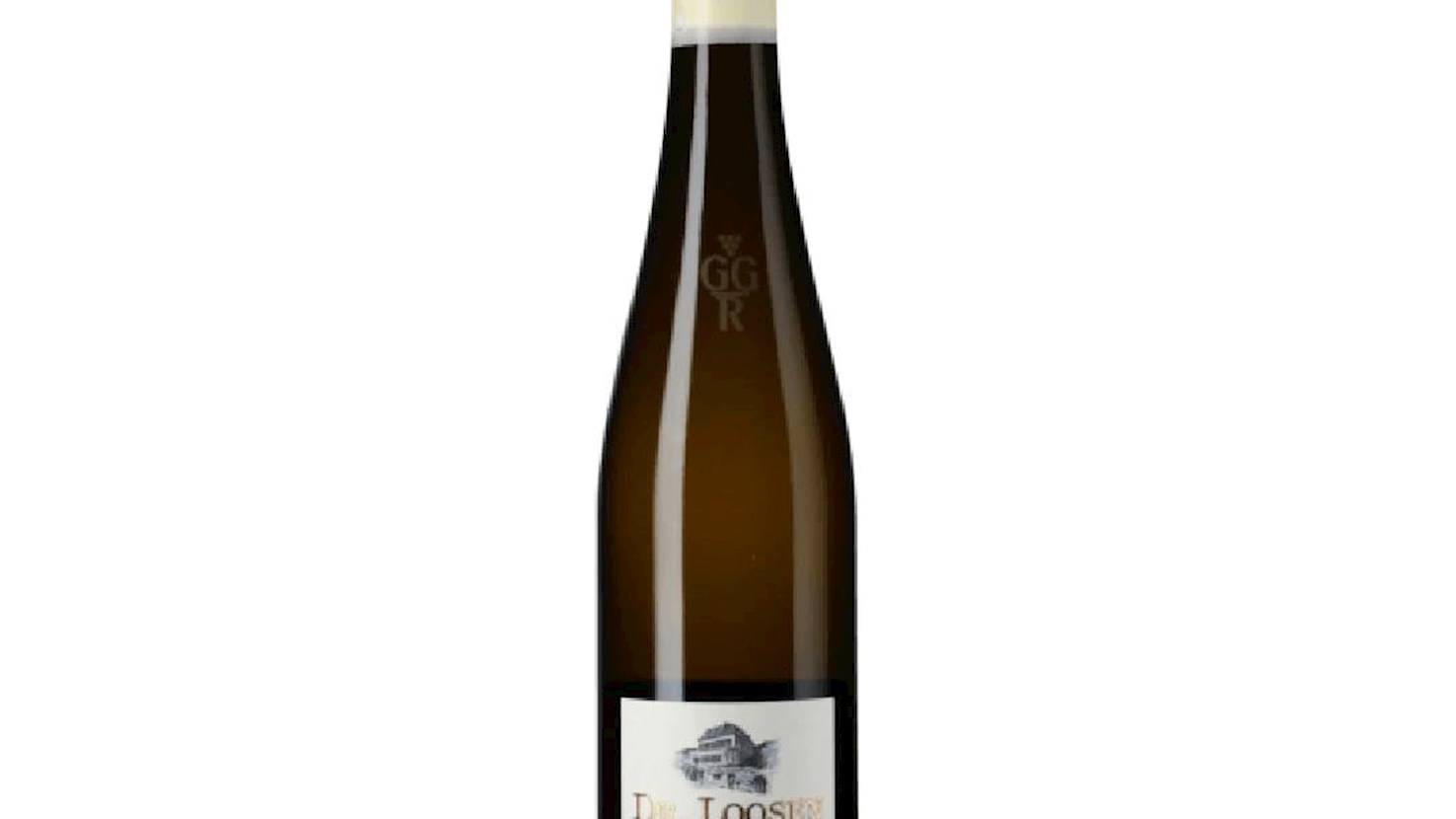
Weingut Dr. Loosen is a family-owned winery located in the Mosel wine region. The estate has been in the Loosen family for over 200 years, specializing in Riesling wines. Under the leadership of Ernst "Erni" Loosen since 1988, the winery has gained international acclaim for producing high-quality Rieslings that reflect the unique characteristics of their vineyards. The estate's vineyards are situated on the steep slopes of the Middle Mosel, featuring various soil types, including red slate, blue slate, and red volcanic conglomerate. Some of the vines are up to 140 years old and ungrafted, contributing to the distinctiveness of their wines. Dr. Loosen produces a full range of Riesling styles, following family traditions: dry wines inspired by the paternal Loosen side and Prädikat wines influenced by the maternal Prüm family branch.
Awards
James Suckling - 97 points (2023)
Decanter World Wine Awards - Best in Show (2024)
06

Gaja

5 ·
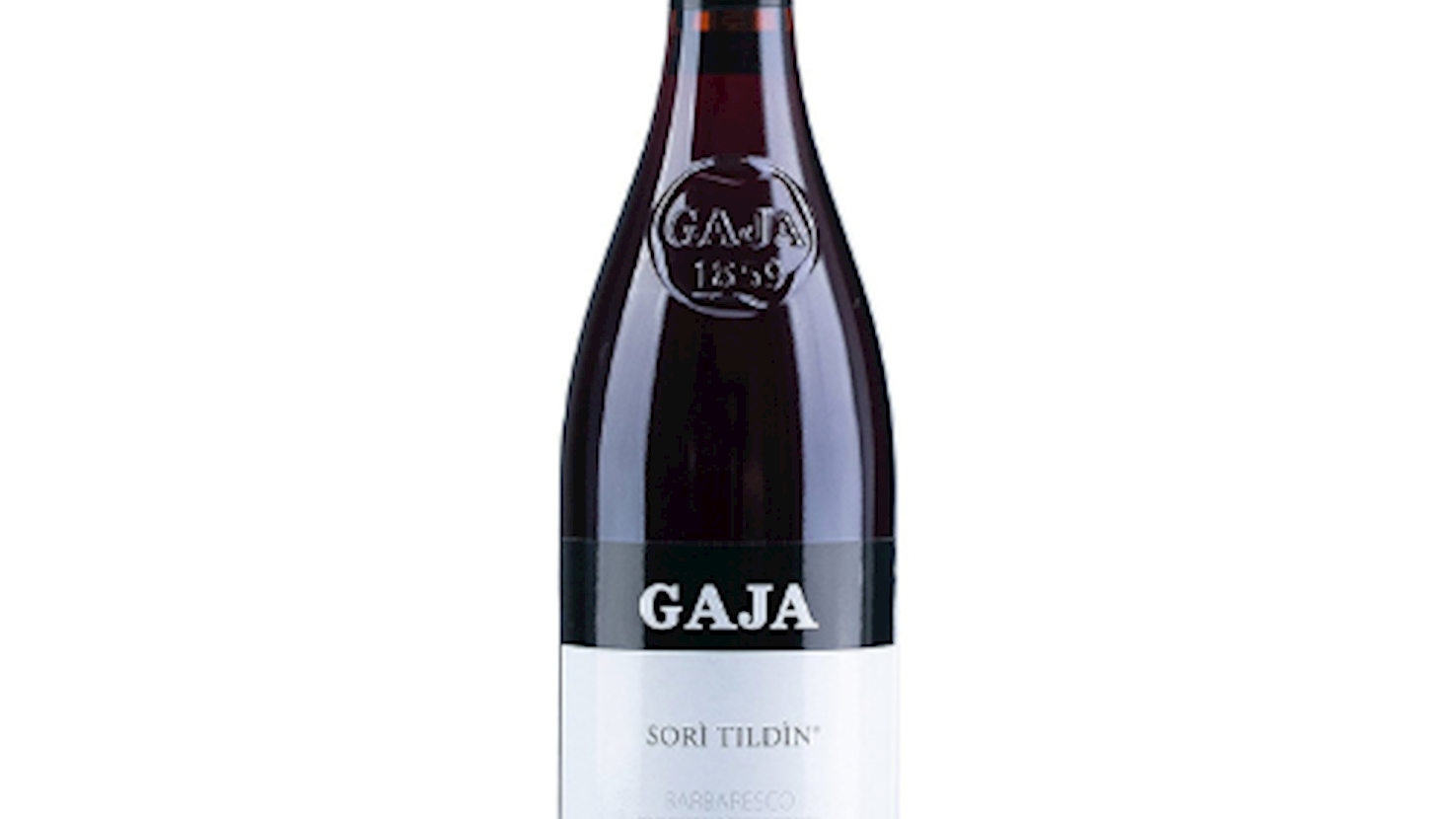
Gaja is one of the most respected names in the world of wine, known for exceptional quality, refined elegance, and a harmonious blend of tradition and modern vision. The philosophy of this family-run winery is rooted in deep respect for nature and thoughtful care throughout every stage of production, from vineyard to bottle. The wines are celebrated for their precision, structure, and layered complexity. Whether crafted from native or international grape varieties, each expression reflects the distinct character of the land and the meticulous attention given to the vineyard. Single-vineyard labels hold a special place, capturing the unique identity of their origin. Gaja balances heritage with innovation. The winery remains committed to its values while continuously evolving. Each wine embodies expertise, passion, and a clear vision, leaving a lasting impression through its depth and authenticity. The name Gaja stands for consistency, character, and timeless style, earning its place among the most esteemed producers in the world of fine wine.
Awards
Falstaff - 100
Falstaff - 99
07

Sine Qua Non

5 ·
Sine Qua Non is one of the most iconic and influential boutique wineries in California, located in Ventura County and renowned for its extremely limited releases, unconventional style and the strong personal imprint of winemakers Manfred and Elaine Krankl. Founded in the early 1990s, the winery has become synonymous with intensely concentrated, artistically conceived wines based primarily on Rhône-style varieties such as Syrah, Grenache, Mourvèdre and Viognier. Production is extremely small, often only a few hundred to a few thousand bottles per wine, which is why nearly all sales take place through an exclusive waiting list. In the vineyard, meticulous vine management and low yields are essential, while in the cellar the team uses long macerations, slow maturation and a combination of new and seasoned oak barrels to achieve maximum varietal expression. Despite its powerful reputation and global demand, the winery remains committed to its individualistic approach - small lots, constant experimentation and a philosophy that each wine must be unique, irreproducible and stylistically free. Today, Sine Qua Non holds an almost mythical status in the wine world, representing a fusion of creativity, boldness and exceptional craftsmanship.
Awards
Falstaff - 100
Falstaff - 99
08

Maison Albert Bichot
5 ·
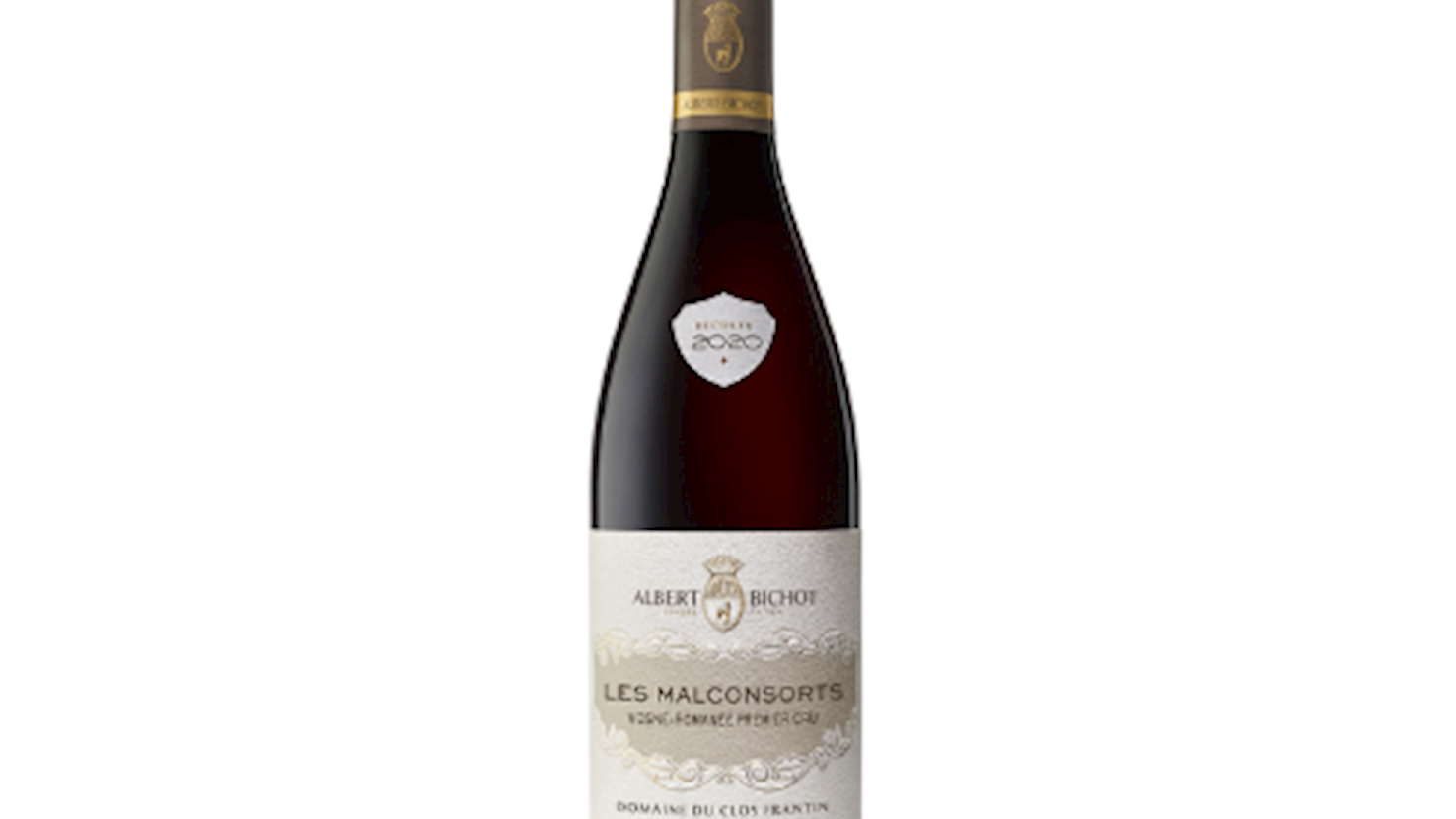
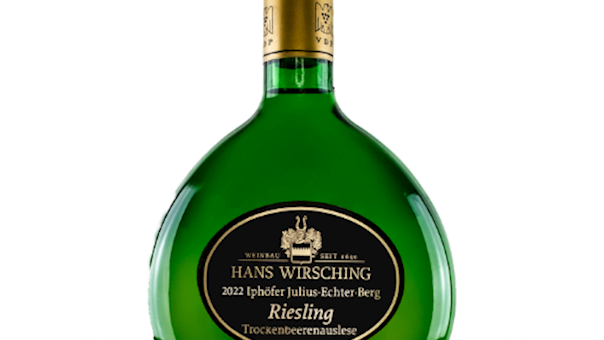
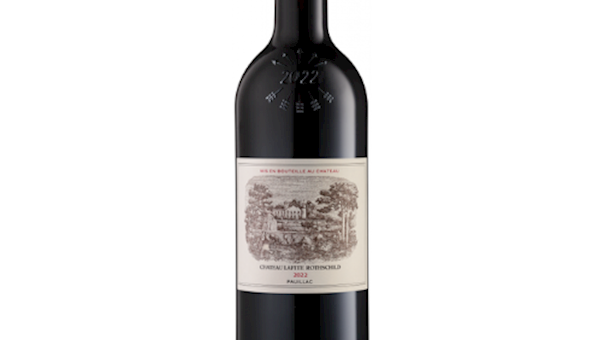
Maison Albert Bichot is a historic Burgundy wine house founded in 1831 and based in Beaune, at the heart of the region. Still family-owned, it has evolved from a traditional négociant into a major vineyard owner, managing over 100 hectares across six estates in key areas such as Chablis, Côte de Nuits, Côte de Beaune, and Beaujolais. The house combines estate-grown fruit with grapes sourced from long-term partner growers, all vinified under strict quality control to ensure consistency and authenticity. Its philosophy centers on expressing Burgundy’s “climats,” emphasizing the unique identity of each vineyard through minimal intervention and precise winemaking. The portfolio focuses mainly on Pinot Noir and Chardonnay, ranging from regional appellations to Premier Cru and Grand Cru wines. Sustainability is a core principle, with most estates farmed organically and a strong commitment to environmentally responsible practices. The wines are known for their balance, purity, and clear sense of origin. Over time, Maison Albert Bichot has built a strong international reputation, supported by numerous awards and consistent critical recognition.
Awards
Decanter World Wine Awards - Platinum (2024, 2023, 2022, 2021, 2020)
Decanter World Wine Awards - Best in Show (2021, 2020)
09

Schrader Cellars

5 ·
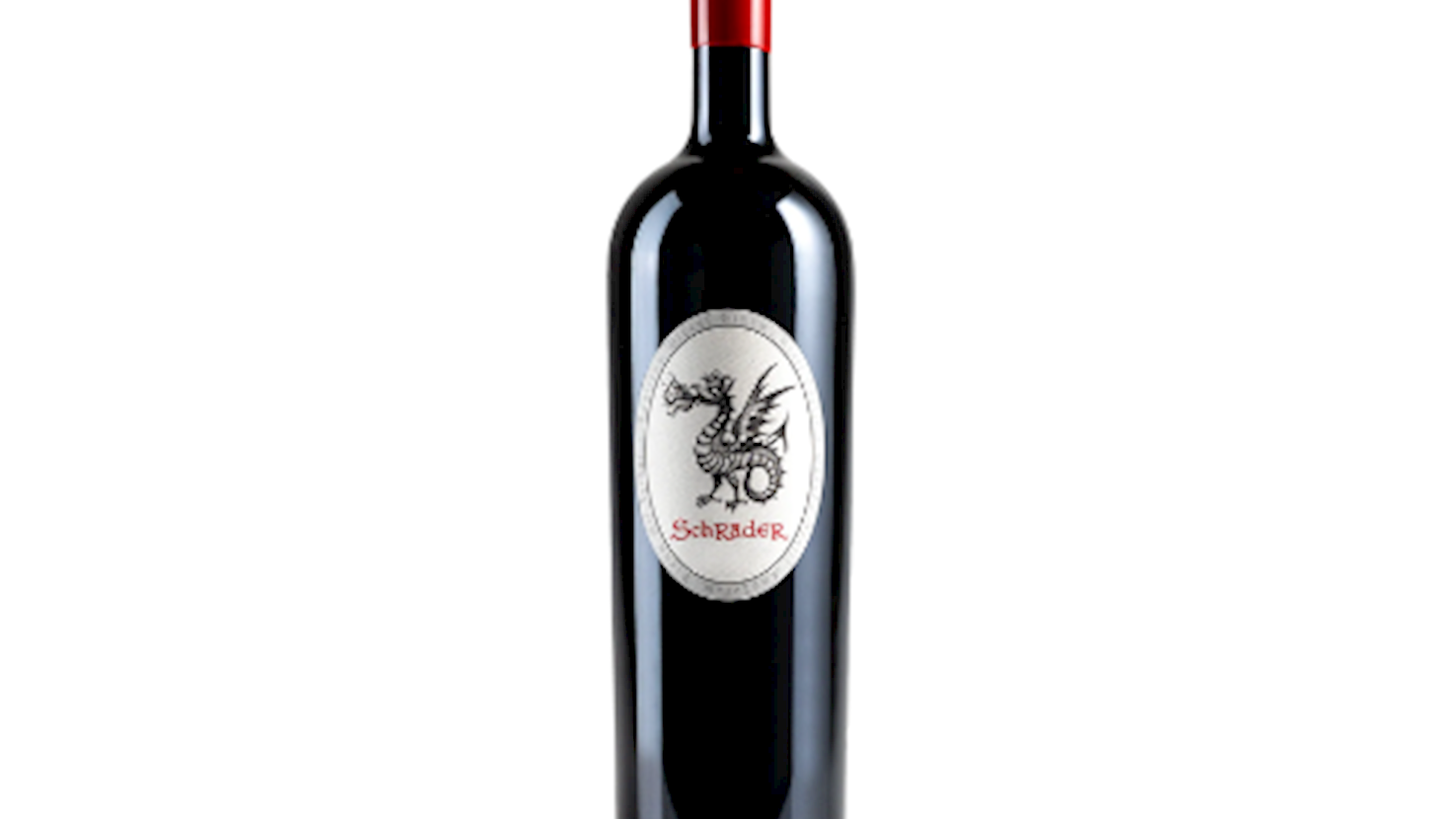
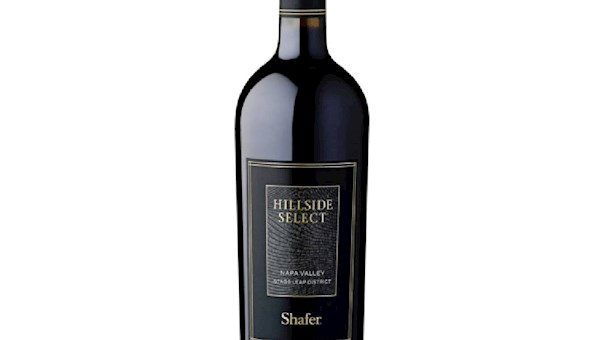
Schrader Cellars is a highly regarded Napa Valley winery founded in 1998 by Fred Schrader, with a clear focus on producing top-tier Cabernet Sauvignon from some of the region’s most sought-after vineyard sites. The estate is closely associated with the iconic Napa Valley, particularly the renowned Beckstoffer To Kalon Vineyard, which is considered one of the finest sources of Cabernet Sauvignon in California. A defining element of the winery’s success is its long-standing collaboration with winemaker Thomas Rivers Brown, whose approach emphasizes clonal selection and precise expression of individual vineyard blocks. Schrader Cellars produces limited quantities of single-vineyard and single-block wines, highlighting the nuances of terroir with remarkable clarity. The wines are known for their richness, structure, and depth, balanced by precision and aging potential. Minimal intervention in the cellar allows the fruit and vineyard character to remain at the forefront. Over time, the winery has achieved “cult” status, driven by both critical acclaim and limited availability. Many of its wines have received perfect scores from leading critics, reinforcing its reputation in the premium wine segment. Today, Schrader Cellars stands as a benchmark for modern Napa Valley Cabernet Sauvignon.
Awards
Falstaff - 100
Falstaff - 99
10

Domaine de la Romanée-Conti

5 ·
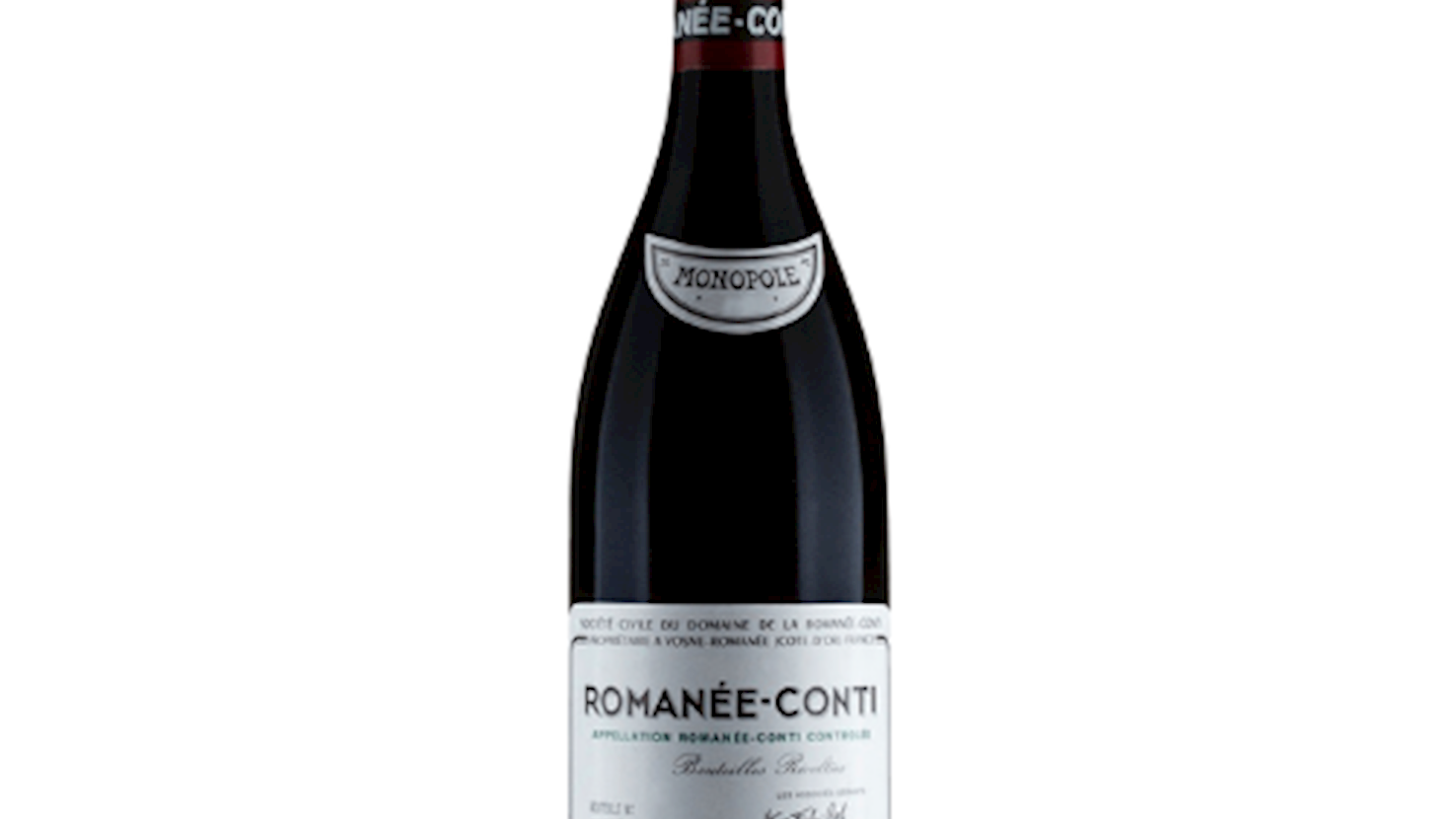
Domaine de la Romanée-Conti is more than a wine estate – it is a symbol of purity, heritage, and quiet perfection. Revered around the world, DRC is known for crafting some of the most extraordinary and sought-after wines in existence. Each bottle reflects a philosophy rooted in deep respect for nature, time, and tradition. The vineyards are cultivated entirely through organic and biodynamic practices, with minimal intervention and extreme attention to detail. Every vine is tended by hand, yields are deliberately low, and fermentation follows the natural rhythms of the land. The estate believes that great wine must speak of where it comes from – of soil, climate, and vintage – without artifice. The result is a collection of wines that are not only technically perfect, but also emotionally moving: elegant, profound, and timeless. Domaine de la Romanée-Conti doesn’t follow trends. It follows its own truth – and in doing so, creates wines that transcend expectation and define greatness.
Awards
Falstaff - 100
Falstaff - 99
About this ranking

TasteAtlas food rankings are based on the ratings of the TasteAtlas audience, with a series of mechanisms that recognize real users and that ignore bot, nationalist or local patriotic ratings, and give additional value to the ratings of users that the system recognizes as knowledgeable. For the “Top 100 Wine Varieties in the World” list until June 04, 2026, 5,540 ratings were recorded, of which 3,588 were recognized by the system as legitimate. TasteAtlas Rankings should not be seen as the final global conclusion about food. Their purpose is to promote excellent local foods, instill pride in traditional dishes, and arouse curiosity about dishes you haven’t tried.

The initial list of top producers was compiled based on available reviews, awards, local recommendations, media and blog coverage, and consumer reviews. The list will be updated with ratings from TasteAtlas local ambassadors and TasteAtlas users.

Similar lists