Top 100 French Wine Varieties

Last updated on June 10, 2026

Best French Wine Variety Types

01

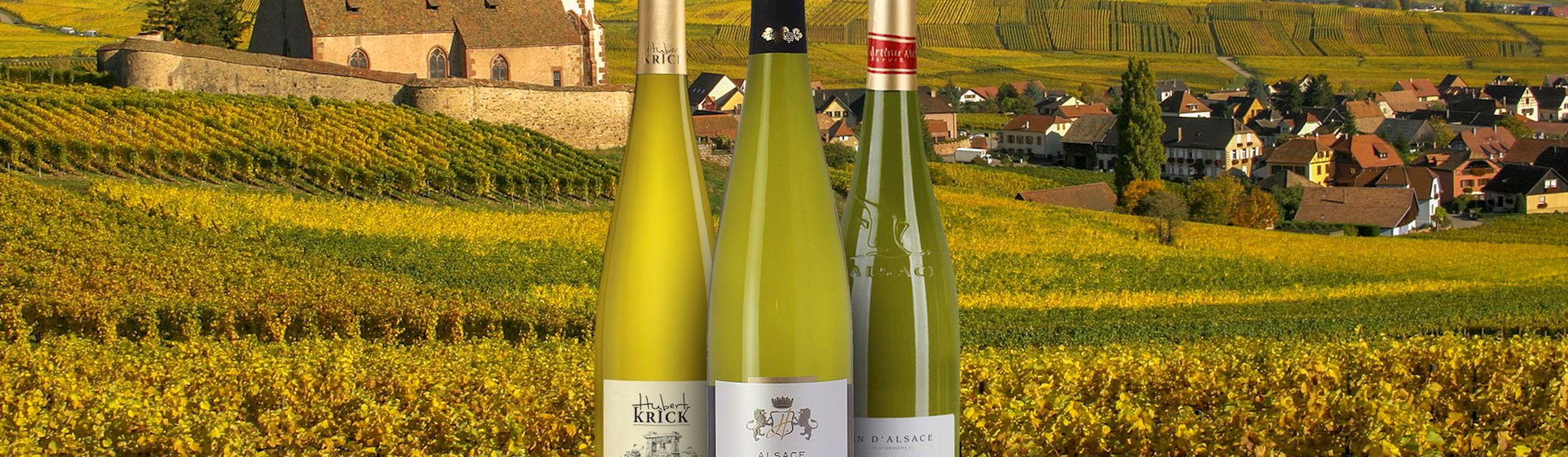
Gewurztraminer d'Alsace

4.3 ·

Gewurztraminer is a pink-skinned grape that produces some of the most aromatic and complex white wines in the world. The exact origin of Gewurztraminer is hard to trace, but the grape is related to Traminer family that is cultivated across Europe, and although Gewurztraminer has shown success in Germany, Austria, Australia, Washington and California, the French Alsace region remains its foreground. Alsace produces varietals that are rich and typically deeply colored, often low in acidity and high in alcohol with exotic aromas of lychee and rose petals. Their character and the body heavily depends on the terroir and ripeness of the grapes, and they may range from dry to off-dry and sweet styles. Dry Gewurztraminer from Alsace is a perfect match to cheese and savory, preferably spicy or creamy dishes, while sweeter styles may match fruit or spiced desserts.

02

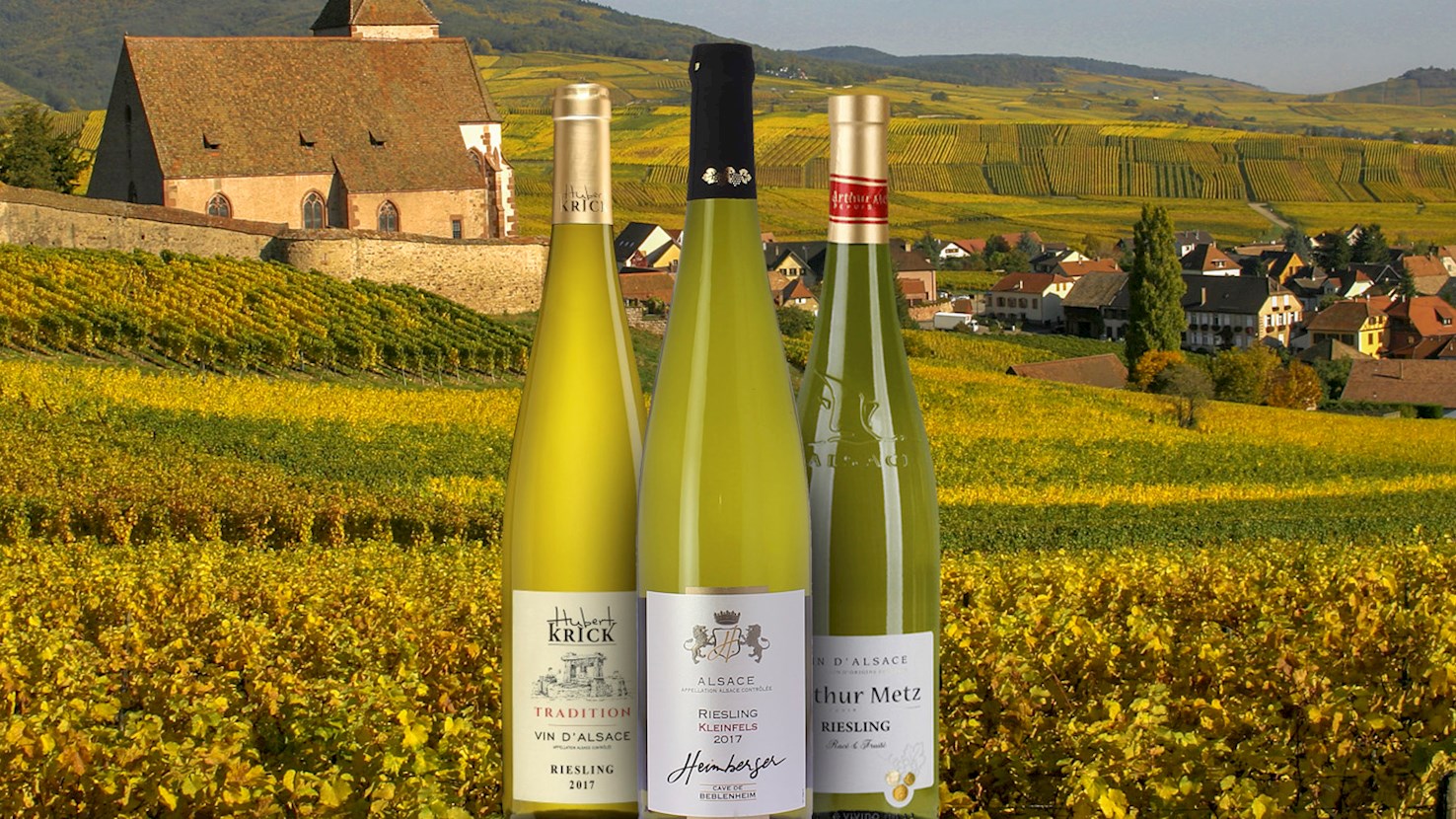
Alsace Riesling

4.3 ·

Riesling is an aromatic white grape native to Germany. It is a terroir-driven wine known for its versatile character and intense aroma, usually reminiscent of citrus, petroleum, and white flowers. In Alsace, Riesling is one of the main varieties. Although the grape is often associated with sweeter styles, most of the examples coming from Alsace are bone dry. Riesling from Alsace can slightly vary in character, from leaner to more opulent, flavor-packed expressions, but it is generally complex, richly flavored, and high in acidity. It has intense citrus, stone fruit, and floral aromas. Usually, these wines will have steel-like mineral notes. They are typically full-bodied and have good aging potential, with the best vintages reaching up to 15 years. Most Rieslings are excellent with food. Lighter Alsace styles should be paired with lighter dishes, primarily seafood, including fish, shellfish, and crustaceans, but they could also work with salads and poultry. More complex and concentrated examples can be paired with Asian fare, and late harvest styles (Vendange Tardive) are best paired with desserts. Alsace Riesling will usually have higher alcohol content than their German counterparts.

03

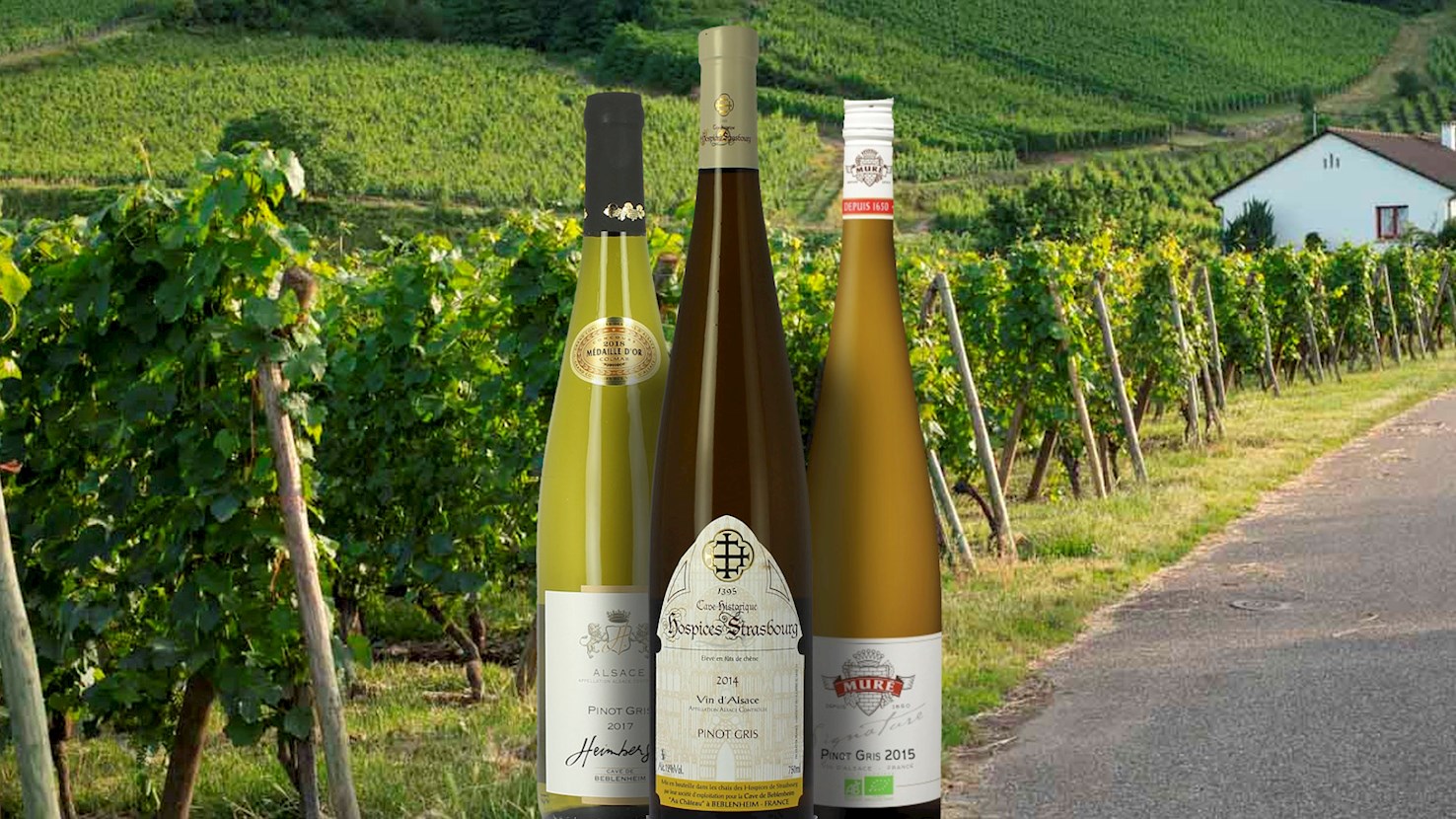
Pinot Gris d'Alsace

4.2 ·

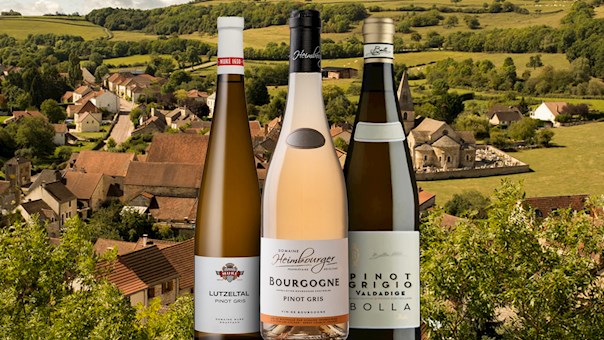
Pinot Gris, also known as Pinot Grigio and Grauburgunder, is a white grape variety whose origins are believed to be in Burgundy, but the grape has shown amazing potential in Alsace—the region with which it is mostly associated nowadays. In Alsace, Pinot Gris is considered a noble grape. In the past, it was mistakenly related with Hungarian Tokaj, and it was often called Tokaj d'Alsace. The wines made from Pinot Gris considerably differ in character than those found in other wine-growing regions. They are dense and concentrated, with typical notes of white flowers, honey, ginger, apricot, lemons, spices, and dry fruit. The wines are typically dry with some off-dry varieties. They are usually full-bodied and pair well with poultry, feathered game, and pork.

04

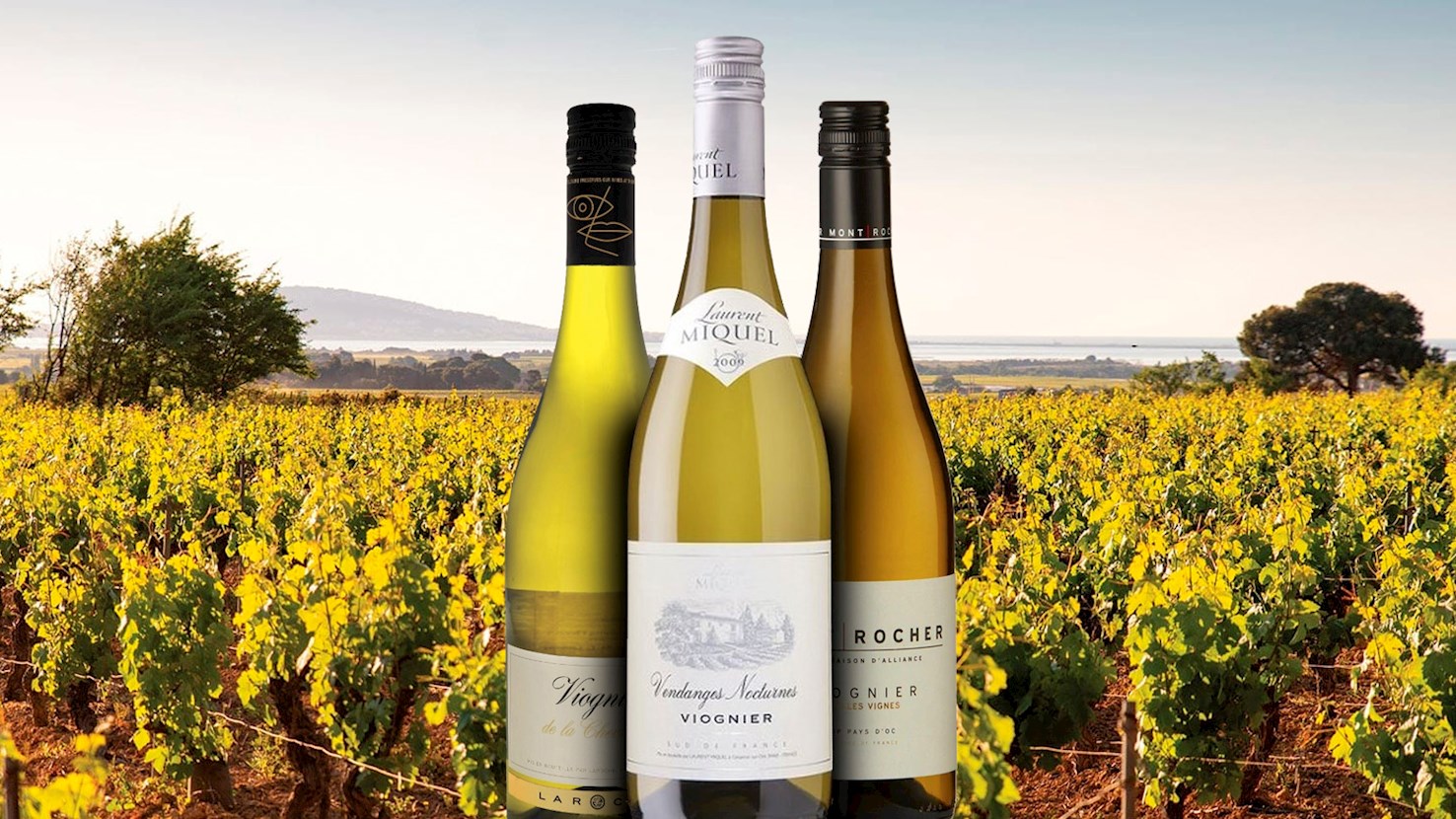
Viognier

4 ·

Viognier is a grape variety with unclear origins that found its home in the northern Rhône, where it has been cultivated for centuries. It is best known as the single varietal used in the Condrieu appellation, though it is also used as a blending variety in Côte-Rôtie. The grape makes heavily perfumed, mostly full-bodied wines whose character may range from light to rich and creamy. Typical flavors found in most Viognier wines include peach and apricots, while the aromas may range from lighter expressions of stone fruit, honeysuckle, and spring blossom to heartier notes of vanilla and spices. These richly-textured wines pair with equally rich dishes, especially seafood, but they can also match spice-laden Asian fare. Apart from France, Viognier is cultivated in the United States, South America, South Africa, New Zealand, and Australia.

05

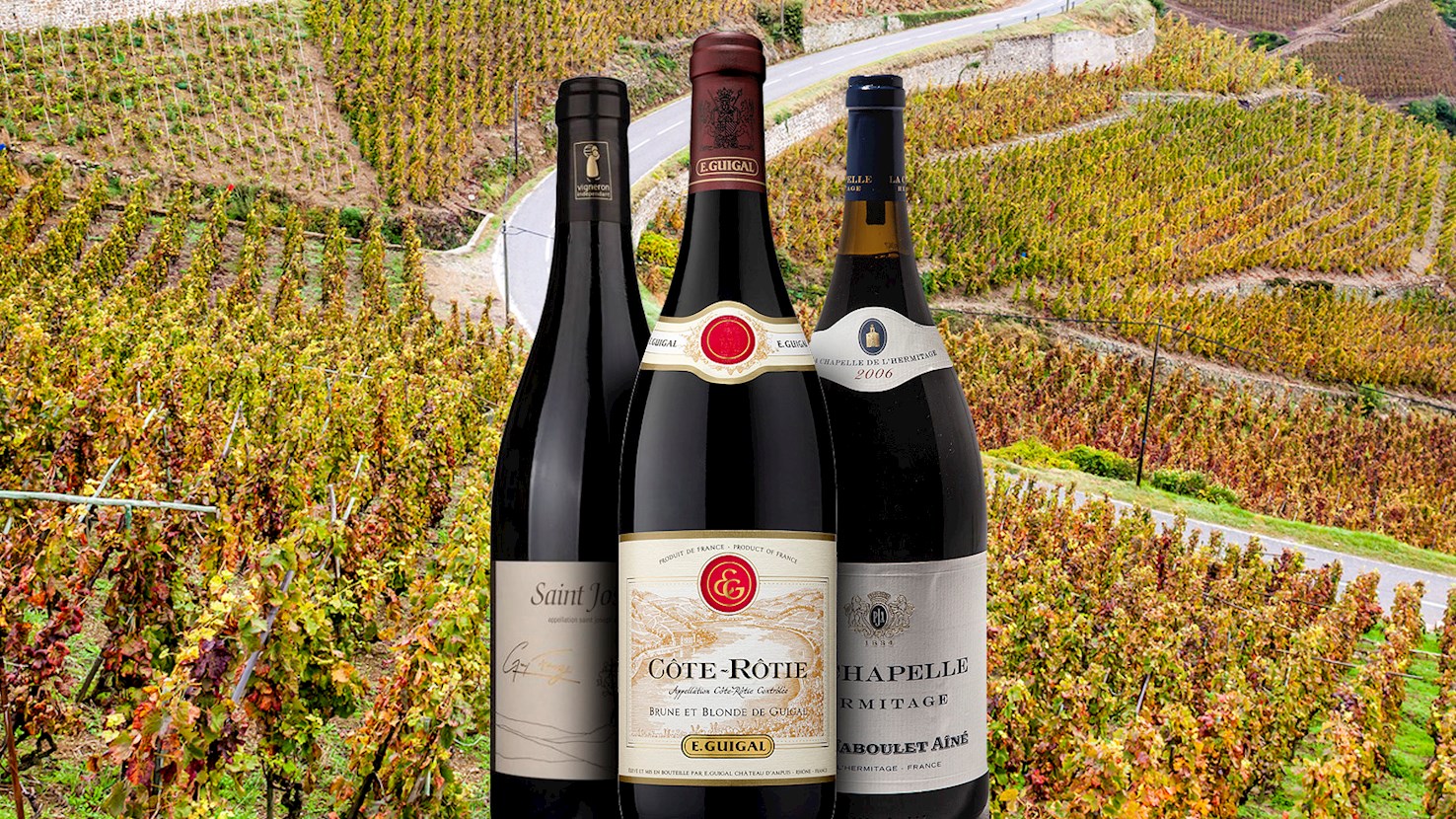
Syrah

4 ·

Although Syrah is an internationally known grape that is planted worldwide, it attains distinctive character in northern Rhône—which is often dubbed as Mecca for Syrah. There are several theories about the origin of the grape, but it has been widely accepted that Syrah is native to France and that it probably originated somewhere in the Rhône valley. Syrah-based wines from northern Rhône often differ in style, but they are powerful, full-bodied reds that can age exceptionally well. They usually display aromas of dark fruit that evolve into peppery, earthy, and herbaceous nuances. Northern Rhône is also home to the premier Syrah-based appellations such as Côte Rôtie, Hermitage, Saint-Joseph, Crozes-Hermitage, and Cornas. In the southern Rhône, Syrah is mostly used as an addition to the dominant Grenache. Syrah-based wines generally pair well with grilled or braised meat, stews, and game. Traditionally, French appellations do not include the name of the grape on the label.

06

Pinot Noir

4 ·

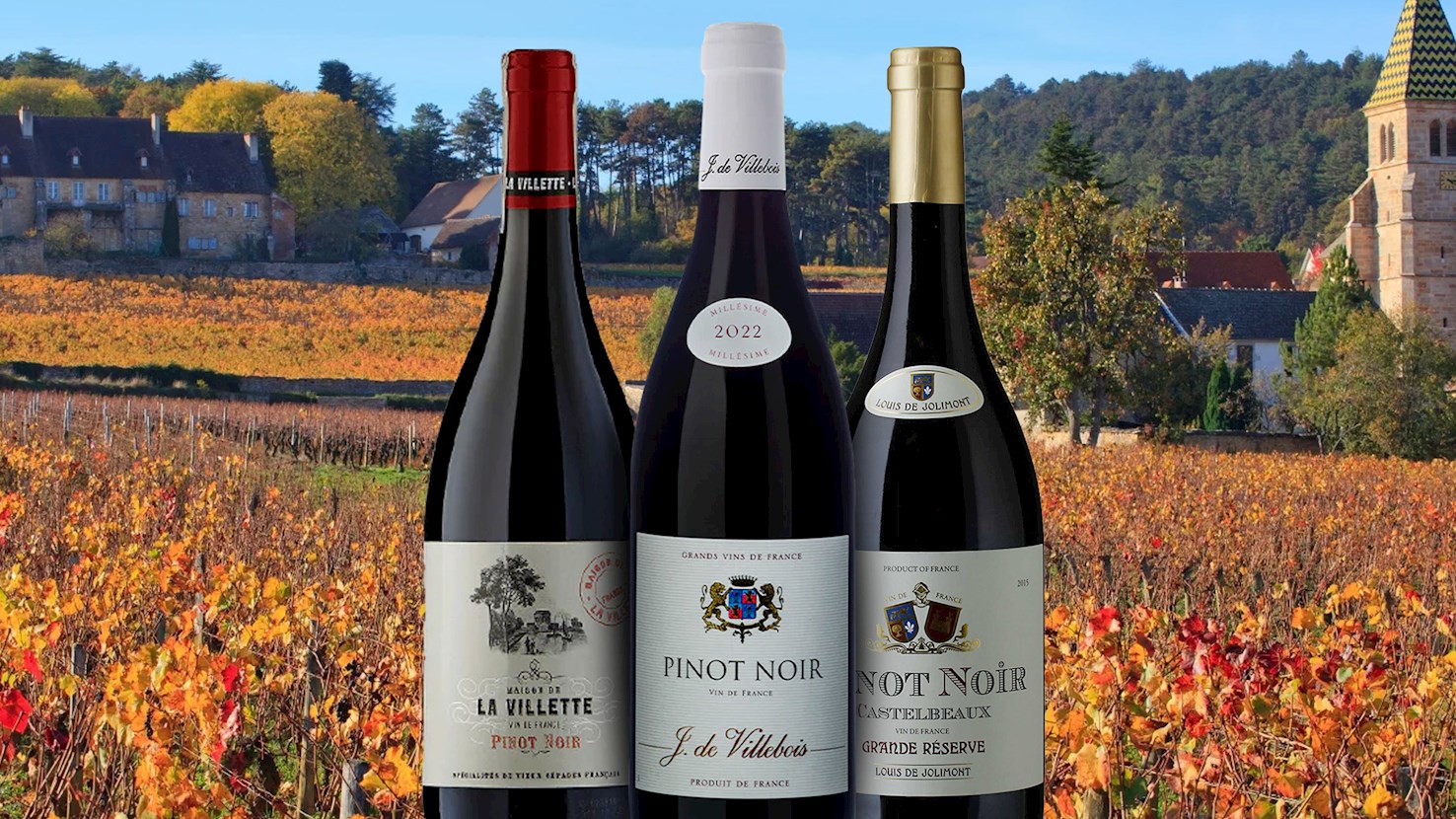
Pinot Noir is a highly esteemed red wine grape variety known for producing some of the world's finest and most elegant wines. Originating from the Burgundy region of France, Pinot Noir is revered for its complex flavors, silky texture, and ability to express the nuances of its terroir. Pinot Noir grapes are thin-skinned, making them more susceptible to disease and challenging to grow. They thrive best in cool to moderate climates, where they can develop their full range of flavors without overripening. The wines are typically light to medium-bodied with a pale to medium ruby color. The flavor profile of Pinot Noir wines often includes red fruit notes such as cherry, raspberry, and strawberry, along with floral aromas like rose and violet. As the wine ages, it can develop more complex flavors, including earthiness, mushroom, forest floor, and spice, often described as having a "barnyard" character in older, more mature wines. Burgundy, France, remains the benchmark for Pinot Noir, producing some of the most sought-after and expensive wines in the world, particularly from the Côte de Nuits region. Notable appellations include Gevrey-Chambertin, Vosne-Romanée, and Nuits-Saint-Georges. Burgundy Pinot Noirs are known for their elegance, finesse, and ability to age gracefully. Pinot Noir is also widely grown in other regions around the world, including California (notably in Sonoma County and the Central Coast), Oregon (particularly in the Willamette Valley), New Zealand (especially in Central Otago and Martinborough), and Germany (where it is known as Spätburgunder). Each region imparts its unique characteristics to the wine, with New World Pinot Noirs often exhibiting more pronounced fruit flavors and less earthiness compared to their Old World counterparts. Pinot Noir's versatility extends to food pairings, making it a popular choice for a wide range of dishes. Its bright acidity and moderate tannins make it an excellent match for poultry, pork, lamb, and game birds, as well as dishes featuring earthy ingredients like mushrooms and truffles. It also pairs well with soft cheeses and can complement a variety of vegetarian dishes.

07

Cabernet Sauvignon

3.9 ·

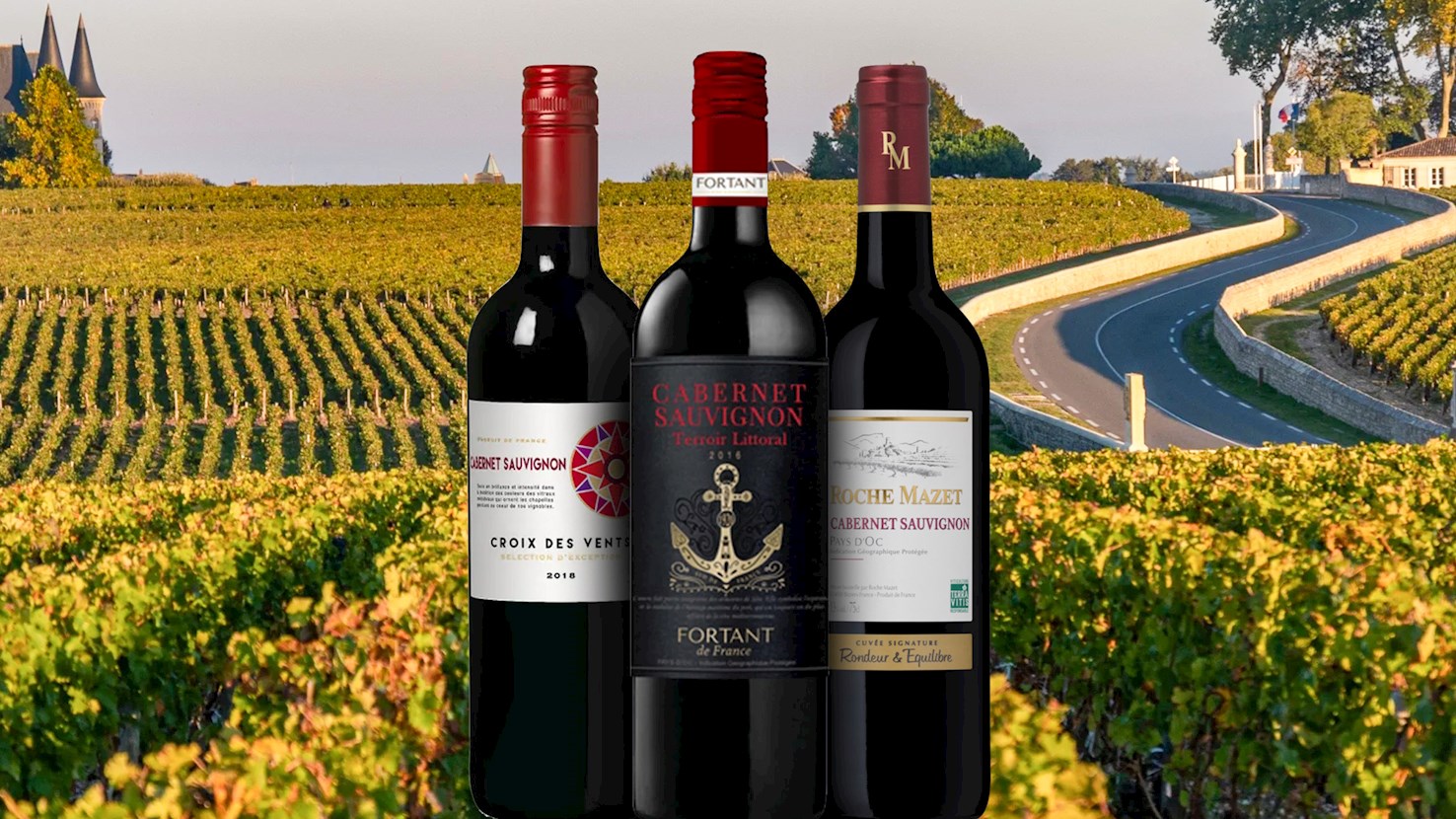
Cabernet Sauvignon is one of the world's most widely recognized and celebrated red wine grape varieties. Originating from the Bordeaux region of France, it has spread to virtually every major wine-producing country, becoming a key component of many of the world's finest wines. Cabernet Sauvignon is renowned for its ability to produce full-bodied, robust red wines with a high level of tannins and significant aging potential. The grape itself is small and thick-skinned, which contributes to its deep color and rich tannic structure. Wines made from Cabernet Sauvignon typically exhibit a range of flavors, including blackcurrant (cassis), black cherry, and blackberry, often accompanied by notes of green bell pepper, mint, tobacco, and cedar, especially when aged in oak barrels. In Bordeaux, Cabernet Sauvignon is a crucial part of the region's famous blends, particularly in the Médoc and Graves appellations on the Left Bank, where it is often blended with Merlot, Cabernet Franc, Petit Verdot, and Malbec. These blends produce some of the most prestigious wines in the world, known for their complexity, balance, and ability to age gracefully for decades. Outside of France, Cabernet Sauvignon has thrived in regions such as Napa Valley in California, where it produces powerful, fruit-forward wines that have garnered international acclaim. It is also widely grown in Chile, Australia, South Africa, Italy, and Spain, each region imparting its unique characteristics to the wine. For example, Chilean Cabernet Sauvignon often has a distinct herbal quality, while Australian versions, particularly from Coonawarra and Margaret River, are known for their intense fruit flavors and eucalyptus notes. Cabernet Sauvignon's versatility in the vineyard and winery, combined with its bold flavors and structure, makes it a favorite among winemakers and wine lovers. It pairs exceptionally well with a variety of foods, particularly rich and hearty dishes such as grilled or roasted meats, steak, lamb, and dishes with robust sauces. The tannins in the wine help cut through the fat and protein of these dishes, creating a harmonious balance on the palate.

08

Garnacha

3.8 ·

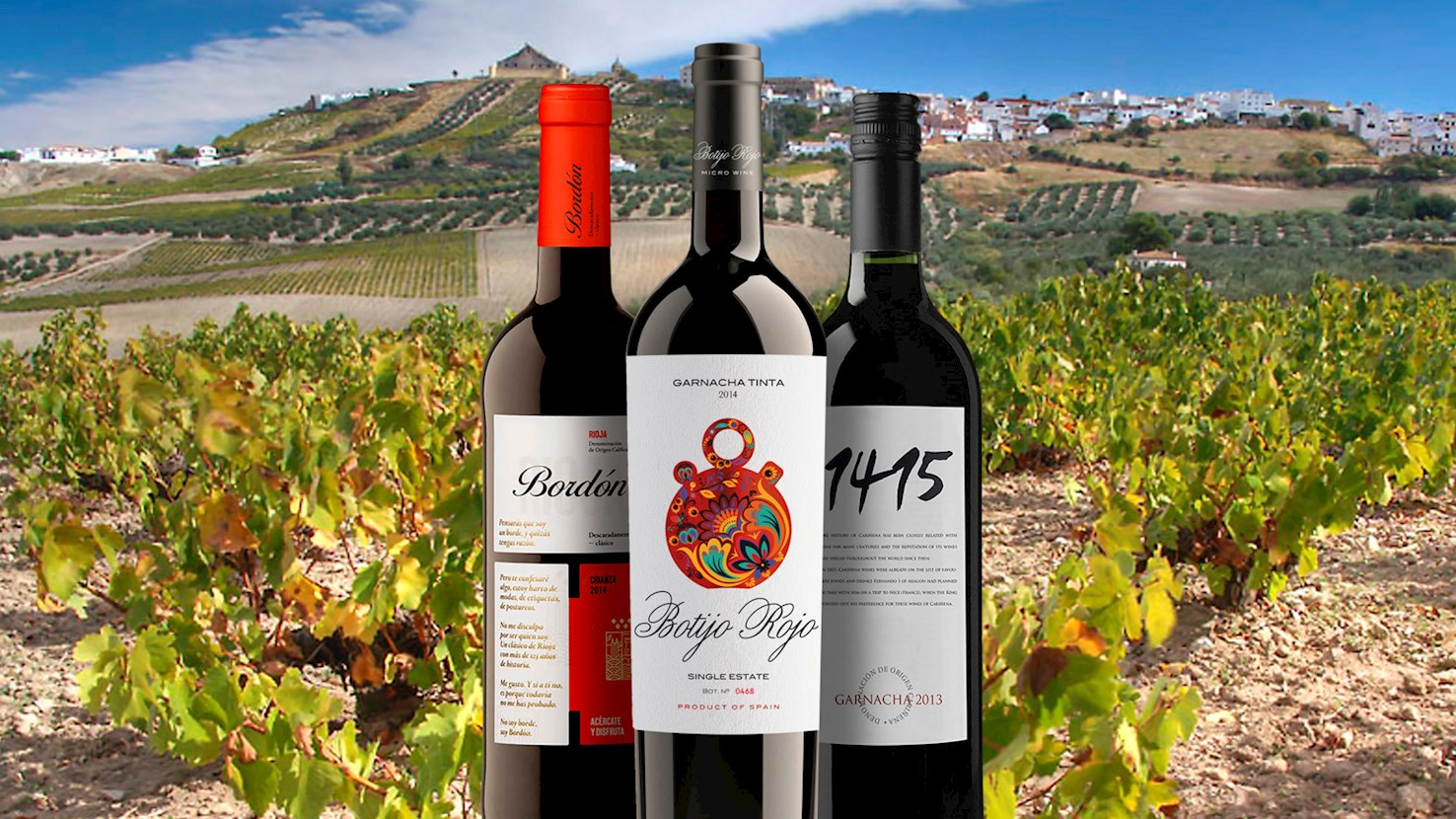
Garnacha, also known as Grenache in France, is a widely cultivated red wine grape variety known for producing wines with rich, fruity flavors and high alcohol content. It is one of the most versatile and widely planted grape varieties in the world, thriving in warm, dry climates. Garnacha grapes are typically medium to large in size with thin skins, which contribute to the grape's characteristic light color and relatively low tannin levels. Wines made from Garnacha often exhibit flavors of red fruits such as raspberry, strawberry, and cherry, along with spicy notes of white pepper, cinnamon, and hints of herbs and earthiness. As the wines age, they can develop more complex flavors, including leather, tobacco, and dried fruits. Garnacha is grown in several wine regions around the world, with notable concentrations in France, Spain, Australia, and the United States. In France, Garnacha is a key grape in the southern Rhône Valley, particularly in Châteauneuf-du-Pape, where it is often blended with Syrah, Mourvèdre, and other varieties to create complex, full-bodied wines. It is also prominent in the Languedoc-Roussillon region. In Spain, it is widely grown in regions such as Rioja, Priorat, and Aragon. In Priorat, Garnacha produces powerful, intense wines with great aging potential. In Australia, Garnacha is significant in regions like McLaren Vale and Barossa Valley, where it is often used in GSM (Garnacha, Syrah, Mourvèdre) blends. In the United States, California, particularly the Central Coast and Paso Robles, has seen a rise in Garnacha plantings, producing both single-varietal wines and blends. Garnacha is incredibly versatile and can be used to produce a variety of wine styles, including red wines that range from light and fruity to rich and full-bodied, rosé wines, particularly in Provence, and fortified wines such as Banyuls and Maury in France. Garnacha wines pair well with a variety of foods due to their fruit-forward nature and moderate tannins, complementing dishes such as roasted meats, stews, grilled vegetables, and Mediterranean cuisine. The spicier and earthier notes of aged Garnacha make it an excellent match for game meats and hearty, rustic dishes.

09

Malbec

3.8 ·

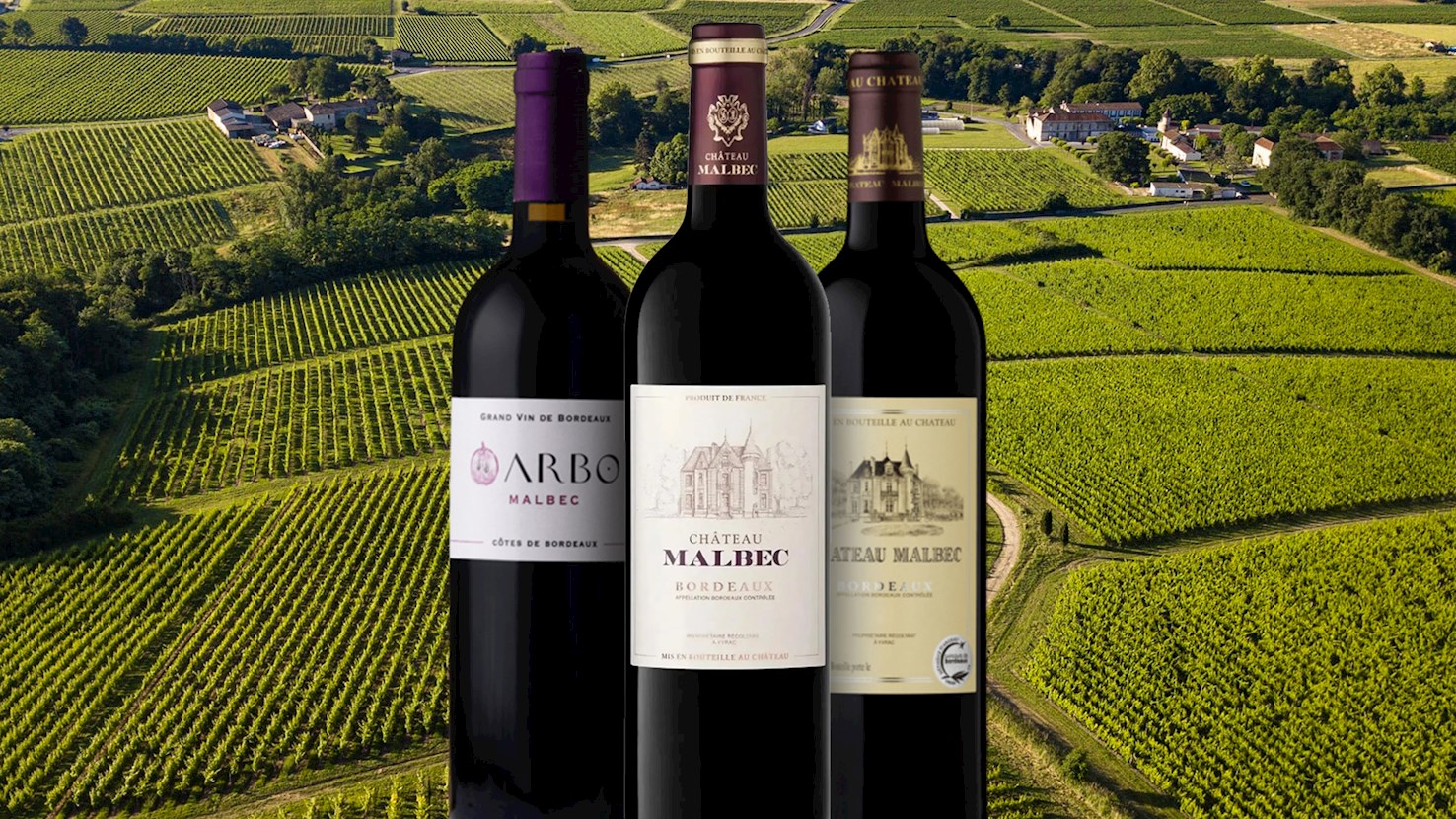
Malbec is a red wine grape variety that is most famously associated with Argentina, although it originally hails from the Bordeaux region of France. It is known for producing deeply colored, full-bodied red wines with strong fruit flavors and smooth tannins. The grape has found its ideal growing conditions in Argentina, particularly in the Mendoza region, where it has become the country's flagship grape variety. Malbec wines are typically characterized by their dark, inky color and intense flavors of dark fruits such as blackberries, black cherries, and plums. These wines often have notes of chocolate, coffee, and tobacco, with hints of spice and sometimes floral undertones like violet. The tannins in Malbec are usually softer and more rounded compared to other full-bodied red wines, making them approachable and enjoyable even when young. In France, Malbec is still grown, particularly in the Cahors region, where it is known as "Cot" or "Auxerrois." Cahors Malbec tends to be more tannic and rustic compared to its Argentine counterpart, often requiring more aging to soften the tannins and develop its complex flavors. The terroir of Argentina, with its high-altitude vineyards, abundant sunshine, and well-drained soils, contributes to the exceptional quality of Malbec wines. The altitude helps maintain the grape's acidity and balance, while the dry climate reduces the risk of disease and allows the grapes to ripen fully. Malbec is also grown in other wine-producing countries, including the United States, Chile, and Australia, where it continues to gain popularity for its versatility and robust flavor profile. Malbec wines pair well with a variety of foods, particularly rich and hearty dishes. They complement grilled meats, especially beef, as well as lamb, pork, and game. The wine's fruit-forward nature and balanced acidity also make it a good match for spicy dishes, cheeses, and even dark chocolate desserts.

10

Chenin Blanc

3.8 ·

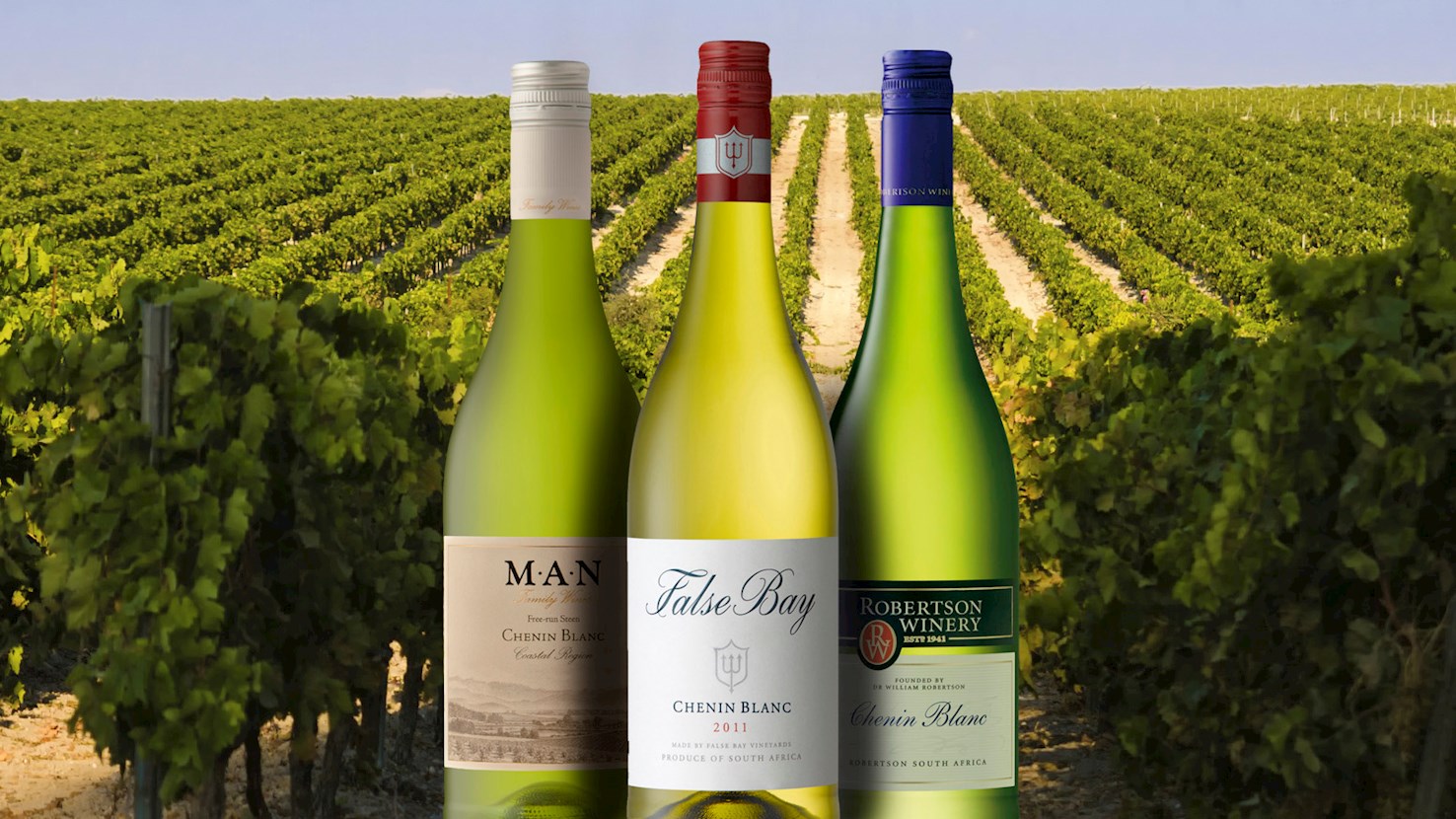
Chenin Blanc is a grape variety grown in the Loire valley of France, from where it spread to South Africa and became popular as Steen. Due to its versatility, it comes in a few varieties, such as bubbly, dry, or sweet. The dry version of Chenin Blanc from the Loire has a good aging potential with its assertive acids and typical honey, apple, pear, and quince aromas while the great Loire Chenins are the sweet wines of Vouvray, Bonnezeaux, Coteaux du Layon, and Quarts de Chaume. Depending on the style and character, Chenin Blanc wines can match a variety of dishes, while dry styles may accompany poultry, pork, fish, terrines or pâtes, sweeter versions would be a good match to desserts, Asian cuisine, cheese, and creamy sauces.

Best French Wine Varieties
01

Champagne Krug

5 ·
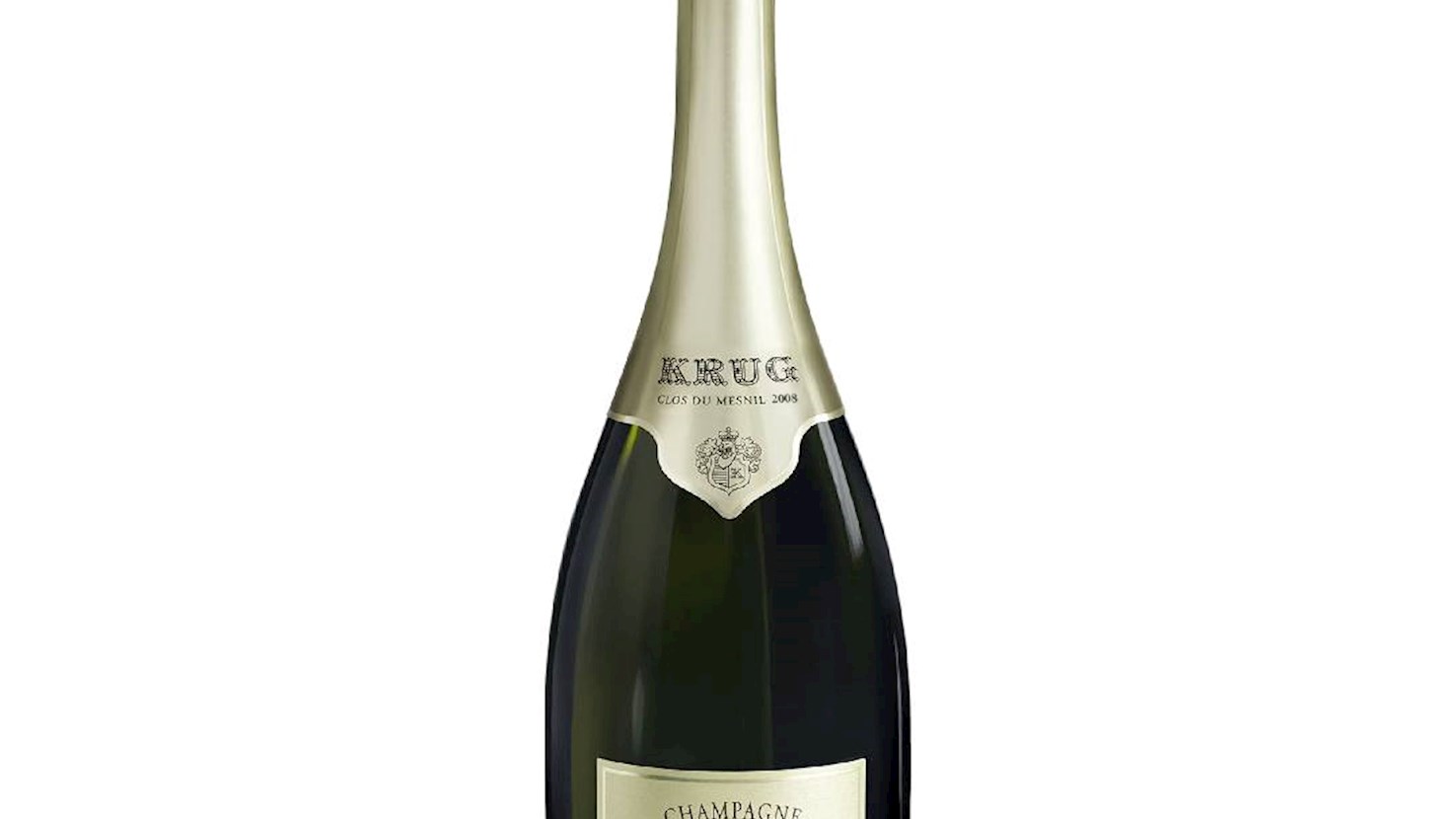
Champagne Krug is one of the most prestigious and revered Champagne houses, renowned for its unwavering commitment to excellence and the artistry of champagne-making. Founded in 1843 by Johann Joseph Krug, this family-run house has always adhered to a philosophy of uncompromising quality, emphasizing the individuality of each vintage and terroir. Krug stands apart with its unique approach - each bottle of champagne is crafted from meticulously selected wines from different years and vineyards, creating unparalleled depth, complexity, and richness. Their most iconic champagne, Krug Grande Cuvée, embodies this philosophy, blending up to 200 wines from over 10 different vintages to achieve perfect harmony and sophistication in every edition. Additionally, Krug is renowned for its exclusive vintage champagnes, Krug Rosé, and rare single-vineyard expressions like Clos du Mesnil and Clos d'Ambonnay, which originate from exceptional, limited-production plots. Each bottle undergoes an extended aging process in Krug’s cellars, allowing the champagnes to develop profound aromas, refined textures, and remarkable elegance. With an uncompromising dedication to quality, a deep respect for tradition, and an innovative spirit, Krug remains synonymous with luxury, refinement, and the ultimate champagne experience.
Awards
Wine Spectator - 99 (2021)
Falstaff - 100
02

Château de Meursault

5 ·
With over 1000 years of history, Château de Meursault follows an approach of excellence in respect of nature, the environment and the climates. With the 2022 vintage, the entire vineyard of Château de Meursault is conducted in organic farming.
Awards
Decanter World Wine Awards - Best in Show (2023, 2021, 2019)
Decanter World Wine Awards - Platinum (2020, 2019)
03

Louis Roederer

5 ·
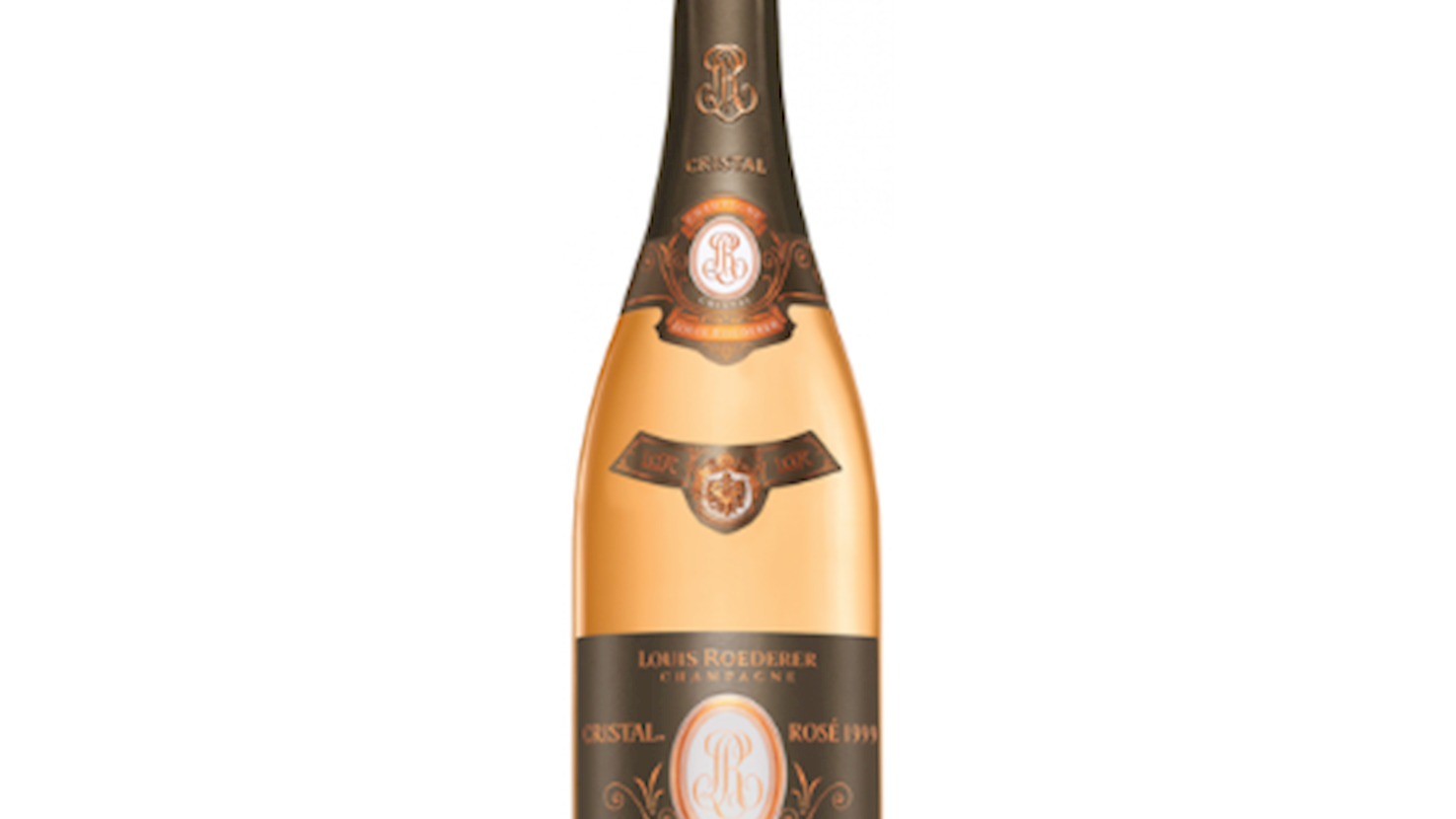
Louis Roederer is one of the most prestigious and oldest independent Champagne houses, synonymous with luxury, tradition, and innovation. Founded in 1776 in the heart of Champagne, in the city of Reims, this family-run house has been nurturing the art of producing exceptional Champagnes for centuries, captivating connoisseurs worldwide. The true rise of the house began in 1833, when Louis Roederer took over the family business and introduced a revolutionary approach - unlike other producers who purchased grapes, he decided to own and cultivate his own vineyards. This decision allowed him complete control over quality, terroir, and the unique style of his Champagnes, establishing the Louis Roederer brand’s distinctive signature. Thanks to its passion, expertise, and unwavering commitment to excellence, Louis Roederer remains one of the most respected Champagne producers in the world, cherished by collectors, sommeliers, and lovers of fine wines.
Awards
Wine Spectator - 98 (2022)
Falstaff - 100
04

Maison Albert Bichot
5 ·
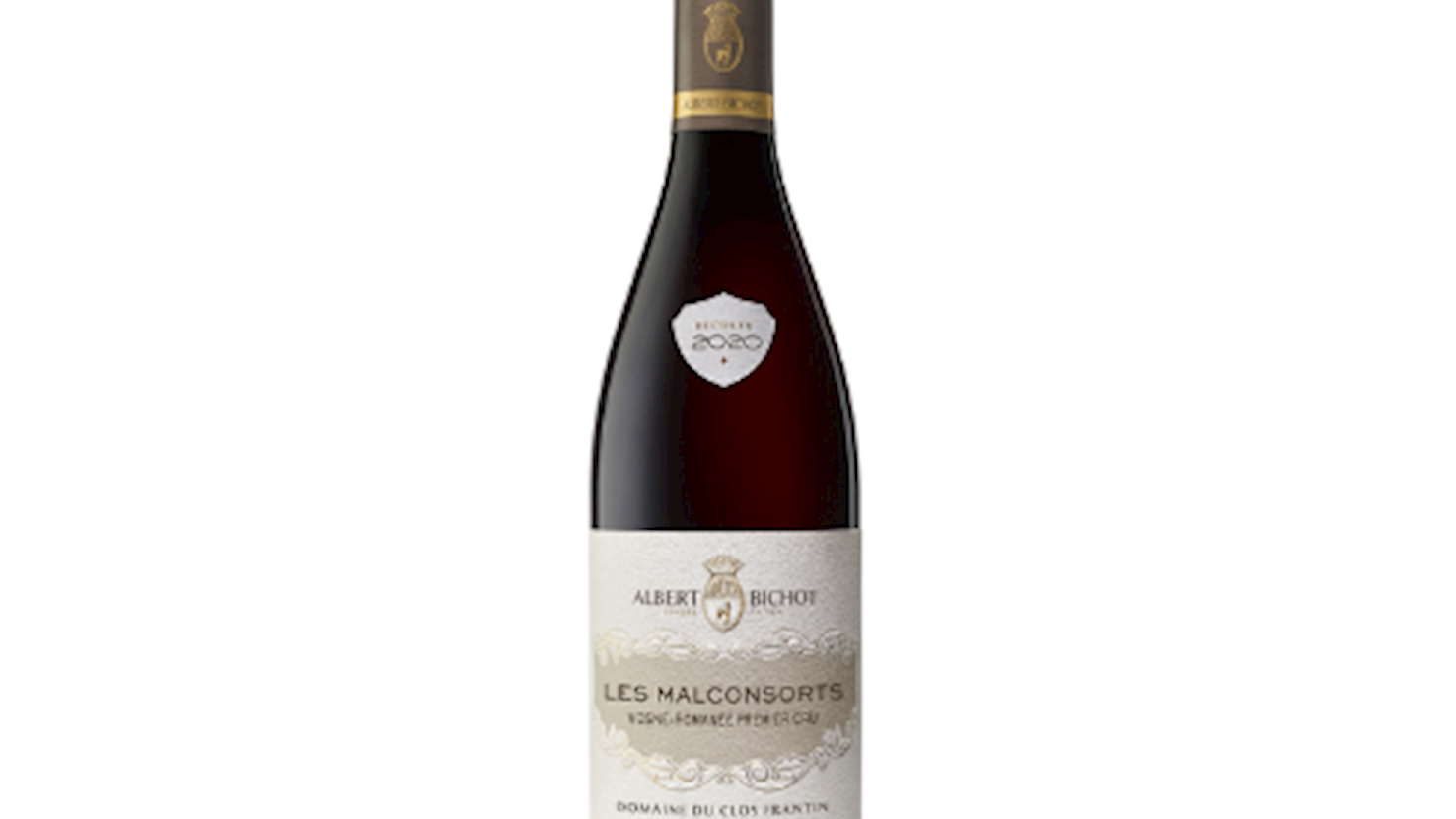
Maison Albert Bichot is a historic Burgundy wine house founded in 1831 and based in Beaune, at the heart of the region. Still family-owned, it has evolved from a traditional négociant into a major vineyard owner, managing over 100 hectares across six estates in key areas such as Chablis, Côte de Nuits, Côte de Beaune, and Beaujolais. The house combines estate-grown fruit with grapes sourced from long-term partner growers, all vinified under strict quality control to ensure consistency and authenticity. Its philosophy centers on expressing Burgundy’s “climats,” emphasizing the unique identity of each vineyard through minimal intervention and precise winemaking. The portfolio focuses mainly on Pinot Noir and Chardonnay, ranging from regional appellations to Premier Cru and Grand Cru wines. Sustainability is a core principle, with most estates farmed organically and a strong commitment to environmentally responsible practices. The wines are known for their balance, purity, and clear sense of origin. Over time, Maison Albert Bichot has built a strong international reputation, supported by numerous awards and consistent critical recognition.
Awards
Decanter World Wine Awards - Platinum (2024, 2023, 2022, 2021, 2020)
Decanter World Wine Awards - Best in Show (2021, 2020)
05

Domaine de la Romanée-Conti

5 ·
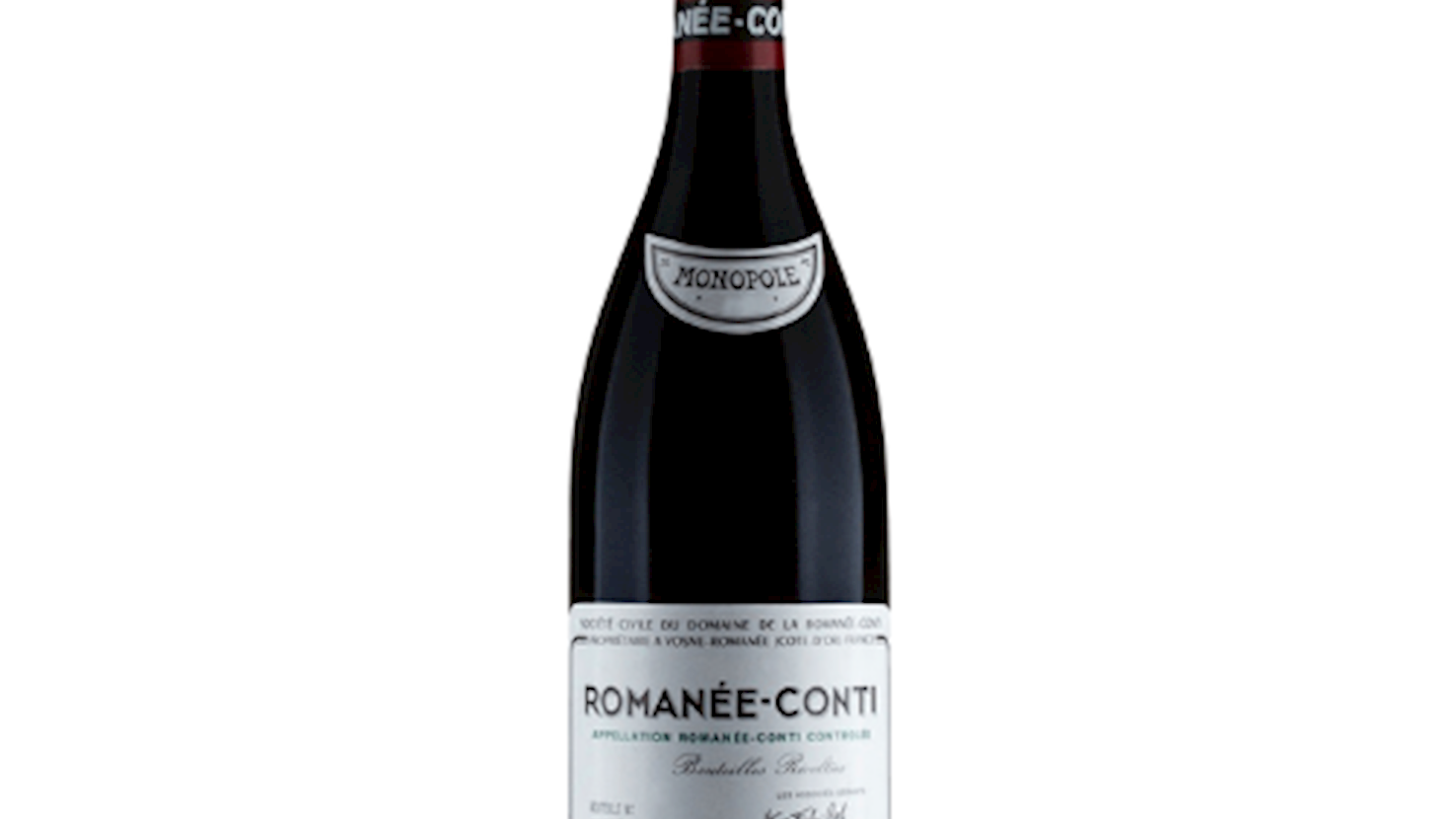
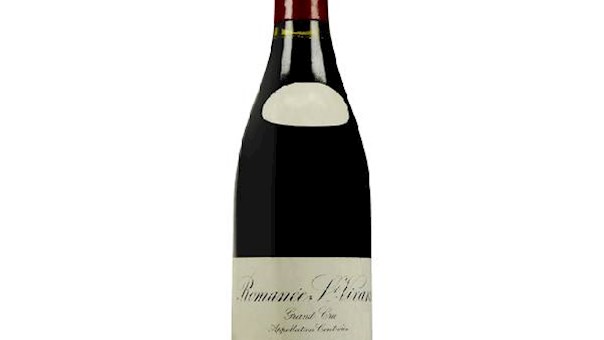
Domaine de la Romanée-Conti is more than a wine estate – it is a symbol of purity, heritage, and quiet perfection. Revered around the world, DRC is known for crafting some of the most extraordinary and sought-after wines in existence. Each bottle reflects a philosophy rooted in deep respect for nature, time, and tradition. The vineyards are cultivated entirely through organic and biodynamic practices, with minimal intervention and extreme attention to detail. Every vine is tended by hand, yields are deliberately low, and fermentation follows the natural rhythms of the land. The estate believes that great wine must speak of where it comes from – of soil, climate, and vintage – without artifice. The result is a collection of wines that are not only technically perfect, but also emotionally moving: elegant, profound, and timeless. Domaine de la Romanée-Conti doesn’t follow trends. It follows its own truth – and in doing so, creates wines that transcend expectation and define greatness.
Awards
Falstaff - 100
Falstaff - 99
06

Bollinger

5 ·
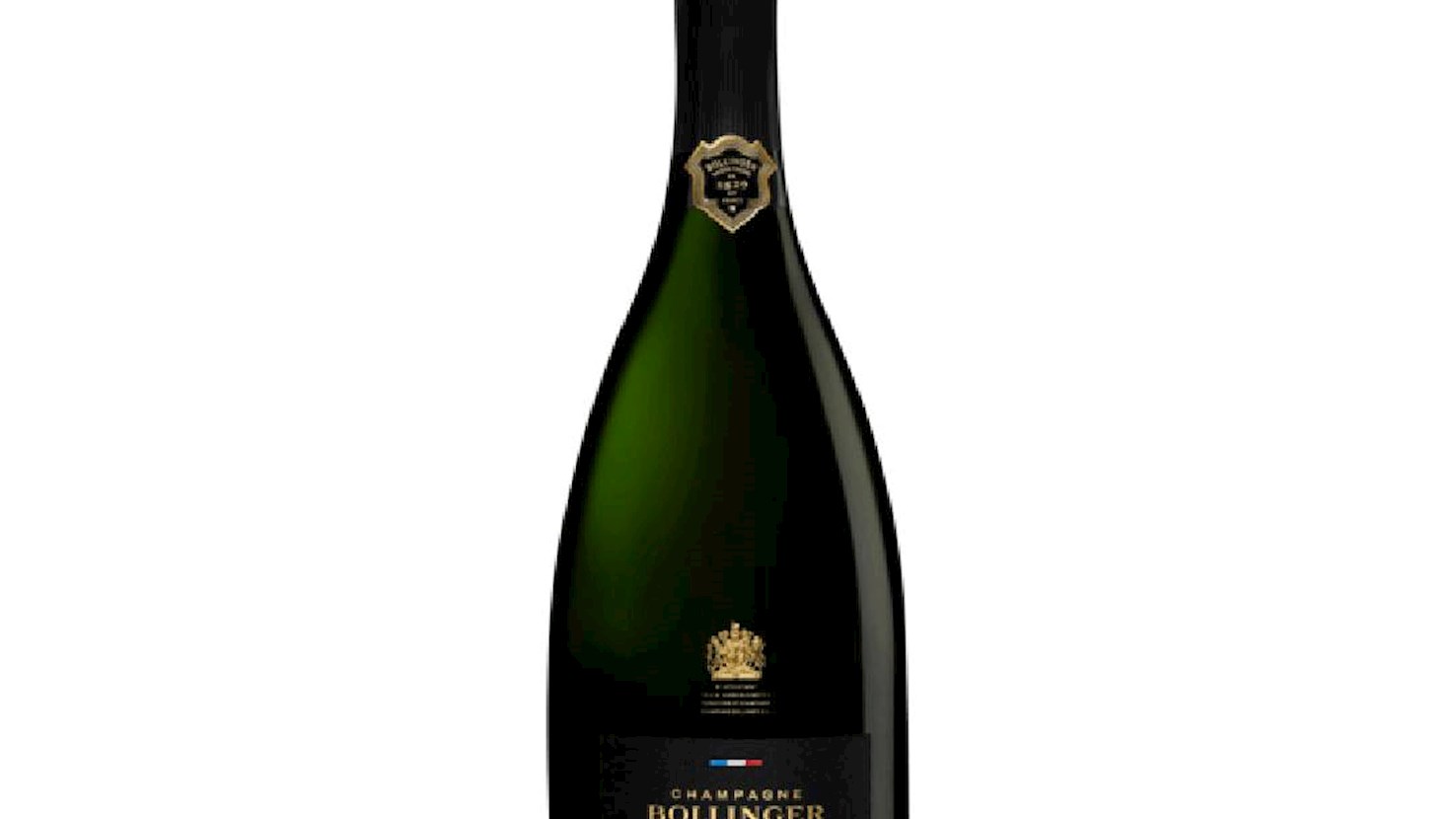
The Champagne house Bollinger, founded in 1829 in Aÿ, France, stands as a symbol of excellence and tradition in the world of champagne. Bollinger is distinguished by its unique style that blends power, refinement, and complexity, allowing fruity aromas to fully express themselves. Their wines, such as the iconic Special Cuvée, reflect richness and depth of flavor, thanks to a careful selection of grapes and traditional winemaking methods. For nearly two centuries, Bollinger has remained true to its family values and independence, which has enabled the house to preserve authenticity and consistent quality in its champagnes. Their commitment to sustainability and environmental preservation further highlights a responsible approach to production and care for future generations. Today, Bollinger continues to captivate champagne lovers around the world, combining a rich heritage with innovation, always striving for perfection in every bottle.
Awards
Falstaff - 100
Falstaff - 99
07

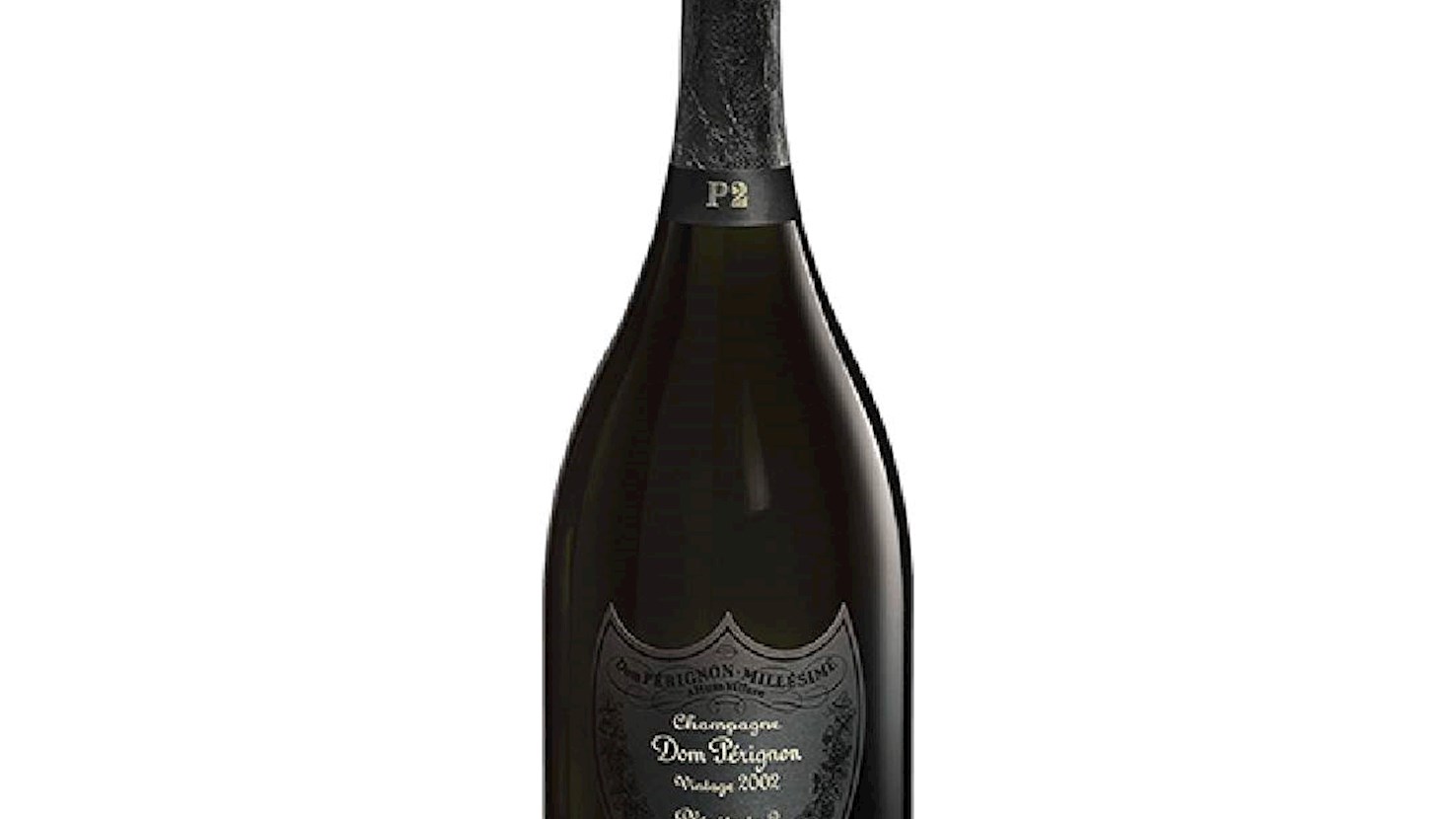
Dom Pérignon

5 ·
Dom Pérignon is more than a name – it is a symbol of prestige, artistry, and an unrelenting pursuit of harmony between intensity and elegance. Inspired by the legendary Benedictine monk who helped shape the future of champagne in the 17th century, the house today embodies innovation, legacy, and timeless luxury. Every bottle of Dom Pérignon is millésimé – made exclusively from a single vintage. It is only produced in years when nature offers grapes of truly exceptional quality, and each vintage is a unique expression of that year’s character and energy. Dom Pérignon champagnes are known for their layered aromas, precise structure, creamy texture, and seamlessly integrated freshness. This is not a wine that simply ages – it evolves, revealing more with each moment. For those who seek more than flavor in a glass, Dom Pérignon offers a rare experience of emotion, energy, and the pinnacle of winemaking vision.
Awards
Falstaff - 100
Vivino - 4.6
08

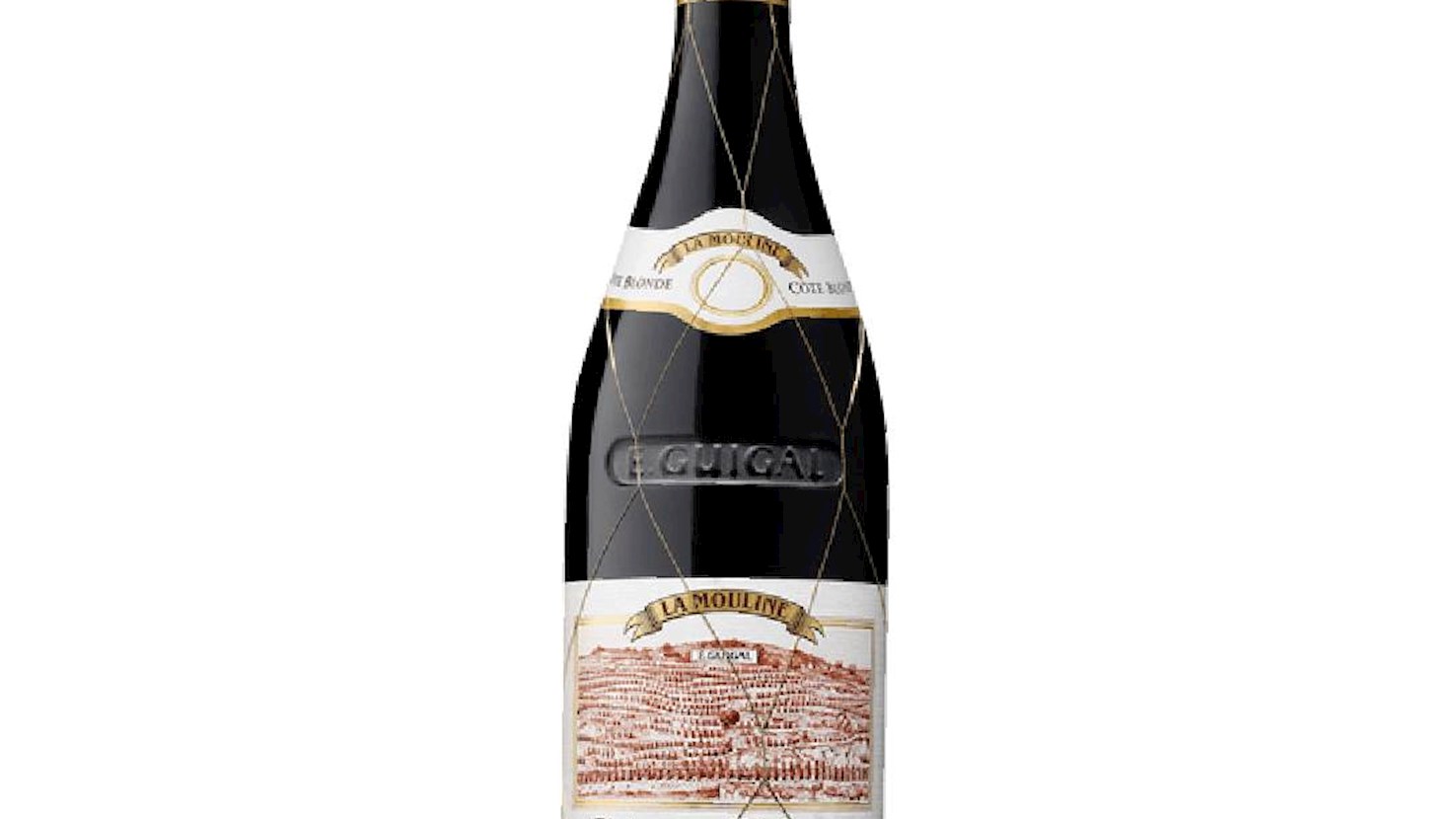
E. Guigal

5 ·
E. Guigal, established in 1946 by Étienne Guigal in Ampuis, France, is a renowned winery in the Rhône Valley. The estate is particularly celebrated for its Côte-Rôtie wines, notably the single-vineyard "La La's": La Mouline, La Landonne, and La Turque. Under the leadership of Marcel Guigal since 1961, and now his son Philippe, the family has expanded their holdings to include prestigious vineyards across the Rhône, including Hermitage, Saint-Joseph, and Crozes-Hermitage. Their commitment to quality and traditional winemaking techniques has solidified E. Guigal's reputation as a producer of some of the world's finest wines.
Awards
James Suckling - 99 points (2024)
Falstaff - 100
09

Château Lafite Rothschild

5 ·
Château Lafite Rothschild is a name that represents the highest expression of elegance, precision, and consistency in the world of fine wine. The estate follows a distinctive philosophy rooted in deep respect for the land, the vine, and every detail of the winemaking process. The vineyards are cultivated with thoughtful care, aiming to reveal the purest expression of their origin. Every decision - from grape selection to aging - is guided by a pursuit of balance, clarity, and refinement. Whether it is the Grand Vin, Carruades de Lafite, or Anseillan, the house style remains unmistakable: understated, harmonious, and enduring. Château Lafite Rothschild does not seek to impress - it seeks to achieve quiet excellence that is felt and remembered.
Awards
Falstaff - 100
Falstaff - 99
10

Château Mouton Rothschild

5 ·
Château Mouton Rothschild stands as a symbol of heritage, artistry, and excellence in winemaking. Nestled in the heart of Pauillac, this legendary estate has been under the stewardship of the Rothschild family since 1853, when it was acquired by Baron Nathaniel de Rothschild. Over the decades, Mouton has become a beacon of innovation and prestige within Bordeaux. In 1924, Baron Philippe de Rothschild made a bold move by deciding to bottle the entire vintage at the château - an unprecedented decision at the time that redefined estate bottling in Bordeaux. After decades of consistent excellence, Château Mouton Rothschild was elevated in 1973 to the highly coveted status of First Growth, becoming the only estate in history to rise within the official 1855 classification. The wines, anchored in Cabernet Sauvignon, are known for their depth, power, and remarkable aging potential. But beyond the wine itself, Mouton is renowned for its intimate connection with the world of art. Since 1945, each vintage has featured a bespoke label created by a prominent artist - names such as Picasso, Miró, Chagall, Warhol, and Hockney - transforming each bottle into a unique piece of collectible art. Still family-owned and passionately led, Château Mouton Rothschild continues to honor its legacy while embracing modernity, uniting the worlds of fine wine and fine art in one extraordinary expression of culture and craftsmanship.
Awards
Falstaff - 100
Falstaff - 99
Read more
View all
View map
About this ranking

TasteAtlas food rankings are based on the ratings of the TasteAtlas audience, with a series of mechanisms that recognize real users and that ignore bot, nationalist or local patriotic ratings, and give additional value to the ratings of users that the system recognizes as knowledgeable. For the “Top 100 French Wine Varieties” list until June 10, 2026, 897 ratings were recorded, of which 811 were recognized by the system as legitimate. TasteAtlas Rankings should not be seen as the final global conclusion about food. Their purpose is to promote excellent local foods, instill pride in traditional dishes, and arouse curiosity about dishes you haven’t tried.

The initial list of top producers was compiled based on available reviews, awards, local recommendations, media and blog coverage, and consumer reviews. The list will be updated with ratings from TasteAtlas local ambassadors and TasteAtlas users.

Similar lists