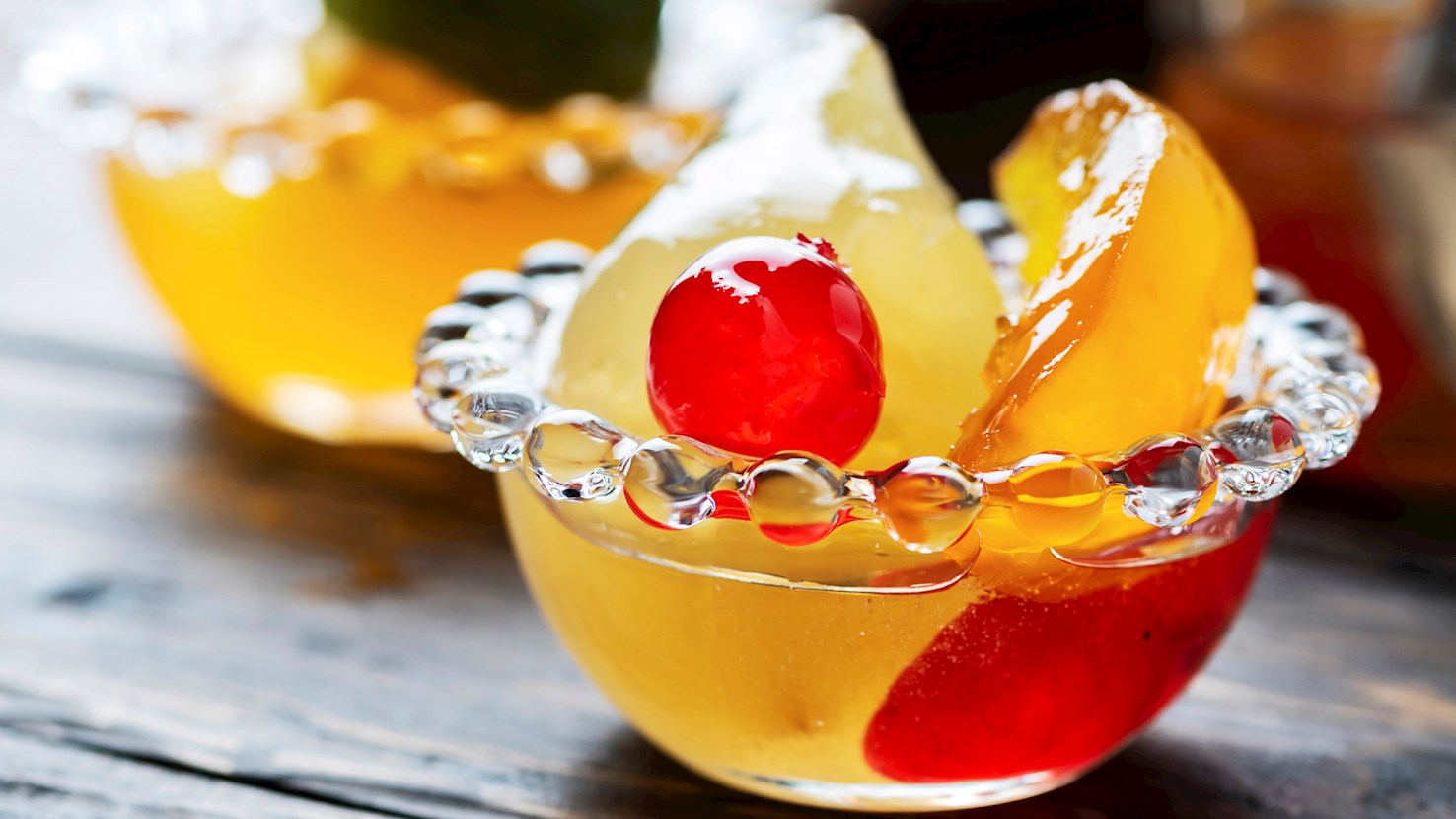
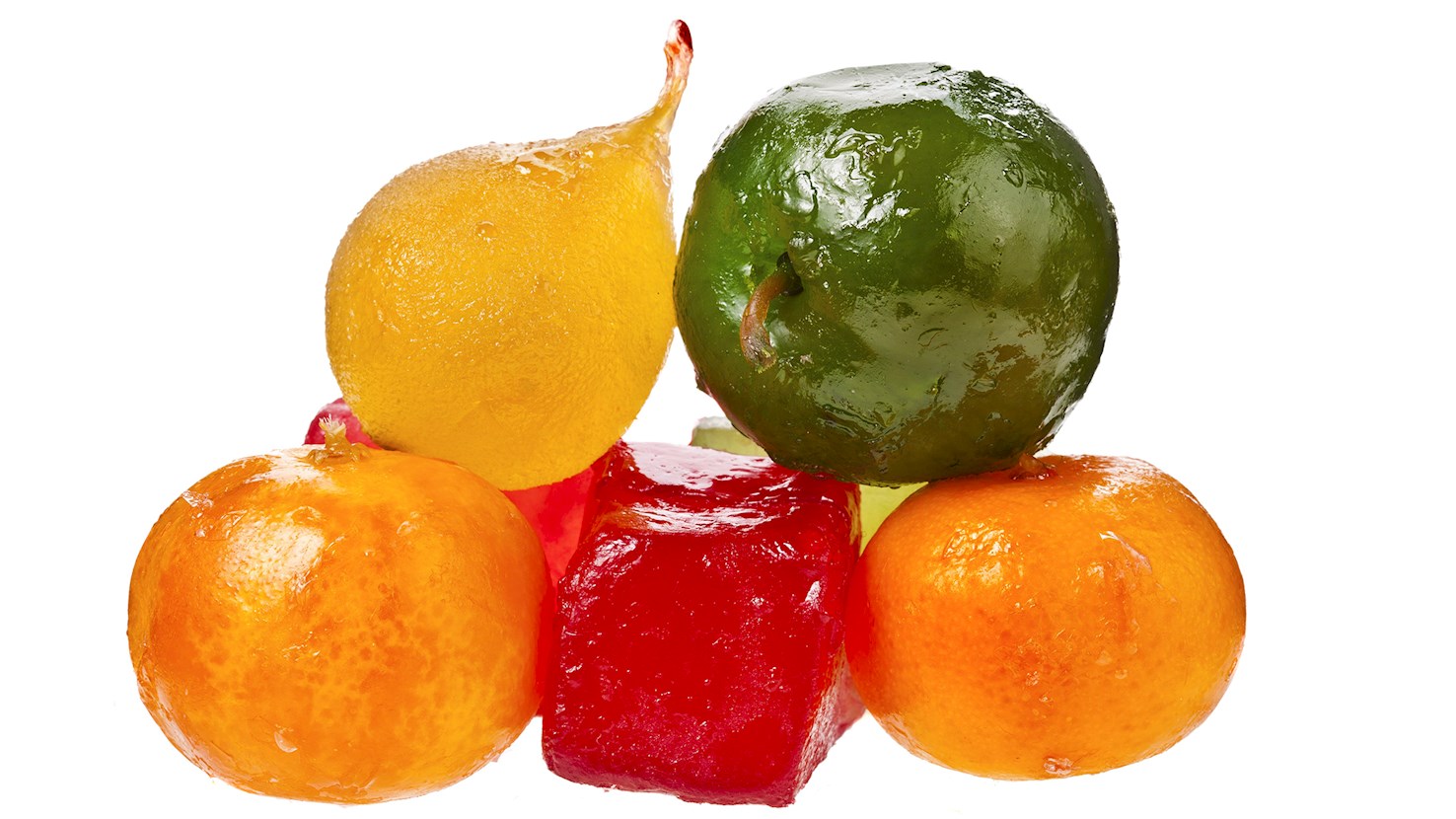
Mostarda di cremona is a type of traditional fruit preserve used as a condiment in Italy. A jar of mostarda di cremona contains one or more varieties of fruit, either whole or cut into pieces. The fruit is cooked with simple syrup, honey, or grape must, and flavored with mustard oil or powdered mustard seed. Typical fruits include grapes, figs, quinces, white watermelons, plums, oranges, pears, apples, peaches, tangerines, and cherries. The preserved fruit retains its original shape and is not mushy but firm, plump, and glistening, and has a distinctive flavor that is a blend of sweet, piquant, spicy, and pungent. Hailing from the city of Cremona, this preserve is traditionally used in bollito misto, a dish of boiled meats which is typical of Northern Italy, and is also often added to pumpkin ravioli. Sometimes referred to as mostarda di frutta, mostarda di cremona often accompanies a variety of fish and meat dishes, cheeses, and charcuterie. Jars of this Italian specialty can be bought from Italian delicatessens.
Often described as something between a relish, a chutney, and a pickle, Italian mostarda is a sweet and spicy fruit preserve that is traditionally served with meats, especially poultry and game. In Northern Italy, it is also an essential accompaniment to an assortment of boiled cuts of meat called bollito misto. Mostarda can also be enjoyed spooned over sharp cheeses that can hold up against its zesty bite. This condiment’s tradition dates back to the Middle Ages, when it was made with cooked grape must, or mosto ardente in Italian – hence the name mostarda. Today, however, the pungent kick comes from either mustard oil or sometimes even whole or powdered mustard seeds, which are added to fresh, dried, or candied fruit. Even though countless modern varieties of this popular fruit preserve are available ready-made, nothing compares to a homemade mostarda. It is traditionally prepared through the end of summer and well into the fall using local, seasonal fruits like white watermelon, fig, plum, prune, apricot, apple, pear, quince, or even pumpkin.
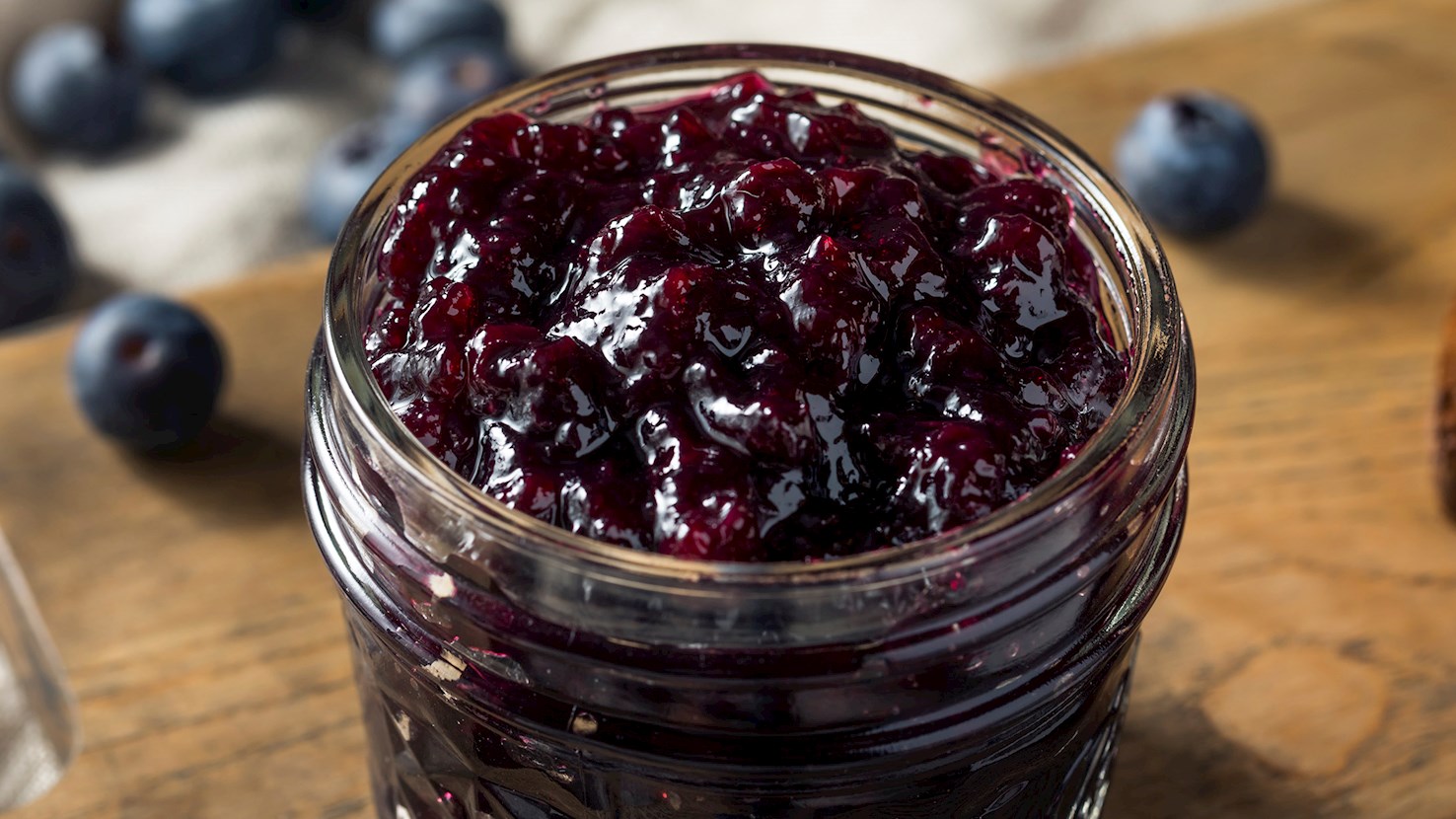
Saskatoon berry jam is a Canadian fruit product made with a combination of Saskatoon berries, water, sugar, and lemon juice. In order to prepare the jam, the berries are first crushed, then combined with sugar, water, and lemon juice. The concoction is brought to a boil, and it is then stirred and cooked until the jam thickens. The jam is typically transferred to sterilized jars which are sealed and stored in a cool and dry place until the jam is consumed. It is recommended to serve Saskatoon berry jam with crusty bread or pancakes.
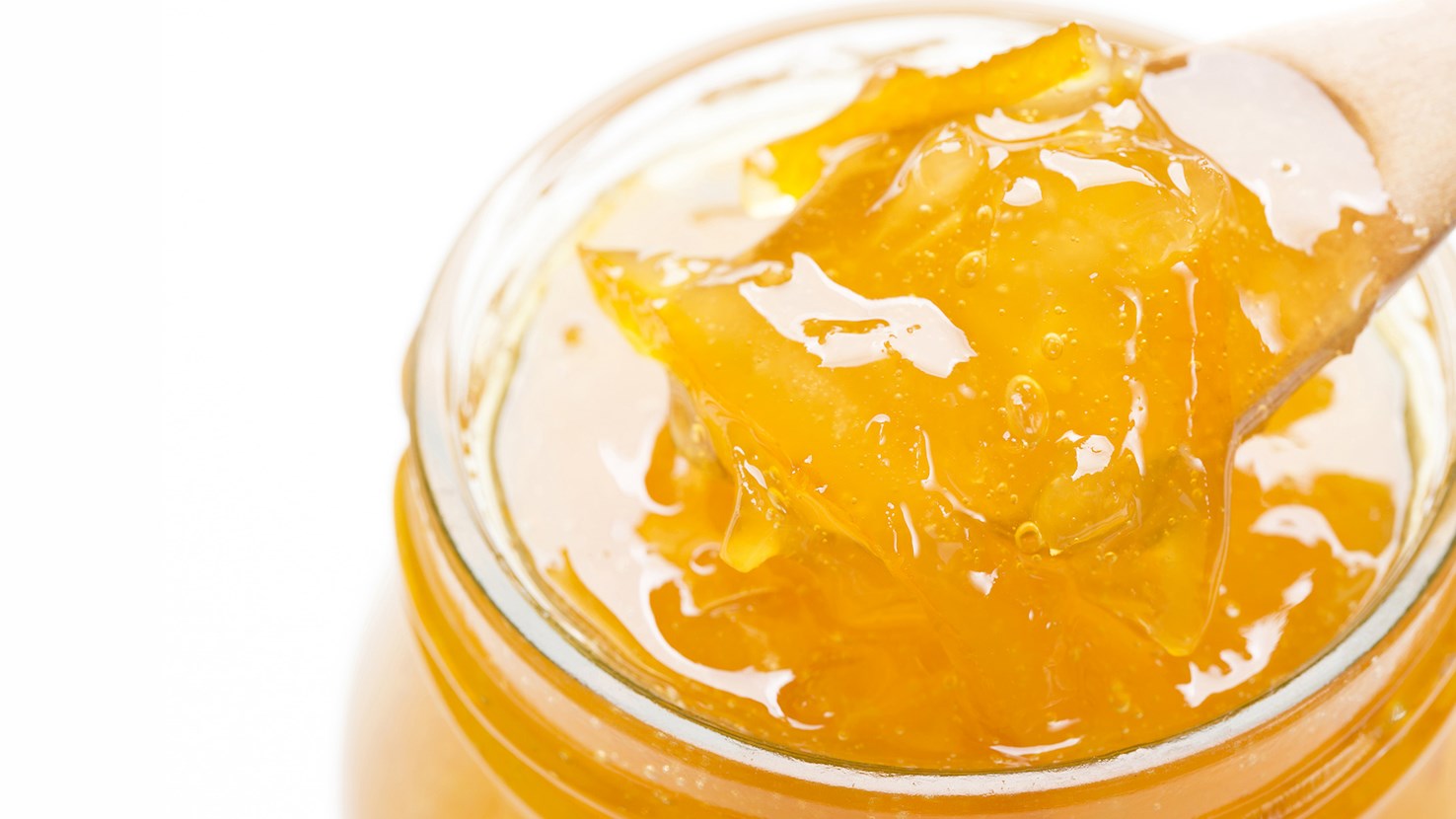
Yuzu marmalade is a citrus preserve made from the yuzu fruit, a small, aromatic citrus native to East Asia and especially associated with Japan. Yuzu has a distinct flavor that combines sharp acidity with a floral fragrance, making it different from other citrus fruits like oranges or lemons. When transformed into marmalade, the fruit’s zest, pulp, and juice are cooked slowly with sugar until they form a glossy, bittersweet spread that captures the essence of this unique fruit. Its presence in Japanese cuisine is part of a broader appreciation of yuzu, which is used in sauces, drinks, and even baths, but marmalade highlights its potential in a sweet preserve form that can be stored and enjoyed over time. The making of citrus preserves has a long background in both East Asia and Europe, and yuzu marmalade reflects a convergence of these practices. In Japan, the fruit itself has been cultivated for centuries, valued not only for culinary purposes but also for its cultural associations with winter solstice rituals. When preservation methods like marmalade became more widespread, yuzu became a natural candidate because its zest and juice are both so aromatic. Over the years, this preserve has moved beyond Japan and can now be found in markets and specialty shops in Europe and North America, where it is often appreciated as an artisanal product that delivers a flavor profile not easily replicated by other citrus fruits. The preparation involves carefully washing the fruit, slicing it thinly, removing seeds, and cooking it slowly with sugar and water. The bitterness from the peel is balanced with sweetness, while the pulp and juice add depth and brightness. Some variations adjust the level of peel included, leading to marmalades that are more bitter or more fruity depending on taste. Once set, the marmalade is poured into jars and sealed, ready to be used in a wide range of ways. It can be spread on toast at breakfast, paired with cheeses, used as a glaze for meats, or incorporated into desserts like cakes and tarts. In Japan, it sometimes appears as a sweetener for teas, stirred into hot water to create a soothing citrus drink. What sets yuzu marmalade apart is the fruit itself, as yuzu contains aromatic compounds not found in more common citrus fruits. Its fragrance is often described as both sharp and floral, giving the marmalade a complexity that goes beyond simple sweetness and bitterness. Because fresh yuzu is rare outside East Asia, jars of yuzu marmalade also serve as a way of making the fruit’s flavor more accessible to people who cannot easily buy it whole. The preserve has therefore taken on a role as both a practical product and a vehicle for cultural exchange. Today, yuzu marmalade is eaten across Japan and increasingly abroad, enjoyed in homes, restaurants, and cafés. In Japan, it is most often spread on bread or stirred into warm drinks, while internationally it is appreciated for its versatility in both sweet and savory cooking.
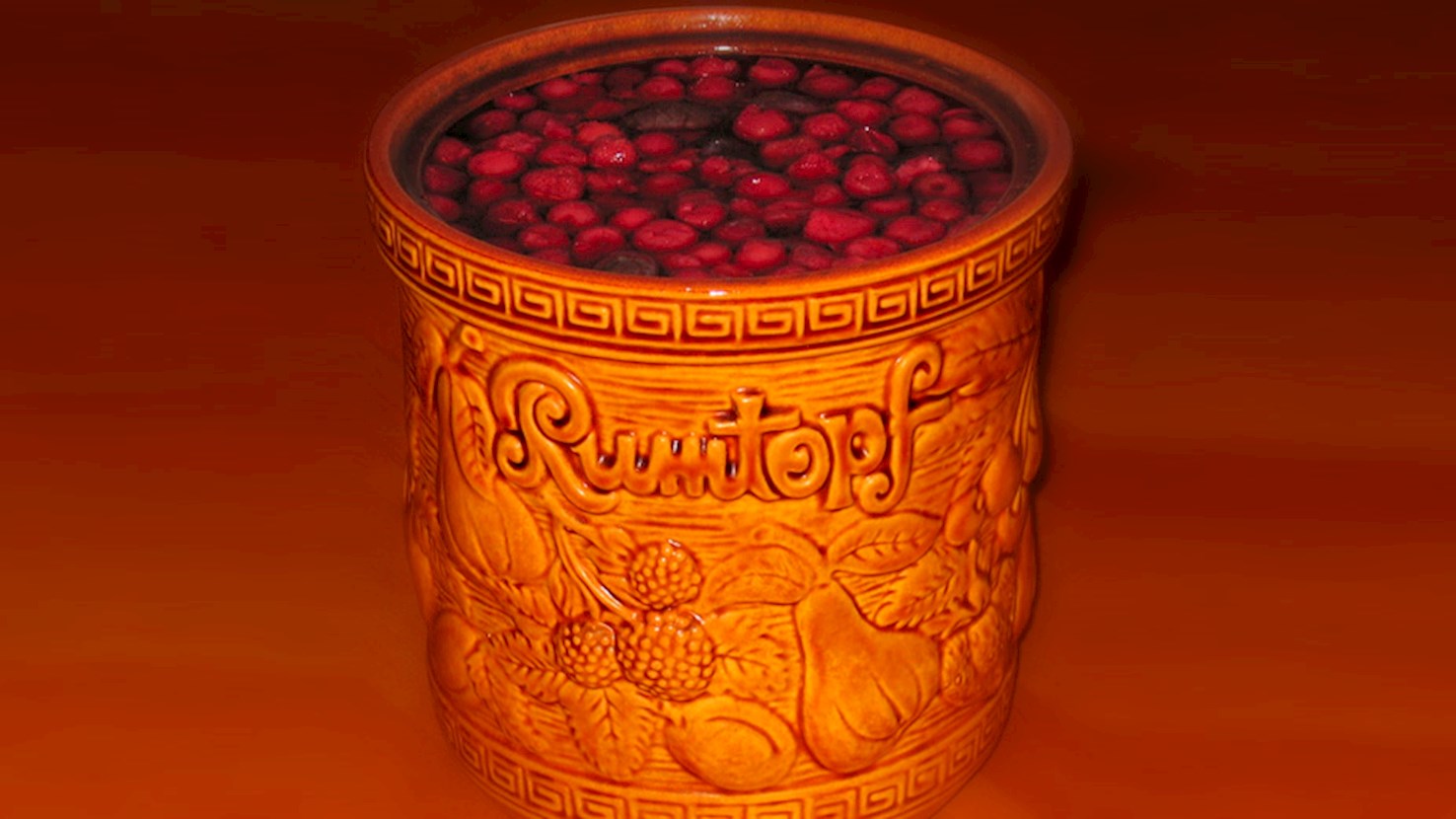
German rumtopf originated as a technique in which spring and summer fruits were preserved in overproof rum to be used during winter. Although there are many variations to the traditional recipe, typical choice of fruit includes cherries, strawberries, apricots, peaches, pears, plums, and pineapples. The first fruit varieties to ripen were mixed with rum and sugar, while other fruits were added later, in layers. The preserve is usually left to mellow until Christmas, and the boozy fruits are typically served over ice cream, puddings, waffles, or sponge cakes.
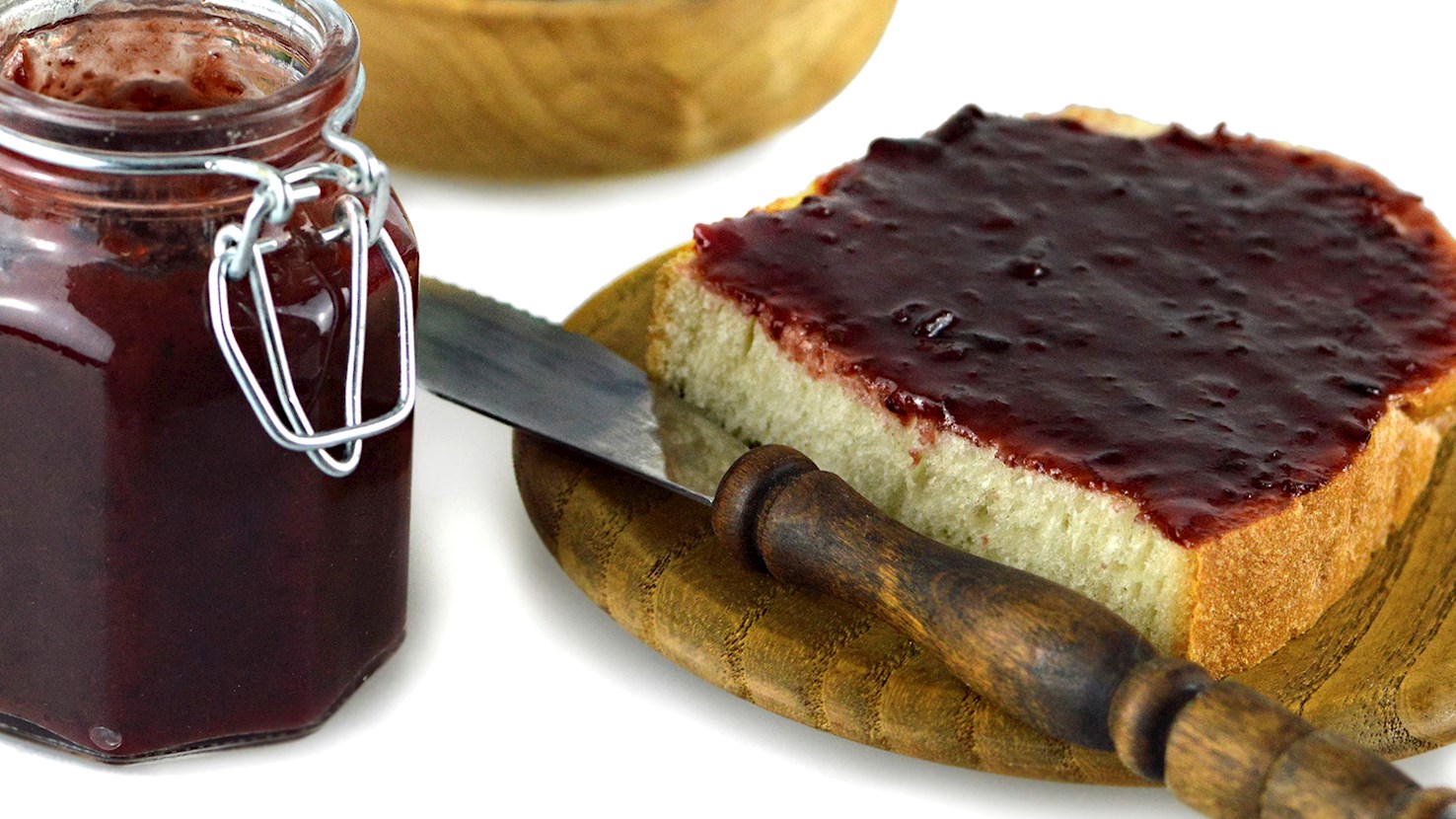
Sirop de Liège is a popular Belgian product made from fresh fruits such as pears, apricots, apples, dates, and prunes. It was originally produced in 1937, and is commonly used in sauces, dressings, salads, marinades, and desserts. Most often, it is spread on a slice od bread or used as an accompaniment to cheeses.
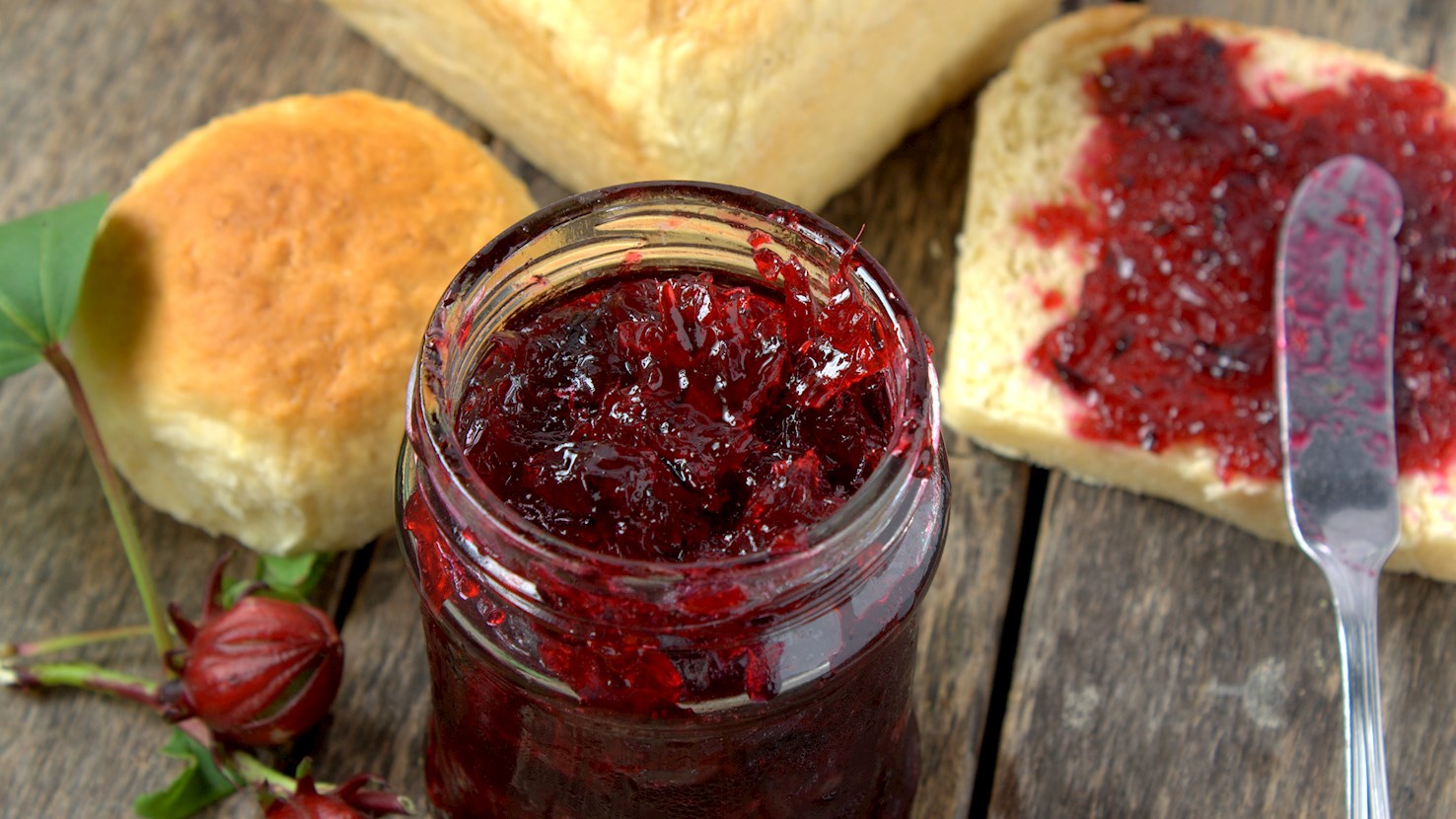
This jam is made with rosella, a North Queensland wildflower that is also known as wild hibiscus. Rosellas are simmered with water and sugar, then left to cool down and thicken. The result is a tart jam with an intense crimson color. It is recommended to pair rosella jam with scones and puftaloons.
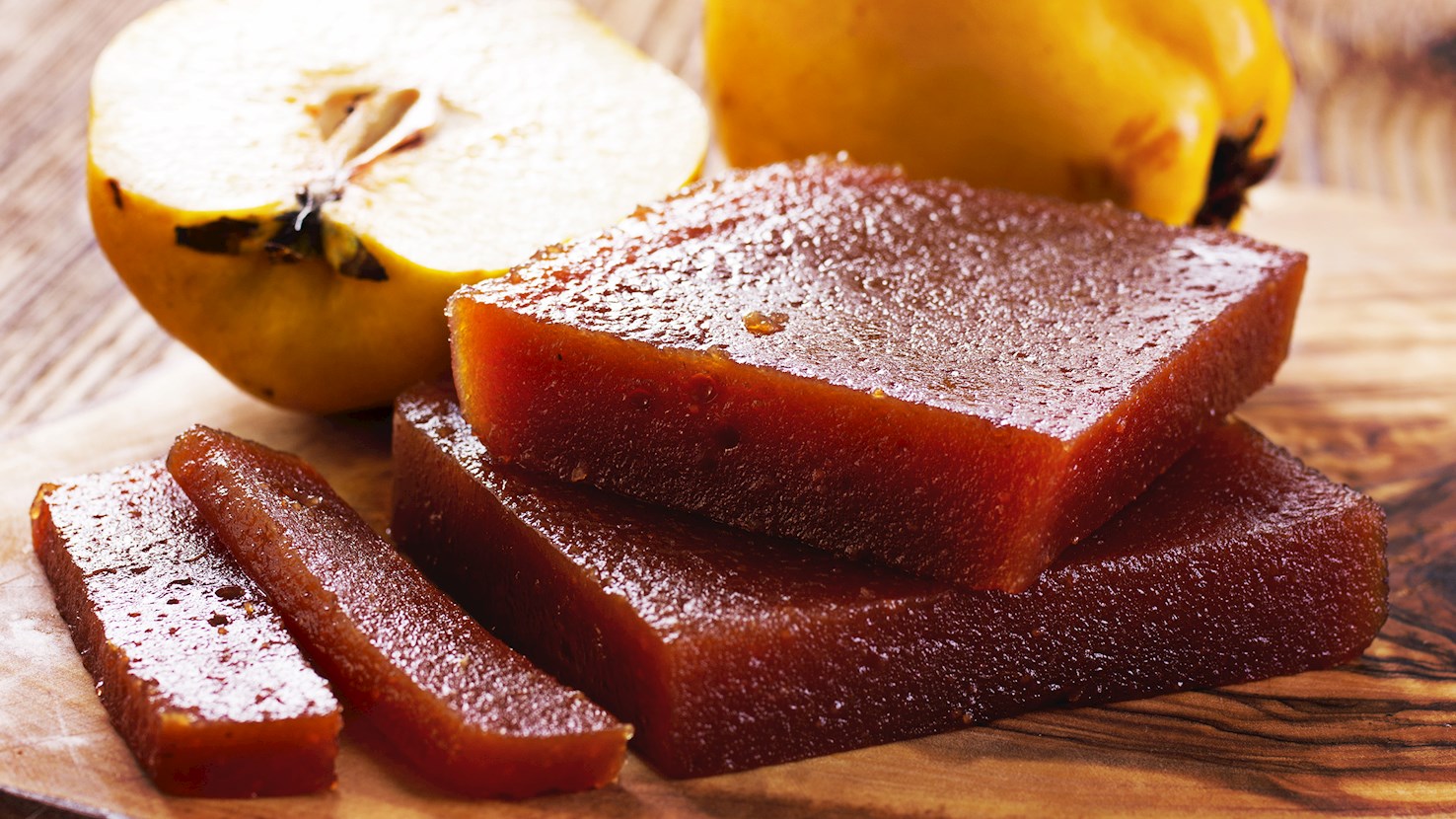
Quince paste is an unusual fruit preserve often referred to as membrillo in Spanish, or occasionally as quince cheese. This delightful product is made with quince fruit, similar in appearance to large pears or apples, with green and yellow skin, and hard, pale white, and tart pulp. When cooked, it has a unique characteristic to turn slightly sweet and change color to rosy pink. To create this delightful paste, they are cooked in water, puréed, and mixed with sugar. When set, due to significant pectin content, the mixture turns into a soft but firm jelly-like creation with a slightly floral flavor. The preserve is extremely popular in Spain, but is also native to many other regions around the world. It is commonly found in many European countries, North and Latin America, the Philippines, Australia, and many Middle Eastern countries. As it is mostly prepared in flat, rectangular shapes, the paste is typically served thinly sliced and combined with a variety of ingredients. Most commonly, it is eaten plain, paired with cheese or crackers as a quick snack, or used as a stuffing or spread on toasted bread and pastries.
Murabba' al-ward is a traditional sweet jam made from Damask rose petals, known for its fragrant aroma and refreshing qualities. The petals are simmered with sugar and water until tender, creating a delicately floral jam. Sometimes, additional ingredients like cardamom or chopped nuts are added for extra flavor. This rose jam is typically enjoyed spread on bread or paired with crème fraîche, offering a unique and aromatic treat in Syrian cuisine.
TasteAtlas food rankings are based on the ratings of the TasteAtlas audience, with a series of mechanisms that recognize real users and that ignore bot,
nationalist or local patriotic ratings, and give additional value to the ratings of users that the system recognizes as knowledgeable.
For the “9 Worst Rated Fruit Preserves in the World” list until June 16, 2026, 1,351 ratings were recorded, of which 387 were recognized by the system as legitimate.
TasteAtlas Rankings should not be seen as the final global conclusion about food. Their purpose is to promote excellent local foods,
instill pride in traditional dishes, and arouse curiosity about dishes you haven’t tried.