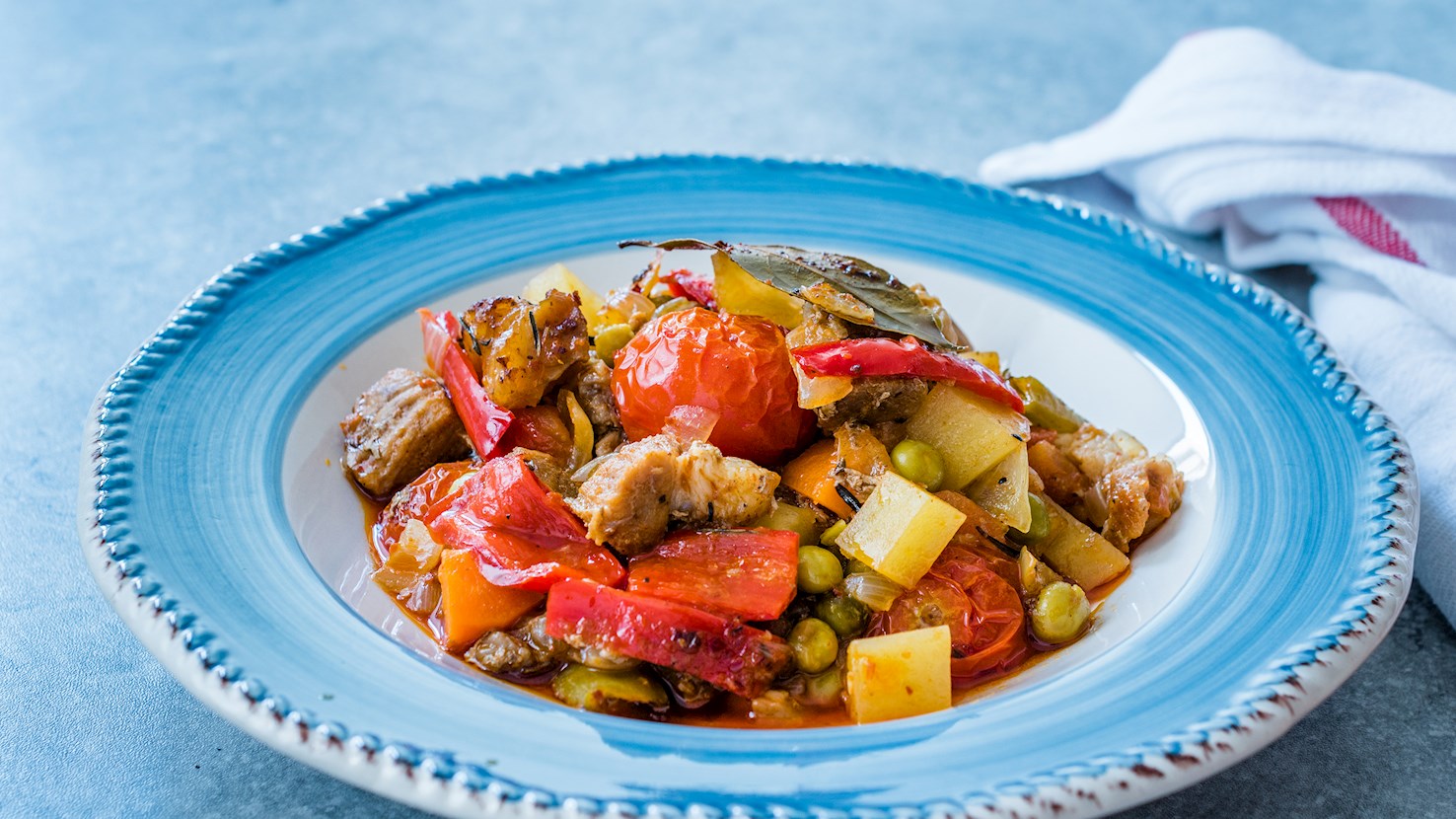
Orman kebabı (lit. forest kebab) is a traditional dish originating from Bolu city. The dish is usually made with a combination of lamb or beef cubes, carrots, potatoes, onions, peas, tomato paste, thyme, butter, olive oil, flour, and salt. The meat is rolled in flour and drizzled with olive oil, then browned in a pot. The vegetables are sautéed with the butter and seasonings, covered with water, mixed with the browned meat, and the dish is then simmered over low heat until the meat is fully cooked and tender. Once done, orman kebabı is traditionally served with rice pilaf and yogurt on the side.
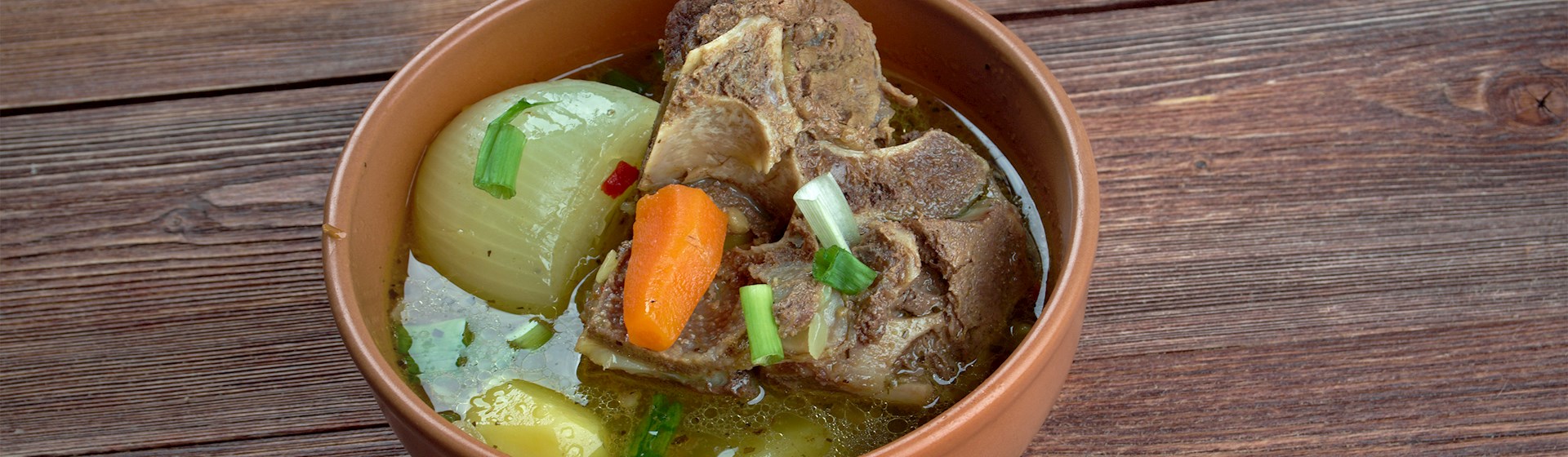
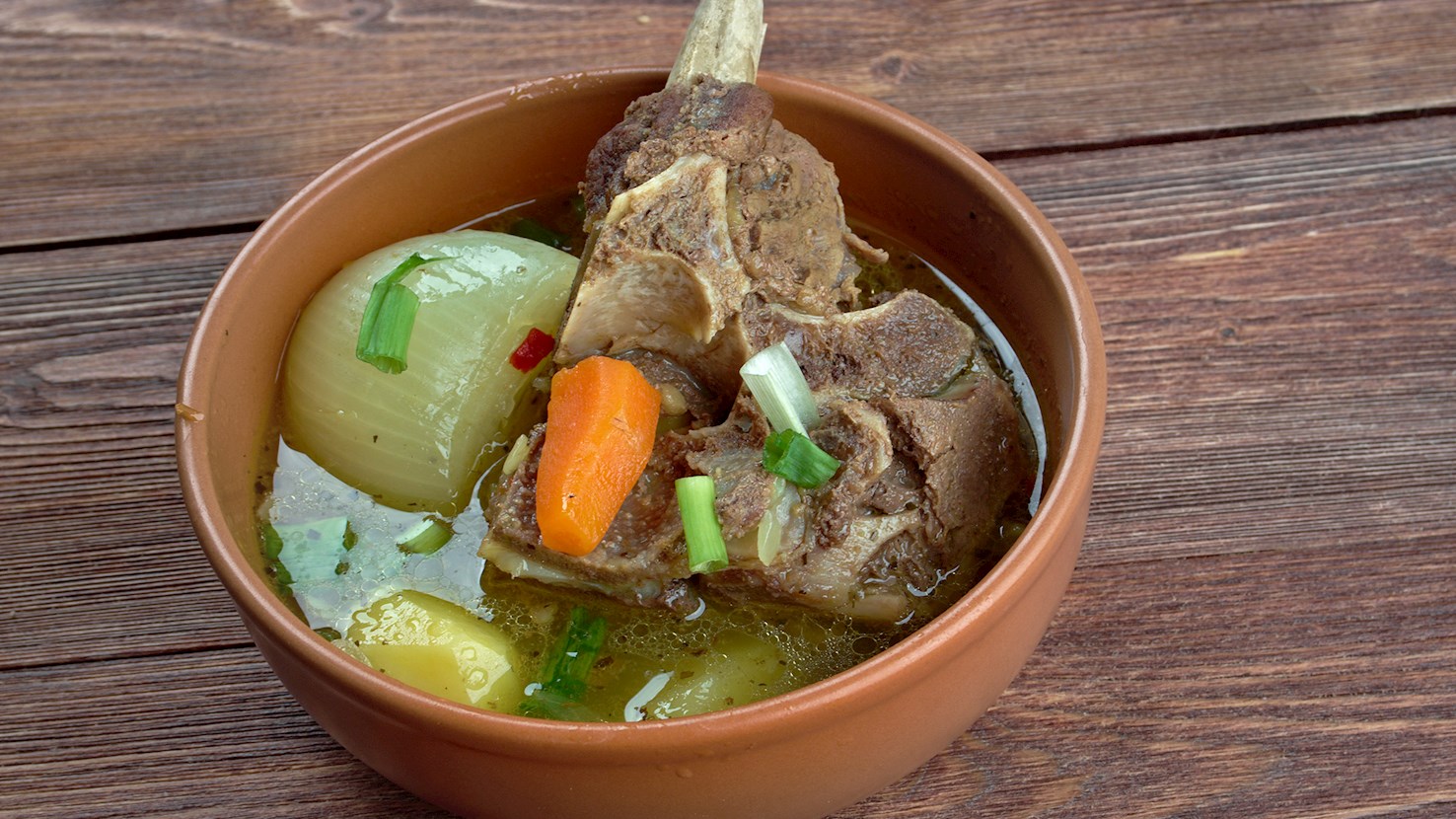
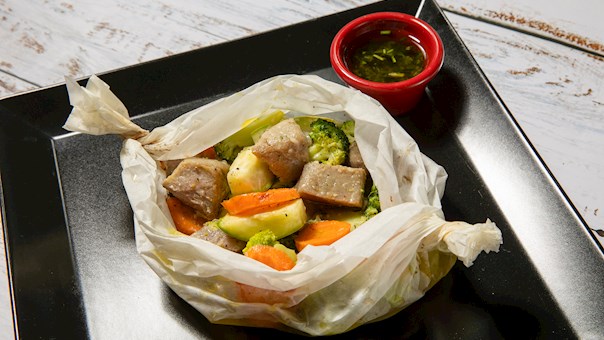
Haşlama is a traditional dish consisting of boiled lamb and vegetables such as carrots, potatoes, celery, and onions. The meat should be boiled until it is very tender and almost falls off the bone. The dish is traditionally served with a sauce consisting of butter, flour, lemon juice, and egg yolks. It is recommended to garnish haşlama with chopped parsley and serve it warm.
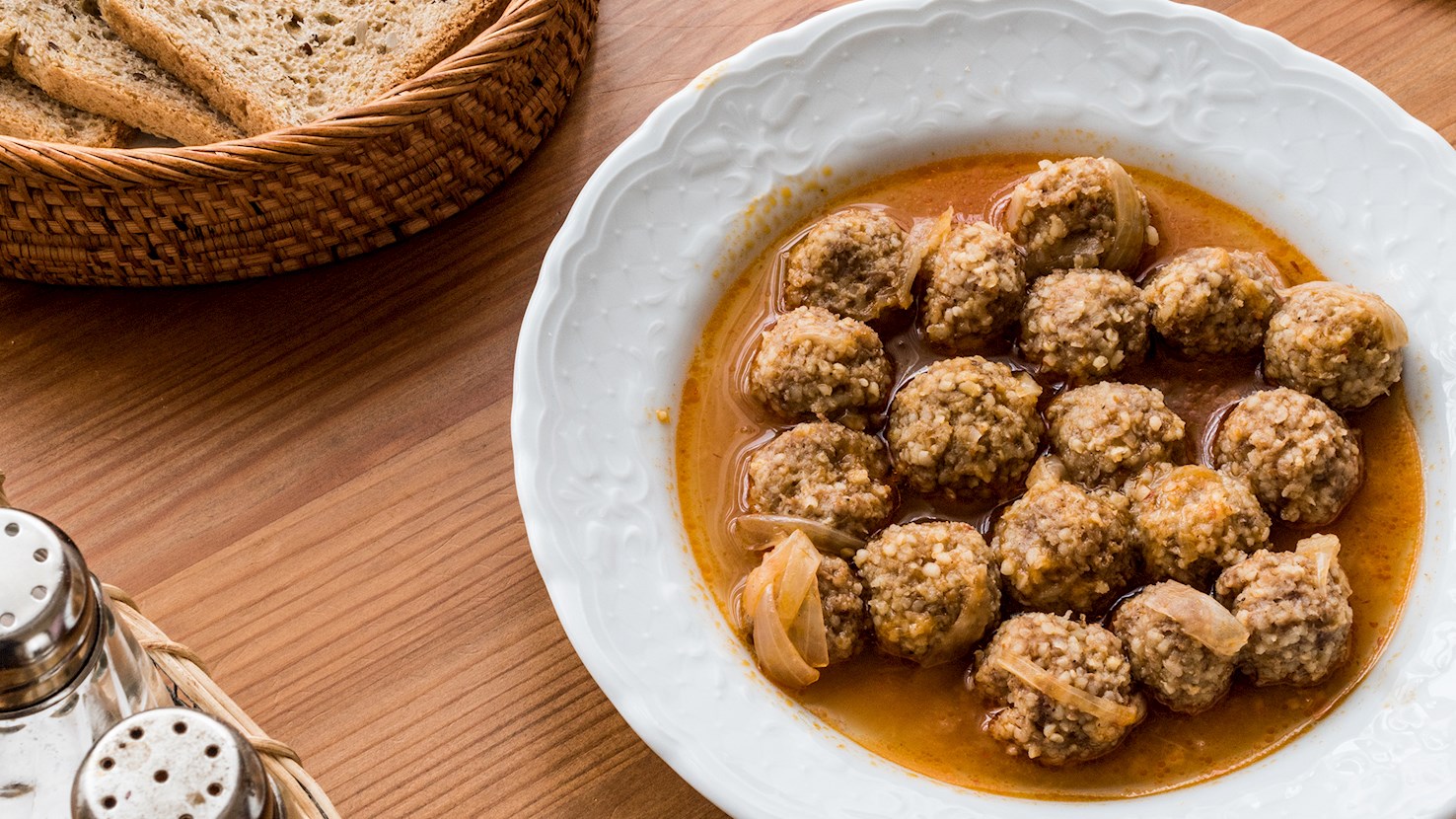
Sulu köfte is a meatball stew built around small, tender köfte simmered directly in a light broth or tomato-based sauce, giving the dish a consistency somewhere between a soup and a main-course stew. Its name is straightforward: sulu means “with liquid” or “brothy,” while köfte refers to the seasoned meatballs at its center. Rather than belonging exclusively to one city, sulu köfte is found across Anatolia, with documented regional versions in places including Sivas, Yozgat, Afyonkarahisar, and Kars, each differing in the grain used in the meatballs, their size, seasoning, and the character of the cooking liquid. The dish belongs to a much wider family of Anatolian meals in which minced meat is combined with rice or fine bulgur and cooked in liquid rather than grilled or fried. This approach both softens the meatballs and allows a relatively modest quantity of meat to form the basis of an entire pot of food. In Sivas, older versions were made from meat pounded by hand on a meat block before mechanically minced meat became common, while recipes recorded there combine meat with fine bulgur, rice, onion, egg, parsley, and spices. Elsewhere the formula changes: Yozgat versions use fine bulgur known locally as düğürcük, Kars recipes commonly incorporate broken rice, and Afyonkarahisar prepares the meatballs with fine bulgur and cooks them in a simple onion-and-tomato-paste broth. The most common preparation begins by kneading minced beef, or sometimes a mixture of meats, with finely chopped or grated onion, rice or fine bulgur, salt, black pepper, and occasionally parsley, egg, or red pepper. The mixture is rolled into small balls, often no larger than a marble or hazelnut; in some households they are lightly coated with flour so that they remain separate while cooking and contribute a little body to the broth. A base of butter or oil and tomato or pepper paste is cooked briefly before water or stock is added, and the meatballs are then gently simmered until both the meat and grain are tender. Some versions remain very simple, while others include potatoes, carrots, chickpeas, lentils, dried mint, or additional rice. The dish also has several close relatives: ekşili köfte introduces a pronounced sour element, usually lemon, while terbiyeli köfte may use an egg-and-lemon mixture to thicken and brighten the cooking liquid. What defines ordinary sulu köfte, however, is the direct cooking of small grain-bound meatballs in a generous amount of seasoned liquid rather than the specific choice of vegetables or spices. It is primarily associated with home cooking and is normally served hot in a deep or shallow bowl as a substantial lunch or dinner. Bread is useful for the broth, while rice pilaf or bulgur pilaf can turn it into a larger meal; yogurt, cacık, pickles, or a simple salad provide a cooler or sharper contrast. As a beverage pairing, ayran is the most natural non-alcoholic choice, while a light, dry red wine can accompany richer tomato-based versions without overwhelming the relatively mild meatballs.
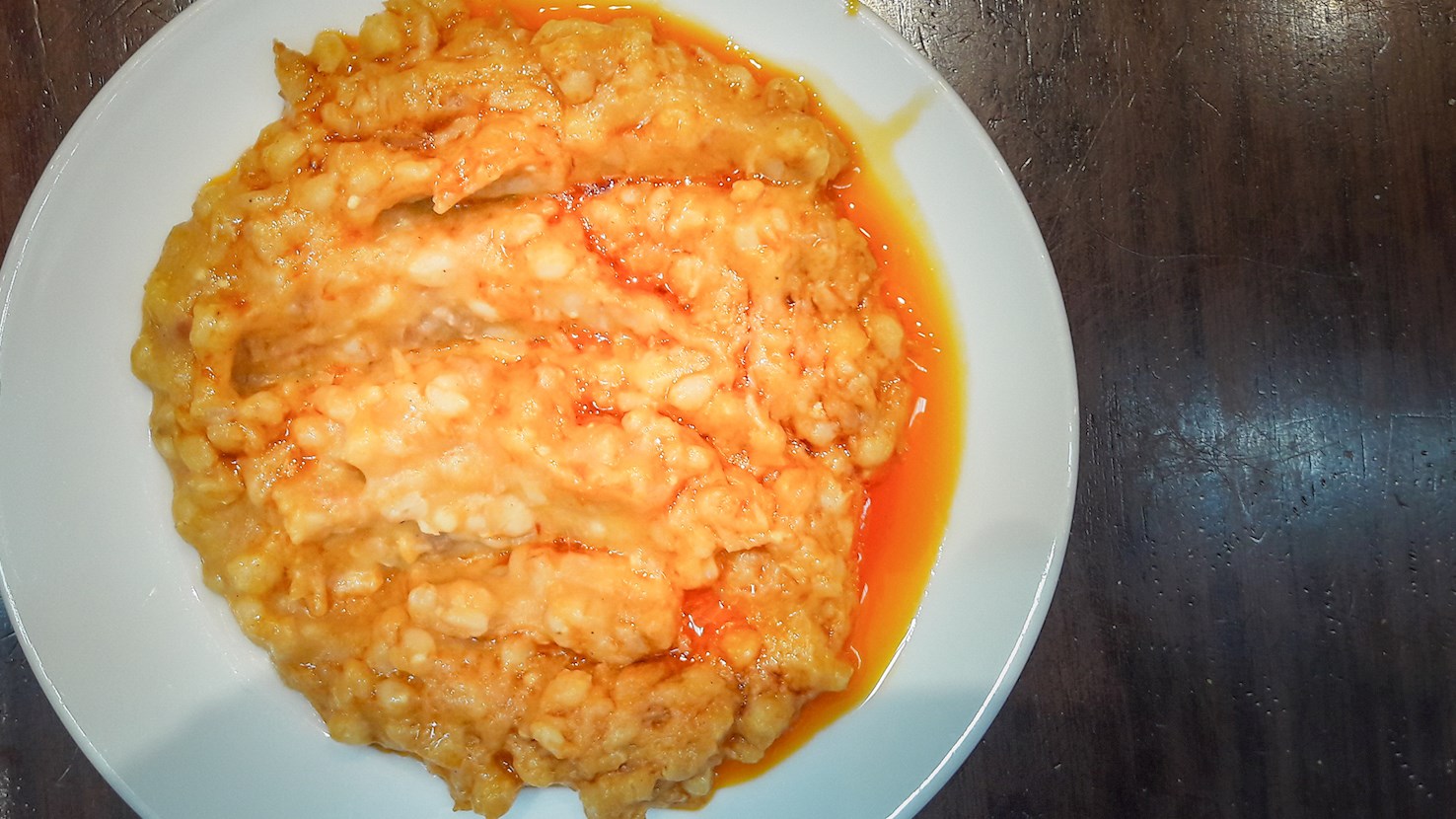
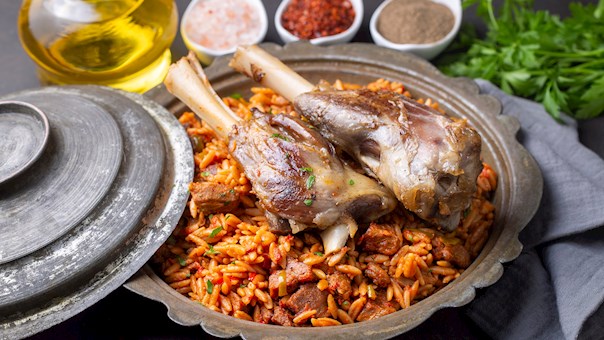
Keşkek is a traditional ceremonial dish made with lamb or chicken meat combined with wheat or barley stew. The mashed wheat or barley is placed in a bowl, followed by a sauce made with butter, meat broth, and pepper flakes, while the meat is placed on top. Traditionally, keşkek is served as a part of wedding celebrations and religious holidays in the Turkish region of Anatolia. In 2011, the dish became a part of UNESCO’s Intangible Cultural Heritage of Türkiye.
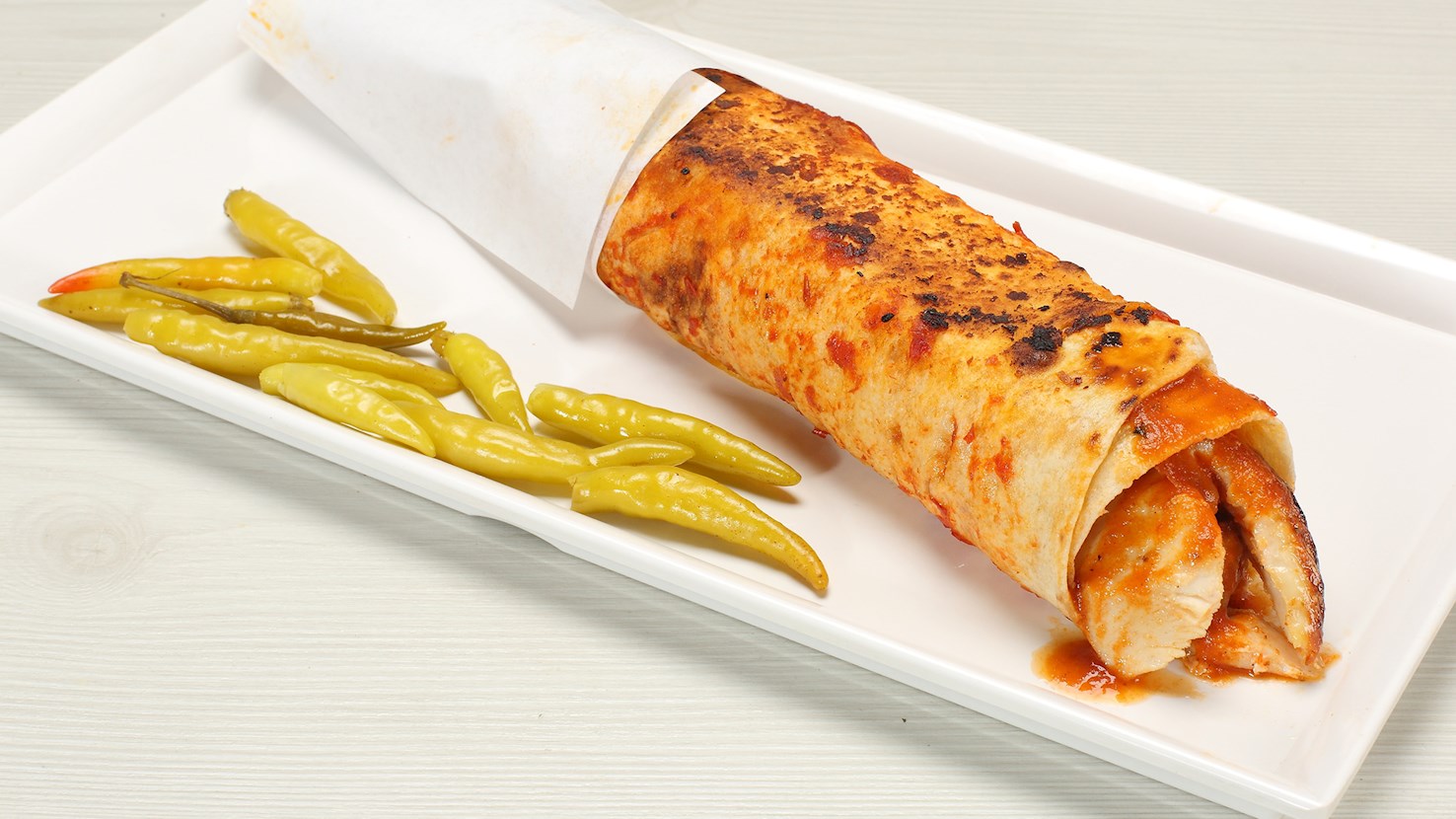
Soslu döner, particularly in the style of Hatay, is a Turkish dish where marinated and cooked meat, often chicken, is combined with a flavorful sauce and wrapped in flatbread. The preparation involves marinating thinly sliced chicken breasts in a mixture of tomato paste, yogurt, and spices such as cumin, black pepper, mint, red pepper flakes, and salt. After allowing the meat to marinate for a few hours, it is spit-roasted and cooked on a vertical rotisserie or, for at-home preparation, sautéed until fully cooked. A sauce is prepared by sautéing pepper paste in oil, then adding water and spices like thyme, cumin, mint, and red pepper powder, simmering briefly. Lavaş bread is dipped into this sauce to absorb the flavors. The cooked chicken is then placed onto the sauced bread, along with additions like fried potatoes, lettuce, tomatoes, and onions.
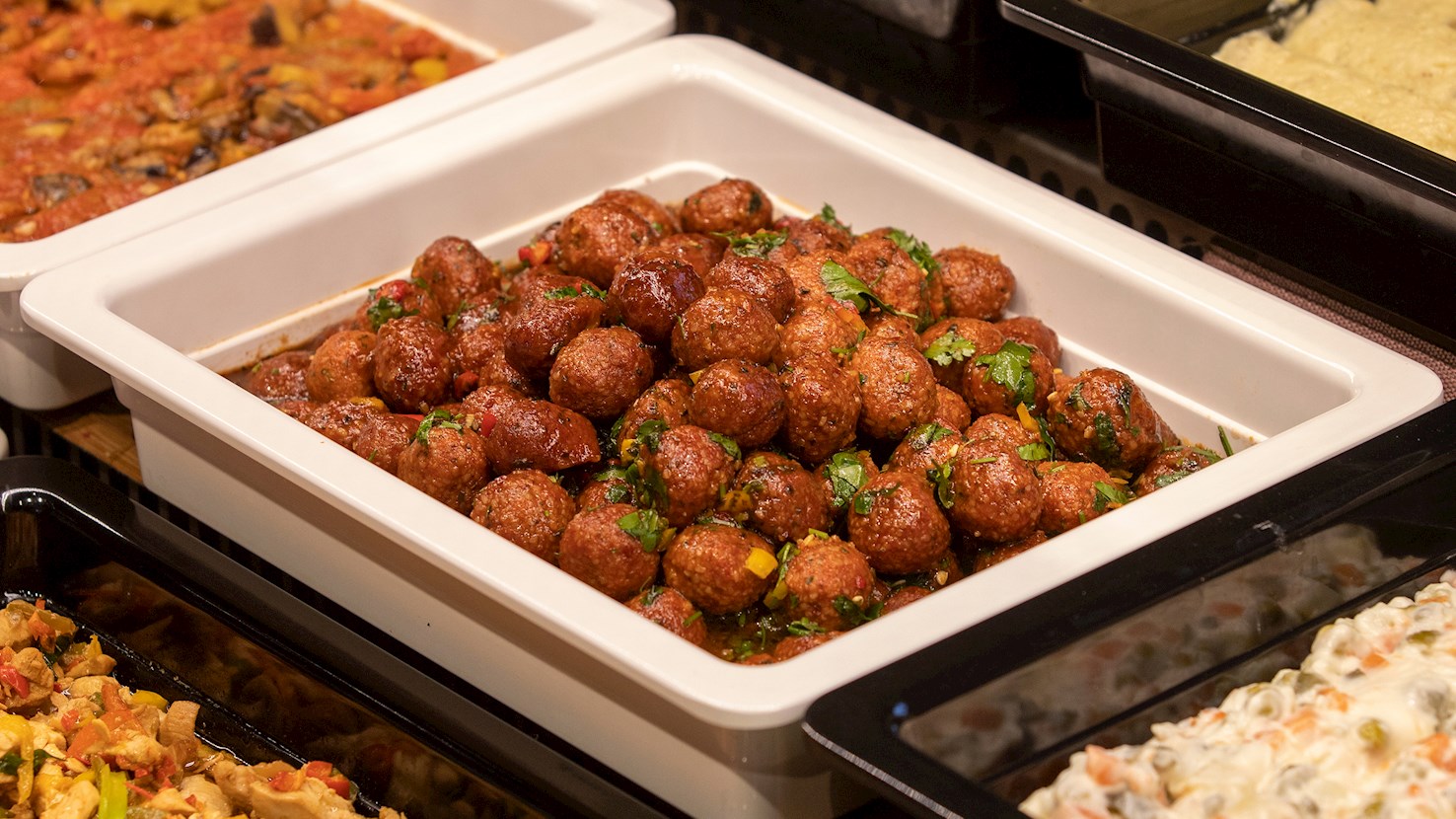
Harput köftesi are traditional Turkish köfte meatballs originating from Elazığ (formerly Harput). The dish is made with a combination of ground beef, basil, onions, bulgur, tomato paste, salt, paprika, black pepper, and parsley. The mixture is shaped into small balls, and the meatballs are then simmered in a combination of oil, water, and tomato paste. Once done, Harput meatballs are served immediately in warmed plates.
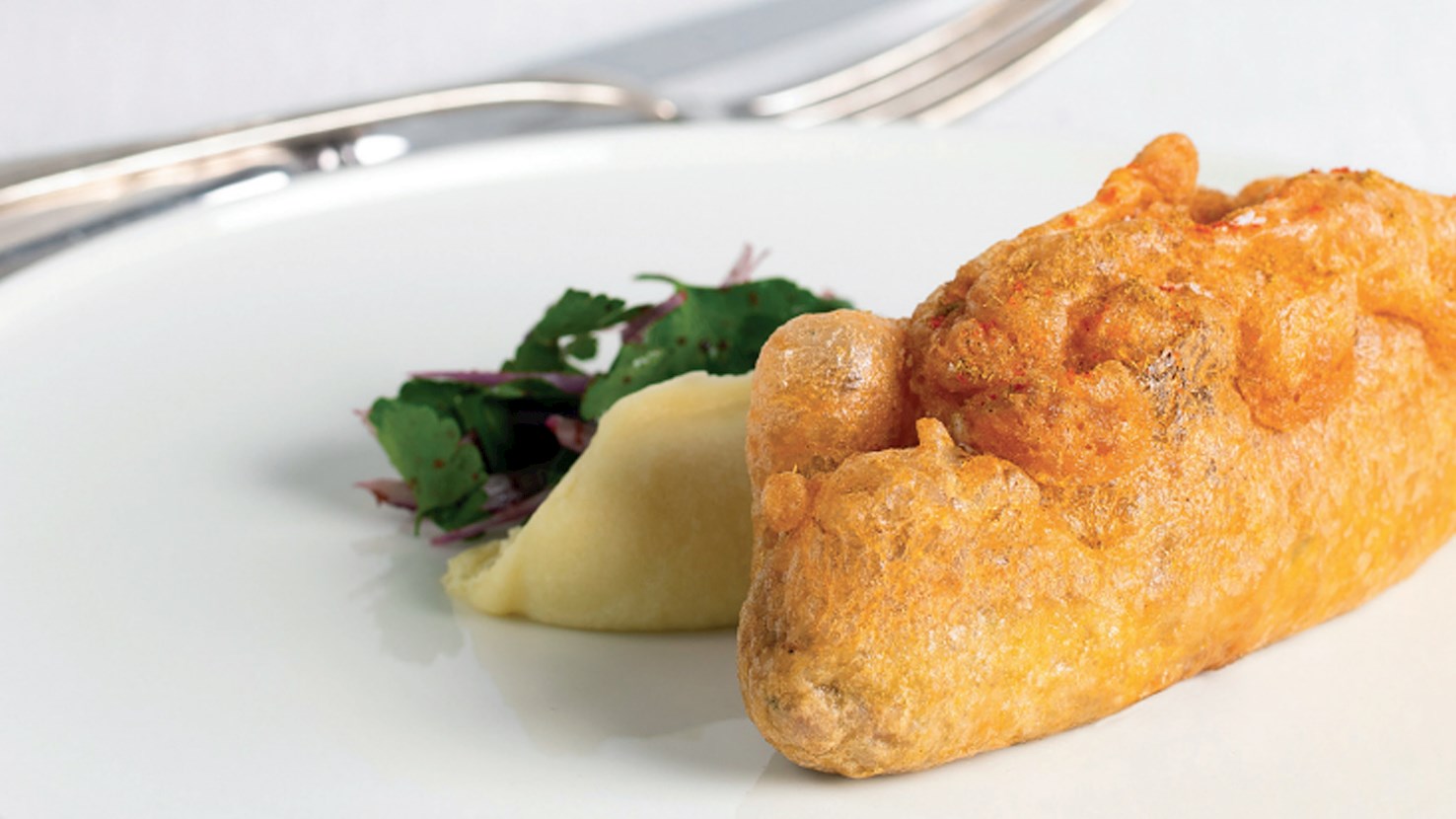
Kadinbudu köfte (lit. lady’s thigh köfte) is a Turkish dish made with ground beef or lamb, rice, onions, eggs, flour, oil, and various spices. It is believed that the unusual name stems from the Ottoman era because it resembled women’s thighs at the time. The meatballs are coated with flour and beaten eggs, then fried in hot oil until golden-brown in color. On the interior, the meat should remain tender and succulent. The dish is typically served either with french fries or pan-fried potato wedges, onions, and tomatoes.
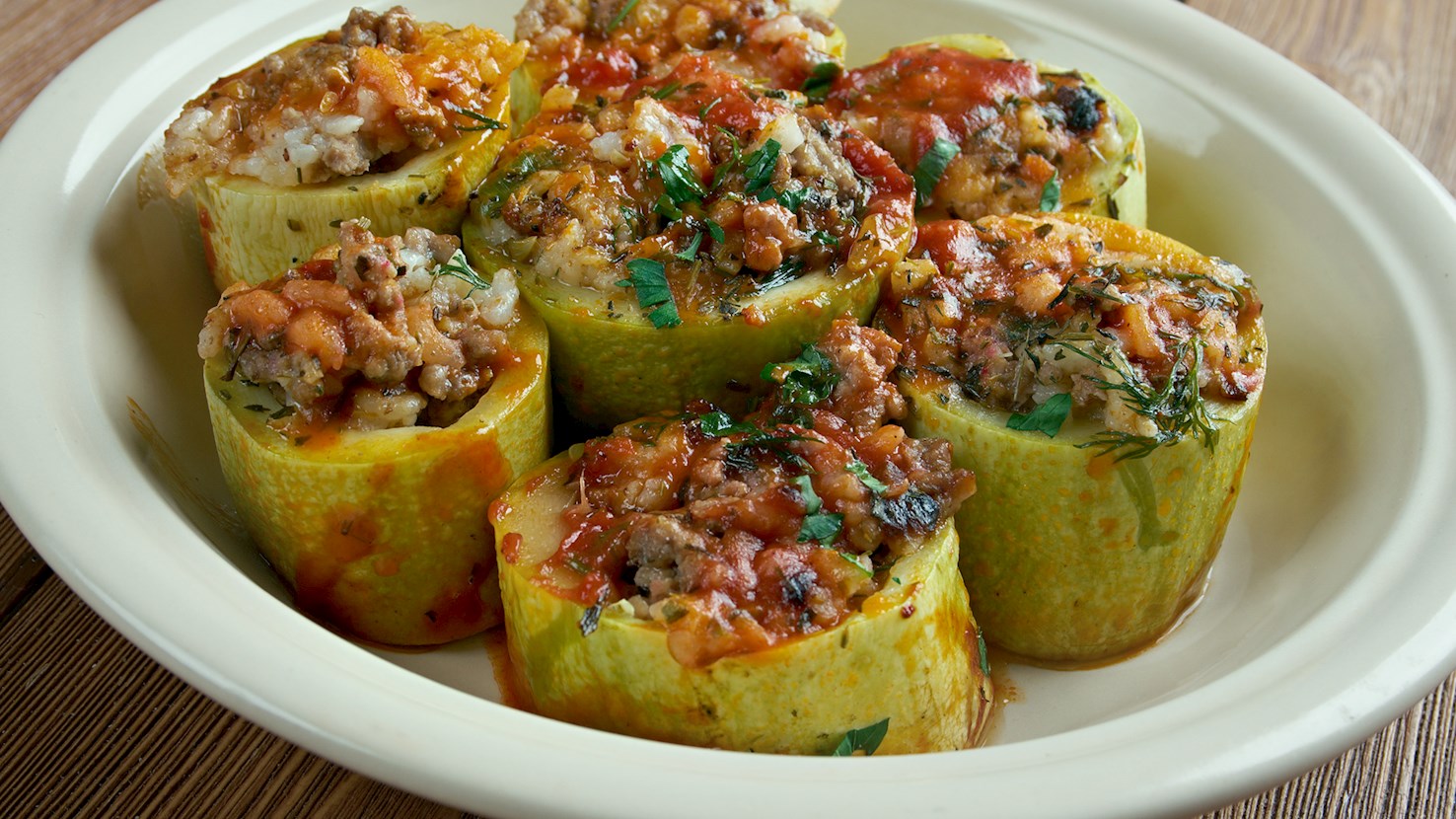
Kabak dolmasi is a traditional dish made by stuffing zucchinis with a combination of ground beef or lamb, rice, onions, and tomatoes. The dish is flavored with parsley, salt, and pepper. When served, this meze dish is traditionally accompanied by plain yogurt or garlic yogurt.
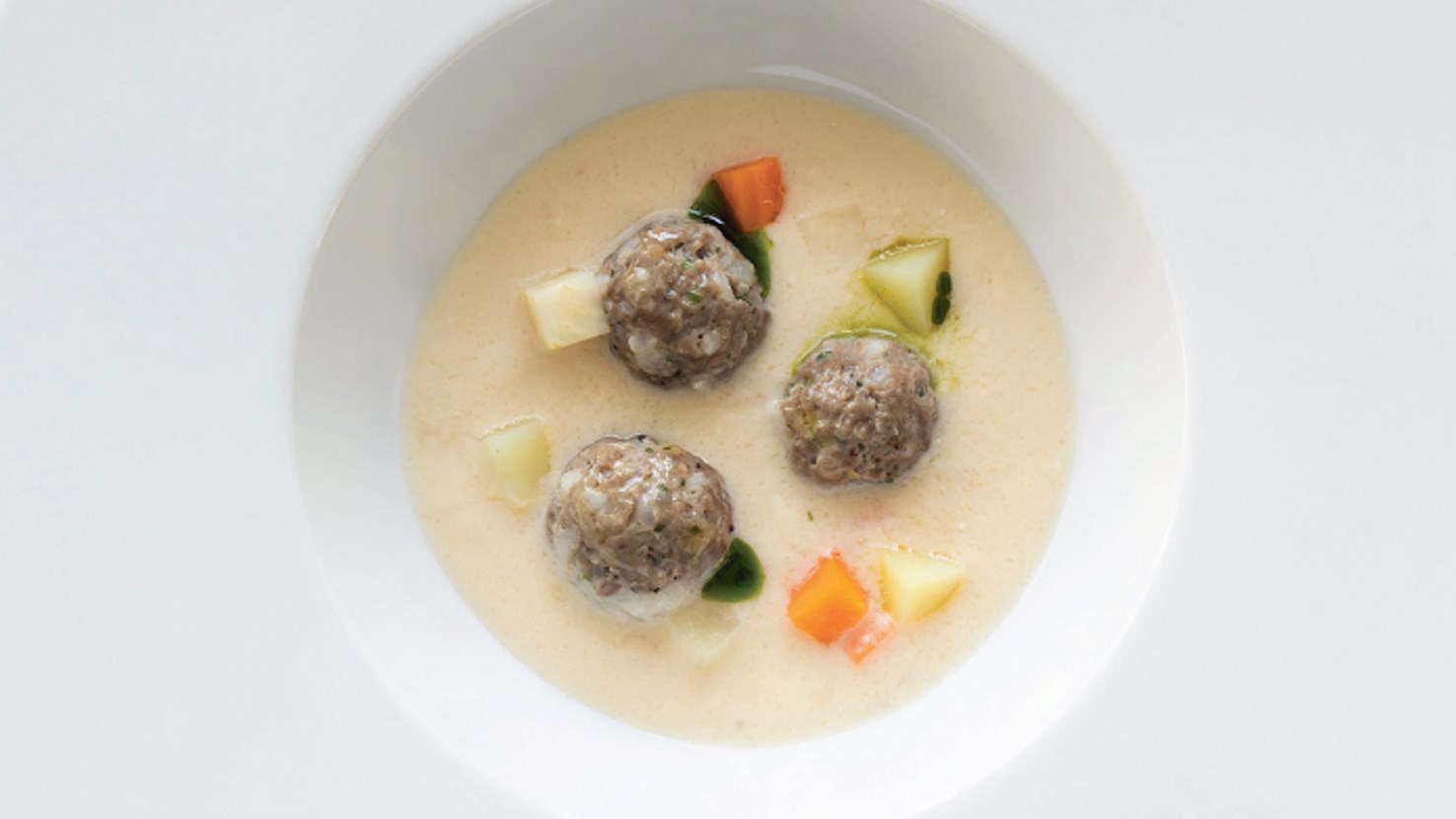
Ekşili köfte is a traditional köfte dish. The meatballs are prepared with a combination of ground beef, rice, eggs, cumin, black pepper, and salt. Once formed, they are cooked in water and beef stock. The sauce is made from flour, egg yolks, lemon juice, and water, with red pepper as garnish. It's poured over the meatballs, then served with bread or salad on the side. The dish is typically eaten with a spoon.
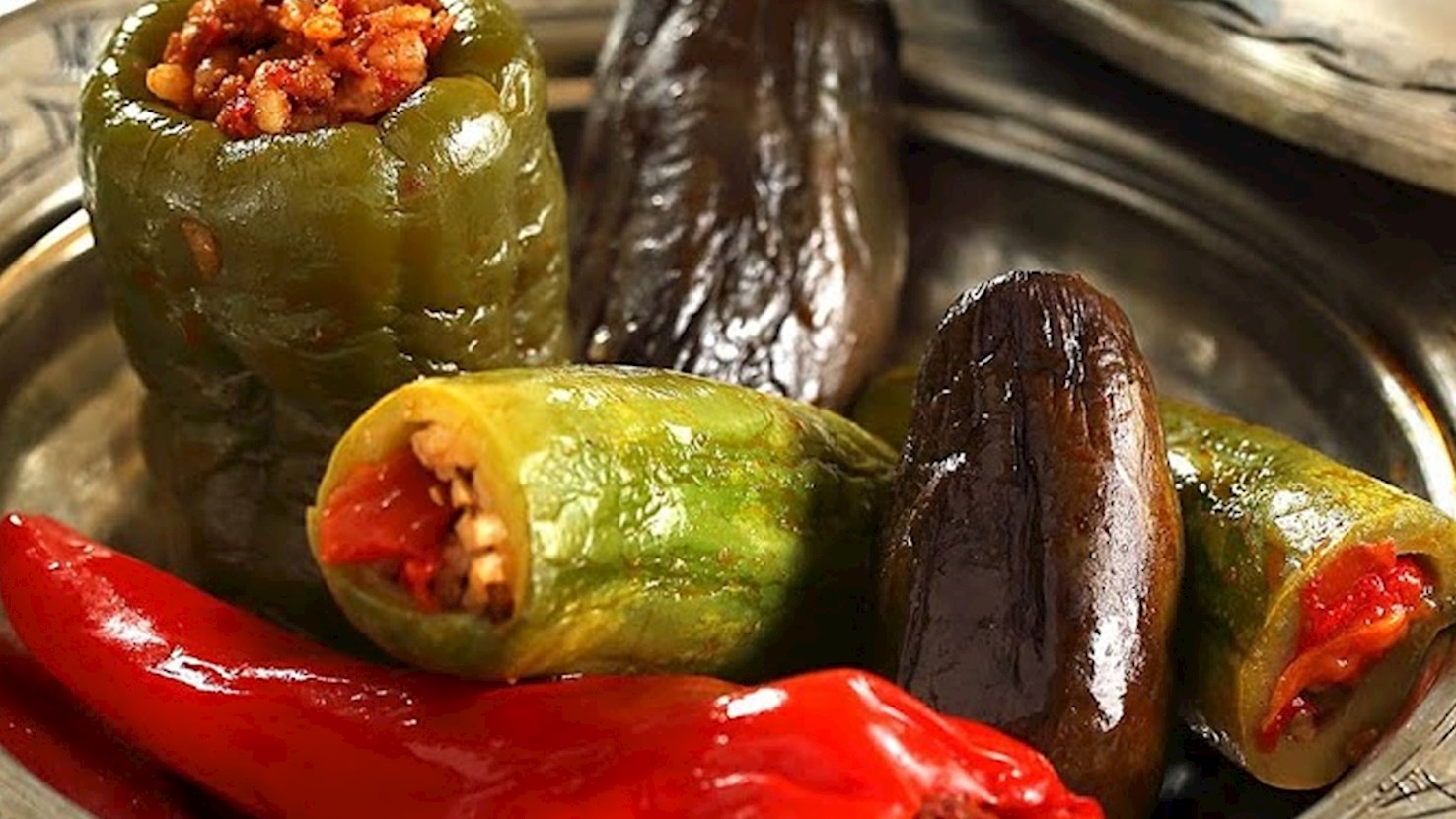
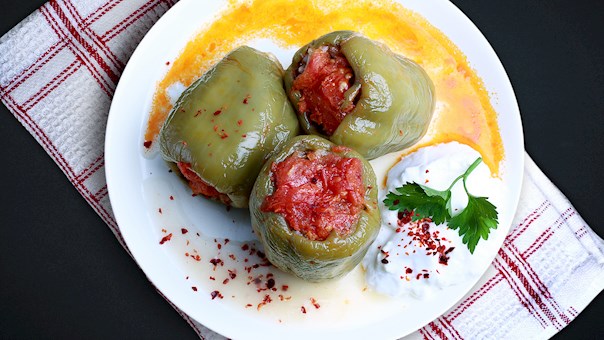
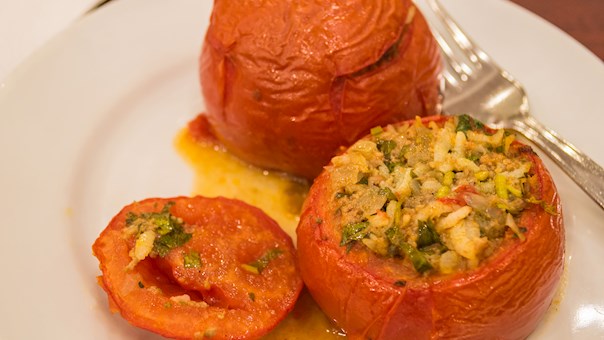
Dolma is a broad family of foods made by filling vegetables, fruits, leaves, seafood, or other edible casings with rice, minced meat, herbs, spices, or combinations of these ingredients. In its most familiar vegetable form, peppers, eggplants, zucchini, tomatoes, onions, or squash blossoms hold the filling. Some versions are rich with lamb or beef and served warm, while others rely on rice, olive oil, herbs, pine nuts, and currants and are served cool or at room temperature. Dolma is therefore not one fixed recipe but a large culinary category found across lands once connected by the Ottoman Empire. The exact birthplace of stuffed vegetables is not documented. Stuffed foods existed before the Ottoman period, and a tenth-century Arabic-language cookbook compiled in Baghdad contains several filled items. Ottoman sources show that stuffed vegetables and fruits had become a distinct and increasingly varied category by the fifteenth century. Records from that century mention stuffed onions and apples. Sixteenth-century sources add gourds, vine leaves, cabbage, carrots, immature squash, eggplants, and pumpkins. By the seventeenth century, Istanbul reportedly had about fifty specialist shops known as dolmacı, selling several kinds of filled vegetables. These records confirm the importance and expansion of dolma in Ottoman food culture, but they do not prove that the method itself originated in the kitchens of Topkapı Palace. The claim that palace ledgers from the reign of Süleyman I document massive purchases of eggplants and zucchini specifically for dolma is not securely supported. The name comes from the Turkish verb dolmak, meaning to become full or be filled. Dolma denotes something that has been filled. It is divided into two groups: dolma without meat and dolma with olive oil. Those without meat and cooked with olive oil are called yalanci, meaning imitation. A closely related term, sarma, comes from sarmak, meaning to wrap or roll. In current Turkish usage, a hollow vegetable filled through an opening is usually called dolma, while a filling enclosed in a grape, cabbage, chard, or other leaf is more precisely called sarma. However, dolma is often used for both stuffed vegetables and leaf-wrapped rolls. The Ottoman Turkish form of the word was recorded in a major multilingual dictionary published in 1680. A common meat-filled version begins with firm, fresh vegetables of similar size so that they soften at roughly the same rate. Bell peppers are opened around the stem and cleared of seeds and white membranes. Zucchini and short eggplants are trimmed and hollowed from one end with a narrow corer or small spoon. Tomatoes are opened at the top, and their pulp is removed and often retained for the sauce or filling. The vegetable walls should be thin enough to become tender but thick enough to hold their shape. Removing too much flesh leaves a fragile shell that can split as the rice expands. The hollowed vegetables do not need to be reduced to an extremely thin casing. Eggplants may be lightly salted and rested before filling, especially when they are mature or strongly flavored. Onions require a different method: they are softened briefly in hot water, separated into flexible layers, and wrapped around the filling. Squash blossoms are handled gently, with the inner stem or pistil removed before the petals are filled and folded closed. A common filling combines short-grain white rice with raw minced lamb or beef, finely chopped yellow onion, fresh dill, mint, parsley, black pepper, allspice, and salt. This is one important form, but the exact balance changes by region. Garlic, paprika, dried mint, cinnamon, cumin, tomato paste, pomegranate molasses, chopped tomato, or rendered fat may also appear. Some fillings contain more meat than rice, while others use rice mainly to soften and extend the meat mixture. Dried currants can be added to meat-based fillings, but they are more strongly associated with meatless olive-oil versions. Their sweetness is usually balanced with black pepper, allspice, cinnamon, lemon, or fresh herbs rather than allowed to dominate the filling. The rice is usually rinsed and drained before mixing. Depending on the recipe, it may enter the bowl raw, partly cooked, or briefly fried with onion. Raw rice absorbs the cooking liquid and the juices released by the vegetables and meat. Partly cooked rice shortens the simmering time and makes the final texture easier to control. Short- or medium-grain rice is useful because it becomes tender while helping the filling hold together. Long-grain rice, bulgur, cracked wheat, lentils, and chickpeas also appear in regional versions. The filling should be mixed evenly but not compressed into a heavy paste. Raw minced meat becomes dense when worked too aggressively. Each vegetable is filled only about two-thirds to three-quarters full, leaving space for the rice to swell. Packing the mixture tightly to the rim can split tomatoes and zucchini, push the caps from peppers, or force the filling into the cooking liquid. The filled vegetables are arranged snugly in a wide, deep pot. Peppers and tomatoes often stand upright, while zucchini and eggplants may lie on their sides or be fitted in alternating directions. Tomato tops, pepper caps, small tomato slices, or vegetable trimmings may be placed over the openings to help contain the filling. A heatproof plate can be set over the vegetables to keep them stable, particularly when the pot also contains leaf rolls or loosely packed pieces. The cooking liquid varies. Water, meat broth, tomato juice, crushed tomatoes, diluted tomato paste, olive oil, lemon juice, or combinations of these can be used. It is normally poured around the vegetables rather than directly into every opening. The liquid should reach partway up their sides without completely flooding the pot. The vegetables release additional water as they soften, while the rice absorbs both the added liquid and the juices from the meat. Too much liquid can leave the filling loose and watery, while too little may leave the rice hard. The pot is covered, brought to a gentle simmer, and kept over low heat until the rice is tender, the vegetables can be pierced easily, and the meat is fully cooked. Vigorous boiling can tear the softened shells and scatter the filling. Cooking time depends on the vegetable, the rice, and the size of each portion. The finished filling should be moist but not soupy. Rice that remains hard indicates too little liquid, insufficient time, or a shell packed too tightly for the grains to expand. A loose center usually results from excessive liquid, very juicy vegetables, or rice that was already close to fully cooked before it entered the pot. Resting the covered pot briefly after the heat is turned off allows the rice to absorb remaining juices and helps the filling settle. This also makes the vegetables easier to lift without breaking. The meatless olive-oil form, widely known as zeytinyağlı dolma, removes the minced meat and increases the importance of rice, onion, herbs, spices, and olive oil. Pine nuts and currants are especially associated with this style rather than with every meat filling. Cinnamon, allspice, black pepper, mint, dill, parsley, and sometimes a small amount of sugar may create a fragrant sweet-savory balance. The onions and pine nuts are often softened in olive oil before the rice and seasonings are added. The rice may be partly cooked at this stage or added raw, depending on the final simmering method. This filling is not made only with rice, pine nuts, currants, and enormous amounts of oil. Recipes vary, and herbs, onions, tomato, lemon, spices, or other grains may be central. Nor does it have to simmer exclusively in a bath of lemon juice and olive oil. Water is normally needed to soften the rice, while lemon supplies acidity and olive oil gives the filling its smooth texture and rounded flavor. Meatless versions are usually served cool or at room temperature after the rice has absorbed the aromatic liquid. Chilling is possible, but refrigerator-cold dolma can taste muted because the olive oil thickens and the aromas become less pronounced. Allowing it to lose the deepest chill before serving usually gives a softer texture and clearer flavor. Leaf-wrapped versions use grape leaves, cabbage, chard, collards, or other flexible leaves. Fresh grape leaves are blanched briefly, while preserved leaves are rinsed to remove excess brine. Cabbage leaves are softened in hot water and trimmed where the central rib is too thick. A small amount of filling is placed near one edge, the sides are folded inward, and the leaf is rolled into a compact cylinder. The roll must be secure but not excessively tight because the rice still needs room to expand. Dolma containing lamb or beef is commonly served hot or warm because the melted animal fat, softened rice, and cooking juices are most pleasant before they congeal. The pieces are lifted carefully onto a wide ceramic platter or served directly from the pot with some of the reduced liquid spooned around them. Plain yogurt is a frequent accompaniment to meat-filled dolma. It may be served beside the vegetables, spooned over them, or mixed with crushed garlic and salt. The cool acidity and lactic tang balance the fat and spices, while the thick texture clings to the warm vegetables. Yogurt is common rather than compulsory, and pouring a heavy layer over the entire platter can conceal the individual flavors. Olive-oil versions are more often served cool or at room temperature as an appetizer, side plate, or part of a larger spread. Lemon wedges commonly accompany them, but a heavy squeeze is optional. A modest amount of fresh juice can sharpen the rice and herbs; too much may overpower the currants, pine nuts, olive oil, and delicate vegetable casing. Dolma can function as a starter, side, or main course. Meat-filled peppers, eggplants, zucchini, and tomatoes are substantial enough to anchor a meal, particularly with yogurt and bread. Smaller olive-oil vegetables and leaf rolls are often served in modest portions with other cold plates. Bread may collect the cooking juices, while rice-based versions generally need no additional starch.
TasteAtlas food rankings are based on the ratings of the TasteAtlas audience, with a series of mechanisms that recognize real users and that ignore bot,
nationalist or local patriotic ratings, and give additional value to the ratings of users that the system recognizes as knowledgeable.
For the “15 Worst Rated Turkish Meat Dishes” list until November 29, 2026, 12,786 ratings were recorded, of which 7,155 were recognized by the system as legitimate.
TasteAtlas Rankings should not be seen as the final global conclusion about food. Their purpose is to promote excellent local foods,
instill pride in traditional dishes, and arouse curiosity about dishes you haven’t tried.



What People Say