shutterstock

Top 100 Fruits
in the World

Last updated on June 06, 2026

Best Fruit Types in the World

01

Truskawka Kaszubska

4.7 ·

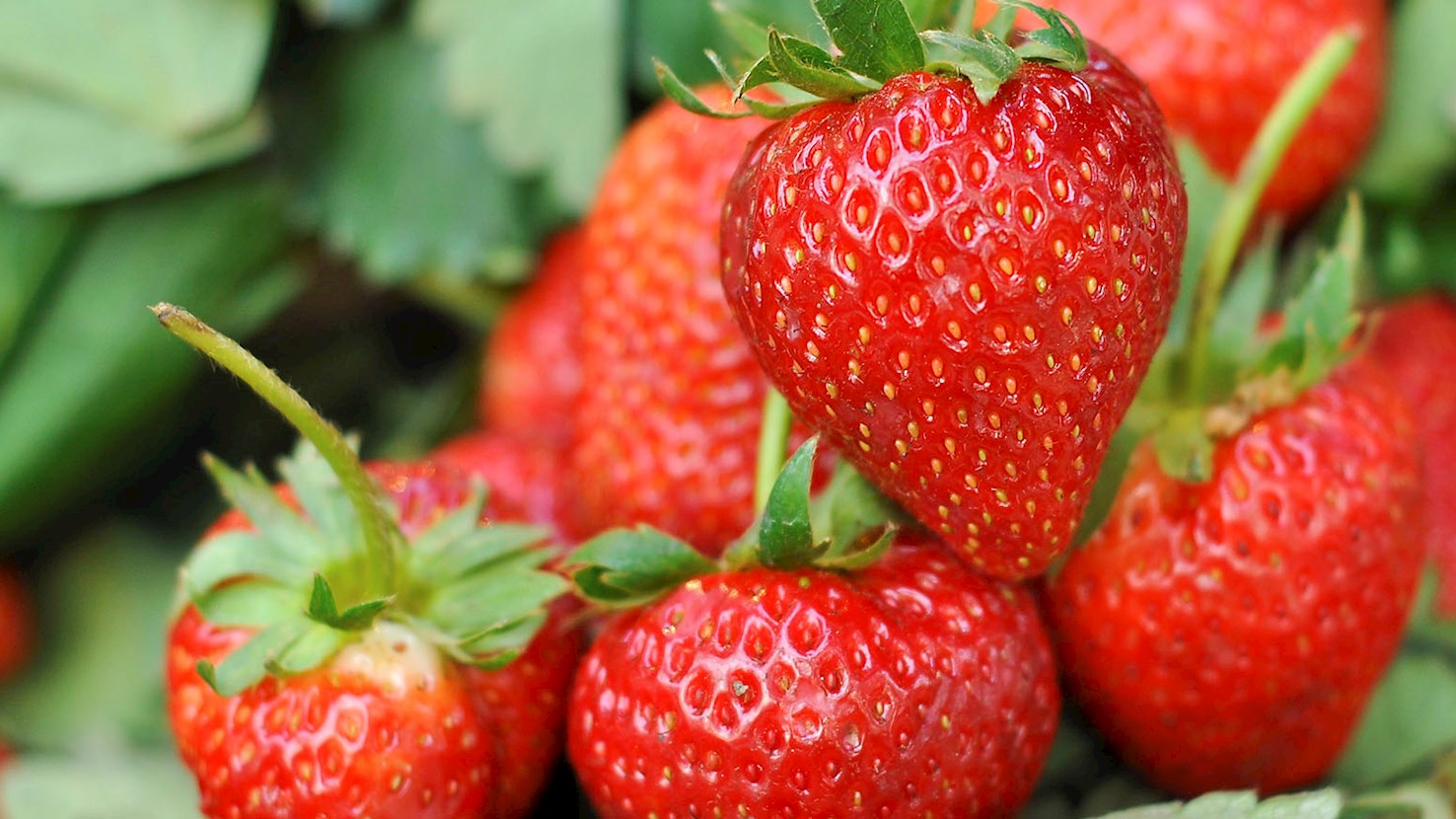
Truskawka kaszubska, also known as Kaszëbskô malëna, are strawberries of the Elsanta, Honeoye and Senga Sengana varieties, grown in the Kartuski, Kościerski and Bytowski districts in Poland. The Elsanta and Honeoye varieties are intended for direct consumption and are light red to intense red, rounded and small, with juicy, firm flesh. Their taste is sweet, aromatic and well-balanced, similar to that of wood strawberries. The Senga Sengana variety is intended for processing, it has firm, juicy and hard flesh and comes in various sizes and shapes. When the strawberries are ripe, their stem is easy to remove and they contain more sugar than other varieties of strawberries, making them unique in their specific taste. A typical fruit of the region, it can be enjoyed on its own or in various sweet desserts and cakes.

02

Rodakina Naoussas

4.5 ·

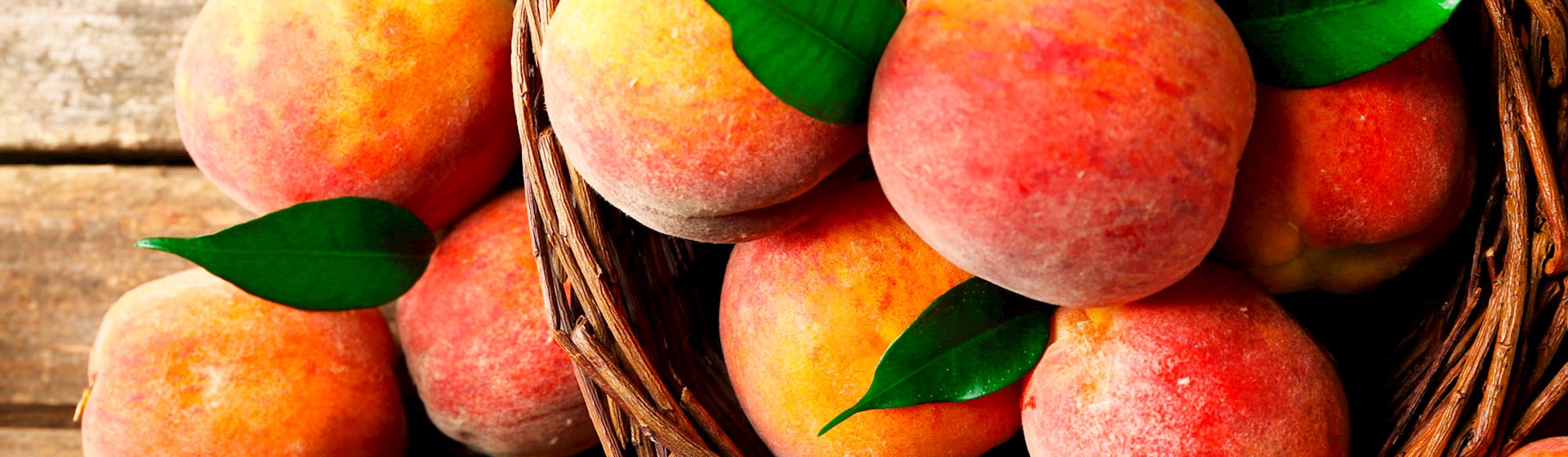
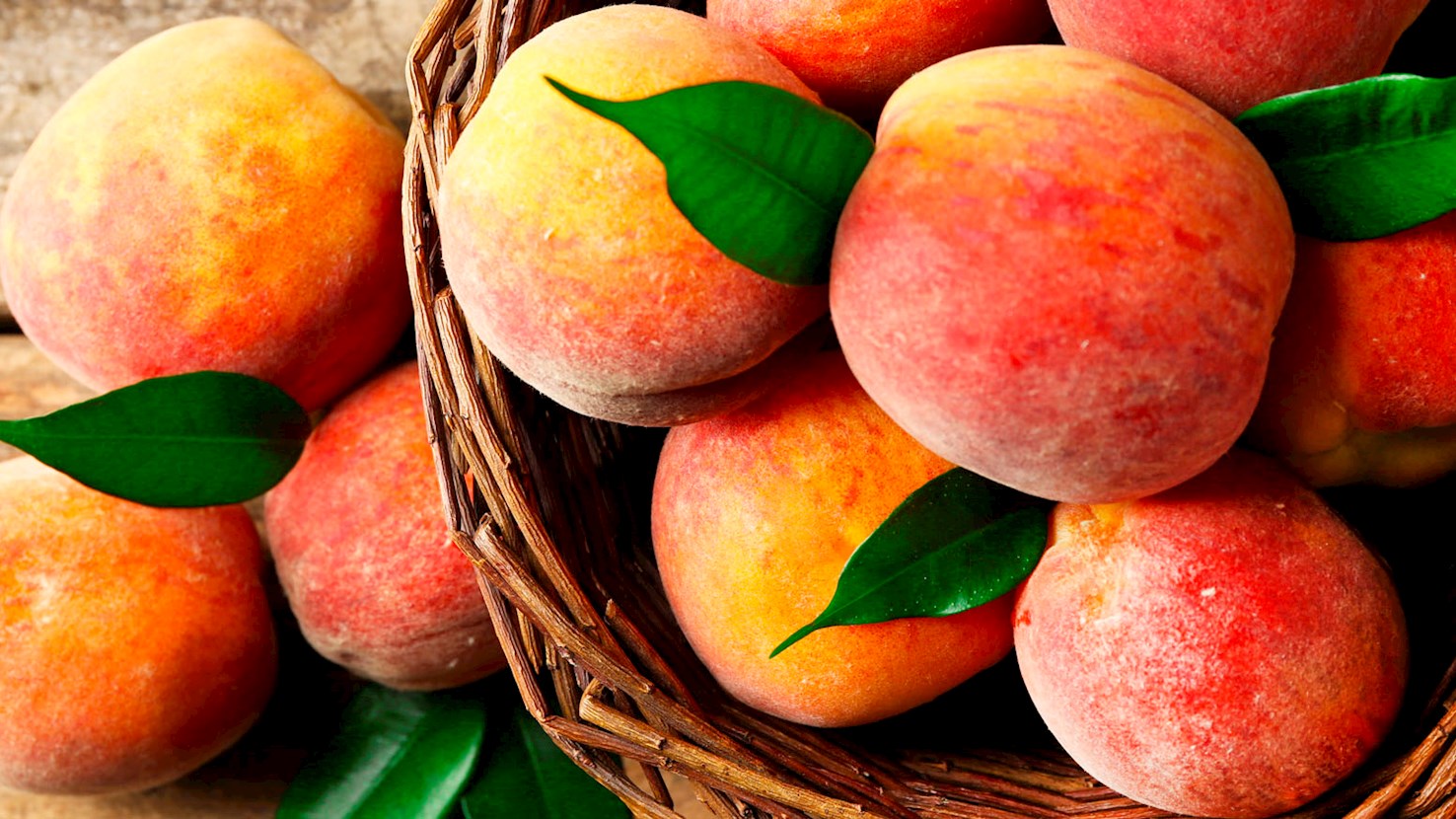
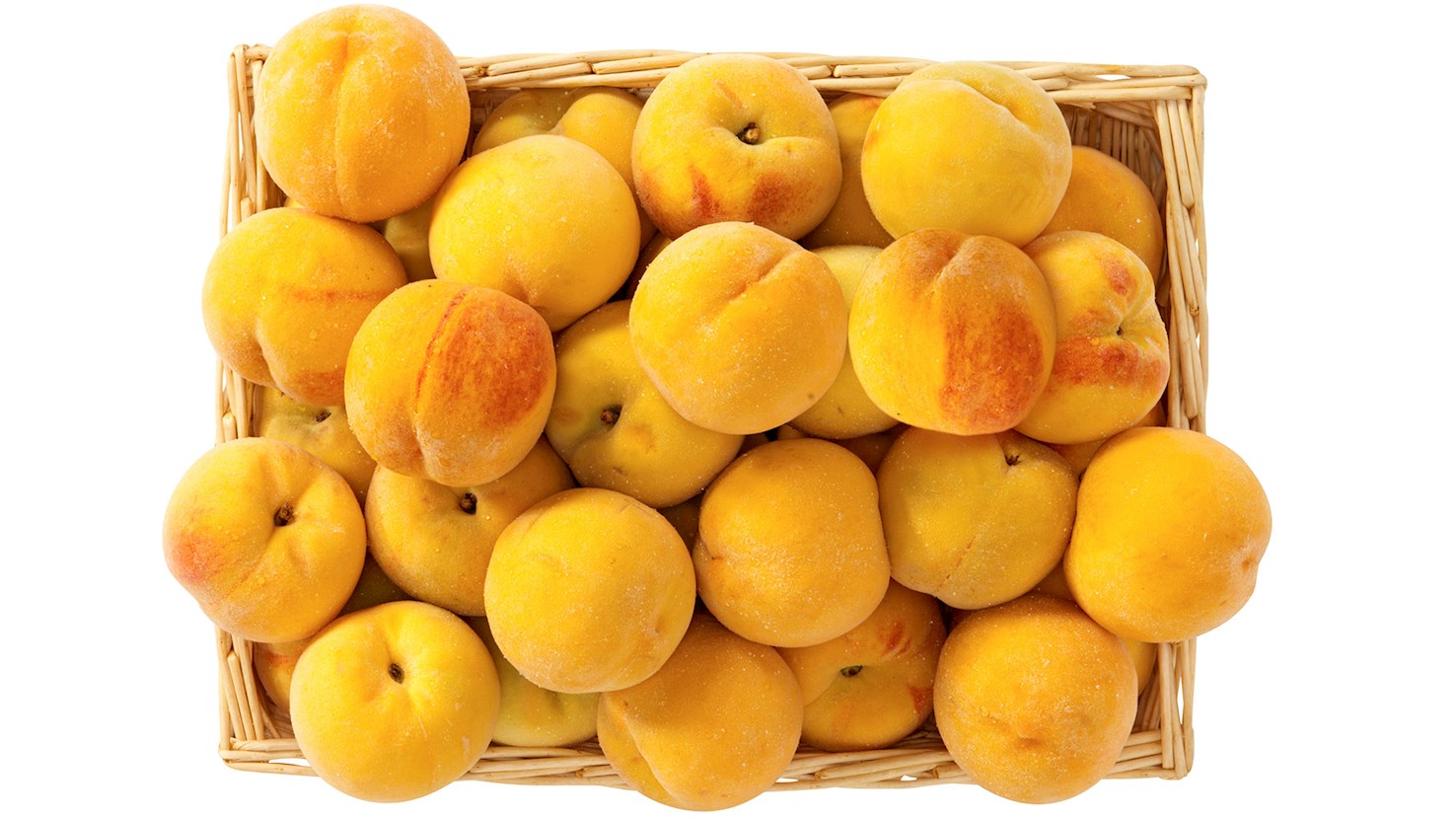
These tasty peaches of the May Crest, Spring Crest, June Gold, Dixired, Red Haven, Maria Bianca, Sun Cloud, Flavor Crest, Sun Crest, J.H. Hale, Honey Dew Hale, Naoussa Late, and Loring varieties grow in the Greek region of Central Macedonia. Even though these peach varieties originated in China, the excellent weather and soil conditions combined with systematic cultivation made them adapt quickly to the Mediterranean, and they quickly became one of the most popular fruits in Greece. They are harvested when ripe and immediately inspected and packed to retain their freshness. Due to their rich aroma and sweet taste, they are highly sought after by consumers both in Greece and beyond, especially in the markets of Europe and the Arabian Peninsula, where they are sold from the end of May to the end of October.

03

Melocotón de Calanda

4.5 ·

Melocotón de Calanda are the famous peaches grown in the east of the Autonomous Community of Aragón. They are unique because of their large size, sweetness, and extraordinary flavor. These creamy orange peaches have been grown in the region of Aragón since the 19th century and are still today picked at the peak of their ripeness to ensure fully developed flavor and succulent texture. With a minimum diameter of 73 mm, Melocotón de Calanda are larger then peaches grown elsewhere and mustn't have any visual blemishes. They are carefully packaged and shipped with a sticker that contains the logo and a code which ensures traceability and guarantees the quality of these superb peaches.

04

Mandarini Chiou

4.5 ·

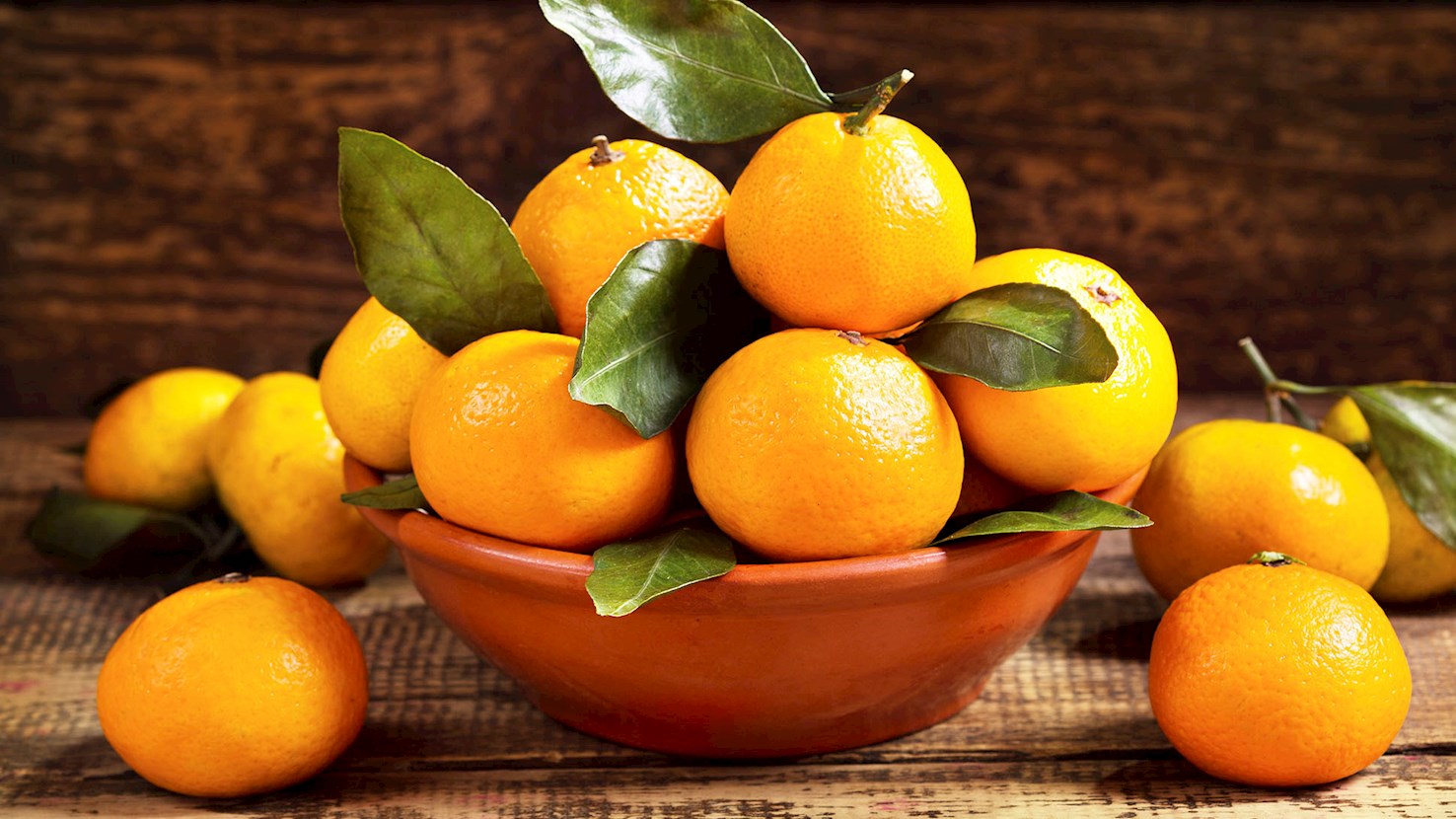
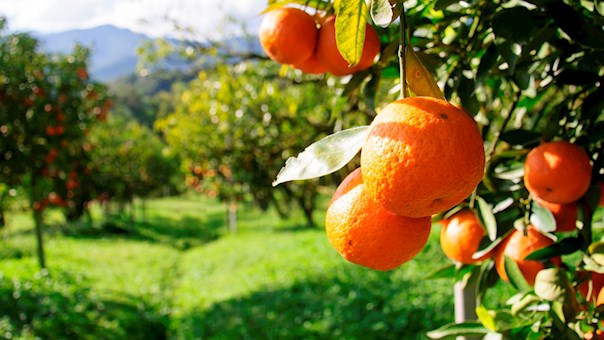
The size and quality of the fruit and its high sugar content can be ascribed to amazing weather, great exposure to the sun and properties of the soil. It has tender, tasty, slightly orange flesh with an intense aroma and quite a rough membrane. This variety of mandarins is among the most aromatic in the world. Even when they are unripe, the persistence of their aroma will make anyone love them at the first bite. Amazingly, their aroma escapes the citrus groves, taking over the entire island, making Chios known both in Greece and abroad as 'Myrovolos' – the fragrant island. The term Mandarini Chiou was established on the market at the end of the 19th century to identify the island with this original, sought-after product of a characteristic intense flavor. In order to preserve the fruit’s high quality, the growers of Chios invented the procedure of paper wrapping the mandarins immediately after harvesting. The earliest written evidence of this method can be found in the French travel review 'Le Tour du Monde' from 1878. These mandarins enjoy an excellent reputation and are, together with Mastiha Chiou, the prefecture's most sought after product. They are used as the basic ingredient in a wide variety of products such as marmalade, juice and sweets. Also, they are often processed into an essential oil that can be used in bakery and the cosmetic industry.

05

Citrinos do Algarve

4.5 ·

The Algarve region produces a wide range of citrus fruits, including oranges, tangerines, grapefruits, limes, and lemons. The Algarve orchards in the district of Faro occupy an area of about 16,000 hectares, and most of the trees grown are oranges and tangerines. The fruit grown in this area have a characteristic color depending on the variety, while they all share a thin skin, intensely bright colors, and a high juice content. The fruit can be eaten raw after a meal or used as a snack, and it is also used to prepare juices, desserts, liqueurs, and jams. Citrus fruit begame an integral part of the south Iberian Peninsula and the Mediterranean at the end of the thirteenth century through Genoese and Portuguese trade with China, Japan, and India. From then on, citrus fruit production spread all over the world. In Algarve, Christmas trees have been decorated with citrus fruits since ancient times – a testament to the importance of this product to the region.

06

Saperavi

4.4 ·

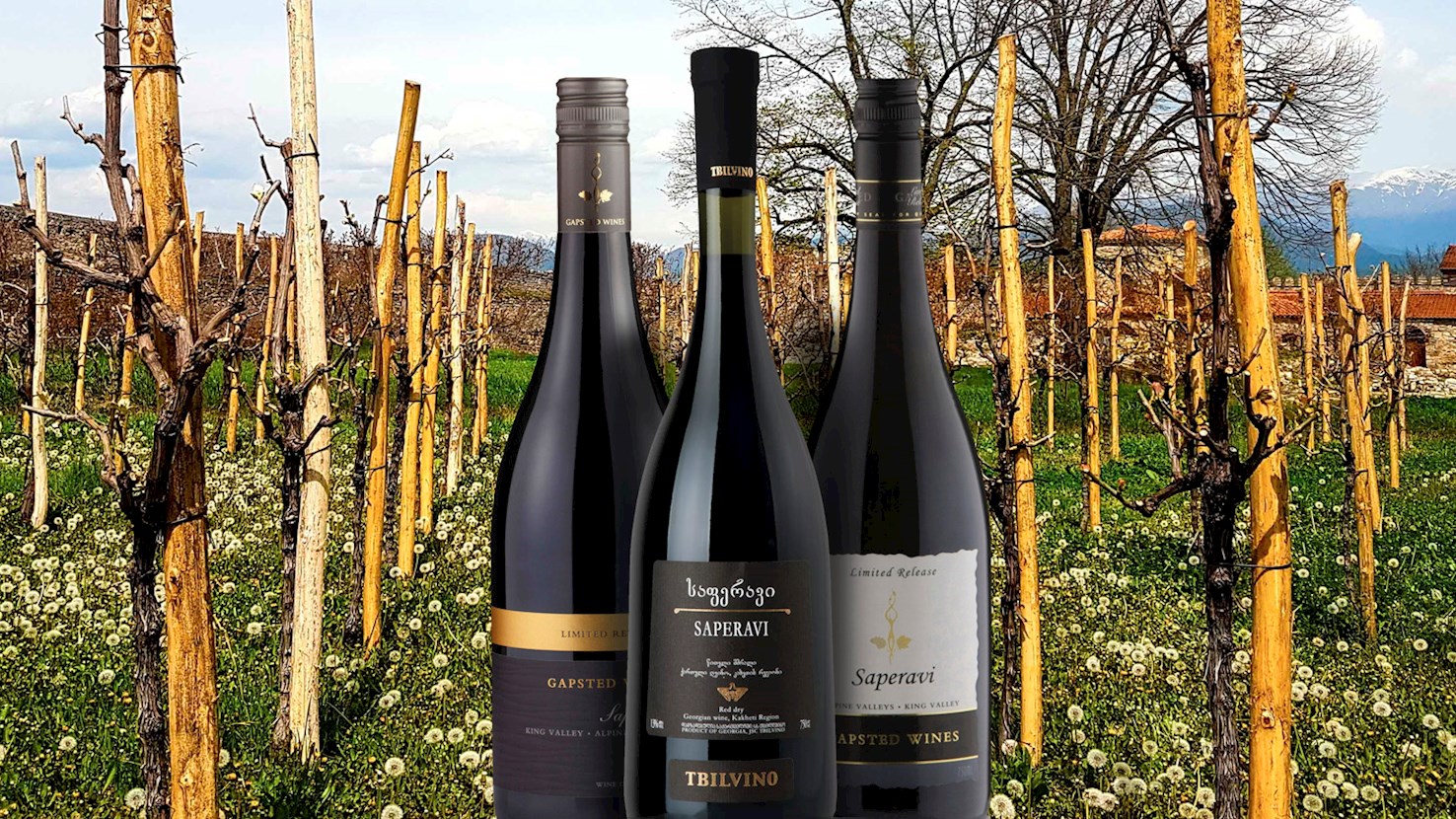
Saperavi is a resilient red Georgian grape that originated in the eastern region of Kakheti, and though it is still predominant in Georgia, small amounts are also grown in other Eastern European regions, Australia, and the United States. This teinturier grape that has dark skins and flesh produces full-bodied wines of a dark garnet color which are characterized by aromas of ripe red berries and pleasant acidity. Most wines produced from the Saperavi grapes are varietal and have a great tendency to age. Sapervai wines are incredibly versatile and can match a variety of dishes, including delicate fish dishes, stews, grilled meat, or game.

07

Limone Costa d'Amalfi

4.4 ·

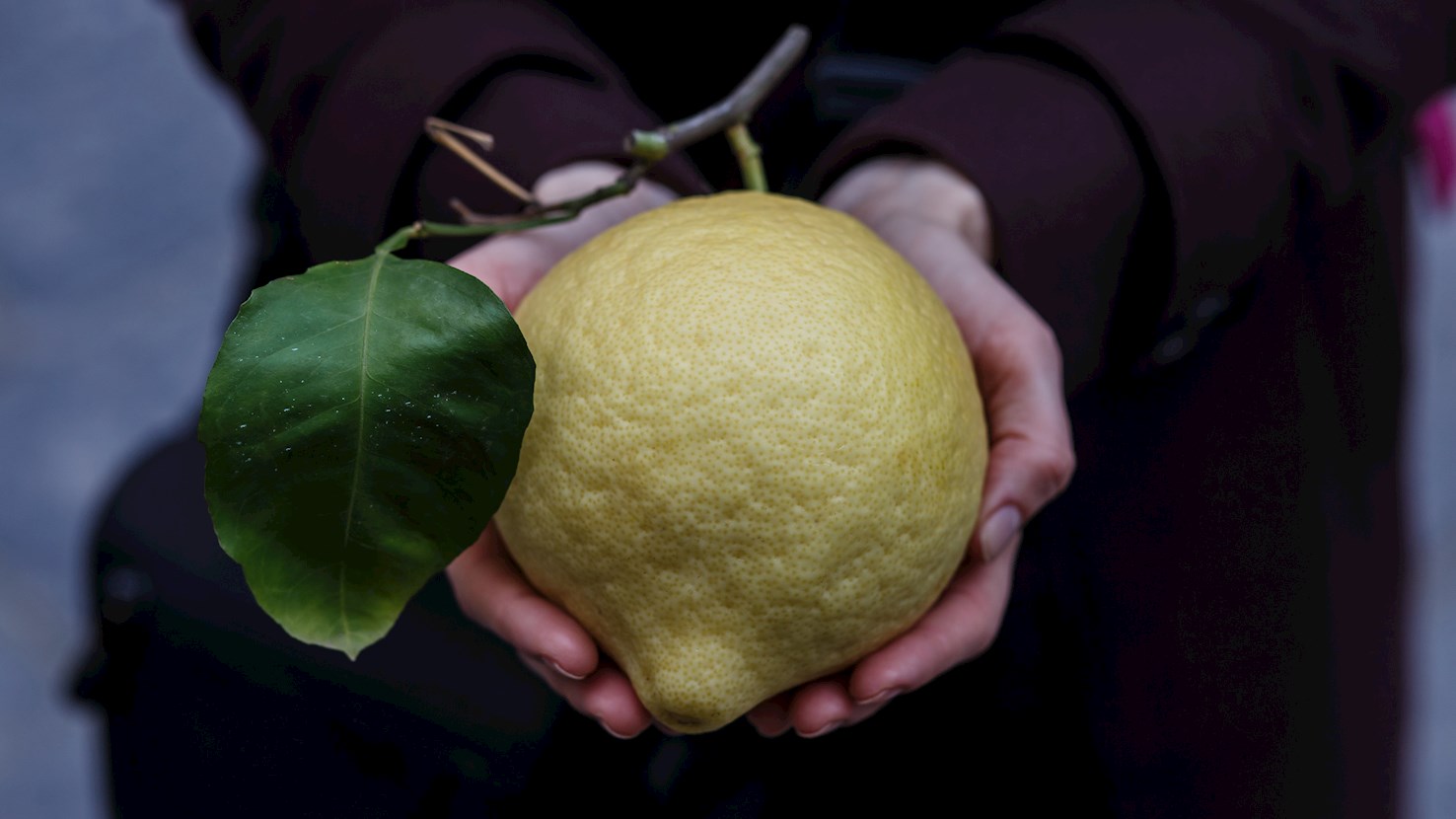
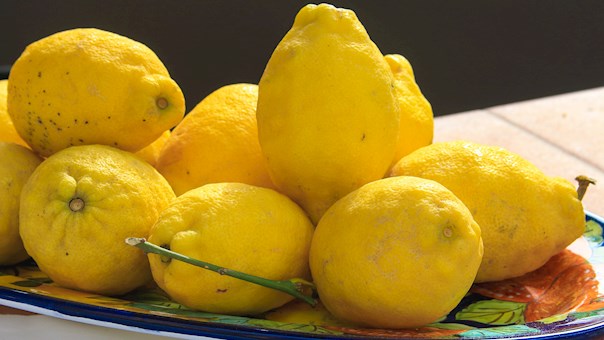
Lemons from the Amalfi coast have been cultivated in the province of Salerno for centuries, growing in terraced groves which are stretched up the hillsides of every village in the area, spreading the intoxicating fragrance of citrus blossoms and dotting the beautiful Amalfi landscapes with green and yellow. Prized for their low acidity and delicate flavor, Amalfi lemons are so sweet you can eat them whole! When they're not enjoyed fresh, traditionally cut into slices sprinkled with salt, mint leaves and drizzled with some vinegar, these aromatic fruits are used for making jams, preserves, lemon honey, sorbettos and various desserts. In fact, there are very few dishes of Campania cuisine which are not flavored with either Amalfi lemon juice or zest. Also, Limone Costa d'Amalfi is the essential ingredient of Limoncello, a refreshing summer pick-me-up liqueur.

08

Jabłka łąckie

4.4 ·

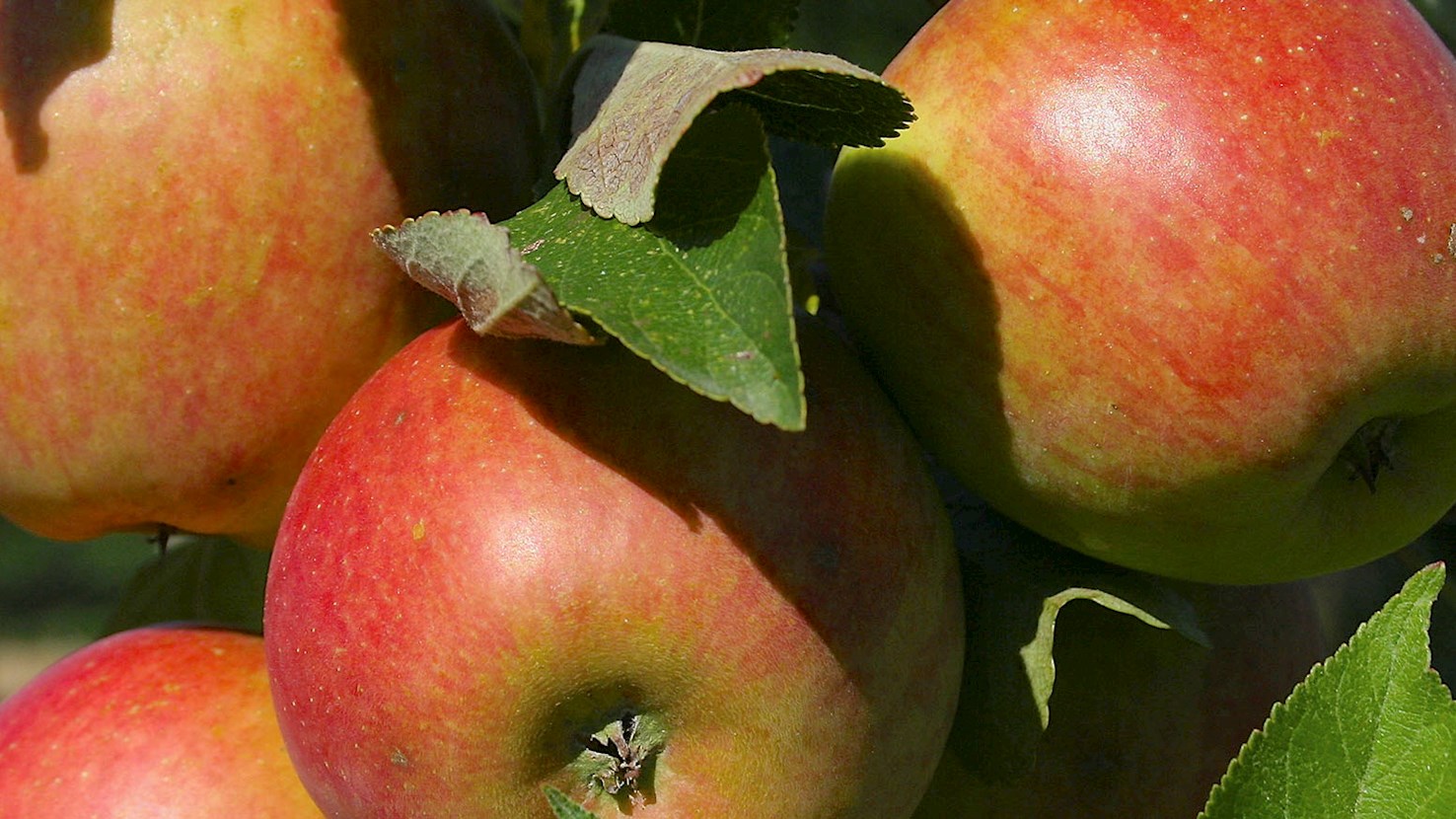
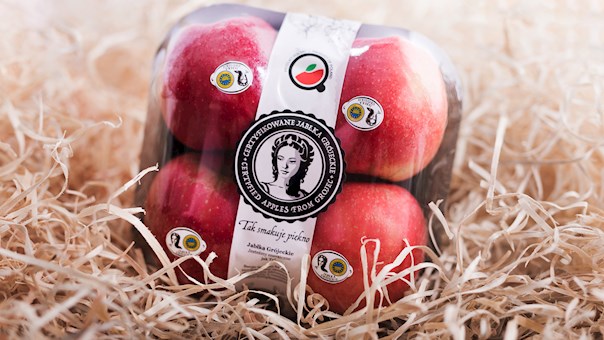
Jabłka łąckie refers to 15 different varieties of apples produced in the Lacko, Podegrodzie, Stary Sącz and Lukowica municipalities in Malopolskie Voivodship in Poland. The area has a mild climate and compact soils that favorably influence the growing of apples in the region. The apples are characterized by a blush that is far more intense than the average for any variety of apples and their firm texture. Their taste is distinctive, intense, aromatic and tart, highly acidic and sour, which is why Lackie apples are known to have a so-called 'green mountain' flavor. The apples have had a very high reputation since the 13th century. They are so popular in the region that there is even an Apple Blossom Festival, held every May since 1947 to this day, where there are stalls and displays with fruit and culinary treats. Enjoy the apples on their own, as a snack, or prepare a mead jelly with Lackie apples and Polish honey.

09

Mila Zagoras Piliou

4.4 ·

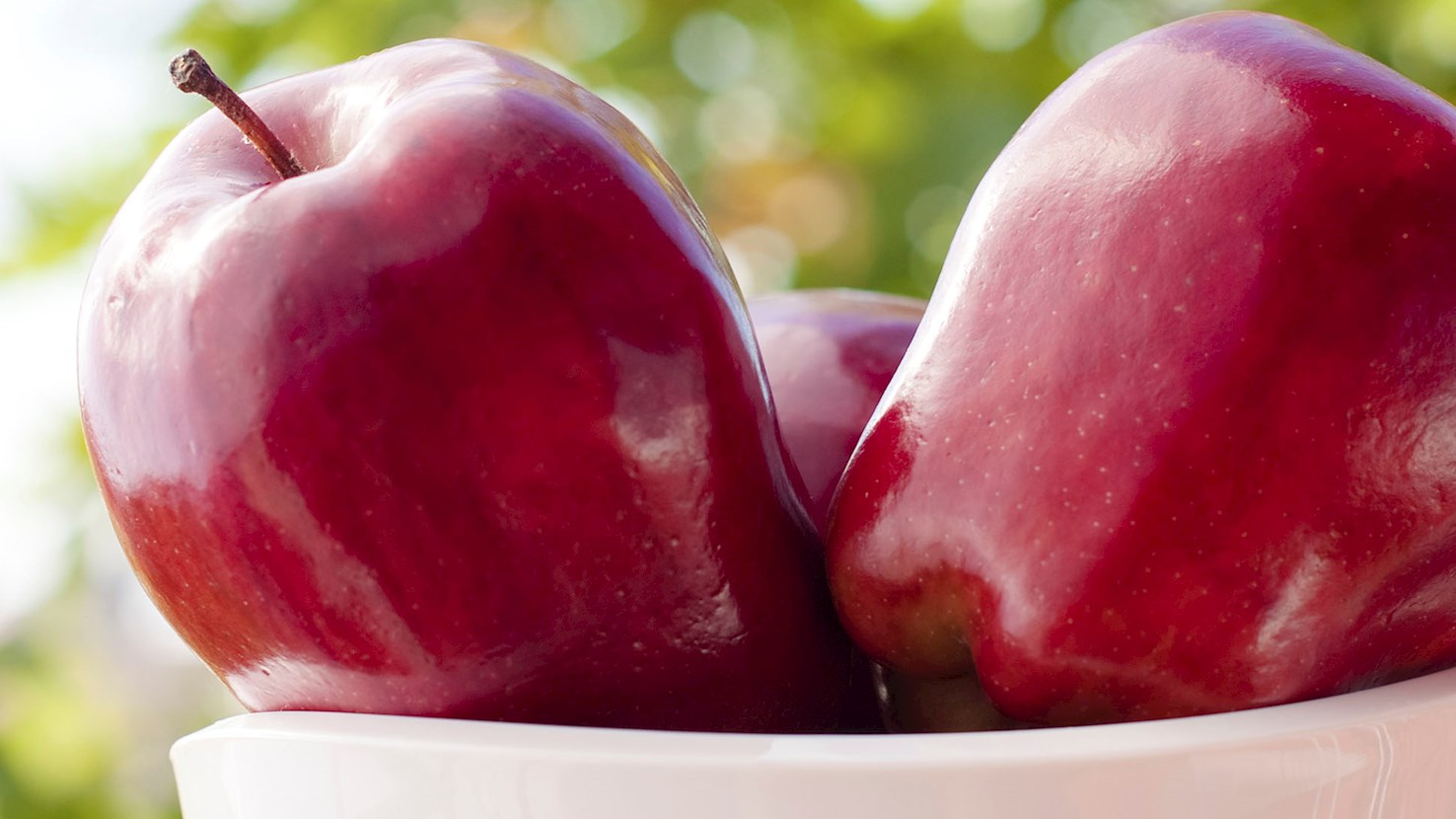
Mila Zagoras Piliou are apples obtained from the Starking Delicious variety in Zagora, Makrirahi and Pouriou on the eastern side of Pilios. The systematic cultivation of these apples started in the 1960s under the supervision of the Zagora Agricultural Cooperative. They owe their distinctive characteristics to high altitudes where they are grown, special weather conditions and the use of traditional cultivation techniques. Mila Zagoras Piliou are harvested by hand after their ripeness is checked. Following the quality assessment, they are packed and stored in the cooperative's modern installations. They can be recognized by their vivid red color and a smooth, waxy skin. Their flesh is white to yellow, very juicy and full of flavor.

10

Portokalia Maleme Chanion Kritis

4.4 ·

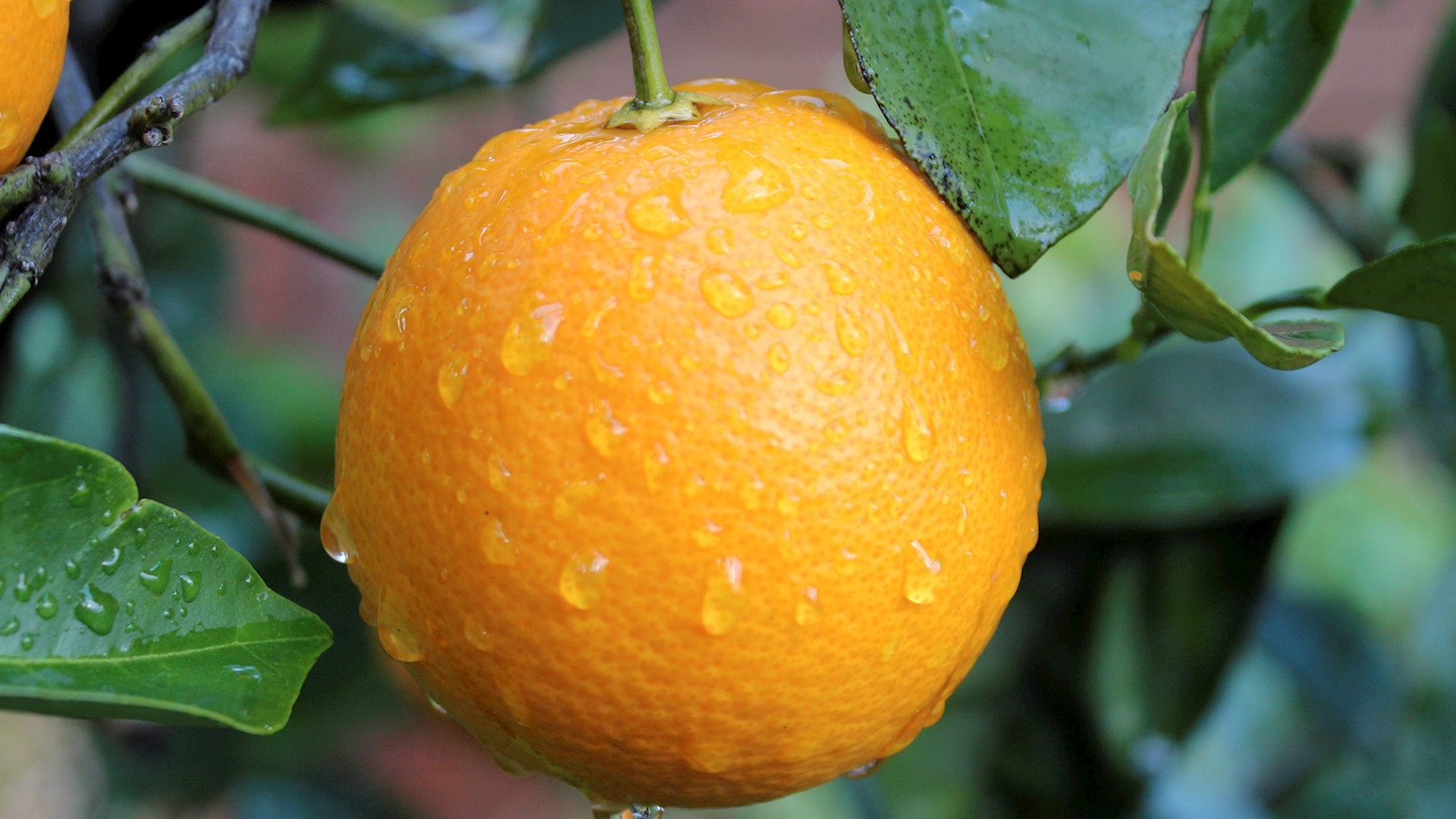
These oranges of the Washington Navel variety are cultivated in the coastal areas of Chania prefecture on the island of Crete. They are harvested by hand from the middle of December until the middle of May. These exceptionally juicy and flavorful oranges have a strong fragrance. They are quite large, slightly elongated, and quite firm, which makes them easy to transport. It is often said that Cretan oranges are the best in the world. According to Greek mythology, these oranges were kept in the Gardens of the Esperides, away from humans. Portokalia Maleme Chanion Kritis oranges were the most important fruit to eat during the winter, and were present in every Cretan home due to their nutritional value - they are very rich in Vitamin C, B and A. Although usually eaten raw, there are many recipes for tasty jams and pies that can be made from this fantastic fruit.

Best Fruits in the World
01

Iichiko

4.9 ·
Iichiko is a renowned Japanese producer of shochu, a traditional Japanese spirit made from various ingredients like barley, sweet potatoes, and rice. Founded by Sanwa Shurui, Iichiko is famous for its commitment to high-quality production and innovation. Headquartered in the Oita Prefecture of Kyushu, Japan, an area known for its clean water and natural beauty, Iichiko has become a global leader in the shochu industry. Iichiko's most notable products include its flagship barley-based shochu, iichiko Saiten, which is crafted using unique methods such as the "all Koji" fermentation technique. This involves using barley Koji, a special mold that helps break down the starches in barley into sugars, enhancing the flavor profile of the spirit. The production also focuses on the single distillation process, preserving the delicate aromas and flavors of the barley.
Awards
SFWSC - San Francisco World Spirits Competition - Double Gold (2024, 2023)
ISC-International Spirits Challenge - Double Gold (2022)
02

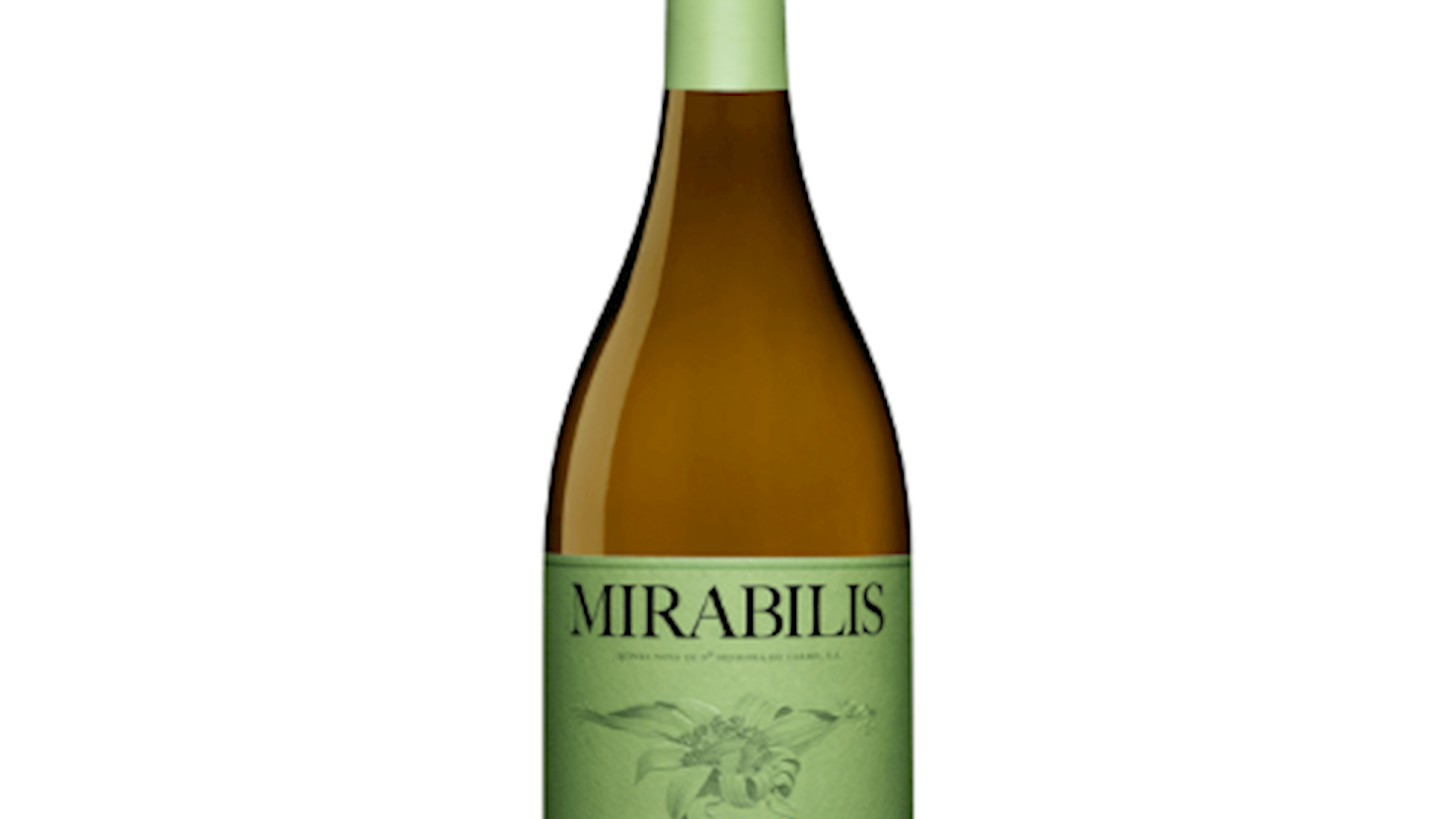
Quinta Nova de Nossa Senhora do Carmo
4.9 ·
Quinta Nova de Nossa Senhora do Carmo is a historic wine estate located in Portugal’s Douro Valley with a winemaking tradition dating back more than two centuries. The estate was already recognized during the official demarcation of the Douro wine region in 1764, making it part of one of the world’s oldest regulated wine areas. Today the property belongs to the Amorim Group, which acquired the estate in 1999 and modernized both the winery and the surrounding vineyards while preserving its historical character. The vineyards extend across terraced slopes overlooking the Douro River, where schist soils and the region’s warm climate create ideal conditions for growing traditional Portuguese grape varieties. Quinta Nova produces both Douro DOC wines and Port wines, often focusing on the expression of individual vineyard plots and the diversity of the estate’s terroirs. The property is also known for its role in developing wine tourism in the Douro, hosting one of the region’s early wine hotels and offering visitors vineyard tours, tastings, and cultural experiences linked to the history of the estate. Today Quinta Nova de Nossa Senhora do Carmo is considered one of the emblematic estates of the Douro, combining historical heritage, modern winemaking, and a strong connection to the landscape of the region.
Awards
Decanter World Wine Awards - Best in Show (2018)
Vivino - 4.5
03

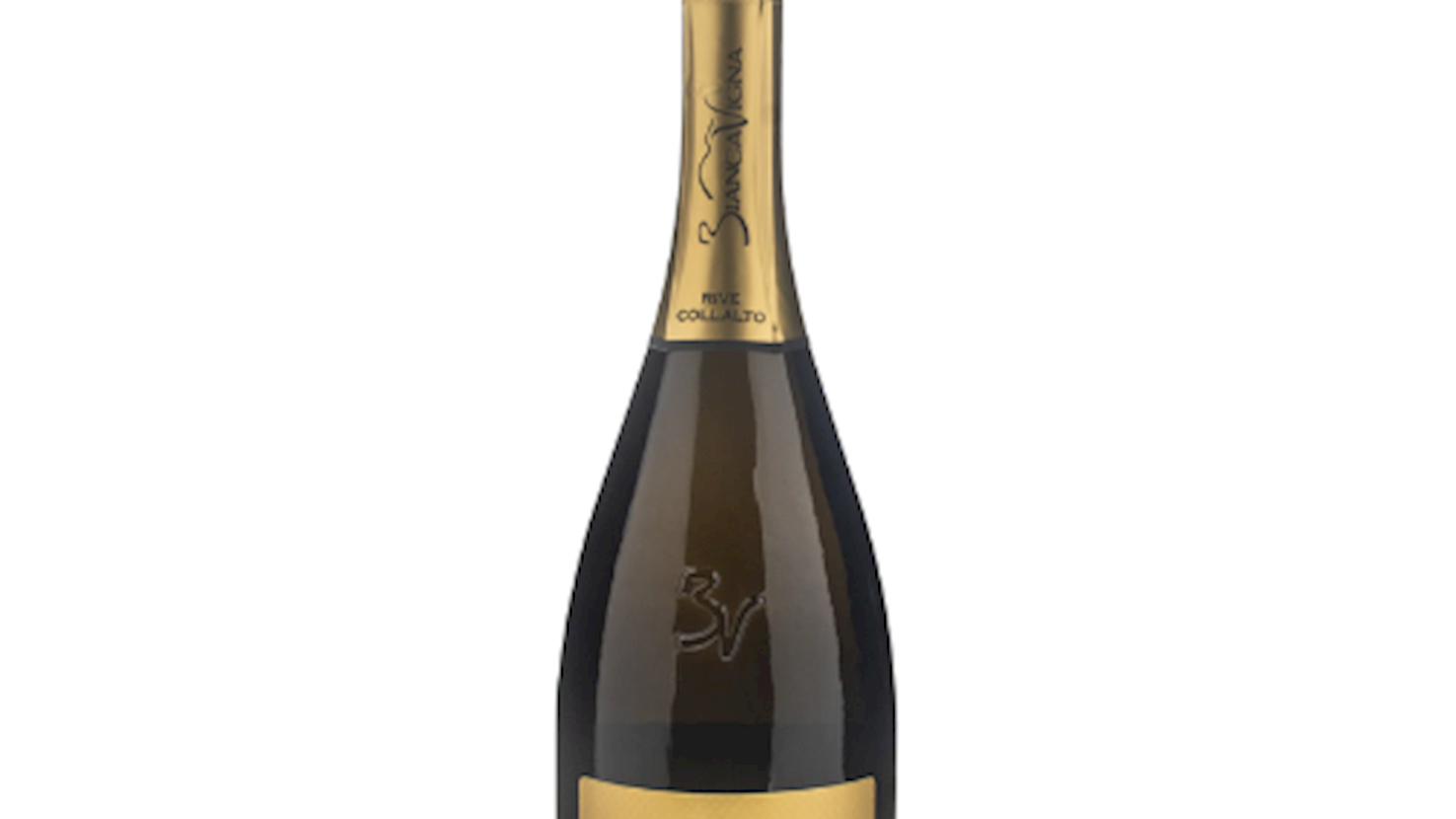
BiancaVigna

4.9 ·
BiancaVigna is a family-run winery located in the Conegliano Valdobbiadene area of Veneto, founded in 2004 by Elena and Enrico Moschetta on the basis of a long-standing family tradition in viticulture dating back to the early 20th century. Its vineyards are spread across steep, hillside sites such as Ogliano, Soligo, San Gallo, and Collalto, all within the Conegliano Valdobbiadene Prosecco Superiore DOCG zone, allowing each wine to reflect specific microclimatic and soil conditions. Production focuses primarily on Glera, with an emphasis on precision in both vineyard management and winemaking to preserve freshness, clarity of fruit, and refined mousse. BiancaVigna places strong importance on sustainability, applying integrated vineyard management practices, with part of the range certified organic. The winery itself is designed according to CasaClima Wine standards, prioritizing energy efficiency and reduced environmental impact. The style of the wines is clean and contemporary, marked by elegant aromatics of pear, apple, and subtle floral notes, balanced by vibrant acidity and a mineral-driven finish. Alongside classic expressions, the estate produces “Rive” bottlings that highlight the distinct identity of individual vineyard sites.
Awards
IWSC- International wine & spirit competition - Gold (2023, 2022)
Vivino - 3.7
04

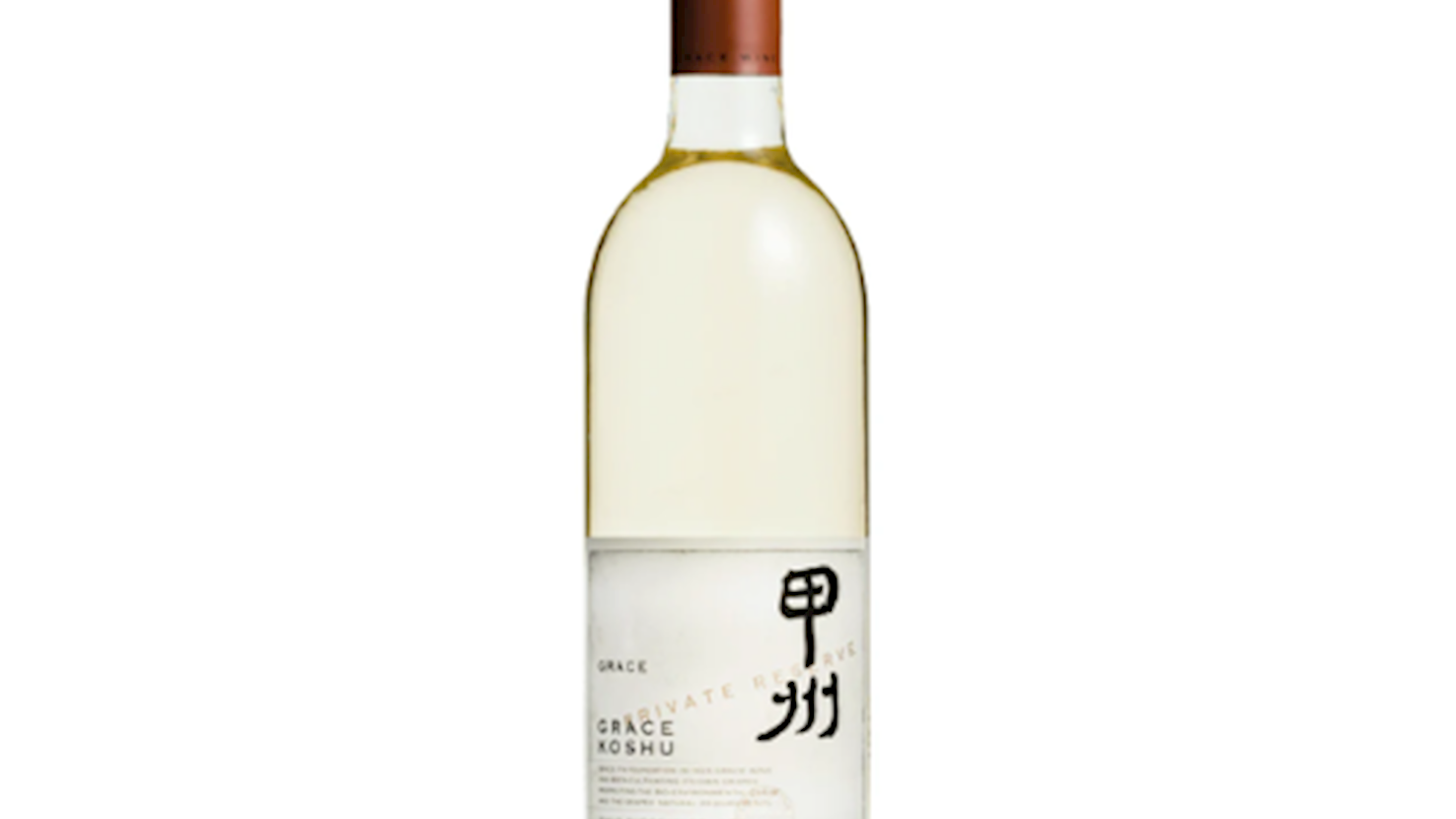
Grace Wine

4.7 ·
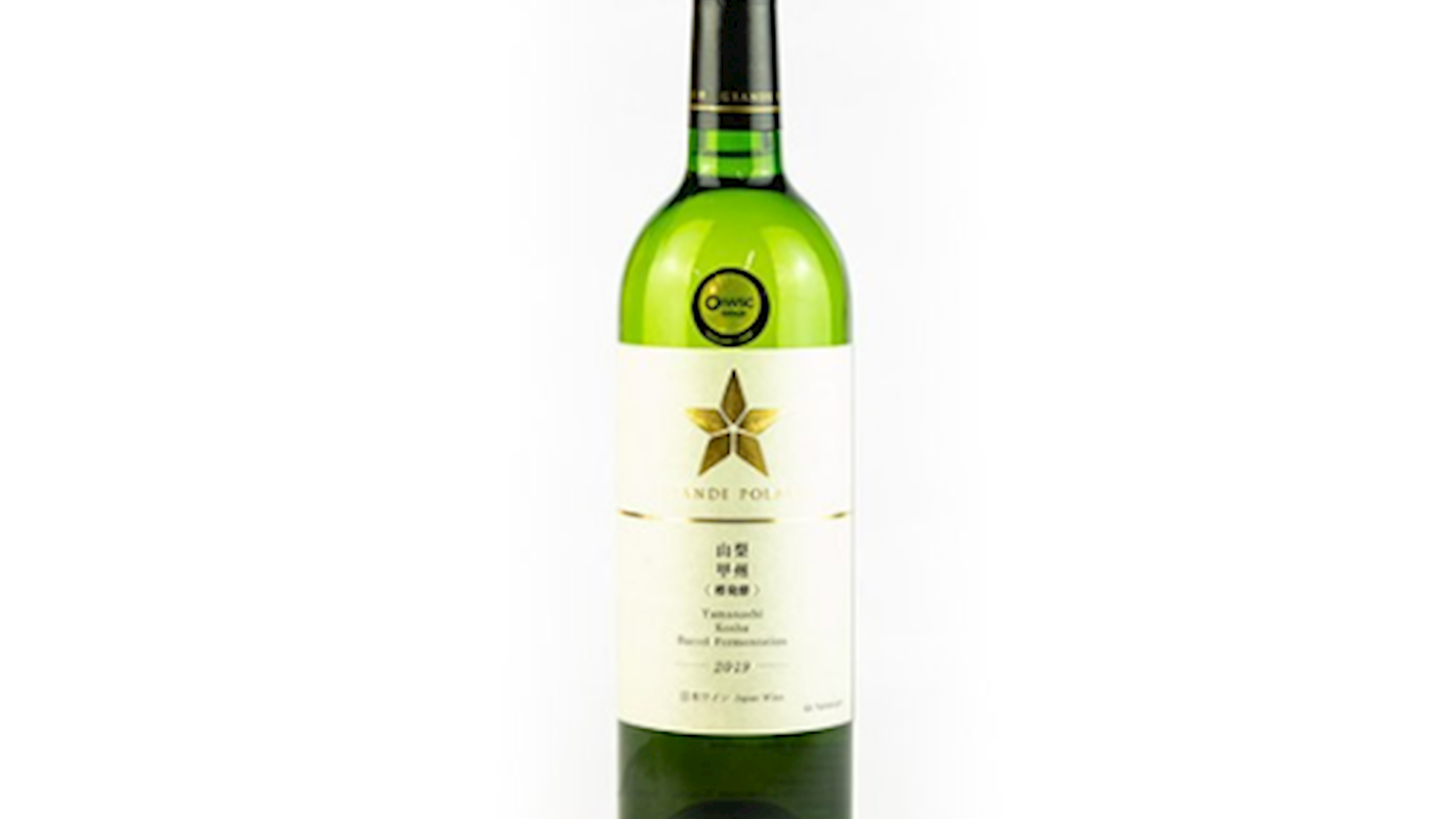
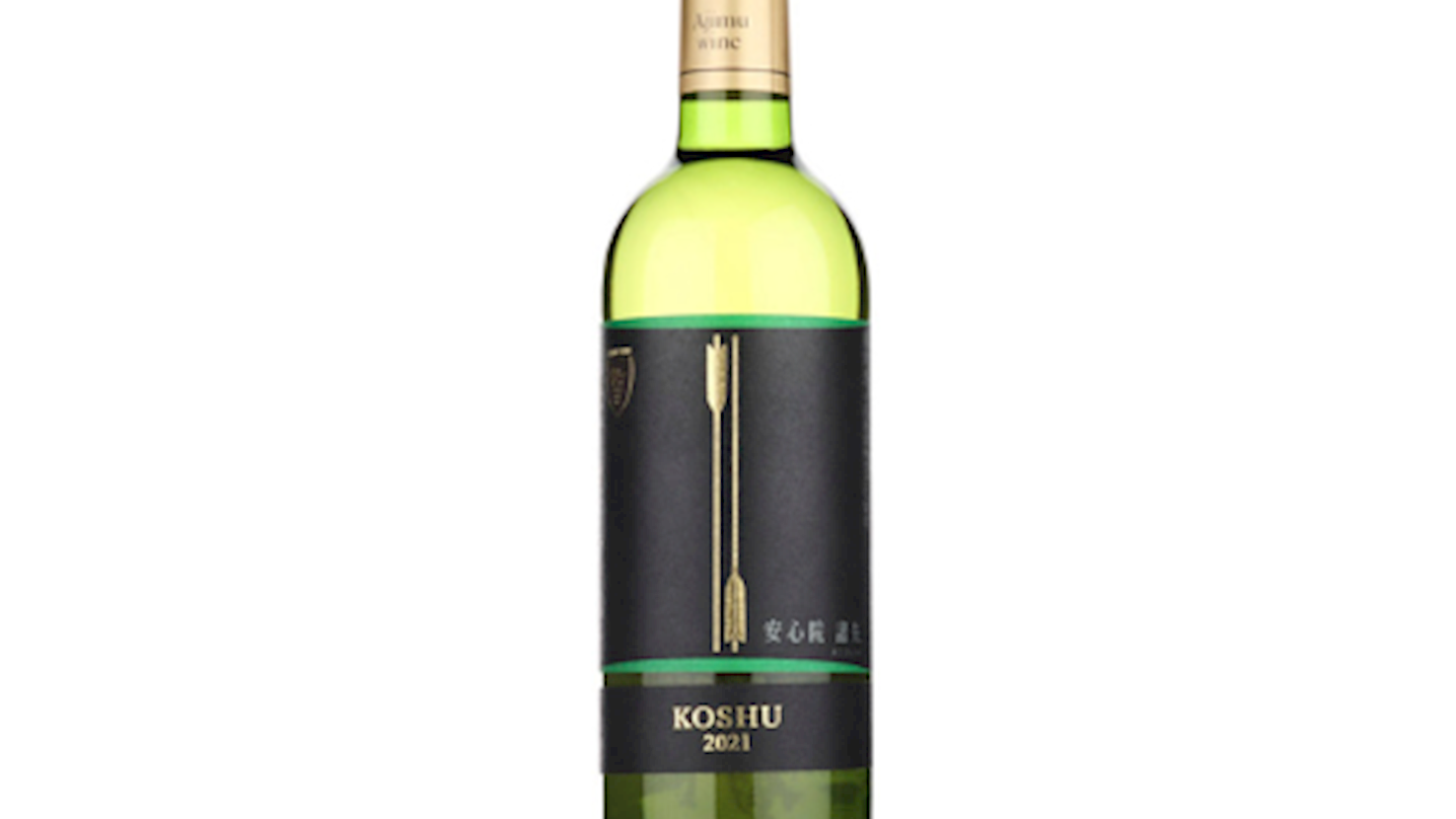
Grace Wine is a family-owned winery in Japan, founded in 1923 in Katsunuma, Yamanashi Prefecture, a region considered the cradle of Japanese winemaking. The winery’s main focus is the indigenous Japanese grape Koshu, a delicate white variety with pink-tinged skins that produces wines known for their minerality and subtlety. The vineyards are located at higher elevations, often above 700 meters, where cool nights and strong air circulation allow slow ripening and preserve natural acidity. The soils are rich in volcanic and alluvial sediments, contributing to the wines’ clean and linear profile. Their Koshu wines are characterized by elegance, discreet citrus notes, a saline mineral finish, and remarkable purity. In addition to Koshu, Grace Wine also produces red wines and traditional-method sparkling wines, but Koshu remains the defining element of the winery’s identity. Their wines pair exceptionally well with light and refined cuisine - especially fish, sashimi, and sophisticated Asian fusion dishes. Thanks to authenticity, consistent quality, and a long winemaking tradition, Grace Wine is considered a benchmark producer of Koshu in Japan. The winery preserves tradition while simultaneously pushing the boundaries of modern Japanese wine.
Awards
Decanter World Wine Awards - Platinum (2017, 2016)
Vivino - 4.1
05

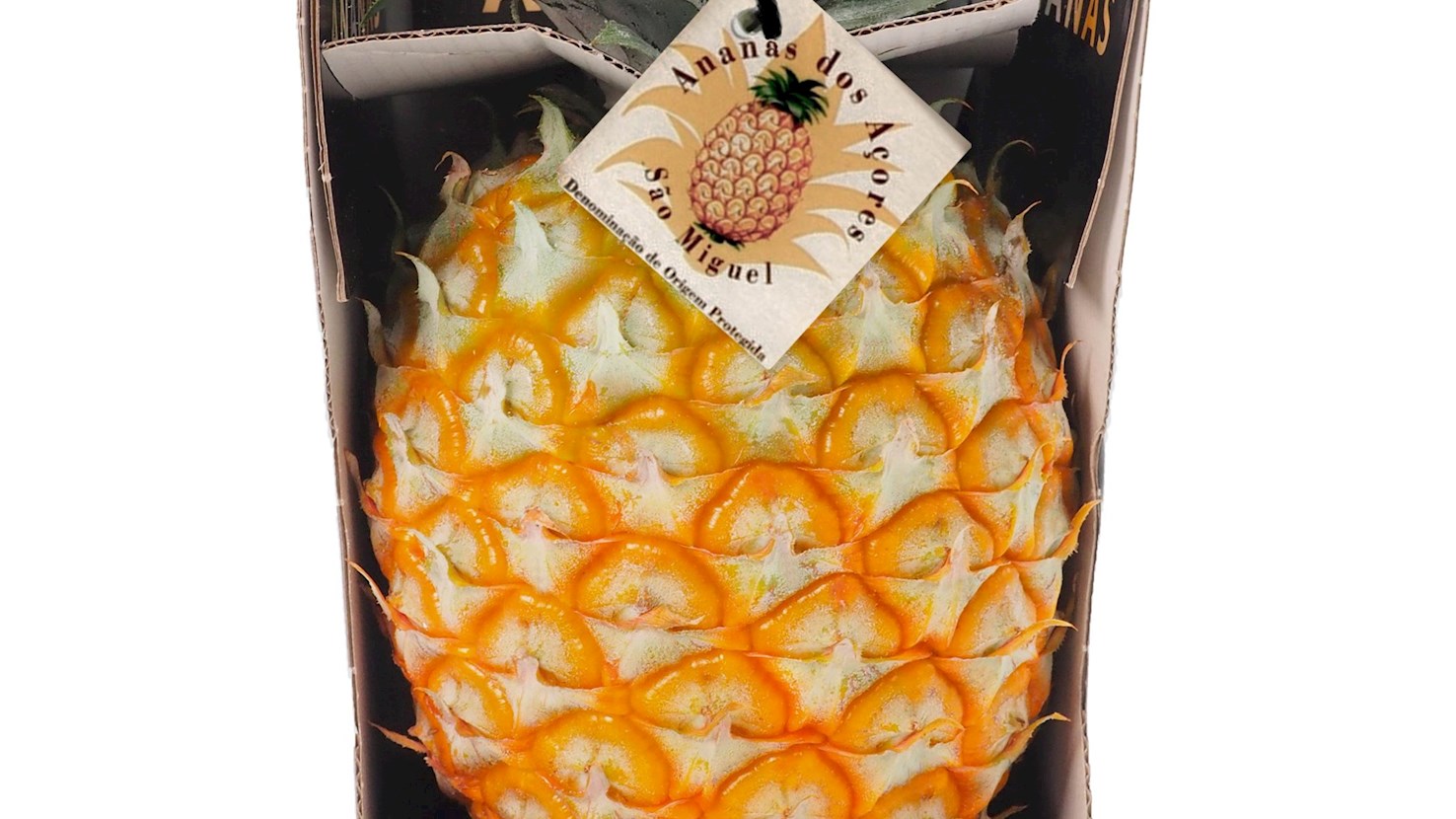
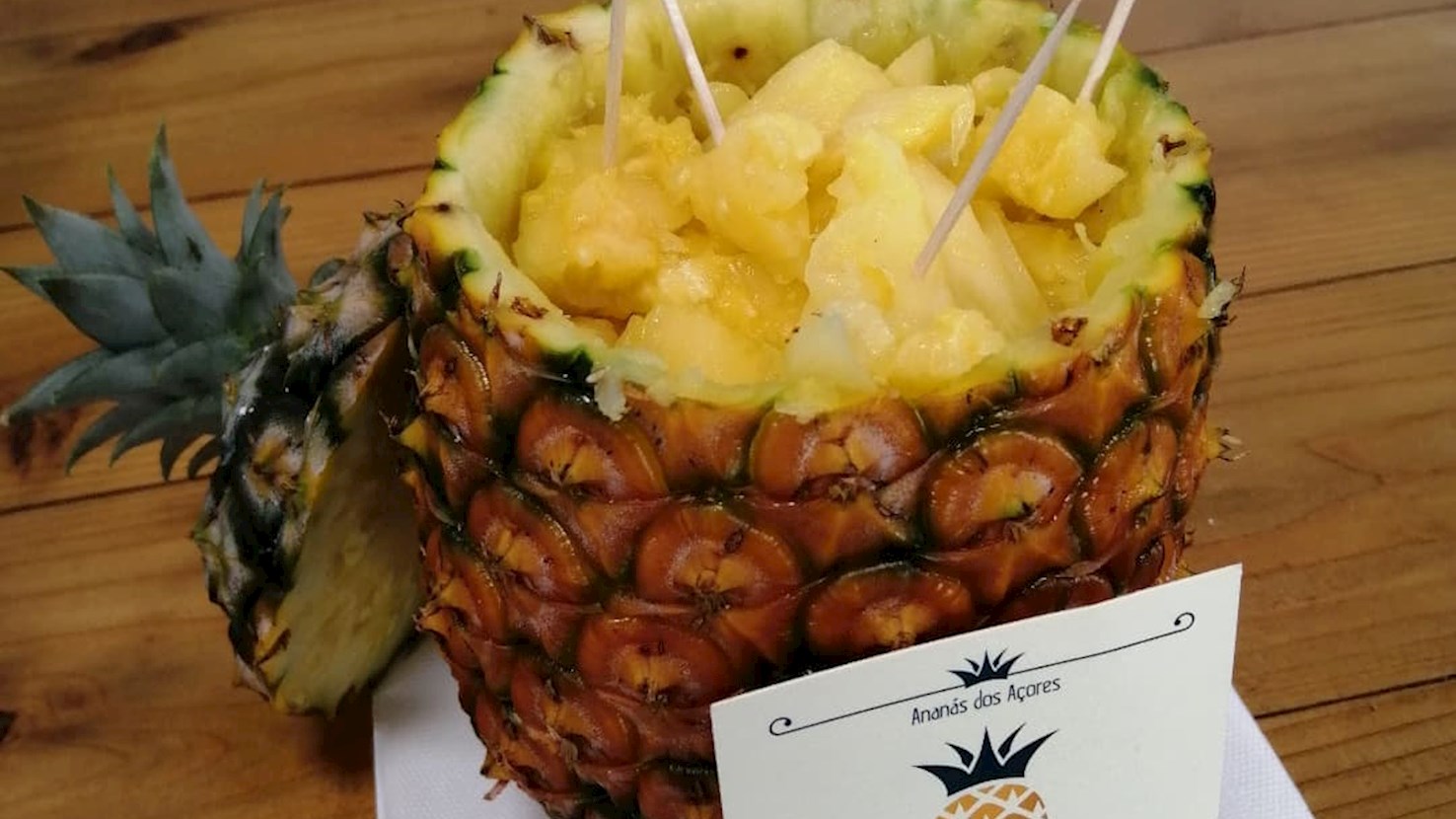
Plantação de Ananás dos Açores

4.4 ·
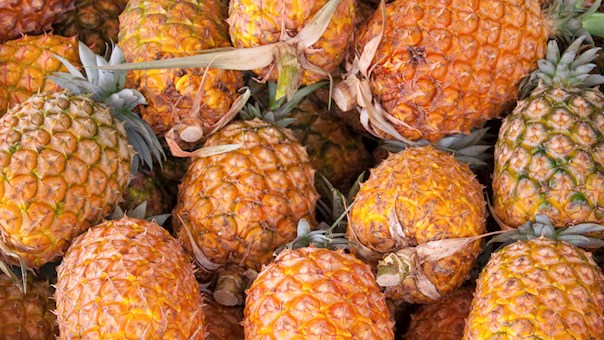
Plantação de Ananás dos Açores refers to the traditional cultivation of pineapples on the Portuguese island of São Miguel in the Azores. Unlike tropical pineapples, Azorean pineapples are grown in greenhouses to protect them from the Atlantic climate, using natural farming techniques. This unique production method results in a smaller, sweeter, and more aromatic pineapple compared to other varieties. The cultivation process takes around two years, from planting to harvest, ensuring the fruit's exceptional flavor and quality. Recognized as a regional delicacy, Ananás dos Açores is often used in gourmet cuisine and is protected by a Protected Designation of Origin (PDO) certification.
06

Ananás Santo António

4.3 ·
Ananás Santo António is a premium brand under the management of Casa Agrícola Bernardo Cabral, Lda., a company dedicated to the production and distribution of organic products exclusively from the Azores. Founded in 1911 by the Machado family, the company underwent a pivotal change in ownership during the 1940s when Manuel Bernardo Cabral acquired it, ensuring its place as a family-run business ever since. Located on São Miguel Island, Ananás Santo António specializes in cultivating pineapples using traditional greenhouse methods, a hallmark of the Azorean agricultural heritage. This meticulous approach not only preserves the natural ecosystem but also produces pineapples of exceptional quality and flavor. The brand has become synonymous with authentic Azorean excellence, providing a wide range of products derived from its organically grown pineapples, including jams, liqueurs, and desserts.
07

Sapporo Breweries

4.2 ·
Sapporo is the oldest Japanese beer brand, founded in 1876 on the island of Hokkaido as part of a government initiative to modernize the country’s brewing industry. The first brewer was Seibei Nakagawa, a Japanese brewer trained in Germany, whose knowledge influenced the development of a European-style lager culture in Japan. The brand is recognizable by its star symbol, a legacy of the historical Kaitakushi Brewery, which later evolved into Sapporo Breweries. Over the years, Sapporo has grown from a regional brewery into an international group with production facilities in Japan, North America, and other markets. Production relies on precise control of fermentation and filtration, resulting in a clean, crisp, and refreshing flavor profile. Sapporo lagers are traditionally described as light, with pronounced carbonation and a dry finish. The quality of Hokkaido water plays an important role in the brewing process and is often cited as a factor in the beer’s distinct freshness. While the brand preserves its historical identity, its production is fully modern and industrially optimized. Although not a craft brewery, Sapporo maintains elements of tradition through heritage preservation, museum spaces, and a consistent visual identity rooted in its origins. Today, Sapporo is present in restaurants and retail markets worldwide and is closely associated with Japanese cuisine and beer culture paired with food. The brand positions itself as a balance between tradition and contemporary brewing, demonstrating how a historic label can remain relevant in a modern beer market.
Awards
IWSC- International wine & spirit competition - Gold (2024, 2021, 2019)
Vivino - 3.7
08

Adami

4.1 ·
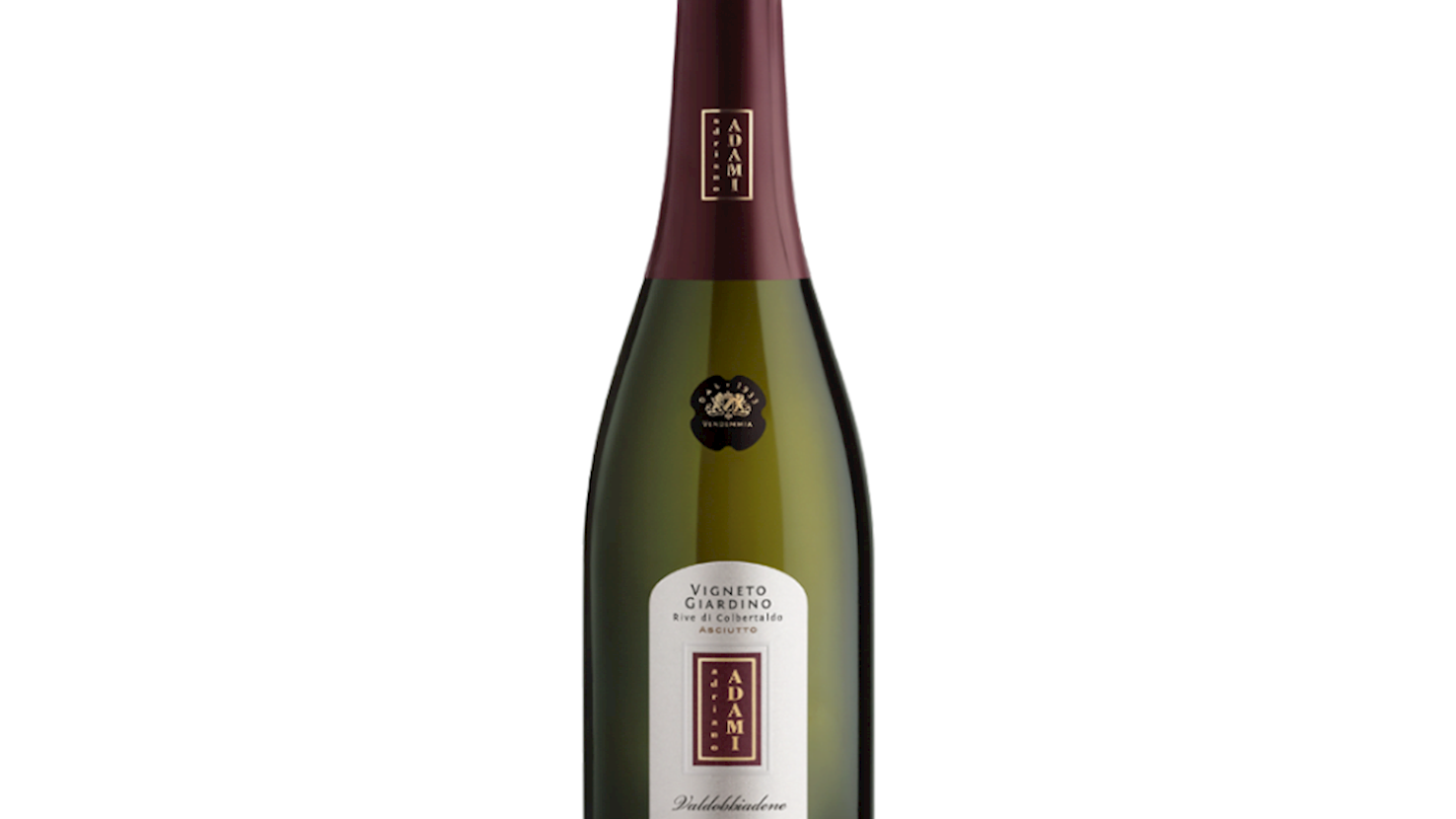
Adami is a renowned family-owned winery based in Valdobbiadene, in the Veneto region of Italy, dedicated for over a century to the production of premium Prosecco Superiore DOCG wines. The winery was founded in 1920 by Abele Adami, who purchased the historic Vigneto Giardino vineyard in Colbertaldo. In 1933, Abele presented the first single-vineyard Prosecco at a national wine exhibition in Siena, laying the foundation for the production of wines with clearly defined origin and identity. Today, the winery is managed by the third and fourth generations of the Adami family – Armando and Franco, along with their successors – who continue the tradition while incorporating modern enological techniques. Adami owns and cultivates approximately 50 hectares of vineyards, some of which are family-owned and others managed in partnership with local growers. The vineyards are located on the steep hillsides of Valdobbiadene, benefiting from diverse microclimates and soil types, which contribute to the production of wines with distinct character and complexity. Adami is a symbol of high-quality Prosecco, built on deep respect for tradition and a continuous drive for innovation. Their wines faithfully express the terroir of Valdobbiadene and the Adami family's commitment to excellence in every aspect of winemaking.
Awards
Vivino - 3.9
09

Nino Franco

4.1 ·
In the heart of Valdobbiadene, one of the most prestigious winegrowing regions in northern Italy and a protected designation of origin for Prosecco Superiore DOCG, the story of Nino Franco has been unfolding for over a century. Founded in 1919 by Antonio Franco, this family-run winery not only stands at the very foundation of prosecco tradition but also redefines its modern, sophisticated expression. Today, the winery is led by Primo Franco, the third generation of the family, whose work in the 1980s was instrumental in modernizing the entire prosecco sector. He was among the first to recognize the importance of vineyard identity and bottle quality over soulless mass production. Under his leadership, Nino Franco has become a winery that blends technical precision with emotional authenticity. Their wines are made exclusively from the Glera grape variety, hand-harvested from the steep slopes of Conegliano-Valdobbiadene, and vinified with remarkable care to preserve the natural aromatic profile and minerality. Today, the winery combines a craft-based approach with modern technology, and every step - from vineyard to bottle - is guided by a deep respect for the land, for time, and for heritage.
Awards
Vivino - 3.8
About this ranking

TasteAtlas food rankings are based on the ratings of the TasteAtlas audience, with a series of mechanisms that recognize real users and that ignore bot, nationalist or local patriotic ratings, and give additional value to the ratings of users that the system recognizes as knowledgeable. For the “Top 100 Fruits in the World” list until June 06, 2026, 11,426 ratings were recorded, of which 7,739 were recognized by the system as legitimate. TasteAtlas Rankings should not be seen as the final global conclusion about food. Their purpose is to promote excellent local foods, instill pride in traditional dishes, and arouse curiosity about dishes you haven’t tried.

The initial list of top producers was compiled based on available reviews, awards, local recommendations, media and blog coverage, and consumer reviews. The list will be updated with ratings from TasteAtlas local ambassadors and TasteAtlas users.

Similar lists