shutterstock

Top 100 South American Beverages

Last updated on June 04, 2026

Best South American Beverage Types
01

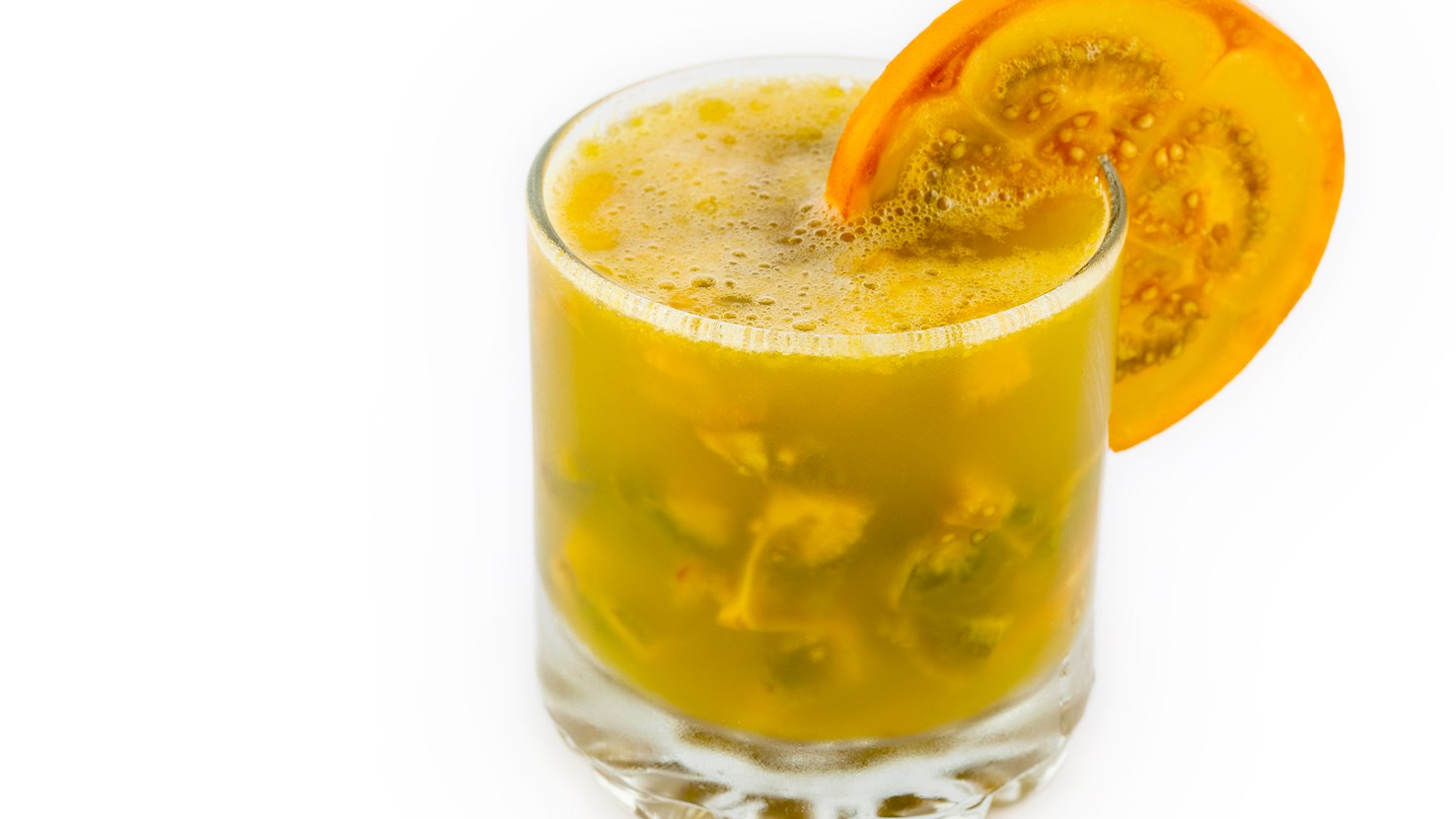
Lulada

4.5 ·

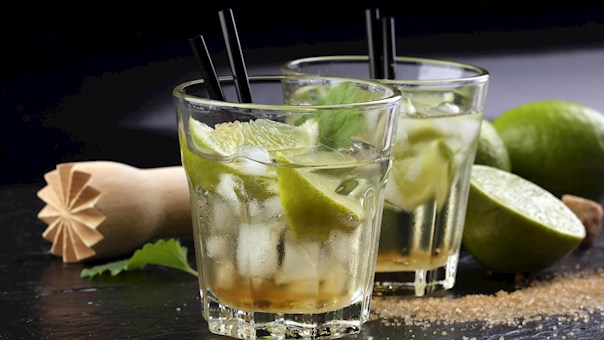
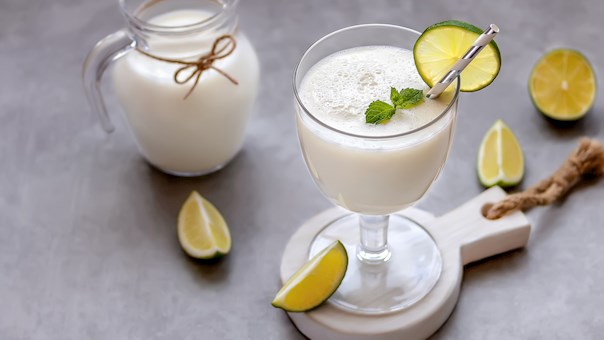
Lulada is a cold, refreshing drink originating from El Valle region of Colombia, made with mashed lulos, lime juice, water, sugar, and ice. Lulo, also known as naranjilla in Ecuador and Panama, is an exotic fruit popular in Colombia. It has a light, citrusy flavor and it’s very common in Colombian cuisine. Lulada is the perfect combination of sweet and tart, has a thick consistency and can be served with a shot of vodka.

02

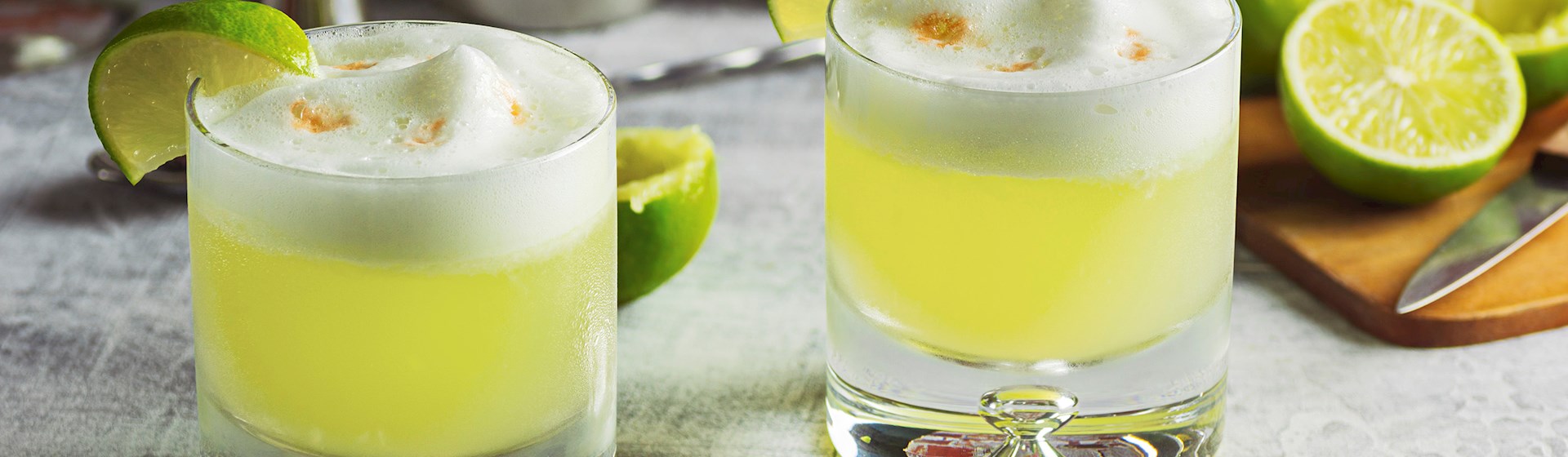
Pisco Sour

4.4 ·

Pisco Sour is a Peruvian cocktail made with a combination of Pisco brandy, lime juice, sugar syrup, and egg whites. The ingredients are shaken with ice and then strained into an old-fashioned glass. The cocktail is traditionally garnished with Amargo Chancho bitters, but Angostura bitters are widely used today. The first Pisco Sour was made in the early 1920s in Lima by an American bartender Victor Vaughn Morris. Today, there is still an ongoing debate about Pisco Sour’s origin, with Peru and Chile both claiming that their nation is the home of the first Pisco. The Chilean version of the cocktail is made with powdered sugar instead of sugar syrup, and their Pisco is typically aged, unlike the Peruvian version. Regardless of the origin, both countries have a national Pisco Sour Day and celebrate it as their specialty beverage.

03

Chilcano

4.3 ·

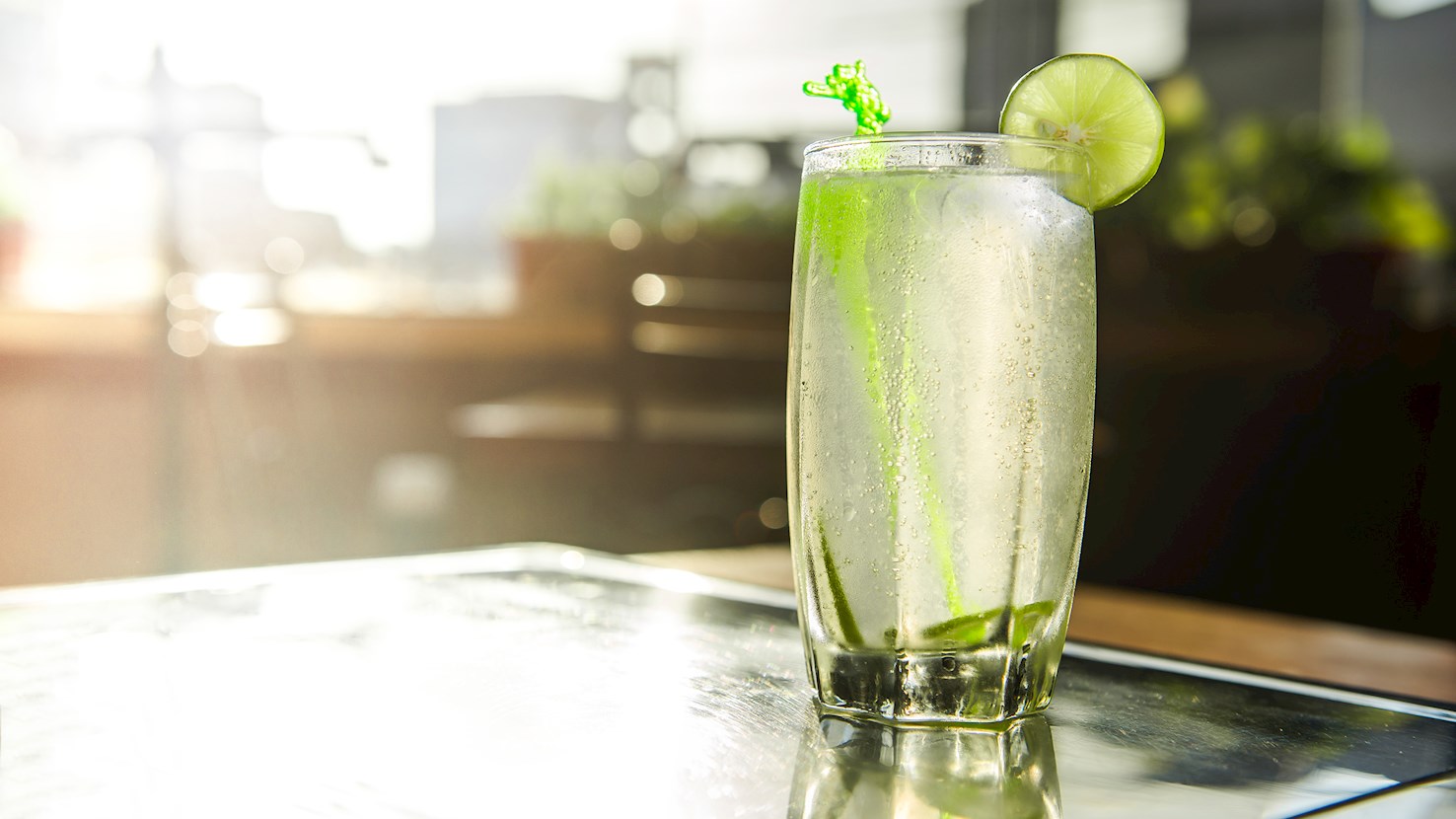
Chilcano is a Peruvian cocktail made with a combination of pisco, lime juice, and ginger ale. The simple cocktail is prepared by combining the ingredients in a highball glass over ice, then stirring the combination. If desired, the cocktail can be additionally enriched by adding a few drops of bitters and it is recommended to garnish it with a lime twist. Regarding the origins of this refreshing cocktail, it is believed that the drink started to be called chilcano, which is the name of a local fish head soup, because both the drink and the soup were great hangover cures.

04

Malbec Argentina

4.3 ·

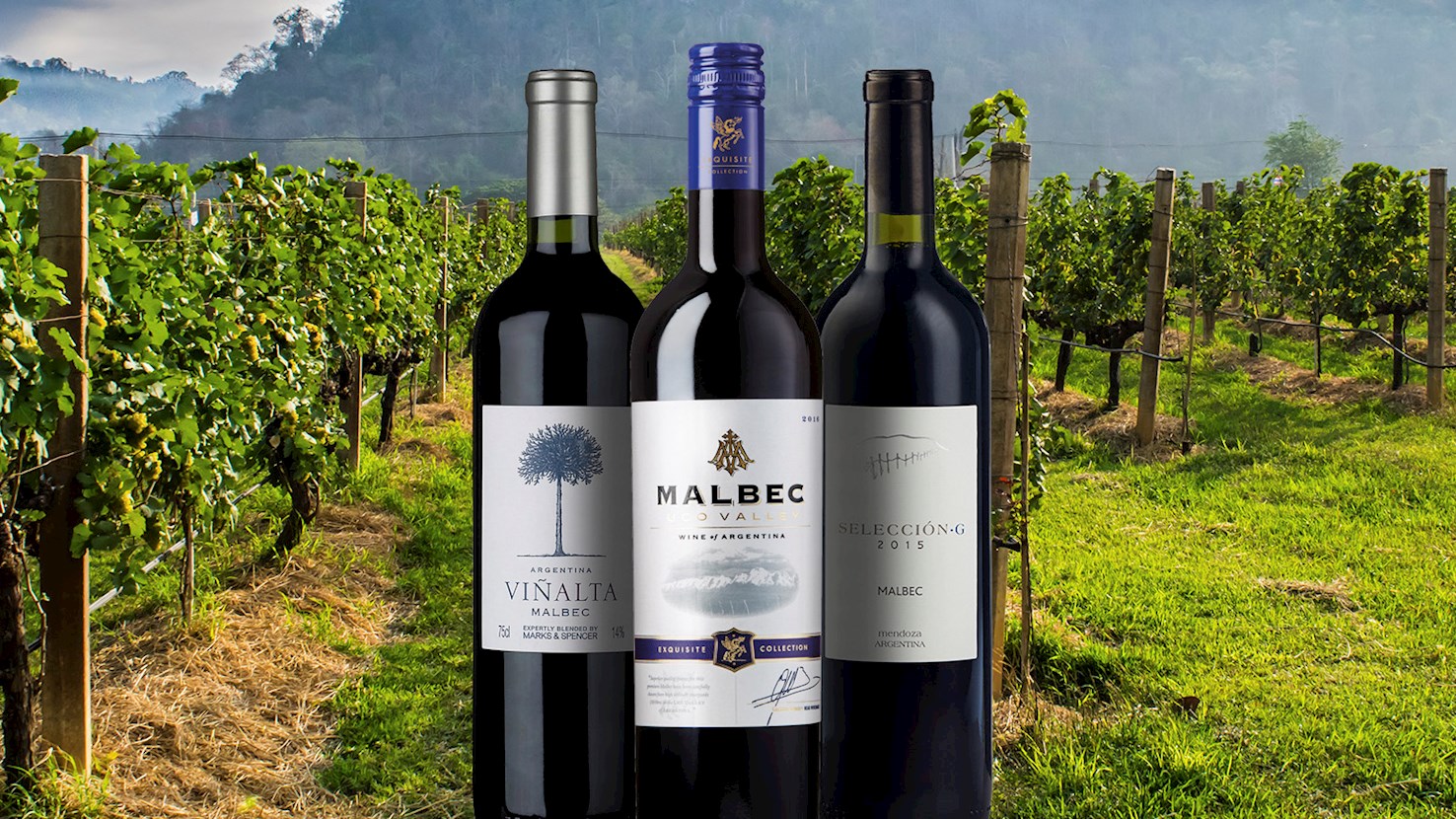
Malbec originally comes from southwest France, but recently it has become one of the most important grape varieties in Argentina, where it developed an entirely different flavor profile. Due to the unique geographic and climatic features, Argentinian Malbec usually displays fruity notes of cherries, strawberries, or plums that are complemented by soft and velvety tannins. When aged in oak, the wine usually develops chocolate, vanilla, tobacco, or cocoa nuances. Argentinian Malbec is best paired with grilled or roasted beef, especially leaner cuts such as skirt steak, but it can also work well with pork or poultry.

05

Cola de Mono

4.3 ·

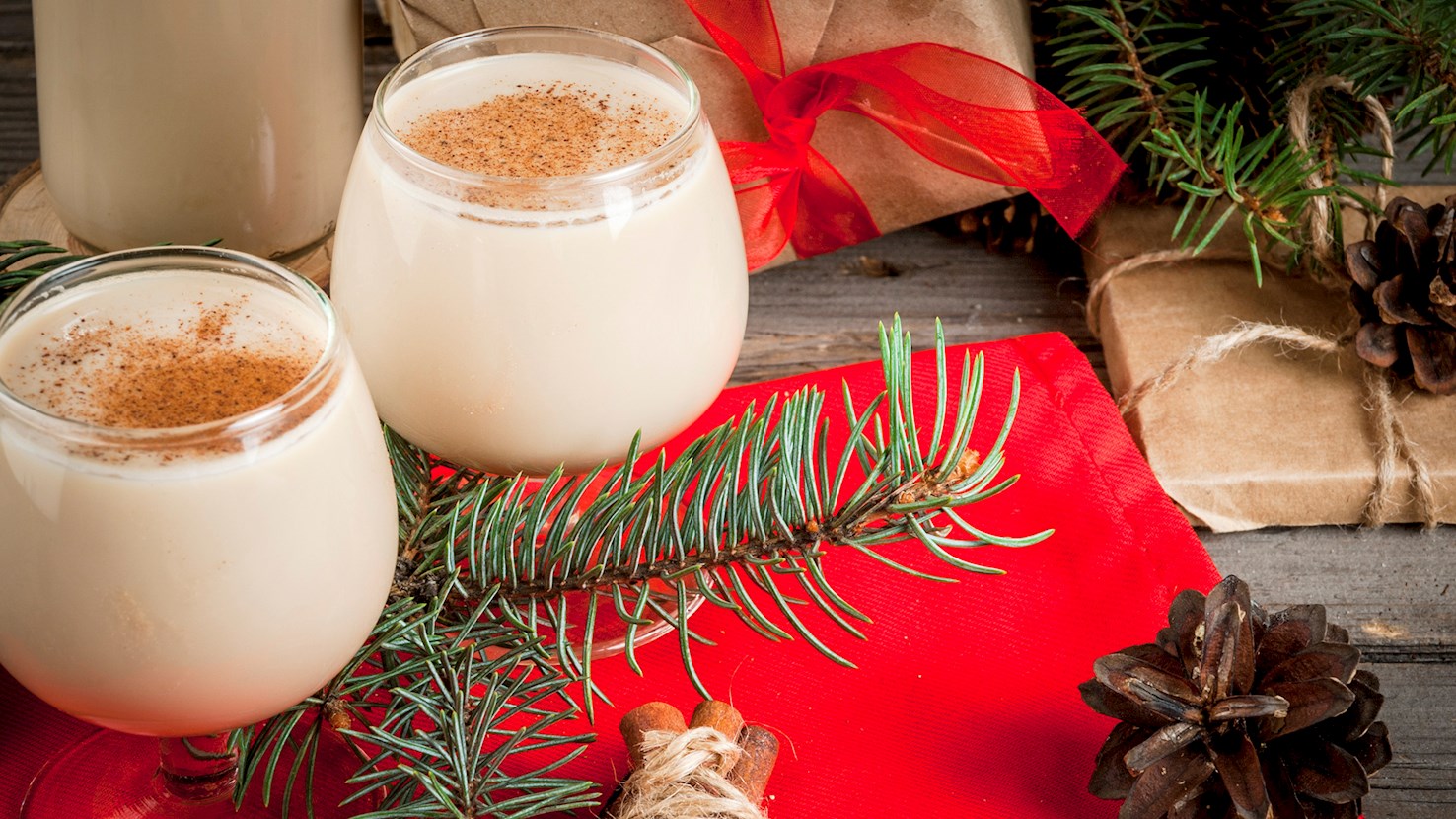
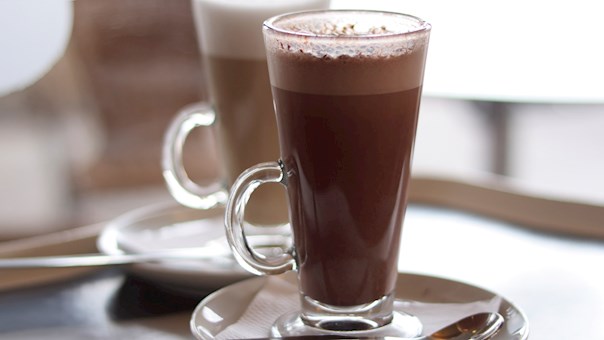
It is not Christmas in Chile without a glass of Cola de Mono (lit. Monkey’s Tail). There are numerous versions of this beverage, but it typically consists of milk, sugar, coffee, cloves, cinnamon, and aguardiente – distilled spirits containing between 29% and 60% alcohol by volume. Brandy or rum are among the most common types of alcohol used in Cola de Mono. All ingredients are first boiled, cooled, then combined with aguardiente. The drink can be served hot or cold, and it is traditionally paired with a slice of pan de pascua, a traditional Christmas bread.

06

Chicha Sour

4.3 ·

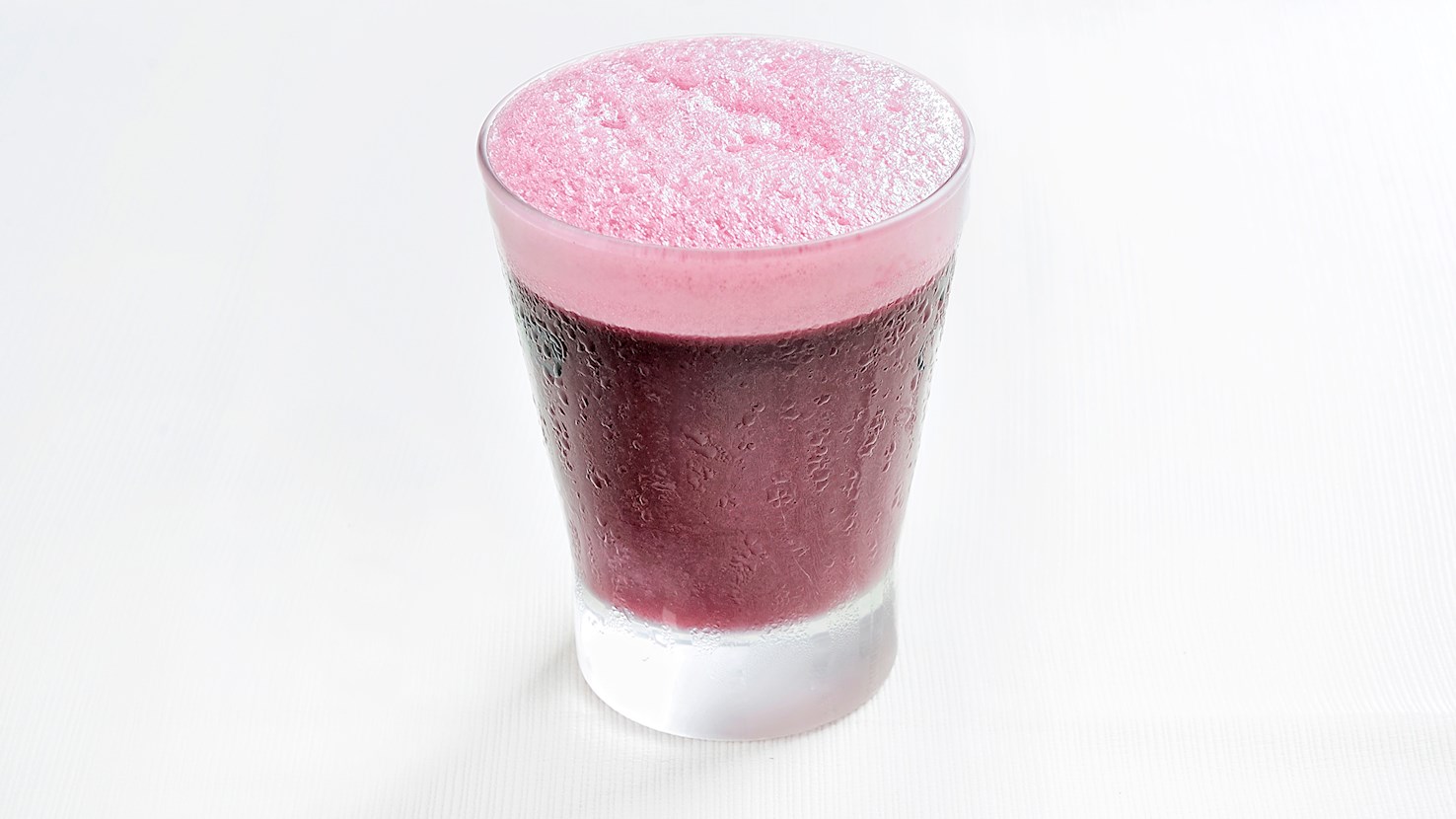
Chicha Sour is a Peruvian cocktail made with a combination of pisco, lemon or lime juice, simple syrup, egg whites, and chicha morada – a traditional beverage made from purple corn. In order to prepare the cocktail, all ingredients should be shaken without ice in order to create a foamy mix. Ice is then added to the combination, and the whole thing is shaken once again. It is recommended to serve chicha sour in a coupe glass and garnish it with mint.

07

Chicha morada

4.2 ·

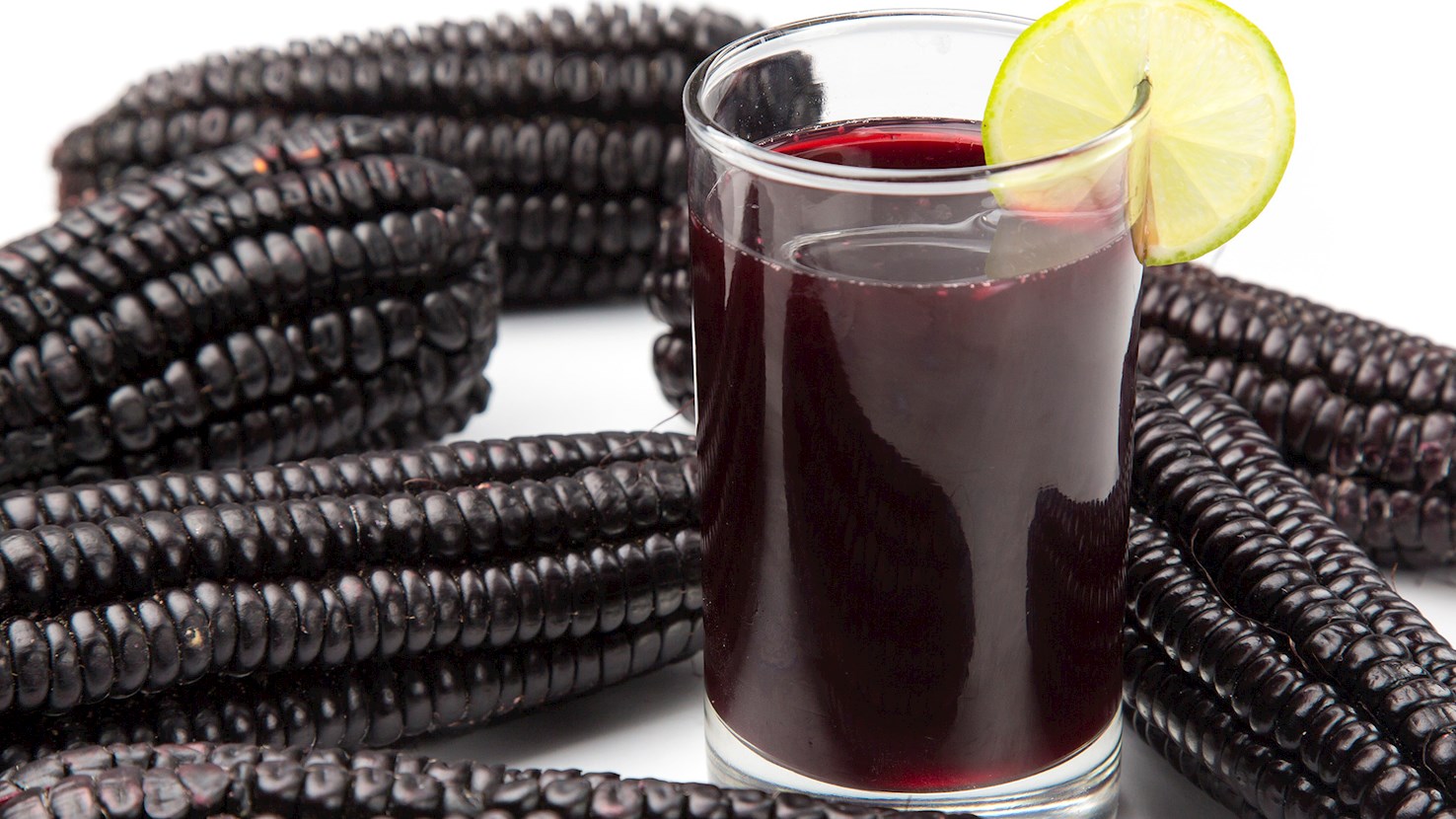
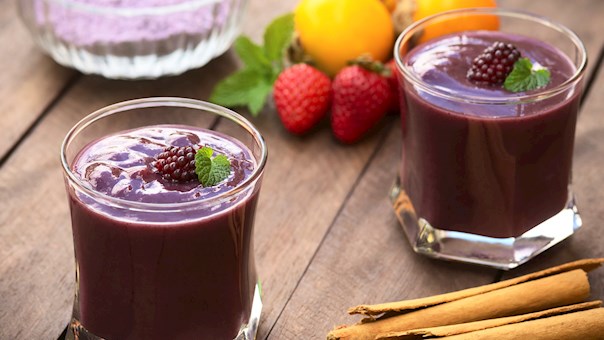
Chicha Morada is a non-alcoholic drink originating from Peru whose use and consumption dates back to the era before the creation of the Inca empire. It is traditionally made by boiling purple corn and pineapple rinds in water, and once all the juices have gotten into the water, the combination is left to cool down. Sugar, cinnamon, and cloves can be added later for extra flavor. This simple drink can be found in street markets as well as in upscale restaurants and home kitchens throughout Peru and Bolivia.

08

Cholado

4.2 ·

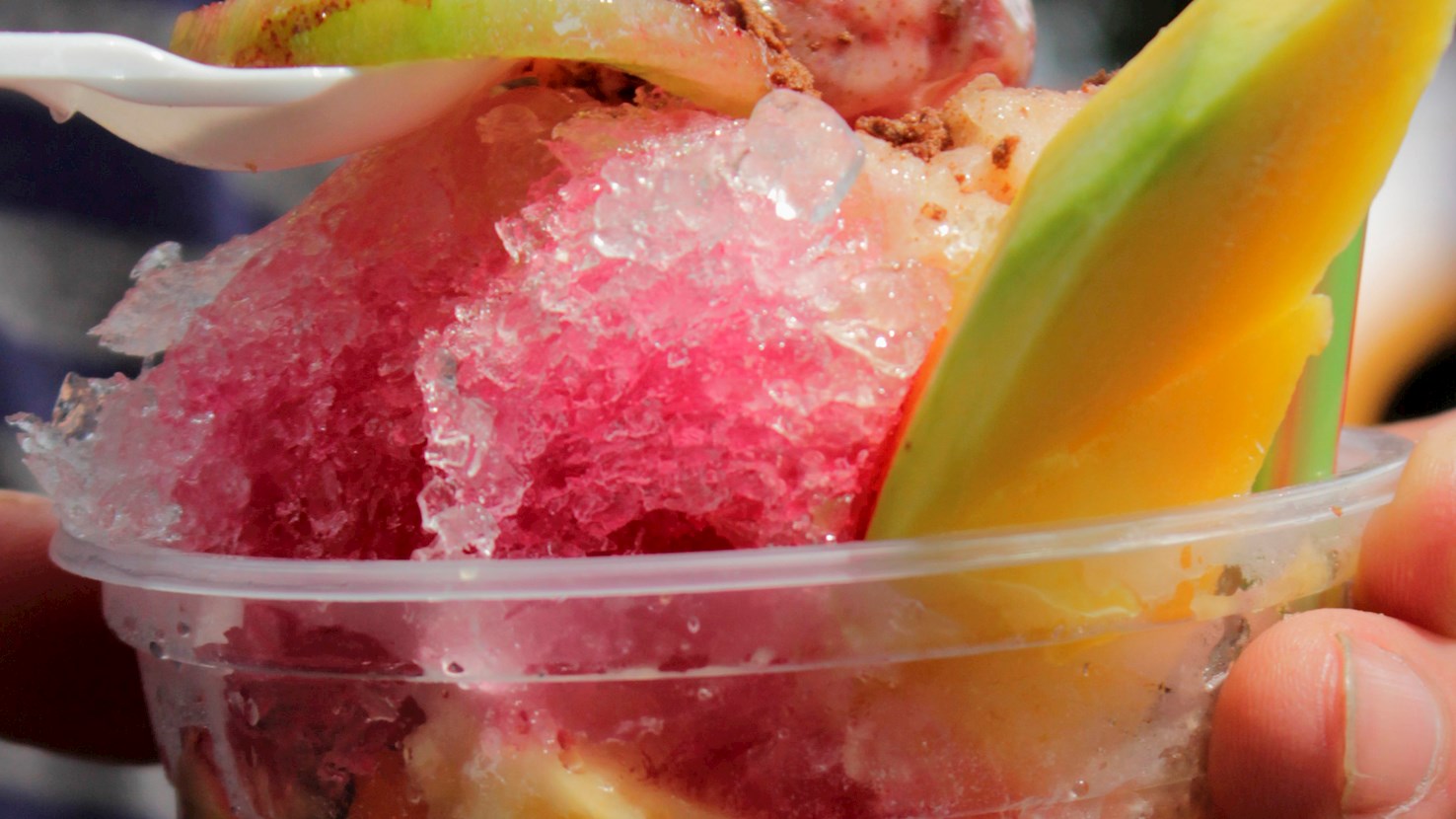
Cholado is an icy cross between a fruit salad, a cocktail, and a frozen dessert. Also known as raspao, the beverage is prepared with fresh fruit such as strawberries, bananas, kiwi, papaya, pineapple, and maracuya, along with milk and a sweet syrup made with Colombian blackberries. Cholado has a perfect balance of aromas and textures, and it is considered both a dessert and a drink because it is crunchy, fruity, and creamy at the same time. It is typically served cold in a tall glass with a lot of crushed ice, then topped with shredded coconut and garnished with a cherry.

09

Carménère (Chile)

4.2 ·

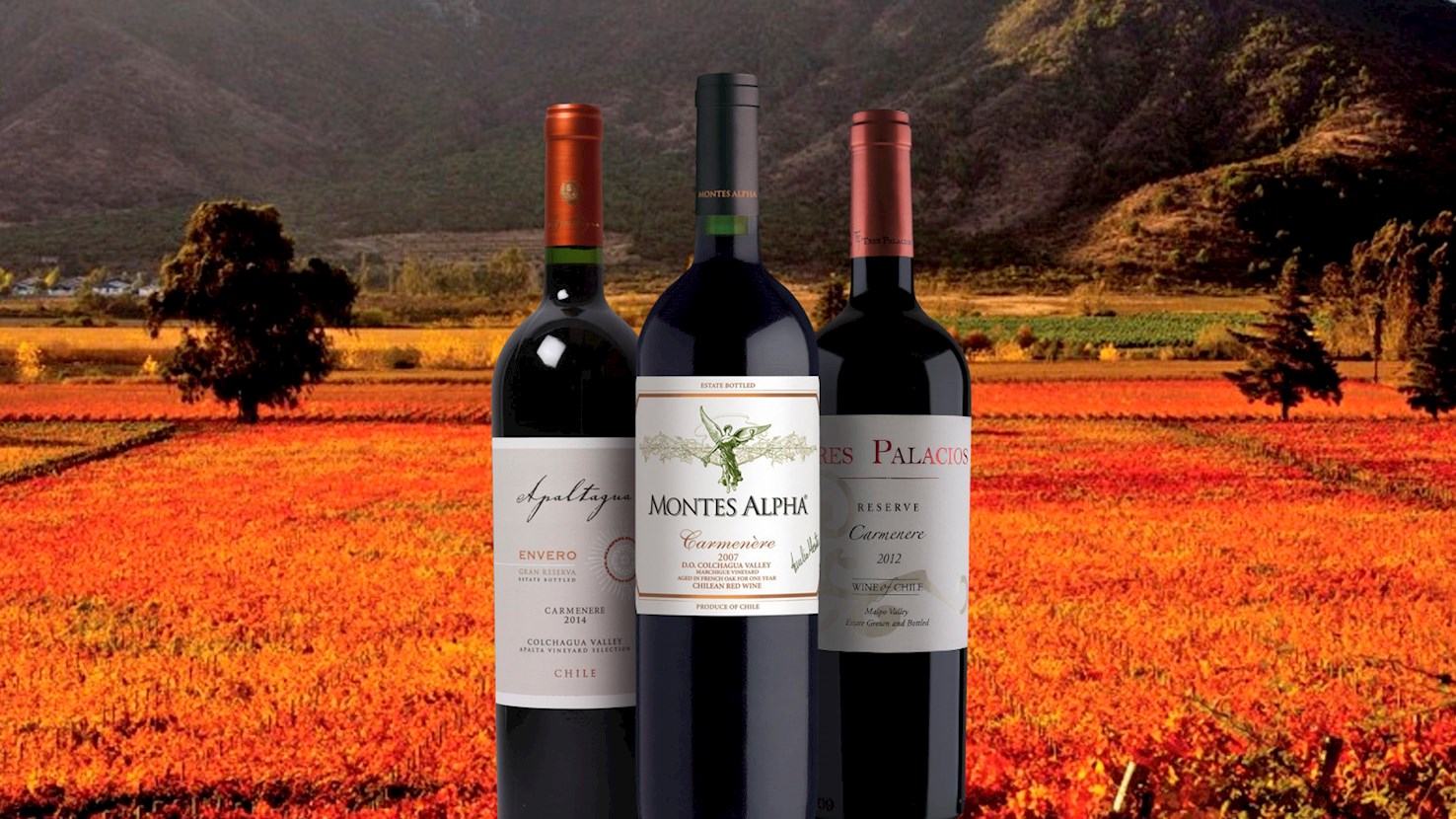
Although Carménère originated in Bordeaux, it has virtually disappeared from its native region, and though small amounts of Carménère are planted in Italy, Argentina, and California, the grape found its true home in Chile where the majority of it is planted today. Long considered extinct and mistaken for Merlot, this dark-skinned grape is used in blends, but it performs best as a single varietal wine. The best expressions of Chilean Carménère will display aromas and flavors of juicy red fruit that may be accompanied by herbal, spicy, and black fruit nuances. This medium-bodied wine is incredibly food-friendly, and it pairs exceptionally well with grilled or roasted meat such as lamb, game, or veal. It can also be an excellent match to spicy dishes and grilled vegetables.

10

Leche con Plátano

4.2 ·

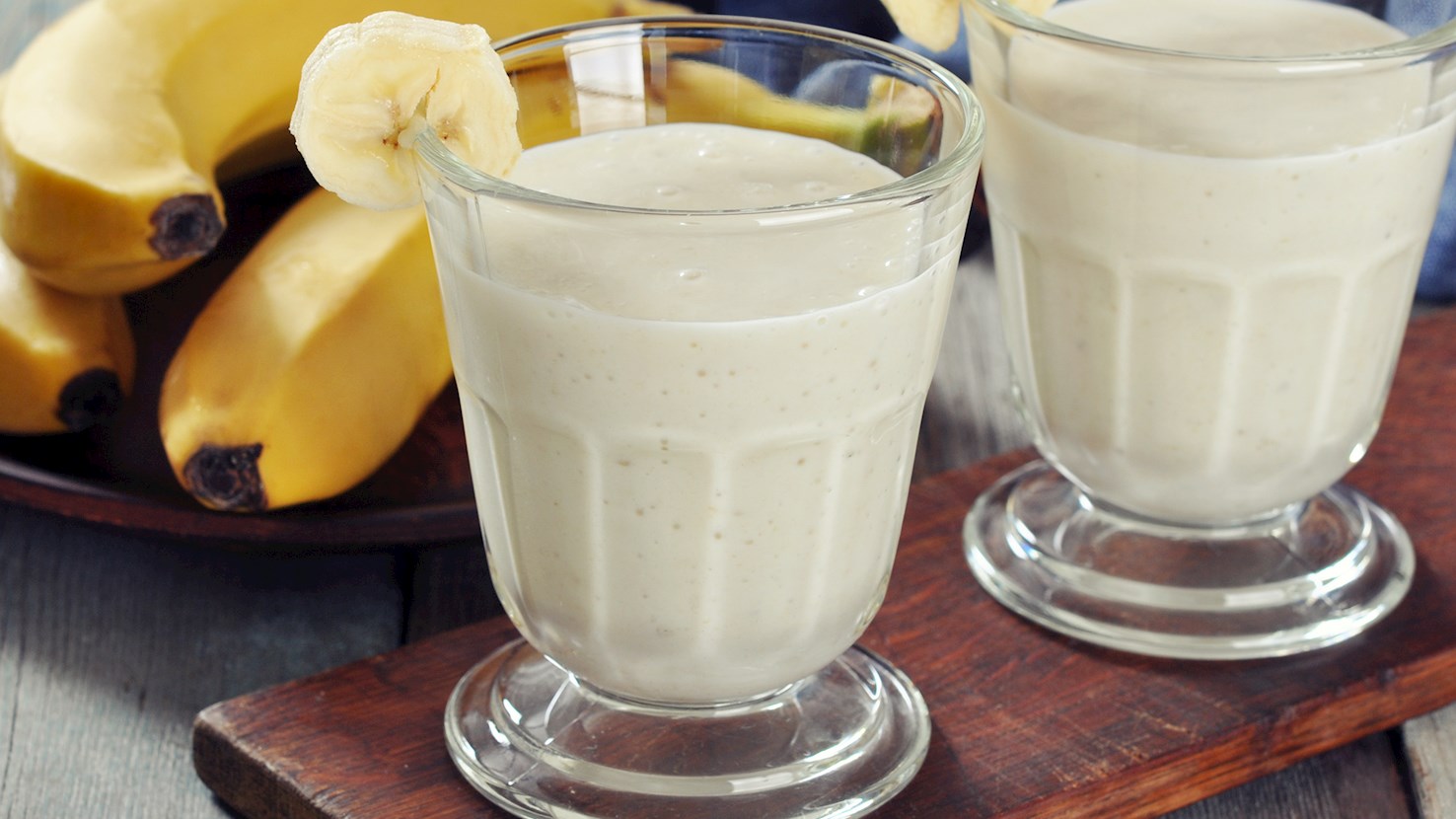
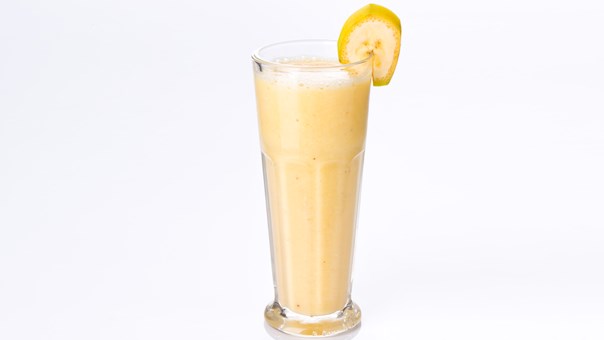
Leche con plátano is a light Chilean milkshake made with a combination of milk, sugar, and ripe bananas, sometimes with the addition of whipping cream. In order to prepare it, all ingredients should simply be blended until smooth. The drink is especially popular at children’s parties and birthdays.

11

Colada morada

4.2 ·
12

Melón con Vino

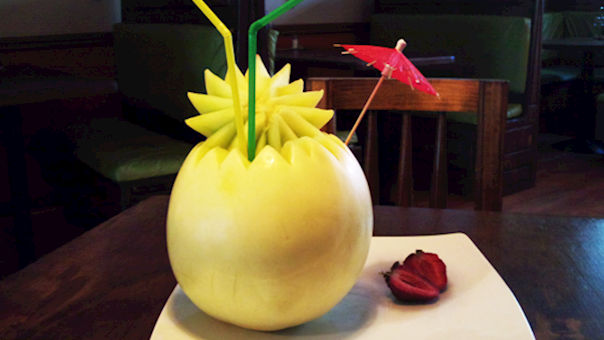
4.2 ·
13

El submarino

4.1 ·
14

Caipirinha

4.1 ·
15

Guarapo

4.1 ·
16

Chicha de jora

4.1 ·
18

Batida

4 ·
20

Pisco

4 ·

Best South American Beverages
01

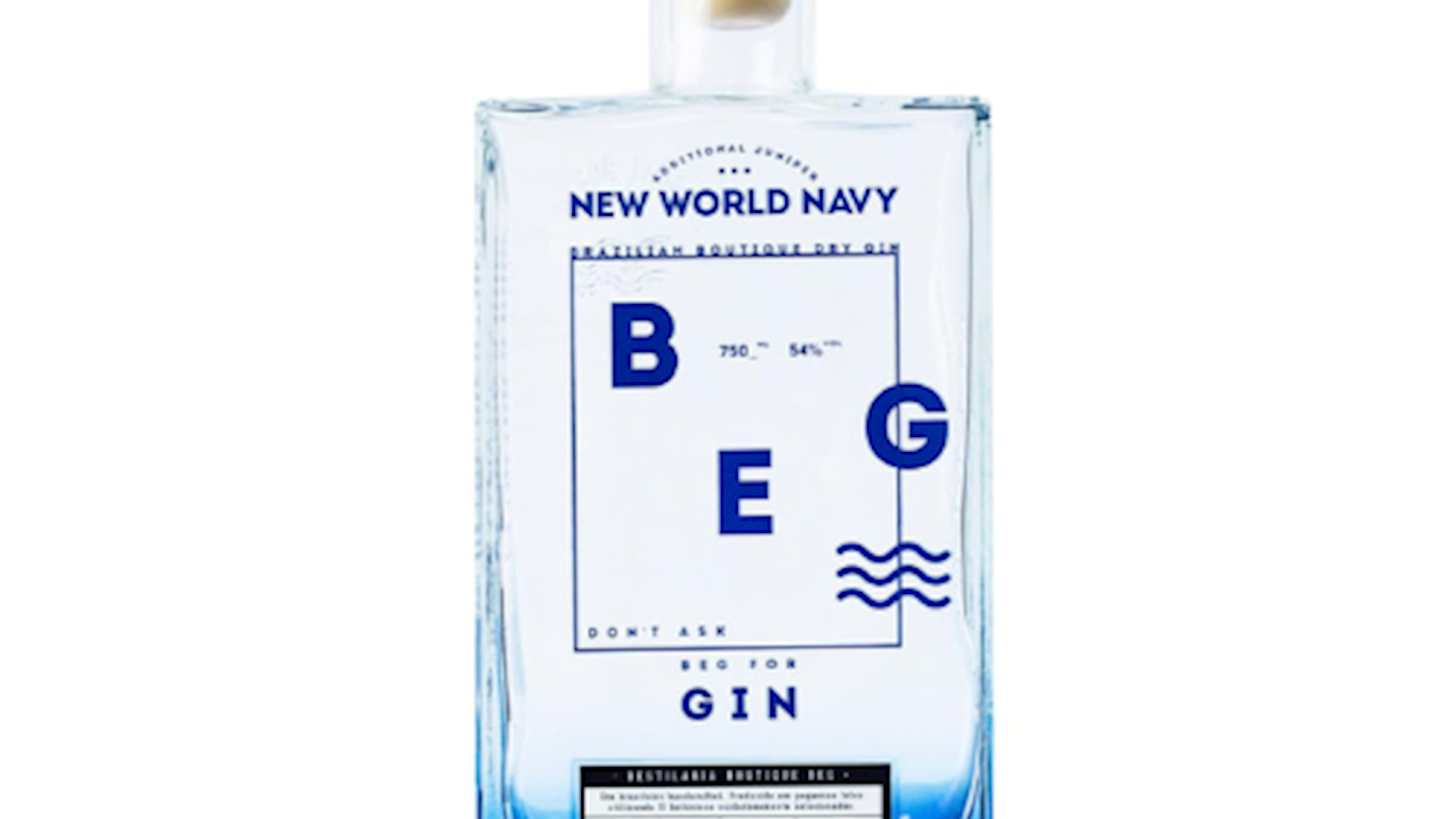
Beg Gin Boutique Distillery

5 ·
Beg Gin Boutique Distillery is a craft gin producer located in Brazil, known for its artisanal approach to distilling premium gins. The distillery emphasizes unique botanical blends that highlight local ingredients and flavors, creating distinctive spirits with a strong connection to Brazilian terroir. Beg Gin's offerings appeal to connoisseurs seeking high-quality, small-batch gin with innovative and refined profiles.
Awards
SFWSC - San Francisco World Spirits Competition - Double Gold (2024, 2023)
Bartender Spirits Awards - Double Gold (2023)
02

Pampero

5 ·
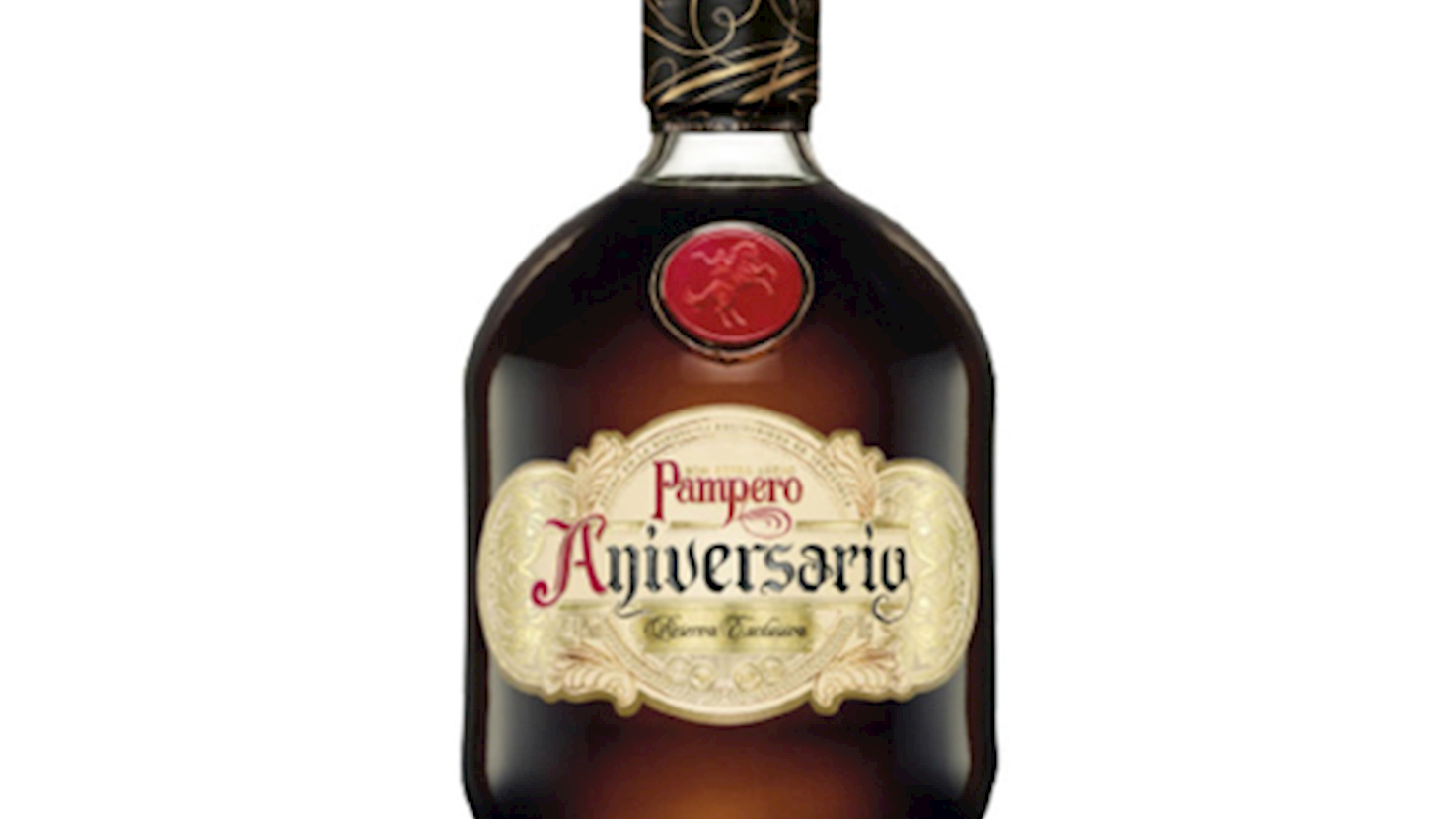
Pampero is a premium rum brand from Venezuela, known for its craftsmanship and rich heritage. It is produced using the sweetest sugarcane from Venezuela, and its rums are triple distilled, aged in different casks to develop unique flavors. Pampero revolutionized Venezuelan rum-making with its distinctive process and has become a symbol of the country's spirited, independent culture. This rum is part of Diageo's portfolio, enhancing the company's diverse range of alcoholic beverages.
Awards
SFWSC - San Francisco World Spirits Competition - Double Gold (2024, 2023)
NYWSC - New York World Spirits Competition - Double Gold (2023)
03

Viña Don Melchor

5 ·
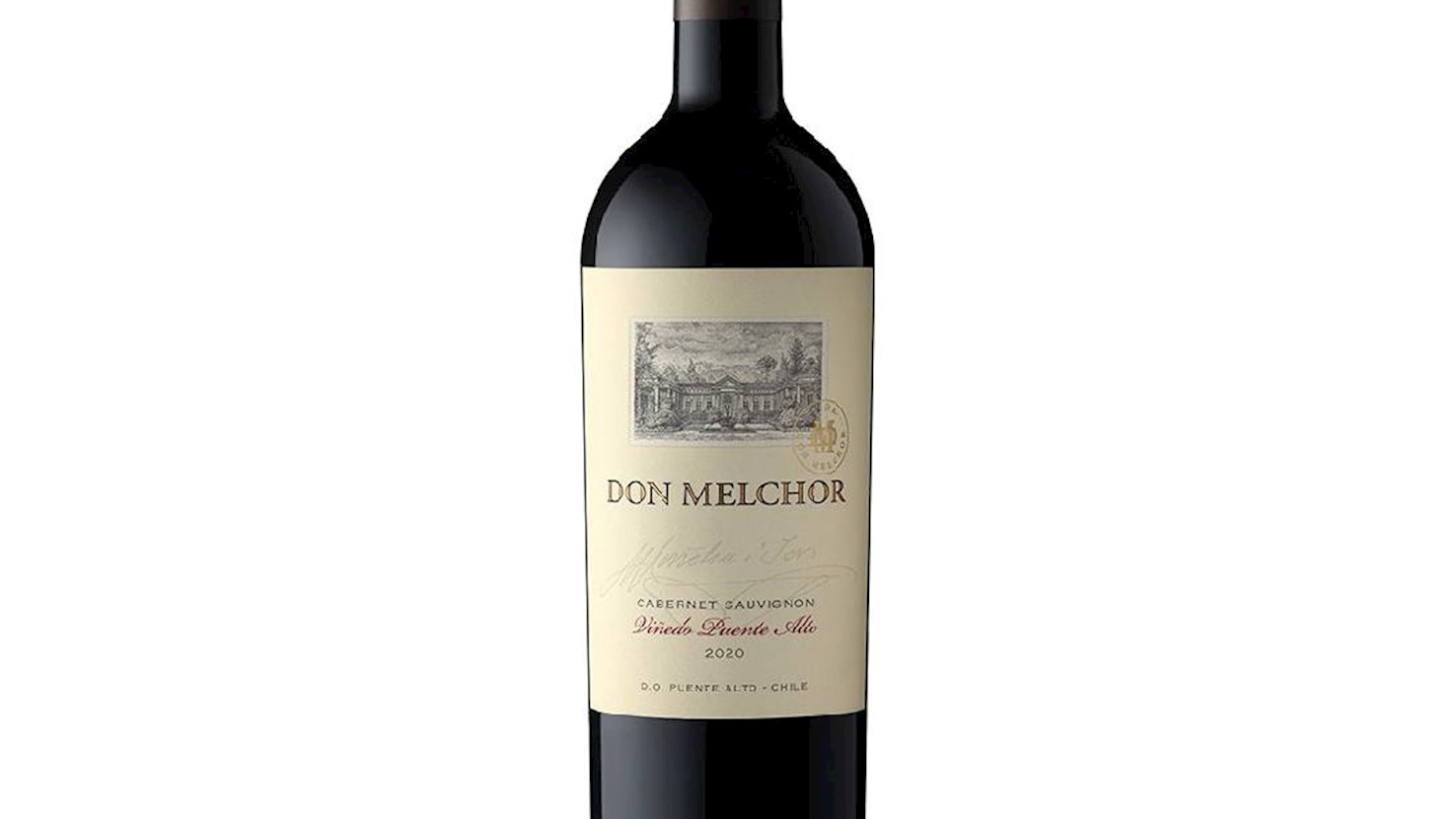
Viña Don Melchor is a specialized Chilean winery dedicated to the production of one of Latin America’s most prestigious Cabernet Sauvignon wines, located in the Puente Alto subregion of the Maipo Valley. Originally established as a premium project of Concha y Toro, it now operates as a distinct winery focused exclusively on the development and refinement of Don Melchor. The vineyards are situated at the foothills of the Andes on alluvial soils composed of gravel, sand, and clay, providing excellent drainage and contributing to the wine’s structure and concentration. A climate defined by warm days and cool nights allows for slow ripening and the preservation of natural acidity. Winemaking is based on detailed vineyard parceling, with each micro-parcel vinified separately to achieve complexity and precision in the final blend. The focus is on Cabernet Sauvignon, complemented by small proportions of other Bordeaux varieties depending on the vintage. The wines are characterized by depth, structure, and balance, with aromas of dark fruit, spice, and subtle oak influence from aging in French barrels. Viña Don Melchor is widely regarded as a benchmark producer in Chile’s premium wine segment, consistently receiving high international ratings and demonstrating the full potential of the Puente Alto terroir.
Awards
James Suckling - 99 points (2024)
Vivino - 4.6
04

Kalvelage

5 ·
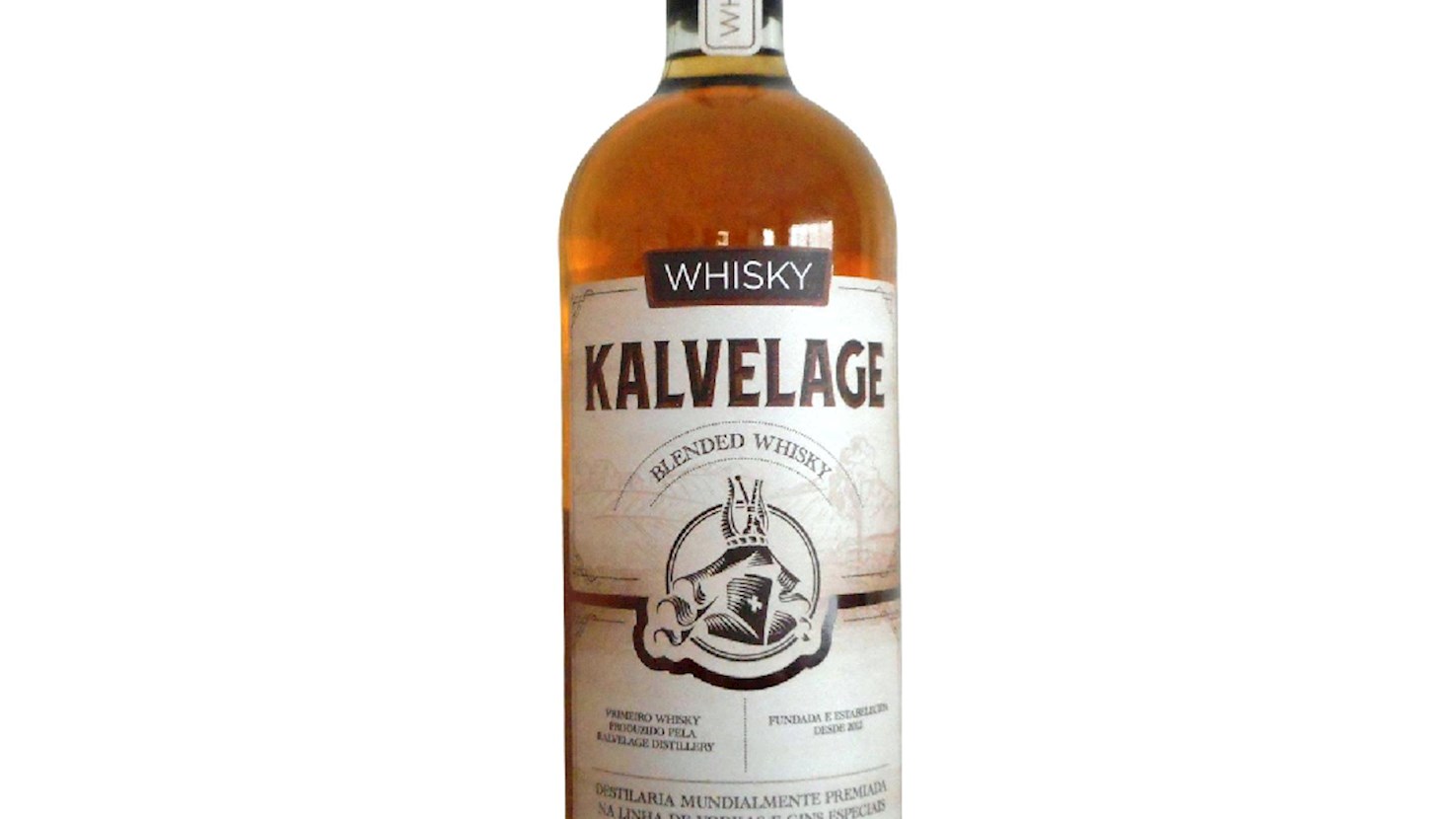
Kalvelage Distillery, founded in 2012 by brothers Marcos and Maurício Kalvelage in Blumenau, Santa Catarina, Brazil, is renowned for producing high-quality spirits. Their product line includes premium vodkas, such as Kalvelage Vodka, Kalvelage Oak Vodka, and Kalvelage Vibe, along with a London Dry Gin. The distillery uses 100% grains in their production, implementing custom distillation and advanced filtration techniques to ensure top quality. Kalvelage was also the first in Brazil to produce vodka with American oak extract and to introduce a 5-liter Bag-in-Box packaging option.
Awards
NYWSC - New York World Spirits Competition - Double Gold (2023)
SFWSC - San Francisco World Spirits Competition - Double Gold (2023)
05

Tacama

5 ·
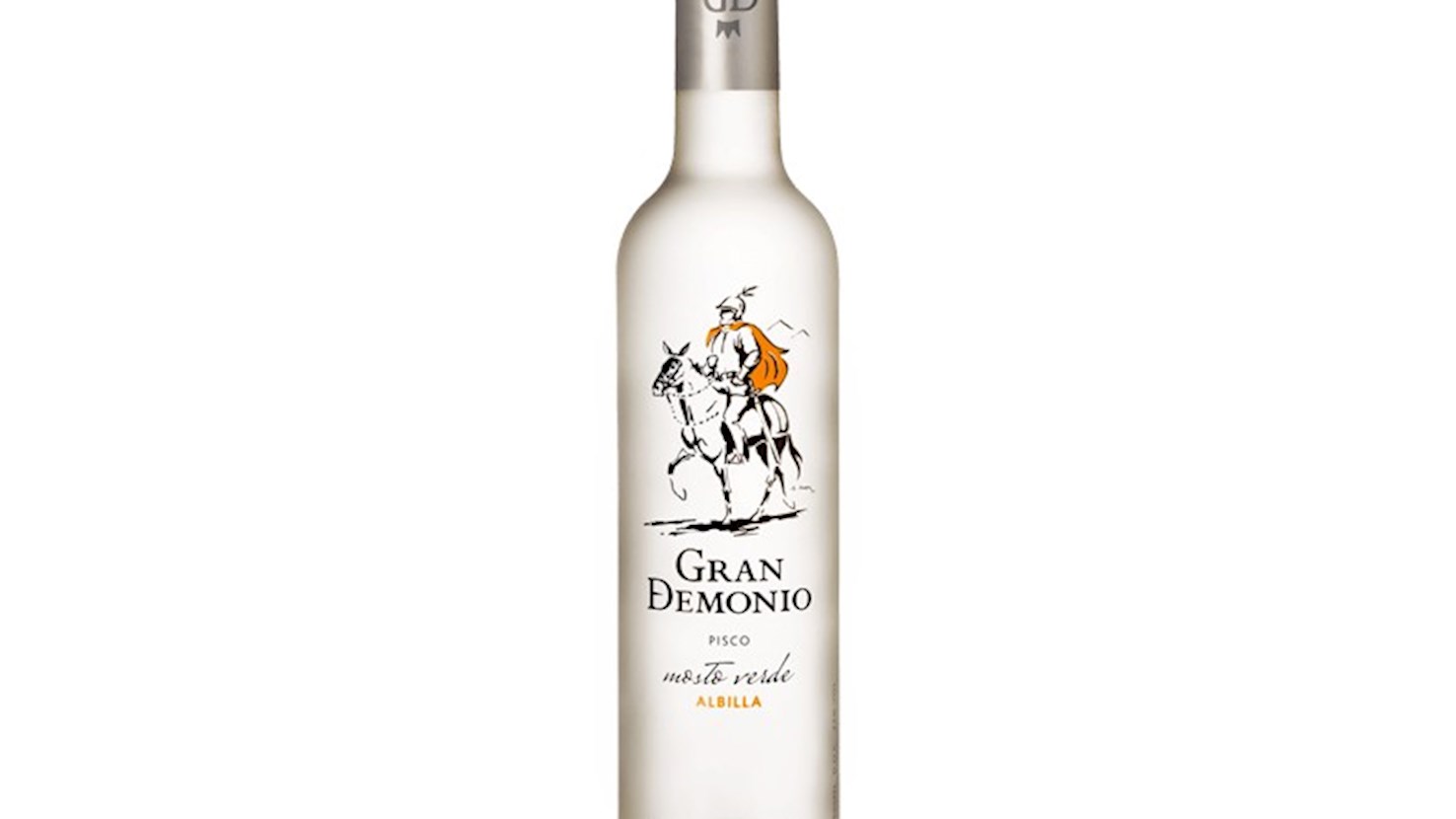
Tacama is one of the oldest and most prestigious wineries and distilleries in Peru, with a history dating back to the 16th century. Located in the Ica Valley, Tacama is renowned for its production of premium wines and piscos, using traditional methods combined with modern technology. The winery is known for cultivating a variety of grapes that thrive in the region’s unique climate, producing exceptional spirits like their iconic Pisco Gran Demonio. Tacama’s long-standing commitment to quality and innovation has made it a key player in the Peruvian wine and pisco industry.
Awards
Expo Vino Wong - Medalla de Oro (2024)
USC- Ultimate Spirits Challenge - Chairman's Trophy (2021, 2020)
06

Bodega Monteviejo

5 ·
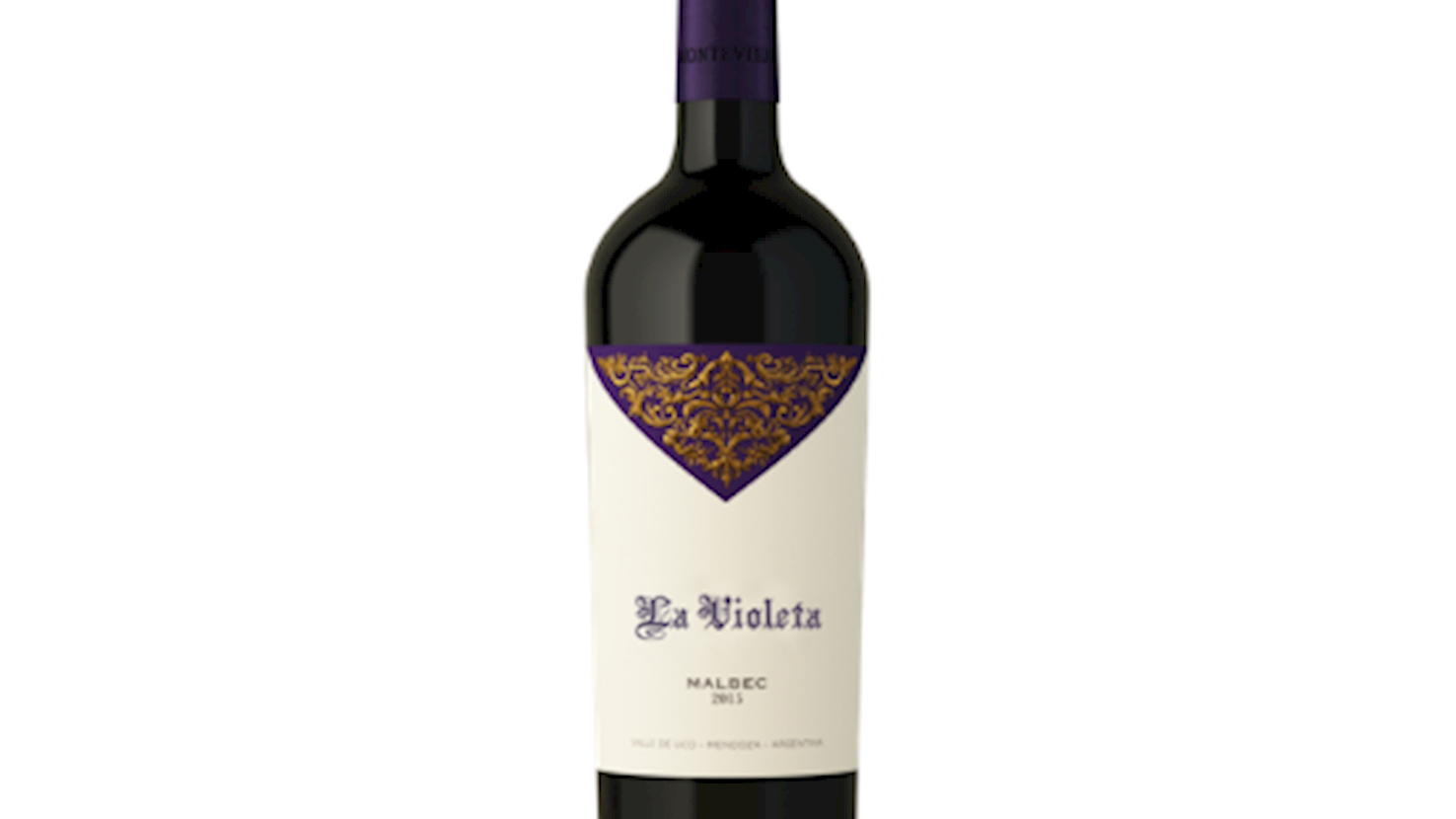
Bodega Monteviejo is an Argentine winery located in the Uco Valley, specifically in the Vista Flores area at the foothills of the Andes. Established in 2001, it forms part of the Clos de los Siete initiative, which brings together international expertise and investment to produce high-quality wines. The project was led by French entrepreneur Catherine Péré-Vergé, reinforcing the connection between French winemaking tradition and Argentine terroir. The vineyards are planted at elevations between 1,000 and 1,200 meters, where abundant sunlight, cool nights, and stony, well-drained soils contribute to wines with both concentration and freshness. The winery focuses primarily on Malbec, alongside varieties such as Cabernet Sauvignon, Merlot, and Syrah, often used in blends. Winemaking combines modern techniques with a gravity-flow system to preserve grape integrity and enhance precision. Stylistically, the wines are characterized by ripe fruit, structured tannins, and integrated oak, balanced by the natural freshness of the high-altitude environment. Architecturally, the winery is modern and harmoniously integrated into the landscape, emphasizing both functionality and connection to the surrounding vineyards. Overall, Bodega Monteviejo represents a contemporary expression of Argentine winemaking shaped by international influence and a strong sense of place.
Awards
Vivino - 4.7
Wine-Searcher - 94/100
07

Clos Apalta

5 ·
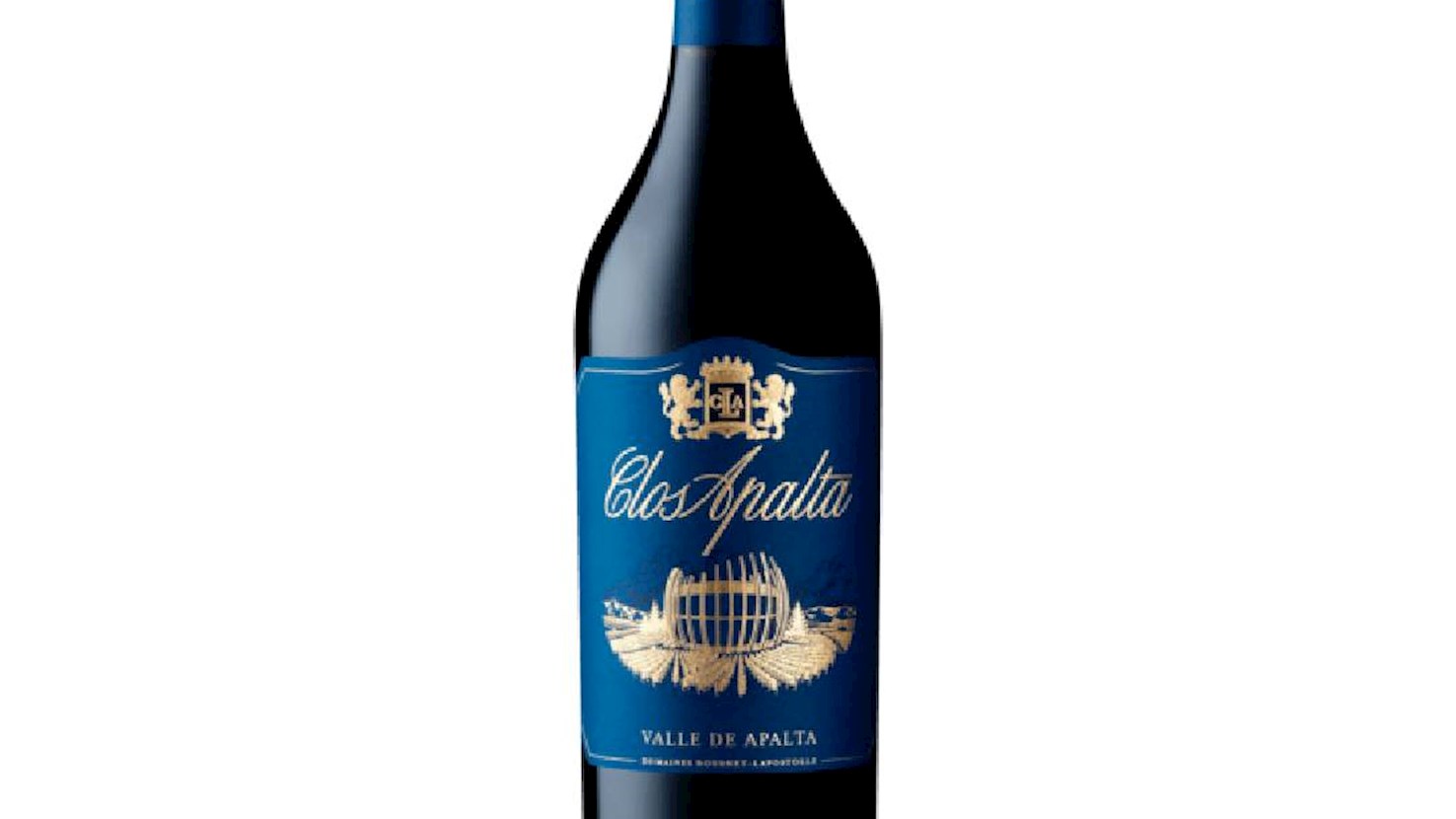
Clos Apalta is a prestigious Chilean winery that seamlessly blends French winemaking heritage with the unique terroir of the Apalta Valley. Surrounded by century-old vineyards planted between 1915 and 1920, the estate cultivates vines of French origin that thrive thanks to a distinctive microclimate and a rare southeast-facing slope, which lends the grapes remarkable freshness and aromatic depth. The diverse soils – ranging from rich granite layers to clay-granitic subsoils – contribute to the wine’s complexity and elegance. Under the stewardship of the Marnier Lapostolle family and guided by renowned oenologists, Clos Apalta crafts wines of powerful character, perfect balance, and exceptional ageing potential.
Awards
Vivino - 4.6
Vivino - 4.3
08

Bodega Jorge Rubio

5 ·
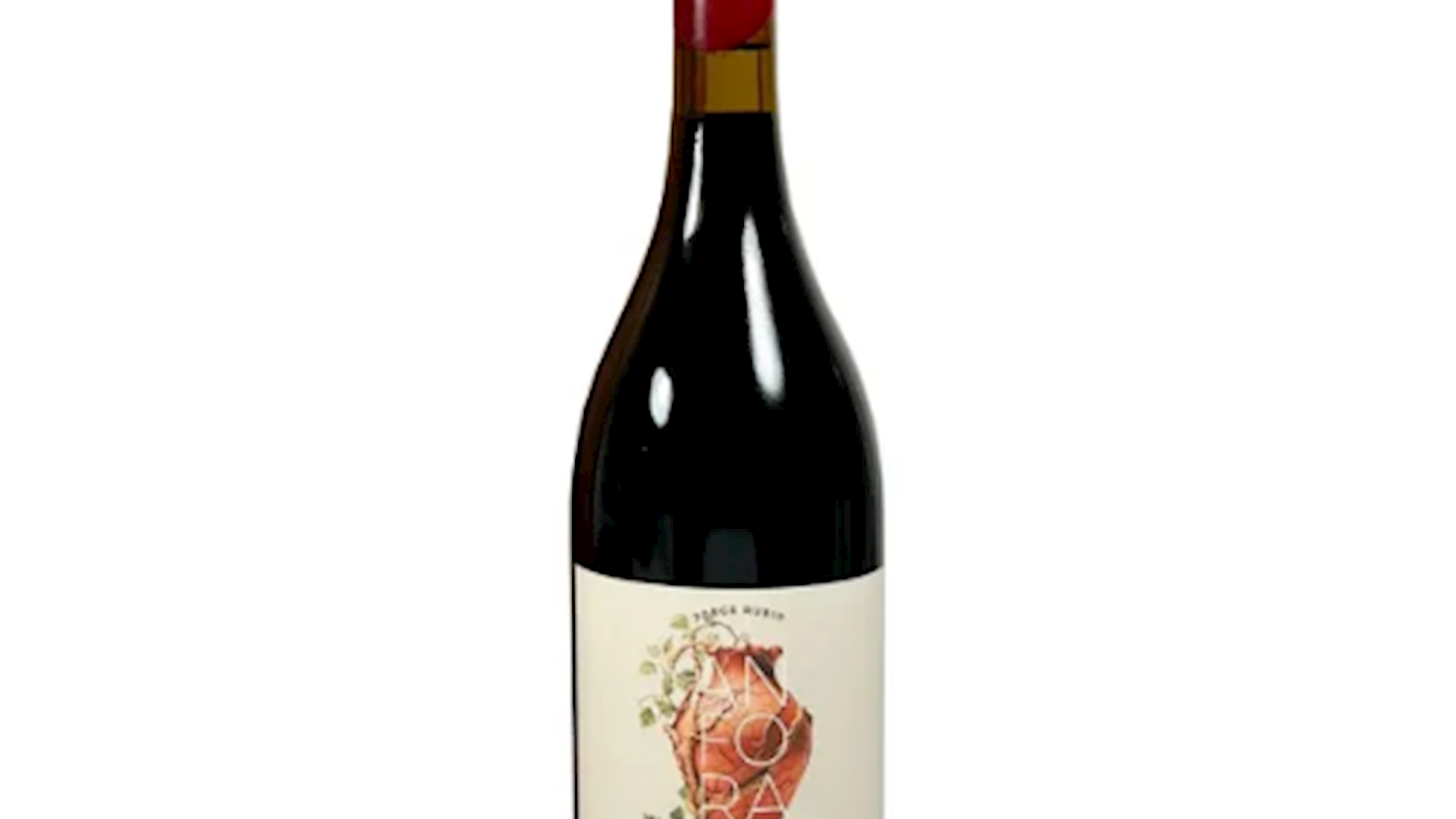
Bodega Jorge Rubio is a family-owned winery located in General Alvear, in the southern part of Mendoza, Argentina, within the Oasis Sur region, an area characterized by a continental climate with significant temperature variations. Founded in 2003 by winemaker Jorge Alberto Rubio, who brings over four decades of experience in viticulture and winemaking, the winery reflects a consistent and well-defined style rooted in expertise and local conditions. The estate manages around 55 hectares of vineyards, primarily planted with Malbec, Cabernet Sauvignon, and Chardonnay, while also sourcing grapes from trusted local growers to expand its portfolio. The region’s clean air, low humidity, and marked diurnal shifts contribute to wines with pronounced aromas, balanced acidity, and good structural definition. The winery follows a “vinos de autor” philosophy, emphasizing the personal signature of the winemaker and a strong connection to terroir. Its portfolio includes more than 35 labels, ranging from still and sparkling wines to smaller experimental batches with minimal intervention. Although equipped with modern production facilities and a capacity exceeding one million liters annually, key processes such as harvesting and grape selection are still carried out manually to preserve quality and precision. Jorge Rubio wines are typically fruit-forward, balanced, and approachable, offering a strong value-to-quality ratio and maintaining a presence in both domestic and export markets.
Awards
Vivino - 4.6
09

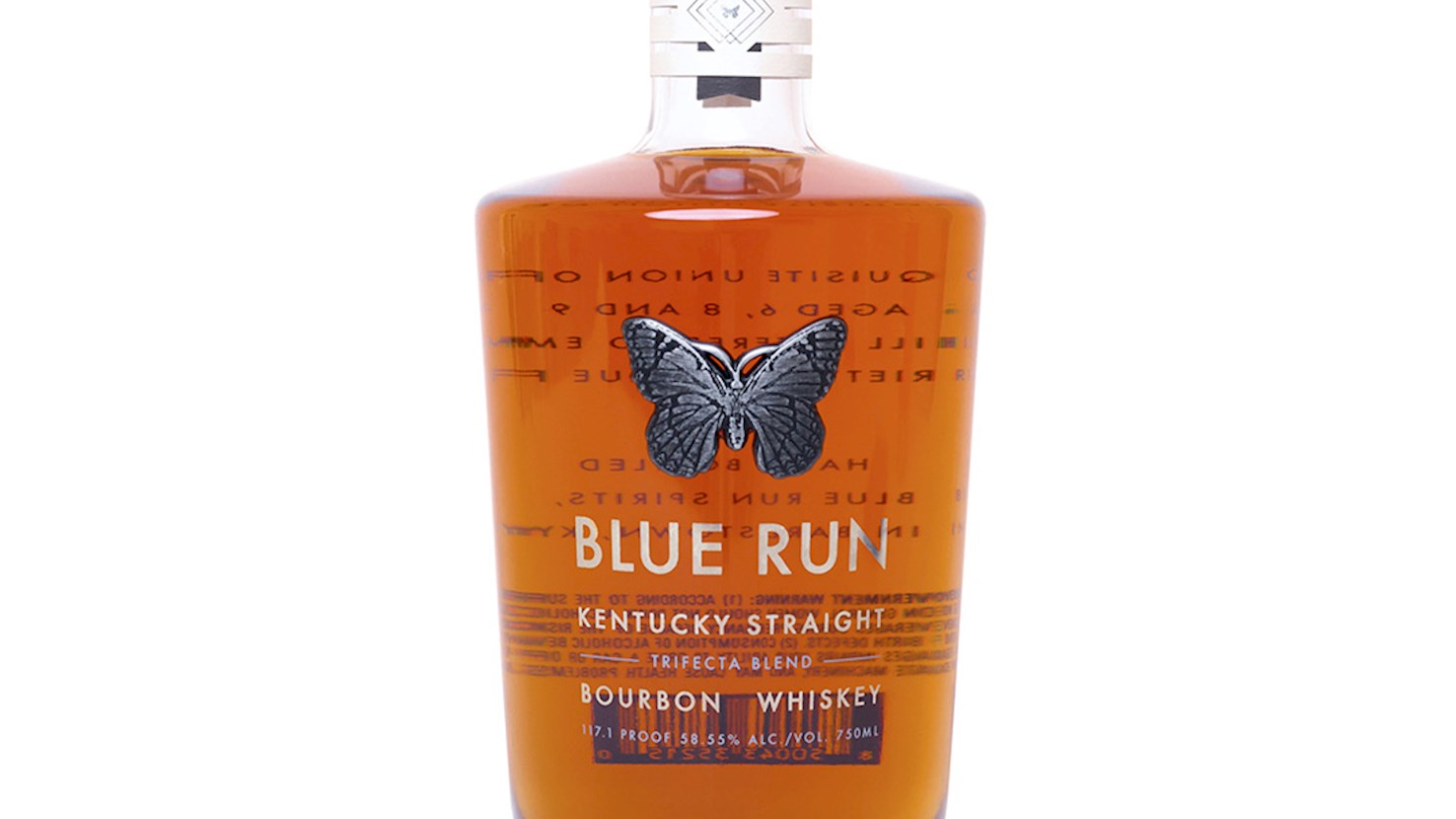
Blue Run Spirits Inc.
5 ·
Awards
SFWSC - San Francisco World Spirits Competition - Double Gold (2024)
NYWSC - New York World Spirits Competition - Double Gold (2023)
10

Pisco Huamaní

5 ·
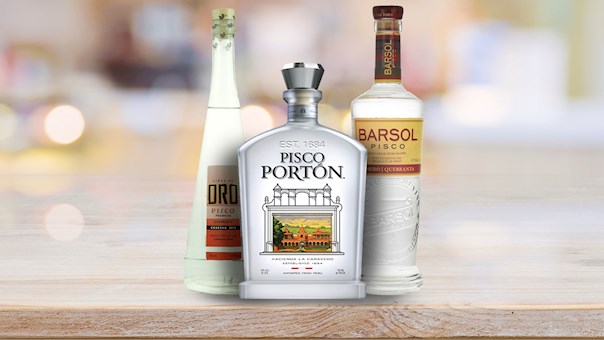
Pisco Huamaní is a heritage-driven brand rooted in the Ica Valley, where pisco has been produced since 1890 following a family tradition based on handcraft, precision, and deep respect for the terroir. Its name comes from the Quechua word huaman, meaning “eagle” symbolizing protection, vigilance, and the intimate bond between the land and those who cultivate it. The brand specializes in high-purity pisco distilled in small batches without the addition of water after distillation, ensuring that the natural character of the grapes remains fully expressed. Huamaní focuses on aromatic and varietal clarity, working with grapes such as Torontel, Italia, Quebranta, and Acholado, which contribute floral, citrus, or ripe fruit notes along with a clean, elegant structure. Production adheres to traditional methods - slow fermentation, careful grape selection, and precise distillation - resulting in a distinct identity shaped by the balance of history, craftsmanship, and modern quality standards. As a brand, Huamaní preserves the essence of Peruvian pisco culture while presenting it in a refined and contemporary expression.
Awards
SFWSC - San Francisco World Spirits Competition - Double Gold (2024)
Read more
View all
View map
About this ranking

TasteAtlas food rankings are based on the ratings of the TasteAtlas audience, with a series of mechanisms that recognize real users and that ignore bot, nationalist or local patriotic ratings, and give additional value to the ratings of users that the system recognizes as knowledgeable. For the “Top 100 South American Beverages” list until June 04, 2026, 6,425 ratings were recorded, of which 2,896 were recognized by the system as legitimate. TasteAtlas Rankings should not be seen as the final global conclusion about food. Their purpose is to promote excellent local foods, instill pride in traditional dishes, and arouse curiosity about dishes you haven’t tried.

The initial list of top producers was compiled based on available reviews, awards, local recommendations, media and blog coverage, and consumer reviews. The list will be updated with ratings from TasteAtlas local ambassadors and TasteAtlas users.

Similar lists