shutterstock

Top 94 Slovenian Foods

Last updated on June 06, 2026

Best Slovenian foods
01
Dessert

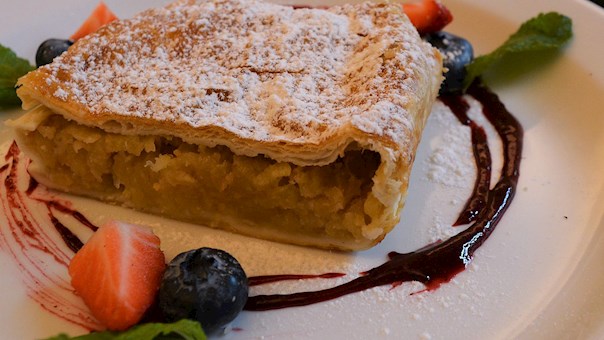
Prekmurska gibanica

4.2 ·

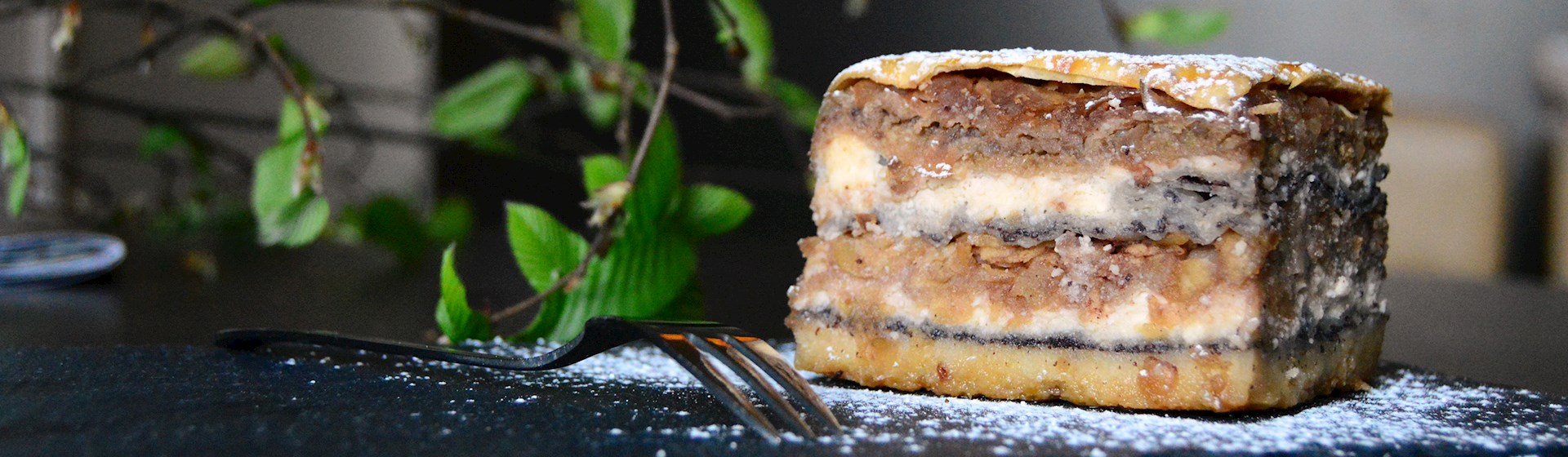
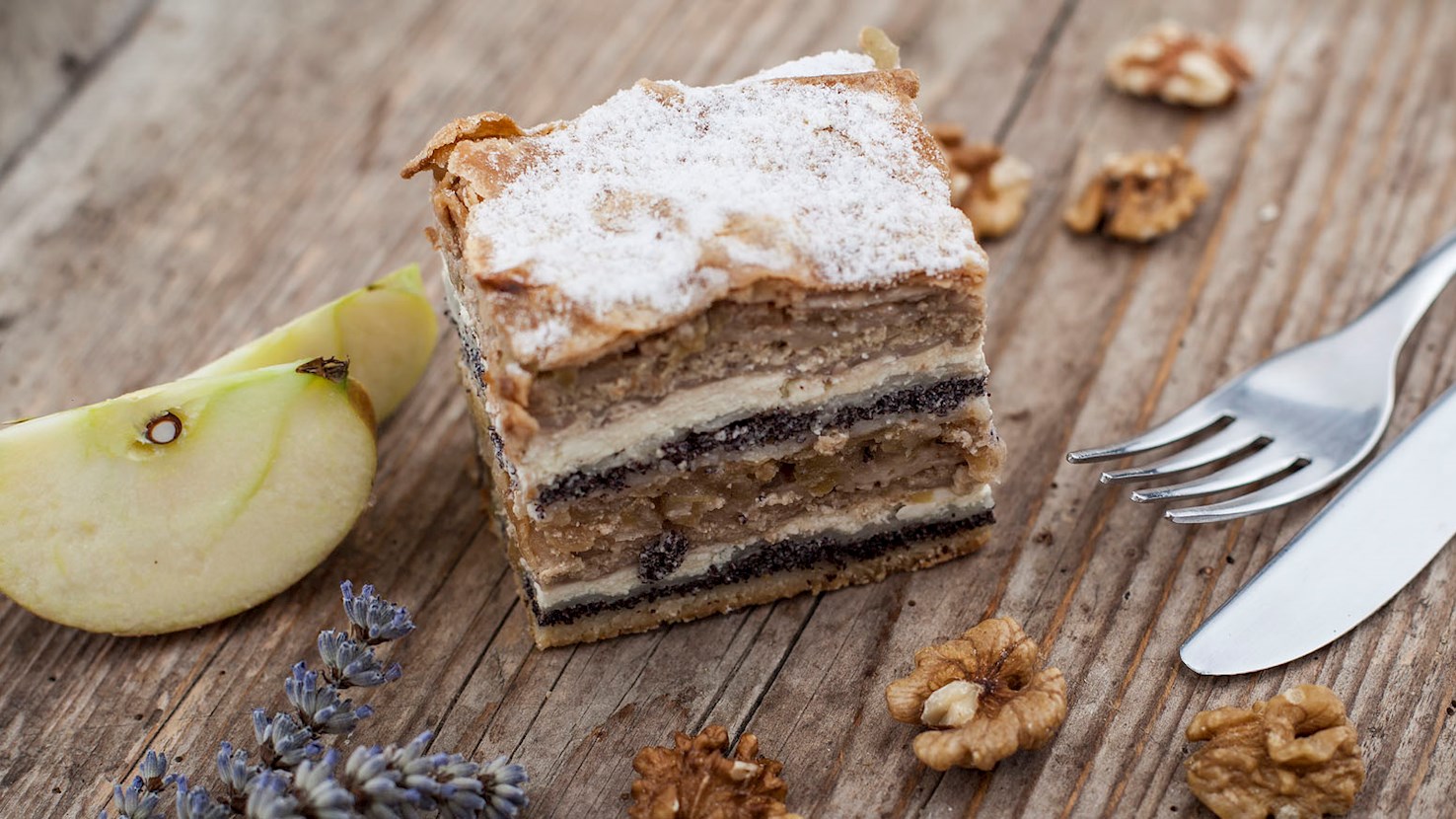
This well-known dessert is a traditional dish of Prekmurje, Slovenia’s northeastern region whose recipes have often been inspired by Hungarian and Austrian traditions. According to the Etymological Dictionary of the Slovenian Language, Prekmurska gibanica is a variety of potica, a layered strudel pie characteristic for the eastern part of the country. The name comes from gibâničnik, a type of pastry basket, or gibâničar, an old Slovenian word for a baker. The oldest written records of Prekmurska gibanica date back to the 1700s when it was first mentioned as gebanza, while another written source from 1828 described it as a dessert that is typically served at weddings. This interesting combination of different fillings and paper-thin phyllo strudel pastry is actually very common in Central European cuisine, but what makes Slovenian gibanica different from the others is the bottom layer, often made with shortcrust pastry. The fillings used to make Prekmurska gibanica are divided by butter-brushed pastry sheets and layered in this exact order: poppy seeds, cottage cheese, ground walnuts, and grated apples. Also, the original gibanica has eight layers of filling, which means that the layering is done twice, finished with another sheet of pastry, and brushed with egg wash before baking. Traditionally prepared during festive seasons, Prekmurska gibanica has a rich flavor, an intense aroma, and must retain its succulent sweetness without being too greasy.

02
Sweet Pastry

Krofi

4.1 ·

Krapfen was probably the first European-style doughnut to appear, followed by similar varieties in other countries. These pastries are traditionally prepared with leavened dough that is deep-fried until golden and crispy on the outside, while they remain soft, light, and airy on the inside. Though krapfen can be prepared plain, they are most often filled or topped with jams, and vanilla or chocolate custards, while the top is usually dusted with powdered sugar or drizzled with chocolate. The origin of the word krapfen dates back to 9th century, and the recipes in German can be found as early as the 14th century. The sweet versions of the pastry became predominant, and have remained closely associated with the Carnival, a festive period which precedes Christian Lent. Interestingly, during the Carnival, one krapfen in a batch filled with jam and fruit preserves might contain a filling of mustard as a prank. It is believed that doughnuts spread throughout many central European countries, which adopted the technique but used different regional names. Consequently, krapfen in Germany goes under Berliner, pfannkuchen, faschingskrapfen, krebbel, or kreppel. In Poland, they are known as pączki or krepel, Hungarians refer to them as fánk, Slovak as šišky, while the Czechs use the term koblihy. In Slovenia, they are better known as krofi, while the standard name throughout Croatia, Bosnia, and Serbia is krofne or krafne. In St. Petersburg, Russia, the doughnuts are known as pyshki (either ring-shaped or without a hole), and there is a local café that has been serving pyshki prepared from the original recipe since the 1960s.

03
Cake

Kremna rezina

4.1 ·

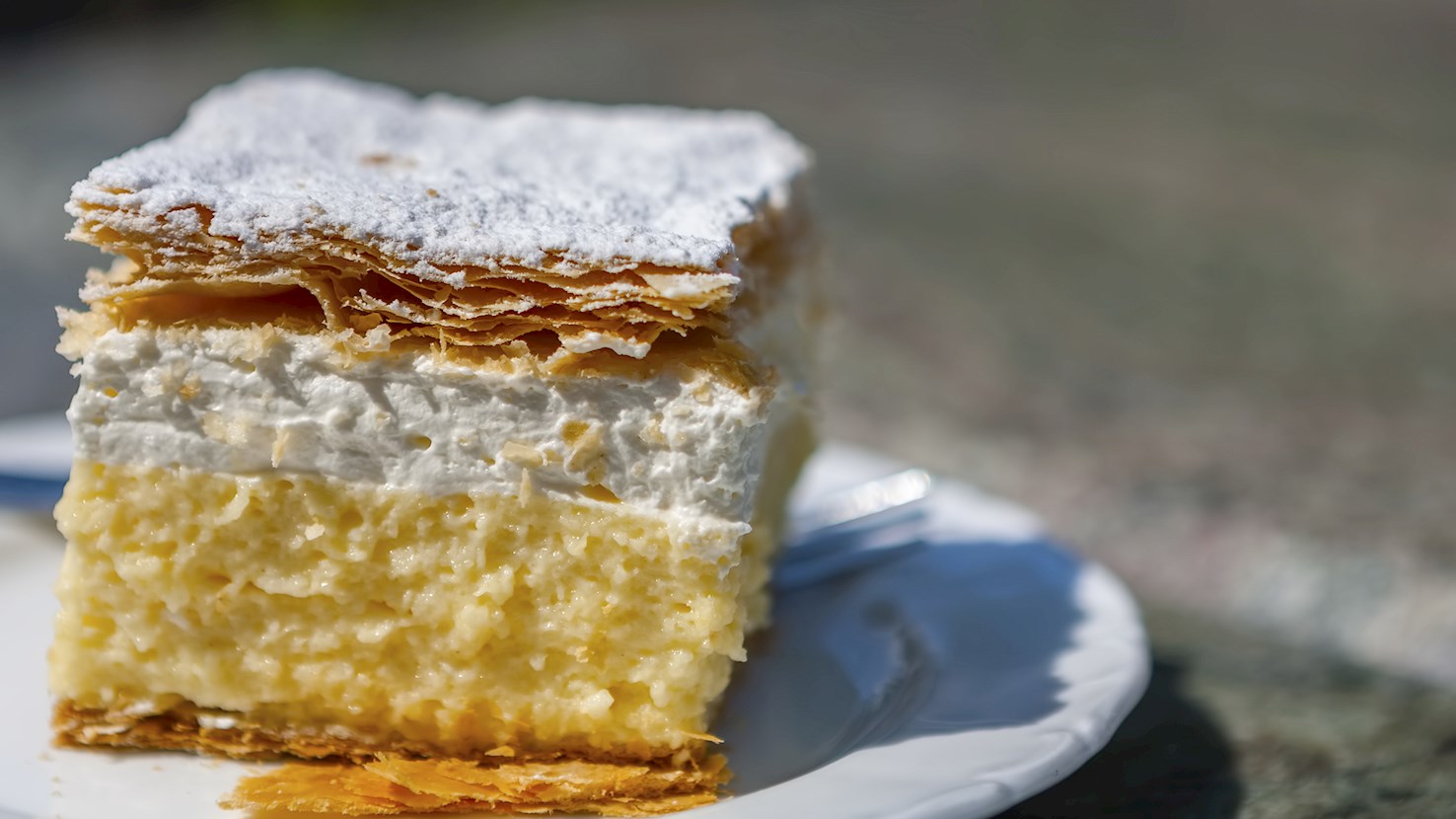
Kremna rezina is a specialty of the Slovenian Lake Bled area. It is a luscious cream cake with a golden, crispy, buttery pastry acting as its base. The base is topped with flavorful vanilla custard, whipped cream, and a layer of thin, buttery dough. The whole cake is traditionally dusted with icing sugar and served sliced in cubes. The story of kremna rezina (or Bled cream cake) began with the arrival of chef Ištvan Lukačević to Bled's Park Hotel, where he modified the Hungarian cream cake by adding the right proportions of whipped cream into it, and in 1953, the hotel presented Lukačević's invention to the public. The new dessert was a huge success and became a popular tourist treat, with up to 3,500 slices sold per day. The authentic kremna rezina is not just a cake, but a piece of art – it is said that the pastry is folded seven times before it's left to rest, the custard is cooked for exactly seven minutes, and each cake is cut into a seven-by-seven centimeter square.

04
Mushroom Soup

Gobova juha

4 ·

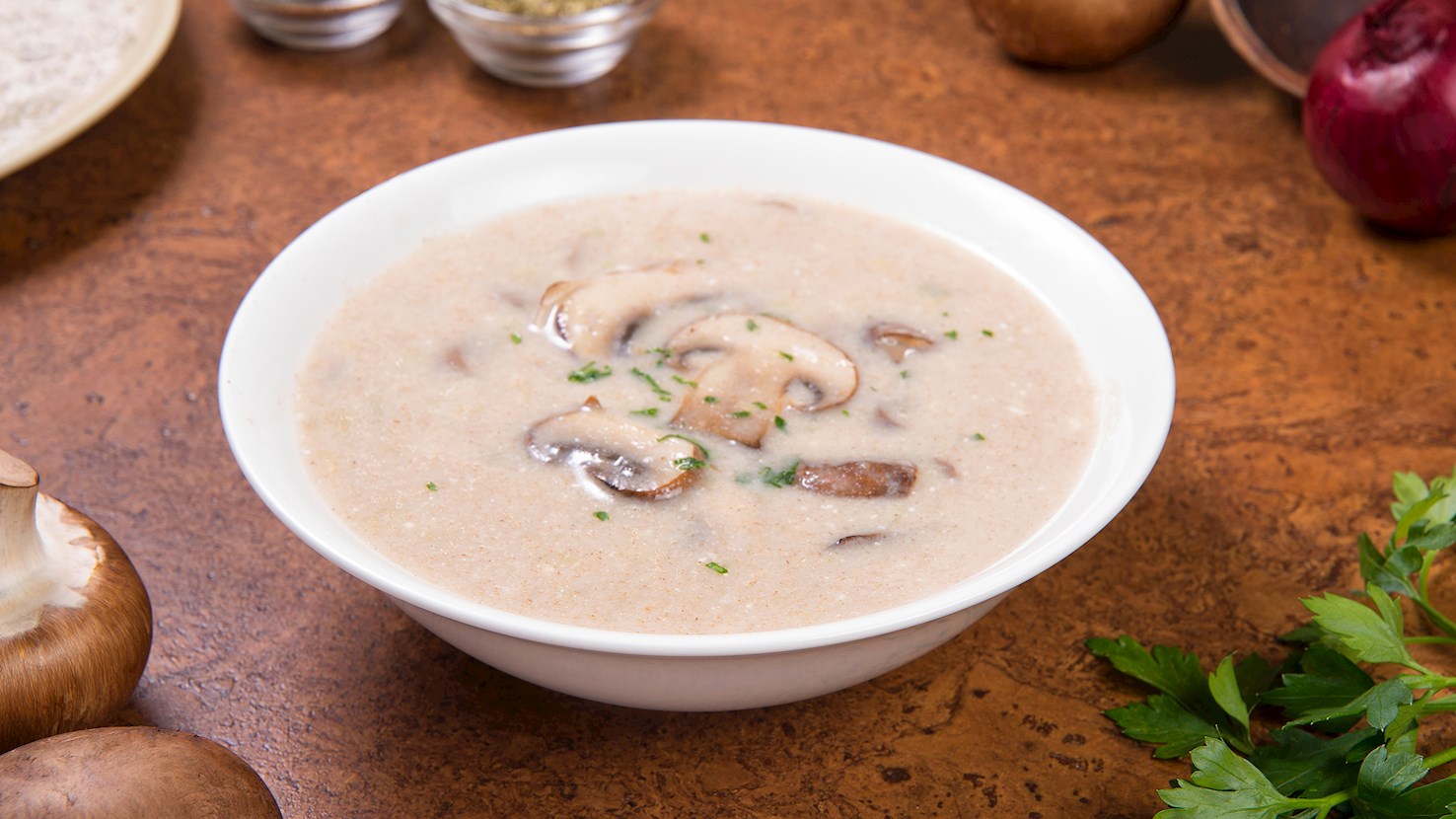
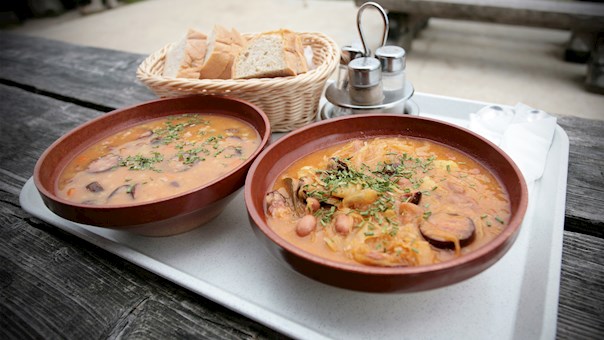
Gobova juha is a traditional mushroom soup. Although there are many variations, the soup is usually made with a combination of wild mushrooms, onions, garlic, butter, flour, potatoes, white wine or wine vinegar, bay leaves, marjoram, salt, and pepper. The onions are sautéed in butter and then mixed with flour and garlic. The mushrooms are cut into chunks and added to the pot with water, marjoram, bay leaves, potatoes, salt, and black pepper. The soup is simmered over low heat until the potatoes become tender. White wine or vinegar are added to the pot near the end of cooking, and the soup is then ladled into bowls and garnished with chopped parsley and a dollop of sour cream for extra creaminess. Gobova juha is especially popular in the fall.

05
Cake

Potica

3.9 ·

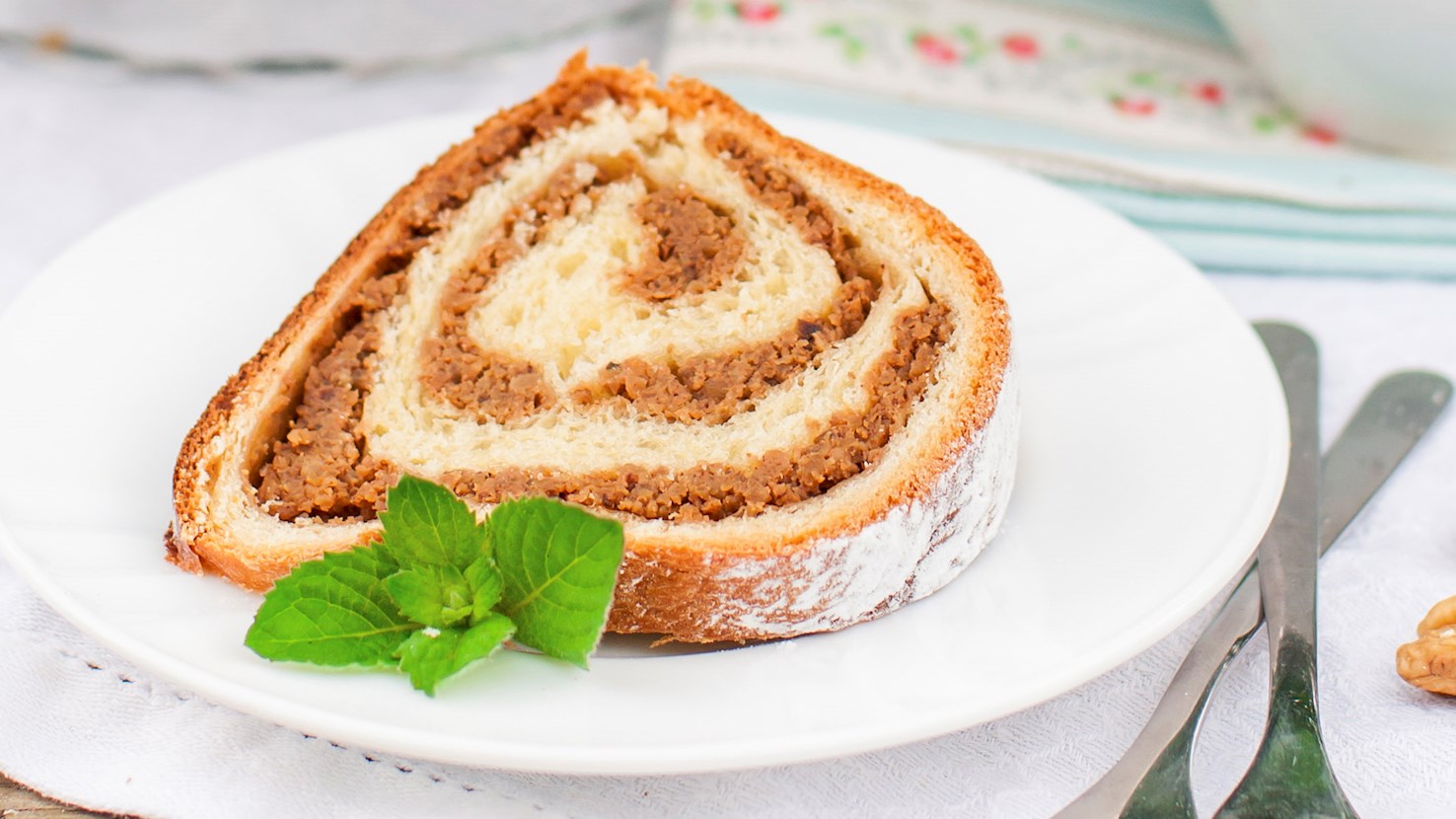
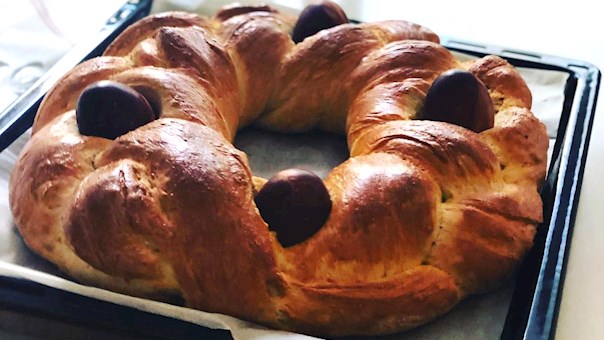
Commonly known as every Slovenian housewife's source of pride, potica is a traditional cake that is usually prepared for festivities and celebrations such as Christmas and Easter. The cake was derived from the older rolled dough cakes, and it was first mentioned in 1575. Originally, it was a cake reserved for the upper class, but over the years, it gained popularity with the peasants. There are around 60 types of potica, with various traditional fillings such as walnuts, hazelnuts, tarragon, honey, poppy seeds, and cottage cheese. Modern versions of potica even include chocolate as a filling. This dessert is a very important part of Slovenian cuisine, so much so that it was featured twice on Slovenian postage stamps. Today, the cake can be bought in supermarkets or consumed in numerous Slovenian restaurants, but it is said that homemade potica is still the best.

06
Dumplings

Sirovi štruklji

3.9 ·

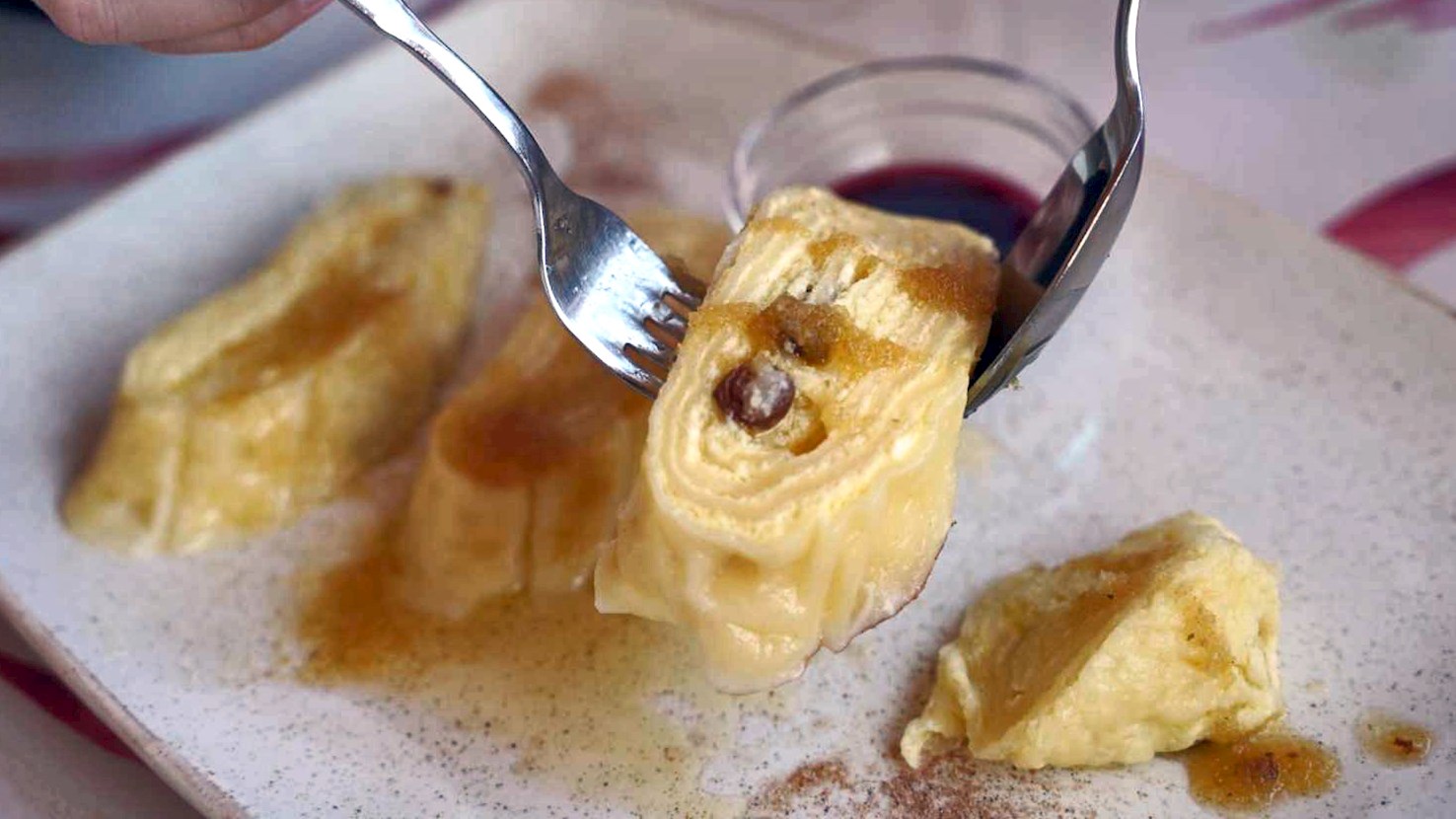
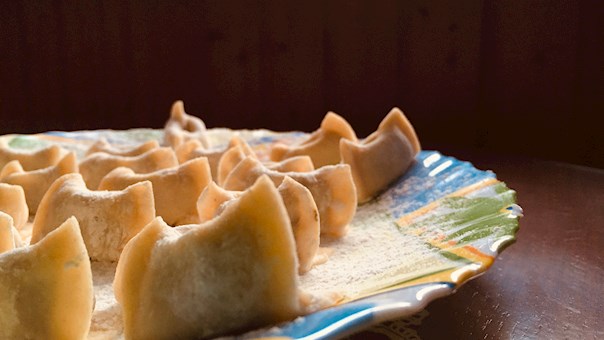
Sirovi or skutni (skutini) štruklji is a traditional variety of štruklji originating from Slovenia. The dough is made with a mixture of flour, water, eggs, oil, and salt. Once rested, it's rolled out into thin sheets that are topped with a mixture of sour cream and skuta (curd cottage cheese). Sugar and raisins are sometimes added to the mixture, but they're not mandatory. The dough is rolled up into a log, and the štruklji are wrapped in a kitchen cloth and then boiled in salted water until fully cooked. Once they've been taken out of the pot, the štruklji are cut into smaller pieces, and the dish is then enjoyed as it is or topped with breadcrumbs fried in butter.

07
Stew

Bograč

3.8 ·

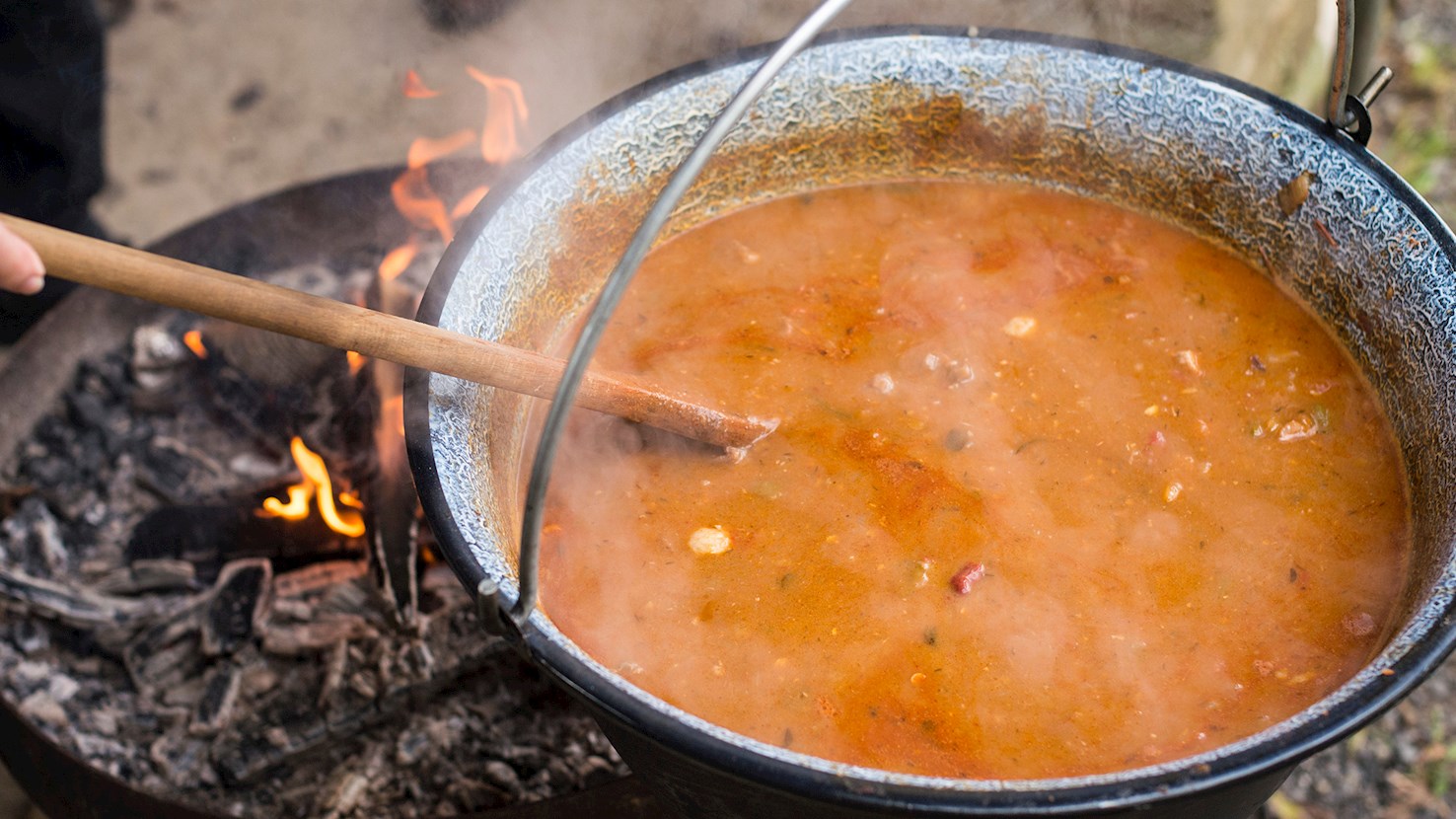
Bograč is a traditional meat stew that was supposedly invented by Hungarian shepherds when Prekmurje was under Hungarian rule. The stew consists of four types of meat—traditionally pork, beef, venison, and boar—which are simmered along with potatoes, onions, spices, wine, and optionally mushrooms. The dish was named after bogracs—a traditional cauldron in which it is still prepared today.

08
Cooked Sausage

Kranjska klobasa

3.8 ·

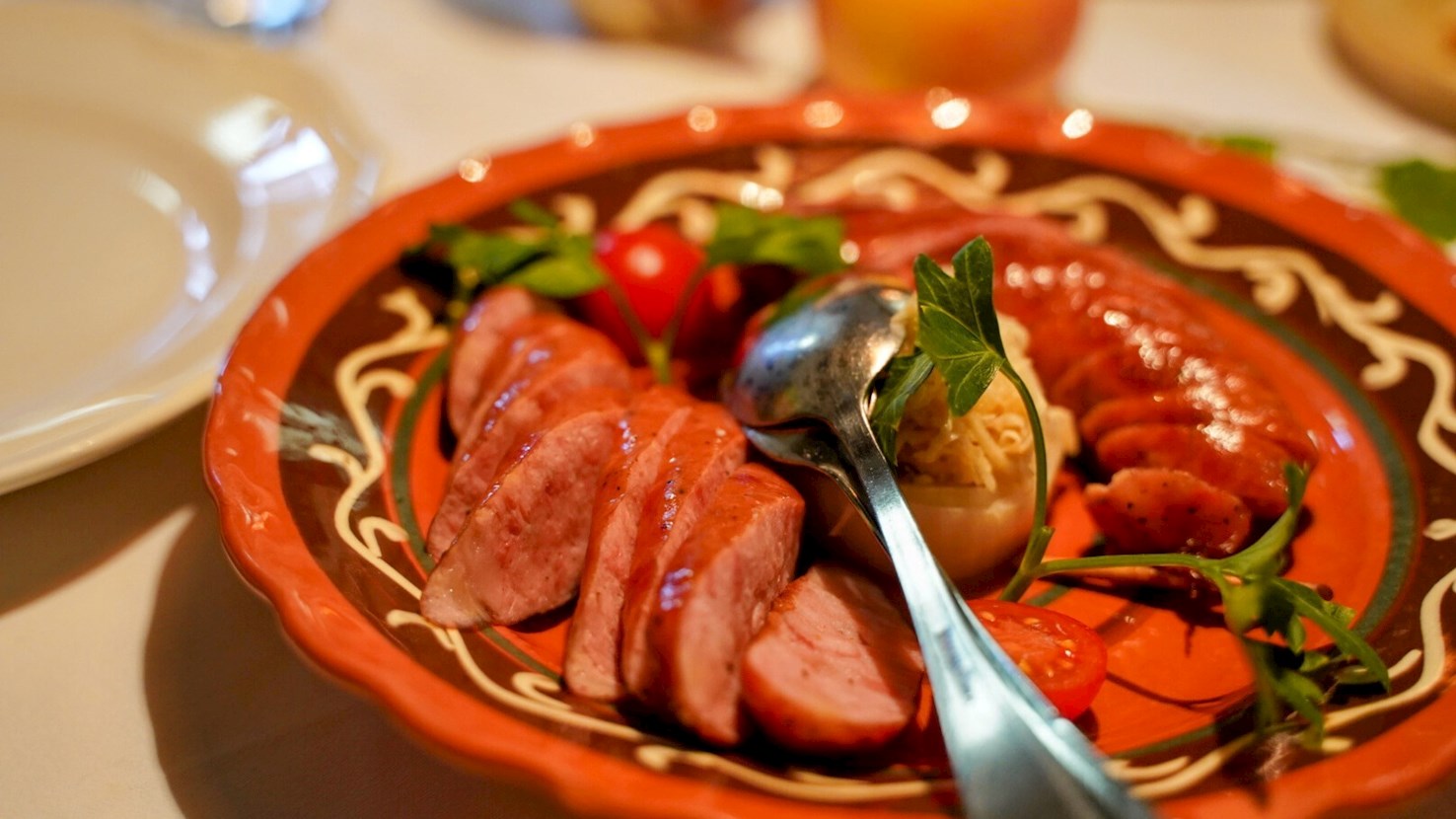
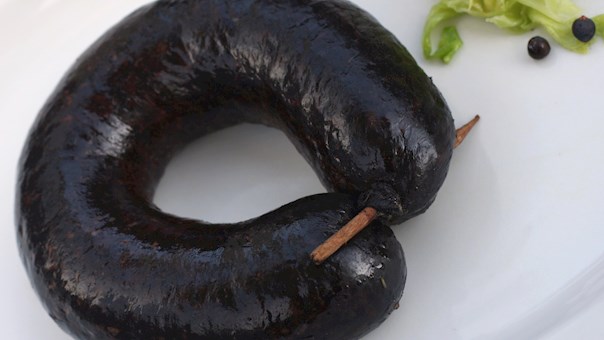
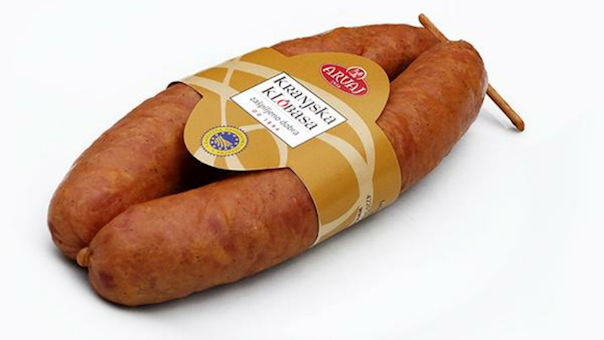
Internationally known as Carniolan or Krainer sausage, Kranjska klobasa originates from the historical region of Kranjska, once the Duchy of Carniola, a crown land of the Austrian Empire. It has the perfect meat-to-bacon ratio: at least 80% coarsely ground good-quality pork cuts (leg, shoulder, neck) and 20% bacon (back fat), seasoned with salt from the Sečovlje saltern, black pepper, and garlic. Funneling the meat mixture into natural casings forms 12-16 centimeter long sausages that are twisted into links, tied, and held together by a wooden skewer. The links are then pasteurized and hot-smoked until they reach a moderate reddish-brown color. To achieve what is known as the signature flavor of Kranjska klobasa, it's recommended not to boil it, as this would mean overcooking it, but to simply warm it up in hot water. Traditionally, this famous Slovenian product with a mild, smoky aroma is best enjoyed accompanied by sauerkraut and mustard.

Best restaurants
09
Dry-cured Ham

Kraški pršut

3.7 ·

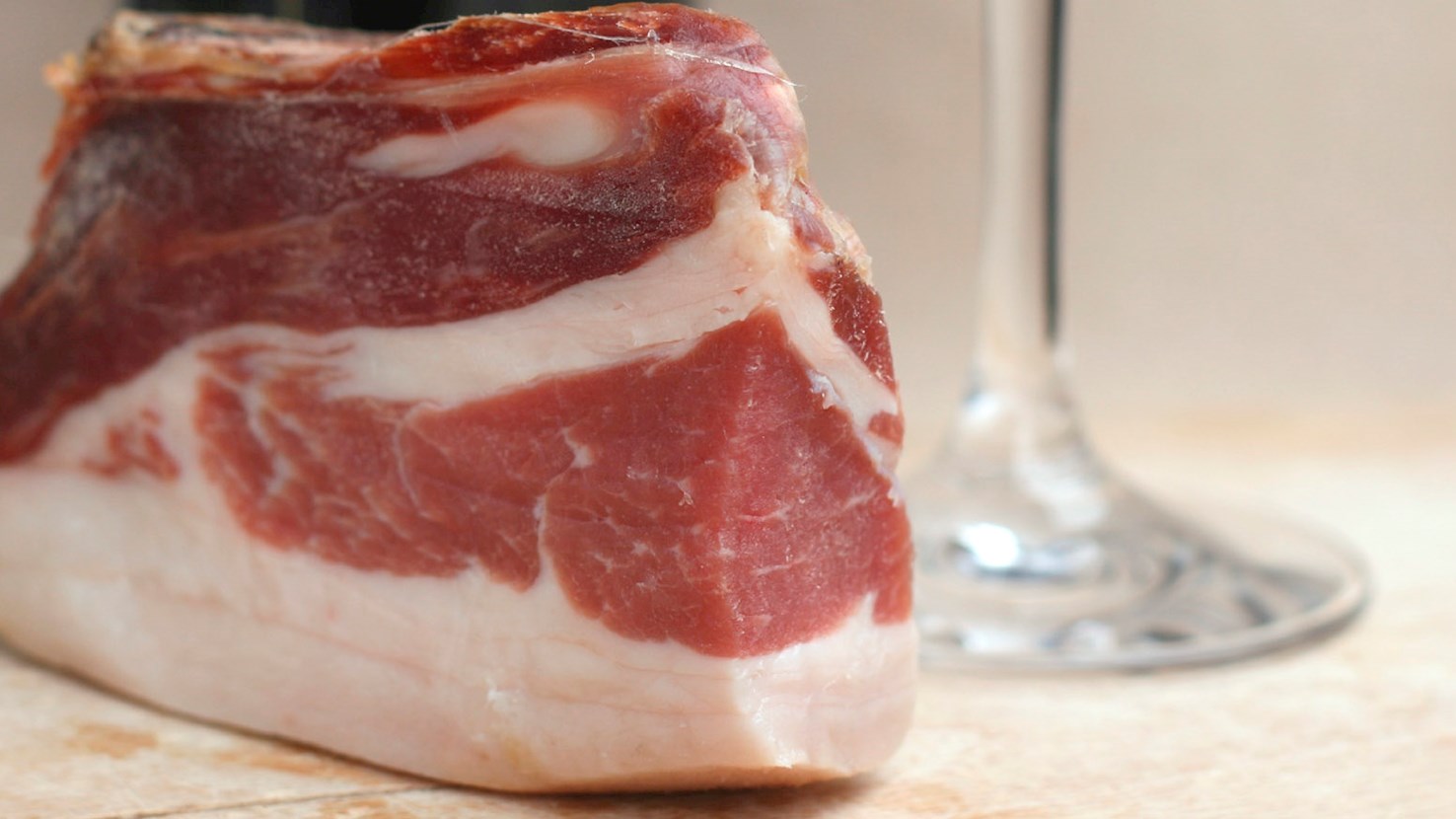
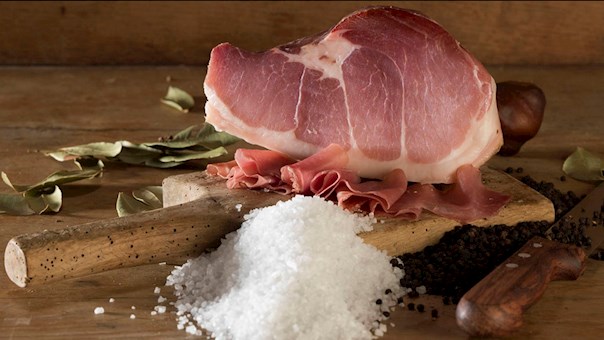
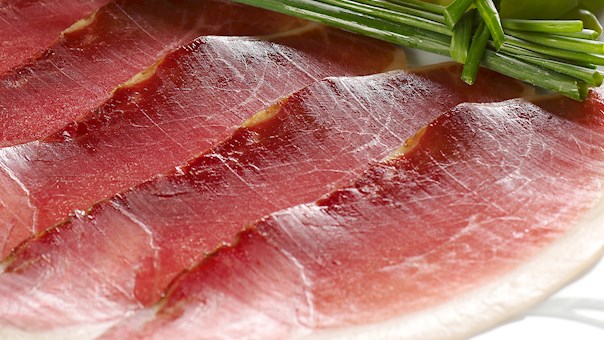
The gold standard of Slovenian cured meats - Kraški pršut, also known as Karst prosciutto or simply Karst ham, is a non-smoked, dry-cured ham with more than a hundred years old tradition. Its truly authentic flavor is the result of favorable climate conditions in the Karst region, which have a direct influence on the dynamic of drying and aging. Regardless of today's technological innovations, the manufacturers of this prized ham have retained the traditional methods of production. Rich in vitamins and minerals, this extremely nutritional dry-cured ham also has an even higher protein content than the one found in cooked meat. The meat is salted twice, using only coarse salt from the Slovenian coastal region, and then left to age at a temperature of approximately 12-16°C. This natural dry-curing process doesn’t include any kind of heat or smoking treatment, just the traditional Slovenian know-how. Salted and exposed to air from the very beginning, the prosciutto gradually starts to dry, and after a while, the salt is washed off. To remove the last of the natural juices, the prosciutto is pressed into its distinctive flattened guitar-like shape and prepared for maturing, which takes about 12-16 months, depending on the size of the ham. Like most other hams of the prosciutto variety, Kraški pršut is best enjoyed sliced into thin, almost see-through strips, and traditionally served as a cold appetizer accompanied with homemade bread, cheese, olives or sometimes sweet melons.

10
Pork Rinds

Ocvirki

3.7 ·

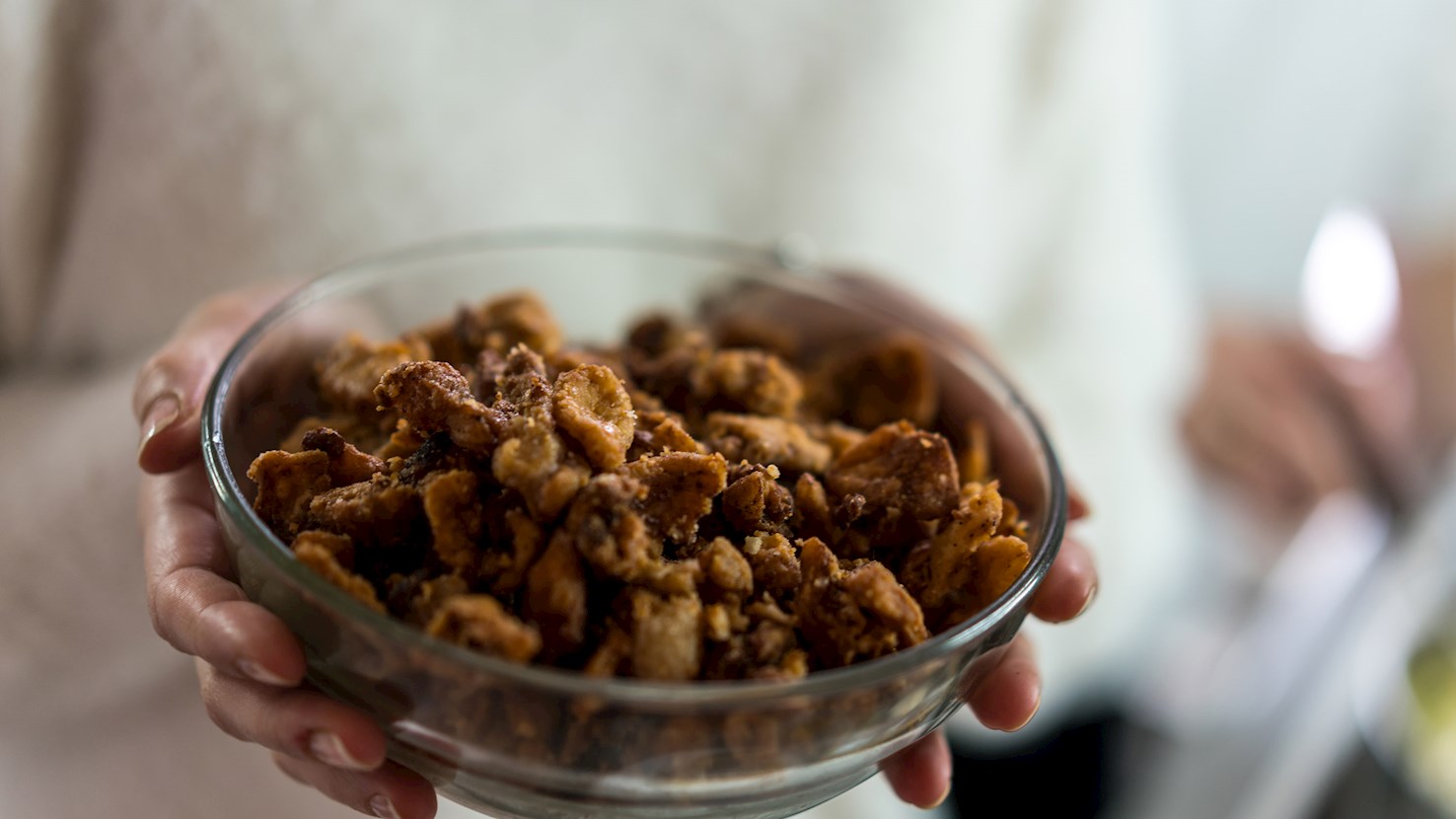
Čvarci or ocvirki is a traditional specialty that's popular in Southeastern Europe and the Balkans. This variety of pork rinds or cracklings is usually homemade, and it's made by thermally extracting fat from the lard. The lard is usually cut into blocks and fried in its own fat until it melts away and tough and crispy pork rind remain in the pot. During the process, čvarci are constantly stirred with big spoons, and milk is often added in order for them to obtain the color of caramel. Salt is typically added to the mixture, while some cooks like to add garlic or onions to the mixture. Čvarci are typically made in late autumn or winter, often during the pig slaughter, and they're usually enjoyed as a snack, served with bread and raw onions and paired with beer or rakija on the side. Small pieces of čvarci are often used in savory snacks such as pogačica s čvarcima.

Best Slovenian food products
01
Spirit

Spirits of the Alps

5 ·
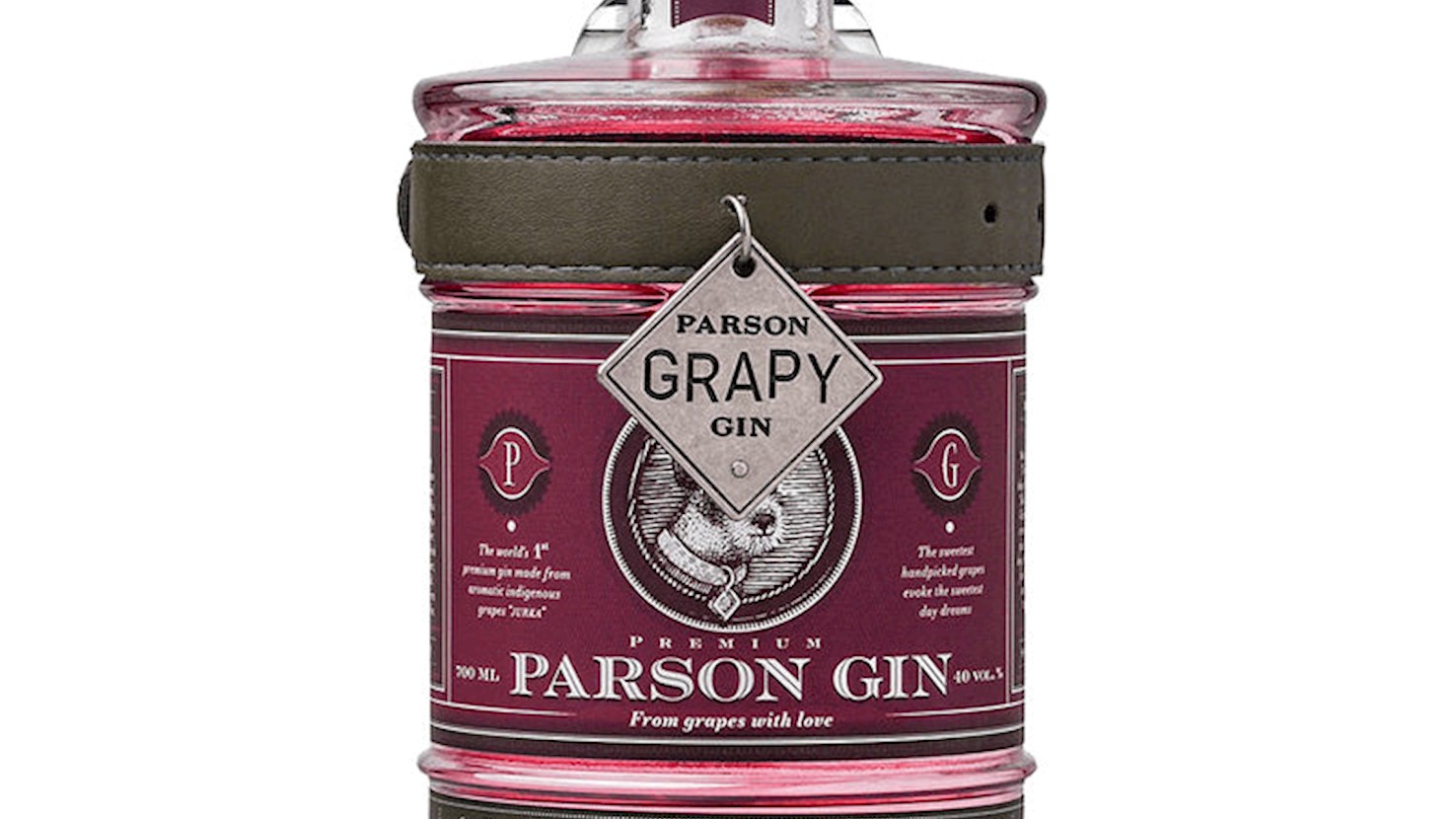
Spirits of the Alps d.o.o. is a Slovenian company based in Maribor, specializing in the distribution of premium spirits. They are the official online distributor of Parson Premium Gin, a gluten-free certified gin crafted from aromatic Styrian Jurka grapes. The company offers a range of products, including gift sets and a cocktail inspiration book, aiming to provide unique and high-quality experiences for gin enthusiasts.
Awards
European Spirits Challenge - Gold (2023)
The Gin Masters – Second Tasting - Gold (2022)
02
Olive Oil

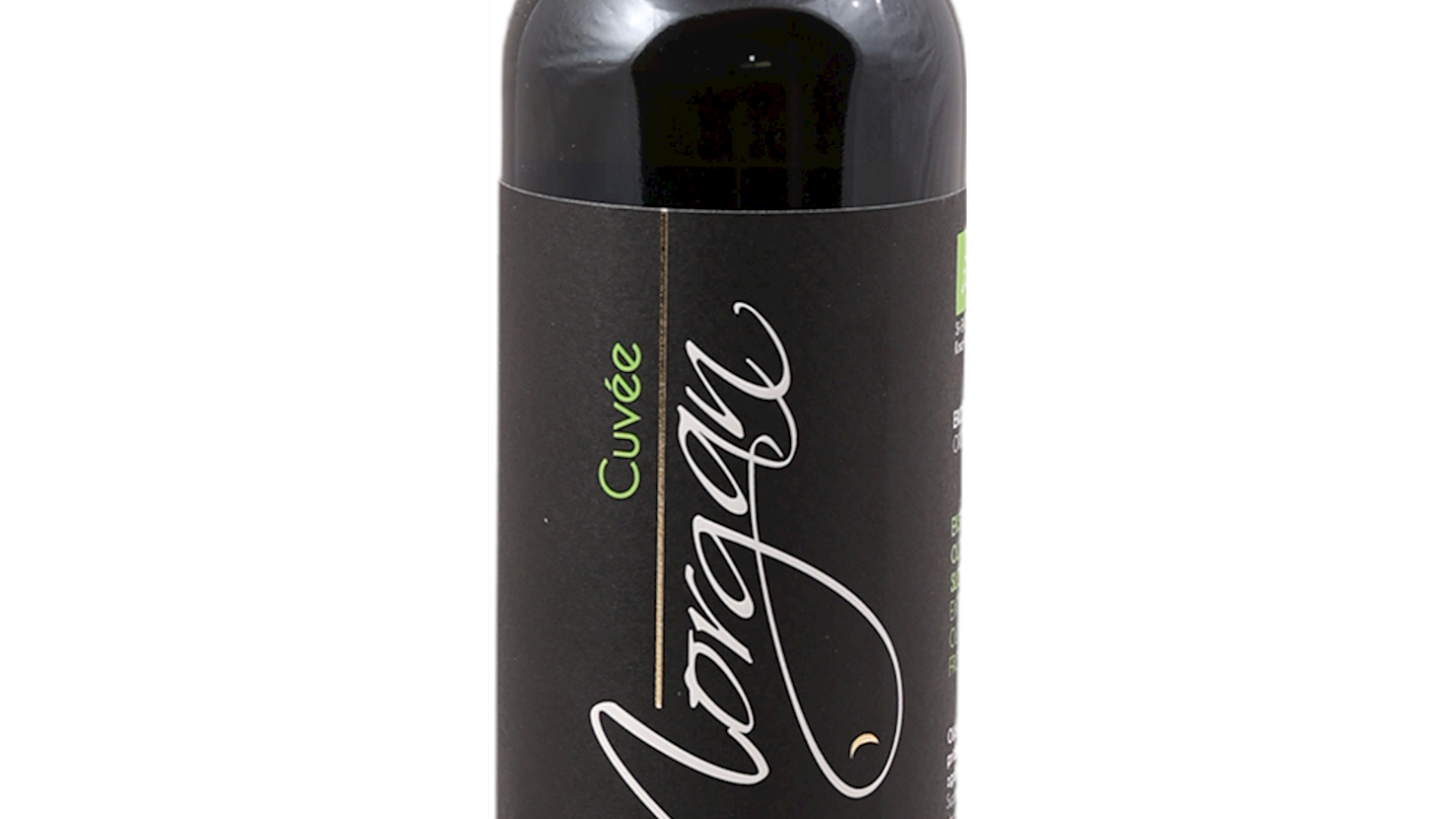
Franc Morgan

4.9 ·
Awards
London IOOC - Platinum (2023)
Terraolivo IOOC - TOP TEN (2019)
03
Wine

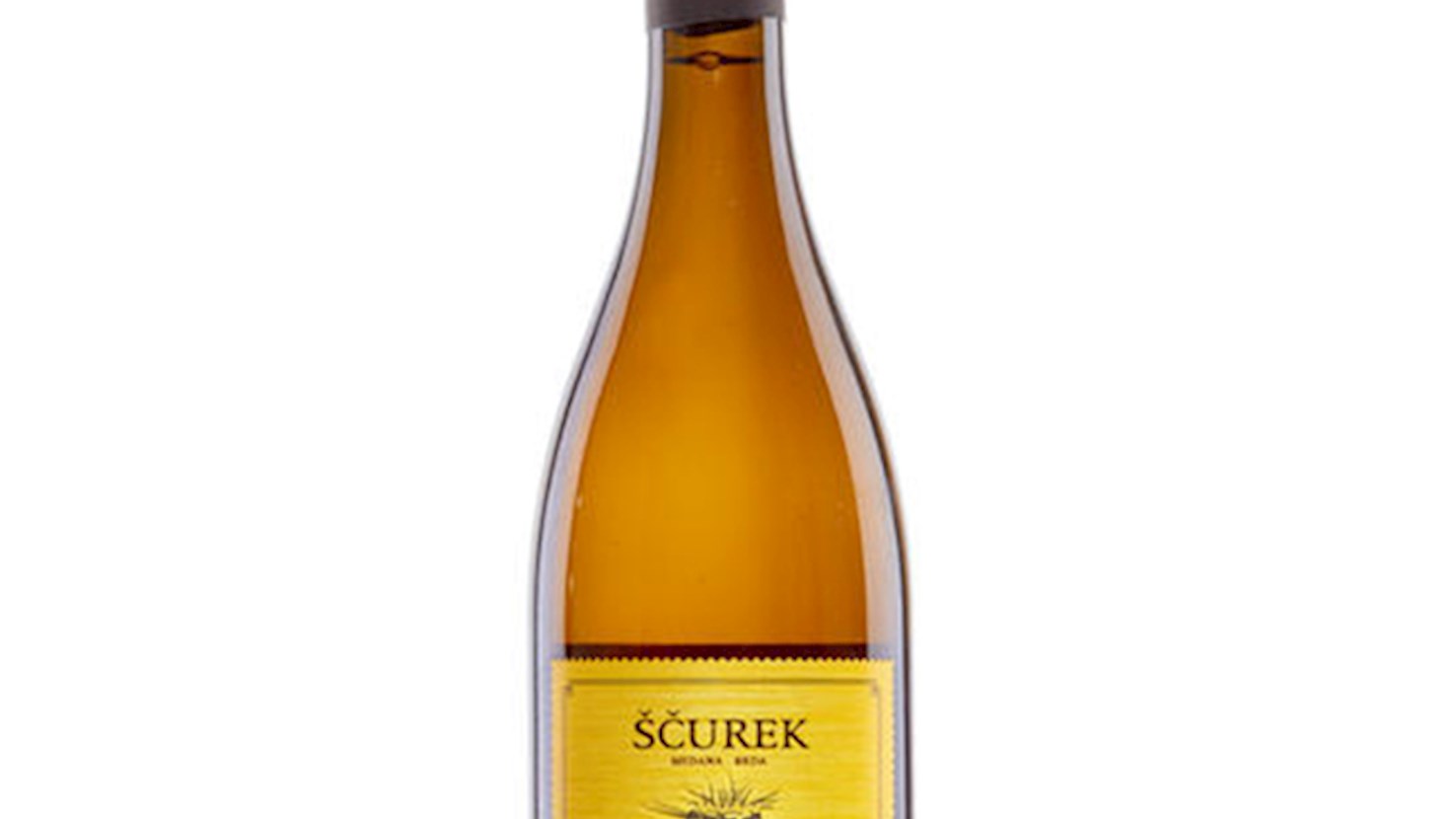
Ščurek

4.9 ·
Awards
Decanter World Wine Awards - Platinum (2022, 2020, 2019)
04
Wine

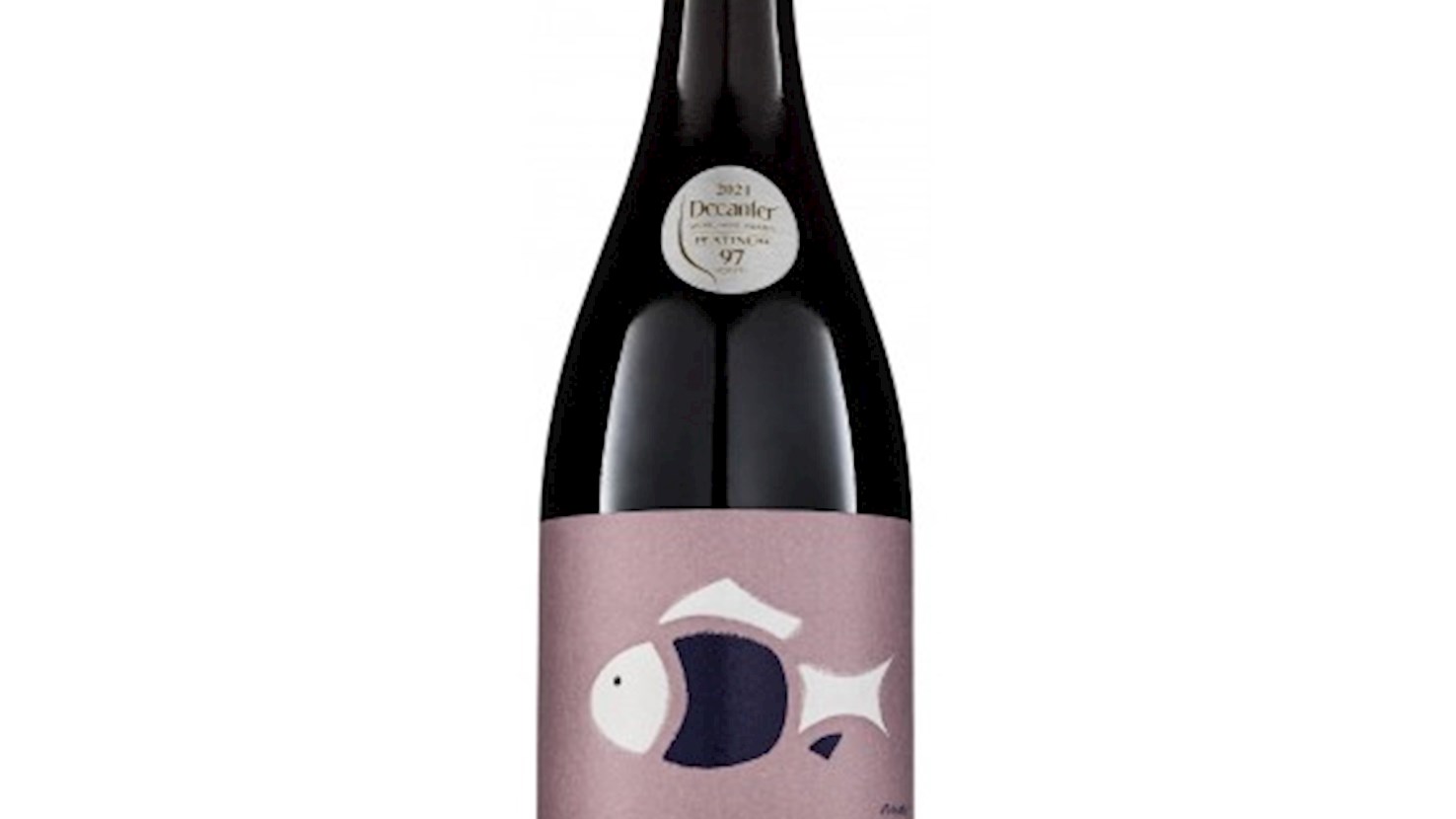
Gašper Wines

4.9 ·
Awards
Decanter World Wine Awards - Platinum (2021, 2019)
05
Olive Oil

Ekološka Kmetija Ronkaldo

4.9 ·
Ekološka Kmetija Ronkaldo is an olive oil producer located in Izola, Slovenia. The farm specializes in organic olive oil production, adhering to environmentally-friendly agricultural practices. Their products are certified organic, ensuring a natural and chemical-free process from cultivation to pressing. The farm is family-owned and operates with a focus on sustainability and quality.

Awards
EVO IOOC - Gold Medal (2023, 2018, 2016)
Terraolivo IOOC - Gran Prestige Gold (2017)
06
Wine

Jakončič

4.9 ·
Awards
Decanter World Wine Awards - Platinum (2016)
07
Wine

Krapež

4.9 ·
Awards
Decanter World Wine Awards - Platinum (2020)
08
Olive Oil

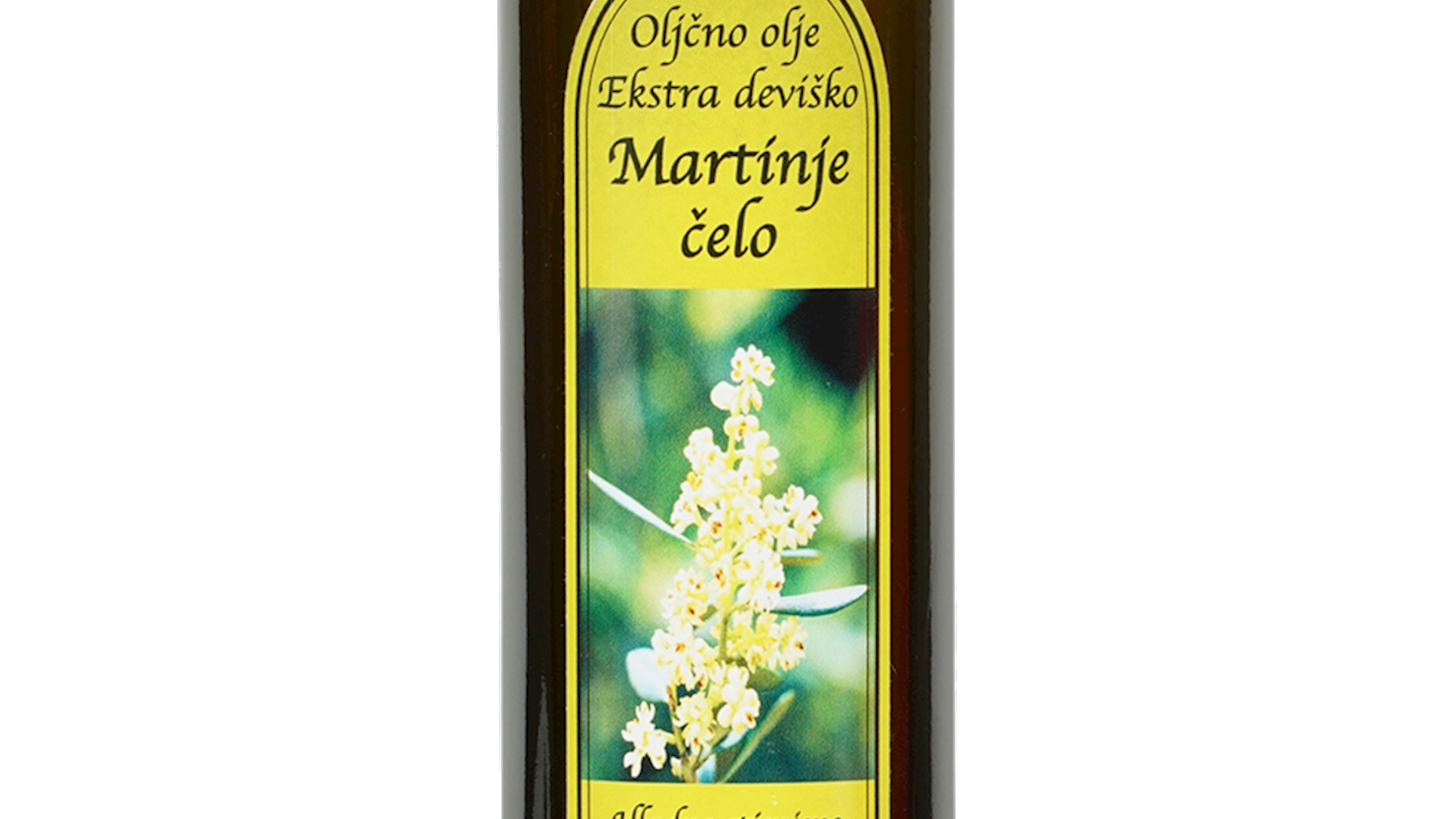
Marko Lovrečič - Martinje Čelo

4.9 ·
Awards
Terraolivo IOOC - Prestige Gold (2022)
09
Olive Oil

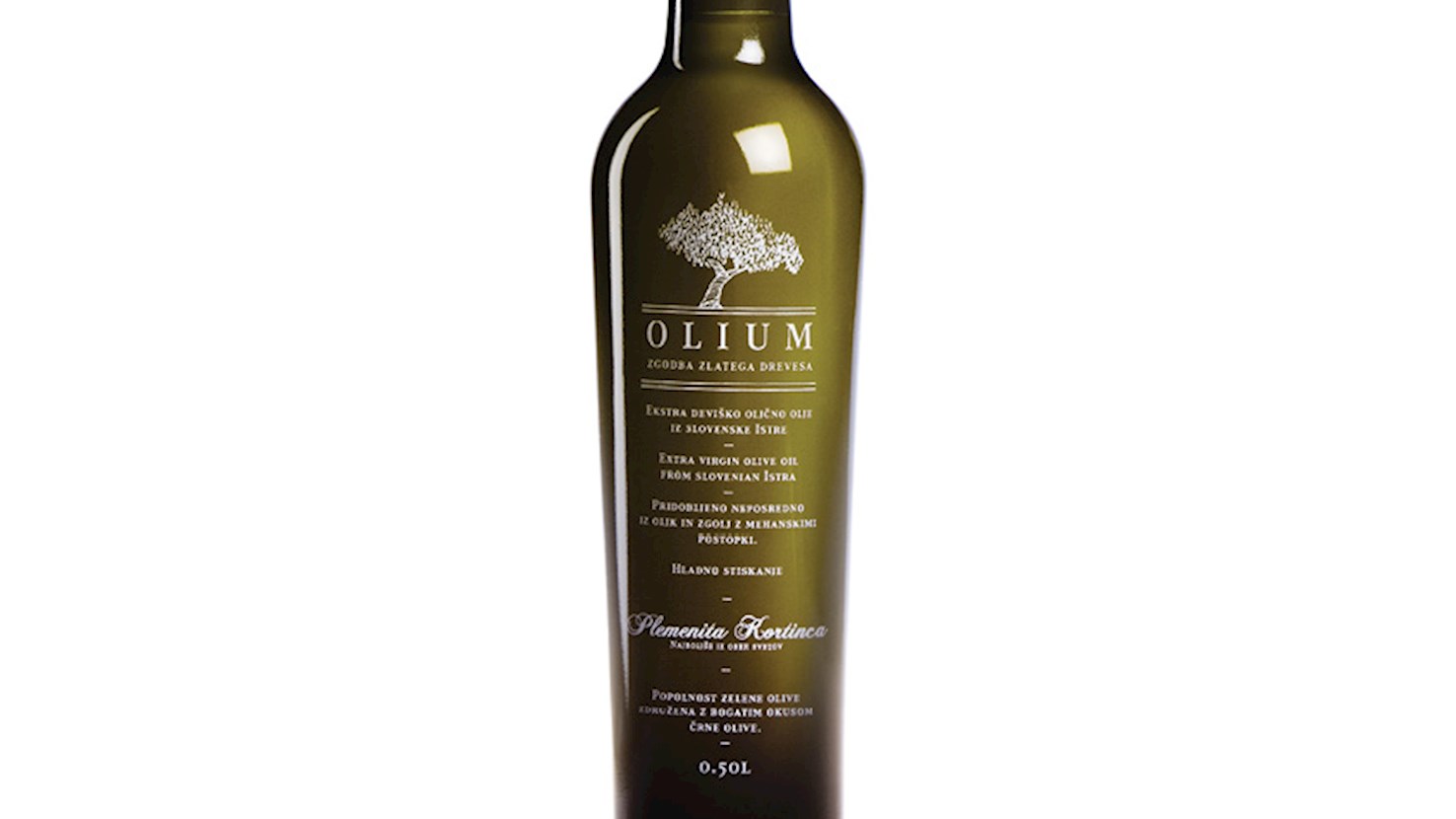
Olium

4.9 ·
Awards
Terraolivo IOOC - Prestige Gold (2019)
10
Olive Oil

Olea Trading

4.9 ·
Olea Trading is an olive oil producer based in Koper, Slovenia. They focus on producing high-quality extra virgin olive oil. Olea Trading places emphasis on traditional methods and sustainability in their olive cultivation and oil production processes. Their products are available for both local and international markets.
Awards
Olive Japan - Gold (2023, 2021)
EVO IOOC - Gold Medal (2023)
Read more
View all
View map
About this ranking

TasteAtlas food rankings are based on the ratings of the TasteAtlas audience, with a series of mechanisms that recognize real users and that ignore bot, nationalist or local patriotic ratings, and give additional value to the ratings of users that the system recognizes as knowledgeable. For the “Top 94 Slovenian Foods” list until June 06, 2026, 1,764 ratings were recorded, of which 1,257 were recognized by the system as legitimate. TasteAtlas Rankings should not be seen as the final global conclusion about food. Their purpose is to promote excellent local foods, instill pride in traditional dishes, and arouse curiosity about dishes you haven’t tried.

The initial list of top producers was compiled based on available reviews, awards, local recommendations, media and blog coverage, and consumer reviews. The list will be updated with ratings from TasteAtlas local ambassadors and TasteAtlas users.

Similar lists