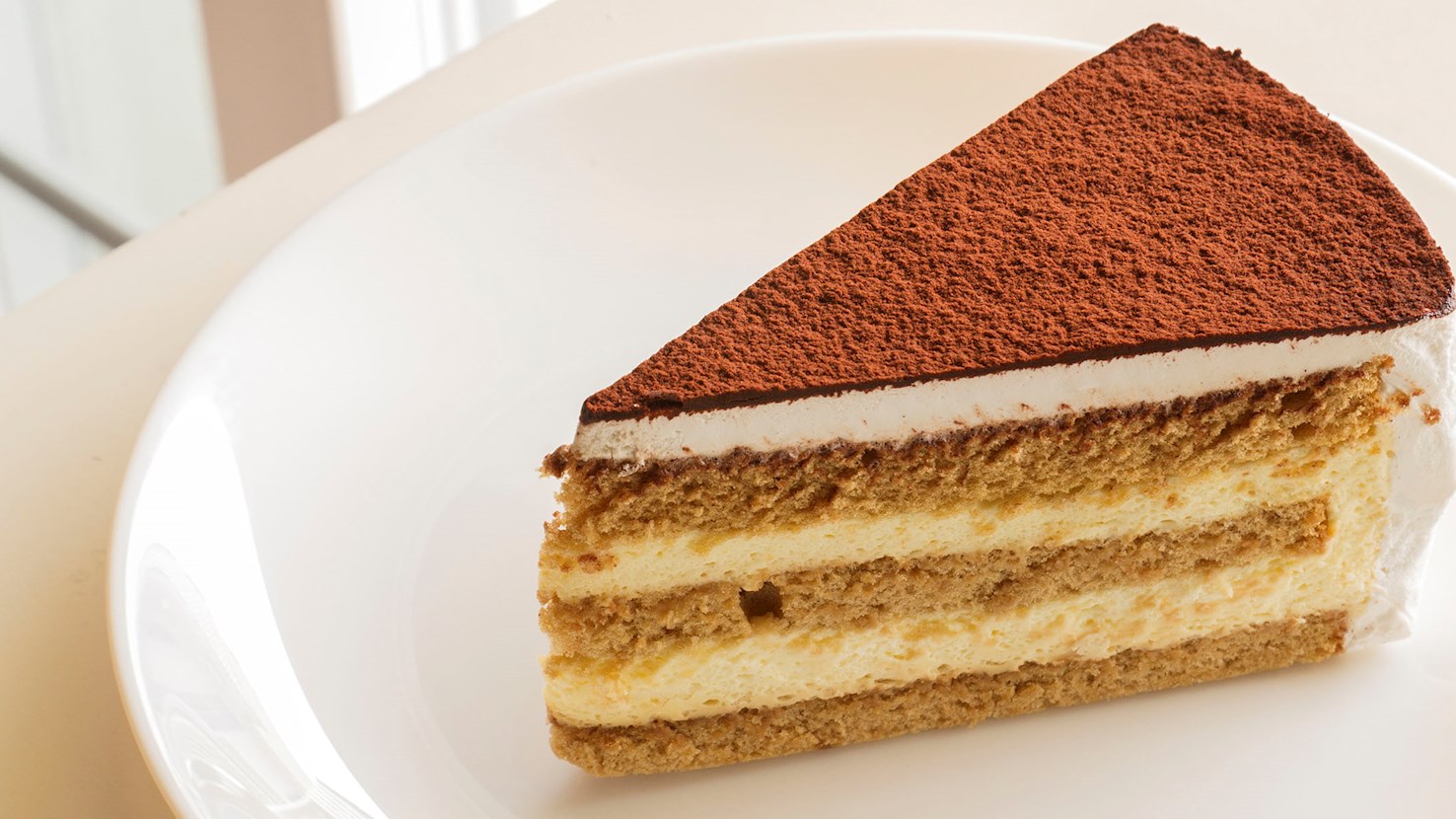
Pavé is a popular Brazilian layered dessert that is similar to tiramisu and does not need baking, and consists of a combination of ladyfinger biscuits, cream, eggs, condensed milk, and chocolate. It is a traditional dessert in Brazil, where every household has its own variation, so there are recipes for strawberry, pineapple, white chocolate, coconut, and peanut pavé, amongst others. The only important thing is to serve this dessert cold and enjoy its unique flavors, textures, and varieties.
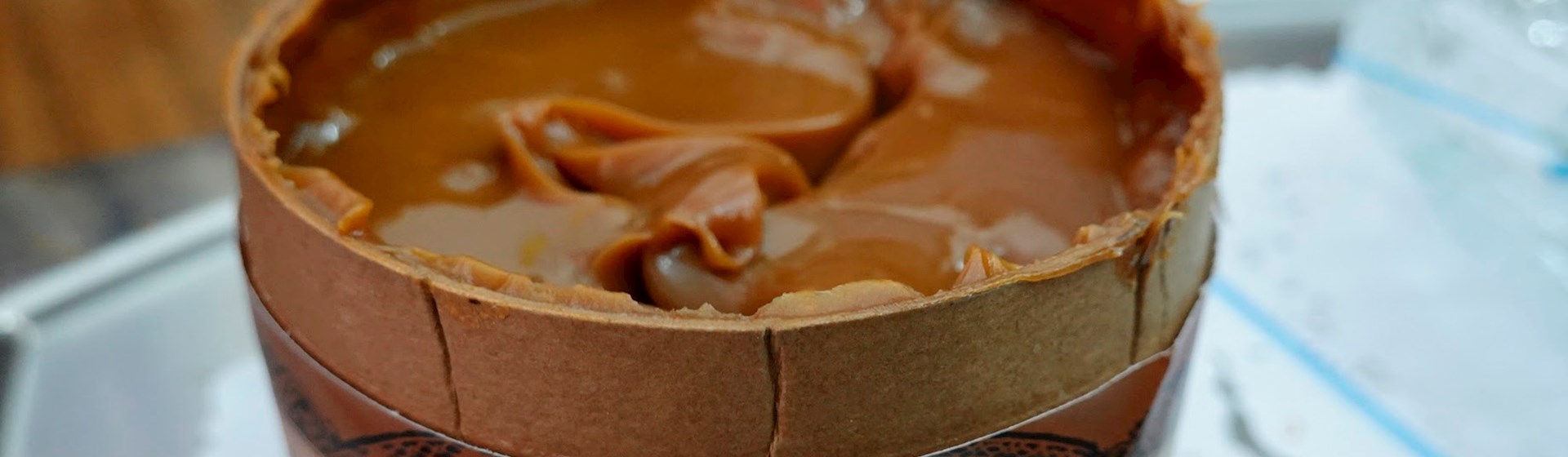
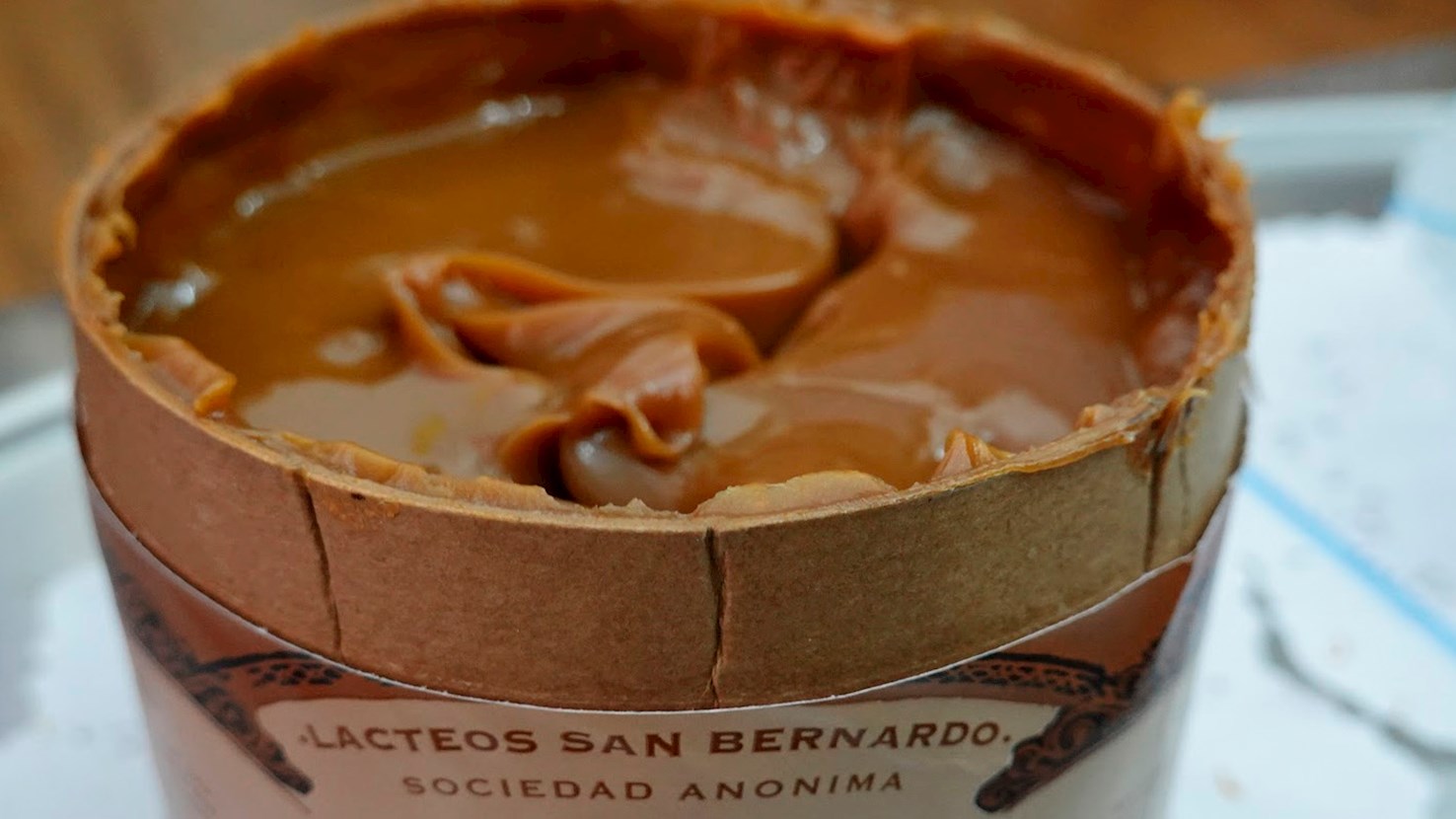
Dulce de leche is a type of condensed milk sweet from Argentina and Uruguay. Traditionally, it is made by heating sweetened cow's milk until it caramelizes and achieves a thick consistency, enough to act as a spread, a filling for cakes and pies, or an ice cream topping. The legend says that dulce de leche originated in Buenos Aires in 1829, when a maid of Argentinian leader Juan Manuel de Rosas was preparing la lechada by heating sugar and milk. As she left it on the fire a bit longer than usual, she noticed it had become a dark brown substance, and that's how dulce de leche was born. Other food historians claim it was first created in 1804 by Napoleon's cooks, while others theorize the recipe originated in Indonesia. Either way, it spread through Latin America, and nowadays almost every country in South and Central America has its unique variation. Still, only Argentina and Urugay call it "dulce de leche", and dispute over the exact place of origin. Today, dulce de leche is sometimes flavored with vanilla, lemon, or cinnamon, and is used to flavor candies, cakes, cookies, waffles, and ice creams.
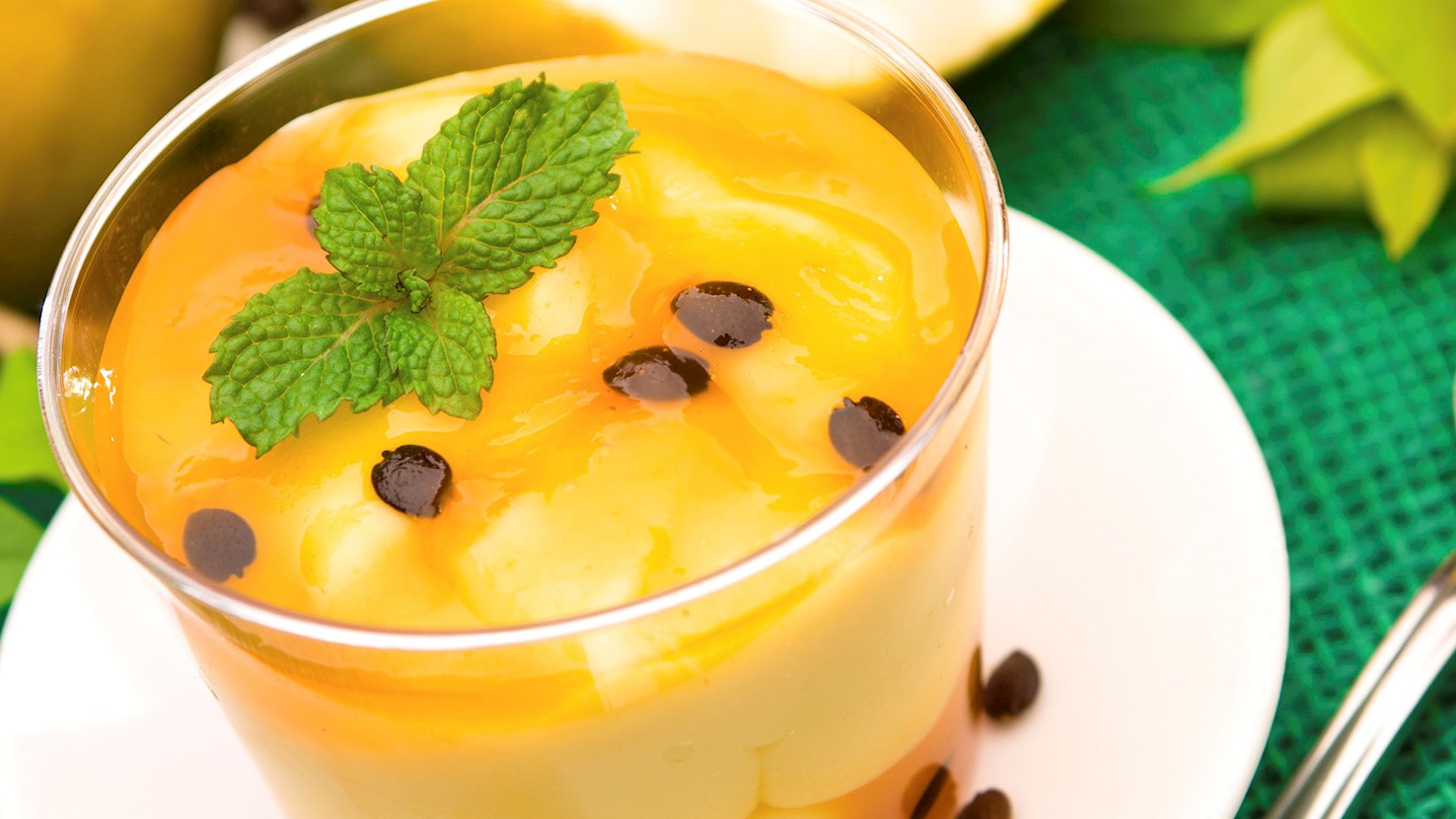
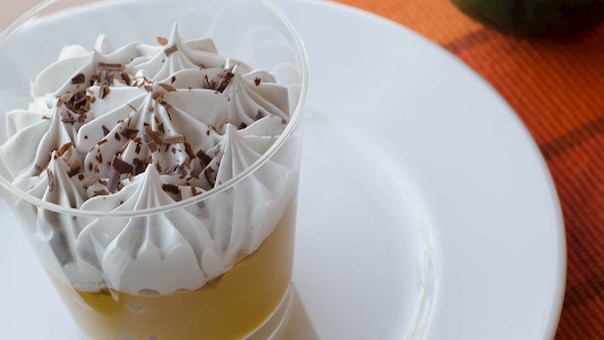
It is said that if Brazil had to declare a national dessert, it would most likely be mousse de maracujá, or passion fruit mousse. The dessert consists of fresh passion fruit, sweetened milk, and creme de leite, a product similar to evaporated milk. Since it is quick and easy to prepare mousse de maracujá, it is a staple of numerous Brazilian bakeries, restaurants, and dinner parties. It is recommended to serve the mousse in parfait glasses and top it with whipped cream as the best way to enjoy its decadent, tropical flavors.
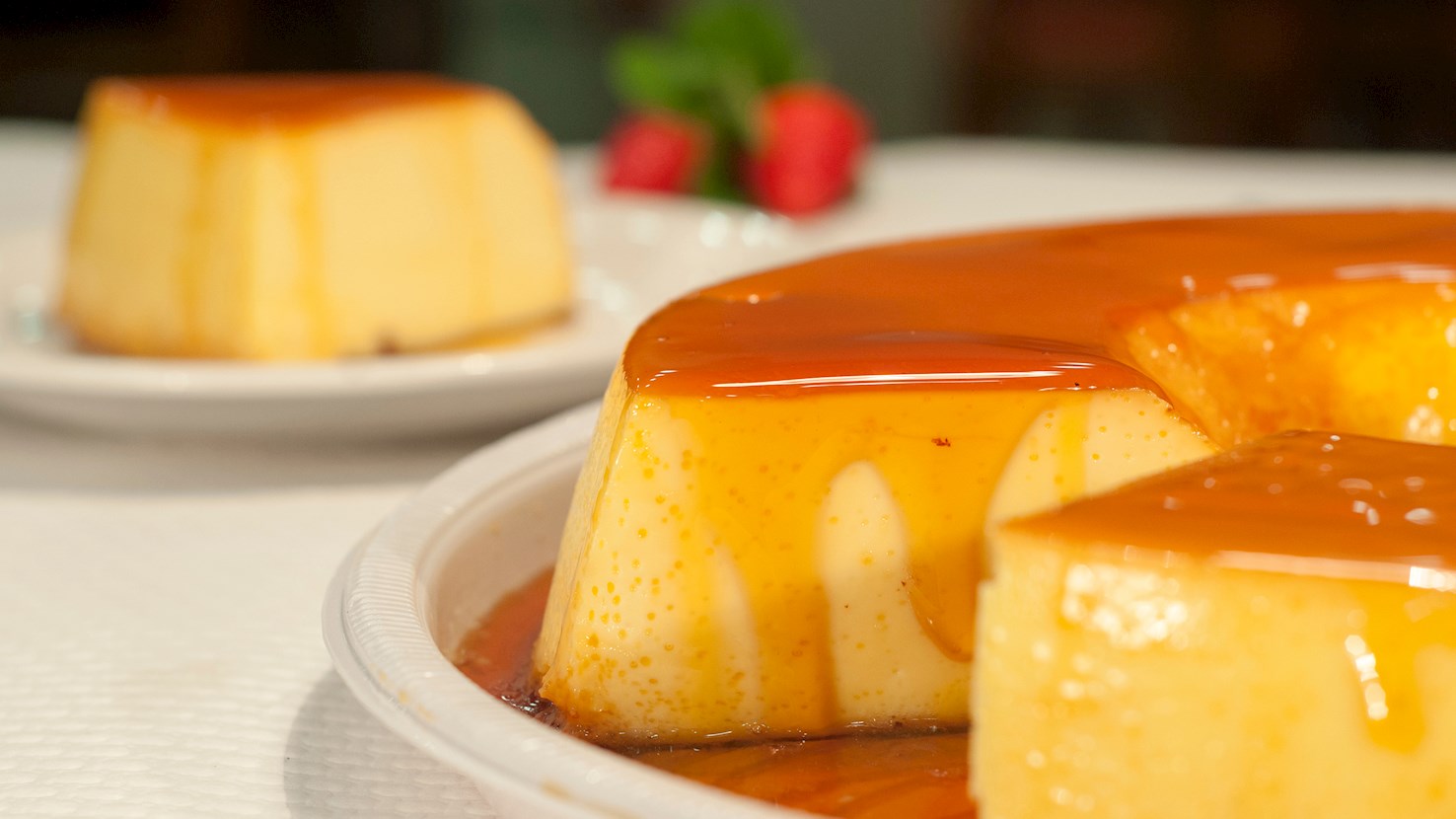
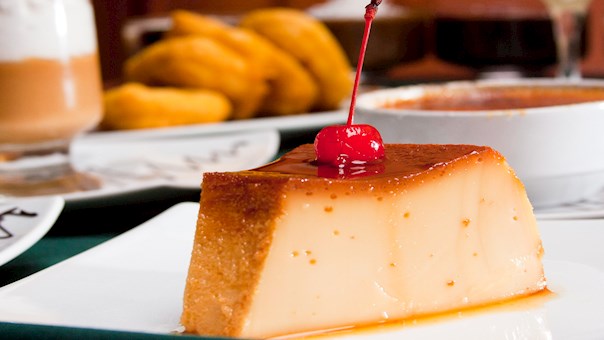
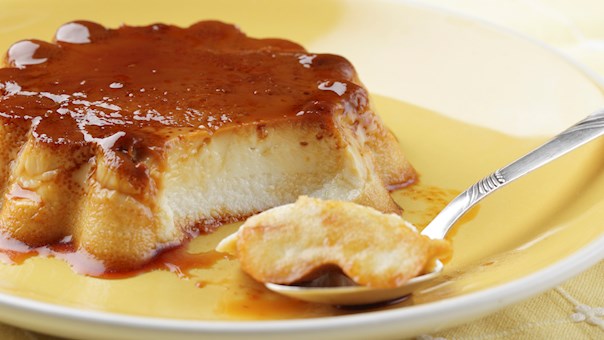
This traditional Brazilian dessert is a type of creamy, caramel-coated custard flan. Although there are as many variations on the dessert as there are families in Brazil (and throughout Latin America), the standard ingredients of pudim de leite condensado include sweetened condensed milk, regular whole milk, eggs, and sugar. To make the custard, the condensed milk mixture is typically poured into round molds or cake pans that have been coated with a simple caramel sauce, before it is baked in a water bath until it’s become firm and set. According to popular belief, this simple dessert is thought to have evolved from an old Portuguese dish known as pudim de priscos, an invention that has been attributed to a certain Portuguese priest named Manuel Joaquim Machado, also known as Father Priscos. Earlier versions of pudim de leite condensado used whole milk instead of condensed milk, which made the entire process of making the dessert much more complicated and time-consuming. The present version of the pudding was born after condensed milk was introduced in the country, back in the early 19th century. This silky custard flan is usually enjoyed chilled and cut into wedges, and it is commonly served plain. Typical accompaniments to this dessert include whipped cream, berries, and fruit.
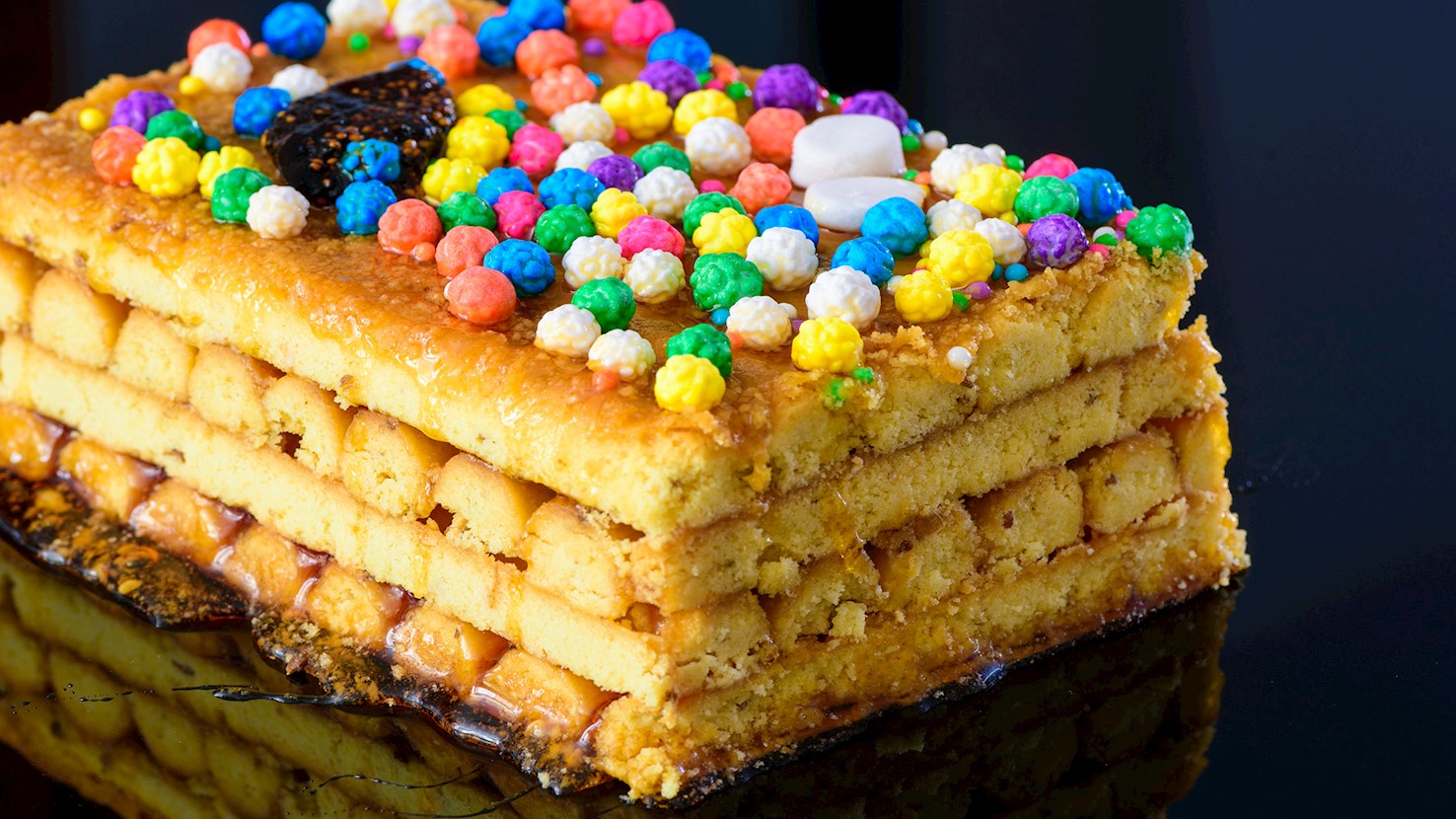
Turrón de Doña Pepa is a traditional dessert that is prepared and consumed in October, or, as it’s called in Peru, el mes morada, meaning the purple month. This layered nougat is drizzled with chancaca, then topped with a variety of colorful sprinkles and candies, resulting in a psychedelic concoction with a striking visual appearance, made with a combination of anise seeds, flour, sugar, butter, eggs, and flavorings such as vanilla, lime juice, orange zest, cinnamon, cloves, and allspice. It is believed that this dessert was invented by Josefa Maraminillo, a woman from the Cañete Valley who was paralyzed before she went to Lima to pray to El Señor de los Milagros during the religious procession held in the center of the city. Shortly after that, she felt no pain in her limbs, and as a sign of respect, she created this dessert and could be seen each October in Lima with her turrón. Years later, she was nicknamed Doña Pepa and nowadays, during the El Senor de Milagros procession, free samples of this festive turrón are regularly dealt out near the main church.
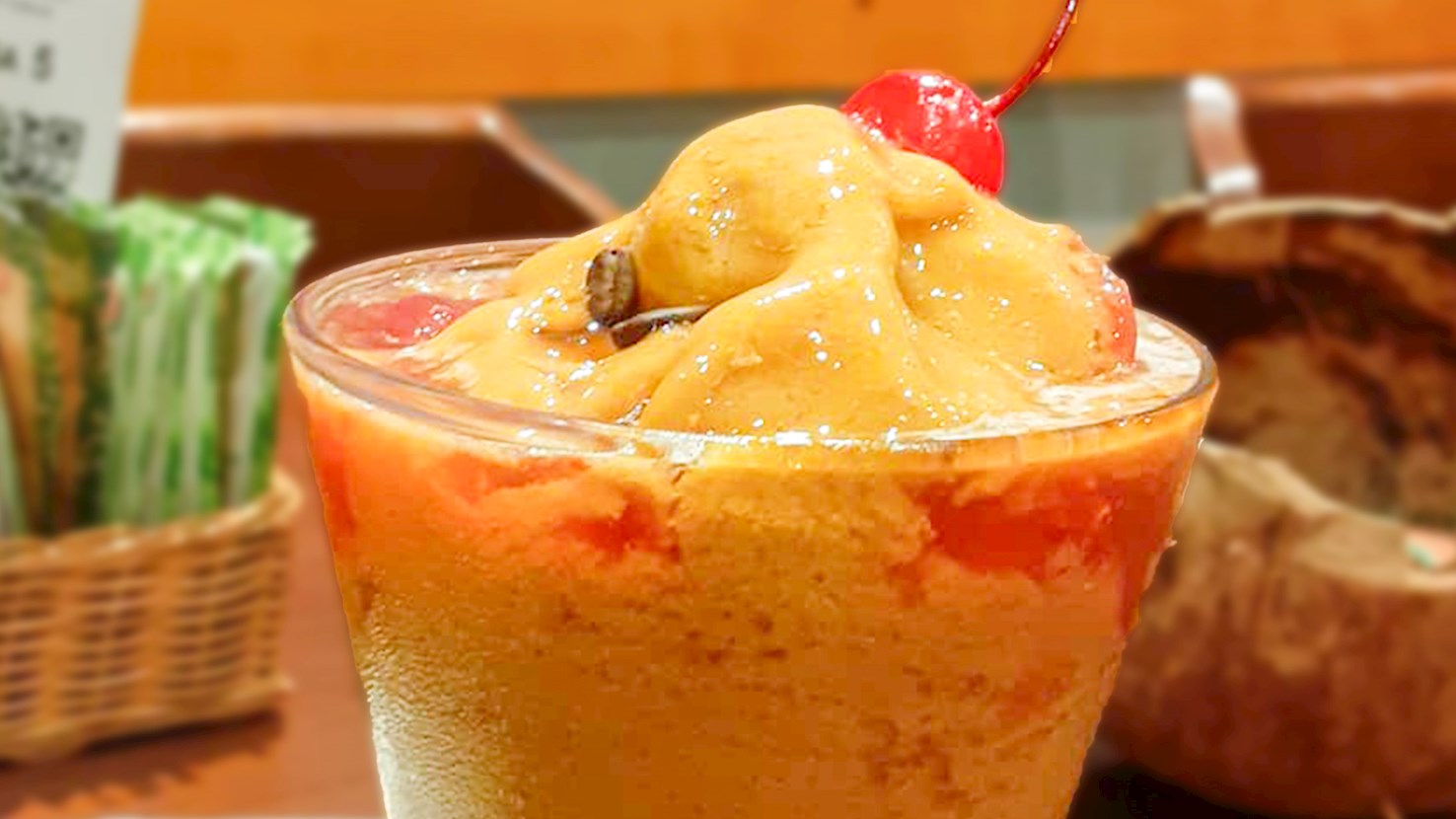
Cremolada is a popular frozen dessert from Peru, often described as a cross between a smoothie and shaved ice. It's made by blending fresh fruit pulp with sugar and water, then freezing the mixture. Sometimes, a bit of lime or lemon juice might be added to enhance the fruit's natural flavors. Once it's frozen, the cremolada is scraped or shaved into a granulated texture, similar to a granita or a slushie. Cremolada is typically served in cups or glasses and is consumed with a spoon or a straw. It's especially popular in the hot months as a refreshing treat.
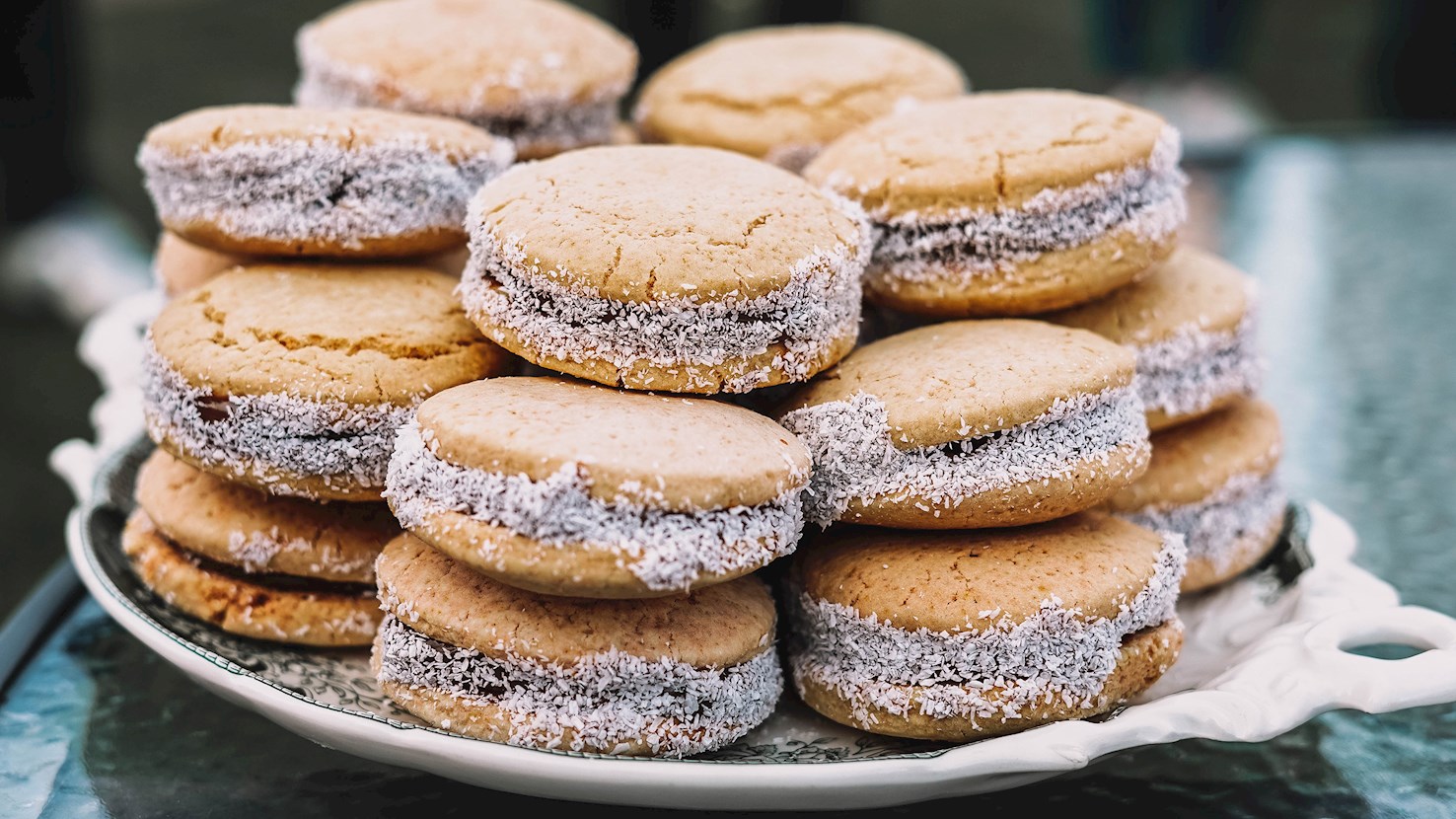
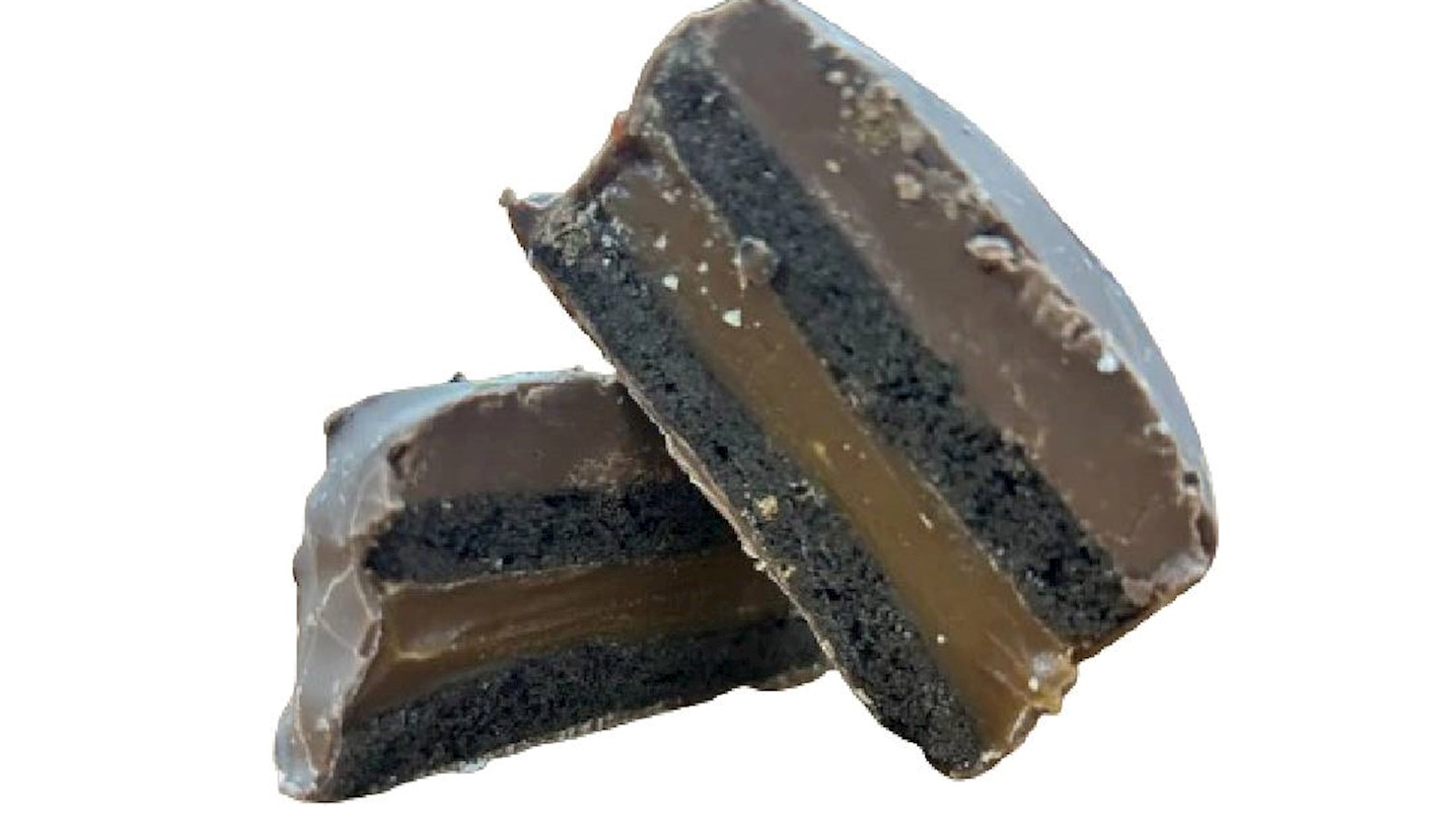
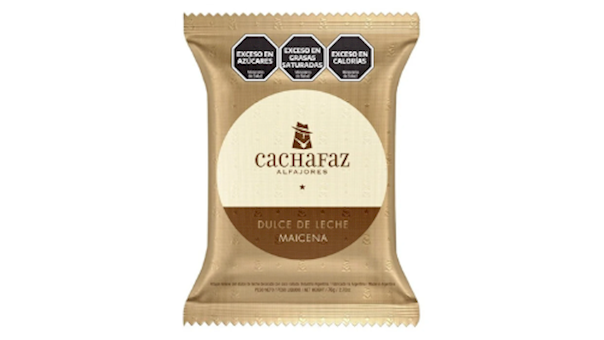
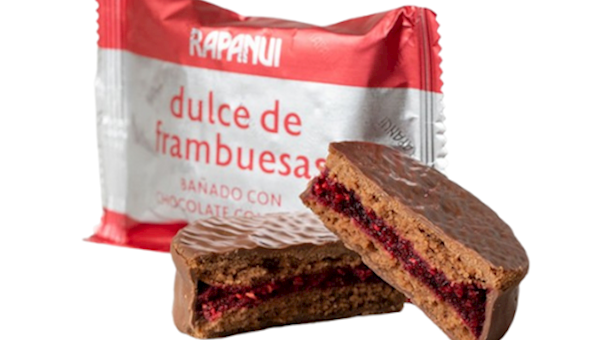
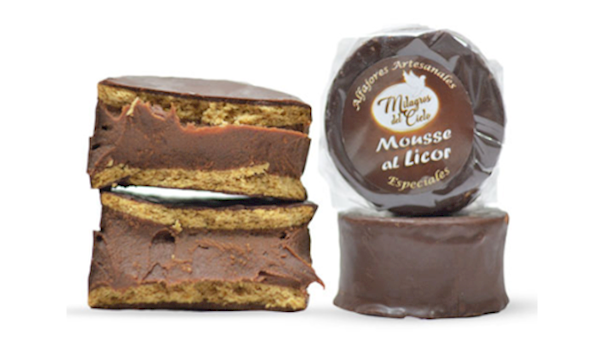
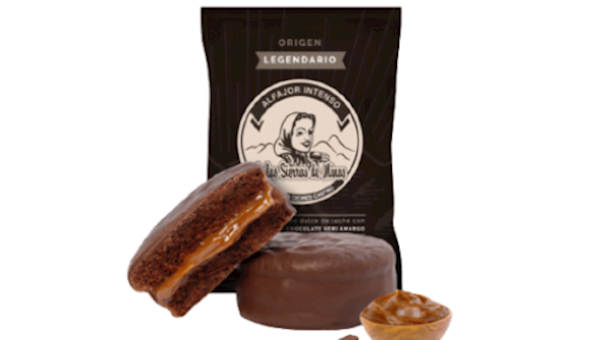
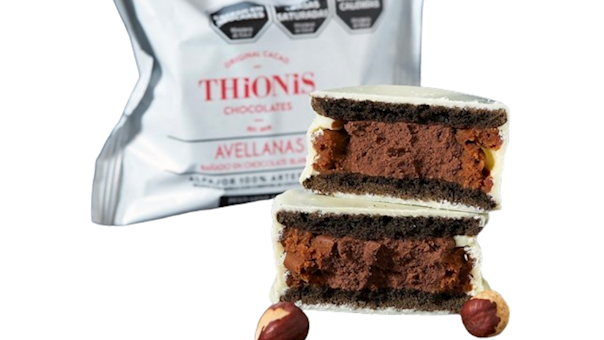
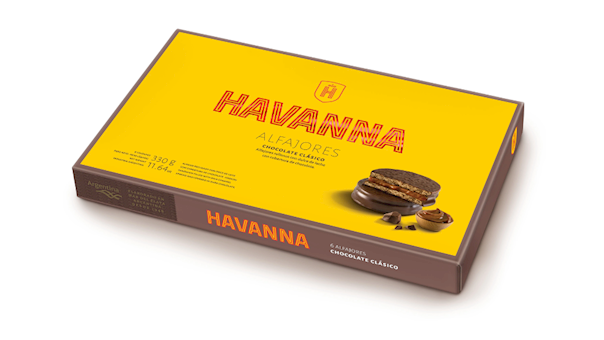
Argentinian alfajores are sandwich cookies consisting of two round, crumbly sweet cookies with a dulce de leche or milk jam stuffing between them. The combination is then coated with a layer of chocolate or sprinkled with confectioners' sugar. The name alfajor stems from the Arabic word al-hasú, which means stuffed or filled. Although the cookies can be found throughout Latin America, they are originally from Andalusia, Spain. When the Spaniards came to America, they brought their foods and traditions along the way, and with time, almost every country in Latin America has adapted the Spanish alfajor to make it their own. In Argentina, you can find alfajores with different flavors of dulce de leche, like chocolate, vanilla or various fruits. They are also packaged in different shapes and sizes, and are usually enjoyed with tea or coffee.
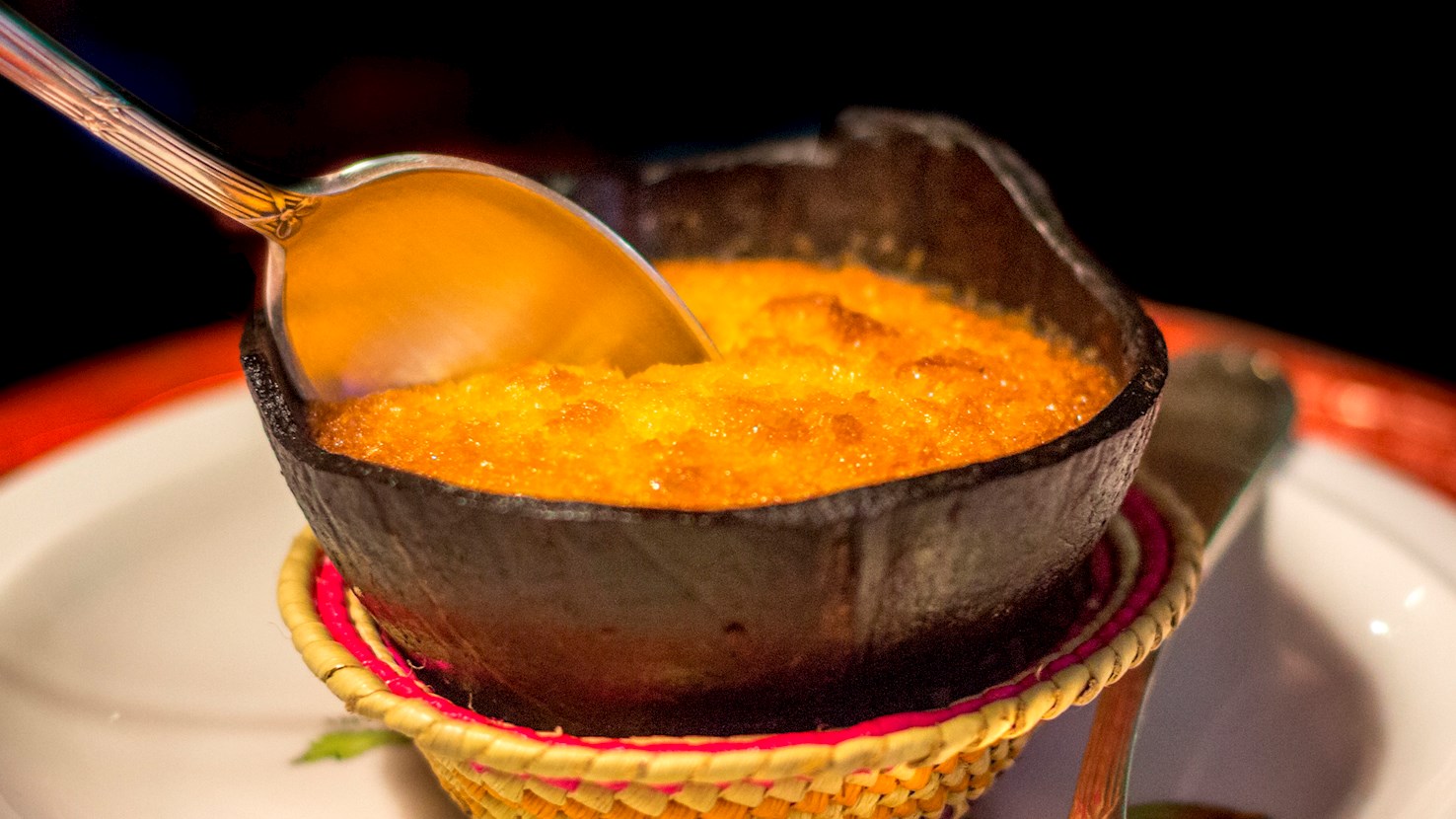
Bombocado, also written bom-bocado and translated as a good bite, is a small baked sweet from Brazil, usually made with eggs, sugar, grated coconut, butter, and cheese, producing a moist, dense interior beneath a deeply golden top. Depending on the recipe, wheat flour, milk, coconut milk, condensed milk, cornmeal, or grated cassava may also be added, so bombocado is better understood as a family of closely related sweets than as one rigid formula. The name comes from the Portuguese expression bom bocado, literally a “good morsel” or “good bite,” and the Brazilian sweet belongs to a wider Portuguese-speaking repertoire of egg-and-sugar pastries. Portuguese bom-bocados exist in several forms, including egg-rich sweets made with almonds, milk, flour, or gila, and pastry versions baked inside a small shell, so the Portuguese and Brazilian preparations should not be treated as completely identical desserts. The form most familiar in Brazil developed from that Portuguese confectionery background but changed substantially after crossing the Atlantic. Brazilian versions increasingly incorporated coconut, which became one of the sweet’s defining ingredients, while regional cooks also introduced cassava and local cheeses. The strongest historical context is the broader movement of Portuguese egg-and-sugar confectionery into colonial Brazil, where imported techniques met more readily available local ingredients. Coconut became widely incorporated into Brazilian sweets, while cassava, already fundamental to Indigenous foodways, provided a locally available starch that could replace or supplement imported wheat flour. Cheese created another important Brazilian direction, especially in regions where firm or semi-cured cow’s-milk cheeses were common. Modern recipes using queijo Minas meia-cura or queijo Canastra demonstrate how fully the salty dairy element has become integrated into some versions rather than functioning as an optional novelty. The resulting sweet occupies an appealing middle ground between cake, custard, and coconut confection. Usually, there is enough egg to give the crumb a custardy density, enough coconut to create visible strands and a slightly chewy texture, and enough sugar for the exterior to caramelize as it bakes. Cheese adds salt and a faint savory note that keeps the sweetness from going flat, especially when you use a mature Minas-style cheese or Parmesan. In a representative coconut-and-cheese recipe, eggs are combined with sugar, milk or coconut milk, grated semi-cured Minas cheese, fresh coconut, a small amount of flour, and butter, then baked until browned. Older-style formulas can begin with a light sugar syrup rather than condensed milk: sugar and water are cooked first, butter is added, and the cooled mixture is combined with flour, eggs, coconut, and cheese before being rested and baked in individual molds. The batter is generally much looser than ordinary cake batter because bombocado depends on eggs and sugar for much of its structure. It is poured into buttered molds, muffin tins, or a larger baking pan, often with sugar dusted onto the greased surface to encourage browning and make unmolding easier. Individual pieces are especially common because the exposed edges caramelize well and the small size emphasizes the contrast between browned exterior and soft center. Larger tray versions are cooled and cut into squares. The sweet should not be baked until dry; when made properly, the center stays compact, moist, and almost pudding-like, while coconut and cheese keep it from becoming completely smooth. Recipes containing cassava behave somewhat differently. Raw grated mandioca is incorporated with eggs, coconut, cheese, milk, sugar, and fat, giving the finished bombocado a heavier, slightly elastic crumb and a more pronounced chew. Condensed-milk versions are smoother and sweeter, and many modern recipes reduce granulated sugar accordingly. Some recipes rely on little to no flour. This flexibility explains why two sweets labeled bombocado can look quite different: one may resemble a small golden custard cake, another a coconut-heavy square, and another a moist cassava cake. What keeps them connected is the combination of a rich egg base, concentrated sweetness, and a dense baked texture, with coconut and often cheese defining the Brazilian form. Bombocado is common in bakeries, cafés, home kitchens, dessert displays, and celebrations, and it fits especially well among the sweets served during festas juninas, where coconut, cassava, corn, cheese, and warm spices are already prominent ingredients. A modern Brazilian pairing of bombocado with quentão, the hot cachaça drink flavored with ginger, citrus peel, cinnamon, and cloves, reflects that setting especially well. It is usually eaten at room temperature or slightly chilled rather than straight from the oven, since cooling allows the egg-rich center to set properly and makes individual pieces easier to remove from their molds. Coffee is probably its most natural everyday companion: the bitterness cuts through the sugar while matching the browned coconut and cheese notes. Café com leite works well with denser cassava versions, and unsweetened black tea is another straightforward option. During festa junina season, quentão pairs well, especially with cheese-rich bombocado, while a lightly sweet cachaça-based drink can also handle the coconut. Fresh fruit is rarely necessary, although tart pineapple, passion fruit, or citrus can provide a useful contrast when bombocado is served as part of a larger dessert plate.
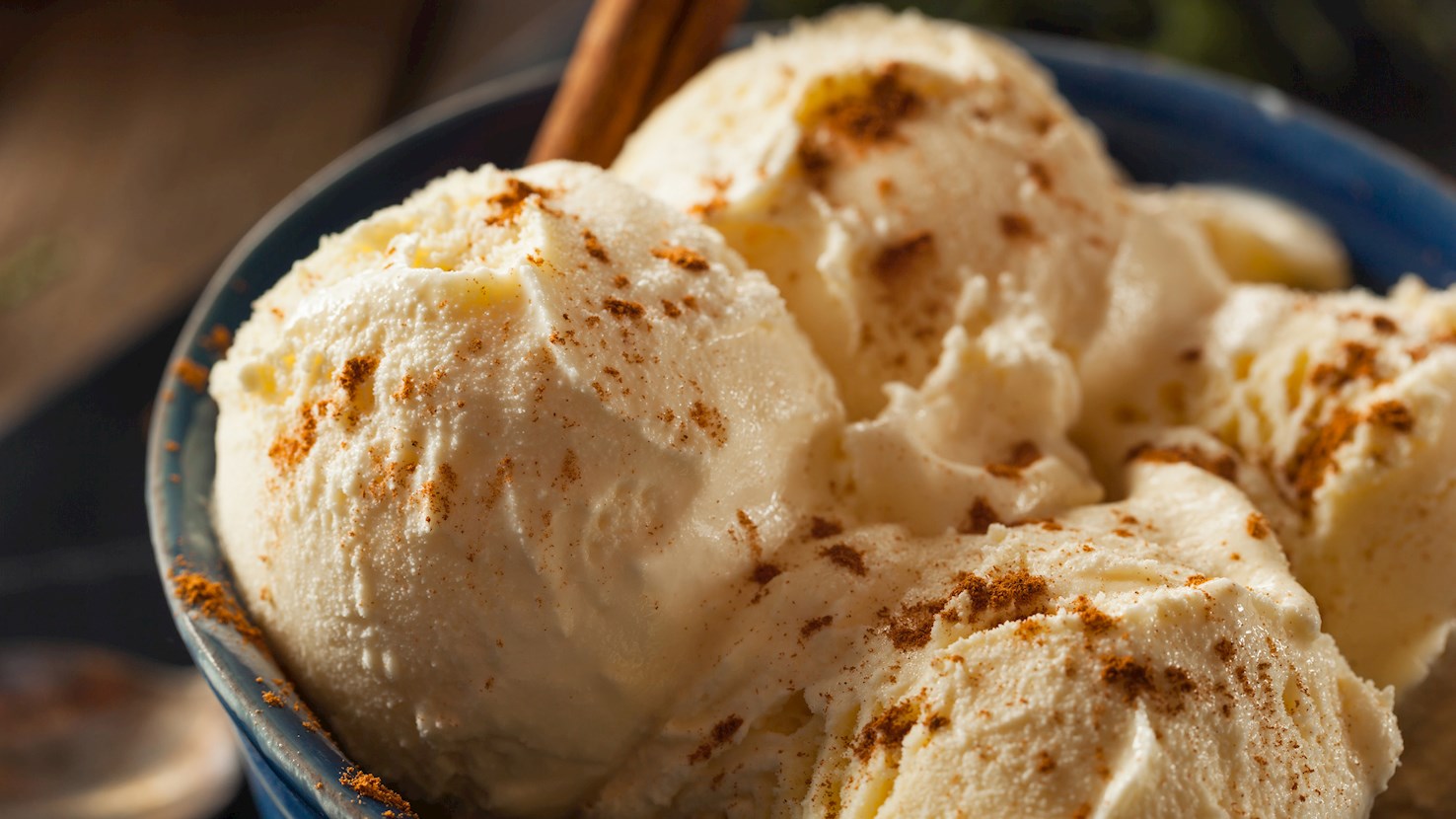
Queso helado is a Peruvian dessert that's very similar to ice cream, and it originates from Arequipa. It's usually made with a combination of whole milk, evaporated milk, cinnamon, cloves, desiccated coconut, sugar, and egg yolks. Both types of milk are simmered with cinnamon, cloves, coconut, and sugar. The pan is taken off the heat, the egg yolks are added to the pan one by one, and it's then returned to the heat and simmered for a few minutes. The mixture is strained in order to remove the spices, and it's then placed in the freezer until frozen. After a few hours, queso helado is served in bowls, dusted with cinnamon. It is believed that the first queso helado was made at the Arequipa convent of Santa Catalina as an ice cream substitute.
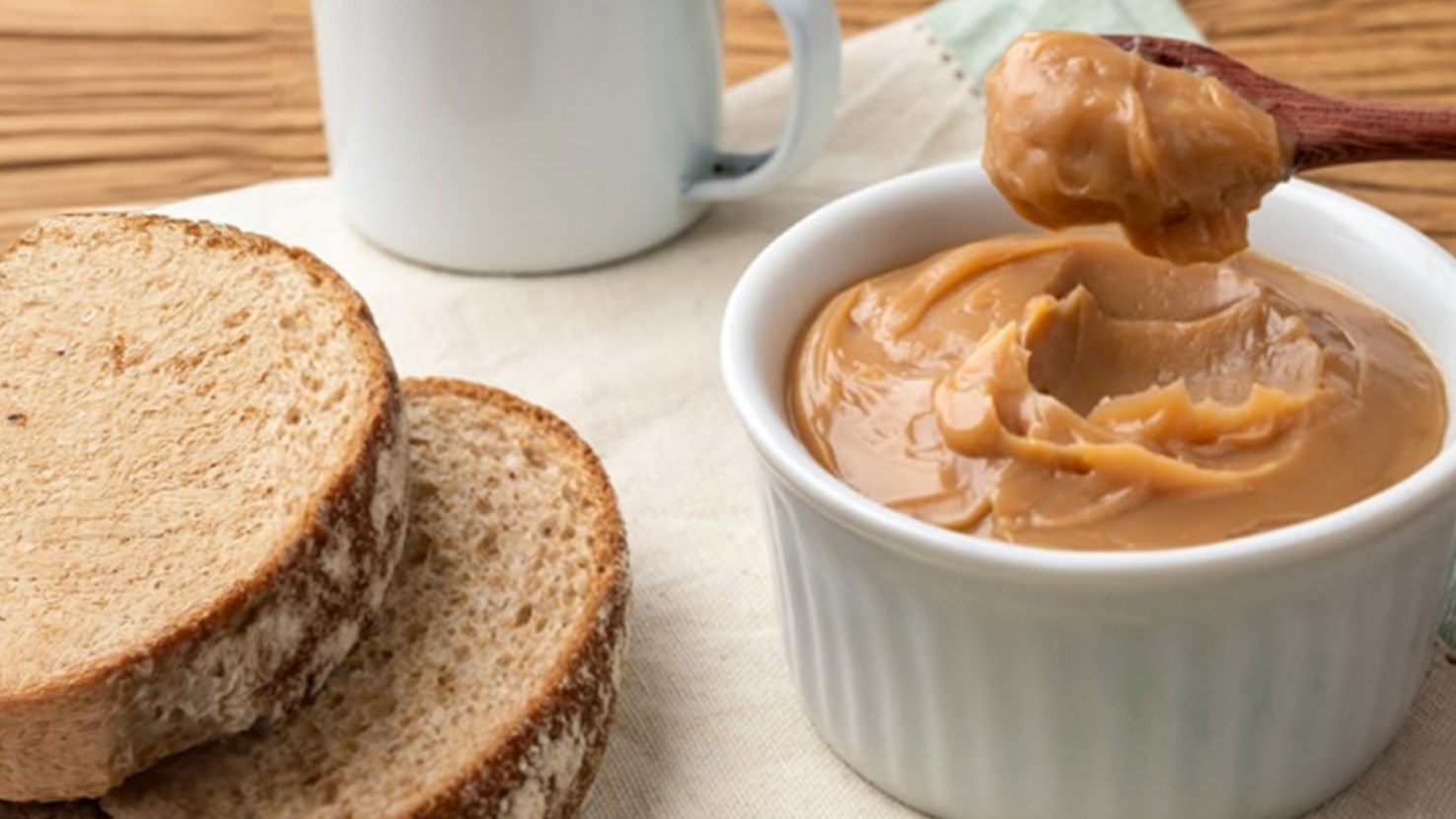
Doce de leite is a traditional Latin American sweet made from milk and sugar, similar to caramel but creamier and thicker. The mixture is simmered until it thickens and develops a rich, golden color. It can be spread on bread, used as a filling for cakes and pastries, or enjoyed on its own. Additionally, doce de leite can be flavored with grated coconut, cinnamon, and cocoa powder, which are added in the last 5 minutes of cooking. Doce de leite is widely popular in Brazil, while in Argentina and Uruguay, it is called the dulce de leche.
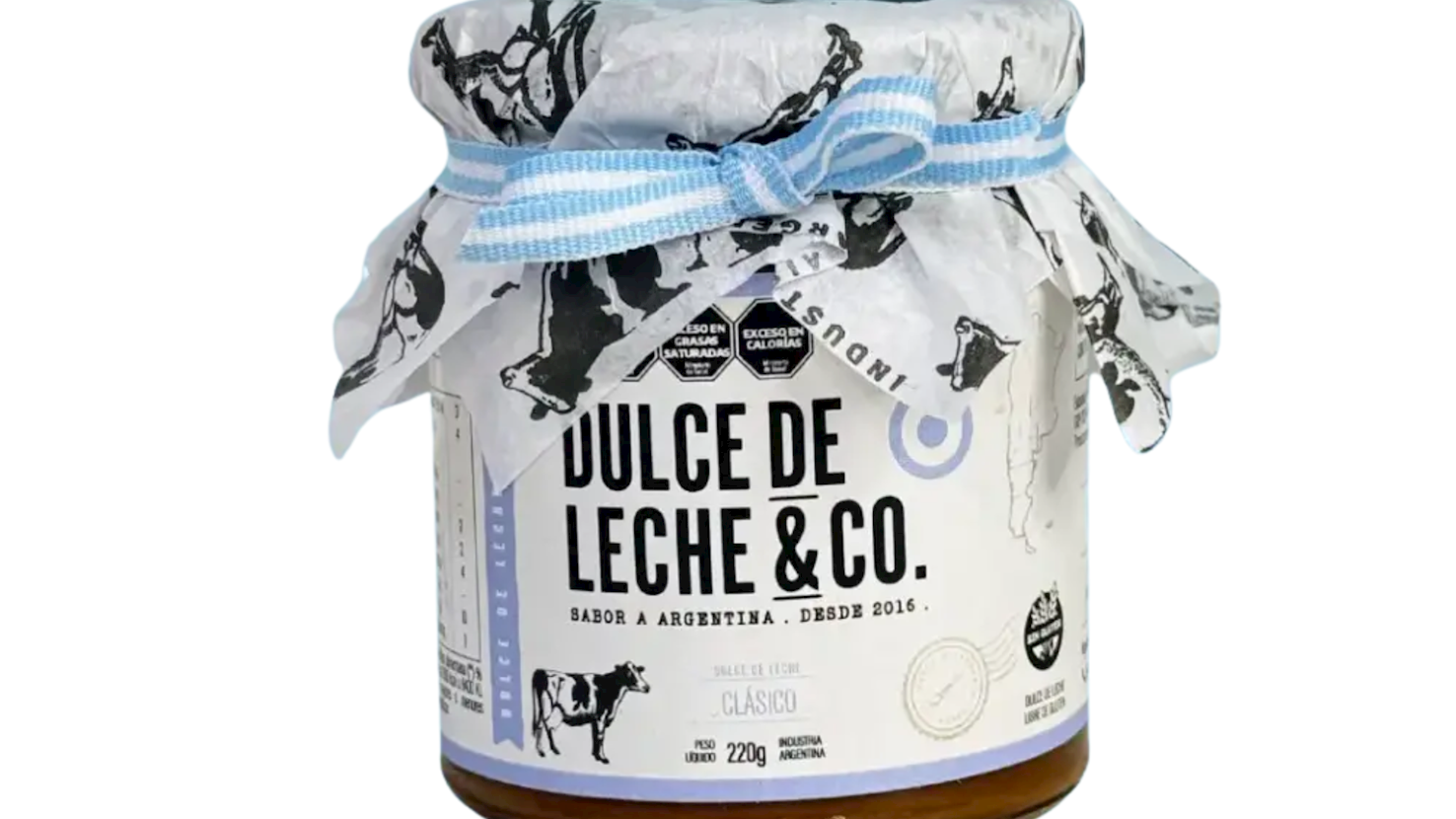
Dulce de Leche & Co. is an Argentine company specializing in dulce de leche and confections based on this traditional product. It was founded by Luis González and Matías Bruno in Buenos Aires in 2016.
The business initially focused on selecting and selling dulce de leche made by small producers from different parts of Argentina. In 2021, the company opened its own production facility and developed a range of products under the DDL&Co. label. Its assortment includes classic dulce de leche, alfajores, soft caramels, and other confections made with this ingredient.
The products are available through a network of specialized stores in Buenos Aires and the company’s official online shop. Some locations also offer tastings of different varieties of dulce de leche, highlighting differences in flavor, aroma, and texture.
Through this concept, the company presents dulce de leche as an important part of Argentina’s culinary tradition while bringing together products of different regional origins within a specialized selection.
Señor Alfajor was born from a simple idea—to transform a traditional treat into a memorable experience. Every batch is crafted with care, focusing on quality, texture, and balance of flavor.
These handmade sandwich cookies are thoughtfully filled and beautifully presented, offering delight not just in taste, but in every detail. Behind each alfajor is a commitment to craftsmanship and the desire to create a moment of pure enjoyment.
Whether given as a gift or savored personally, they bring warmth, authenticity, and a touch of something special to everyday life.
Awards
Campeonato Mundial del Alfajor - Mejor Alfajor del Mundo
(2024)
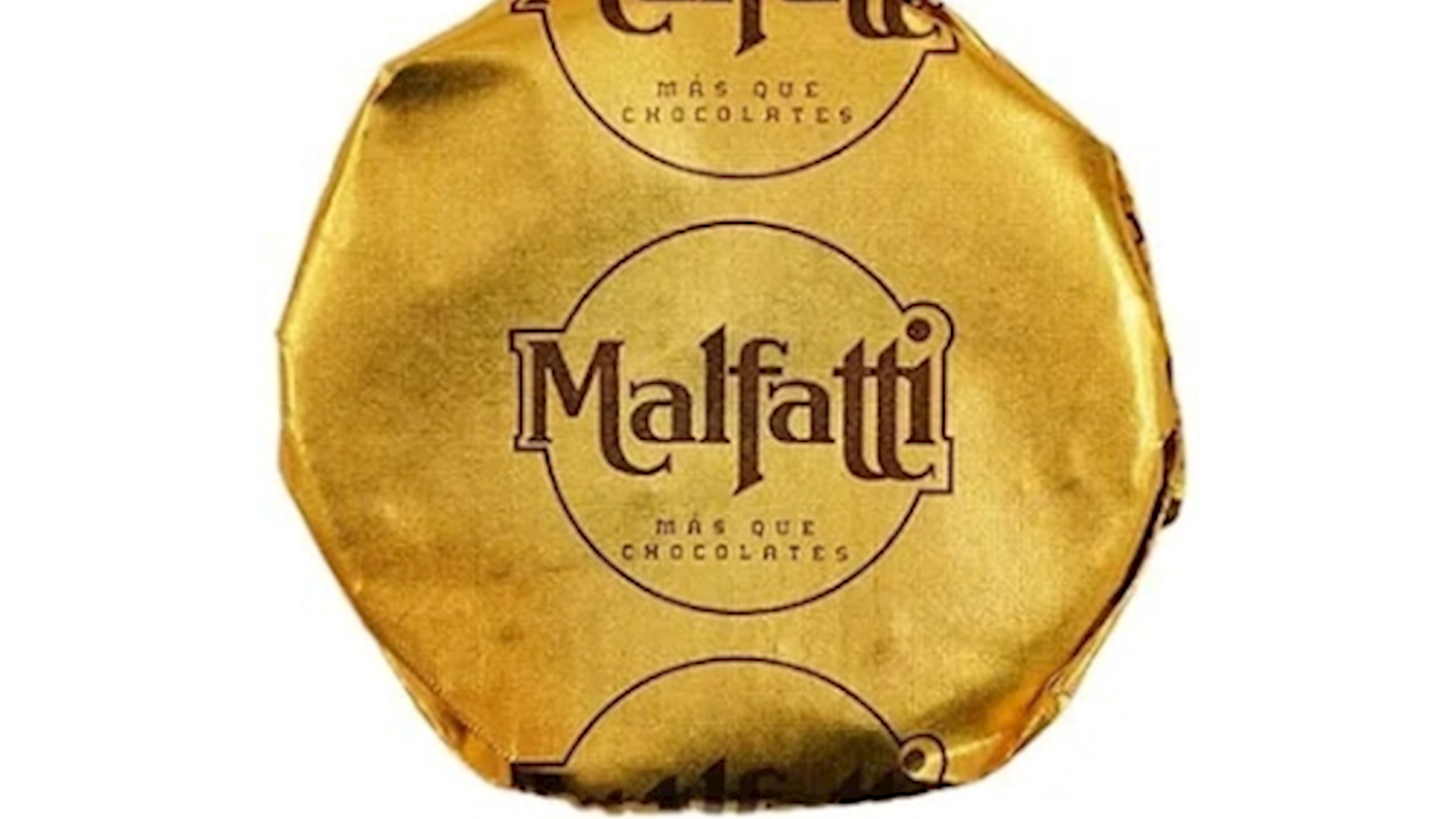
Alfajores Malfatti originate from the port city of Mar del Plata and began as a family-run artisanal venture inspired by a love for sweets and traditional chocolate making. The name “Malfatti”, which in Italian means “badly made”, was chosen as a symbol of honesty and authenticity, emphasizing that while the products may be imperfect in shape, they are flawless in quality.
Each alfajor is handmade with carefully selected premium ingredients, preserving its natural character and distinctive, authentic flavor. On the market, they stand out for their generous, oversized format, significantly larger than the standard alfajor, making them unique and instantly recognizable.
The brand was founded by the Di Meglio family - Orlando and Susana -who first started this project as a family story and hobby. Their dedication and original homemade alfajor recipe eventually led to the establishment of the company in 2017, transforming Alfajores Malfatti into a brand that seamlessly combines tradition, craftsmanship, and modern identity.
El Nazareno is a family-owned confectionery from the Traslasierra Valley in Argentina’s Córdoba province, founded in 1982 and renowned for its production of alfajores and other traditional sweets. The brand was born from a small workshop created by Leonardo José Grisoni and María Estela Gurriere, and today it is regarded as one of the country’s most recognizable producers.
Their philosophy is based on the use of natural ingredients. Each alfajor is handcrafted, layer by layer, with care and precision to achieve the perfect balance between dough and dulce de leche.
Their longevity in the market is the result of consistency in maintaining both quality and authenticity. They have preserved their artisanal approach, even as they have grown into a brand with a broader assortment and strong presence.
Their story demonstrates how a small family workshop can evolve into a brand of international reputation. Today, El Nazareno is considered a symbol of tradition and quality in the world of Argentine confections.
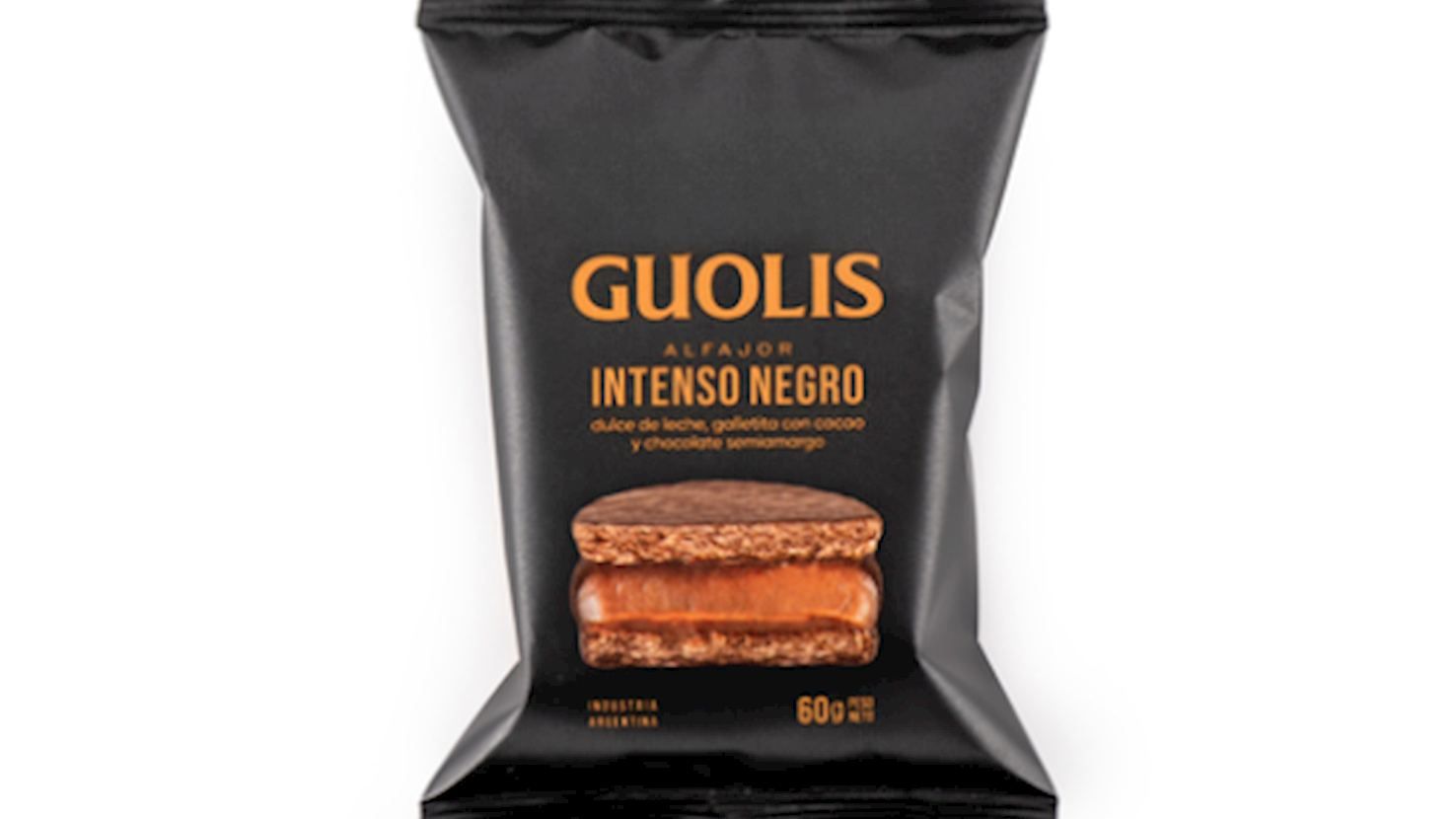
Guolis is an Argentine confectionery brand that emerged in the late 1990s as a small family workshop and has since become recognized for its original approach to the traditional alfajor. Their distinctiveness lies in the innovation known as the “alfajor with a heart”, where a layer of fruit marmalade is added to the classic dulce de leche filling, bringing freshness and contrast to the flavor.
The dulce de leche filling is moderate, creamy enough without being overly sweet, maintaining a delicate balance. The fruit marmalade notes are pleasant, although some, such as raspberry, leave a milder impression compared to other variants.
The brand positions itself between artisanal tradition and modern interpretation, offering products that are visually appealing while remaining true to Argentina’s confectionery culture. Their philosophy is based on the idea that classic sweets can be given new meaning through small but thoughtful innovations.
For this reason, Guolis is increasingly present in international markets, where it attracts attention with its originality and quality. Reviews emphasize that this is a brand committed to high standards, yet without losing the warmth and recognizable essence of Argentine tradition.
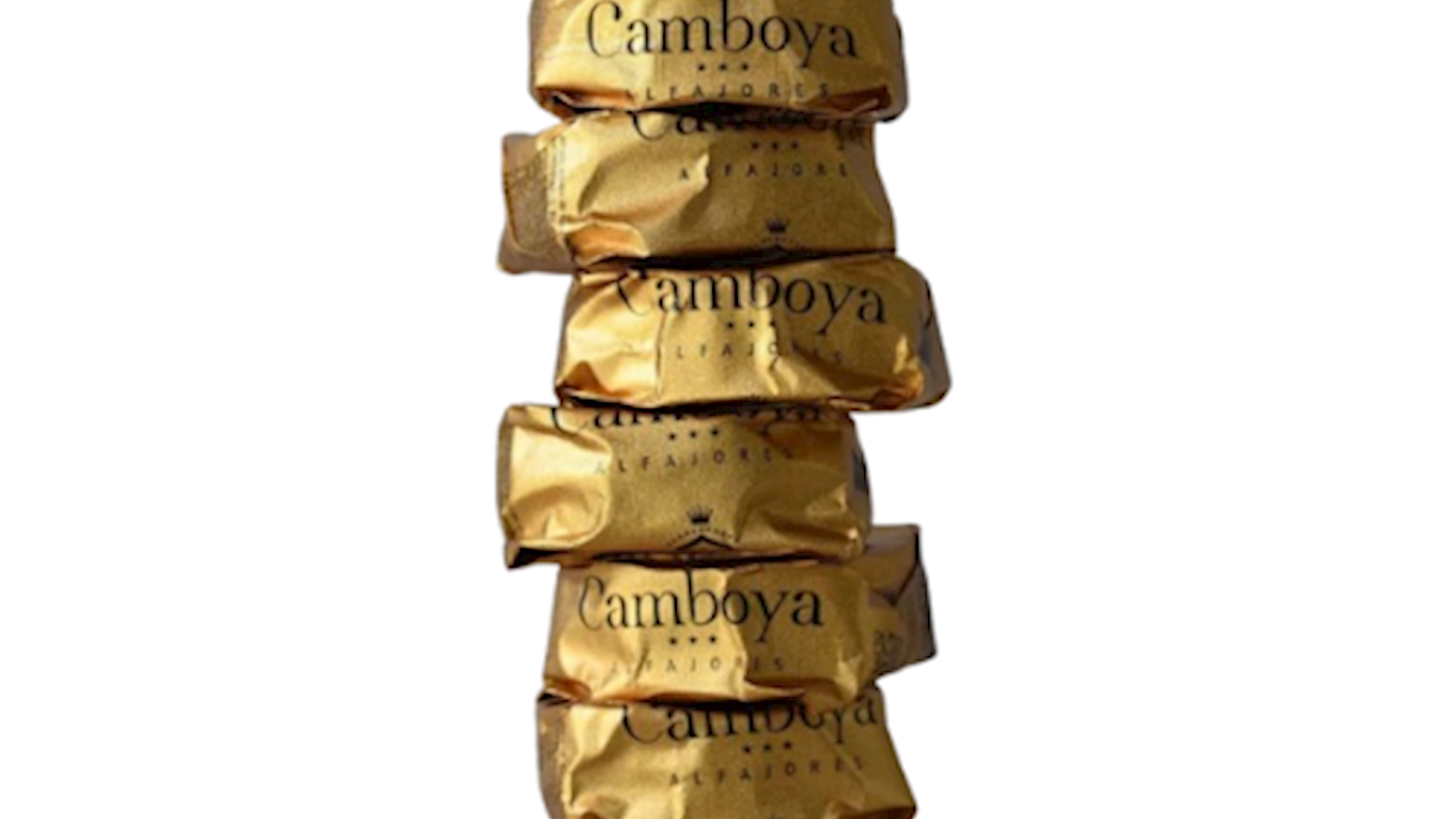
Camboya is a brand of alfajores from Mar del Plata that, since its founding in 2012, has built a reputation as one of the most recognized producers of premium Argentine confections. Their range includes a wide variety of flavors - from classic versions filled with rich dulce de leche, to indulgent coatings of dark and white chocolate, as well as modern interpretations featuring Nutella or pistachios.
A highlight of their offer are the tasting boxes, designed to give customers the opportunity to experience different styles and flavor profiles in a single package. The brand’s philosophy is rooted in a balance of tradition and innovation: while staying true to authentic Argentine recipes, they present and promote their products in a modern and creative way.
Thanks to carefully selected ingredients and consistent quality, Camboya has quickly earned a reputation as a producer that pushes the boundaries of alfajores making, while remaining committed to preserving the original identity of this iconic Argentine confectionery tradition.
Awards
Caminos y Sabores - Mejor Alfajor Argentino
(2024)
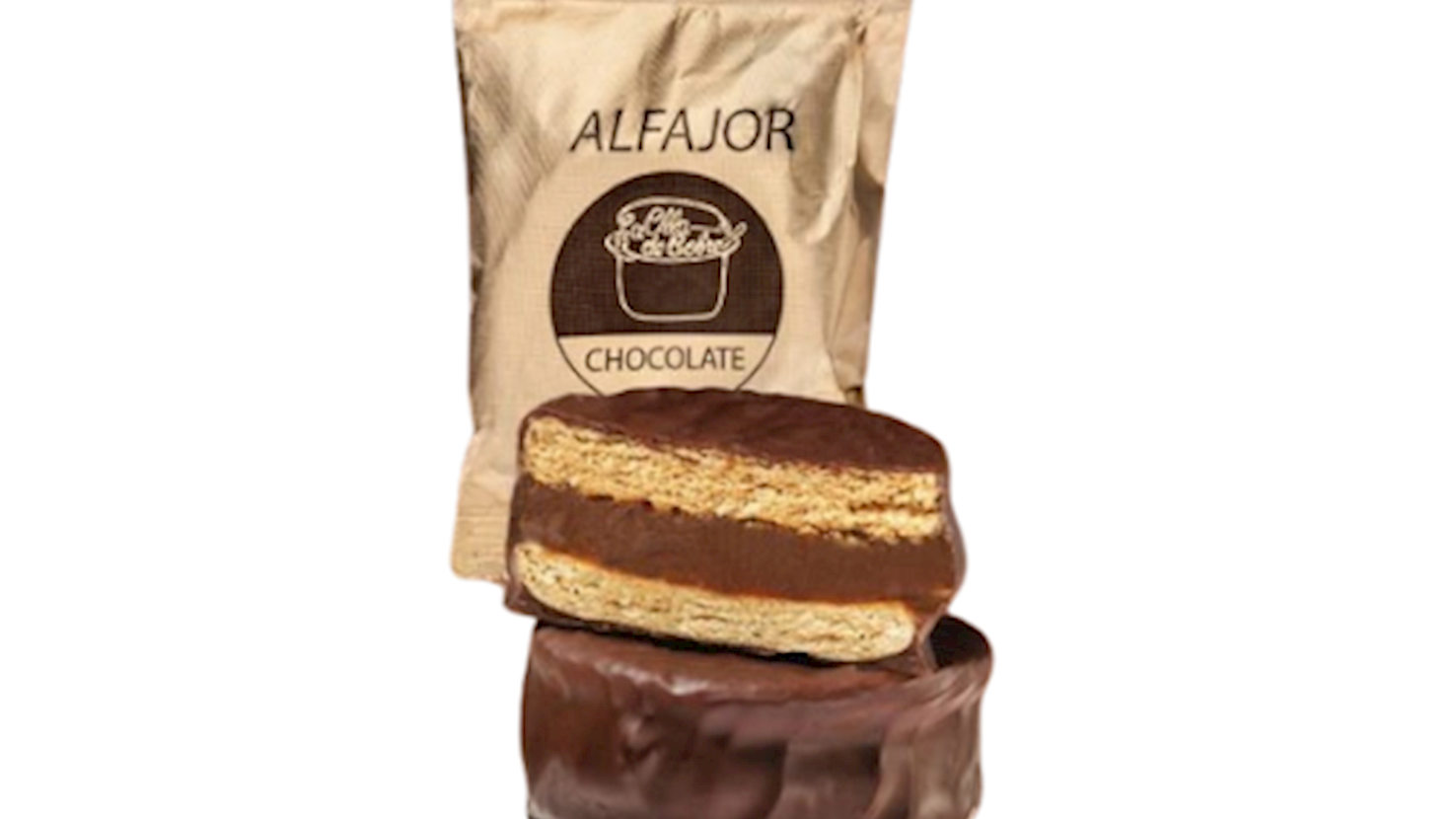
La Olla de Cobre is a family-owned chocolate shop and alfajor factory located in San Antonio de Areco, Argentina. It was founded in the late 1970s by Carlos and Teresa Gabba, who aimed to offer tourists an authentic and high-quality souvenir from their hometown.
Their commitment to quality and handcrafted production quickly made La Olla de Cobre a well-known name in the region.
Before starting the factory, Carlos Gabba spent 16 years distributing sweets in nearby towns, which connected him with the chocolate and alfajor industry. Noticing the growth of tourism in San Antonio de Areco, Carlos and Teresa decided to create a product that visitors could take home as a souvenir.
This led to the idea of producing alfajores, a traditional Argentine pastry. Their goal was to make the best possible alfajor, regardless of cost, by focusing on premium ingredients and artisanal craftsmanship.
La Olla de Cobre offers a wide variety of handmade chocolates and alfajores.
The alfajores are known for their rich dulce de leche filling and coating of high-quality chocolate. Everything is made by hand, using traditional methods and carefully selected ingredients.
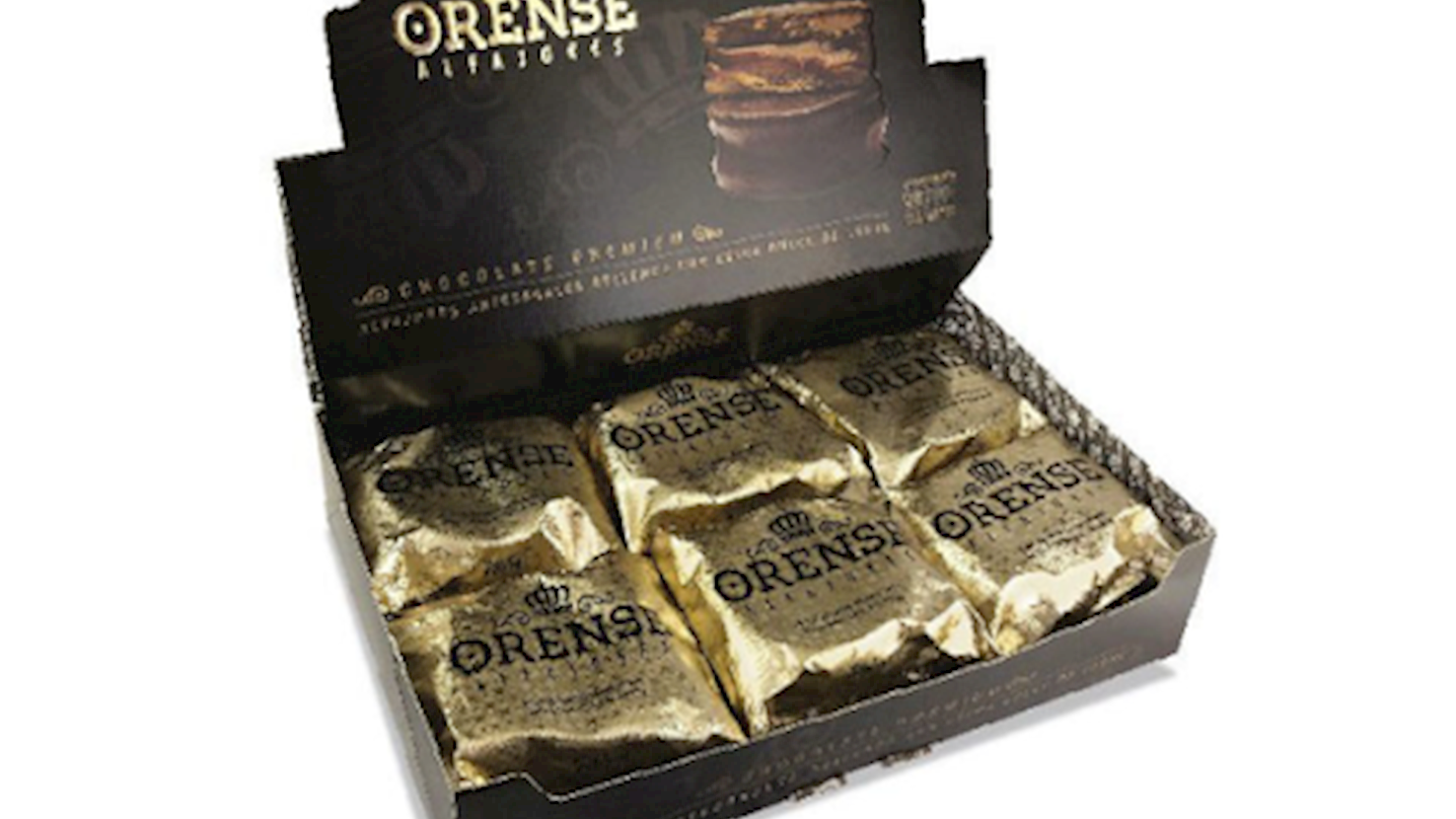
Alfajores Orense is a family-owned confectionery based in Bernal, Argentina, founded in 2013. The brand’s name is a tribute to the Spanish city of Orense, the birthplace of the founder’s grandfather.
Since then, Orense has become a recognized producer of premium alfajores in Argentina, known for their quality and traditional craftsmanship. Orense offers a wide variety of sweets, including alfajores in different versions - coated in dark or white chocolate and filled with a generous layer of dulce de leche - as well as mini alfajores.
What sets Alfajores Orense apart is the handmade production process, use of high-quality ingredients, and attention to detail.
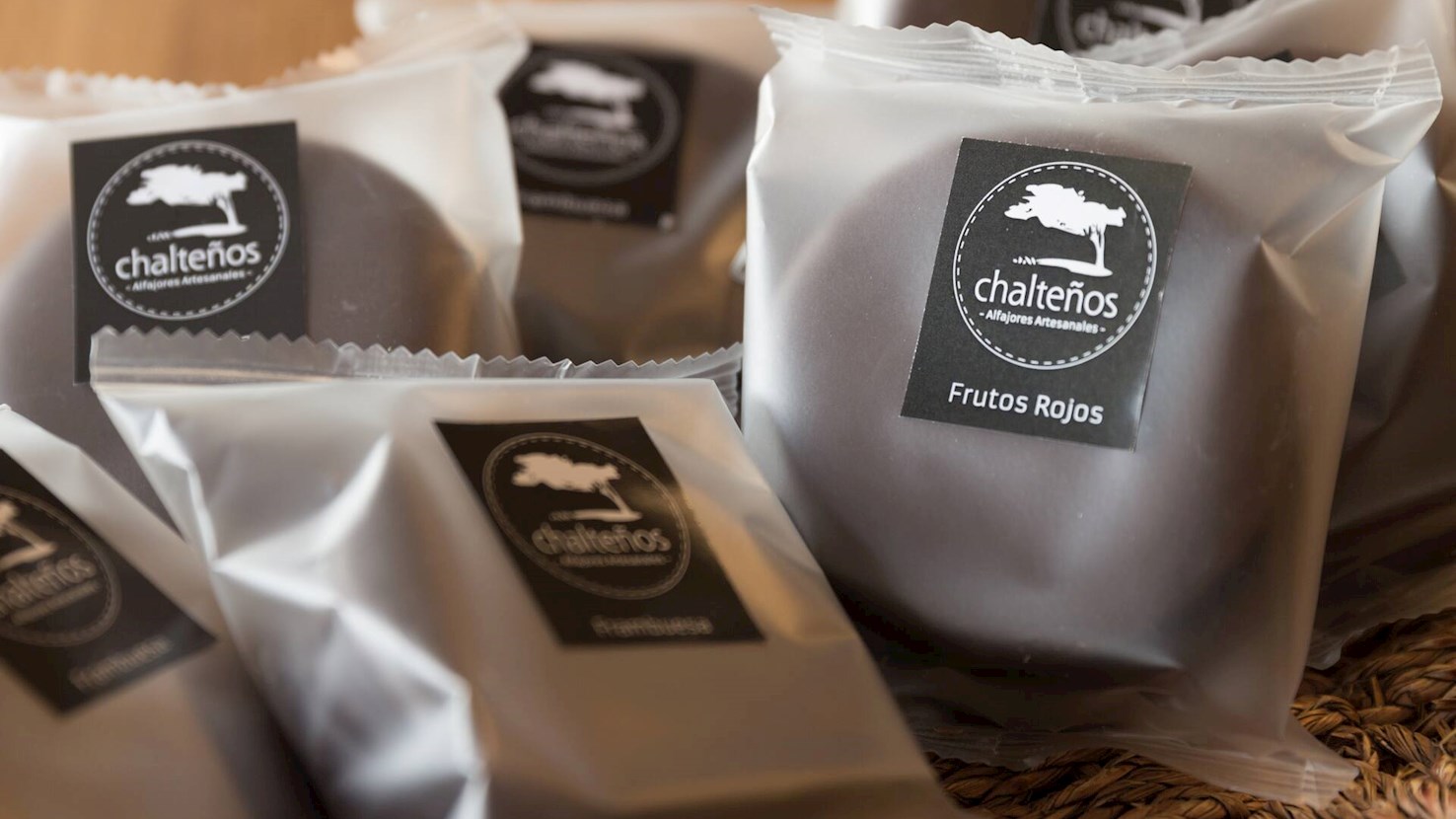
Chalteños is a charming shop located in the heart of El Chaltén, a small mountain town in Patagonia, known as Argentina's "national hiking capital." This family-run brand specializes in handcrafted alfajores and other sweets, creating authentic flavors that reflect the region's rich culinary heritage. Chalteños offers a variety of treats, with a special emphasis on alfajores.
In addition to alfajores, the shop also offers jams made from local fruits such as calafate and raspberry, often used as fillings or additions to their sweets. Visitors praise the friendliness of the staff, the quality of the products, and the authenticity of the flavors, highlighting that Chalteños is the perfect place to enjoy sweet delights.
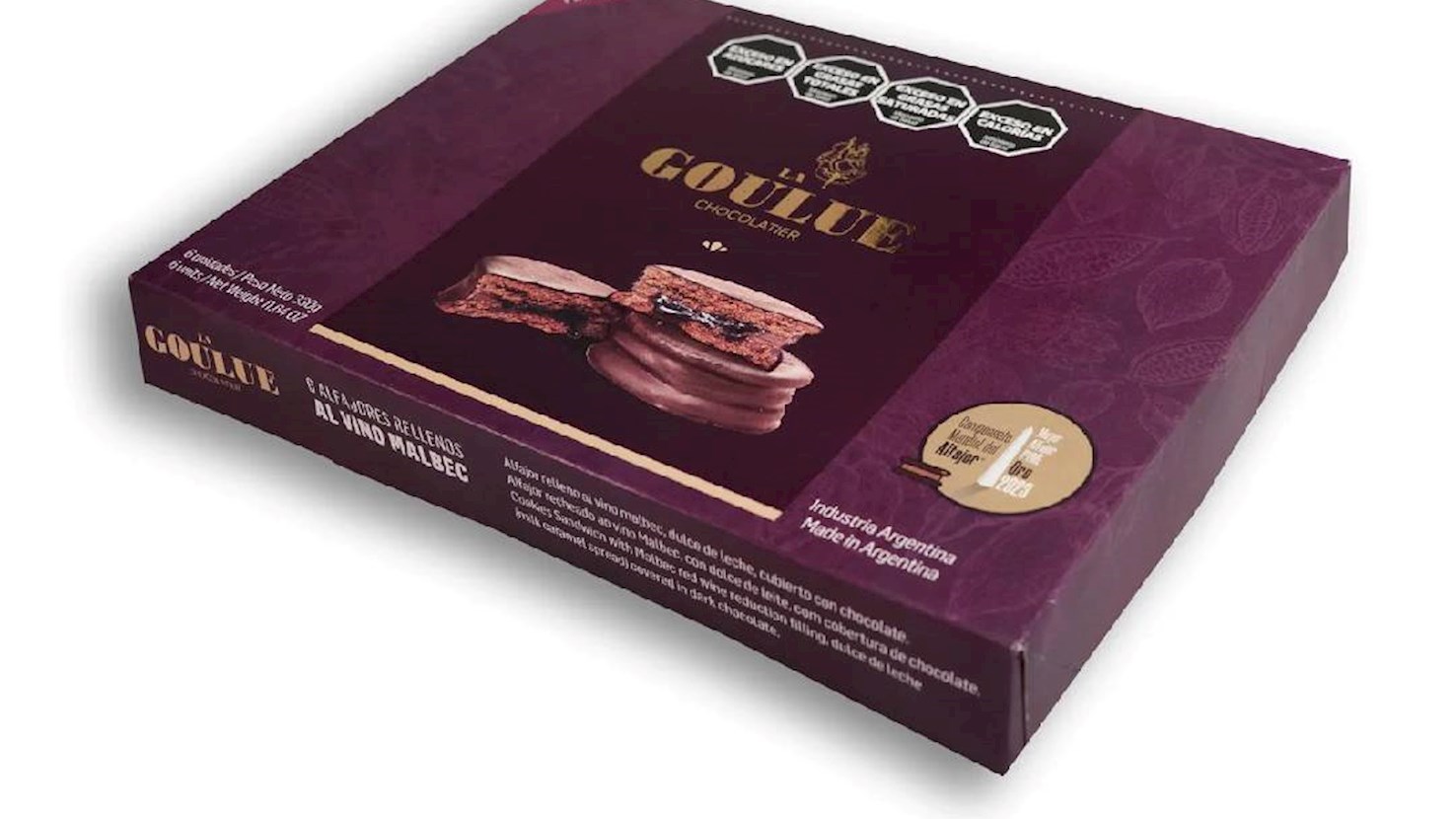
La Goulue chocolatier is known for its innovative range of alfajores, traditional Argentine cookies. The alfajores produced by La Goulue combine authentic Argentine recipes with modern and unconventional ingredients, creating exclusive varieties that offer a completely new taste experience.
La Goulue's alfajores are carefully crafted using high-quality ingredients such as Belgian chocolate, the finest local wines, beer, and, of course, traditional Argentine dulce de leche. Each alfajor is handmade and covered with a fine chocolate coating, adding an extra touch of luxury.
One of the most unique products from La Goulue chocolatier is the Alfajores de Malbec.
This alfajor uses the iconic Argentine Malbec wine in a completely innovative way. The cookie is filled with creamy dulce de leche that is enriched with reduced Malbec wine, giving it a rich and deep flavor with subtle fruity notes and light oaky undertones.
This combination provides a sophisticated acidity that perfectly balances with the sweetness of the dulce de leche, and the entire experience is completed with a fine chocolate glaze that further enhances the complexity of the flavor.
TasteAtlas food rankings are based on the ratings of the TasteAtlas audience, with a series of mechanisms that recognize real users and that ignore bot,
nationalist or local patriotic ratings, and give additional value to the ratings of users that the system recognizes as knowledgeable.
For the “Top 100 South American Desserts” list until October 15, 2026, 10,739 ratings were recorded, of which 6,034 were recognized by the system as legitimate.
TasteAtlas Rankings should not be seen as the final global conclusion about food. Their purpose is to promote excellent local foods,
instill pride in traditional dishes, and arouse curiosity about dishes you haven’t tried.
The initial list of top producers was compiled based on available reviews, awards, local recommendations, media and blog coverage, and consumer reviews.
The list will be updated with ratings from TasteAtlas local ambassadors and TasteAtlas users.













What People Say