Top 100 Chilean Foods

Last updated on June 10, 2026

Best Chilean foods

01
Lamb Dish

Cordero al palo

4.4 ·

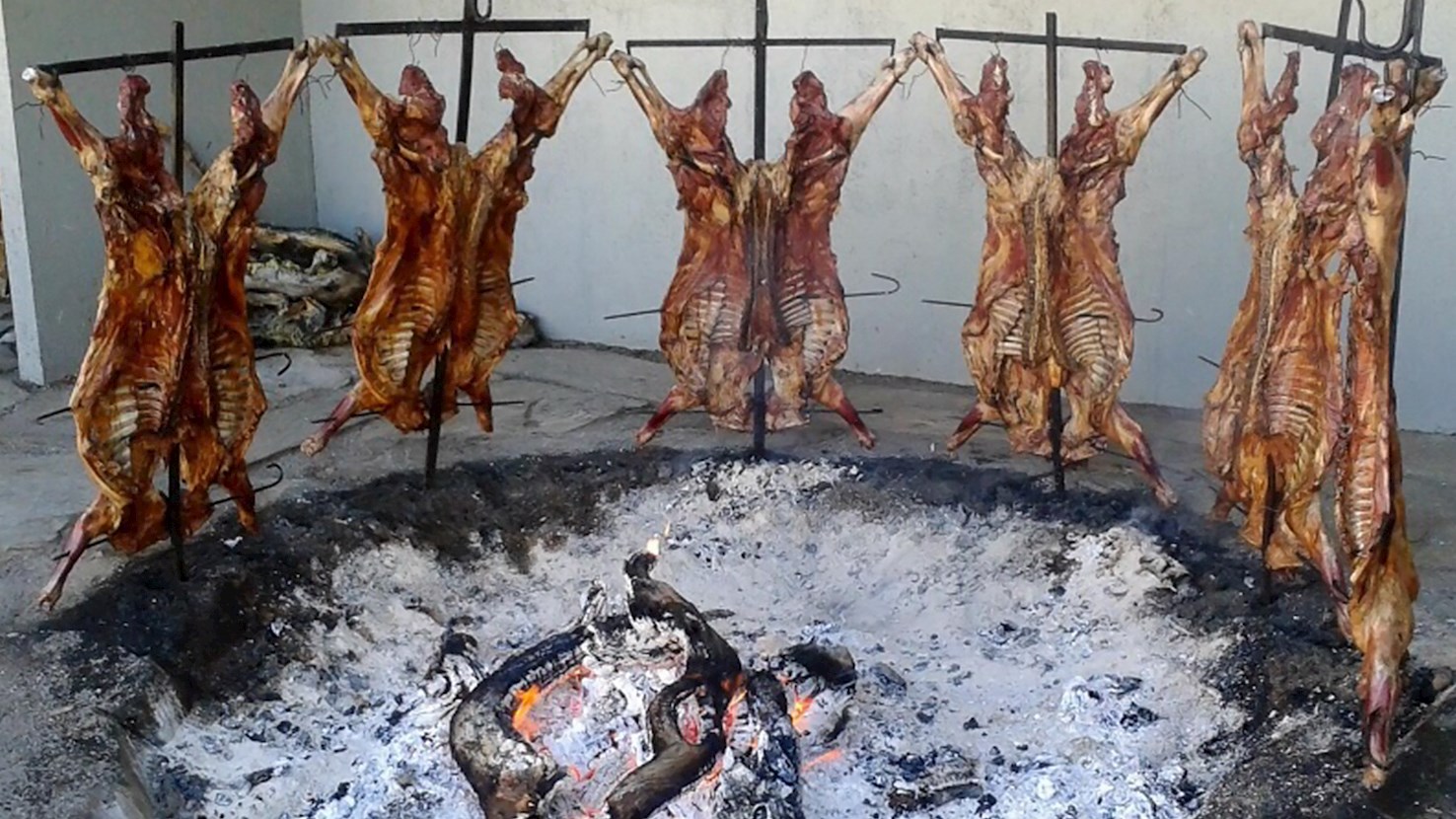
Cordero al palo is a traditional lamb specialty that involves roasting a whole lamb on a spit, a cooking technique which has long been practiced in Chile and Argentina (especially Patagonia). The lamb is slowly cooked for several hours over a wood fire, all the while basting in its own juices and fat, resulting in succulent and tender meat surrounded by crispy skin. While cooking, the meat is often enhanced with a mixture of warm water, salt, and garlic. The dish can be found on the menus of numerous restaurants throughout the region, and it is typically served with pebre, a popular Chilean condiment. Other typical accompaniments to this dish include boiled potatoes, fresh salads, bread, and lots of fine red wine. This spit-roasted lamb delicacy is nowadays usually prepared on special occasions and for holidays.

02
Beef Dish

Bistec a lo pobre

4.4 ·

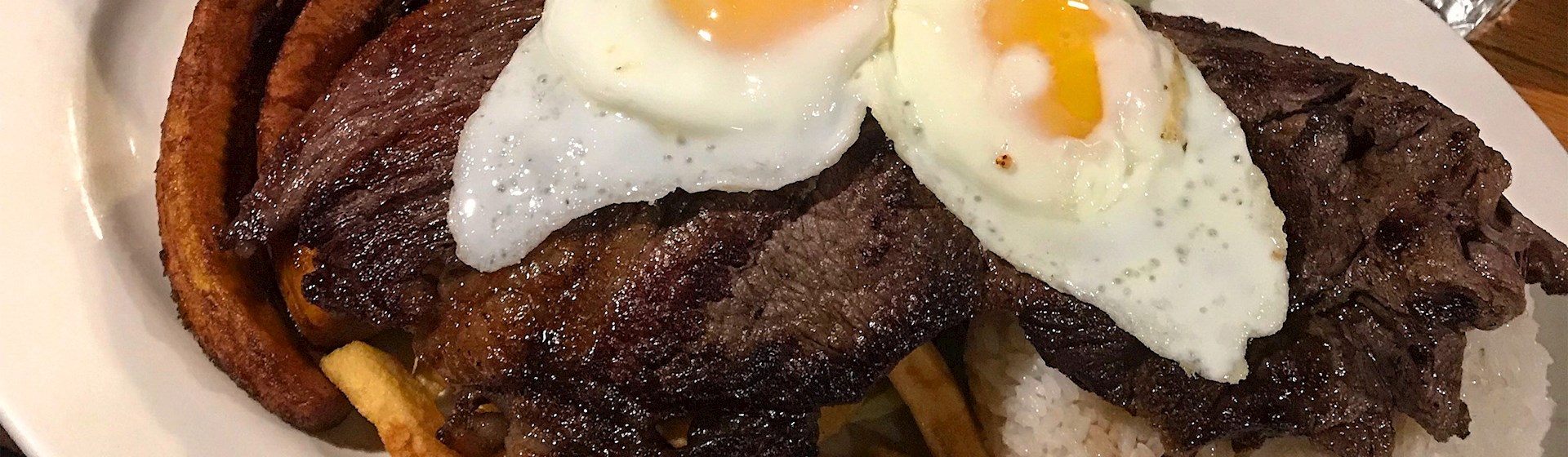
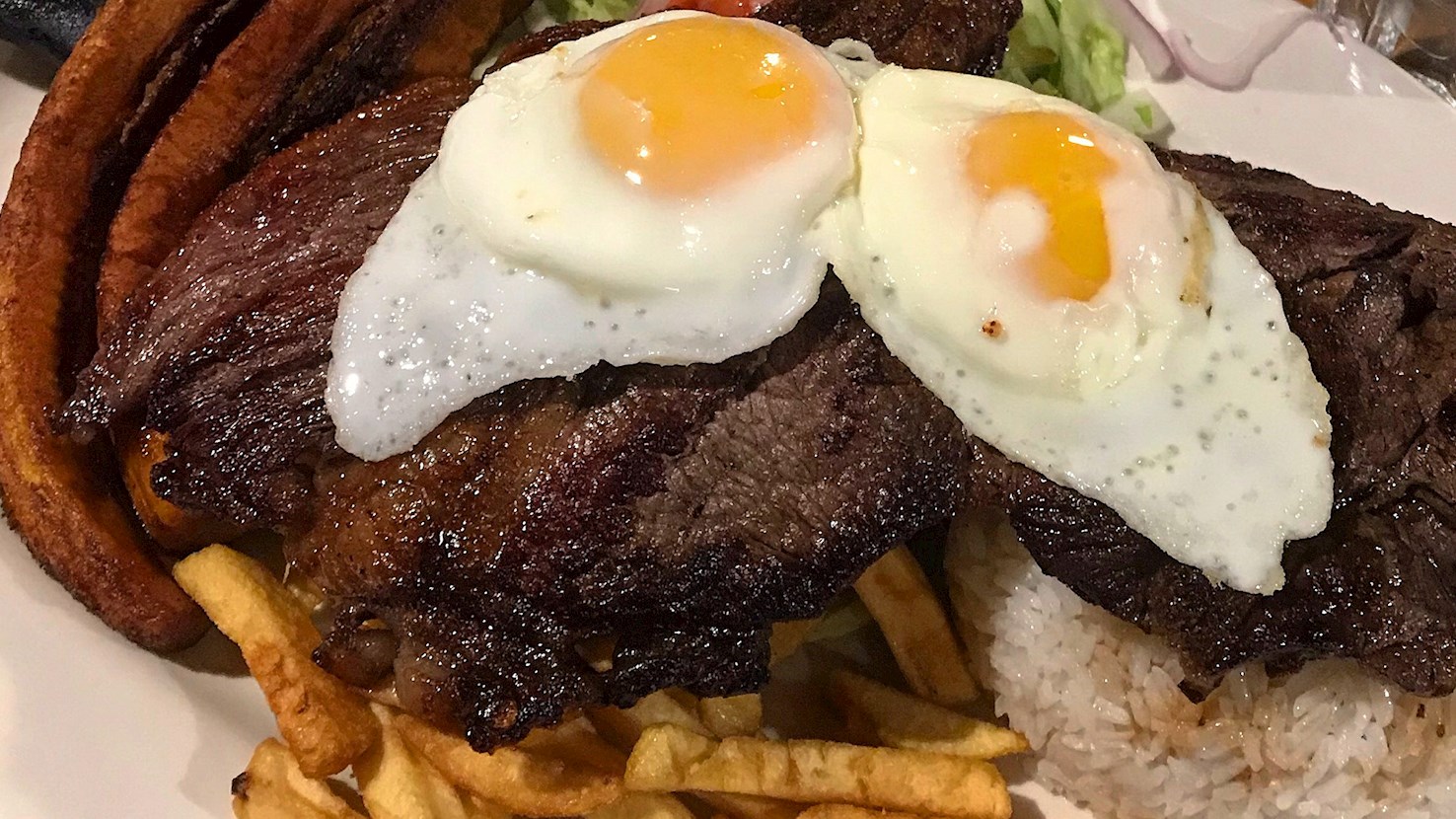
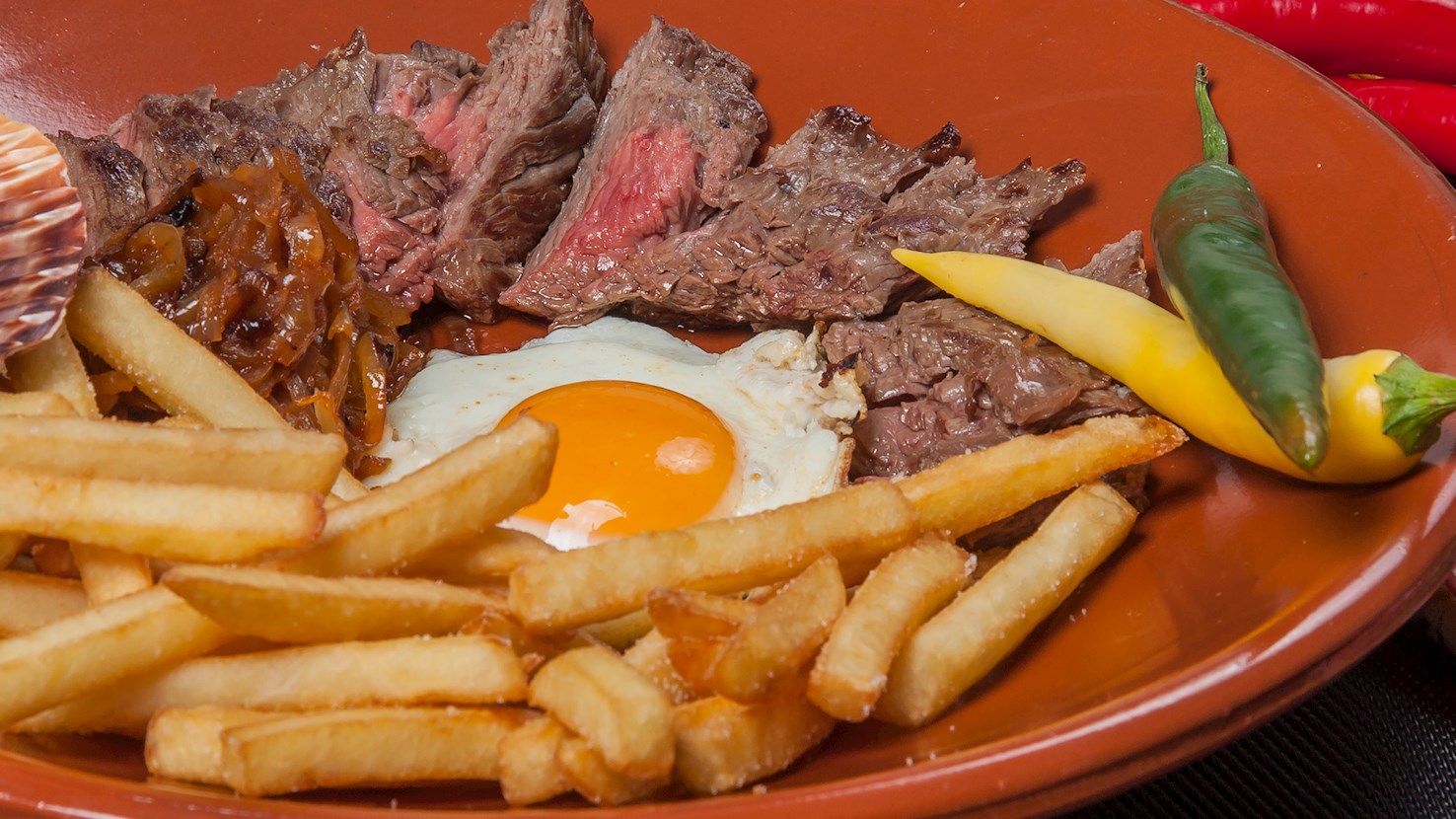
Lomo a la pobre or bistec a lo pobre is a large meal similar to Chorrillana that is popular in Chile and Peru. In its basic form, the meal consists of steak, fried onions, fried potatoes, fried eggs, and rice. A large beef steak (usually rubbed with garlic) is fried, then topped with fried eggs with runny yolks, while onions and potatoes are served on the side. The name of this meal translates to poor man's steak, despite the fact that this dish is hearty and very nutritious. In Chile and Peru, it is almost always served for lunch.

03
Bread Roll

Marraqueta

4.3 ·

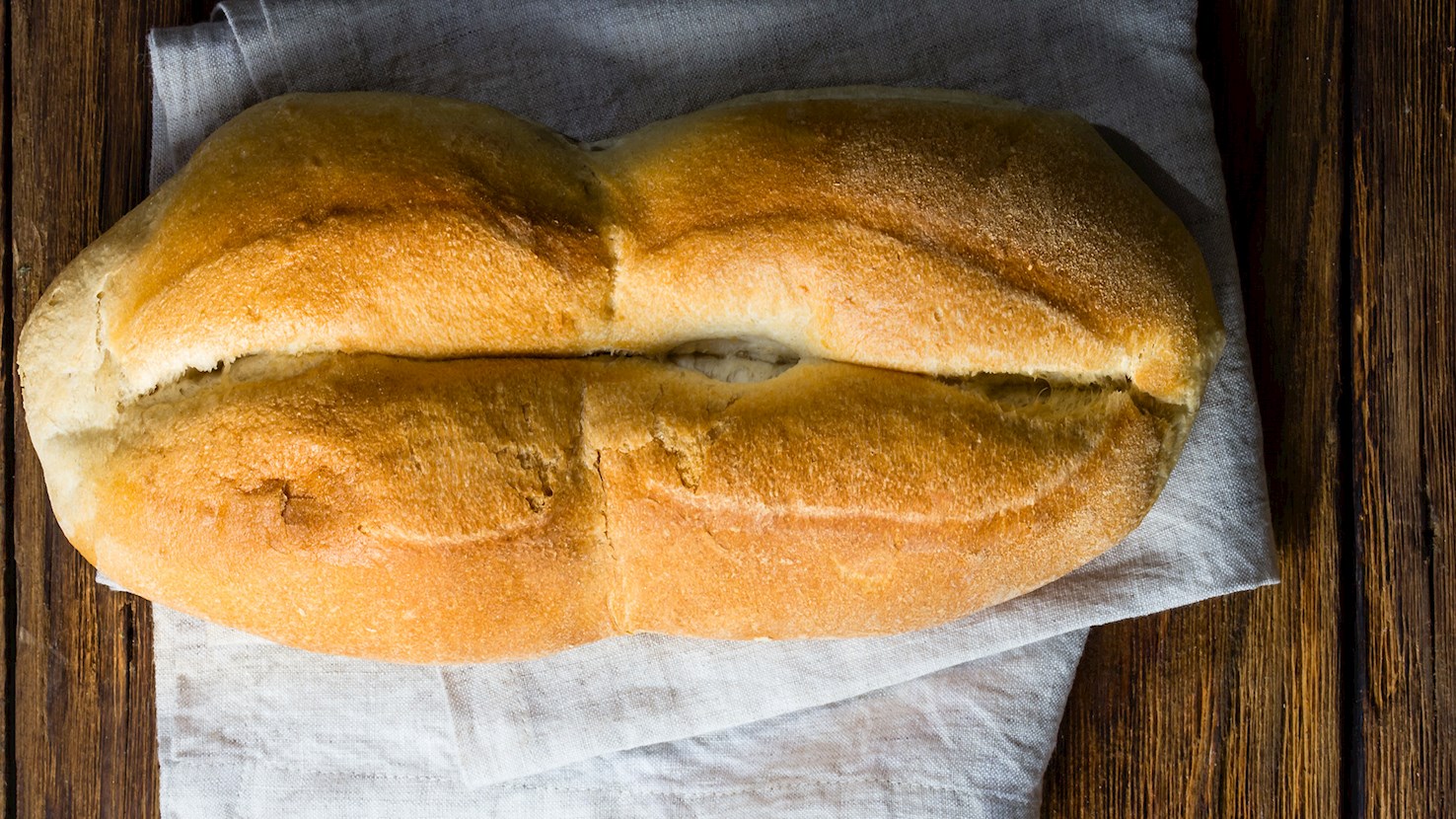
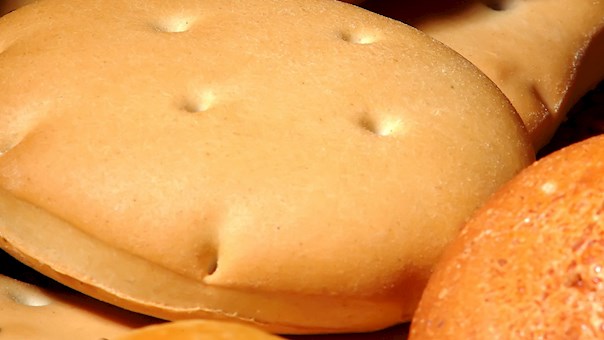
Marraqueta (also known as pan batido and pan francés) is the most popular bread in Chile and Bolivia, a staple food that is often consumed three times a day. It is made with flour, water, salt, and yeast. Two balls of dough are typically pressed together, then nearly split down the middle before the bread is baked in the oven, usually with a pan of water which gives marraqueta its characteristical crust. The crust is so beloved that some people even pull out the crumb (called miga) before consumption. It is believed that marraqueta dates back to the late 19th and early 20th century, when a large number of Europeans immigrated to Chile and Bolivia. Some claim that the bread was first baked by two French brothers called Teran-Marraquett, and that's how this daily staple got its name.

04
Savory Pie

Pastel de choclo

4.2 ·

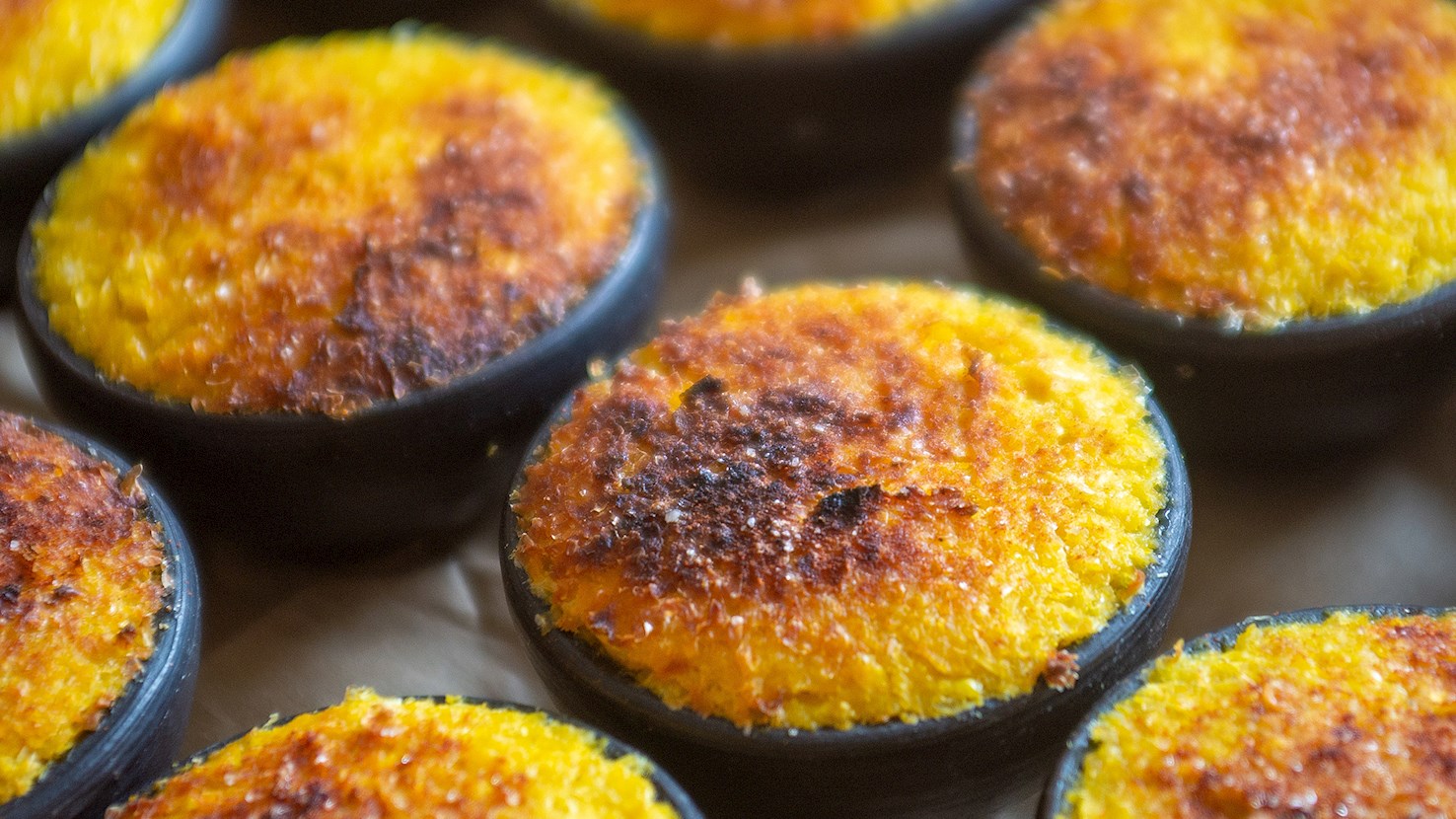
Chile's favorite home-cooked meal, the soft and creamy pastel de choclo is a casserole-like pie that is also popular in Peru, Argentina and Bolivia. It consists of ground beef, chicken, black olives, onions, hard-boiled eggs, and dough made from fresh grinded corn called choclo. Corn plays a key role in the dish, and unsurprisingly so – it was worshipped by the ancient Incas whose most important god was the Corn God. Corn was so important to Incas that their chief, believed to be a descendant of the gods, planted the first corn seeds every year. According to anthropologists, the dish probably originates from the Spanish conquerors who hired tribal cooks to make them a meal as a reminder of home. The cooks implemented corn dough into a dish similar to empanadas, and pastel de choclo was born. Nowadays, large raisins are sometimes incorporated into the pie, while the pie itself gets sprinkled with sugar before baking, ensuring that a caramelized crust develops on top. All that's left is to enjoy it while it's hot and consume a delicious slice of culinary history.

05
Appetizer

Chorrillana

4.2 ·

Chorrillana or bistec a la chorrillana is a popular Chilean dish served mostly in pubs where it is labeled as an appetizer or a dish that is meant to be shared. The basis of the meal are French fries which are covered in a combination of fried or scrambled eggs, strips of beef, and caramelized onions. Common variations include additional ingredients like hot dogs, chorizo, and tomatoes, while the seasonings may include either garlic, oregano, or pebre—a popular Chilean condiment.

06
Clam Dish

Machas a la parmesana

4.2 ·

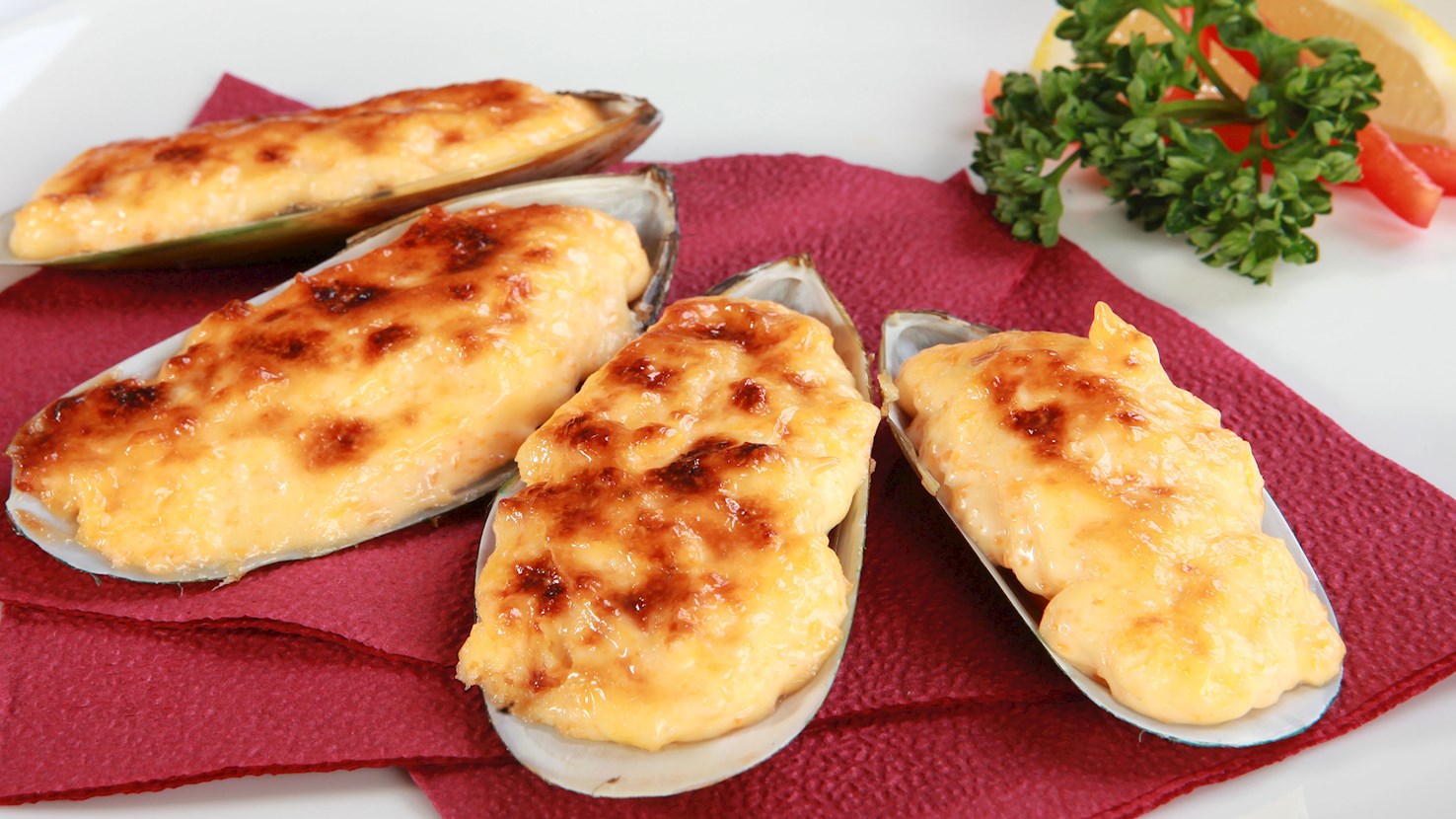
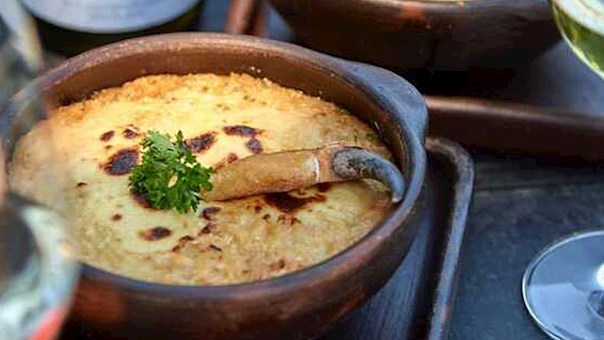
Machas a la parmesana is a typical Chilean dish consisting of razor clams that are topped with salt, white wine, butter, and parmesan cheese. The clams are then broiled until the cheese melts, and it is recommended to serve them immediately, preferably with a glass of white wine on the side. This Chilean classic is typically served as an appetizer and it was invented by an Italian immigrant named Edoardo Melotti Ferrari in Viña del Mar in the 1950s.

07
Savory Pastry

Empanadas chilenas

4.2 ·

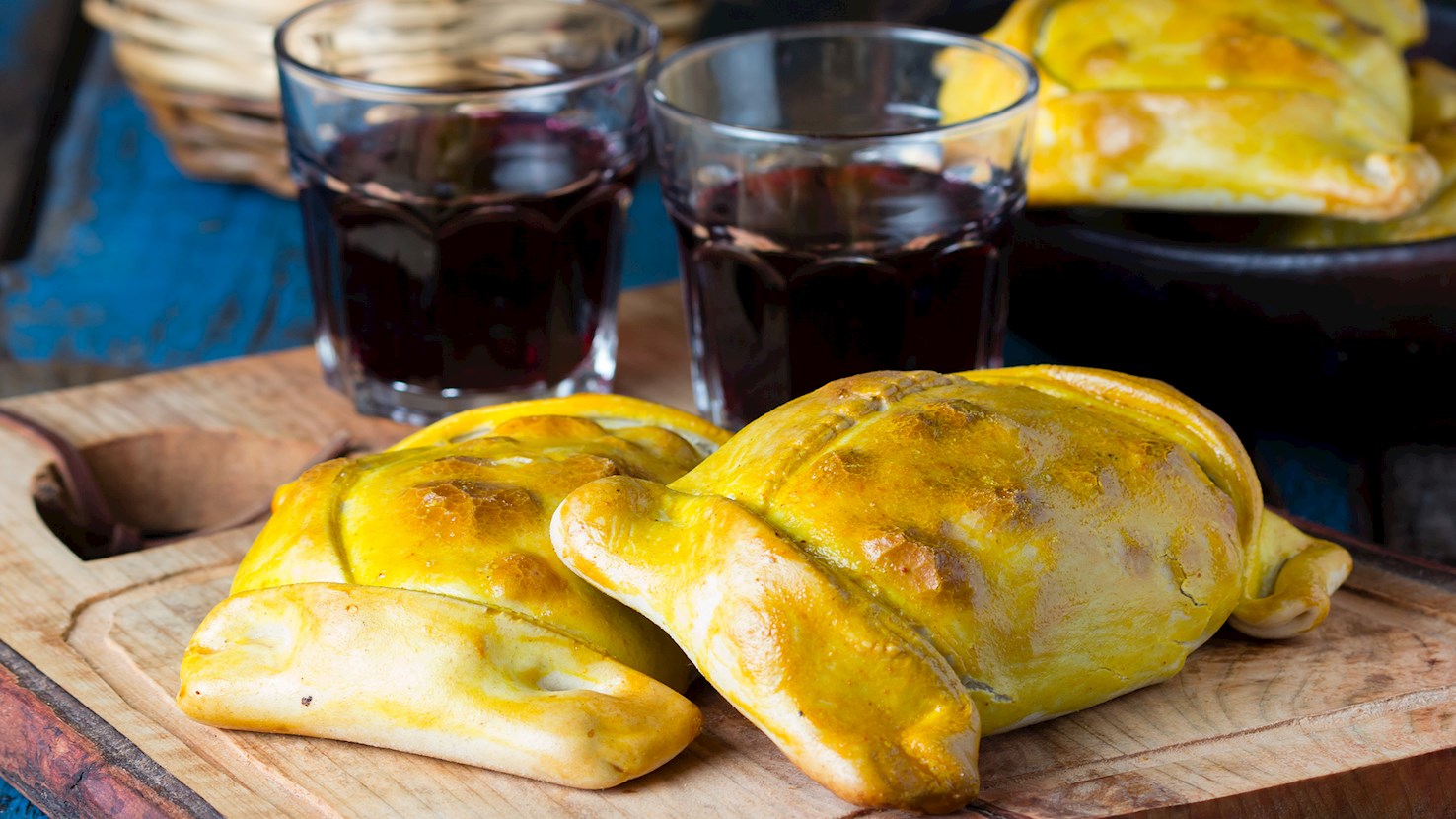
Most commonly, Chilean empanadas are made with wheat flour dough that is filled with onions, ground beef, olives, raisins, and hard-boiled eggs. These semicircular pies are typically baked in the oven. Although they are prepared and consumed throughout the year, Chilean empanadas are especially popular during the Fiestas Patrias in September. During the Easter festivities, beef is forbidden due to religious reasons, so these empanadas are usually filled with cheese and seafood in that period. It is recommended to pair Chilean empanadas with a glass of red wine.

08
Hot Dog

Completo

4.2 ·

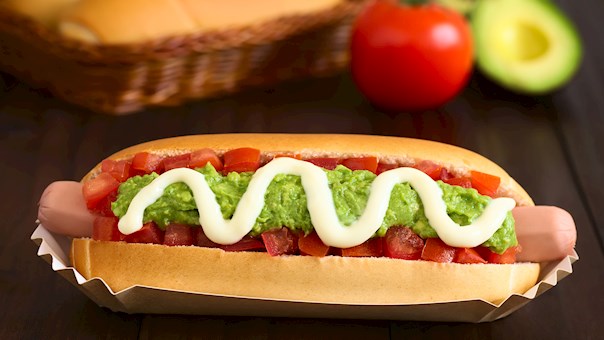
One of the most popular street food items in Chile is the delicious completo – which is the Chilean version of the famous American hot dog. Made with boiled wiener sausages served inside plain bread rolls, the whole dish is finished with generous amounts of various savory condiments such as sauerkraut, mashed avocado, chopped tomatoes, mayonnaise, mustard, and many other luscious combinations. Depending on the toppings, they appear under various names such as original or Italiana, and can be found in the local laid-back eateries and fast food chains everywhere in the country.

09
Sandwich

Churrasco Italiano

4.2 ·

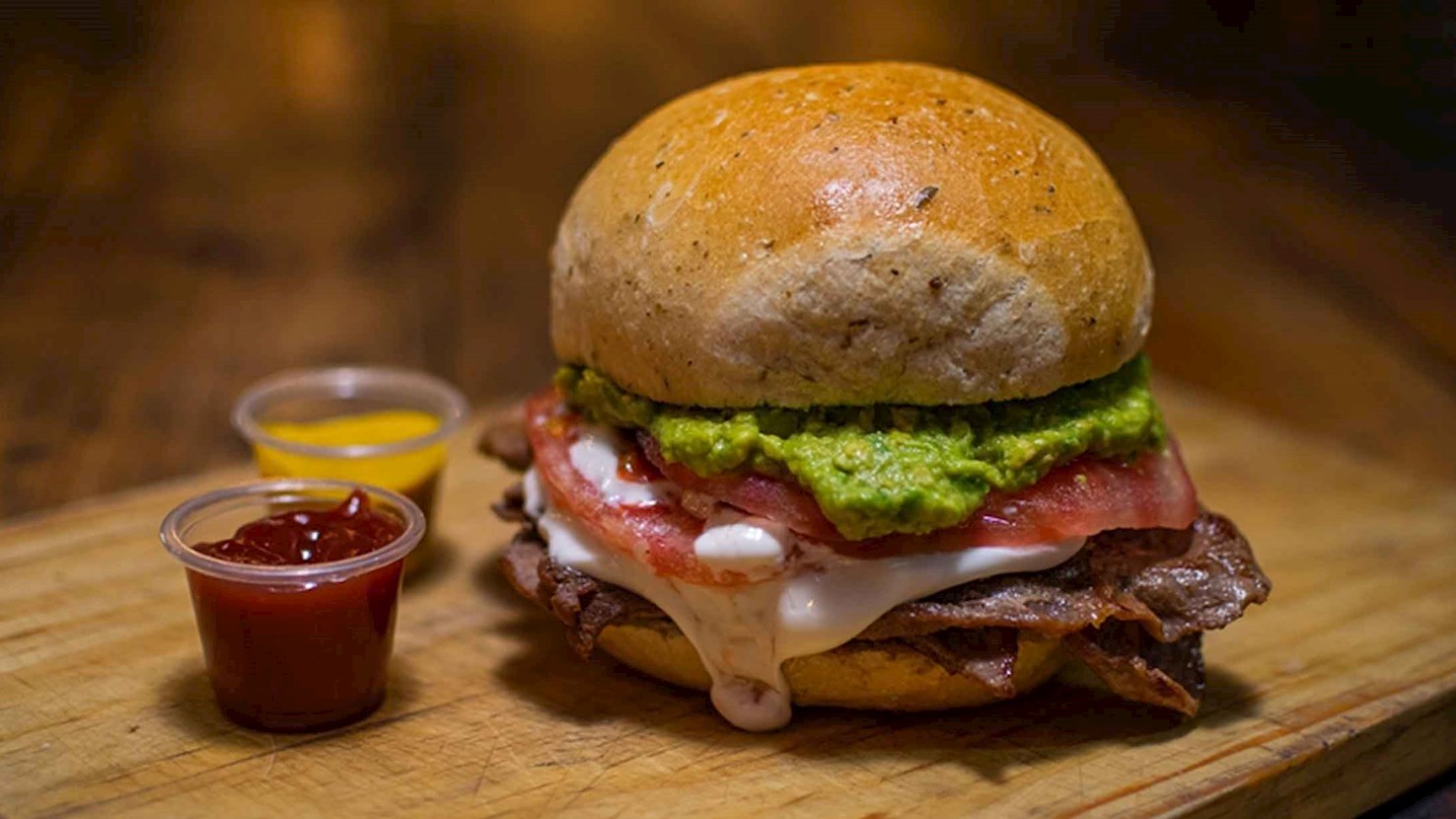
Churrasco Italiano is a mouth-watering Chilean sandwich made with thin slices of grilled steak, mayonnaise, tomatoes, and palta – a local name for avocados - all tucked into fresh bread rolls. But why is this sandwich dubbed Italiano? It's because each addition represents a color of the Italian flag: palta for green, mayo for white, and tomatoes for red. Consuming this sandwich might prove to be quite sloppy, so serve it with lots of napkins.

10
Seafood Soup

Chupe de mariscos

4.1 ·

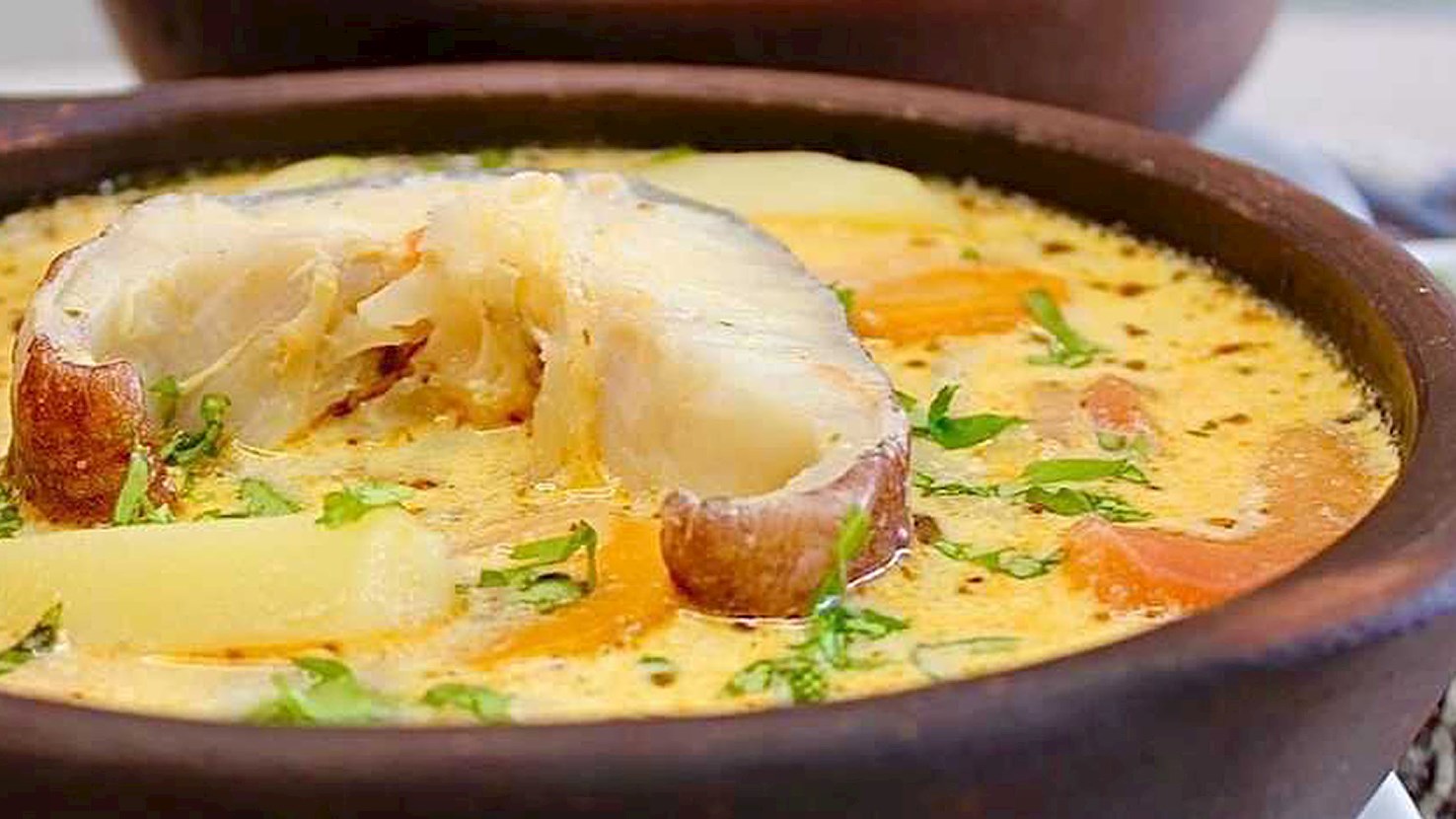
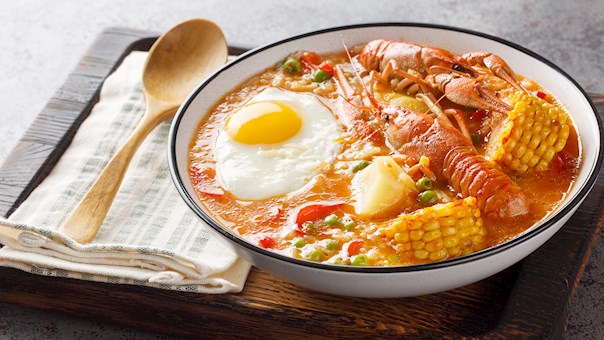
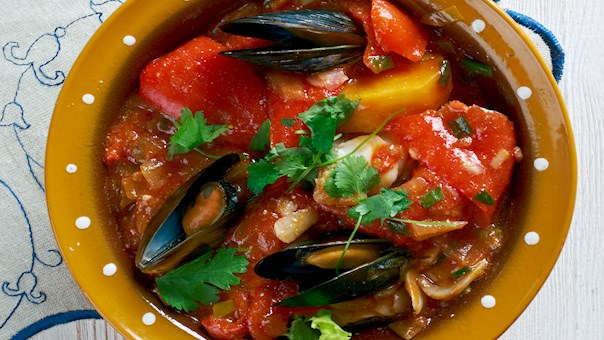
Chupe de mariscos is a traditional and Chilean seafood chowder that includes ingredients like shrimp, mussels, clams, squid, and sometimes fish. The choice and variety of seafood can vary based on availability and regional preferences. The broth is typically made from fish stock or the cooking liquid from the seafood. It's thickened with rice, while other common ingredients include potatoes, choclo, onions, garlic, tomatoes, and peas. What sets this dish apart from other soups is the addition of dairy. Evaporated milk or fresh milk is often added to give the soup a creamy consistency, and some versions might also have a touch of cheese, which is melted into the soup. Aji peppers, typically aji amarillo (a yellow chili pepper), give the chowder its characteristic color and a hint of heat. The soup is also seasoned with salt, pepper, cumin, and fresh herbs like coriander or parsley. Towards the end of the cooking process, eggs are usually cracked into the simmering soup, where they poach in the hot liquid. Chupe de mariscos is typically served hot, garnished with fresh herbs. Given its hearty nature, it's often enjoyed as a main dish rather than a starter.

Best Chilean food products

01
Olive Oil

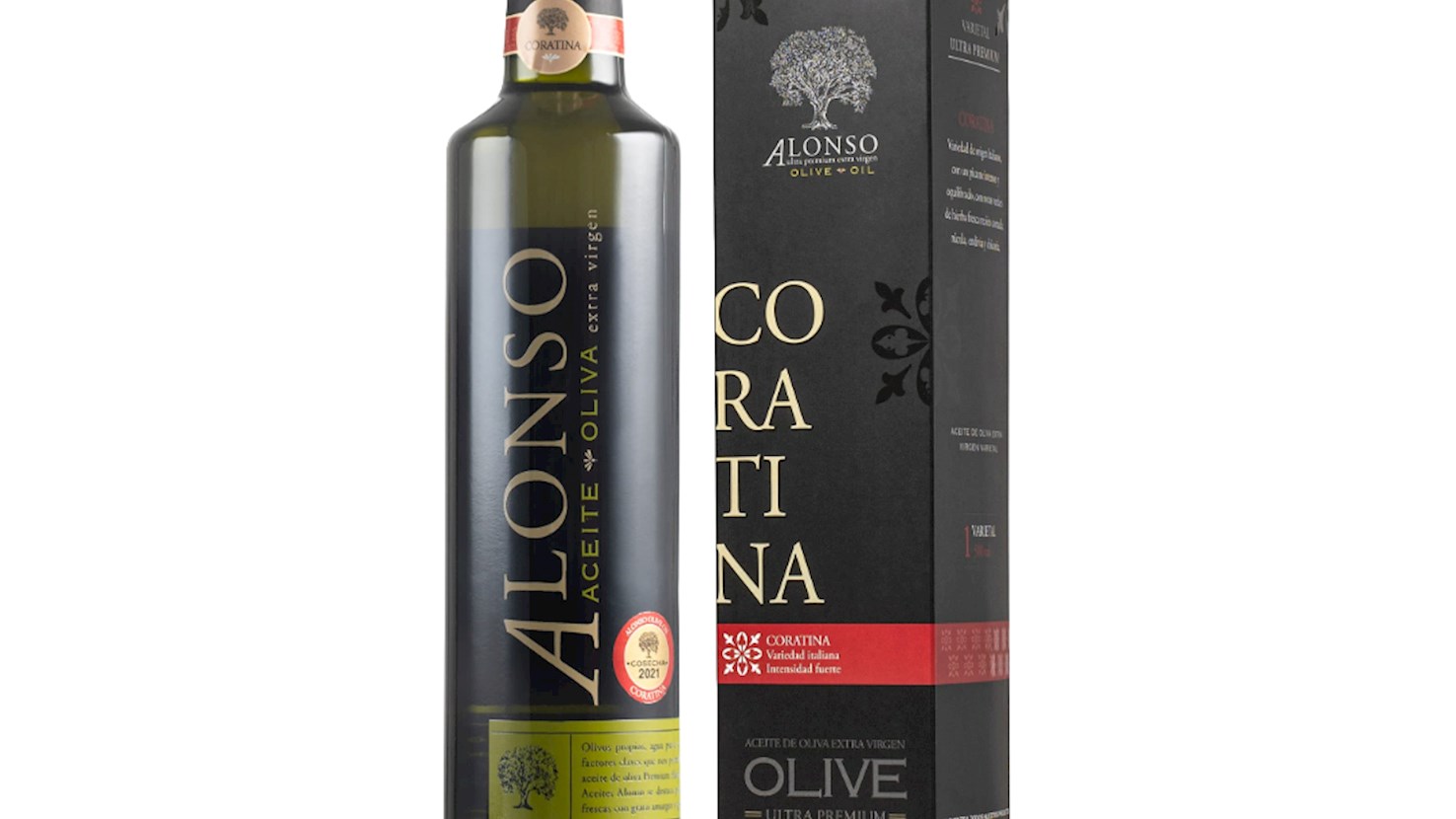
Agrícola Pobeña

5 ·
Agrícola Pobeña, also known under the brand Aceites Alonso, is a Chilean company specializing in the production and export of premium olive oils. Located in Ñuñoa, Santiago, the company is recognized for its commitment to quality and traditional methods. Its products are internationally acclaimed for their rich flavor and high standards, representing the best of Chilean olive oil craftsmanship.
Awards
Flos Olei - The Best (2022, 2021)
ATHENA IOOC - Gold (2023, 2022)
02
Chocolate

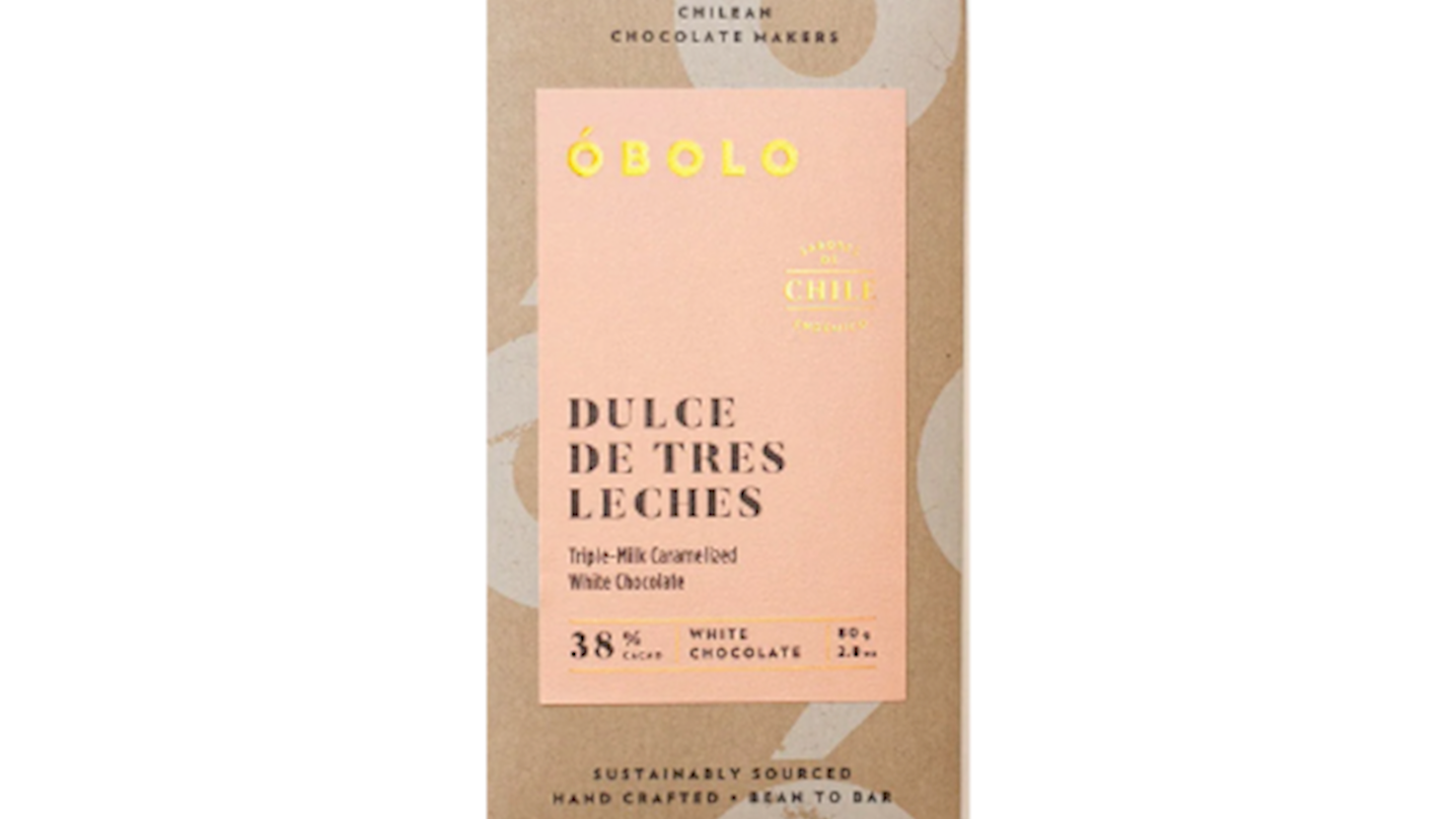
Óbolo Chocolate

5 ·
Óbolo Chocolate is the first bean-to-bar chocolate maker in Chile, founded with the vision of combining quality, sustainability, and local identity. Its founder, Mark Gerrits, who in 2015 decided to fully dedicate himself to chocolate, created a brand that uses carefully selected cocoa beans from Amazonian regions, processed and crafted in Chile. The assortment includes single-origin chocolate bars, drinking chocolate, ceremonial cacao, pralines, and gift boxes, all produced in vegan, gluten-free, and soy-free varieties. A strong emphasis is placed on sustainability, with compostable packaging and an ethical approach to sourcing. Their chocolate workshop and boutique is located in the artistic district of Barrio Italia in Santiago, where visitors can experience chocolate as an authentic journey. Óbolo is a brand recognized for its strong character and distinctive terroir, awarded at international competitions and valued for its transparency and social responsibility.
Awards
Academy of Chocolate - Gold (2021, 2016)
Academy of Chocolate - Silver (2023, 2022, 2021, 2019, 2018, 2017)
03
Wine

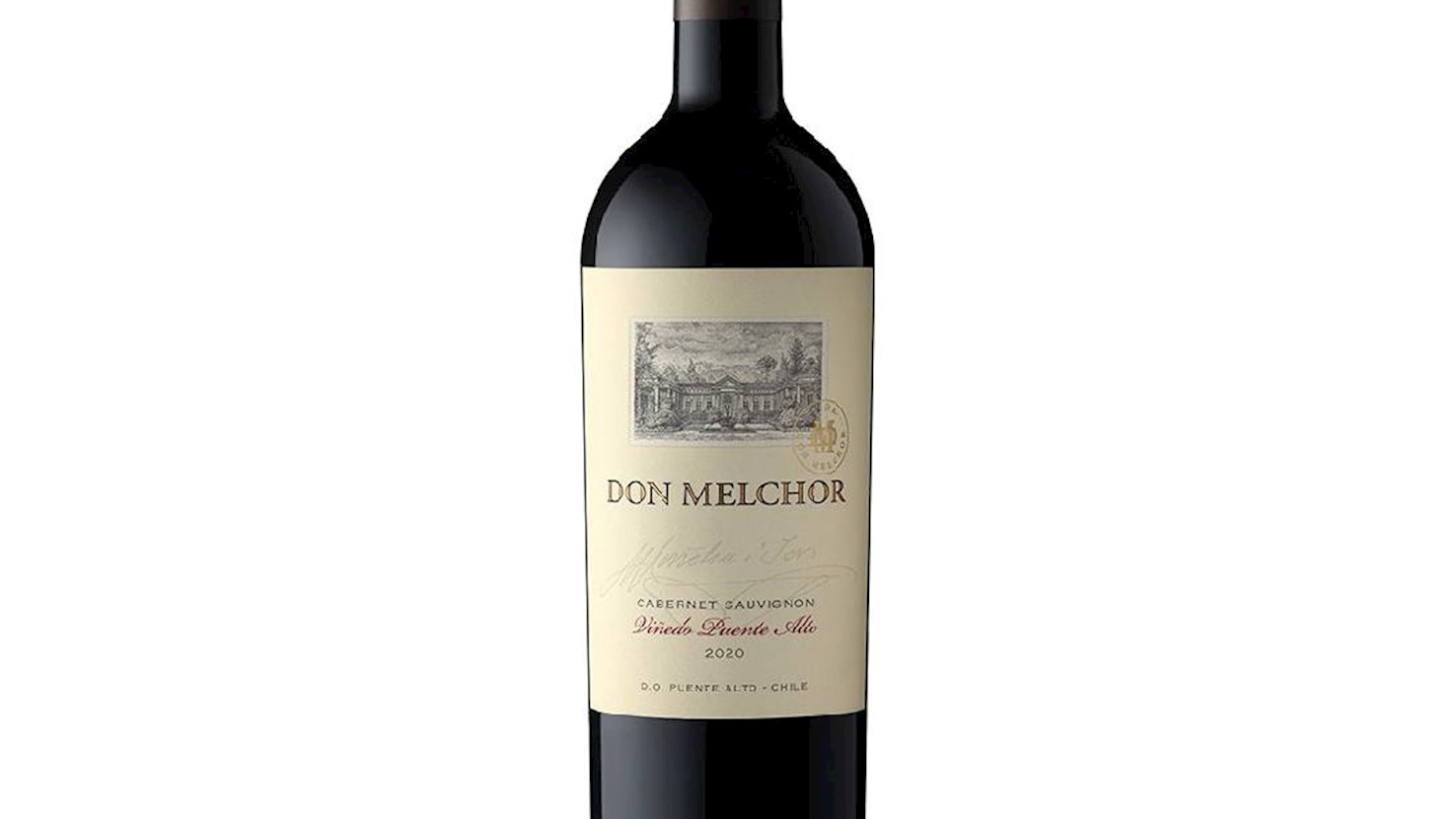
Viña Don Melchor

5 ·
Viña Don Melchor is a specialized Chilean winery dedicated to the production of one of Latin America’s most prestigious Cabernet Sauvignon wines, located in the Puente Alto subregion of the Maipo Valley. Originally established as a premium project of Concha y Toro, it now operates as a distinct winery focused exclusively on the development and refinement of Don Melchor. The vineyards are situated at the foothills of the Andes on alluvial soils composed of gravel, sand, and clay, providing excellent drainage and contributing to the wine’s structure and concentration. A climate defined by warm days and cool nights allows for slow ripening and the preservation of natural acidity. Winemaking is based on detailed vineyard parceling, with each micro-parcel vinified separately to achieve complexity and precision in the final blend. The focus is on Cabernet Sauvignon, complemented by small proportions of other Bordeaux varieties depending on the vintage. The wines are characterized by depth, structure, and balance, with aromas of dark fruit, spice, and subtle oak influence from aging in French barrels. Viña Don Melchor is widely regarded as a benchmark producer in Chile’s premium wine segment, consistently receiving high international ratings and demonstrating the full potential of the Puente Alto terroir.
Awards
James Suckling - 99 points (2024)
Vivino - 4.6
04
Wine

Clos Apalta

5 ·
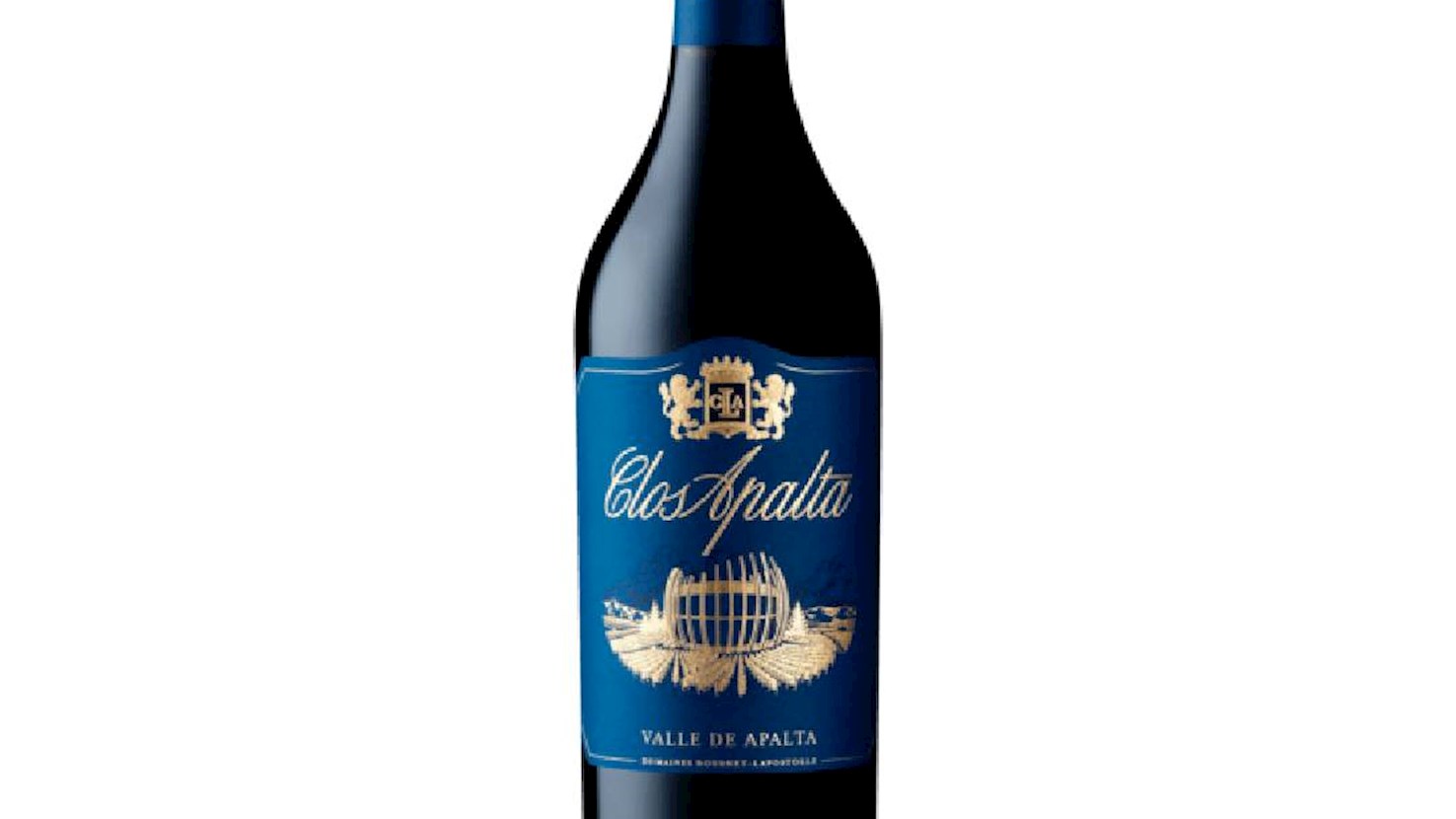
Clos Apalta is a prestigious Chilean winery that seamlessly blends French winemaking heritage with the unique terroir of the Apalta Valley. Surrounded by century-old vineyards planted between 1915 and 1920, the estate cultivates vines of French origin that thrive thanks to a distinctive microclimate and a rare southeast-facing slope, which lends the grapes remarkable freshness and aromatic depth. The diverse soils – ranging from rich granite layers to clay-granitic subsoils – contribute to the wine’s complexity and elegance. Under the stewardship of the Marnier Lapostolle family and guided by renowned oenologists, Clos Apalta crafts wines of powerful character, perfect balance, and exceptional ageing potential.
Awards
Vivino - 4.6
Vivino - 4.3
05
Spirit

VCT

5 ·
Awards
ISC-International Spirits Challenge - Double Gold (2023)
06
Wine

VIK

5 ·
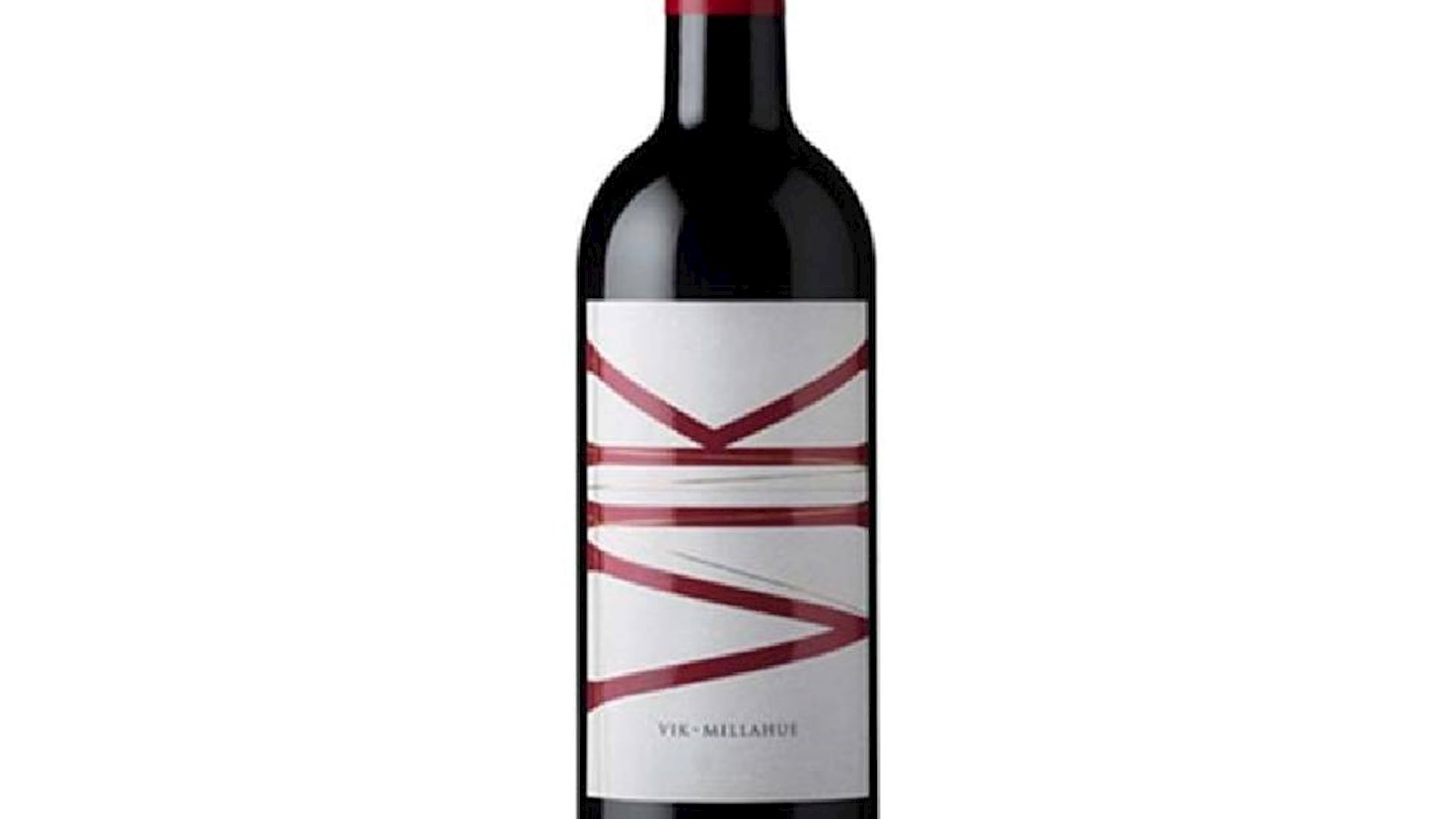
VIK is an ultra-premium Chilean winery located in the Millahue Valley within the Cachapoal Valley, a region whose name means “Place of Gold” in the Mapuche language and reflects its exceptional natural potential. The project was founded with a holistic philosophy that integrates terroir research, precision viticulture, and advanced winemaking in order to produce wines of balance, elegance, and long-term aging potential. VIK works primarily with international varieties such as Cabernet Sauvignon, Cabernet Franc, Carmenère, Merlot, and Syrah, crafting both single-estate and blended wines that clearly express the valley’s diverse microclimates. The portfolio includes flagship labels such as VIK, La Piu Belle, and Milla Cala, all recognized for their structure, complexity, and refinement. Sustainability is central to the estate’s approach, with careful land management and minimal intervention in both vineyard and cellar. Beyond wine production, VIK is also conceived as a complete wine destination, combining contemporary architecture, gastronomy, and immersive visitor experiences. The winery has gained strong international recognition and is consistently ranked among the world’s leading wine estates for both quality and innovation.
Awards
James Suckling - 100 points (2024)
Decanter World Wine Awards - Platinum (2020)
07
Wine

Almaviva

5 ·
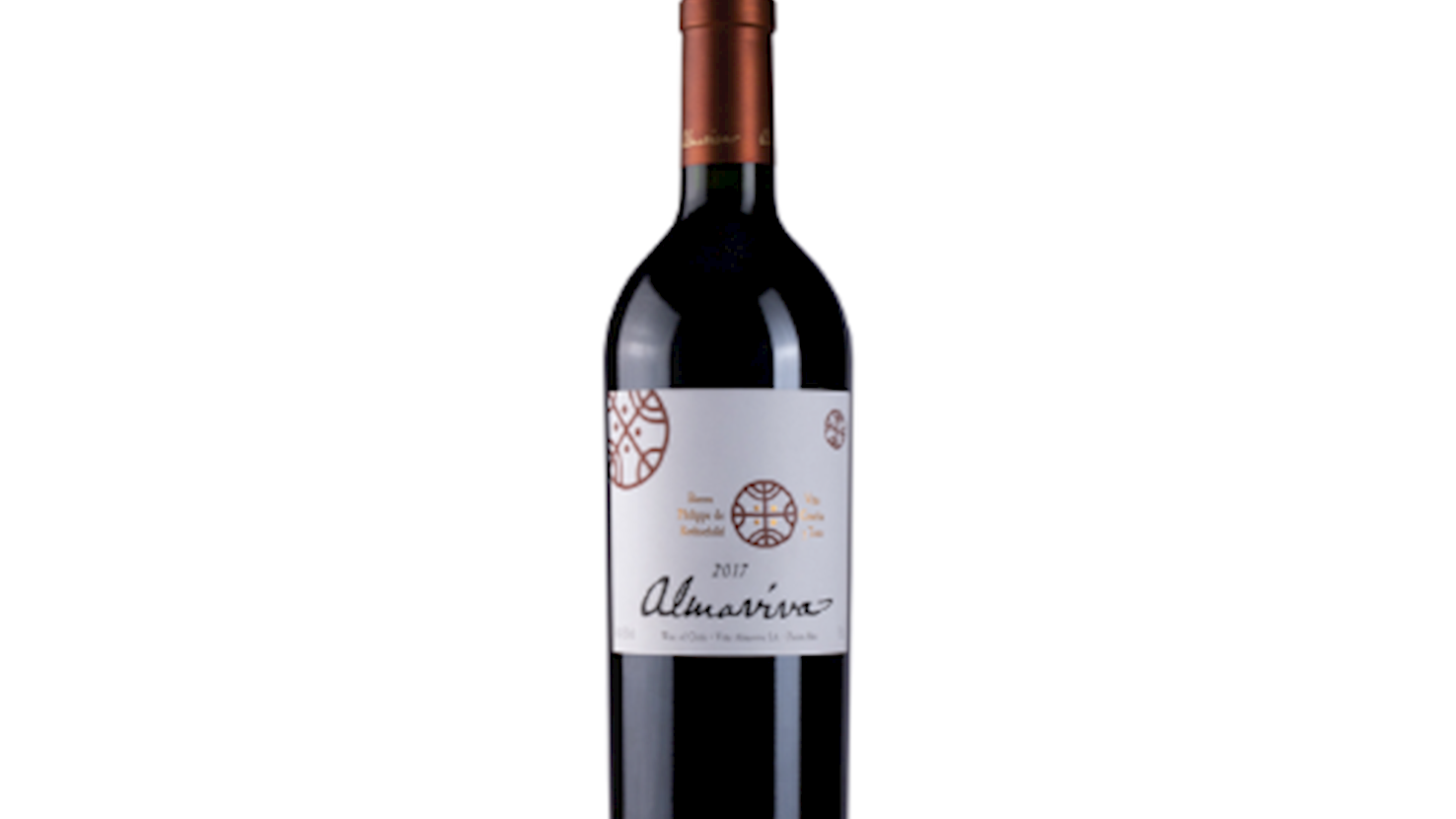
Almaviva is a prestigious Chilean winery and flagship wine established in 1997 as a joint venture between Baron Philippe de Rothschild of Bordeaux and the Chilean producer Viña Concha y Toro. The estate is located in the Maipo Valley, specifically in the Puente Alto sub-region, one of Chile’s most highly regarded areas for premium red wines, characterized by alluvial, stony soils at the foothills of the Andes. Almaviva was conceived as a château-style project, combining French winemaking expertise with the distinct expression of Chilean terroir. The vineyards are planted with classic Bordeaux varieties, led by Cabernet Sauvignon and complemented by Carménère, Cabernet Franc, Petit Verdot, and Merlot. Almaviva is produced as a carefully structured blend, with an emphasis on balance, depth, and aging potential. Winemaking is precise and restrained, followed by maturation for approximately 18 to 20 months in new French oak barrels. Aromatically, the wine shows ripe dark fruit, herbal and spicy notes, and well-integrated oak influence. On the palate, it is layered and refined, with firm yet polished tannins and a long, persistent finish. The name Almaviva is drawn from the literary character Count Almaviva, while the label features symbols inspired by Mapuche culture, reflecting respect for local heritage. Since its first vintage, Almaviva has been recognized as one of the most ambitious and influential fine-wine projects of the New World. It is consistently ranked among Chile’s top wines by international critics. Today, Almaviva stands as a benchmark for premium Chilean Bordeaux-style blends with proven longevity.
Awards
James Suckling - 99 points (2024)
Decanter World Wine Awards - Platinum (2018)
08
Spirit

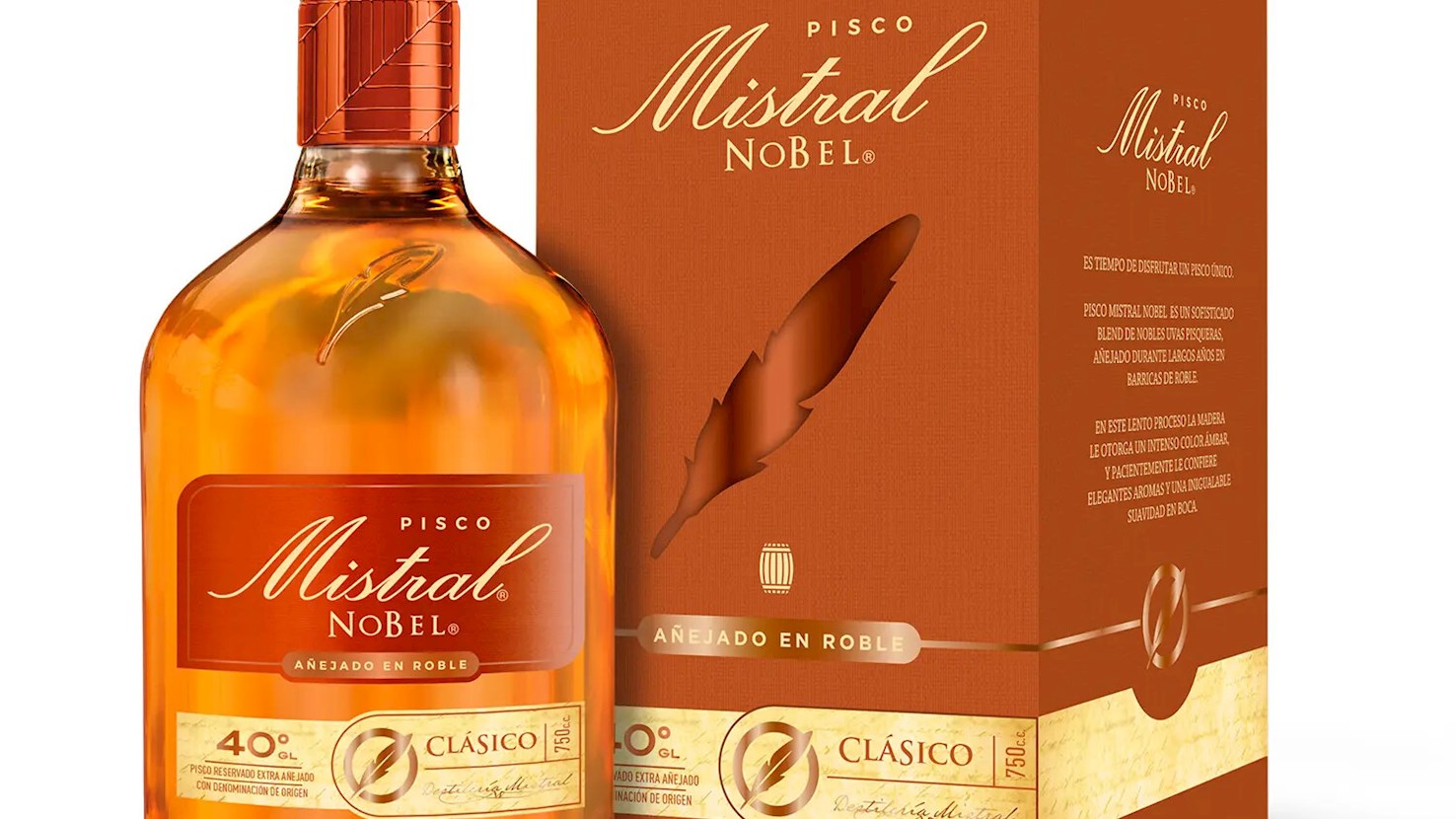
Pisco Mistral

5 ·
Awards
SFWSC - San Francisco World Spirits Competition - Double Gold (2024)
09
Spirit

Bou Barroeta

5 ·
Awards
IWSC- International wine & spirit competition - Spirit Gold Outstanding (2024)
10
Spirit

The Melbourne Gin Company

5 ·
Awards
The Gin Masters - Master (2022)
Read more
View all
View map
About this ranking

TasteAtlas food rankings are based on the ratings of the TasteAtlas audience, with a series of mechanisms that recognize real users and that ignore bot, nationalist or local patriotic ratings, and give additional value to the ratings of users that the system recognizes as knowledgeable. For the “Top 100 Chilean Foods” list until June 10, 2026, 5,364 ratings were recorded, of which 2,299 were recognized by the system as legitimate. TasteAtlas Rankings should not be seen as the final global conclusion about food. Their purpose is to promote excellent local foods, instill pride in traditional dishes, and arouse curiosity about dishes you haven’t tried.

The initial list of top producers was compiled based on available reviews, awards, local recommendations, media and blog coverage, and consumer reviews. The list will be updated with ratings from TasteAtlas local ambassadors and TasteAtlas users.

Similar lists