shutterstock

Top 51 Brazilian Alcoholic Beverages

Last updated on June 24, 2026

Best Brazilian Alcoholic Beverages
01

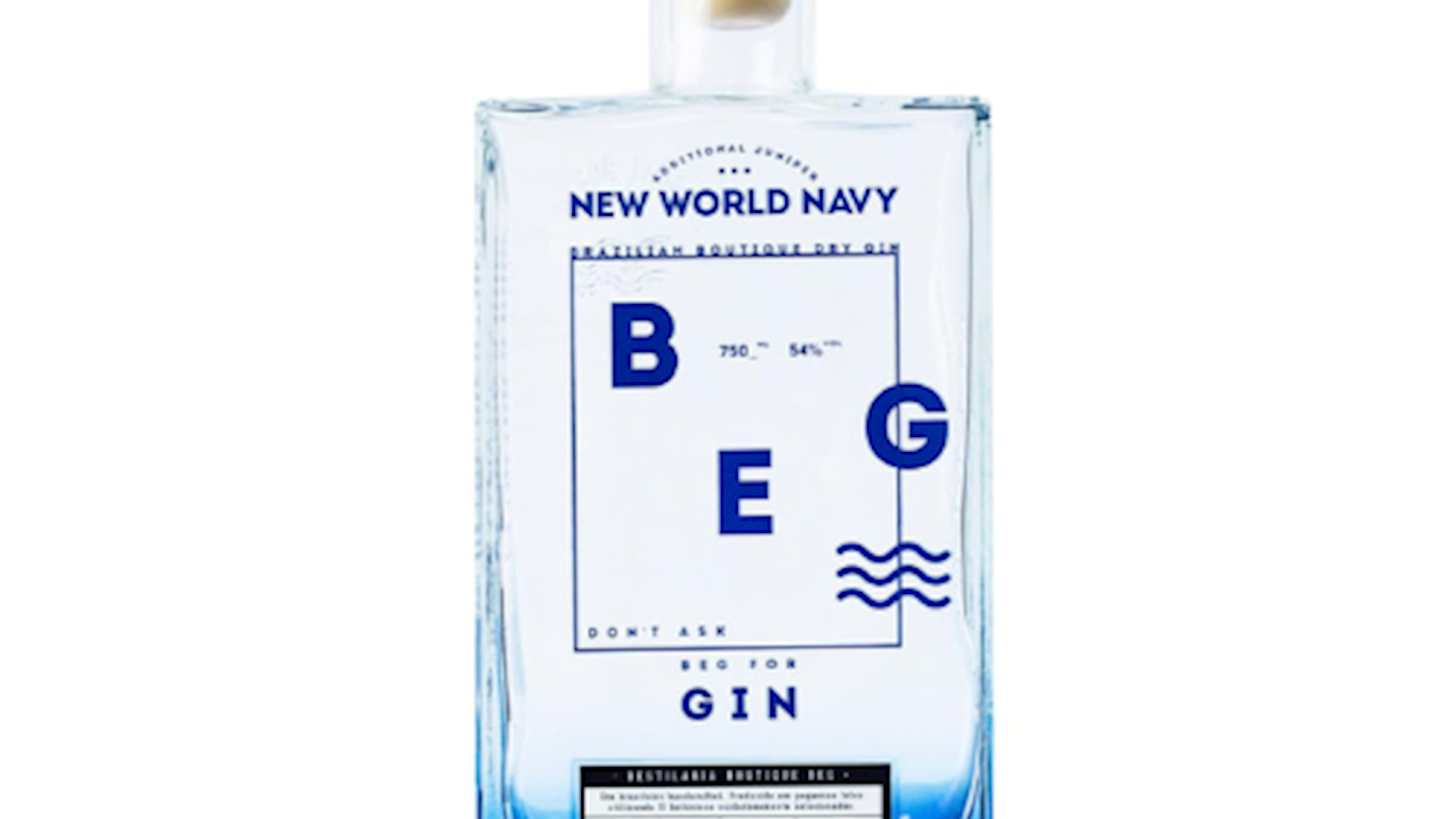
Beg Gin Boutique Distillery

5 ·
Beg Gin Boutique Distillery is a craft gin producer located in Brazil, known for its artisanal approach to distilling premium gins. The distillery emphasizes unique botanical blends that highlight local ingredients and flavors, creating distinctive spirits with a strong connection to Brazilian terroir. Beg Gin's offerings appeal to connoisseurs seeking high-quality, small-batch gin with innovative and refined profiles.
Awards
SFWSC - San Francisco World Spirits Competition - Double Gold (2024, 2023)
Bartender Spirits Awards - Double Gold (2023)
02

Kalvelage

5 ·
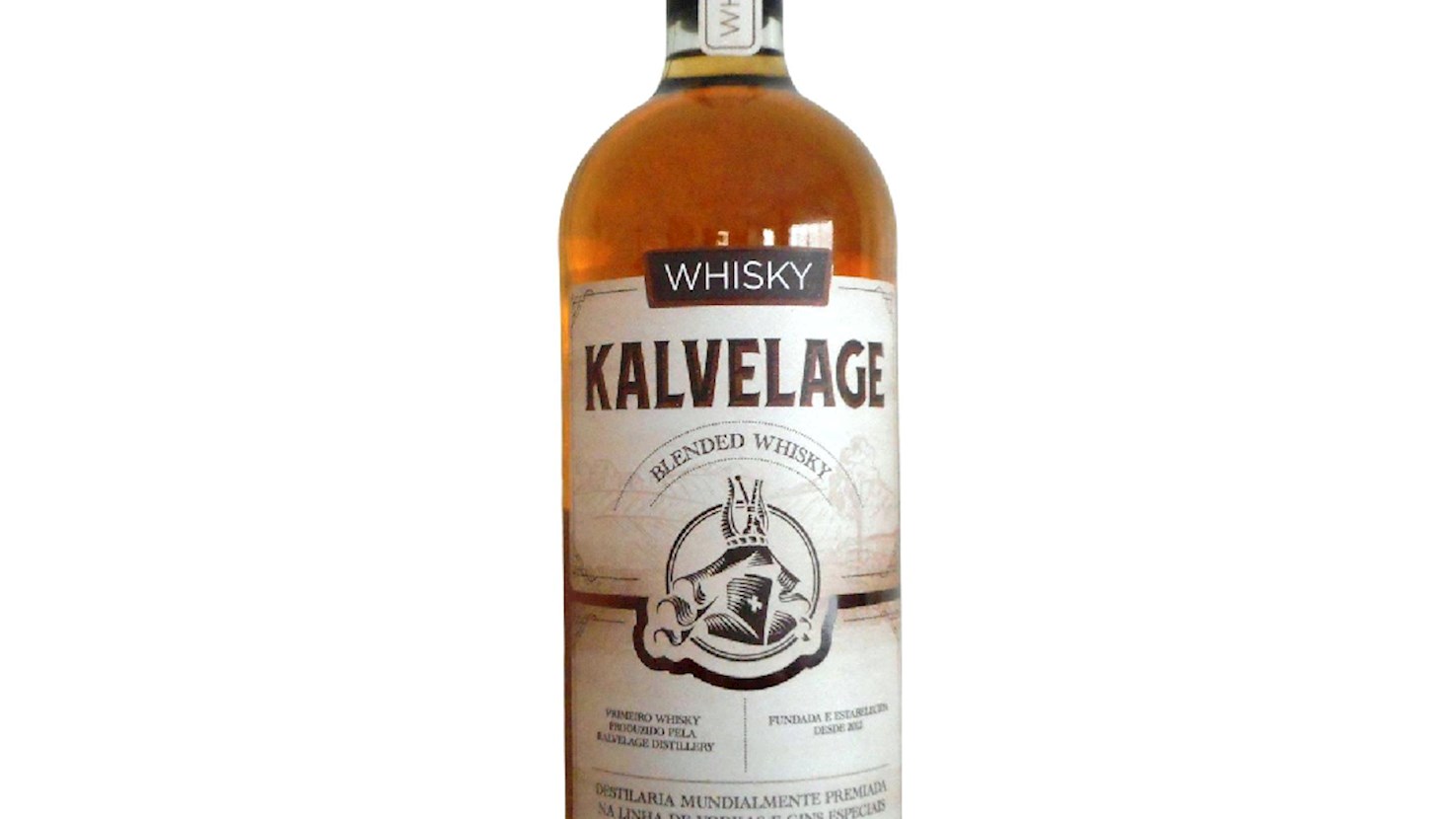
Kalvelage Distillery, founded in 2012 by brothers Marcos and Maurício Kalvelage in Blumenau, Santa Catarina, Brazil, is renowned for producing high-quality spirits. Their product line includes premium vodkas, such as Kalvelage Vodka, Kalvelage Oak Vodka, and Kalvelage Vibe, along with a London Dry Gin. The distillery uses 100% grains in their production, implementing custom distillation and advanced filtration techniques to ensure top quality. Kalvelage was also the first in Brazil to produce vodka with American oak extract and to introduce a 5-liter Bag-in-Box packaging option.
Awards
NYWSC - New York World Spirits Competition - Double Gold (2023)
SFWSC - San Francisco World Spirits Competition - Double Gold (2023)
03

Ivaí Gin

5 ·
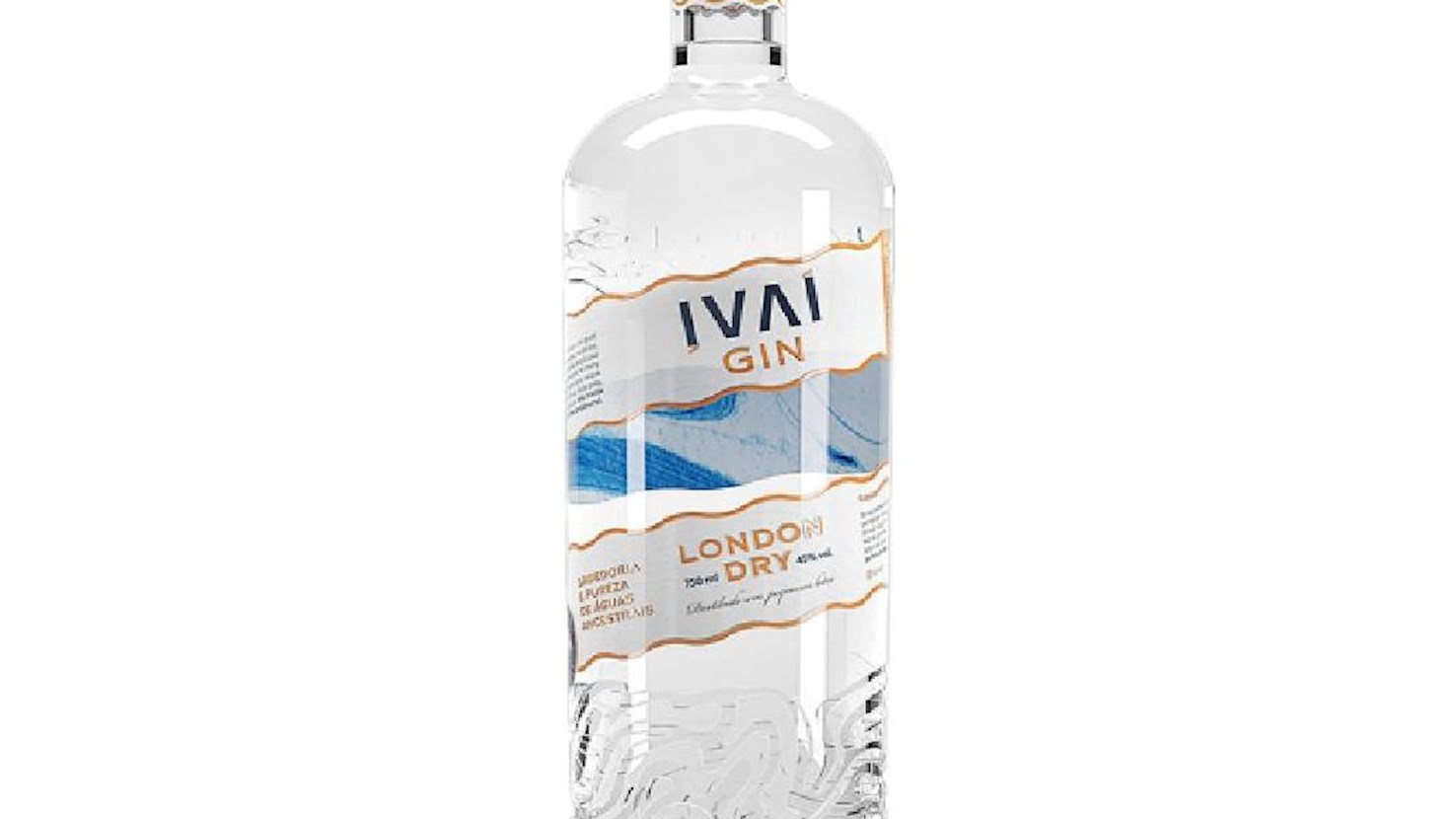
Ivaí Gin is an artisanal Brazilian gin that harmoniously blends traditional London Dry Gin characteristics with native Brazilian botanicals, capturing the essence of the Ivaí River's ancestral waters. Produced by Destilaria Água da Glória, located in São João do Ivaí, Paraná, this gin is crafted using a state-of-the-art distillery designed to maximize efficiency and sustainability, while preserving the best aspects of traditional distillation methods. The distillery is notable for being Brazil's first carbon-negative gin producer, utilizing 100% renewable energy and employing fully recyclable materials for bottling and packaging.
Awards
SFWSC - San Francisco World Spirits Competition - Double Gold (2023)
European Spirits Challenge - Gold (2023)
04

Shakal

4.8 ·
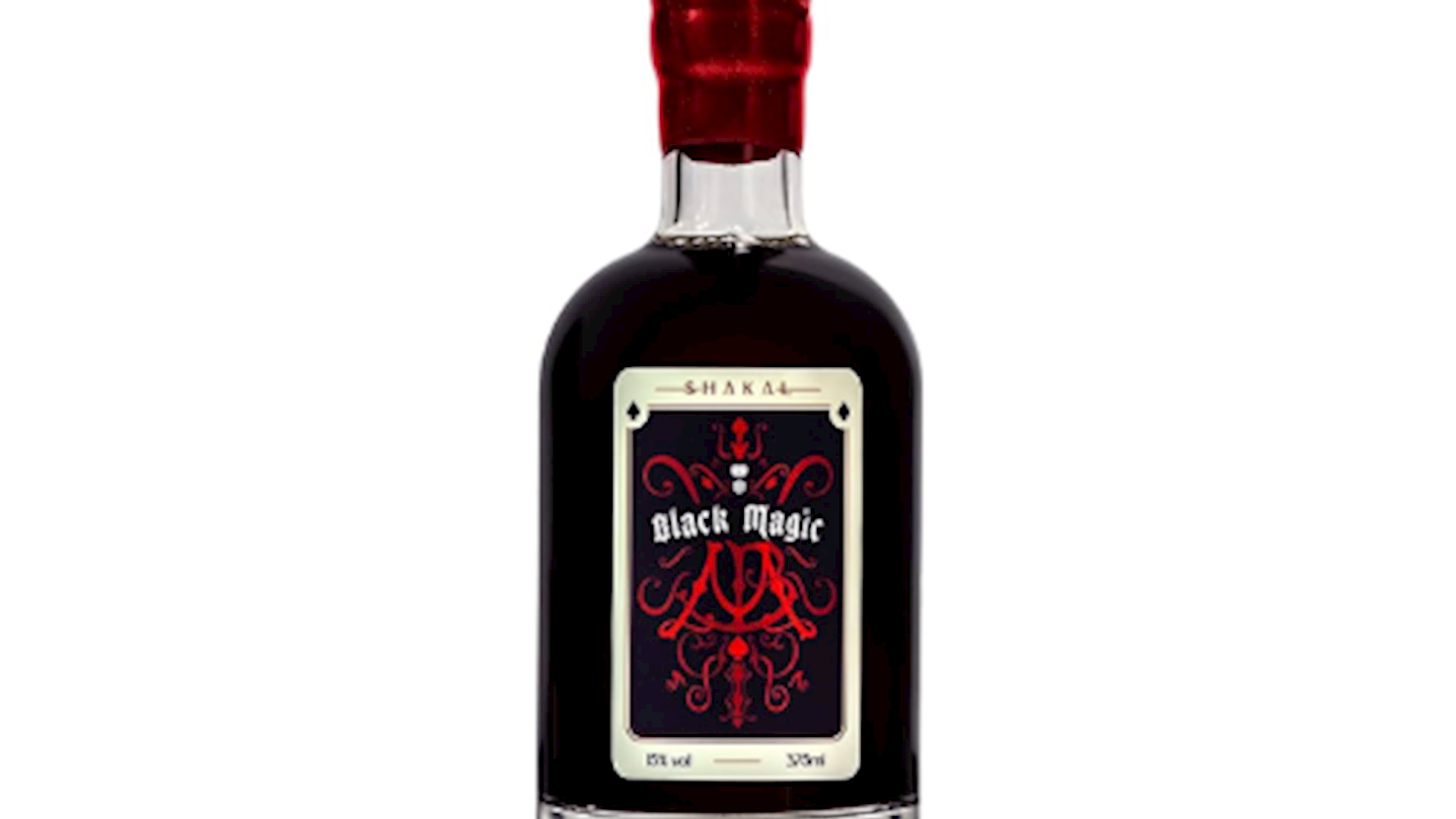
Shakal is a craft mead producer from Matias Barbosa in Minas Gerais, Brazil, known for its experimental and creative approach to this ancient beverage. Their philosophy is based on the idea that mead should not be “obvious” but rather combine local ingredients and innovative techniques to deliver a completely new tasting experience. In production, they use different types of honey, berries, tropical fruits, spices, and even coffee, while some releases are aged in wooden barrels to achieve greater complexity. Their portfolio covers a wide range of styles, from dry and refreshing to rich, liqueur-like variations. Standout creations include Black Magic - a coffee mead aged in bourbon barrels - and fruity melomels such as Raspberry Beret. Their labels are often imaginative and eye-catching, further emphasizing the brand’s unconventional spirit. Their products are available in specialty shops and bars, as well as through their own online store. The brand nurtures a close connection with the local community while also building a reputation on the global mead scene.
Awards
Untappd - 4.2
Untappd - 4.3
06

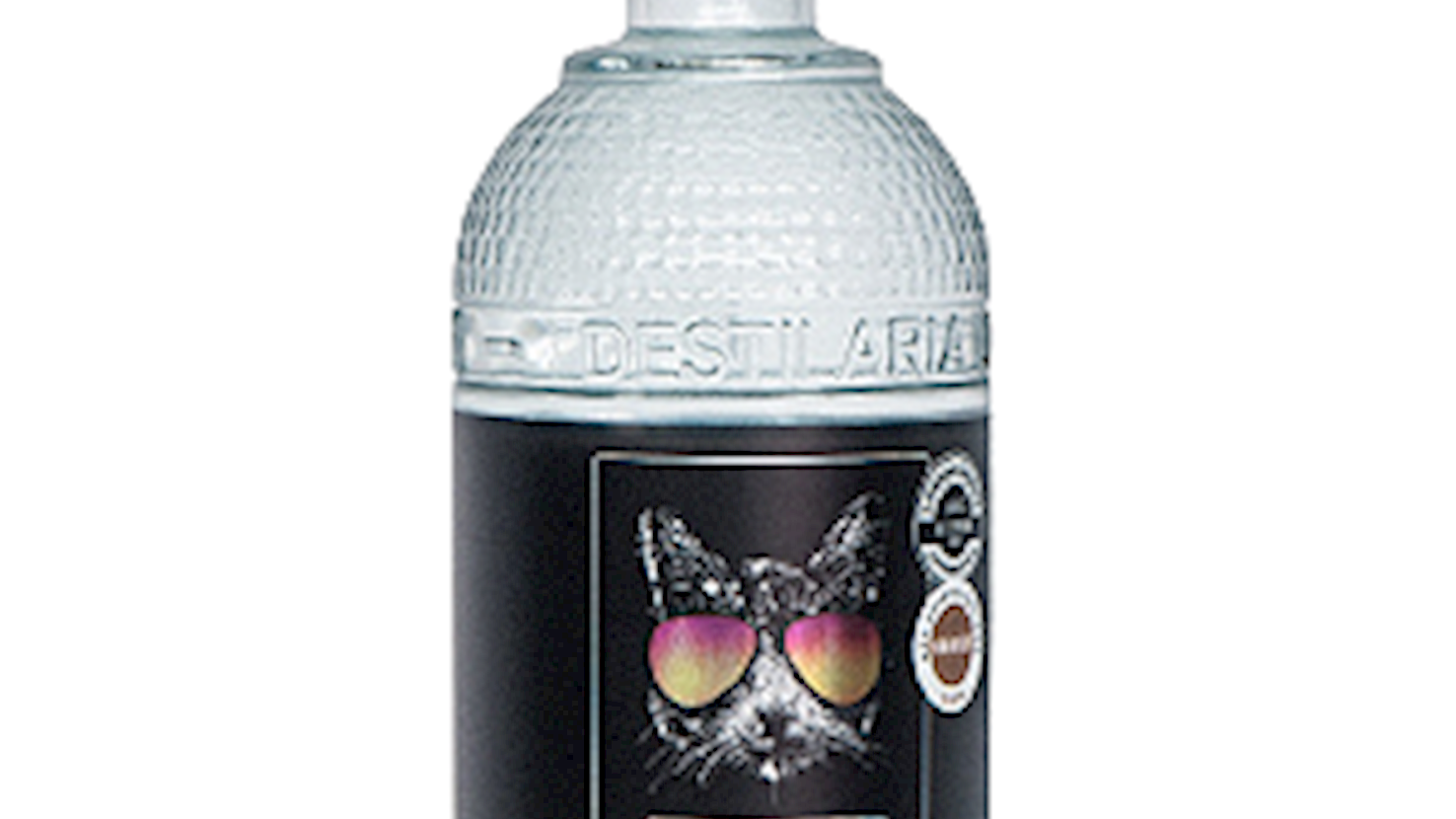
Dry Cat Destilaria Urbana

4.8 ·
Awards
The Gin Masters - Gold (2022)
07

Dude Brewing

4.7 ·
Dude Brewing from Caxias do Sul represents a unique concept that merges craft brewing, specialty coffee, and contemporary art in a creative space known as Beco do Dude. The brewery has distinguished itself on the Brazilian scene with its innovative approach, where each beer release carries a strong imprint of urban pop culture, and ingredients are sourced primarily from small, local producers. Their philosophy is rooted in a blend of quality, creativity, and community - Dude Brewing doesn't just make beer; it builds identity through thoughtful visual design, collaborations with artists, and a carefully curated menu inspired by Asian cuisine. The Beco do Dude venue spans over 700 m² and functions as a multifunctional social hub: brewery, coffee bar, restaurant, and gallery space all in one, creating a one-of-a-kind gathering place in the heart of Caxias do Sul.
Awards
Untappd - 4.1
08

Los Forajidos Brewing

4.7 ·
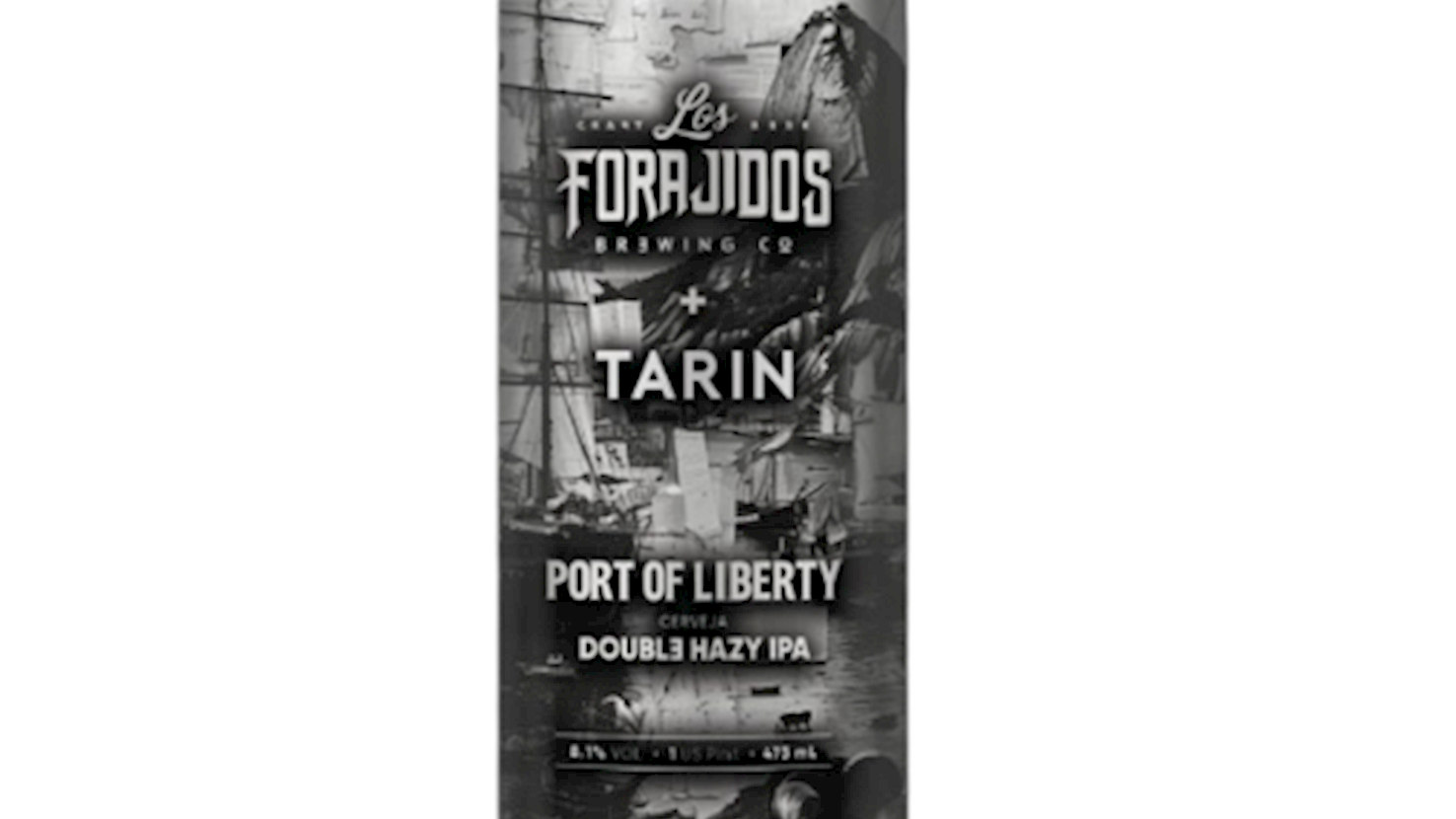
Los Forajidos Brewing is an independent nano-brewery based in São Paulo, Brazil, that has built a reputation as one of the most creative and original players on the country’s craft beer scene since its inception. They specialize in modern, hop-forward styles, with a particular focus on hazy and New England IPAs, distinguished by their rich fruity aroma and velvety texture. Their brewing approach combines technical precision with experimental flair - often incorporating terpenes, innovative hop combinations, and unconventional fruit additions to achieve pronounced aromatic complexity and a unique character in every batch. The brewery’s portfolio also includes other styles such as pale ales, sour beers, and imperial variations, always bearing their signature of intense flavor and a modern sensory profile.
Awards
Untappd - 4.2
Untappd - 4.1
09

Cervejaria Mesopotâmia

4.7 ·
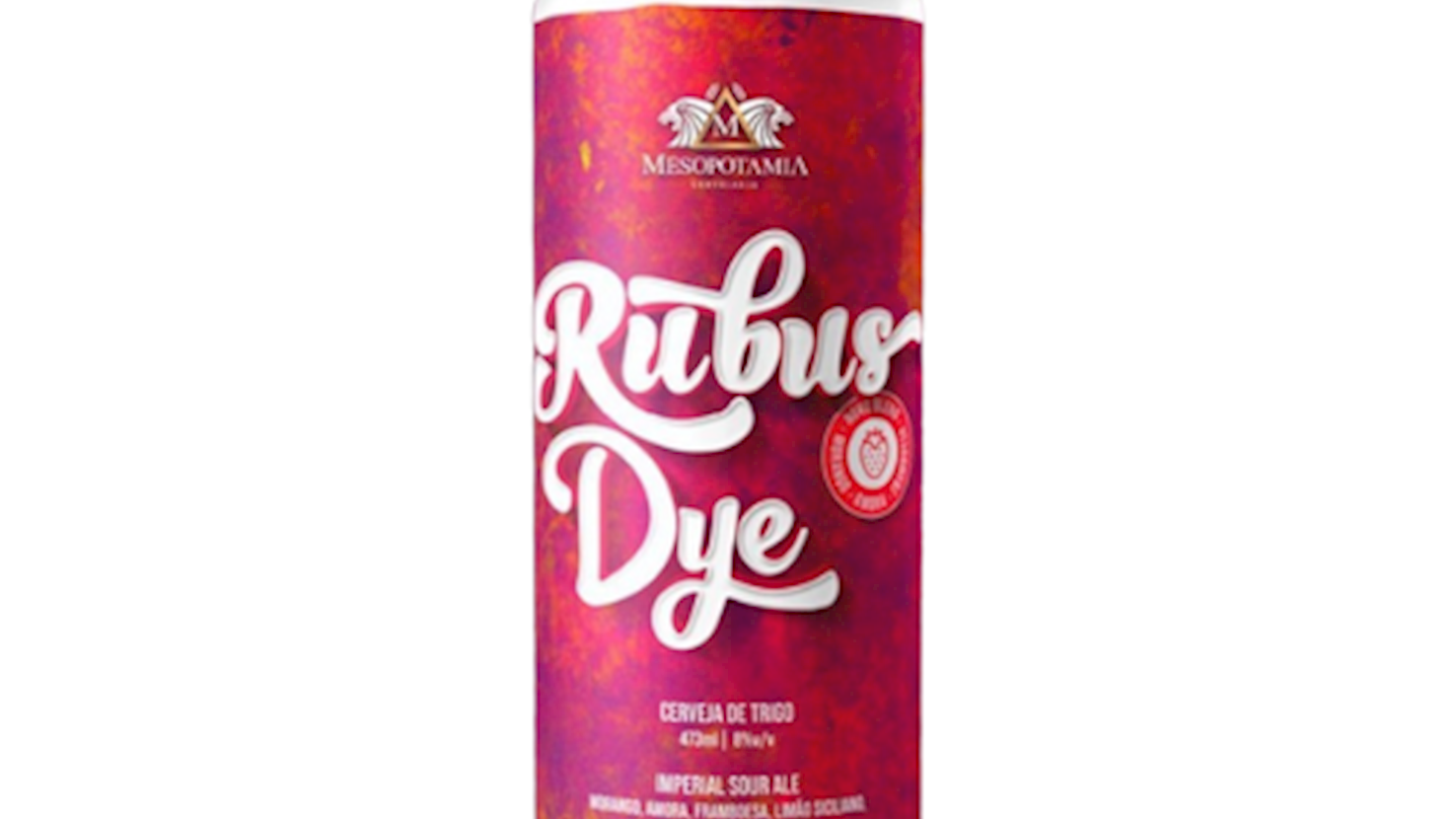
Mesopotamia Cervejaria is a small craft brewery based in Juiz de Fora, in the Brazilian state of Minas Gerais, known for its diverse portfolio and experimental approach to brewing. Their range includes around 17 styles, featuring fruit-forward sour ales, hazy New England IPAs, complex barleywines, and rich Belgian-style quadrupels. The brewery’s name, as well as the names of some of its beers, reflect inspiration drawn from ancient civilizations and cultural heritage, contributing to a distinctive visual and thematic brand identity. By combining passion, creative experimentation, and high-quality standards, Mesopotamia has established itself as a recognizable name on Brazil’s craft beer scene, attracting the attention of both domestic and international beer enthusiasts.
Awards
Untappd - 4.3
10

Tarin Cervejaria

4.7 ·
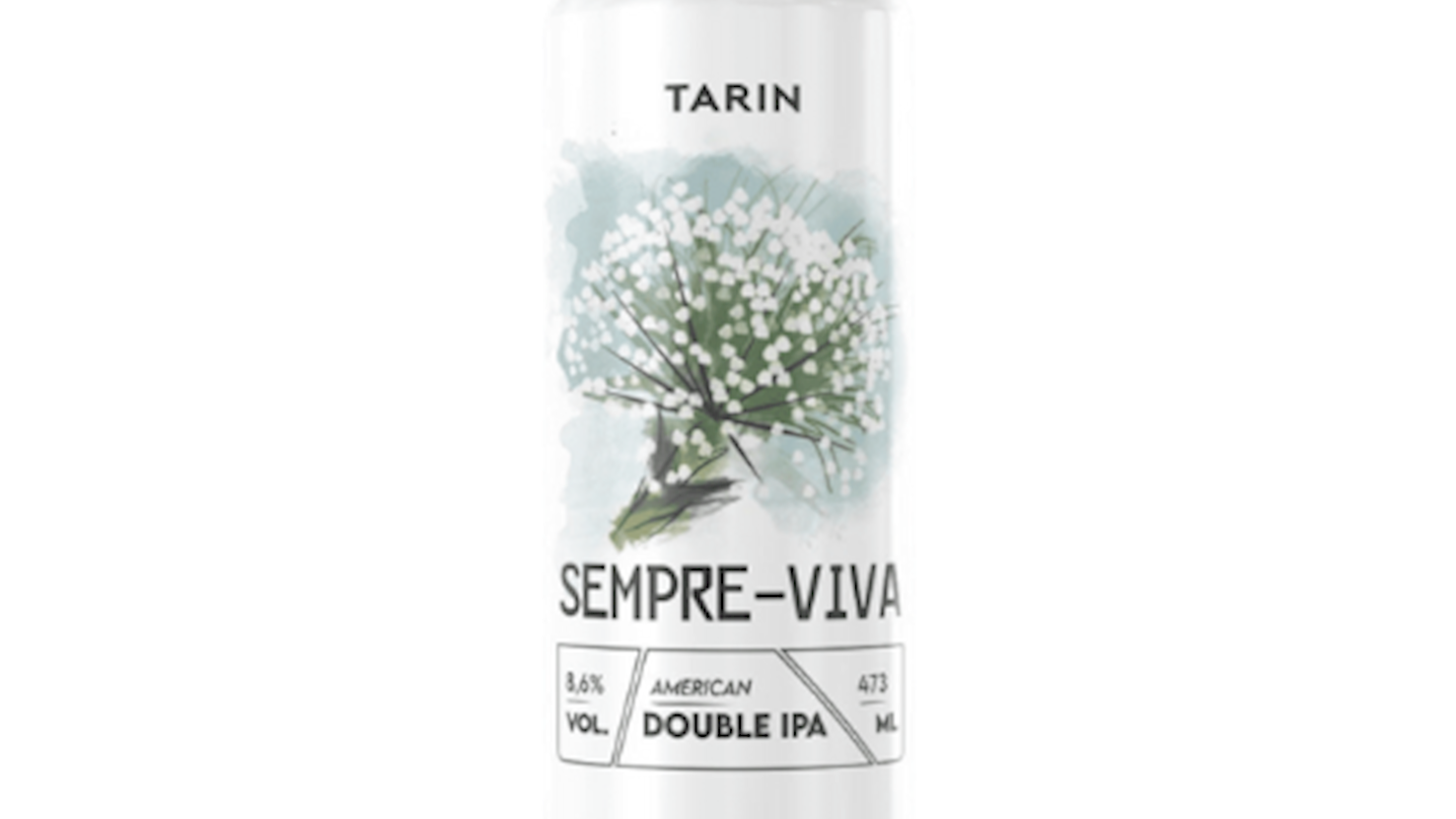
Tarin Cervejaria is an independent nano-brewery from Nova Lima, in the Brazilian state of Minas Gerais, which has been building a distinctive identity since 2018 by blending global beer styles with a pronounced local touch. Their extensive portfolio features over 200 labels, including popular hazy styles, decadent imperial stouts, and a wide variety of fruity, IPA, and sour releases. Each series stands out for its juiciness, aromatic complexity, and strong local character, placing Tarin firmly at the forefront of Brazil’s craft beer scene. The brewery is recognized for its constant innovation and styles that showcase the team’s technical precision and passion, while their commitment to quality attracts both dedicated beer enthusiasts and curious visitors. Thanks to its authentic atmosphere and creative approach, Tarin Cervejaria has earned a reputation as one of the most respected names in contemporary Brazilian brewing.
Awards
Untappd - 4.2
Untappd - 4.4

Best Brazilian Alcoholic Beverage Types
01

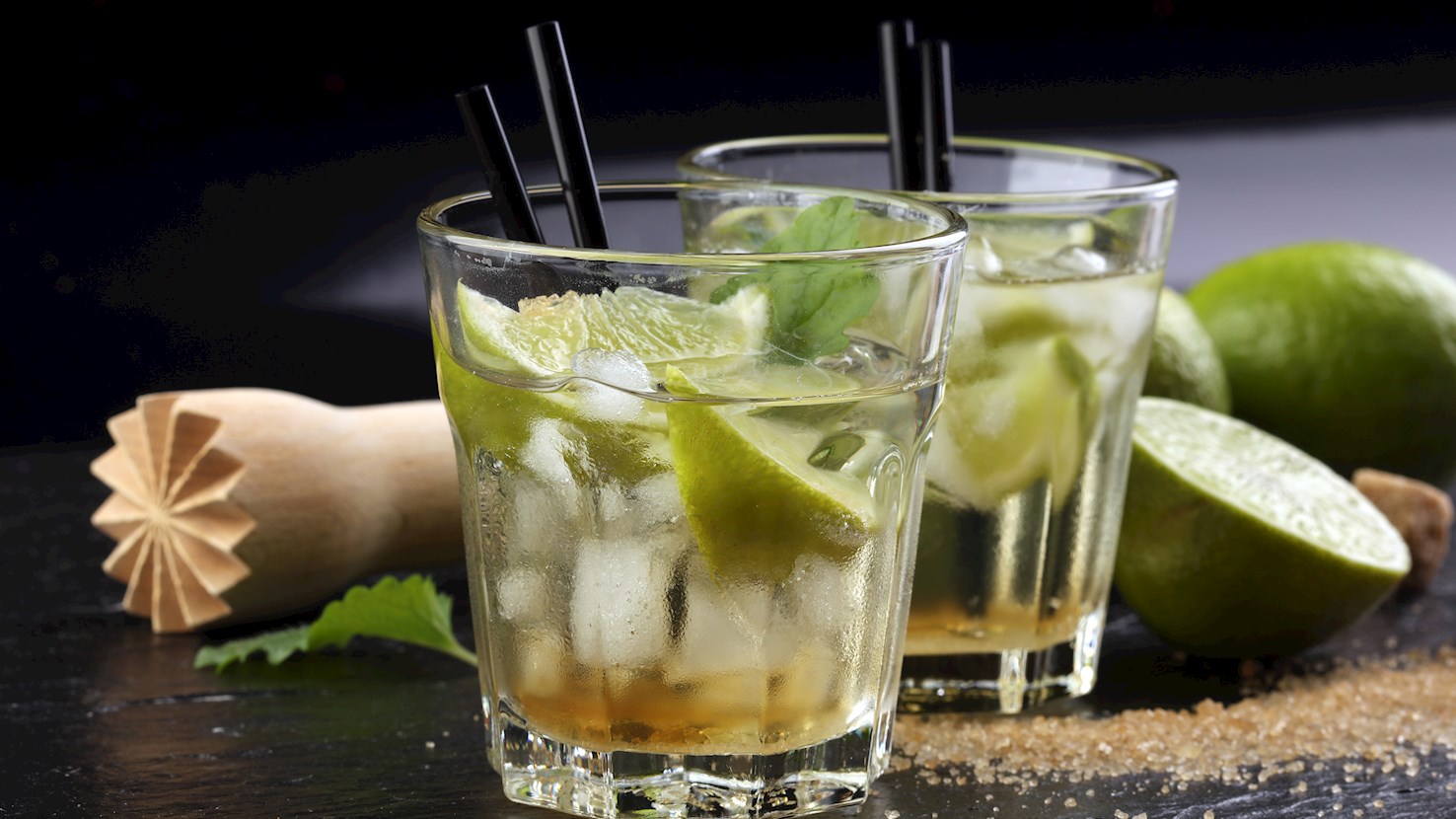
Caipirinha

4.1 ·

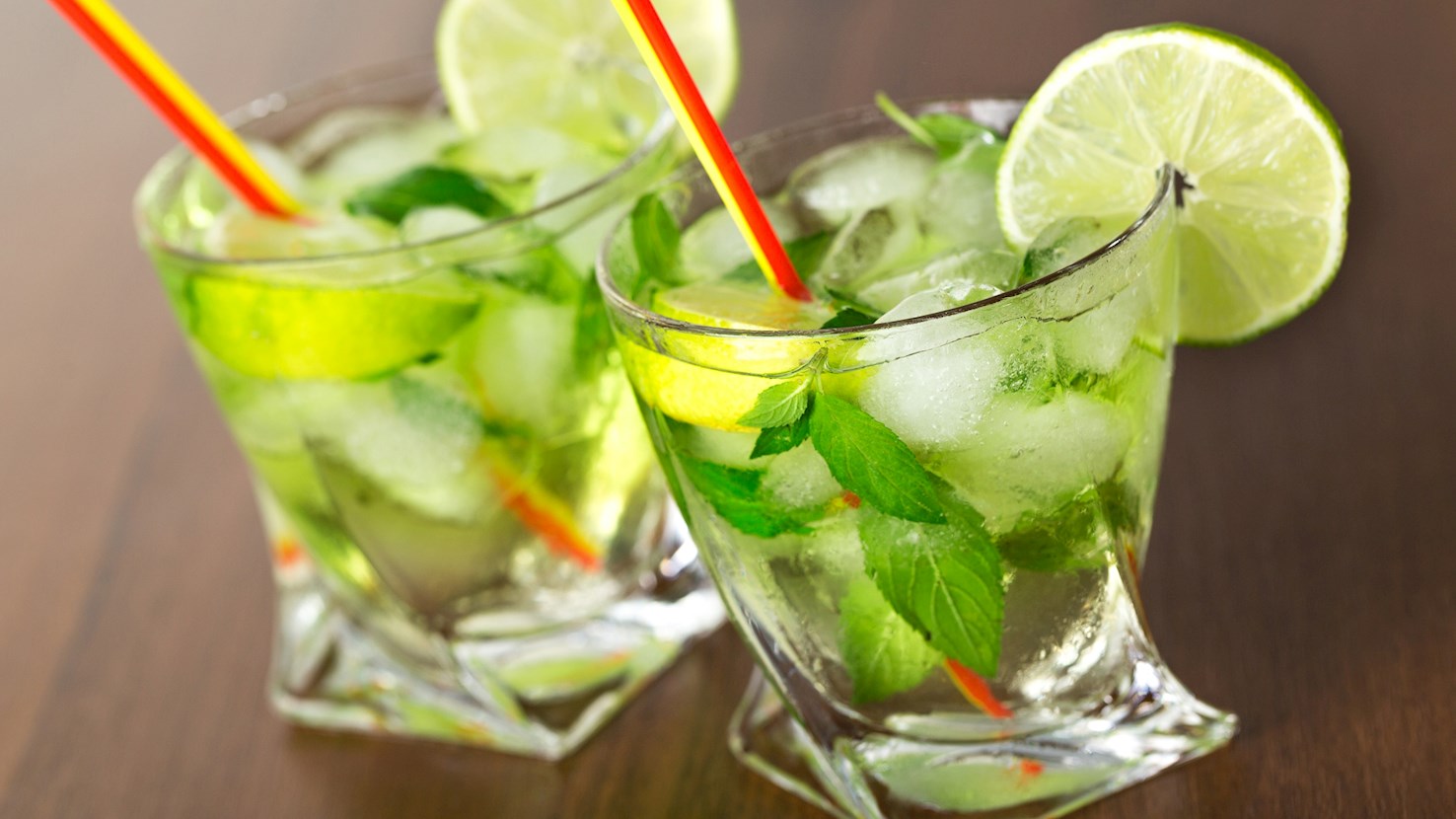
A Brazilian national cocktail called Caipirinha is made with cachaça, sugar, and lime. Cachaça is the most common distilled alcoholic drink in Brazil, and it can be consumed by itself or used as a base for a number of mixed beverages. This refreshing cocktail is simple to prepare: sugar and lime that has been cut into quarters should be gently muddled together with a wooden spoon before adding cachaça and ice. The traditional way to make Caipirinha is in a single large jar that can be shared amongst people, but it can also be served in an old-fashioned glass with a lime wedge garnish.

02

Batida

4 ·

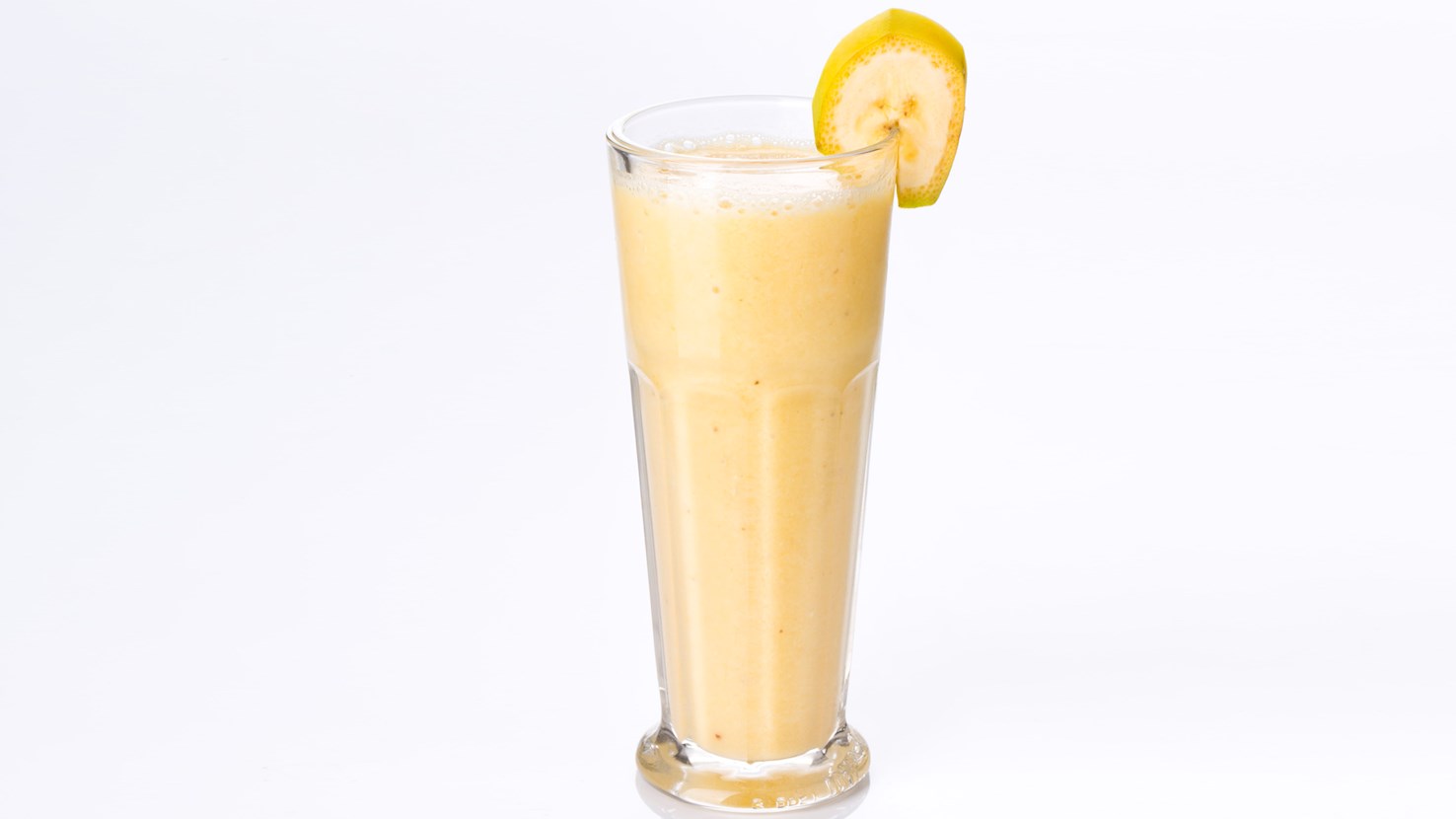
The sweet, refreshing Batida (lit. shaken) is a Brazilian cocktail that's most commonly made with a combination of cachaça, sugar, and either fruit juice or coconut milk. To prepare it, all ingredients are blended or vigorously shaken with ice, then poured into a tall, chilled glass. The most popular fruit juices used in Batida can be made from lemon, passion fruit, mango, or pineapple, among others. Batida is traditionally served with feijoada, the national dish of Brazil. It is rarely found at hotel bars or restaurants, since Batidas are typically sold from barracas – mobile bars located on or near the beach.

03

Caipiroska

3.8 ·

Caipiroska is a cocktail that is quite similar to Caipirinha, but consists of lime, brown sugar, and vodka instead of Brazilian cachaça. This refreshing, citrusy cocktail is a trendy beverage in Brazil, Argentina, Uruguay, and Paraguay, where it is often referred to as Caipivodka or Caipirodka. Both Caipirinha and Caipiroska share the same preparation process: lime wedges and sugar are muddled together before alcohol (in this case, vodka) is added to the combination. A traditional way to serve Caipiroska is in an old-fashioned or highball glass filled with ice and with a lime wedge garnish.

04

Quentão

3.7 ·

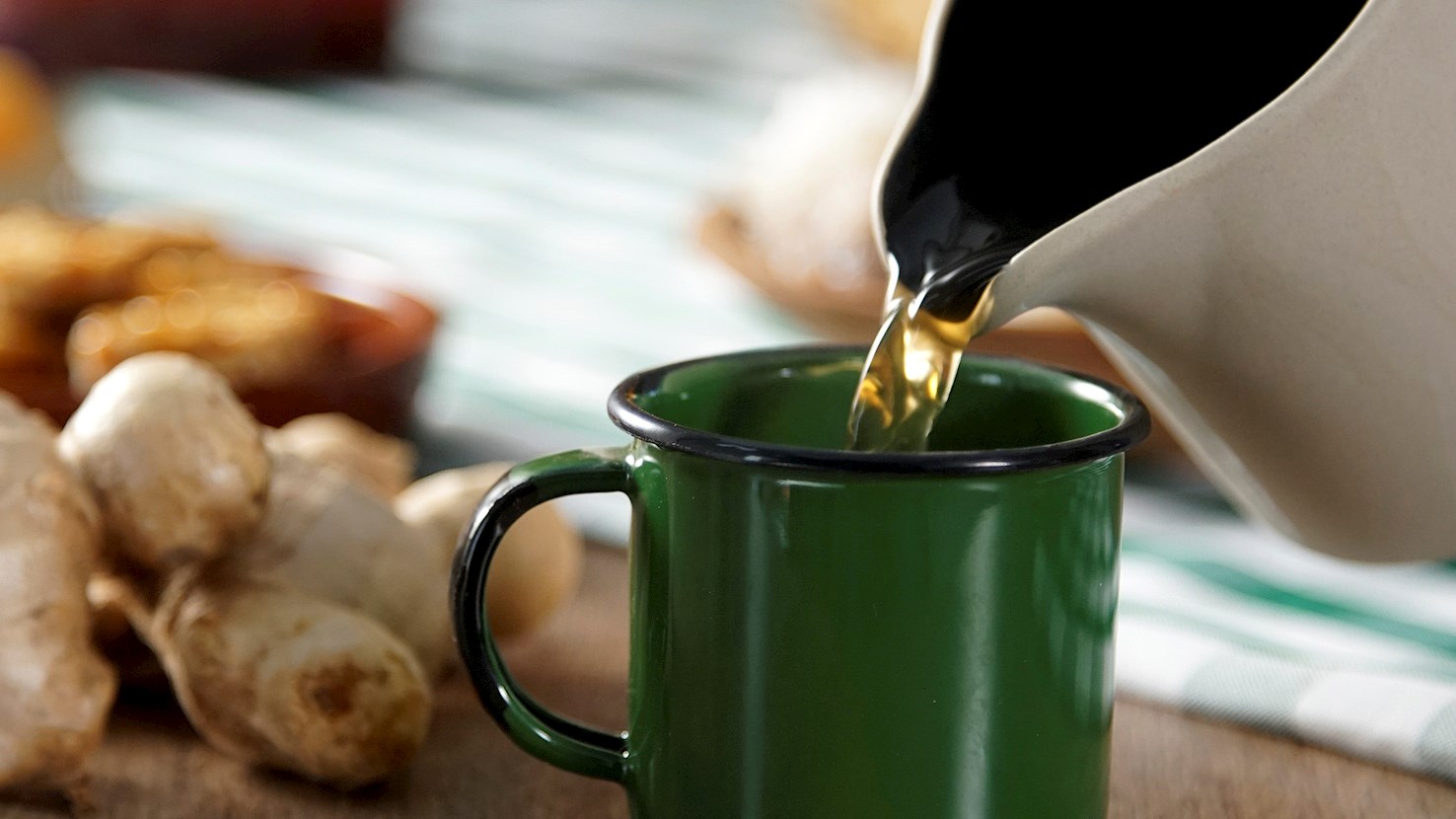
Quentão is a traditional cocktail made with fresh ginger, red apples, sugar, cloves, cinnamon, water, and cachaça. To prepare it, ginger, apples, and sugar are first caramelized, then combined with cloves and cinnamon. Cachaça and water are then added to the combination and the whole thing is boiled slowly, and much of the alcohol evaporates during this process. The cocktail is then typically served in earthenware or ceramic mugs which are garnished with orange or lemon slices or peel. Quentão is especially popular in the south of Brazil during winter and during celebrations such as Festas Juninas. In the far south of Brazil, cachaça is often replaced with red wine, and the result is a beverage similar to mulled wine. When translated, quentão means big hot one or very hot.

05

Cachaça

3.5 ·

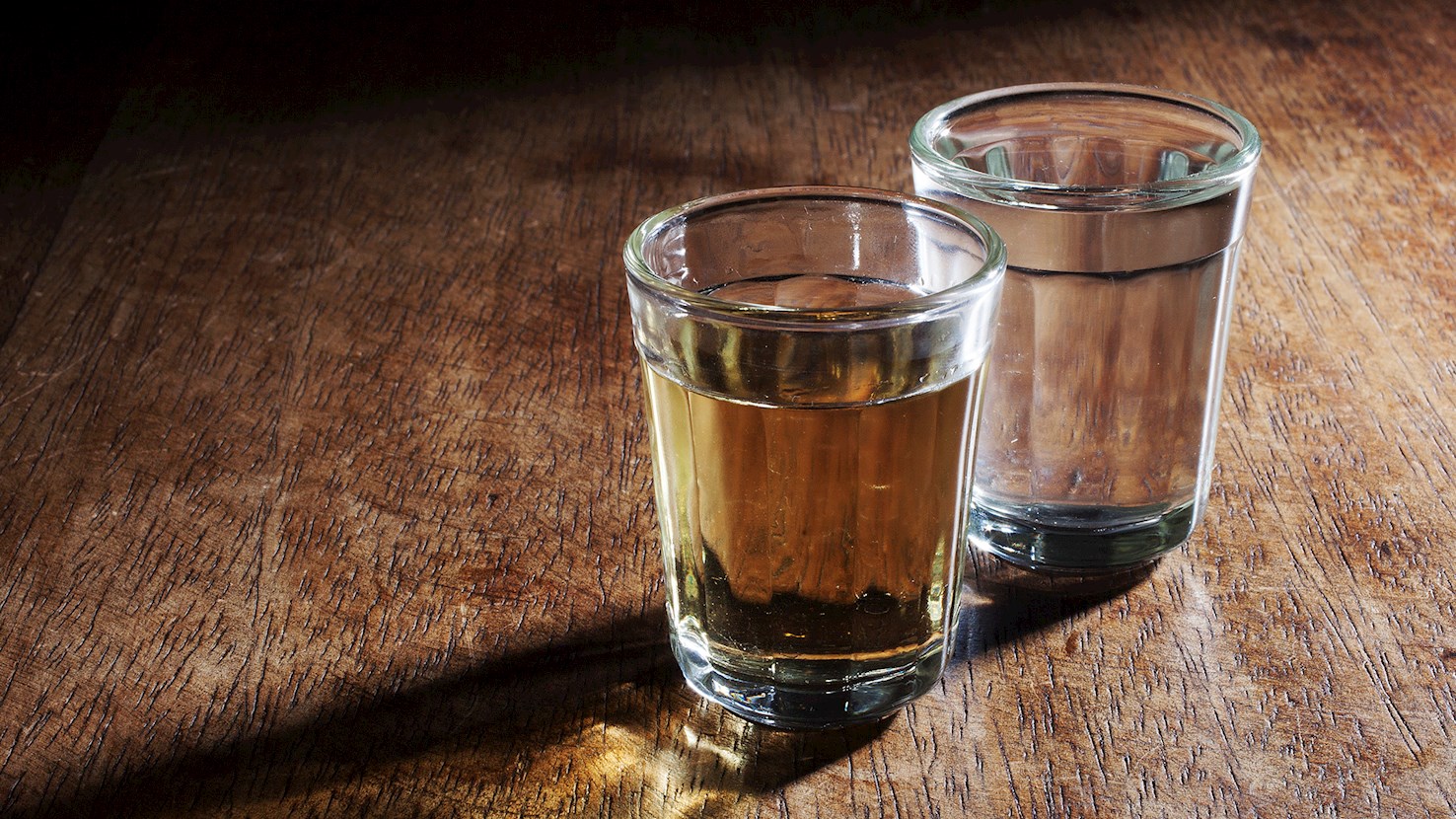
Cachaça is a popular Brazilian drink that is distilled from freshly pressed and fermented sugar cane juice. It is believed that the first varieties of cachaça were produced sometime at the beginning of the 17th century, and were initially known as aguardente de cana. The drink was initially associated with Brazilian slaves, but soon it became a popular option among all social classes, and eventually, during Portuguese colonization, a symbol of national pride. Cachaça became internationally acclaimed with the help of Caipirinha, a classic cocktail that blends the drink with lime and sugar. Though European-style Caipirinha traditionally employs brown sugar, in Brazil, a more popular option is white, fine cane sugar. Cachaça nowadays comes in two styles, as a clear variety that is best used in mixed drinks, or as a golden, barrel-aged drink that is best served on the rocks and slowly sipped.

06

Caju Amigo

3.5 ·

Caju Amigo (lit. Friendly Cashew) is a Brazilian shooter made with a combination of cachaça and cashew juice. In order to prepare it, both ingredients are simply mixed in a shot glass without ice. Cachaça is often served with a cashew slice on the side, which should be chewed without swallowing, followed by a shot of cachaça so that the spirit and the cashew slice are swallowed at the same time.

07

Rabo-de-Galo

3.3 ·

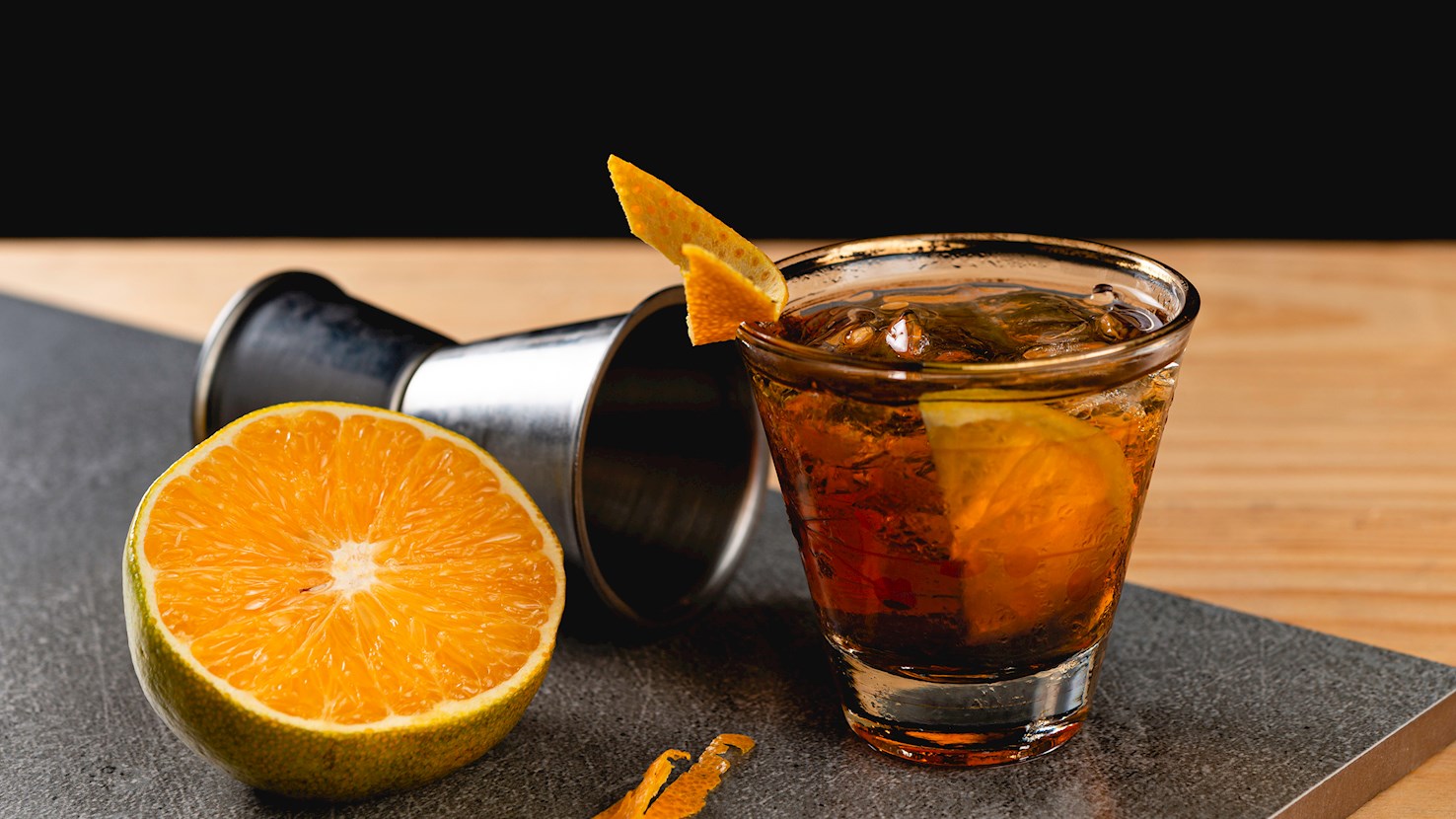
Rabo-de-Galo is a popular Brazilian cocktail made with a combination of cachaça and either sweet vermouth or Cynar (a bitter liqueur), or both sweet vermouth and Cynar, depending on the recipe. In order to prepare it, the ingredients are stirred with ice, then strained into a cocktail glass which can be garnished with an orange peel, if desired. When translated, the name of this drink means rooster’s tail, or simply - cocktail. Nowadays, Rabo-de-Galo is being rescued by Brazilian bartenders who are lobbying to include it on the IBA (International Bartenders Association) list of cocktails.

08

Sakerinha

2.9 ·

Sakerinha is a variation of the famous Brazilian cocktail, the Caipirinha, but instead of using the traditional cachaça (a Brazilian spirit made from sugarcane), it uses sake (Japanese rice wine). The basic ingredients of a Sakerinha are sake, lime and sugar. To make a Sakerinha, lime wedges and sugar are muddled together in a glass. Then, ice and sake are added, and the mixture is stirred well. The drink can be garnished with a slice of lime or other fruits for added flavor and presentation.

09

Catuaba

2.5 ·

Catuaba is a Brazilian alcoholic drink made with red wine. It is infused with guaraná, the caffeine-rich Brazilian plant, and catuaba—another native Brazilian plant that is often lauded as an aphrodisiac, and which gave the drink its name. As a plant, catuaba has been used for centuries, primarily by the Tupi people who were the first to use it due to its alleged health benefits. Catuaba drink is a dark-colored, sweet beverage that is cheap and hence quite popular in Brazil. It can be enjoyed over ice, or it can be used in mixed drinks.

10

Bombeirinho

2.4 ·

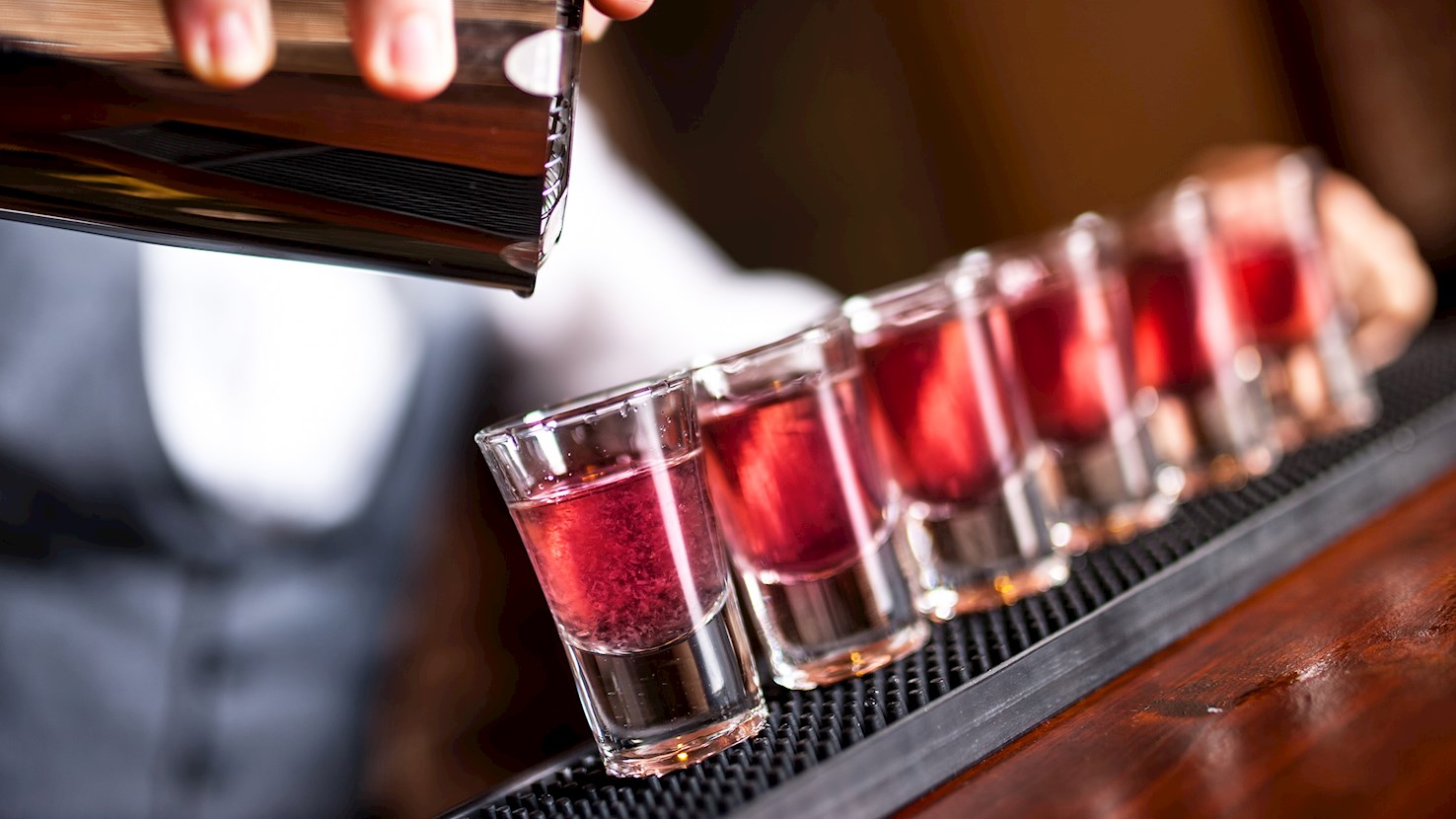
Bombeirinho is a Brazilian cocktail that is usually taken as a shot. In its basic form, the drink combines cachaça (Brazilian sugarcane spirit) and redcurrant syrup. To make the drink, a shot of cachaça is topped with a splash of syrup. Another popular variation consists of cachaça, redcurrant syrup, lime juice, and lemon juice. To prepare it, the ingredients are shaken or mixed with ice, and the combination is then strained into an ice-filled glass. Bombeirinho translates as fireman. The name probably originated as a reference to the red color of the drink that resembles firefighters' uniforms.

11

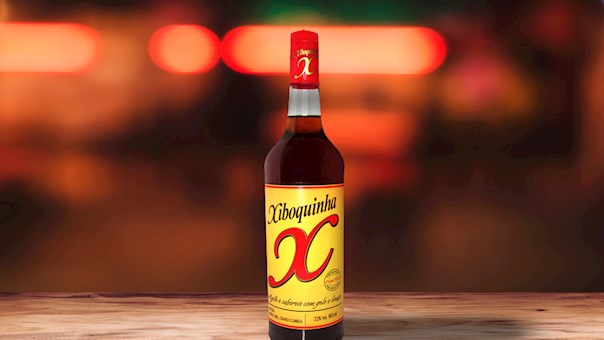
Xiboquinha

n/a ·
12

Leite de Onça

n/a ·
Read more
View all
View map
About this ranking

TasteAtlas food rankings are based on the ratings of the TasteAtlas audience, with a series of mechanisms that recognize real users and that ignore bot, nationalist or local patriotic ratings, and give additional value to the ratings of users that the system recognizes as knowledgeable. For the “Top 51 Brazilian Alcoholic Beverages” list until June 24, 2026, 932 ratings were recorded, of which 734 were recognized by the system as legitimate. TasteAtlas Rankings should not be seen as the final global conclusion about food. Their purpose is to promote excellent local foods, instill pride in traditional dishes, and arouse curiosity about dishes you haven’t tried.

The initial list of top producers was compiled based on available reviews, awards, local recommendations, media and blog coverage, and consumer reviews. The list will be updated with ratings from TasteAtlas local ambassadors and TasteAtlas users.

Similar lists