shutterstock

Top 51 Brazilian Beverages

Last updated on July 15, 2026

Best Brazilian Beverages
01

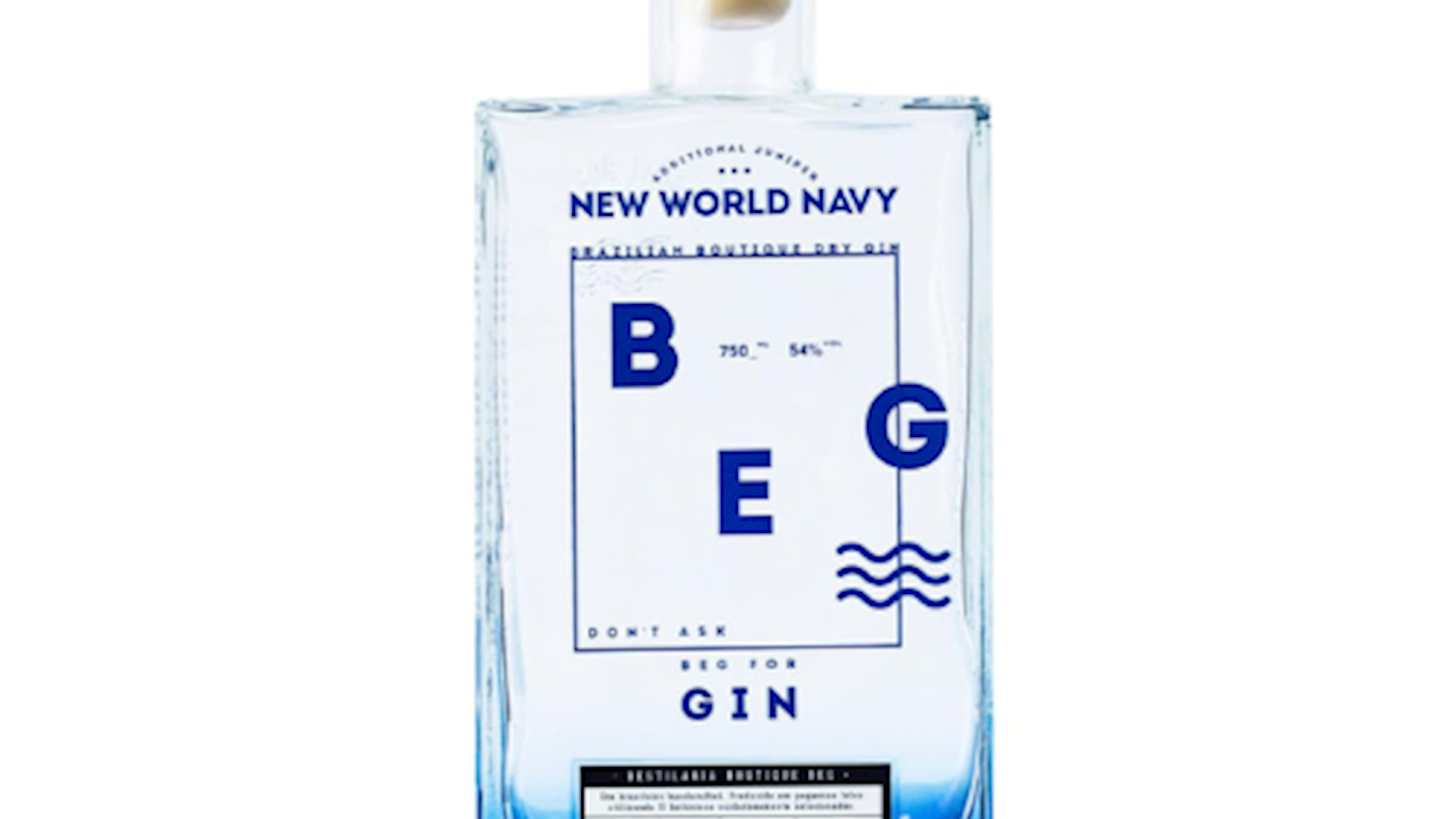
Beg Gin Boutique Distillery

5.0 ·

Beg Gin Boutique Distillery is a craft gin producer located in Brazil, known for its artisanal approach to distilling premium gins. The distillery emphasizes unique botanical blends that highlight local ingredients and flavors, creating distinctive spirits with a strong connection to Brazilian terroir.

Beg Gin's offerings appeal to connoisseurs seeking high-quality, small-batch gin with innovative and refined profiles.

Awards
SFWSC - San Francisco World Spirits Competition - Double Gold (2024, 2023)
Bartender Spirits Awards - Double Gold (2023)
02

Kalvelage

5.0 ·

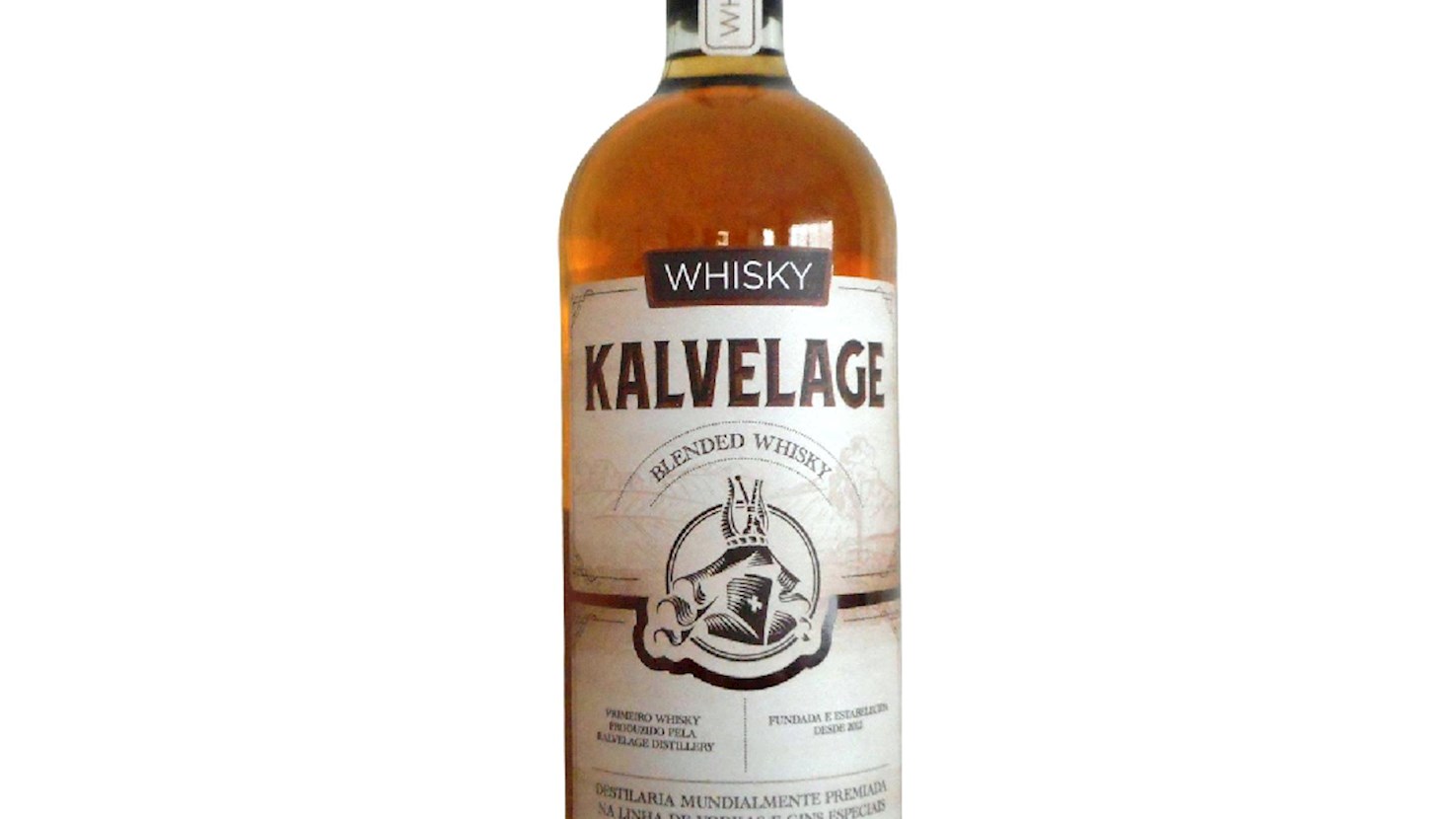
Kalvelage Distillery, founded in 2012 by brothers Marcos and Maurício Kalvelage in Blumenau, Santa Catarina, Brazil, is renowned for producing high-quality spirits. Their product line includes premium vodkas, such as Kalvelage Vodka, Kalvelage Oak Vodka, and Kalvelage Vibe, along with a London Dry Gin.

The distillery uses 100% grains in their production, implementing custom distillation and advanced filtration techniques to ensure top quality. Kalvelage was also the first in Brazil to produce vodka with American oak extract and to introduce a 5-liter Bag-in-Box packaging option.

Awards
NYWSC - New York World Spirits Competition - Double Gold (2023)
SFWSC - San Francisco World Spirits Competition - Double Gold (2023)
03

Ivaí Gin
5.0 ·

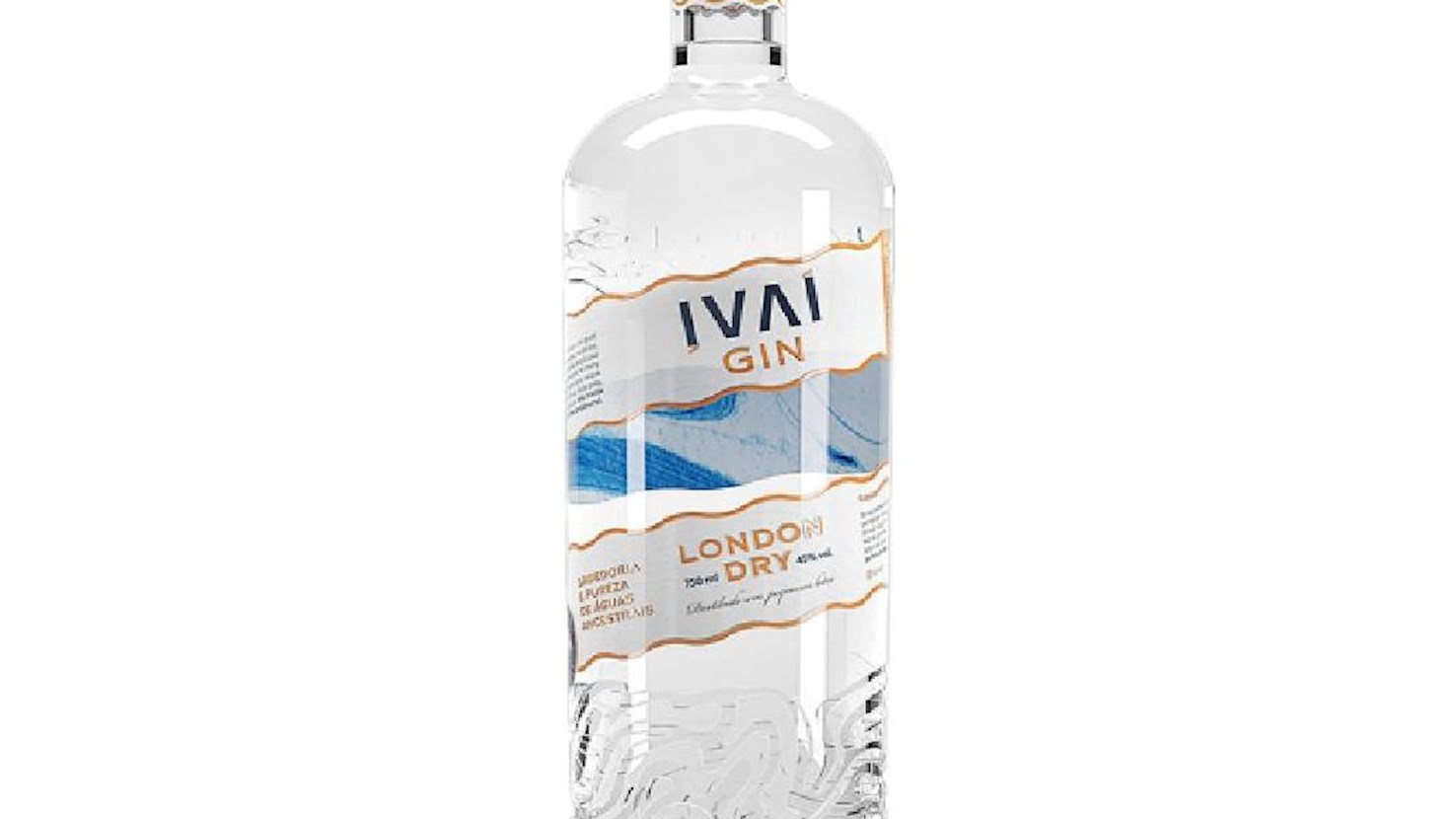
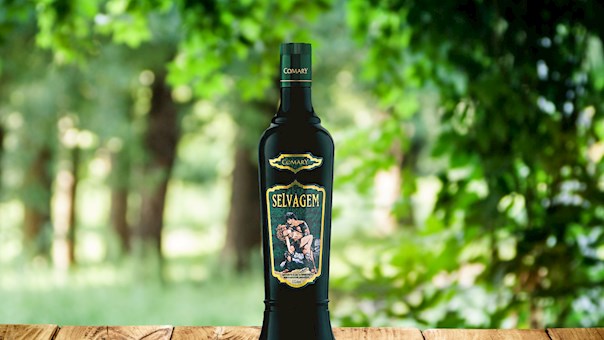
Ivaí Gin is an artisanal Brazilian gin that harmoniously blends traditional London Dry Gin characteristics with native Brazilian botanicals, capturing the essence of the Ivaí River's ancestral waters. Produced by Destilaria Água da Glória, located in São João do Ivaí, Paraná, this gin is crafted using a state-of-the-art distillery designed to maximize efficiency and sustainability, while preserving the best aspects of traditional distillation methods.
The distillery is notable for being Brazil's first carbon-negative gin producer, utilizing 100% renewable energy and employing fully recyclable materials for bottling and packaging.

Awards
SFWSC - San Francisco World Spirits Competition - Double Gold (2023)
European Spirits Challenge - Gold (2023)
04

Shakal

4.8 ·

Shakal is a craft mead producer from Matias Barbosa in Minas Gerais, Brazil, known for its experimental and creative approach to this ancient beverage. Their philosophy is based on the idea that mead should not be “obvious” but rather combine local ingredients and innovative techniques to deliver a completely new tasting experience.

In production, they use different types of honey, berries, tropical fruits, spices, and even coffee, while some releases are aged in wooden barrels to achieve greater complexity. Their portfolio covers a wide range of styles, from dry and refreshing to rich, liqueur-like variations.

Standout creations include Black Magic - a coffee mead aged in bourbon barrels - and fruity melomels such as Raspberry Beret. Their labels are often imaginative and eye-catching, further emphasizing the brand’s unconventional spirit.

Their products are available in specialty shops and bars, as well as through their own online store. The brand nurtures a close connection with the local community while also building a reputation on the global mead scene.

Awards
Untappd - 4.2
Untappd - 4.3
06

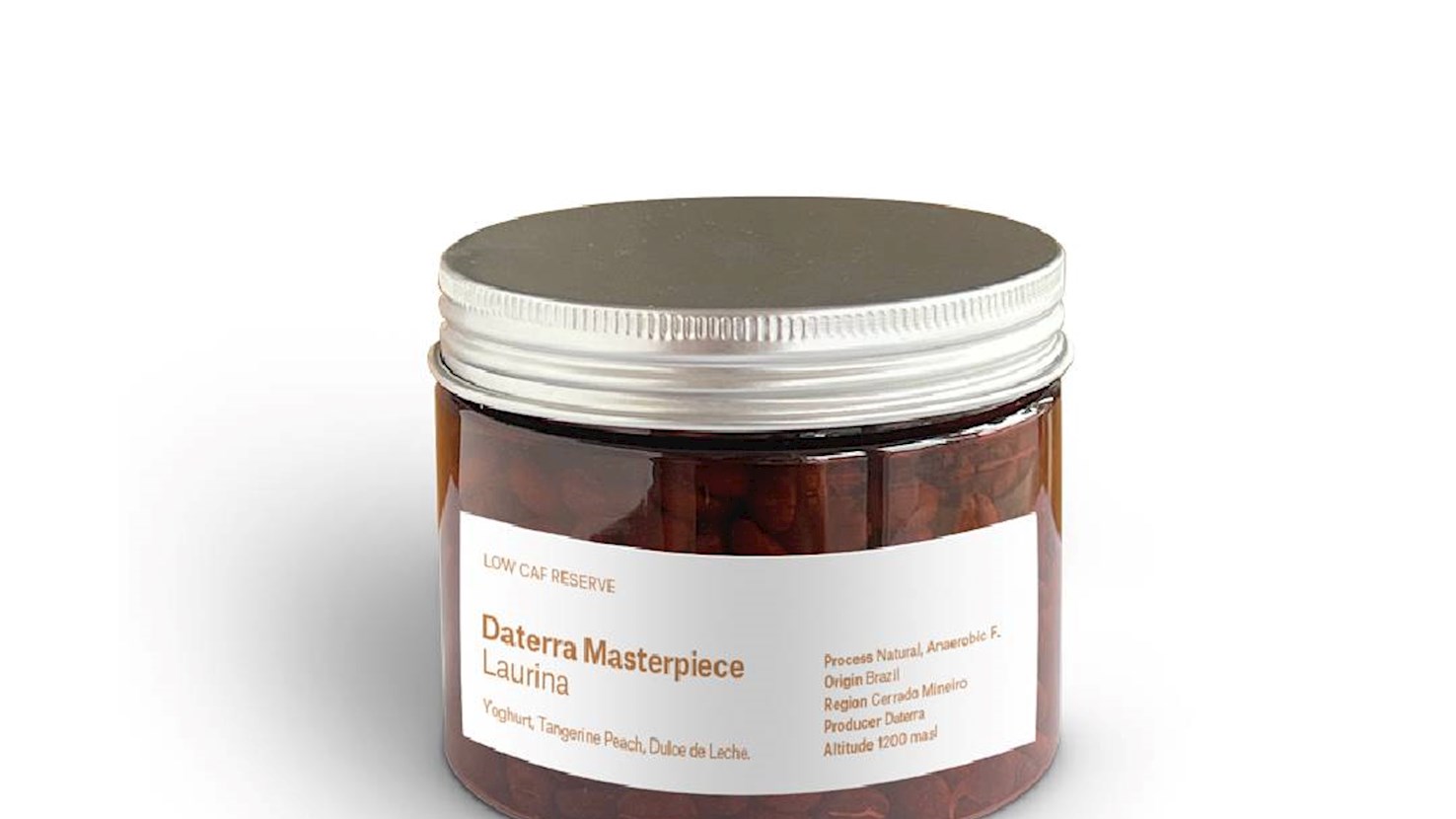
Daterra Coffee

4.8 ·

Daterra Coffee – Innovation and Sustainability in Specialty Coffee Daterra Coffee is a leading Brazilian coffee plantation renowned for its innovative and sustainable practices in specialty coffee cultivation. Located in the Cerrado region, Daterra was founded in the 1980s with the mission of redefining coffee production through environmentally responsible methods.

Their farms, situated in Patrocínio, are among the oldest coffee plantations in Brazil’s Cerrado, positioned at an average altitude of over 900 meters, with some areas reaching 1,200 meters. Daterra was the first coffee farm in the world to package its green coffee in sealed vacuum packs, preserving the delicate flavor nuances throughout long overseas journeys.

Their commitment to sustainability is evident through certifications such as Rainforest Alliance and accolades like the Prêmio Fazenda Sustentável 2015, awarded by Globo Rural, Brazil’s leading agricultural magazine, recognizing Daterra as the most sustainable farm in the country. The farm is also known for its innovative projects, including a collaboration with Zingerman’s Coffee Company to cultivate the Pacamara variety, traditionally not grown in Brazil, demonstrating their dedication to experimentation and quality enhancement.

Their philosophy, “Coffee That Is Truly Green,” emphasizes harmony with nature, ensuring that the land is borrowed and returned through sustainable practices, producing coffee that contributes to a better world.

07

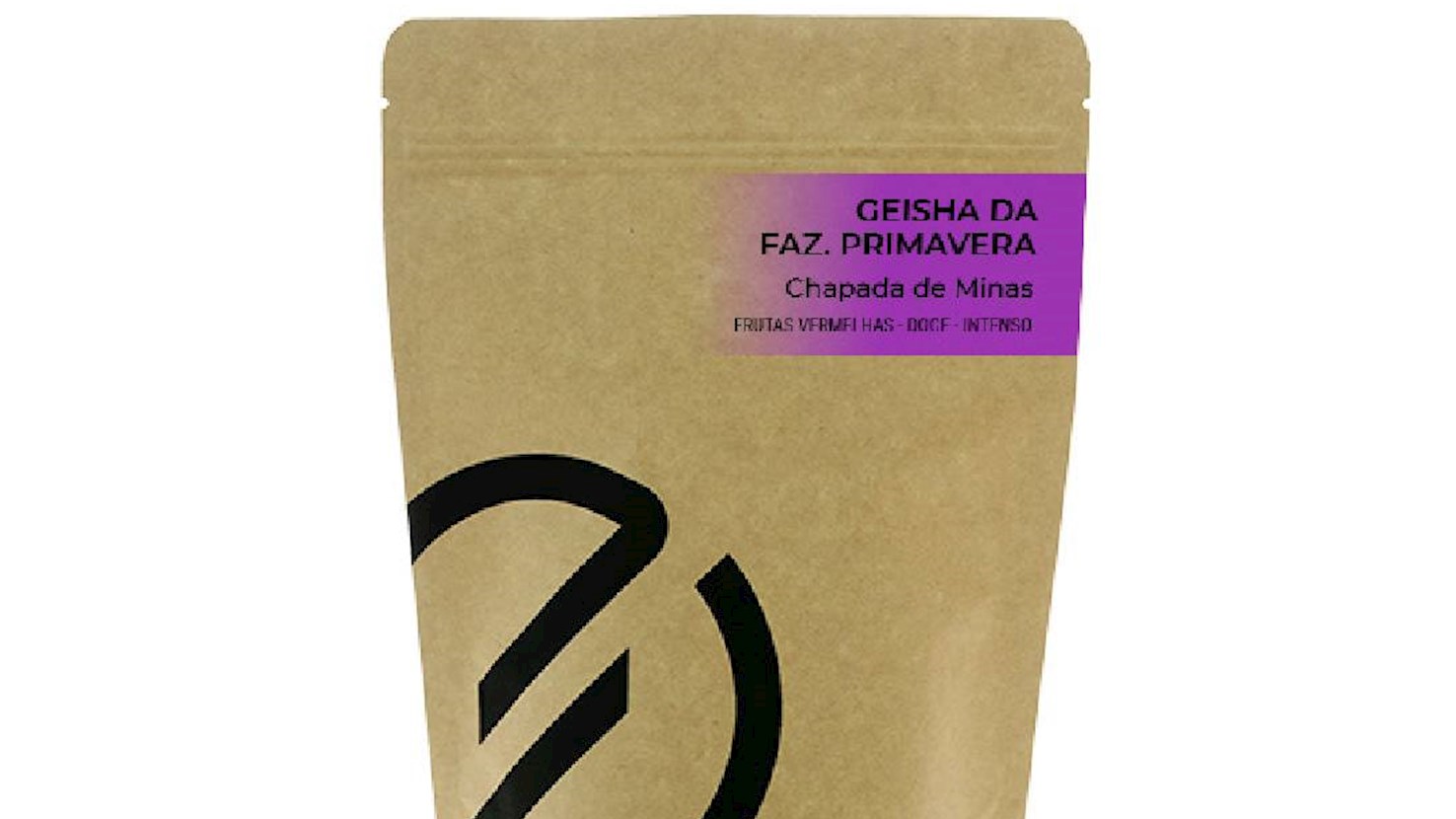
Fazenda Primavera

4.8 ·

Located in the heart of Chapada de Minas, Fazenda Primavera is synonymous with the production of premium Arabica coffee. Thanks to this specific geographical location, the farm cultivates Arabica varieties in a dry region, with plantations spread across flat plateaus with gentle slopes, typical of this area.

The microclimate, characterized by periods of humidity and drought, creates ideal conditions for growing high-quality coffee. At Fazenda Primavera, special attention is given to sustainable coffee cultivation. The farm has implemented techniques that minimize the environmental impact of production, and as part of long-term projects, coffee is grown alongside African mahogany, creating a unique product – Mahogany Coffee. With a passion for quality and a commitment to preserving the natural environment, Fazenda Primavera continues to produce top-quality coffee, recognized by coffee lovers around the world.

08

Dry Cat Destilaria Urbana

4.8 ·
Awards
The Gin Masters - Gold (2022)
09

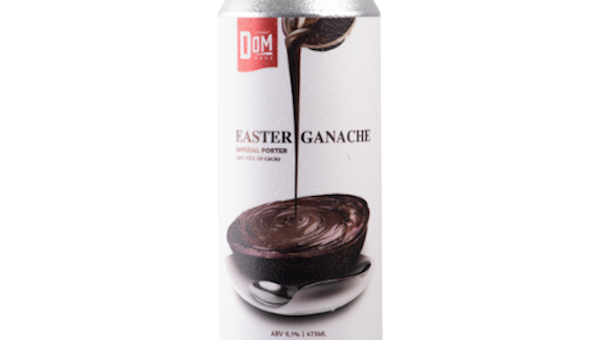
Dude Brewing

4.7 ·

Dude Brewing from Caxias do Sul represents a unique concept that merges craft brewing, specialty coffee, and contemporary art in a creative space known as Beco do Dude. The brewery has distinguished itself on the Brazilian scene with its innovative approach, where each beer release carries a strong imprint of urban pop culture, and ingredients are sourced primarily from small, local producers.

Their philosophy is rooted in a blend of quality, creativity, and community - Dude Brewing doesn't just make beer; it builds identity through thoughtful visual design, collaborations with artists, and a carefully curated menu inspired by Asian cuisine. The Beco do Dude venue spans over 700 m² and functions as a multifunctional social hub: brewery, coffee bar, restaurant, and gallery space all in one, creating a one-of-a-kind gathering place in the heart of Caxias do Sul.

Awards
Untappd - 4.1
10

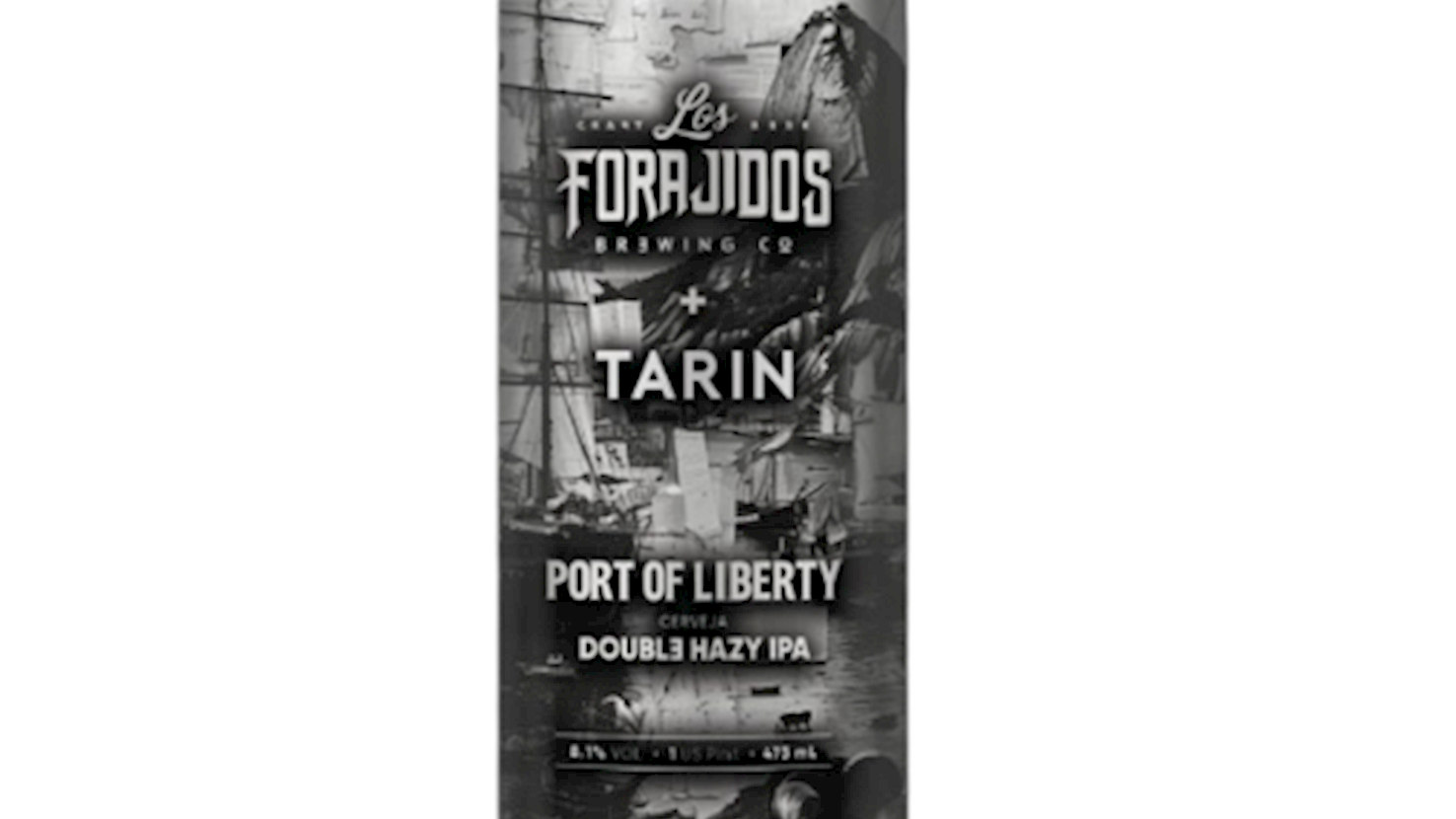
Los Forajidos Brewing

4.7 ·

Los Forajidos Brewing is an independent nano-brewery based in São Paulo, Brazil, that has built a reputation as one of the most creative and original players on the country’s craft beer scene since its inception. They specialize in modern, hop-forward styles, with a particular focus on hazy and New England IPAs, distinguished by their rich fruity aroma and velvety texture.

Their brewing approach combines technical precision with experimental flair - often incorporating terpenes, innovative hop combinations, and unconventional fruit additions to achieve pronounced aromatic complexity and a unique character in every batch. The brewery’s portfolio also includes other styles such as pale ales, sour beers, and imperial variations, always bearing their signature of intense flavor and a modern sensory profile.

Awards
Untappd - 4.2
Untappd - 4.1

Best Brazilian Beverage Types

01

Caipirinha

4.1 ·

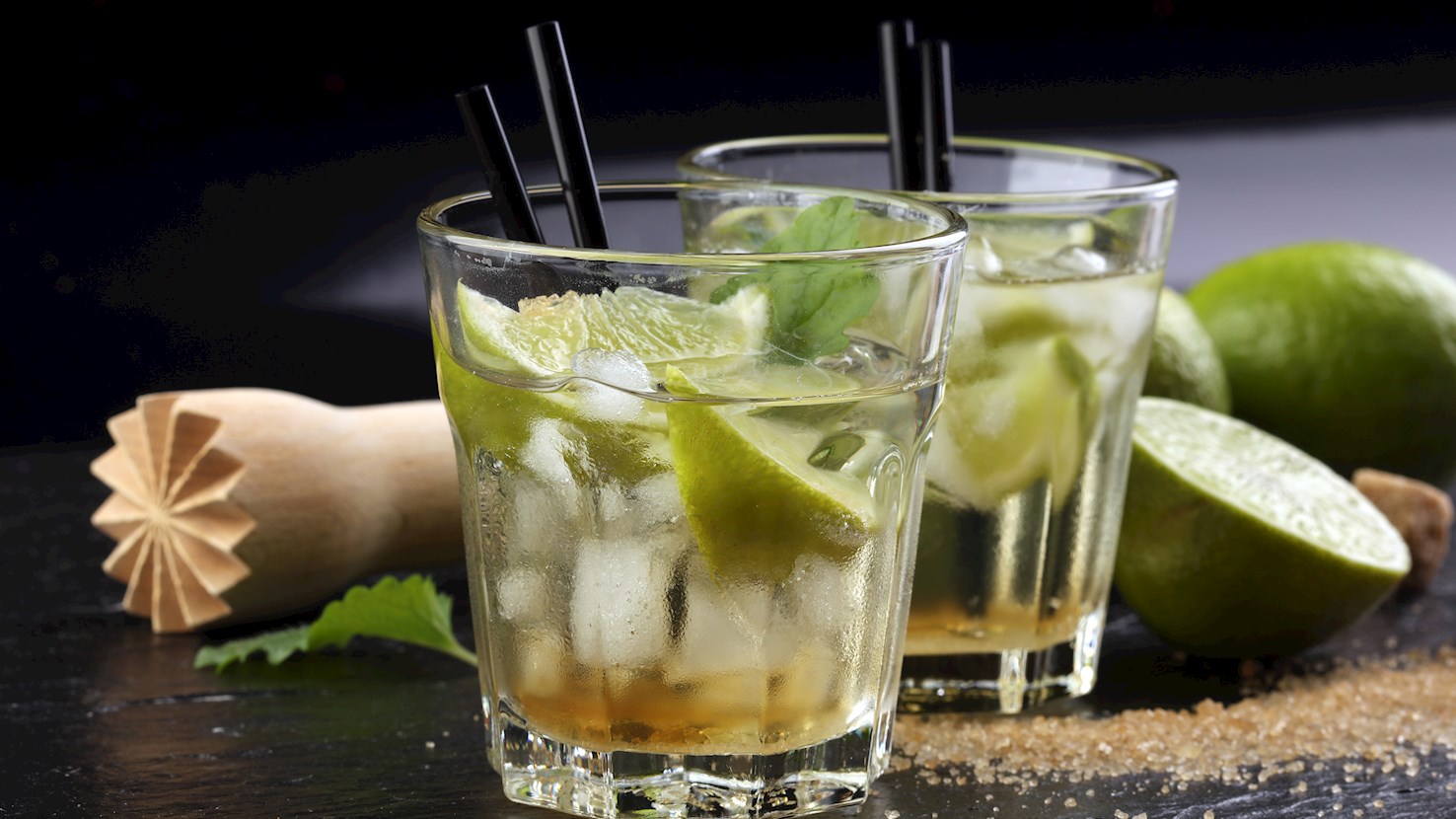
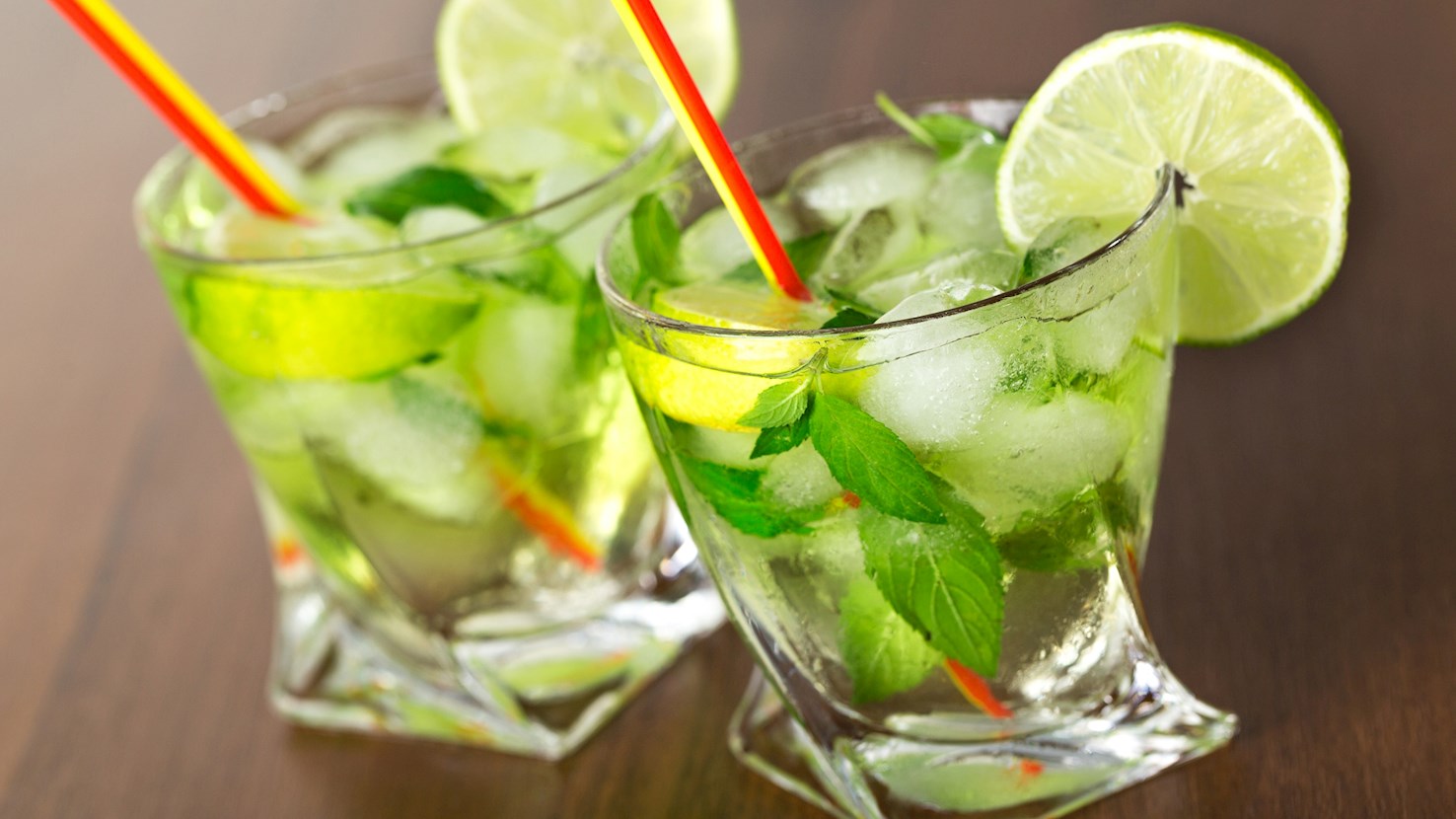
A Brazilian national cocktail called Caipirinha is made with cachaça, sugar, and lime. Cachaça is the most common distilled alcoholic drink in Brazil, and it can be consumed by itself or used as a base for a number of mixed beverages. This refreshing cocktail is simple to prepare: sugar and lime that has been cut into quarters should be gently muddled together with a wooden spoon before adding cachaça and ice. The traditional way to make Caipirinha is in a single large jar that can be shared amongst people, but it can also be served in an old-fashioned glass with a lime wedge garnish.

02

Batida

4.0 ·

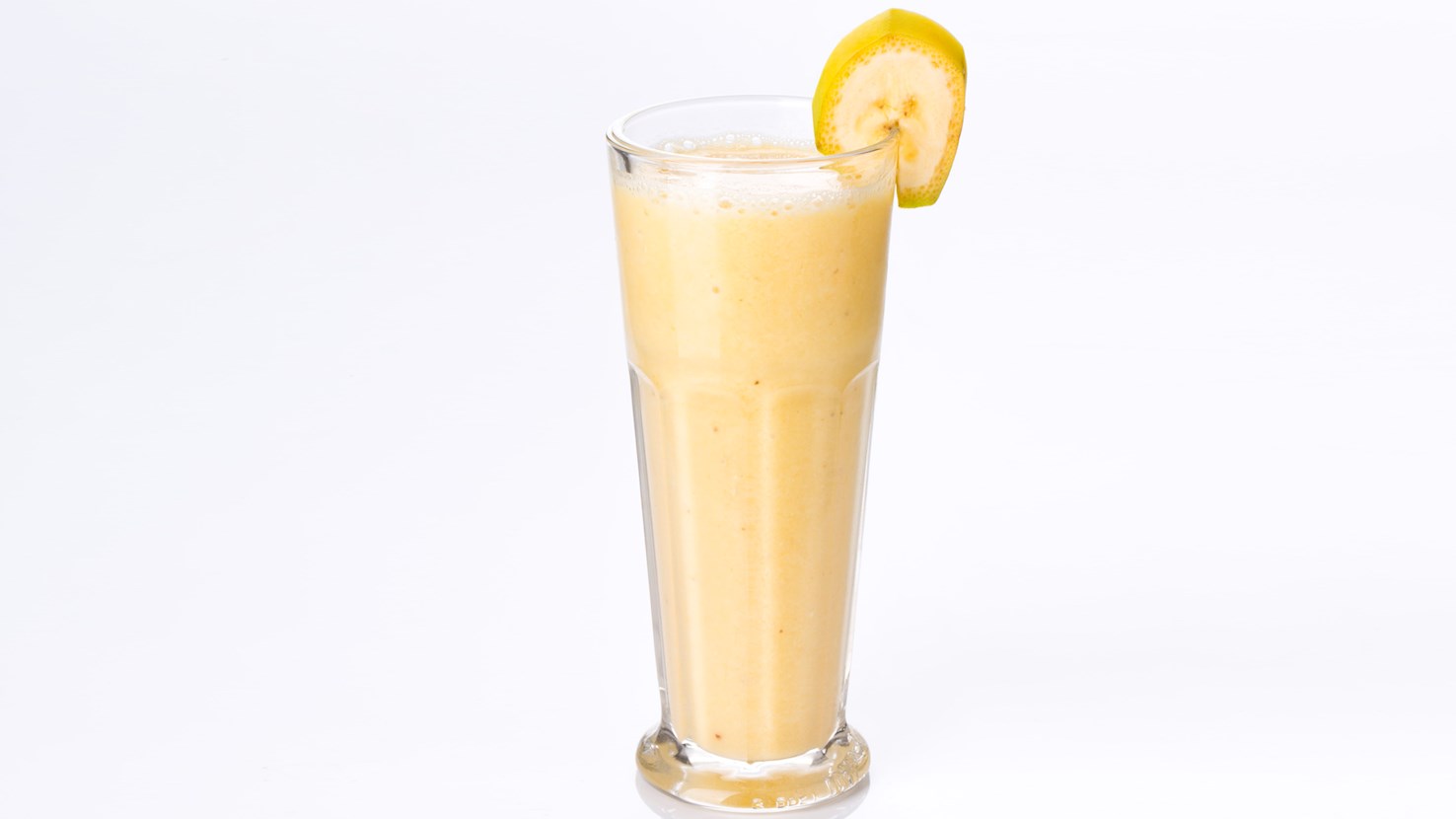
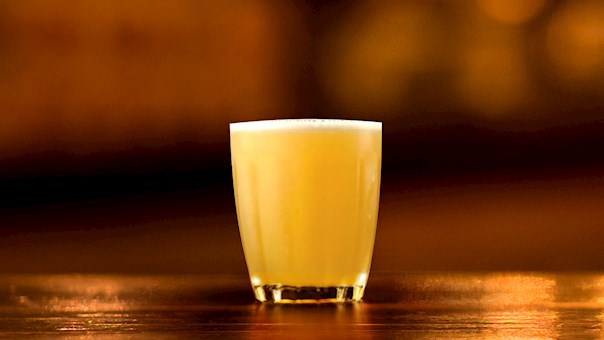
The sweet, refreshing Batida (lit. shaken) is a Brazilian cocktail that's most commonly made with a combination of cachaça, sugar, and either fruit juice or coconut milk. To prepare it, all ingredients are blended or vigorously shaken with ice, then poured into a tall, chilled glass. The most popular fruit juices used in Batida can be made from lemon, passion fruit, mango, or pineapple, among others. Batida is traditionally served with feijoada, the national dish of Brazil. It is rarely found at hotel bars or restaurants, since Batidas are typically sold from barracas – mobile bars located on or near the beach.

03

Limonada suíça

4.0 ·

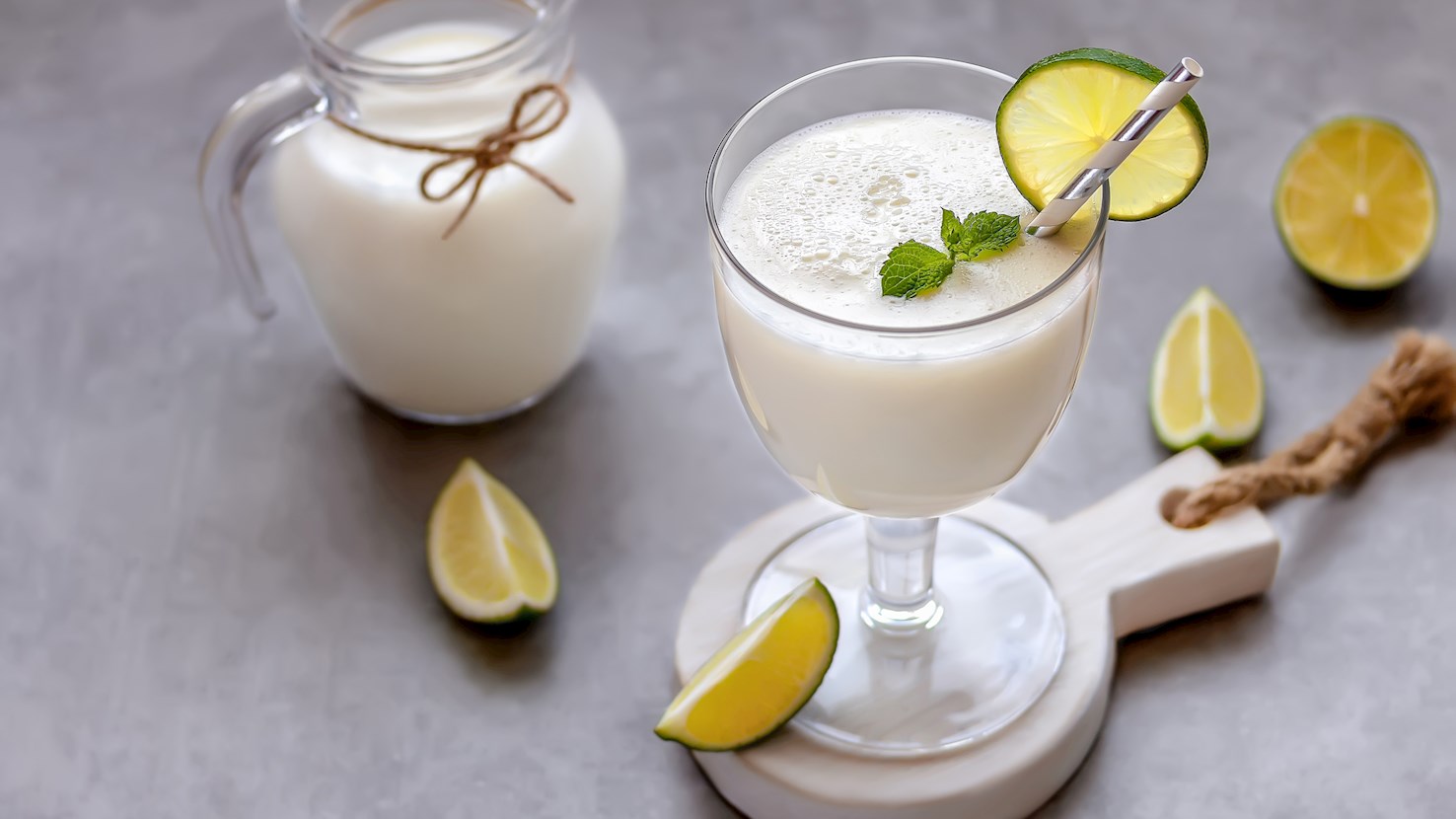
Swiss lemonade or limonada suíça is a thirst-quenching, lime-based drink that hails from Brazil. In its basic form, it is made with fresh limes, water, sugar, and ice. The limes are usually cut into small pieces—with the skin on—and all the ingredients are shortly blended until frothy. The drink should be served immediately, while it is still ice-cold. The most popular variation includes condensed milk, which provides a smoother and creamier texture. The unusual name of this limeade has never been completely clarified, but several theories suggest that it might have been invented by a Swiss restaurateur or at a Swiss hospitality school. One popular explanation also says that the original version included condensed milk, and the most popular was the Swiss brand Nestlé. Swiss lemonade can be served as is or over ice.

04

Caipiroska

3.8 ·

Caipiroska is a cocktail that is quite similar to Caipirinha, but consists of lime, brown sugar, and vodka instead of Brazilian cachaça. This refreshing, citrusy cocktail is a trendy beverage in Brazil, Argentina, Uruguay, and Paraguay, where it is often referred to as Caipivodka or Caipirodka. Both Caipirinha and Caipiroska share the same preparation process: lime wedges and sugar are muddled together before alcohol (in this case, vodka) is added to the combination. A traditional way to serve Caipiroska is in an old-fashioned or highball glass filled with ice and with a lime wedge garnish.

05

Quentão

3.7 ·

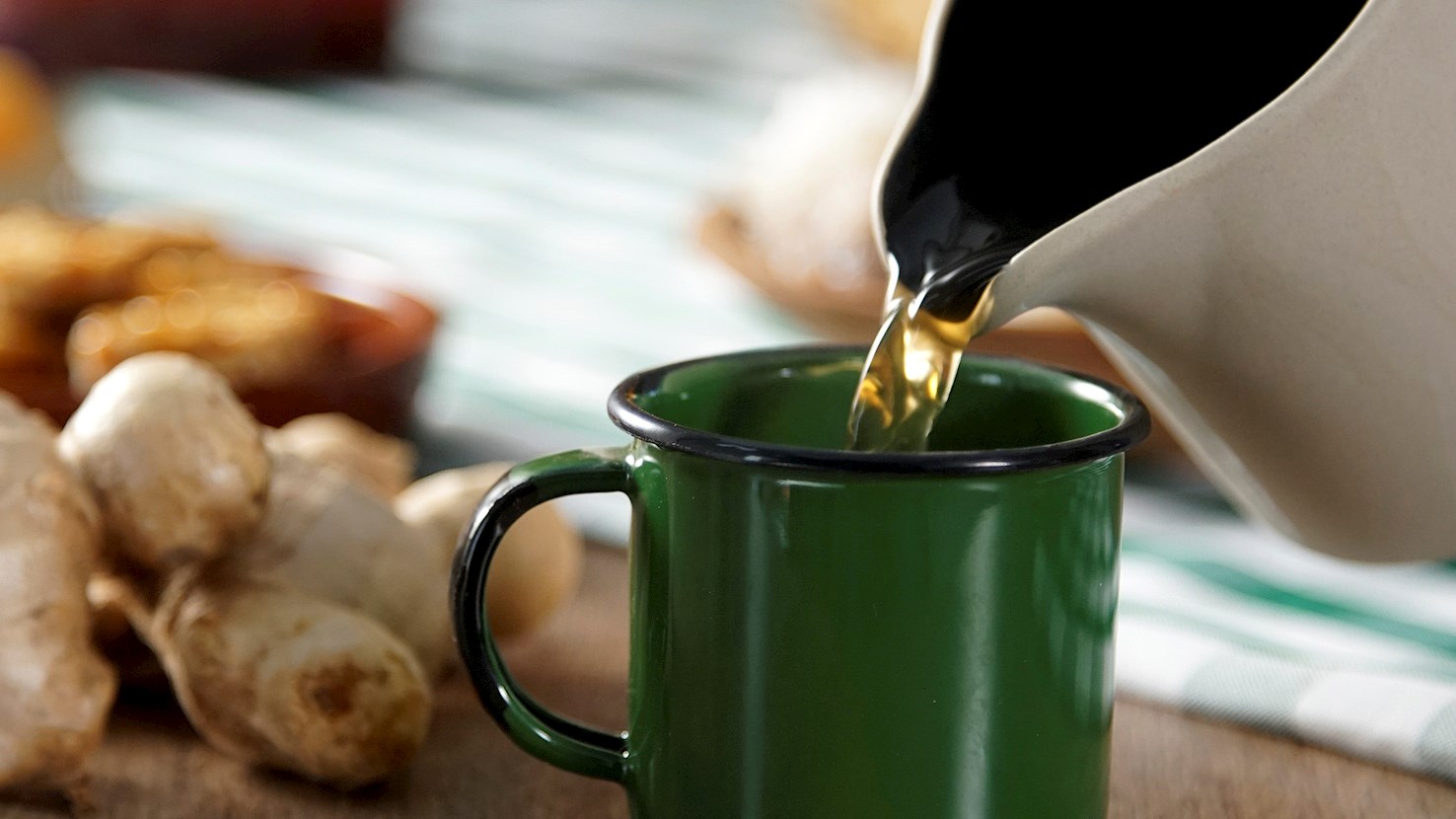
Quentão is a traditional cocktail made with fresh ginger, red apples, sugar, cloves, cinnamon, water, and cachaça. To prepare it, ginger, apples, and sugar are first caramelized, then combined with cloves and cinnamon. Cachaça and water are then added to the combination and the whole thing is boiled slowly, and much of the alcohol evaporates during this process. The cocktail is then typically served in earthenware or ceramic mugs which are garnished with orange or lemon slices or peel. Quentão is especially popular in the south of Brazil during winter and during celebrations such as Festas Juninas. In the far south of Brazil, cachaça is often replaced with red wine, and the result is a beverage similar to mulled wine. When translated, quentão means big hot one or very hot.

06

Cachaça

3.5 ·

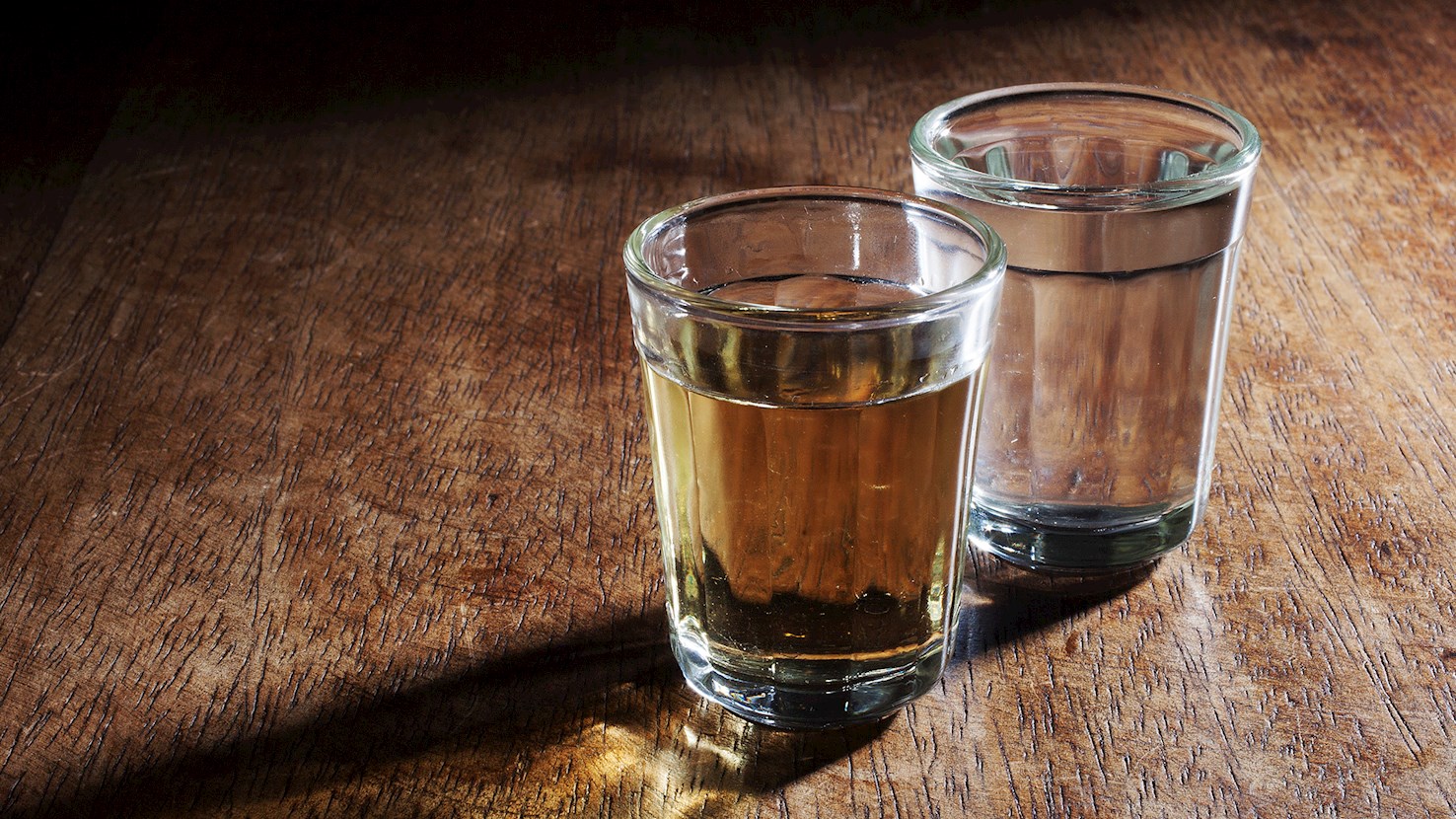
Cachaça is a popular Brazilian drink that is distilled from freshly pressed and fermented sugar cane juice. It is believed that the first varieties of cachaça were produced sometime at the beginning of the 17th century, and were initially known as aguardente de cana. The drink was initially associated with Brazilian slaves, but soon it became a popular option among all social classes, and eventually, during Portuguese colonization, a symbol of national pride. Cachaça became internationally acclaimed with the help of Caipirinha, a classic cocktail that blends the drink with lime and sugar. Though European-style Caipirinha traditionally employs brown sugar, in Brazil, a more popular option is white, fine cane sugar. Cachaça nowadays comes in two styles, as a clear variety that is best used in mixed drinks, or as a golden, barrel-aged drink that is best served on the rocks and slowly sipped.

07

Caju Amigo

3.5 ·

Caju Amigo (lit. Friendly Cashew) is a Brazilian shooter made with a combination of cachaça and cashew juice. In order to prepare it, both ingredients are simply mixed in a shot glass without ice. Cachaça is often served with a cashew slice on the side, which should be chewed without swallowing, followed by a shot of cachaça so that the spirit and the cashew slice are swallowed at the same time.

08

Tucupi

3.5 ·

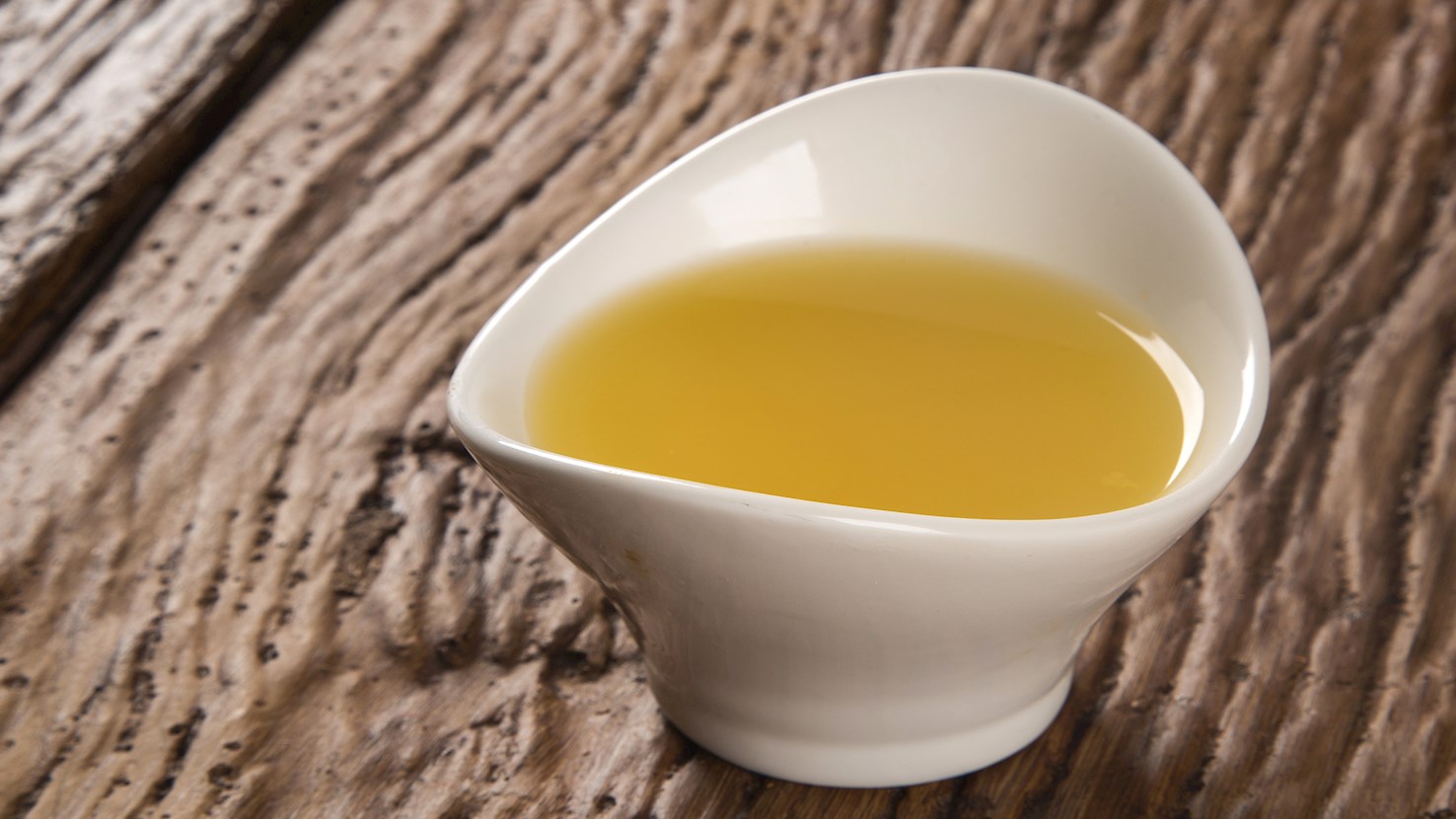
Tucupi is a traditional ingredient commonly used in the cuisine of the Amazon region, particularly in the state of Pará. It is a yellowish-brown sauce made from the juice extracted from manioc root (also known as cassava or yuca). The preparation of tucupi involves a fermentation process to remove the naturally occurring cyanide compounds found in raw manioc. The root is peeled, grated, and soaked in water for several days, allowing it to ferment. After fermentation, the liquid is extracted and boiled to produce tucupi. Tucupi has a tangy and slightly acidic flavor, with a distinct earthy taste. It is commonly used as a base for various dishes in the region, such as tacacá, a popular soup made with tucupi, jambu leaves (a local herb), and shrimp. The sauce is also used in other traditional Amazonian recipes, including fish stews, grilled meats, and sauces for rice or noodles. It's important to note that raw manioc contains toxic compounds, and consuming it without proper preparation can be harmful. However, tucupi is safe to eat since the fermentation and boiling process removes these toxins.

09

Rabo-de-Galo

3.3 ·

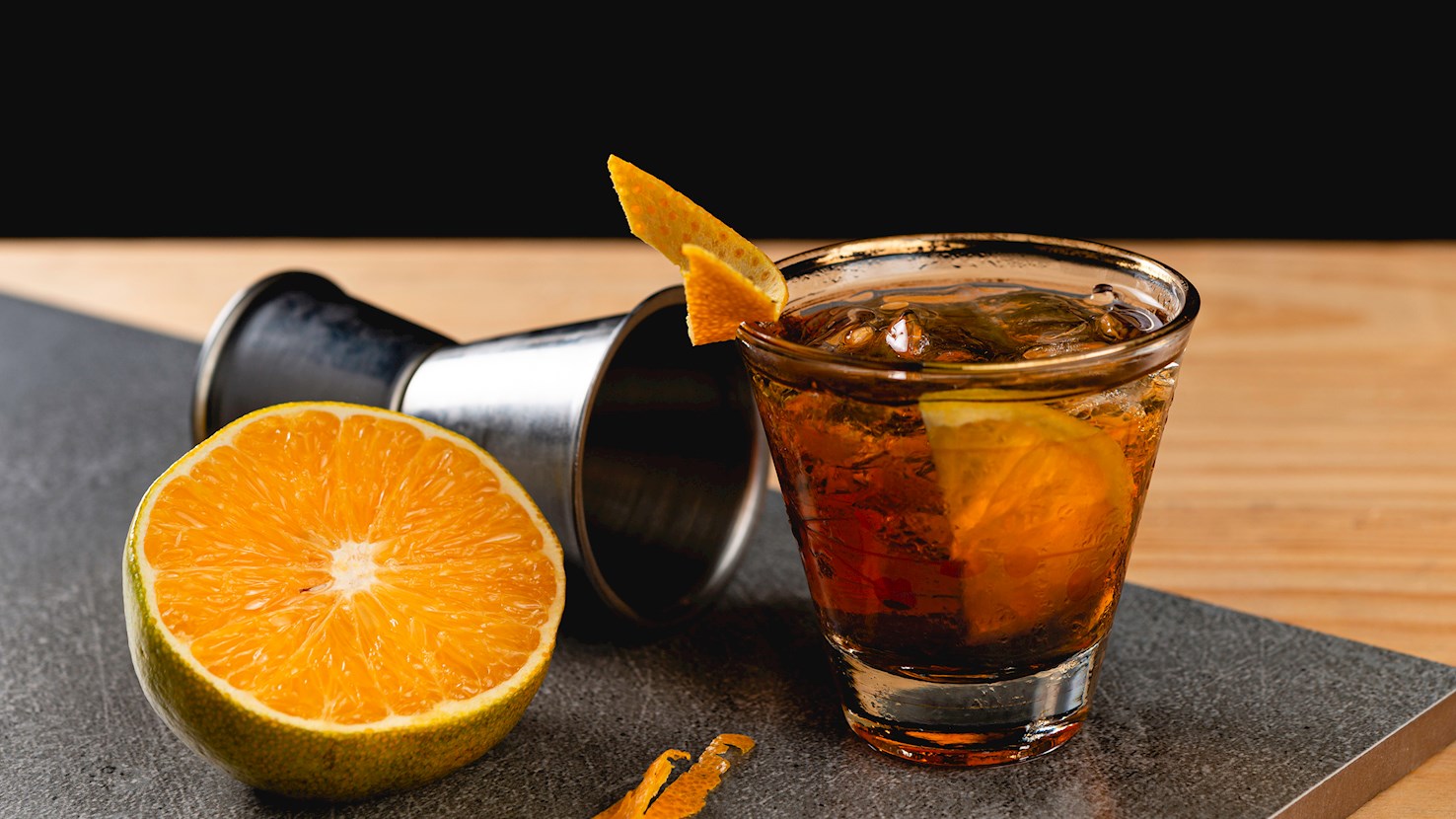
Rabo-de-Galo is a popular Brazilian cocktail made with a combination of cachaça and either sweet vermouth or Cynar (a bitter liqueur), or both sweet vermouth and Cynar, depending on the recipe. In order to prepare it, the ingredients are stirred with ice, then strained into a cocktail glass which can be garnished with an orange peel, if desired. When translated, the name of this drink means rooster’s tail, or simply - cocktail. Nowadays, Rabo-de-Galo is being rescued by Brazilian bartenders who are lobbying to include it on the IBA (International Bartenders Association) list of cocktails.

10

Cajuína

3.2 ·

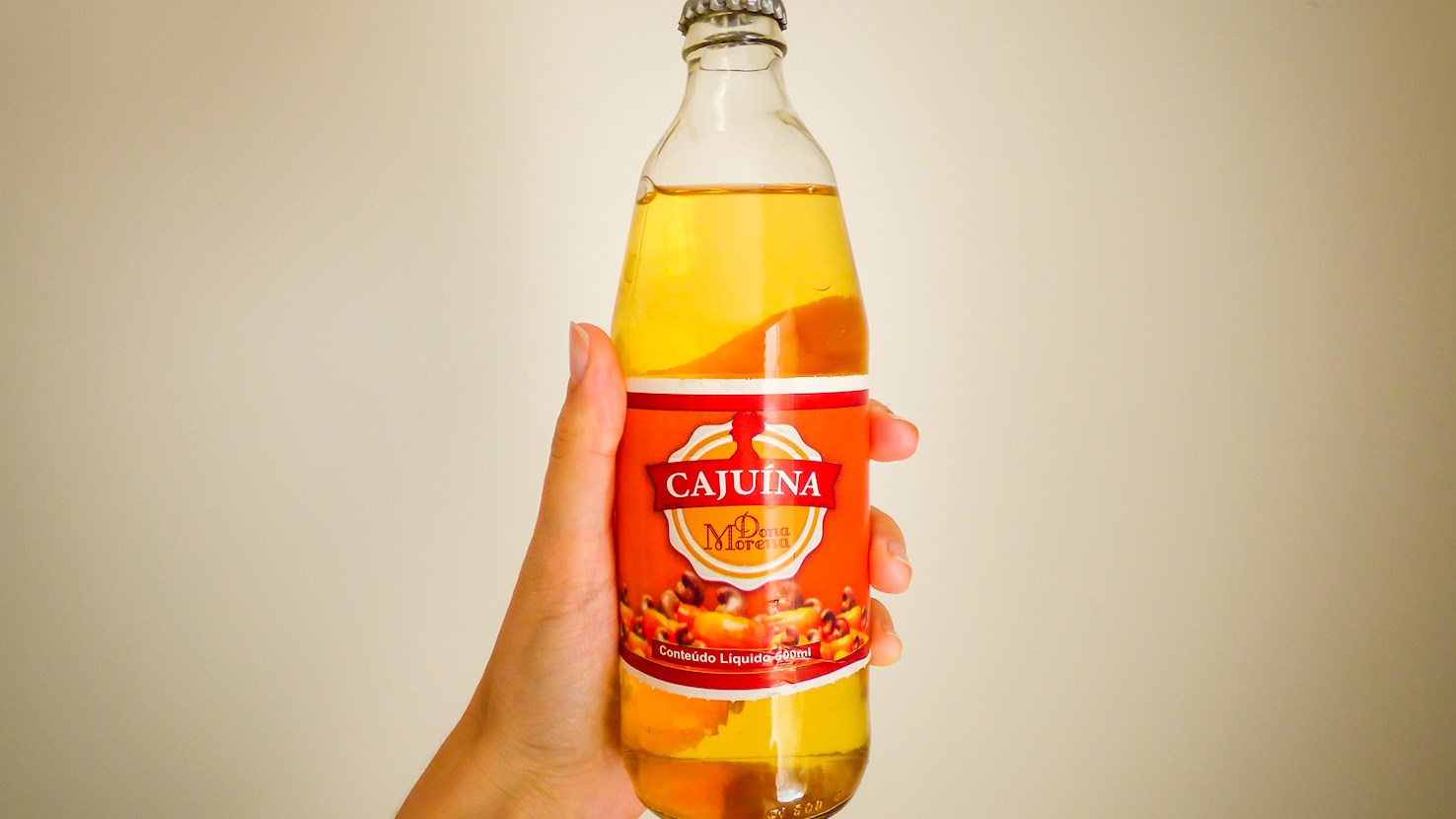
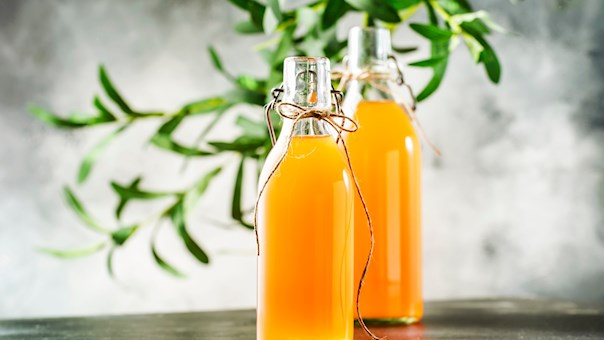
Cajuína is a Brazilian beverage made from cashew fruit (cashew apple). The drink originated in the northeast of the country, and it is typically associated with Piauí and Teresina, though it is enjoyed in other parts of Brazil. It is made with clarified and filtered cashew juice. The resulting liquid is pale golden due to the natural caramelization of sugars that occurs during sterilization, and it has a sweet and subtly tart flavor. Cajuína was traditionally produced as a non-industrial drink, but nowadays, there are several factory-produced versions. The first written mention of cajuína dates back to 1912 when it was referred to as cashew nectar by a writer Rodolfo Teófilo.

11

Umbuzada

3.1 ·
12

Sakerinha

2.9 ·
13

Catuaba

2.5 ·
14

Bombeirinho

2.4 ·
15

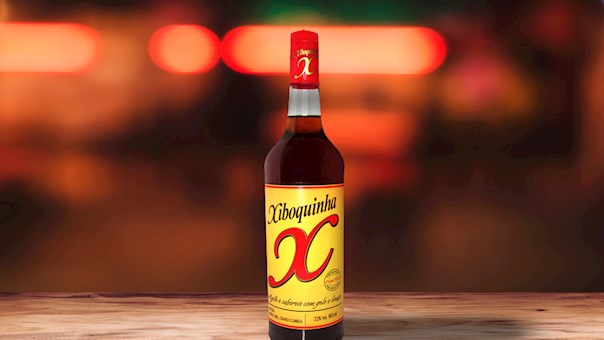
Xiboquinha

n/a ·
16

Leite de Onça

n/a ·
18

Aluá

n/a ·
Read more
View all
View map
About this ranking

TasteAtlas food rankings are based on the ratings of the TasteAtlas audience, with a series of mechanisms that recognize real users and that ignore bot, nationalist or local patriotic ratings, and give additional value to the ratings of users that the system recognizes as knowledgeable. For the “Top 51 Brazilian Beverages” list until July 15, 2026, 1,070 ratings were recorded, of which 835 were recognized by the system as legitimate. TasteAtlas Rankings should not be seen as the final global conclusion about food. Their purpose is to promote excellent local foods, instill pride in traditional dishes, and arouse curiosity about dishes you haven’t tried.

The initial list of top producers was compiled based on available reviews, awards, local recommendations, media and blog coverage, and consumer reviews. The list will be updated with ratings from TasteAtlas local ambassadors and TasteAtlas users.

Similar lists