Top 100 Central European Beverages

Last updated on June 10, 2026

Best Central European Beverage Types
01

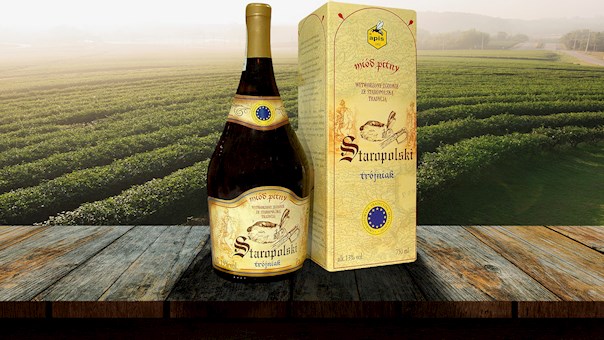
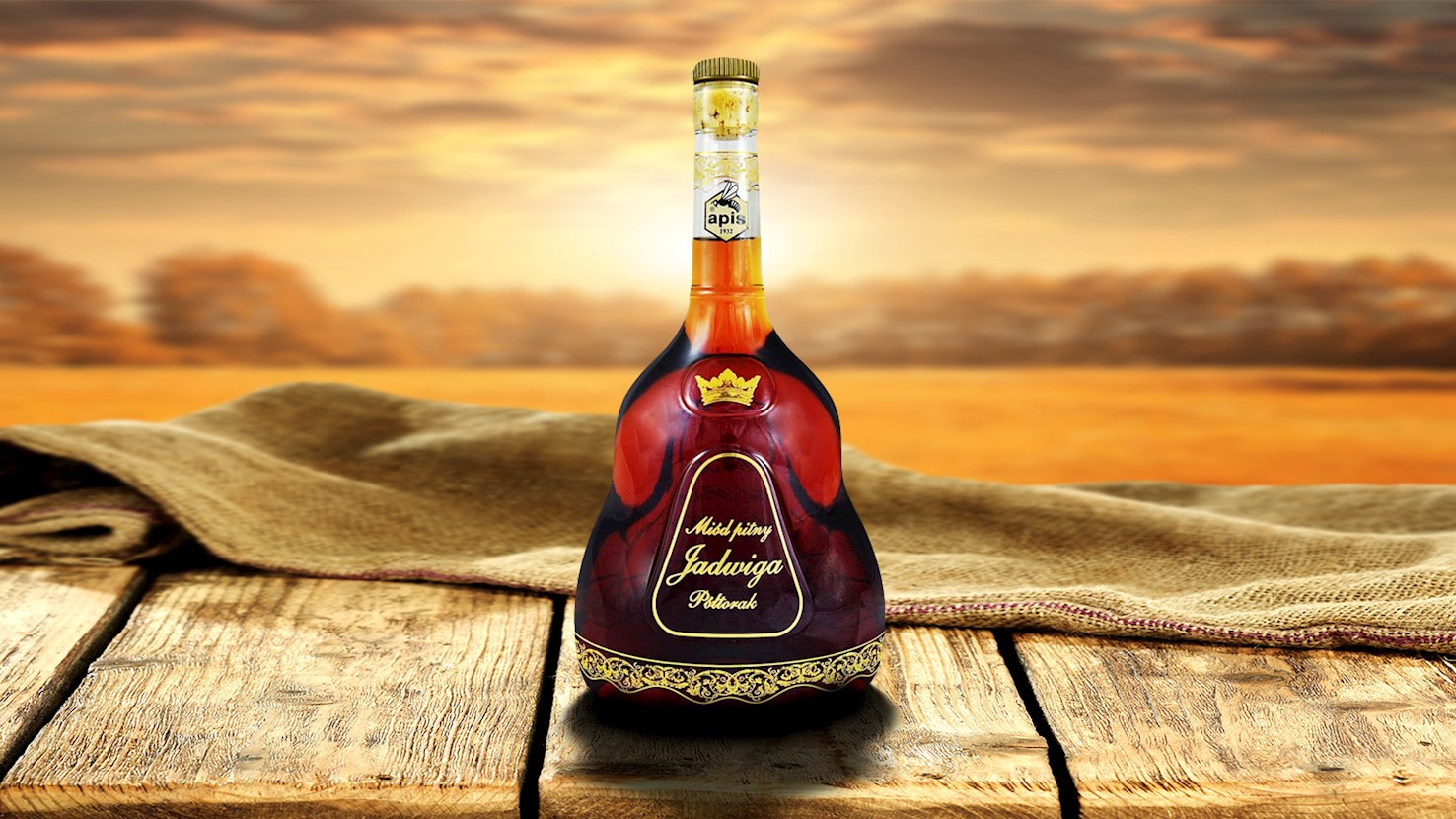
Póltorak Staropolski Tradycyjny

4.4 ·

Póltorak is a mead produced in Poland in accordance with old Polish traditions that date back over a thousand years. Its alcohol content ranges from 15 to 18% vol. and it is fermented from mead wort. In order to be called Póltorak", the mead must be made in proportions of one part honey to 0,5 part water (alternatively, water mixed with fruit juice). It gets its name from the numeral '1,5' (póltora in Polish), referring to the ratio of honey and water. This alcoholic beverage is golden to dark amber, with a delicate aroma and flavor of honey, which may be enhanced with spices such as ginger, nutmeg, cinnamon or cloves. Póltorak is often sold in traditional packagings such as ceramic containers, oak barrels, and carboys. Due to the strict rules regarding maturing and mellowing of the mead, the final product is matured for at least 3 years and as such it is of the best quality.

02

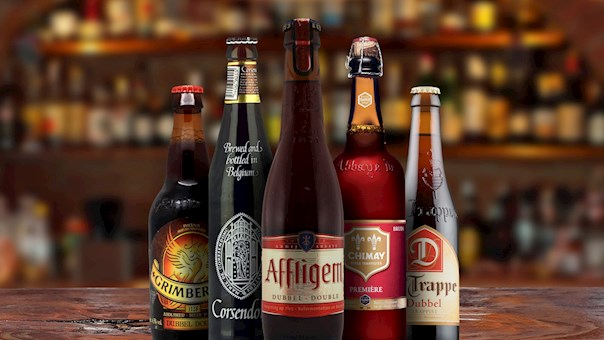
Trappist Beer

4.4 ·

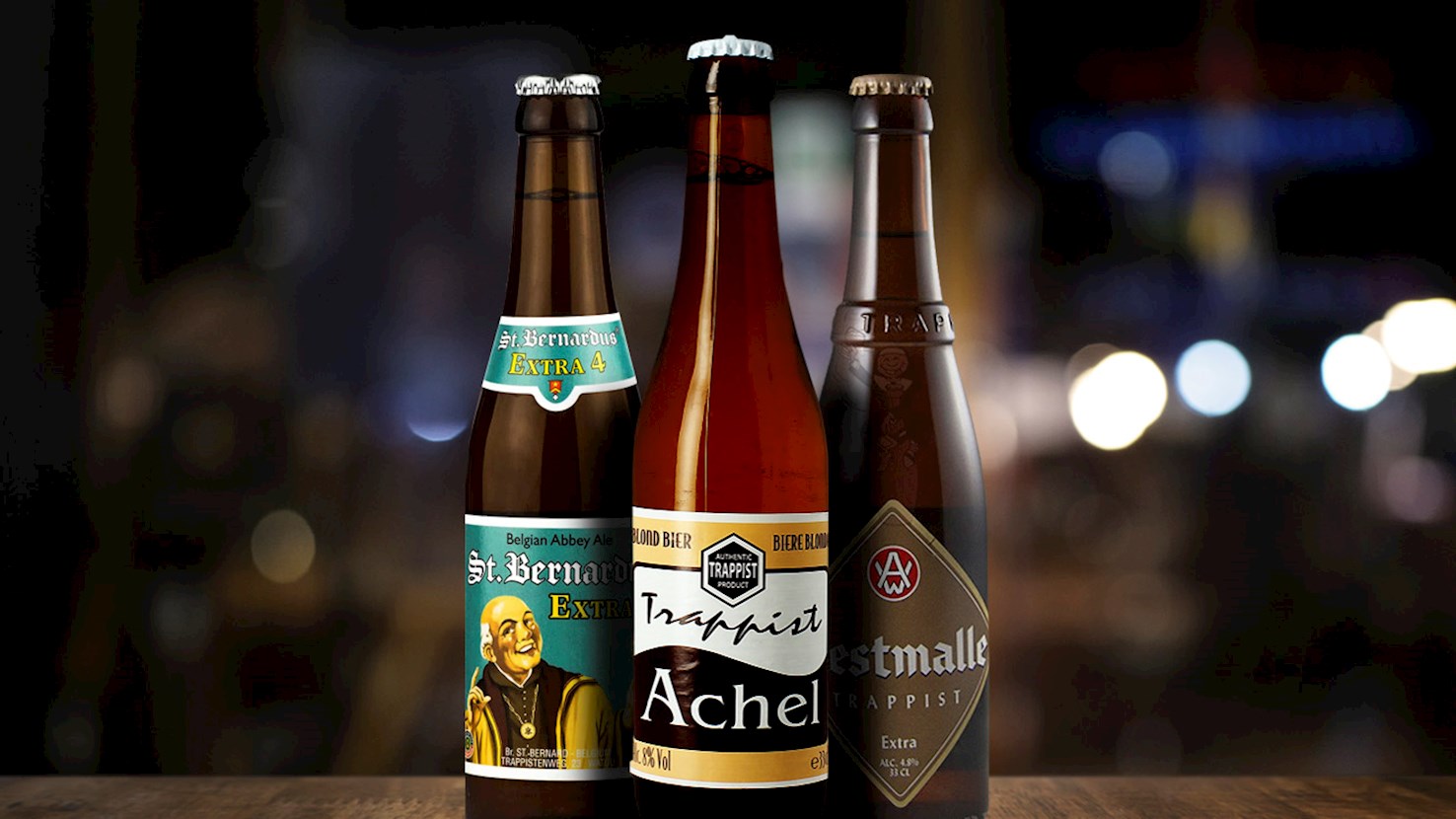
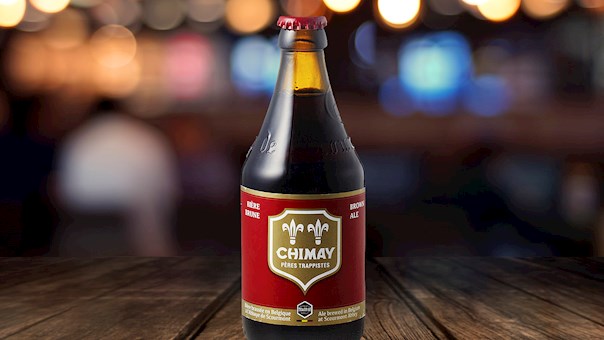
Trappist is a particular category of beers, or more precisely an indication of origin, which includes various styles that are brewed in Trappist monasteries. Trappist beers are internationally certified and can only be produced by Trappist abbeys—which include six located in Belgium and two in the Netherlands, while Italy, Austria, England, France, the United States, and Spain all have one certified Trappist brewery. All abbeys develop their yeast, and the regulations also stipulate that the beer must be brewed within the immediate surroundings of the abbey and that the entire production needs to be supervised by monks. Similar beer styles that are produced in non-Trappist monasteries are usually referred to as Abbey-style beers. Although they can significantly vary in style, Trappist beers are typically complex and rich in aromas, and they usually have high alcohol content. They are unpasteurized, have no chemical additives, and sugar is typically added to the wort (the liquid extracted from the mashing process). All Trappist beers are bottle-conditioned—meaning that the yeast is allowed to carbonate the beer after the fermentation is complete. Typical styles of Trappist beers include golden ale, dubbel (brown), tripel (strong pale ale), or amber. All certified Trappist beers must be labeled with the logo Authentic Trappist Product. Interestingly, all profits made from the sales of Trappist beers must be used for the needs of the monastic community or as a charitable donation.

03

Dwójniak Staropolski Tradycyjny

4.3 ·

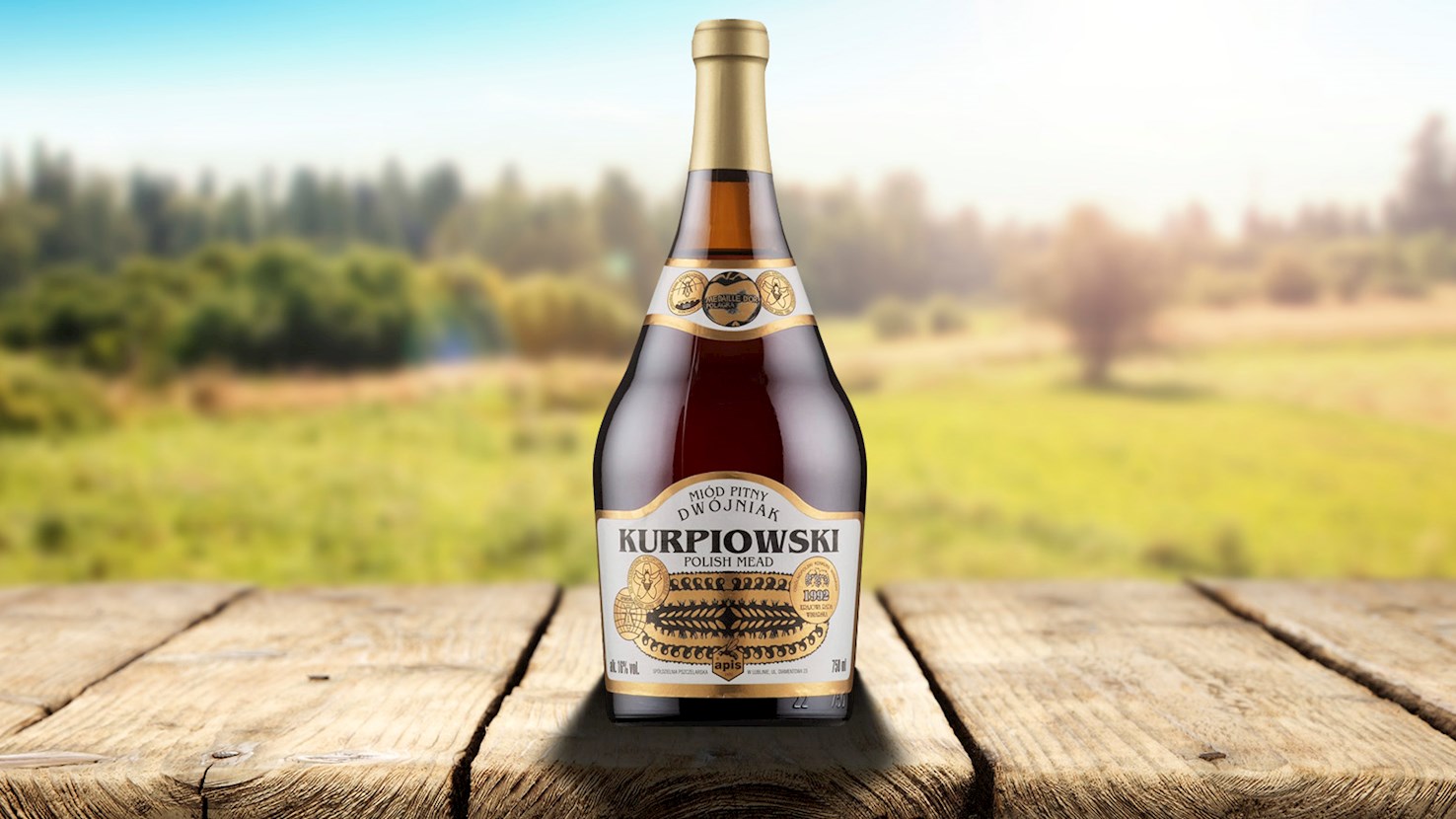
Dwójniak is a traditional mead product with an alcohol content ranging from 15 to 18 % vol., fermented from mead wort and produced throughout Poland. To be called Dwójniak, mead must be made from one part honey and one part water. It gets its name from the numeral 2, referring to the proportions of mead and water. It is a clear alcoholic beverage, with a unique aroma and flavor of honey, which may be enhanced using spices such as cloves, ginger, nutmeg and cinnamon. It is golden to dark amber in color, depending on the type of honey used in the process. Dwójniak is often sold in traditional packagings such as ceramic containers, oak barrels, and carboys. Due to the strict rules regarding maturing and mellowing of the mead (it must mature for at least two years), the final product is of the best quality.

Best producers
04

České pivo

4.3 ·

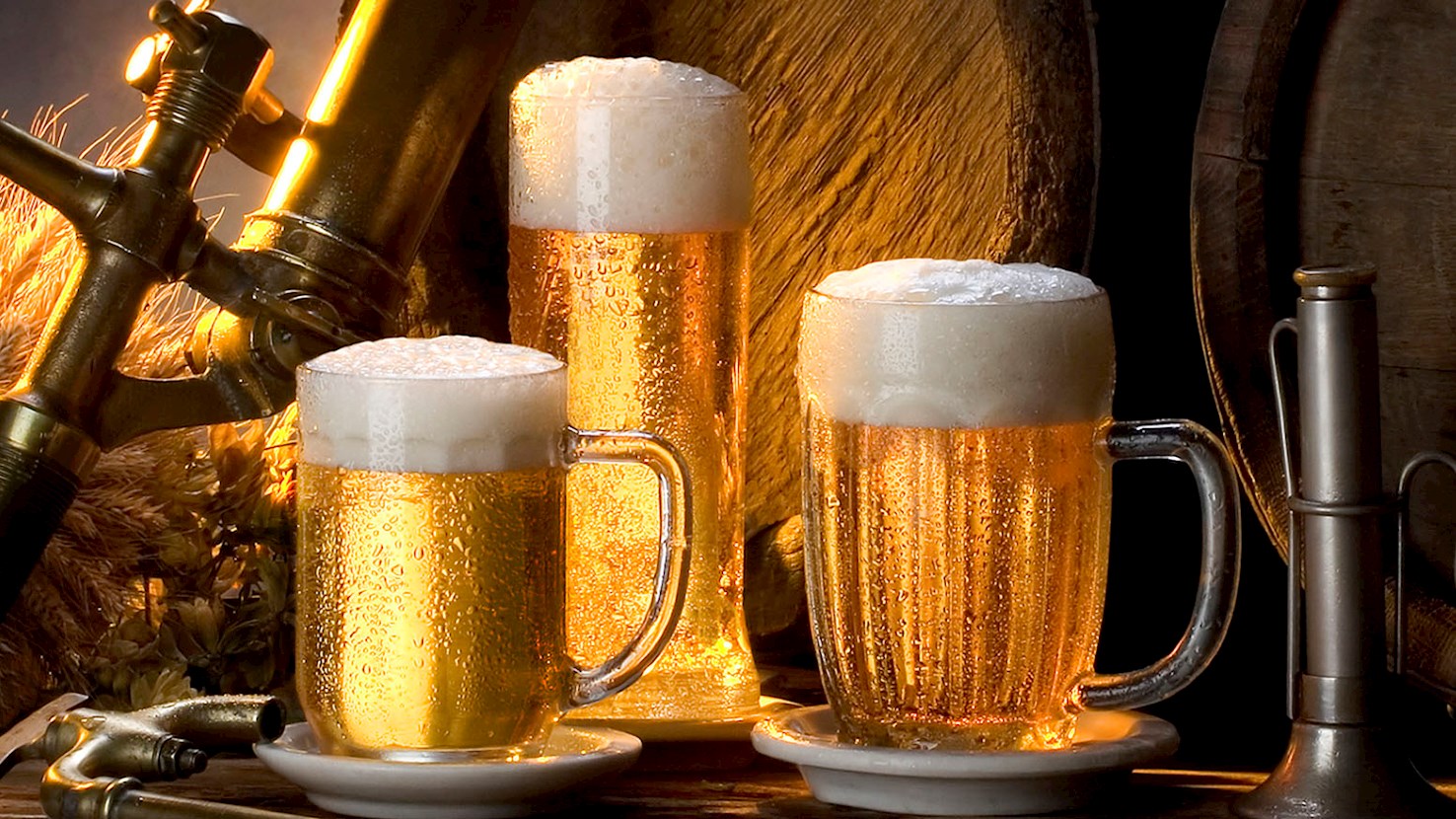
České pivo is a term that refers to a variety of beers produced throughout the whole Czech Republic that have a Protected Geographical Indication (PGI) mark. The mark is used by fourteen breweries in the country for more than 80 brands of beer, which is about 65% of the total domestic market. The first records of brewing beer of excellent quality in the country are connected to the Brevnov Monastery, where the monks produced beer all the way back in 993 AD. The beers are distinguished by the top-quality raw materials used in the process, the traditional methods of brewing, and the local know-how passed on from generation to generation. It is dominated by malt and hops, a bit of pasteurization and yeast and a medium to strong sharpness. The bitterness of the beer stays a bit longer on the palate, stimulating the taste buds for an extended period of time. The protected beers include pale and dark lagers, pale and dark draught beers, and light beers.

05

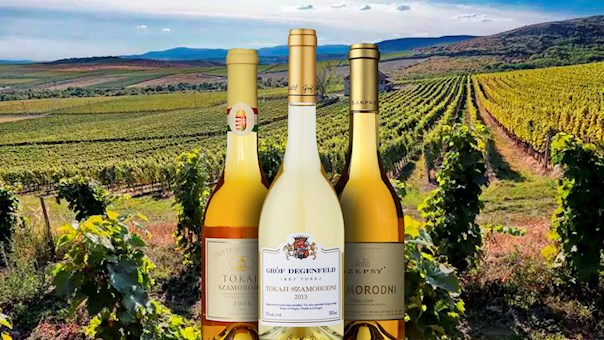
Tokaji Aszú

4.3 ·

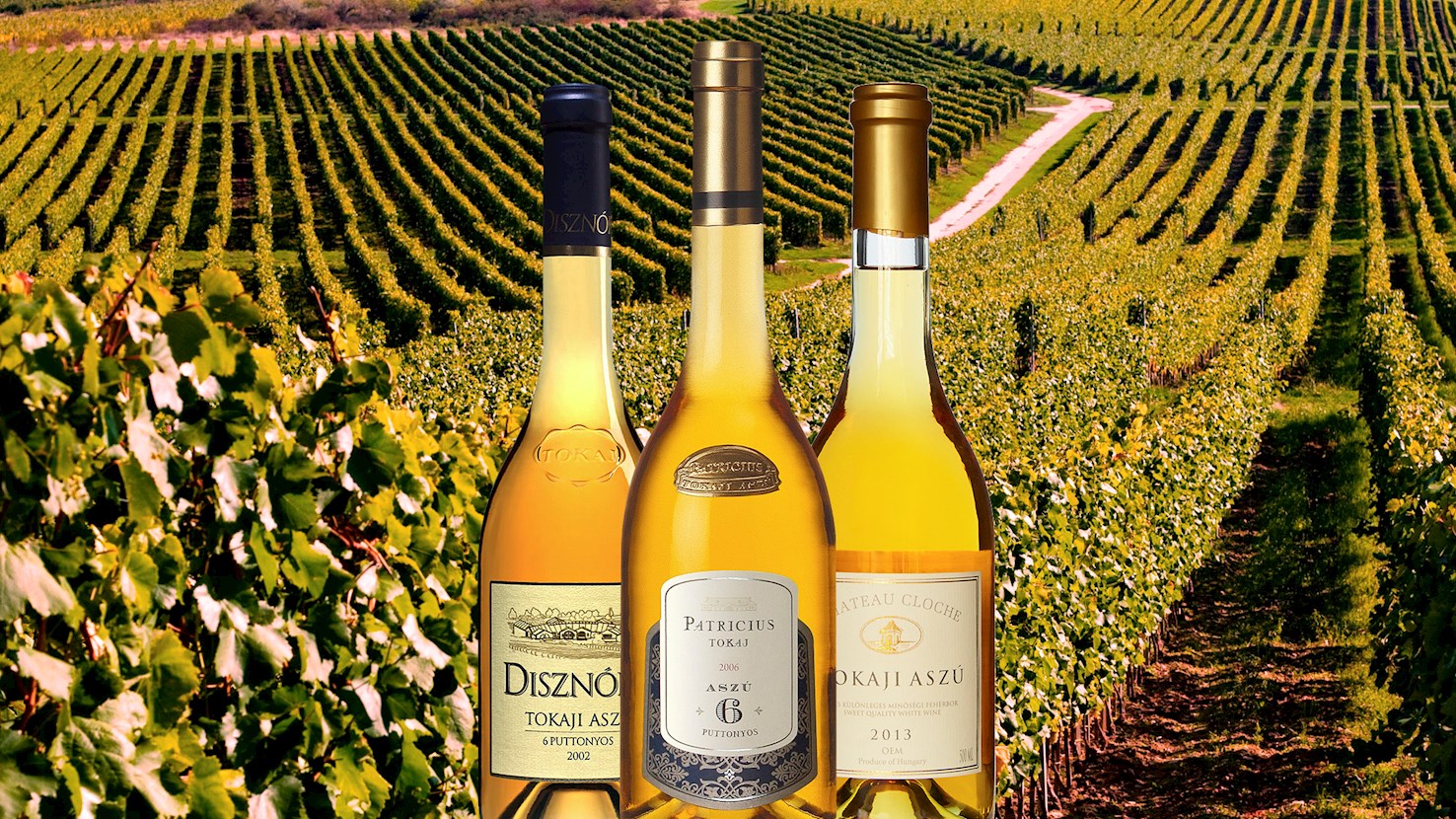
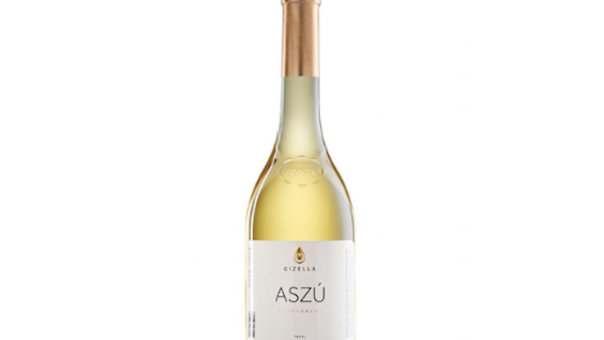
Tokaji Aszú (vyber) is a full-bodied dessert wine produced in the Tokaj wine region, which is shared by Hungary and Slovakia. It is produced from six grape varieties including Furmint as the predominant grape, but also Hárslevelü, Kabar, Kövérszölö, Zéta, and Sárgamuskotály (Muscat Blanc). The wine is made from grapes that have been affected by noble rot and are then mixed into a fermenting must or a new wine. The noble rot concentrates the sugars and gives aszú its complex and fragrant aromas of honey, fruit, and spices, which are usually complemented by rich minerality. The wines must be aged for a minimum of eighteen months, and are classified by their sweetness, that is, the amount of residual sugar which is expressed in puttonyos. Although often labeled as a dessert wine that works especially well with fruit, Tokaji Aszú can also pair well with foie gras and blue cheeses.

06

Münchner Bier

4.2 ·

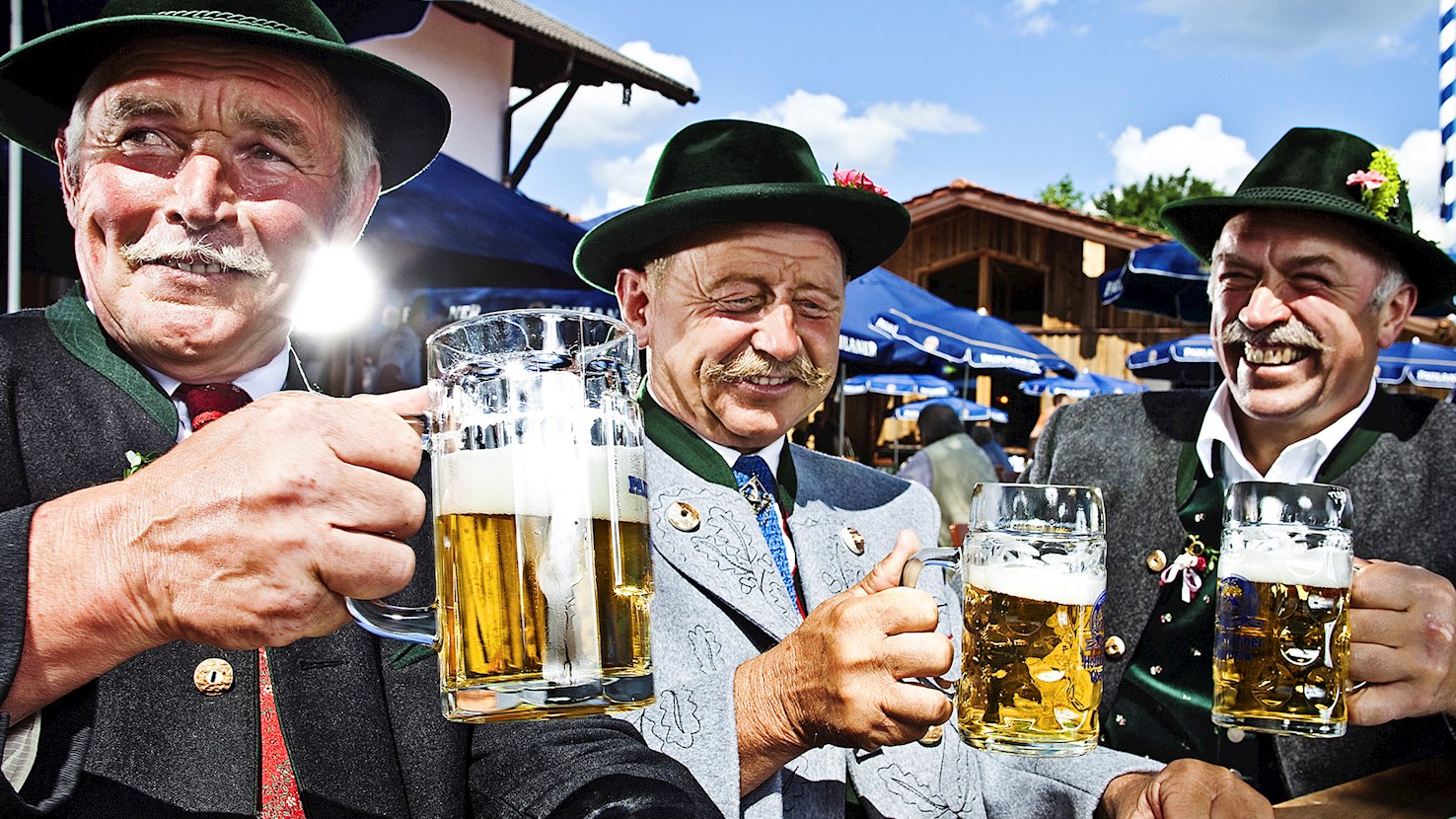
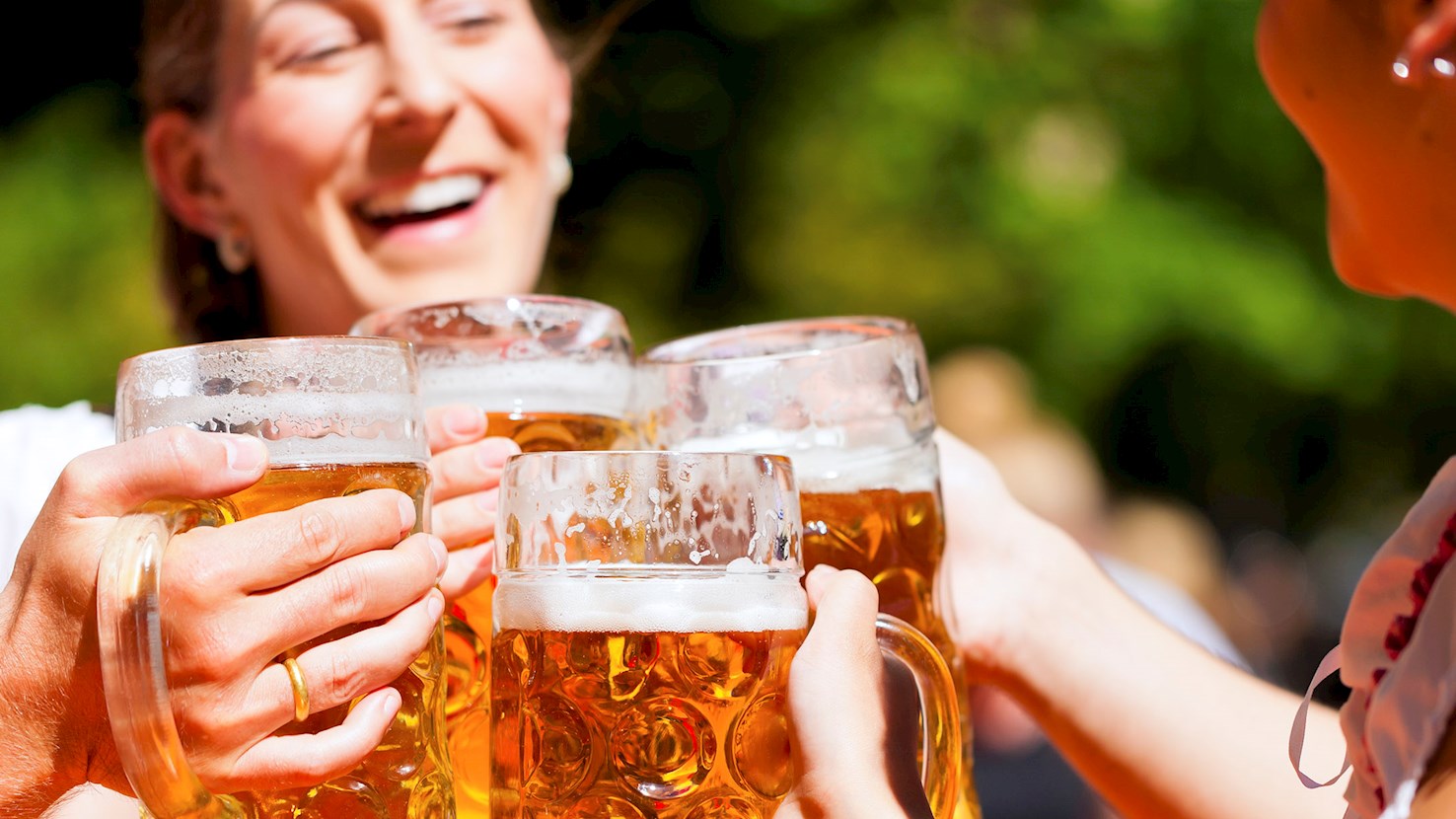
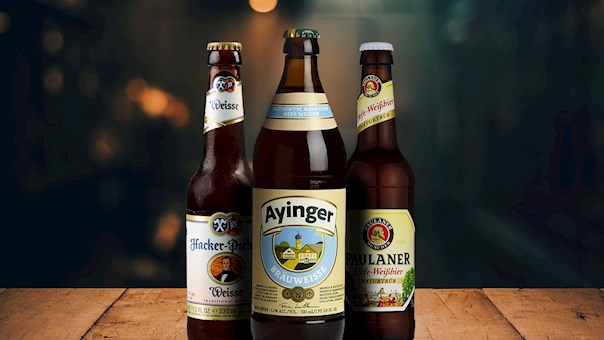
In the 19th century, artisanal breweries were increasingly being replaced by larger industrial breweries, and today there are seven famous large breweries in Munich: Augustiner, Hofbräu, Paulaner, Hacker-Pschorr, Löwenbräu, Spaten, and Franziskaner. Together, these seven breweries produce around 6 million hectoliters of beer per year. Even today, these breweries use no additives, as dictated by the Munich Beer Purity Law of 1487. This not only has to do with tradition, but with long-established high ethical values. Munich beer may only be produced by the breweries of Munich. The brewing oath stipulates that Munich beer is brewed according to an ancient recipe, with pure, natural ingredients like pure water from their own wells, and the best malt and hops. The most popular beer festival in the world, Oktoberfest, celebrates these very beers, and it draws around 7 million international visitors every year.

07

Bayerisches Bier

4.2 ·

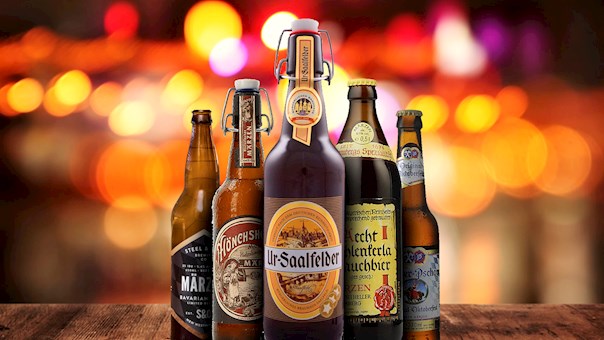
Bavaria has been an important beer-producing region for centuries, and all Bavarian beers are produced under 1516 Bavarian Purity Law. The beers are made with high-quality ingredients, which are mostly locally-sourced, and the quality of the beer and the components is continuously checked by scientific institutes. Today, there are more than 600 breweries in Bavaria – nearly half of all the breweries in Germany, and every year, Bavarian brewers produce more than 20 million hectoliters of beer. The styles that appear in the region and that can be labeled as Bayerisches Bier include: Schankbier, Hell/Lager, Pils, Export, Dunkel, Schwarzbier, Märzen/Festbier, Bock, Doppelbock, Weizenschankbier, Weizenbier, Kristallweizen, Rauchbier, Kellerbier/Zwickelbier, and Eisbier/Icebier.

08

Tripel

4.2 ·

Belgian-style tripel is an approachable and easy-drinking beer style with high carbonation and complex flavors. They traditionally have high alcohol content, falling between a 7 to 10% ABV range, and are often classified as very strong ales. These yellow-golden beers typically have a distinctive spicy, fruity, and subtly sweet malt character. Their yeast character varies, but it often includes banana or clove-like aromas. First tripels were produced as abbey beers, while the Westmalle Tripel is widely considered as the prototype. It was first brewed in 1934, and in 1956 it gained its current form, which has not changed since. Though strong, tripels are light, approachable, and pair well with various dishes. They work well with rich seafood dishes, including shellfish and lobsters, but they can also match creamy sauces, desserts, and washed-rind cheese.

09

Irsai Olivér

4.2 ·

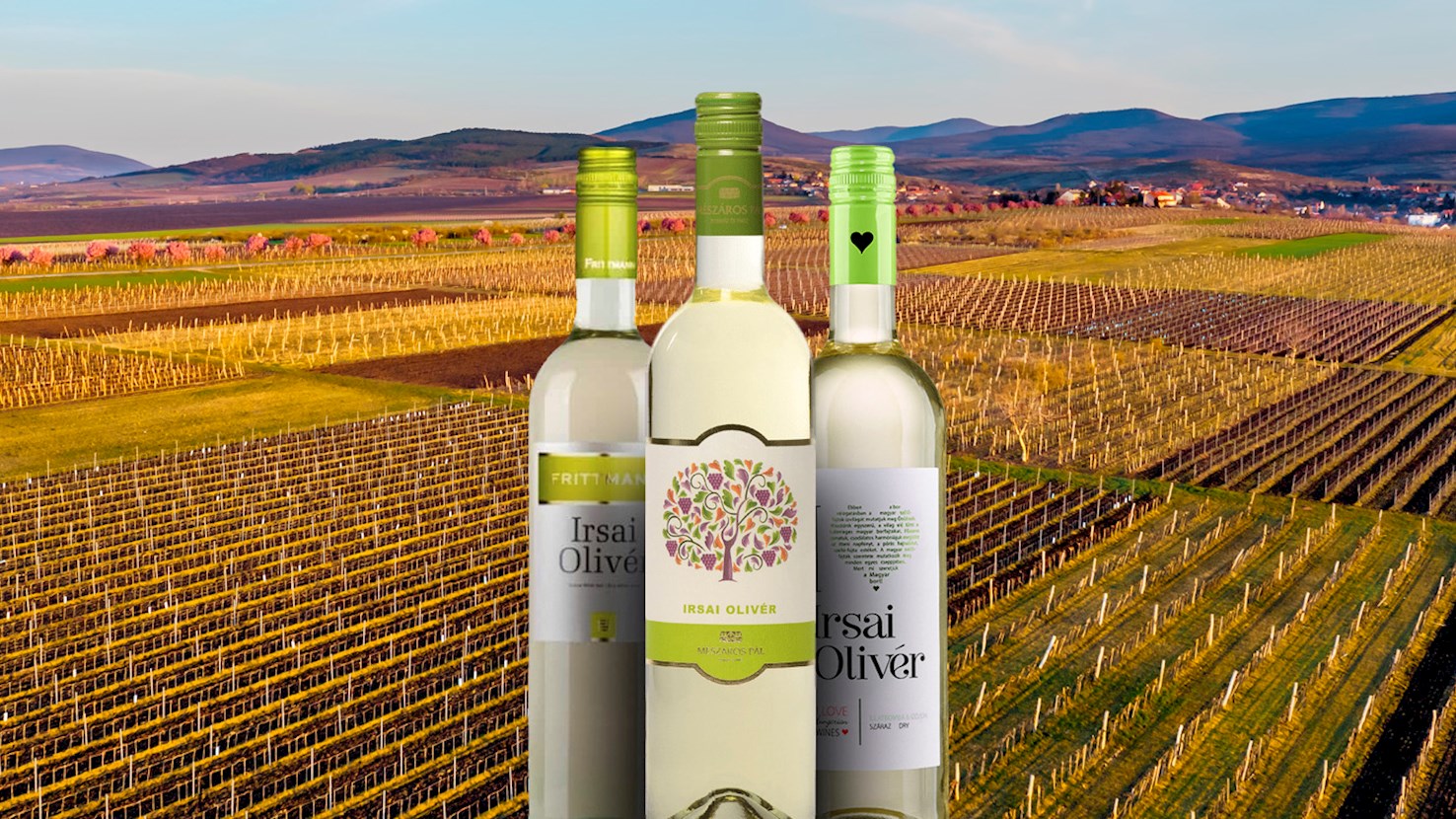
Irsai Olivér is a Hungarian white grape created in 1930 by Pál Kocsis as a cross between Pozsonyi and Pearl of Csaba. The grape is used in varietals and blends and is cultivated in several Hungarian wine regions. It is best suited for cooler areas, and the best expressions generally come from Mátra, where the grape prospers on volcanic soils. Irsai Olivér is an early-ripening grape. It was initially used as a table grape, but since the 1980s, it has been promoted as an excellent wine grape that can produce aromatic and fresh white wines. The grape is sometimes compared with Muscat because of its subtle acidity and citrusy, tropical, and floral aromas. These wines are best enjoyed young, and they should be paired with appetizers, vegetable dishes, and light fish-based main courses. There are many legends about the origin of the grape's name, but Kocsis most likely named it after his friend's son.

10

Lambic

4.1 ·

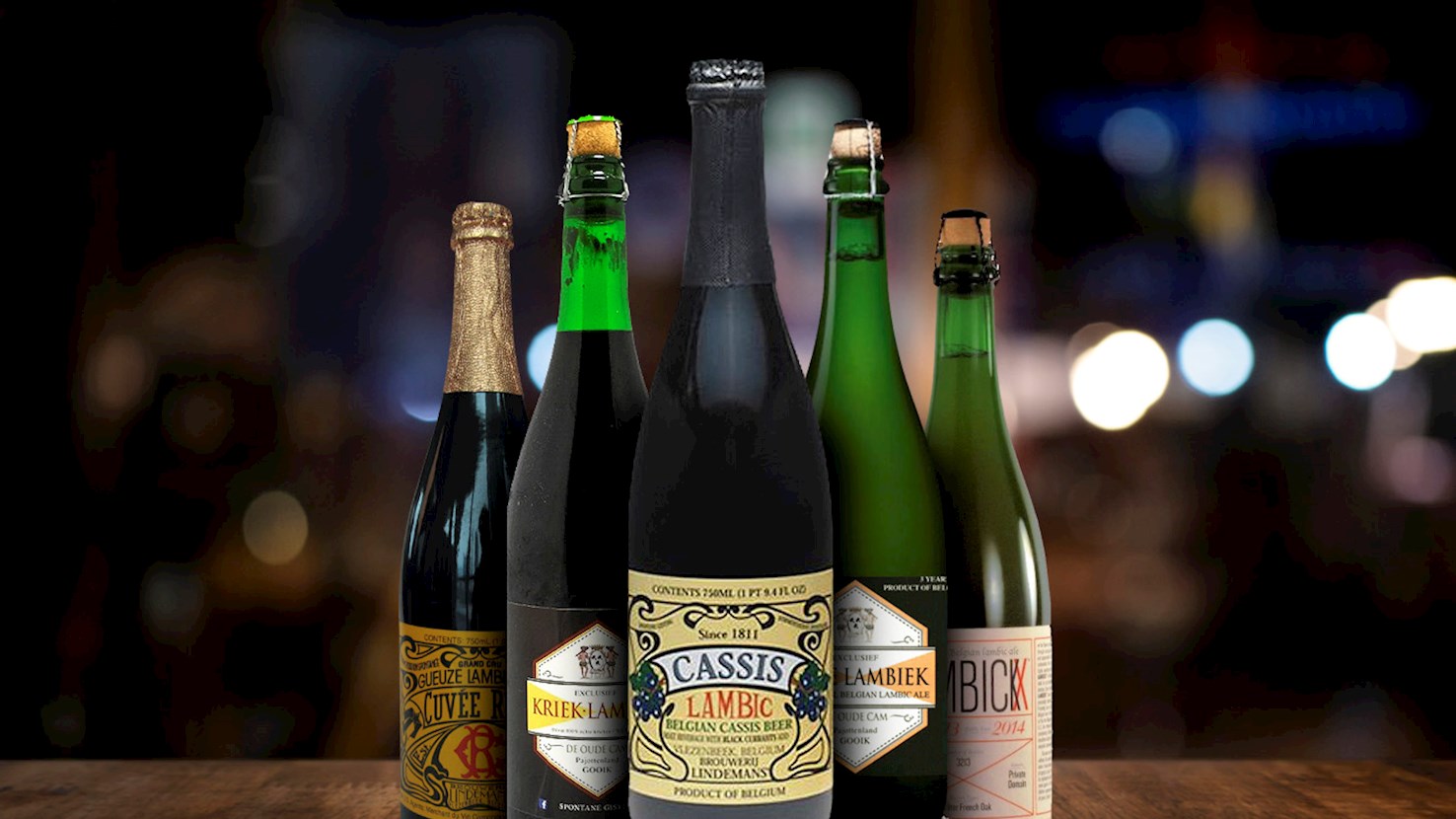
Lambic is a traditional beer style that has its roots in Brussels and the region of Pajottenland. This style must be made with a minimum of 30% wheat, and the wort is always spontaneously fermented with local and naturally occurring wild yeasts. Because of different local microorganisms, these beers always have a unique and frequently unpredictable character. Due to its wild nature, many batches of lambic are sometimes blended, a style known as gueuze or geuze, to produce a more palatable version. Although it is difficult to pinpoint the exact characteristics of lambic beers, the unblended young varieties are usually pale with a characteristic red sheen, while more mature versions will usually have red to light purple color. These beers are always complex, and they often have a distinctive sour backbone, which will mellow as the beer ages. Most styles will display fruity aromas and flavors, with subtle malt character, dry finish, and little hop bitterness. Lambic beers are mostly enjoyed young and uncarbonated, and they will usually be served on tap. They pair well with seafood, especially mussels or oysters, and poultry.

Best Central European Beverages
01

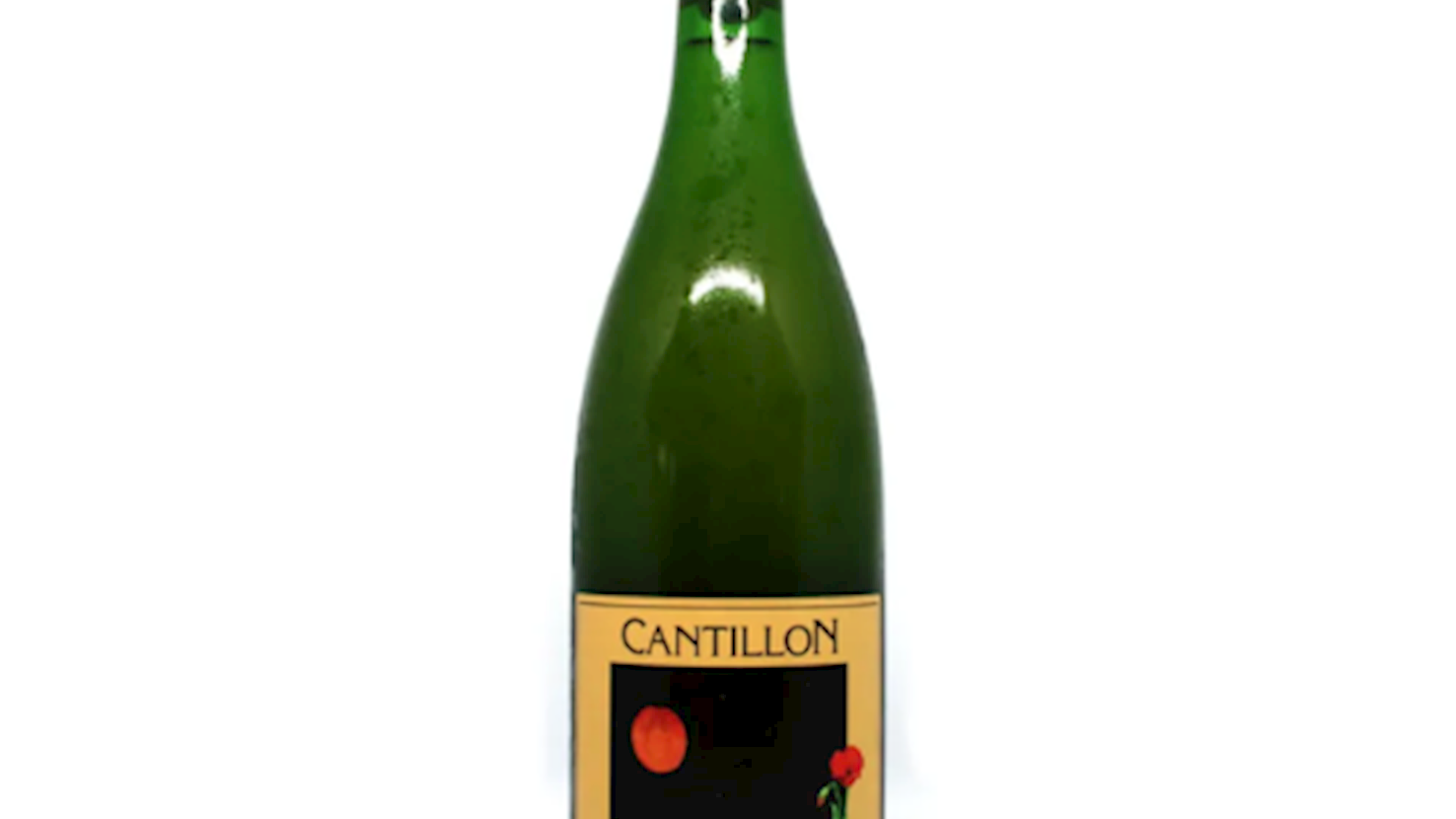
Brasserie Cantillon

5 ·
Brasserie Cantillon is a small, family-owned brewery founded in 1900 in Brussels, and today it stands as the only active brewery in the region that still produces lambic using traditional methods. This unique beer undergoes spontaneous fermentation, relying on wild yeasts and bacteria naturally present in the air. The brewing base consists of two-thirds malted barley and one-third unmalted wheat, and after boiling, the wort is cooled in large, open vessels known as “coolships”. It then matures in oak or chestnut barrels of varying ages before being blended and refermented in the bottle. Within the brewery is the Brussels Gueuze Museum, opened in 1978, offering visitors insight into the history and fermentation processes of this distinctive style. Cantillon is regarded as one of the most respected and authentic producers of Belgian sour beers, earning recognition among connoisseurs and as a cultural icon of brewing heritage. Production continues using traditional equipment: centuries-old barrels, wooden kettles, and open fermenters - all preserved in their original, functional form. The brewery’s atmosphere, marked by age and history, evokes a near-museum-like setting that reflects continuity and deep respect for a craft passed down through generations.
Awards
Untappd - 4.7
Beer Advocate - 100 World-Class
02

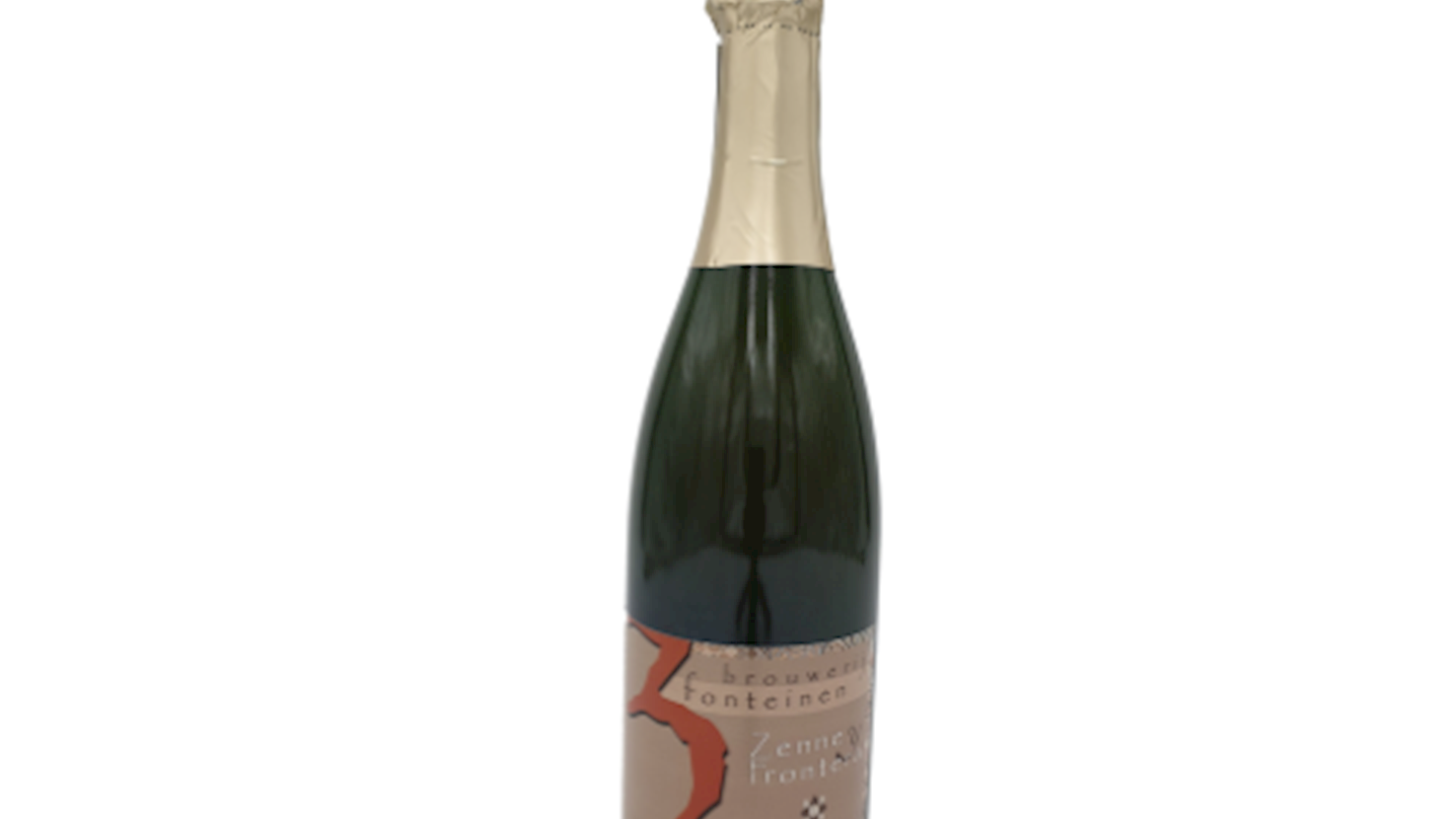
Brouwerij 3 Fonteinen

5 ·
Brouwerij 3 Fonteinen is one of the most respected and authentic Belgian breweries specializing in the production of lambic and geuze beers, located in Beersel, just outside Brussels. It was founded in 1883, originally as a tavern named after the “three fountains”, which later became the name of the brewery itself. Over the decades, it evolved from a simple pub into a guardian of traditional Belgian brewing craftsmanship rooted in spontaneous fermentation. The production process remains faithful to centuries-old methods: after boiling, the wort is cooled in a large open vessel called a "coolship", where it is exposed to the natural microflora of the environment, allowing for spontaneous fermentation without the use of cultured yeast. The beer then matures in large oak barrels and is carefully blended - often from different vintages - based not on strict recipes but on the experience, knowledge, and intuition of the master blenders. Brouwerij 3 Fonteinen does not filter or pasteurize its beers, keeping them alive and allowing them to evolve in the bottle. Today, Brouwerij 3 Fonteinen stands as one of the world’s most esteemed producers of geuze and lambic, preserving tradition while continuously exploring new frontiers of flavor through innovation in fermentation, blending, and aging.
Awards
Beer Advocate - 100 World-Class
Beer Advocate - 95 World-Class
03

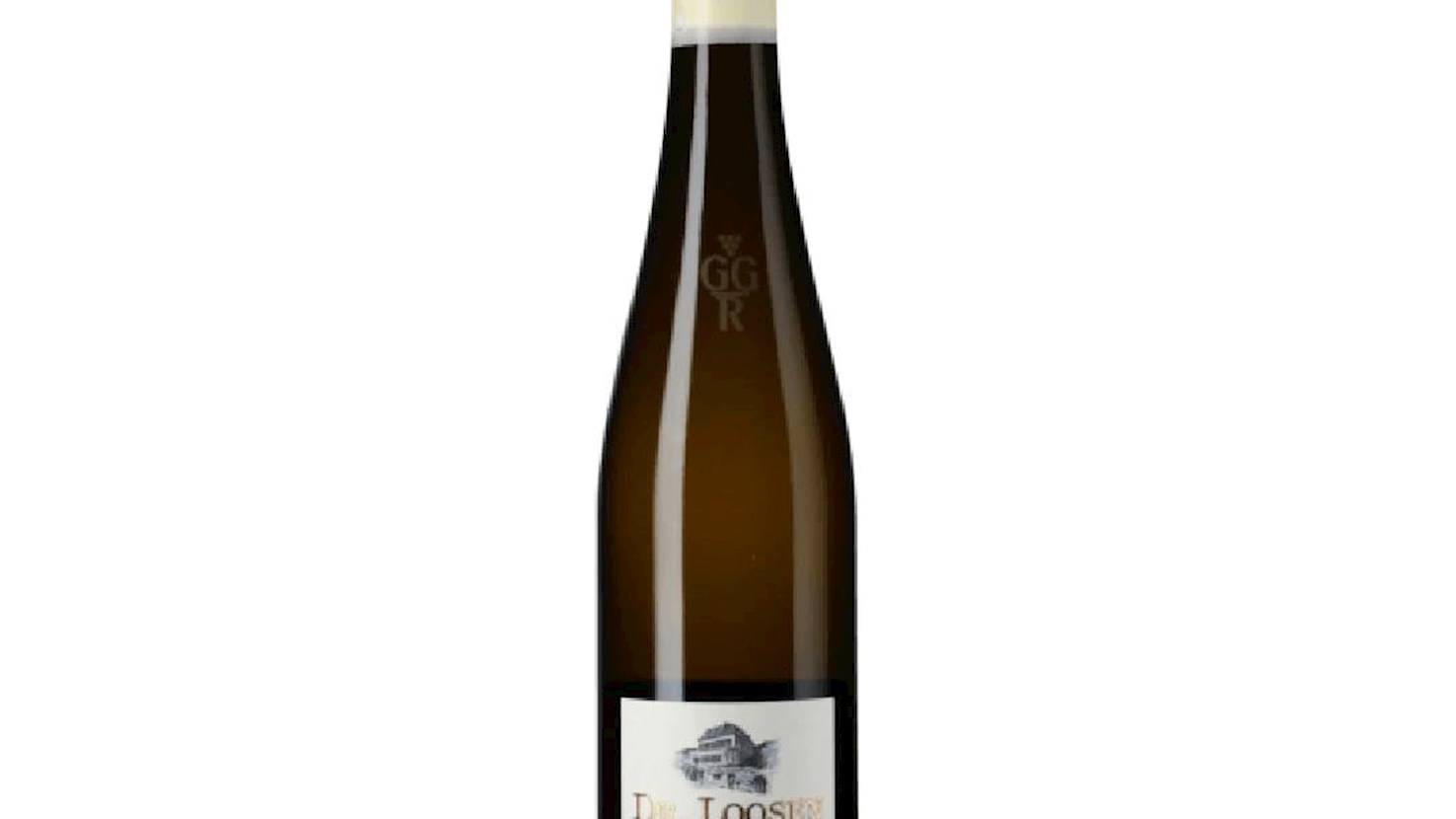
Weingut Dr. Loosen

5 ·
Weingut Dr. Loosen is a family-owned winery located in the Mosel wine region. The estate has been in the Loosen family for over 200 years, specializing in Riesling wines. Under the leadership of Ernst "Erni" Loosen since 1988, the winery has gained international acclaim for producing high-quality Rieslings that reflect the unique characteristics of their vineyards. The estate's vineyards are situated on the steep slopes of the Middle Mosel, featuring various soil types, including red slate, blue slate, and red volcanic conglomerate. Some of the vines are up to 140 years old and ungrafted, contributing to the distinctiveness of their wines. Dr. Loosen produces a full range of Riesling styles, following family traditions: dry wines inspired by the paternal Loosen side and Prädikat wines influenced by the maternal Prüm family branch.
Awards
James Suckling - 97 points (2023)
Decanter World Wine Awards - Best in Show (2024)
04

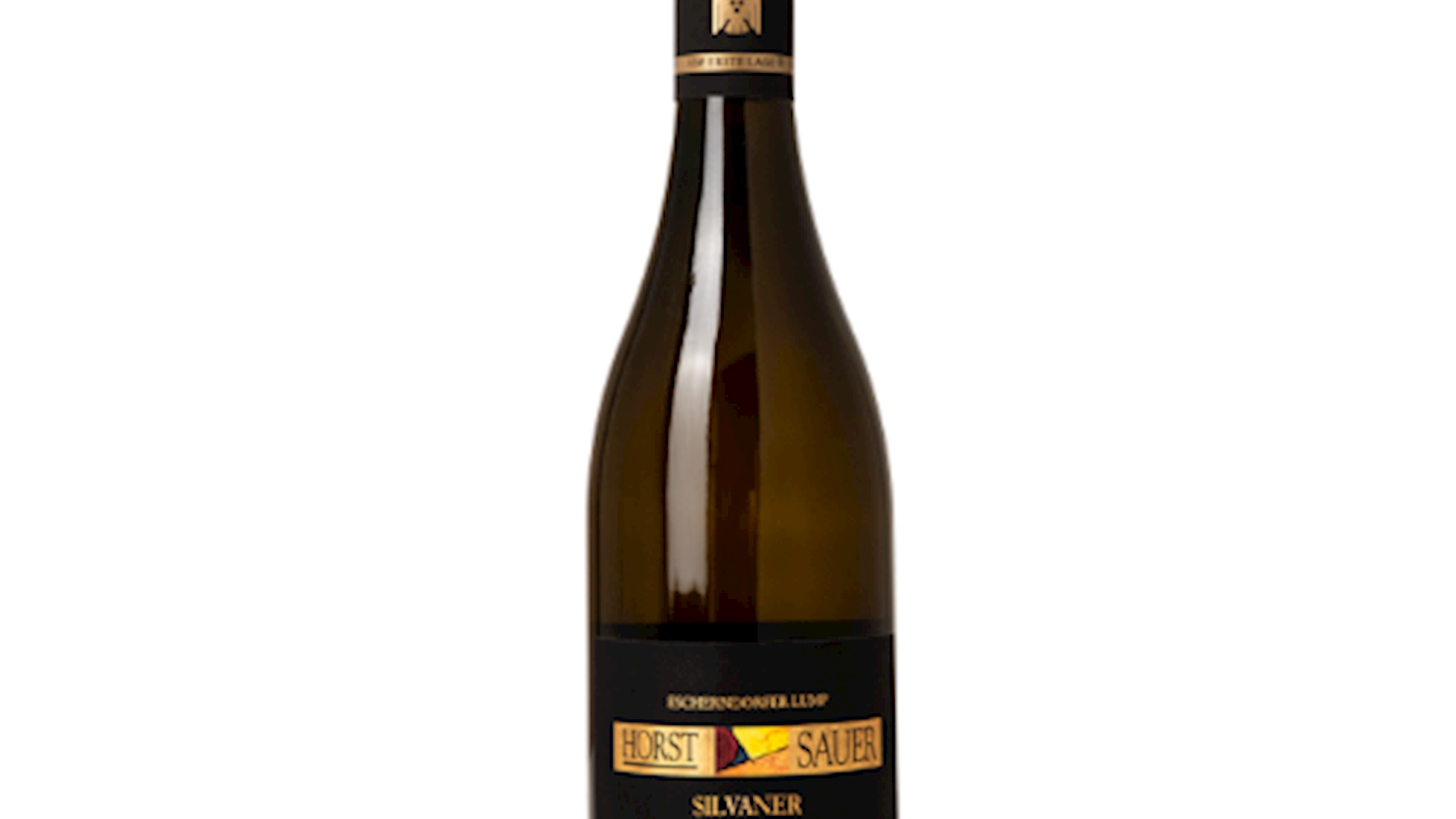
Weingut Horst Sauer

5 ·
Weingut Horst Sauer is famous in Franken and around the world for its exceptional dry, minerally wines, crafted by Horst Sauer alongside his daughter, Sandra. Horst is particularly devoted to his noble sweet wines, like his sublime, creamy Beerenauslese and Trockenbeerenauslese. Sandra Sauer joined the family business in 2004, bringing energy and momentum to the wine making process, as well as expertise in marketing. In 2006, their winemaking facilities were completely modernized in order to streamline their production. Today, they continue to produce internationally honored wines that are vastly enjoyable to drink.
Awards
Falstaff - 100
Falstaff - 99
05

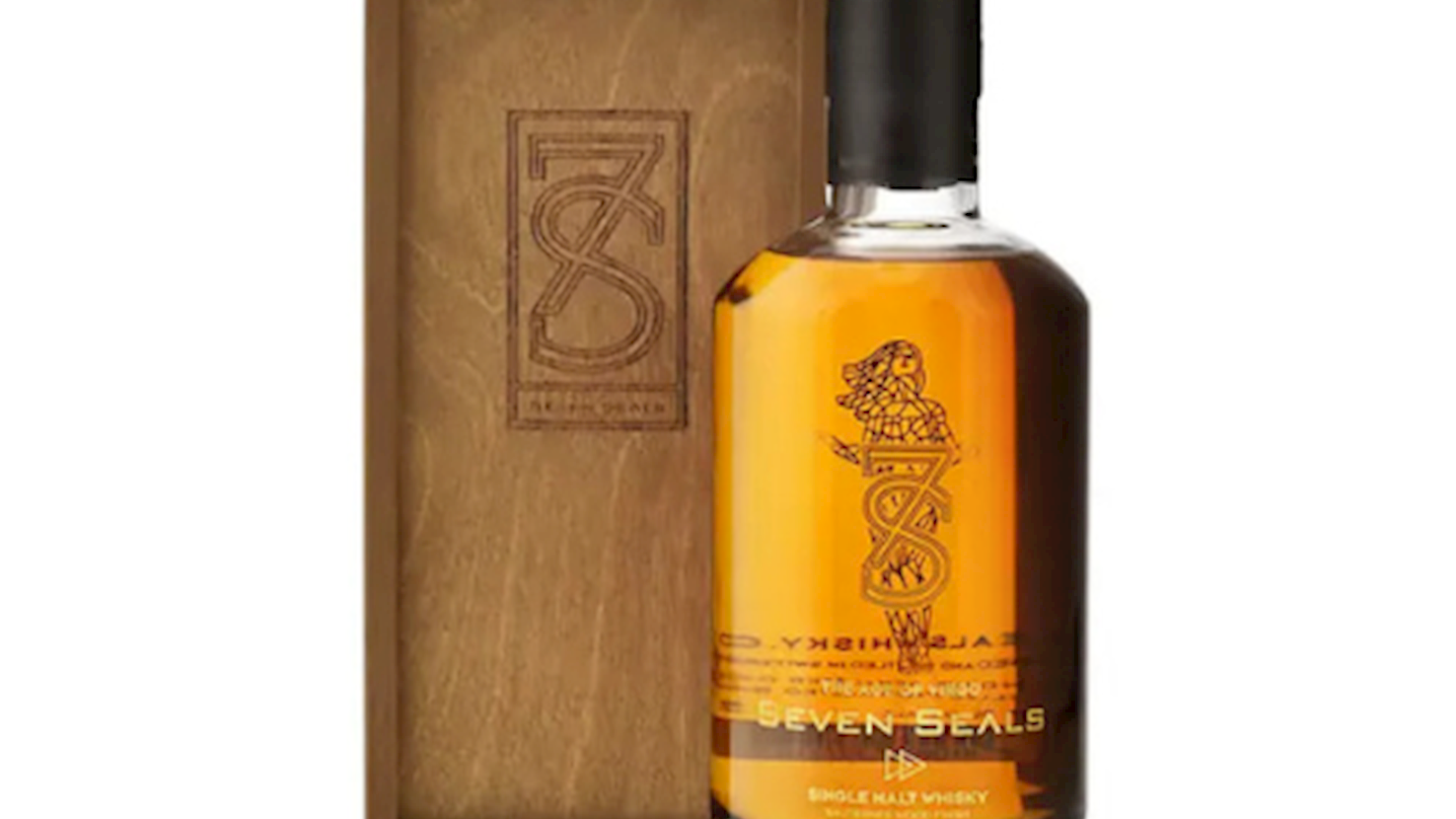
Seven Seals Innovation

5 ·
Seven Seals Innovation, based in Stans, Switzerland, is a pioneering company specializing in the production of whisky and rum. Known for its innovative "Stockhausen" method, the company has revolutionized the maturation process by significantly reducing the time required for spirits to reach their optimal flavor profile. Seven Seals combines traditional craftsmanship with cutting-edge technology, offering a range of premium products that cater to diverse tastes. Their portfolio includes the Classic Line, featuring finishes such as Amarone, Peated Port, Port, and Sherry Wood, as well as the Zodiac Line, a series of limited editions inspired by the zodiac signs, each with unique flavor profiles. The Rumundo line represents Caribbean rums refined in Switzerland, blending exotic flavors with Swiss precision, while Beaver's Dram is a Canadian rye whisky aged in port wine casks to develop sweet and rich aromas. With a focus on sustainability and innovation, Seven Seals has garnered numerous awards for its exceptional quality and innovative approach. The company continues to set new standards in the spirits industry, offering distinctive products that reflect its dedication to excellence and creativity.
Awards
SFWSC - San Francisco World Spirits Competition - Double Gold (2024)
European Spirits Challenge - Gold (2023)
06

Wyborowa

5 ·
Wyborowa is a renowned Polish vodka brand with a rich heritage dating back to 1823. Crafted exclusively from pure Polish rye and water, its production process honors nearly 600 years of Polish distilling tradition, resulting in a vodka celebrated for its velvety texture and natural, subtle sweetness. Over the years, Wyborowa has garnered significant international acclaim, securing over 40 awards at various global fairs and competitions. Notably, according to the Drinks International 2020 ranking, it ranked among the top ten best-selling vodkas in the world's most popular bars. In 1999, Wyborowa became part of the Pernod Ricard portfolio, further expanding its global reach. The brand's commitment to quality and authenticity is underscored by the "Made in Poland" inscription on its bottles, emphasizing its origin and the artistry of Polish craftsmanship.
Awards
ISC-International Spirits Challenge - Double Gold (2023)
IWSC- International wine & spirit competition - Spirit Gold (2024, 2019)
07

BGV

5 ·
Awards
ISC-International Spirits Challenge - Gold (2024)
The World Whiskey Masters - Gold (2023)
08

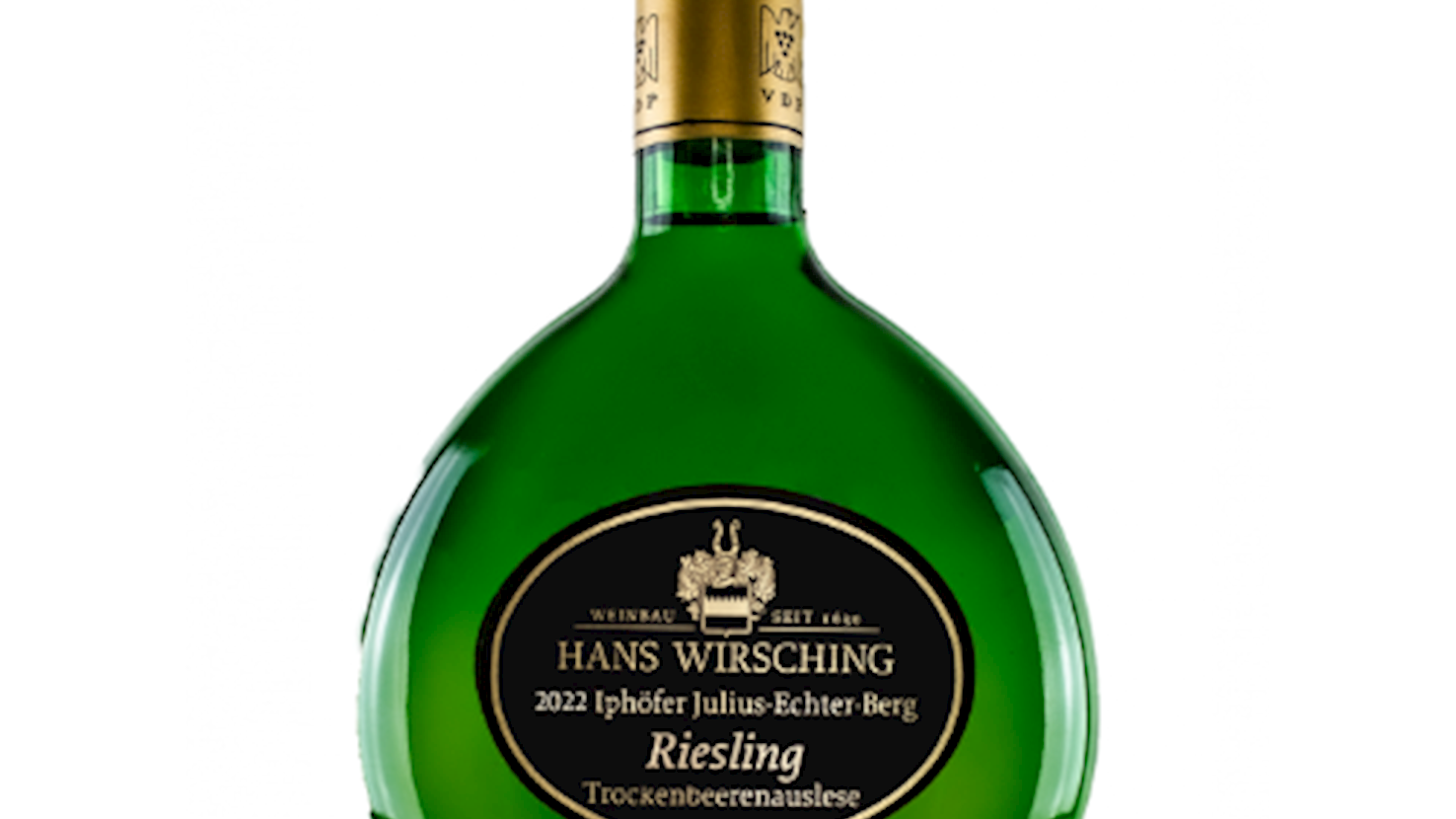
Weingut Hans Wirsching

5 ·
The Hans Wirsching wine estate is one of the most traditional and renowned estates in Franconia. Our family has been growing grapes for several centuries. Currently, Andrea Wirsching manages the estate. On 90 hectares in and around Iphofen, we produce mainly dry white wines – that is our specialty. The most important grape varieties are Silvaner, Riesling, Scheurebe, and white Pinot varieties (Pinot Blanc, Chardonnay, and Pinot Gris).
Awards
Decanter World Wine Awards - Platinum (2023, 2022, 2021, 2020, 2016)
Falstaff - 100
09

Belvedere

5 ·
Belvedere is a premium vodka brand crafted in Żyrardów, Poland, by Polmos Żyrardów, with over a century of distilling tradition. It is made from Dankowskie Gold Rye, a heritage grain, and undergoes a meticulous quadruple distillation process for a smooth, velvety taste. Belvedere adheres to the strict standards of Polish Vodka certification, using only natural ingredients with no additives or sugar. The flagship Belvedere Pure is celebrated for its purity, while the brand also offers Single Estate Rye and Organic Infusions. Sustainability is a core focus, with renewable energy and eco-friendly practices in production. The vodka has won numerous international awards for its quality and craftsmanship. Belvedere is globally recognized as a symbol of luxury and Polish heritage, often featured at high-profile events and occasions.
Awards
The Vodka Masters - Gold (2022)
The Vodka Masters - Master & Taste Master (2022)
10

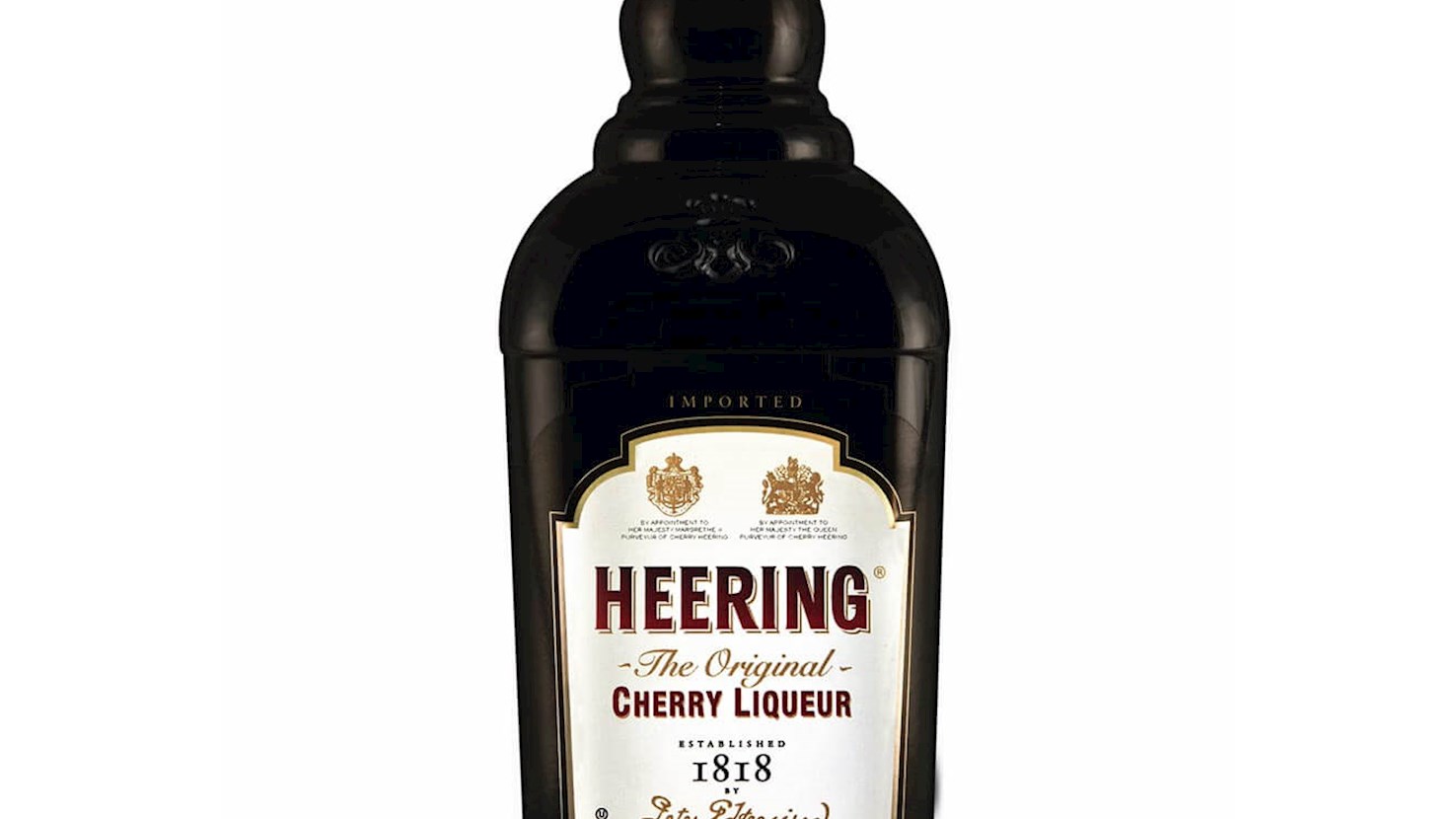
De Kuyper

5 ·
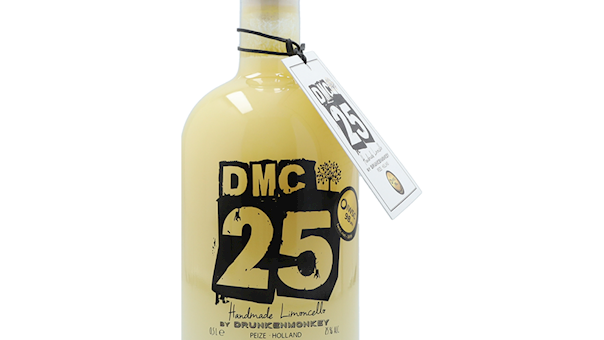
De Kuyper Royal Distillers is a renowned Dutch family-owned company specializing in the production of premium liqueurs and spirits. Founded in 1695 by Petrus De Kuyper, the company began as a manufacturer of barrels and casks for transporting spirits and beer. By 1752, the family owned a distillery in Schiedam, the epicenter of Dutch gin production. Over the centuries, De Kuyper expanded its operations and product range, establishing partnerships and exporting to markets across Europe, Great Britain, and Canada. In 1911, the company built a new distillery in Schiedam and commenced liqueur production, gradually introducing a variety of flavors. The mid-20th century saw liqueurs become the company's primary focus, aligning with changing consumer tastes and the rising popularity of cocktails.
Awards
ISC-International Spirits Challenge - Double Gold (2022, 2019)
IWSC- International wine & spirit competition - Spirit Gold (2024, 2023, 2021, 2020)
Read more
View all
View map
About this ranking

TasteAtlas food rankings are based on the ratings of the TasteAtlas audience, with a series of mechanisms that recognize real users and that ignore bot, nationalist or local patriotic ratings, and give additional value to the ratings of users that the system recognizes as knowledgeable. For the “Top 100 Central European Beverages” list until June 10, 2026, 10,485 ratings were recorded, of which 8,977 were recognized by the system as legitimate. TasteAtlas Rankings should not be seen as the final global conclusion about food. Their purpose is to promote excellent local foods, instill pride in traditional dishes, and arouse curiosity about dishes you haven’t tried.

The initial list of top producers was compiled based on available reviews, awards, local recommendations, media and blog coverage, and consumer reviews. The list will be updated with ratings from TasteAtlas local ambassadors and TasteAtlas users.

Similar lists