shutterstock

Top 34 Southwestern Chinese Beverages

Last updated on June 15, 2026

Best Southwestern Chinese Beverages
01

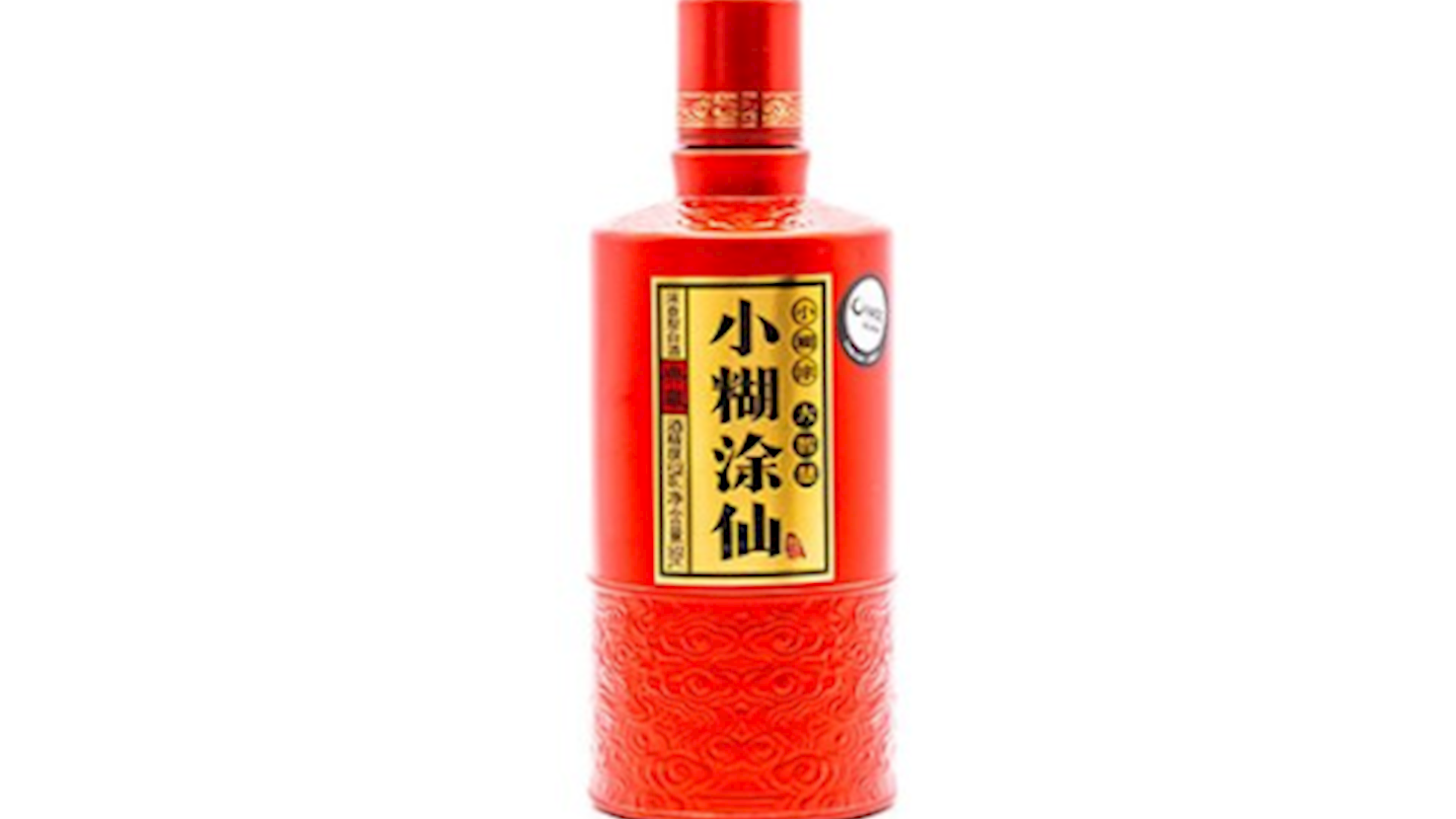
Xiaohutuxian Group

5 ·
Xiaohutuxian Group is a modern Chinese distillery based in Chengdu, Sichuan Province, specializing in the production of high-quality baijiu spirits that seamlessly blend tradition and innovation. The company has built a reputation as one of the leading producers in the premium segment of the Chinese market, combining authentic fermentation and distillation methods with a modern approach to design, marketing, and brand identity. A particular focus is placed on preserving the microbial culture and grain base traditionally used in Chinese baijiu production, ensuring consistency in quality and richness of flavor. Their spirits are distinguished by complex aromatic profiles that unite floral, fruity, nutty, and umami tones, creating a unique tasting experience. The company’s vision is to connect the past and future of Chinese distillation - honoring tradition while introducing technological innovation and contemporary aesthetics. Today, Xiaohutuxian Group stands as a symbol of the new wave of Chinese producers redefining the global identity of baijiu, combining artisanal precision, cultural authenticity, and distinctive design into a single, harmonious whole.
Awards
SFWSC - San Francisco World Spirits Competition - Double Gold (2024, 2023)
IWSC- International wine & spirit competition - Spirit Gold (2024, 2023, 2022, 2021, 2020)
02

Luzhou Laojiao

5 ·
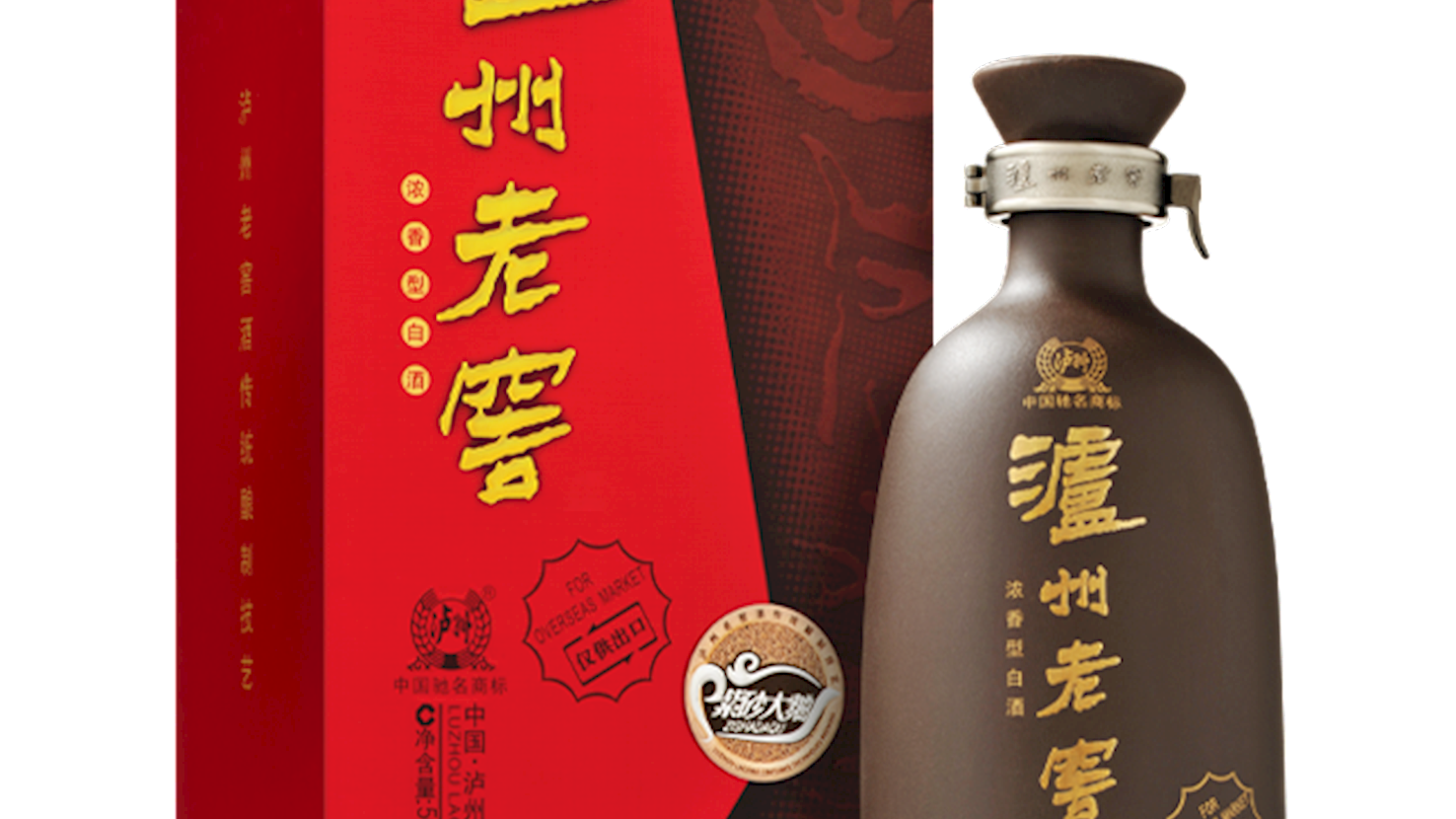
Luzhou Laojiao is a baijiu brand originating from Luzhou in Sichuan Province, a region regarded as one of the historical centers of Chinese baijiu and the homeland of the iconic “strong-aroma” style. The brand relies on traditional fermentation in clay pits, where the unique local microflora and aged pit mud (niqu) create an aromatic profile that is deeply tied to the Luzhou terroir. Luzhou Laojiao focuses on producing more accessible, everyday expressions of baijiu, aimed at consumers who want an authentic Sichuan-style spirit without the premium pricing of high-end labels. Its production follows core principles of the Luzhou school: sorghum as the primary grain, multi-stage fermentation, and repeated distillation to achieve a soft, balanced, and aromatic spirit. Widely present in local retail and dining settings, the brand is associated with affordability, consistent quality, and the characteristic richness of Sichuan baijiu. In this way, Luzhou Laojiao plays a role in preserving regional identity while offering a genuine, approachable interpretation of one of China’s oldest distillation traditions.
Awards
SFWSC - San Francisco World Spirits Competition - Double Gold (2024, 2023)
IWSC- International wine & spirit competition - Spirit Gold (2024)
03

Kweichow Moutai

5 ·
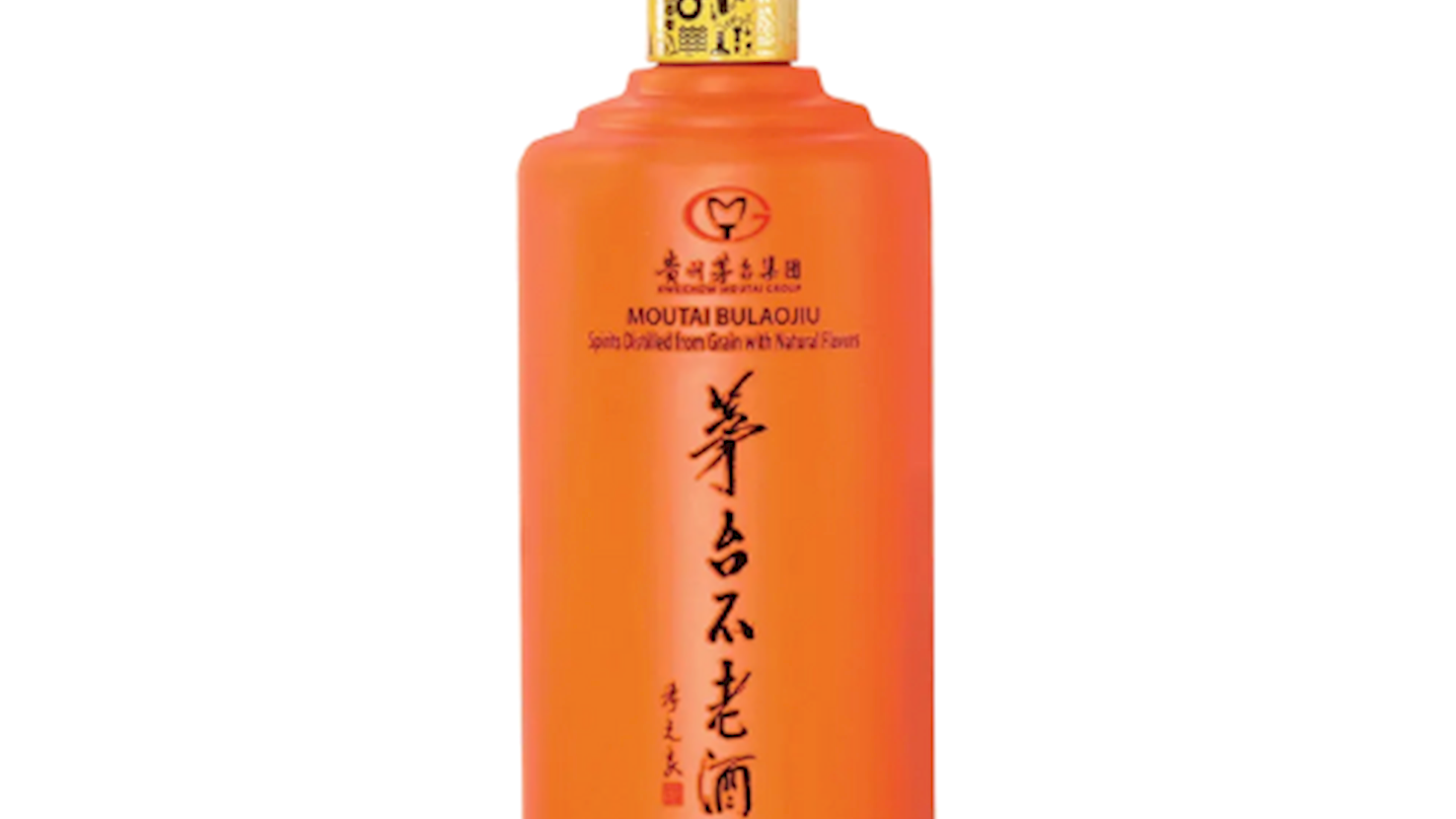
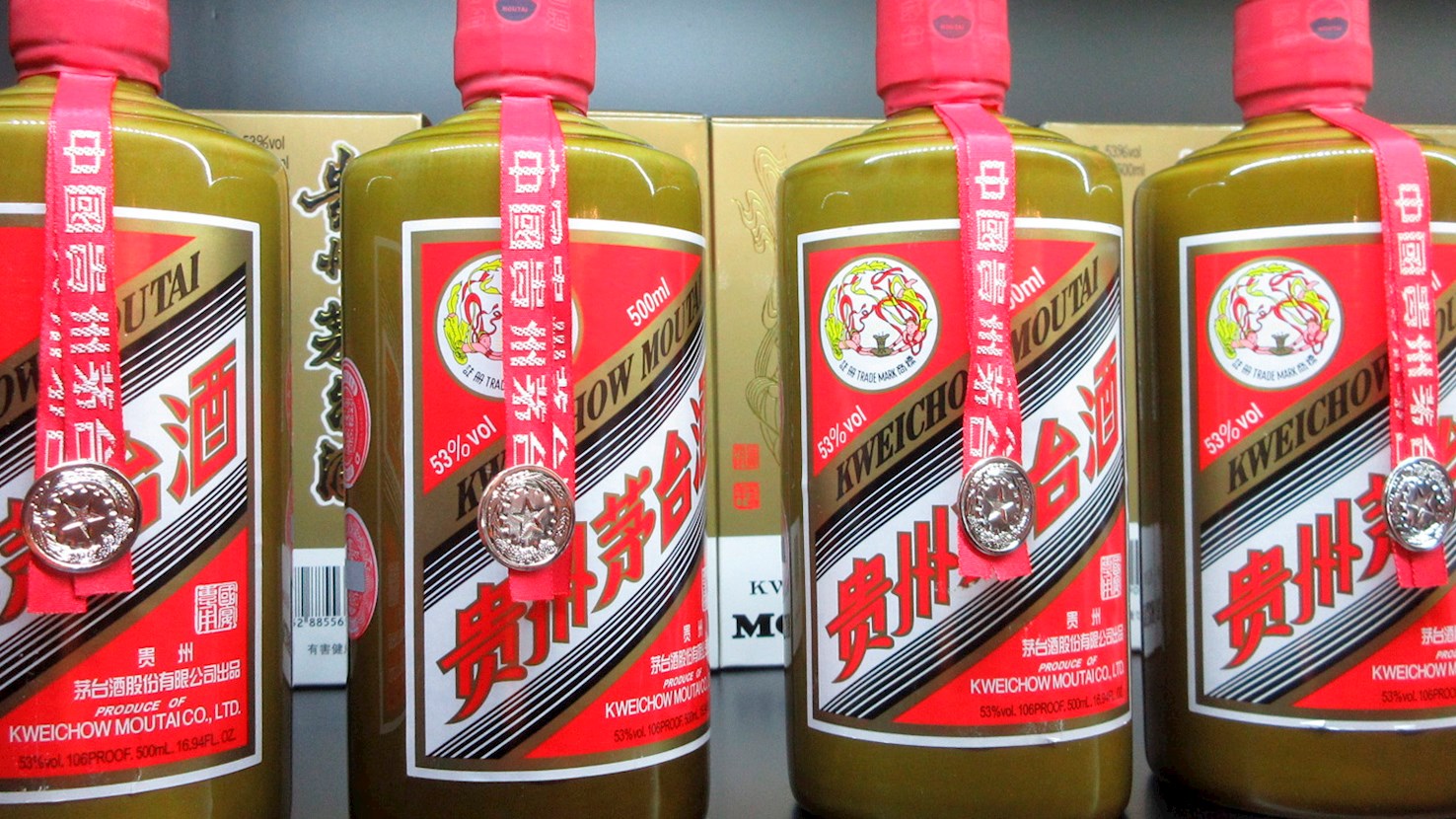
Kweichow Moutai is China’s leading producer of the traditional spirit baijiu, headquartered in Guizhou Province and renowned for its distinctive “jiang-flavour” profile and complex fermentation and distillation process. Its most famous product, Moutai Baijiu, is characterized by a high alcohol content (around 53%), rich aromas combining nutty, earthy, and fermented notes, and a long finish that sets it apart in the world of spirits. The company is a national symbol of China and is frequently featured in official ceremonies and diplomatic gifts, further affirming its prestige. In the domestic market, it enjoys enormous demand and the status of a luxury product, while internationally it is positioned through duty-free channels, exclusive restaurants, and specialized retailers. Its strength lies in cultural value and premium perception, but challenges include regulatory barriers, limited accessibility outside China, and a distinctive taste that requires consumer education. Nevertheless, Kweichow Moutai remains a synonym for tradition, luxury, and a unique tasting experience.
Awards
USC- Ultimate Spirits Challenge - Chairman's Trophy (2021)
USC- Ultimate Spirits Challenge - Top 100 (2021)
04

Wuliangye

5 ·
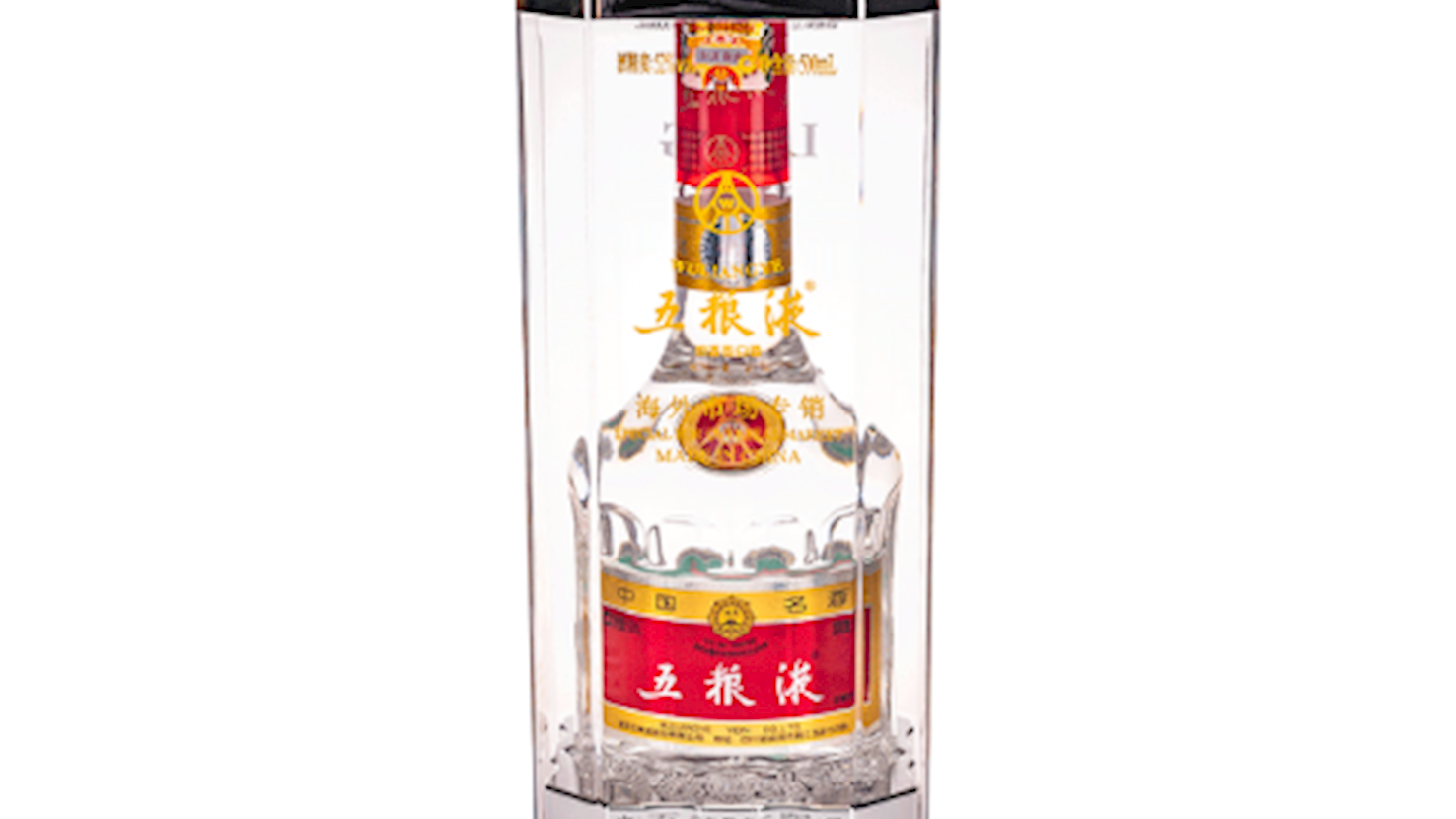
Wuliangye is one of China’s most iconic and prestigious baijiu brands, originating from Yibin in Sichuan Province, a region whose unique microclimate and underground clay fermentation pits create ideal conditions for producing the traditional “strong-aroma” style. It is crafted from a distinctive blend of five grains - sorghum, regular rice, glutinous rice, wheat, and corn - which together contribute to its rich, multilayered aromatic profile. Fermentation takes place in ancient earthen pits, followed by distillation and aging that develop notes of exotic fruit, gentle esters, herbal nuances, and a subtle underlying sweetness. Recognized as a national symbol of Chinese distillation heritage, Wuliangye is frequently served at state events and prestigious banquets, while also maintaining strong international recognition through global exports. Its complex, unmistakable flavor and longstanding craftsmanship make it one of the most influential representatives of the baijiu tradition and a benchmark for anyone seeking to understand the depth and diversity of this category.
05

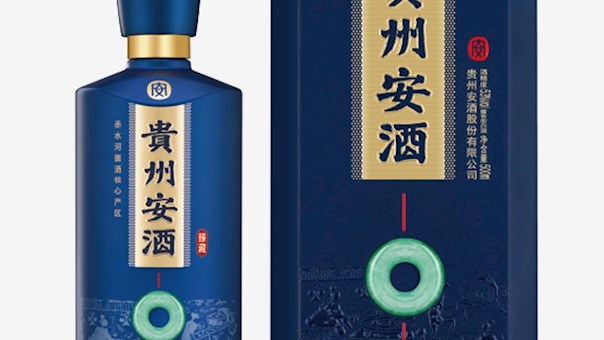
Guiyahui

5 ·
Awards
IWSC- International wine & spirit competition - Spirit Gold Outstanding (2023)
06

JinShaoFangBaijiu

5 ·
Awards
SFWSC - San Francisco World Spirits Competition - Double Gold (2024)
07

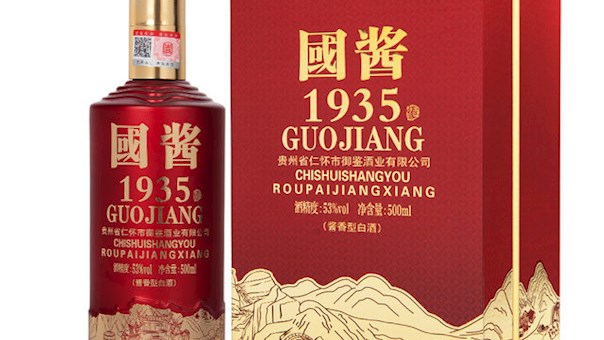
Guizhou Wenzhong Baijiu Co.

5 ·
Awards
IWSC- International wine & spirit competition - Spirit Gold Outstanding (2023)
08

Jiangsu Haizhouwan Baijiu

5 ·
Awards
IWSC- International wine & spirit competition - Spirit Gold Outstanding (2023)
09

Yunnan Zangditianxiang Wine

4.9 ·
Awards
IWSC- International wine & spirit competition - Gold (2024)
10

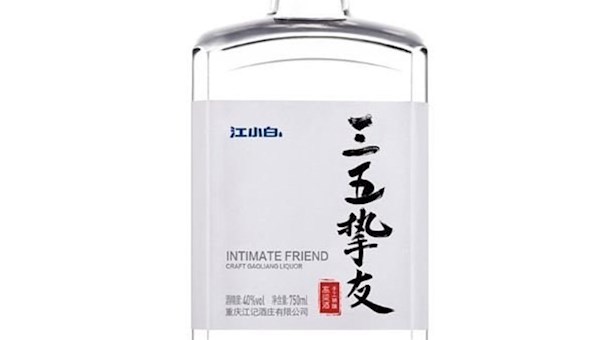
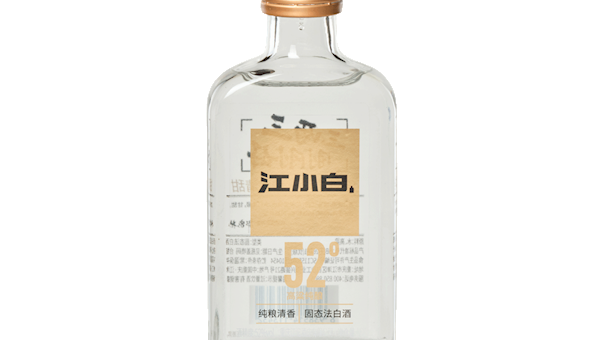
Chongqing Jiangji Distillery
4.8 ·
Awards
IWSC- International wine & spirit competition - Spirit Gold (2023, 2021)

Best Southwestern Chinese Beverage Types
01

Pǔ'ěr

4.2 ·

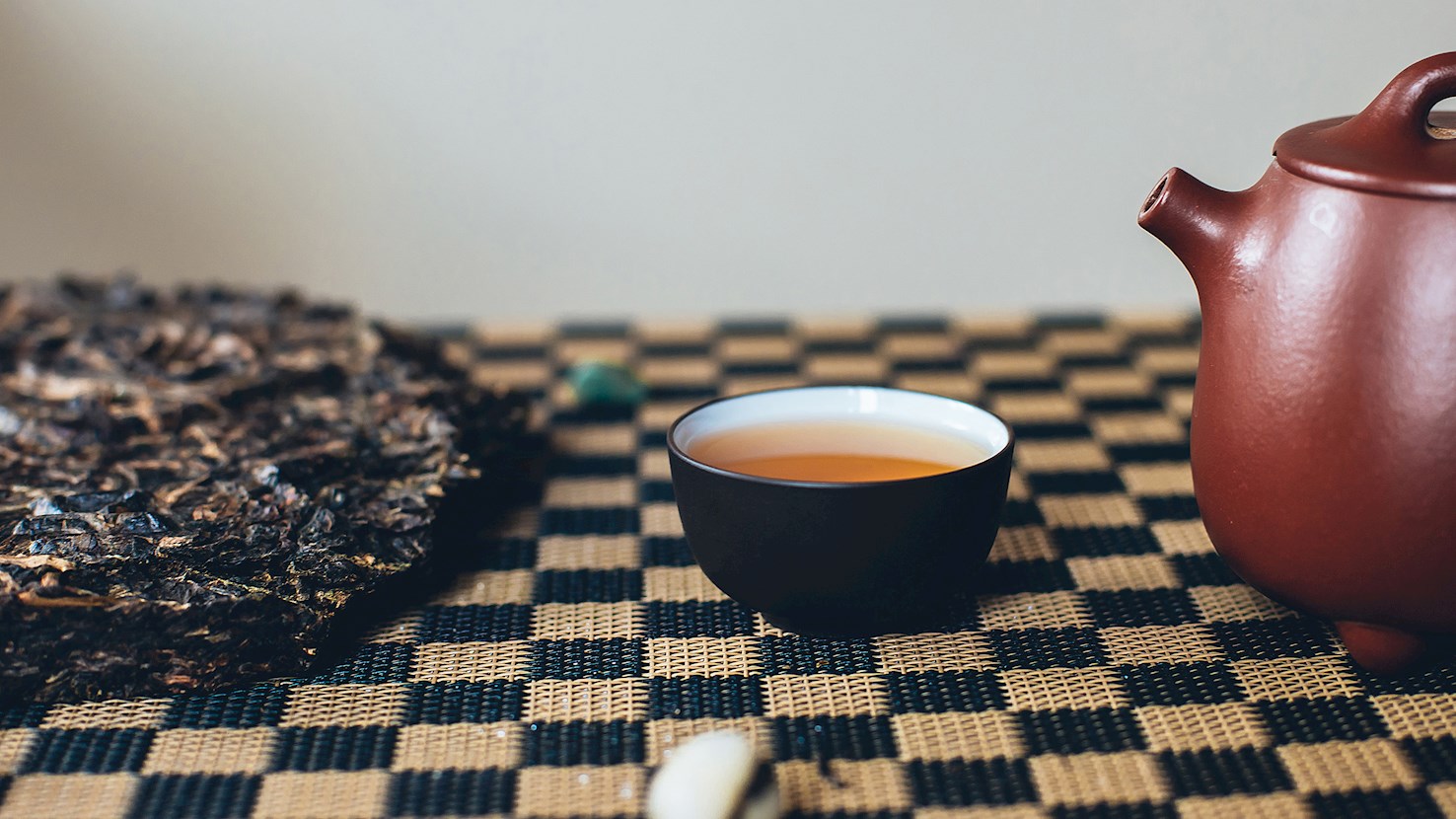
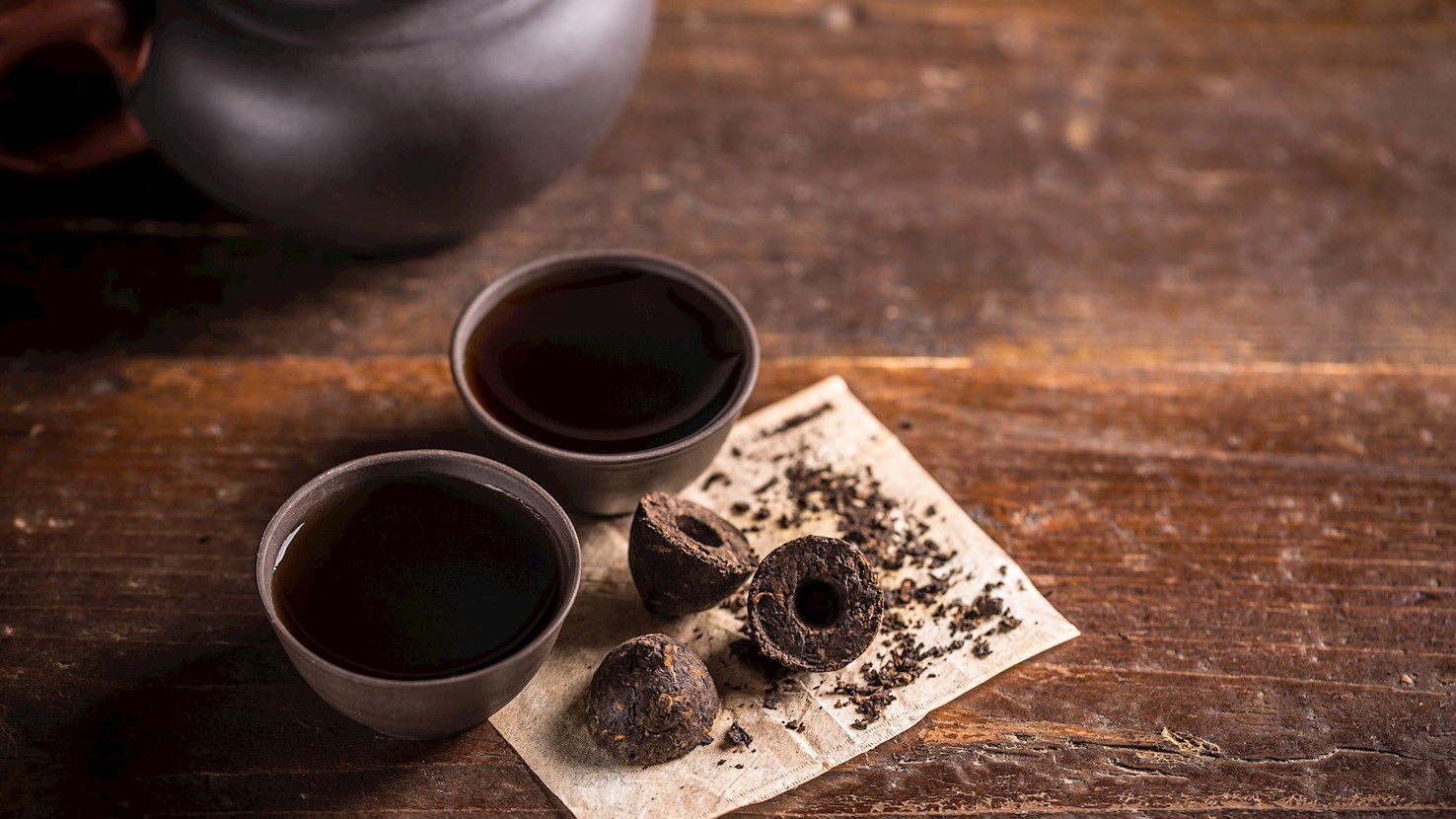
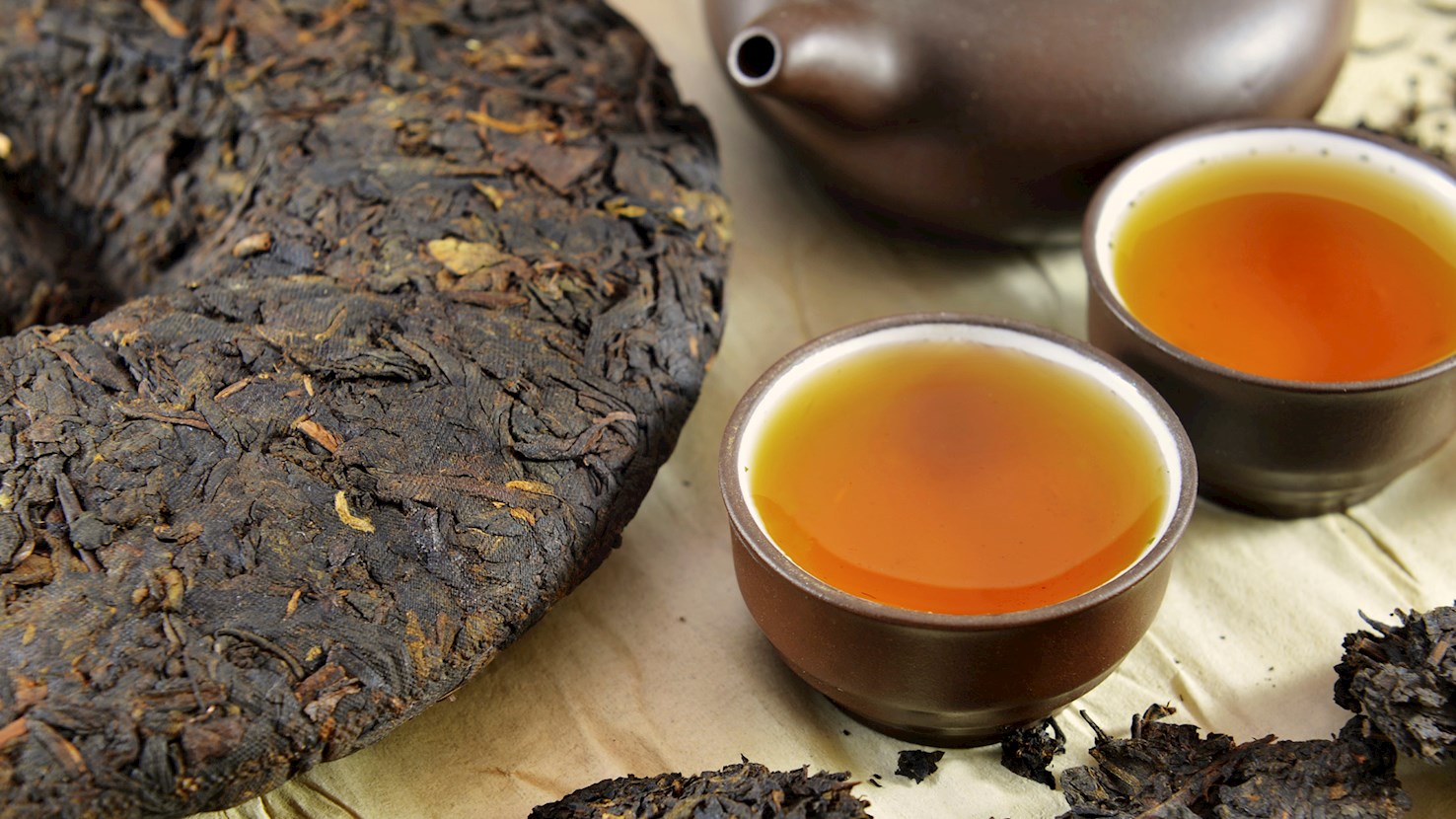
Pu erh, also known as aged or vintage tea is a renowned tea produced exclusively in the Yunnan province. There are two main varieties: raw, non-fermented pu erh, called pu erh sheng, and ripe, fermented pu erh, known as pu erh shu. The raw version has a very fresh, vegetal flavor with hints of bitterness and a sweet aftertaste, while the ripe one has a mild, yet distinctive and earthy flavor achieved by the fermentation process. For both varieties, the leaves can be left loose or compressed into brick tea (Juan Cha), cake tea (Beeng Cha), bell-shaped tea (Toa Cha), or mushroom-shaped tea (Maw Gu Toaw). Pu erh can be stored for a very long period of time - in fact, with time the tea gets better, because both the scent and the flavors change, becoming more mellow and smooth. There are many health benefits attributed to drinking pu erh tea, ranging from feelings of well-being and weight loss to claims of cancer-prevention.

02

Sheng pu erh

4.2 ·

Sheng is the so-called raw variety of pu erh tea that is considered as the authentic and the original version of this highly-sought tea variety. Pu erh is made in Yunnan, but unlike shou that is artificially fermented, sheng is allowed to naturally age and ferment, often over the course of several years. The aging process improves the overall characteristics of the tea—making it less astringent and mellow. The production process is simple, and after the tea is withered and sun-dried, it is usually pressed into blocks. It is then stored at a cool and preferably humid place. Sheng variety will typically retain its fresh and well-rounded character while the flavors and aromas usually include a complex blend of earthy notes reminiscent of overripe fruit.

03

Shou pu erh

3.8 ·

Shou is the artificially fermented sub-variety of pu erh tea. It is produced when raw pu erh (mao cha) is aged under specific temperature and humidity so that the fermentation can be accelerated and completed within two or three months. The technique was developed in the 1970s, initially as a way to imitate the qualities of naturally fermented pu erh. However, the variety became so popular it evolved into a separate style. This pu-erh is smooth and it usually has an earthy, strong, and rich flavor.

04

Butter Tea

3.2 ·

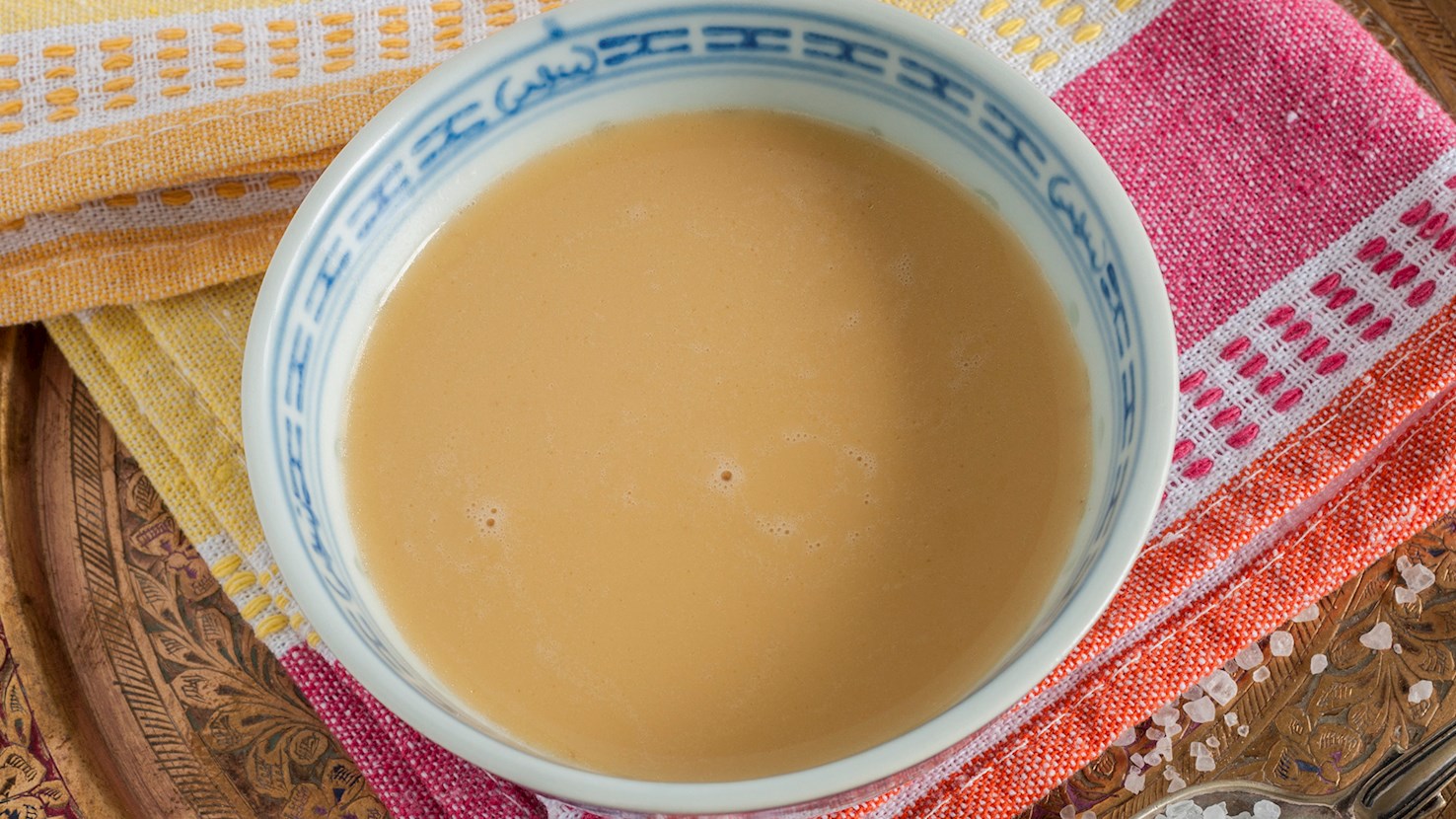
Butter tea originated in the 7th century in Tibet, but nowadays it is also widely consumed by the people in the Himalayan regions of Nepal, India, and Buthan. The drink, also known as churned tea, ja srub ma, sūyóu chá and gur gur, is traditionally made with tea leaves, water, salt, and yak butter, although cow butter usage increased in modern times due to its lower cost. The process of preparation is very long and consists of boiling tea leaves for hours until they provide the liquid with a dark brown color, which is then shaken with butter and salt. Traditionally served in a ceramic bowl, butter tea plays a big part in Tibetan life - it is typically consumed in the morning, before work, or served to guests as a sign of hospitality, when it is consumed in small, separate sips.

05

Maotai Baijiu

2.5 ·

Maotai is the most popular variety of baijiu—Chinese grain alcohol. It is produced from sorghum that is fermented with a yeast starter (qu). The mixture is distilled seven times throughout the year and is then placed in earthenware vessels where it is aged before it is blended. Maotai is praised for its crisp, complex flavor and purity. It is also culturally significant, often enjoyed on special occasions and given as a present. Traditionally, it is served at room temperature in special tulip-shaped glasses. The drink gained international fame after it was awarded at the San Francisco Panama-Pacific Exposition in 1915.

Best producers
06

Chhaang

n/a ·

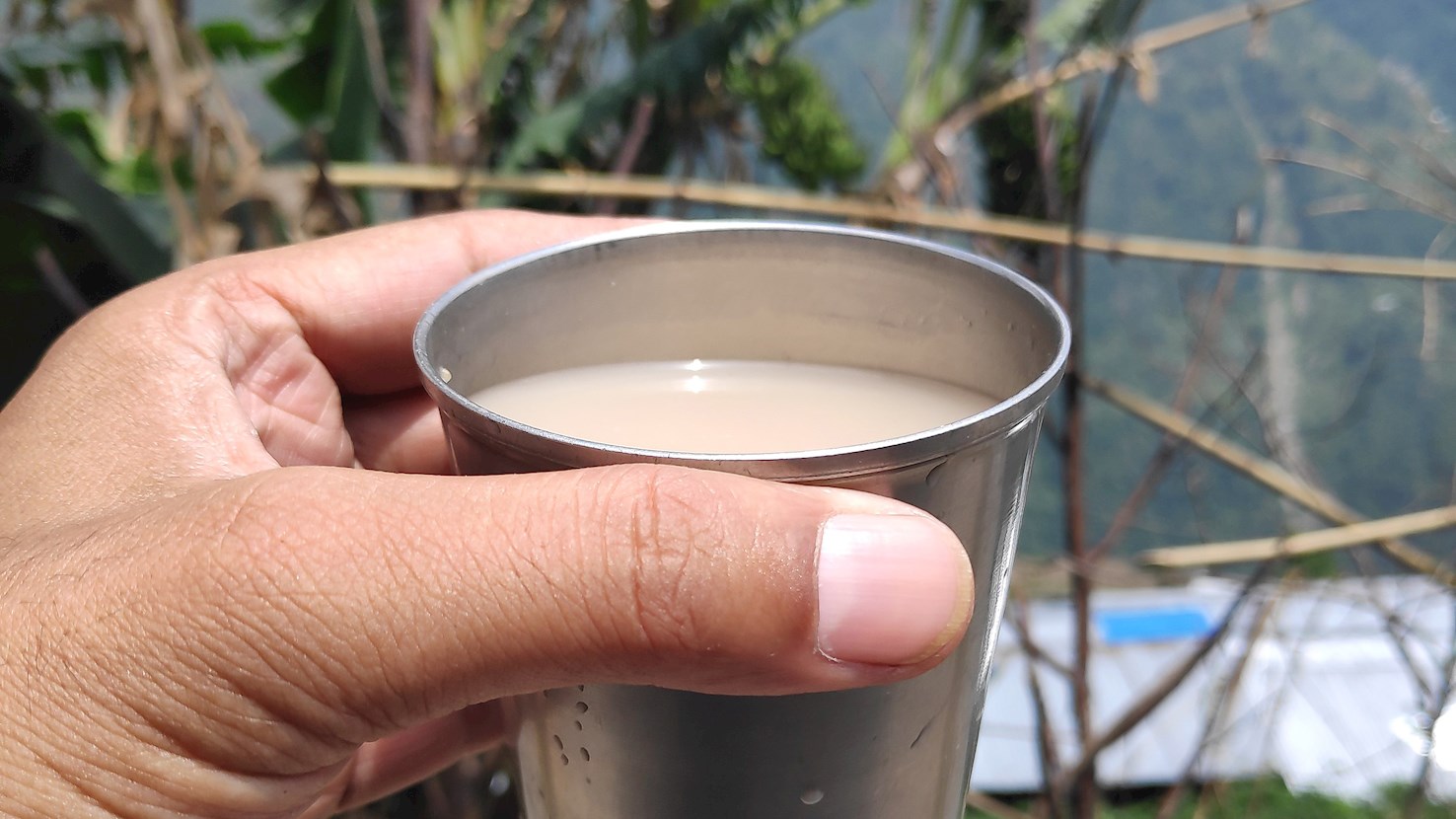
Chhaang is a fermented beverage that is mainly enjoyed in Nepal and Tibet. It is usually made from barley (nechang or jauchhang), millet, or rice (drechhang). When cooked, the base grain is chilled and mixed with yeast (phab). The combination is usually fermented for several days, and the fermented juice is then mixed with water. This low alcoholic drink is milky white and cloudy with a slightly gritty texture. Depending on the length of fermentation, it can be lightly fizzy. The flavor is often described as a combination of sweet and tart flavors. Rice chhaang will usually be creamier and whiter than the barley-based version. Often dubbed as Himalayan beer, chhaang is an integral part of local customs and everyday life. It is a staple on many festivities and celebrations. Many also serve it as a welcome drink. It can be served chilled, but during colder months, it is often heated and enjoyed warm. Local legends say that this local specialty is Yeti’s favorite beverage.

07

Éméishān quánshuǐ (Emeishan spring water)

n/a ·

Éméishān quánshuǐ is a type of mountain spring water sourced from Mount Emei in Sichuan province, valued for its purity, mineral composition, and role in local tea culture and cuisine. The water originates from natural springs deep within the mountain’s forested slopes, where centuries of rainfall and snowmelt filter slowly through layers of rock and soil before emerging as clear, mineral-rich streams. Mount Emei has long held cultural and spiritual significance in Chinese history, known not only as a sacred Buddhist site but also as a center of tea cultivation and appreciation. The quality of water has always been considered essential to the quality of tea, and in Sichuan, where tea drinking is deeply embedded in daily life, spring water from places like Mount Emei became prized for its soft texture and subtle mineral content. Over time, quánshuǐ from Éméishān gained a reputation beyond the region, used not only in tea houses but also by connoisseurs seeking to replicate the ideal conditions for brewing delicate teas. The process of collecting the water is straightforward but deliberate. It is typically gathered directly from protected spring sources, where water flows naturally and maintains a stable composition. The clarity, low hardness, and balanced mineral content make it particularly well-suited for brewing fine teas, as it enhances aroma and mouthfeel without introducing unwanted flavors. Locals often boil the water briefly to preserve its freshness before using it, and it is sometimes bottled and sold beyond the region, though its reputation is strongest close to its source. One of the defining characteristics of Éméishān quánshuǐ is how it interacts with tea. Because of its softness and slight alkalinity, it allows subtle flavors, especially those of high-grade green or jasmine teas, to unfold fully, highlighting sweetness and fragrance. In many tea houses near Mount Emei, the water is used exclusively for brewing to ensure the finest possible result, and it is often served with teas produced from the surrounding mountain slopes, creating a pairing that reflects the landscape’s terroir. Outside of tea culture, it is occasionally used in cooking delicate broths or preparing steamed dishes where water quality influences texture and flavor.

08

Chuān chá (Sichuan tea)

n/a ·

Chuān chá is a style of tea culture and service originating in Sichuan province, known for its distinctive presentation, elaborate technique, and deep integration into daily social life. It is not defined by a single type of tea but by the manner in which tea is prepared, served, and consumed, often using long-spouted copper or brass kettles and a highly theatrical pouring style. The custom reflects Sichuan’s long-standing association with tea, which has been cultivated, traded, and consumed in the region for over a millennium. The province’s climate and geography, with its humid air and fertile river valleys, made it one of China’s major tea-producing areas, and tea houses became central to urban life as early as the Tang and Song dynasties. These establishments were more than places to drink tea, they served as social centers where people met, discussed politics, played games, and exchanged news. Over time, a distinctive style of tea service developed, shaped by the sociable character of Sichuan society and the region’s emphasis on hospitality. Preparation of chuān chá begins with selecting a high-quality loose-leaf tea, often green or jasmine, although other varieties such as oolong or fermented teas are also used. The tea is brewed directly in cups or small teapots, with water poured from long-spouted kettles designed to deliver a controlled, steady stream from a distance. This method, which requires skill and precision, is more than performance, it ensures proper water aeration and temperature, factors believed to enhance the tea’s aroma and flavor. Serving tea in this way is often accompanied by graceful, almost acrobatic movements, turning the act of pouring into a form of cultural expression. The tea itself is usually light, aromatic, and refreshing, chosen to encourage leisurely drinking over conversation. One feature that distinguishes chuān chá from other tea customs is its strong social dimension. Tea houses in Sichuan are not simply places to drink but community spaces where people spend hours reading, playing mahjong, or discussing daily affairs, and the ritualized pouring and serving of tea helps create an atmosphere of calm and interaction. It is also common to see tea masters performing their craft in public, especially in historic tea houses, where the dramatic presentation attracts both locals and visitors. Chuān chá is typically enjoyed throughout the day, often as part of a relaxed gathering rather than a formal ceremony. It pairs naturally with light snacks such as sunflower seeds, candied fruits, or steamed buns, which complement the subtle flavors of the tea without overwhelming them.

09

Fried bee pupa with rice wine

n/a ·

Fried bee pupa with rice wine is a beverage from Yunnan, precisely from the area of Nu River Valley. The native bee pupa is harvested and then fried in high-quality, hand-pressed lacquer seed oil. Once the bee pupa is crunchy, rice wine is poured in, and the whole thing is briefly cooked. The resulting beverage is smooth and chewy and has an intense aroma thanks to the lacquer seed oil. Fried bee pupa with rice wine is usually served in small wooden cups. It is considered a delicacy as its main ingredient, the native bee pupa, is not an easy find.

Read more
View all
View map
About this ranking

TasteAtlas food rankings are based on the ratings of the TasteAtlas audience, with a series of mechanisms that recognize real users and that ignore bot, nationalist or local patriotic ratings, and give additional value to the ratings of users that the system recognizes as knowledgeable. For the “Top 34 Southwestern Chinese Beverages” list until June 15, 2026, 165 ratings were recorded, of which 147 were recognized by the system as legitimate. TasteAtlas Rankings should not be seen as the final global conclusion about food. Their purpose is to promote excellent local foods, instill pride in traditional dishes, and arouse curiosity about dishes you haven’t tried.

The initial list of top producers was compiled based on available reviews, awards, local recommendations, media and blog coverage, and consumer reviews. The list will be updated with ratings from TasteAtlas local ambassadors and TasteAtlas users.

Similar lists