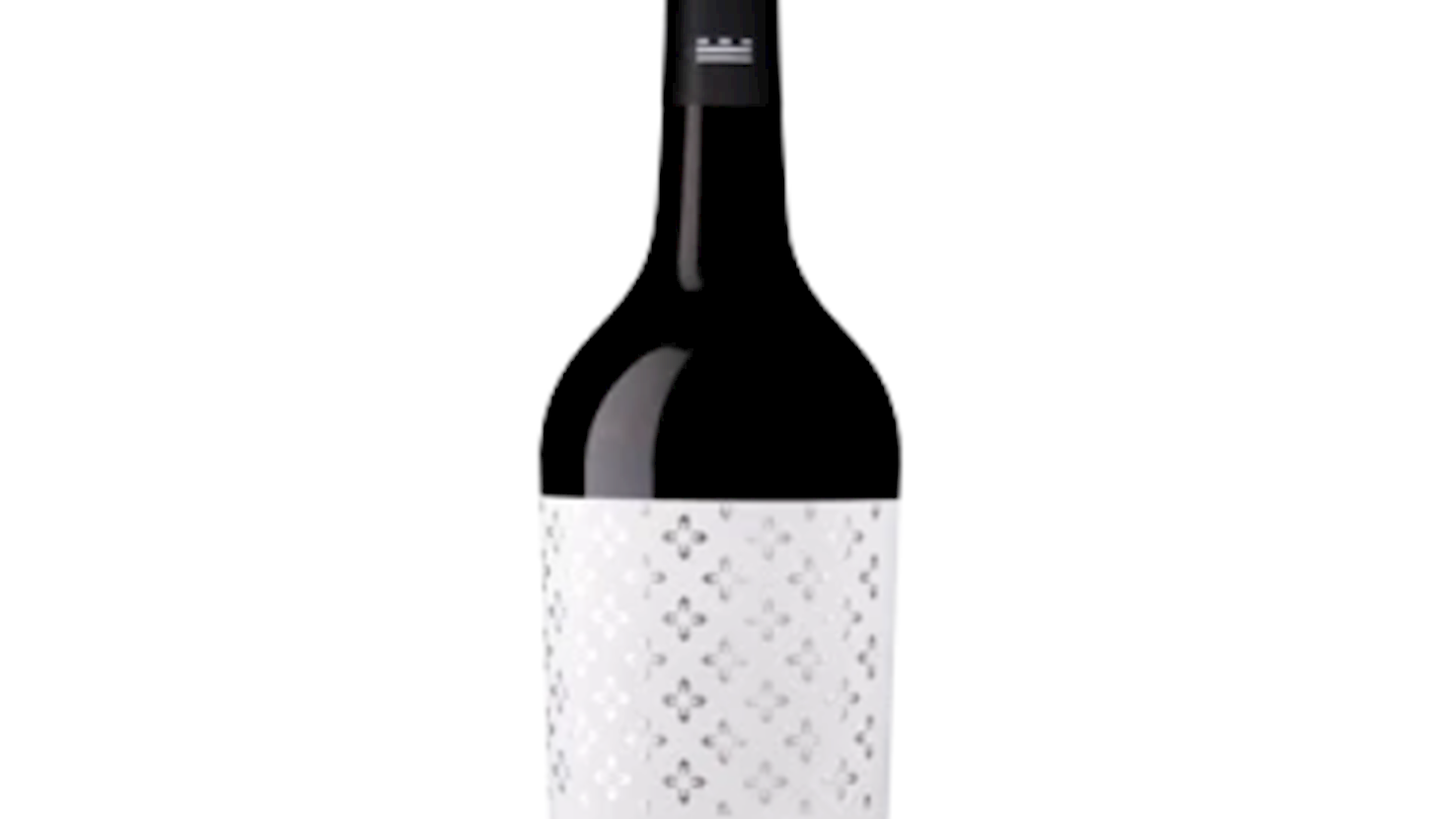
Dominio de la Vega is a distinguished family-owned winery specializing in the production of elegant wines and sparkling cuvées, with a strong emphasis on terroir. Founded in 2001, the estate has become a symbol of quality and dedication, largely thanks to the expertise of acclaimed winemaker Daniel Expósito.
The vineyards extend across dozens of hectares, with old Bobal vines on plots such as Paraje Tornel and Finca La Beata standing out for their unique character and expression. Dominio de la Vega follows a winemaking philosophy rooted in respect for nature and the identity of the land, resulting in wines that showcase a distinctive mineral profile, freshness, and harmonious balance.
Their sparkling wines, particularly those made from the Macabeo grape, are produced using the traditional method and aged on lees, which adds to their complexity and creamy texture. The winery also stands out for its eco-conscious approach, employing organic viticulture, recyclable materials, and low-impact technologies.
Through a blend of tradition, scientific research, and modern design, Dominio de la Vega has secured a leading position among wine producers in eastern Spain.
Awards
Decanter World Wine Awards - Platinum
(2022, 2017)
Bodegas Murviedro was founded by the Schenk family in 1927. The company's philosophy is based on combining innovative winemaking techniques with a great belief and respect for their local terroirs.
Bodegas Murviedro plays a vital role in the local economy as one of the most important wineries in Requena.
Awards
Concours Mondial de Bruxelles - Grande Médaille d'or
(2023)
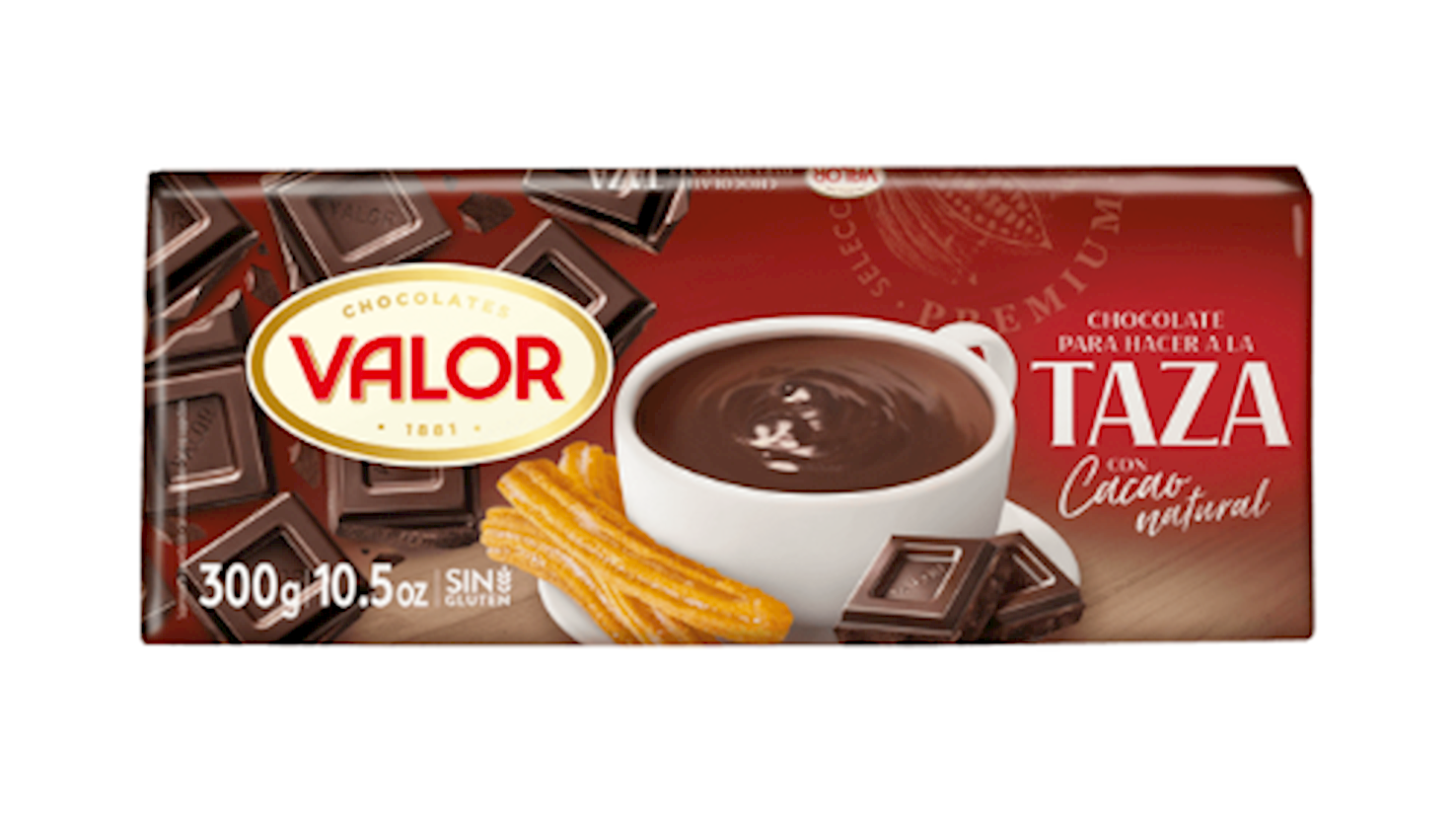
Chocolates Valor is a Spanish chocolate manufacturer founded in 1881 in the coastal town of Villajoyosa, Alicante. The company was established by Valeriano López Lloret, who began producing chocolate using traditional artisanal methods and distributing it locally.
Over time, the small family workshop evolved into one of Spain’s most recognized chocolate brands, with the López family maintaining involvement in the business across several generations. Chocolates Valor produces a wide range of chocolate products, including chocolate bars, pralines, cocoa powders, and drinking chocolate.
The brand is particularly known for its dark chocolates with a high cocoa content and for its sugar-free product range, both of which have become key segments of its portfolio.
The company carefully sources cocoa beans from regions such as Ghana, Ecuador, and Brazil, emphasizing quality and consistency in its production. Today, Chocolates Valor operates modern manufacturing facilities in Villajoyosa and Ateca, supplying products to dozens of international markets.
In addition to packaged chocolate products, the company has developed a network of Chocolaterías Valor - specialized cafés where visitors can enjoy traditional Spanish hot chocolate, desserts, and chocolate-based specialties. Through a combination of long-standing tradition and modern production technology, Chocolates Valor has established itself as a prominent figure in Spain’s chocolate industry.
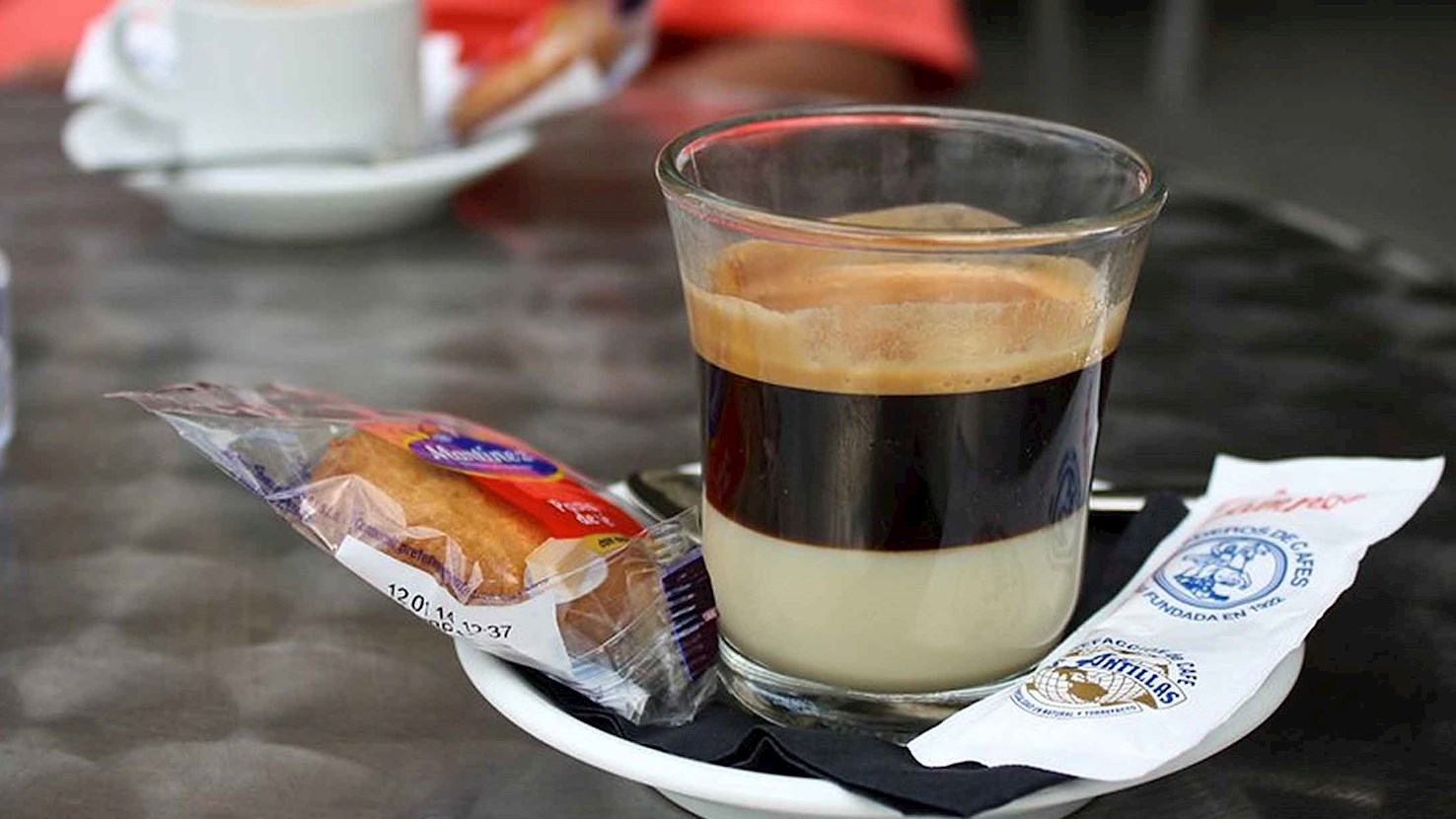
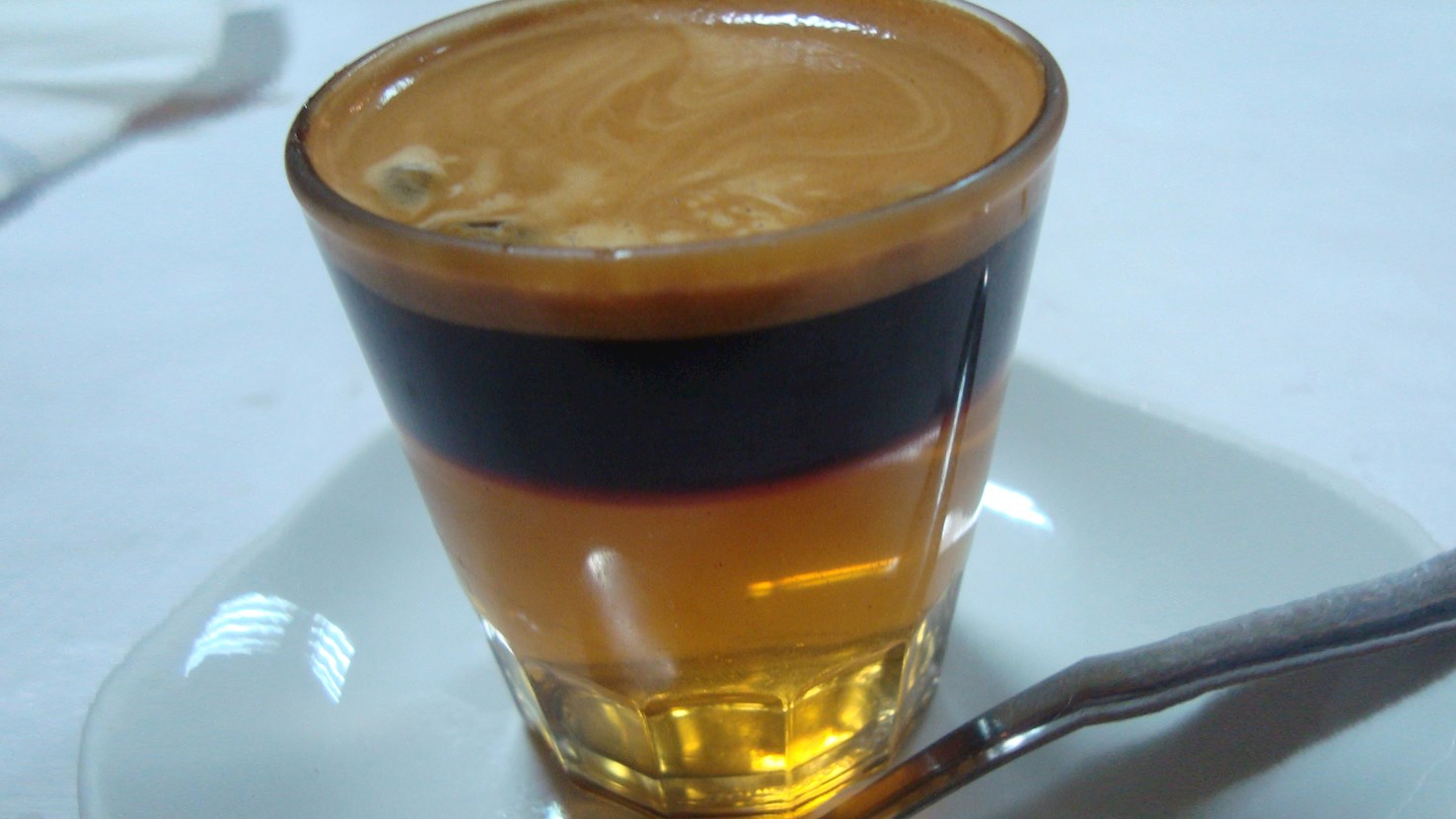
Bombón coffee is a Valencian specialty that combines coffee and condensed milk. The drink is usually made with espresso, and it is assembled by pouring condensed milk first and then topping it with espresso. Because there is a difference in density, the beverages do not mix, and bombón is usually served in a tumbler glass so the layers would be visible. Optionally, condensed milk can be swapped with creamy liqueurs such as Baileys. The drink is usually prepared with equal amounts of both beverages.
Agua de Valencia is a Spanish cocktail made with either cava or champagne, along with orange juice, gin, and vodka. The preparation of Agua de Valencia is simplicity itself – all ingredients are typically combined in a large pitcher, the cocktail is then left to chill, and it is later served in cocktail glasses. It is believed that the first version of this cocktail was made in 1959 in Valencia by Constante Gil, at a bar called Café Madrid de Valencia. However, the cocktail gained popularity in the 1970s, when it became more well-known in the city.
Orxata (horchata) is a refreshing Valencian drink prepared by blending soaked tiger nuts (chufas), water, and sugar. It often includes cinnamon and sometimes lemon zest. The drink is enjoyed in the entire Valencian Community, but it most likely originated in Alboraya. Valencian horchata is creamy and smooth, with a milky, off-white color, subtle sweetness, and nutty flavor. It is usually enjoyed chilled from mid-March until the end of the summer. Despite their name, tiger nuts are not classified as nuts—they are edible tubers with a hard, wrinkly shell. Although they are not native to the region (they were brought over from North Africa during the Muslim rule), tiger nuts are not recognized as a traditional Valencian product with a PDO status. Valencian orxata (horchata) should not be confused with Latin American horchata, a term used for various drinks usually made with rice. In Valencia, horchata is sold at orxaterias (horchaterías) or by street vendors.
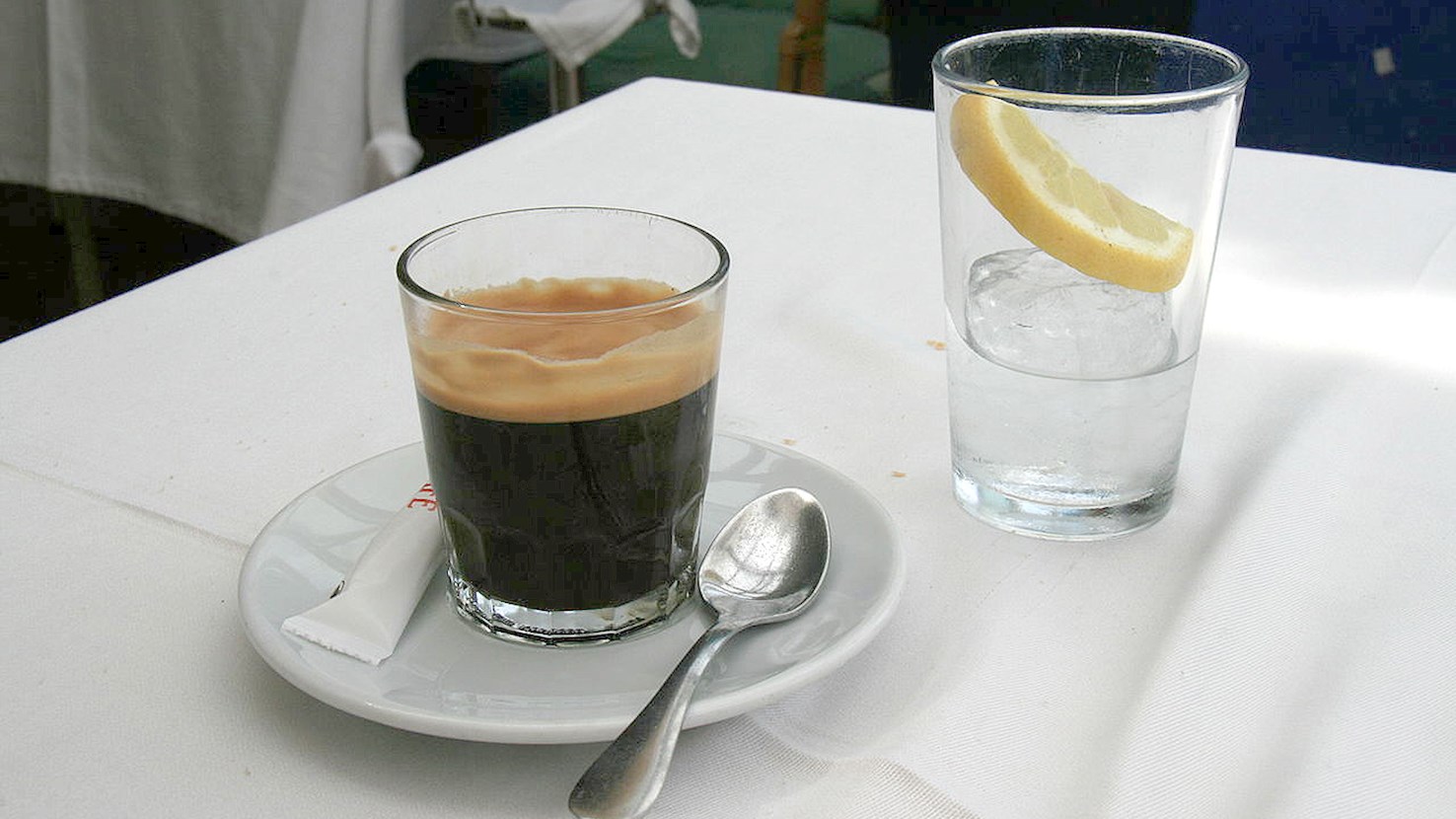
Roughly translated as weather coffee, café del tiempo is a variety of Spanish ice coffee. It consists of a cup of coffee that is served with a glass that is filled with ice cubes and occasionally a slice of lemon. The guest then sweetness the coffee according to taste before pouring it over ice. This coffee is mainly prepared with plain espresso or espresso that is topped with steamed milk—in Spain, this combination is usually referred to as cortado. However, varieties may include café con leche, carajillo (a combination of Licor 43 and coffee), or café bombón (made with equal proportions of condensed milk and coffee). Because it cools down the coffee to room temperature, café del tiempo is primarily enjoyed as a refreshing option during summer or spring. It is primarily associated with Valencia, but similar iced variations can be found in other parts of Spain, though it is sometimes known as café con hielo.
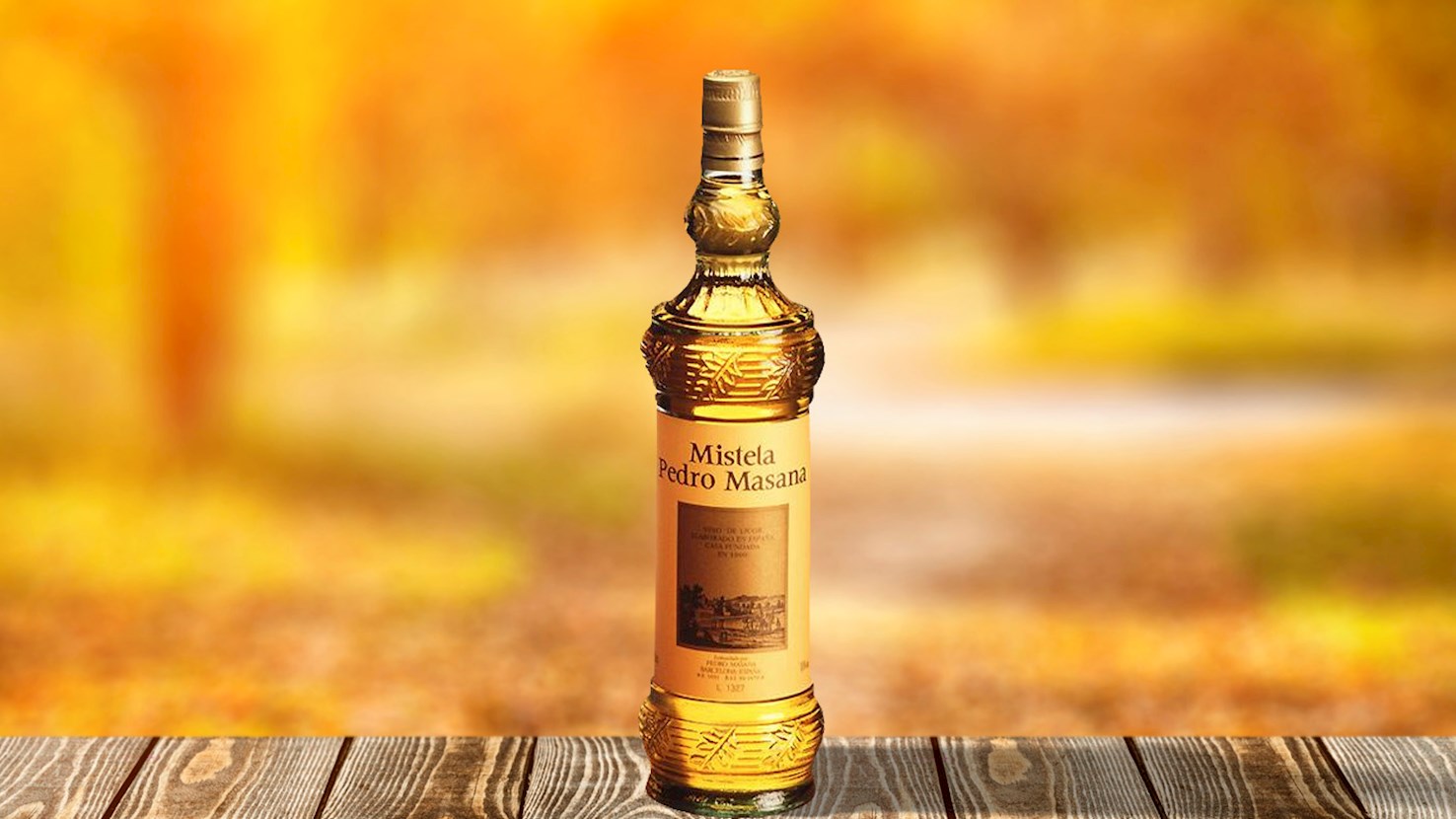
Mistela is a traditional Valencian liqueur made from Muscat of Alexandria grapes. The liqueur is made by adding pure alcohol to grape must, resulting in sweet fortified wines with an alcohol content over 13%. Mistela is usually straw-colored and has intense fruity and floral aromas reminiscent of white flowers, honey, dry fruit, and hints of citrus. On the palate, the liqueur is smooth, sweet, and balanced by bright acidity. The finish is long and intense. Mistela is usually enjoyed as a digestif, and it should always be well chilled. It can pair with appetizers, blue cheese, pastries, and chocolate.
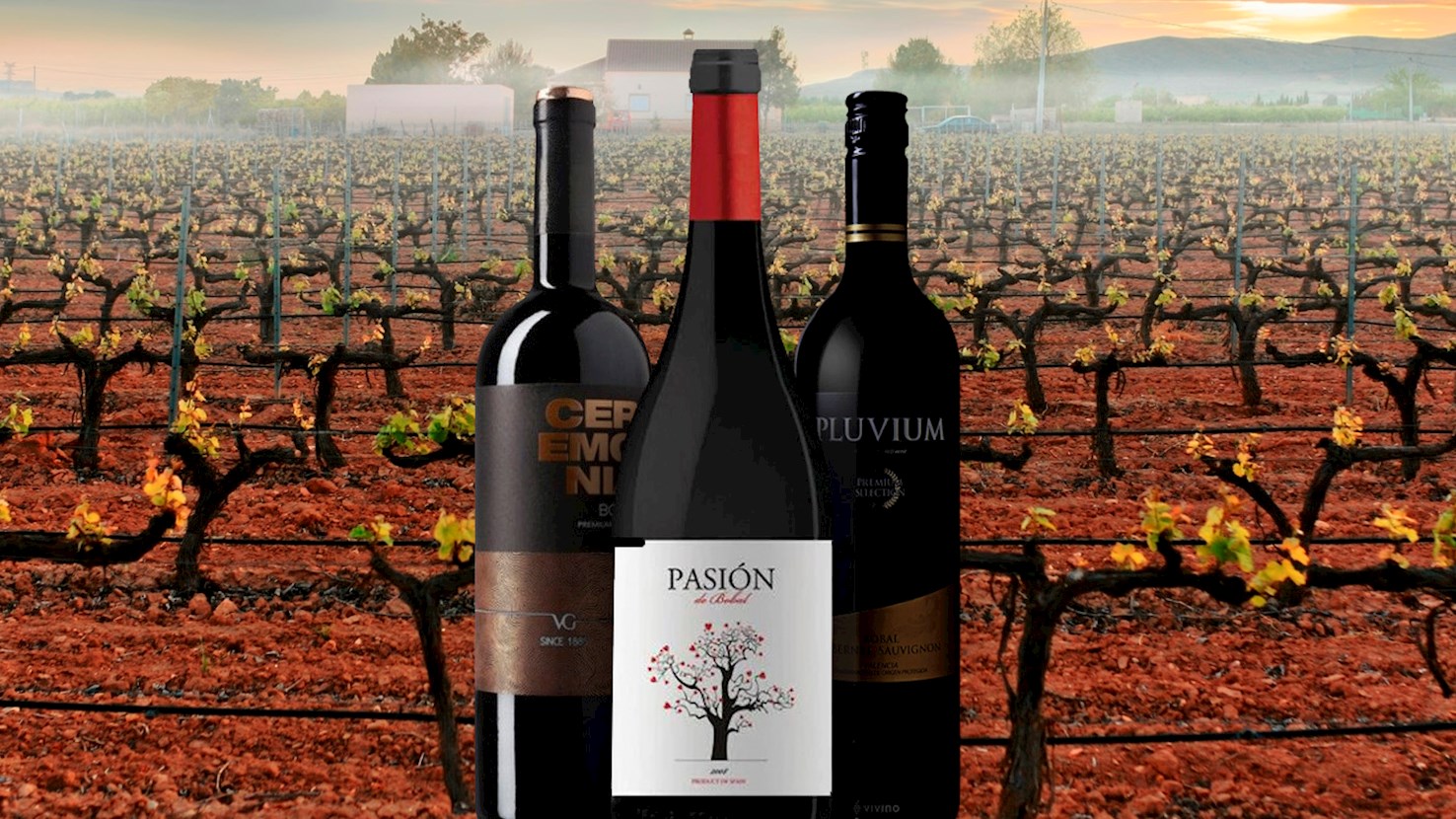
Bobal is a native red Spanish grape that is native to southeastern Spain. This dark-skinned grape is cultivated in several regions, but it flourishes in Utiel-Requena DO, located in the province of Valencia, where it is the undisputed king. It is estimated that it is the second most common red grape in the country, after Tempranillo. Bobal produces rounded red wines with medium to full body, rich tannins, and great acidity. The wines are deeply colored, dense, and fruity. They are rich but manage to stay fresh. Typical aromas include a complex combination of black cherry, blackberry, and pomegranate notes, sometimes with spice and leather-like nuances. Although Bobal is prominent and common, it was mostly underestimated and merely used to provide color and acidity to Cabernet Sauvignon and Monastrell. In the last decades, it has gained a reputation as a versatile, terroir-driven native variety. Apart from dry wines, the grape also produces lively and vibrant rosés.
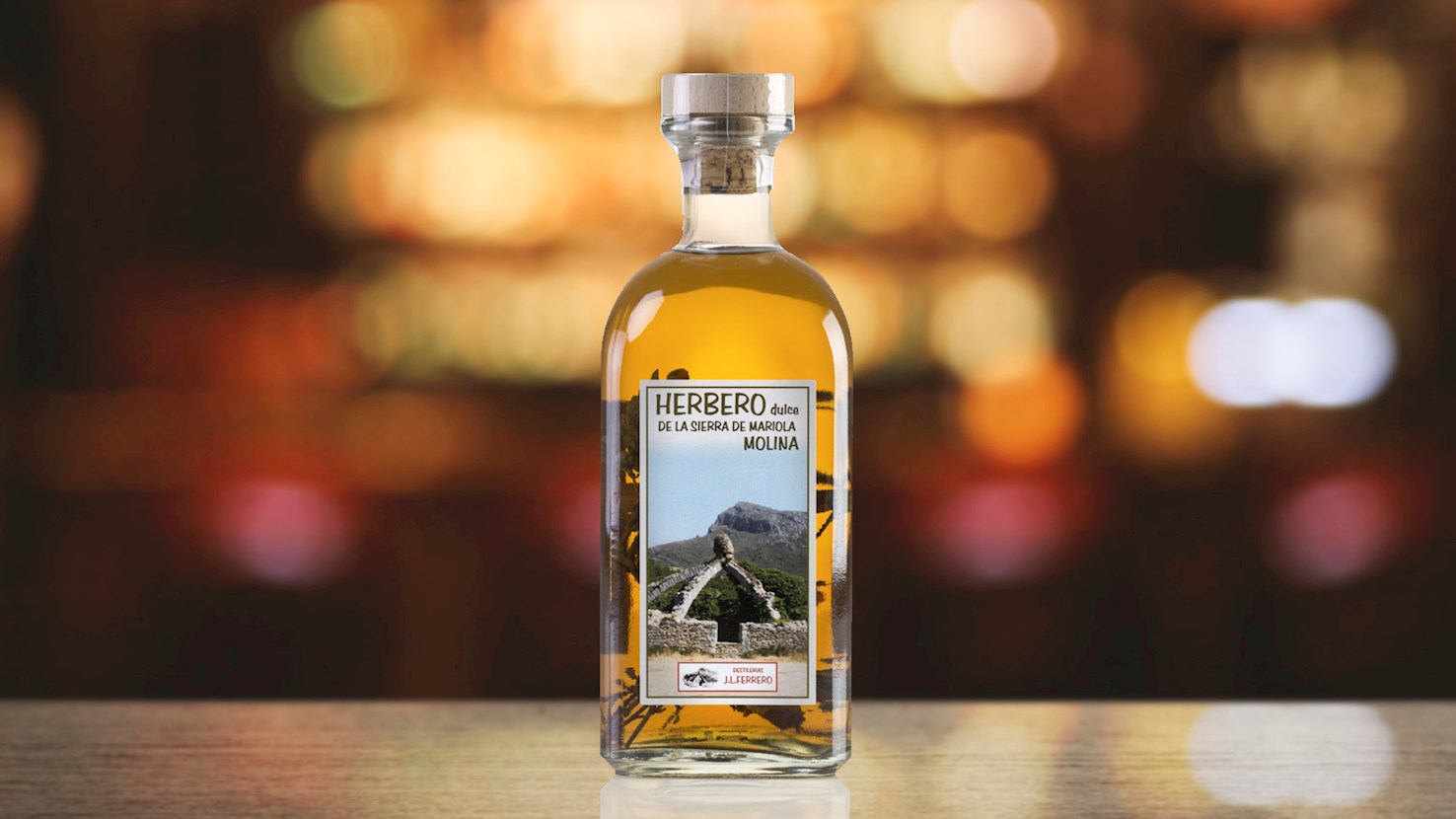
Herbero is a Spanish liqueur hailing from the Serra de Mariola mountain range in Valencia. Officially called Herbero de la Serra de Mariola, this herbal liqueur is made from aniseed and various mountain herbs. The drink can be distilled or macerated. Along with anise, it is usually made with a selection of local herbs such as sage, chamomile, mint, verbena, peppermint, fennel, anise, lavender, thyme, and many more. Herbero can vary in color, from deep yellow-green to amber. It has herbal aromas and flavor, with a distinctive anise note. Herbero has a long tradition in Alicante. The locals traditionally collected various aromatic herbs and mostly used them as a medicine until the Moors introduced distillation. Herbero is usually served in shot glasses, and it is recommended to be enjoyed neat, at room temperature, or slightly chilled.
The region of Castellón has a unique variation of carajillo—traditional Spanish coffee that is prepared with coffee and liquor. In this regional version, the alcohol (usually brandy, whiskey, or rum) is first heated with sugar, lemon rind, and coffee beans. Optionally, cinnamon sticks can also be added. The alcohol is then shortly burned, and the combination is then topped with coffee. Traditionally, each carajillo will have a creamy layer on top (cremate). All the elements should be freshly prepared, and the drink should be served warm. Carajillo is typically served in a glass, and since all the ingredients have different density, the layers should not be mixed, and they need to be visible.
Cremat is a warm, flambéed alcoholic beverage from the Costa Brava region of Catalonia, primarily composed of dark Caribbean rum, roasted coffee beans, sugar, lemon peel, and a cinnamon stick. The practice of mixing and heating these specific ingredients was established in the nineteenth century by Catalan sailors, merchants, and emigrants known as Indianos, who returned to the Iberian Peninsula after living and working in Cuba. These returning locals brought back Caribbean rum and coffee, adapting them into a hot beverage that coastal fishermen initially consumed in the early morning to combat the cold sea air before sailing. To prepare the drink, a large terracotta bowl is filled with the dark rum, granulated sugar, whole coffee beans, a strip of lemon zest, and a stick of cinnamon. The mixture is ignited with a match, and the preparer continuously stirs the flaming liquid with a long metal or wooden ladle for approximately ten minutes to dissolve the sugar and reduce the overall alcohol content. Once the liquid volume is significantly reduced and the flames begin to subside, a small amount of freshly brewed, hot black coffee is poured directly into the bowl to extinguish the remaining fire. The beverage is intrinsically linked to the performance of havaneres, rhythmic maritime songs brought back from Havana by the same nineteenth-century sailors, and is almost exclusively prepared in large batches to accompany these musical gatherings. It is consumed late in the evening during outdoor summer festivals along the Catalan coast, most notably in coastal towns like Calella de Palafrugell, where attendees drink the dark, sweet liquid while it is still hot, poured directly into small, thick-walled clay cups or heat-resistant glasses. Apart from Catalonia, the drink is also present in Valencia, where it’s known as cremaet. Because it is an intensely sweet and highly alcoholic liquid, it is consumed alongside regional baked goods such as sweet coca pastries, bunyols, or plain toasted almonds, which provide a dry, starchy contrast to the rich caramel and roasted coffee notes of the beverag
Tharsys is a wine appellation that produces red, white, rosé, and quality sparkling wines under legally regulated conditions. Tharsys wines are made exclusively from grapes grown within a 19.5-hectare vineyard area aroud Requena and show clear visual brightness, defined acidity, moderate to high alcohol depending on style, fine textures, and aromatic profiles that range from flowers, citrus, stone fruit, and fresh herbs in white and rosé wines to red fruit, balsamic herbs, mineral notes, and structured tannins in red wines, while sparkling wines display fine, persistent bubbles, pronounced freshness, and notes of white flowers, ripe fruit, bread crust, butter, and lightly toasted nuts. The name is rooted in a vineyard enclave documented since the 16th century, historically associated with vine cultivation, a manor house, a mill, and an underground winery that produced wines known for longevity until activity ceased in the mid-20th century and was later revived in the late 1990s through vineyard restoration and winery renovation, leading to formal recognition as a distinct designation based on its continuity, reputation, and natural conditions. Viticulture is fully organic and vegan-certified, with controlled pruning, yield limits, and selective harvesting, including nighttime harvesting for certain white and rosé wines, and winemaking is confined to the enclave, using regulated extraction yields, temperature-controlled fermentation, stainless steel or oak aging depending on wine type, and bottle fermentation with lees aging for quality sparkling wines. Authorized grape varieties include Albariño, Bobal, Cabernet Franc, Chardonnay, Red Grenache, Merlot, and Xarel·lo, resulting in variations that encompass structured reds with medium acidity and mature tannins, whites and rosés with medium to high acidity and mineral finishes, and sparkling wines offered in white and rosé styles with differing aging periods, all unified by mandatory on-site production and low yields derived from sandy limestone soils. These wines are consumed both domestically and internationally, served chilled for whites, rosés, and sparkling wines and slightly cool for reds, commonly paired with seafood, rice dishes, roasted poultry, vegetables, cured meats, and aged cheeses, and enjoyed either on their own or throughout meals due to their balance, freshness, and capacity to age.
TasteAtlas food rankings are based on the ratings of the TasteAtlas audience, with a series of mechanisms that recognize real users and that ignore bot,
nationalist or local patriotic ratings, and give additional value to the ratings of users that the system recognizes as knowledgeable.
TasteAtlas Rankings should not be seen as the final global conclusion about food. Their purpose is to promote excellent local foods,
instill pride in traditional dishes, and arouse curiosity about dishes you haven’t tried.
The initial list of top producers was compiled based on available reviews, awards, local recommendations, media and blog coverage, and consumer reviews.
The list will be updated with ratings from TasteAtlas local ambassadors and TasteAtlas users.









What People Say