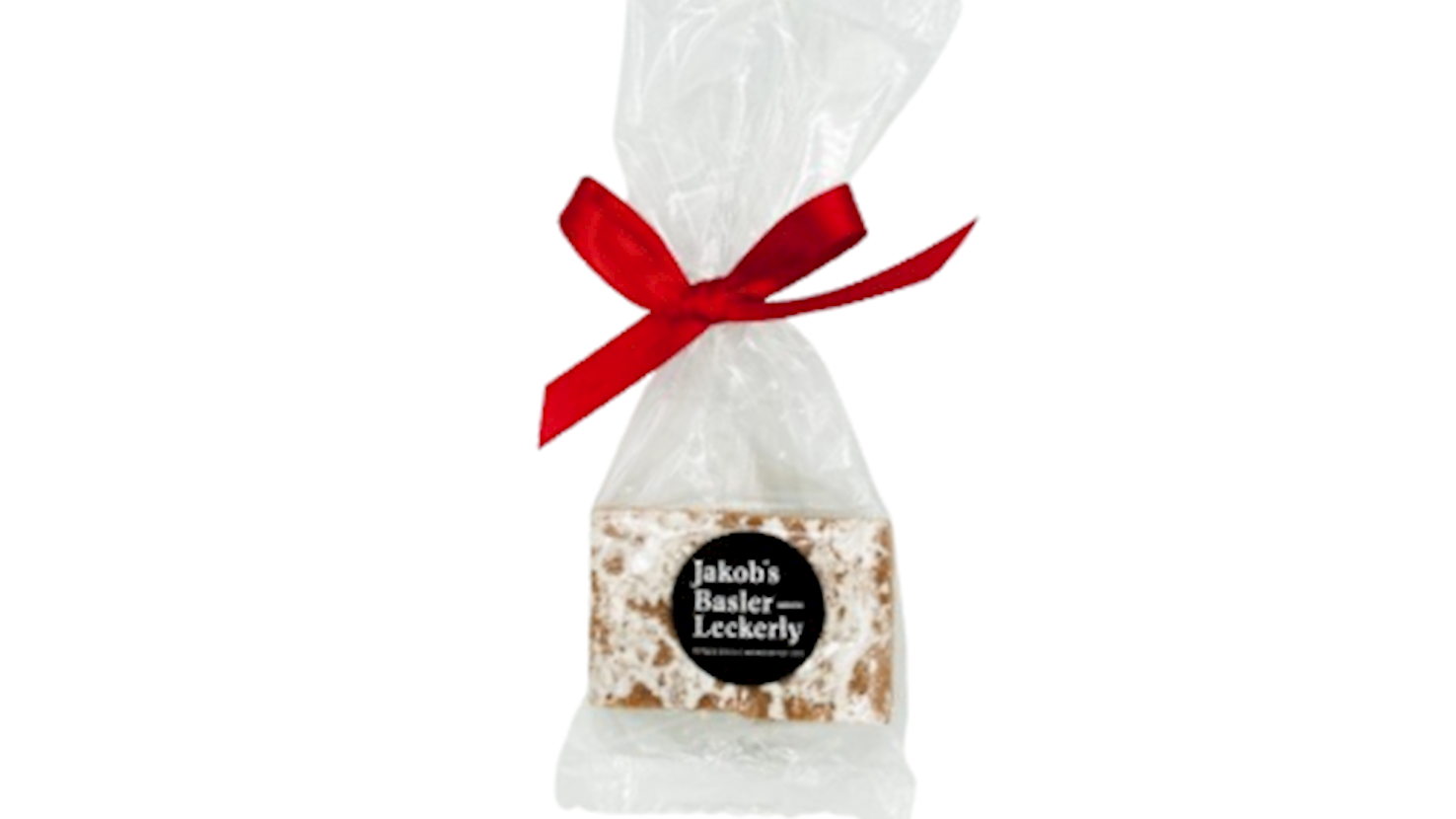
Jakob’s Basler Leckerly is a traditional Swiss confectionery producer based in Basel, with origins dating back to 1753, making it one of the oldest continuously operating bakeries in the country. The company is strongly focused on a single specialty, Basler Läckerli, which defines both its identity and production approach. These biscuits are made from a dense mixture of honey, nuts, candied citrus peel, and spices, then finished with a thin sugar glaze and cut into rectangular pieces. Compared to more industrial versions, Jakob’s Läckerli are known for their thicker structure, pronounced honey flavor, and slightly softer, more compact texture. Production remains closely aligned with traditional methods, carried out within a manufactory setting rather than large-scale industrial lines. The brand maintains a clear connection to the culinary heritage of Basel, where Läckerli have been a regional specialty for centuries. In addition to production, the company operates a retail and visitor-oriented space where customers can observe parts of the process and purchase products directly. While the assortment has expanded modestly with variations such as chocolate-coated versions, the core recipe and product format have remained largely unchanged.
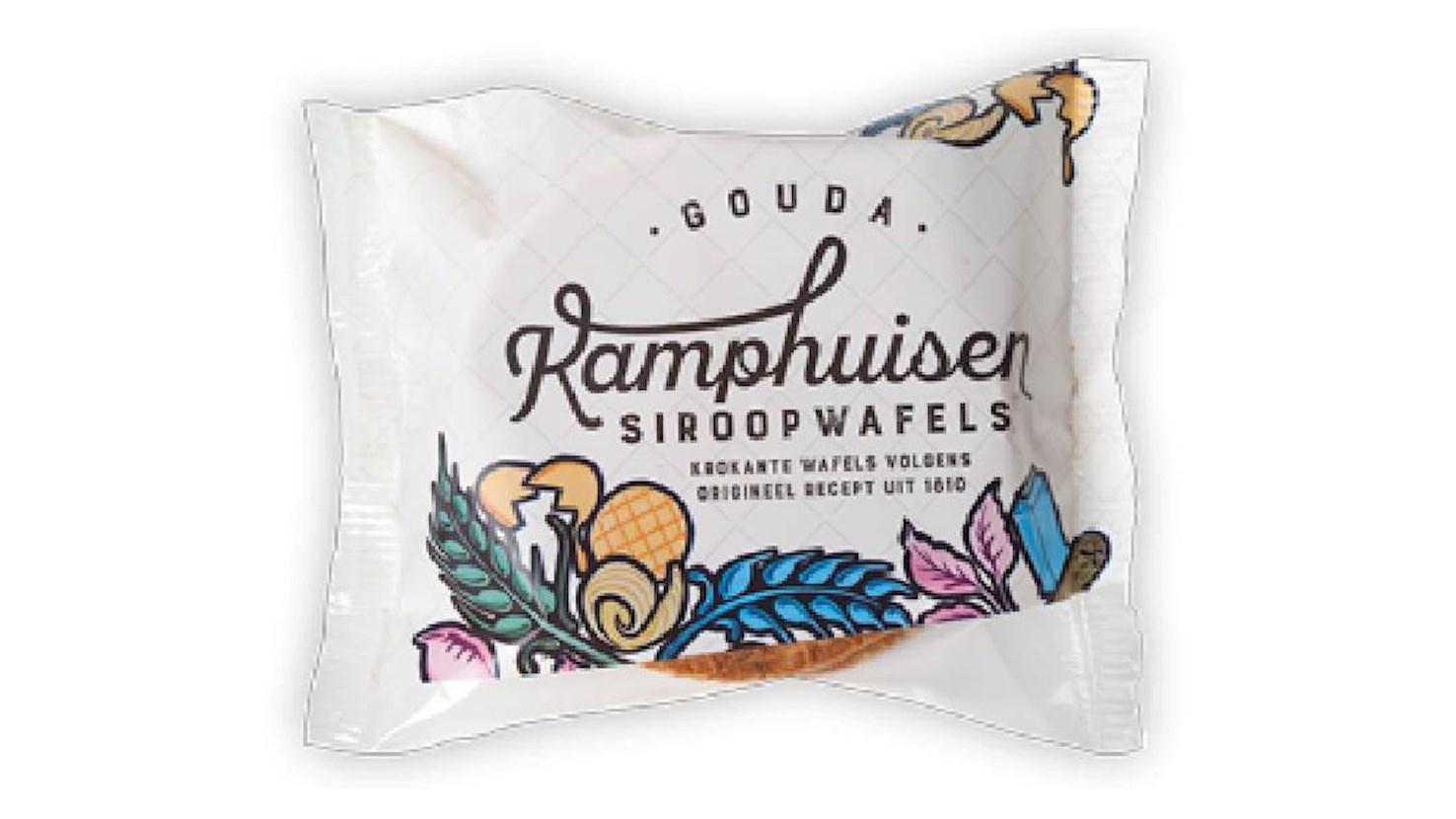
Siroopwafelfabriek is a place where the scent of tradition fills the air and every bite tells a story more than two centuries old. Nestled in the heart of Gouda, in a beautifully preserved historic building, this unique syrup waffle factory not only preserves but brings to life the legacy of the Netherlands’ most beloved sweet treat – the stroopwafel.
The original recipe, dating back to 1810, remains a closely guarded secret. Yet, the process is as authentic as ever: freshly prepared dough, rich caramel syrup, and precise baking in traditional irons. But Siroopwafelfabriek is much more than a production site – it’s an immersive experience. Visitors of all ages are invited to step behind the scenes, watch the waffles being made, play interactive games, and even try to “crack” the recipe safe.
Each warm, freshly baked waffle – crisp on the outside, soft and sticky within – is a delicious expression of quality, craftsmanship, and heritage. Combining history with hands-on discovery, Siroopwafelfabriek offers an unforgettable journey through the sights, smells, and flavors of Dutch culture – perfect for families, curious travelers, and true lovers of sweets.
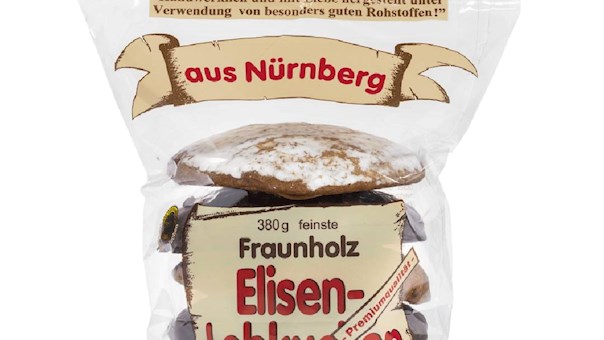
Wicklein is one of the oldest gingerbread producers in Germany, with a heritage dating back to 1615 in Nuremberg, a city historically recognized as the center of Lebkuchen production. Its origins are closely tied to Nuremberg’s role as a major spice trading hub, which shaped recipes rich in honey, nuts, and aromatic spices. Today, Wicklein remains one of the oldest active Lebkuchen bakeries in the city, with production still based in Nuremberg, preserving both authenticity and geographical identity. The company’s portfolio focuses on traditional Nürnberger Lebkuchen, particularly Elisenlebkuchen known for their high nut content and minimal flour, alongside wafer-based varieties and a range of seasonal and year-round baked goods. Production relies on long-established recipes passed down through generations, while also incorporating modern adaptations such as organic and vegan options. Over time, Wicklein has evolved through industrial and ownership changes but has maintained its core identity as a traditional producer, now operating within the Lebkuchen-Schmidt group. A key element of the brand is its “Lebküchnerei” shop in central Nuremberg, which serves both as a retail space and an experiential location where visitors can observe production and taste freshly made products, reflecting a balance between artisanal heritage and contemporary market presence.
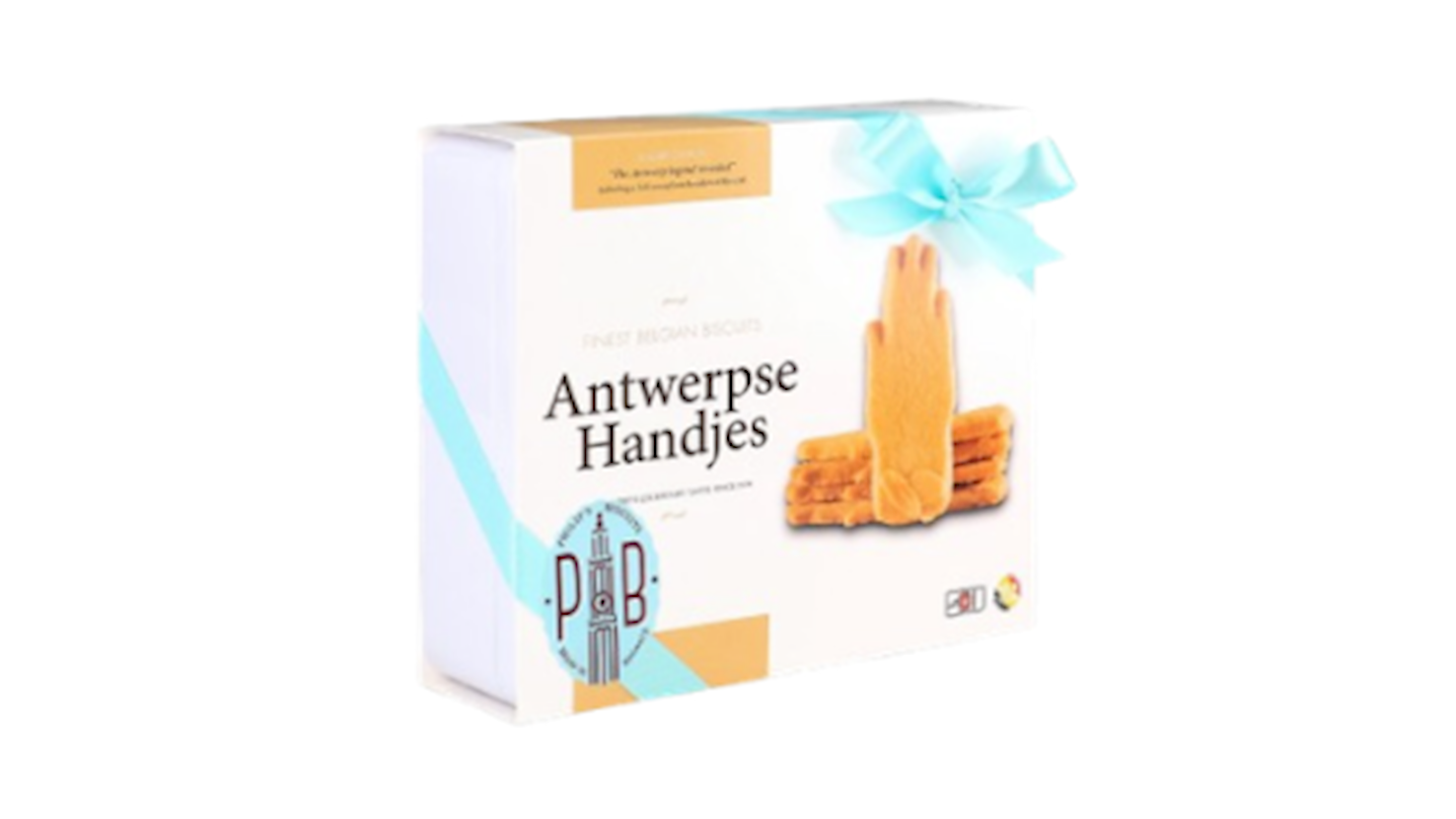
Philip's Biscuits is a Belgian artisanal biscuit brand based in Antwerp, founded in 1991 with a focus on small-scale production rooted in local baking traditions. The company began as a workshop in Hemiksem and developed into a recognized producer known for handmade cookies that emphasize natural ingredients and controlled production methods. Its identity is closely tied to Antwerp’s historical reputation as a center for biscuit making, which is reflected in its use of regional specialties such as speculaas and Antwerpse Handjes. The product range includes a variety of traditional and contemporary biscuits, often presented in carefully designed packaging that supports both everyday consumption and gift use. Production remains workshop-based, allowing for flexibility in recipes and ongoing experimentation with flavors while maintaining consistency in core products. In addition to manufacturing, the brand operates boutique-style retail locations, primarily in Antwerp, where the presentation and environment reinforce its artisanal positioning. A key aspect of its approach is balancing tradition with selective innovation, adapting classic formats without losing their recognizable character. The company’s scale allows it to maintain a strong connection between production, branding, and retail experience.
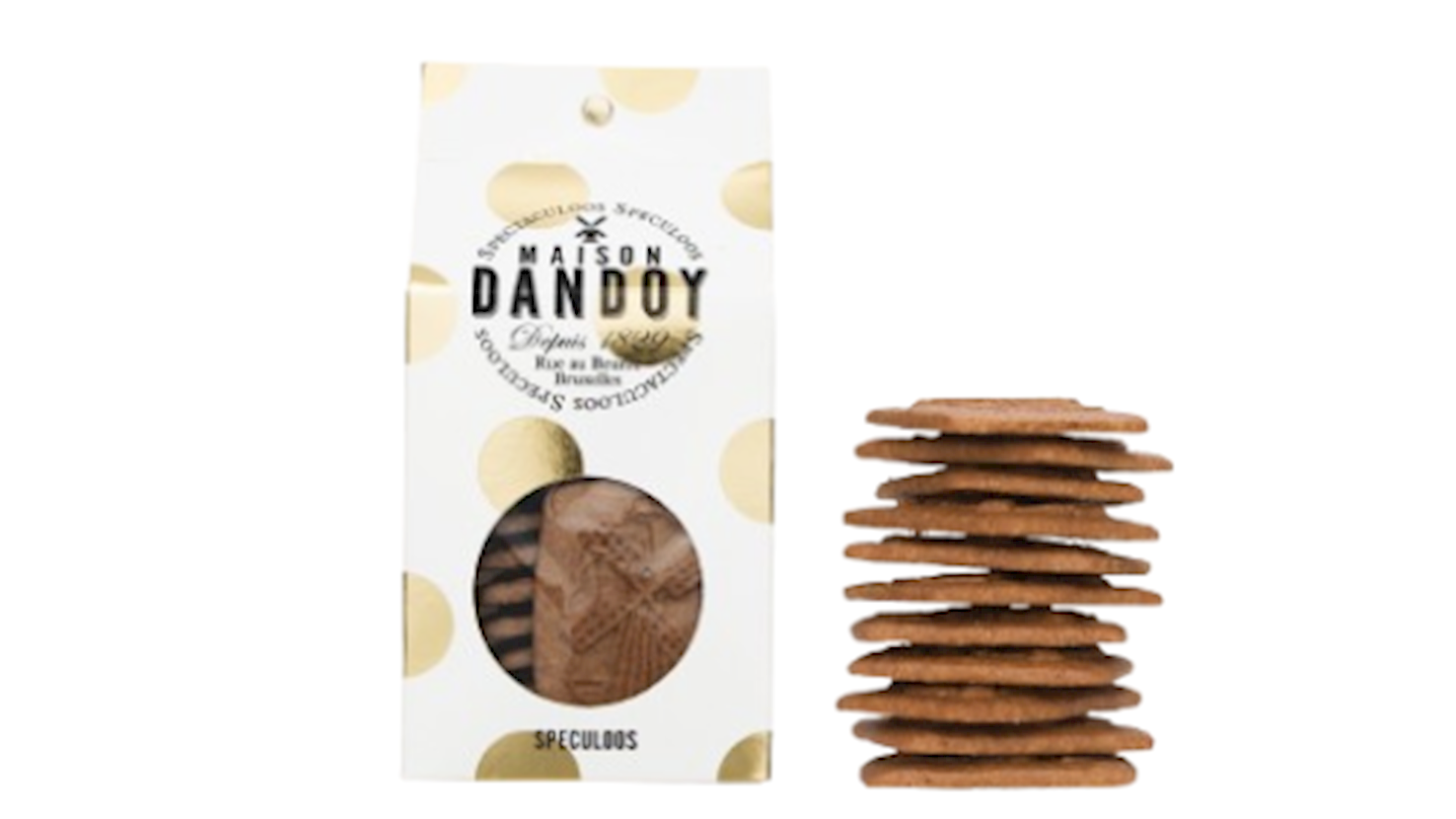
Maison Dandoy is a family-owned biscuit maker with a long-standing tradition of crafting fine baked goods, renowned for its exceptional quality and dedication to artisanal methods. For generations, it has preserved original recipes and time-honored techniques, remaining true to natural ingredients and handcrafted production. Their signature biscuits - especially the iconic speculoos - are made without compromise, using real butter, brown sugar, and carefully selected spices.
Maison Dandoy offers products that blend rich heritage with a modern sensibility, where each biscuit tells a story of simplicity, flavor, and elegance. Their approach combines tradition with thoughtful design, sustainable practices, and a deep respect for every detail - from baking to packaging. Maison Dandoy doesn’t just make biscuits; it creates moments to be remembered.
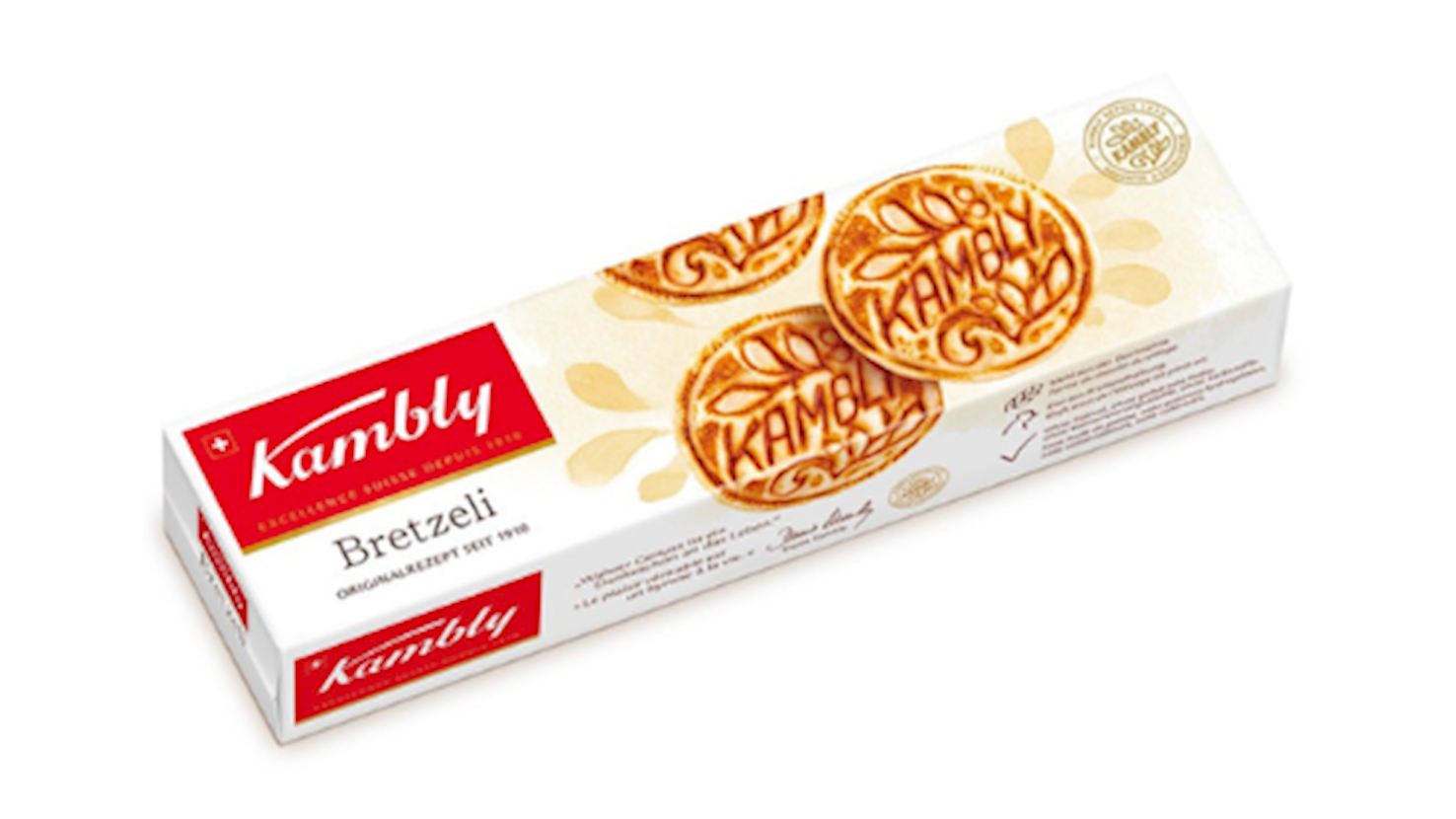
Kambly is a Swiss premium biscuit manufacturer founded in 1910 in the village of Trubschachen, in the Emmental region, by Oscar Robert Kambly. The company remains family-owned and is now managed by the fourth generation, which plays a key role in preserving its heritage and consistent quality standards. Kambly is best known for its iconic “Bretzeli” a thin, crisp biscuit based on a traditional recipe dating back to 1906, which has become a symbol of the brand. Its portfolio includes a wide range of sweet and savory biscuits, often made with butter, chocolate, nuts, and caramel, all reflecting a focus on refined taste and careful craftsmanship. The company emphasizes the use of high-quality, locally sourced ingredients, particularly dairy from the Emmental region, reinforcing its strong “Swiss made” identity. Kambly products are exported to more than 50 countries, positioning the brand as an internationally recognized representative of Swiss biscuit-making tradition. In addition to production, the company has developed the “Kambly Experience” center at its headquarters, offering visitors insight into the manufacturing process and product tastings. Overall, Kambly’s identity is built on a balance of tradition, family values, and controlled growth, with a clear focus on long-term quality rather than mass industrial expansion.
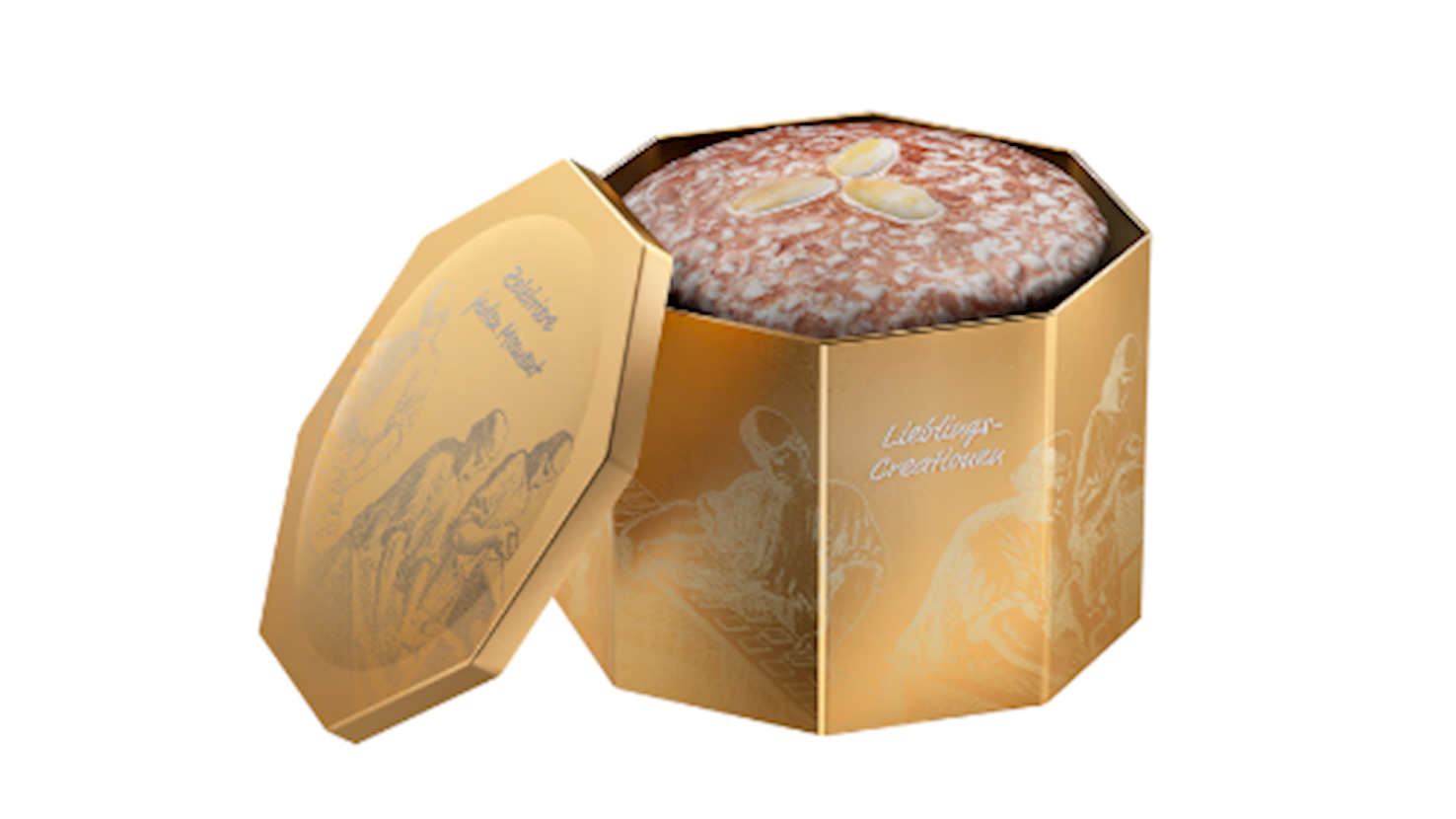
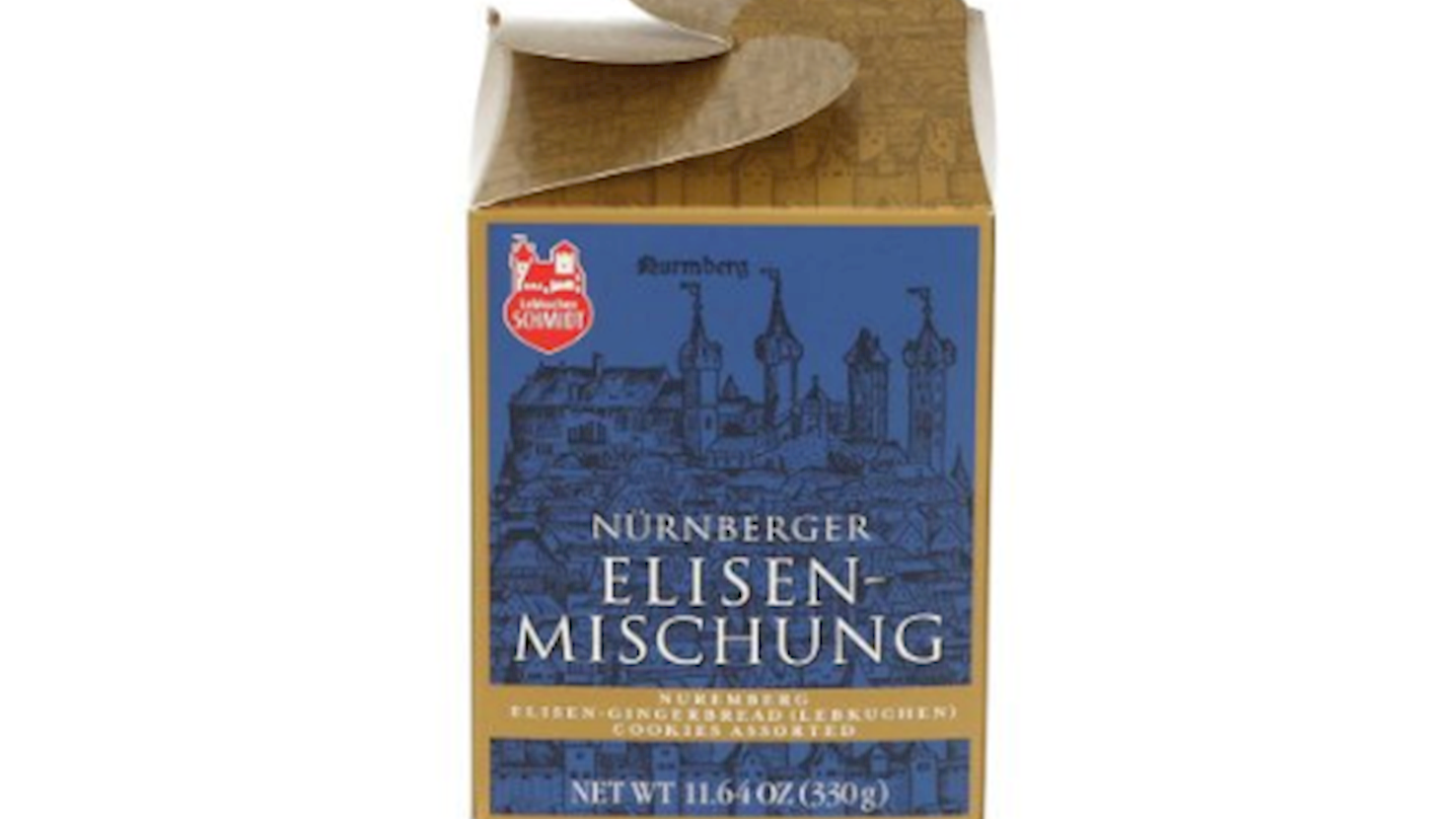
Lebkuchen-Schmidt is one of the most prominent German producers of traditional gingerbread, based in Nuremberg, a city historically known as the center of this specialty. Founded in 1927, the company developed its business model around mail-order sales, becoming one of the oldest and most successful direct distributors of Lebkuchen worldwide. Its production combines established recipes with modern industrial processes, maintaining consistent quality while relying on carefully selected ingredients such as nuts, honey, and aromatic spices. The core assortment includes classic Nürnberger Lebkuchen varieties, particularly Elisen Lebkuchen, which are characterized by a high nut content and minimal flour, alongside a broader range of biscuits, cakes, and confectionery. A distinctive feature of the brand is its elaborately designed tins and seasonal gift assortments, closely associated with German Christmas traditions. Although production is largely automated, the company emphasizes strict quality control and expertise developed over decades. Lebkuchen-Schmidt distributes its products internationally, primarily through catalog and online sales, reinforcing its strong connection to festive consumption while maintaining year-round availability. The brand also operates “Lebkuchenwelt” in Nuremberg, a visitor space that highlights the history, production, and cultural significance of Lebkuchen.
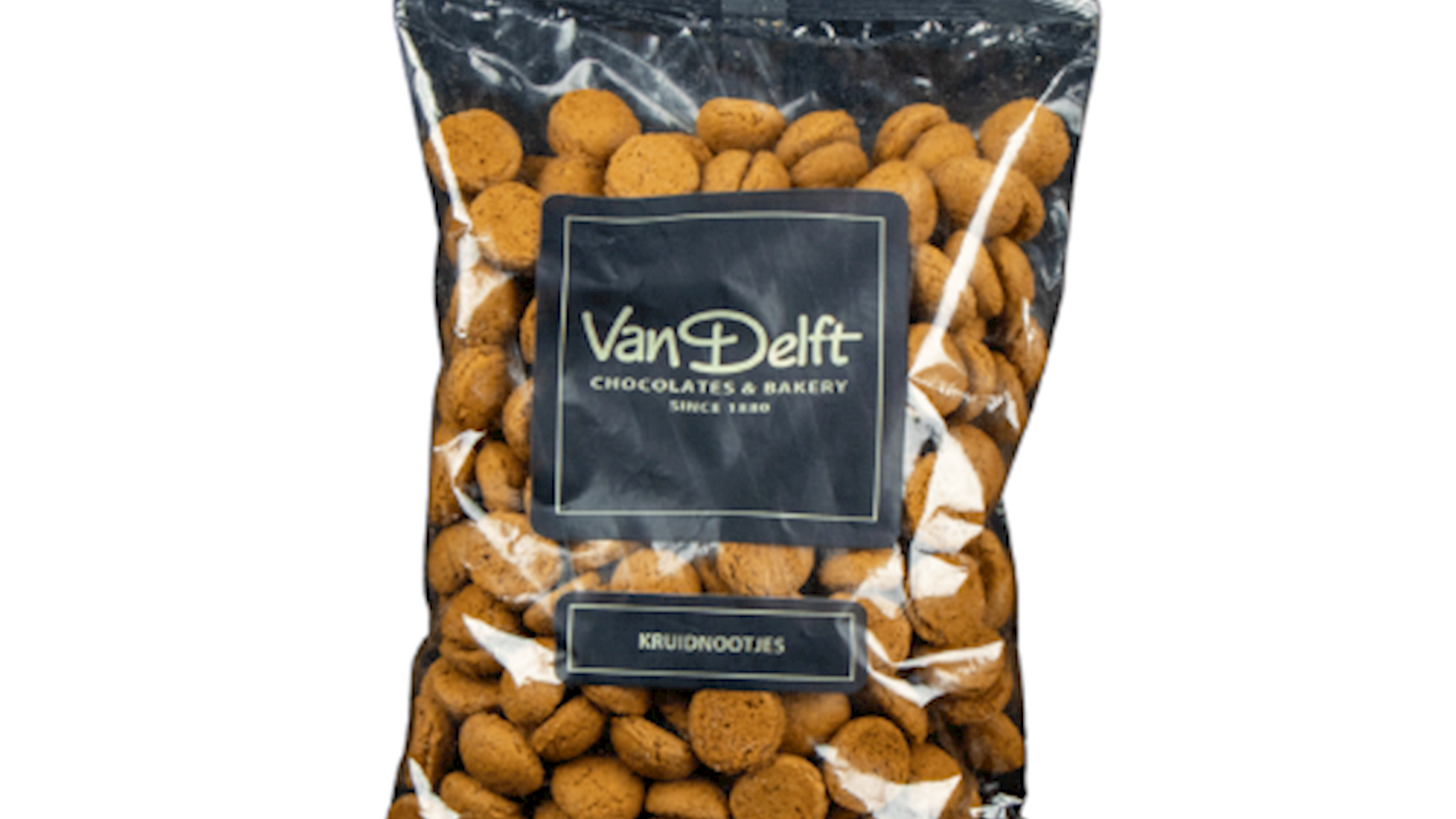
Van Delft Chocolates & Bakery is a Dutch confectionery producer with origins dating back to 1880, when it began as a local bakery focused on traditional spiced biscuits. Over time, it developed into the world’s largest producer of pepernoten, a small, spiced cookie closely linked to the Sinterklaas season in the Netherlands. The company’s core identity remains strongly tied to this product, which it has continuously adapted through a wide range of variations, particularly chocolate-coated versions in multiple flavors. Its portfolio today extends beyond classic pepernoten to include biscuits, chocolate products, and gift-oriented assortments, reflecting both tradition and product diversification. A key aspect of its approach is the combination of large-scale industrial production with ongoing innovation in taste, format, and packaging. Van Delft also operates through seasonal retail concepts, including pop-up stores that align with peak demand during autumn and winter. In addition to its own branded products, the company has a strong presence in private-label manufacturing for major retailers. Sustainability initiatives, especially in cocoa sourcing, are increasingly part of its positioning. Overall, it represents a balance between heritage, specialization, and scalable production within the European confectionery sector.
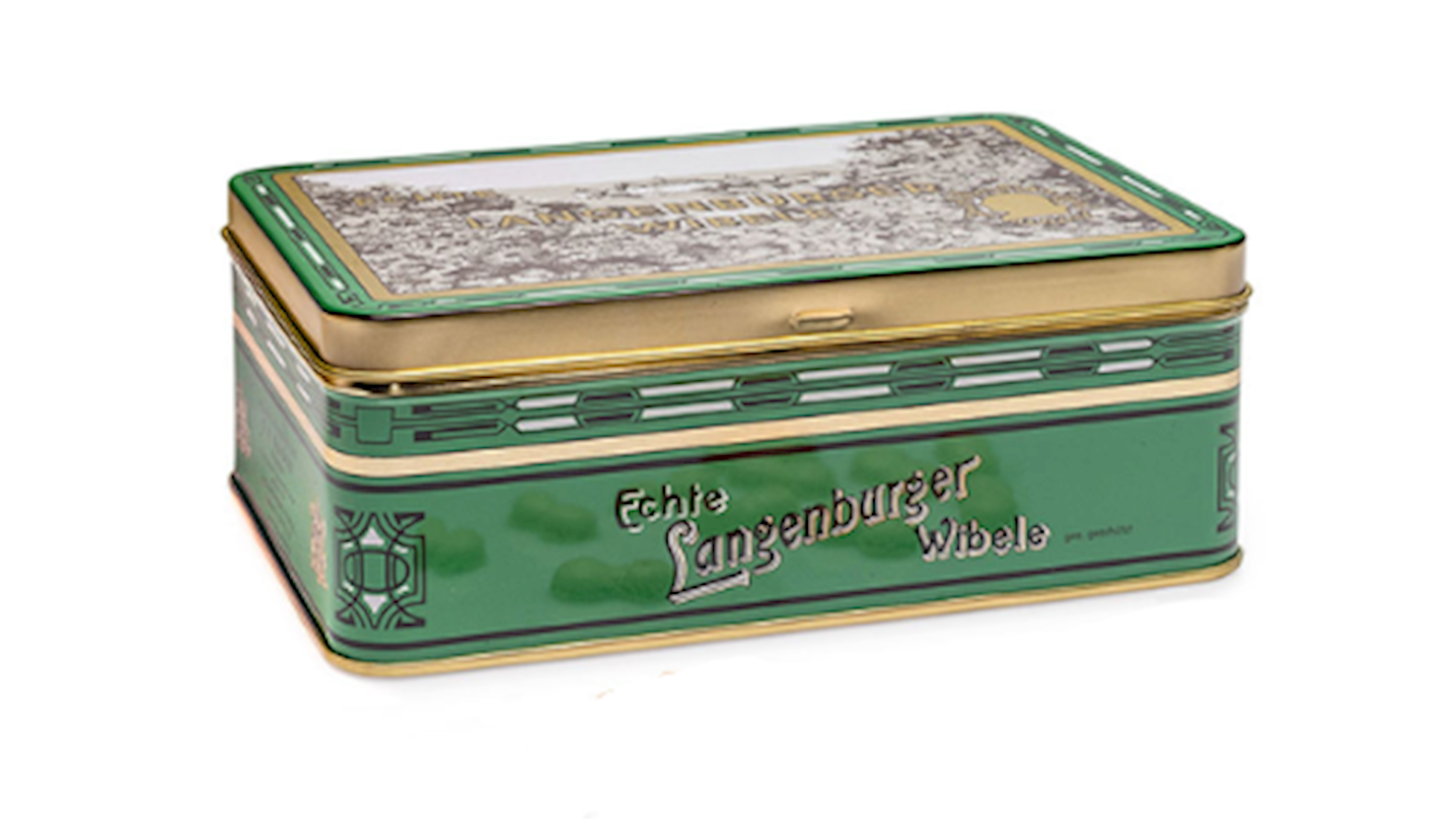
Café Bauer is the producer behind the original “Echte Wibele”, based in Langenburg in the Baden-Württemberg region of Germany, where this specialty has been continuously made since the 18th century. The company traces its origins to a court recipe created for the princely House of Hohenlohe-Langenburg, and it has preserved both the formulation and the production approach across generations. Its focus remains almost entirely on Wibele biscuits, maintaining a high level of specialization and consistency. The recipe is notably simple, based on egg whites, powdered sugar, flour, and vanilla sugar, without added fats, resulting in a light, dry, and airy texture. The distinctive figure-eight shape is formed by piping the batter, followed by a controlled resting phase before baking, which contributes to structural stability and the final texture. This precise process differentiates the original product from more industrial interpretations found elsewhere. The use of the name “Echte Wibele” signals authenticity and a direct link to its place of origin, positioning the biscuits as a regional specialty rather than a generic product. Typically packaged in tins or cartons, they are consumed as a light accompaniment to coffee or tea and are often associated with traditional gift assortments.
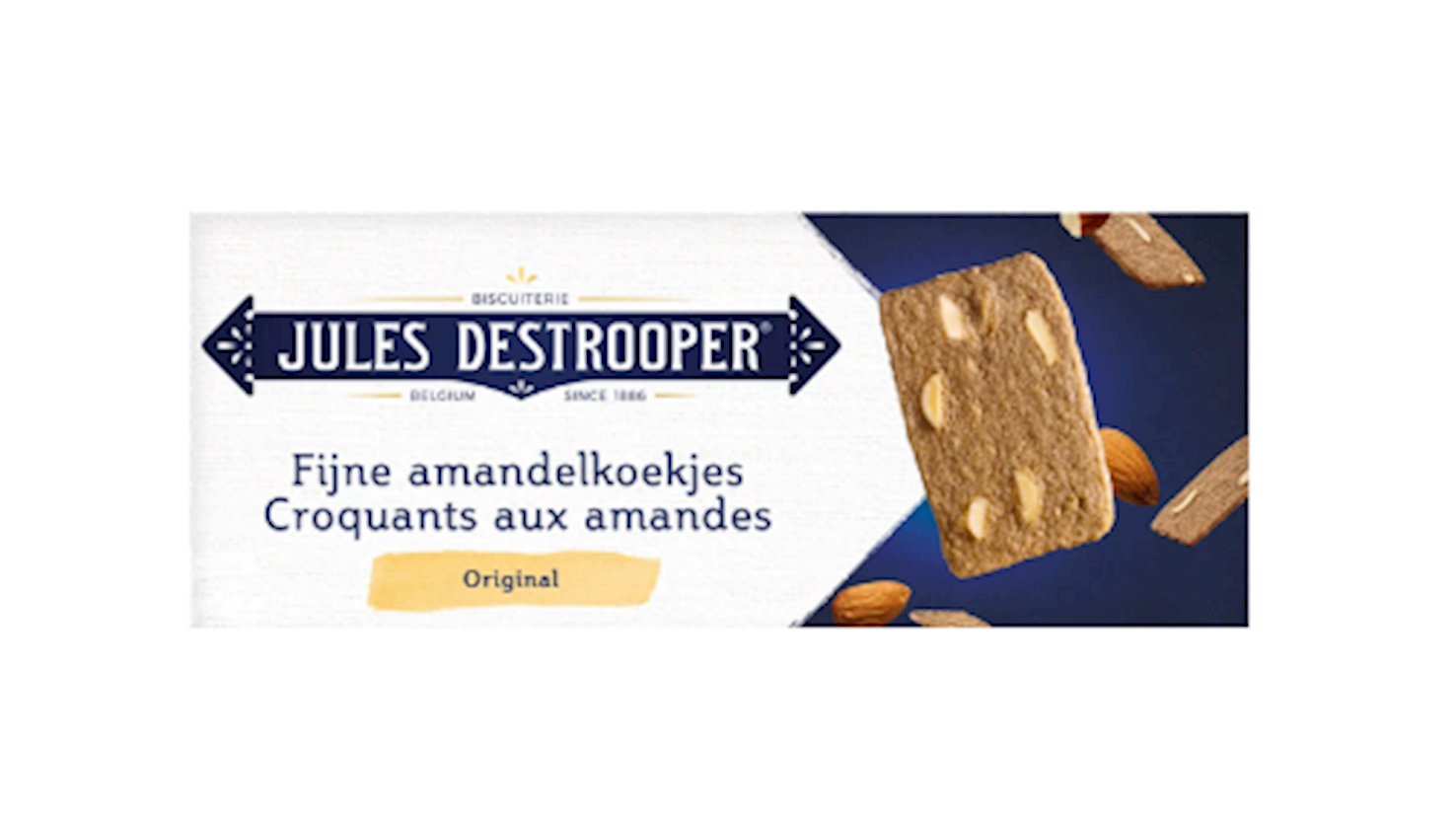
Jules Destrooper is a renowned biscuit maker with a rich tradition spanning over a century. Founded on a family recipe and a passion for premium ingredients, this Belgian brand has become synonymous with refined taste and timeless craftsmanship. Their most iconic creations - almond thins, butter crisps, and delicately spiced biscuits - are made using only natural ingredients, without artificial additives, and always in accordance with the original recipes.
The brand seamlessly blends heritage with modern sensibility, evident not only in flavor but also in elegant packaging and a strong commitment to sustainability. Jules Destrooper is proudly recognized with a Royal Warrant, a mark of excellence and trust. Today, their products delight customers around the world, while the brand remains faithful to its core values: authenticity, simplicity, and enduring quality in every bite.
TasteAtlas food rankings are based on the ratings of the TasteAtlas audience, with a series of mechanisms that recognize real users and that ignore bot,
nationalist or local patriotic ratings, and give additional value to the ratings of users that the system recognizes as knowledgeable.
For the “Top 20 Central European Biscuits” list until June 16, 2026, 0 ratings were recorded, of which 0 were recognized by the system as legitimate.
TasteAtlas Rankings should not be seen as the final global conclusion about food. Their purpose is to promote excellent local foods,
instill pride in traditional dishes, and arouse curiosity about dishes you haven’t tried.
The initial list of top producers was compiled based on available reviews, awards, local recommendations, media and blog coverage, and consumer reviews.
The list will be updated with ratings from TasteAtlas local ambassadors and TasteAtlas users.