M.B.

Top 100 Brandies
in the World

Last updated on October 28, 2026

Best Brandy Types in the World
01

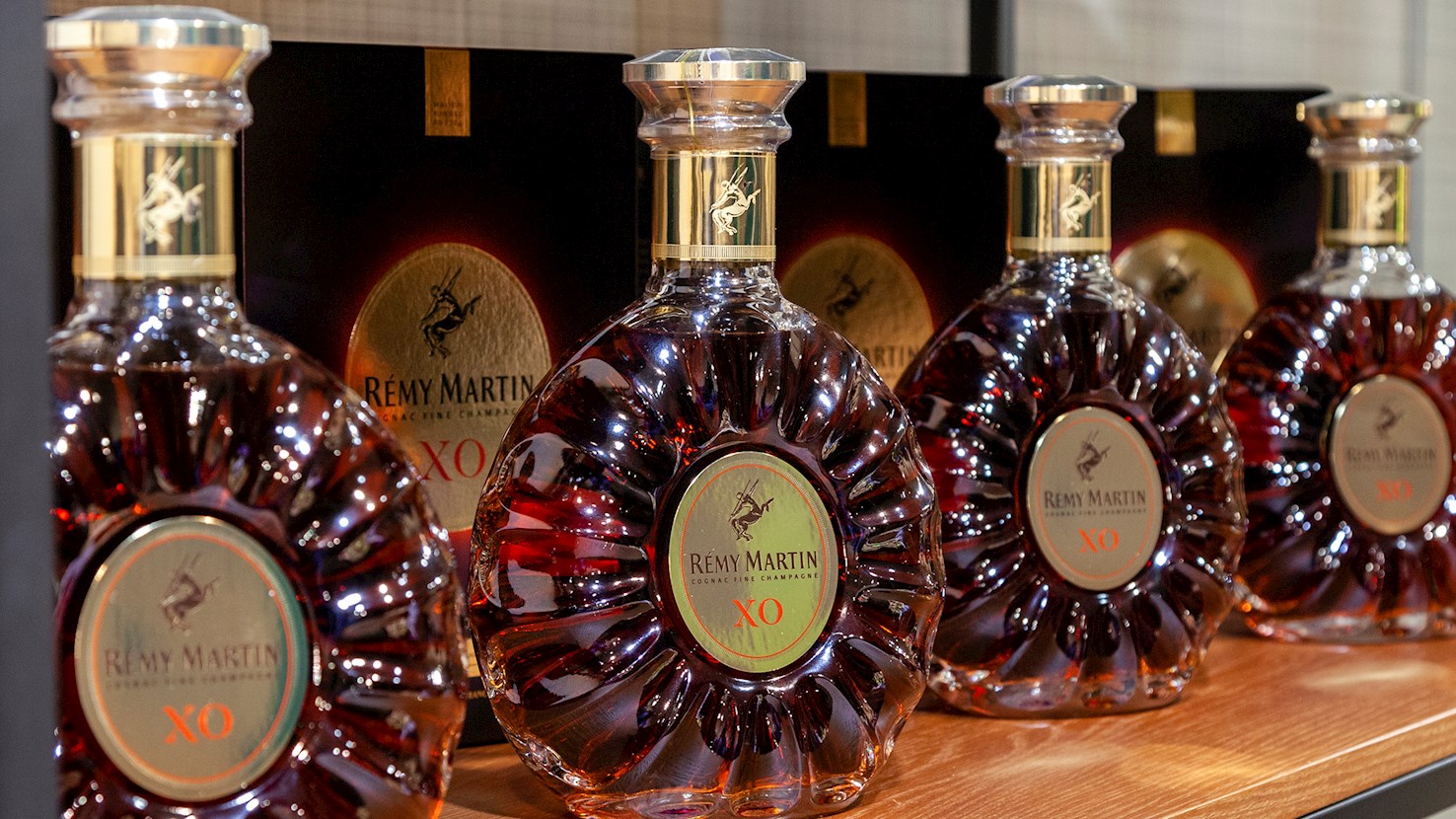
XO Cognac

4.2 ·

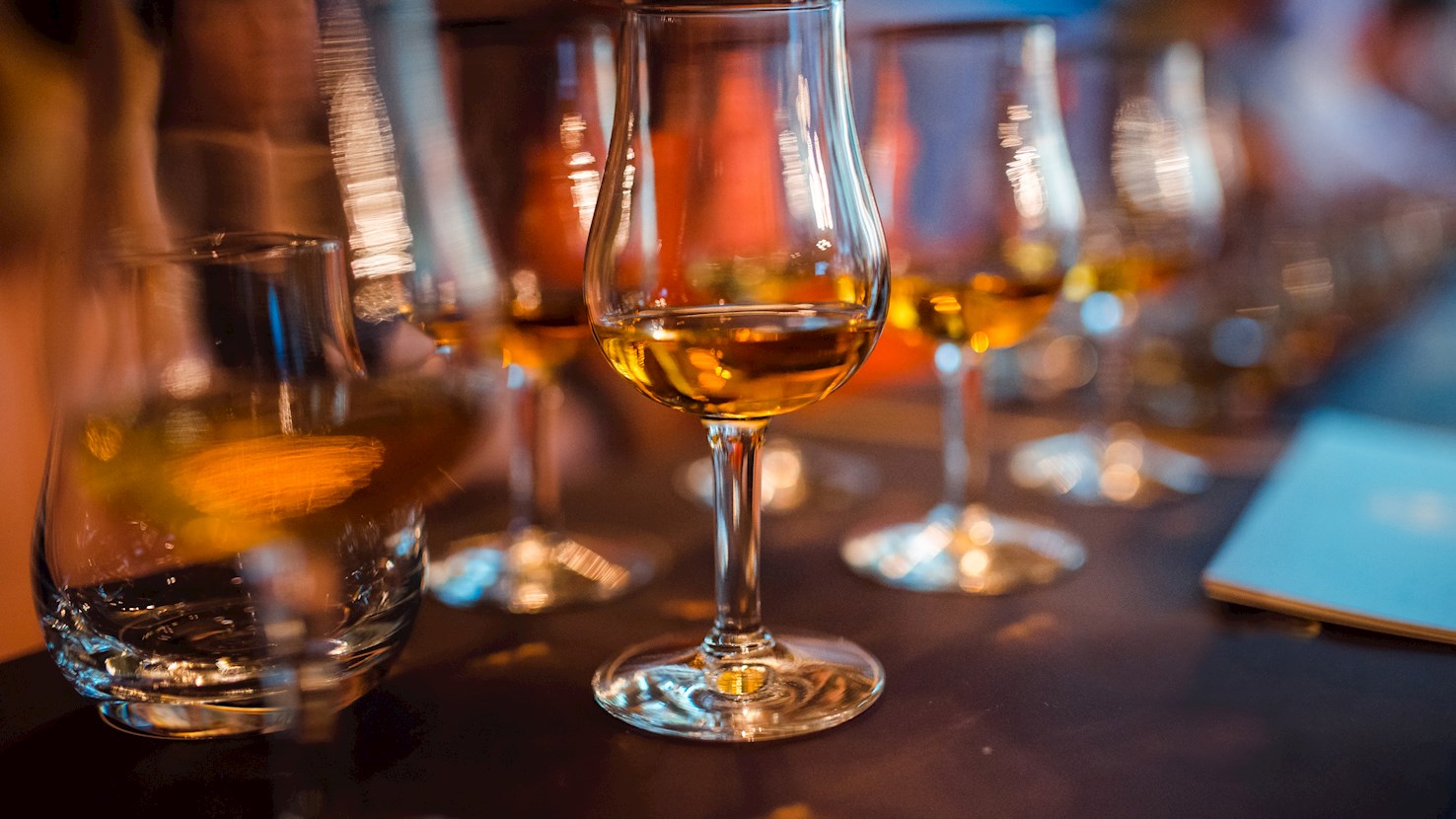
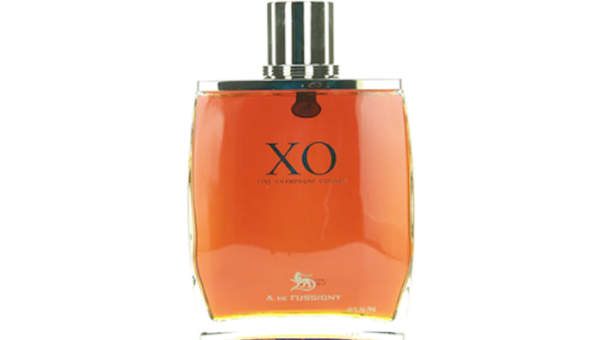
Extra old Cognac label is the one with a blend that has been aged the longest. Although the previous legislation stated that XO needs to be at least six years old, new categorization, which will be fully implemented by March 31, 2019, will indicate that to be labeled as an XO, the blend will have to be at least ten years old. However, the age limitation only signifies that the youngest in the blend is six (ten) years old, but when it comes to XO most blends are significantly older than that. XO Cognac should always be served neat in a snifter glass, and are best enjoyed as a digestif.

02

Tsikoudia

4.2 ·

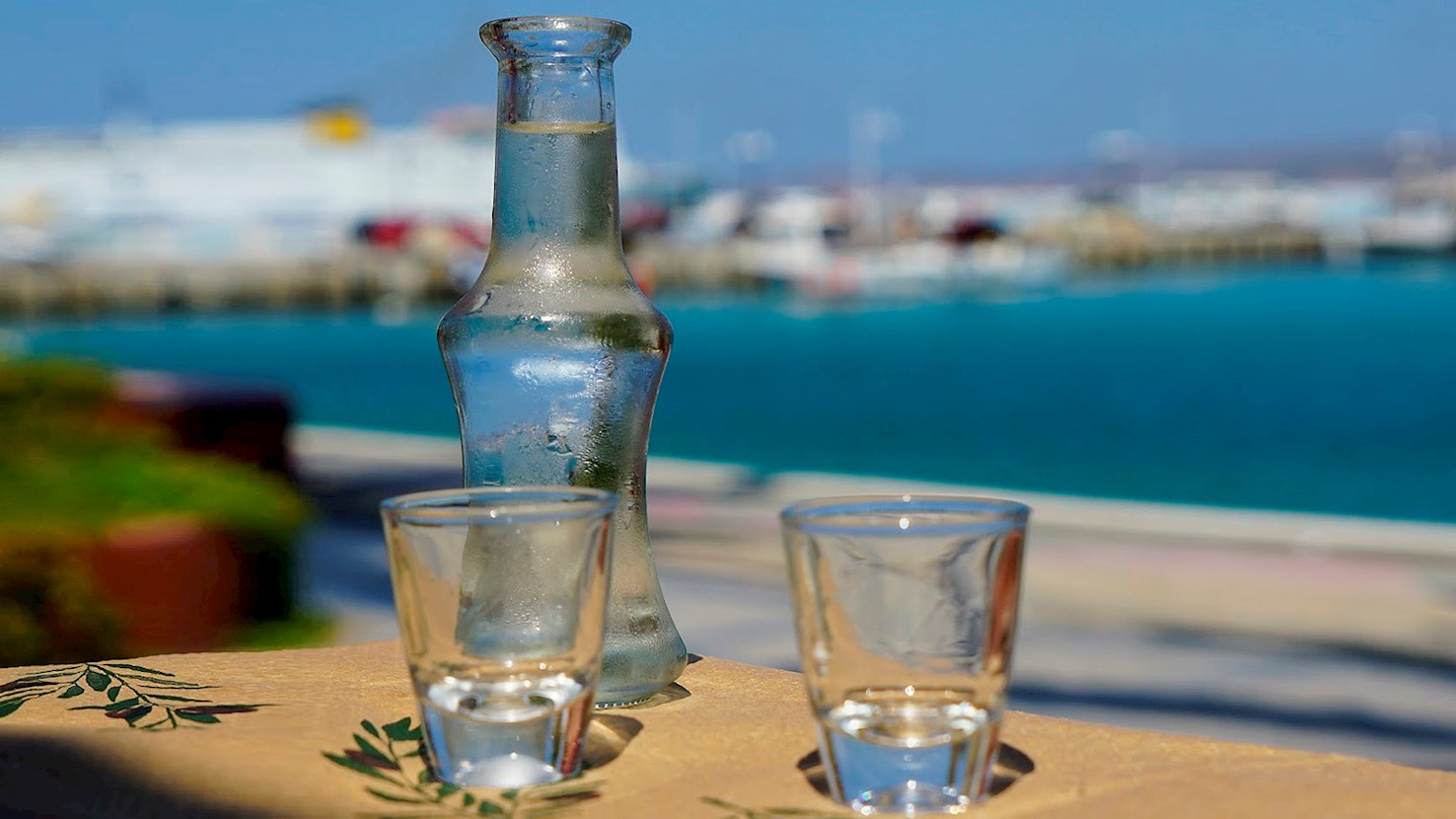
Tsikoudia is a Cretan spirit that is distilled from fermented grape pomace (strafylo)—the solid remains that are left after the grapes have been pressed. Tsikoudia is traditionally distilled in October and November, usually in small, family-owned copper stills. The final product is a clear, potent, and colorless drink with an alcohol content that can vary from 40 to 65% ABV. Tsikoudia is similar to tsipouro, another pomace spirit that is produced in other parts of Greece. Unlike tsipouro, tsikoudia is typically distilled only once, which helps preserve flavors and aromas. Tskikoudia plays a central role in Cretan hospitality; it is a staple on various special occasions, and it is often used as a welcoming drink. It is typically served neat and well-chilled, and it makes an excellent aperitif or a digestif. Sometimes herbs and citrus zest can be used as flavorings, and the drink is occasionally referred to as rakı—though it is never anise-flavored. Cretan tsikoudia is protected with a Geographical Indication mark.

03

Slavonska šljivovica (Slavonian plum brandy)

4.0 ·

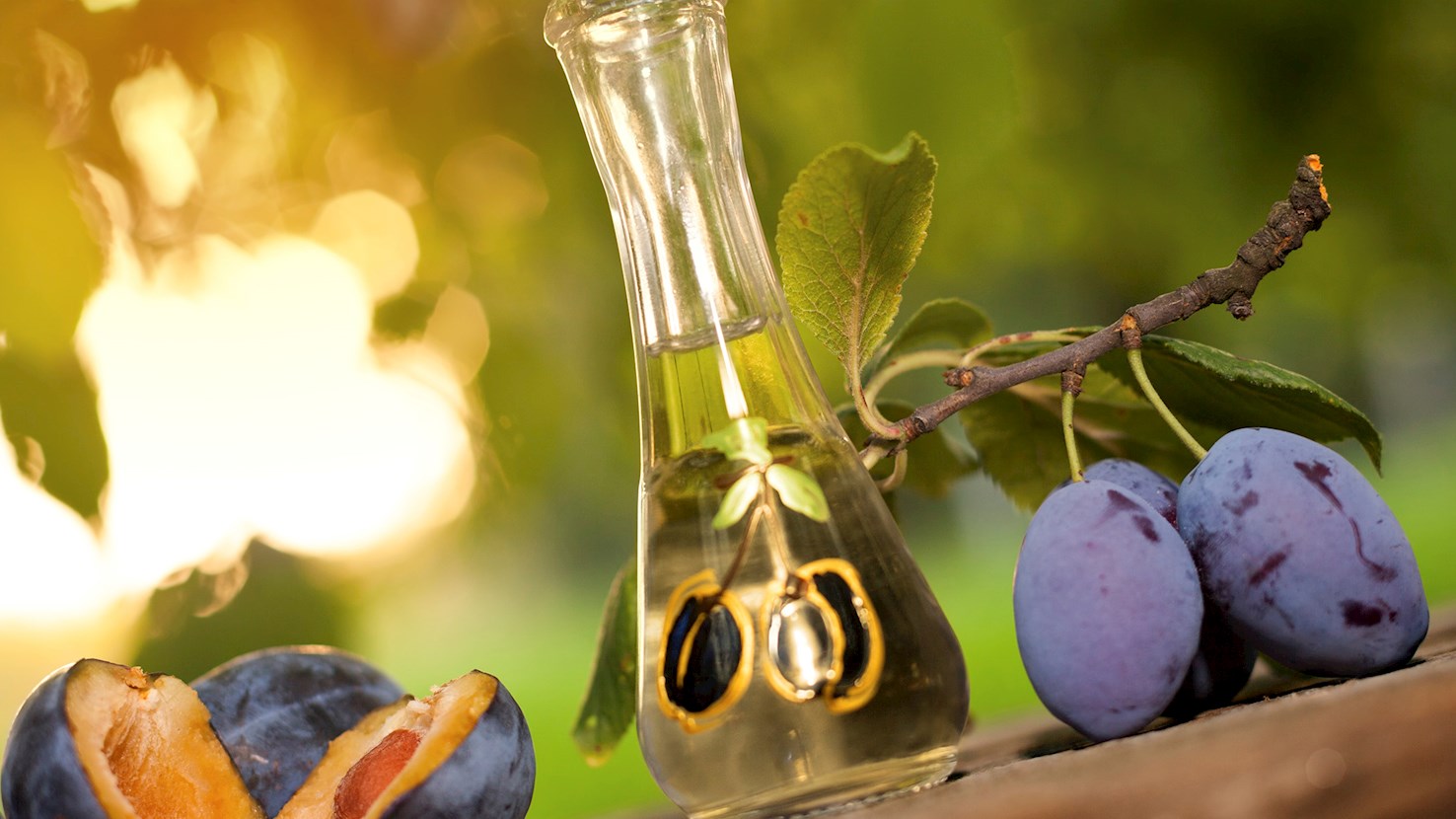
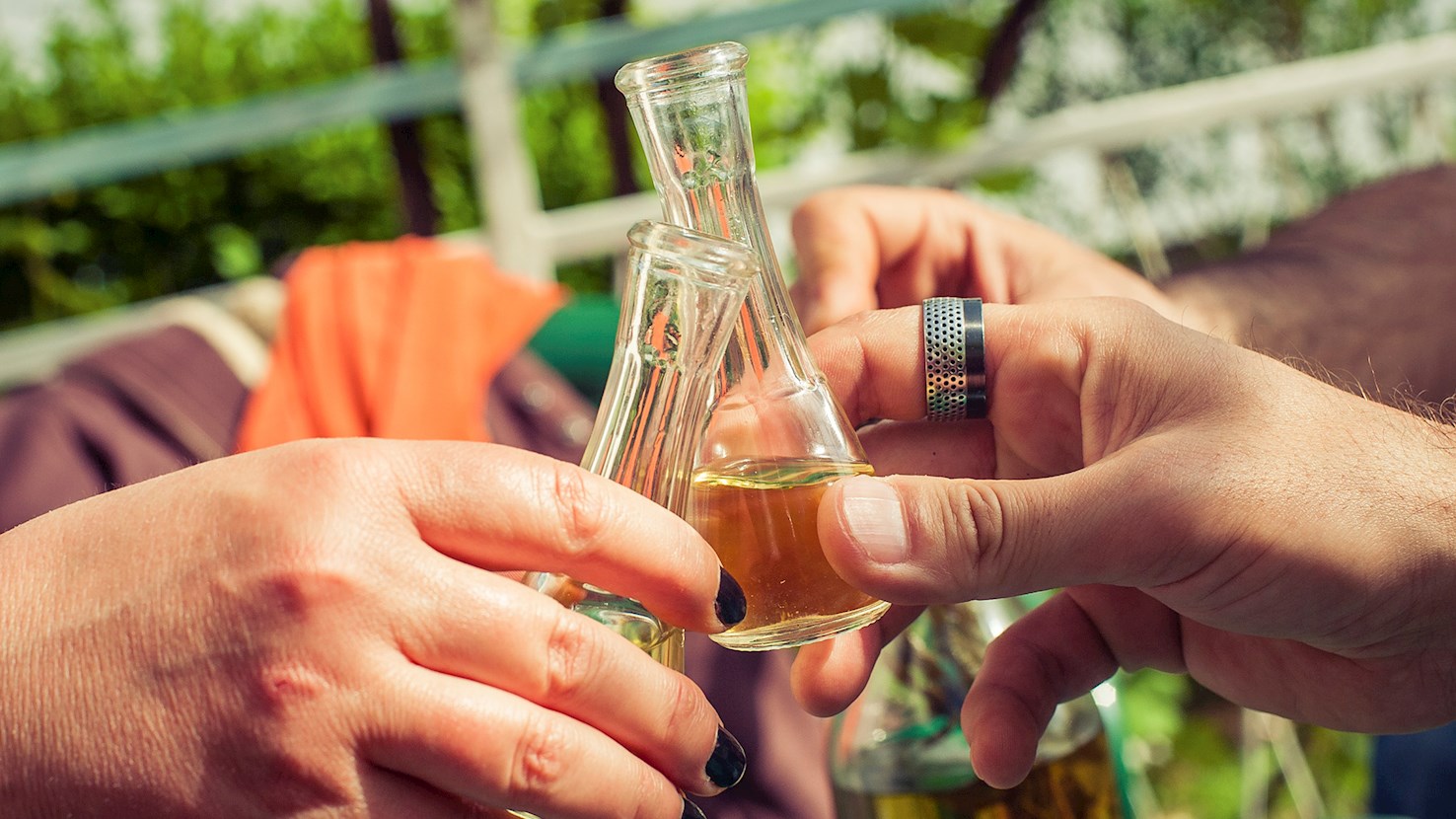
Slavonian plum brandy is the most popular drink in eastern Croatia. It is distilled from locally grown fresh and ripe plums such as Bistrica, which have been cultivated in the region for centuries. This clear drink can range from light yellow to amber in color, depending on whether it is aged in Slavonian oak. It is characterized by harmonious aromas of plums and a long finish, while its alcohol content may range from 37.5 to 42.5%. Slavonian šljivovica is not merely a drink, it is deeply integrated into Slavonian tradition, and no special event or gathering is complete without a shot of well-chilled šljivovica. Traditionally, this plum brandy was served in small-sized bottles called čokanjčići.

04

Pisco

4.0 ·

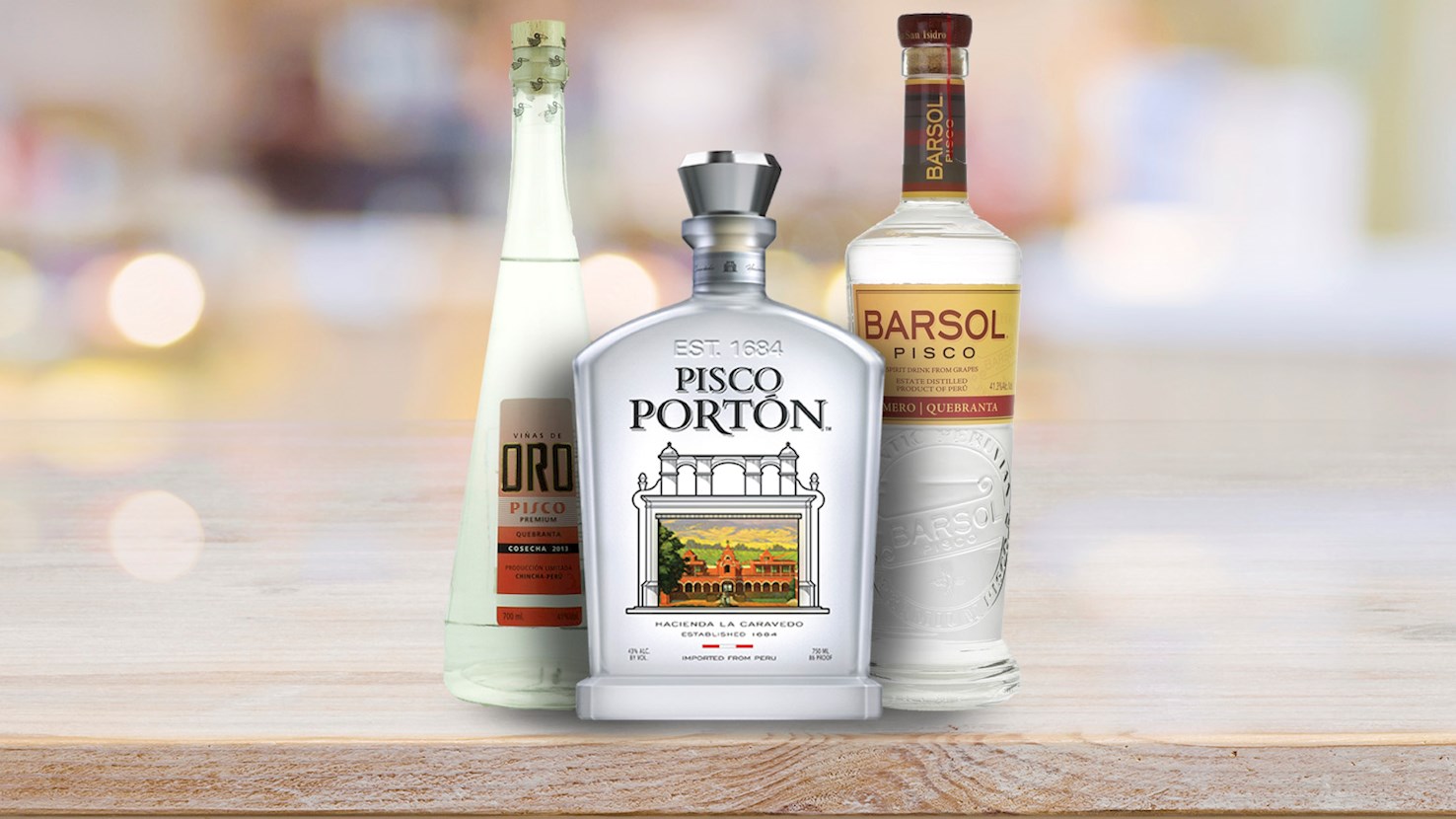
Pisco is a brandy that is distilled from the fermented grape juice. It was invented in the 16th century as a replacement for orujo—an ancient Spanish pomace brandy. Although it is also produced in Chile, Peruvian pisco results in a slightly different drink due to different terroir, grapes, and techniques used in its production. In Peru, pisco can be made with eight, mostly native grape varieties. It is distilled only once to preserve its dominant flavors while diluting and oak-aging is strictly forbidden. The drink is typically strong with dominant earthy and herbal flavors, but the character can slightly differ depending on the choice of grapes. Pisco can be enjoyed neat, but it is often used in cocktails and mixed drinks, out of which the best known is the classic Pisco Sour. For centuries, both Chile and Peru have claimed to be the birthplace of pisco. Peruvians argue that the name and the drink hail from a port town named Pisco—a claim which was also officially supported by the European Commission when Peruvian pisco was given geographical indication in 2013. Etymological evidence also suggests Peruvian root—it is believed that the name pisco stems from Quechuan pisqu, which translates as little bird. Despite the protection trademark, the Commission does not prohibit Chile to market and sell their drink under the same name. Interestingly, Chile is the leading producer of pisco in the world, and the biggest importer of Peruvian pisco.

05

Armagnac

4.0 ·

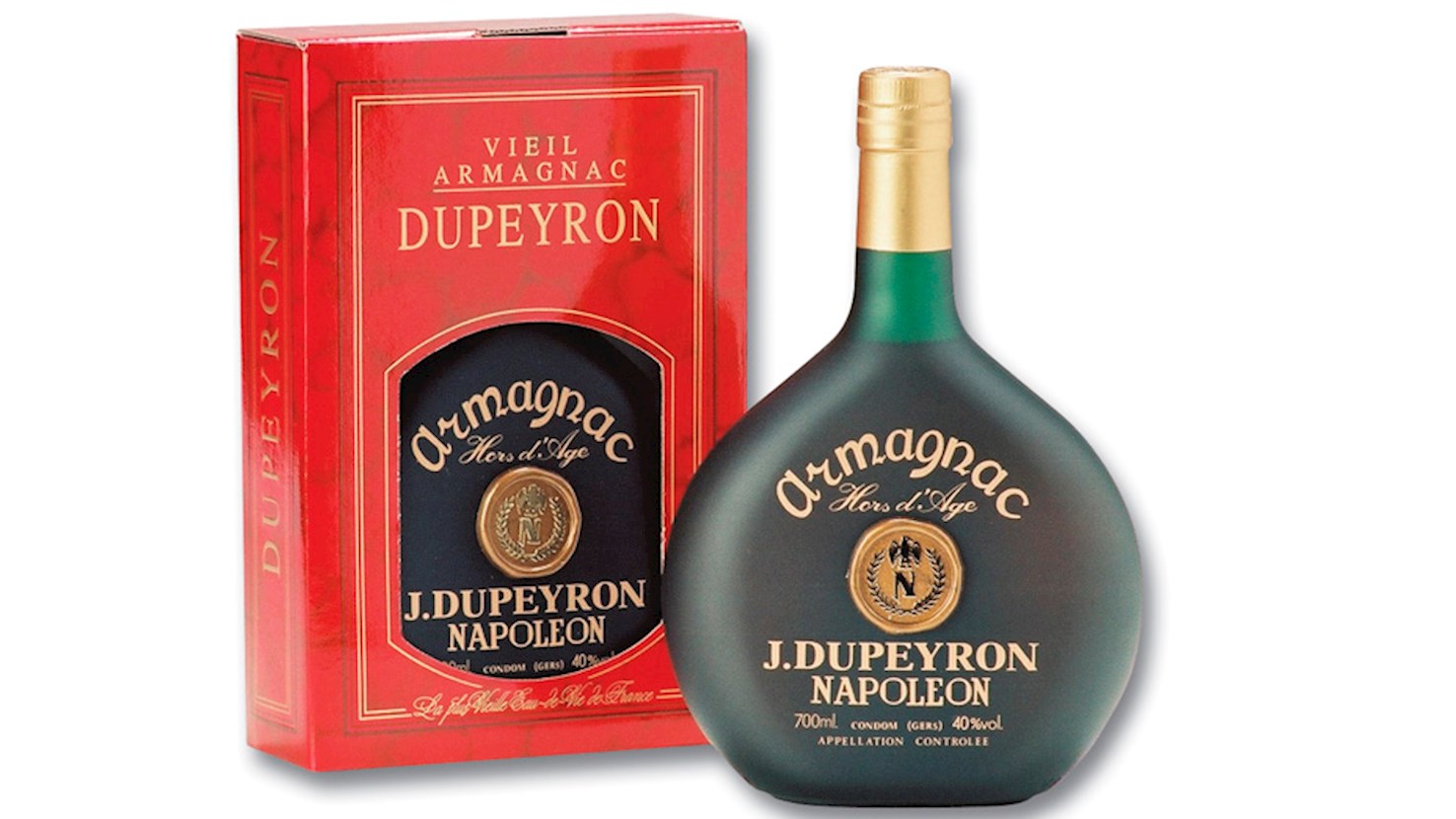
Considered to be one of the first grape brandy varieties produced in France, Armagnac originated in Gascony, a historic area now divided between the regions of Nouvelle-Aquitaine and Occitanie. The first written records on Armagnac date back to the 15th century, when it was mainly used as a stomach remedy. Although the predominant grape is Ugni Blanc, ten different grapes are allowed in its production, and since the 19th century, Armagnac is almost always distilled once. The final blend is then aged in oak casks for a minimum of two years. Maturation provides Armagnac with the signature complex flavor, and while young varieties show vanilla and honey notes, matured versions are typically characterized by the flavor of roasted nuts, licorice, and tobacco. Armagnac is best enjoyed as a digestif, served in a wide brandy snifter glass.

06

VSOP Cognac

4.0 ·

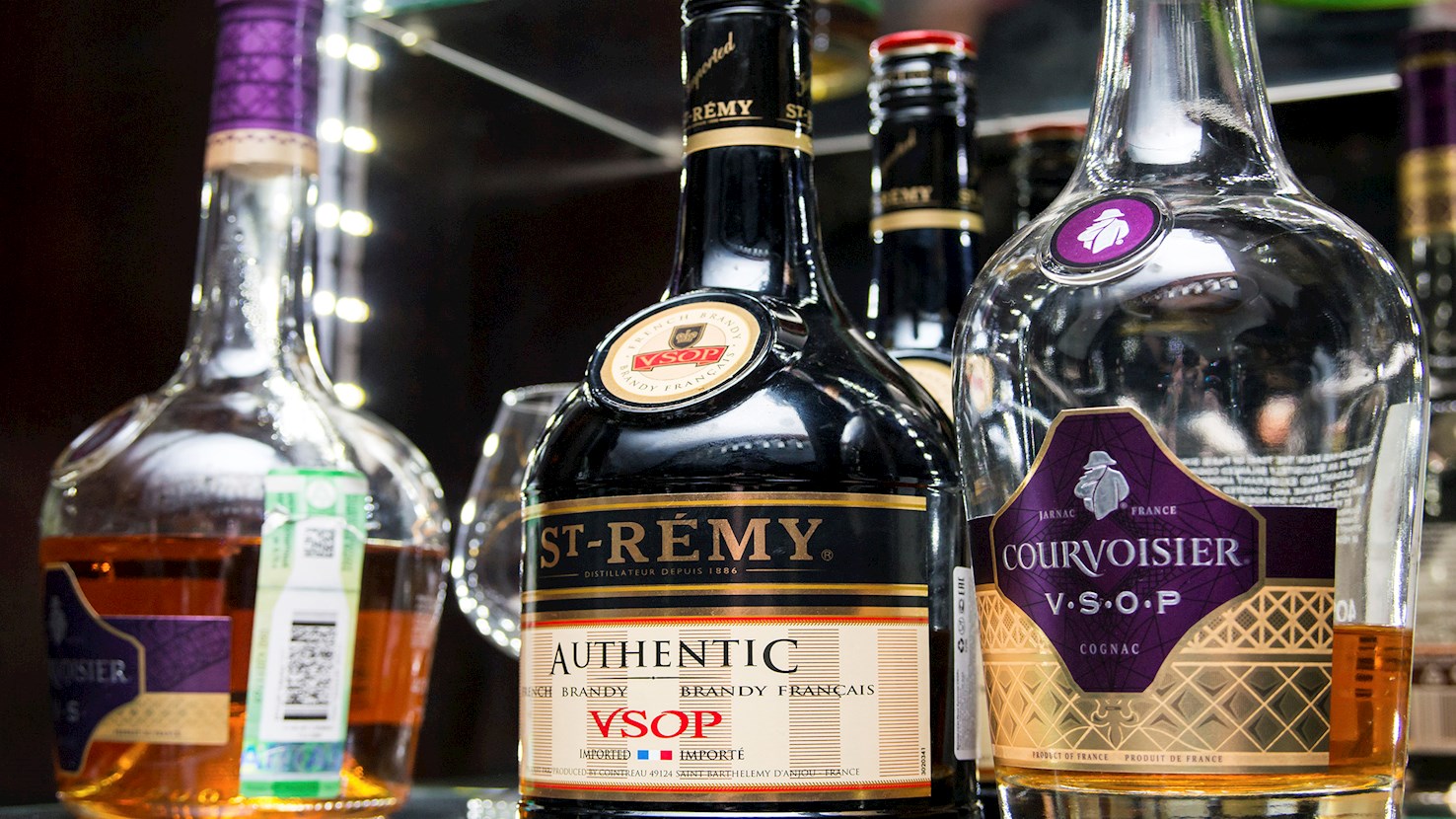
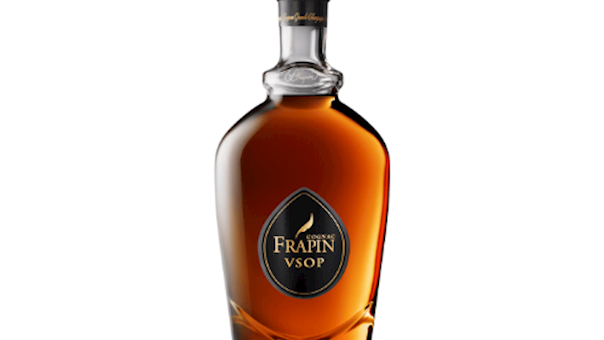
Very superior old pale is a Cognac category whose blend is aged for at least four years—which means that the youngest brandy mixed in the blend is four years old, while the others can be aged for longer. VSOP is both lively and serious, and it can be enjoyed on its own, preferably slowly sipped from a snifter glass, but it also incorporates well into mixed drinks and cocktails.

07

Šljivovica

3.8 ·

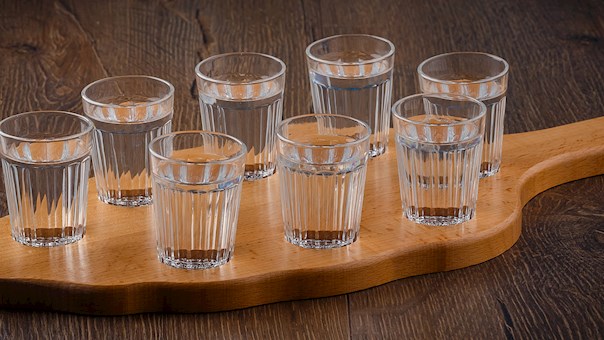
Šljivovica, internationally known as slivovitz, is a clear, potent drink that is distilled from fermented plums. It is produced throughout Central and Eastern Europe—namely Serbia, Croatia, Bosnia and Herzegovina, Slovenia, Hungary, Slovakia, Czech Republic, Bulgaria, Poland, and Romania. Depending on tradition and the desired taste profile, šljivovica can be distilled once or multiple times, and it benefits from aging in oak which can significantly improve its flavor, color, and aroma. The drink has a long tradition in each region where it is produced, and although it was mainly associated with home production, nowadays there are multiple regional brands available on the market. Regardless of the varieties, šljivovica is always enjoyed neat, preferably served well-chilled in a shot glass. In 2007, various Slavic states reached an agreement with European Union which allowed each country to name their version and protect it under the desired name.

08

Cognac

3.7 ·

This classic French brandy is distilled from grapes in order to produce eau-de-vie, which is then aged and blended to make cognac. The drink originated when it was revealed that eau-de-vie brandy of the Charente region develops different and more sophisticated flavors when aged in oak casks. Since its introduction to the global market, cognac became a sought-after drink, especially enjoyed by the British aristocracy. With the influx of low-quality drinks that were marketed as cognac, it was necessary to control its production. In 1936, cognac was regulated by the Appellation d’Origine Contrôlée (AOC), which restricted its production to six different terroirs and the area that includes the entire department of the Charente-Maritime, most of the department of Charente, and small parts of the Deux-Sèvres and Dordogne. Cognac is produced from white grape varieties, predominately Ugni Blanc, Folle Blanche or Colombard, which have low alcohol content and high level of acidity. It can be aged for a minimum of two years, while most varieties reach their peak of maturation after 60 years. The official quality grades of each cognac are strictly controlled and include VS (aged for at least two years), VSOP (aged for at least four years), XO or Napoléon (aged for at least six years), and Hors d'âge (high-quality, aged beyond the official scale). The great art of cognac is in the blending process, and if done properly, the final blend will result in a balanced and harmonious product. Younger varieties are typically characterized by floral and fruity notes, while the older varieties develop more complex, spicy flavors with subtle notes of vanilla, cinnamon, and coffee. High-quality cognac can be enjoyed neat, over ice, or diluted with water. It is traditionally served in a balloon or tulip glass, which helps to release its bouquet. If used in cocktails, it is recommended to opt for younger cognac varieties. Some of the prominent cognac brands include Hennessy, Martell, Courvoisier, Camus and Rémy Martin.

09

Pisco (Chile)

3.7 ·

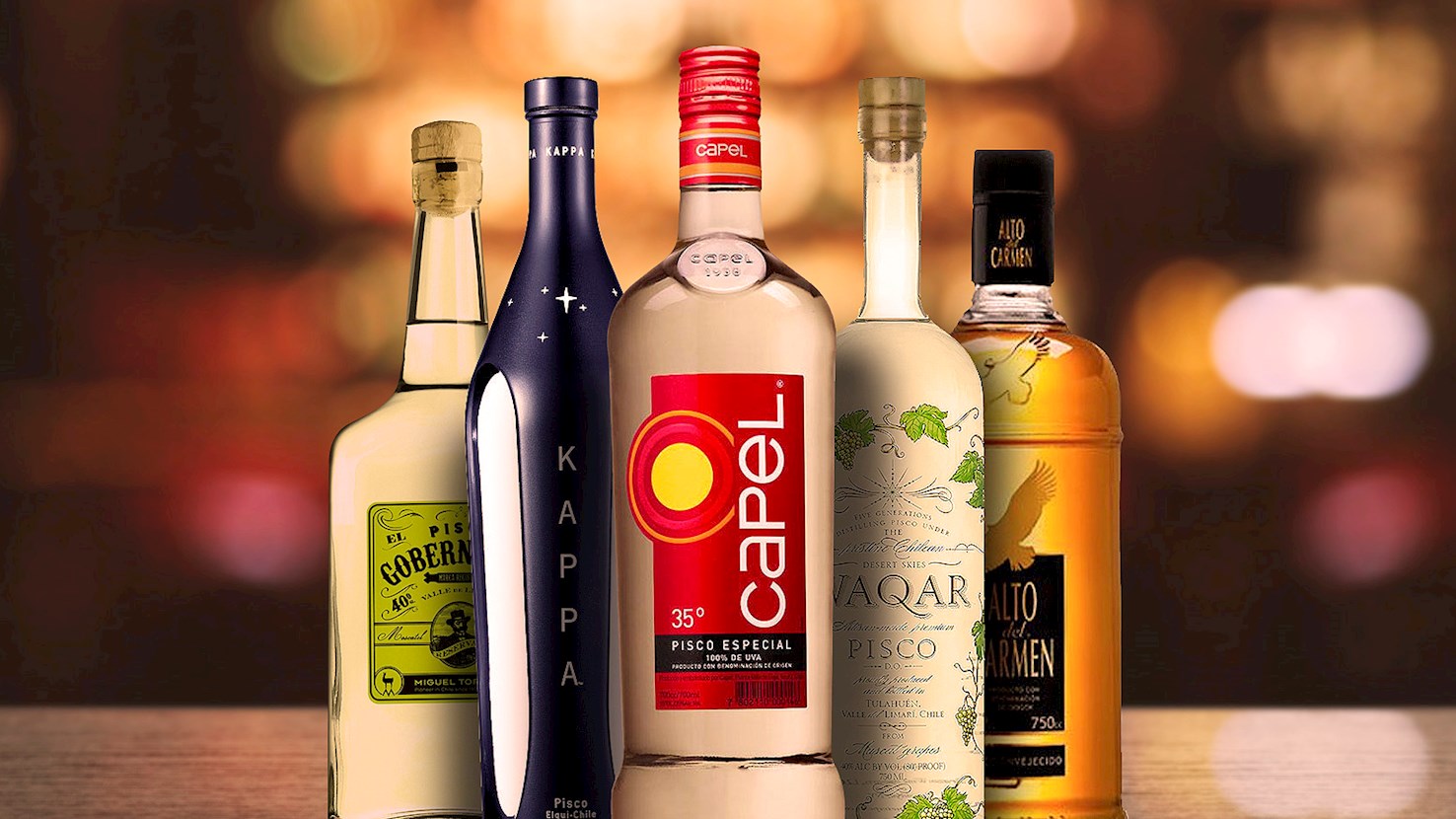
Pisco is a drink that is distilled from fermented grape must and juices. It is considered a national drink in both Peru and Chile, but the style and the character of pisco can differ based on the location where it was created. Chilean pisco is predominantly made from Muscat, and it can be distilled more than once, while oak-aging is also permitted. Depending on the production method and the choice of grapes, its color and flavor profile can significantly vary. Pisco can be enjoyed neat, preferably as a digestif, but it is usually used in cocktails and mixed drinks, such as the classic Pisco Sour, Pisco Punch, or Piscola.

10

Calvados

3.6 ·

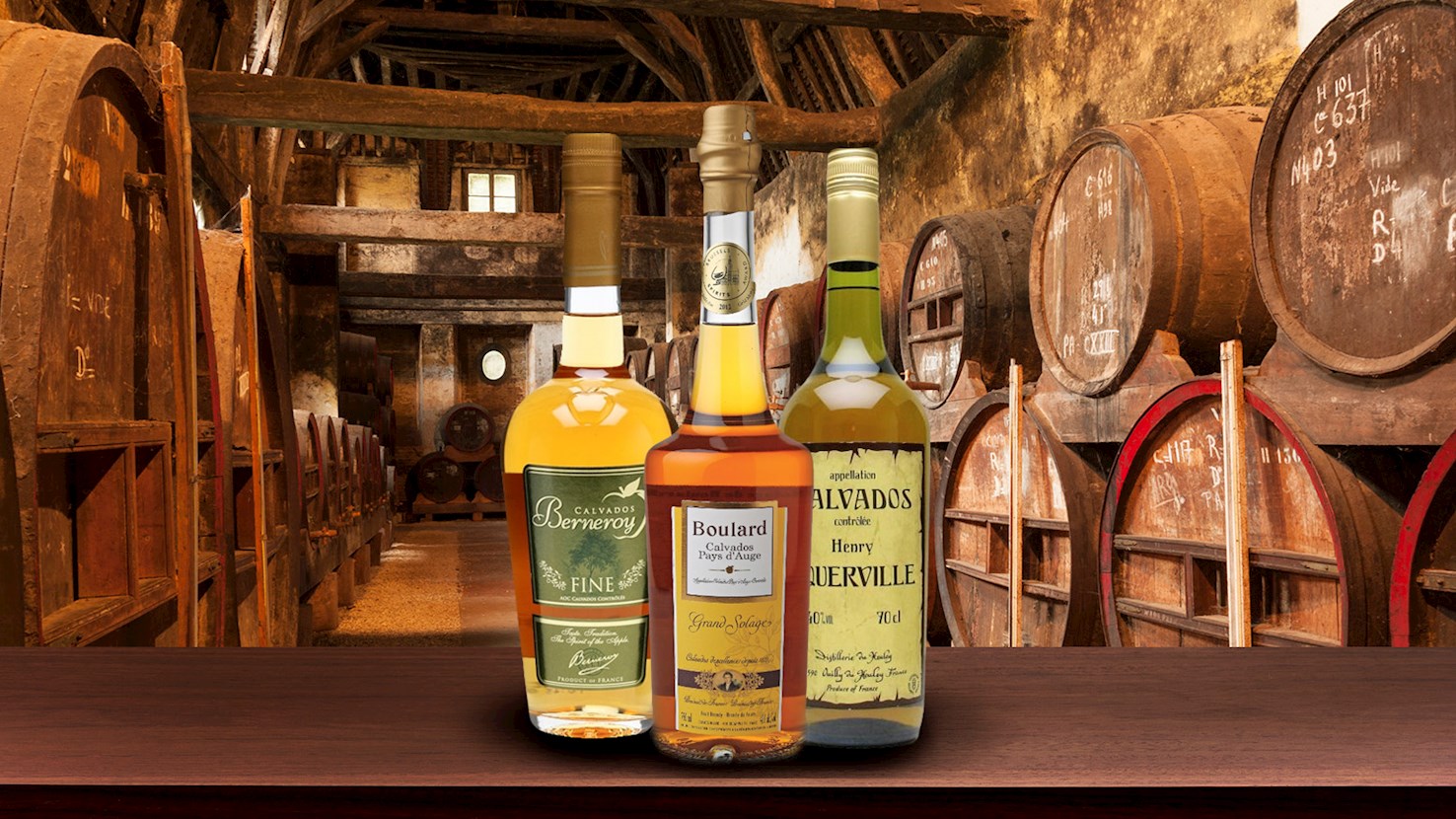
Calvados is a brandy distilled from apple cider or a combination of apples and pears. The fermented juice is usually double distilled to create the base of the brandy, which is then aged, and finally blended. The production of Calvados is strictly regulated, and final products are classified according to the length of maturation, with two years being the minimum aging period. The appellation Calvados is divided into three sub-regions that slightly differ in the base ingredient, terroir, and the distillation process. All these factors, including aging, influence the final character of Calvados. Young varieties typically display aromas and flavors of ripe fall fruit, cinnamon, mint, and citrus. With age, they tend to develop into heavier, more rustic aromas of nuts, chocolate, or butterscotch. Calvados is mainly enjoyed as a digestif, preferably served neat in a tulip glass, but its character can match a wide array of dishes, especially apple, chocolate, or caramel-based desserts. It is also used for flambéing or deglazing.

11

Pálinka

3.5 ·
13

Chacha

3.4 ·
15

VS Cognac

3.2 ·
16

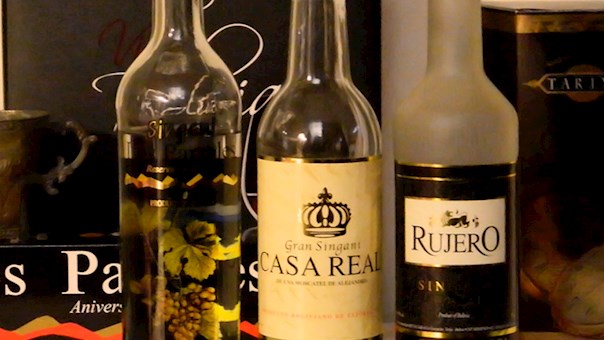
Singani

3.2 ·
17

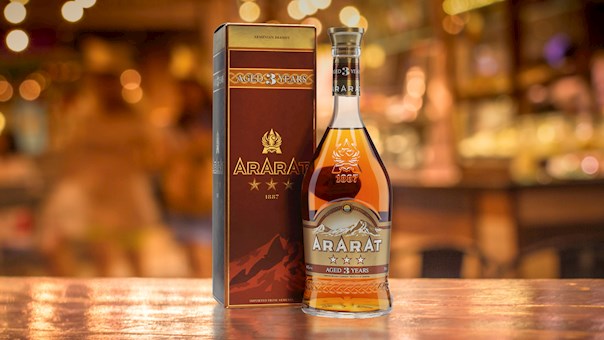
Ararat

3.2 ·
18

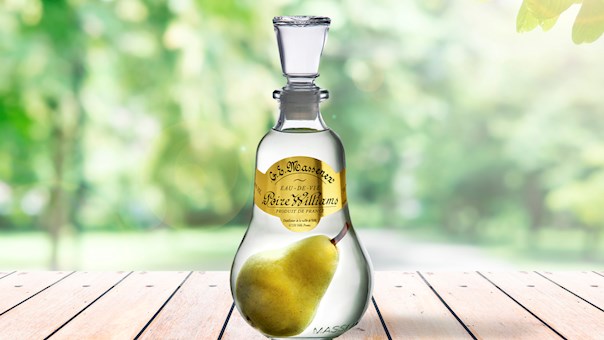
Poire Williams

3.2 ·
19

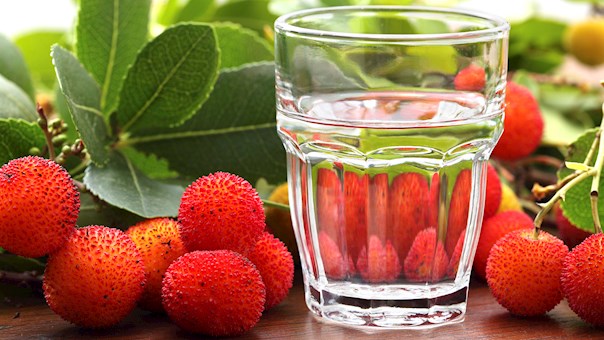
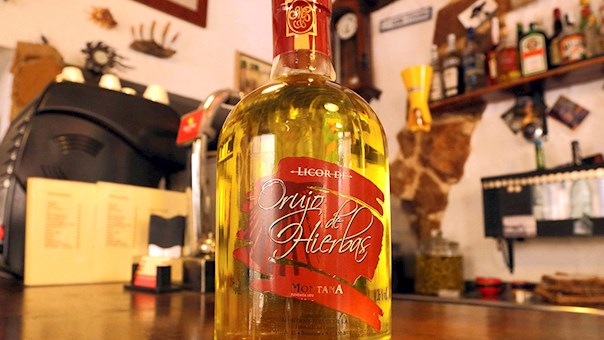
Orujo

3.1 ·

Best Brandies in the World
01

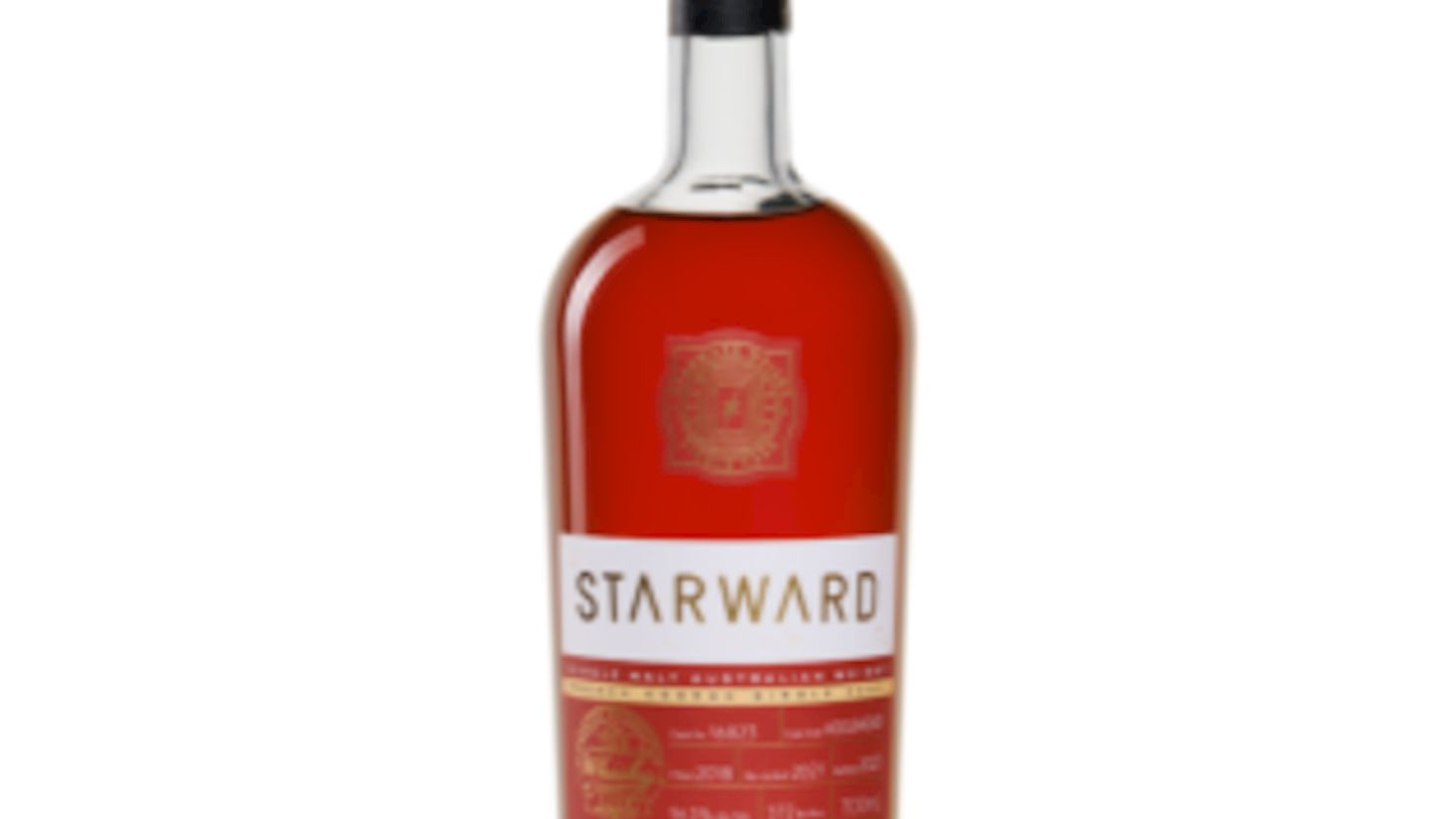
Starward

5.0 ·

Starward Whisky, founded in 2007 by David Vitale, is an Australian distillery located in Melbourne. The distillery is renowned for its innovative approach to whisky production, utilizing locally sourced ingredients and maturing its spirits in Australian red wine barrels.

This unique maturation process imparts distinctive flavors to their whiskies, reflecting the rich wine heritage of the region.

Awards
SFWSC - San Francisco World Spirits Competition - Double Gold (2024, 2023)
NYWSC - New York World Spirits Competition - Double Gold (2023)
02

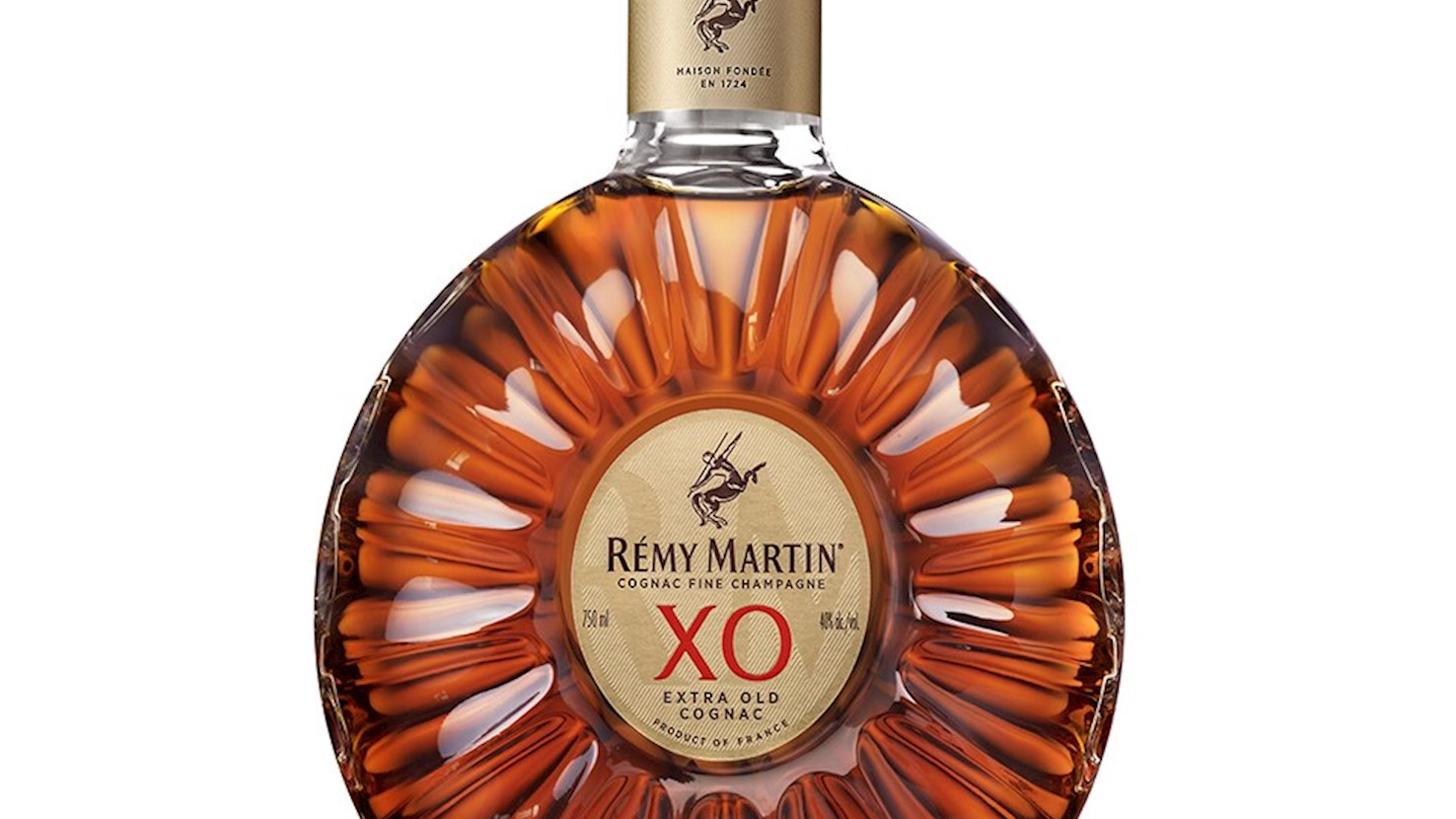
Rémy Martin

5.0 ·
Awards
SFWSC - San Francisco World Spirits Competition - Double Gold (2024, 2023)
SWSC - Singapore World Spirits Competition - Double Gold (2023)
03

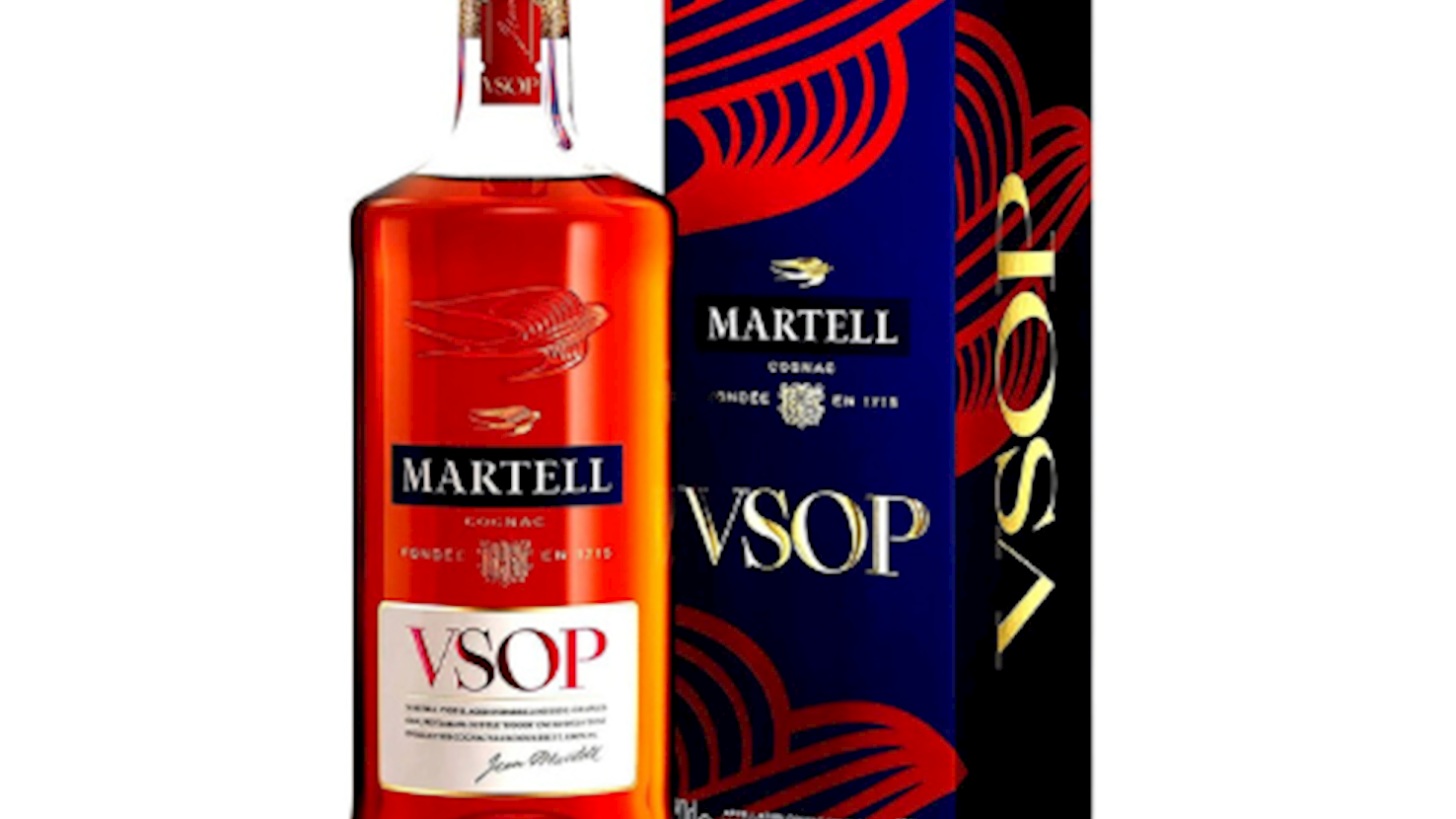
Martell

5.0 ·

Martell is one of the oldest and most prestigious cognac houses, founded in 1715 in Cognac, France. Known for its expertise, Martell uses grapes from the finest vineyards and traditional double distillation methods.

Their portfolio includes iconic cognacs like Martell VS, VSOP, Cordon Bleu, and XO. Visitors can explore the brand’s rich history, book tours, and enjoy tastings at their distillery in Cognac.

Awards
SFWSC - San Francisco World Spirits Competition - Double Gold (2024, 2023)
SWSC - Singapore World Spirits Competition - Double Gold (2023)
04

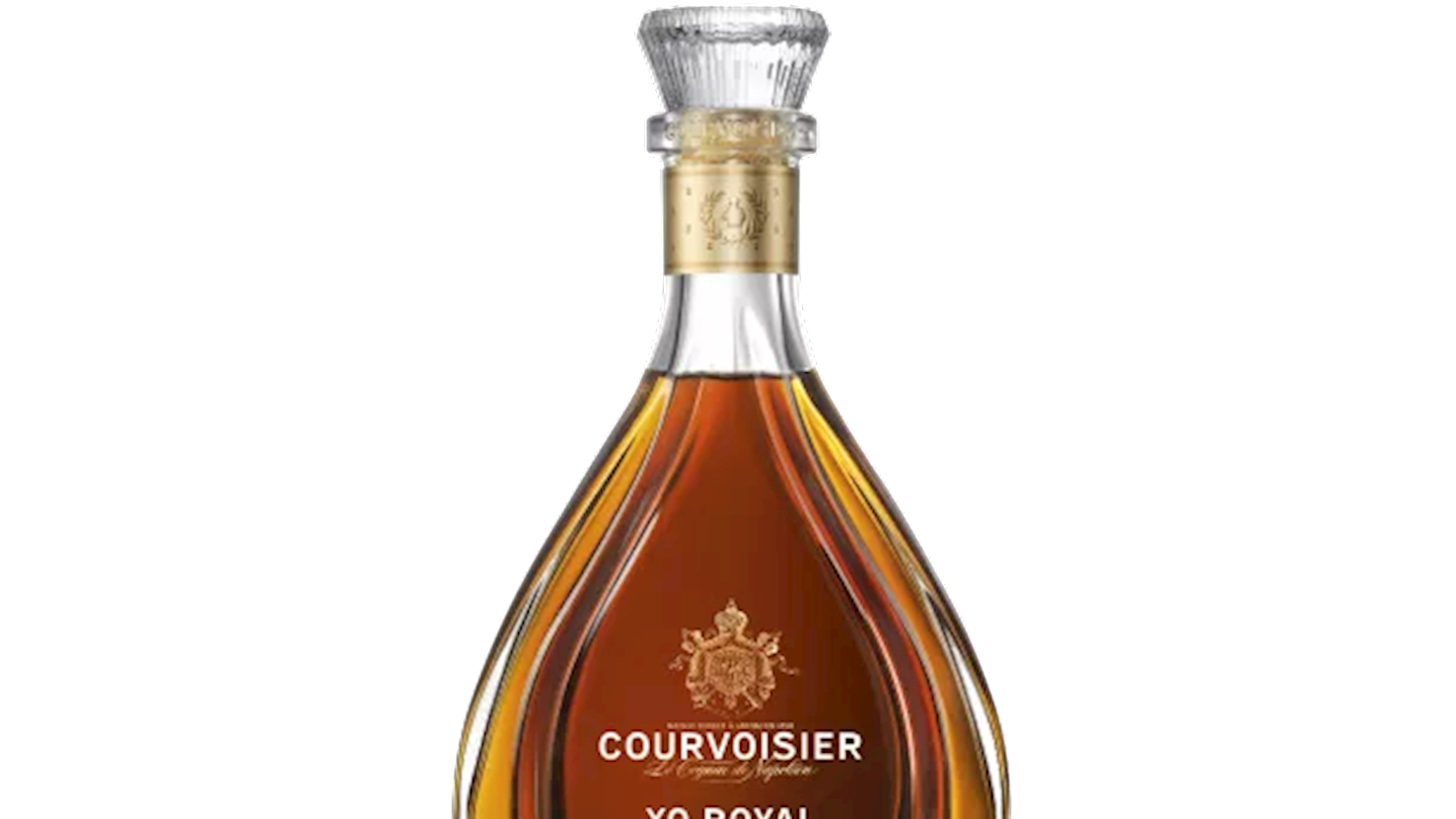
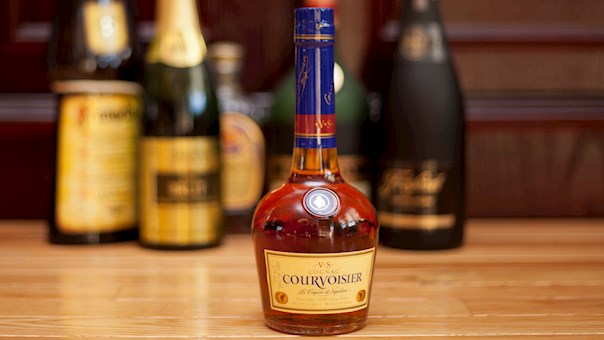
Courvoisier

5.0 ·

Courvoisier is a prestigious French cognac producer known for its high-quality craftsmanship and rich history. Founded in the early 19th century, it is located in Jarnac, in the heart of the Cognac region.

Courvoisier blends tradition with innovation, using meticulously sourced grapes and a refined distillation process to create its premium cognacs. The brand has earned a reputation for luxury, often associated with French elegance and heritage.

Awards
SFWSC - San Francisco World Spirits Competition - Double Gold (2024, 2023)
NYWSC - New York World Spirits Competition - Double Gold (2023)
05

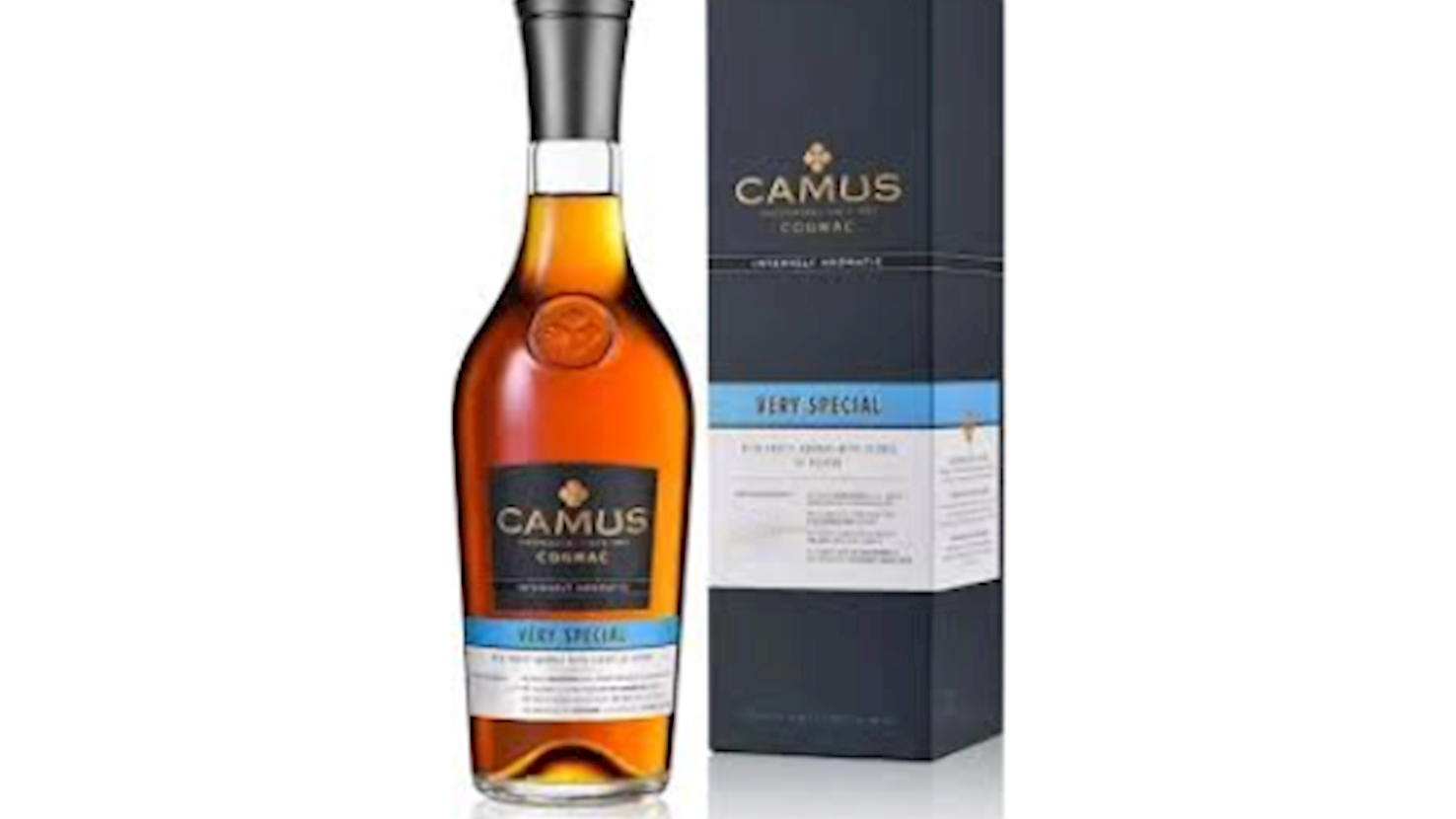
Camus Cognac

5.0 ·

Camus is a historic, family-owned Cognac house founded in 1863 by Jean-Baptiste Camus and still independently run by the same family today, making it the largest family-owned producer in the Cognac region. The house is known for its strong emphasis on aromatic intensity and terroir expression, supported by proprietary techniques such as distillation using non-filtered wines and extended contact with the lees to preserve natural esters.

Camus places particular importance on small-batch distillation and careful aging to enhance fragrance, texture, and complexity. Its portfolio spans classic expressions such as VS, VSOP, XO, and Extra, alongside more terroir-driven and distinctive lines, including Borderies Single Estate Cognac, which highlights the floral character of this rare cru, and Île de Ré Fine Island Cognac, shaped by Atlantic maritime influences.

Innovation plays a key role in the house’s identity, seen in both production methods and limited, high-end releases. Camus positions itself at the intersection of tradition and modern craftsmanship, with a clear focus on aromatic precision and stylistic clarity.

Awards
SFWSC - San Francisco World Spirits Competition - Double Gold (2024, 2023)
The Cognac Masters - Gold (2023)
06

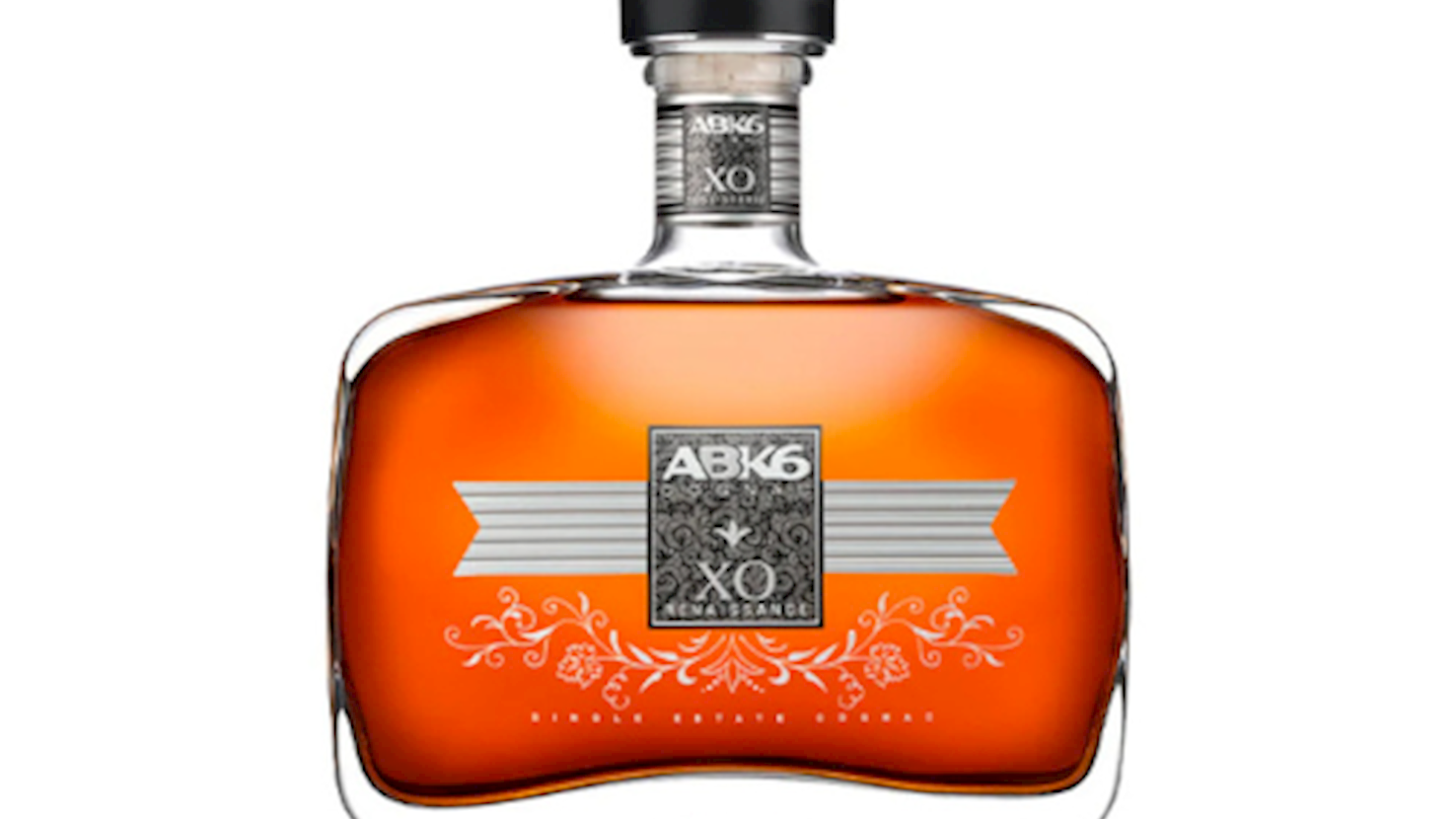
ABK6 Cognac

5.0 ·

ABK6 Cognac is a prestigious brand created in 2005 by Francis Abécassis. The name "ABK6" is a condensed version of the family name and represents the fusion of tradition and modernity.

The brand focuses on producing Single Estate Cognac, meaning the entire process, from vineyard cultivation to bottling, is handled on their own estate. This ensures a unique and high-quality product that reflects the expertise of their Master Blender.

ABK6's offerings include a wide range of cognacs, all crafted with meticulous attention to detail and respect for tradition.

Awards
SFWSC - San Francisco World Spirits Competition - Double Gold (2024, 2023)
World Cognac Awards - Best V.S.O.P. (2021)
07

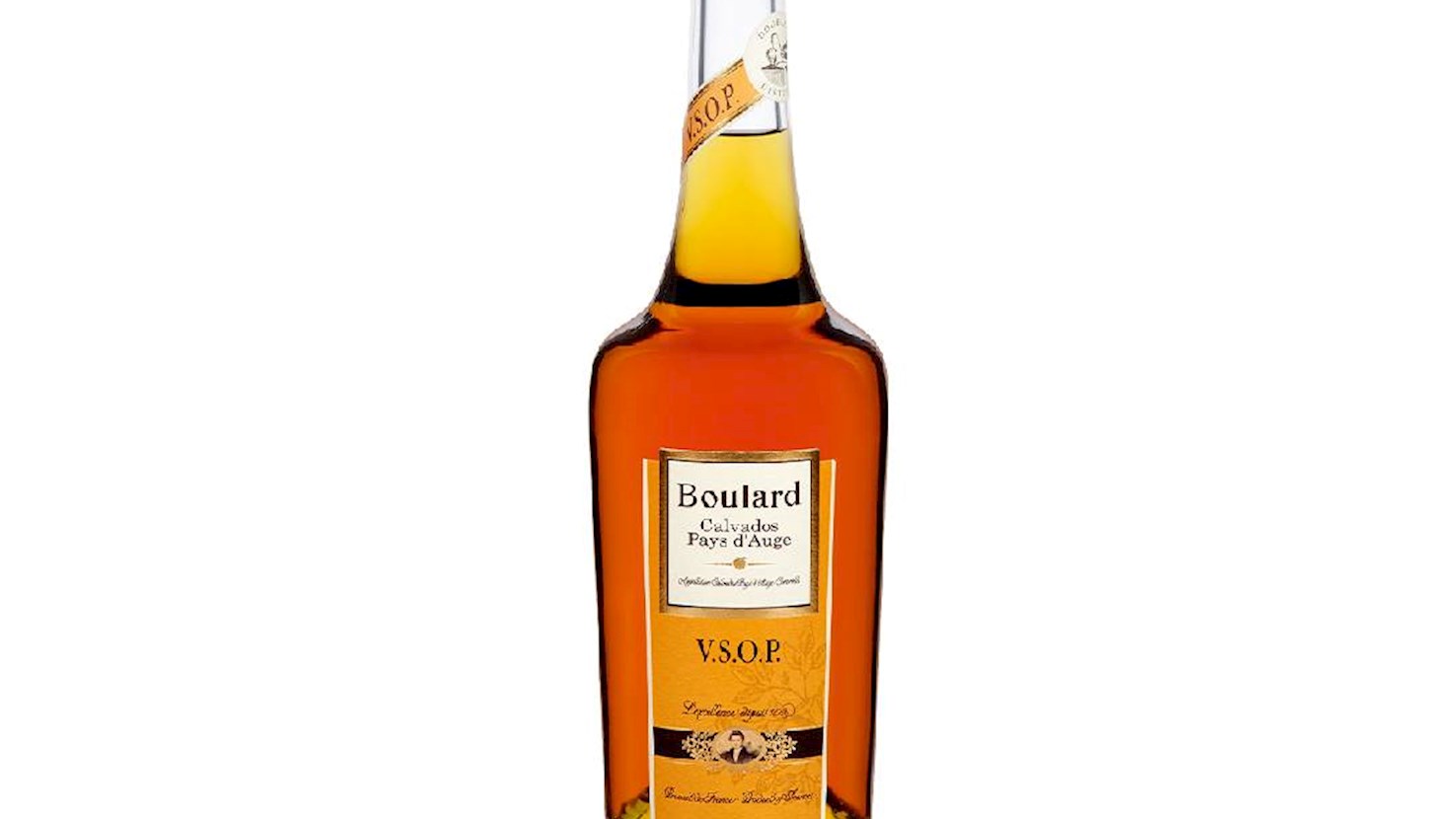
Calvados Boulard

5.0 ·

Calvados Boulard is a renowned French producer specializing in Calvados, an apple brandy originating from the Normandy region. Established in 1825, the company is known for its commitment to quality, blending tradition with modern techniques.

Boulard uses a variety of apples grown in the Pays d'Auge, a region famous for producing some of the finest Calvados. Their distillation process, combined with careful aging in oak barrels, creates complex and refined spirits.

The brand offers a range of Calvados, from young, fresh varieties to well-aged expressions, appealing to both newcomers and connoisseurs.

Awards
SFWSC - San Francisco World Spirits Competition - Double Gold (2024, 2023)
IWSC- International wine & spirit competition - Silver (2024)
08

Maison Ferrand

5.0 ·

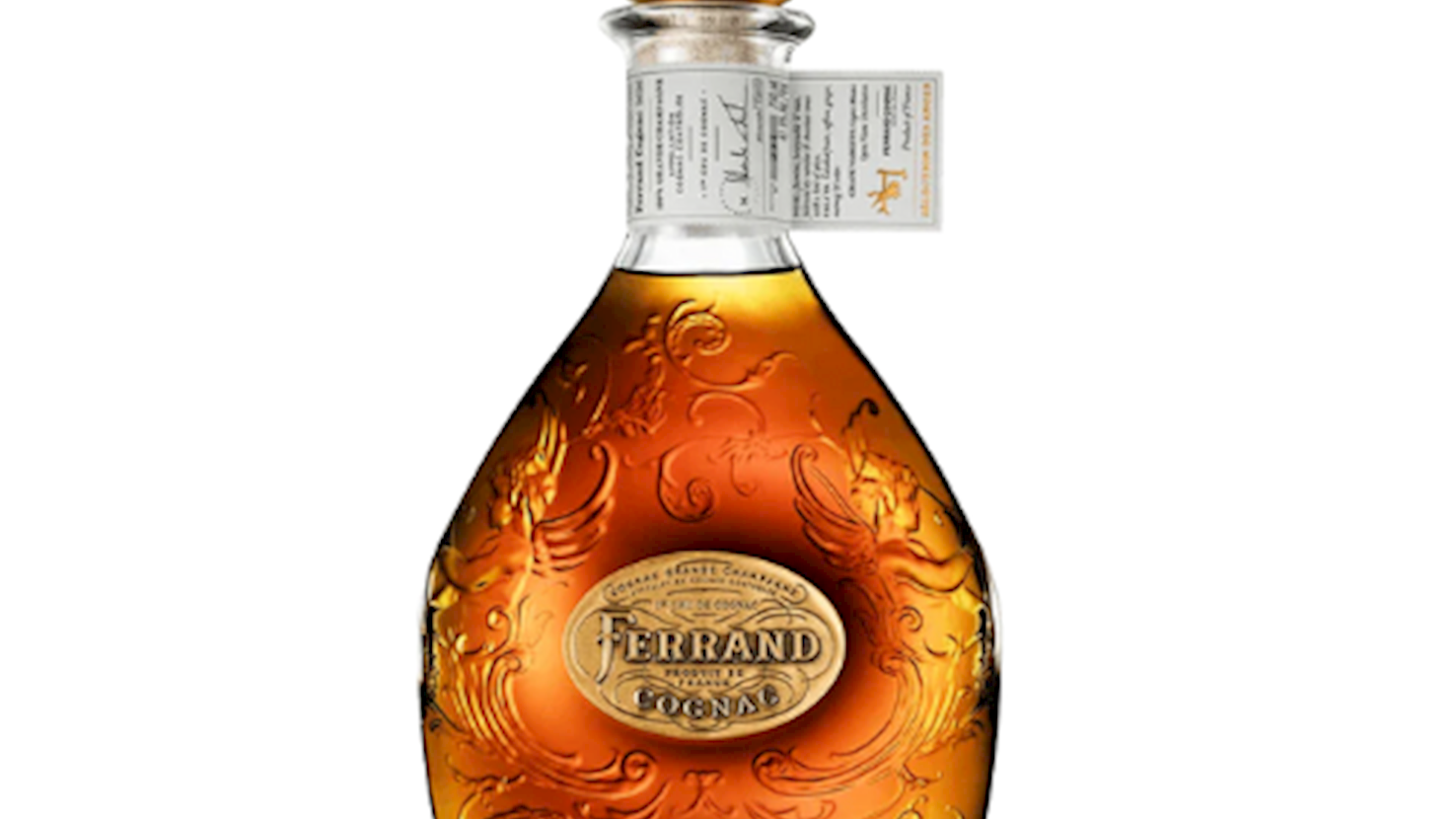
Maison Ferrand is an independent French producer of premium spirits, founded in 1989 in the Charente region, at the heart of the Cognac appellation, under the leadership of Alexandre Gabriel. The house is focused on preserving authentic distillation and ageing techniques while applying a contemporary, research-driven approach to terroir and raw materials.

Its portfolio includes Ferrand Cognac from the prestigious Grande Champagne cru, Citadelle Gin as one of the earliest modern French craft gins, Planteray rum (formerly Plantation), as well as liqueurs such as Ferrand Dry Curaçao. The house is particularly known for its double ageing approach to rum, whereby spirits mature first in their countries of origin and are then further aged in France, often in French oak or ex-cognac casks.

Maison Ferrand directly operates or closely collaborates with distilleries in the Caribbean, including the West Indies Rum Distillery in Barbados, ensuring strong control over the production process. Sustainability, transparency, and long-term partnerships with local producers are central to its philosophy.

The house maintains a careful balance between tradition and innovation, deliberately avoiding an industrial, mass-production model. Today, Maison Ferrand is widely regarded as a reference point in the world of high-quality spirits, with a clearly defined identity and strong global presence.

Awards
World Cognac Awards - Best V.S.O.P. (2023)
SFWSC - San Francisco World Spirits Competition - Double Gold (2023)
09

Cognac Jean Fillioux

5.0 ·

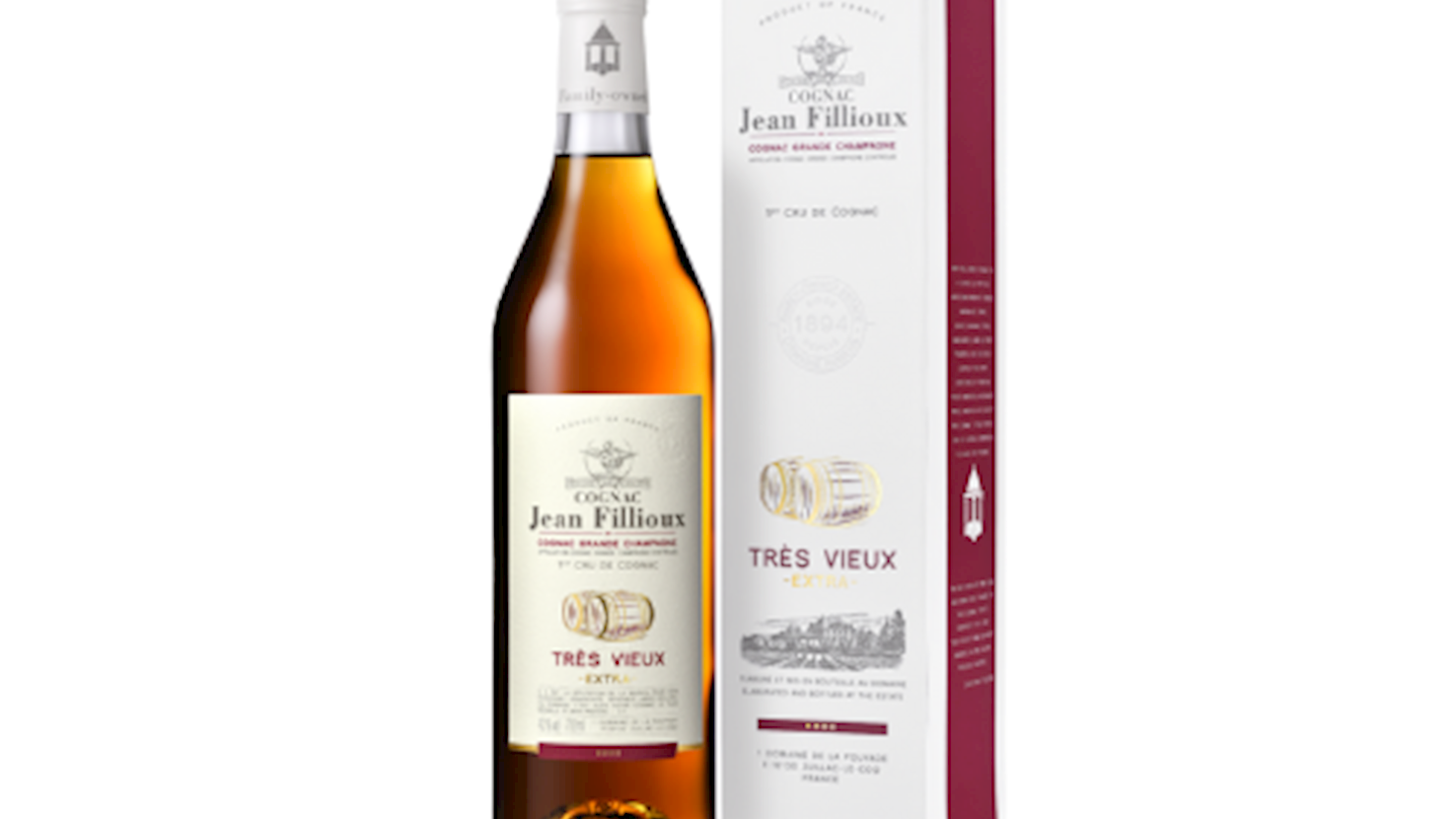
Cognac Jean Fillioux is a family-owned Cognac house based in Grande Champagne, the most prestigious cru of the Cognac region, with a history spanning more than a century. The estate is located in La Pouyade and relies exclusively on its own vineyards, planted mainly with Ugni Blanc.

Production follows a traditional approach, with distillation in copper pot stills and long aging in French oak barrels, without excessive oak influence or stylistic manipulation. Jean Fillioux cognacs are known for their finesse and balance, expressing floral notes, ripe fruit, vanilla and gentle spice, along with a refined, persistent finish.

The house focuses on small-scale production and a pure expression of terroir, which has earned it strong recognition among connoisseurs and fine-dining professionals.

Awards
Bartender Spirits Awards - Double Gold (2021)
The Cognac Masters - Master (2023)
10

Domaine Du Grand Comte

5.0 ·

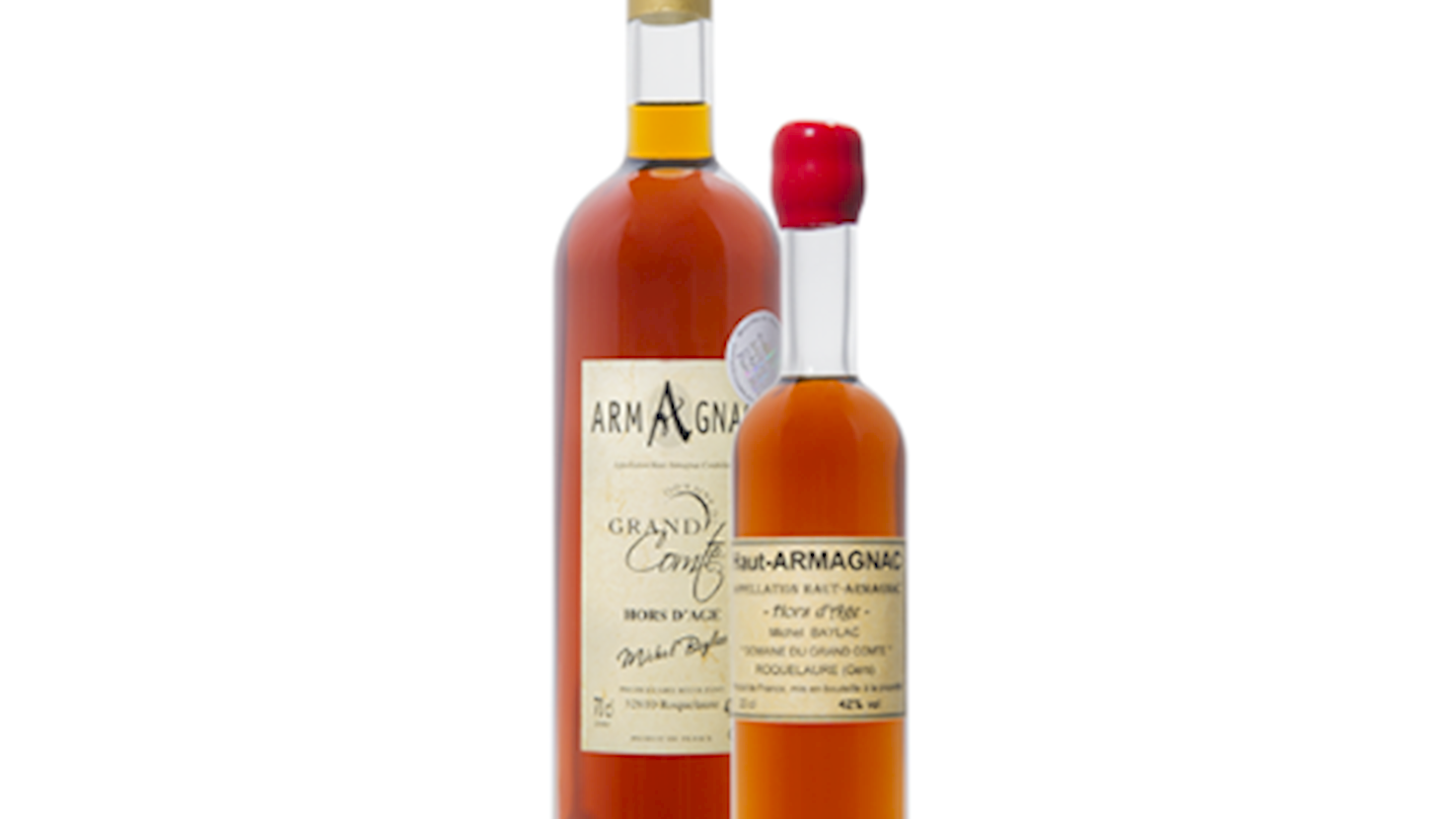
Domaine Grand Comté, located in Roquelaure in the Gers department of southwestern France, is a family-owned estate managed by Michel Baylac and his daughter Aurélie, continuing a legacy dating back to 1860. The estate spans 15 hectares of vineyards planted on clay-limestone soils typical of the Haut-Armagnac terroir, and operates under sustainable farming practices that respect the environment.

Domaine Grand Comté produces a range of high-quality beverages, including IGP Côtes de Gascogne wines (red, rosé, and white), traditional Floc de Gascogne aperitifs, and aged Armagnac. The estate also offers sparkling wines crafted through traditional fermentation methods.

Awards
SFWSC - San Francisco World Spirits Competition - Double Gold (2024, 2023)
NYWSC - New York World Spirits Competition - Double Gold (2023)
About this Ranking

TasteAtlas food rankings are based on the ratings of the TasteAtlas audience, with a series of mechanisms that recognize real users and that ignore bot, nationalist or local patriotic ratings, and give additional value to the ratings of users that the system recognizes as knowledgeable. For the “Top 100 Brandies in the World” list until October 28, 2026, 1,994 ratings were recorded, of which 1,130 were recognized by the system as legitimate.

TasteAtlas Rankings should not be seen as the final global conclusion about food. Their purpose is to promote excellent local foods, instill pride in traditional dishes, and arouse curiosity about dishes you haven’t tried.

The initial list of top producers was compiled based on available reviews, awards, local recommendations, media and blog coverage, and consumer reviews. The list will be updated with ratings from TasteAtlas local ambassadors and TasteAtlas users.

What People Say

Similar Lists