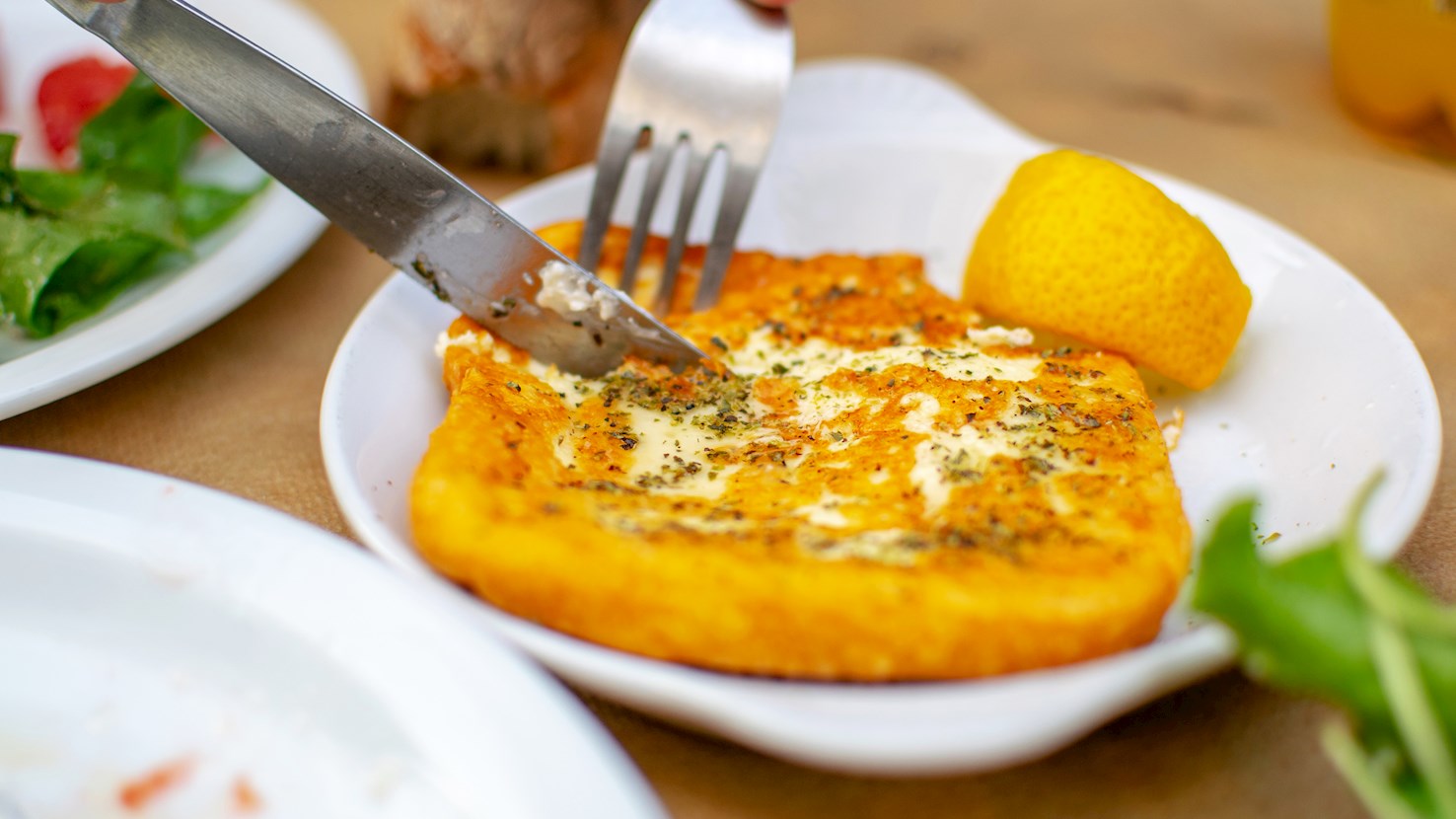
Saganaki is one of the most emblematic dishes in Greek cuisine, whose name comes not from the cheese itself, but from the small two-handled pan—called a saganaki—in which the dish is cooked and often served. Over time, the pan gave its name to a style of preparation, with fried cheese becoming the most widely recognized version. At its core, traditional cheese saganaki is made from a single thick slice of firm Greek cheese, lightly floured and shallow-fried until a golden crust forms on the outside while the interior softens and warms without fully melting. Thickness is essential: slices that are too thin will collapse in the pan, losing their structure. Before flouring, the cheese is often briefly rinsed with water, a small but important step that helps the flour adhere evenly and prevents scorching. Frying is done in a shallow layer of oil rather than deep fat, allowing controlled browning and even cooking on both sides. The choice of cheese is critical. Traditional options include graviera, kefalograviera, kefalotyri, and kasseri—cheeses made primarily from sheep’s milk or a sheep-goat blend. These varieties are firm enough to withstand heat yet soften pleasantly when cooked, producing the signature contrast between a crisp exterior and a tender interior. No seasoning is added during cooking; the cheese itself provides salt and intensity. Saganaki is served immediately, often still sizzling, with a simple squeeze of fresh lemon just before eating. The acidity cuts through the richness and sharpens the flavors, providing balance rather than garnish. It is typically enjoyed as a meze, meant to be shared, accompanied by bread for scooping and paired with wine or anise-based spirits such as ouzo. While fried cheese is the best-known form, saganaki also refers more broadly to dishes prepared in the same pan. Shrimp saganaki, for example, features shrimp simmered in tomato sauce and finished with cheese, while mussel saganaki follows a similar approach. These variations share the same philosophy: few ingredients, quick cooking, and immediate service. In restaurants outside Greece, saganaki is sometimes flambéed tableside with brandy or ouzo. This dramatic presentation is a modern, restaurant-driven adaptation rather than a traditional home practice. Likewise, breadcrumb coatings, heavy batters, or non-Greek cheeses reflect contemporary variations rather than classic technique.
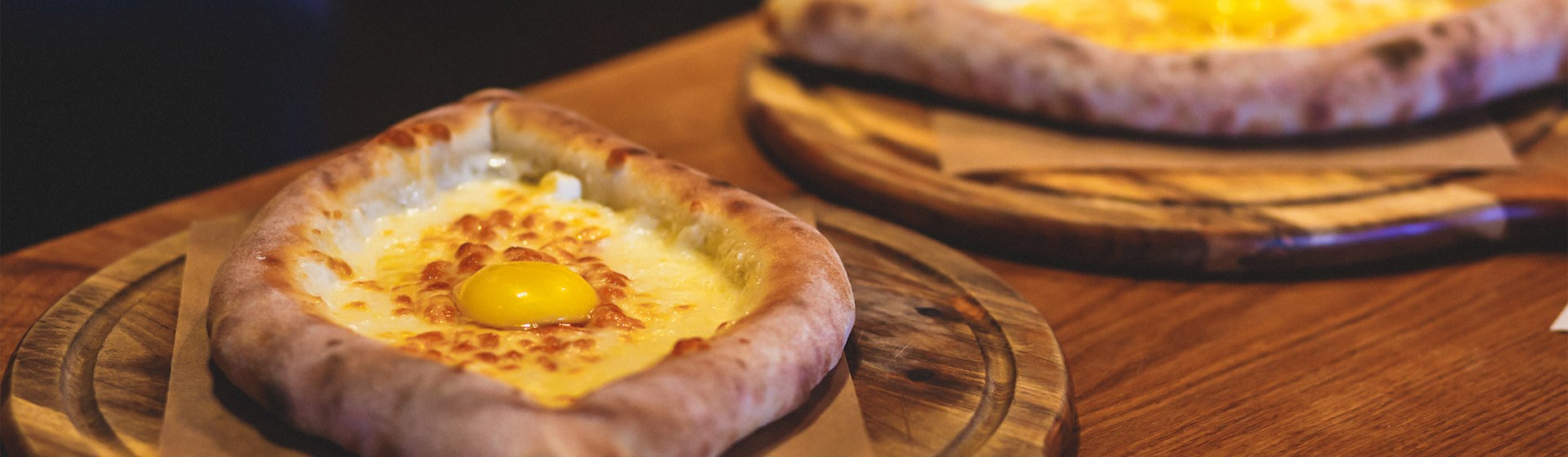
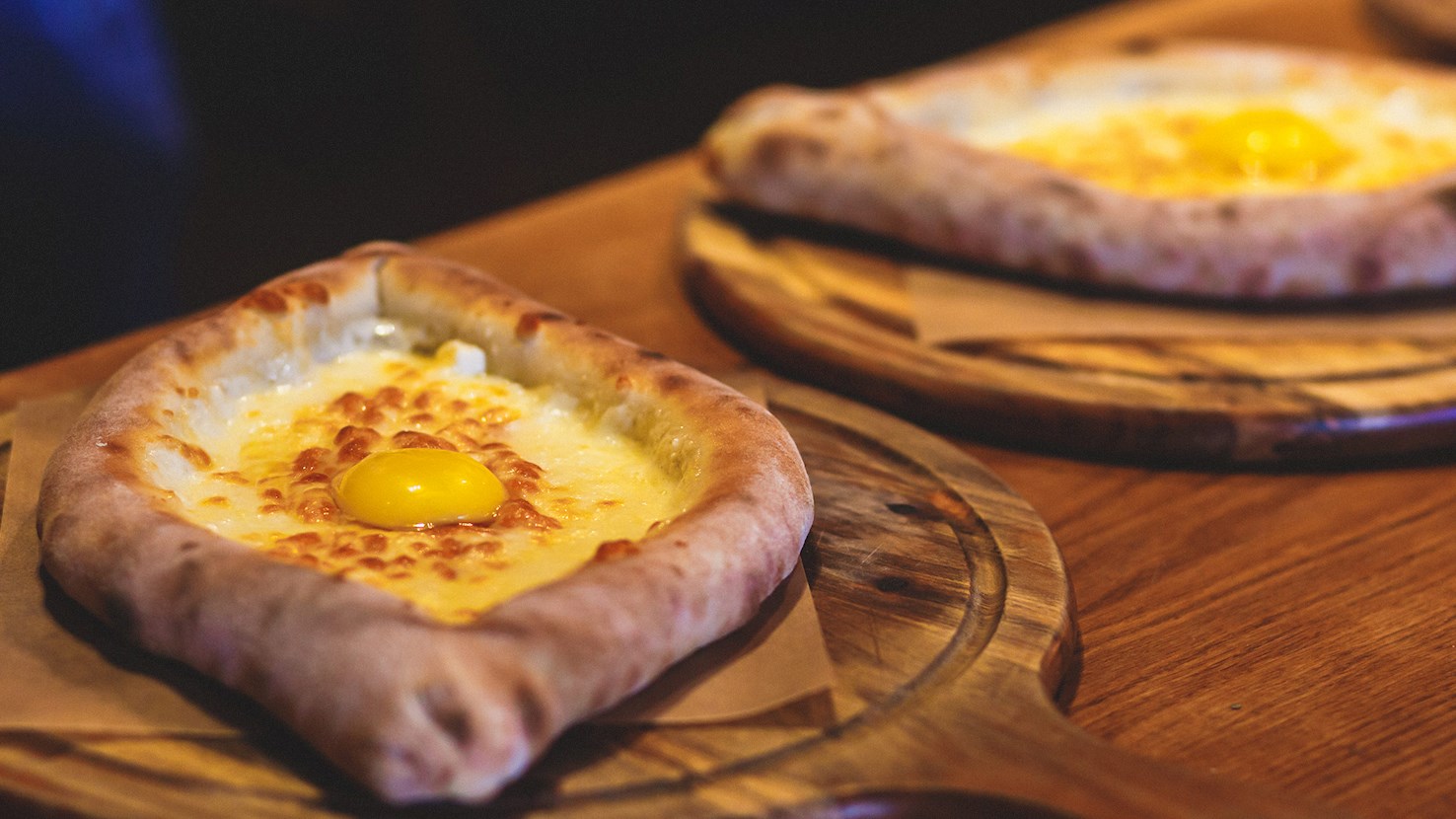
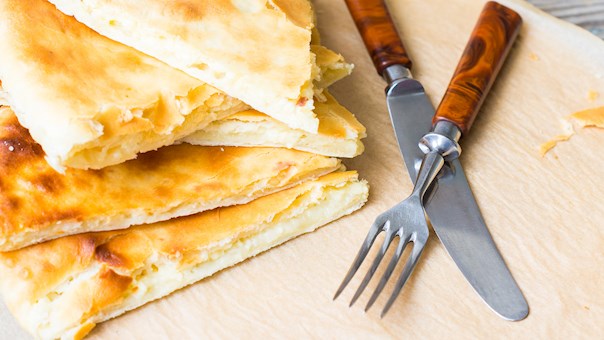
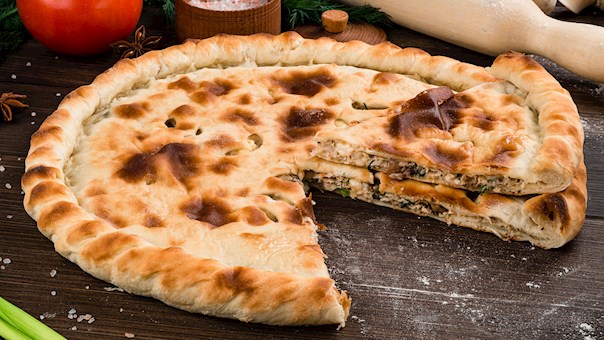
This open-faced cheese pie is the version of khachapuri that's the most responsible for putting khachapuri on the map. It is made with yeasted dough which is shaped into an oblong and then filled with a mixture of Imeratian and sulguni cheese, and to which some milk is often added as well to help achieve the right consistency. The assembled khachapuri is shortly baked in the hot oven, and a couple of minutes before it's done, an egg is plopped on top of the cheese. The pie is then returned to the oven, so the egg partially bakes. Adjarian khachapuri is served straight out of the oven with a pat of butter on top which is to be mixed into the filling before eating.
Provoleta is essentially a grilled or baked slab of provolone cheese, enjoyed as an appetizer or side dish, especially during asados (Argentine barbecues). The main characteristic of provoleta is that it's crispy on the outside and gooey and stretchy on the inside. The provoleta cheese is cut into round, thick-cut slices, typically 1.5-2.5 cm (0.6-1 inches) thick, which are rubbed with olive oil and seasonings and grilled for about 3 minutes per side. When done, the provoleta is drizzled with some olive oil and served with crusty bread. Some like to pair it with chimichurri sauce. This dish is a quintessential part of Argentine asado culture, offering a savory, cheesy start to a meal.
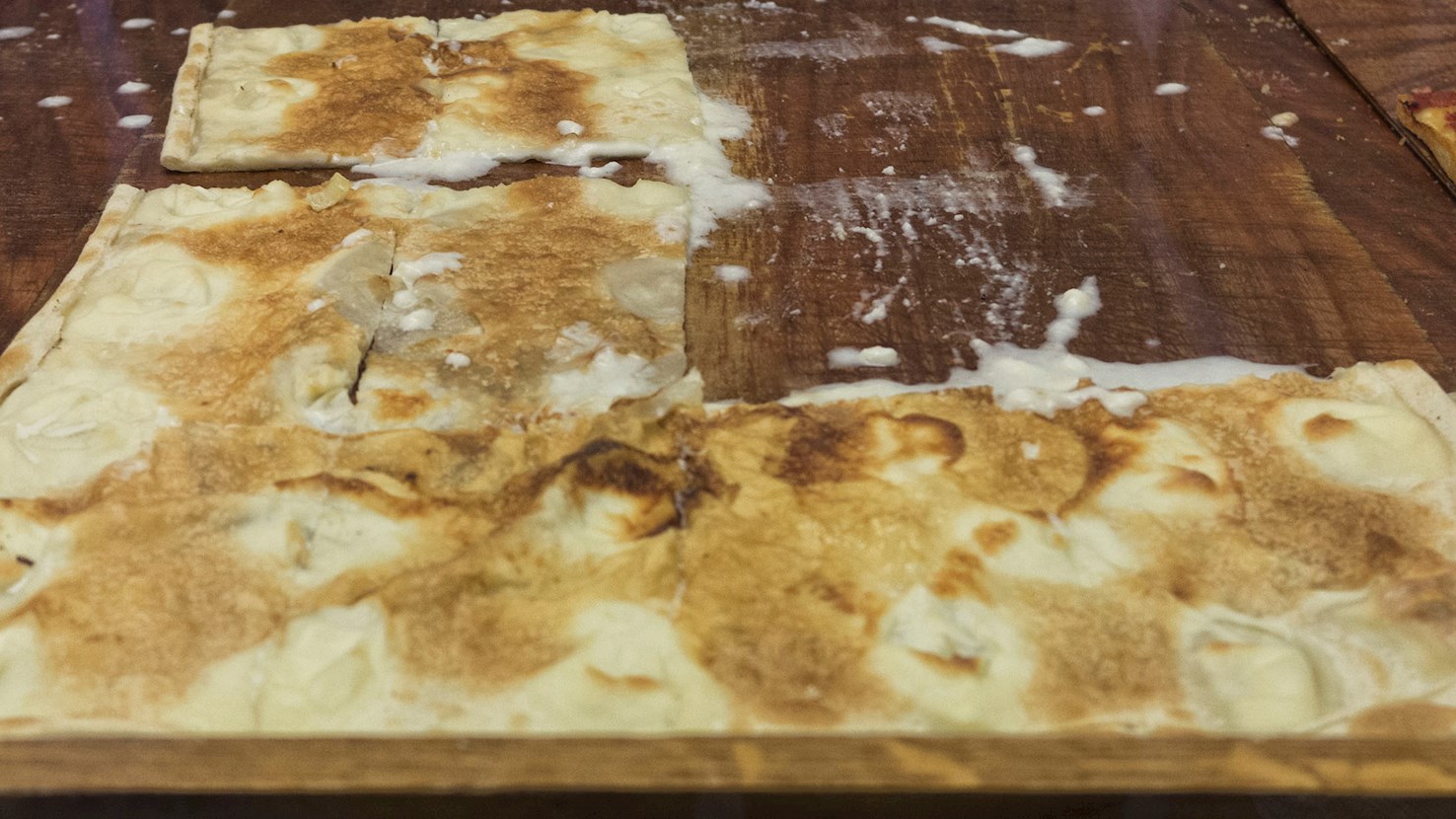
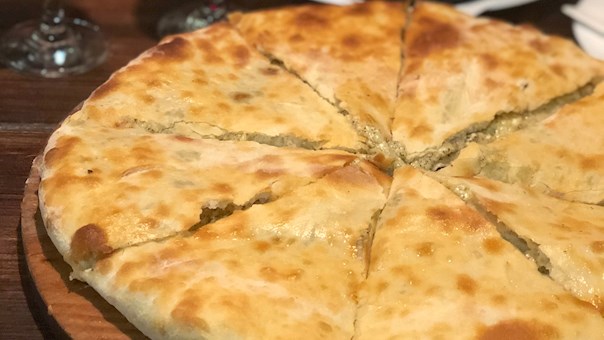
Focaccia di Recco col formaggio comes from the Liguria region in Italy, specifically from the municipalities of Recco, Sori, Camogli, and Avegno in Genoa. It is a foccacia made with a dough made from type 00 soft wheat flour or Manitoba flour, extra virgin olive oil, water, and salt, and it has no leavening. The dough is stretched into two ultra-thin sheets that envelope a filling of fresh, pasteurized cow's milk cheese, either crescenza or stracchino. Focaccia di Recco col formaggio can be circular, square, or rectangular, and does not exceed one centimeter in height.
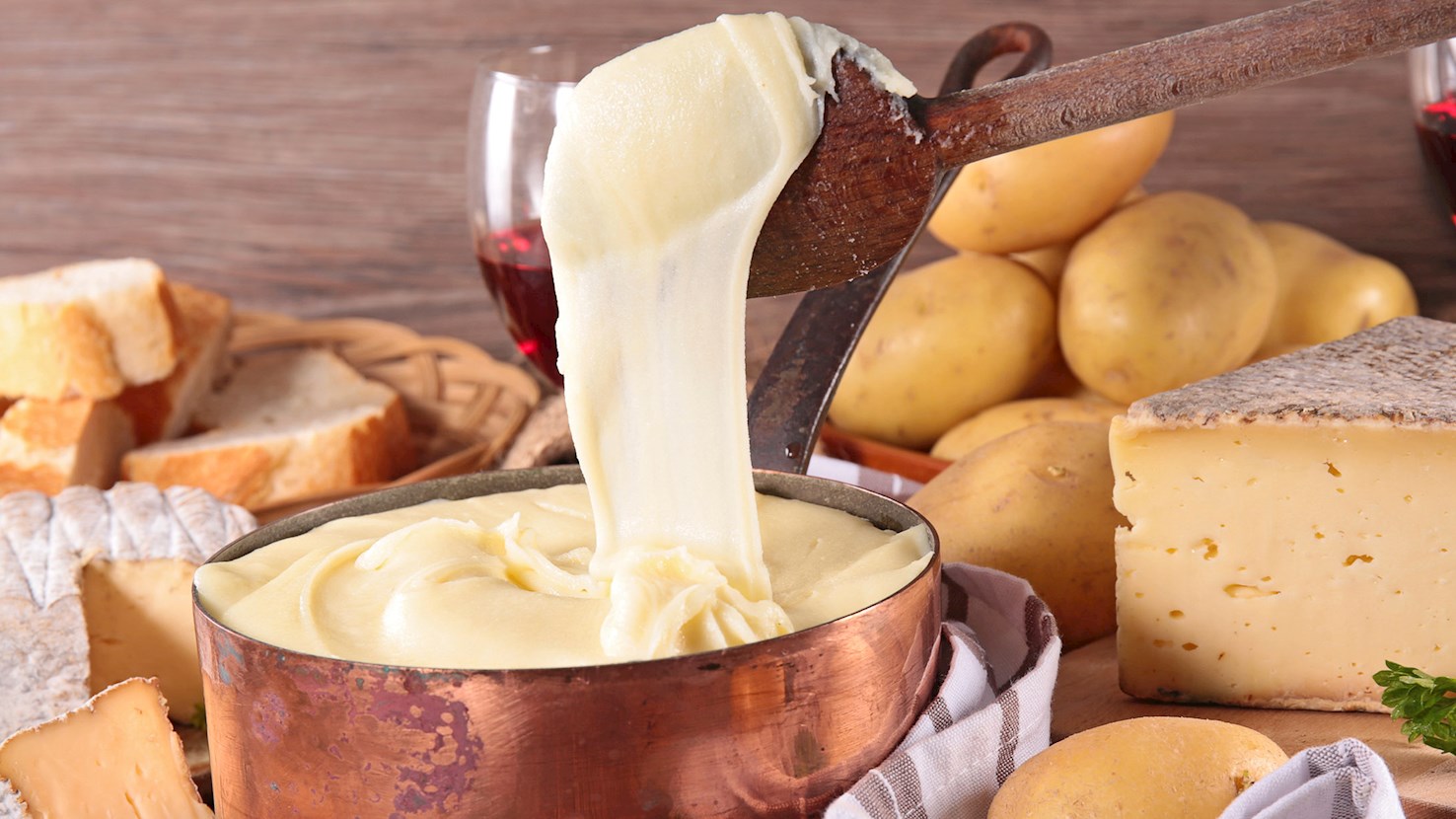
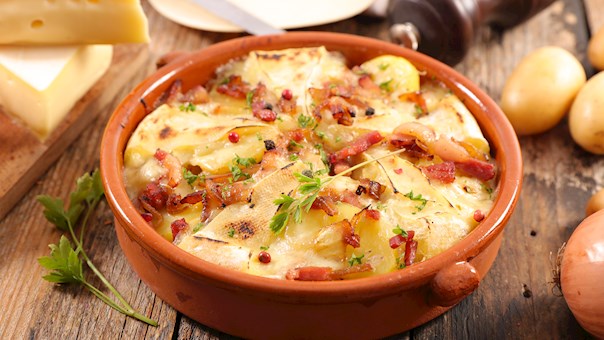
Cheesy mashed potatoes aligot dates back to the 12th century when it was invented by monks who initially made it with bread and not potatoes. Today, this once peasant dish is traditionally made with potatoes, tomme fraîche, crème fraîche, garlic, salt, and pepper. The preparation is simple and starts with cooking potatoes and garlic. The cooked potatoes are then passed through a ricer and mixed with crème fraîche until it turns into a sticky mass. Finally, grated tomme is added, and everything is mixed continuously over low heat for at least 10 minutes until the cheese has melted and you have a mass that falls off the spatula in long stretchy strands. Because it doesn’t have a pronounced flavor, aligot is usually paired with sausages or steaks but works well atop a bed of polenta or as a side to roasted vegetables.
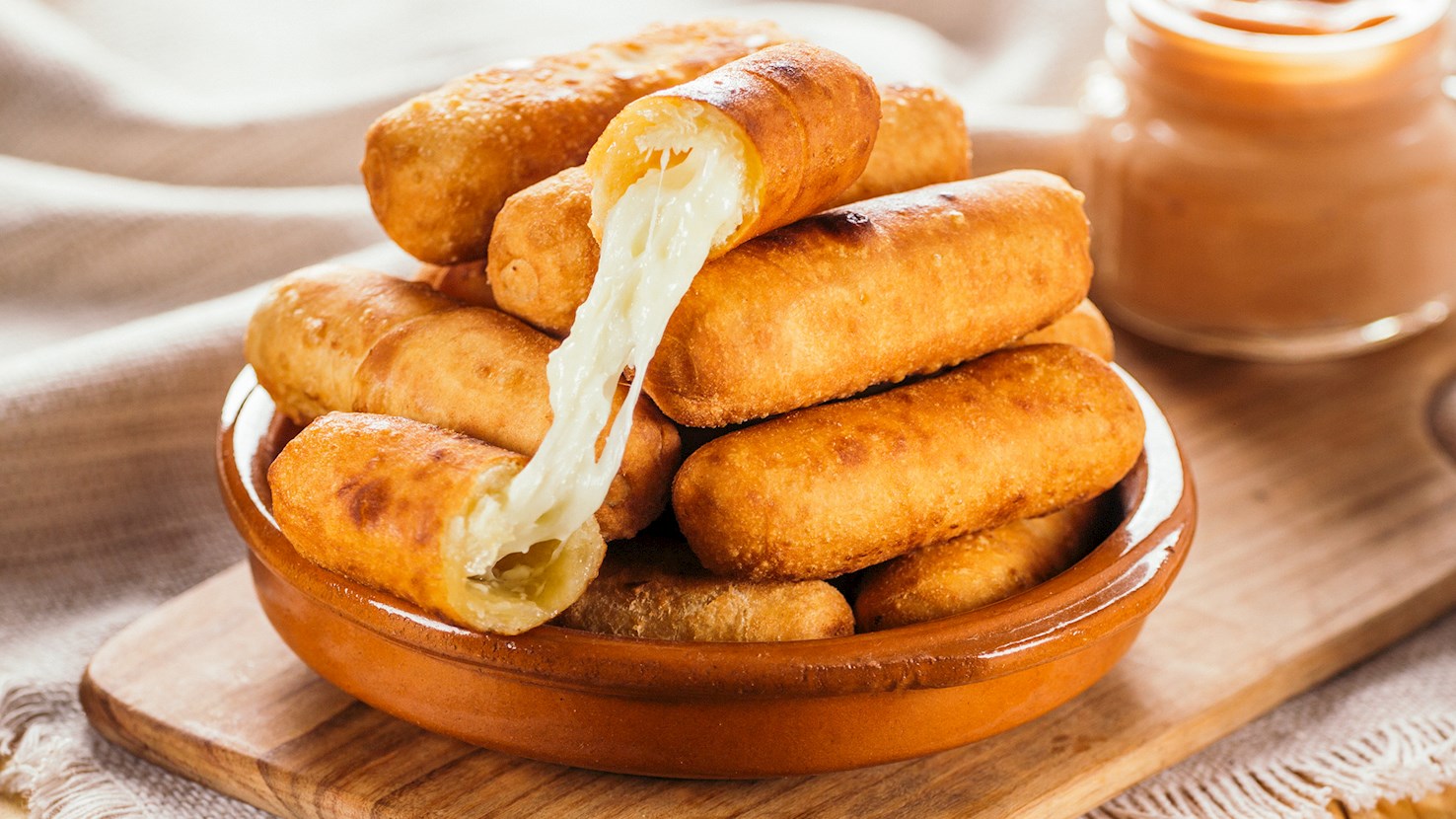
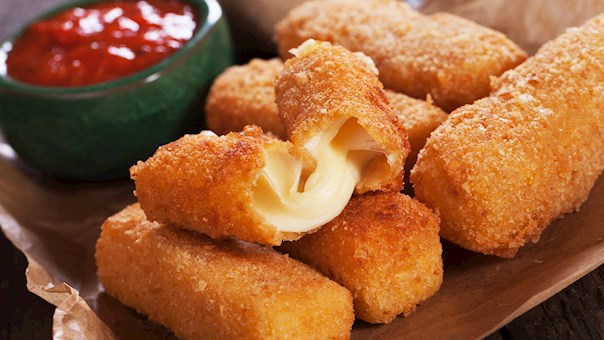
Declared the cultural heritage of Venezuela, tequeños are a popular Venezuelan snack or appetizer, consisting of a strip of queso blanco, traditionally queso Llanero (a firm, salty white cheese), wrapped in a thin strip of dough. These delicious cheese sticks are deep-fried until golden brown and crispy on the outside, while the cheese inside becomes warm and slightly melted. Tequeños are often served with various dipping sauces, typically the Venezuelan version of guacamole, guasacaca, making them a versatile and beloved treat at parties, gatherings, and restaurants. Apart from cheese, tequeños have other fillings as well, such as ham, ham and cheese, and cheese and spinach, for example. The tequeños with a ripe banana and cheese filling are known as tequeyoyo, while those wrapped in soft corn dough are tequeños de jojoto. Originally from Venezuela, tequeños have gained popularity across Latin America and other parts of the world, such as Spain for example.
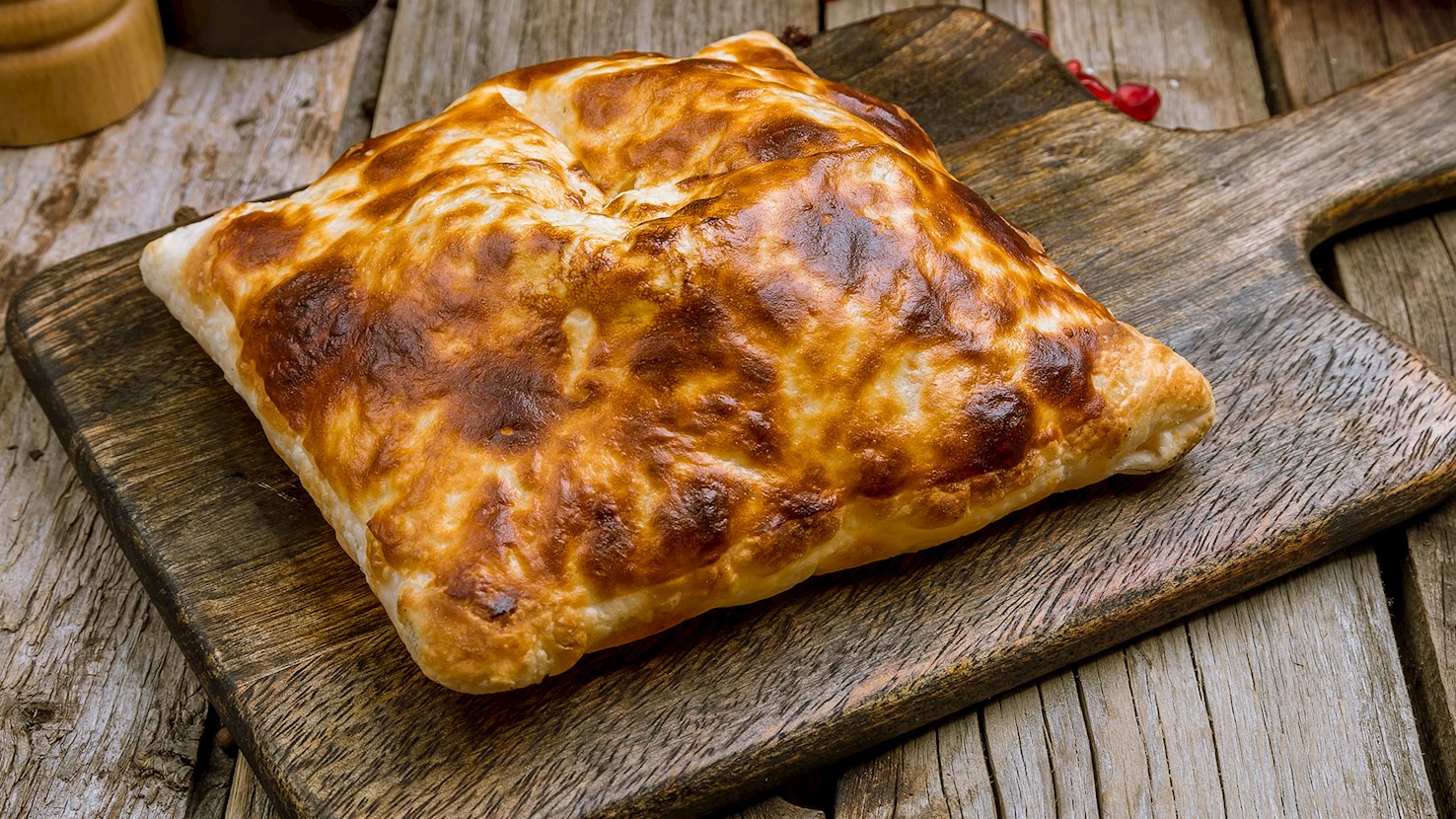
Penovani khachapuri stands out with its light, flaky puff pastry, promising a crisp bite that contrasts beautifully with the gooey cheese filling. The blend of traditional Georgian cheeses, or their suggested alternatives, melds perfectly within this golden pocket, making it an irresistible treat. Because the recipe calls for ready-made puff pastry, these khachapuris are really quickly made. The recipe makes 10 delicious parcels.
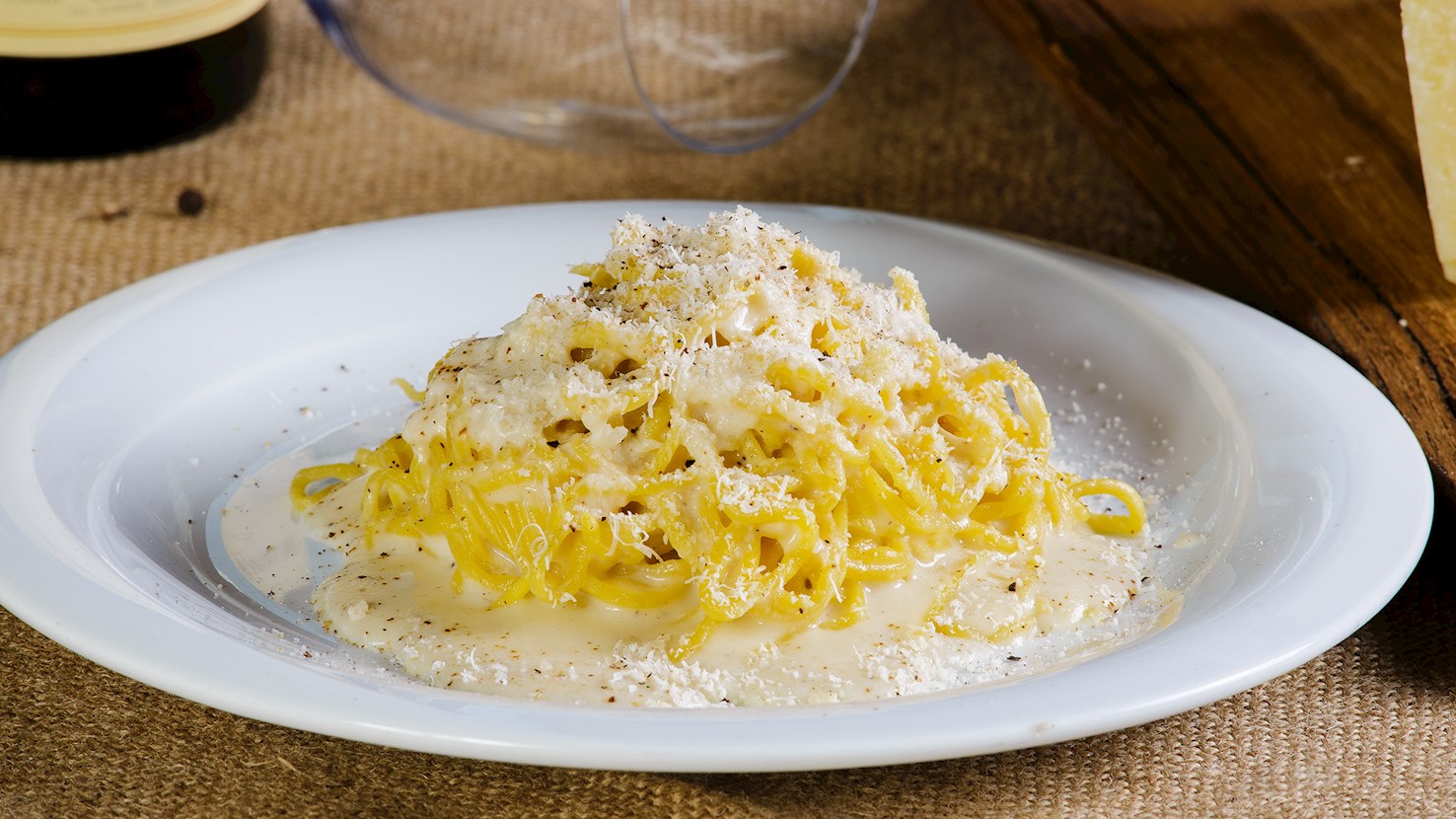
The basis of all Roman pasta dishes, cacio e pepe, is a simple primo piatto consisting of only three main ingredients: pasta, Pecorino Romano, and pepper, with pasta cooking water being the crucial fourth ingredient that's essential to make the sauce. However, although at first glance, a simple dish to make, the technique may take some practice to perfect, since the sauce has to be just right — that is, creamy, silky, and luscious. The secret lies in concentrating starch by cooking pasta in a small amount of water, which is then used to dilute the Pecorino Romano before it's stirred, off heat, together with pasta, ground pepper, and the rest of the water. As a finishing touch, once plated, and before serving, all that is required is a light sprinkling of pepper and, optionally, grated pecorino.
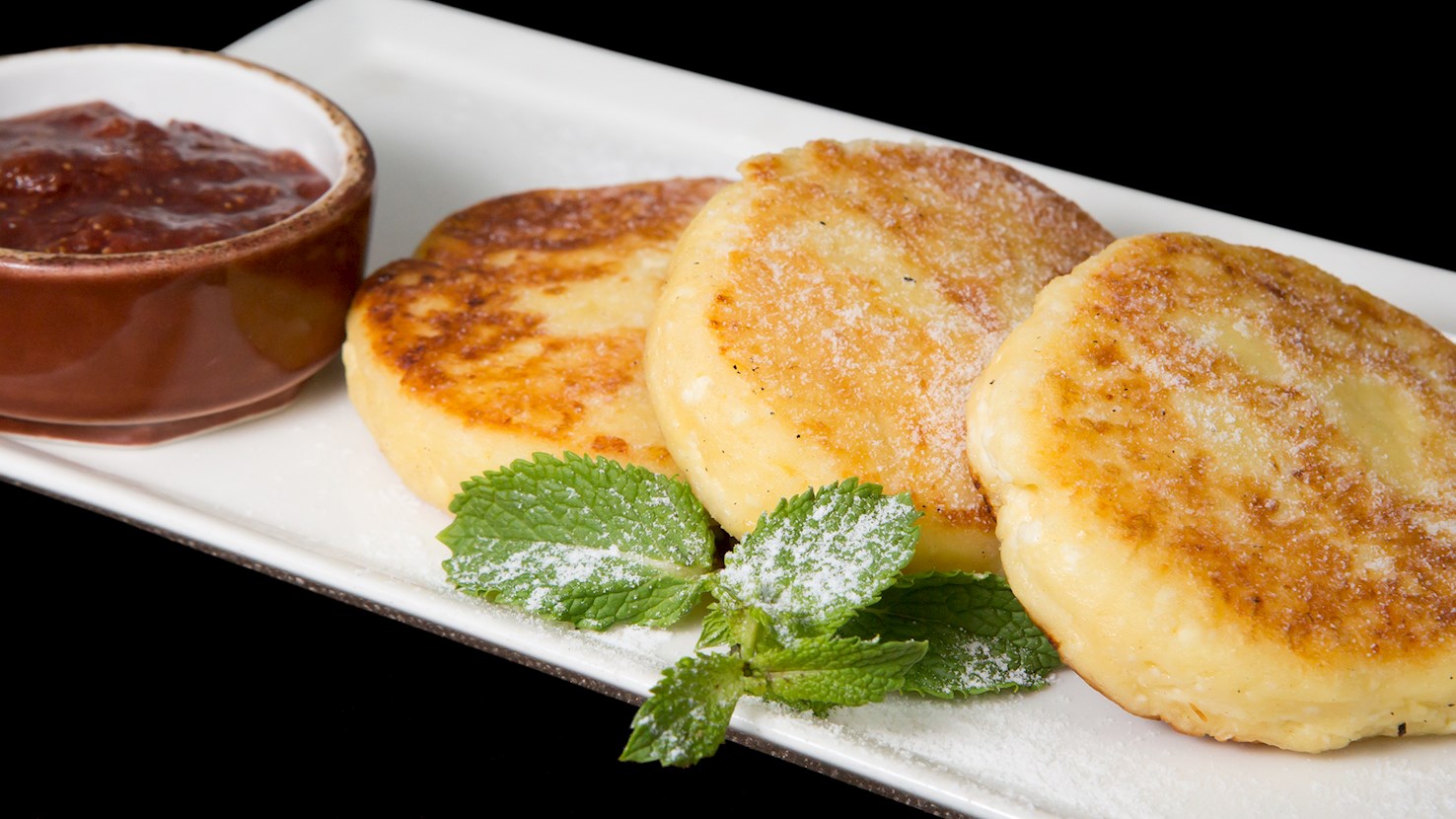
Syrniki, a beloved traditional Eastern European and particularly popular Russian breakfast treat, stand out for their unique combination of a rich texture and sweet flavor. These are not your typical pancakes found in Western cuisine, but rather, they are fried cheese pancakes. The star ingredient in syrniki is tvorog, a type of fresh cheese that can be compared to farmer's cheese or quark. It's similar to ricotta but denser and with a tangier taste, adding a distinct flavor to the dish. The cheese is mixed with eggs, flour, and often a bit of sugar and salt to form a thick batter. Additional flavorings like vanilla or citrus zest can be added for extra flavor. The mixture is then shaped into flat cakes or patties, which are coated in flour to give them a light crust. These patties are pan-fried in oil or butter until they are golden brown on both sides. Syrniki are traditionally served for breakfast or as a dessert. They are typically topped with sour cream, jam, honey, or fresh berries, which complement the pancakes' creamy texture and mild sweetness. Another popular topping is apple sauce, which adds a nice contrast to the richness of the cheese. Syrniki are beloved for their delightful combination of a crispy exterior and a soft, creamy interior, making them a cherished dish in the cuisines of Russia, Ukraine, and other Eastern European countries.
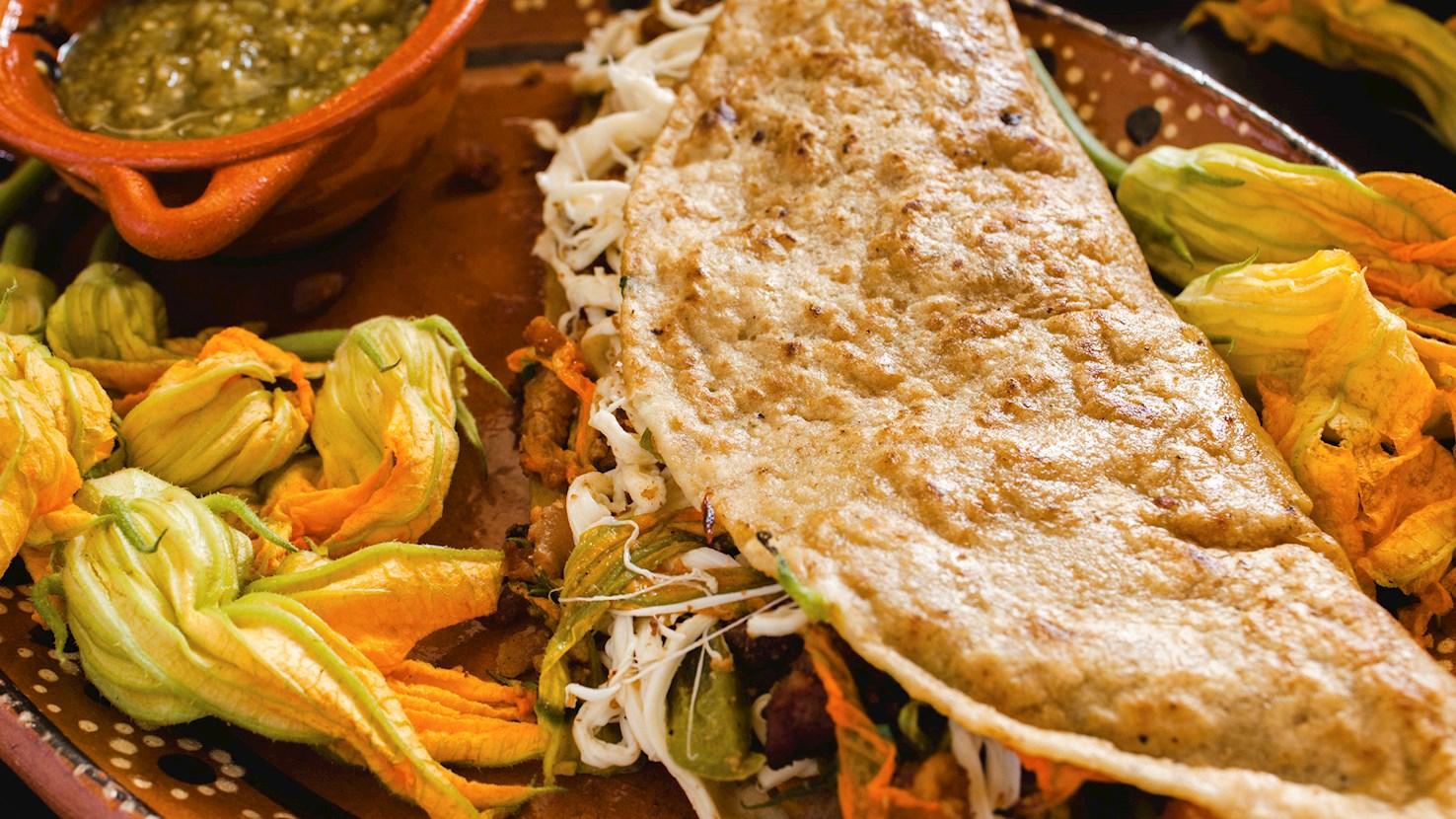
Ranging from basic to elaborate, quesadilla is a popular Mexican snack that was heartily embraced in the American southwest. The preparation starts with corn or wheat tortillas, which can be homemade or store-bought. Corn tortillas or tortillas de maíz are more common in most parts of Mexico, while wheat tortillas (tortillas de harina or tortillas de trigo) are predominant in the U.S. and northern Mexico. The preparation is simple. Flour, water, salt, and lard or shortening for the wheat variety, are mixed into an elastic dough, which is divided and rolled or pressed into flat discs. Tortillas are cooked shortly on both sides on a cast-iron griddle comal, after which they are ready to become quesadillas. The filling always contains cheese, preferably Mexican varieties such as queso Oaxaca or queso Chihuahua, which melt well when heated. Additional ingredients are virtually endless — fresh or leftover meat, poultry, sausages, seafood, mushrooms, fresh vegetables, potatoes, chili peppers, herbs, and spices. The filling is arranged on half of the tortilla, which is then folded into a half-moon shape and cooked shortly on a comal, so it browns evenly on both sides. The quesadillas are served hot with sauces and condiments like red or green salsa, sour cream, guacamole, fresh vegetables, and lettuce.
TasteAtlas food rankings are based on the ratings of the TasteAtlas audience, with a series of mechanisms that recognize real users and that ignore bot,
nationalist or local patriotic ratings, and give additional value to the ratings of users that the system recognizes as knowledgeable.
For the “Top 23 Cheese Dish Recipes” list until June 17, 2026, 16,498 ratings were recorded, of which 10,887 were recognized by the system as legitimate.
TasteAtlas Rankings should not be seen as the final global conclusion about food. Their purpose is to promote excellent local foods,
instill pride in traditional dishes, and arouse curiosity about dishes you haven’t tried.