shutterstock

Top 100 Asian Condiments

Last updated on September 02, 2026

Best Asian Condiment Types
01

Bawang goreng

4.6 ·

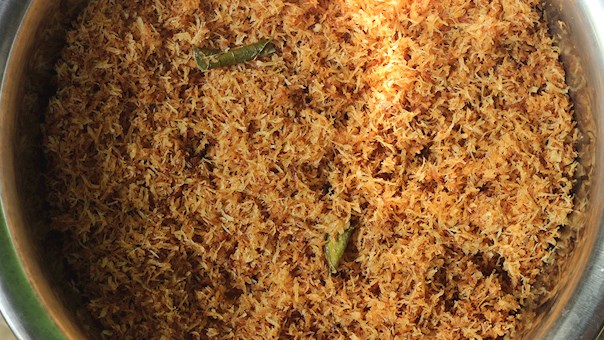
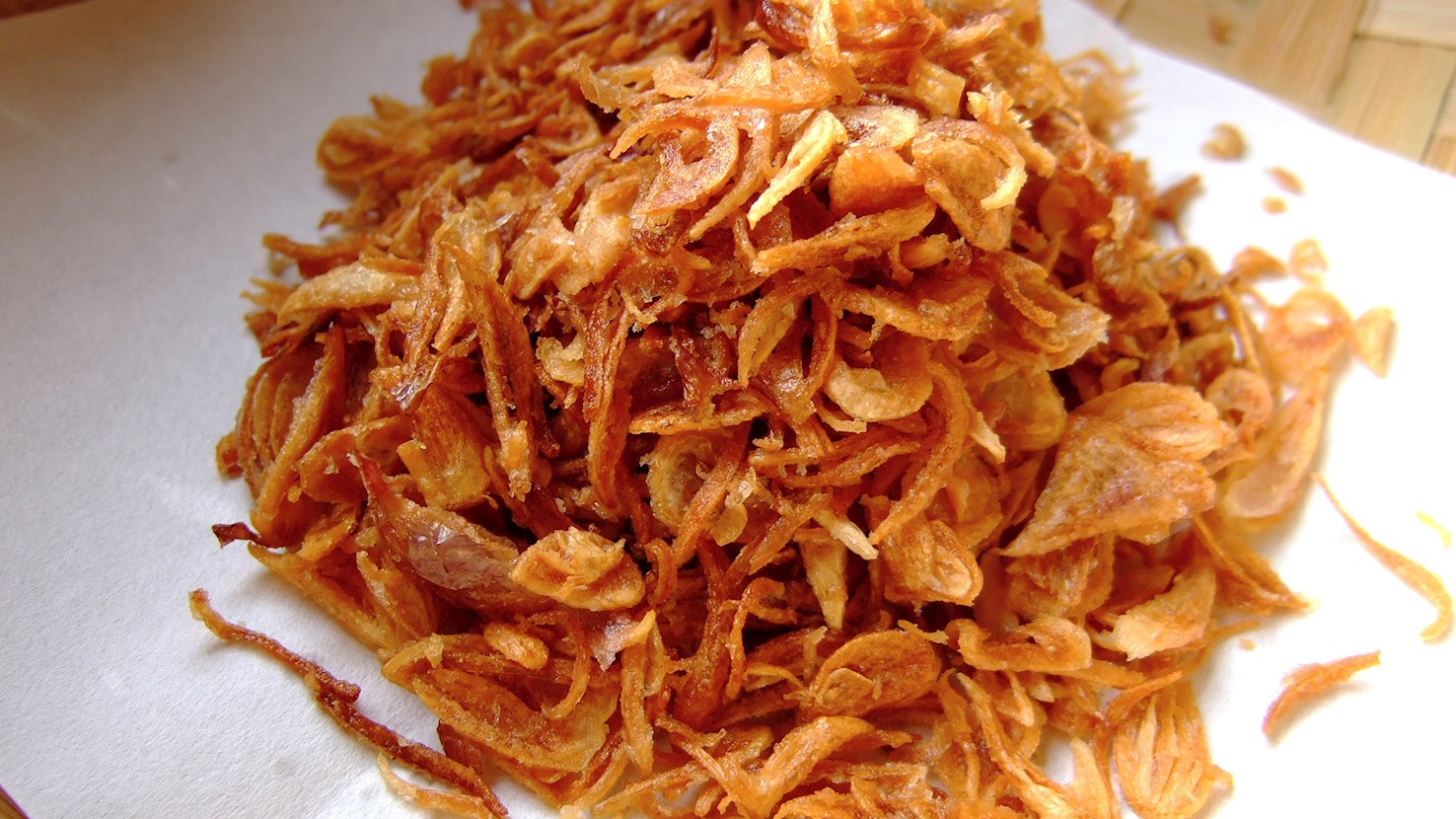
Bawang goreng is a traditional condiment. It's made by deep-frying thinly sliced shallots in oil until the shallots become crisp and golden. The flavor is described as bitter and savory. Once prepared, this condiment is usually stored in airtight jars for later use. It's sprinkled over various Indonesian dishes such as nasi goreng, chicken satay, bakso, semur, and sop buntut. Bawang goreng can be bought at most Indonesian supermarkets and grocery stores.

02

Shèng chóu (Light soy sauce)

4.4 ·

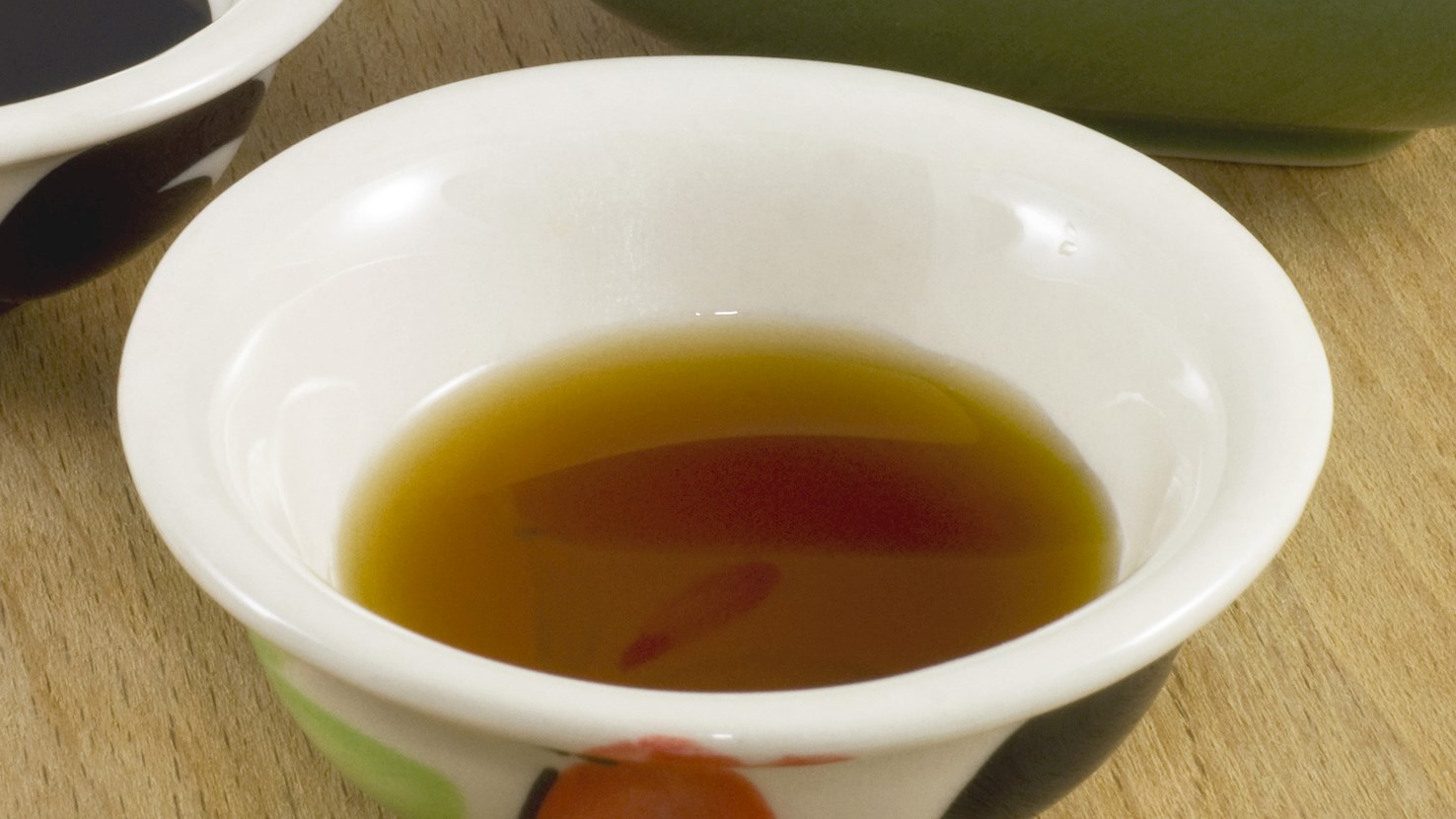
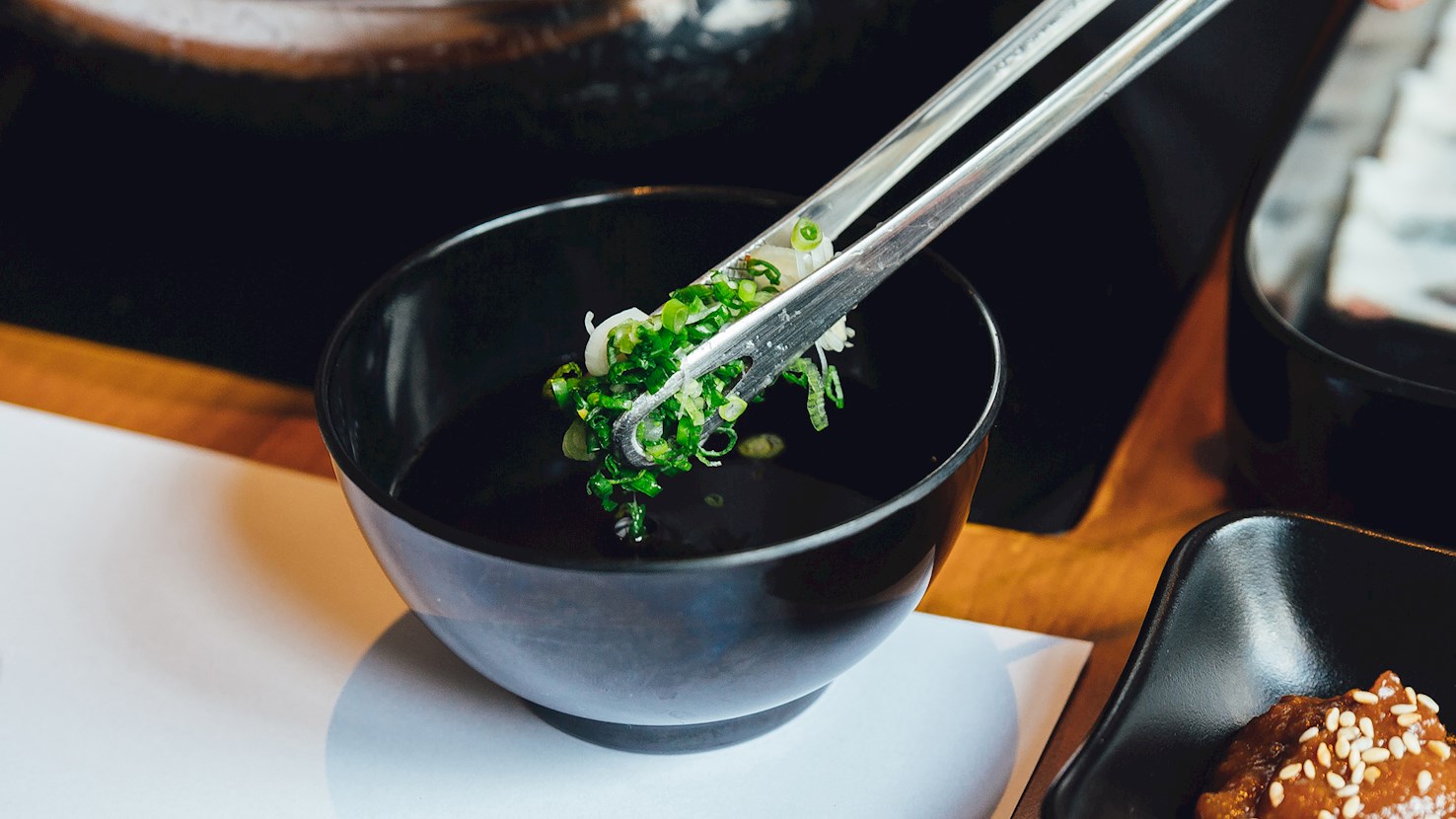
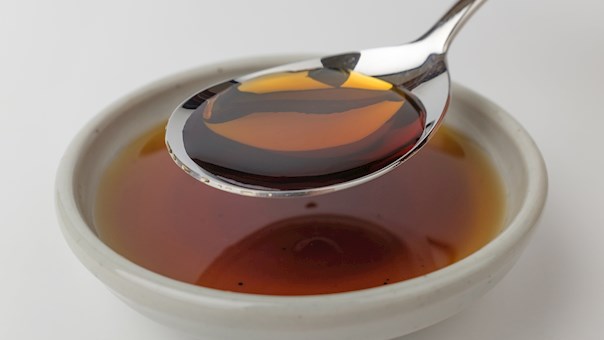
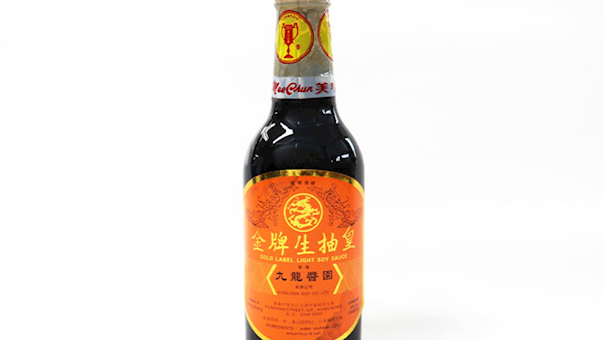
Light soy sauce or shèng chóu is a translucent, thin-bodied fermented liquid condiment made from soybeans, wheat, salt, and water. The emergence of this specific liquid can be traced back to the widespread use of soybean pastes in the Han and Tang dynasties, where the savory liquid byproduct was eventually siphoned off and developed into a standalone seasoning. Unlike meat-based sauces used in earlier eras, this legume-based alternative gained prominence due to its high glutamic acid content and its suitability for diverse dietary requirements across East Asia. Preparation begins with steaming soybeans and mixing them with roasted wheat to serve as a growth medium for Aspergillus oryzae or Aspergillus sojae molds. This mixture, known as qū, is then submerged in a brine solution and kept in large fermentation vats, often exposed to sunlight to facilitate the enzymatic breakdown of proteins into amino acids. The light version is the first extract taken from this process, harvested after several months of aging before any significant thickening or darkening occurs. A specific property of light soy sauce is its high sodium concentration combined with a low viscosity, which allows it to penetrate food surfaces quickly without altering the natural color of the ingredients. It is served both as a fundamental seasoning during the cooking process and as a cold dipping sauce. It is most frequently eaten with steamed seafood, blanched vegetables, and dumplings, where it provides a sharp, salty umami profile. Functional food pairings include white-fleshed fish, which benefit from the sauce's ability to highlight delicate flavors, and lean meats like chicken. Beverage pairings include lightly oxidized oolong teas or pale lagers, which provide a crisp finish that cleanses the palate of the high salt content inherent to the condiment.

03

Dou ban jiang (Chili bean paste)

4.3 ·

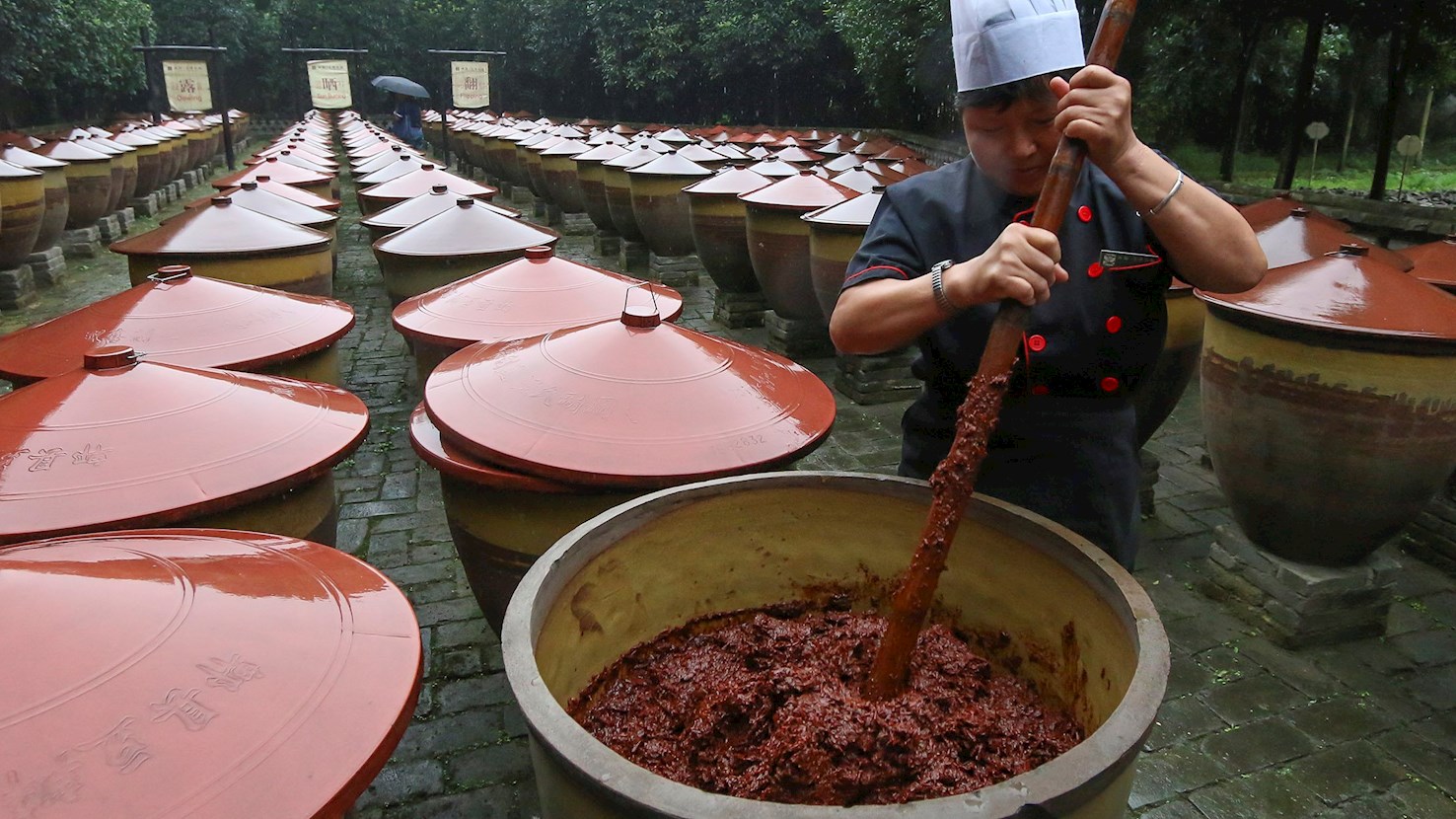
Traditionally, Sichuan's doubanjiang is a paste made from fermented broad beans, salt, chilis, and sometimes wheat flour. The ingredients are mixed and then placed in large clay pots to mature for at least a year while being daily hand-stirred. Depending on the maturation time, spanning from one to eight years, the paste will differ in color, texture, and flavor, ranging from bright red to a dark reddish-brown color. Mature doubanjiang will also have a much spicier and saltier flavor. The sauce which is often dubbed the soul of Sichuan cuisine is an important element in various dishes, most notably mapo doufu and twice-cooked pork. Asian cuisine has various fermented bean pastes made from soy beans, all of which are commonly titled as doubanjiang but only the bean paste prepared in Sichuan province is the authentic version. This bean paste has two subvarieties; one made with red oil, which is brighter and milder, and the other one produced in the town of Pixian, which is darker and with a more pungent taste.

04

Jiàng yóu (Soy sauce)

4.3 ·

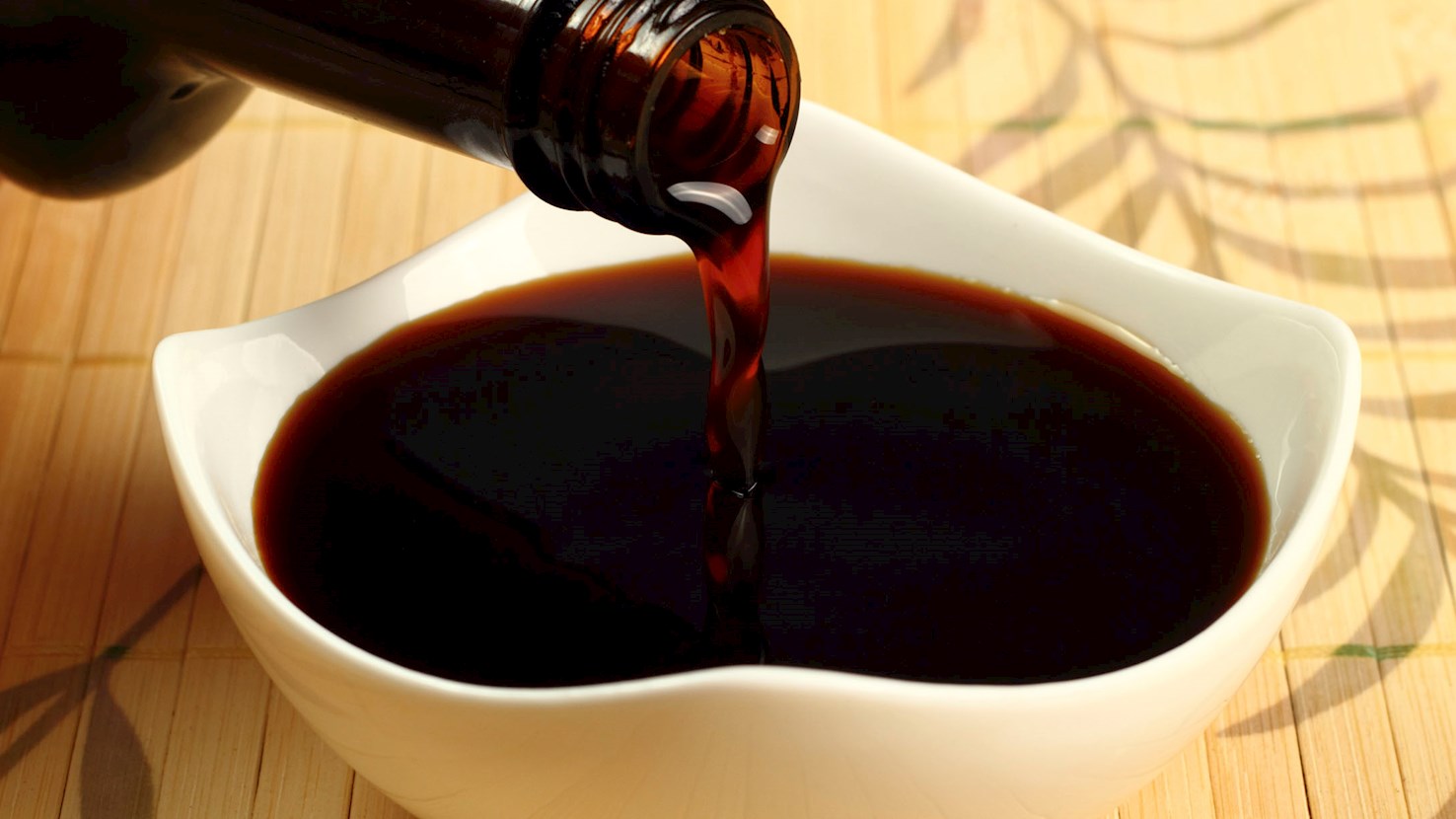
Soy sauce or jiàng yóu is a fermented liquid condiment produced from soybeans, wheat, salt, and water, originating in China during the Han Dynasty. It evolved from ancient meat-based fermented pastes known as jiàng, which transitioned toward a legume-based production model due to the increasing availability of soybeans and the influence of vegetarian Buddhist practices. The development reached a technological plateau during the Song Dynasty, where the liquid byproduct was systematically separated from the solids to create a refined seasoning. Preparation begins with steaming soybeans and roasting wheat, which are then inoculated with a mold culture, typically Aspergillus oryzae or Aspergillus sojae, to create kōji or qū. This mixture is combined with a saltwater brine and transferred to fermentation vats where enzymes break down the proteins into amino acids and the starches into simple sugars over a period of several months to years. The resulting liquid is extracted, pasteurized, and filtered to produce light soy sauce (shèng chóu), or aged further with the addition of molasses to create dark soy sauce (lǎo chóu). A specific chemical property of jiàngyóu is its high concentration of glutamic acid, which triggers the umami taste receptors on the human tongue. Unlike many other fermented condiments, high-quality jiàng yóu relies on the Maillard reaction occurring slowly at ambient temperatures to develop its dark pigmentation and complex aroma compounds. The condiment is used both as a cooking ingredient and a table seasoning across every province of China and throughout the global Chinese diaspora. It is utilized in the "red braising" technique to provide color and savory depth to proteins, and it is frequently served as a dipping sauce for dumplings or cold appetizers. Common food pairings include steamed fish, where the salinity of the sauce enhances the delicate flavors of the seafood, and stir-fried vegetables where the sugars in the sauce undergo caramelization. For beverage pairings, jiàng yóu-heavy dishes are often accompanied by Shàoxīng rice wine, which shares similar fermentation metabolites, or roasted oolong teas that provide a tannic structure to balance the savory intensity of the fermented soy.

05

Lǎo chōu (Dark soy sauce)

4.2 ·

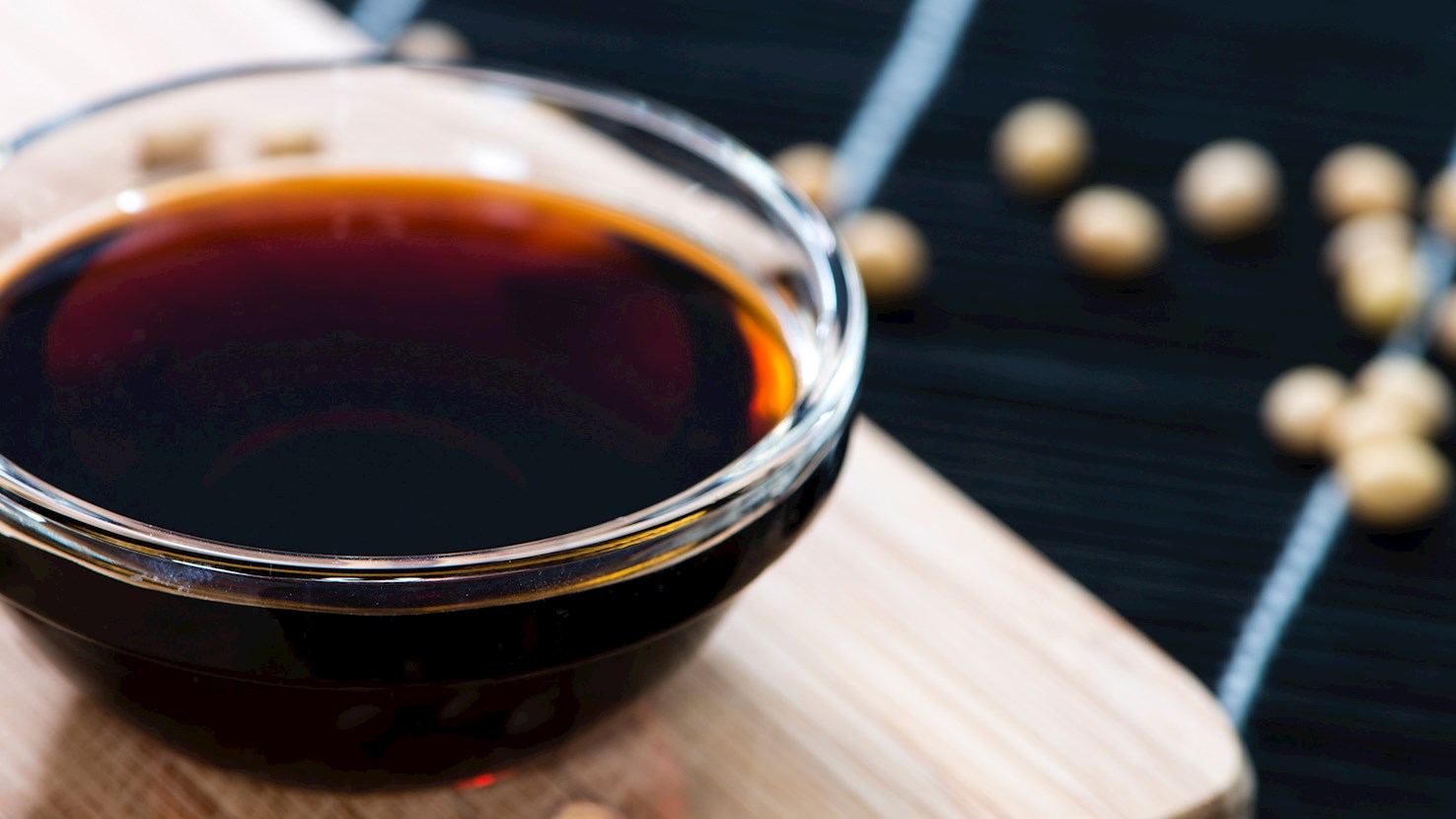
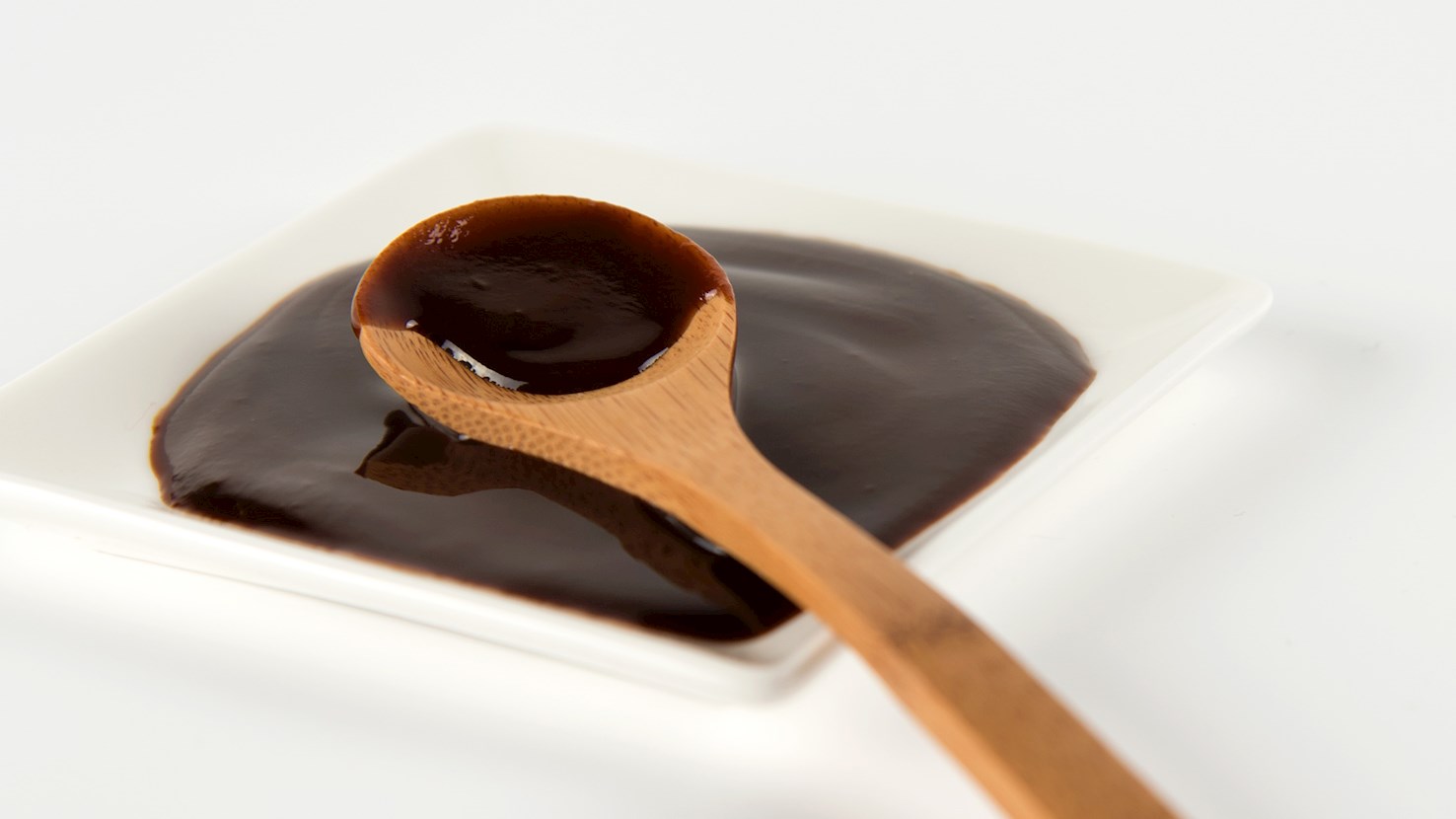
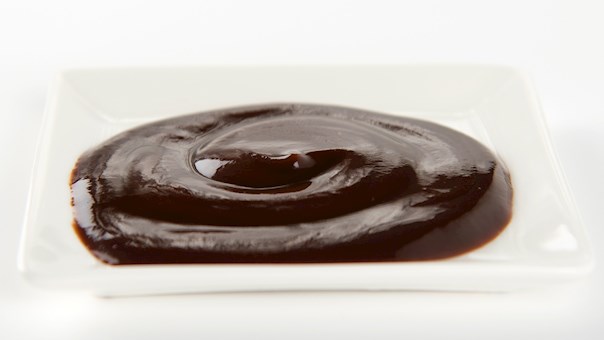
Dark soy sauce, known in Mandarin as lǎo chóu, is a viscous, fermented condiment that is primarily used to impart a deep mahogany color and a savory-sweet depth to cooked dishes. Its development followed the establishment of light soy sauce as a primary seasoning, appearing as a specialized derivative through extended maturation and the addition of specific thickening agents. The manufacturing process begins with a base of fermented soybeans and roasted wheat, which undergoes a significantly longer aging period than standard soy sauce, often ranging from several months to years. During this time, a non-enzymatic browning known as the Maillard reaction occurs between the amino acids and reducing sugars, resulting in the development of complex aromatic compounds and a naturally darker pigment. Most commercial versions are further modified through the inclusion of molasses or caramel color, which increases the total dissolved solids and creates a syrup-like consistency that is capable of adhering to the surfaces of proteins and starches. A specific property of dark soy sauce is its lower salt concentration relative to light soy sauce, despite its more intense visual appearance and pungent aroma. It contains a high concentration of nitrogenous compounds and esters that provide a "sauce-like" and slightly smoky flavor profile when exposed to high heat. The condiment is served almost exclusively as a cooking ingredient rather than a table seasoning, utilized most notably in the "red braising" (hóngshāo) technique to glaze meats. It is also a critical component in stir-fried noodle dishes like beef chow fun, where it provides the characteristic dark color and a subtle caramelized sugar notes. Functional food pairings include fatty meats like pork belly, where the sauce's acidity and savory notes balance the lipid content, and starchy vegetables like potatoes or taro. For beverage pairings, the robust and earthy profile of dark soy sauce is complemented by aged Shàoxīng rice wines or full-bodied black teas, such as Pu-erh, which share similar fermentation-derived metabolites.

06

Gochujang

4.2 ·

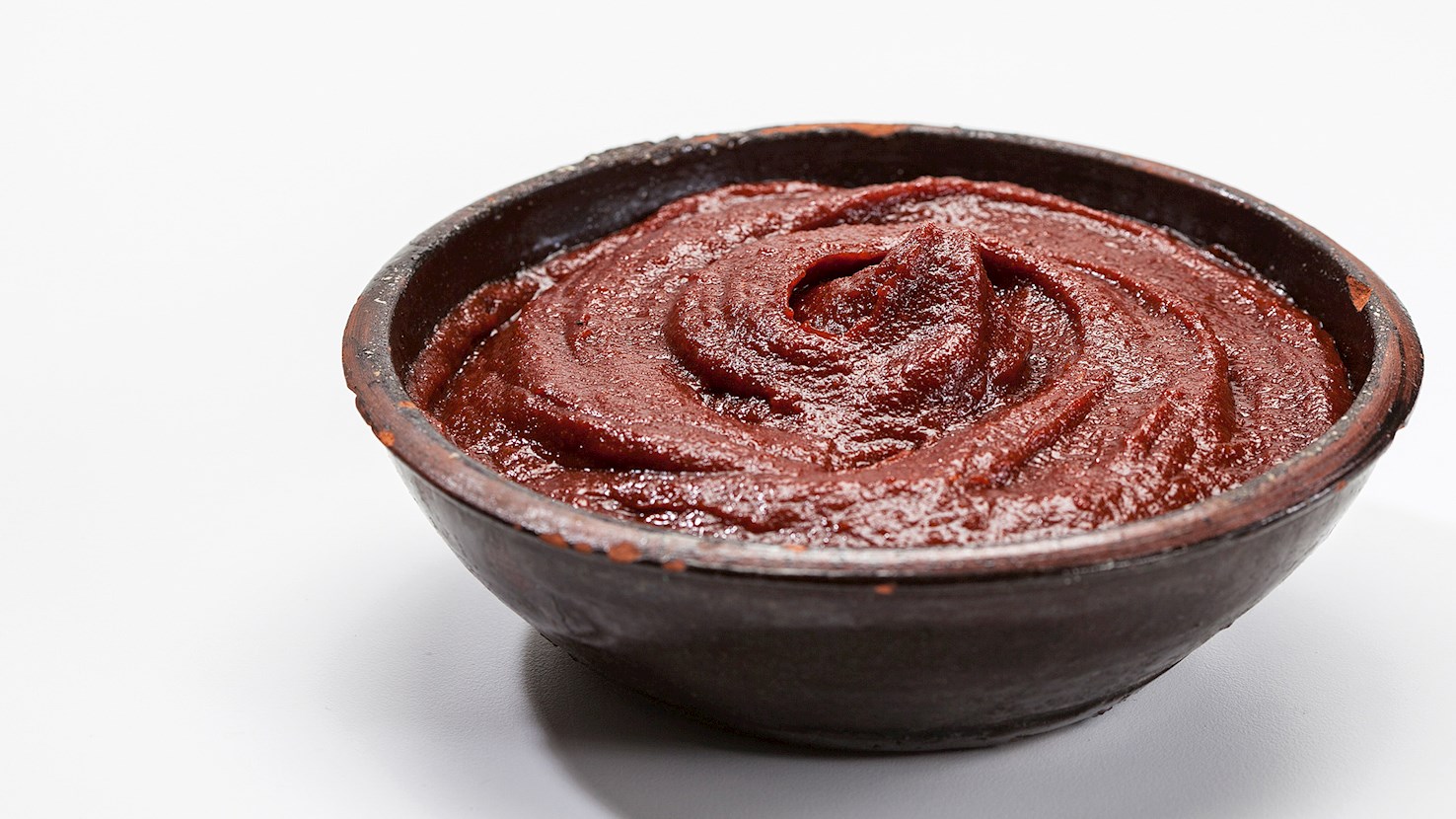
One of the essential ingredients in South Korean cuisine is a spicy, thick, and concentrated gochujang paste. In its basic form, it is made with a combination of gochugaru (fine chili powder made from a specific type of gochu chili pepper), meju (fermented soybean powder), salt, and glutinous rice. The combination of these fine powders is then left to ferment for several months, or even longer. Because of its popularity, many regional varieties appear throughout the country. Gochujang was first mentioned in writing in 1614, but it is believed that it existed prior to that. The paste is used either as a condiment or a cooking ingredient in soups, stews, sauces, and marinades. The most popular dishes made with it include kimchi, budae-jjigae, bibimbap, tteokbokki, and many other. Traditionally, like other jang dishes, this spicy chili paste is fermented in onggi vessels—a type of earthenware that lets air inside and it that way allows fermentation.

07

Kecap manis (Sweet soy sauce)

4.1 ·

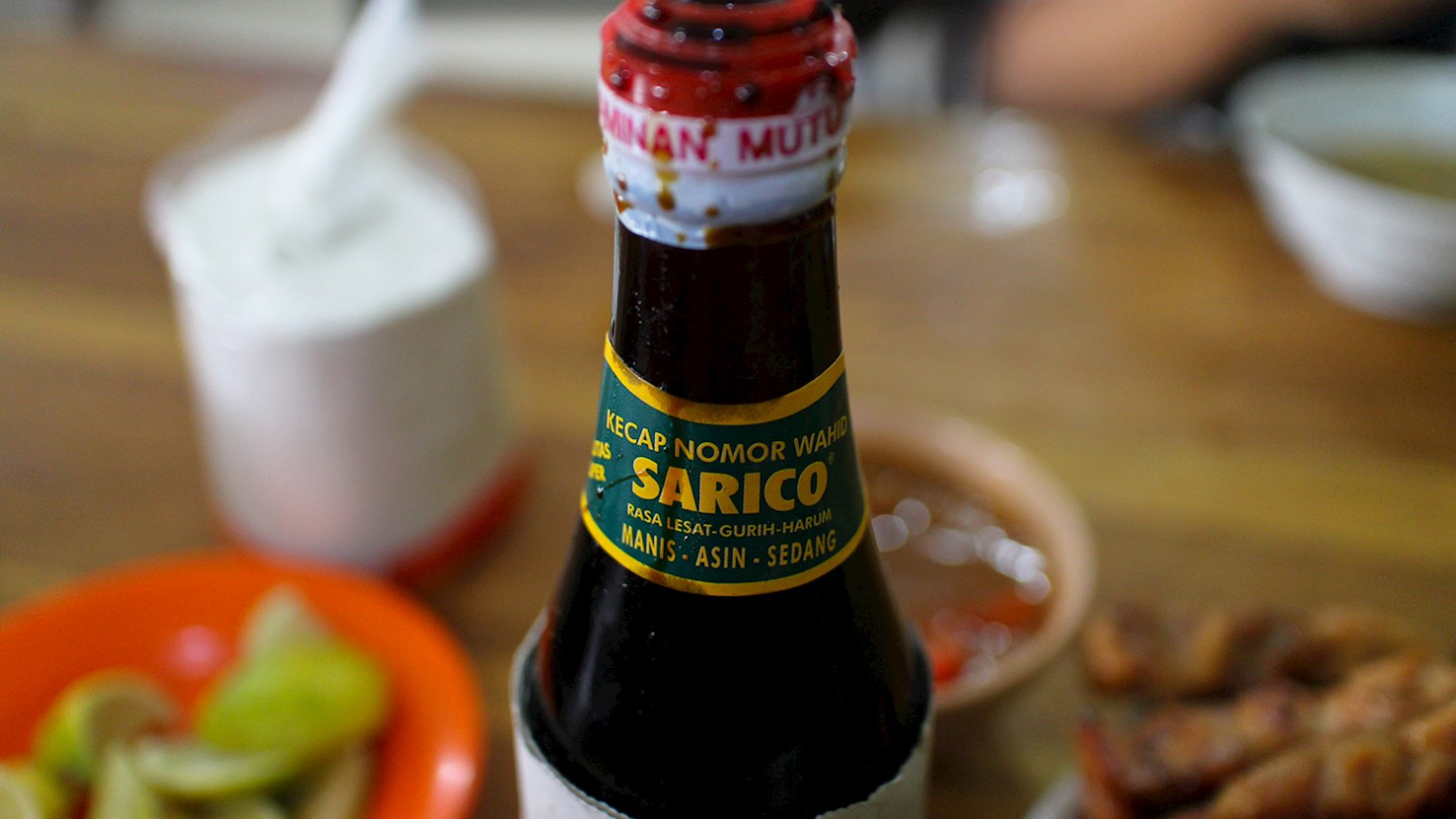
Kecap manis is a sweetened, syrupy soy sauce originating from the island of Java in Indonesia, distinguished by its high sugar content and viscous texture. The development of this condiment occurred following the introduction of soy sauce by Chinese immigrants to the Indonesian archipelago, where the local abundance of palm sugar led to the adaptation of the savory original into a sweet variant suited to the regional palate. By the mid-19th century, commercial production was established in cities like Tangerang and Kudus, utilizing specific local ingredients that deviated from continental Asian soy sauce formulas. Preparation begins with the standard fermentation of black soybeans and roasted grain in a brine solution using Aspergillus molds to create a savory base known as kecap asin. This liquid is then boiled with a high ratio of gula jawa, or coconut palm sugar, often reaching up to 50 percent of the final volume, which creates a thick, molasses-like consistency through caramelization and moisture reduction. During the boiling phase, aromatics such as star anise, galangal, lemongrass, and cloves are frequently added to the mixture to infuse it with botanical volatile oils. A specific property of kecap manis is its ability to act simultaneously as a seasoning and a glaze due to the high density of complex sugars which undergo the Maillard reaction rapidly when exposed to high heat. It is served as a fundamental base for marinades, a finishing glaze for grilled meats, and a table condiment. The sauce is consumed daily throughout Southeast Asia, forming the core flavor profile of national dishes such as nasi goreng and mie goreng, and is often served alongside sate as a dipping sauce combined with bird's eye chilies and shallots. Food pairings involve savory and spicy proteins like grilled chicken or lamb, where the sweetness of the sauce mitigates the heat of capsicum, and fermented soy products like tempeh. Beverage pairings include jasmine tea, which provides a floral astringency to cut through the sugar density, or refreshing citrus-based drinks like es jeruk to balance the deep, earthy umami of the caramelized soy.

08

Ponzu

4.1 ·

Often dubbed as Japanese vinaigrette, ponzu is a Japanese condiment that uses rice vinegar and citrus juice, usually lemon, sudachi, lime, or yuzu (the most traditional option), as its base. Additional ingredients may include sugar or mirin (rice wine), dry seaweed, and dashi stock. Soy sauce is occasionally also used as an ingredient, and the condiment is then usually called ponzu shoyu. This tangy combination is usually served as a dipping sauce, but it can also work well in marinades, or as a salad dressing. The condiment is often made at home, but bottled versions are also readily available. It is believed that the name ponzu originates from a Dutch word pons, which roughly translates to citrus juice.

09

Miso

4.1 ·

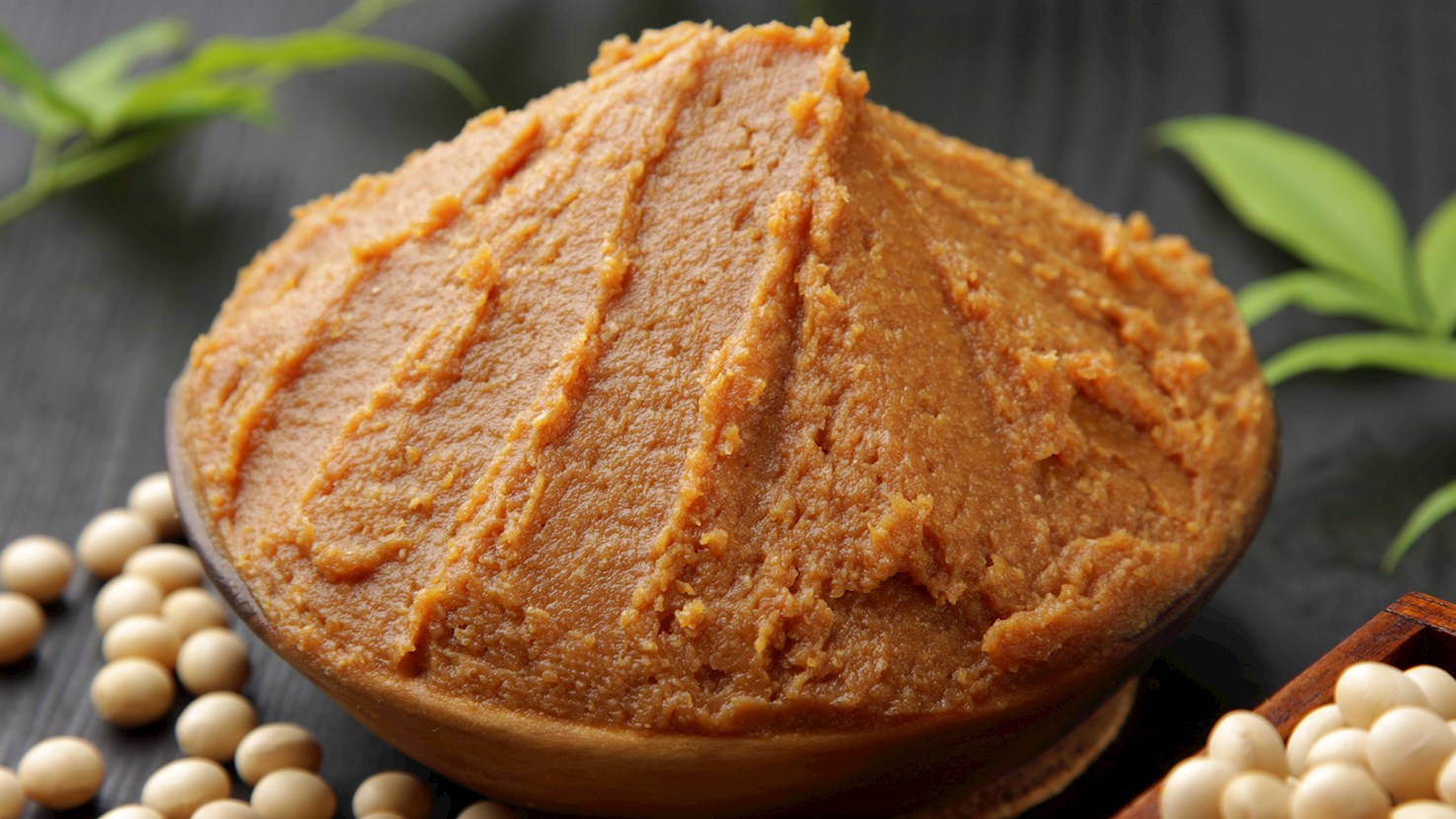
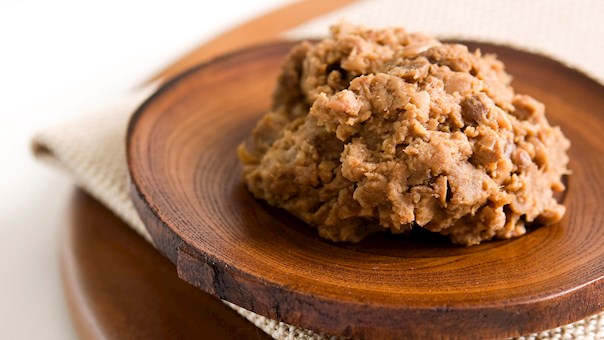
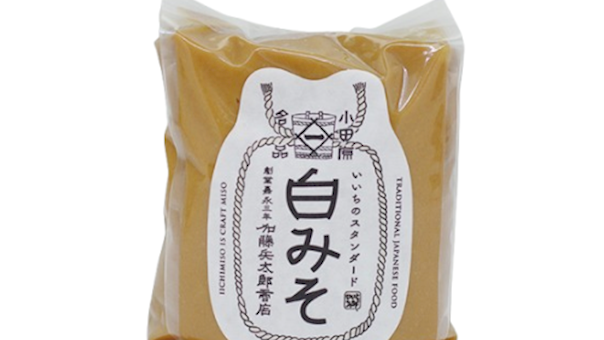
Miso is a Japanese paste made by fermenting soybeans with salt, the fungus kōji, and occasionally rice, barley, and water. It is regarded as the most popular Japanese condiment and seasoning, commonly used to flavor soups, stews, sauces, spreads, and salad dressings. There are numerous miso varieties which differ in the length of the fermenting process and ingredients, resulting in different flavor of the products. The three basic types include the rice-based miso, referred to as kome, the barley miso, known as mugi, and the soybean mame miso. Other types include the mixed variety chougou, the long matured akamiso, and the famous shiromiso, which is white in color and also the most popular variety consumed in Japan. Although today it is traditionally associated with Japan, miso is believed to have Korean or Chinese origins. Some historians believe that the predecessor of miso was jiang, a traditional Chinese fermented paste which was brought to Japan in the 6th century. It was renamed as miso and soon became the Japanese favorite. The whole development process was somewhat unfamiliar to the Japanese until the arrival of European scholars. They were the ones who studied the process of production, the ingredients, and the social importance of miso. Initially, miso was consumed by the lower classes and was especially popular in the Northeast, where each family produced their miso paste. Up until the mid-20th century, miso rose in popularity and was commercially produced by numerous factories. However, due to government actions and the effects of the Second World War, its importance diminished for a shorter period, but only to continue its growth after the 1980s, when it became an internationally recognized product, especially favored in Singapore, United States, and the Netherlands. For the Japanese, the production of miso is an art form, and it is treated as one of the most important Japanese products. Although it is used in sauces, simmered dishes, and as a tofu topping, the most famous dish incorporating this flavorful condiment is the authentic Japanese miso soup.
10

Dou chi jiang (Black bean sauce)

4.0 ·

Black bean sauce, also known as douchi sauce, is a popular condiment in Chinese cuisine. It's made with fermented and salted black soybeans, which are used to give the sauce a strong, savory, and slightly bitter flavor. The beans are typically mashed and mixed with other ingredients such as garlic, ginger, sugar, and soy sauce to create a rich, thick sauce. Black bean sauce is often used in stir-fry dishes, marinades, and as a base for other sauces. It's particularly known for its use in dishes such as mapo tofu, black bean chicken, and jjajangmyeon, a Korean-Chinese noodle dish. The unique taste of black bean sauce brings a depth of flavor to dishes that is often described as "umami," a fifth basic taste that is best described as savory.

Best Asian Condiments

01

Lê Gia

5.0 ·

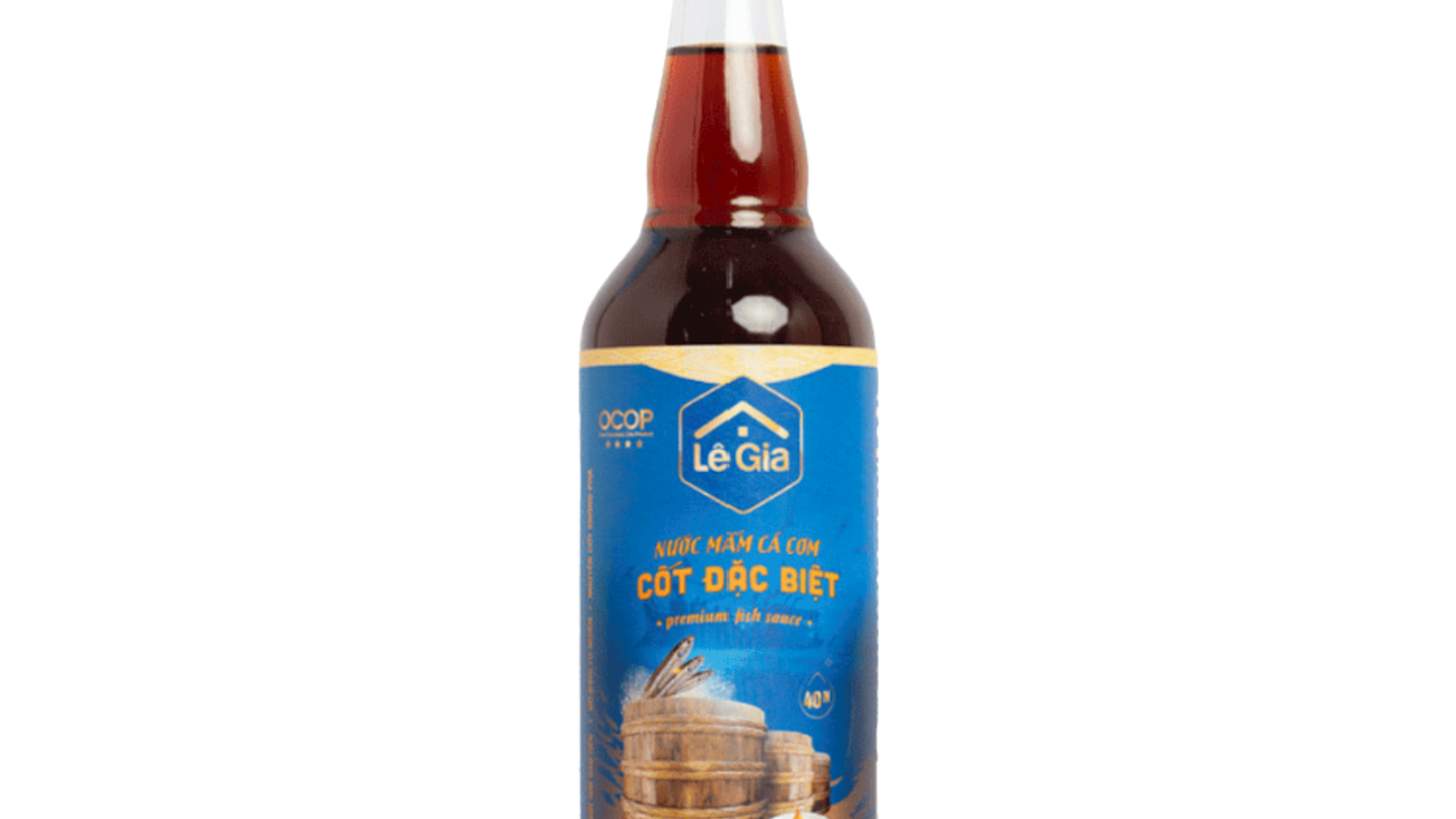
Lê Gia is a Vietnamese producer of traditional fermented condiments based in the coastal district of Hoằng Hóa in Thanh Hóa Province. The brand was founded in 2015 by Lê Ngọc Anh with the aim of preserving the heritage of Khúc Phụ village which has been associated with fish sauce production for more than two centuries. Its core product is fish sauce made from fresh anchovies and pure sea salt without added water, flavor enhancers or preservatives. The fish are salted immediately after being caught to preserve their natural quality. The mixture is then matured in large traditional wooden barrels for 18 to 24 months. After fermentation the first-press sauce is extracted and develops a clear amber color, a pronounced umami character and a mildly sweet finish. The producer also blends liquid from several barrels to achieve a consistent flavor in the finished product. In addition to fish sauce the range includes fermented krill paste, shrimp sauce, fermented fish products and other condiments characteristic of Vietnamese cuisine. The company works with local fishermen and salt producers which helps preserve the traditional livelihoods of the coastal community. Since 2024 the Lê Gia production complex has also been recognized as a tourist destination where visitors can learn about the history and production of traditional fermented sauces.

02

Kakukyu Hatcho Miso

5.0 ·

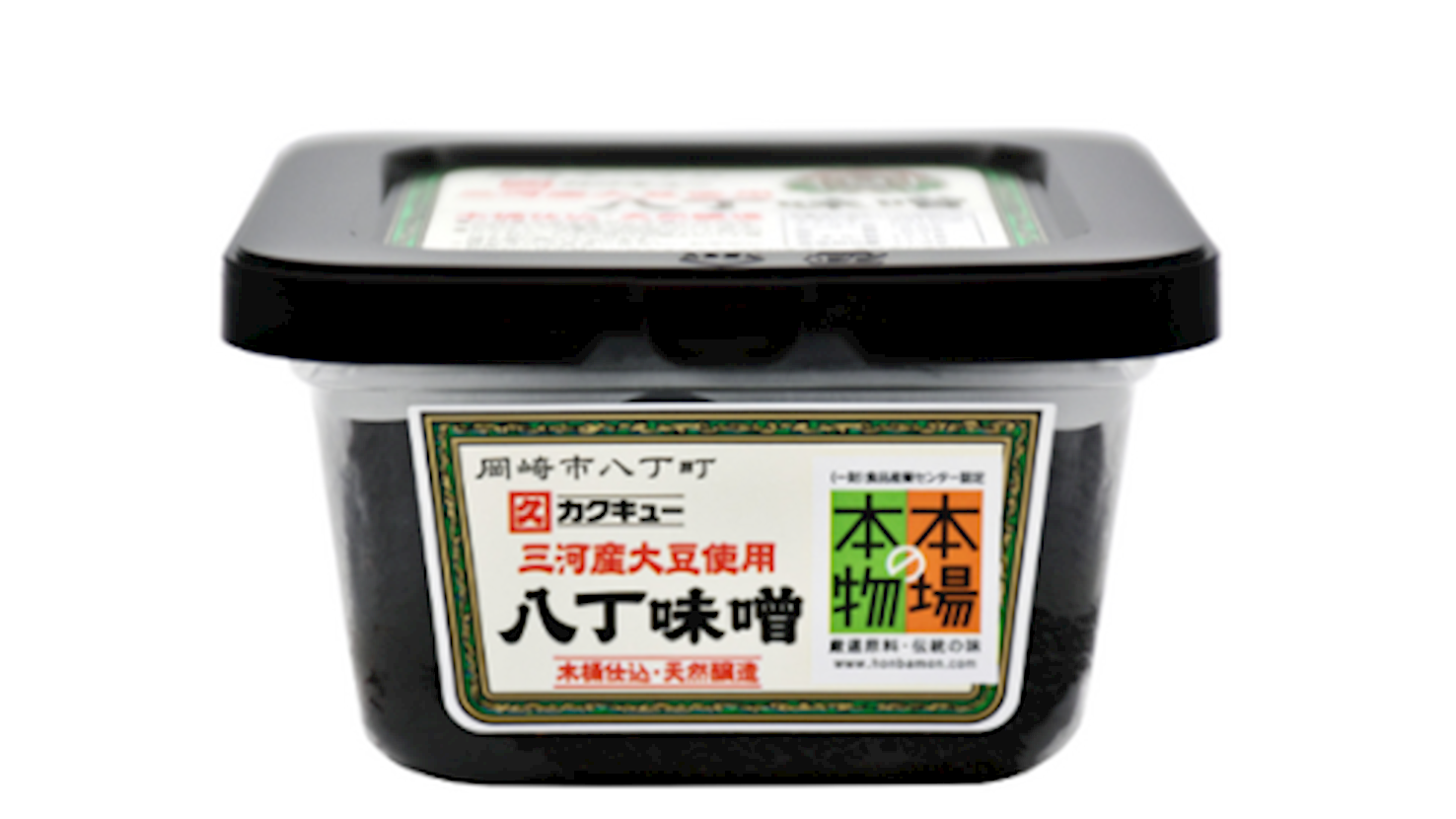
Kakukyu has been producing Hatcho miso since 1645 and is today one of the last remaining guardians of this traditional method. This miso paste is made exclusively from soybeans and salt, without the addition of rice or barley, making it unique among other types of miso.

The fermentation process lasts for at least two years in large wooden barrels, with heavy river stones placed on top of the miso to naturally develop its complex flavors and preserve its authentic texture. The result is a dense, dark reddish-brown paste with an intense umami flavor, complemented by subtle notes of acidity and mild bitterness.

Due to its depth and richness, Kakukyu Hatcho Miso is used in many traditional dishes from the Nagoya region - such as miso soup, dote-ni, miso udon, or miso katsudon - and is increasingly found in modern fusion recipes, even in desserts like chocolate creams. Kakukyu masterfully combines centuries-old tradition with contemporary quality standards, making it a recognized and respected brand among lovers of authentic Japanese cuisine around the world.

03

Sichuan Pixian Douban

5.0 ·

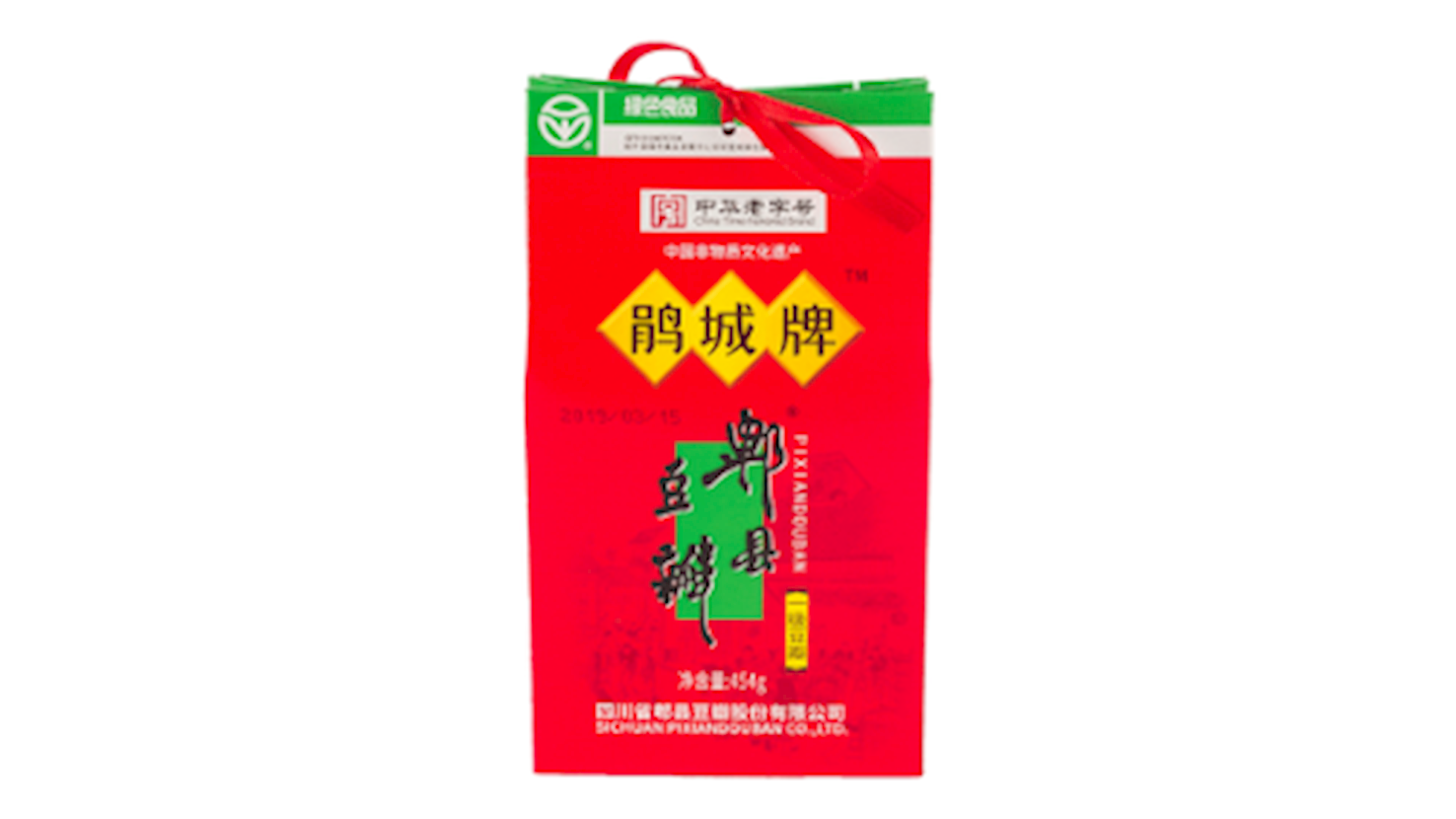
Sichuan Pixian Douban is a historic brand from Pidu District (formerly Pixian) in Sichuan Province, known for producing traditional doubanjiang made from fermented fava beans and chili peppers. Its production dates back to the 17th century, giving the brand an exceptional heritage and a strong connection to the local climate and microbial environment that shape the fermentation process.

The core of their method involves long, natural sun-fermentation, the use of the local Erjingtiao chili variety, and aging in clay vessels, resulting in a deeply layered, umami-rich flavor profile. The brand holds a protected geographical indication, ensuring that the paste originates directly from Pixian and follows traditional, region-specific techniques.

It is recognized for its thick texture, visible bean-and-chili structure, and a distinctive aroma that cannot be reproduced through industrial shortcuts. Because of its authenticity, Pixian douban is considered the benchmark for Sichuan cuisine and the foundation of classics such as Mapo tofu and twice-cooked pork.

Despite partial modernization of the industry, the brand continues to uphold original methods that preserve the unique character of natural fermentation. This combination of tradition, terroir, and craftsmanship makes Sichuan Pixian Douban one of China’s most respected and influential producers of doubanjiang.

04

Haitian

5.0 ·

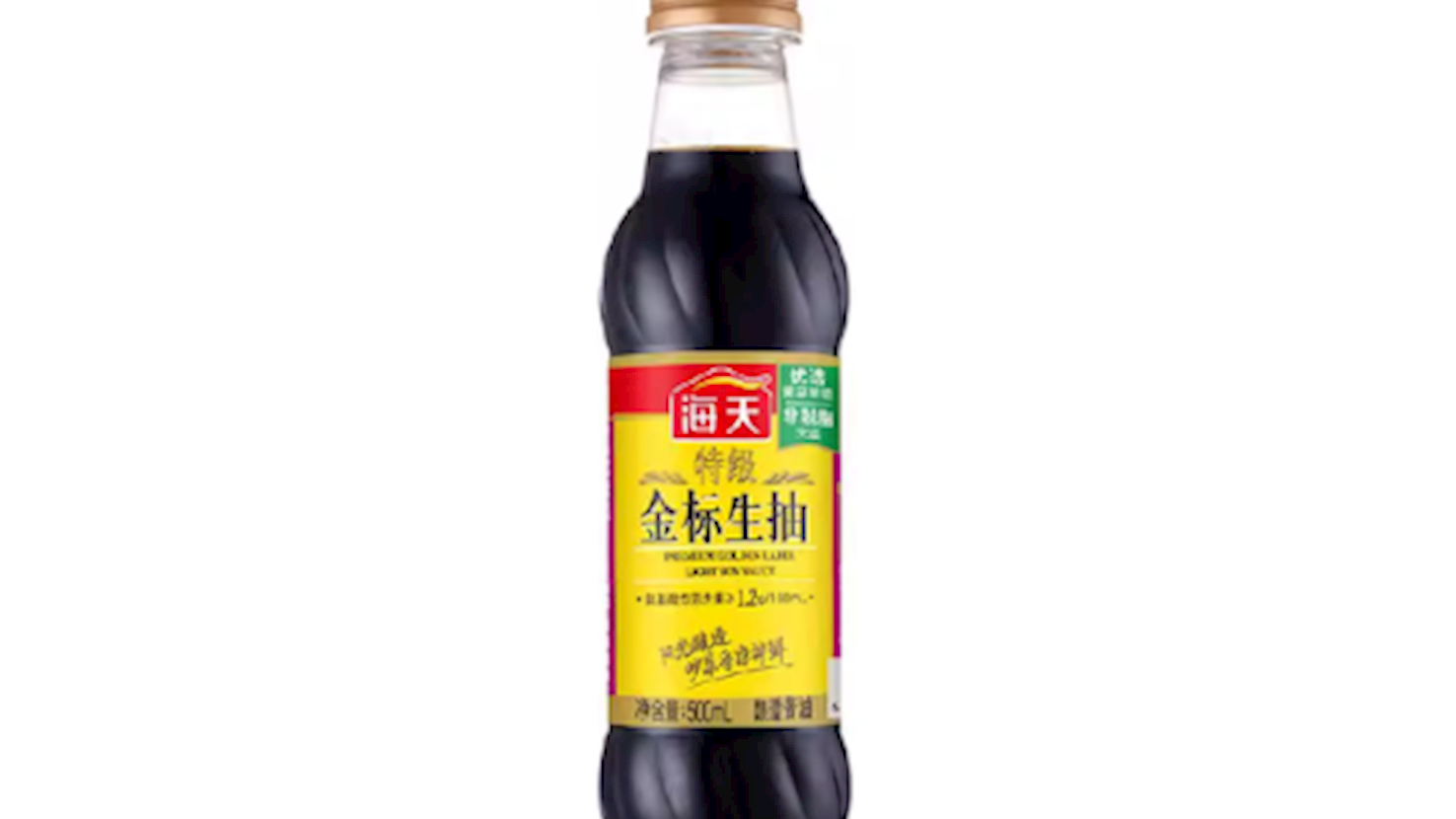
Haitian is China’s largest producer of soy sauce, oyster sauce, and other fermented seasonings, with roots that trace back to traditional workshops of the 16th century in Foshan, Guangdong Province. Its product range covers a broad selection of seasonings - from various types of light and dark soy sauce to oyster sauce, marinades, and modern ready-to-cook sauces designed for global markets.

Haitian is regarded as a benchmark brand in its category due to its consistent quality, adaptability to both domestic and international consumers, and continuous technological innovation in production. The brand has a strong export presence and serves as one of the key gateways for introducing authentic Chinese flavors to international gastronomy.

05

Thuần Chay Gò Công

5.0 ·

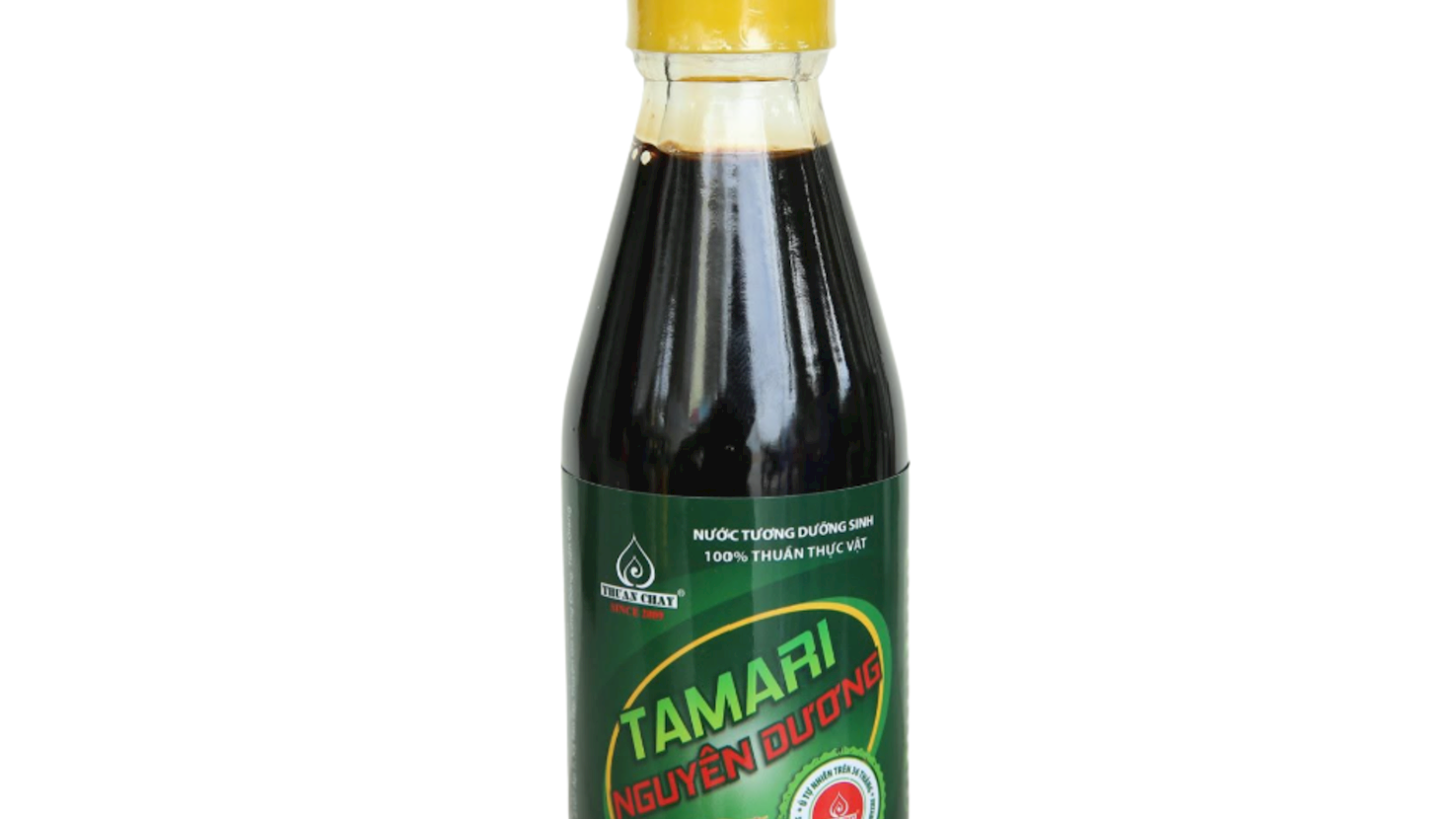
Thuần Chay Gò Công is a Vietnamese producer of fermented soybean products based in the Gò Công Đông district of the Mekong Delta. Its production facility is located in Tân Tây commune in Tiền Giang Province. The company specializes in soy sauces and fermented pastes intended for vegetarian diets. Production is based on a traditional manual fermentation process that lasts more than 36 months for certain products. The primary ingredients are soybeans, sea salt, and water, while red beans and brown glutinous rice are also used to make the fermented paste. During maturation, the products are exposed to natural temperature fluctuations, sunlight, and humidity. This process contributes to their pronounced aroma, dark color, and complex balance of salty and sweet flavors. Thuần Chay Gò Công is a small regional producer whose identity is built around extended fermentation and the preservation of traditional soybean-processing methods.

06

Pat Chun

5.0 ·

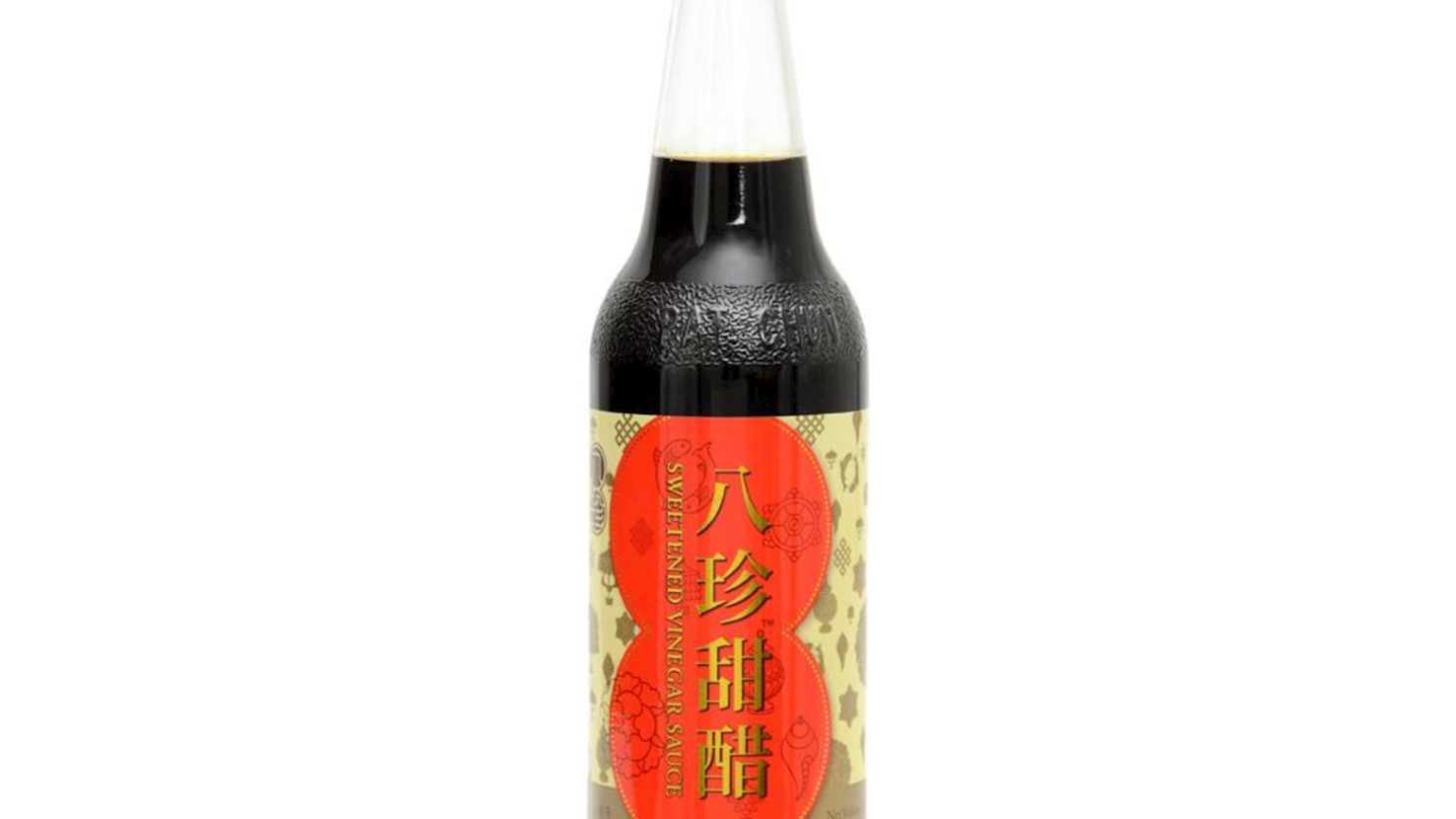
Pat Chun is a Hong Kong family-owned producer of fermented sauces, vinegars, and traditional food products, founded in 1932. The brand was established by Ng Wai Sum, who continued the culinary tradition inherited from his father, a renowned Cantonese chef. Since its founding, the company has specialized in producing vinegars and sauces using traditional natural fermentation methods, with many of its products still made through extended aging without the use of preservatives or artificial flavor enhancers. Over more than nine decades, Pat Chun has become one of Hong Kong's best-known food brands, particularly recognized for its sweet vinegar, premium soy sauce, and other fermented condiments. Today, its portfolio includes more than one hundred products, ranging from various types of vinegar and soy sauces to cooking sauces, pickled vegetables, seasonings, traditional festive specialties, and mooncakes. Production remains based in Hong Kong, where the company continues to apply natural aging techniques that are deeply rooted in Chinese culinary tradition.

07

Thuận An

4.9 ·

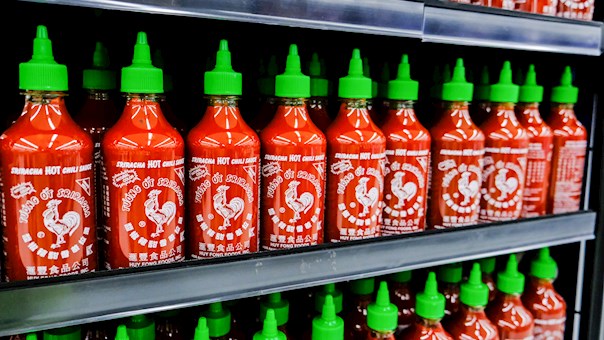
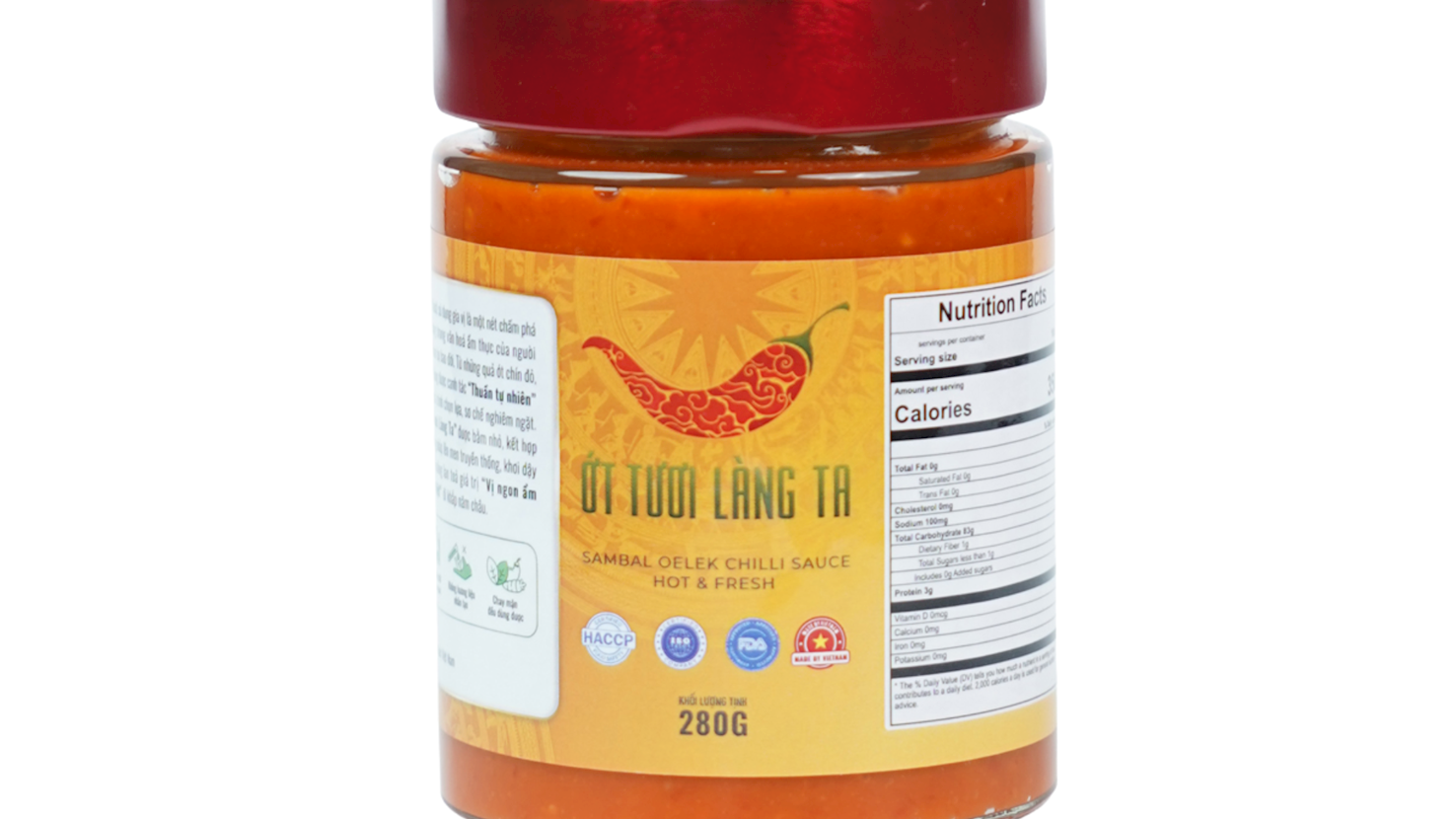
Thuận An is a Vietnamese agricultural cooperative based in Tân Đông Hiệp Ward in Ho Chi Minh City. It was officially registered in July 2025, with Nguyễn Văn Trọng listed as its legal representative. The cooperative processes chili peppers and produces condiments under the Làng Ta brand. Its range is primarily based on sauces made from fresh chili peppers sourced from controlled farms. Ripe red peppers are selected before processing to ensure a consistent flavor and suitable level of heat. Natural fermentation is the defining feature of the production process, developing more complex aromas and mild acidity. Some varieties are aged for 12 months. Depending on the recipe, additional ingredients include rice vinegar, sugar, salt, and garlic. The range includes classic fermented chili sauce, sriracha-style sauce, and coarsely chopped chili peppers with garlic. These products differ from typical sweet industrial chili sauces through their stronger emphasis on the flavor of fermented peppers. Thuận An also provides contract manufacturing services for other brands. The Làng Ta product line existed before the formal establishment of Thuận An and was previously associated with the Tam Nông Việt Nam cooperative.

08

Tâm Đức

4.9 ·

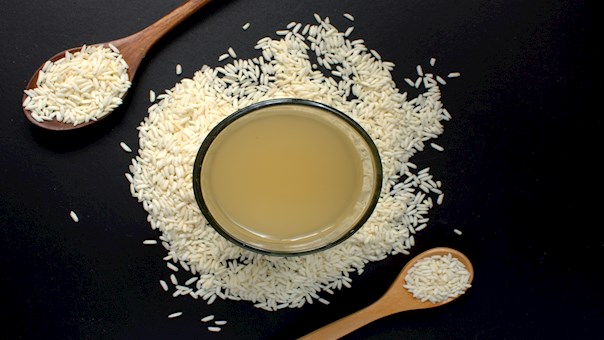
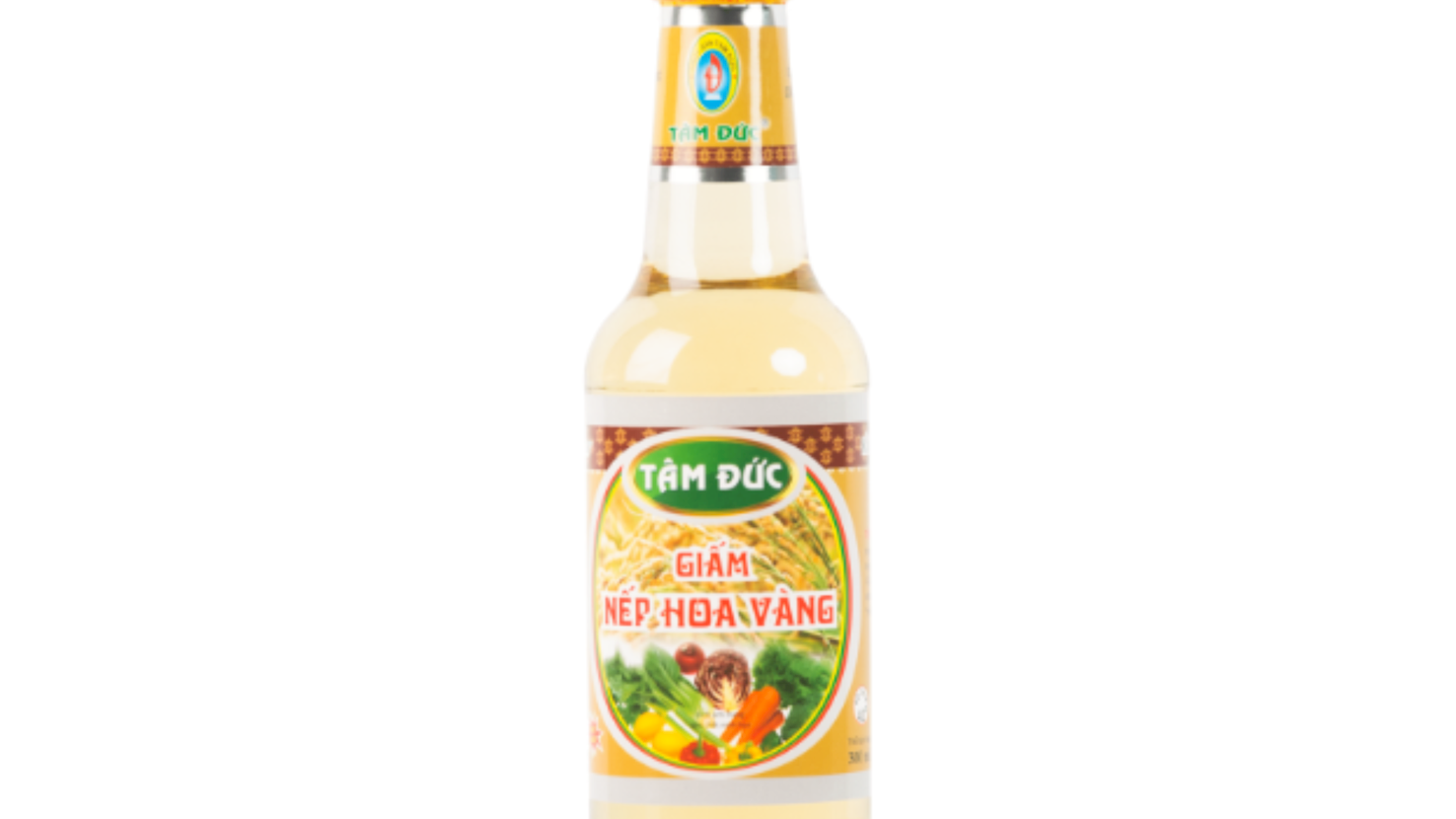
Tâm Đức is a Vietnamese producer of traditional condiments and processed food products based in Hanoi. It operates as a cooperative under the name Tâm Đức Seafood Cooperative and bases its production on traditional Vietnamese processing and fermentation methods. Although the cooperative’s name refers to seafood products, its range is considerably broader and includes fish sauce, rice vinegar, fermented soy sauce, chili sauce, shrimp paste, and other condiments. Rice vinegar holds a particularly important place in its portfolio, with varieties including Giấm gạo Hà Nội, Giấm gạo Bắc Hương, and Giấm nếp hoa vàng. For this category, the producer relies on the natural fermentation of rice rather than producing vinegar with synthetic acetic acid. Certain varieties are made from glutinous rice fermented with a vinegar culture. The aging process can last between 36 and 60 months, while according to the producer some batches are aged for even longer periods. During this process, the vinegar gradually develops the acidity and aroma characteristic of traditionally fermented rice vinegar. The producer states that no preservatives or inorganic acids are added to these products. In addition to vinegar, Tâm Đức produces traditional fermented condiments used for dipping, marinating, and preparing various Vietnamese dishes.

09

Red Boat

4.9 ·

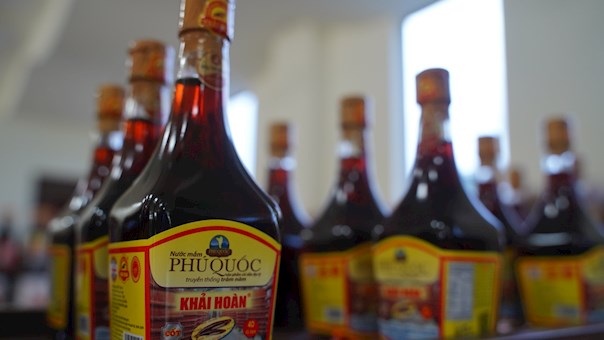
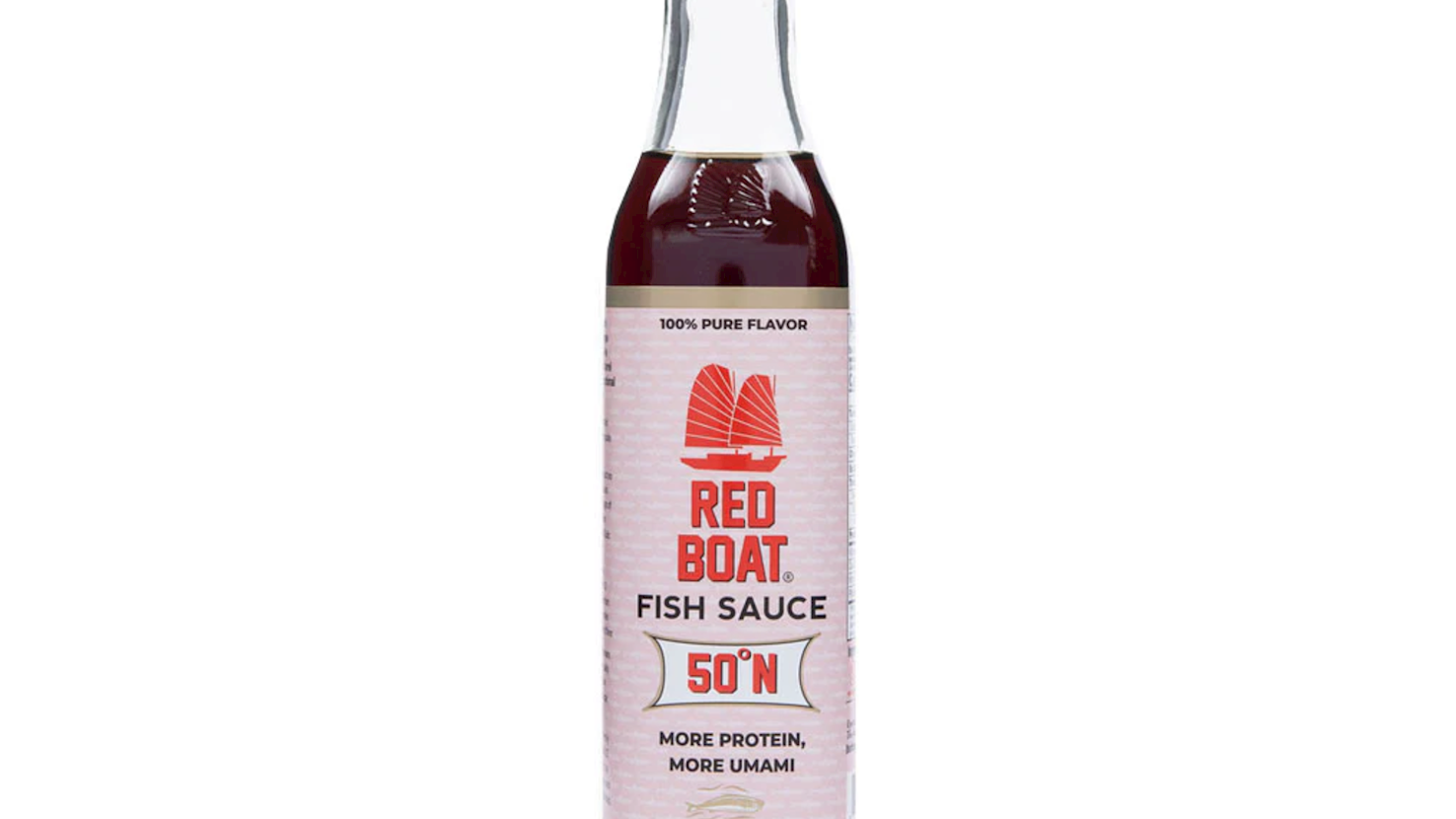
Red Boat is a family-owned Vietnamese-American producer of traditional fish sauce with production facilities on Phú Quốc Island in Vietnam. The company was founded in 2011 by Cường Phạm who grew up in Saigon and later worked as an engineer in the United States. He established the brand because he could not find a fish sauce on the American market that resembled the traditional Vietnamese sauce he remembered from childhood. Production follows the method traditionally used by fish sauce barrel houses on Phú Quốc Island. The principal raw material is wild-caught black anchovies harvested from the waters surrounding the island. The fish are mixed with sea salt immediately after being caught to preserve their freshness. Anchovies and salt are combined in an approximate ratio of three to one. The mixture then undergoes natural fermentation for about one year in large wooden barrels. Red Boat has gained international recognition among chefs and consumers and is regarded as one of the best-known contemporary producers of premium fish sauce from Phú Quốc Island.

10

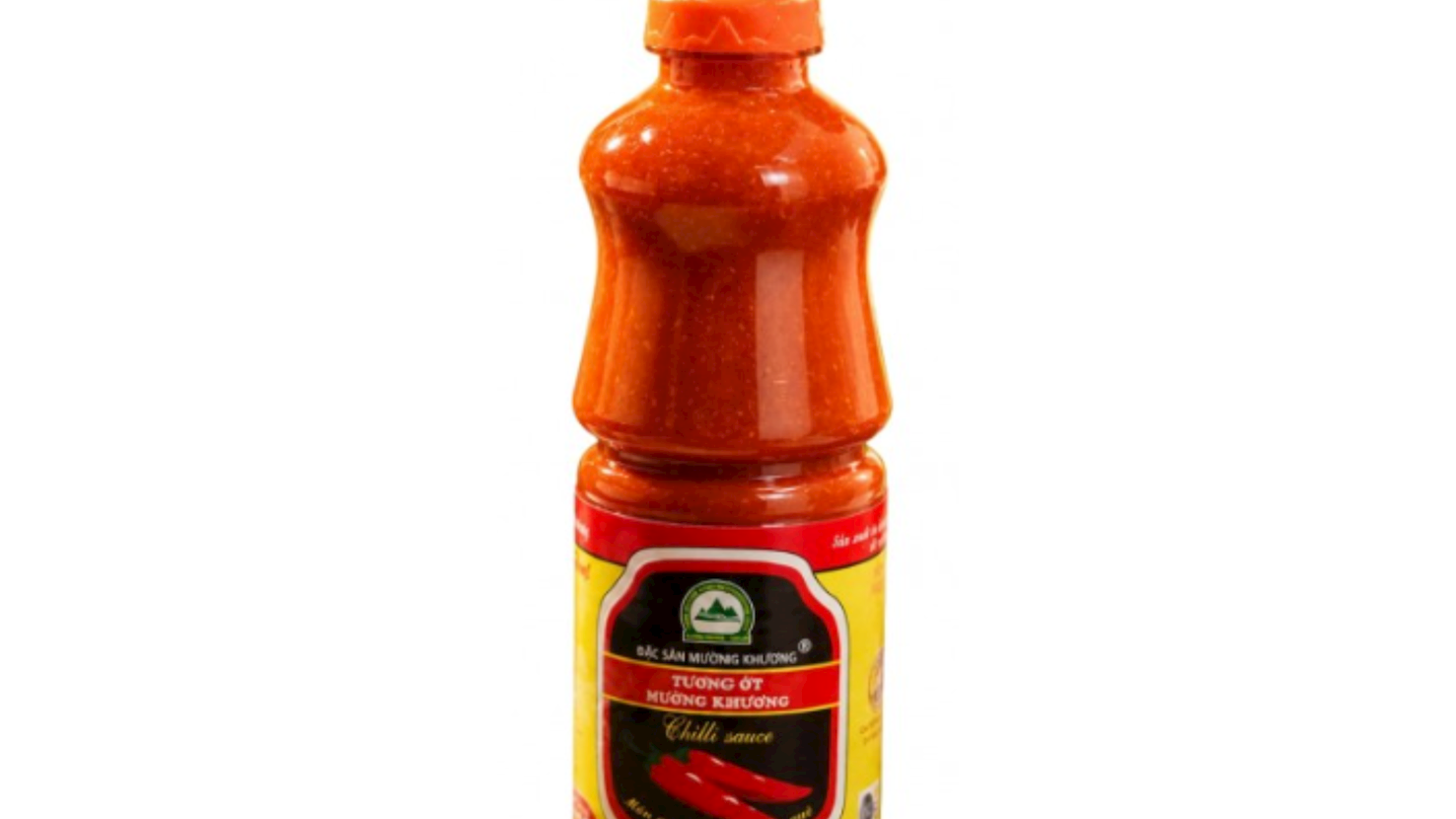
HTX Mường Khương

4.9 ·

HTX Kinh doanh Tổng hợp Mường Khương, also known as HTX Mường Khương, is a Vietnamese agricultural cooperative based in Lào Cai Province. It was established in 2004 and officially registered in early 2006. Its development is closely associated with Nguyễn Văn Dũng, who moved from the construction industry into the cultivation and processing of local chili peppers. The first batches of chili sauce were made by hand using traditional methods practiced by communities in the mountainous Mường Khương area. The cooperative gradually organized production to transform the local chili pepper into a stable commercial product instead of selling it only as a fresh ingredient. In early 2006, it secured trademark protection for Mường Khương chili sauce and Séng Cù rice. The cooperative works with farming households from several local communities, including members of the Tày, Nùng, Dao, and Giáy ethnic groups. Chili-growing areas have been developed in places such as Nậm Chảy, Thanh Bình, and Tung Chung Phố. The cooperative has established a raw material area covering approximately 150 hectares and organizes the purchase of chili peppers from several hundred households. Farmers are encouraged to use organic fertilizers and biological preparations, control the quality of irrigation water, and limit chemical pesticides.

About this Ranking

TasteAtlas food rankings are based on the ratings of the TasteAtlas audience, with a series of mechanisms that recognize real users and that ignore bot, nationalist or local patriotic ratings, and give additional value to the ratings of users that the system recognizes as knowledgeable. For the “Top 100 Asian Condiments” list until September 02, 2026, 4,020 ratings were recorded, of which 2,845 were recognized by the system as legitimate.

TasteAtlas Rankings should not be seen as the final global conclusion about food. Their purpose is to promote excellent local foods, instill pride in traditional dishes, and arouse curiosity about dishes you haven’t tried.

The initial list of top producers was compiled based on available reviews, awards, local recommendations, media and blog coverage, and consumer reviews. The list will be updated with ratings from TasteAtlas local ambassadors and TasteAtlas users.

What People Say

Similar Lists