Top 15 Italian Condiments

Last updated on June 15, 2026

Best Italian Condiments
01

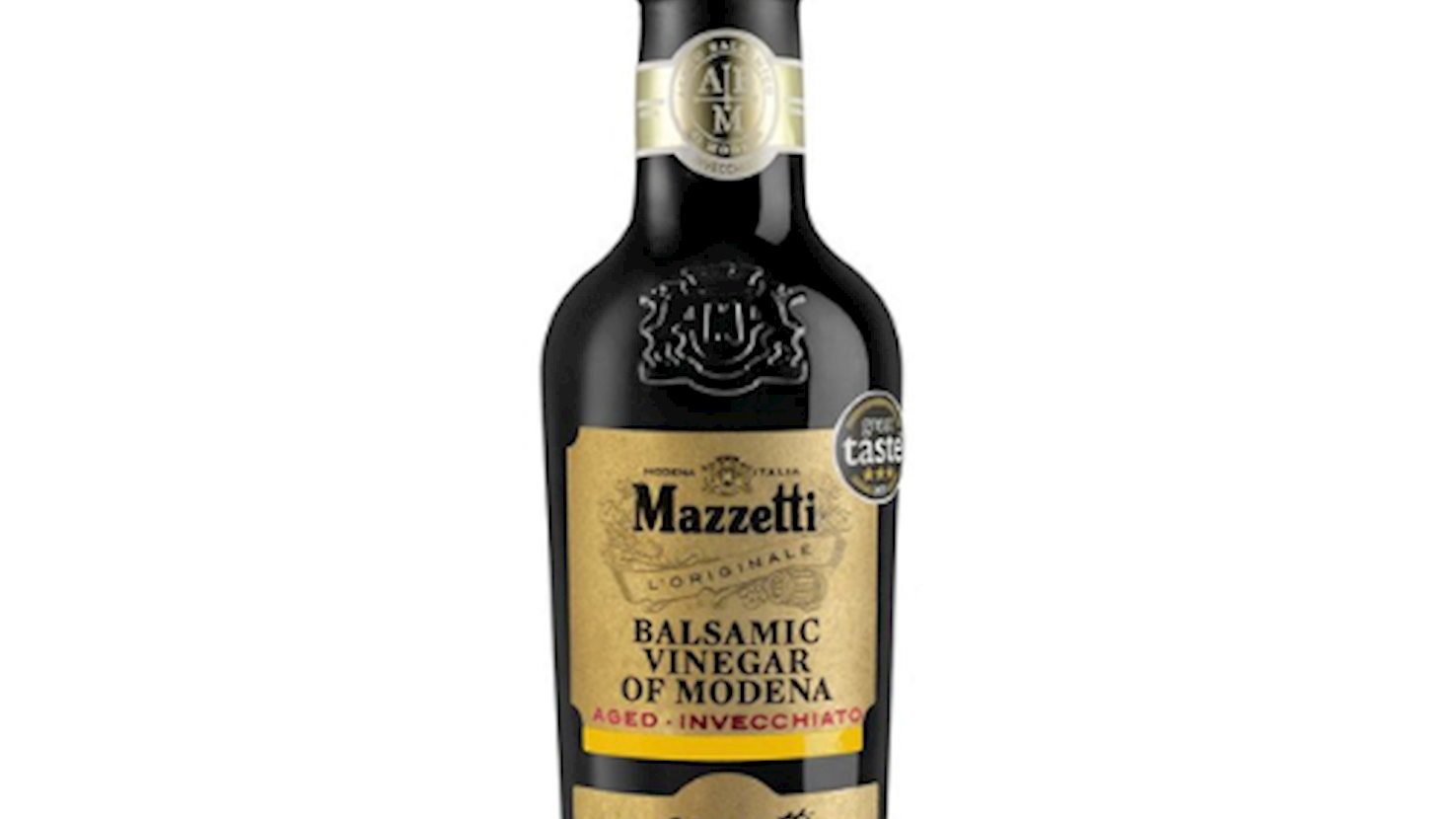
Mazzetti L’Originale

4.8 ·
Mazzetti l’Originale is a family-owned Italian company based in Cavezzo, in the Emilia-Romagna region, renowned for its nearly eight decades of tradition in producing premium balsamic vinegar from Modena (Aceto Balsamico di Modena). From founder Felice Mazzetti to the current generation, the family has remained faithful to traditional methods - carefully selecting grapes, cooking the must in open vats, and allowing it to age in wooden barrels made of various types of wood. Mazzetti is praised in expert reviews as one of the leading balsamic brands, known for its rich, layered flavor – reviewers often highlight its density, balance, and the elegant appearance of the bottle. The brand also offers specialty products such as single-varietal wine vinegars (Prosecco, Chianti), emphasizing their dedication to authenticity and innovation.
Awards
Great Taste Awards - 3 Stars (2021)
Great Taste Awards - 2 Stars (2023, 2022)
02

Il Pomodoro Petti

4.6 ·
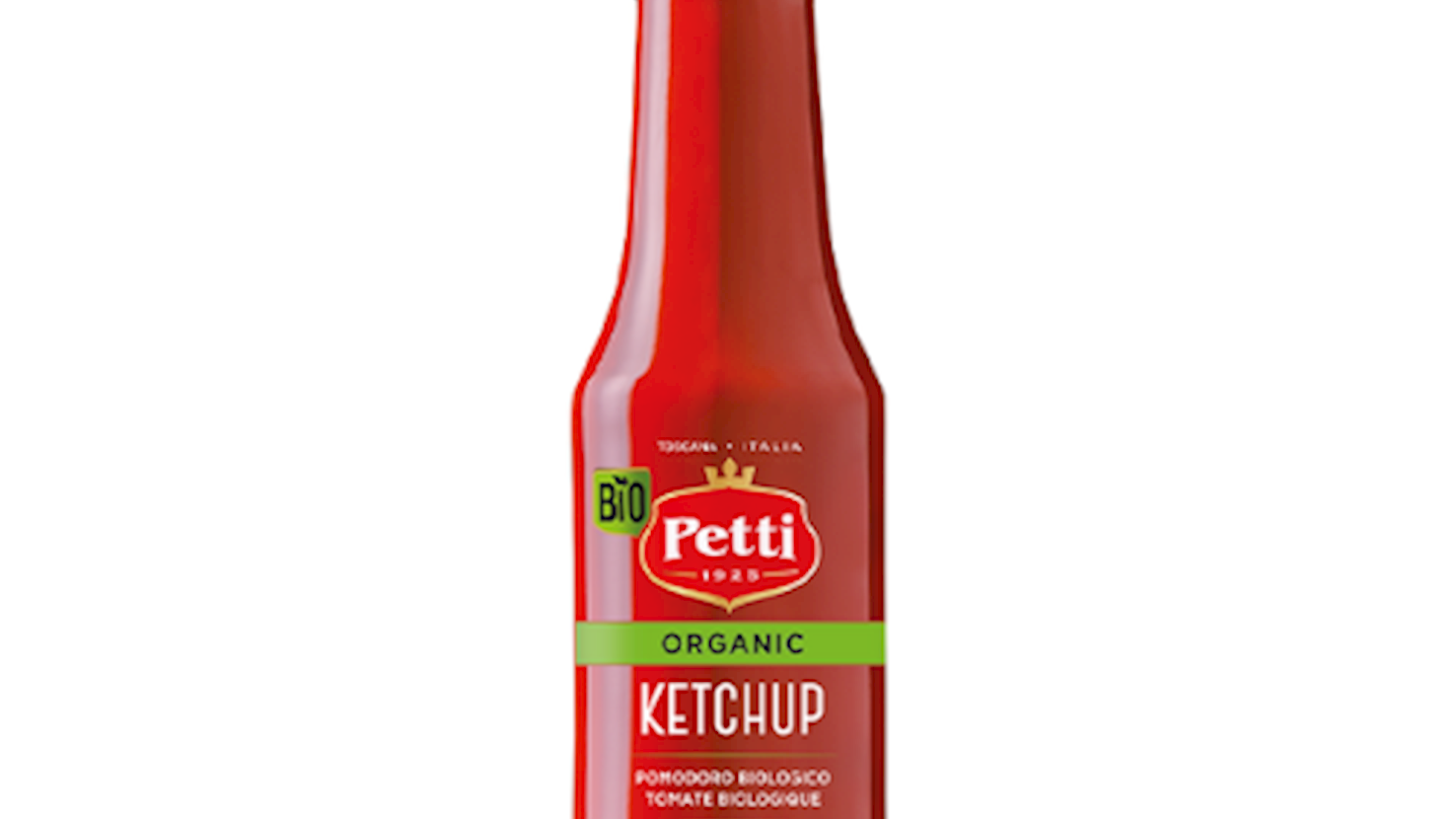
Il Pomodoro Petti is an Italian brand with a rich family tradition in tomato processing, dating back to 1925. It is part of the Italian Food company, and entered a modern phase of development in 2013 with the launch of its premium product line. The production facility is located in Venturina Terme, in the Tuscany region, and what sets the brand apart is its exclusive use of 100% Italian - primarily Tuscan - tomatoes, processed at low temperatures to preserve their natural color, aroma, and nutritional value. The product range includes various types of passata, chopped tomatoes (polpa), tomato concentrates, ready-made sauces, and organic products – all free from added sugar, artificial flavors, and unnecessary additives. Thanks to its exceptional quality and strong regional identity, Il Pomodoro Petti has become a symbol of authentic Italian tomato products, now present in markets around the world.
03

Mutti

4.6 ·
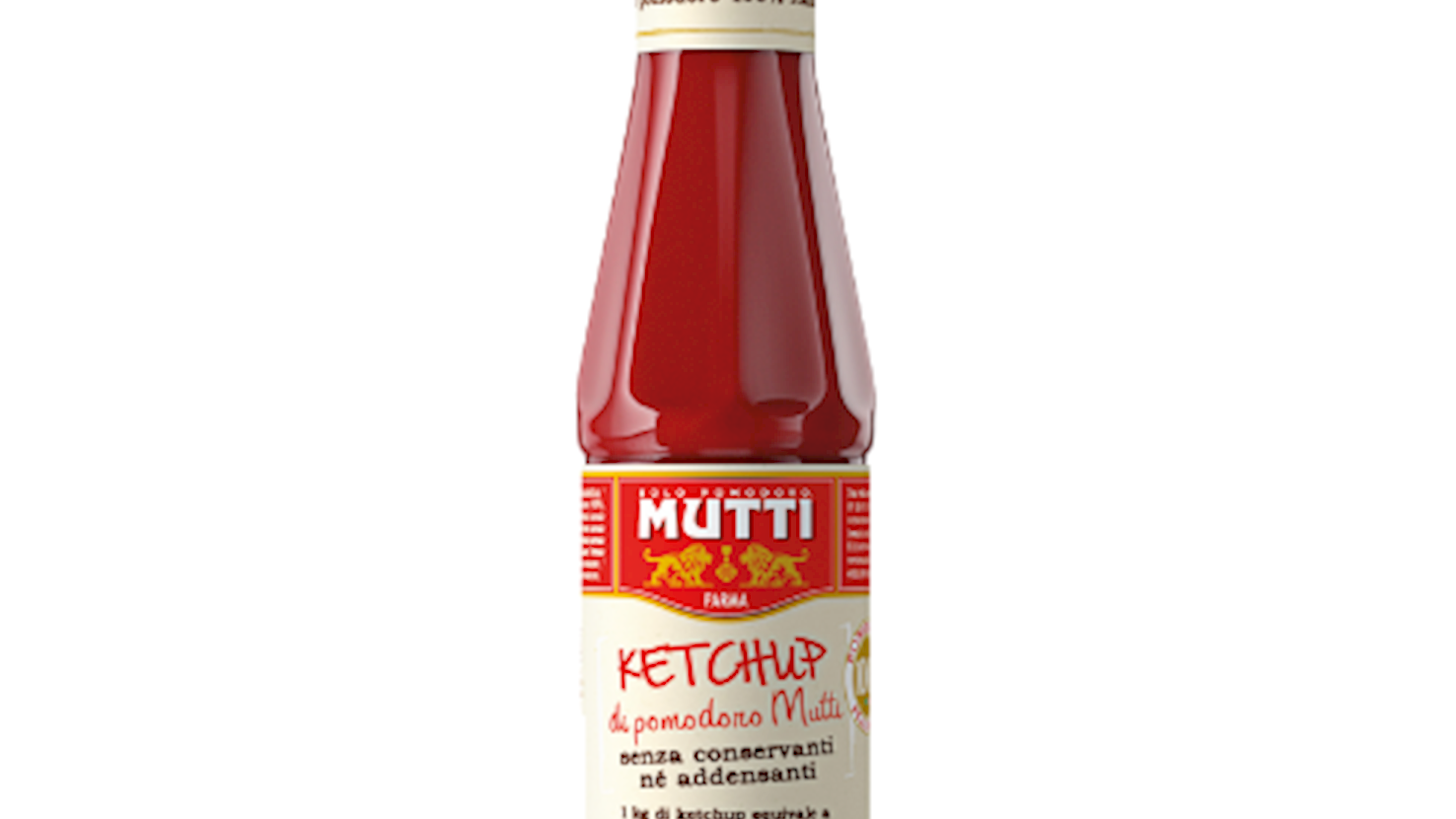
Mutti is one of the most renowned and respected Italian brands specializing in tomato processing, with a tradition dating back to 1899. The company was founded by the Mutti brothers in the province of Parma, Italy. All of their products are made exclusively from 100% Italian tomatoes, harvested at peak ripeness and carefully processed at low temperatures to preserve their natural color, aroma, and flavor. Mutti works closely with over 800 local farmers, ensuring full traceability and consistent quality of raw materials. Their product range includes a wide variety of offerings: passata, chopped tomatoes (polpa), peeled tomatoes (pelati), sauces, and ketchup. The brand’s dedication to transparency, quality, and innovation has made it a leader in the tomato product category. Mutti successfully combines tradition with modern technology, creating products that meet the needs of both professional chefs and home cooks.
04

Birrificio Serra Storta

4.3 ·
Birrificio Serra Storta is an Italian craft brewery located in Buscate, in the Lombardy region. Known for its dedication to high-quality beer production, the brewery combines traditional brewing techniques with innovative recipes to create unique craft beers. The name "Serra Storta" reflects its connection to the local area and its emphasis on crafting beers that stand out for their flavor, character, and originality. With a commitment to sustainability and using carefully selected ingredients, Birrificio Serra Storta has earned a reputation among beer enthusiasts in Italy and beyond.
Awards
Barcelona Beer Challenge - Gold (2024, 2023, 2021)
Untappd - 3.6
05

Acetaia Pedroni

4.3 ·
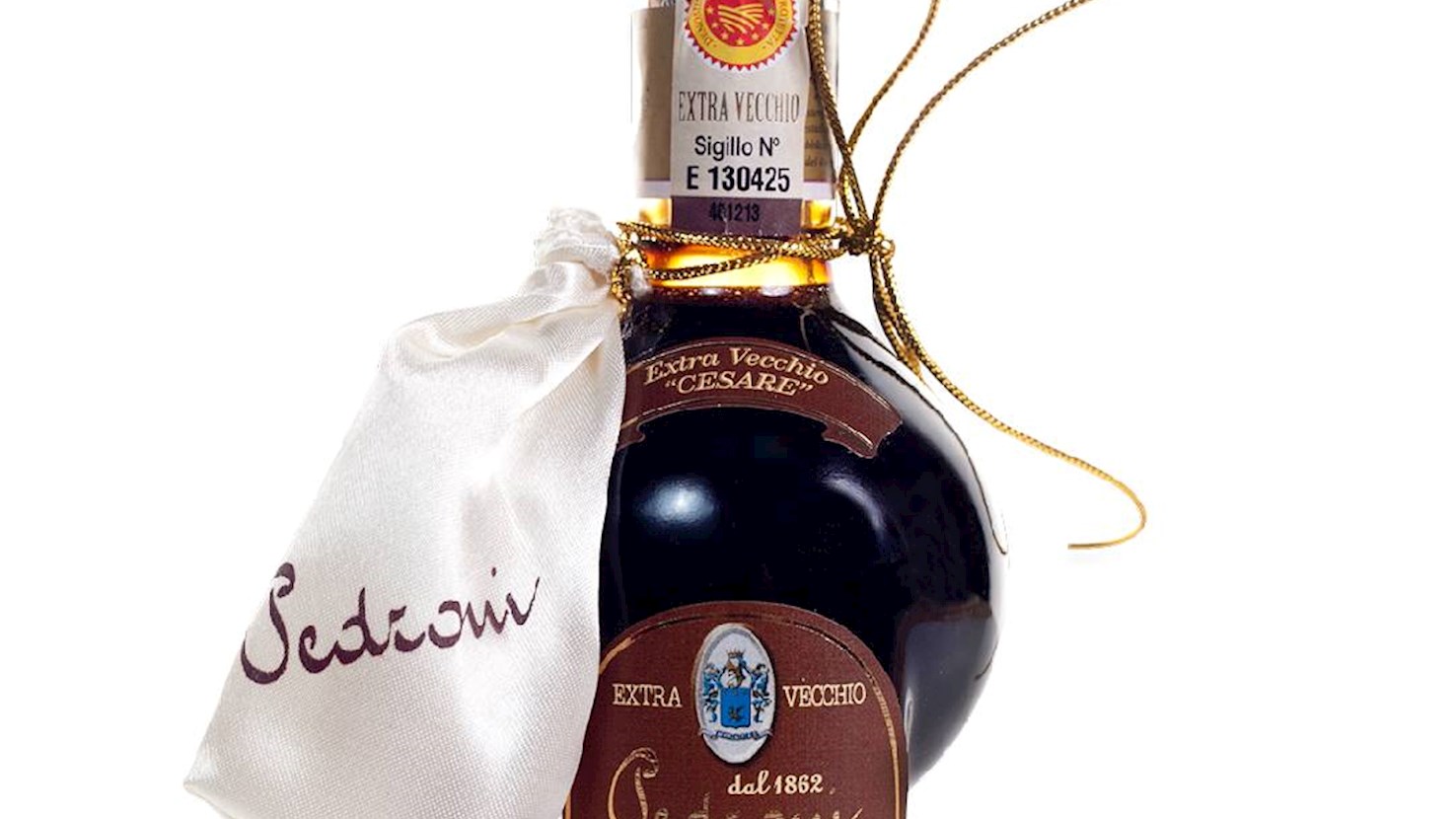
Acetaia Pedroni is a family-run business established in 1862 in Rubbiara, near Nonantola, Italy. It specializes in producing traditional balsamic vinegar from Modena (Aceto Balsamico Tradizionale di Modena). Their vinegar is made from cooked grape must, which ferments and matures over a long period in a series of barrels made from various types of wood, without the addition of aromatic substances. In addition to producing balsamic vinegar, Acetaia Pedroni operates Osteria di Rubbiara, a traditional restaurant offering authentic dishes from Modenese cuisine. The Osteria is open for lunch from Monday to Sunday and for dinner from Wednesday to Saturday. Visitors can tour the production facilities, learn more about the balsamic vinegar-making process, and enjoy tastings of their various products.
06

Acetaia Leonardi

4.3 ·
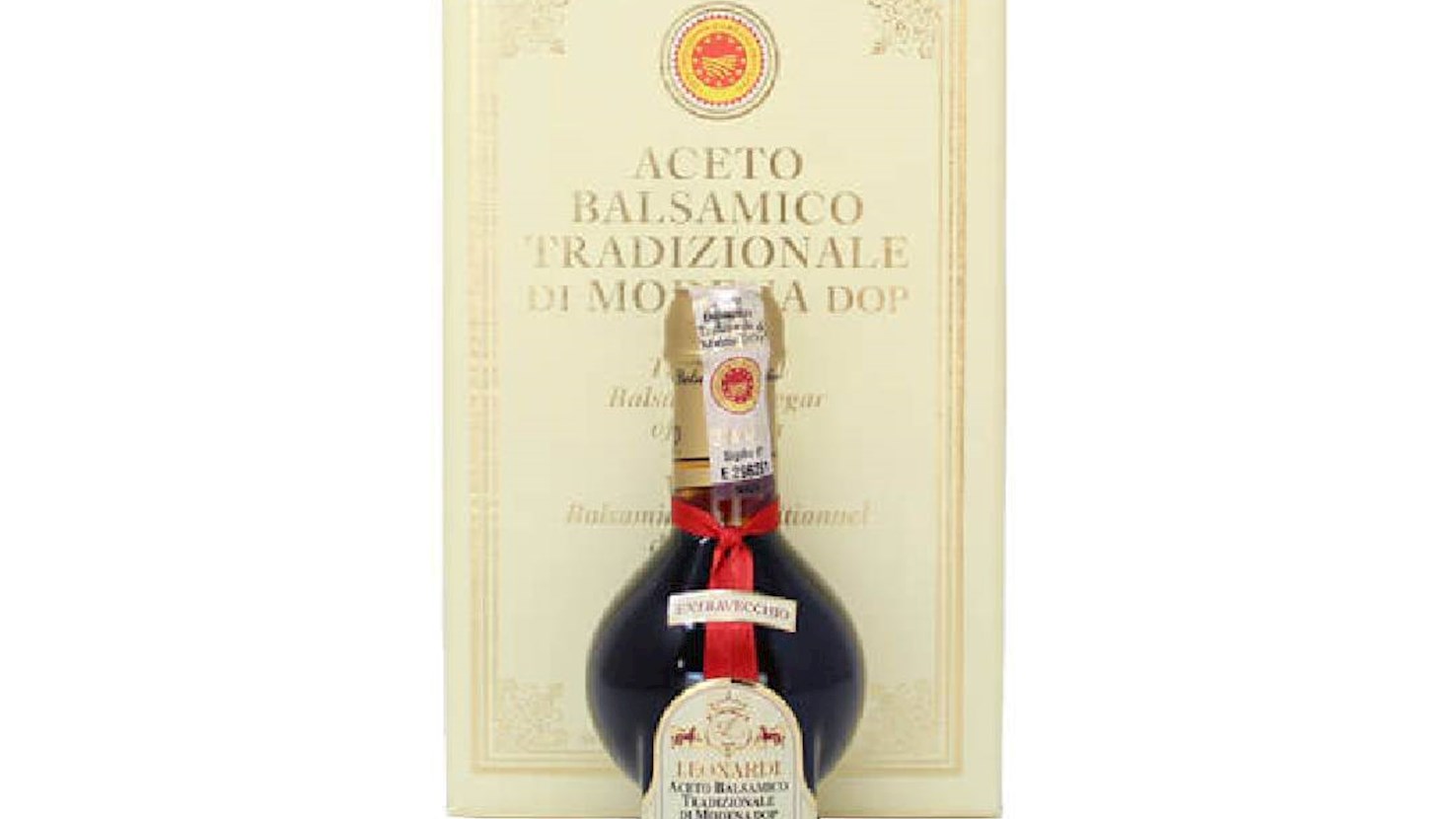
Acetaia Leonardi is a family-owned company based in Magreta, near Modena, Italy, specializing in the production of traditional balsamic vinegar since the 19th century. Their products are made from Lambrusco and Trebbiano grape varieties, grown on local hillsides. The production process involves hand-harvesting the grapes, cooking the must, and aging it for extended periods in wooden barrels, resulting in a rich and complex flavor.
Awards
Superior Taste Awards - 3 stars (2025, 2024)
Superior Taste Awards - 2 stars (2024)
07

Acetaia Villa San Donnino

4.3 ·
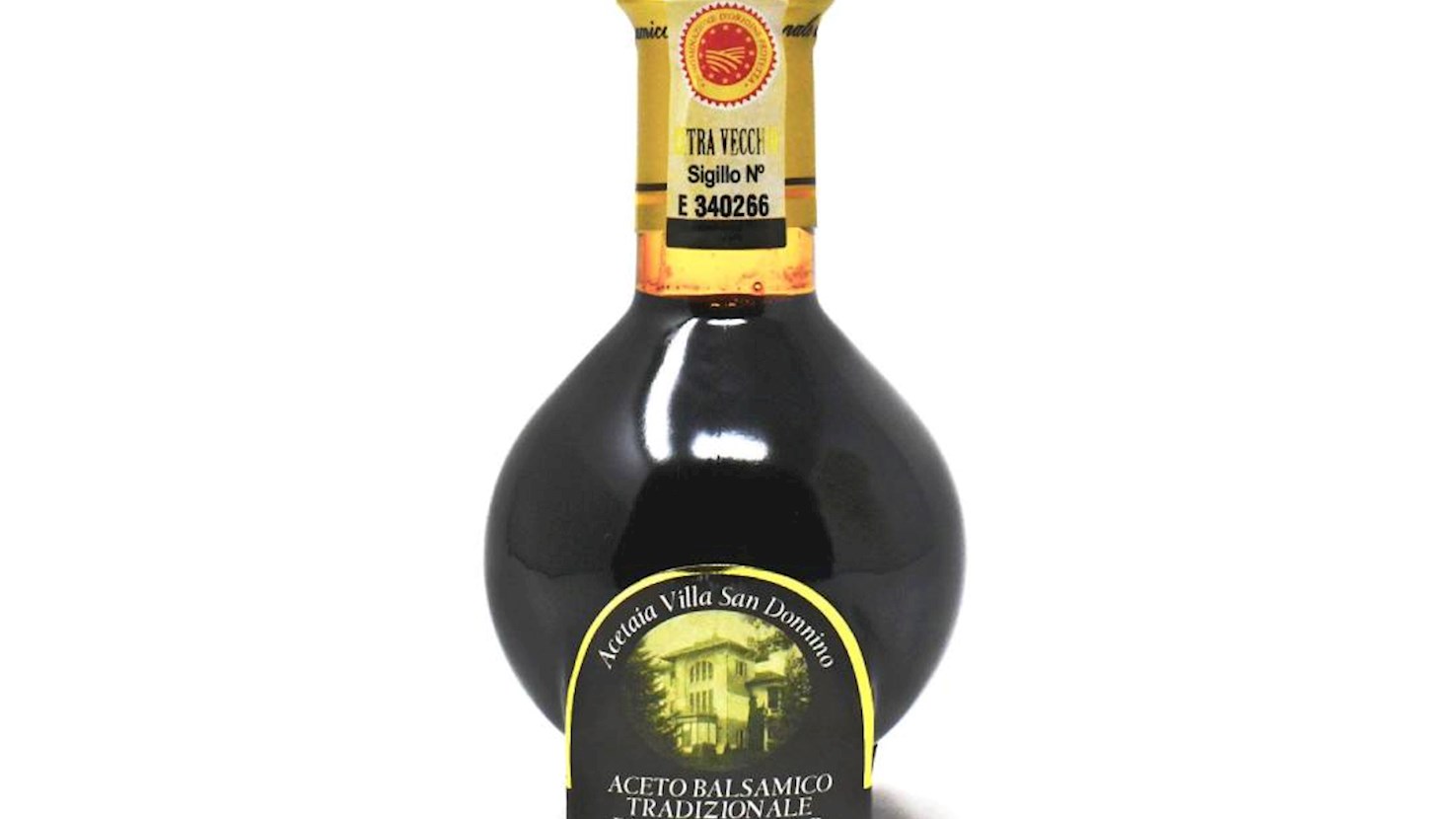
Acetaia Villa San Donnino is a family-run producer of traditional balsamic vinegar from Modena (Aceto Balsamico Tradizionale di Modena DOP), established in 1947. Located in a beautiful Art Nouveau villa built in 1910, designed by Lieutenant Claudio San Donino and adorned with frescoes and decorations by Aroldo Bonzagni, this acetaia offers visitors a truly unique experience. Visitors can enjoy guided tours that include a walkthrough of the production facilities, an introduction to the balsamic vinegar production process, and tastings of various products. These tours provide deep insight into the tradition and passion of the Lonardi family in preserving the quality and authenticity of their "black gold" from Modena.
08

Acetaia Bonini

4.3 ·
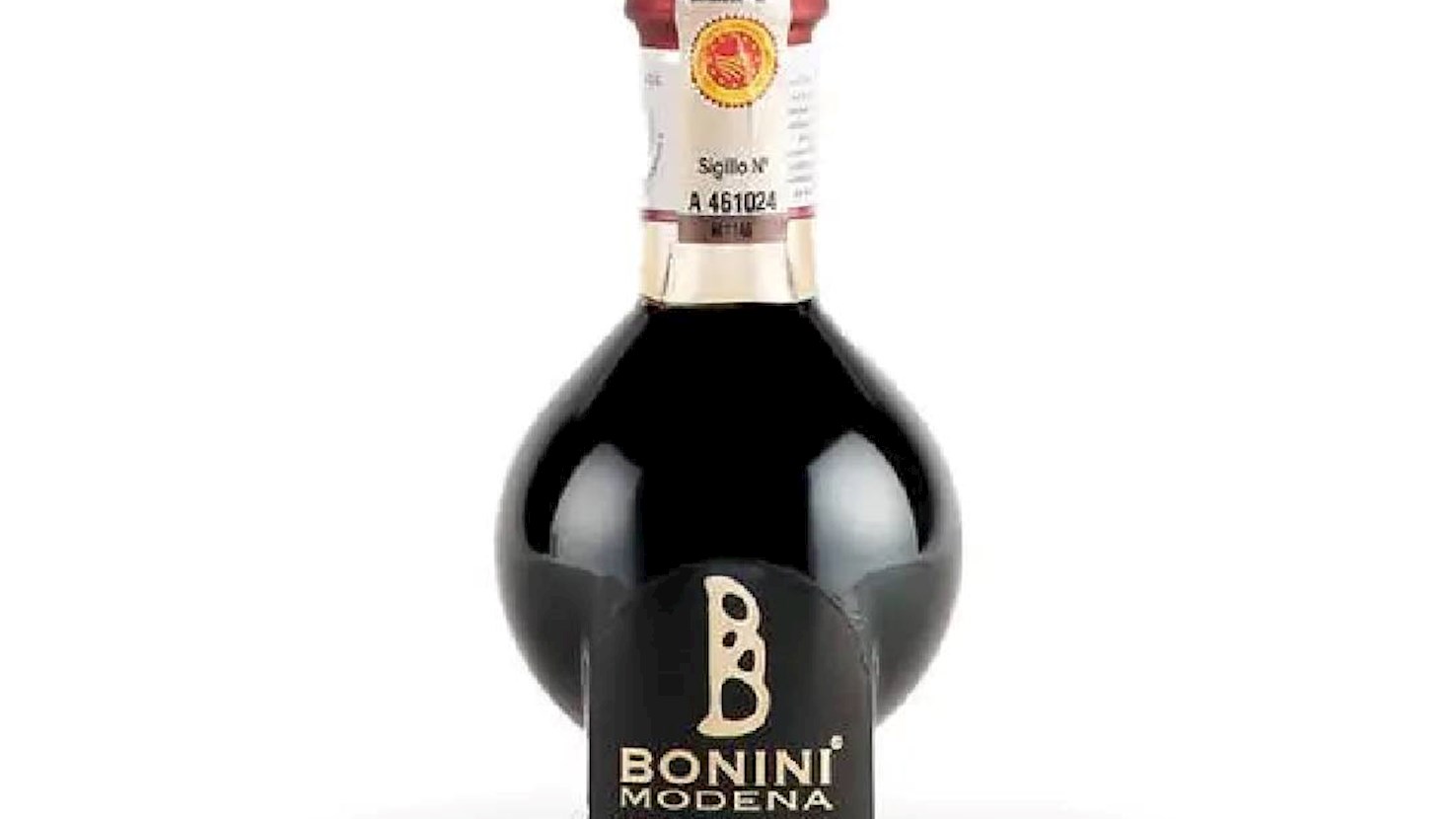
Balsamico Bonini is a producer of high-quality traditional balsamic vinegar from Modena (Aceto Balsamico Tradizionale di Modena DOP), renowned for its dedication to excellence and the preservation of traditional production methods. Their products are highly valued by top chefs worldwide. Established in the late 1990s, Balsamico Bonini began as a culinary experiment focused on quality and tradition. Founder Fabio Massimo Bonini, along with a group of close friends, created a unique product with the aim of achieving exceptional standards.
09

Acetaia la Bonissima

4.3 ·
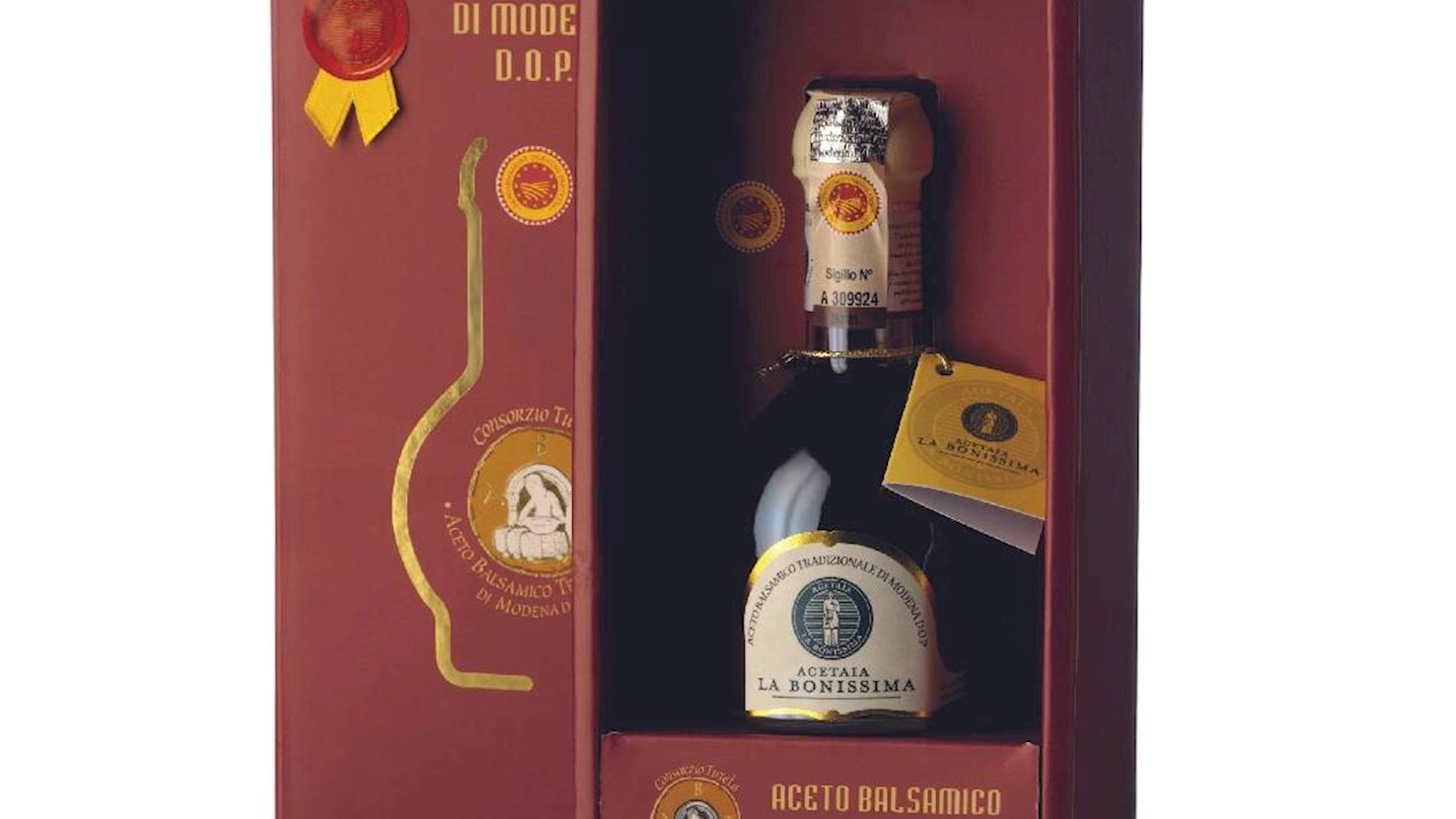
Acetaia la Bonissima is a renowned producer of balsamic vinegar from Modena, celebrated for its commitment to tradition, quality, and innovation. Located in the heart of the Emilia-Romagna region, this family-run business combines generational expertise with modern techniques to craft premium products. Their balsamic vinegar is made exclusively from cooked grape must, which is fermented and aged in wooden barrels made from oak, chestnut, and cherry. The production process is meticulously controlled to preserve the authenticity and uniqueness of each product. Acetaia La Bonissima offers a wide range of products, including traditional balsamic vinegars with DOP certification, as well as innovative varieties tailored to modern tastes. Their collections, such as "Sigillo" and "Preziose," are known for their sophisticated aromas and elegant packaging, making them an ideal choice for gifts and special occasions. In addition to vinegars, they produce fruit-infused condiments and specialty vinegar drinks, blending tradition with creativity. Their dedication to preserving Modena's cultural heritage and maintaining high-quality standards has made Acetaia La Bonissima a standout name in the world of balsamic vinegar, appreciated by professional chefs and culinary enthusiasts worldwide.
10

Acetaia del Cristo

4.3 ·
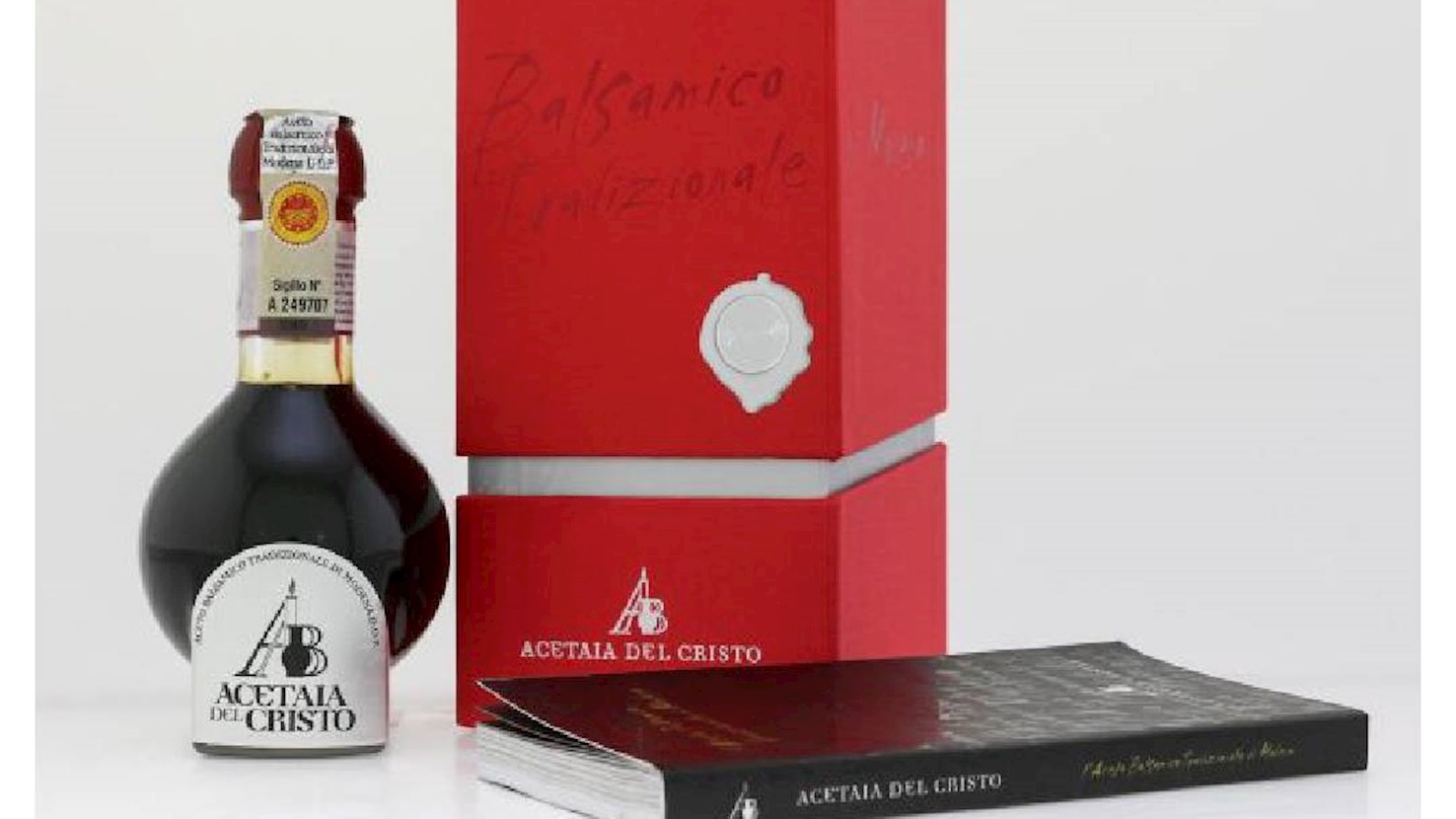
Acetaia del Cristo is a family-owned company based in San Prospero, in the province of Modena, specializing in the production of organic Traditional Balsamic Vinegar of Modena with Protected Designation of Origin (PDO). Using only cooked must from indigenous grape varieties of Modena, such as Ancelotta, Berzemino, Lambrusco, Occhio di Gatta, Sauvignon, Trebbiano, and Sgavetta, Acetaia del Cristo preserves ancient techniques passed down through generations, creating unique aromas and flavors. The production process involves careful cooking of the must, fermentation, and long-term aging in wooden barrels made from various types of wood, including chestnut, cherry, juniper, mulberry, and oak. This diversity of wooden barrels contributes to the richness and complexity of the final product's flavor.

Best Italian Condiment Types

01

Aceto Balsamico di Modena

4.5 ·

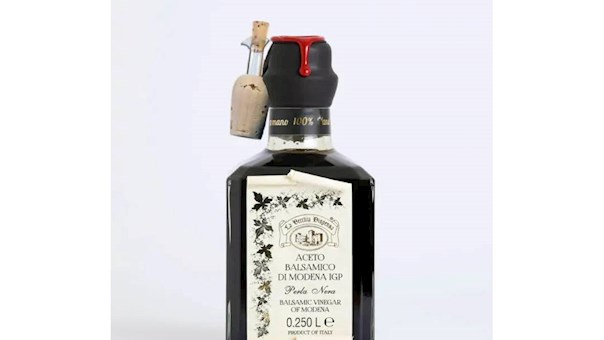
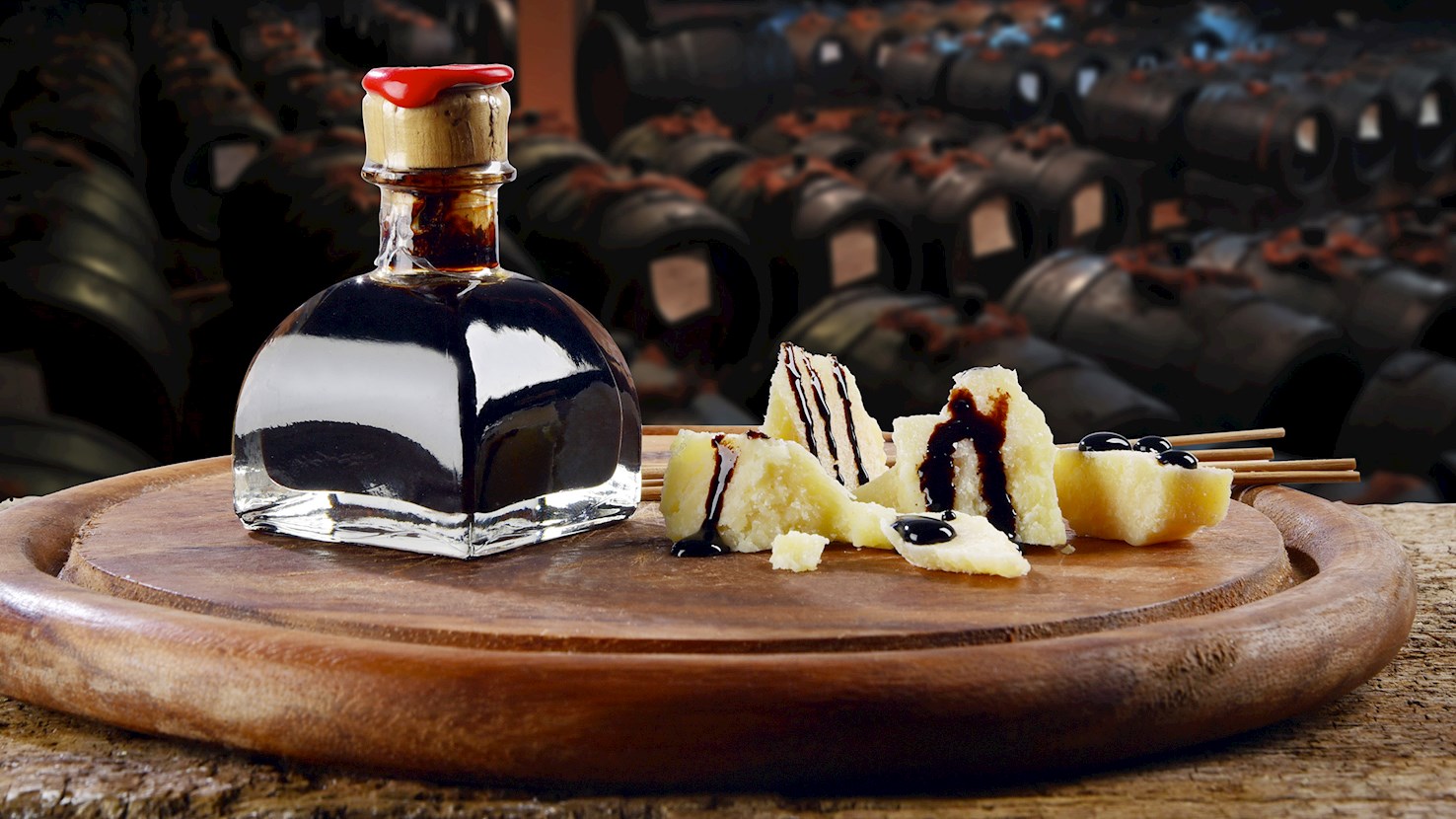
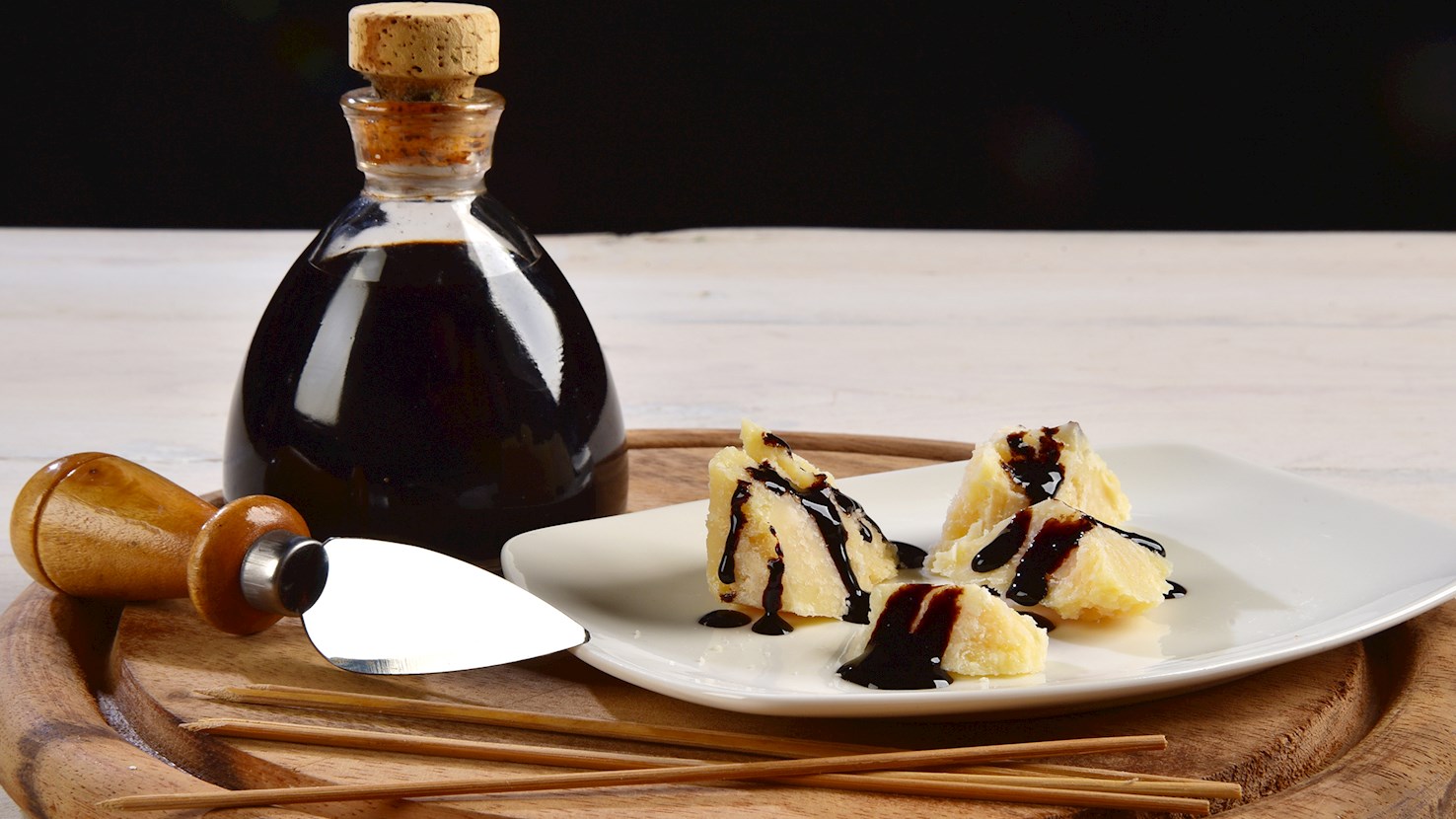
Widely used and commonly found on restaurant tables across Europe, Aceto Balsamico di Modena is produced in the neighboring provinces of Modena and Reggio Emilia. Aceto di Modena is an inexpensive, less aged variety of Aceto Balsamico Tradizionale di Modena. It usually sells for approximately $10-20 an ounce, and should never be mistaken for the highly prized Tradizionale that can sell for up to $200 an ounce. Traditionally, balsamic vinegar is made from late harvested, locally grown Trebbiano grapes. The grape juice is cooked, reduced and matured in barrels made of different types of wood. Over time, the reduced must takes on complex aromas of wood, a balanced taste of caramel sweetness and fruity acidity, finally turning into a dense, rich balsamic vinegar. Even though it is most often enjoyed drizzled over parmesan chunks, Aceto Balsamico di Modena is quite a versatile product, used both in cooking and for various salad dressings.

02

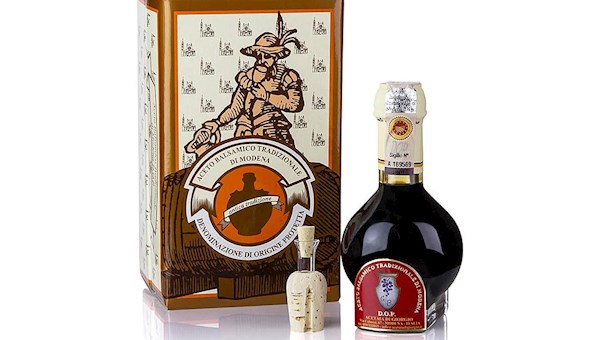
Aceto Balsamico Tradizionale di Modena

4.4 ·

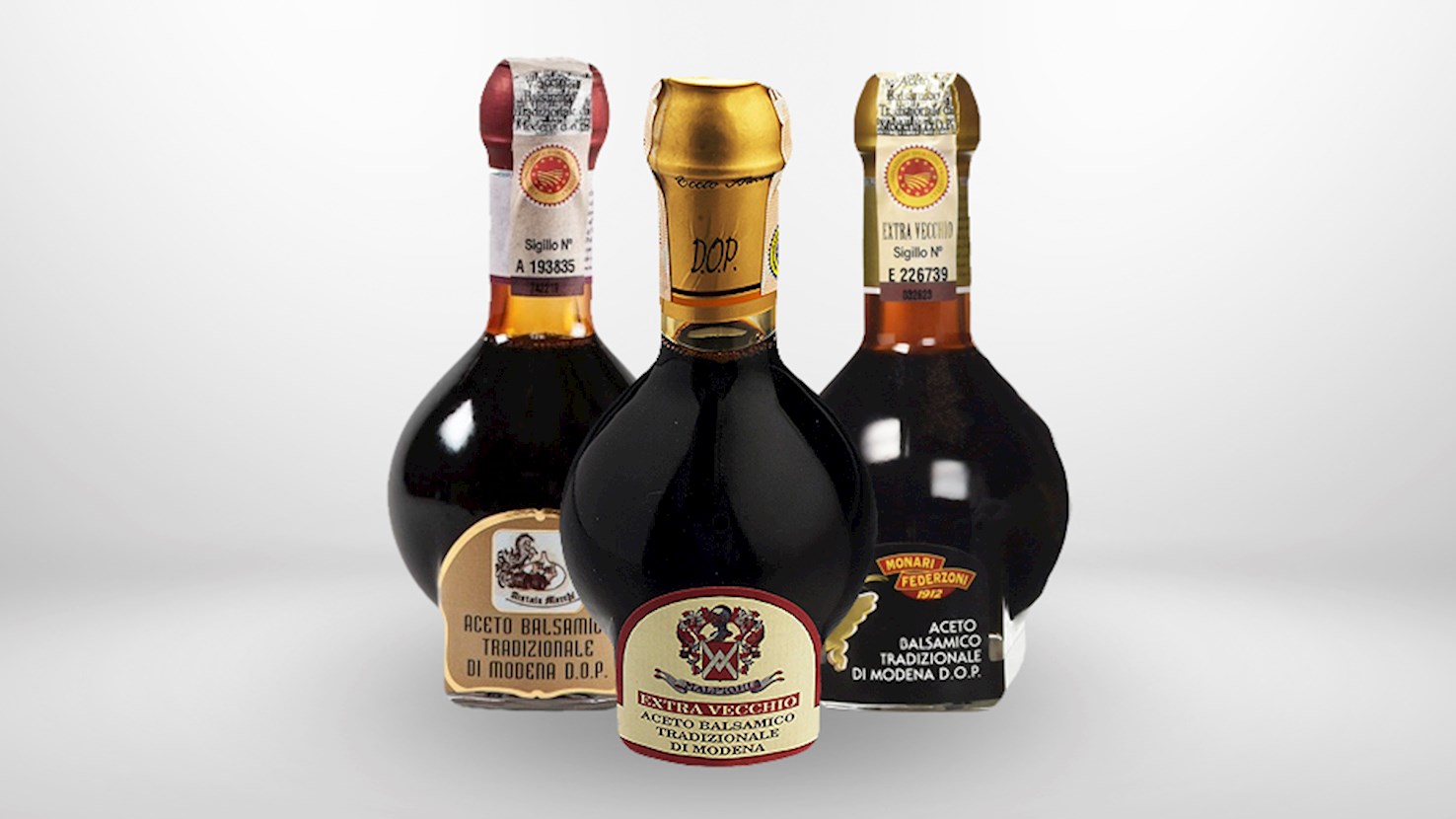
Produced since the Middle Ages and famous throughout the world, the traditional balsamic vinegar of Modena is made from a reduction of pressed and cooked Trebbiano and Lambrusco white grapes. The grape juice is boiled down to approximately 30% of the original volume, which produces a thick syrup called mosto cotto in Italian. Aceto Balsamico Tradizionale di Modena is then stored in wooden barrels and fermented with a slow aging process for a minimum of 12 years. During this time, the traditional Modena vinegar becomes sweeter, viscous and very concentrated, which intensifies the flavor even more. Aceto balsamico is rich, glossy, deep brown in color and has a complex flavor that balances the natural sweet and sour elements of the cooked grapes with hints of wood from the barrels: chestnut, cherry, oak, mulberry, ash or juniper. Aceto Balsamico Tradizionale di Modena can sell for up to $200 an ounce, and should never be mistaken with the regular Aceto Balsamico. Highly prized by modern chefs and gourmet food lovers, the Extravecchio variety of Modena balsamic vinegar, the one that's aged for 25 years or even more, is marketed in bottles with gold-colored caps. The most famous Modena desserts made with this balsamic vinegar are Zabaione, Latte alla Portoghese, and Panna Cotta.

03

Ajvar

4.3 ·

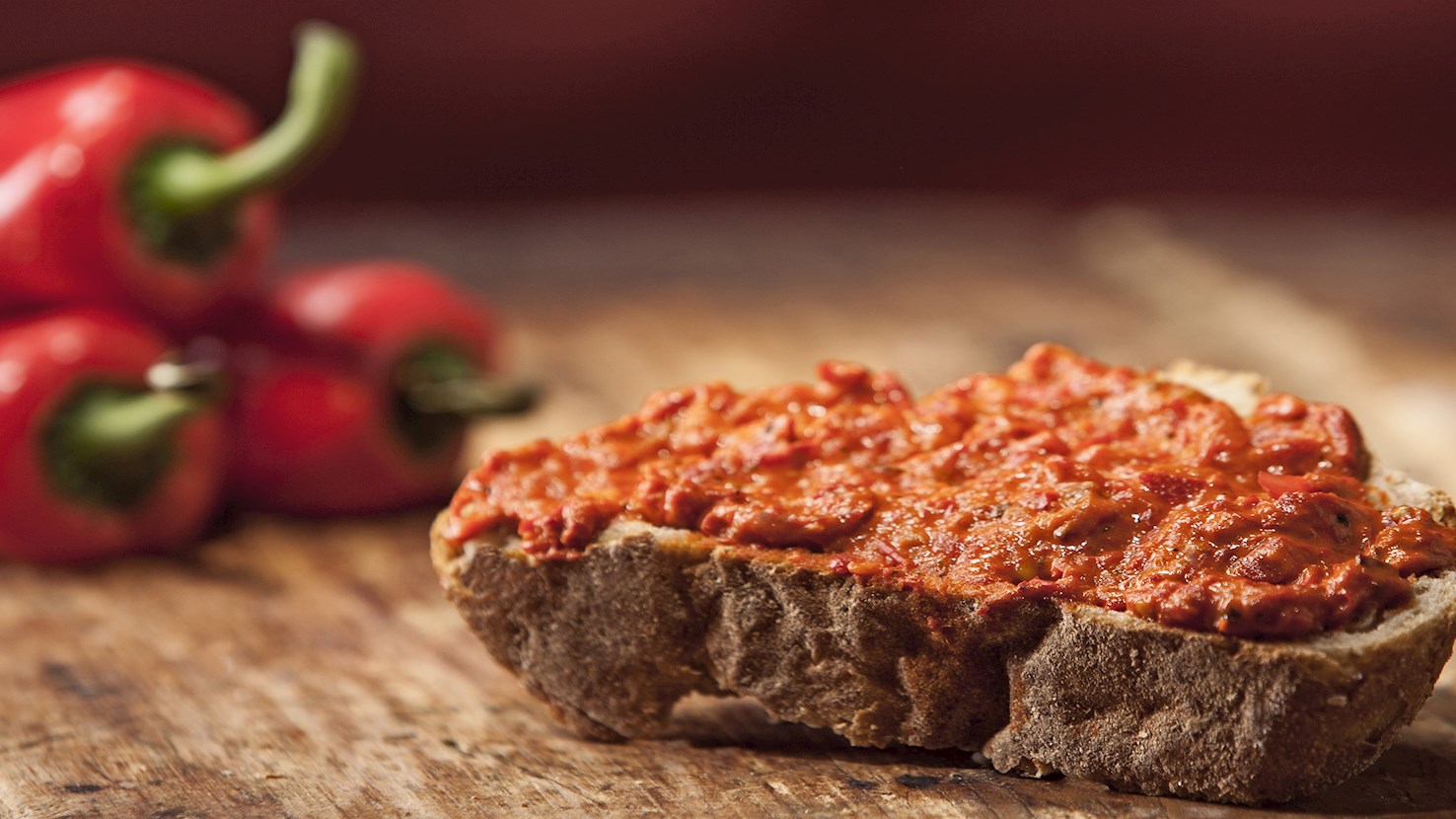
This traditional peppers-and-eggplant relish is one of the most popular condiments all over the Balkans and Eastern Europe. The most prized type of ajvar is often the Macedonian one, made only with red peppers. Though its origins are often disputed, the name ajvar is said to stem from the Turkish word havyar, meaning caviar. In the past, Serbia was especially known for its production of caviar from farmed Black Sea beluga (sturgeon), and was one of the major world exporters. Later on, after facing a fall in production of real caviar, the Serbians instead supposedly started offering the so-called "red ajvar" or vegetable caviar—hence the name. Ajvar is made with red bull horn pepper, hot pepper, eggplant, and garlic; all in variable amounts, depending on personal taste. Before being mashed together into a chunky paste, the vegetables are typically roasted over a wood fire which imparts a pleasing smokiness to this sweet but tangy relish, making it the perfect accompaniment to grilled meats.

04

Aceto Balsamico Tradizionale di Reggio Emilia

3.9 ·

Named after the province and region of its origin, Aceto Balsamico Tradizionale di Reggio Emilia is a balsamic vinegar obtained by fermenting and refining cooked grapes of the Lambrusco and Trebbiano varieties. The grapes are boiled down to approximately 30% of their original volume, turning into a thick syrup called mosto cotto in Italian, which is then stored in wooden barrels and fermented with a slow aging process for a minimum of 12 years. This traditional vinegar variety is incomparably more expensive than regular Aceto Balsamico because of the high purity requirements and a much longer aging process. In fact, if tasted straight from the bottle, not even the best commercial vinegars can compete with the rich aroma and flavor of a true, traditional Aceto Balsamico, which is a complex array of caramel, raisin, wood and honey notes, blended in a perfect balance of sweet and sour. Reggio Emilia differentiates the three ages of their balsamic vinegar by label color: Bollino Aragosta (Red lobster seal) is for vinegar that's been aged for at least 12 years; Bollino Argento (Silver seal) means that the vinegar has aged for at least 18 years, and lastly - Bollino Oro (Gold seal) is considered to be the best of the best and designates aceto balsamico which has aged for 25 years or even more! In Emilia Romagna, the traditional balsamic vinegar is most often enjoyed in precious drops drizzled over chunks of Parmigiano Reggiano or Mortadella slices but it's also used sparingly to enhance steaks or even grilled fish, as well as drizzled over fresh fruits like strawberries and pears or even desserts such as Crema gelato, custard ice cream.

05

Aceto balsamico

3.8 ·

Aceto Balsamico, or balsamic vinegar, is a traditional vinegar from Italy, specifically from the Emilia-Romagna region, with its most famous origins in the cities of Modena and Reggio Emilia. It is crafted from the must of white Trebbiano grapes, which are cooked down into a syrup and then aged in wooden barrels. The aging process can vary greatly, with some balsamic vinegars being aged for over 25 years. There are two primary types of balsamic vinegar. The first, Aceto Balsamico Tradizionale, is the highest-quality variety, aged for at least 12 years, sometimes even longer. This traditional version is known for its rich, complex flavor, striking a perfect balance between sweetness and acidity, making it a luxurious addition to dishes such as meats, cheeses, and even desserts. The second type is Aceto Balsamico di Modena, which is more widely available and less expensive. It is produced faster, sometimes with the addition of wine vinegar and caramel to enhance the flavor and color. Balsamic vinegar is widely appreciated for its deep, tangy sweetness and is commonly used to enhance the flavors of salads, meats, fruits, and even ice cream.

06

Sale Marino di Trapani

3.8 ·

Produced in the Sicilian province of Trapani where salt processing dates back to the Phoenician era, Sale Marino di Trapani refers to hand-harvested sea salt obtained through evaporation of water within the Isole Egadi Marine Reserve, namely in the ancient salt pans of Trapani and Paceco Natural Reserve. An entirely natural product, Trapani salt is produced without the use of additives, bleaches or preservatives. It is particularly pure, rich in magnesium, extremely soluble and therefore highly sought after and widely used in the canning industry. Trapani salt is available as whole salt, fine or coarse table salt, seasoned salt and fleur de sel.

07

Gremolata

3.6 ·

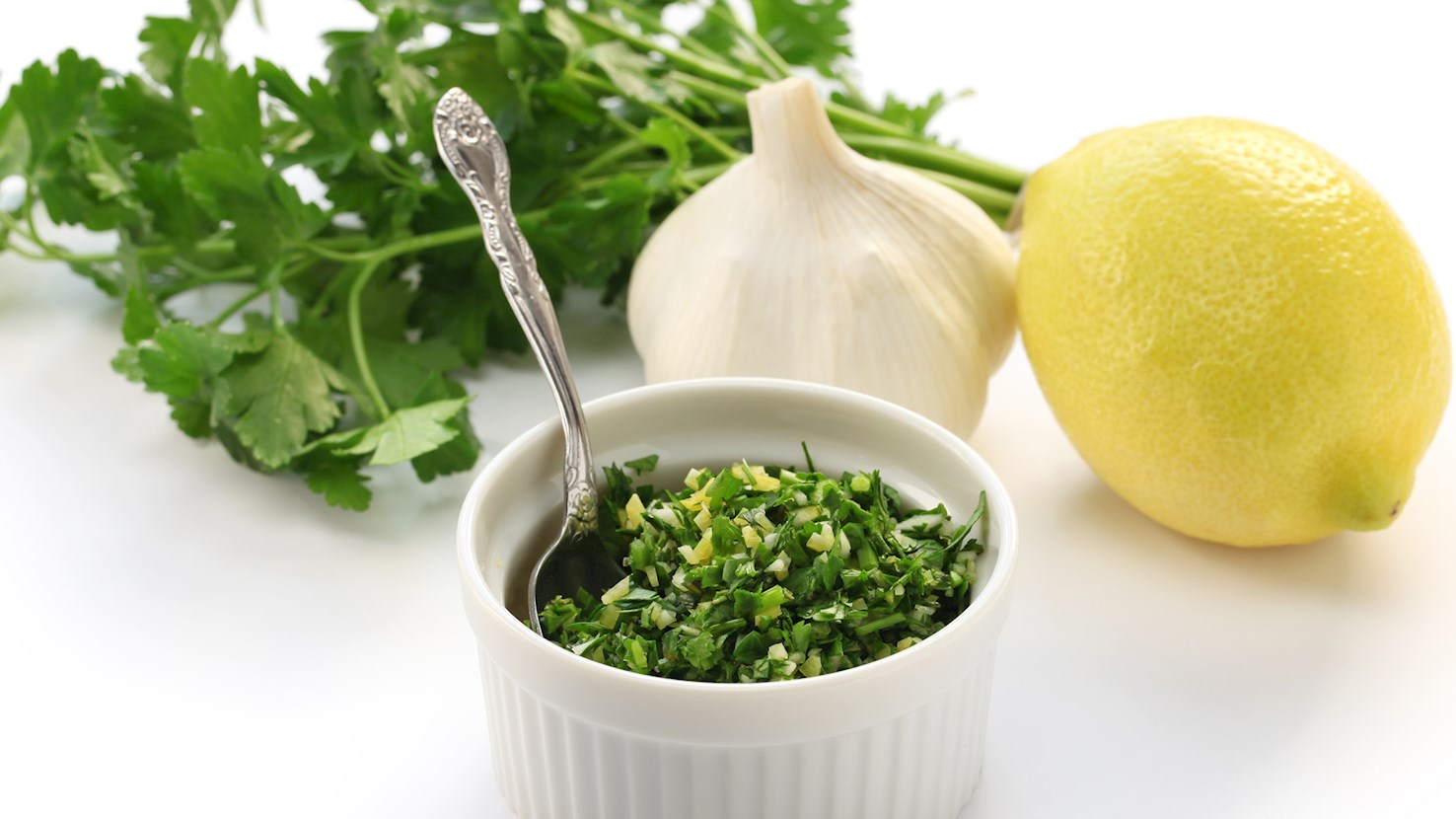
Gremolata is a classic Italian condiment made by finely chopping flat-leaf parsley, garlic, and lemon zest. The condiment is added as a final seasoning or garnish to numerous dishes. It's traditionally used as a garnish for ossobucco alla milanese (braised veal shank). Gremolata is often used on braised meat because the long process of braising ensured that there won't be any fresh herbal flavors, so gremolata adds a perfect balance of citrusy, zesty, herbal, and pungent flavors. It can also be used to top fish, stews, and soups.

08

Varhackara

n/a ·

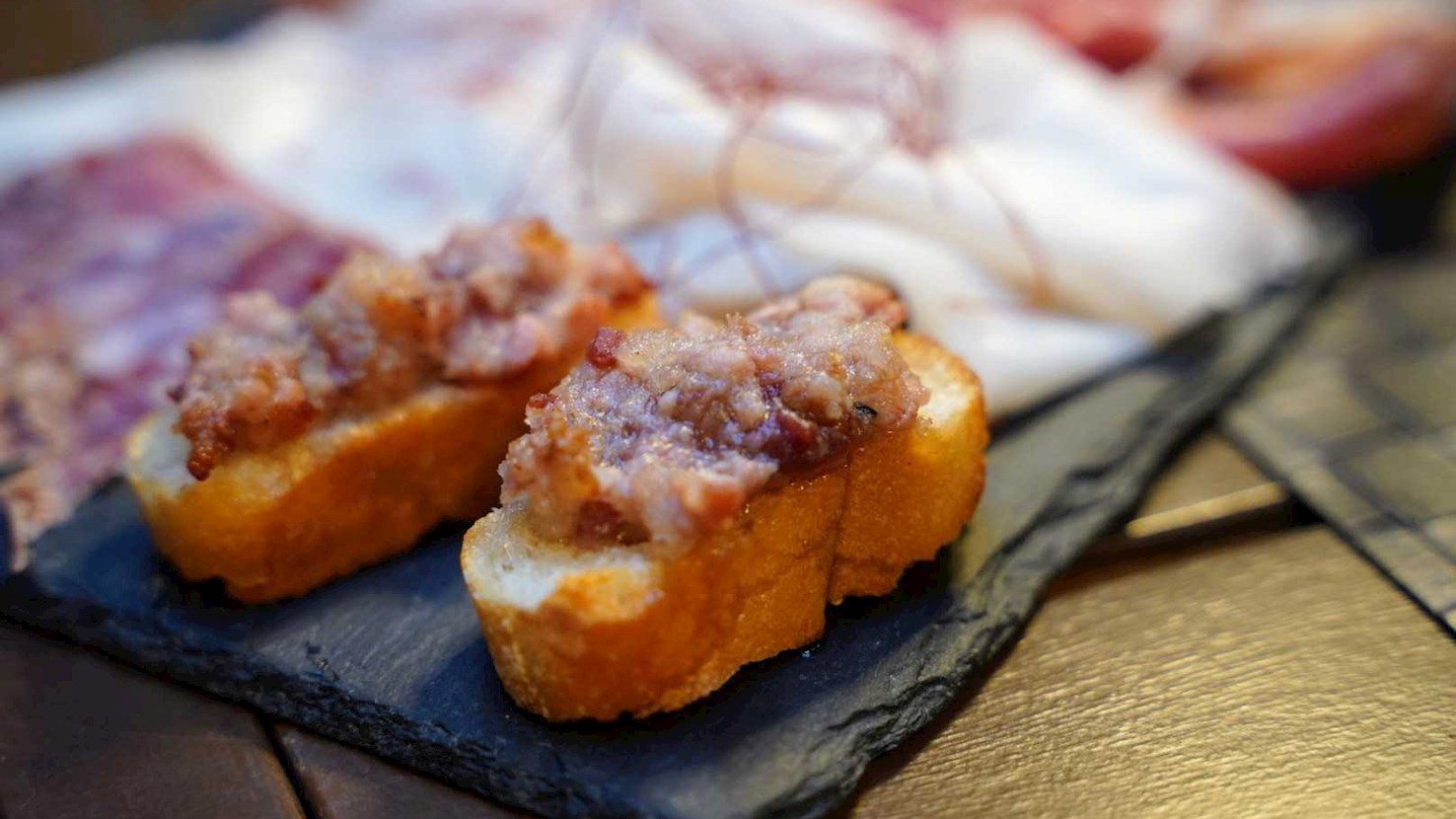
Varhackara is a traditional condiment or spread originating from Friuli-Venezia Giulia. It's usually made with a combination of chopped or minced lard and cured meat offcuts such as salami, guanciale, pancetta, ossocollo, and smoked speck. The mixture is placed into glass jars, while nutmeg and aromatic herbs are also sometimes added for extra flavor. Varhackara is enjoyed spread on bread or heated in a pan and served with gnocchi, cjarsons, or blanched vegetables. It's typically made in winter, but the spread can be stored and enjoyed throughout the year.

09

Lardo di Camaiore

n/a ·

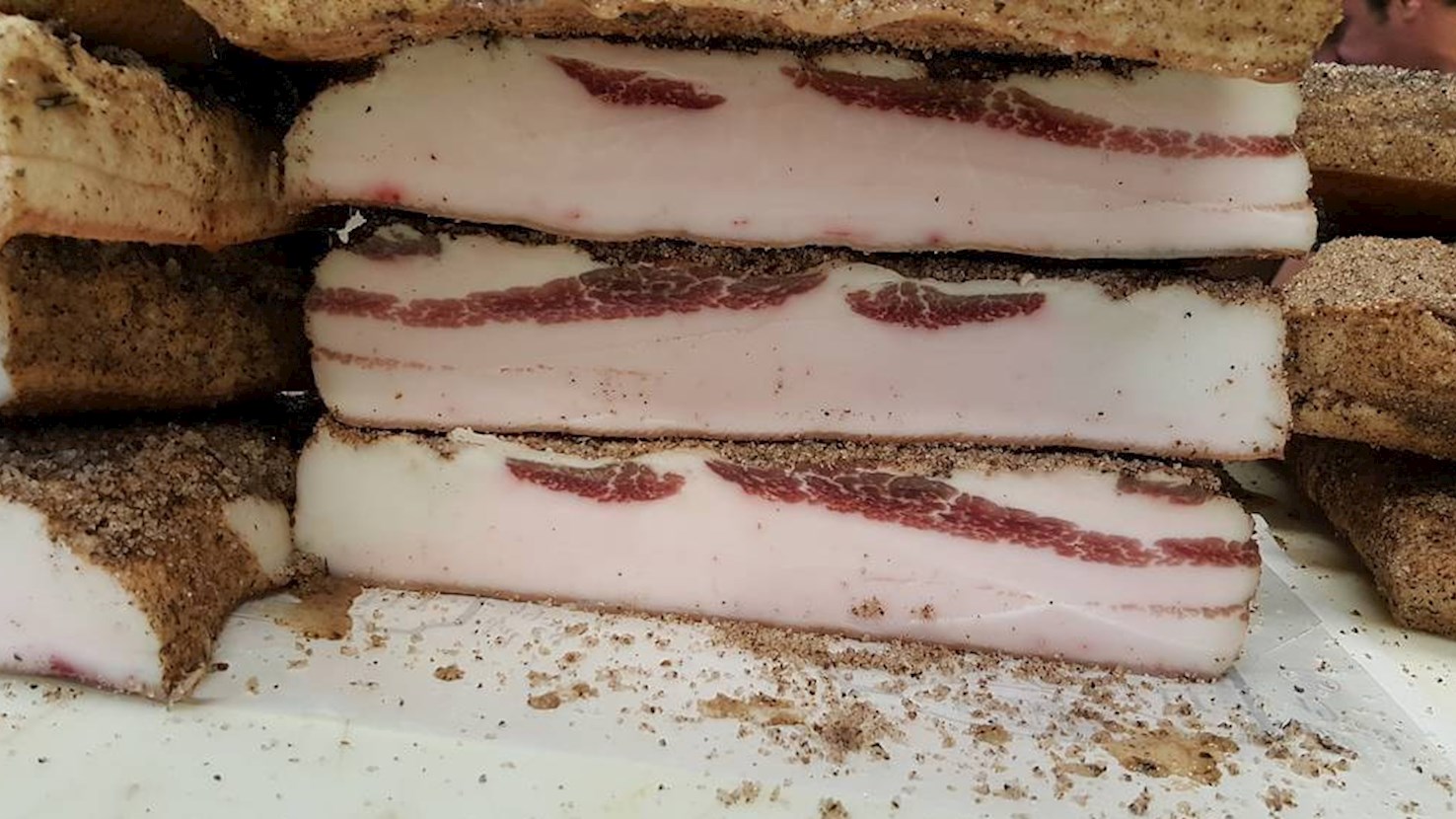
Lardo di Camaiore is a traditional lard originating from Camaiore in Tuscany. The lard is white in color, with red veins running throughout it. It’s made from the fatty part of the pig’s back. Slices of lard are covered with a layer of garlic, rosemary, salt, and pepper. They’re traditionally placed on marble surfaces at an incline in order to mature shortly, and the lard is then ready to be sold and enjoyed. Thin slices of lardo di Camaiore are usually served with slices of fresh or toasted bread and other salamis, then enjoyed as an appetizer. The lard is also sometimes used as a condiment for soups and savory dishes.

10

Pestàt di Fagagna

n/a ·

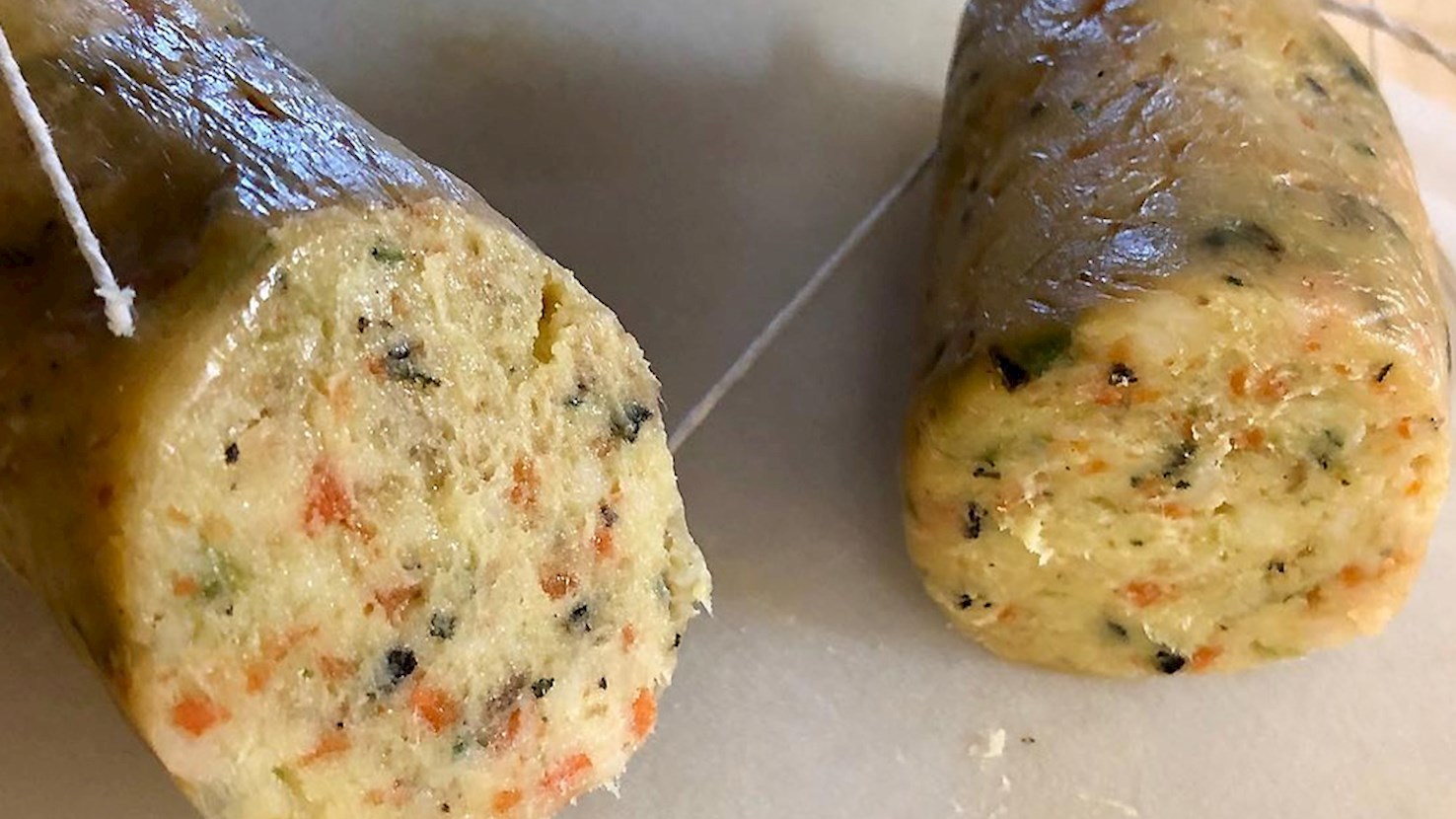
Pestàt di Fagagna is an unusual Italian sausage originating from Fagagna in the province of Udine. The pestàt is made in order to preserve the aromas and flavors of vegetables and herbs in pork lard. In Fagagna, the pork butchers known as purcitâr start to learn the tricks of their trade as teenagers – they mix minced celery, carrots, leeks, onions, rosemary, garlic, sage, and parsley with ground lard. The mixture is seasoned with salt, pepper, allspice, and cinnamon, and it's then stuffed into natural casings that are left to age in cold and humid cellars from a few weeks up to a year. Although the pestàt is technically a type of sausage, it's not eaten on its own, but used as a condiment or a base for local dishes.

13

Garum

n/a ·
14

Vincotto di fichi

n/a ·
15

Vincotto

n/a ·
Read more
View all
View map
About this ranking

TasteAtlas food rankings are based on the ratings of the TasteAtlas audience, with a series of mechanisms that recognize real users and that ignore bot, nationalist or local patriotic ratings, and give additional value to the ratings of users that the system recognizes as knowledgeable. For the “Top 15 Italian Condiments” list until June 15, 2026, 925 ratings were recorded, of which 670 were recognized by the system as legitimate. TasteAtlas Rankings should not be seen as the final global conclusion about food. Their purpose is to promote excellent local foods, instill pride in traditional dishes, and arouse curiosity about dishes you haven’t tried.

The initial list of top producers was compiled based on available reviews, awards, local recommendations, media and blog coverage, and consumer reviews. The list will be updated with ratings from TasteAtlas local ambassadors and TasteAtlas users.

Similar lists