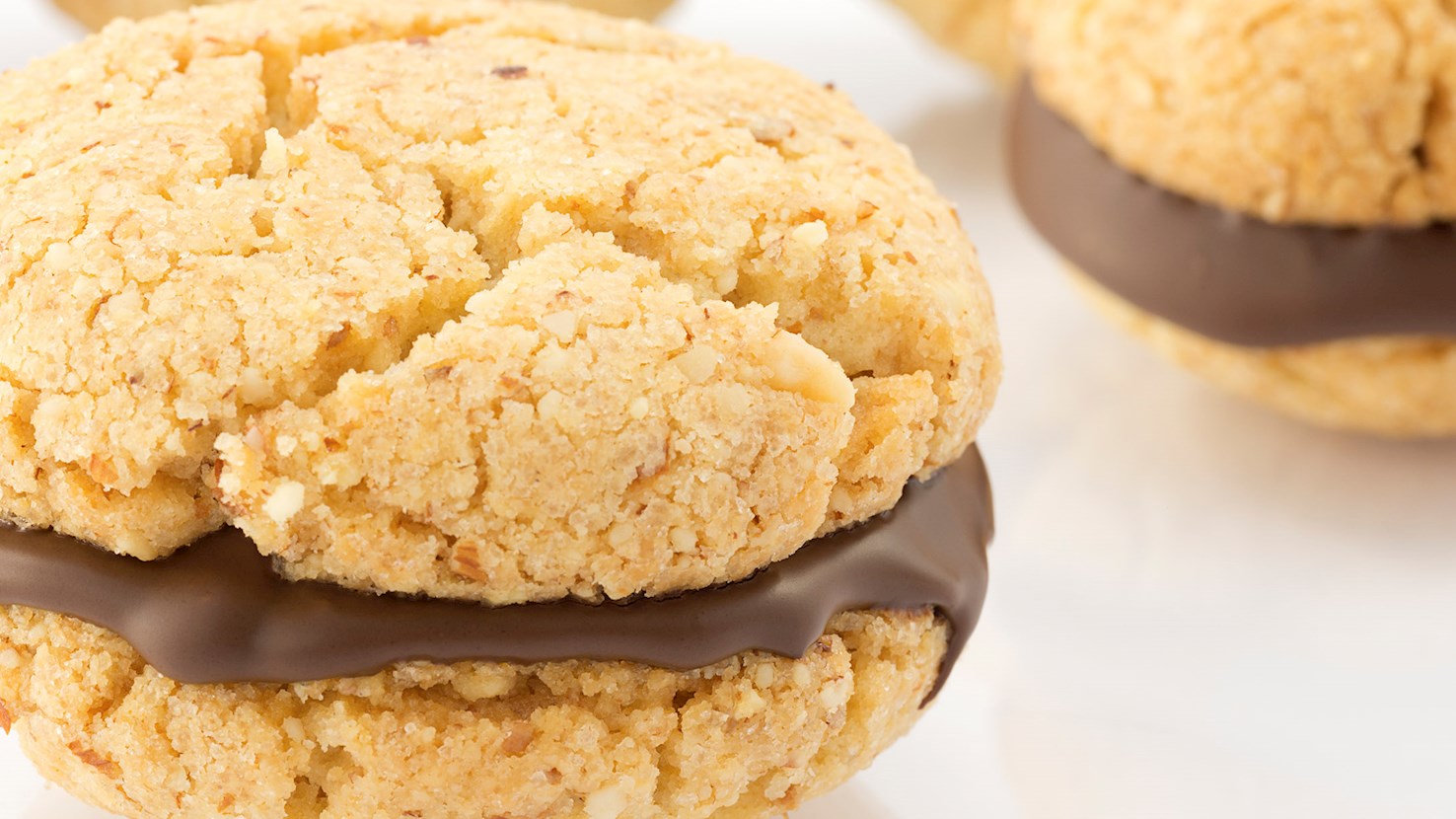
Baci di dama, meaning lady's kisses, are traditional hazelnut butter cookies with a layer of chocolate-hazelnut spread sandwiched between them. They originated in pastry shops in Tortona, Piedmont (famous for its hazelnuts), in the second half of the 19th century. The name of these cookies refers to their visual appearance, since it is reminiscent of two mouths kissing, or the mouth of a lady (ladies didn't use to open their mouths while kissing, as it was considered crude). Baci di dama is often used as a holiday cookie, and they are sometimes even referred to as the Italian version of popular Oreo cookies.
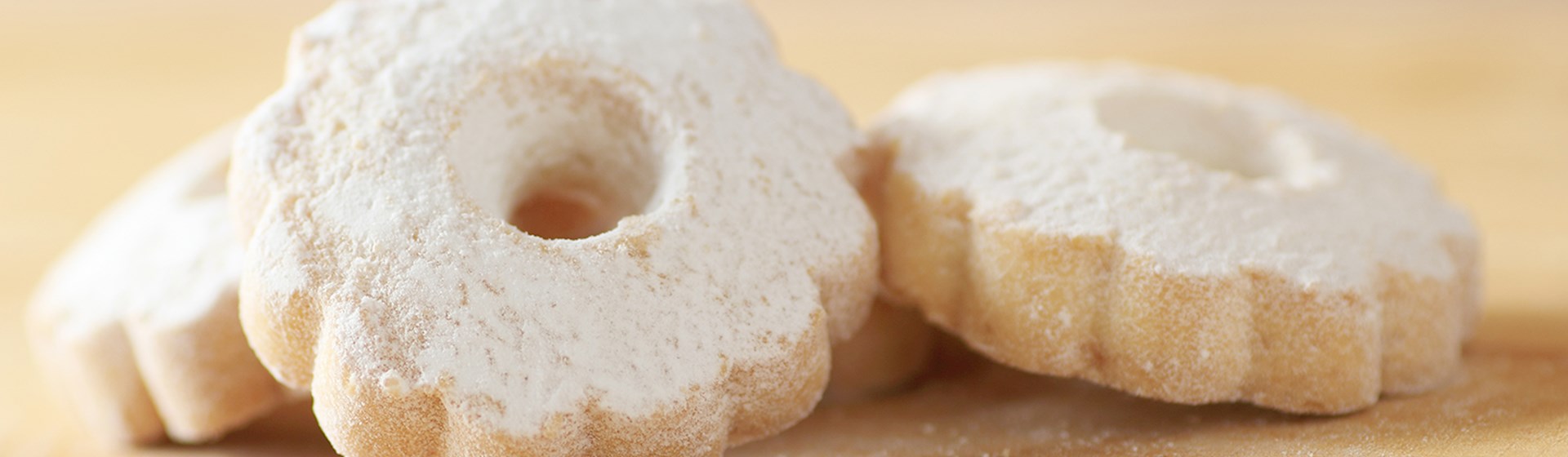
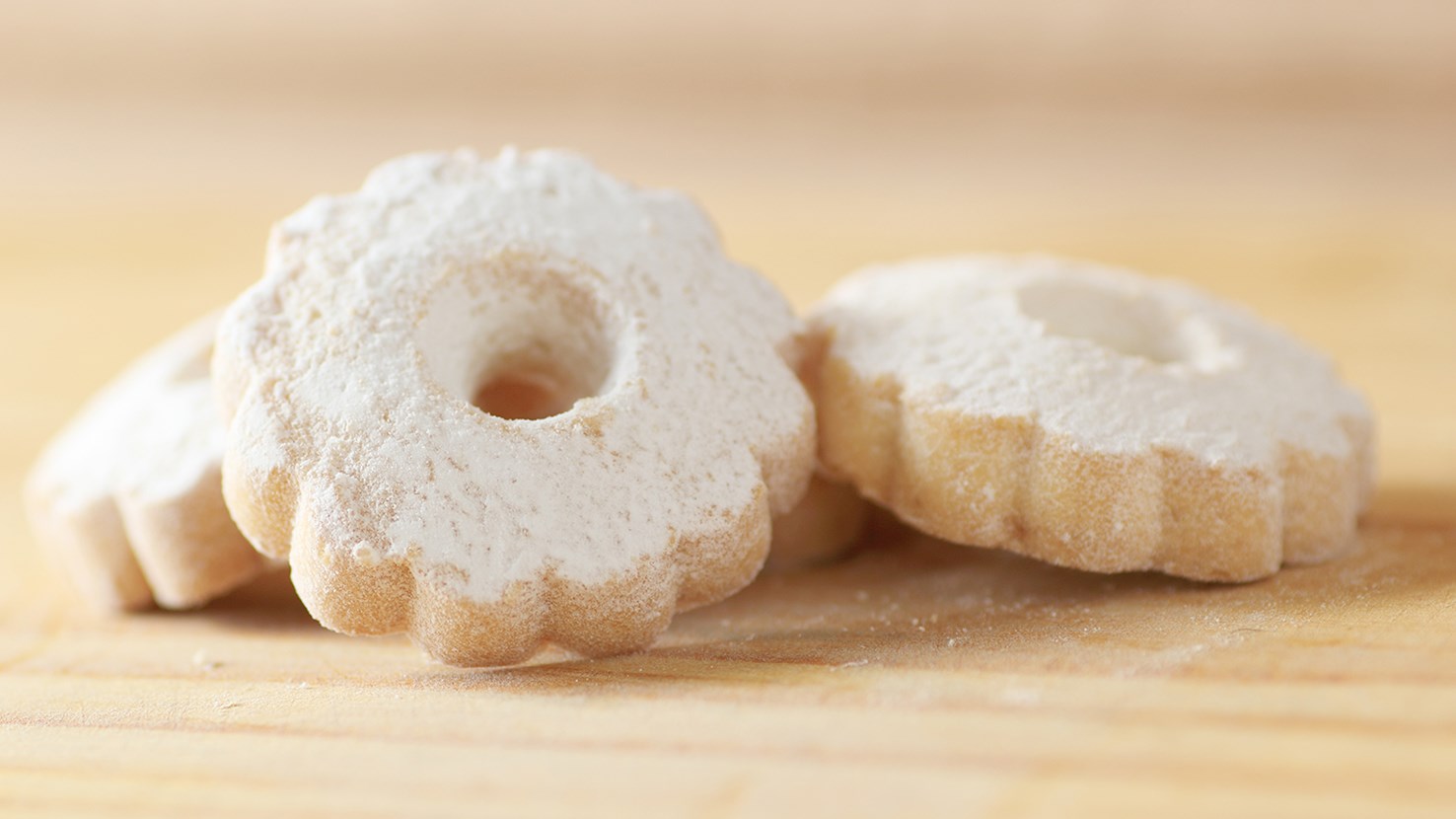
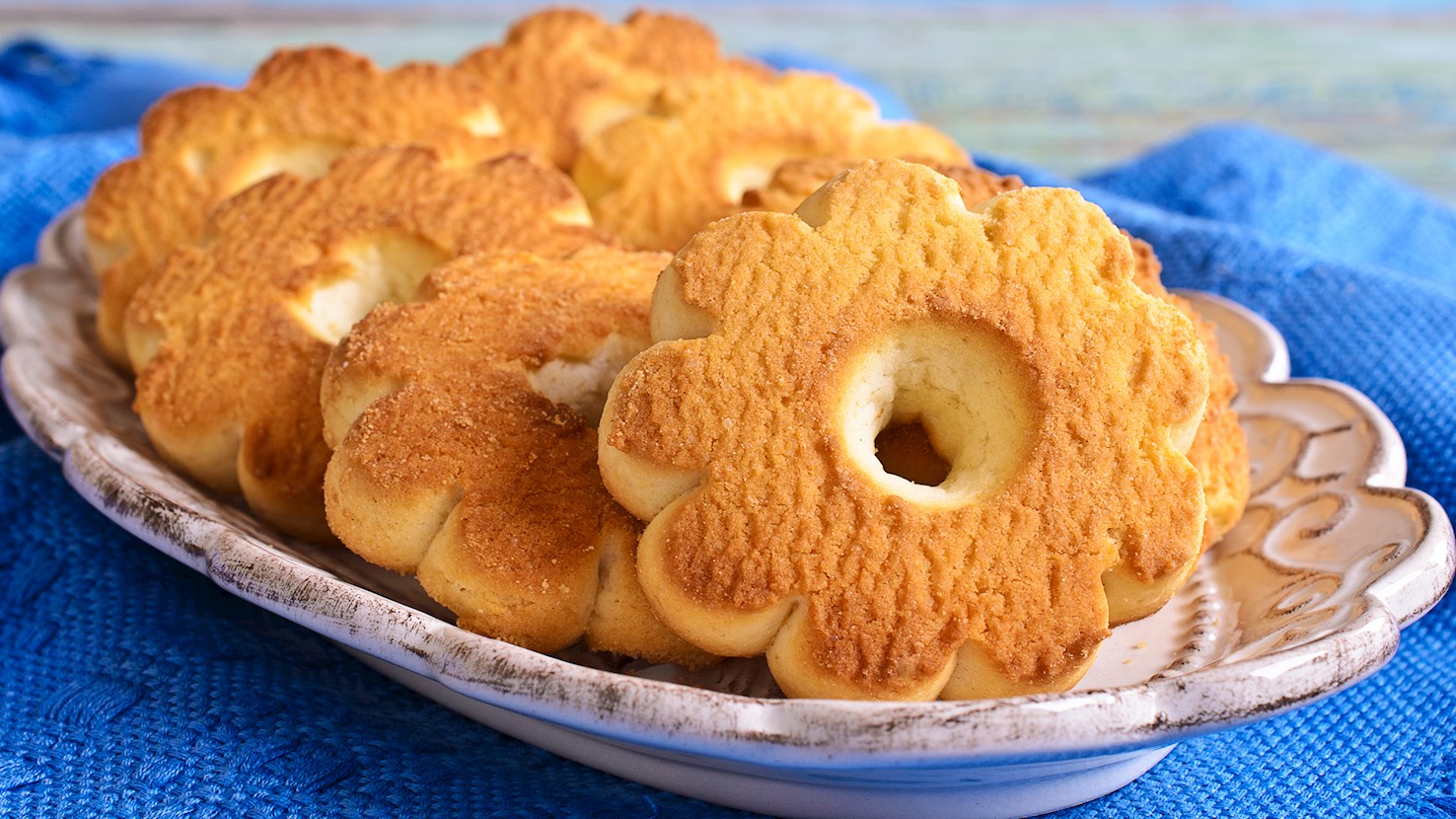
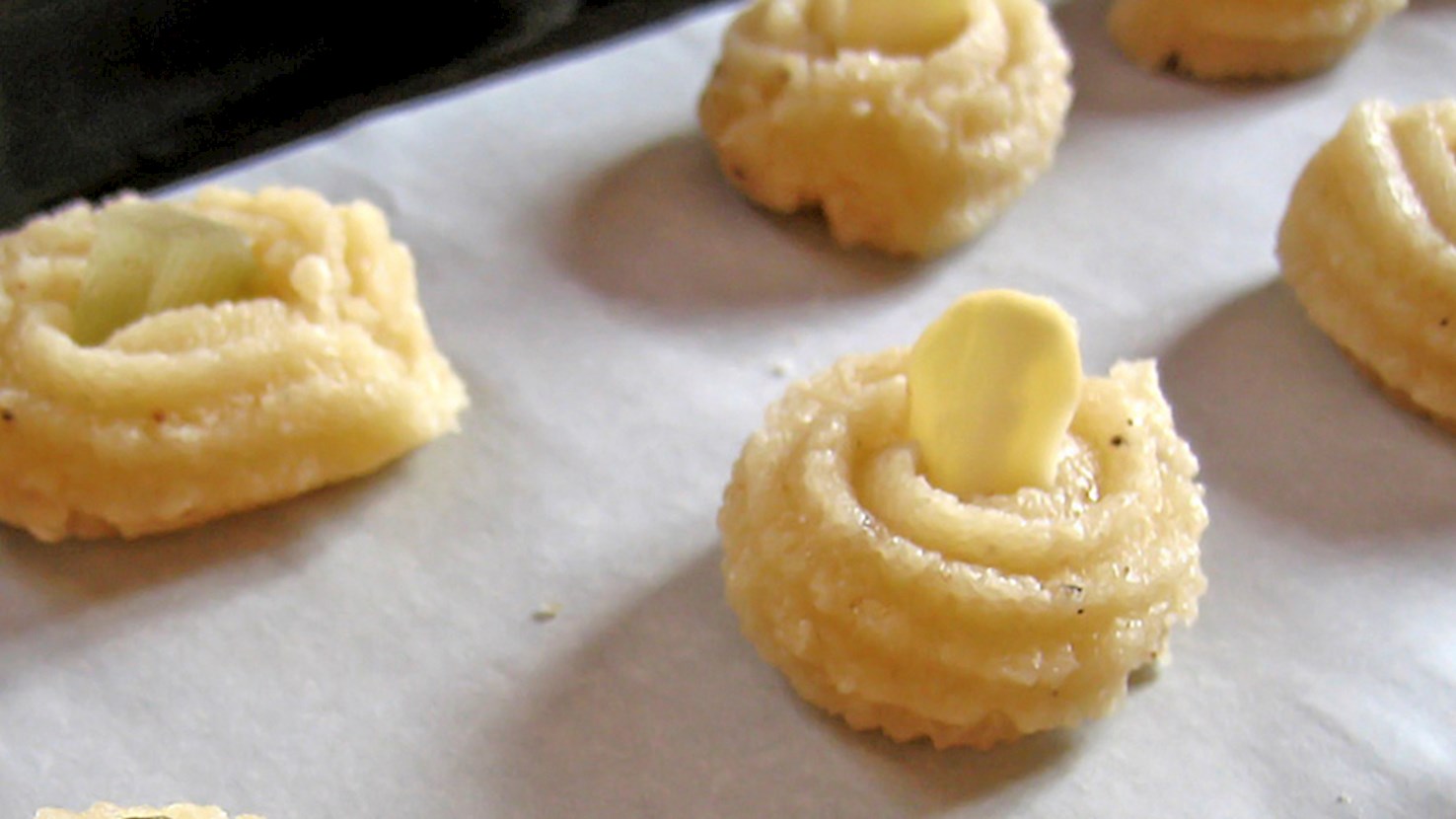
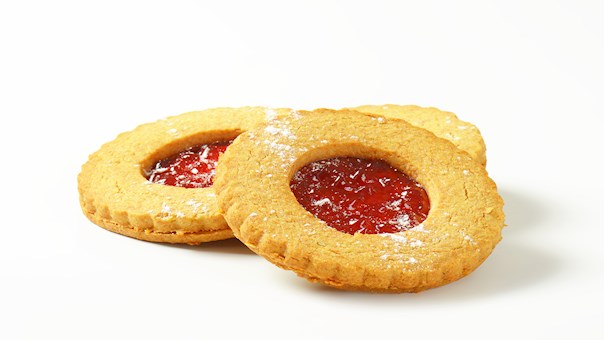
Canestrelli liguri are ancient Ligurian flower-shaped butter cookies with a hole in the center, allegedly named after canestro, a straw basket in which they were left to cool down after baking. Although they are quite simple, made only with flour, sugar, butter, and hard-boiled yolks, these cookies are very popular, so much that they are even recognized as a traditional agricultural product of the region. Local varieties of the recipe also exist, such as canestrelli di Santo Stefano D'Aveto, Acquasanta, or Torriglia, where the basic dough is enriched with ground almonds, lemon zest, orange blossom water, or a topping of granulated sugar before baking. Canestrelli liguri are traditionally enjoyed generously rolled in powdered sugar, accompanied by a cup of coffee or tea.
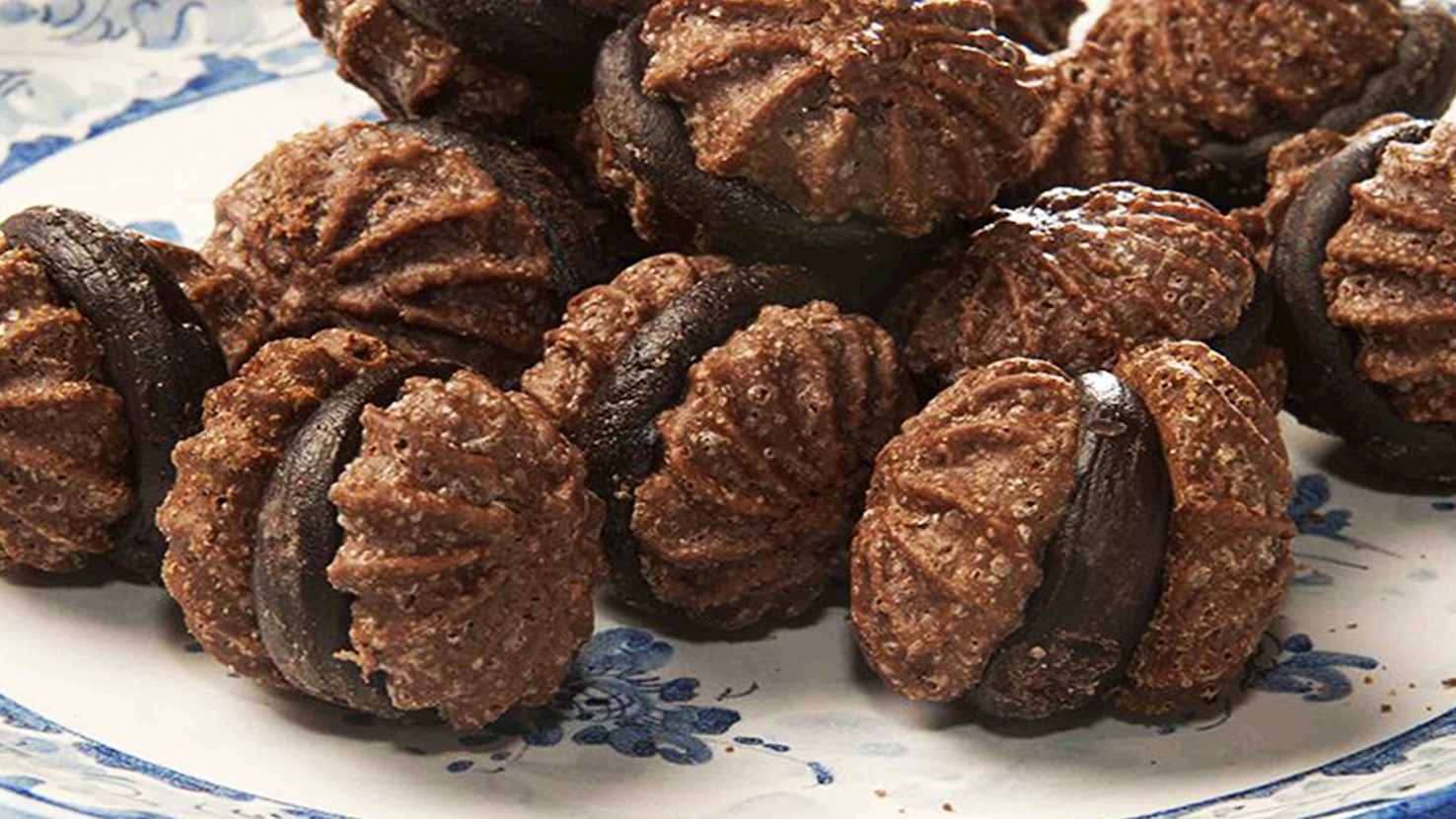
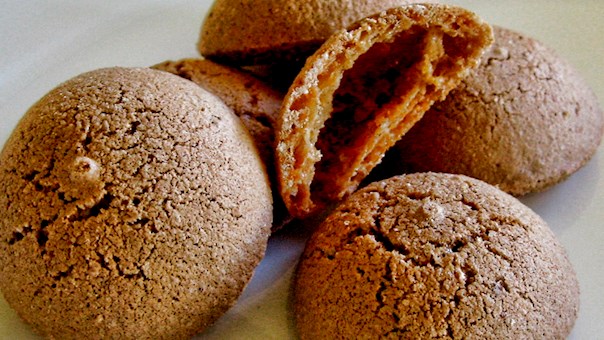
Baci di Alassio are decadent chocolate-hazelnut cookies from the small picturesque Ligurian town of Alassio. They are called baci, meaning kisses, because they consist of two small hazelnut cookies with a rich chocolate ganache sandwiched in between, so the whole thing looks similar to lips sending a kiss. Unlike the more famous baci di dama, they are neither hard nor crunchy, but chewy and soft, with a texture similar to the popular French macarons. Wonderful when consumed on their own, they taste even better when paired with a cup of strong Italian espresso.
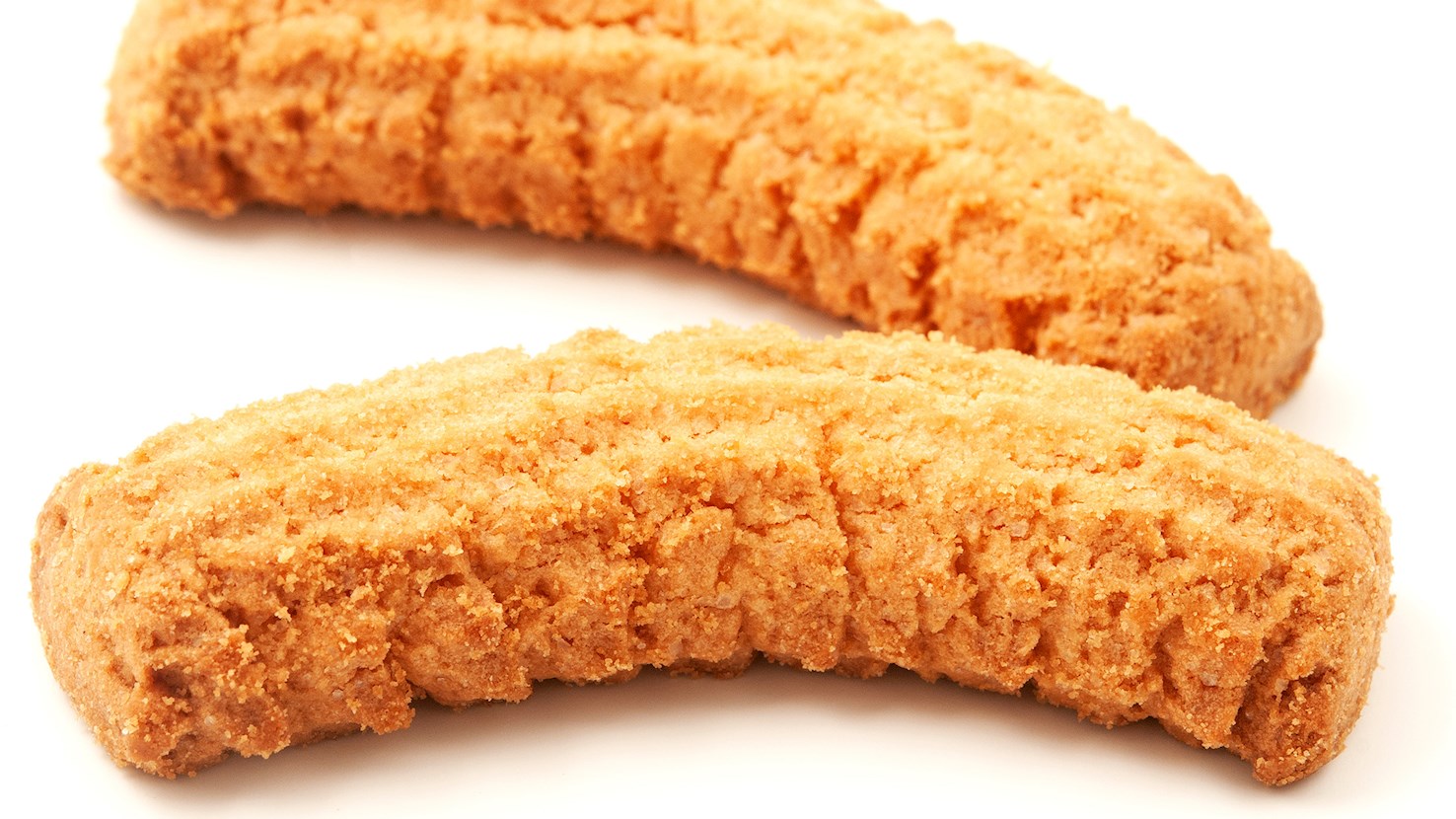
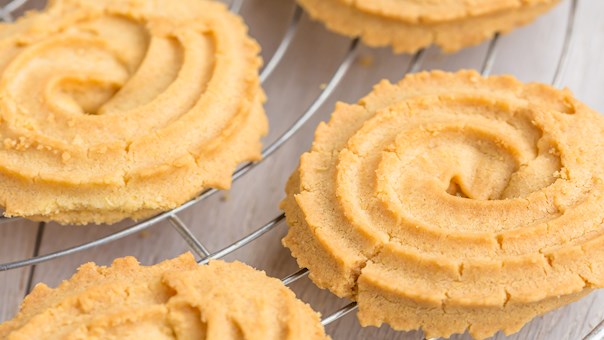
Krumiri are typical Piemontese cookies dating back to 1870, when they were invented by a confectioner named Domenico Rossi. These handmade cookies are made with a combination of fresh eggs, flour, sugar, butter, and vanilla. When the texture becomes just right, the combination is left to breathe for a day before baking. They are shaped in the form of a bent cylinder with a rough surface. It's believed that the shape is made in honor of the mustached King Victor Emanuel II. Krumiri are said to taste the best when dunked into tea, sweet wines, chocolate liqueurs, or zabaione.
Canestrelli are simple, yet delicious Italian butter cookies of ancient origin – they have been prepared since the Middle Ages, often used as a gift on festive occasions such as weddings or religious feasts. The origin of the name is unclear, but it might come from the word canestro, referring to a straw basket in which they were left to cool down after baking. They are made all over Italy using significantly different recipes, but the cookies are most commonly associated with Liguria, where the most recognizable variety is made - the pale, flower-shaped shortbread cookie with a hole in the center. Other popular varieties include hard, waffle-shaped canestrelli traditionally prepared all over Piedmont, or those from Biella, made with two thin chocolate wafers connected with chocolate hazelnut cream.
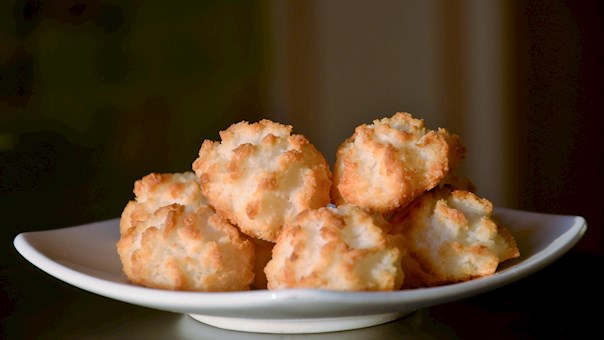
Amaretti, the famous Italian almond cookies are so popular in their homeland that almost every region has their version of the recipe, using different proportions and combinations of the basic ingredients: sweet and bitter almonds, apricot kernels, eggs, and sugar. The Sicilian version is made with egg whites, sugar, and both bitter and sweet almonds, preferably the world-famous ones grown in the province of Syracuse, in south-eastern Sicily, around the cities of Noto, Avola, Rosolini, and Canicattini Bagni. Besides almonds, Sicily is also renowned for exquisite pistachios, so it is also possible to stumble upon amaretti made with pistachios instead of almonds.
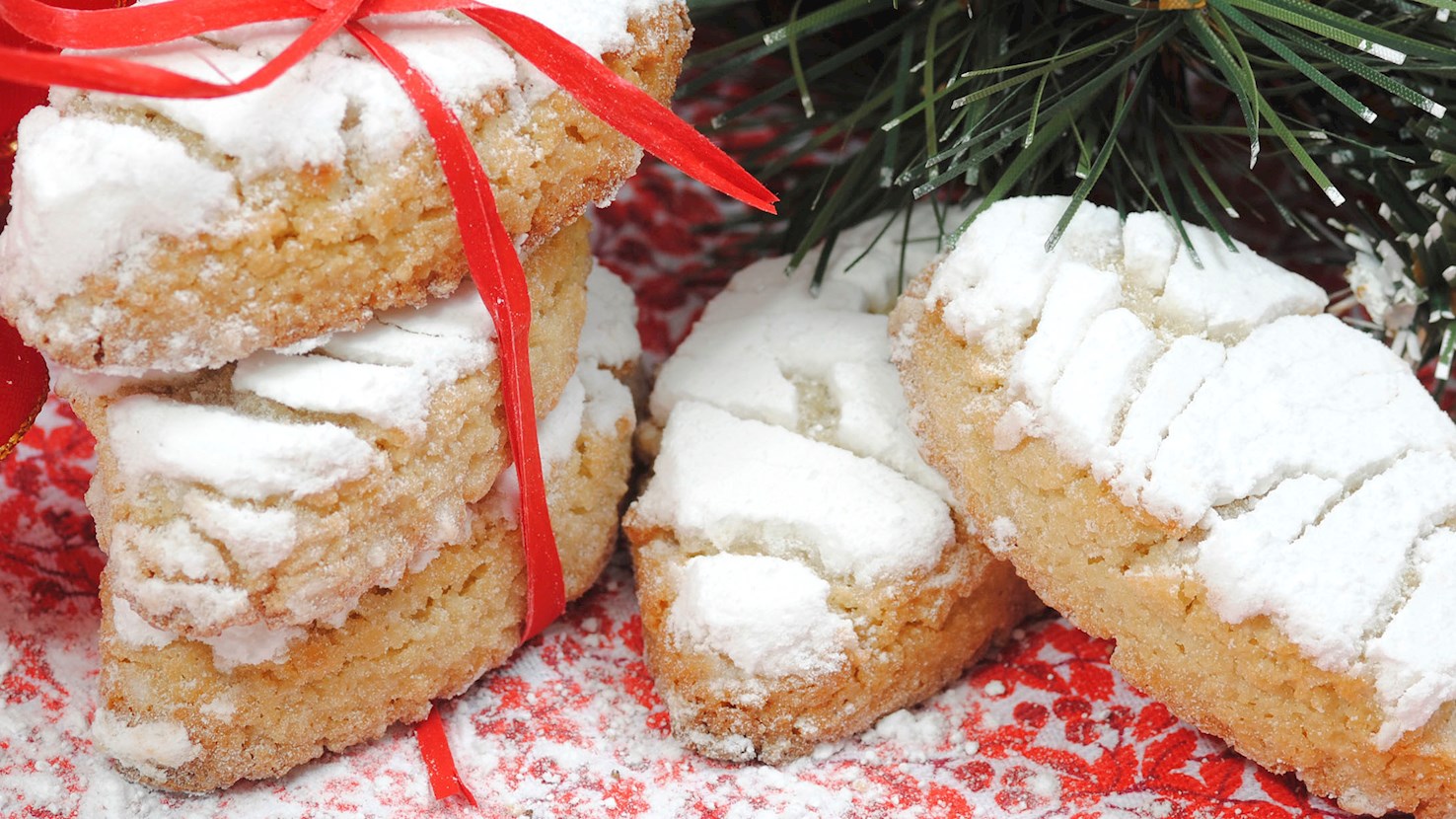
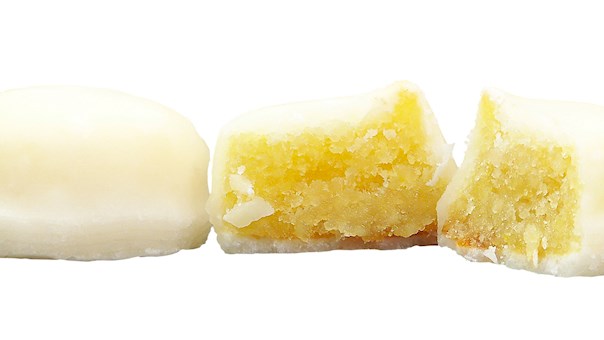
A typical dessert of Sienese cuisine, ricciarelli di Siena are soft almond biscuits whose origins date back to the 14th century. According to a popular legend, they were named after a Sienese nobleman Ricciardetto Della Gherardesca, who brought similar lozenge-shaped Arab sweets to Siena upon his return from the Crusades. Back then, these cookies were also known as marzapanetti alla Senese or morzelletti, and they were reserved for the lavish banquets and feasts of Tuscan royalty, since almond paste or marzipan was a precious and expensive ingredient sold only in Renaissance apothecaries along with the most exotic spices of the time. Today, the aromatic ricciarelli are made with both sweet and bitter almonds, sugar, and egg whites; they are often flavored with candied orange peel and dusted with icing sugar. In Tuscany, they are a traditional Christmas treat, typically enjoyed with dessert wines such as Moscadello di Montalcino or Vin Santo.
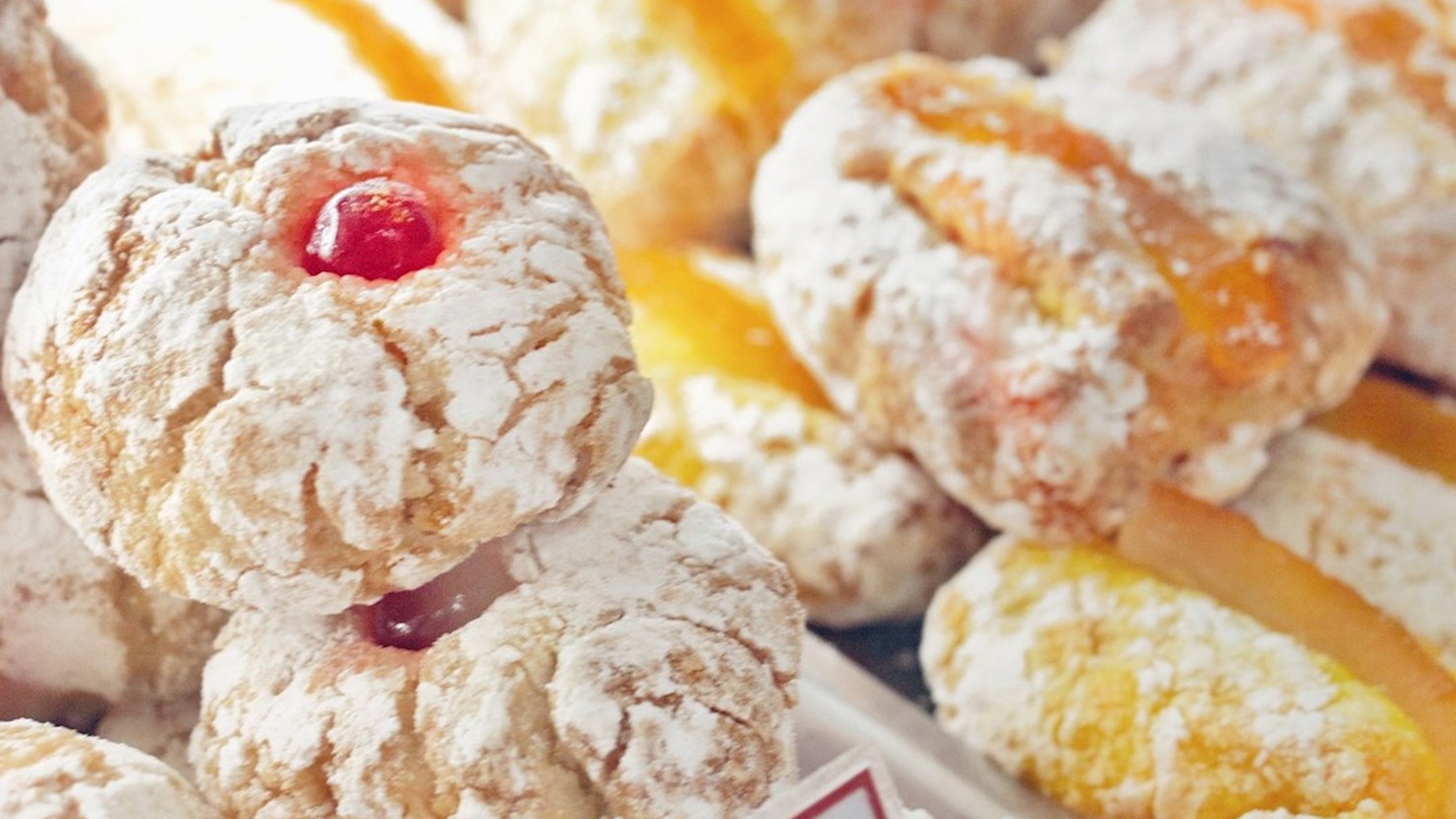
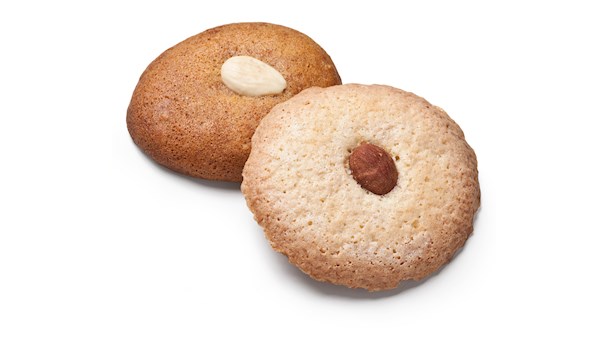
Biscotti di mandorla are soft almond biscuits or cookies that are prepared with a combination of finely crushed almonds, beaten egg whites, icing sugar, lemon zest, and almond flakes. The ingredients are combined into a thick almond paste which is then shaped into a desired form and baked until nicely colored. The cookies are typically sprinkled with powdered or granulated sugar, and they are often garnished with ingredients such as candied maraschino cherries, whole almonds, pine nuts, pistachios, or hazelnuts. They may take on different shapes including small round balls, disks, or S-shapes, and they're also often flavored with almond and vanilla extracts. These almond cookies are especially popular in the southeastern part of Sicily which is renowned for the production of some of the finest almonds in the world.
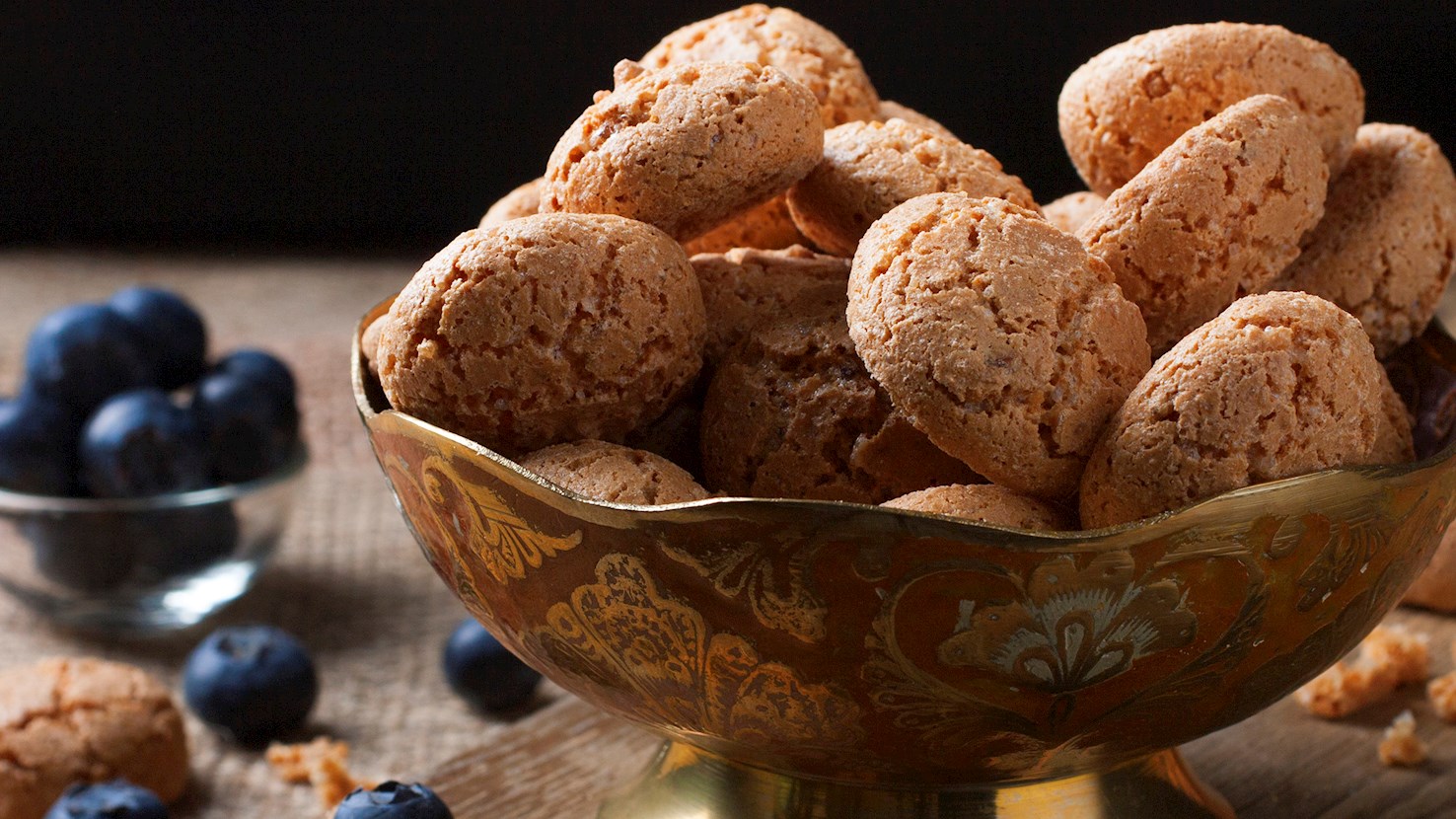
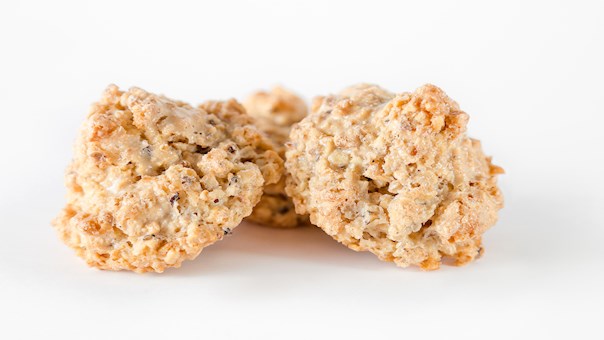
These delicious almond-flavored biscotti have an ancient history, as they were supposedly first made during the Middle Ages. Their name is derived from the Italian amaro, meaning bitter, in reference to the sharp flavor of bitter almonds or apricot kernels, which are traditionally used in the recipe, together with egg whites and sugar. They can be made either dry and crispy, or soft and chewy—secchi or morbidi, respectively—though amaretti are today synonymous with the crispy amaretti di Saronno from the homonymous Lombardian town, commercialized by Lazzaroni family and often referred to as the original amaretti. Over time, they have become ubiquitous in Italy, and each region has its own version of the recipe, using different proportions of the basic ingredients or different stiffness of egg whites, temperatures, and times of baking, or additional ingredients such as egg yolks, flour, or leavening agents. Piedmont’s version, amaretti di Mombaruzzo are also crunchy and made exclusively with sugar, egg whites, sweet almonds, and apricot kernels, while the small town of Sassello in Liguria is renowned for their round-shaped, very soft and chewy amaretti, with almost marzipan-like interior, due to a very high percentage of almonds in the dough. Lombardy's version, amaretti di Gallarate, are also very soft, but irregularly shaped, while amaretti Casperiani - from the province of Rieti - are made with hazelnuts instead of almonds. Amaretti di Carmigiano, also known as amaretti di Fochi, can be found in Tuscany - they are soft, imperfectly shaped, and smaller than the others, with characteristical amber color and strong almond aroma. In Lazio, soft and oval-shaped amaretti of Fiuggi and of Guarcino are made with both sweet and bitter almonds, egg whites, and sugar, and they are traditionally placed on a disc of wafer paper. Also made with the combination of sweet and bitter almonds is Emilia-Romagna’s version, amaretti di Modena, which are crunchy on the outside and soft on the inside. Regardless of the type, amaretti are an excellent after-meal snack that pairs perfectly with the sweet, almond flavored liqueur called amaretto Disaronno, but they also go very well with a cup of coffee or Italian espresso.
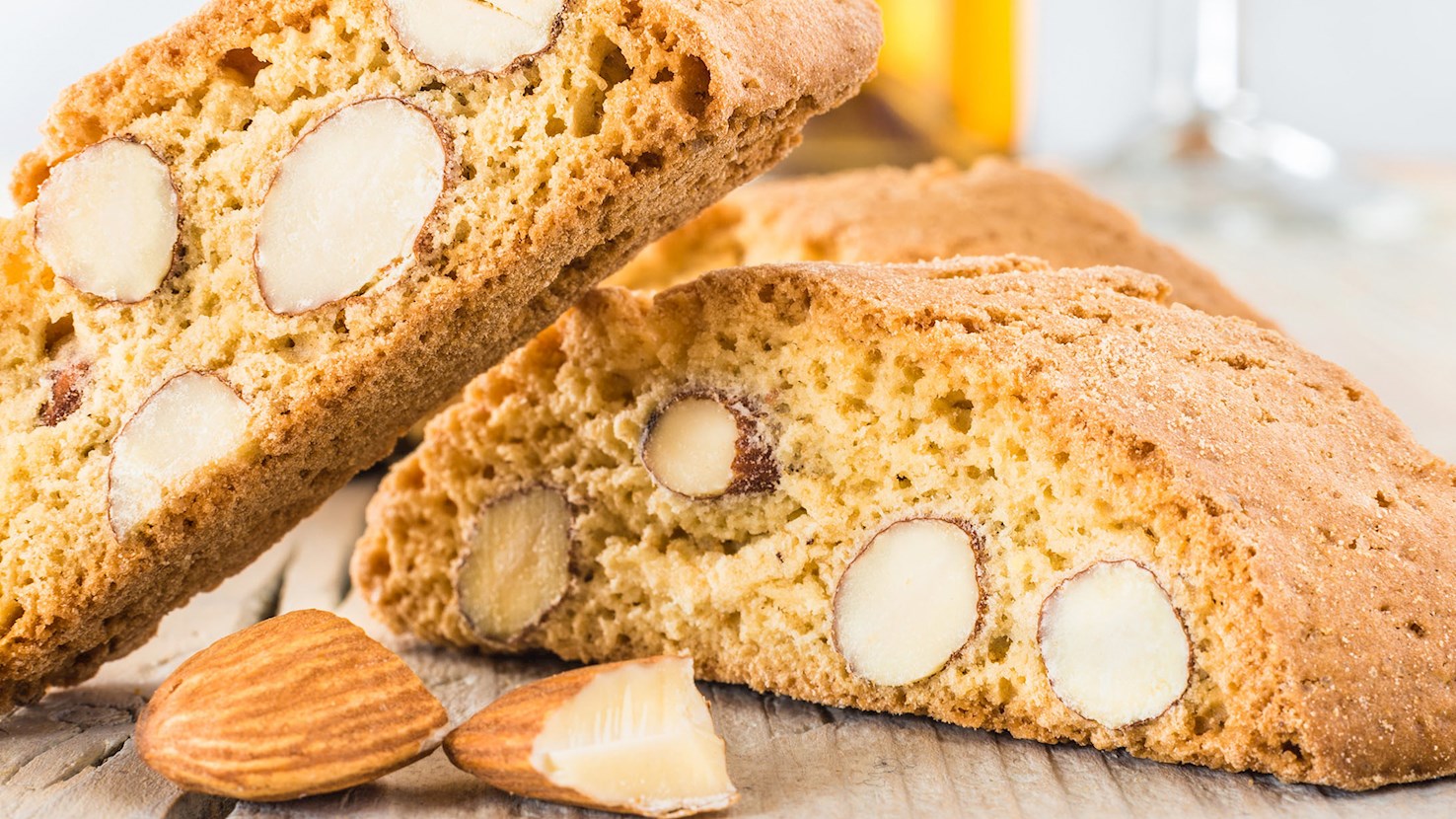
These hard almond biscuits visually resemble tiny slices of bread, or cantellus in Latin, which is how they gained the name cantuccini, though they are also known as biscotti, meaning twice-baked. Cantuccini supposedly originated in the Tuscan city of Prato in the 16th century, and they were even served at the Medici court. However, according to some historical records, they did not contain any almonds, being similar to the already famed biscuits from Pisa and Genova. Almonds were added to the recipe towards the end of the 19th century, after which Tuscan bakers started using butter and leavening agents to give the cantuccini a longer shelf life and make them suitable for export. Cantuccini are an excellent after-meal snack, and they are typically accompanied by a glass of Vin Santo, a popular Italian dessert wine, though they are also often enjoyed for breakfast, dipped in milk, coffee, or tea.
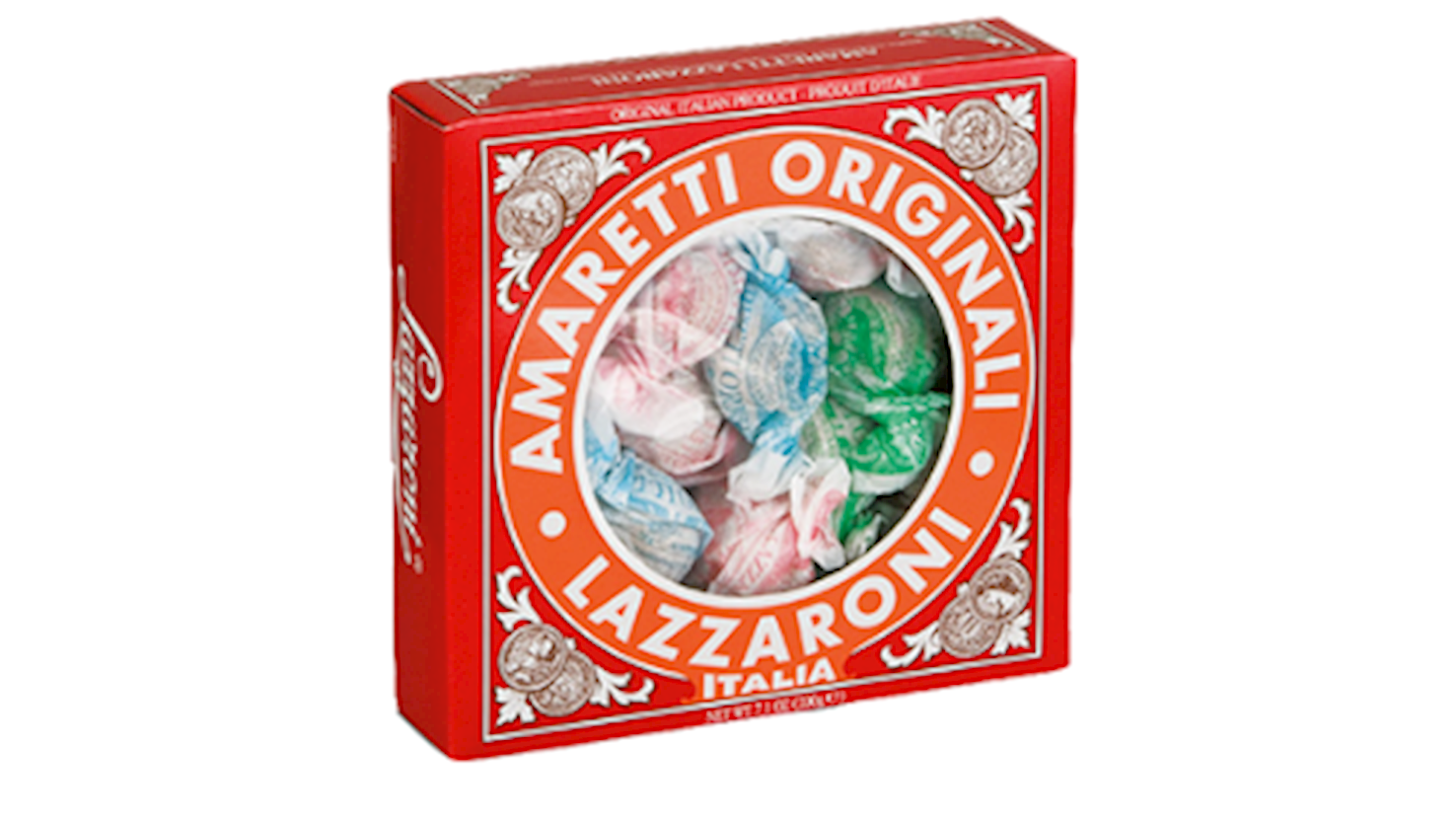
Lazzaroni is a historic Italian biscuit and confectionery producer whose origins date back to the early 18th century in the town of Saronno. The company established its industrial production in 1888, becoming one of the first in Italy to scale biscuit manufacturing while preserving traditional recipes.
Its identity is strongly linked to Amaretti di Saronno, almond-based biscuits known for their distinctive balance of sweetness and slight bitterness derived from apricot kernels. Over time, Lazzaroni expanded its range to include various types of biscuits, pastries, and seasonal products, maintaining a focus on simple ingredients and recognizable flavors.
The brand has also been notable for its packaging, particularly its decorative tin boxes that combine functionality with a strong visual identity. While production methods have evolved, the company continues to emphasize continuity with its heritage, especially in the use of traditional formulations and baking techniques.
Lazzaroni products have long been exported, contributing to their recognition beyond Italy and positioning the brand within the broader European confectionery market. Despite changes in ownership and structure over time, it retains a clear association with Italian baking traditions.
Today, it remains a reference point for classic almond-based biscuits and traditional Italian sweets.
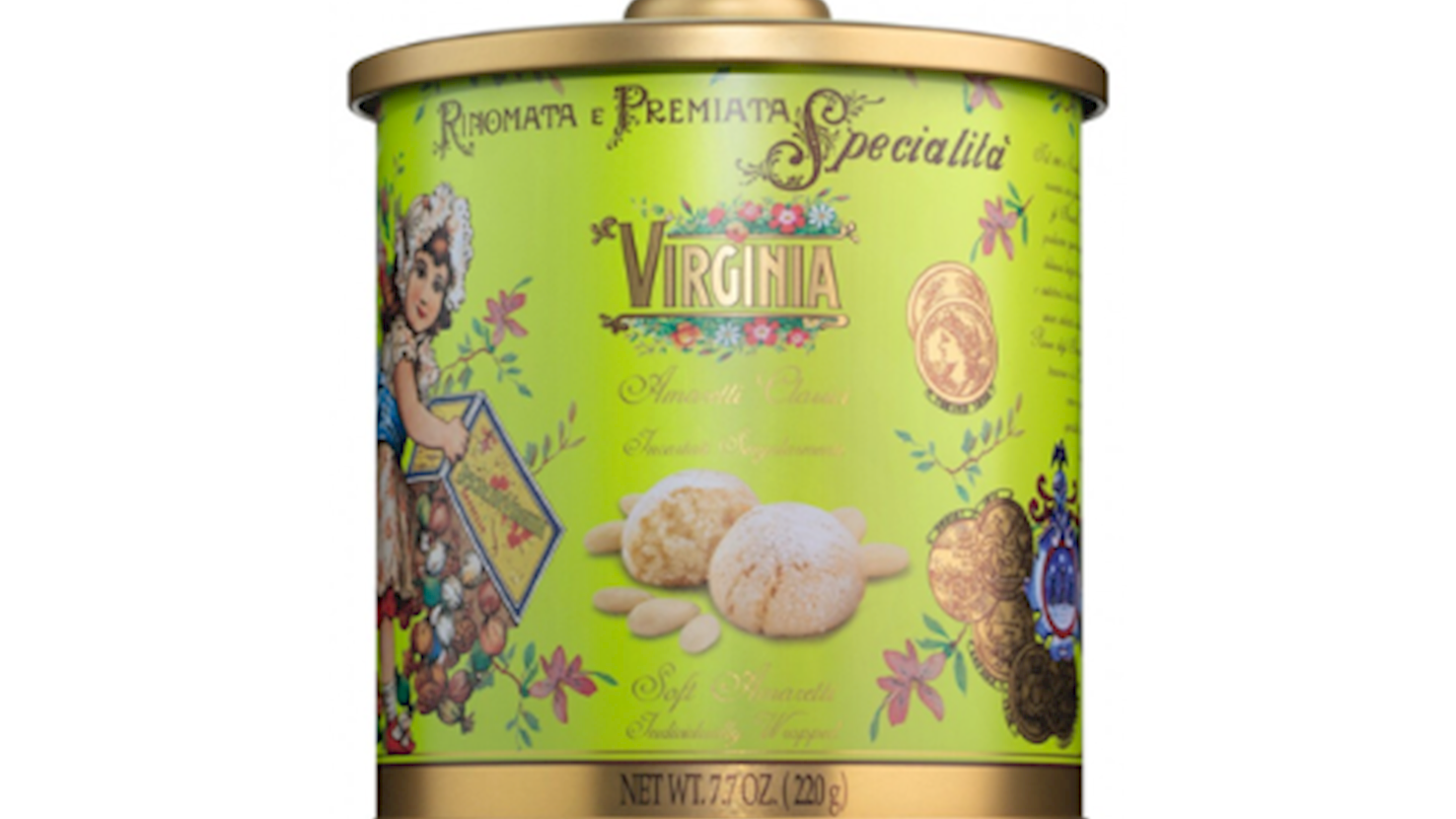
Amaretti Virginia is a historic Italian confectionery brand founded in 1860 in Sassello, Liguria, with a strong specialization in soft amaretti and almond-based sweets. Its core product is defined by a soft, slightly chewy texture and a balanced sweet-bitter profile derived from almonds and apricot kernels.
The company developed from a small local bakery into a recognized producer, gaining international visibility through awards at exhibitions in the late 19th and early 20th centuries. Its production remains closely tied to traditional recipes, using simple ingredients such as sugar, egg whites, and almond components, resulting in a texture closer to marzipan than to crisp biscuits.
Over time, the assortment has expanded to include products such as truffles, biscuits, and gift assortments, while maintaining amaretti as the central element of the brand. A key aspect of its approach is adapting production processes to preserve the integrity of the original recipe rather than standardizing the product excessively.
The brand is export-oriented, with a presence in multiple international markets, reflecting its established reputation. Despite this expansion, it retains a clear connection to its place of origin and to Italian confectionery traditions.
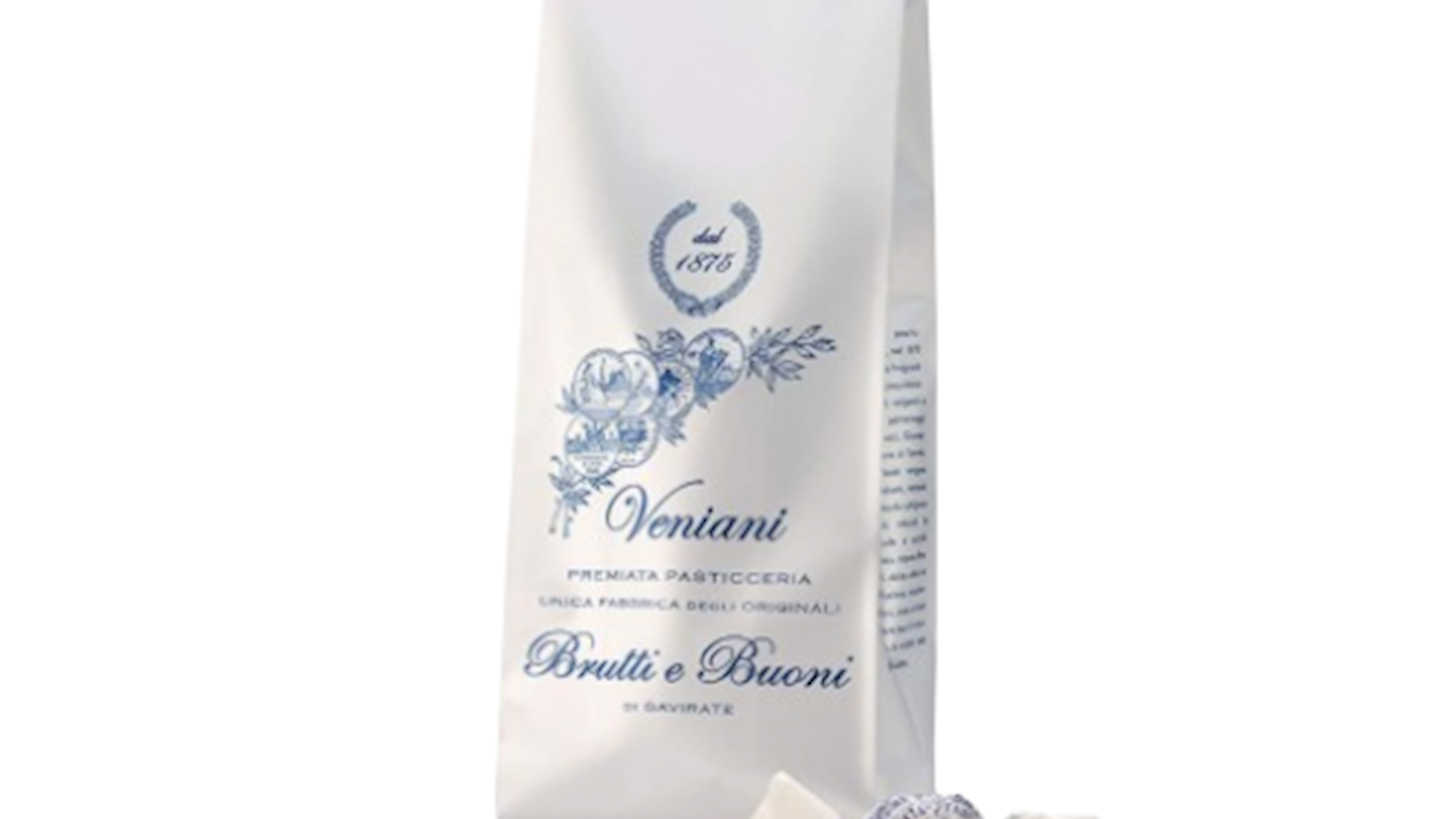
Pasticceria Veniani is a historic Italian pastry producer based in Gavirate, Lombardy, founded in 1875 and closely associated with the origin of the “Brutti e Buoni” biscuits. The company’s identity is strongly centered on this single product, first created in 1878, which remains the core of its production.
These biscuits are made from a simple combination of almonds, hazelnuts, sugar, egg whites, and natural vanilla, resulting in a flavor profile defined by roasted nut notes and moderate sweetness. Their irregular shape, reflected in the name meaning “ugly but good”, contrasts with a refined texture that is crisp on the outside and lighter inside.
Production follows an artisanal approach, with a continued emphasis on manual preparation and packaging, reinforcing continuity with traditional methods. While the company has introduced variations such as chocolate or flavored versions, these remain secondary to the original formulation.
The brand maintains a strong link to its place of origin, where the product is considered a regional specialty. Its approach prioritizes consistency and preservation rather than diversification or large-scale industrial expansion.
Overall, it represents a focused, heritage-driven model built around a single, well-defined confectionery product.
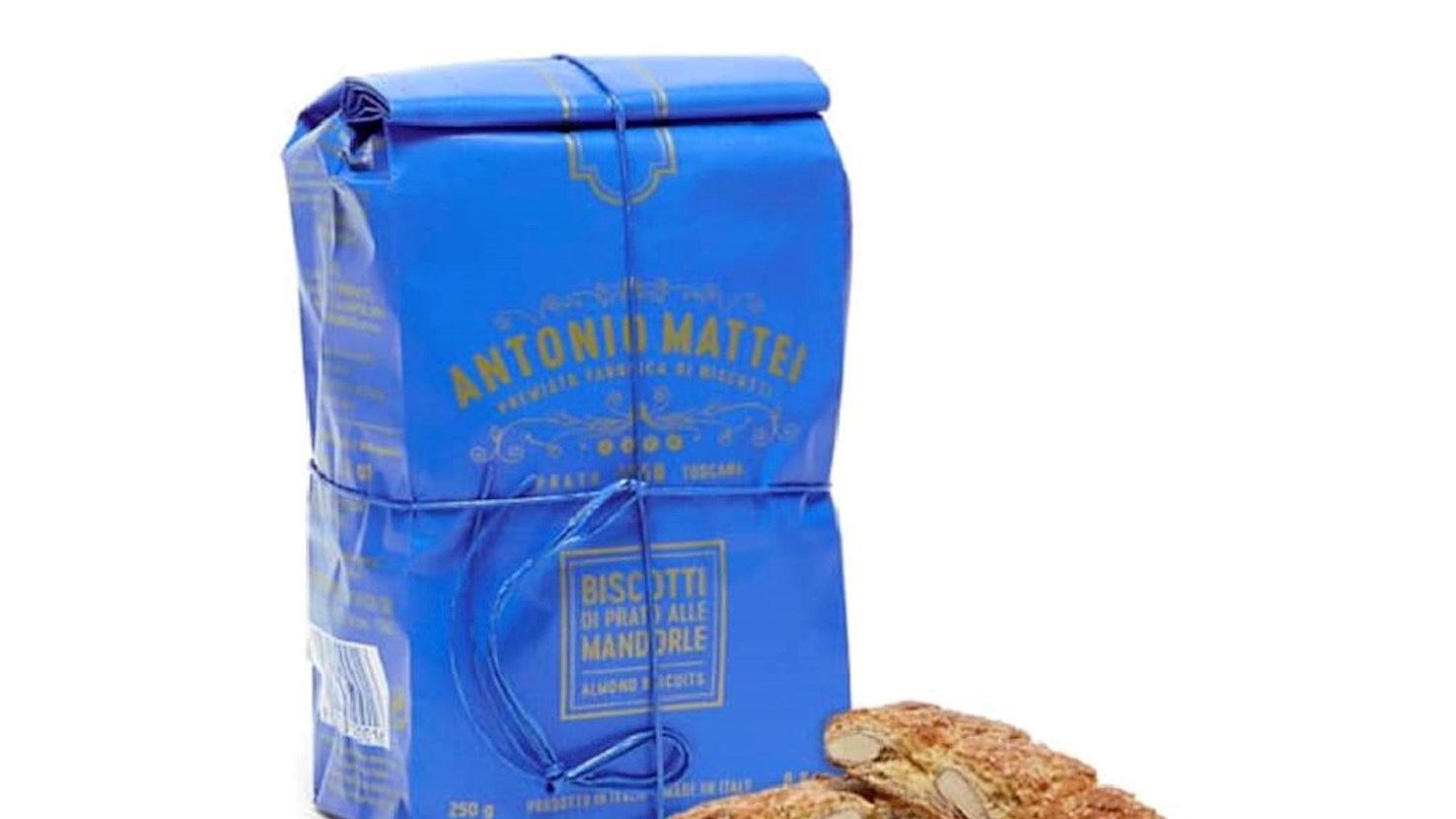
Antonio Mattei is a legendary name in Italian pastry tradition, world-renowned for its original cantuccini—crunchy almond biscuits from Prato, typically enjoyed with a glass of Vin Santo. Since 1858, this family-run company has preserved the authenticity of its recipes and the artisanal methods that define its production.
Crafted in the historic workshop in Prato, their biscuits are made using only a few high-quality ingredients, resulting in a simple yet distinctive flavor that has delighted generations. The iconic blue packaging has become a symbol of the brand and a mark of quality recognized across the globe.
While the classic almond cantuccini remains their signature product, the range has expanded to include modern variations with hazelnuts, pistachios, and chocolate. Antonio Mattei continues to honor its rich heritage while offering a refined take on Italy’s most beloved traditional sweets.
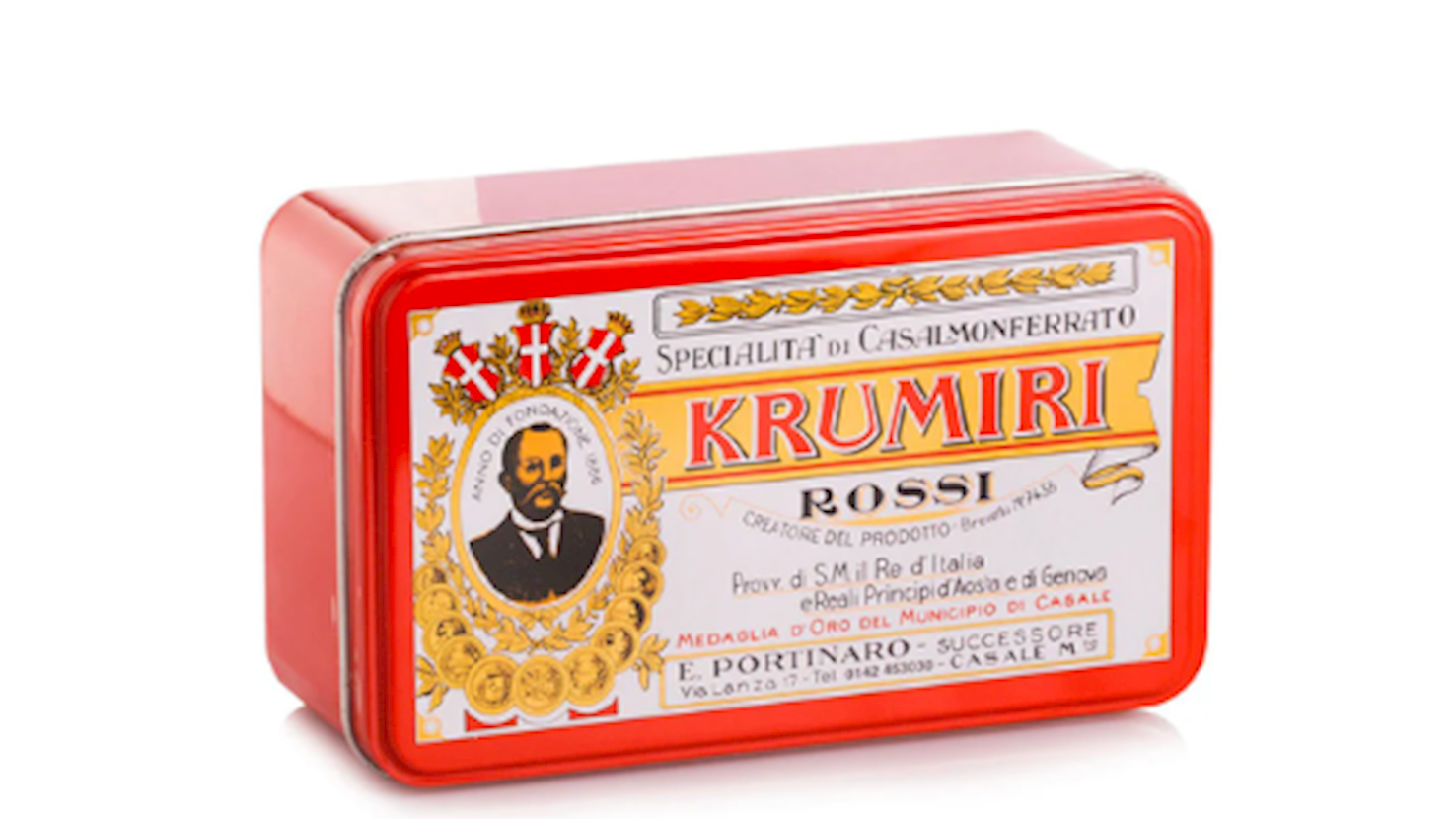
Krumiri Rossi is a historic Italian confectionery brand based in Casale Monferrato, in the Piedmont region, known for producing one of Italy’s most distinctive traditional biscuits. Founded in 1878 by pastry chef Domenico Rossi, the company originated from the creation of krumiri, a butter-based biscuit that quickly became emblematic of the local gastronomic identity.
The recipe is intentionally simple - flour, butter, sugar, eggs, and vanilla - but its character lies in the balance between a firm, slightly crumbly texture and a rich, buttery flavor. A defining feature is the biscuit’s curved shape, often linked to the moustache of King Victor Emmanuel II, which contributes to its strong visual identity.
From its early years, the brand established itself through authenticity and protection of its product, gaining recognition and defending the originality of the recipe. Despite its growth over time, Krumiri Rossi has maintained a consistent focus on tradition, preserving both the formulation and the production approach.
The biscuits are typically consumed with coffee, tea, or dessert wines, reinforcing their role as both an everyday accompaniment and a regional specialty. Today, Krumiri Rossi represents continuity rather than innovation, positioning its product as a direct extension of a late 19th-century recipe that remains largely unchanged.
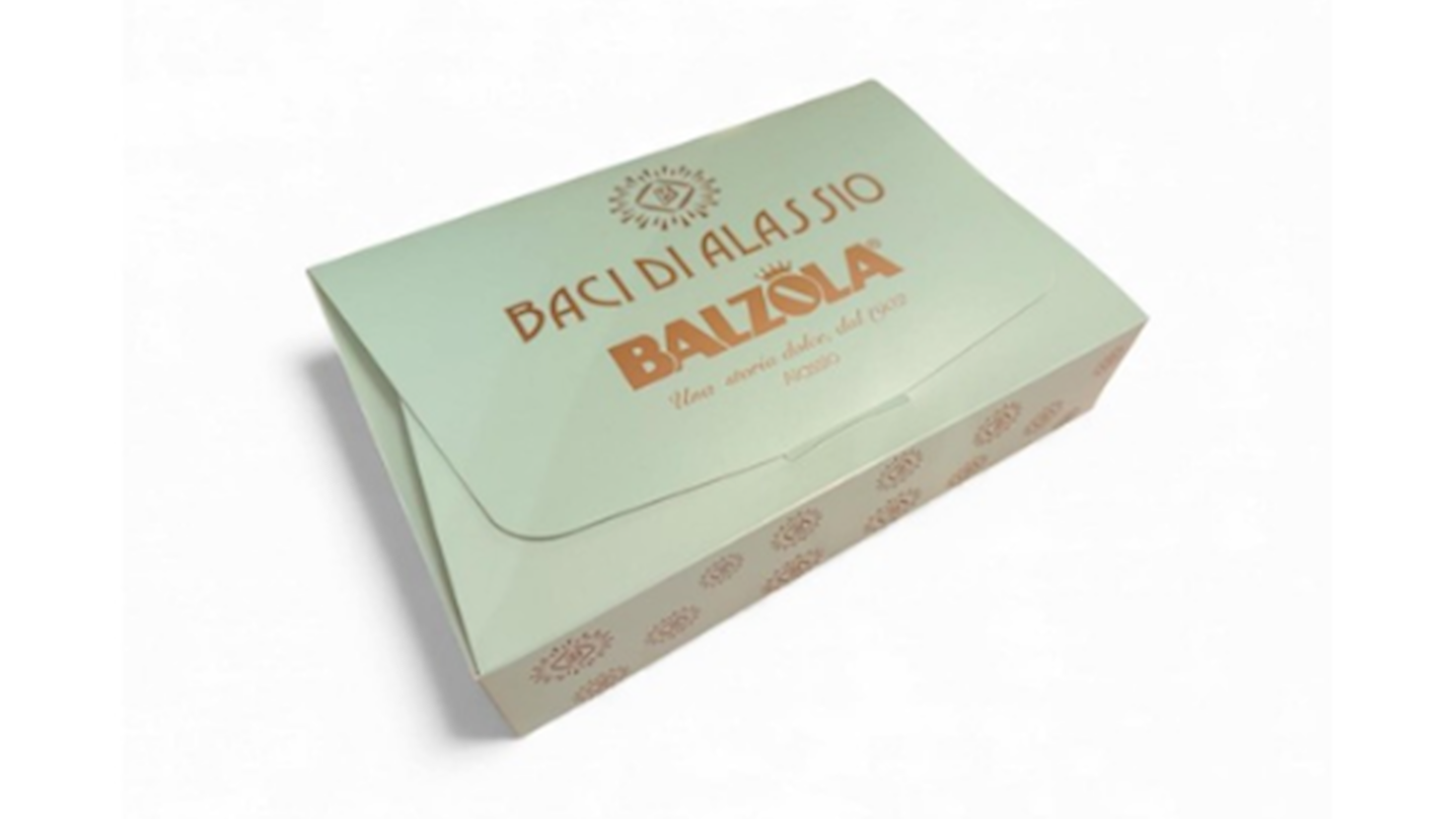
Balzola is a historic Italian pastry brand from Alassio, founded in 1902 by Pasquale Balzola as a café and pastry shop that quickly became a focal point of local social and culinary life. Its development is closely linked to the growth of Alassio as a major tourist destination in the early twentieth century, where the café attracted an international clientele including writers and intellectuals.
A defining moment in the brand’s history came with the creation of Baci di Alassio, a confection made from hazelnut and cocoa biscuits filled with chocolate ganache, which became the company’s signature product and a symbol of the city. Over time, Balzola expanded its range to include pralines, biscuits, and other traditional Italian sweets while maintaining a strong connection to its origins.
The brand continues to rely on established recipes and artisanal techniques rooted in its heritage. Its identity remains closely associated with the cultural atmosphere of Alassio, where pastry, tourism, and tradition intersect.
Today, Balzola stands as an example of how a local specialty can evolve into a recognized brand while preserving its historical and regional character.
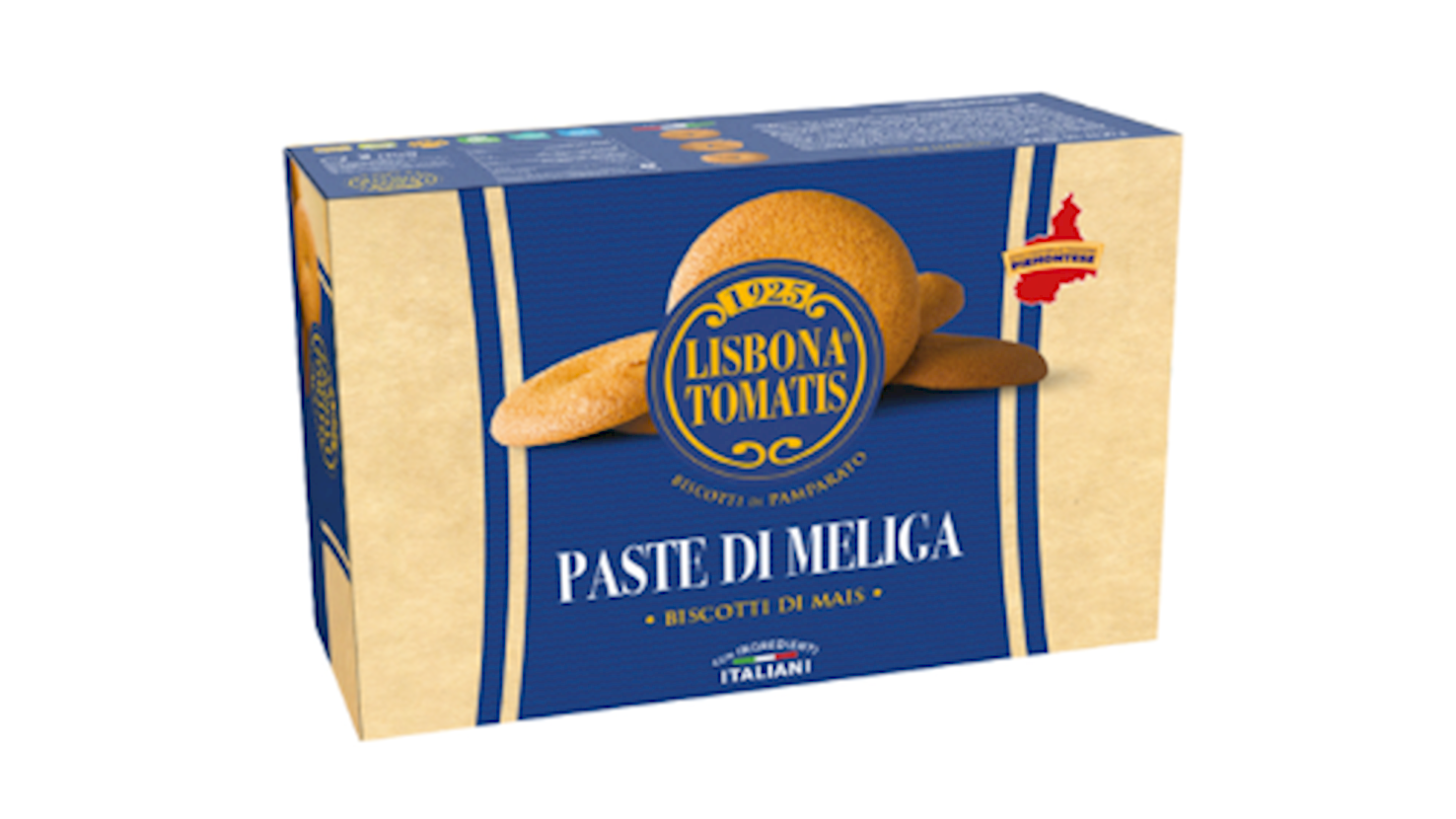
Lisbona Tomatis is a family-run biscuit producer based in Pamparato, in the Piedmont region of Italy, with origins dating back to 1925. The company was founded with the aim of preserving and promoting traditional local recipes, a mission that continues today through a multi-generational approach to production.
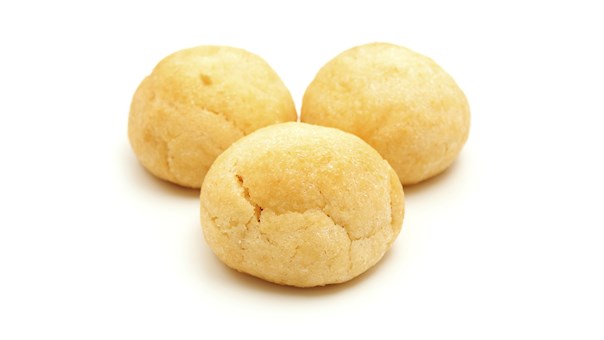
Its identity is closely tied to paste di meliga, a traditional cornmeal biscuit that emerged in this mountainous area due to the historical scarcity of wheat flour. These biscuits are made using a simple and well-balanced recipe based on Italian corn flour, butter, eggs, milk, and honey, resulting in a crumbly texture and a delicate flavor marked by buttery and mildly sweet notes.
Beyond the classic version, the range includes wholegrain, spelt-based, and no-added-sugar variations, reflecting a careful adaptation to contemporary preferences without compromising authenticity. Production remains rooted in artisanal methods, with a strong emphasis on regional ingredients and consistency in quality.
Lisbona Tomatis products are typically enjoyed with coffee, tea, or even wine, in line with local consumption habits, and represent a continuation of Piedmont’s culinary heritage through everyday yet culturally significant baked goods.
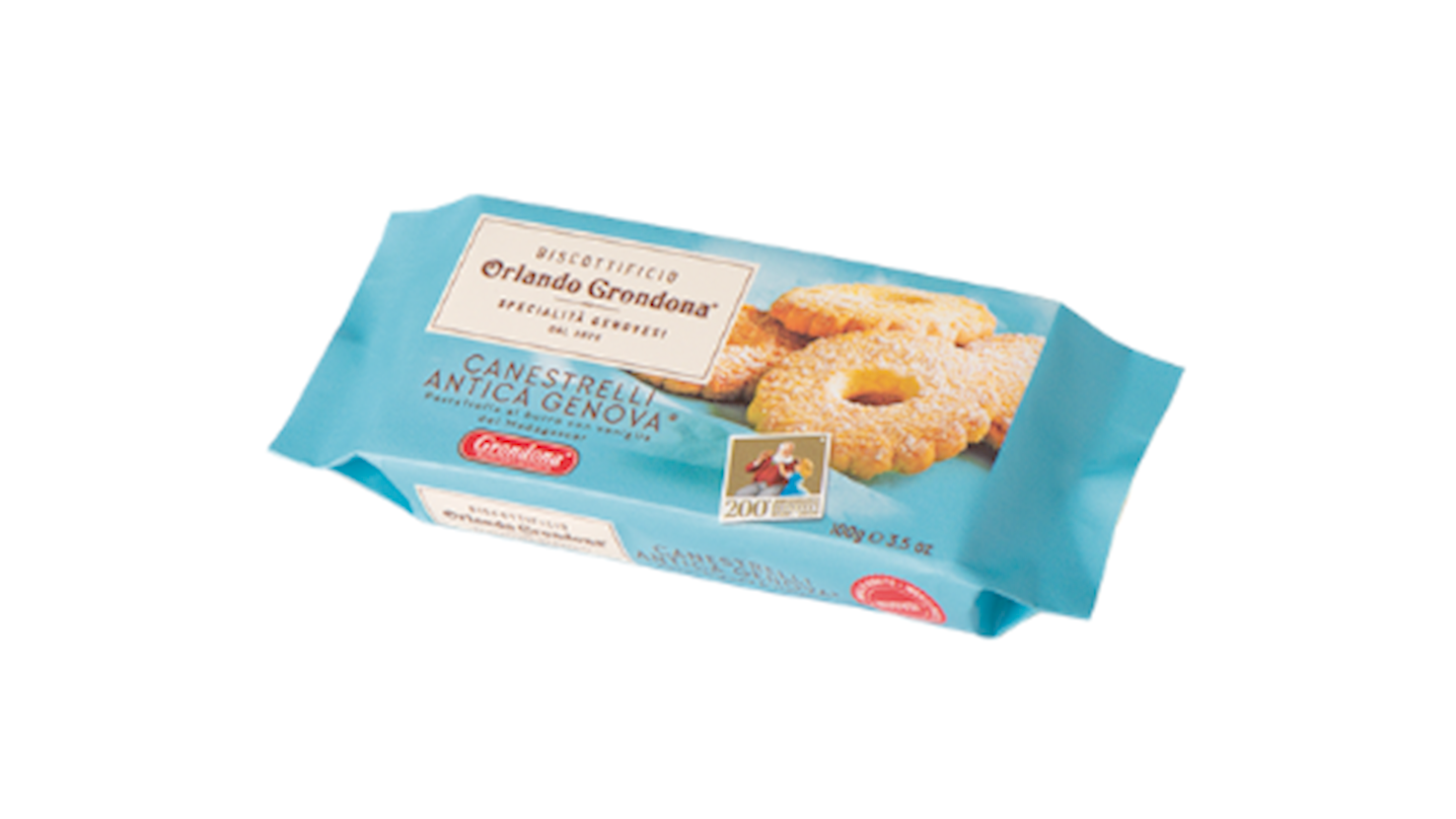
Grondona is a historic Italian bakery brand based in Genoa, with origins dating back to 1820 when Giuseppe Grondona established a small artisanal flour mill and bakery that gradually developed into a specialized producer of biscuits and traditional Ligurian baked goods. Over time, the company shifted its focus from pasta production to biscuits, building its identity on regional recipes and techniques that have been preserved and passed down through generations, often rooted in the founder’s original notes.
Today, Grondona remains a family-run business with more than two centuries of continuous activity, emphasizing natural ingredients, sourdough-based processes, and artisanal methods adapted to modern production standards. Its portfolio includes a wide range of products such as traditional biscuits, cakes, pandolce, and seasonal specialties, all closely linked to the culinary heritage of Liguria.
Despite its international distribution, the brand maintains a strong connection to its place of origin and a consistent focus on quality and authenticity. It is positioned as a representative example of Italian baking tradition sustained through continuity, technical knowledge, and careful adaptation to contemporary markets.
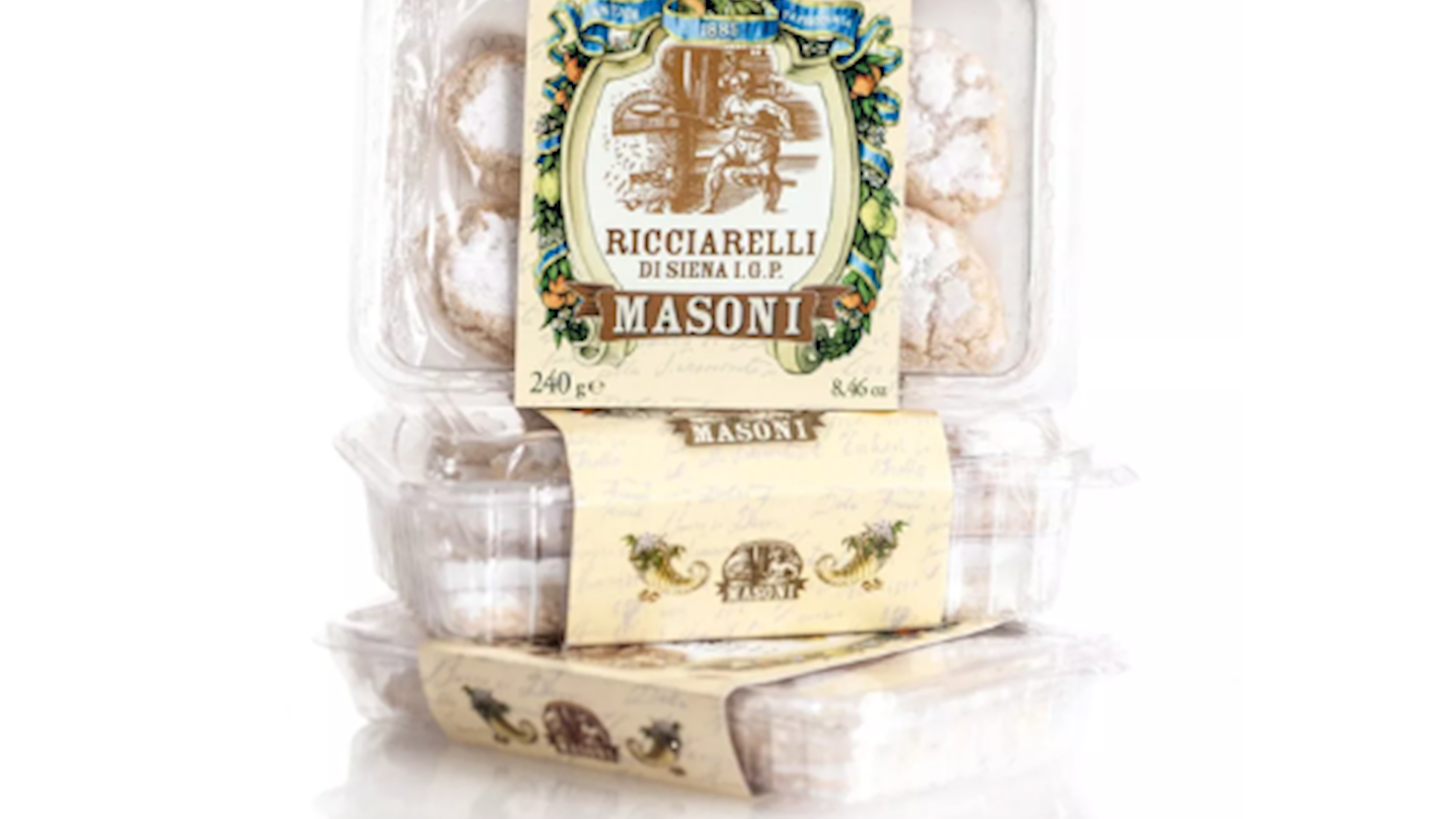
Masoni Pietro is a historic Italian confectionery company based in Colle Val d’Elsa, in the Tuscany region, with origins dating back to 1885 when Ippolito Masoni and his wife Petronilla Razzi established a small bakery and grocery focused on traditional Sienese sweets. Over time, the business developed as a family-run enterprise, expanding production while maintaining a strong connection to local pastry traditions.
The company specializes in classic Tuscan products such as Panforte di Siena, Ricciarelli di Siena, and Cantuccini Toscani, all rooted in long-established recipes and regional identity. Its approach is based on simple, high-quality ingredients and controlled production processes, where consistency and authenticity are prioritized over variation.
While production has evolved to meet modern standards, the core formulations and techniques remain closely aligned with traditional methods. Masoni Pietro is strongly associated with the confectionery heritage of Siena and the broader Tuscan region, positioning its products as representative examples of Italian dry pastries.
Today, the company distributes its assortment both domestically and internationally, maintaining a focus on recognizable flavor profiles and continuity in product quality.
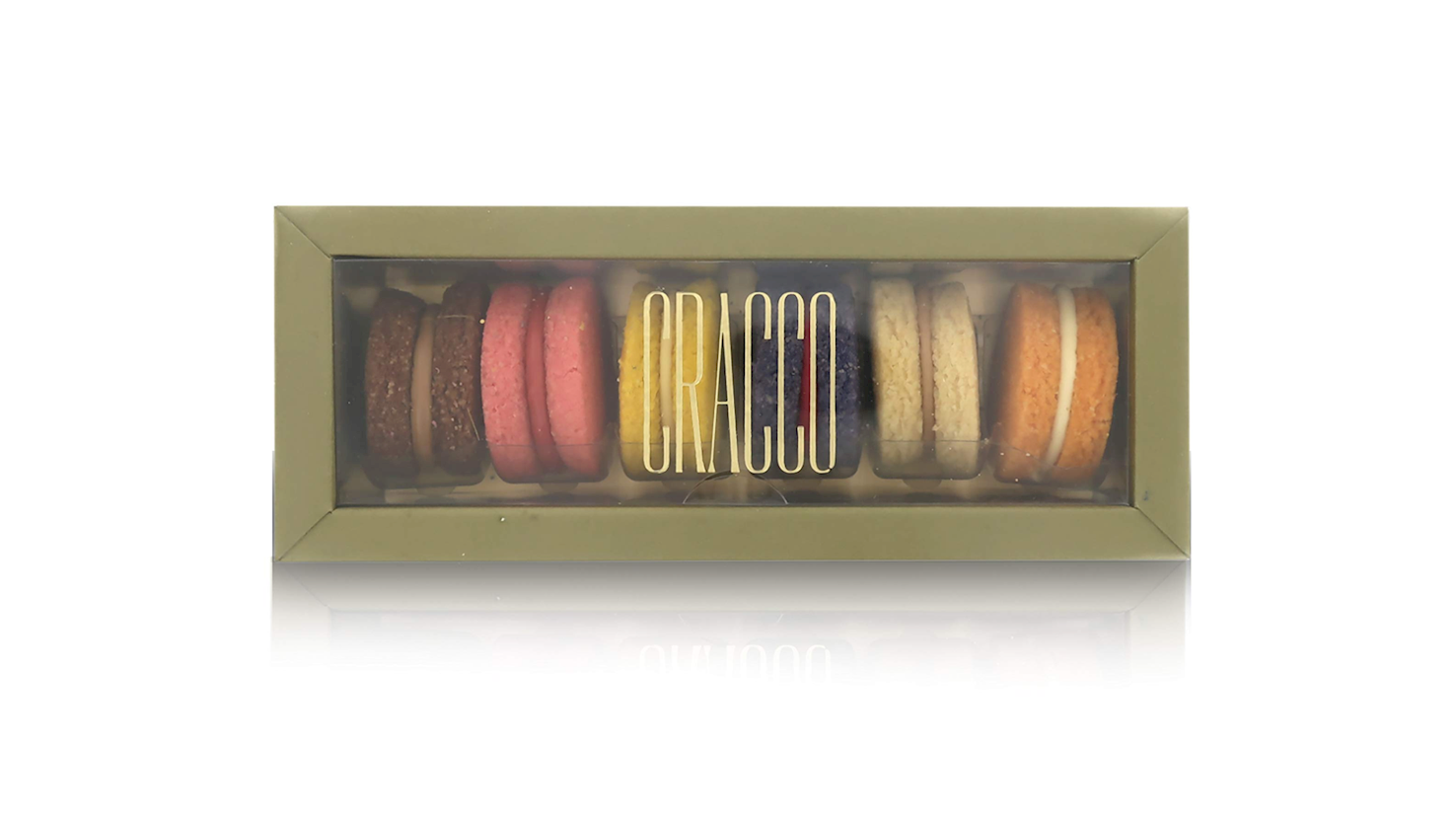
Carlo Cracco is one of Italy’s most renowned chefs, but in recent years he has also developed a distinctive identity as a producer of premium artisanal food products. Leveraging decades of culinary expertise, he has expanded beyond fine dining to create a range of gourmet specialties that reflect his personal approach to quality ingredients and traditional Italian craftsmanship.
His branded collection includes artisanal panettoni, chocolates, preserves, olive oil, fruit juices, wines, and other carefully curated products inspired by regional Italian food culture. A significant part of this project is connected to Vistamare, the agricultural estate established by Carlo Cracco and his wife Rosa Fanti in Emilia-Romagna, where agricultural production is transformed into high-quality food products sold through his restaurants and online shop.
Cracco’s philosophy as a producer mirrors his culinary style: combining tradition, research, and meticulous attention to raw materials while highlighting authentic Italian flavors. His seasonal panettoni have become particularly well known, featuring innovative recipes alongside classic Italian baking techniques.
Through these products, Carlo Cracco has successfully translated the standards of a Michelin-starred chef into a gourmet brand that reaches consumers beyond the restaurant experience, offering a selection of artisanal foods that embody contemporary Italian gastronomy.
TasteAtlas food rankings are based on the ratings of the TasteAtlas audience, with a series of mechanisms that recognize real users and that ignore bot,
nationalist or local patriotic ratings, and give additional value to the ratings of users that the system recognizes as knowledgeable.
For the “Top 90 Italian Cookies” list until August 15, 2026, 1,912 ratings were recorded, of which 1,485 were recognized by the system as legitimate.
TasteAtlas Rankings should not be seen as the final global conclusion about food. Their purpose is to promote excellent local foods,
instill pride in traditional dishes, and arouse curiosity about dishes you haven’t tried.
The initial list of top producers was compiled based on available reviews, awards, local recommendations, media and blog coverage, and consumer reviews.
The list will be updated with ratings from TasteAtlas local ambassadors and TasteAtlas users.



What People Say