shutterstock

Top 17 Spanish Cow's Milk Cheeses

Last updated on June 05, 2026

Best Spanish Cow's Milk Cheeses
01

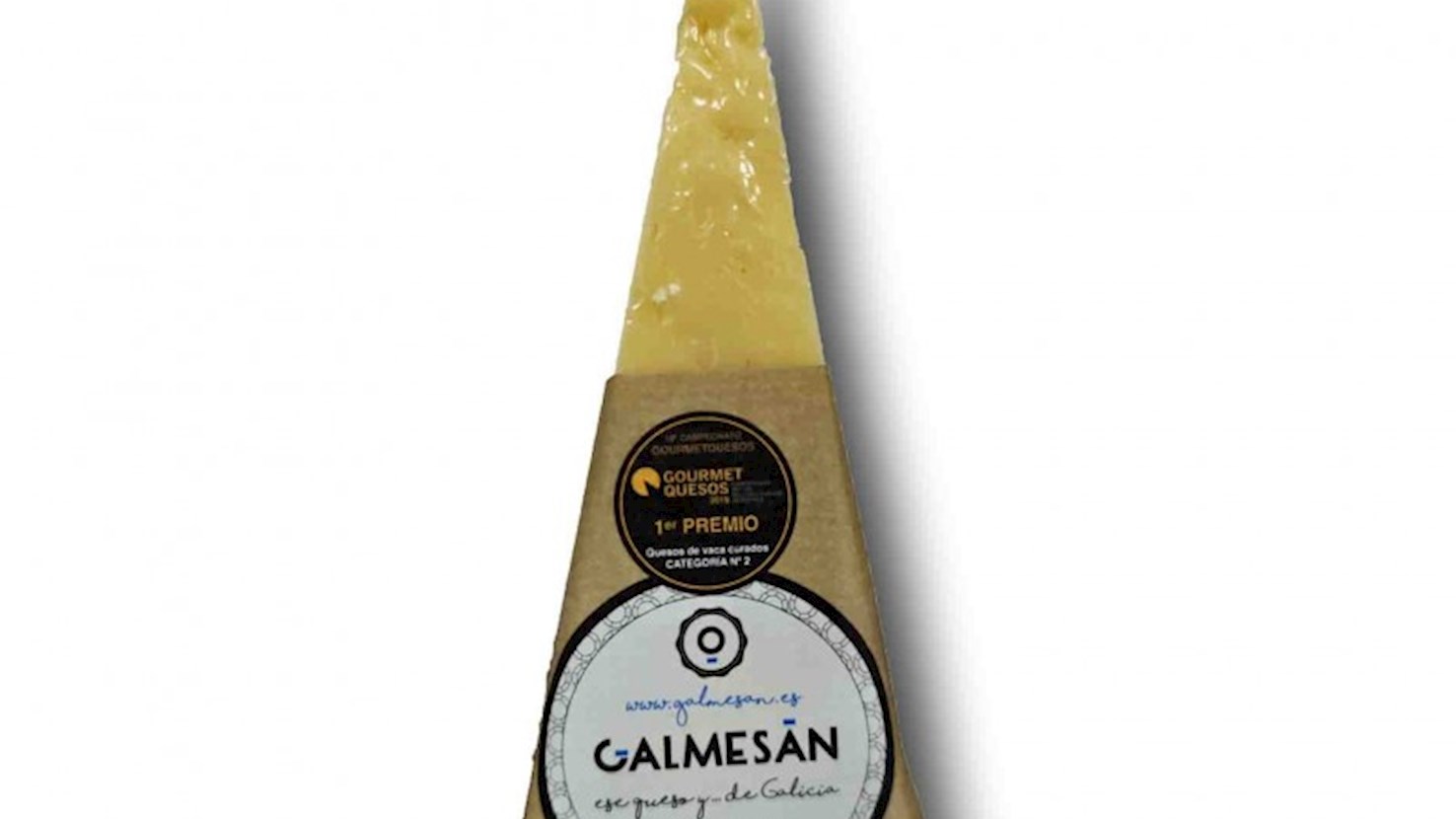
Galmesán

5 ·
Galmesán is a cheese producer located in Arzúa, Galicia, Spain. They specialize in producing a hard cheese known as "Galmesán," which is often compared to Italian Parmesan or Grana Padano. The cheese is made from cow's milk and undergoes a maturation process of approximately 12 months. Galmesán cheese is known for its granular texture and rich, nutty flavor. The company focuses on traditional methods combined with modern technology to ensure the quality of their cheeses.
Awards
World Cheese Awards - Super Gold (2023)
Concours International de Lyon - Gold (2025)
02

Airas Moniz

5 ·
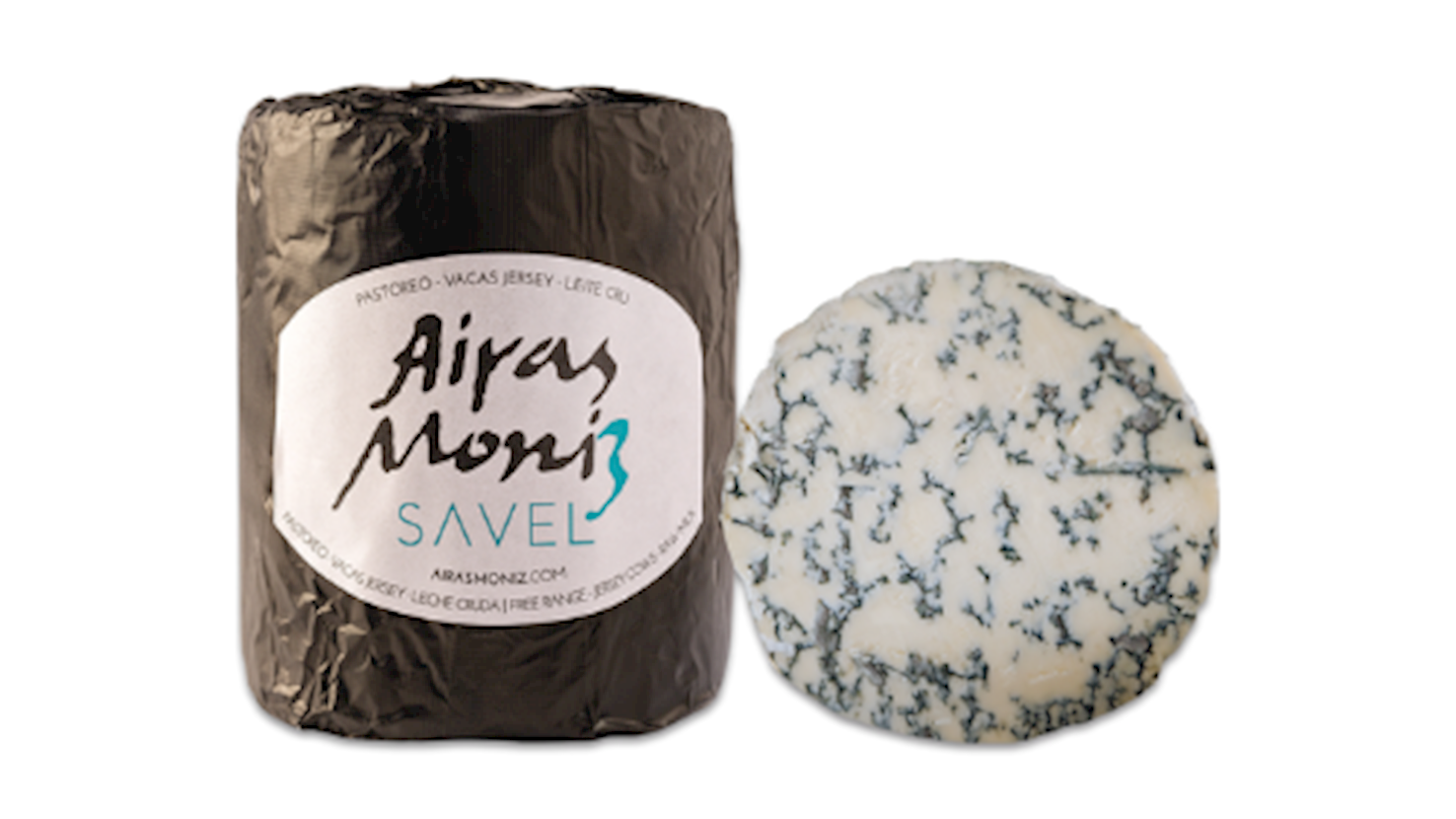
Airas Moniz is a Spanish company engaged in cheese production. It operates in the region of Galicia. The company is known for its artisanal approach to cheese-making, focusing on traditional methods and local ingredients. Their product lineup includes various types of cheese, with an emphasis on quality and authenticity.
Awards
World Cheese Awards - Super Gold (2021)
World Cheese Awards - Gold (2024)
03

Quesos Rey Silo

4.9 ·
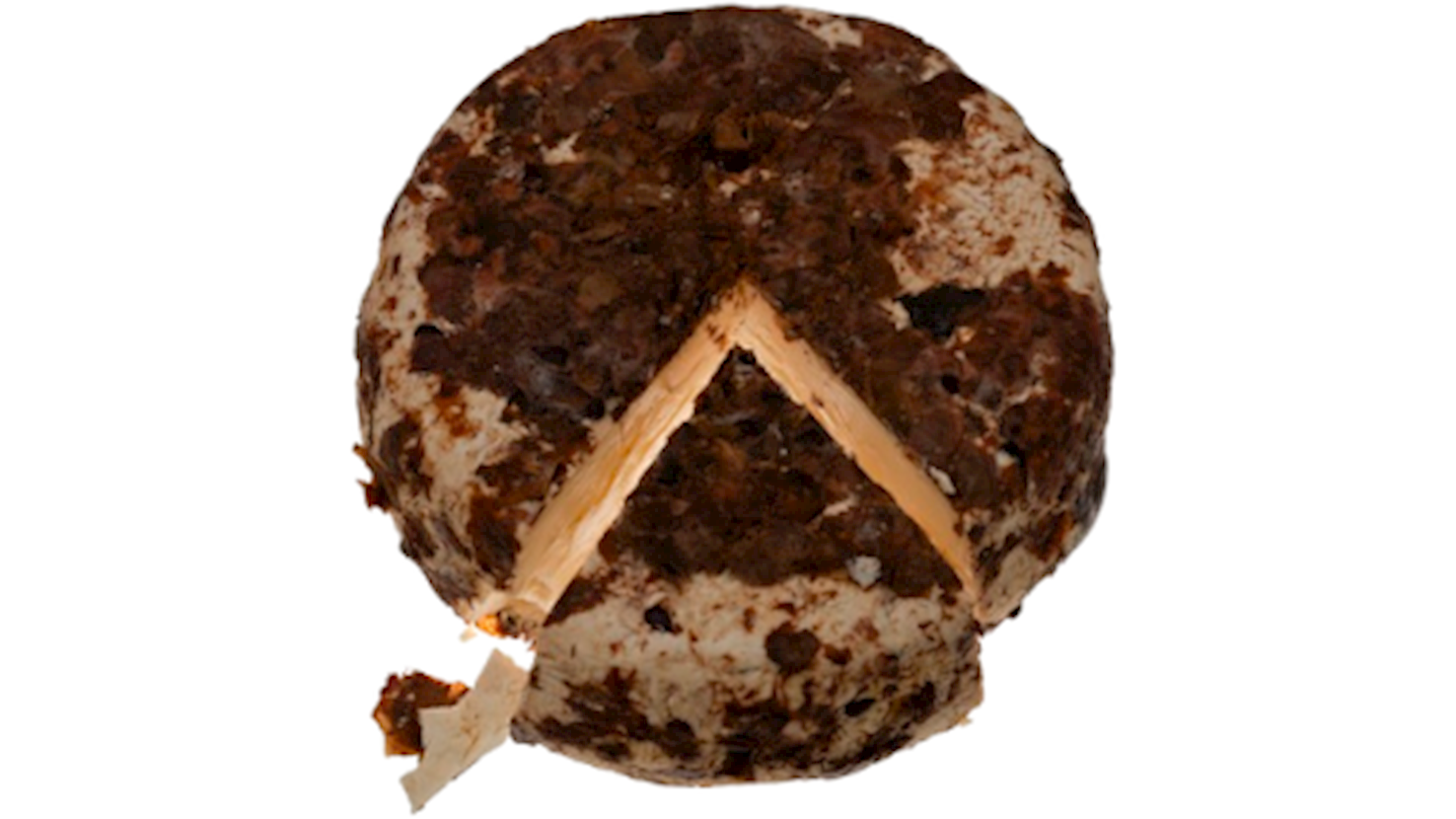
Quesos Rey Silo is an artisanal dairy based in Pravia, Asturias, known for its contemporary approach to traditional cheesemaking, combining scientific knowledge with regional heritage. The work is led by cheesemaker Ernesto Madera, whose philosophy integrates biochemistry, local agriculture, and sustainable practices, and the brand is associated with the Slow Food movement. Production relies on high-quality cow’s milk sourced from nearby pastures, which contributes to the clarity and expression of flavor. Quesos Rey Silo has gained recognition in both gastronomy and international competitions, including awards at the World Cheese Awards, and its cheeses are used in high-level culinary contexts. The brand is often seen as part of a modern wave in Spanish cheesemaking, where traditional methods are refined through precise process control and a clear product vision. It represents a combination of terroir-driven identity, technical expertise, and a contemporary interpretation of regional cheese styles.
Awards
World Cheese Awards - Gold (2024)
International Cheese Awards - Gold (2022)
05

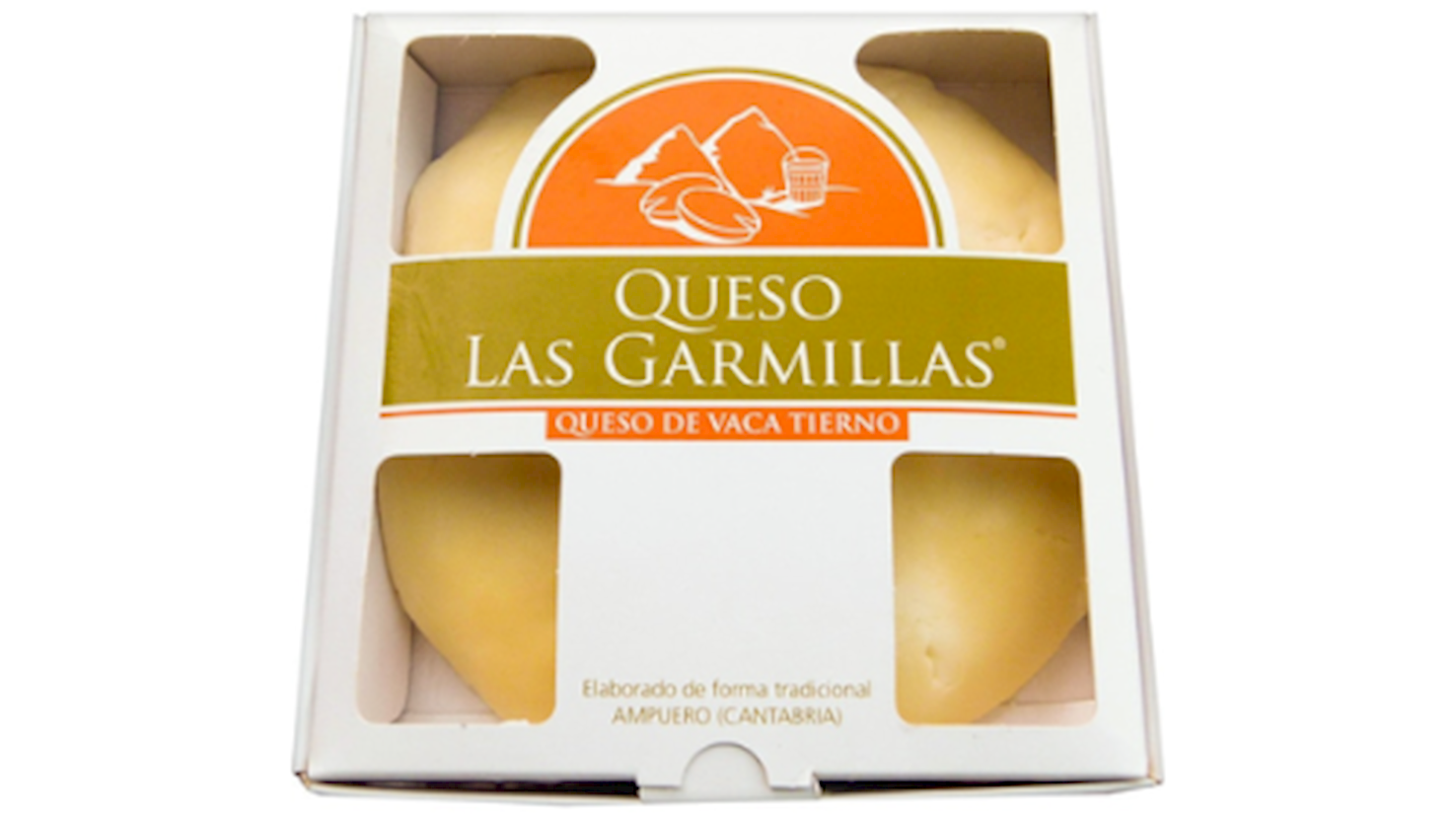
Queso Las Garmillas

4.9 ·
Awards
World Cheese Awards - Gold (2024)
06

Quesería Quesos de Pría

4.5 ·
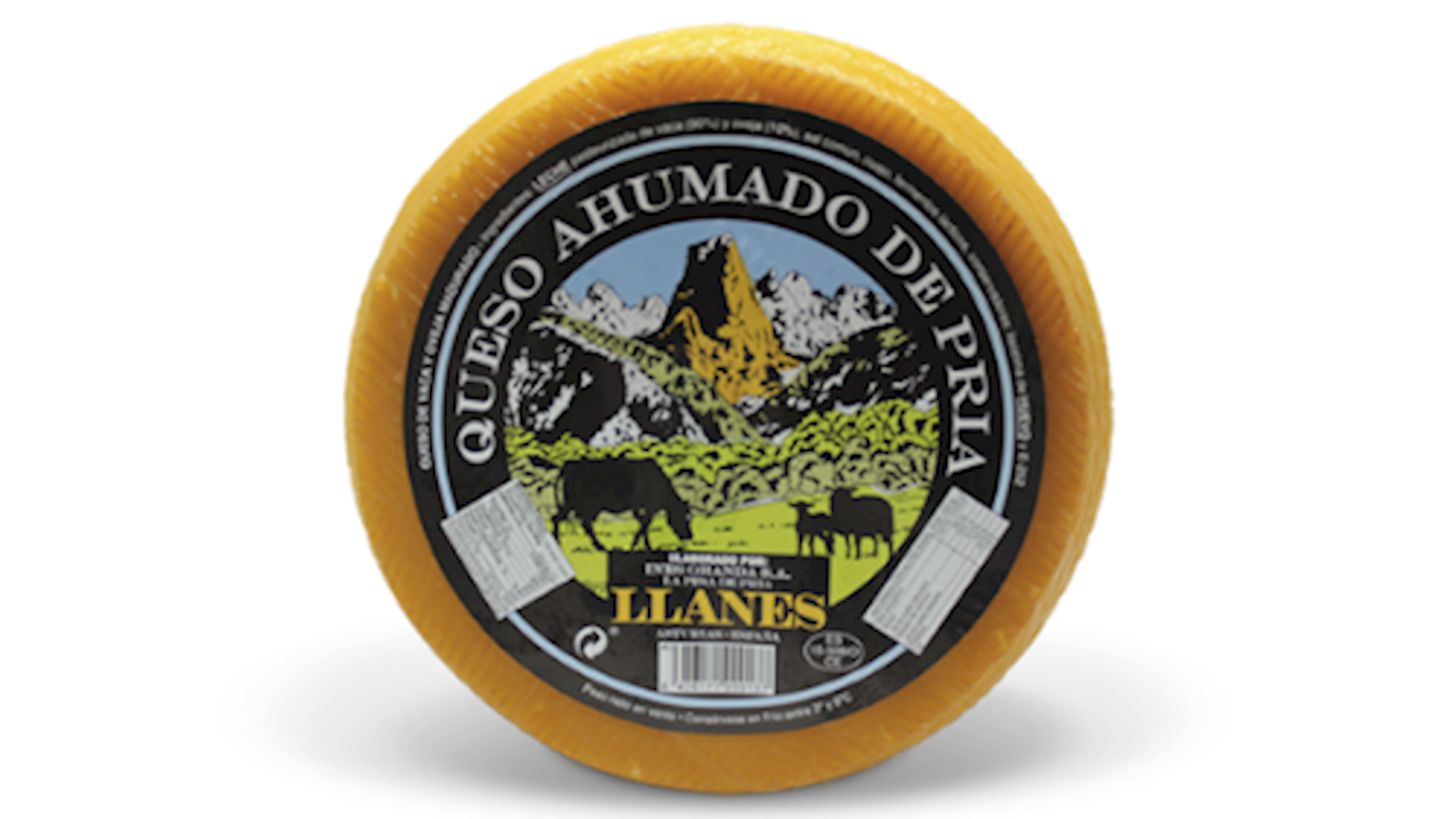
Quesería Quesos de Pría is a traditional dairy located in the Llanes area of Asturias, with origins dating back to 1938, making it one of the long-established producers in the region. Its production is based on artisanal recipes and locally sourced milk, focusing on cheeses that reflect the character of Asturian cheesemaking. The range includes several styles such as tres leches cheese, Pría smoked cheese, and tierno varieties, all developed from a shared technological base. One of its most distinctive products is the smoked cheese, which is exposed to wood smoke after maturation, developing subtle caramelized and smoky notes while maintaining a mild dairy core. The cheeses are generally semi-soft to semi-hard, with textures that can be buttery and slightly elastic. Flavor profiles are typically balanced and approachable, with gentle sweetness and moderate intensity rather than strong pungency. In mixed-milk varieties, the profile becomes more complex, introducing additional nutty and smoky nuances.
07

Valle de San Juan

4.2 ·
Awards
Concours International de Lyon - Gold (2025)
World Cheese Awards - Gold (2024)
08

Quesos Cerrato

4.2 ·
Quesos Cerrato is a Spanish cheese producer based in Palencia, Spain. The company specializes in a variety of cheeses, including sheep, goat, and mixed milk cheeses. Quesos Cerrato is part of a cooperative group, which emphasizes sustainable agricultural practices and the promotion of local farming. The cheeses produced by Quesos Cerrato have been awarded nationally and internationally, reflecting their commitment to quality and craftsmanship.
Awards
World Cheese Awards - Gold (2021)
Great Taste Awards - 2 Stars (2024)

Best Spanish Cow's Milk Cheese Types
01

Idiazabal

4.3 ·

Idiazabal is a traditional cheese made solely from raw sheep’s milk from the Latxa and Carranzana breeds, manufactured in the Basque Country and Navarre, Spain. It is a semi-hard cheese with a light brown rind and smooth texture. While aging for a minimum of two months, Idiazabal develops a complex flavor with buttery and nutty aromas. This cheese had been traditionally stored near the fireplace, which produced a subtle smokey and sweet aroma without the cheese being directly smoked. Nowadays, this cheese is sometimes lightly smoked to develop a flavor emulating that of cheese made the old-fashioned way. Idiazabal is usually eaten alongside quince jam and is best paired with red wine and cider.

02

Arzùa-Ulloa

4.1 ·

Arzùa-Ulloa is a cheese made from raw or pasteurized cow’s milk. This cheese is produced in Galicia, in Northwestern Spain, where it matures for at least 6 days. It is a mild cheese whose flavor is reminiscent to that of butter and yogurt. The cheese has a smooth and somewhat waxy rind dotted with blue or white mold spots. The interior hides a smooth, velvety texture and is white to pale yellow in color. Arzùa-Ulloa is often served as a component of a dessert, but it can also be melted over toasted bread.

03

Queso Tetilla

4.1 ·

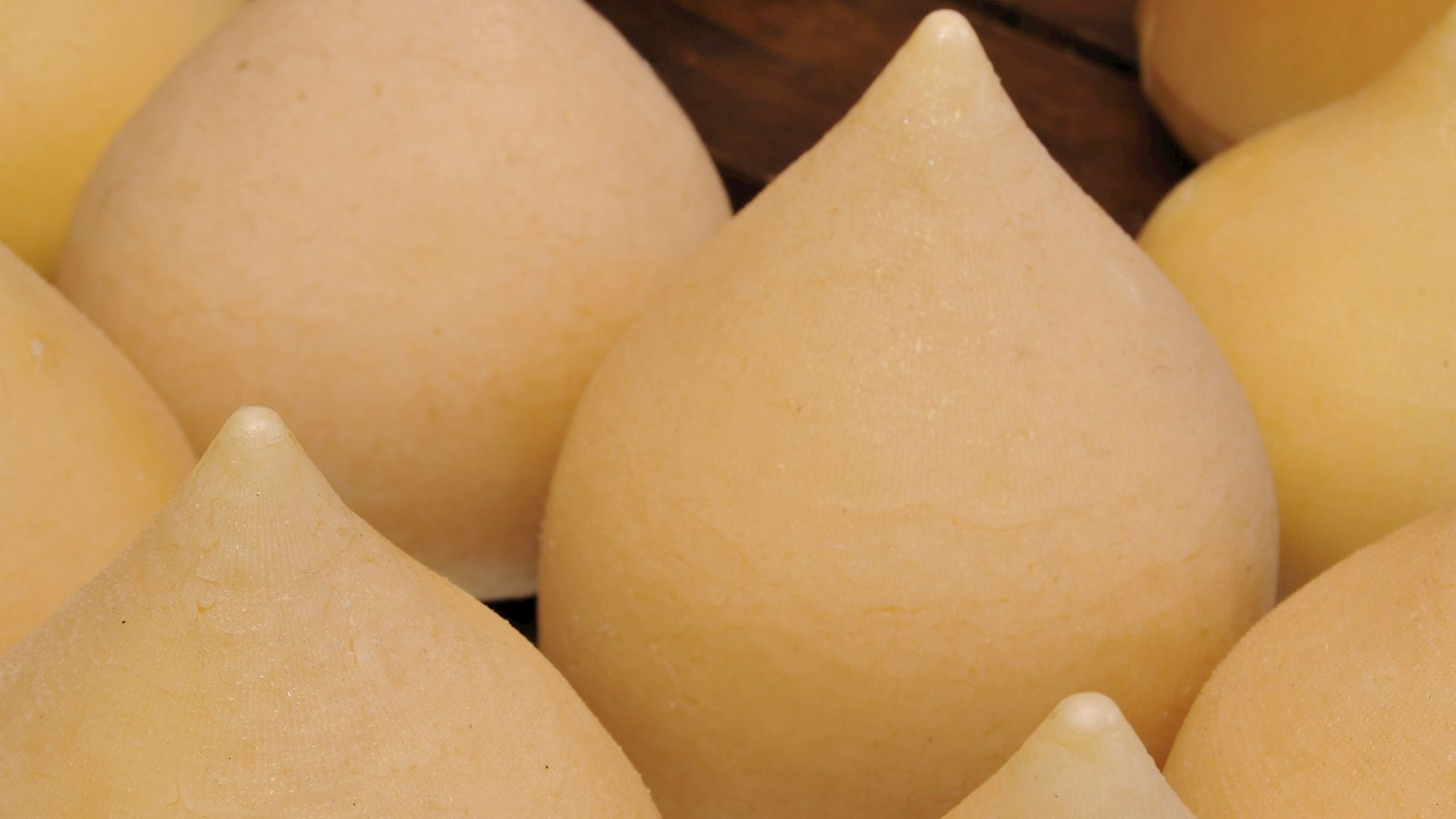
Queso Tetilla is an aged semi-soft cheese made with the milk of Friesian, Swiss Brown and Rubia Galega cows in the region of Galicia. This cheese, ripened for a minimum of 7 days, has a typical pear-like shape with a pointed top, which is the reason why it's called tetilla, meaning nipple in Spanish. Its flavor is distinctively mild and buttery, with aromas similar to those of vanilla and walnuts. Queso Tetilla is usually paired with jamón Serrano, chorizo, membrillo, and a glass of wine.

04

Mahón-Menorca

4 ·

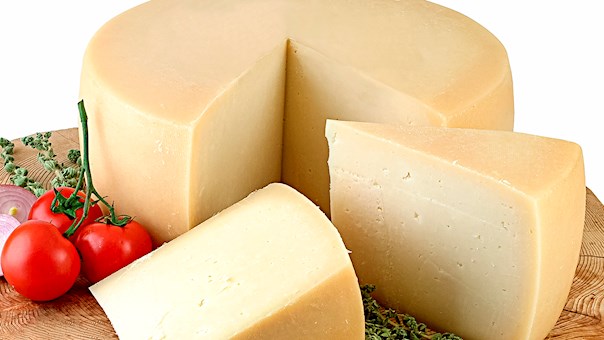
Mahón-Menorca is a full-fat pressed paste cheese, made from pasteurized or raw full-fat milk from Brown Swiss, Friesian or Menorcan cows. This cheese is traditionally manufactured on the island of Menorca from local cows' milk. The milk must be fresh and without any preservatives or processed in any way. Molded by hand and wrapped in a cotton cloth, Mahón cheese is then ripened for at least 21 days, and can be cured for up to 150 days. The flavor of this cheese is intense and complex, with a slight tang combined with notes of butter and hazelnuts. Mahón is periodically rubbed with olive oil and pimenton paprika, which gives its characteristic color and aroma.

05

Queso de Valdeón

3.8 ·

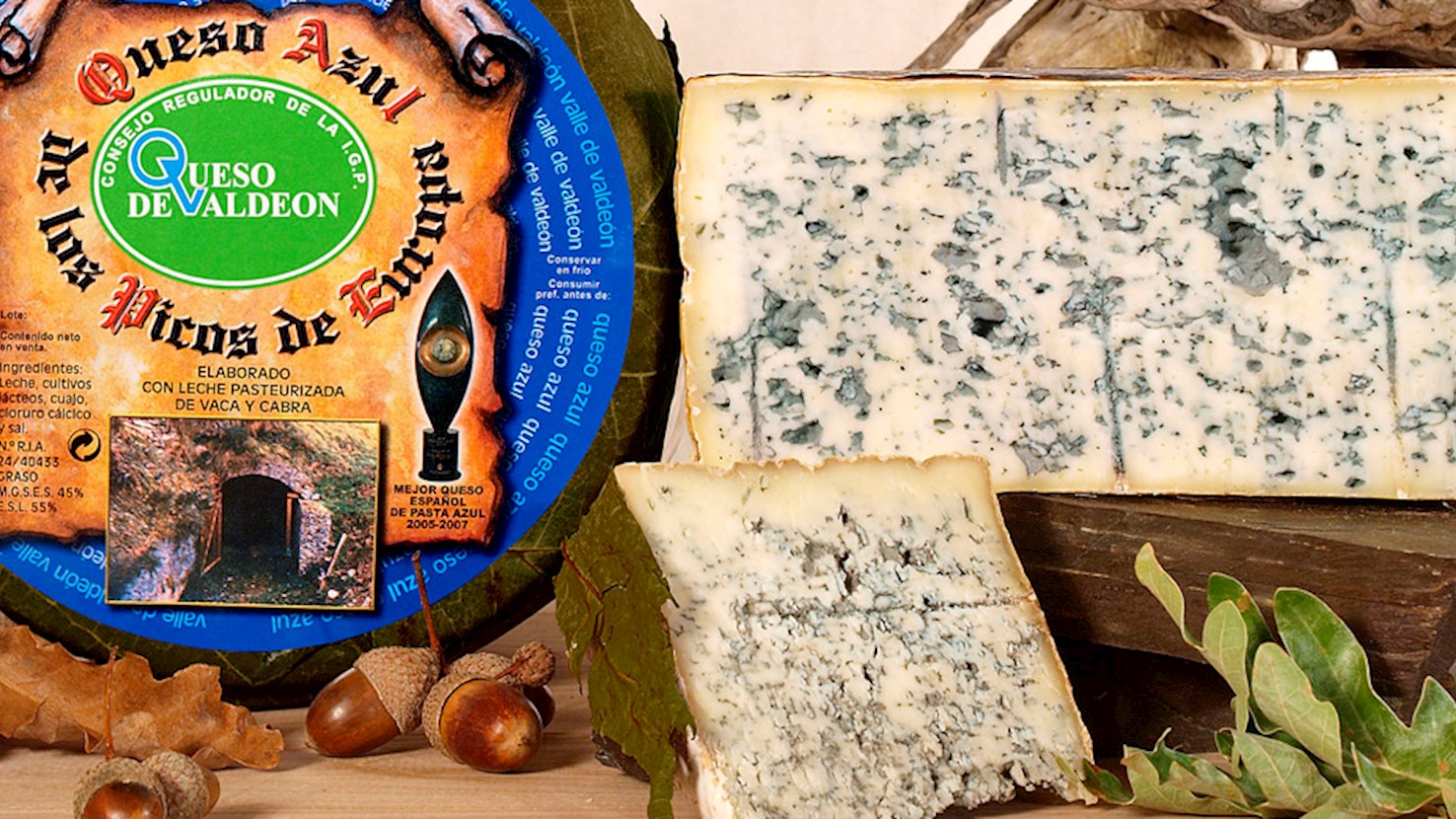
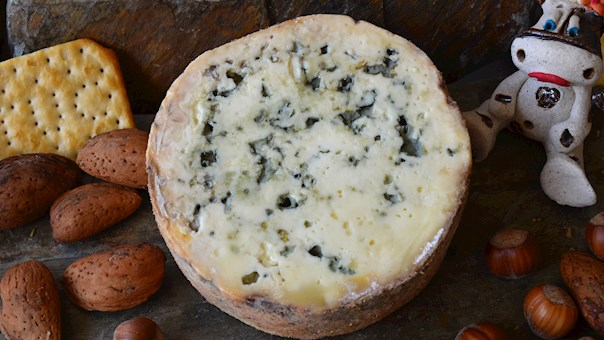
One of the great blues of Europe, this Spanish cheese is produced in the Picos de Europa Mountains, namely the valley of Valdeón. The smooth and creamy Valdeón blue cheese is made from either pure cow's milk or a combination of cow's, sheep's, and goat's milk. It is matured for about 45-60 days and sold wrapped in sycamore maple or chestnut leaves. Although it has all the character of a blue and a very intense, piquant flavor, Valdeón's bite is not as strong as the one in most other blue cheeses. It is best paired with sherry and young, fresh white wines, which offer a good counterpoint to Valdeón's richness and pungency.

06

Cebreiro

3.8 ·

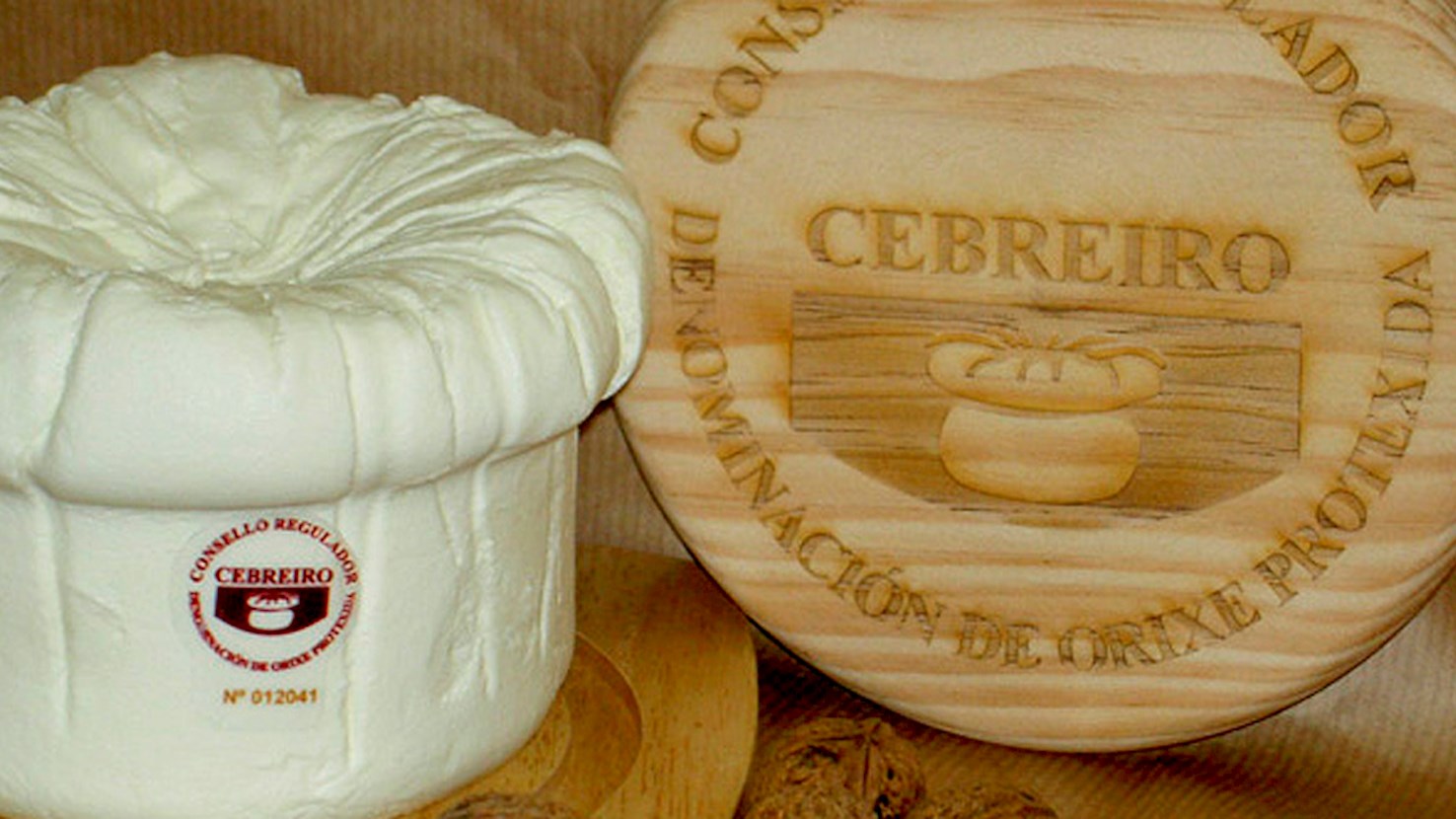
Cebreiro is an unripened or ripe, mushroom-shaped cheese made from pasteurised cow's milk produced in the province of Lugo. Monks from the village of Cebreiro first started making this cheese in the 9th century. The whole milk used in the making of this cheese comes from Galician blond, brown Swiss and Friesian cows. Unripened Cebreiro is white, grainy and soft, very creamy in texture and melts in the mouth. The flavor is slightly sharp and piquant. The ripe version of this cheese is more yellow in color, harder and denser in texture, and has a more pronounced piquancy and sharpness.

07

San Simón da Costa

3.7 ·

San Simón da Costa is a cheese made from raw or pasteurized cow's milk of the Galician blond, Swiss brown, and Friesian breeds in the District of Terra Chá, in the province of Lugo. It is sold in two versions; large, which is aged for a minimum of 45 days, weighing between 0,8 and 1,5 kg, and the smaller Bufón, aged for at least 30 days with a final weight of between 0,4 and 0,8 kg. This cheese acquires its typical ochre-yellow color and aroma through the smoking process, for which only birch from the local woods is used. It is sometimes immersed in olive oil to inhibit the growth of mold. For an interesting twist, the young and smoky San Simón da Costa is best enjoyed with homebaked bread and sweet caramelized apple marmalade.

08

Queso Casín

3.6 ·

Originating from the Cantabrian Mountains and traditionally produced within the Redes Natural Park in the Province of Asturias, Casín is a semi-hard to hard cheese made with raw, whole milk from the Asturiana de la Montaña, Asturiana de los Valles, and Frisona cow breeds. It exudes a strong, persistent aroma of lush pastures, and has a well-rounded flavor: buttery to slightly bitter and spicy. The versatile Casín can be enjoyed on its own but it is also often used for preparing a number of delicious croquettes, fritters, Asturian cachopos, stuffed baked apples or even cheese ice cream!

09

Afuega'l Pitu

3.5 ·

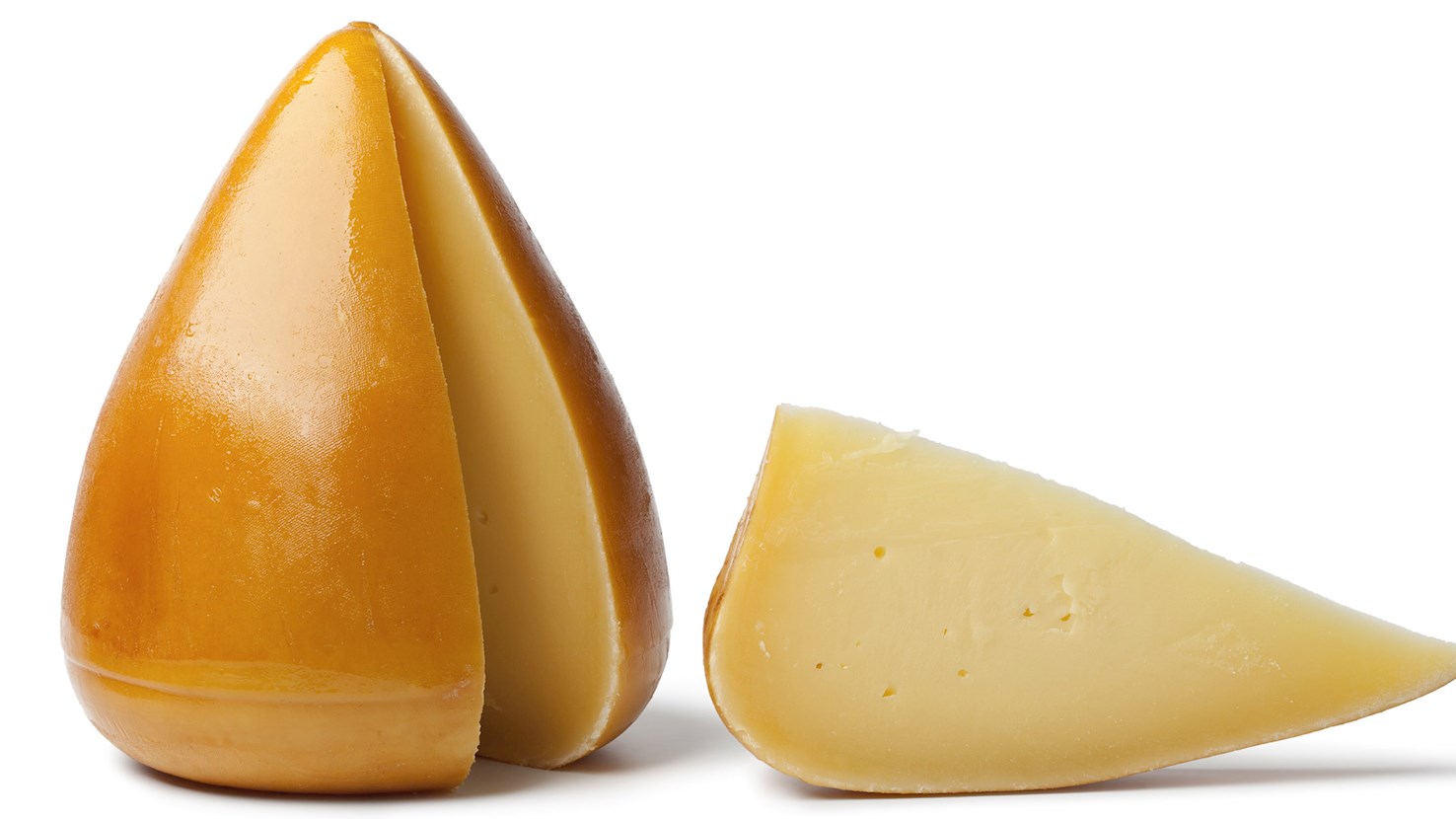
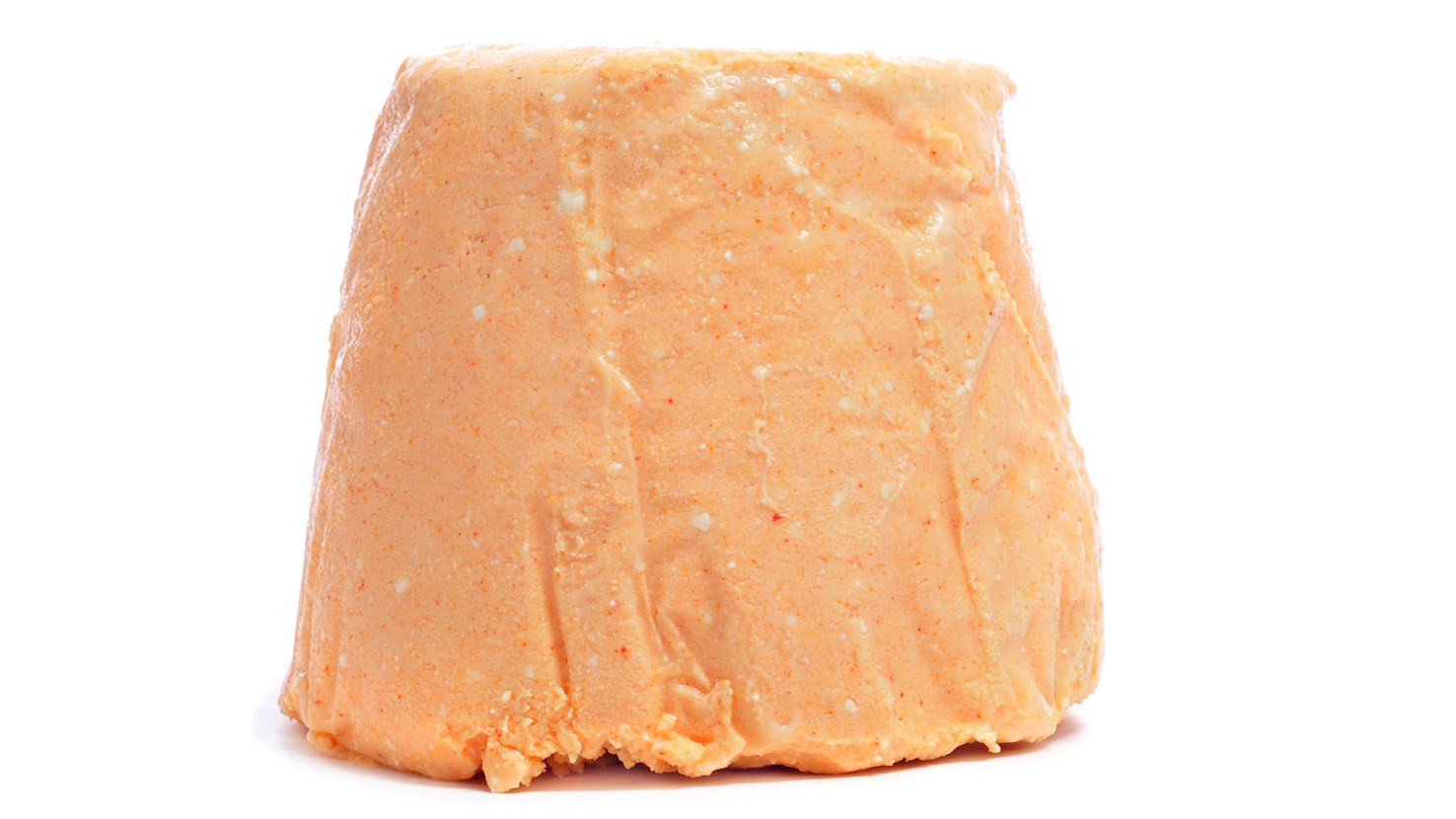
Afuega'l Pitu is one of the most famous and oldest Spanish cheeses. It is a full-fat cheese, made from pasteurized whole cows’ milk, that has a very sharp and piquant flavor and is sometimes seasoned with a mixture of paprika and chili powder. It is slightly salty and acidic, creamy and soft in texture and has a mild aroma. The majority of this cheese is made during the winter and spring in the municipality of Grado. Afuega'l Pitu is cone shaped, usually weighs between 200 and 600 grams, and is white to orange in color. In Asturian dialect, the name means choking cheese, referring to its texture, which makes the cheese stick to the palate when consumed.

10

Mató

3.3 ·

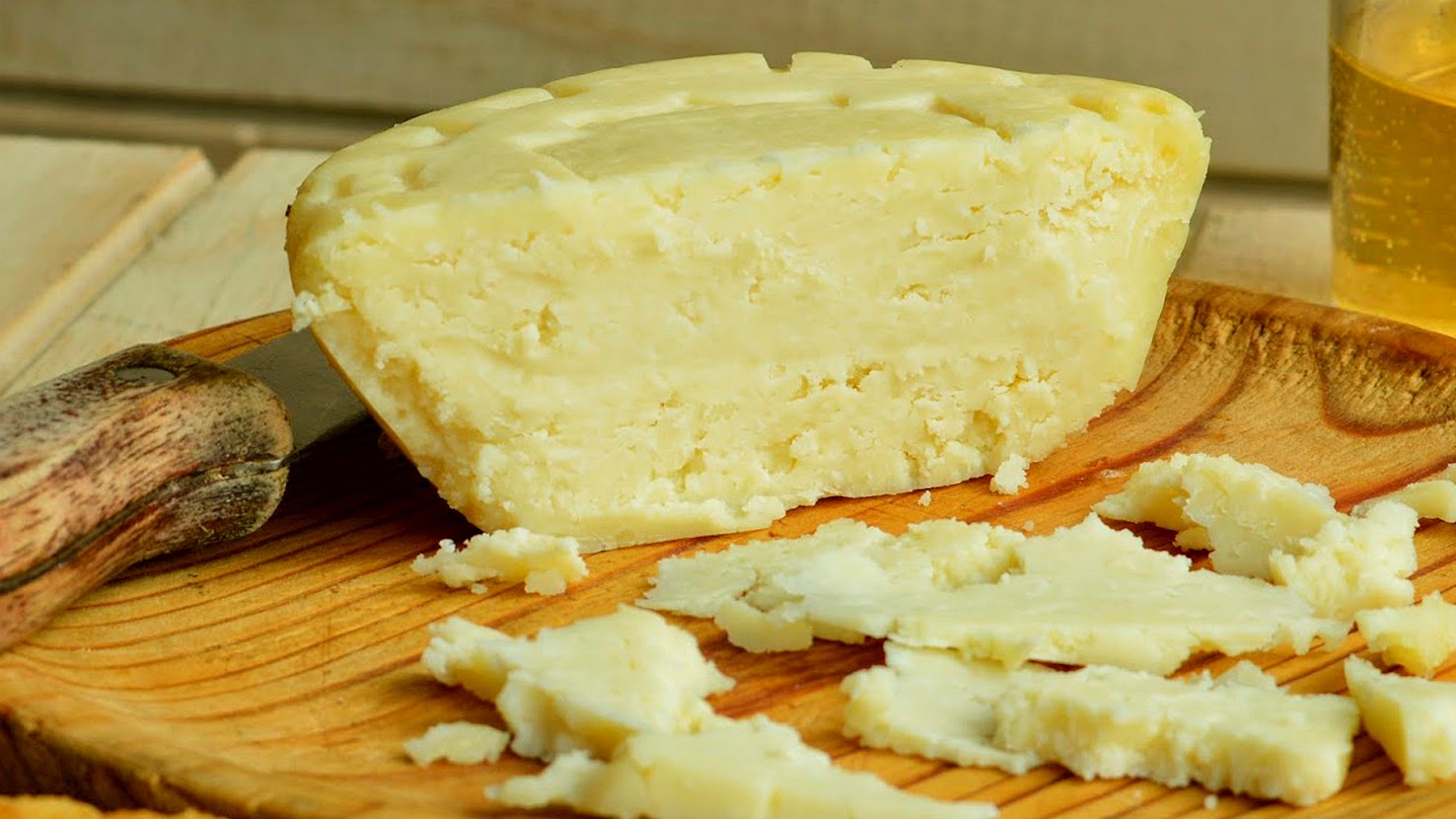
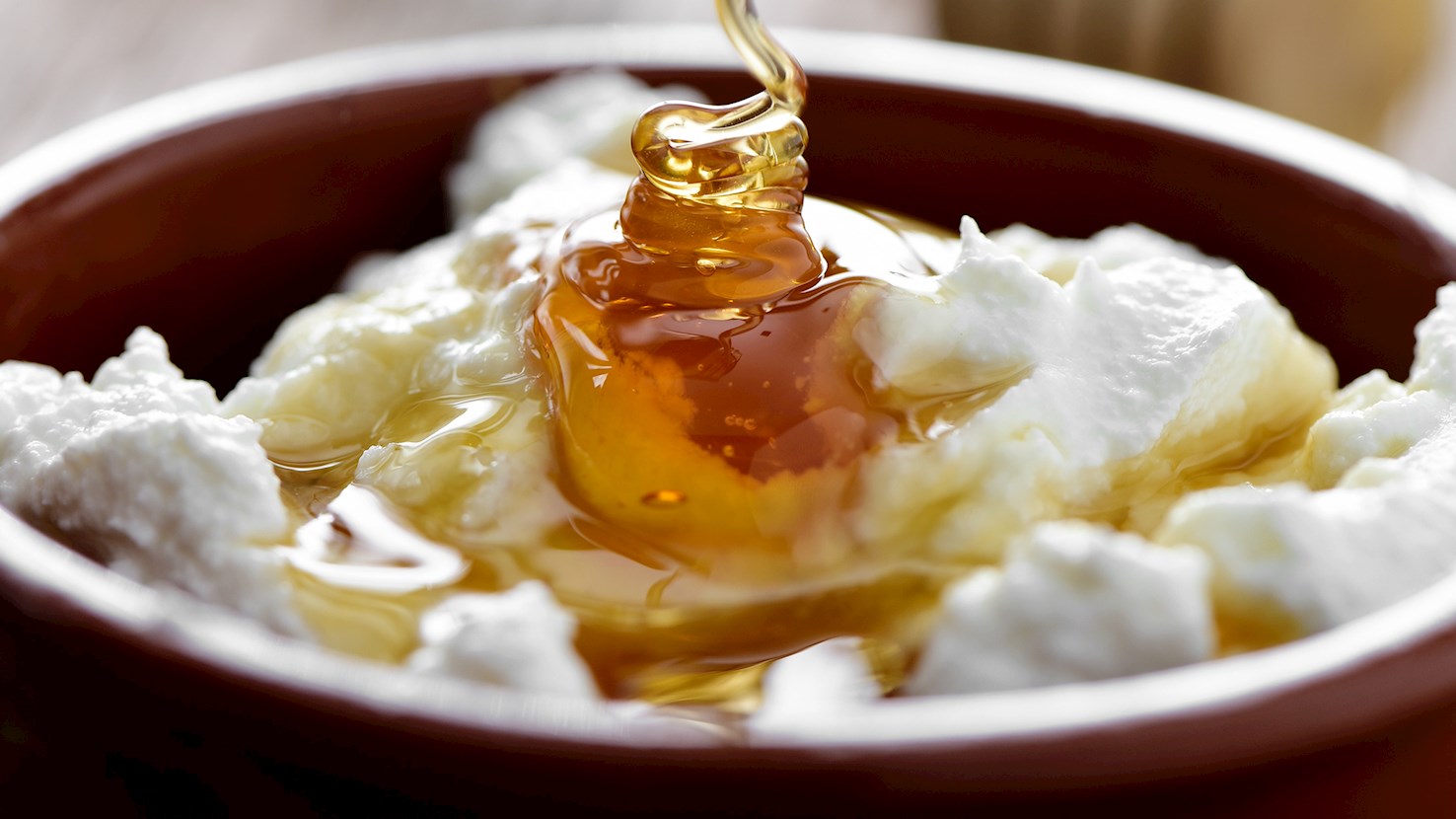
Mató is a sweet, unsalted, unfermented, fresh cheese produced in the Spanish region of Catalonia. It is traditionally served as a dessert with honey or jam, known as mel i mató. In Catalonia, the cheese is regularly sold when only a day or two old, when it is turned out of the shallow baskets in which it has been drained. Visually, mató is reminiscent of ricotta, curd cheese, or cottage cheese. In the past, the cheese was made with goat's milk because no one could afford to buy a cow, but today it is made with cow's milk as well. Mató was extremely popular during the Middle Ages, when it was either made plain or flavored with orange flowers.

Read more
View all
View map
About this ranking

TasteAtlas food rankings are based on the ratings of the TasteAtlas audience, with a series of mechanisms that recognize real users and that ignore bot, nationalist or local patriotic ratings, and give additional value to the ratings of users that the system recognizes as knowledgeable. For the “Top 17 Spanish Cow's Milk Cheeses” list until June 05, 2026, 533 ratings were recorded, of which 363 were recognized by the system as legitimate. TasteAtlas Rankings should not be seen as the final global conclusion about food. Their purpose is to promote excellent local foods, instill pride in traditional dishes, and arouse curiosity about dishes you haven’t tried.

The initial list of top producers was compiled based on available reviews, awards, local recommendations, media and blog coverage, and consumer reviews. The list will be updated with ratings from TasteAtlas local ambassadors and TasteAtlas users.

Similar lists