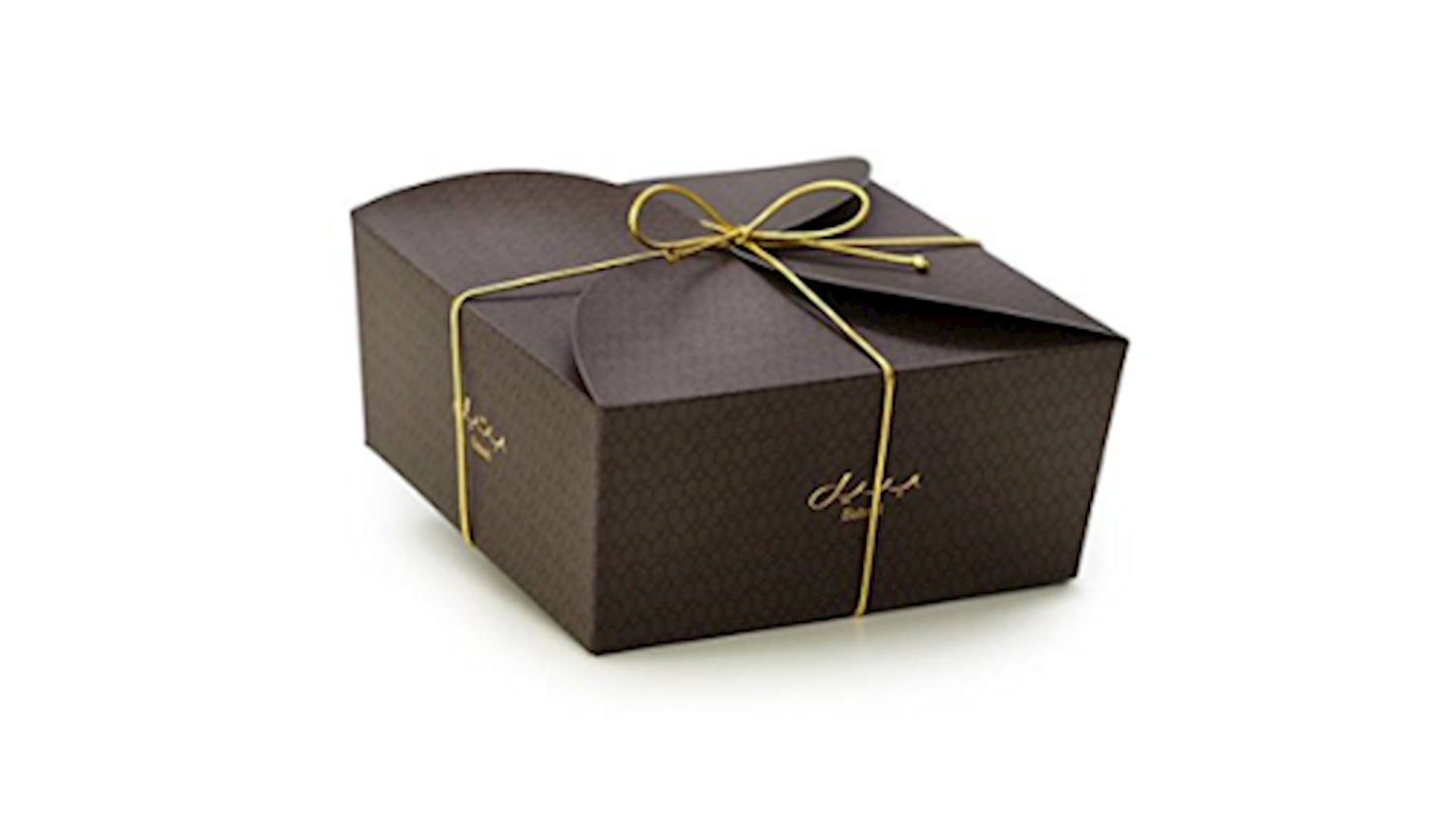
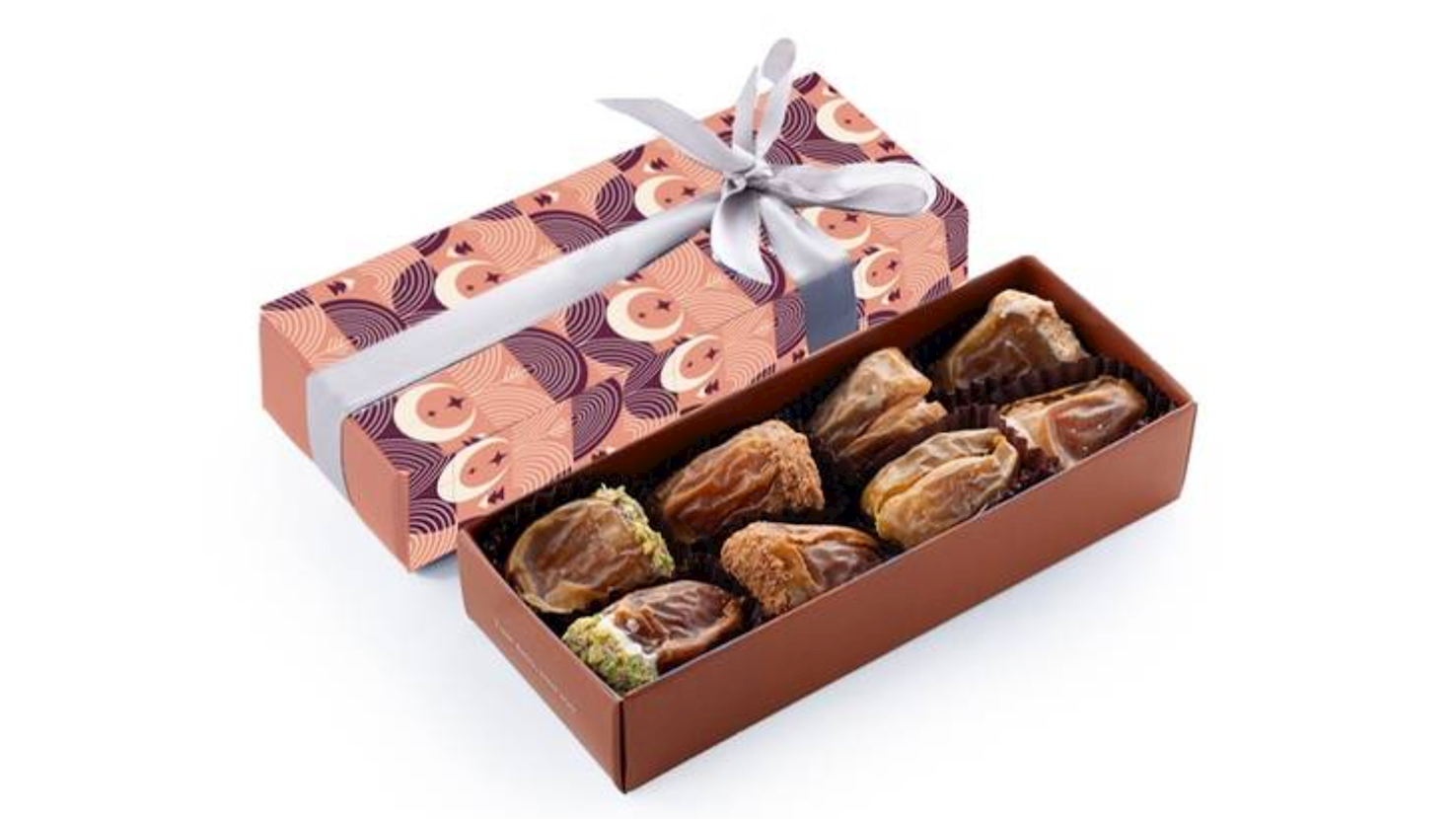
Bateel is a prestigious brand that has redefined the concept of dates, transforming them from a traditional Arabian fruit into a symbol of luxury and refined taste. Its origin lies in Al-Ghat, Saudi Arabia, where organically cultivated plantations with tens of thousands of palm trees are located.
Founded in 1991, the brand opened its first boutique in Dubai, marking the beginning of its international expansion. Bateel combines traditional cultivation methods with modern processing and packaging techniques, creating products that unite natural authenticity with elegance.
The dates are hand-picked, carefully selected, and packaged immediately after harvest to preserve their freshness and nutritional value. The most renowned varieties include Khidri, Medjool, and Segai, while the brand is particularly known for its filled dates.
Its approach blends the cultural heritage of the Arabian Peninsula with contemporary principles of international gastronomy. In doing so, Bateel has become an ambassador of Arabian tradition in a modern, global context.
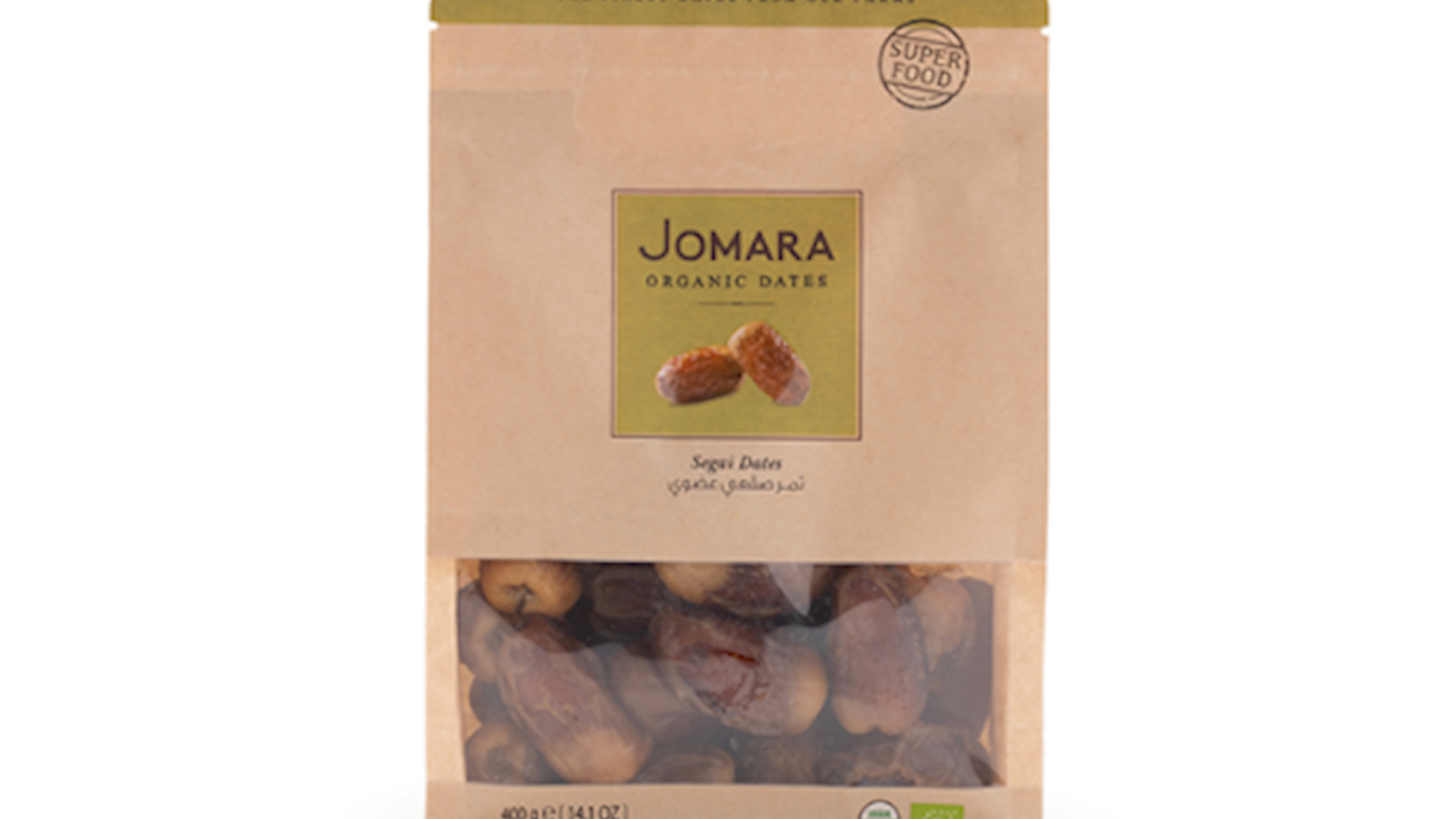
Jomara is a premium Saudi Arabian brand that combines the long-standing tradition of date cultivation with a modern approach to sustainable production and luxurious presentation. The dates are grown on organic plantations in an oasis near the Tuwayq Mountains, where the unique microclimate, fertile soil, and pure spring water create ideal conditions for palm growth.
Each fruit is handpicked and carefully sorted to ensure exceptional freshness and natural sweetness. Jomara produces exclusively organic dates, free from pesticides and chemicals, with special attention devoted to preserving their nutritional value and authentic flavor.
The product range includes a variety of types - from traditional plain dates to gourmet filled versions with pistachios, almonds, and candied orange peel. Through its sustainable and eco-conscious production methods, Jomara promotes the principles of healthy eating and natural sweetness.
Their dates are rich in fiber, minerals, and antioxidants, making them one of the most valued natural superfoods. At the same time, the brand maintains a deep connection to the cultural heritage of Arabia, where dates hold both symbolic and everyday significance.
By carefully blending tradition, quality, and innovation, Jomara has become a symbol of contemporary luxury rooted in authenticity.
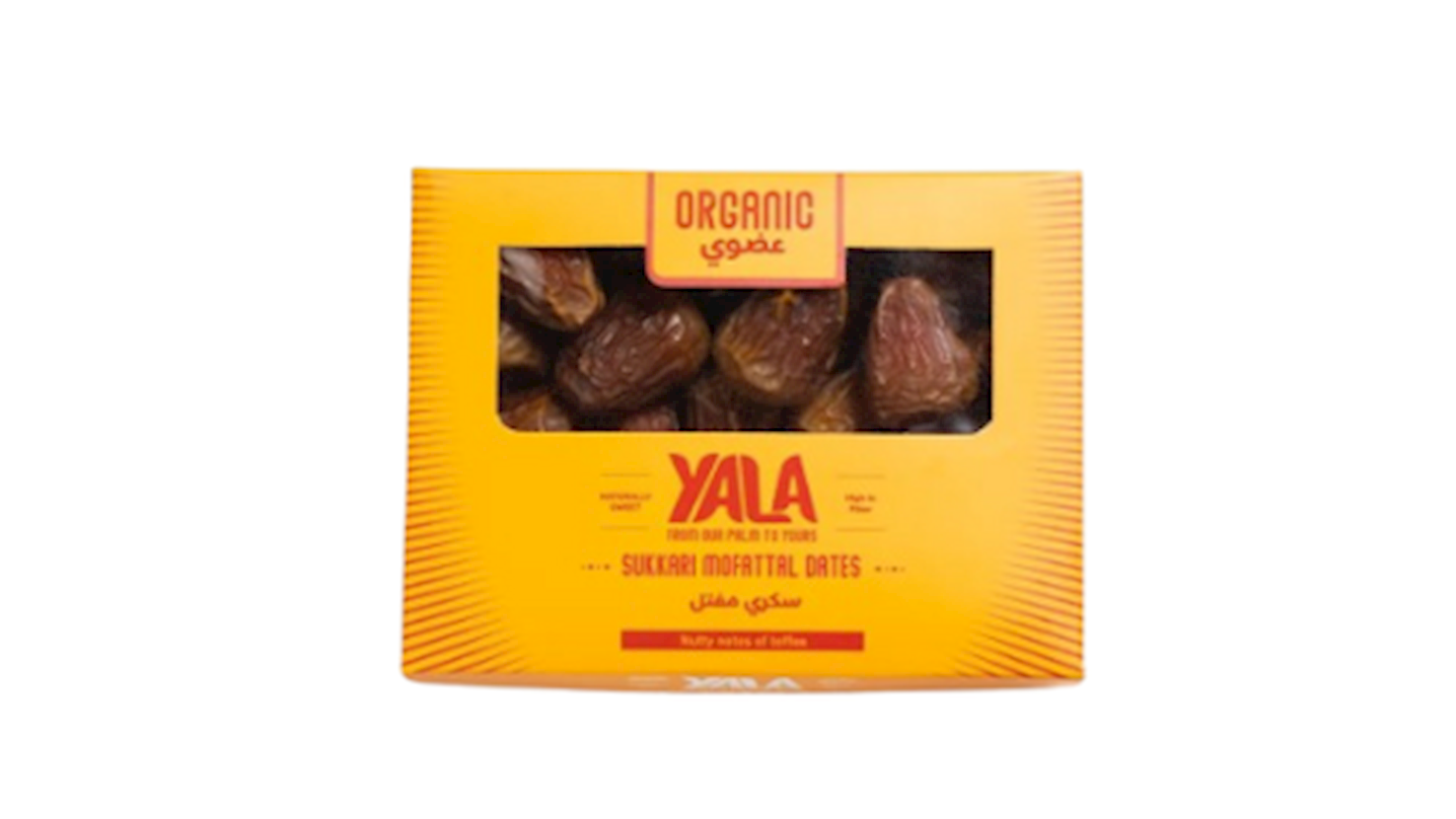
Yala Dates is a modern Saudi brand established in 2010, specializing in the cultivation, processing, and export of high-quality dates with a focus on sustainable and organic production. Its plantations are located in the Al-Qassim and Al-Madinah Al-Munawwarah regions, renowned for their fertile soil and dry climate that provide ideal conditions for palm growth.
The company follows a vertically integrated approach - from planting and harvesting to processing and packaging - ensuring complete quality control and product traceability. Yala offers a wide range of varieties, with particular emphasis on organically and naturally grown dates.
Thanks to its innovative methods, Yala Dates has become one of Saudi Arabia’s leading date exporters to the global market. The brand’s combination of organic cultivation, refined flavor, and reliable quality makes it an ideal choice for delicatessens, restaurants, and premium retailers worldwide.
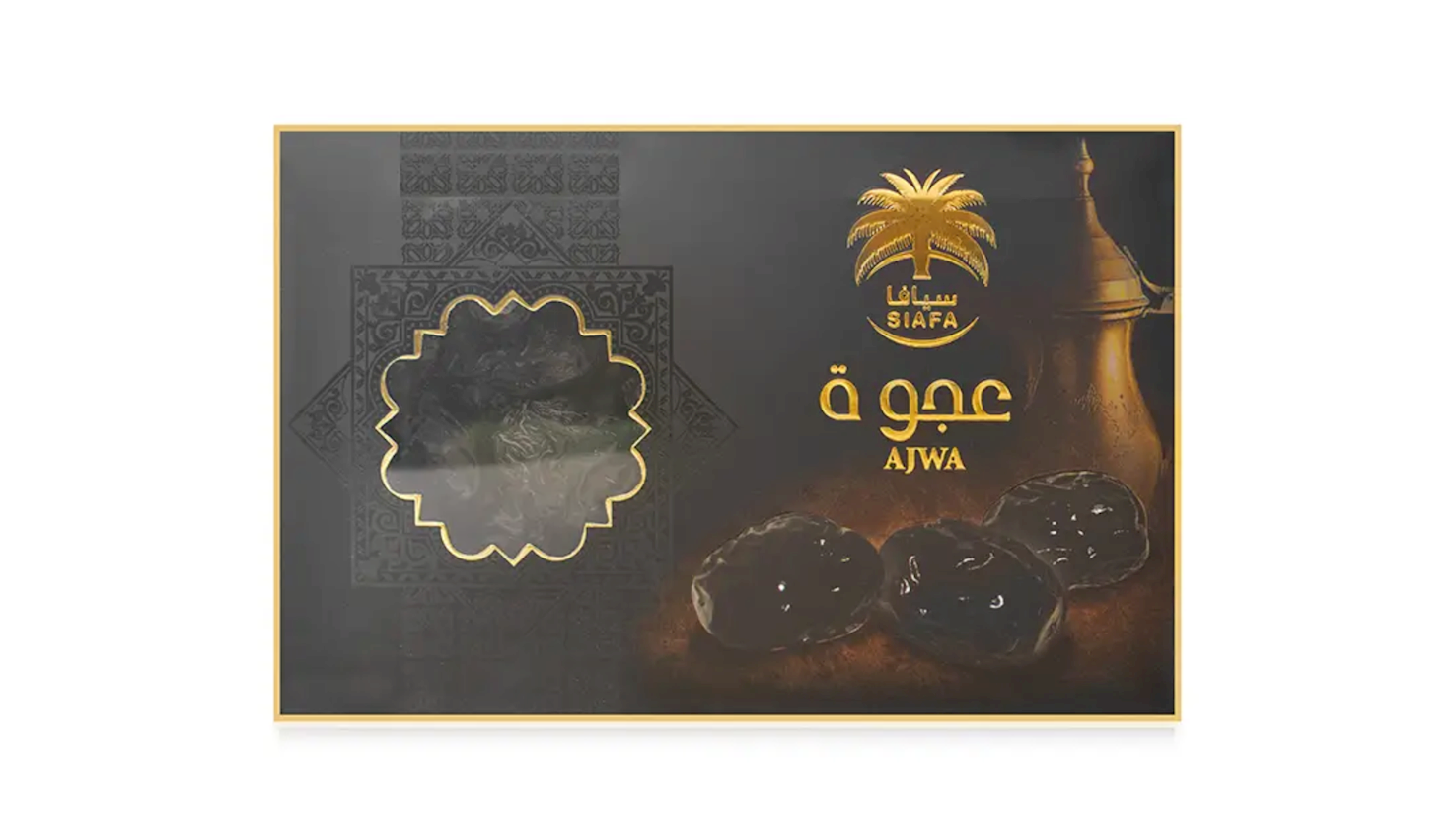
Siafa is a Saudi company specializing in the production, processing, and sale of dates and date-based products. The brand was established in 2007 and was originally known as Al Alwani Dates. Its first shop opened in the Abraj Al Bait complex in Mecca, offering products to local customers and pilgrims. The company subsequently expanded by opening additional stores in Mecca and Medina. Its range includes Ajwa, Mabroom, Sukkary, Khudri, Amber, Sagai, and Safawi dates. In addition to natural dates, the company produces stuffed dates, chocolate-covered dates, maamoul, tamaria, date paste, and various gift packages. Siafa controls several stages of production, from cultivation and sourcing to processing, packaging, and distribution. The company operates a plantation in the Al Qassim region with more than 100,000 date palms. Its production facilities are located in Jeddah and Medina, while its retail network is particularly well developed in Mecca. Siafa products are sold through company-owned stores, supermarkets, duty-free shops, and online channels.
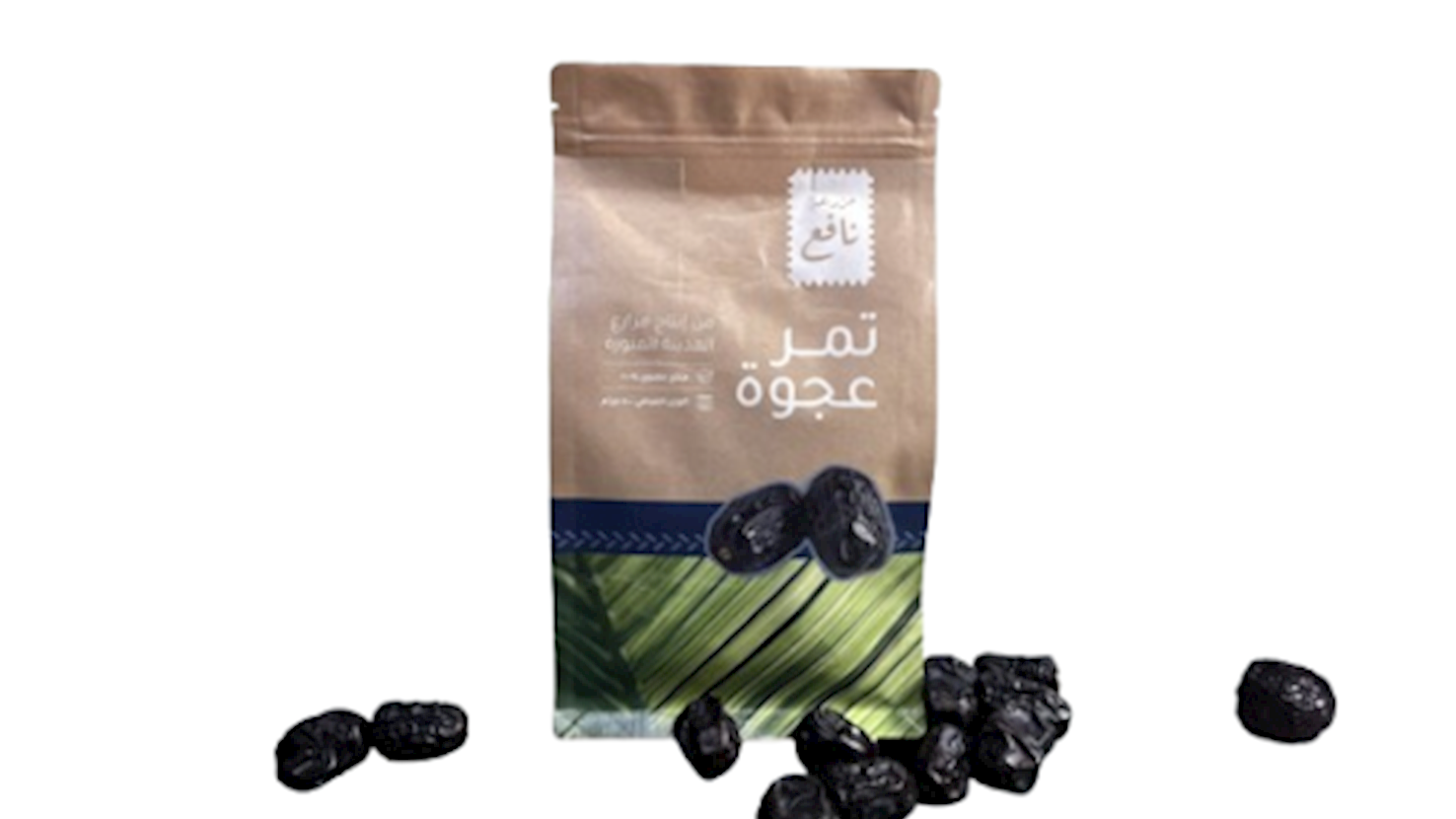
Nafea Farm is a family-owned plantation located near Medina, Saudi Arabia, specializing in the cultivation of the organic Ajwa date - one of the most prized and authentic varieties on the Arabian Peninsula. Ajwa dates hold deep spiritual and cultural significance, originating from the region traditionally associated with Medina, and Nafea Farm continues this heritage through a modern yet entirely natural approach to production.
The plantation lies on sandy, mineral-rich soil, where the microclimate provides ideal conditions for the ripening of sweet, aromatic fruits. The dates are hand-harvested at full maturity, then carefully dried and packed without thermal processing to preserve their natural texture and flavor.
The farm’s philosophy is rooted in the belief that Ajwa dates are a “gift of the earth and faith”- with their strength deriving from the natural harmony of soil, sun, and the hands that nurture them. As a result, Nafea Farm today stands as a symbol of authenticity, quality, and the spiritual heritage of Medina, recognized both locally and internationally.
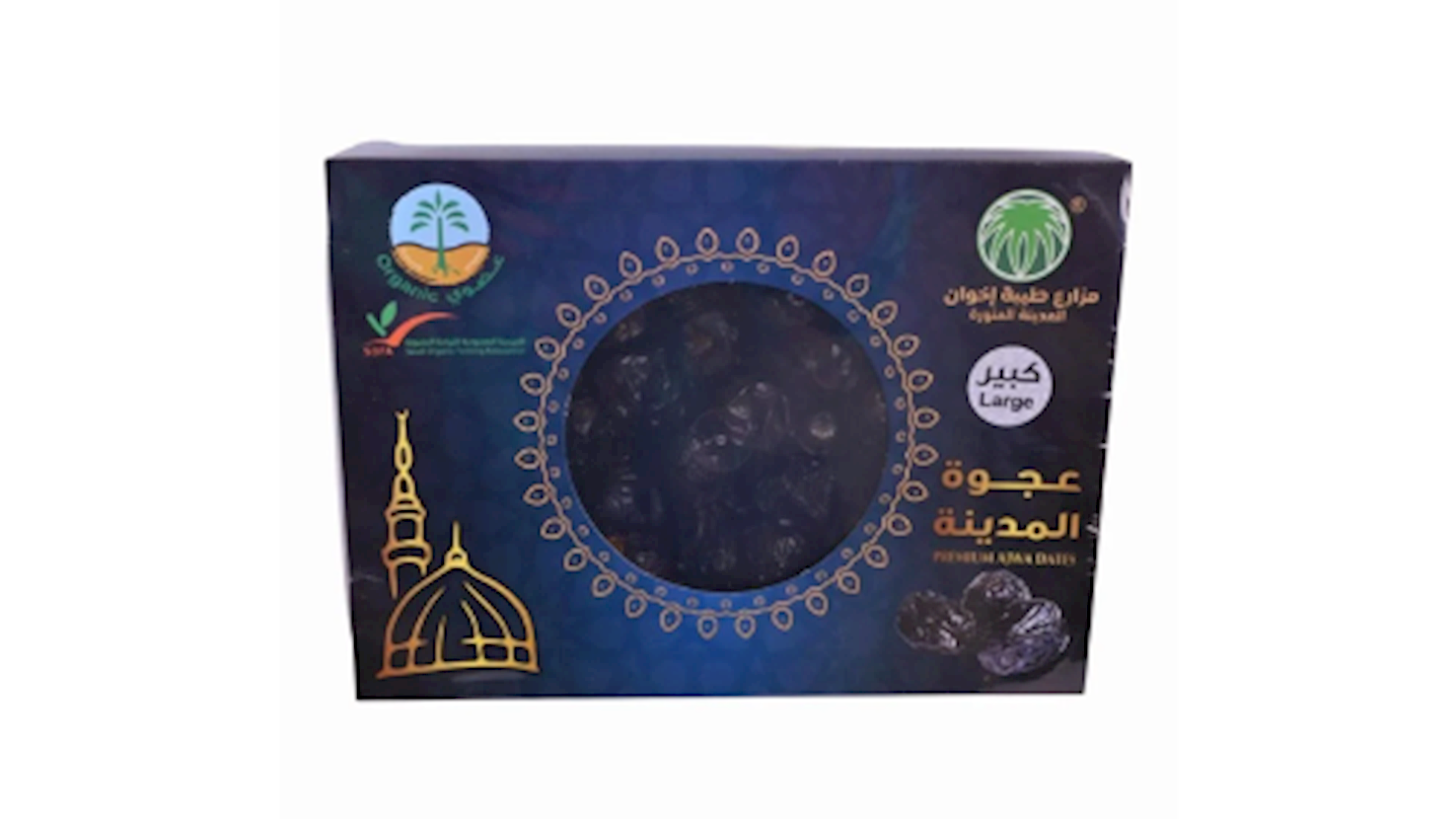
Taiba Brothers Farms is a family-owned farm based in Medina, Saudi Arabia, renowned for its long-standing tradition of cultivating palm trees and producing premium-quality dates. Its philosophy is built on heritage passed down through generations - from ancestors to descendants - guided by respect for nature and local traditions.
The farm specializes in varieties native to the Medina region, most notably Ajwa and Safawi dates, prized for their rich flavor and high nutritional value. All fruits are grown naturally, without pesticides or chemical additives, and are hand-harvested at full ripeness to ensure maximum freshness and quality.
Careful manual selection and minimal processing allow each date to retain its natural texture, aroma, and deep, glossy color. The climate of Medina, with abundant sunlight and mineral-rich soil, gives the fruit its pronounced sweetness and balanced minerality.
The products are packaged in elegant, hygienically processed boxes designed for the premium market and export. Taiba Brothers Farms blends traditional farming methods with modern quality standards, creating an authentic brand that bridges spirituality, culture, and fine gastronomy.
Their dates are now considered one of Medina’s most iconic products -— a true symbol of purity, tradition, and luxury.
Alia Al-Madinah Farms is a renowned agricultural and tourist destination located in the heart of Medina, Saudi Arabia, combining traditional date cultivation with a modern approach to preserving cultural heritage. The farm spans vast areas covered with palm trees, situated near the Prophet’s Mosque, giving it a special symbolic and spiritual connection to the history of the region.
At Alia Farm, the finest varieties of dates are cultivated, with Ajwa standing out as the signature type - known for its dark color, soft texture, and rich, complex flavor. The harvest is carried out by hand, following traditional methods and seasonal rhythms, while the fruits are carefully sorted and packaged to preserve their natural freshness.
The farm is open to visitors, offering the experience of walking through dense palm groves and tasting fresh dates straight from the tree. This blend of agriculture and tourism makes it one of the few places where visitors can experience the authentic atmosphere of historical Medina.
The land of the farm is considered part of historic waqf (endowment) estates, adding further cultural significance. The dates grown here are known for their rich taste that combines the sweetness of honey and caramel with subtle earthy tones.
Thanks to Medina’s ideal climate and mineral-rich soil, the fruits achieve exceptional aromatic concentration. Alia Al-Madinah Farms thus stands as a symbol of authenticity, spiritual heritage, and sustainable cultivation.
Its mission is to preserve the centuries-old tradition of date farming while presenting Medina as a center of genuine agricultural culture in Saudi Arabia.
Talah Al Jood is a Saudi company specializing in the processing, packaging, and sale of dates and date-based products. It was founded in Jeddah in 2001, beginning as a small retail shop with three employees. Over time, the company developed a network of retail outlets, while its main factory and warehouse remained in Jeddah. Its range includes plain and stuffed dates, individually wrapped fruits, ma’amoul, and various date-based sweets. The selection features varieties such as Sukkari, Safawi, Segai, Ajwa, Anbara, and Medjool. The dates are combined with ingredients such as pistachios, almonds, cashews, sesame, tahini, coconut, cardamom, cinnamon, caramel, and chocolate. In addition to individual products, the company prepares assorted collections containing several date varieties and different fillings. Particular attention is given to presentation, with products offered in decorative boxes, baskets, and trays intended for gifts and traditional Saudi hospitality.
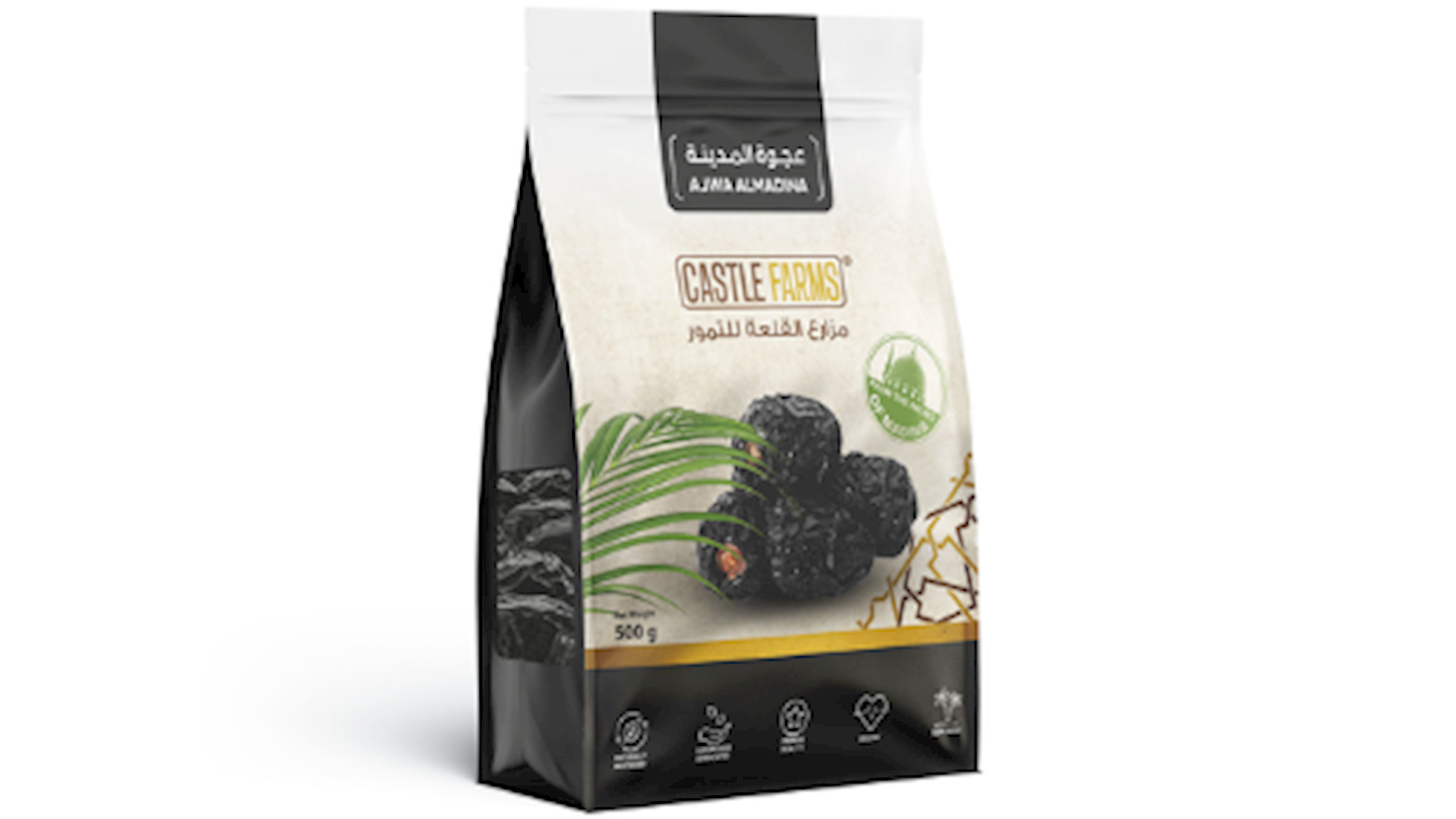
Castle Farms is a Saudi producer of premium dates with decades of cultivation tradition in the Medina region, one of the most fertile areas for date production in Saudi Arabia. The plantations cover approximately two million square meters and include more than 44,000 palm trees, ensuring an annual yield of around 2,500 tons of dates, including 250 tons of organically certified fruit.
The company employs modern methods of organic and sustainable agriculture, allowing for the preservation of soil microbiological richness and the natural balance of the ecosystem. Castle Farms’ assortment includes some of the most renowned Saudi varieties, such as Ajwa, Sukkary, Safawi, Khudari, and Segai, all distinguished by their diverse flavors and textures.
Through the combination of natural purity, sustainability, and a refined production approach, Castle Farms has established itself as one of the leading date producers, successfully bridging the authentic heritage of Arabia with the demands of the modern global market.
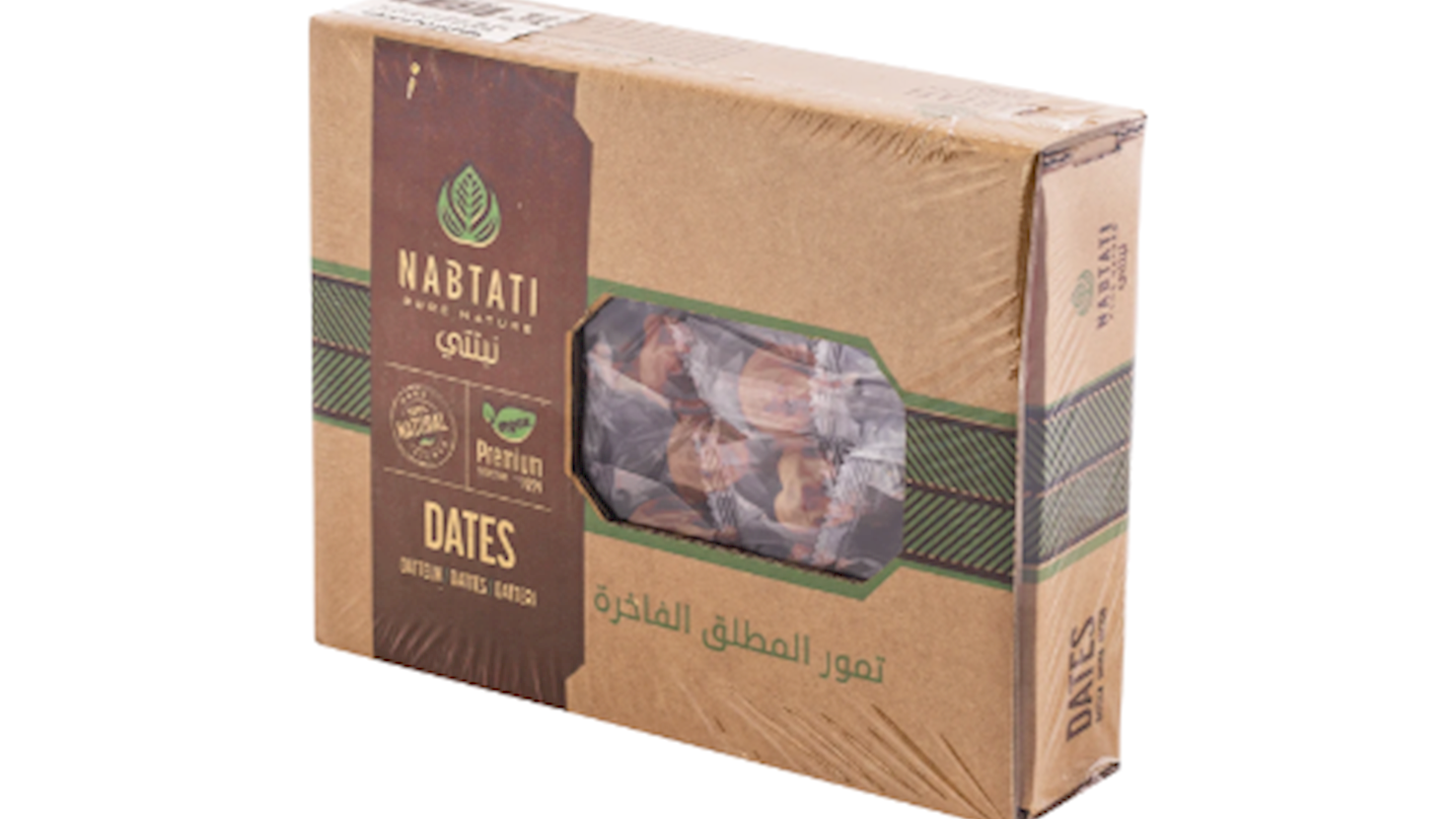
Nabtati is a Saudi brand that originates from the family-owned Al Mutlaq Farms, established in 1959 in the Al-Qassim region, renowned for its exceptional conditions for date cultivation. The name “Nabtati” meaning “my plant” in Arabic, symbolizes a deep connection with nature and a commitment to sustainable agriculture.
The brand specializes in the production of the Sukkari variety - one of the most renowned Saudi dates, distinguished by its golden-brown color, conical shape, and caramel-honey flavor. On its plantations in Al-Qassim, Nabtati applies organic and modern farming practices that achieve an ideal balance between traditional methods and contemporary quality standards.
Each fruit is handpicked and carefully sorted to preserve its freshness, aroma, and nutritional value. Through its heritage, transparency, and refined approach, Nabtati has become a distinguished name among producers who successfully combine natural purity, sustainability, and luxury in a single product.
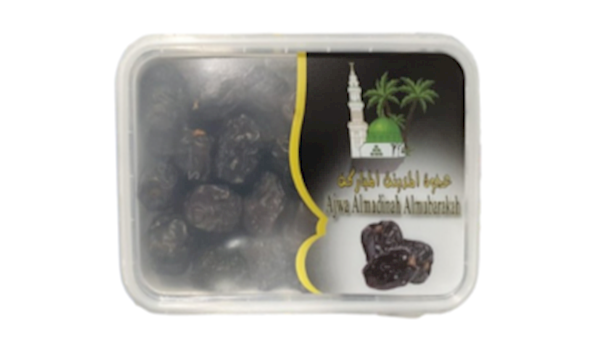
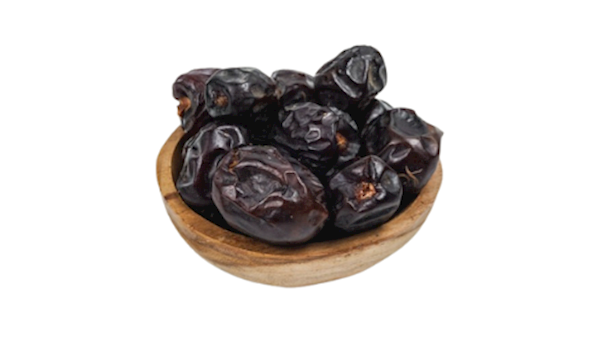
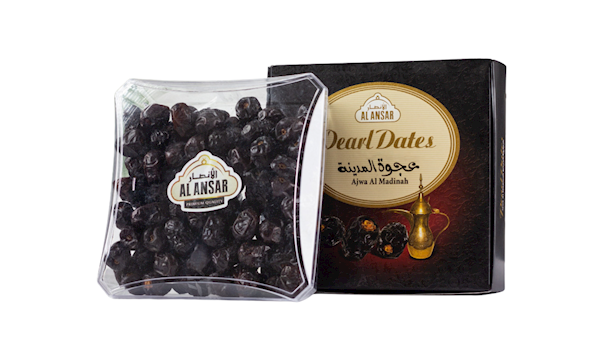
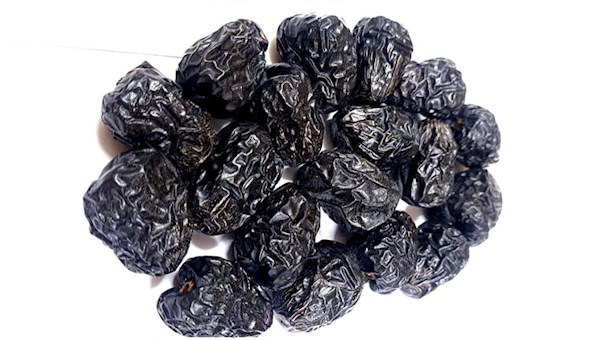
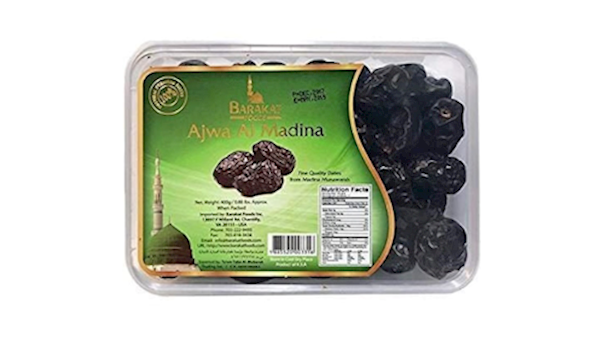
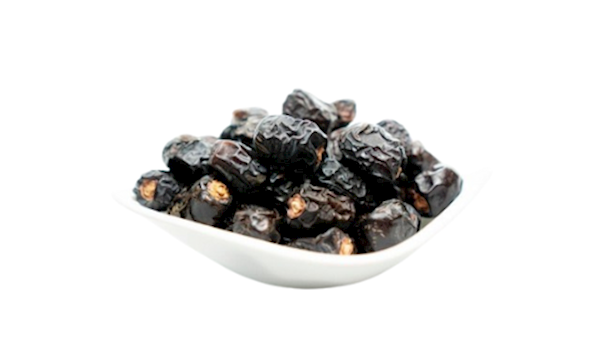
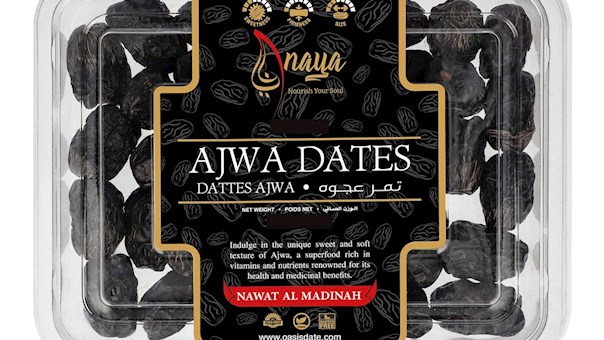
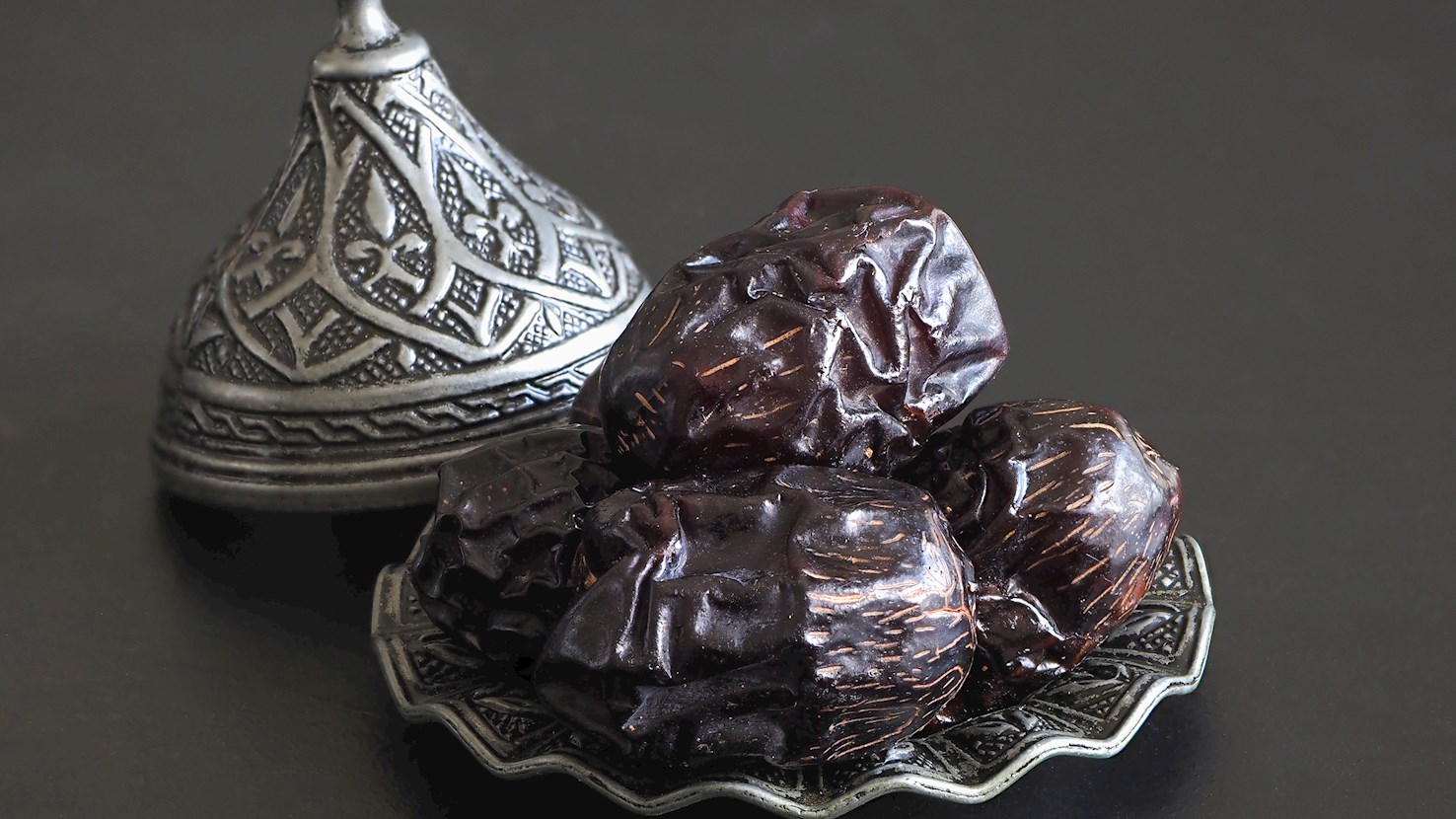
Ajwa is a famous date variety originating from Medina, Saudi Arabia. These dates are dark brown to almost black in color. The texture is slightly dry, soft, and chewy, while the flavors are prune-like and sweet with hints of cinnamon, caramel, and honey. The dates are packed with protein, dietary fibre, healthy fats, and vitamins such as A, B6, C, E, and K. During and after pregnancy, the consumption of ajwa dates improves blood circulation for mothers and babies. These dates are also known as holy dates and they hold a special place in Islamic tradition.
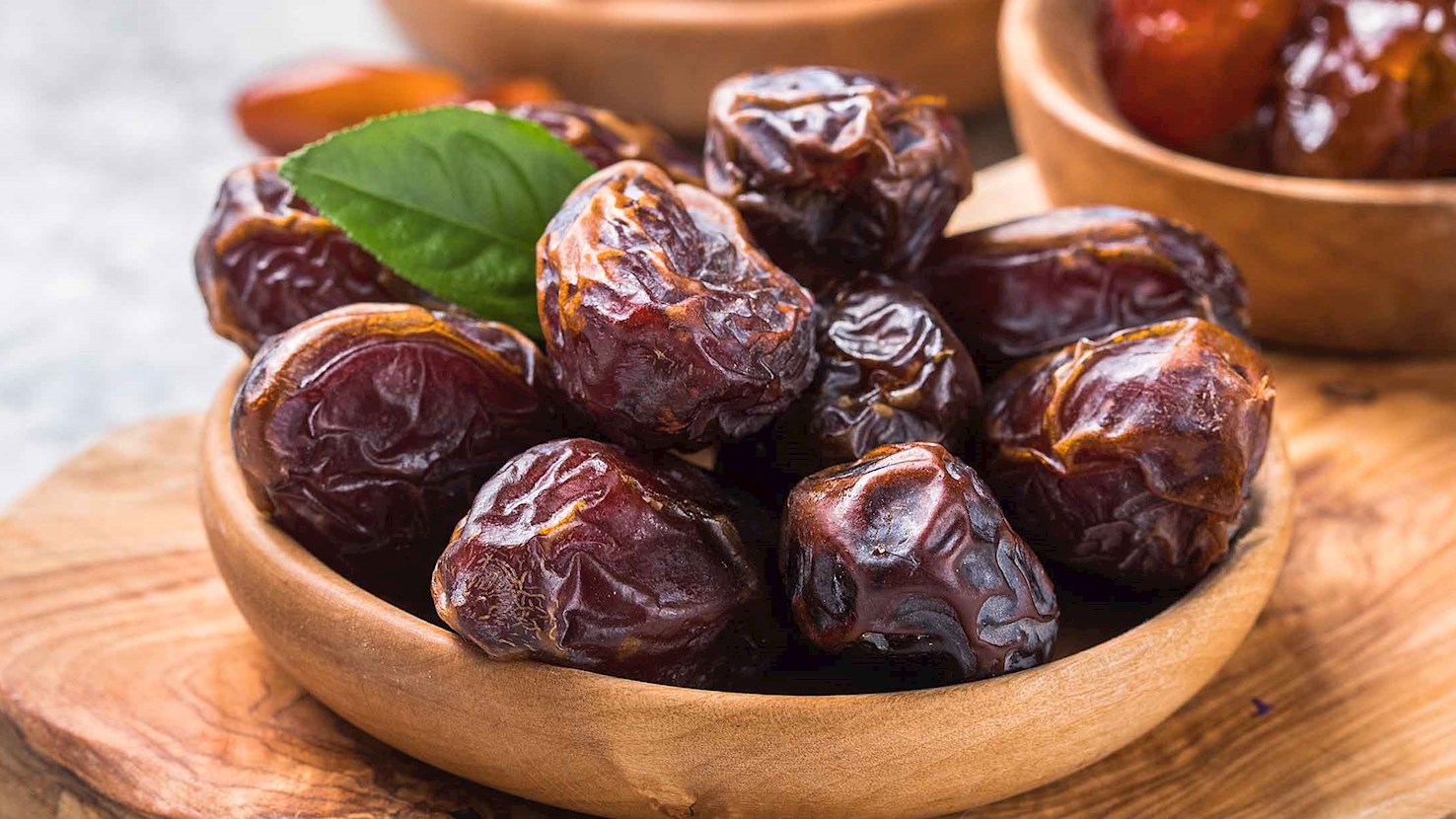
Khudry or khudri is a traditional date variety hailing from Saudi Arabia. These dates are less expensive than most other varieties and they have a dark brown color and a cylindrical shape with wrinkled skin. The size ranges from medium to large. The texture is chewy (but not dry), while the flavor is moderately sweet with hints of caramel. The dates are eaten as they are or stuffed with walnuts, almonds, or cream. They're also packed with fiber, magnesium, potassium, and a load of other vitamins and minerals. Enjoy them with a cup of tea or black coffee.
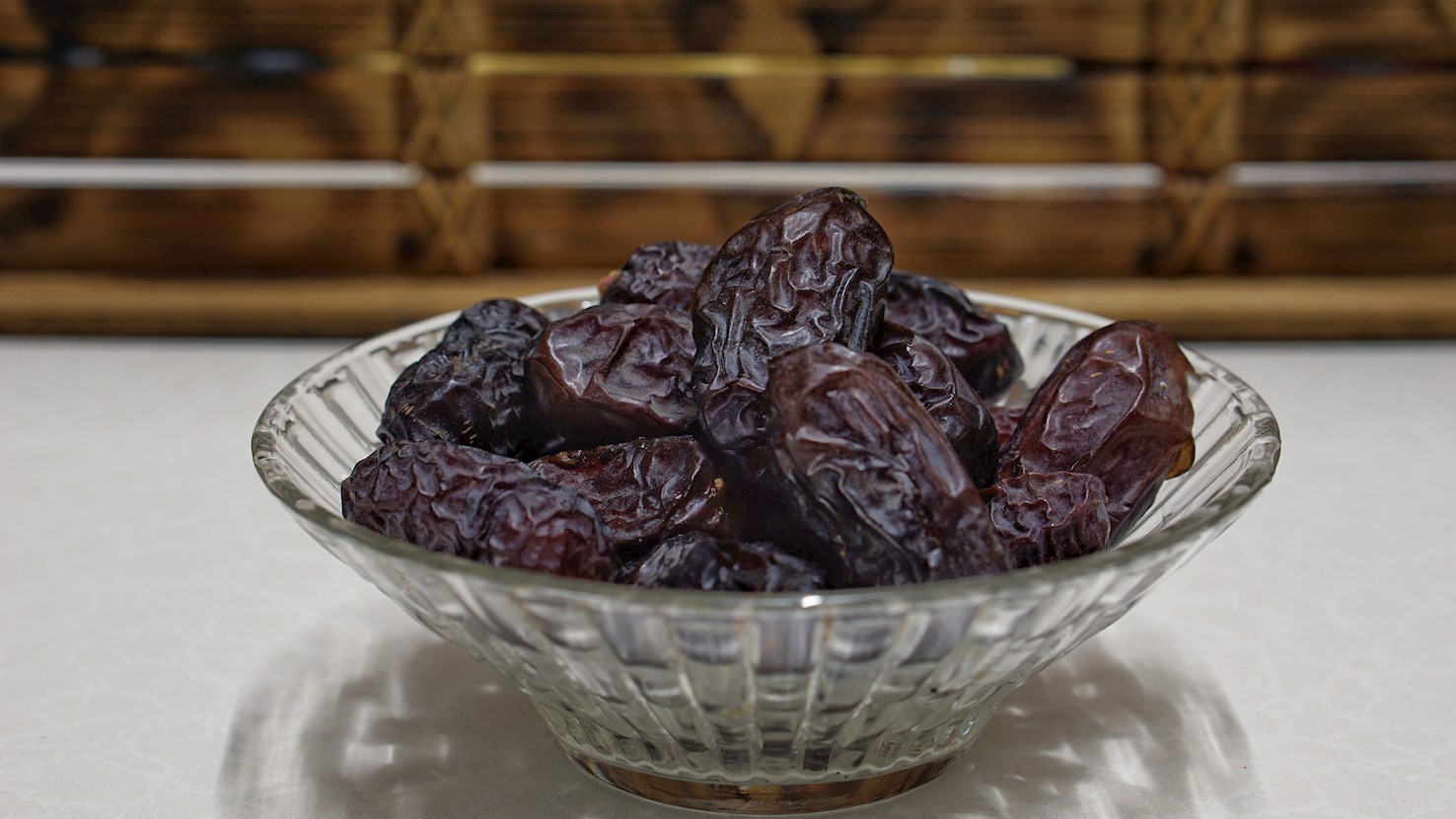
Safawi is a traditional Arabian date variety originating from the Al-Madina region. These wrinkly dates have a deep black color and they're medium to large in size. The texture is soft, moist, and chewy, while the flavor is sweet. The safawi palm tree is known for its high productivity, so safawi dates are more commercially available than most other varieties (year-round).
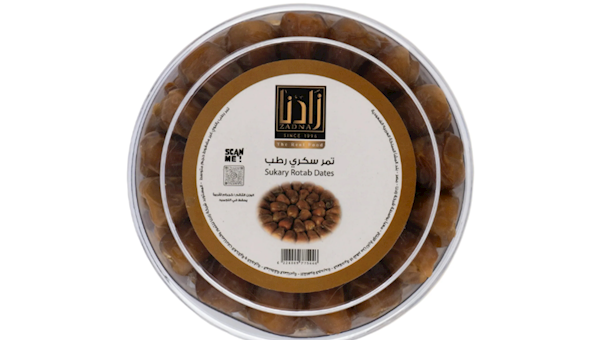
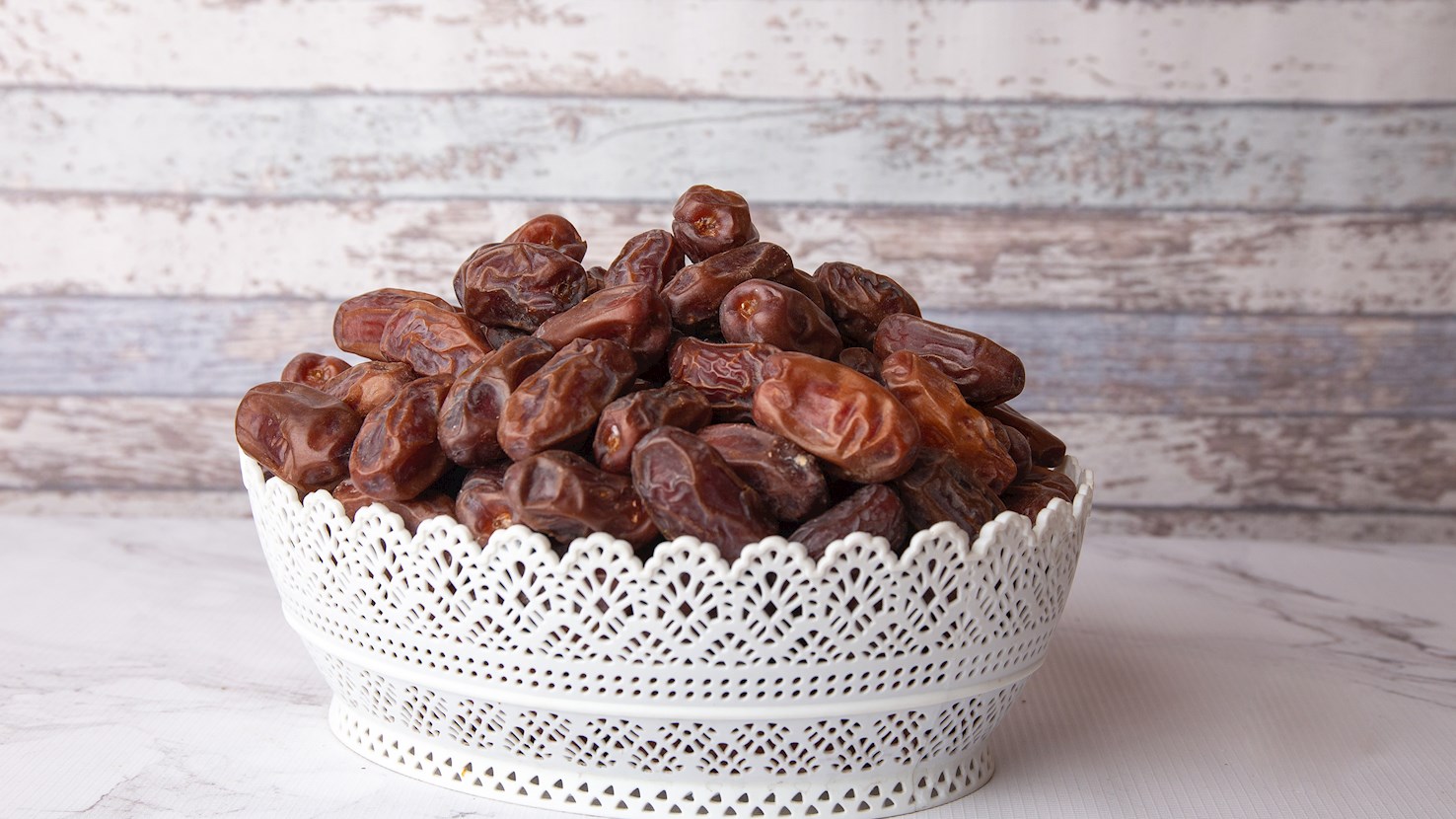
Sukkary is a traditional Arabian date variety originating from the Al Qassim area. These are among the sweetest and softest variety of dates, often described as melt-in-the-mouth soft dates. Their color is golden, while the flavor is sweet and juicy. When dried, the dates become chewy and even sweeter, and there is some crunchiness near the stem. Sukkary dates are packed with energy, natural sugars, fiber, minerals, and vitamins. They're often referred to as royal dates due to their natural sweetness and golden color. Sukkary dates can be made into an interesting dessert when they're stuffed with cashews and sweet cream.
Sagai is a traditional date variety originating from the Arabian Peninsula and it's especially popular in Saudi Arabia. These dates are famous for their two-toned color – at the tip, they are golden and dry, while the rest of the body is brown and soft. The flavor is mildly sweet, while the unique texture is both crunchy and soft. The demand for these dates is especially high during Ramadan and Eid. The consumption of sagai dates helps in relieving constipation and it's beneficial to curing hangovers and overcoming sexual disorders.
Mabroom is a traditional date variety originating from Saudi Arabia. These elongated dates have a light red to bronze skin and a candy-like texture that's chewy and sticky. It's recommended to enjoy them at room temperature, not straight out of the fridge. The flavor is mildly sweet, smooth, and pleasant, with a lingering hint of toffee. Mabroom dates contain natural fibers and minerals, making them very healthy. Many people compare mabroom dates with khudri dates, but this variety is longer and smaller in size.
Khalas dates are a premium variety of dates that are highly prized in the Middle East, particularly in the Arabian Gulf countries. Known for their distinctive sweet flavor and rich, creamy texture, khalas dates are often considered a symbol of hospitality and generosity in the region. They have a medium size and come in a range of colors from golden brown to dark brown when ripe. The flesh of the khalas date is soft and moist, making it a favorite for both fresh consumption and use in various culinary applications, from desserts to traditional dishes. Khalas dates, like other date varieties, are packed with nutrients, including natural sugars, fiber, vitamins, and minerals, making them a healthy snack option. They are especially revered during the month of Ramadan for breaking the fast due to their energy-boosting properties. The khalas variety is also appreciated for its versatility in cooking and baking, lending a natural sweetness and depth of flavor to dishes.
Al-Bakaya is an endangered palm tree known for its tall and imposing stature. The dates it produces are sweet, oval-rectangular, and display a mix of ripe and semi-ripe stages, with brown on the bottom and yellow on top. Only a small quantity of Al-Bakaya dates is collected to prevent damage, and typically, only one tree is planted per farm. The harvesting season starts in early summer, with manual harvesting before sunrise to preserve tenderness and pulp abundance. Harvesters require extensive experience and professionalism. Al-Bakaya dates are closely tied to the culture of Medina, appreciated for their unique taste. They are famous in the city and surrounding villages, considered rare and challenging to handle due to fragility during ripening and perishability. Known for their unique flavor and high sweetness, Al-Bakaya dates yield syrup (dibs) suitable as a sugar substitute. They are used in various dishes, including Al-Haysa Al-Madaniya, a famous dessert in Medina. The artisanal method of syrup extraction involves boiling dates in water, then straining the liquid. The tree's imposing height and delicate fruit texture have led to a decline in its cultivation, making it almost extinct. Despite low production, Al-Bakaya dates remain highly coveted, emphasizing the need for support and attention to preserve this unique fruit.
Barni dates are a variety of date fruit primarily cultivated in the region of Al-Madinah in western Saudi Arabia, where the dry climate and mineral-rich soil create suitable conditions for the growth of strong, high-yield date palms. The fruit is medium-sized, oval in shape, and dark brown when ripe, with firm flesh and moderate sweetness. It belongs to the soft-dry group of date varieties common in the Arabian Peninsula and is valued for its chewy texture, subtle caramel flavor, and smooth skin. The association of Barni palms with Medina is longstanding, mentioned in early agricultural accounts of the Hijaz area, where date palms were central to local subsistence and trade. Over time, Barni came to be identified with Medina’s agricultural output and was frequently cited among the city’s most esteemed cultivars. The dates are harvested late in the season, usually between September and October, when the fruit passes from the rutab to the tamr stage, at which point the exterior wrinkles slightly while the interior retains firmness. After collection, the fruit is lightly sun-dried or air-dried to reduce moisture and enhance storage life. The dates are then sorted by size and color, sometimes cleaned manually to remove dust from the orchard, and packed in palm-leaf baskets or cartons for distribution. There is no further processing or sweetening, which preserves their natural taste and nutritional profile. A distinctive feature of Barni dates is their balance of dryness and chewiness, which makes them suitable for storage without refrigeration and for export beyond the region. They are commonly sold whole, occasionally pitted, and sometimes filled with nuts such as almonds or pistachios, though the plain form remains the standard. In Medina and throughout Saudi Arabia, Barni dates are eaten daily rather than reserved for festivals or gifts, often accompanying Arabic coffee during social visits or offered after prayer. They are also consumed at the start of a meal to provide natural sugars and fiber. Because of their moderate sweetness, Barni dates pair well with milk, yogurt drinks such as laban or ayran, and lightly roasted nuts. Their firm consistency also allows them to be chopped and added to baked goods or cereal mixtures without losing texture.
Anbara dates are a variety of date fruit grown mainly in Saudi Arabia, particularly in the region of Al-Madinah, where the climate of high heat and low humidity favors the cultivation of palm species suited to dense, sugar-rich fruit. They are among the largest date varieties produced in the Arabian Peninsula, recognizable by their elongated oval shape, glossy reddish-brown skin, and firm yet fibrous flesh that encloses a relatively small seed. Their flavor is mildly sweet rather than heavy, with notes of honey and molasses, which distinguishes them from the darker, more caramelized varieties such as Ajwa or Medjool. Cultivation of Anbara dates is linked to the long-standing palm-growing practices of the Hijaz area, where date palms have been documented for many centuries as a key agricultural resource and form of sustenance. The name “Anbara” refers specifically to this cultivar’s fruit rather than the tree species itself, and it likely gained prominence through local trade networks that supplied dates from Medina to other Arabian regions. The fruit develops over the hot summer months, ripening between late August and early October. Harvesting is done by hand when the dates reach full maturity and begin to soften slightly on the tree. After collection, the fruit is cleaned, sorted by size and appearance, and dried under controlled conditions to stabilize moisture and concentrate its sugars. The drying process is minimal compared to that of harder date types, leaving Anbara dates supple and ready for immediate consumption. They are often sold whole, occasionally stuffed with nuts such as almonds or pistachios, and sometimes coated lightly with natural syrup for preservation. One of the distinctive features of Anbara dates is their low seed-to-flesh ratio, which makes them especially valued for gift presentation and high-end retail packaging in Gulf countries. They are consumed throughout the year but are particularly prominent during Ramadan, when dates are eaten to break the fast due to their high energy content and digestibility. Anbara dates are eaten plain or served alongside Arabic coffee, laban (fermented milk), or mint tea. Their mild sweetness and firm texture also make them suitable for combining with savory foods, including soft cheeses, roasted nuts, or lightly salted meats, where the contrast of flavors enhances both elements.
TasteAtlas food rankings are based on the ratings of the TasteAtlas audience, with a series of mechanisms that recognize real users and that ignore bot,
nationalist or local patriotic ratings, and give additional value to the ratings of users that the system recognizes as knowledgeable.
TasteAtlas Rankings should not be seen as the final global conclusion about food. Their purpose is to promote excellent local foods,
instill pride in traditional dishes, and arouse curiosity about dishes you haven’t tried.
The initial list of top producers was compiled based on available reviews, awards, local recommendations, media and blog coverage, and consumer reviews.
The list will be updated with ratings from TasteAtlas local ambassadors and TasteAtlas users.







What People Say