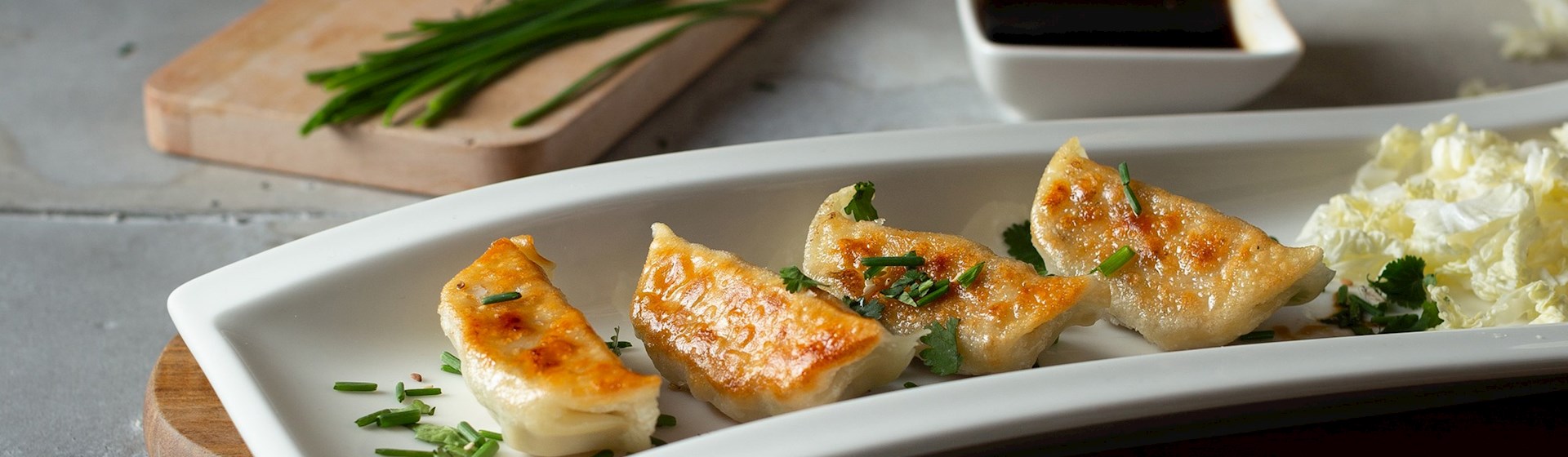
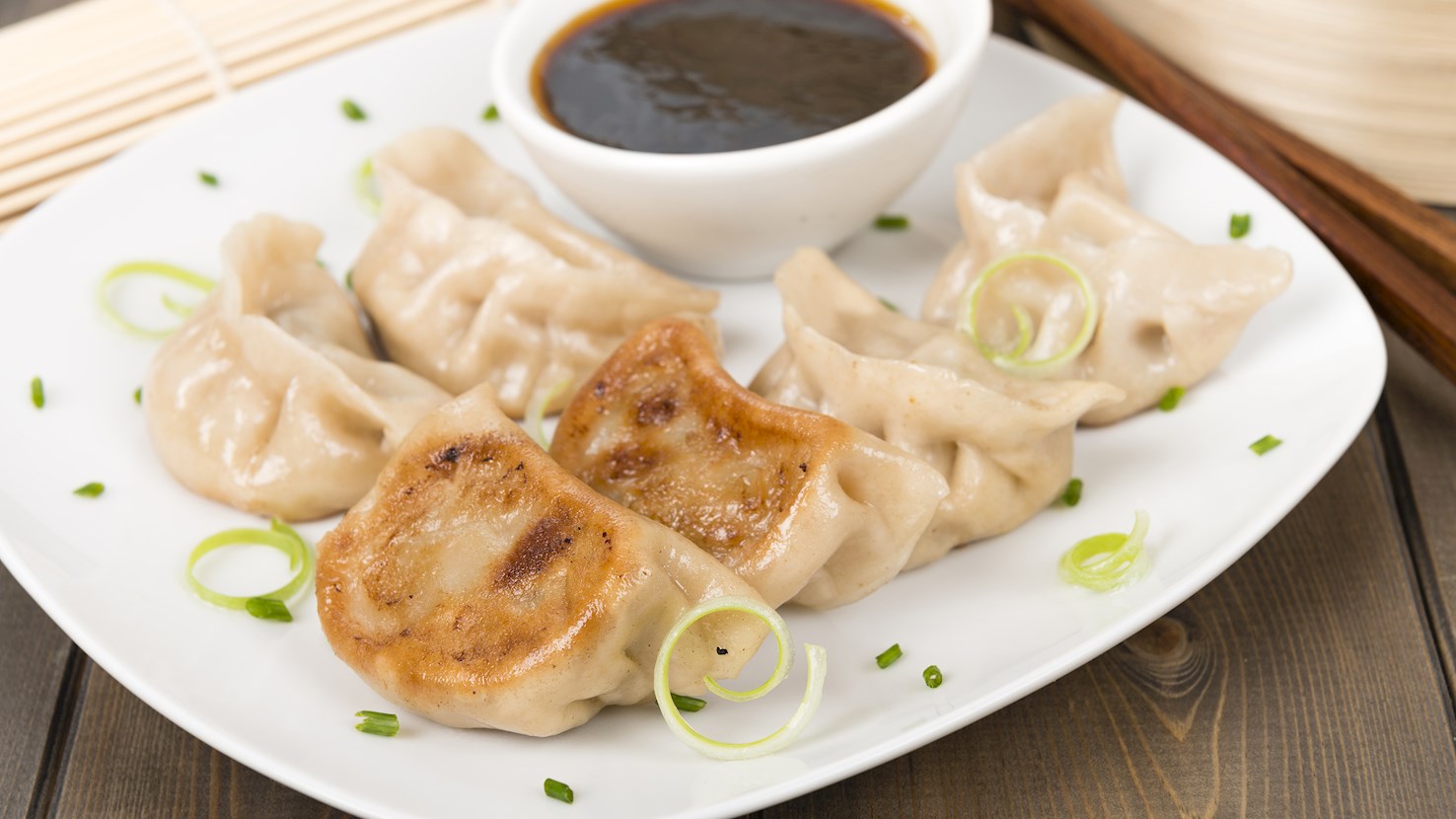
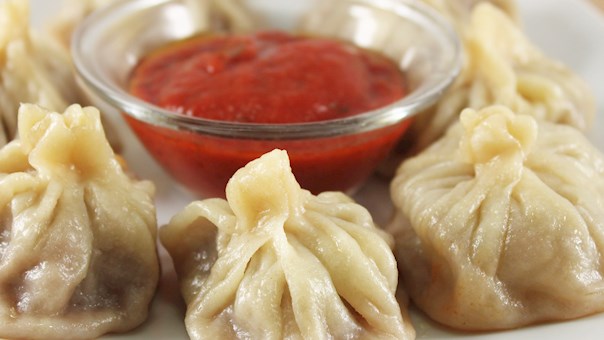
Zhēngjiao is a traditional dish consisting of steamed dumplings. The texture is somewhere between the crinkly and tender skins of boiled dumplings (shui jiao) and the crisp-bottom, chewy top style of pan-fried dumplings (guo tie or jian jiao or potstickers). Once steamed, these dumplings will have a translucent wrapper covering the filling, which usually consists of pork and chives, cabbage, shrimp, or a combination of different vegetables. When served, zhēngjiao dumplings are often served with soy dipping sauce on the side.
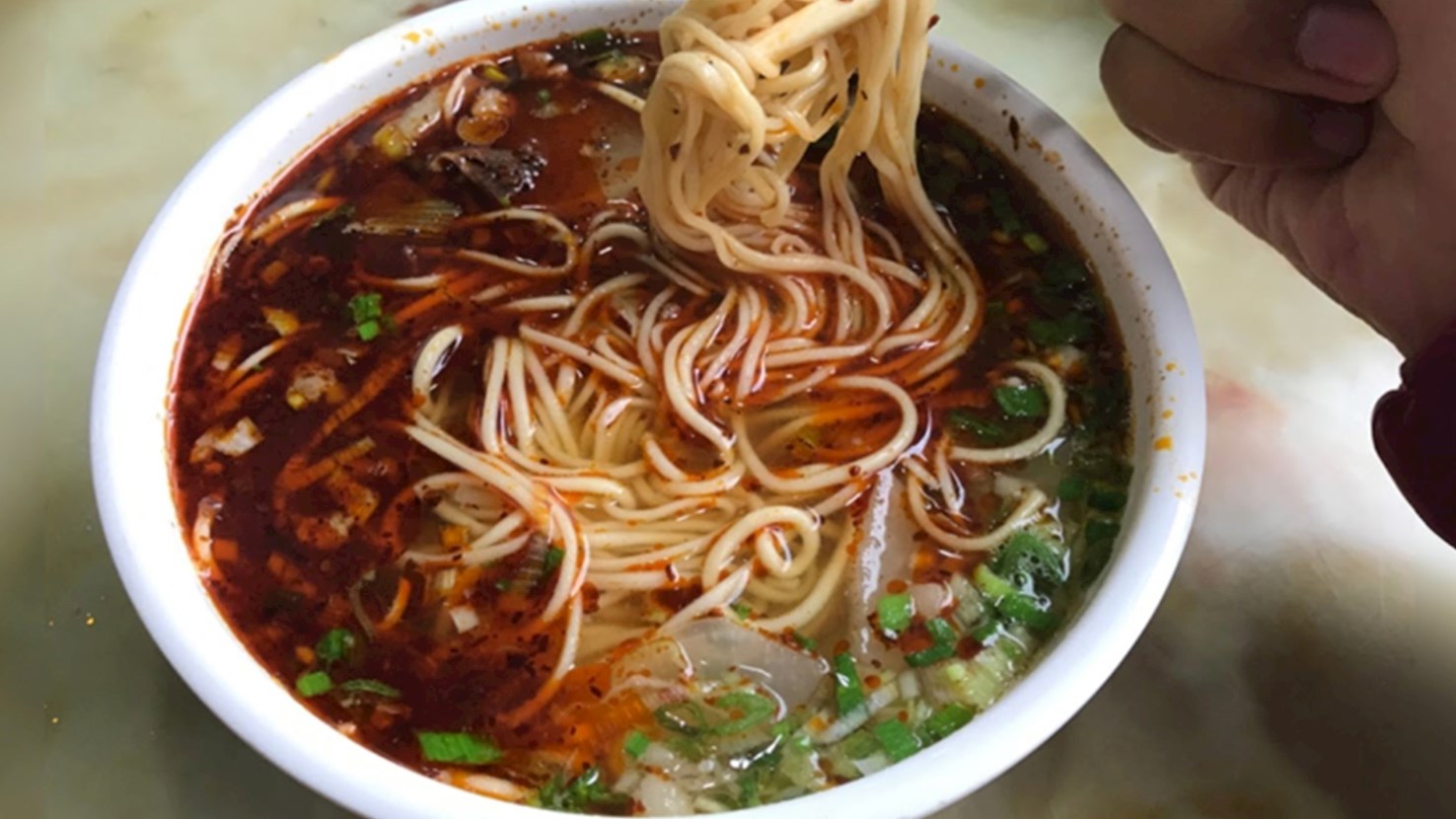
Lanzhou lamian is a Chinese noodle dish known for its hand-pulled noodles, originating from Lanzhou. "Lamian" translates to "pulled noodles", as the dough is stretched and folded repeatedly by hand to create long, thin noodles with a perfect chewy texture. This technique not only aligns the gluten but also enhances the texture of the noodles. The resulting noodles are cooked in a rich beef broth that is clear and flavorful, without the use of soy sauce, allowing the natural flavors of the ingredients to shine through. Lanzhou lamian is often served with thinly sliced beef and various toppings, and is traditionally garnished with fresh cilantro, chili oil, and slices of white radish, adhering to a visual principle of the "five colors": clear broth, white radish, green cilantro, red chili oil, and yellow noodles. This dish has gained immense popularity across China and is often recognized as one of the country's top noodle dishes. The origins of Lanzhou lamian date back to the Tang Dynasty, with its modern form believed to have been popularized in the early 19th century by a Hui Muslim vendor named Ma Baozi. Today, it is commonly found in numerous noodle shops throughout China, particularly those owned by Hui families who serve halal food.
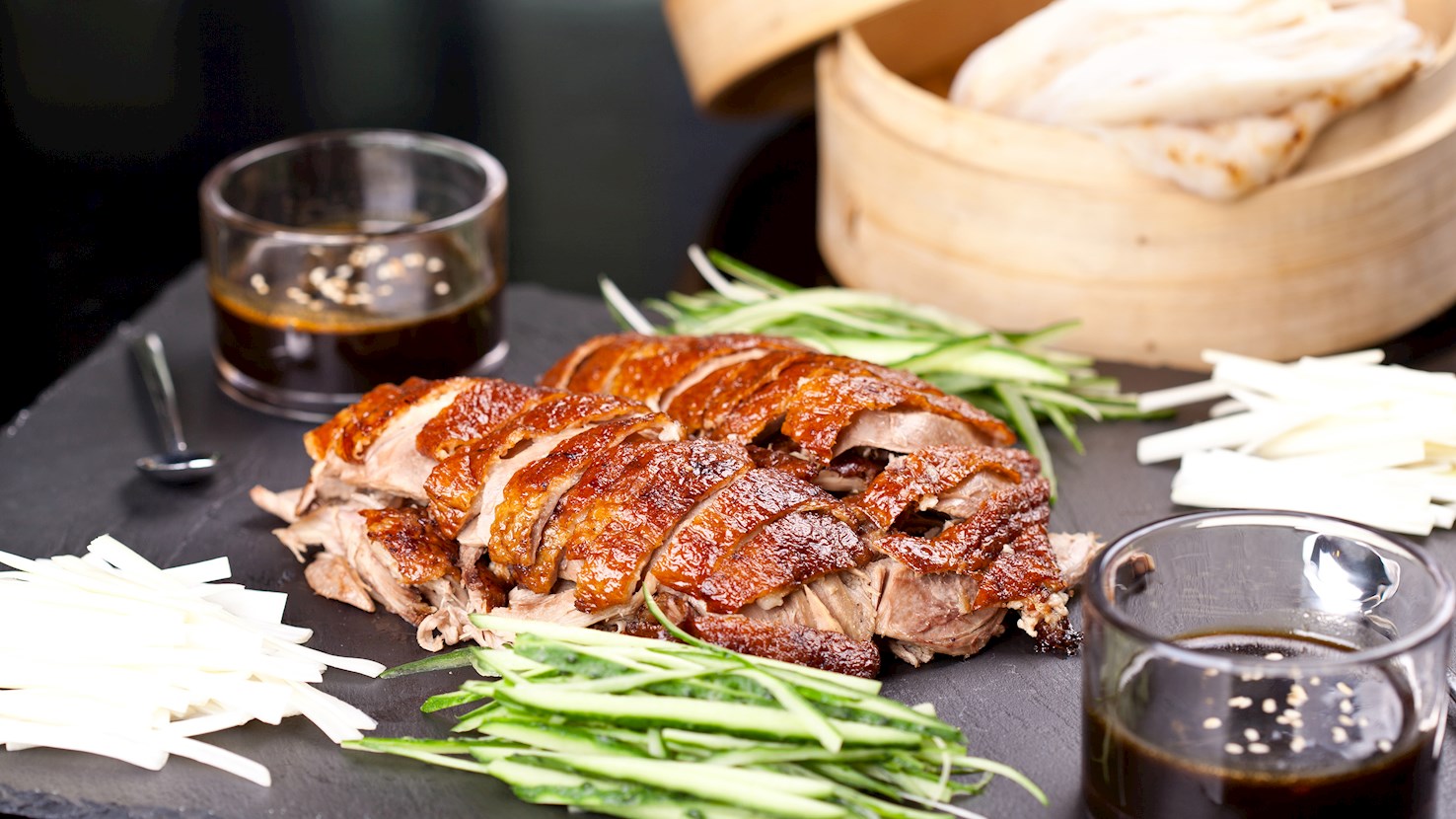
The history of Peking duck goes back to China's Yuan Dynasty of the 13th century. Bianyifang, Beijing's oldest restaurant specializing in Peking duck has been in business since the Jiajing reign of the 16th century, serving as a testament to the popularity of this succulent, tantalizing dish. The duck is cooked until the skin turns golden and crispy and the meat becomes tender, slightly sweet, and moist. Both the meat and the skin are then folded in thin pancakes or steamed white buns. To make an authentic Beijing kao ya, the duck must be a white feathered American Pekin, hung for 24 hours, and pumped with air through a small puncture between the breasts and wings. It is usually brushed with a mixture of ginger, oil, hoisin sauce, honey, and rice vinegar, then vertically hung and slowly roasted to perfection. When the dish is served, the skin will often come first as an appetizer, followed by the meat which is accompanied by cucumbers, scallions, hoisin sauce, buns, and pancakes. With its 400-year history, exquisite flavors, and elaborate preparation, it comes as no surprise that Peking duck is one of the most famous Chinese dishes.
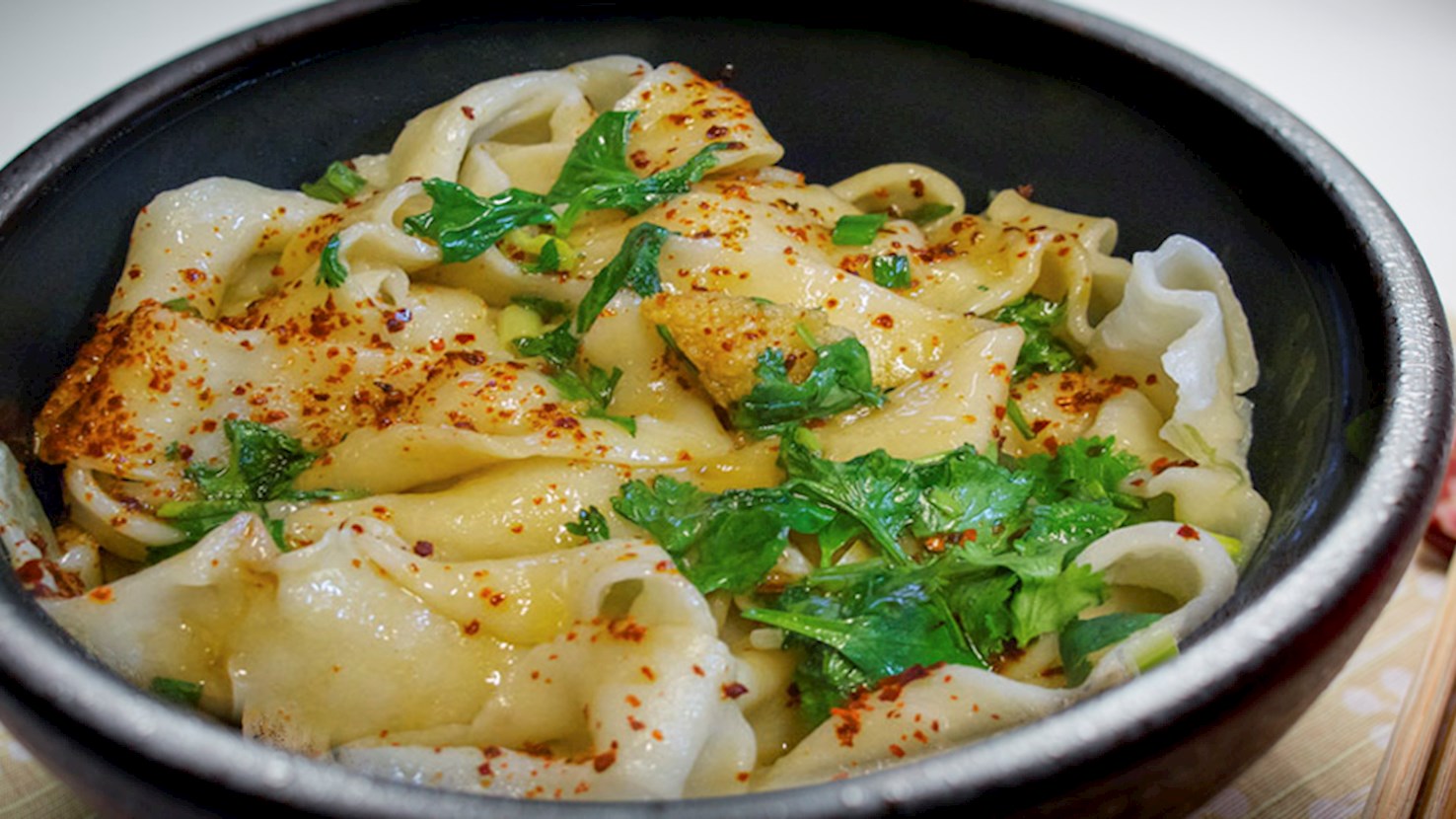
Biáng biáng noodles are a type of hand-pulled noodle from Shaanxi province, famous for their extra-wide, belt-like shape and chewy texture. They are a staple of Xi’an, the provincial capital, and are often regarded as one of the defining foods of the region’s wheat-based cuisine. Their name is also tied to a unique Chinese character, considered one of the most complex in the written language, which has become as much a symbol of the dish as the noodles themselves. The development of biáng biáng noodles reflects the reliance on wheat in northern and northwestern China, where wheat replaced rice as the dominant staple due to climate and geography. Over centuries, cooks refined methods of hand-pulling dough to achieve noodles of various shapes and textures, from thin strands to thick ribbons. In Shaanxi, this process was adapted to create exceptionally wide noodles, hearty enough to serve as a full meal on their own. The association with the character “biáng,” which does not appear in standard dictionaries, further linked the dish to regional culture, adding an element of identity and pride for locals. Making the noodles involves a straightforward but skillful process. Wheat flour dough is kneaded until elastic, rested, and then pulled into long strips. Each strip is slapped against a counter to stretch it, creating wide, flat ribbons. These are boiled quickly in water until just cooked, producing a chewy yet tender texture. Once drained, the noodles are placed in a bowl and topped with garlic, chili flakes, scallions, and sometimes vegetables or bits of meat. Very hot oil is then poured over these seasonings, releasing their aroma and forming a sauce that coats the noodles. In some versions, vinegar and soy sauce are added for balance, or additional toppings like braised beef, lamb, or eggs are included. Biáng biáng noodles are eaten widely in Shaanxi, especially in Xi’an, where they are sold in street stalls, small noodle shops, and larger restaurants. They are served as a complete meal, often accompanied by light broths or pickled vegetables. Beyond China, they have gained attention in restaurants specializing in regional Chinese cooking, where their distinctive appearance and flavor showcase the diversity of China’s noodle traditions.
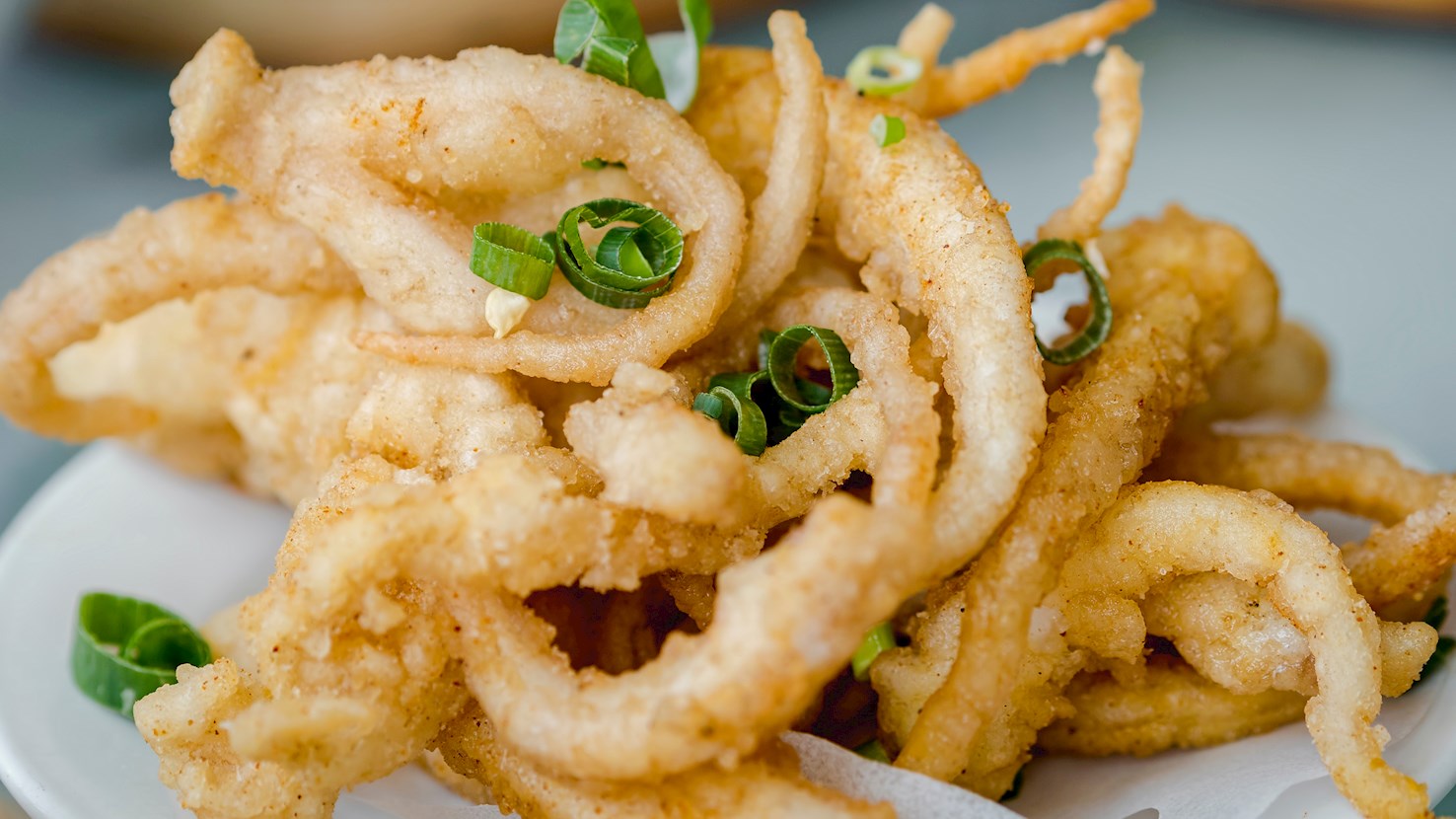
Jiao yan you yu or salt-and-pepper squid is a traditional dish originating from Guangzhou. This Cantonese dish is usually made with a combination of squid, potato flour, scallions, Shaoxing wine, garlic, oil, hot peppers, Sichuan pepper or white pepper, and salt. The surface of the squid is cross-hatched and the body is cut into bite-sized pieces. It's mixed with Shaoxing wine, drained, dredged in flour, and deep-fried in hot oil until lightly golden. The squid is removed from the pan. The garlic, scallions, and hot peppers are stir-fried in the same oil, and the squid is placed back into the pan with a mixture of Sichuan pepper and salt. The dish is stir-fried a bit more, tossed, and served hot as an appetizer or a main course.
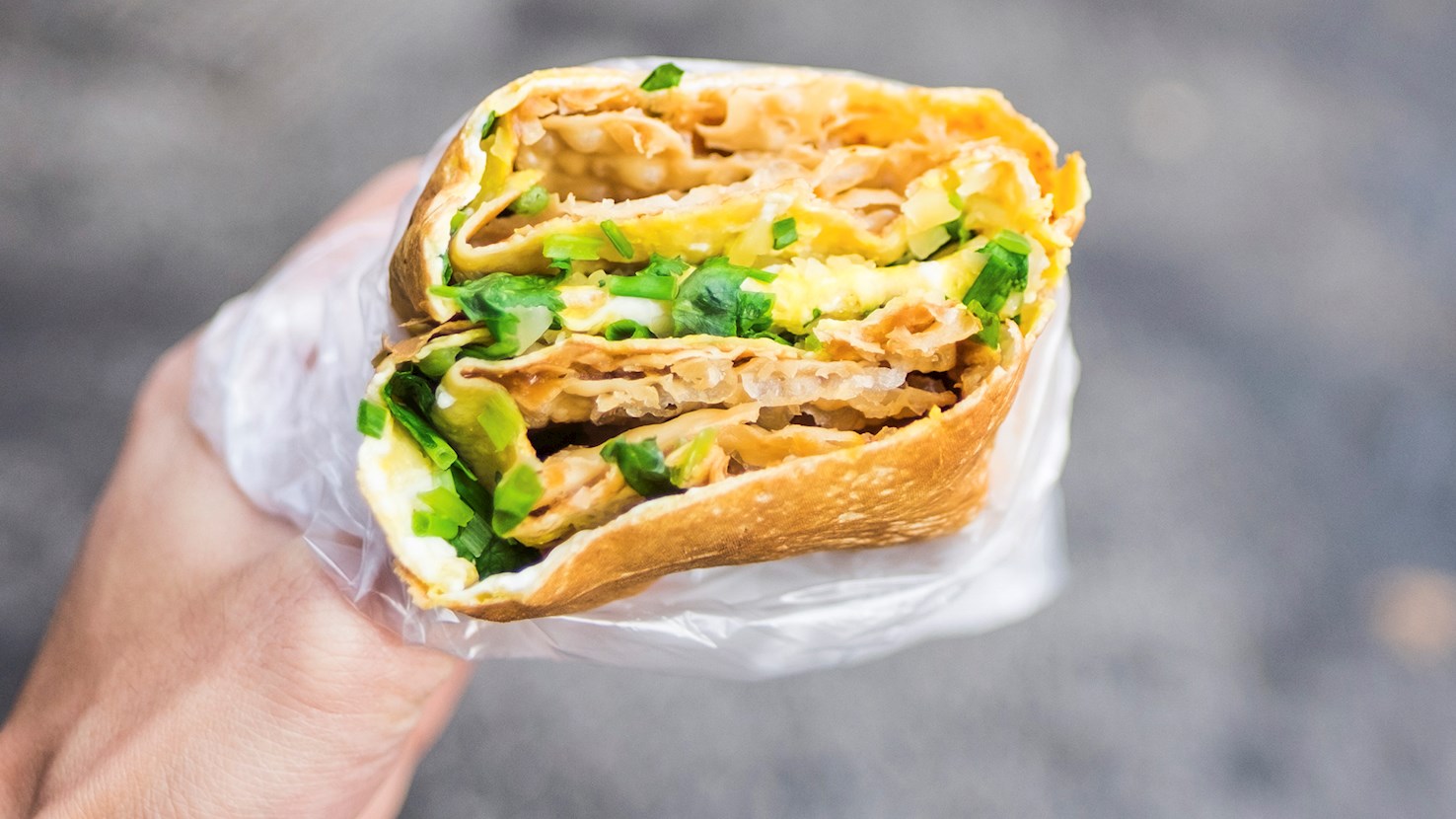
A favorite breakfast item in China sold by numerous street food vendors early in the morning, jianbing or fried pancake is a thin and savory crêpe-like pancake that is made by spreading batter over a hot, cast-iron slab with a wooden paddle. The batter can be made with a variety of different flour, with the most common types being mung bean flour, black bean flour, and wheat flour. Always freshly prepared and warm, this fried pancake is usually topped with eggs, then flavored with various sauces such as chili sauce, hoisin sauce, or tianmianjiang (savory bean paste) sauce, and filled with ingredients such as spring onions, mustard pickles, radishes, scallions, cilantro, or even a protein such as Chinese sausage or chicken. A type of crispy-fried dough sticks called guozi or strips of crispy wonton are traditionally added to the pancake filling for extra crunchiness. The variations on this dish are endless as are the ingredients that can be added inside the crêpe wrapper. Typical of Tianjin, versions of this Chinese dish can also be found in some of the largest cities in the world including New York, Sydney, and London.
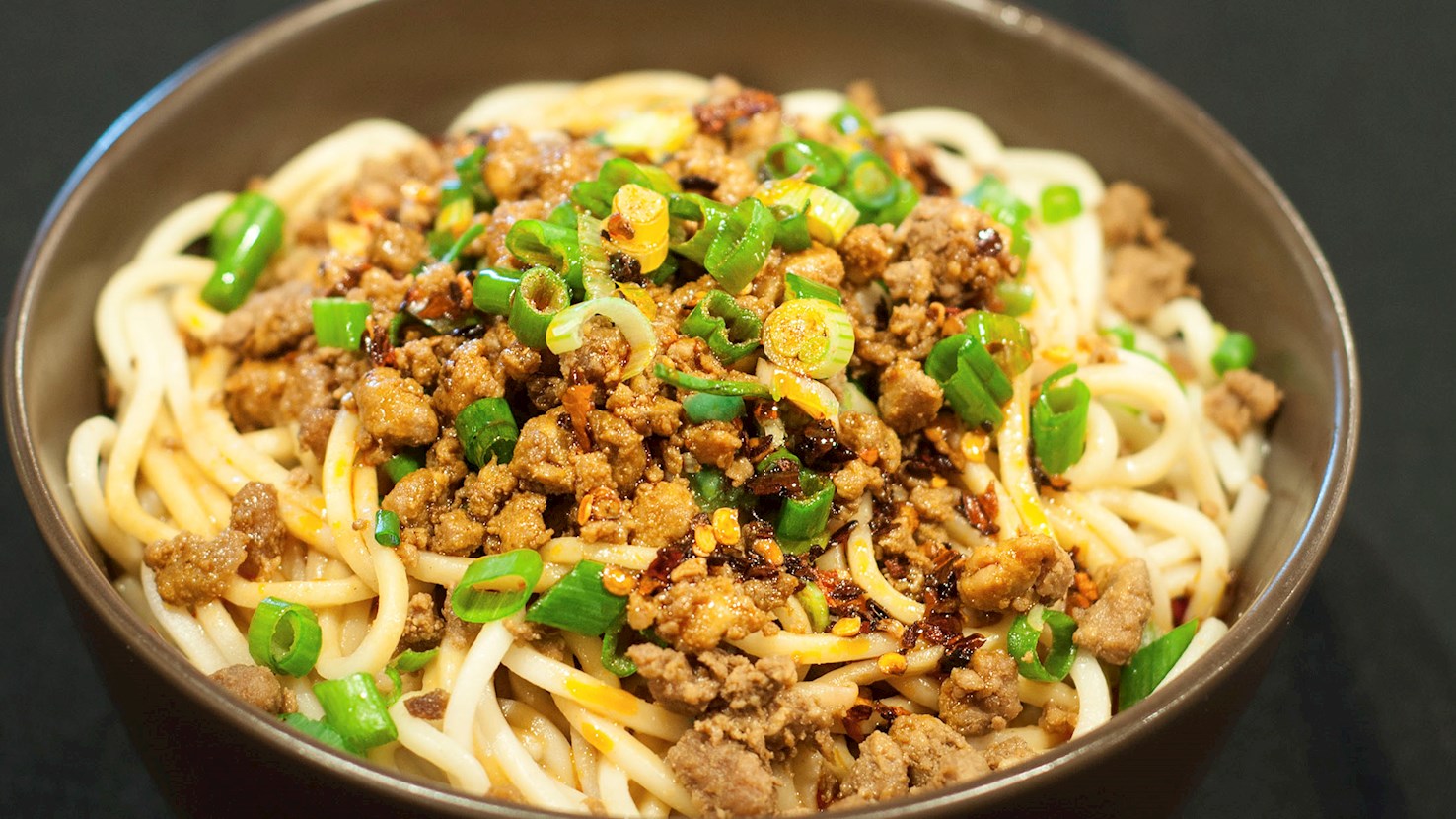
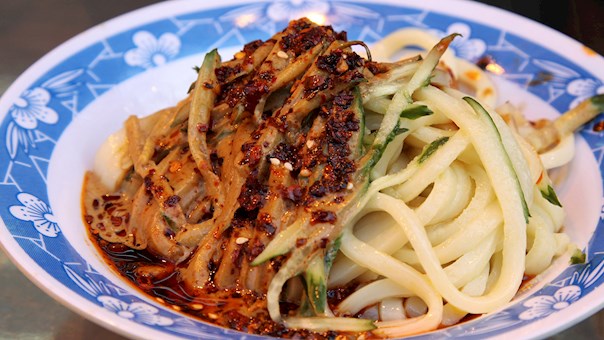
Traditional dan dan noodles are a true classic of Chinese cuisine. The star of the dish is a spicy sauce served with the noodles. Made with chili oil, preserved vegetables, Sichuan peppercorn, and sometimes sesame or peanut paste, the sauce bursts with heat and complex flavors. The meat, most commonly minced pork or beef, is also commonly included, but mainly acts as a garnish. In China, the varieties differ only slightly, but worldwide the traditional dan dan noodles have been adjusted to the more gentle western palate and use significantly fewer spices. The dish originated in the Sichuan province, and it is still one of the most common dishes in the area. The name itself comes from the way the noodles were initially offered to the Sichuan citizens and refers to the bamboo pole carried on the shoulders, which was used to transport the dish through the city streets. Today, the dish is usually served in restaurants, but is still equally attractive and retains the original flavors. Whether they are eaten hot or cold, dan dan noodles are usually served in smaller portions, as an appetizer, the main dish, and sometimes even as an accompaniment. Typical garnishes include sliced scallions, chopped peanuts, or sesame seeds.
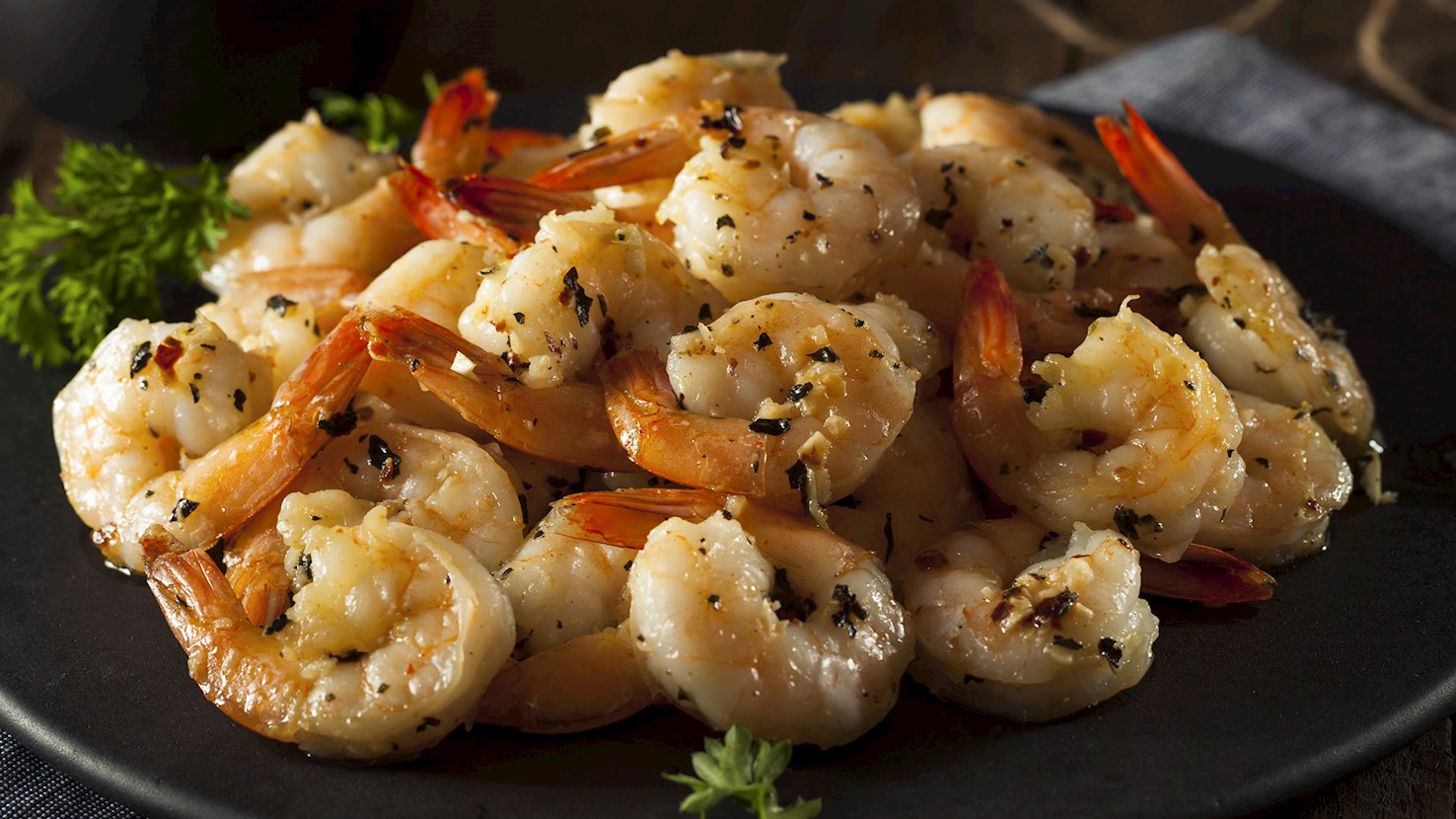
You bao xia is a dish consisting of whole, shell-on shrimp that are flash-fried in scorching oil until delightfully crisp, then rapidly tossed in a vibrant, sticky, sweet-and-savory glaze. Translated literally as "oil-exploded shrimp," this culinary masterpiece is a brilliant showcase of traditional Jiangnan cooking, which prizes the natural freshness of regional aquatic ingredients alongside deeply caramelized, complex flavor profiles. The defining characteristic of authentic you bao xia lies in its textural duality, achieved through a rapid, highly specific cooking process. First, the shrimp are briefly submerged in smoking-hot oil; this fierce thermal shock causes the translucent shells to instantly puff, crisp up, and detach slightly from the meat inside, turning a brilliant, glossy ruby red while ensuring the delicate flesh remains incredibly tender and sweet. Once the shrimp are scooped out of the bubbling oil, the wok is quickly repurposed to build the dish's signature aromatic profile. A fragrant foundation of minced ginger and scallion whites is quickly bloomed in the residual oil before the transformative glaze is introduced. This sauce is a delicate balancing act of classic Chinese pantry staples: premium light and dark soy sauces for umami and color, a generous pour of Shaoxing wine to neutralize any seafood funk, and the distinctively Shanghainese addition of abundant sugar, which melts down into a rich, clinging syrup. A final, crucial splash of aged Chinkiang black vinegar is added to the bubbling reduction, providing a subtle, acidic brightness that cuts through the richness of the frying oil and sugar without making the dish overtly sour. When the crispy shrimp are tossed back into this aggressively boiling wok, the blistered shells act like sponges, absorbing the sticky, caramelized coating to create a deeply savory, sweet exterior. You bao xia holds a revered place in Chinese dining culture, frequently taking center stage at banquets, family gatherings, and Lunar New Year celebrations. Its festive presence is highly symbolic: the bright crimson color of the cooked shrimp represents luck and joy, while the energetic "jumping" of the live shrimp and the phonetic sound of the word for shrimp (xia, which echoes laughter) evoke happiness and prosperity. Enjoying you bao xia is an inherently interactive and tactile dining experience that rewards the adventurous eater. While some diners prefer to painstakingly peel the glazed shells to reach the meat, true devotees of the dish argue that it is best eaten entirely whole—crispy shell, head, and all.
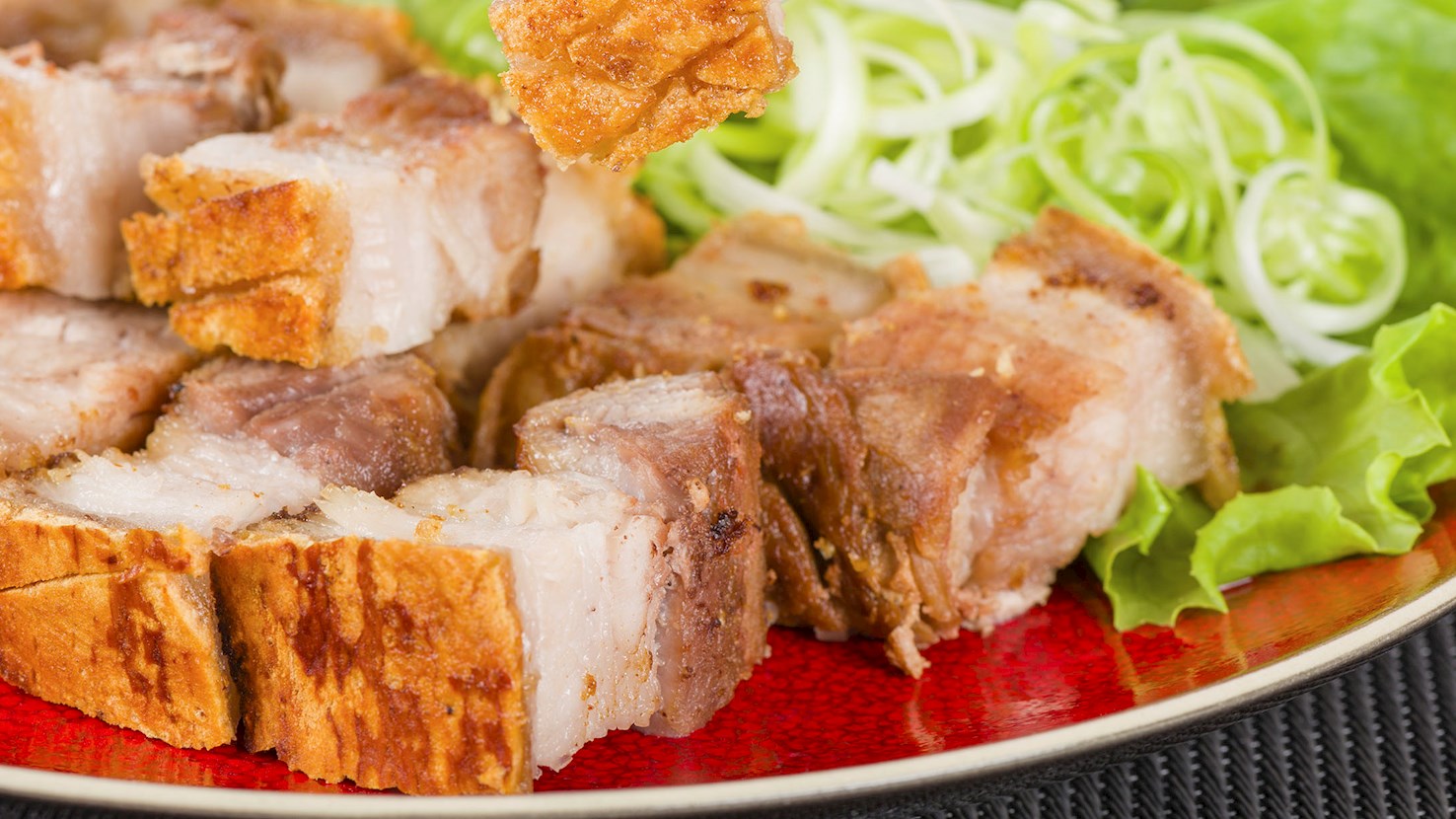
A version of typical Cantonese siu mei (roasted meat dishes), siu yuk is a hefty meal that is mostly consumed in small quantities, made by roasting a whole, seasoned pig in charcoal furnaces at very high temperatures, resulting in succulent, tender meat and crispy skin. Traditionally, the meat is served as it is, but it is sometimes accompanied by either hoisin sauce or soy sauce. Since it is a known fact that the Chinese have many beliefs, in Hong Kong siu yuk is often oferred to the Jade Emperor (the first god in Chinese culture) in order to celebrate a movie's opening, hoping that the movie achieves great success in the cinemas. The dish is often garnished with pineapple or cucumber slices, placed in a red box and wrapped with red wrapping paper, for additional luck.
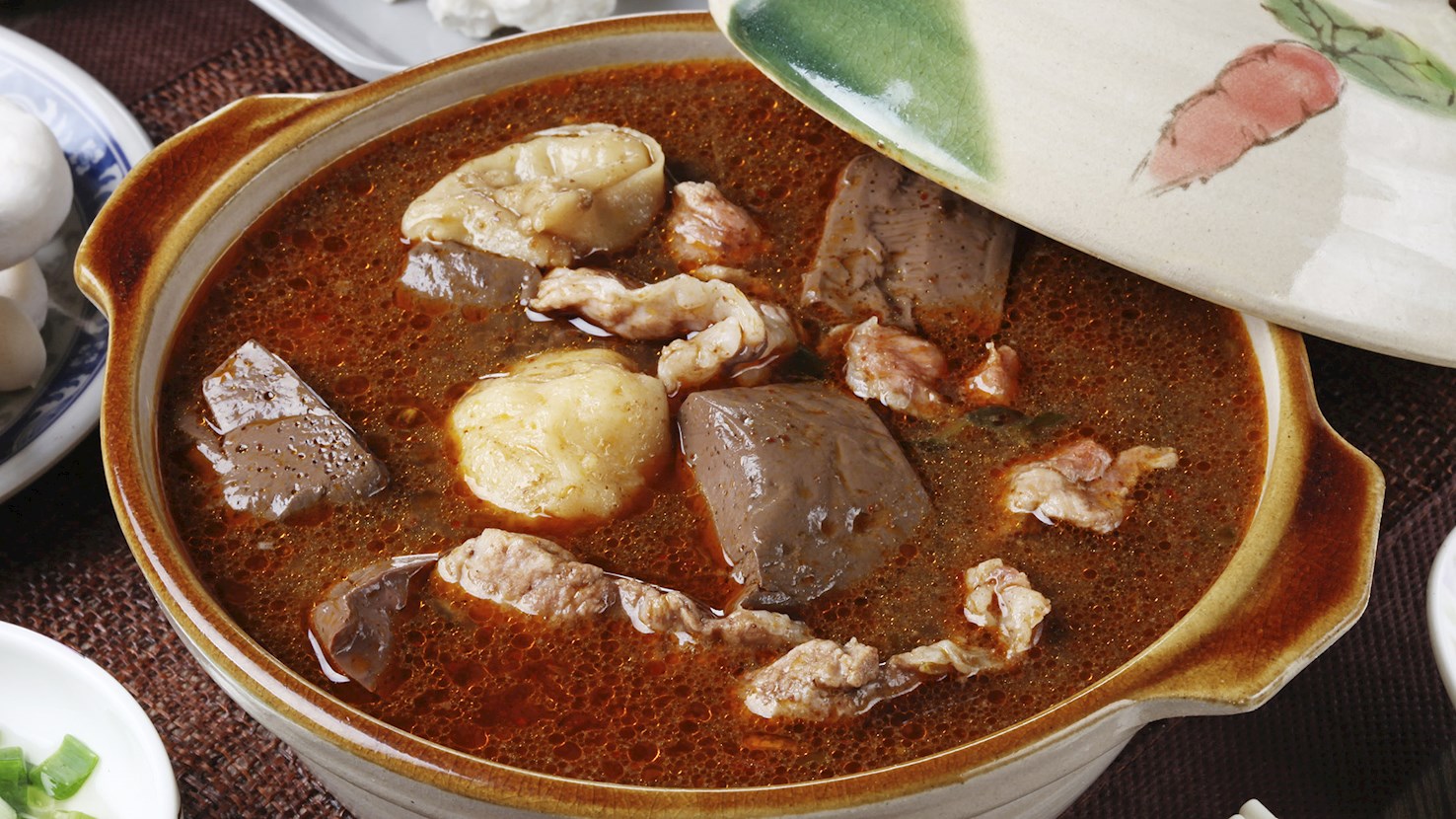
Sichuan hotpot is a numbingly hot and spicy dish made by poaching raw ingredients in a pot of boiling broth. The ingredients might include sliced meat, offal, seafood, vegetables, noodles, and most importantly, Sichuan peppercorns. Consuming hotpot is a communal affair, so people usually gather around the pot while socializing and adding the ingredients into it. As its name suggests, the dish was invented in Sichuan at the beginning of the 20th century. Originally, fisherman and port workers from the region could not afford regular cuts of meat, so they used offal, which was cooked in a spicy broth in order to disguise its pungent aromas. Over time, the dish evolved and became extremely popular throughout China and in the United States of America, due to the addition of fragrant spices and other flavorful ingredients such as ginger, garlic, cinnamon, and Sichuan bean paste. Although the dish is consumed throughout the year, it is most popular during winter because it warms the body and improves circulation.
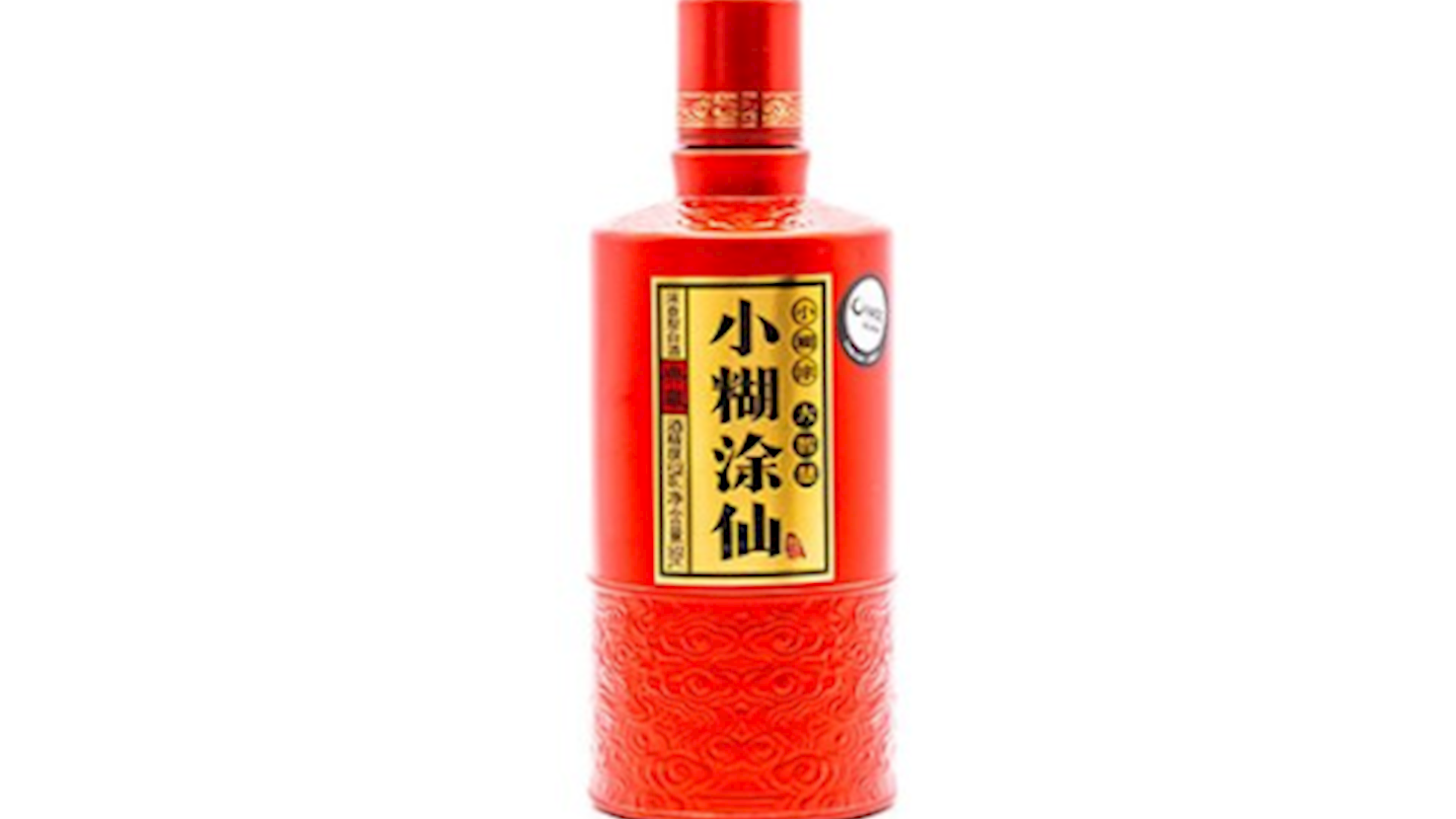
Xiaohutuxian Group is a modern Chinese distillery based in Chengdu, Sichuan Province, specializing in the production of high-quality baijiu spirits that seamlessly blend tradition and innovation. The company has built a reputation as one of the leading producers in the premium segment of the Chinese market, combining authentic fermentation and distillation methods with a modern approach to design, marketing, and brand identity.
A particular focus is placed on preserving the microbial culture and grain base traditionally used in Chinese baijiu production, ensuring consistency in quality and richness of flavor. Their spirits are distinguished by complex aromatic profiles that unite floral, fruity, nutty, and umami tones, creating a unique tasting experience.
The company’s vision is to connect the past and future of Chinese distillation - honoring tradition while introducing technological innovation and contemporary aesthetics. Today, Xiaohutuxian Group stands as a symbol of the new wave of Chinese producers redefining the global identity of baijiu, combining artisanal precision, cultural authenticity, and distinctive design into a single, harmonious whole.
Awards
SFWSC - San Francisco World Spirits Competition - Double Gold
(2024, 2023)
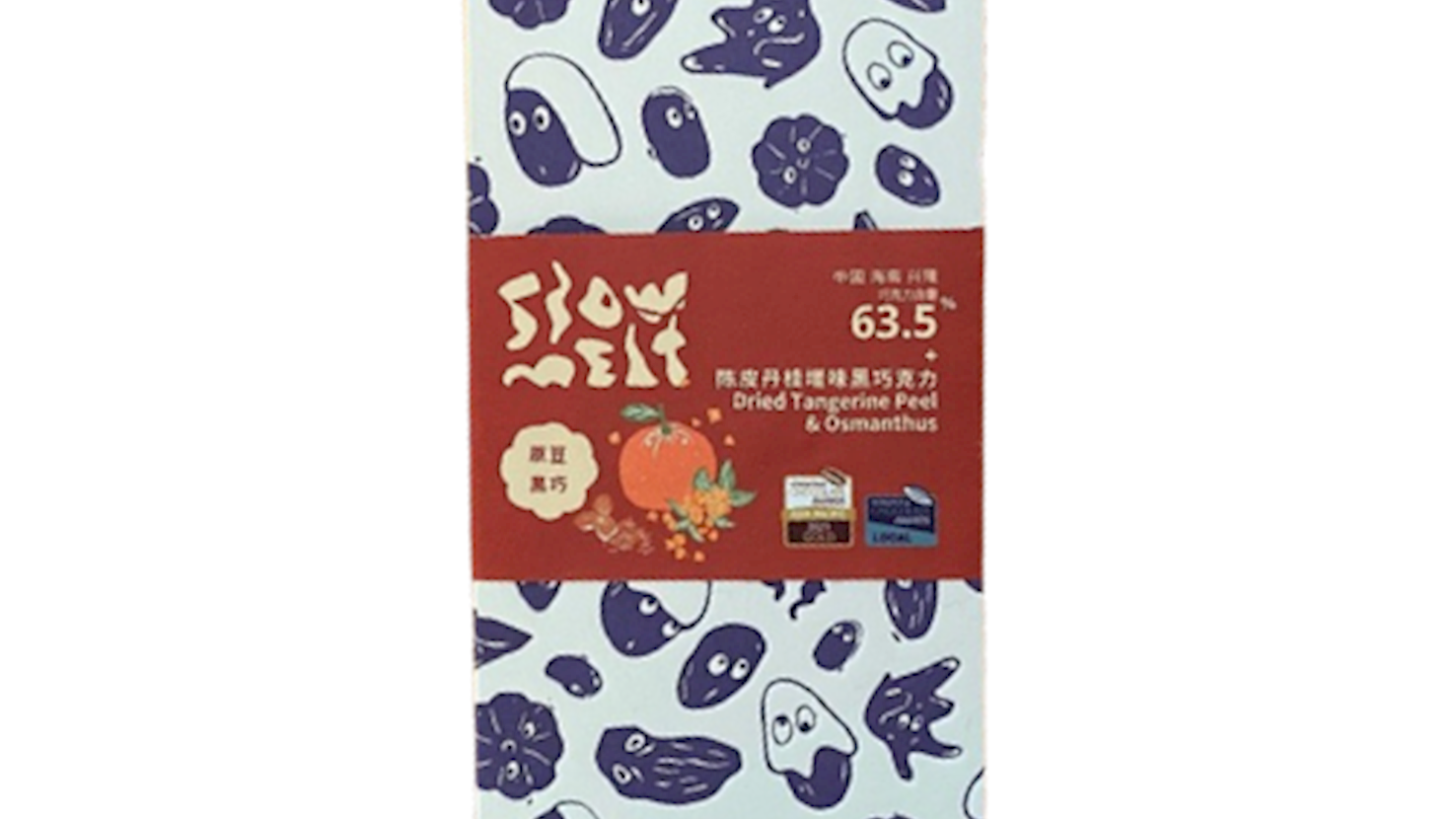
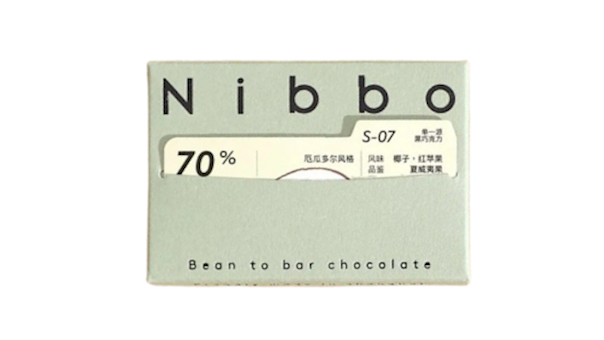
Slowww Melt is a bean-to-bar chocolate brand from Shanghai that blends contemporary design with a deep respect for the origin of cacao. Founder Leo Huang built the brand’s philosophy around the idea of “slow melting” - a metaphor for mindfulness, reflection, and the sensory experience each bar should offer.
The chocolates are produced in small batches, using carefully selected beans that are hand-processed without additives or unnecessary intervention. The brand places particular emphasis on regional Asian cacao varieties, such as those from Hainan Island and Yunnan Province, contributing to the visibility of Asian terroirs on the global chocolate map.
Slowww Melt also operates a chocolate bar on Sinan Lu Street in Shanghai, where visitors can taste and observe the entire process of melting and serving chocolate. The atmosphere of the space embodies the “slow living” philosophy - savoring the moment, texture, and aroma.
Each bar has its own sensory rhythm, with aromas and flavors unfolding gradually, like a meditative experience. The brand merges local heritage with a global mindset, creating a bridge between Chinese culture and the international bean-to-bar movement.
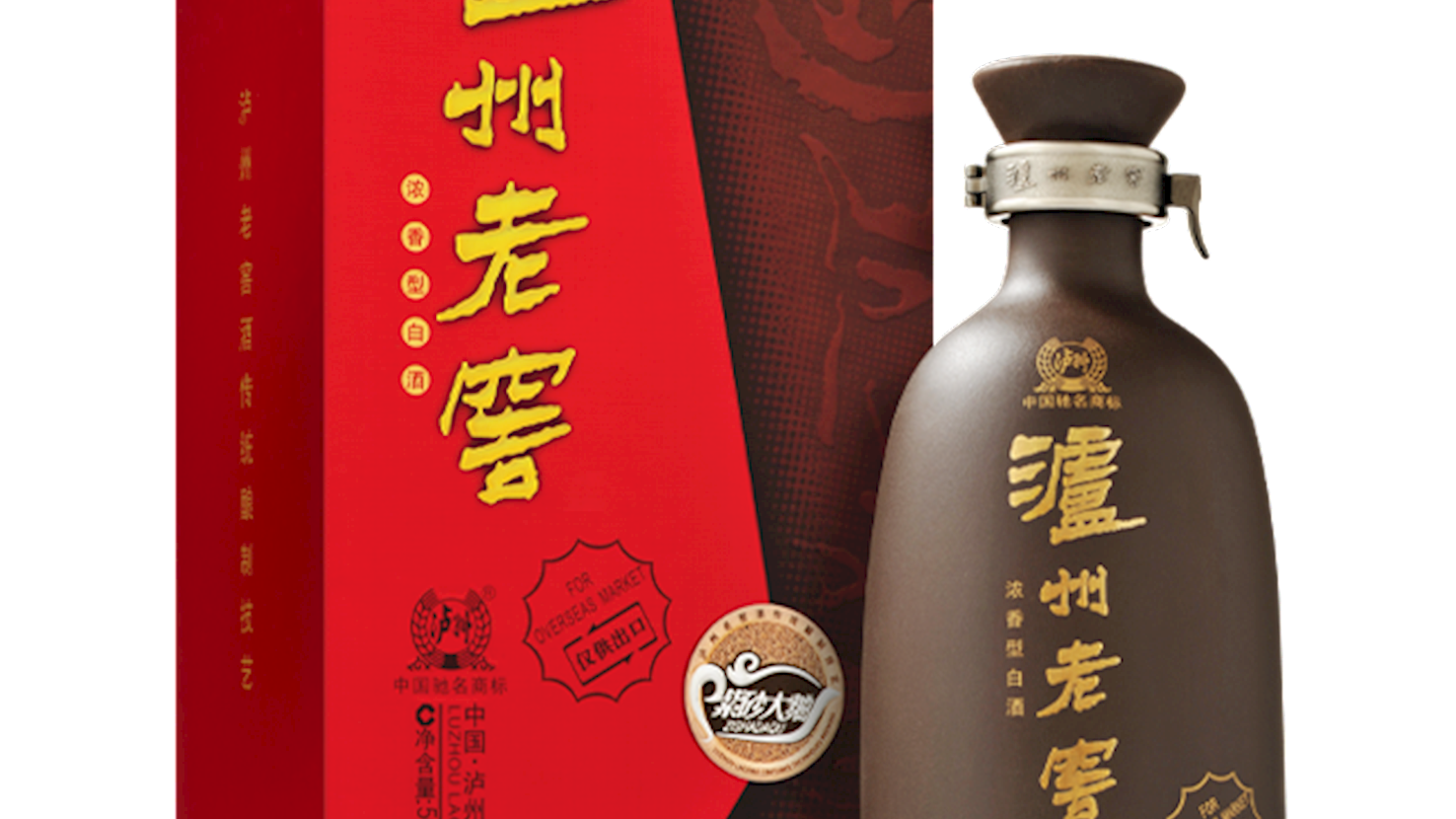
Luzhou Laojiao is a baijiu brand originating from Luzhou in Sichuan Province, a region regarded as one of the historical centers of Chinese baijiu and the homeland of the iconic “strong-aroma” style. The brand relies on traditional fermentation in clay pits, where the unique local microflora and aged pit mud (niqu) create an aromatic profile that is deeply tied to the Luzhou terroir.
Luzhou Laojiao focuses on producing more accessible, everyday expressions of baijiu, aimed at consumers who want an authentic Sichuan-style spirit without the premium pricing of high-end labels. Its production follows core principles of the Luzhou school: sorghum as the primary grain, multi-stage fermentation, and repeated distillation to achieve a soft, balanced, and aromatic spirit.
Widely present in local retail and dining settings, the brand is associated with affordability, consistent quality, and the characteristic richness of Sichuan baijiu. In this way, Luzhou Laojiao plays a role in preserving regional identity while offering a genuine, approachable interpretation of one of China’s oldest distillation traditions.
Awards
SFWSC - San Francisco World Spirits Competition - Double Gold
(2024, 2023)
IWSC- International wine & spirit competition - Spirit Gold
(2024)
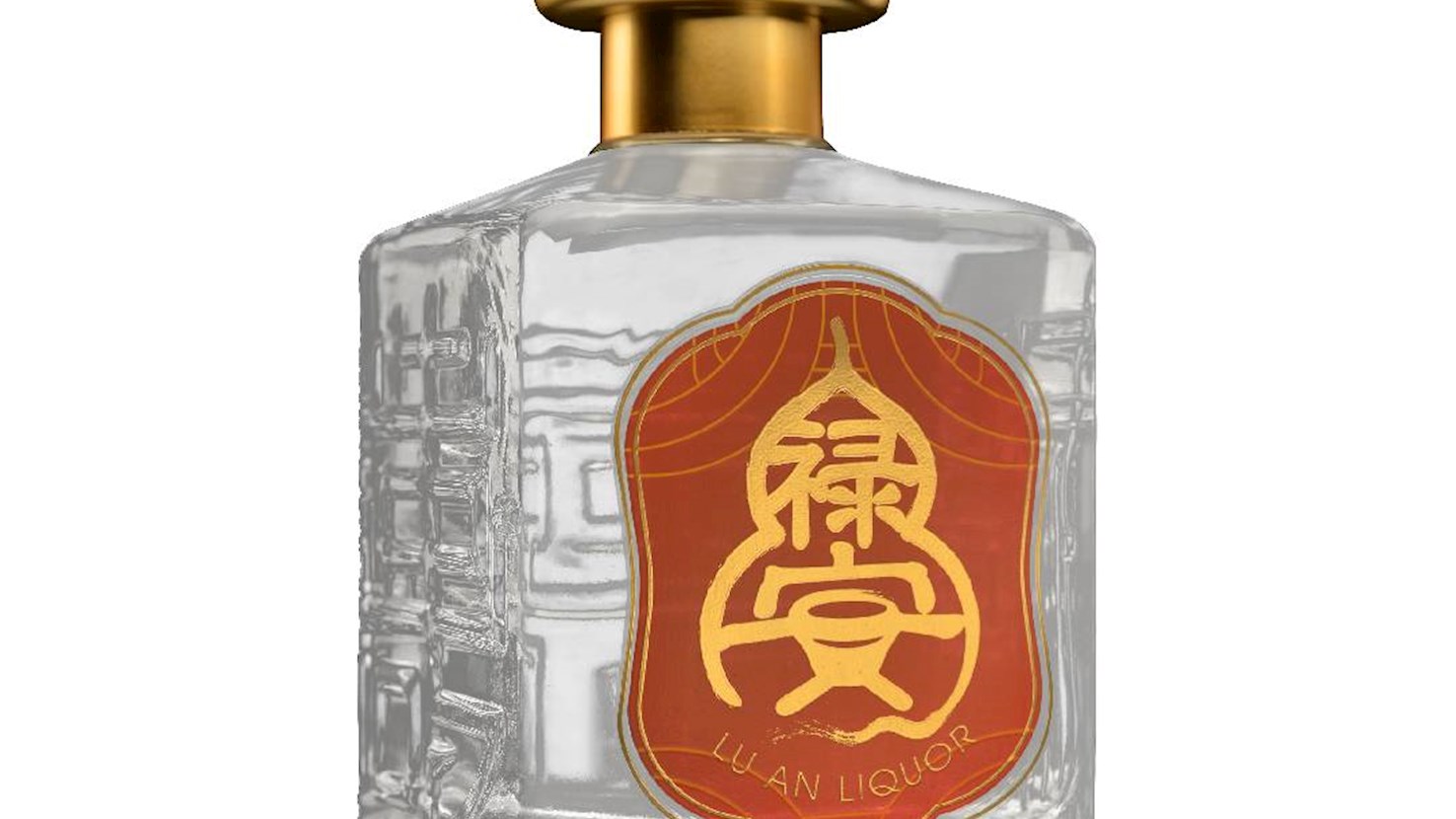
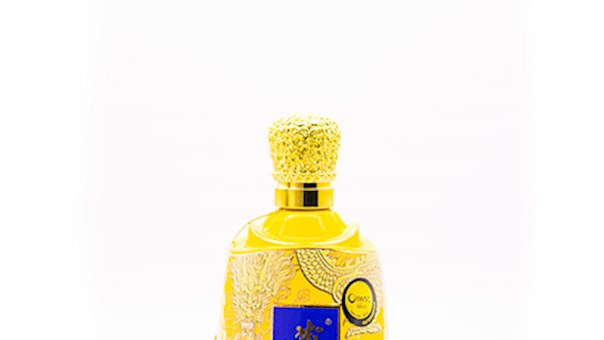
LU AN is a producer of traditional Chinese liquor that builds its identity on the combination of cultural heritage, symbolism, and classical distillation methods. The brand draws on China’s long history of strong spirits production, where fermentation and distillation are seen as crafts passed down through generations.
LU AN uses carefully selected grains and natural water as the foundation of its products, with controlled aging processes that contribute to depth of flavor and aromatic complexity. Its visual identity, marked by a distinctive emblem and traditional motifs, reflects a strong connection to Chinese culture and symbols of longevity, prosperity, and stability.
The brand does not position itself as a mass-market producer, but rather as one aimed at consumers who value authenticity and cultural context in what they drink. LU AN presents its spirits in a contemporary premium framework while remaining rooted in classical values.
The focus is not on aggressive marketing, but on reputation built through consistency and quality. In the market, LU AN is recognized for offering more than just a beverage - it offers a story of origin, tradition, and meaning.
In this way, the brand connects gastronomy with cultural heritage, presenting its liquors as part of a broader narrative of Chinese distilling tradition adapted for today’s audience.
Awards
SFWSC - San Francisco World Spirits Competition - Double Gold
(2025, 2024)
SFWSC - San Francisco World Spirits Competition - Best of Class
(2025)
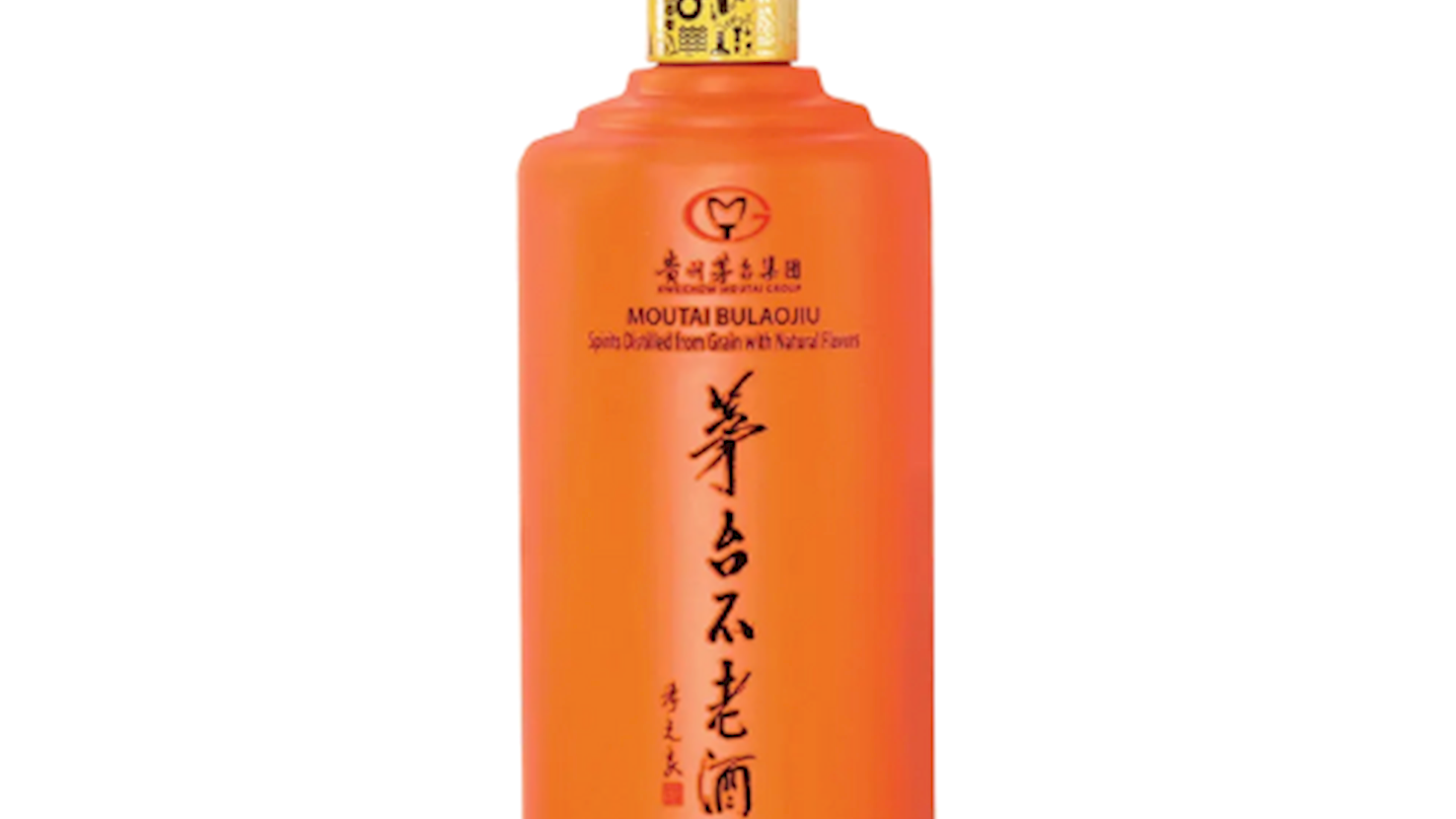
Kweichow Moutai is China’s leading producer of the traditional spirit baijiu, headquartered in Guizhou Province and renowned for its distinctive “jiang-flavour” profile and complex fermentation and distillation process. Its most famous product, Moutai Baijiu, is characterized by a high alcohol content (around 53%), rich aromas combining nutty, earthy, and fermented notes, and a long finish that sets it apart in the world of spirits.
The company is a national symbol of China and is frequently featured in official ceremonies and diplomatic gifts, further affirming its prestige. In the domestic market, it enjoys enormous demand and the status of a luxury product, while internationally it is positioned through duty-free channels, exclusive restaurants, and specialized retailers.
Its strength lies in cultural value and premium perception, but challenges include regulatory barriers, limited accessibility outside China, and a distinctive taste that requires consumer education. Nevertheless, Kweichow Moutai remains a synonym for tradition, luxury, and a unique tasting experience.
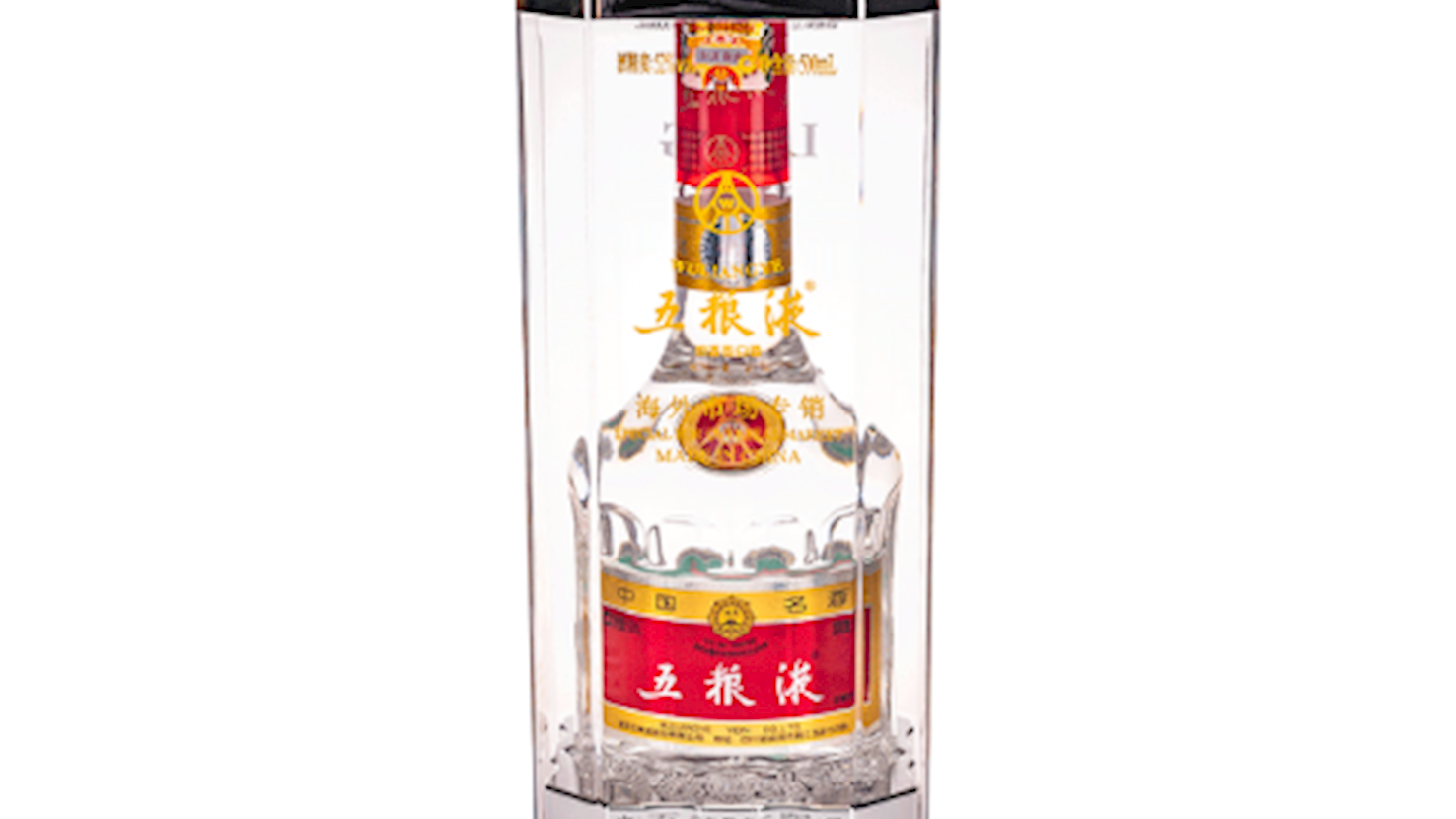
Wuliangye is one of China’s most iconic and prestigious baijiu brands, originating from Yibin in Sichuan Province, a region whose unique microclimate and underground clay fermentation pits create ideal conditions for producing the traditional “strong-aroma” style. It is crafted from a distinctive blend of five grains - sorghum, regular rice, glutinous rice, wheat, and corn - which together contribute to its rich, multilayered aromatic profile.
Fermentation takes place in ancient earthen pits, followed by distillation and aging that develop notes of exotic fruit, gentle esters, herbal nuances, and a subtle underlying sweetness. Recognized as a national symbol of Chinese distillation heritage, Wuliangye is frequently served at state events and prestigious banquets, while also maintaining strong international recognition through global exports.
Its complex, unmistakable flavor and longstanding craftsmanship make it one of the most influential representatives of the baijiu tradition and a benchmark for anyone seeking to understand the depth and diversity of this category.
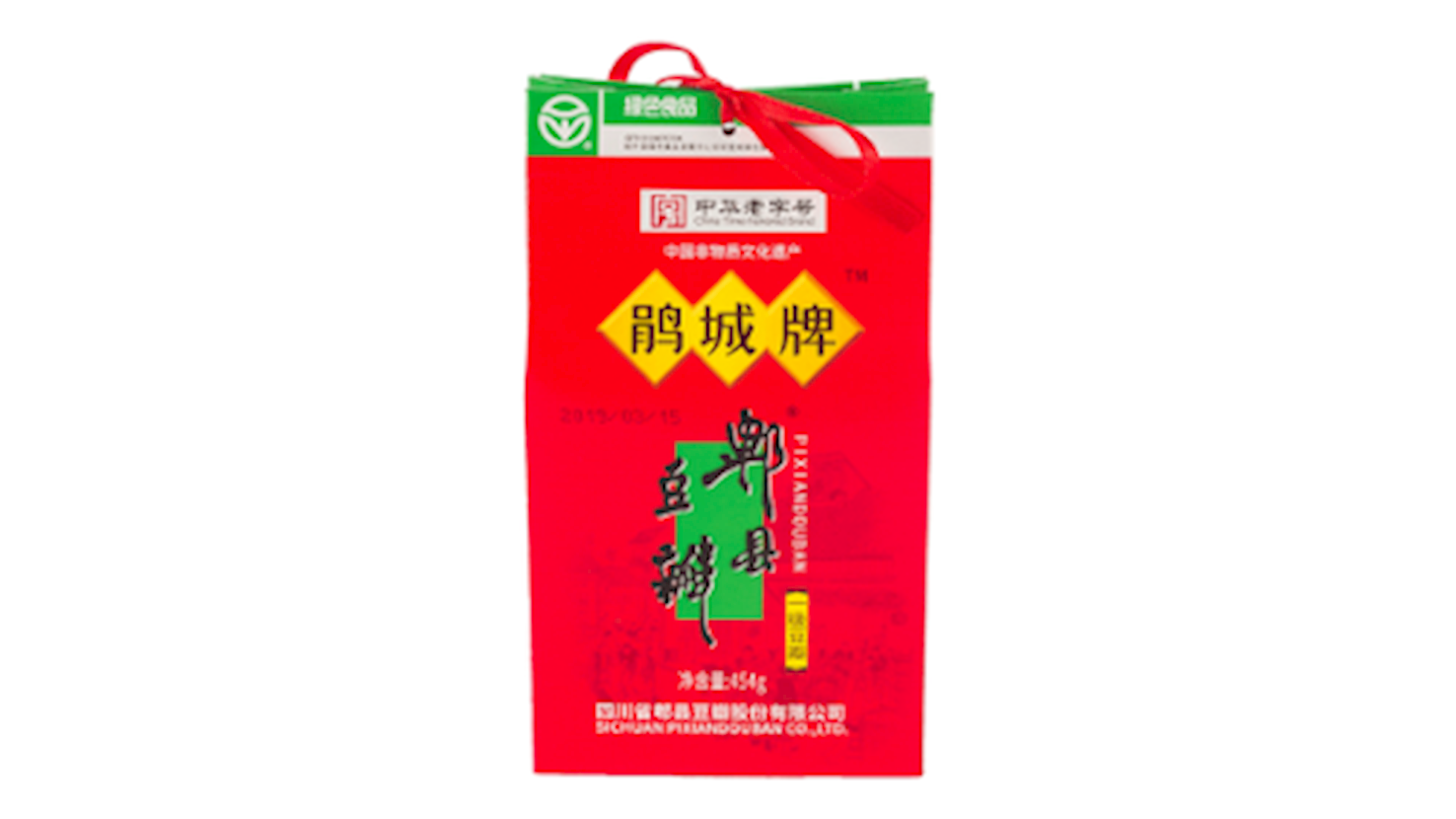
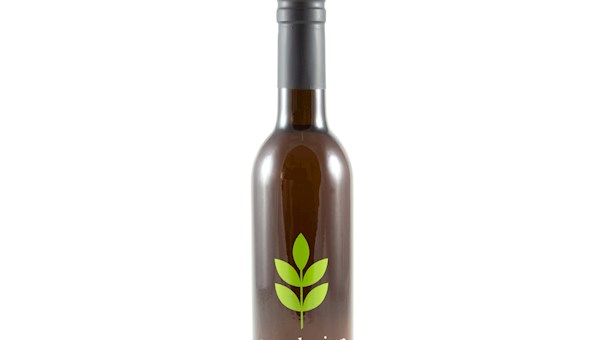
Sichuan Pixian Douban is a historic brand from Pidu District (formerly Pixian) in Sichuan Province, known for producing traditional doubanjiang made from fermented fava beans and chili peppers. Its production dates back to the 17th century, giving the brand an exceptional heritage and a strong connection to the local climate and microbial environment that shape the fermentation process.
The core of their method involves long, natural sun-fermentation, the use of the local Erjingtiao chili variety, and aging in clay vessels, resulting in a deeply layered, umami-rich flavor profile. The brand holds a protected geographical indication, ensuring that the paste originates directly from Pixian and follows traditional, region-specific techniques.
It is recognized for its thick texture, visible bean-and-chili structure, and a distinctive aroma that cannot be reproduced through industrial shortcuts. Because of its authenticity, Pixian douban is considered the benchmark for Sichuan cuisine and the foundation of classics such as Mapo tofu and twice-cooked pork.
Despite partial modernization of the industry, the brand continues to uphold original methods that preserve the unique character of natural fermentation. This combination of tradition, terroir, and craftsmanship makes Sichuan Pixian Douban one of China’s most respected and influential producers of doubanjiang.
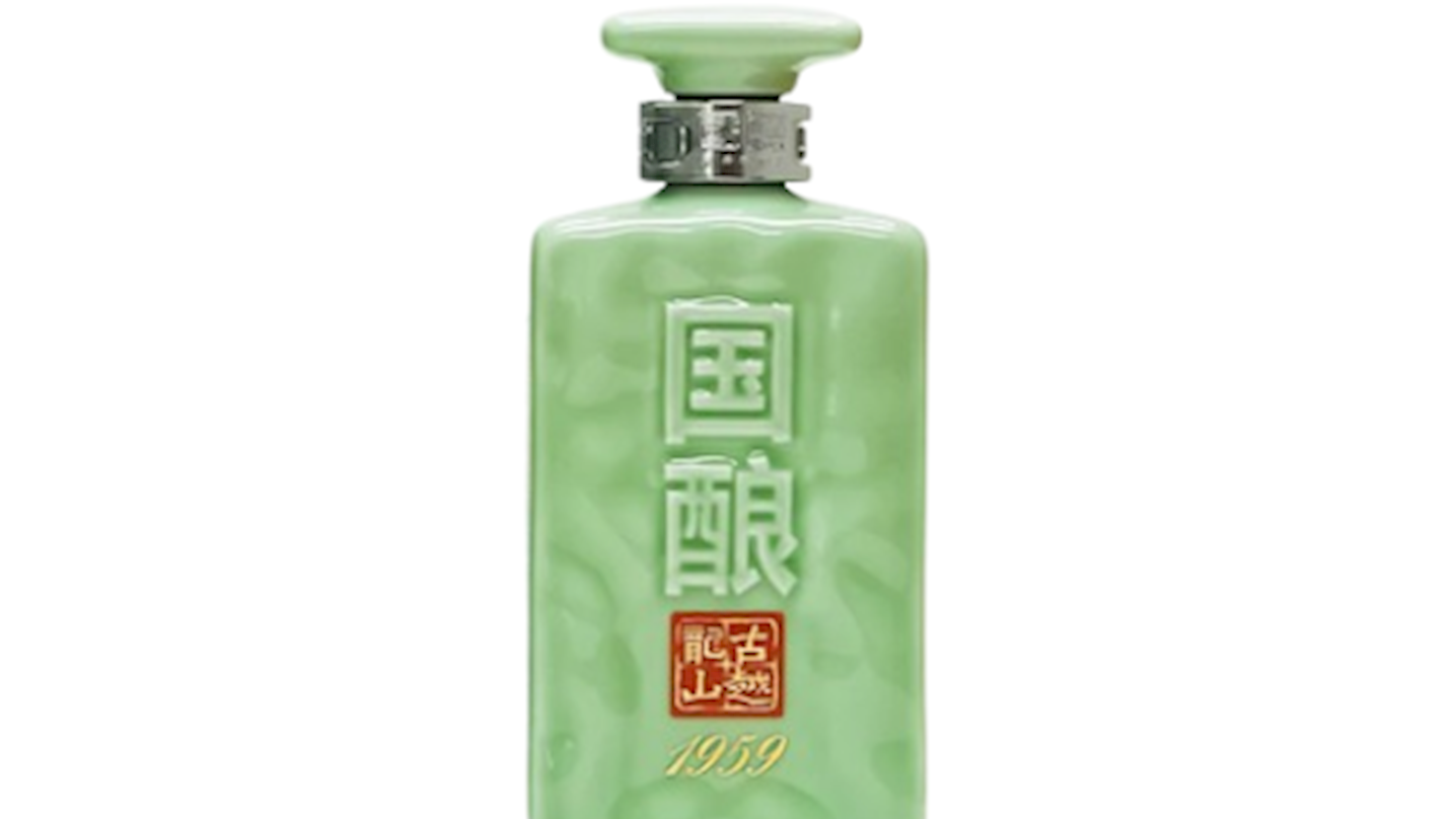
Gu Yue Long Shan is one of China’s most renowned producers of yellow rice wine, with a heritage deeply rooted in the Shaoxing region of Zhejiang Province, historically known as the heartland of this wine style. The company preserves traditional craftsmanship by using glutinous rice, yellow wheat qu (fermentation starter), and pure local water, followed by natural fermentation and aging in clay vessels that develop the wine’s layered, nutty, caramelized, and gently oxidative character.
Their portfolio includes wines of varying ages - from standard expressions to 10-, 15-, and even 20-year-old releases - where longer maturation brings greater aromatic complexity and depth of color. Regarded as a benchmark brand in the category, Gu Yue Long Shan is frequently chosen for state banquets and official ceremonies, underscoring its prestige and status as a “national wine”.
By combining time-honored methods with modern quality control, the brand has gained recognition beyond China and represents an essential reference point for understanding the authentic cultural and enological tradition of Shaoxing yellow wine.
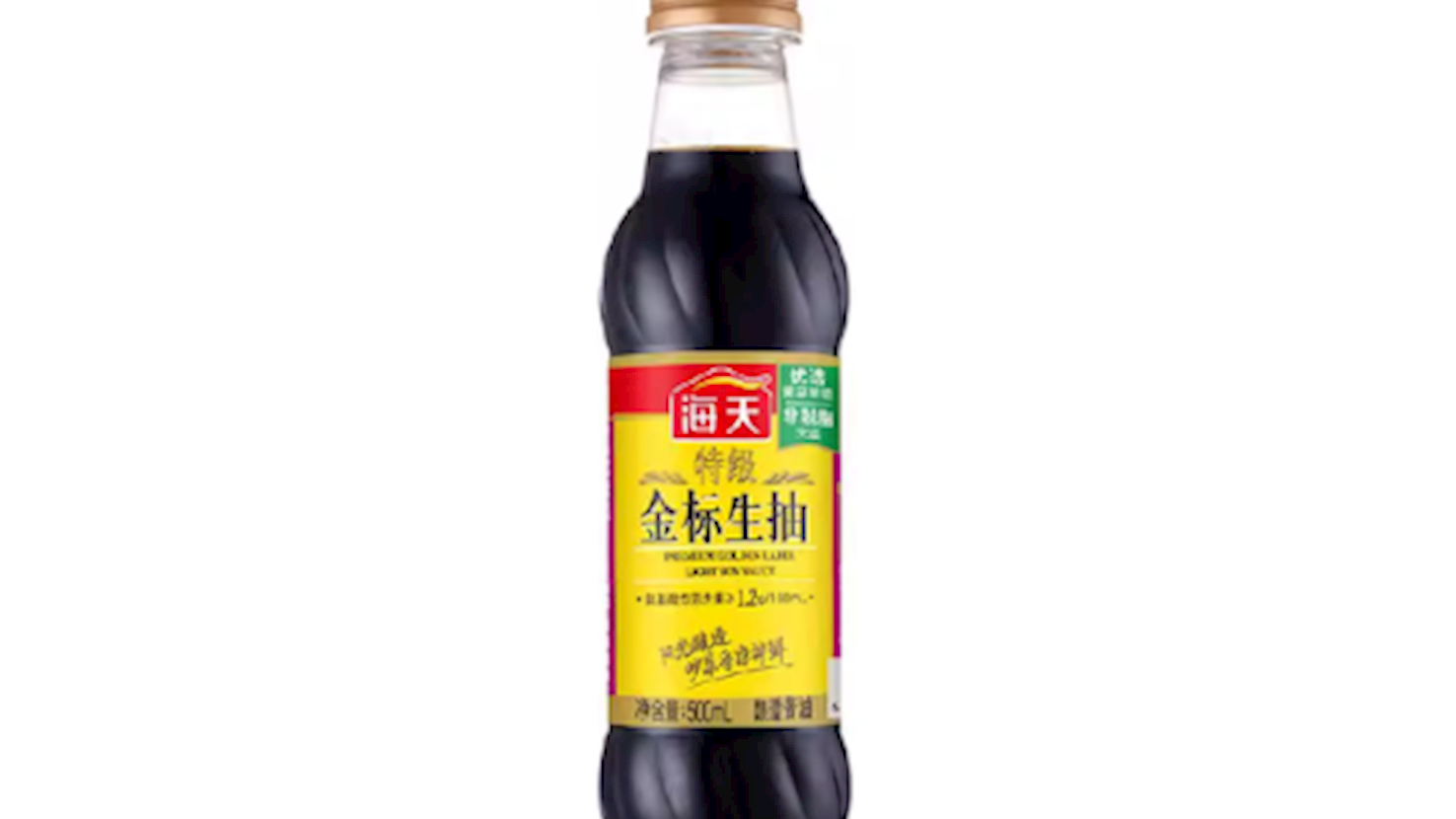
Haitian is China’s largest producer of soy sauce, oyster sauce, and other fermented seasonings, with roots that trace back to traditional workshops of the 16th century in Foshan, Guangdong Province. Its product range covers a broad selection of seasonings - from various types of light and dark soy sauce to oyster sauce, marinades, and modern ready-to-cook sauces designed for global markets.
Haitian is regarded as a benchmark brand in its category due to its consistent quality, adaptability to both domestic and international consumers, and continuous technological innovation in production. The brand has a strong export presence and serves as one of the key gateways for introducing authentic Chinese flavors to international gastronomy.
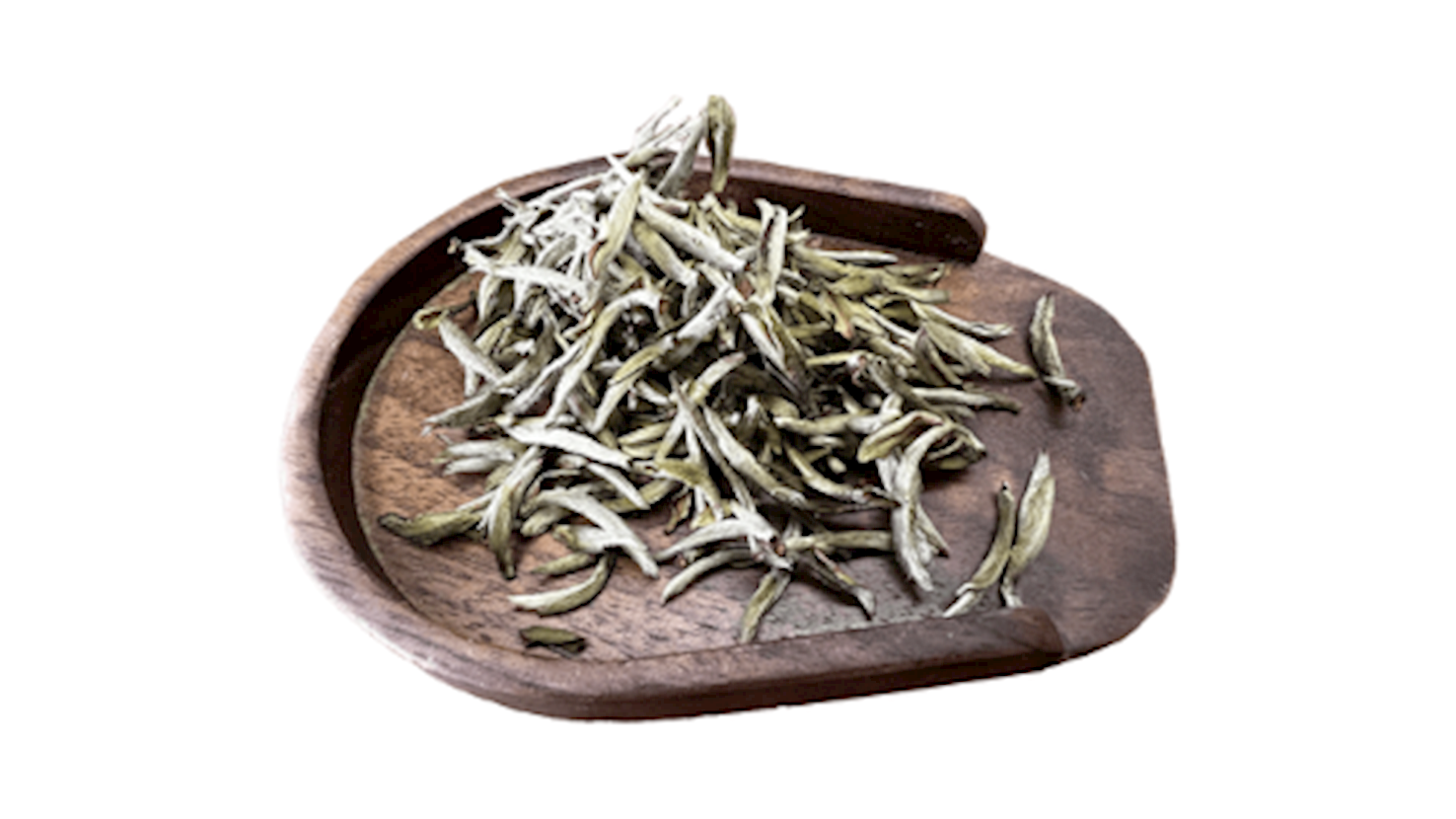
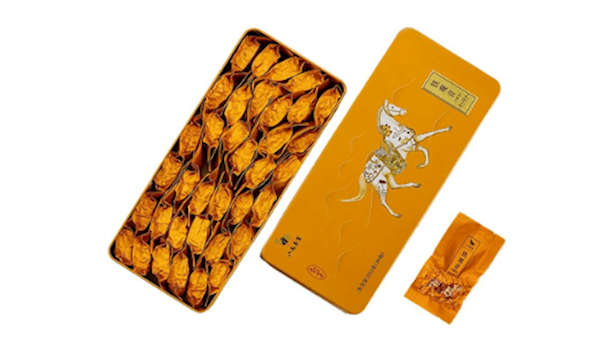
Yiu Shing is a brand specializing in premium teas, with a strong focus on white and organic varieties sourced from China’s Guizhou Province. The company emphasizes collaboration with traditional tea masters and employs carefully controlled processing methods to preserve the natural aroma, freshness, and nutritional qualities of the tea leaves.
Their selection includes classics such as White Silver Needle, White Peony, and Shou Mei, each distinguished by its gentle, clean flavor profile and handpicked leaf quality. Yiu Shing builds its reputation on transparency, quality, and a modern presentation of traditional tea, tailored to an international audience.
The brand positions itself as a bridge between Chinese tea heritage and contemporary consumer expectations, offering products that combine authenticity, purity, and high standards of craftsmanship.
TasteAtlas food rankings are based on the ratings of the TasteAtlas audience, with a series of mechanisms that recognize real users and that ignore bot,
nationalist or local patriotic ratings, and give additional value to the ratings of users that the system recognizes as knowledgeable.
For the “Top 100 Chinese Foods” list until October 21, 2026, 18,712 ratings were recorded, of which 16,113 were recognized by the system as legitimate.
TasteAtlas Rankings should not be seen as the final global conclusion about food. Their purpose is to promote excellent local foods,
instill pride in traditional dishes, and arouse curiosity about dishes you haven’t tried.
The initial list of top producers was compiled based on available reviews, awards, local recommendations, media and blog coverage, and consumer reviews.
The list will be updated with ratings from TasteAtlas local ambassadors and TasteAtlas users.



What People Say