shutterstock

Top 19 Aostan Foods

Last updated on June 24, 2026

Best Aostan food products

01
Animal Fat

Salumificio Maison Bertolin

4.9 ·
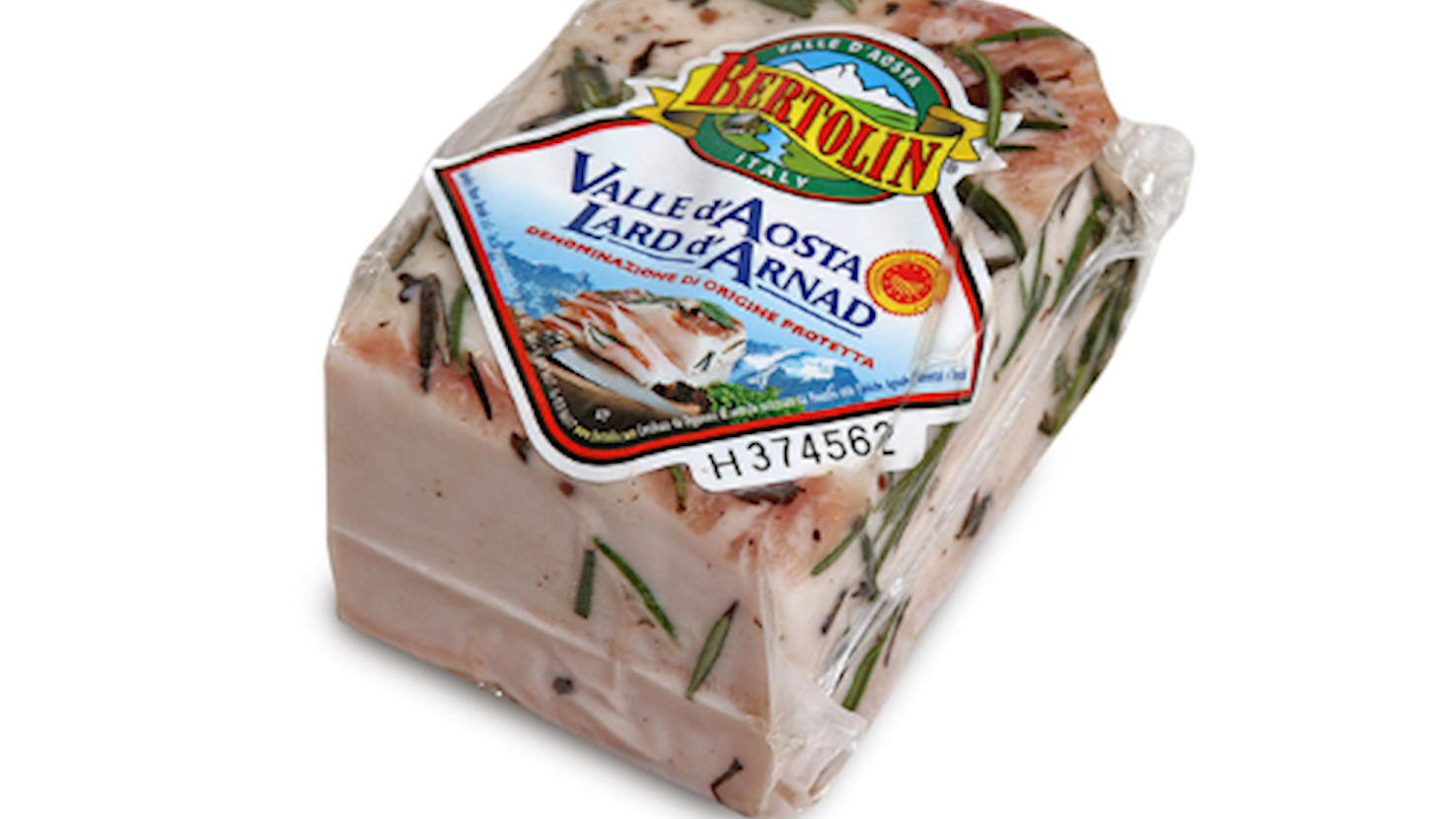
Salumificio Maison Bertolin is a renowned producer of cured meats located in Arnad, in the Valle d'Aosta region of Italy. Founded in 1957 by Guido and Osvalda Bertolin, the family has continued the tradition of producing high-quality cured meats, passing down their craft from generation to generation. Salumificio Maison Bertolin specializes in the production of traditional cured meats, including Lard d'Arnad DOP - a protected product made from pork belly, layered with salt, herbs, and garlic, and aged in wooden vats - as well as a variety of other cured meat products. Visitors have the opportunity to purchase products directly at the company's shop in Arnad, where they can also taste and buy a wide range of offerings.
02
Wine

Rosset Terroir

4.8 ·
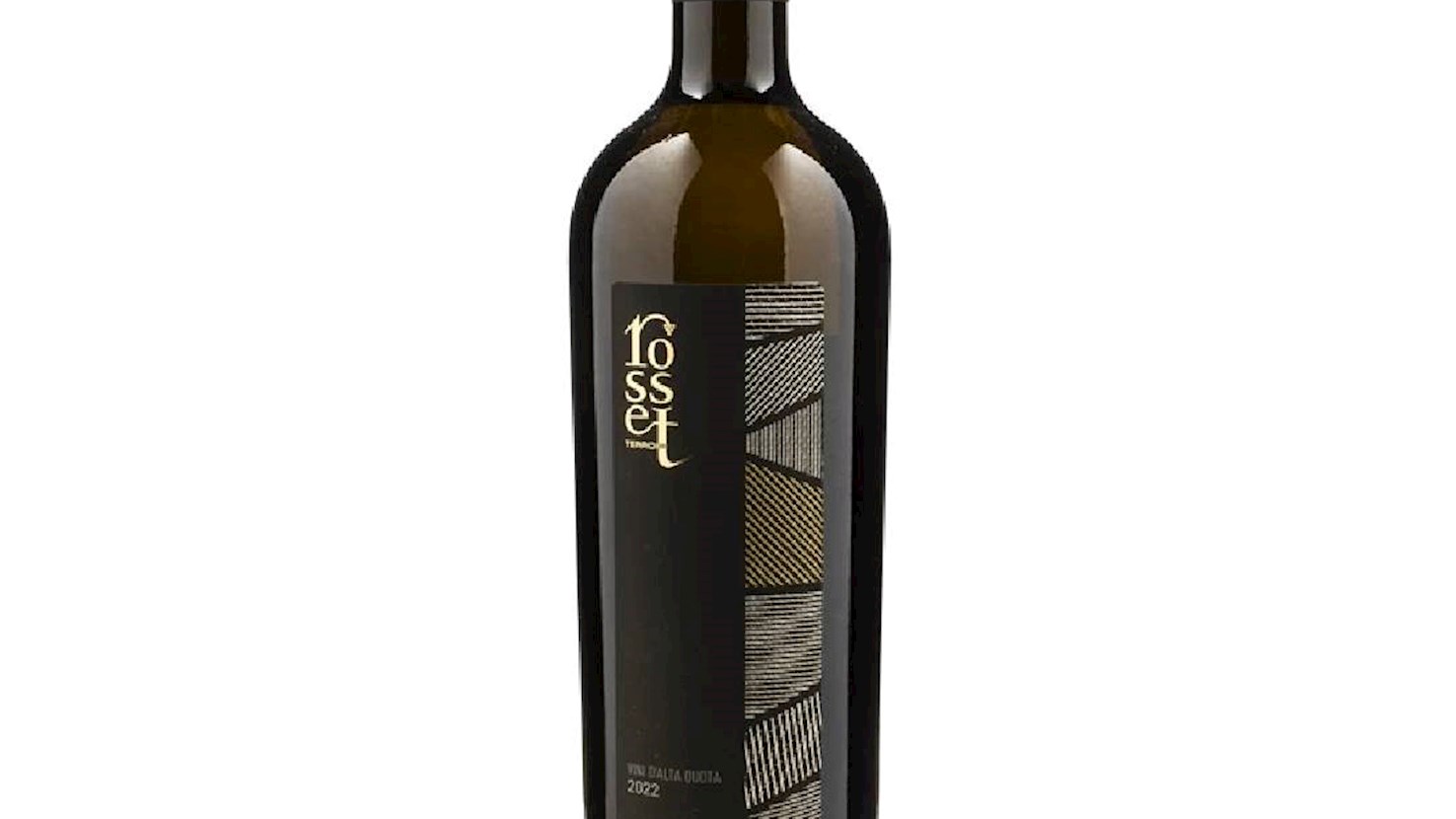
The Rosset Terroir winery was established in 2001 when the Rosset family began cultivating vineyards on their estate in the Senin area of Saint-Christophe, in the Aosta Valley. The first vineyard, covering approximately three hectares, was planted with Chardonnay, Syrah, and the indigenous Cornalin variety. Rosset Terroir produces around 50,000 bottles annually, focusing on sustainability and quality. In addition to wine, the winery is engaged in the cultivation of raspberries, Génépy (Artemisia umbelliformis), and saffron (Crocus sativus) for the production of liqueurs.
Awards
James Suckling - 98 points (2024)
03
Spirit

Distillerie Dell'Alpe

4.8 ·
Awards
IWSC- International wine & spirit competition - Spirit Gold (2024)
04
Cheese

Cooperativa Produttori Latte e Fontina

4.8 ·
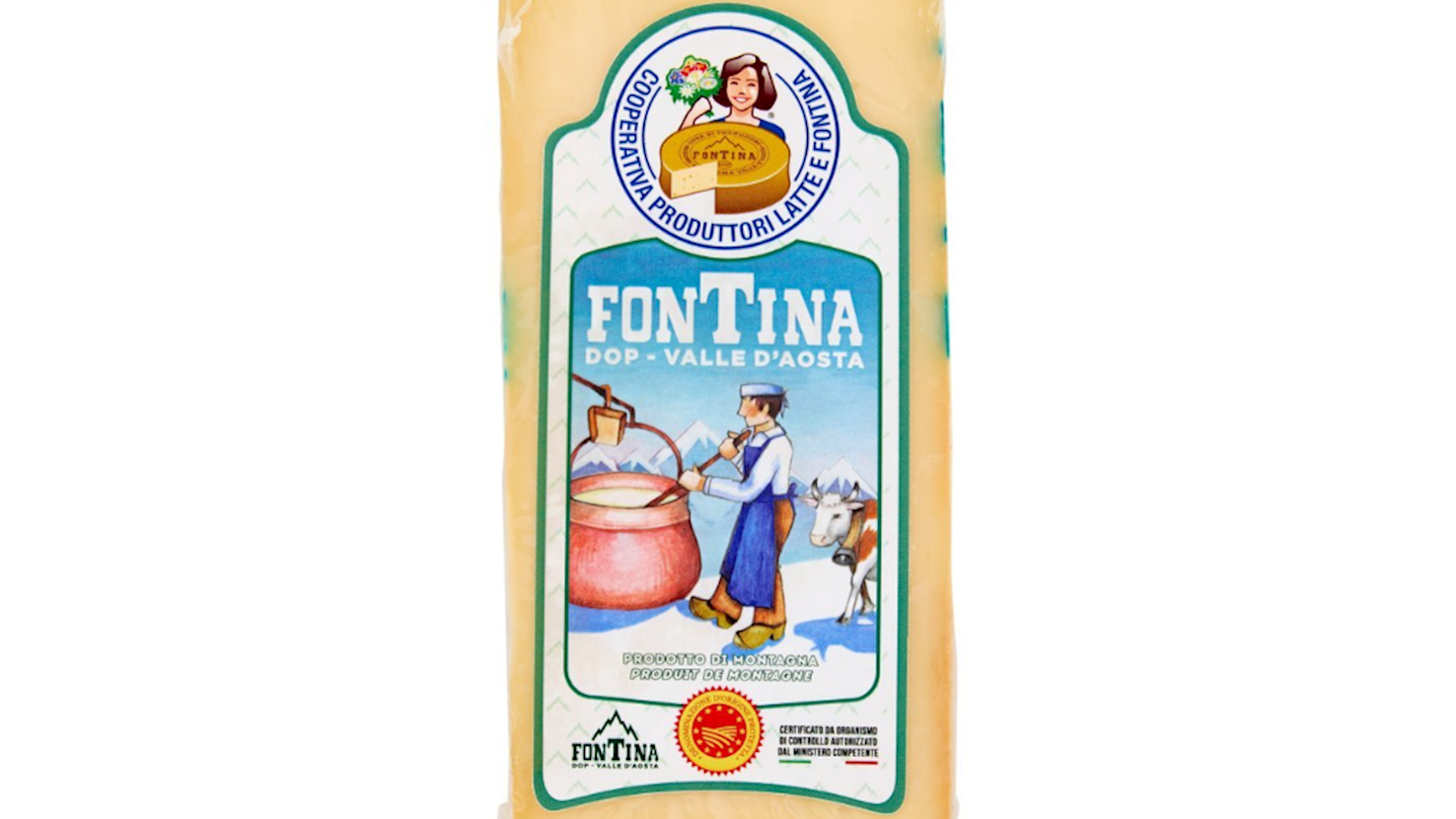
Cooperativa Produttori Latte e Fontina was founded in 1957 in the Aosta Valley region of Italy, with the aim of preserving and promoting the traditional production of Fontina DOP cheese. Today, the cooperative brings together around 200 members, including private farms, cooperatives, and alpine dairies, which collectively produce approximately 250,000 wheels of this renowned cheese annually. Fontina DOP is made exclusively from raw, full-fat milk from the native Valdostana cow breed, which is processed within two hours of milking. The aging process lasts a minimum of 80 days in natural caves, where ideal temperature and humidity conditions are maintained. A Visitor Center located in Valpelline is open to the public, offering insight into the history and production process of Fontina cheese.
Awards
World Cheese Awards - Gold (2021)
05
Cheese

Caseificio Vallet Pietro e Figli

4.6 ·
Caseificio Vallet Pietro e Figli is a family-run dairy located in Donnas, in the Aosta Valley region of Italy. The dairy began as a small rural cheesemaking facility and has grown over the years into a modern operation that processes around 2 million liters of milk annually. This volume allows for the production of approximately 25,000 wheels of Fontina DOP cheese each year, making it one of the leading producers of this protected cheese in the region. In addition to Fontina, Caseificio Vallet Pietro e Figli offers a wide range of dairy products. Their cheeses and other specialties are known for their high quality and adherence to traditional production methods, which makes them well-recognized throughout the region. The dairy is open to visitors, who can tour the production facilities and aging rooms, as well as participate in guided tastings of their products.
06
Wine

Grosjean

4.6 ·
Awards
Decanter World Wine Awards - Platinum (2018)
07
Spirit

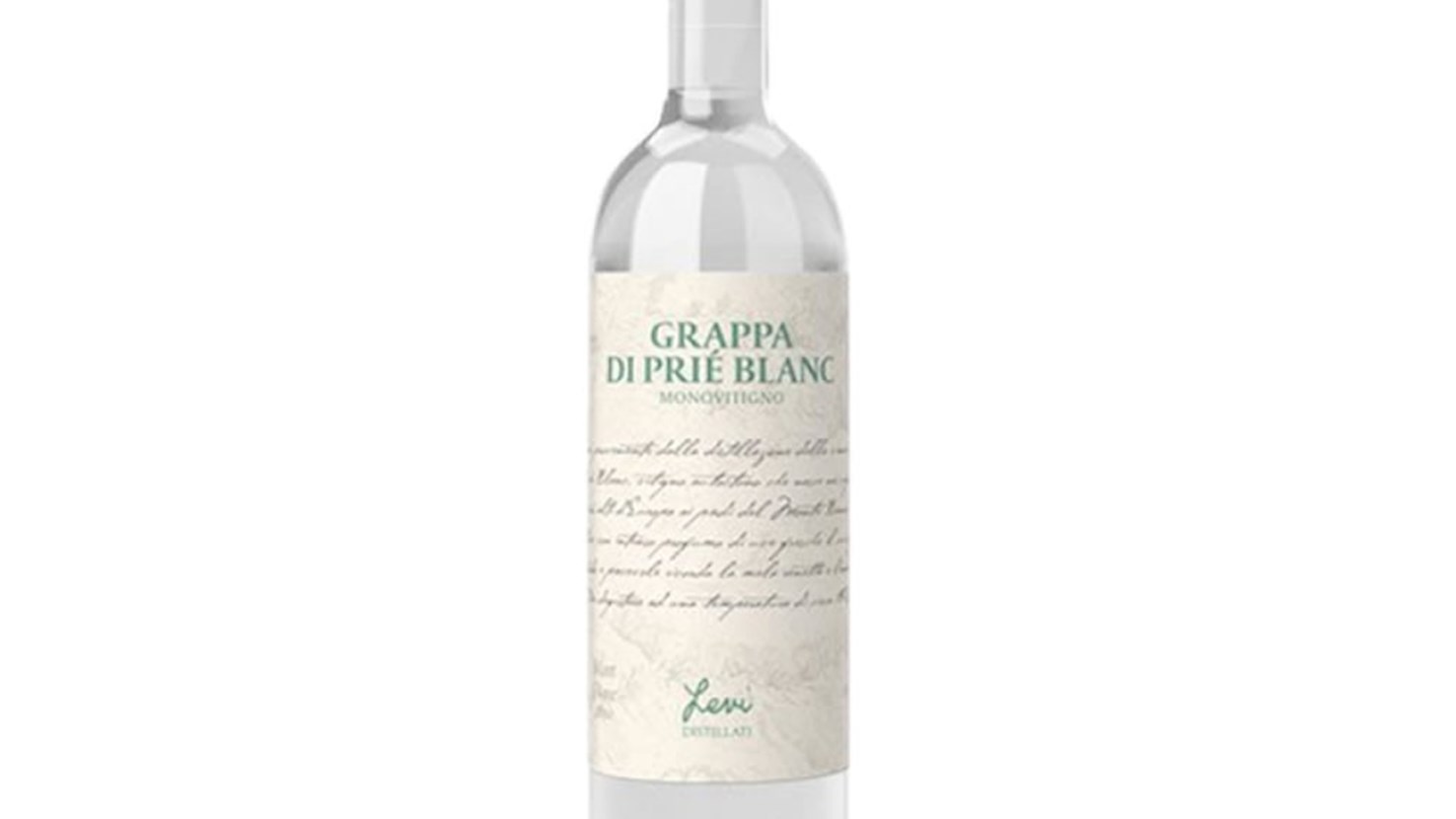
Distillati Levi

4.5 ·
Awards
World Grappa Awards - Best Unaged/Giovane (2021)
08
Cheese

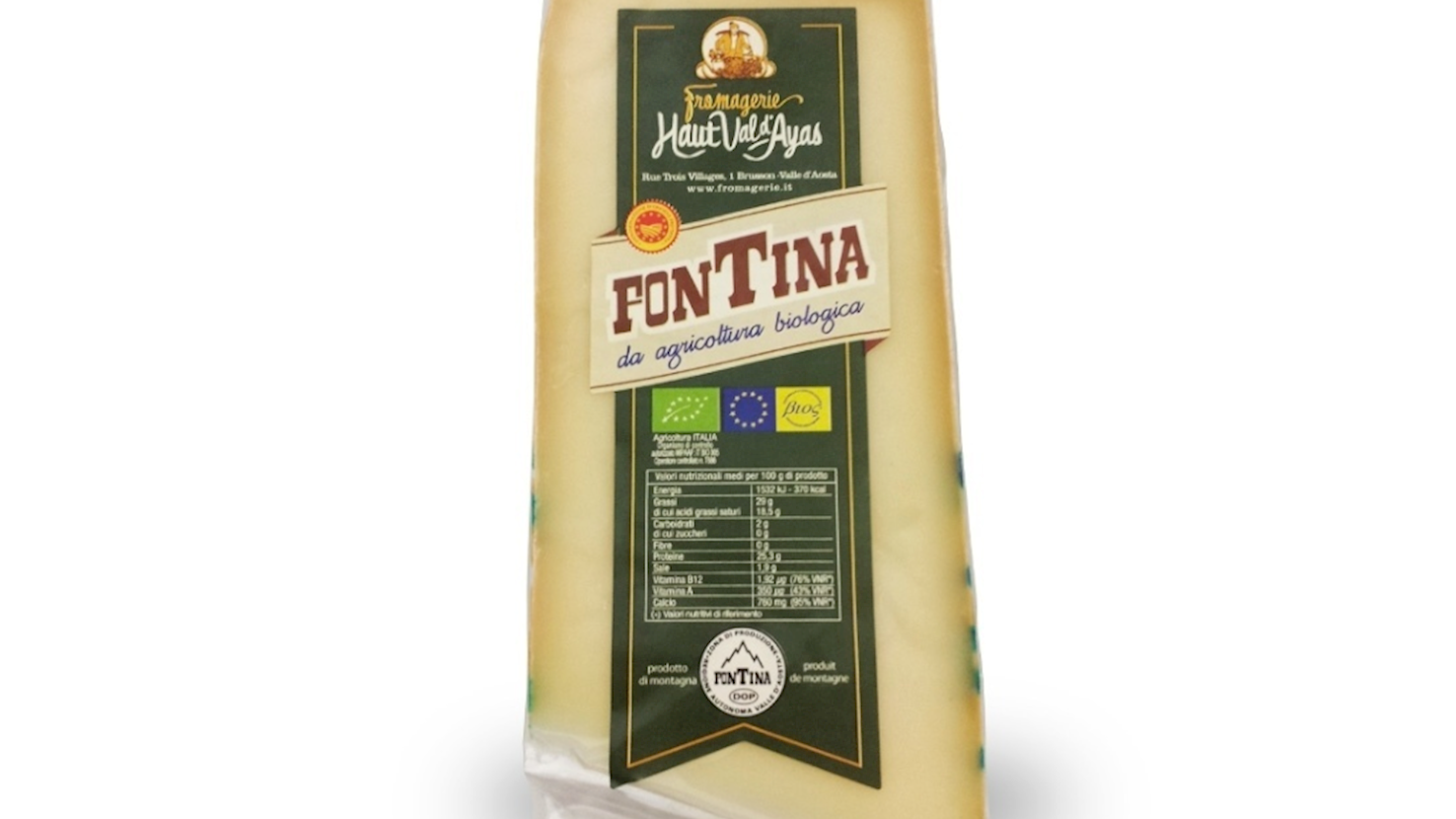
Fromagerie Haut Val d'Ayas

4.3 ·
Fromagerie Haut Val d'Ayas is a traditional alpine dairy located in the Brusson, Aosta Valley, Italy. This mountain dairy is renowned for producing authentic alpine cheeses made from the milk of local cows that graze on natural pastures rich in alpine flora. Operated as a cooperative of local farmers, the dairy ensures full traceability and freshness of its ingredients, preserving the region’s deep-rooted cheesemaking traditions. Their product range includes various cheese types, with a special focus on Fontina DOP – one of the region’s most iconic cheeses – as well as semi-hard and hard mountain cheeses characterized by their intense and aromatic flavors, shaped by the unique microclimate and vegetation of the Ayas Valley. Fromagerie Haut Val d'Ayas is committed to sustainable production and artisanal methods, making their cheeses a staple at local markets, fairs, and specialty shops across Italy.

Best Aostan foods

01
Pancake

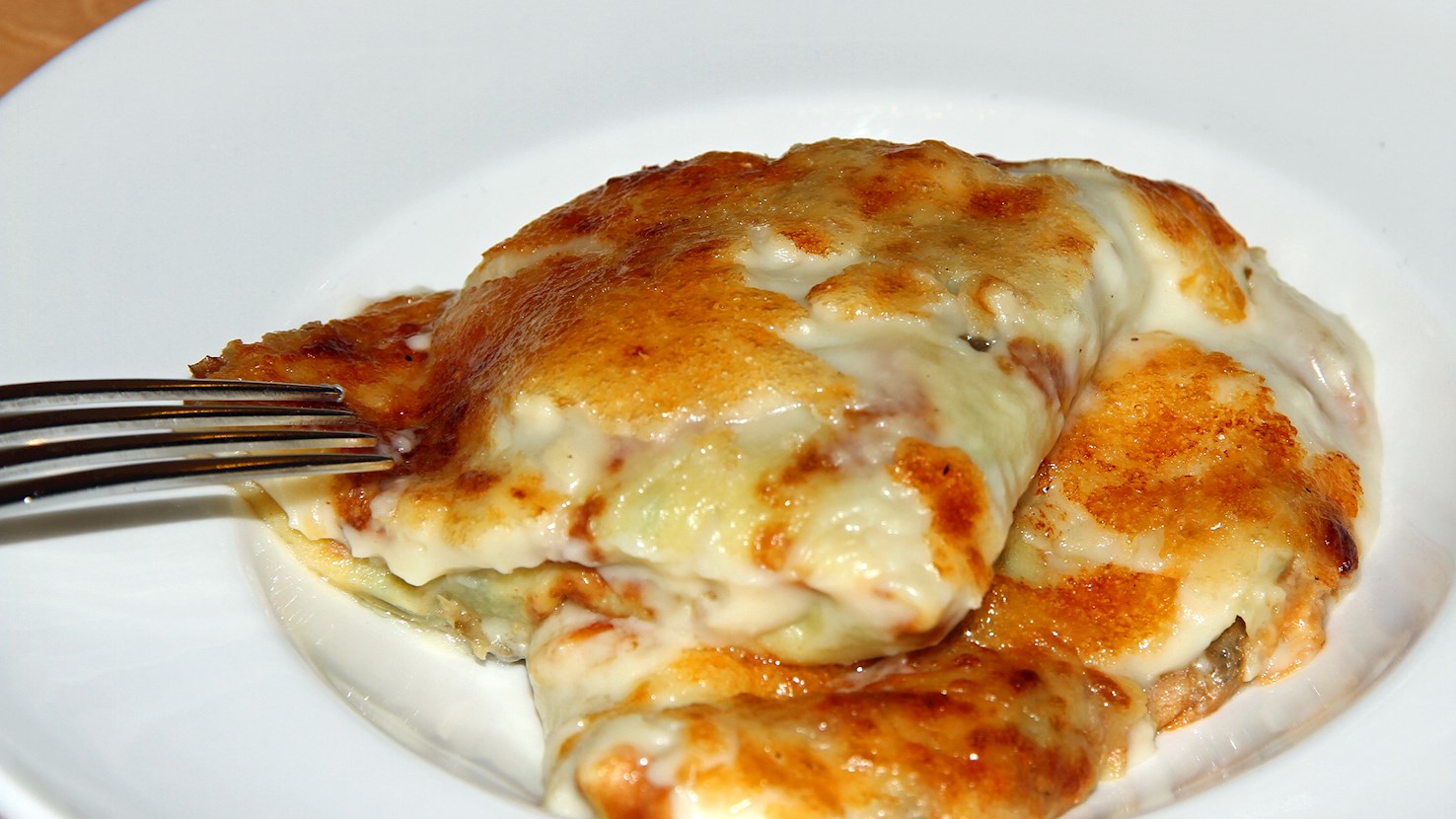
Crespelle alla Valdostana

4.2 ·

Hailing from the Aosta Valley, crespelle alla Valdostana is an Italian specialty that consists of savory, stuffed crêpes smothered in gooey Fontina cheese and béchamel sauce. The batter for the crêpes is made with a combination of flour, milk, eggs, melted butter, salt, and pepper, while the filling typically includes diced or sliced Fontina cheese, cooked ham (such as gran biscotto ham), and (sometimes) mushrooms. Once fried to perfection, the crêpes are filled, then rolled or folded into a fan shape and placed snugly into a baking dish before being baked with additional cheese, béchamel sauce, and knobs of butter on top. This traditional dish can be served on its own or as an accompaniment to grilled meat, and it pairs well with wines such as Blanc de Morgex or Erbaluce di Caluso.

02
Cheese

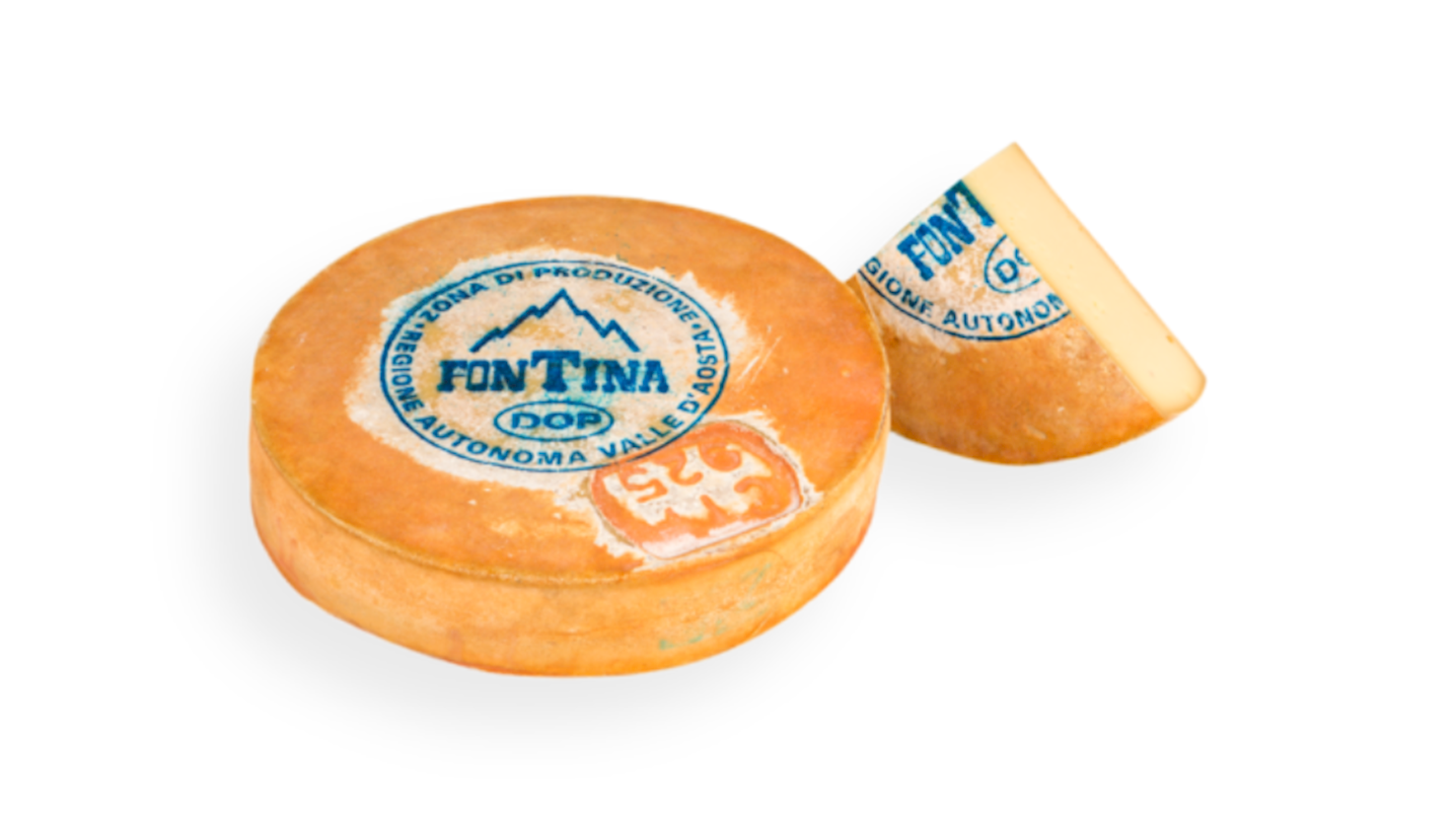
Fontina

4.1 ·

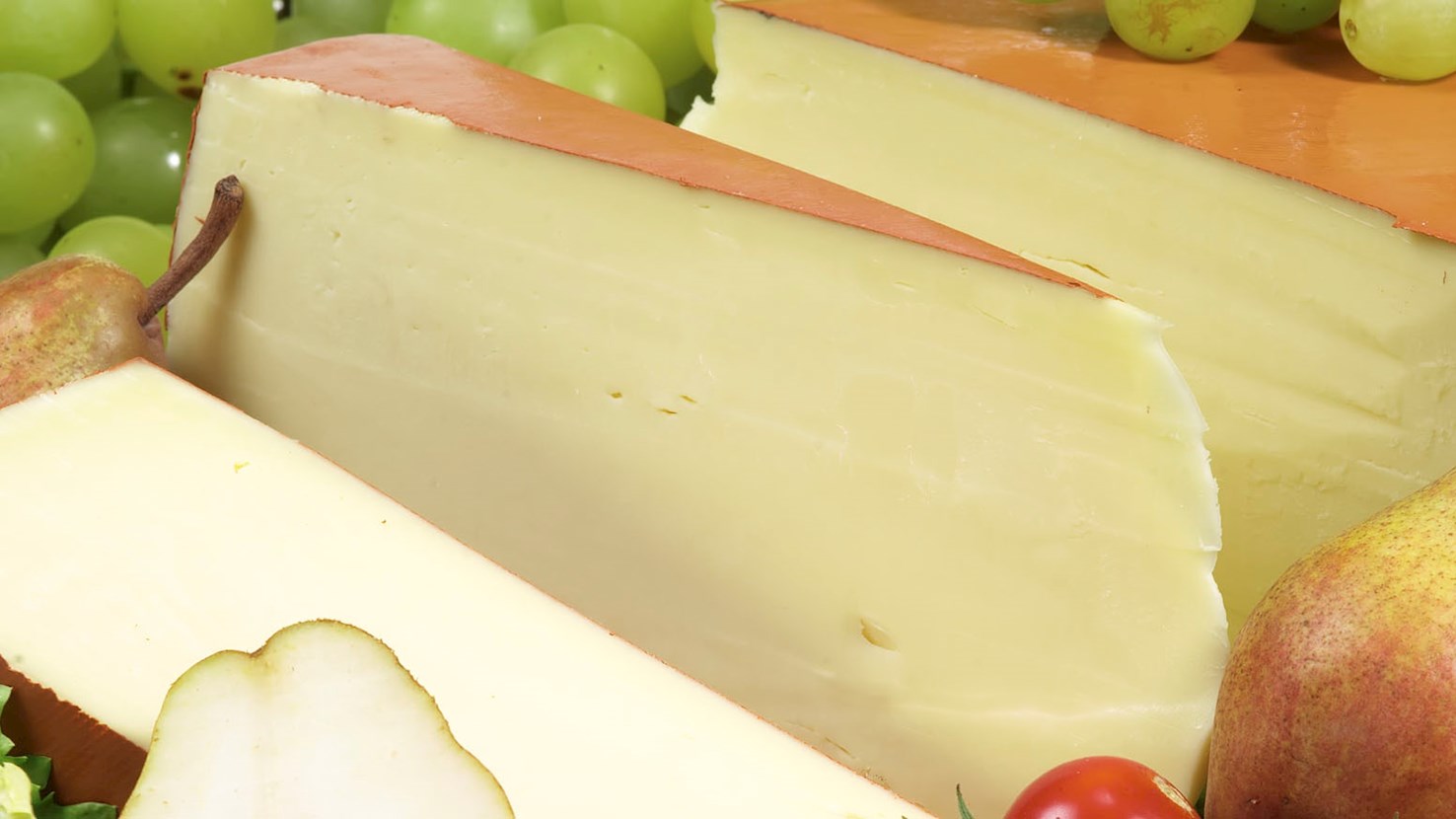
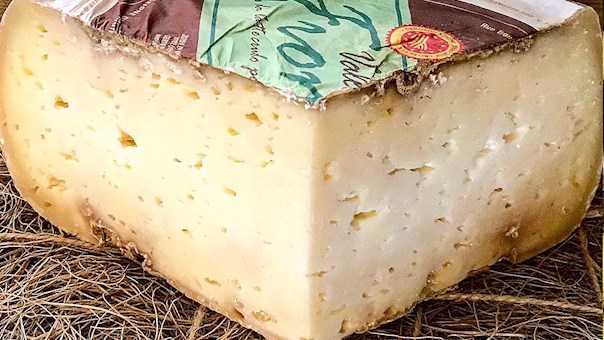
Produced in the Aosta Valley since the 1100s, Fontina is a semi-cooked cheese traditionally made with raw cow's milk of the Valdostana Pezzata Rossa cattle breed. Depending on the length of maturation, the texture of Fontina can vary from semi-soft to firm, while the flavor ranges from mild, sweet, and nutty to robust and quite tangy. This delicious cheese is typically used to make the Valdostana style fondue but it can also be enjoyed in other traditional Aosta Valley dishes such as Valpelline Soup with Lardo d'Arnad or Costolette alla Valdostana, and pairs well with light, fruity wines.

03
Dipping Sauce

Fonduta alla Valdostana

4 ·

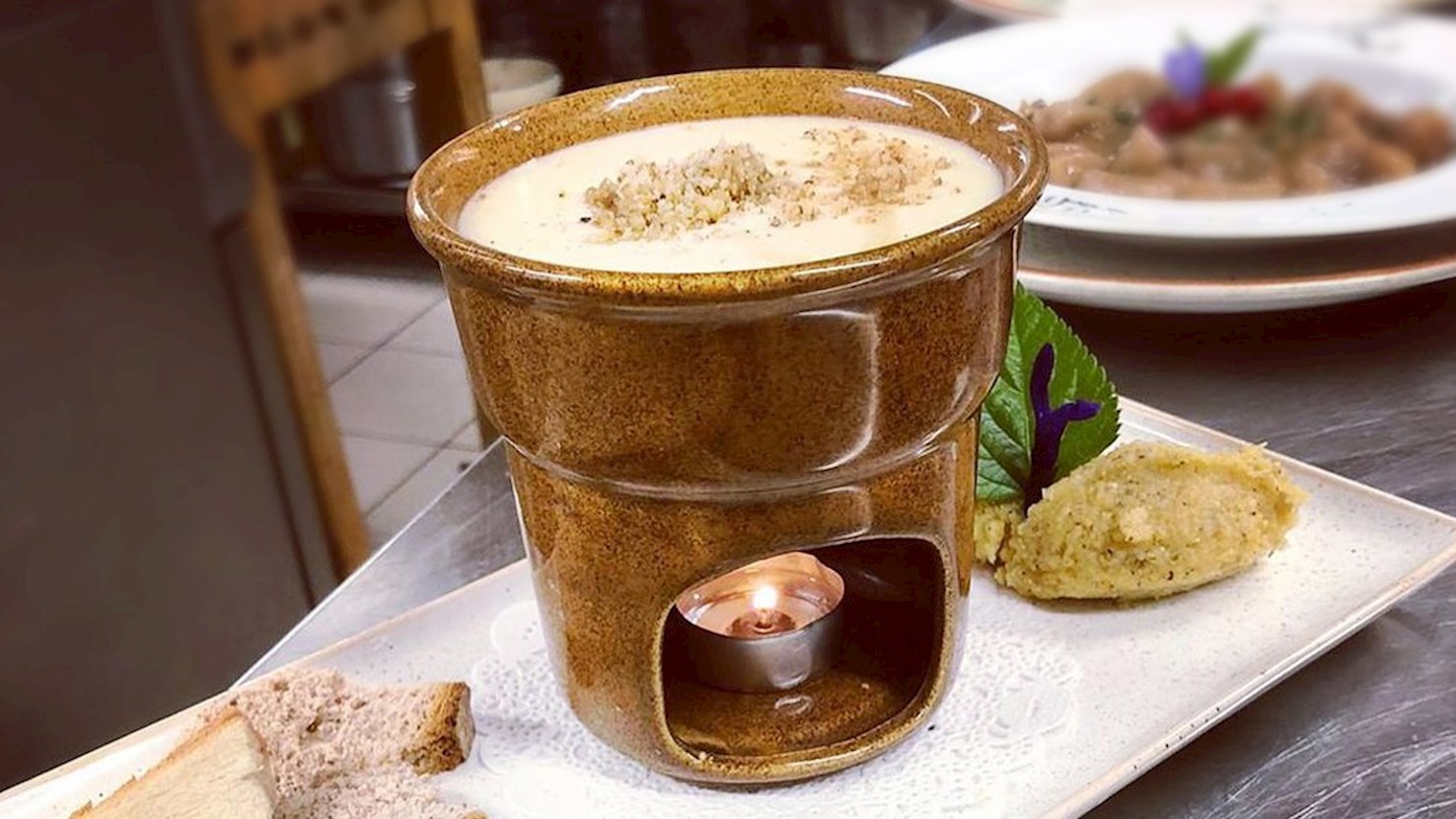
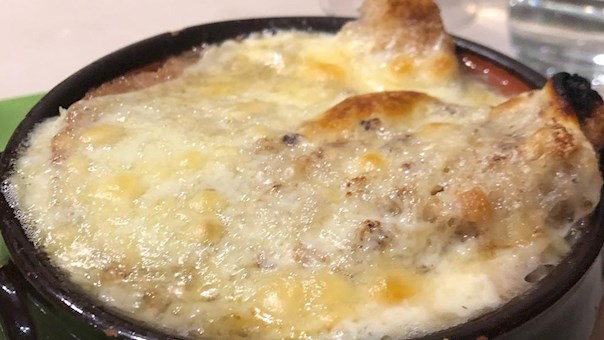
This creamy fondue hails from the Italian Aosta Valley. It is made with a combination of Fontina cheese, egg yolks, milk, and flour. The ingredients are combined and heated until the mixture is well-incorporated and attains its creamy, dense texture. Aosta-style fondue is sometimes enriched with the addition of white truffle shavings which can be incorporated in the fondue or served on the side. The oldest written mention of the dish dates back to 1854 when a recipe for the truffle based version was published in Trattato di cucina, pasticceria moderna, credenza e relativa confettureria—a cookbook written by the Italian author Giovanni Vialardi. The dish is usually seasoned with white pepper, and it is traditionally prepared in a ceramic, cast iron, or copper pot (caquelon). Like other types of fondue, this Italian version is mainly served as a communal dish with diced bread on the side, but the Aosta Valley fonduta is always eaten with a spoon - you should put the diced, toasted bread in your spoon, then dip the whole thing in the creamy fondue.

04
Cheese

Toma Piemontese

4 ·

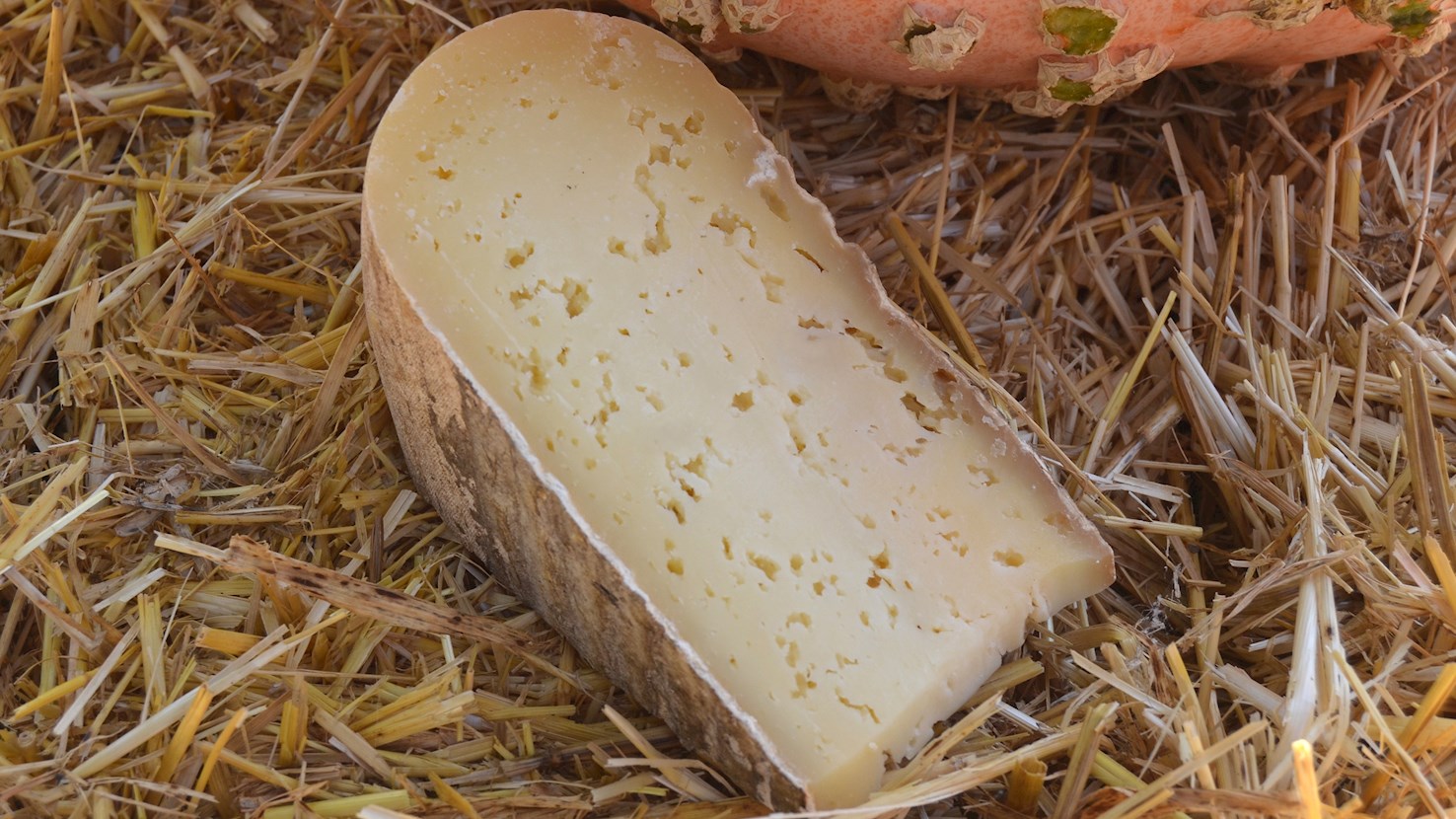
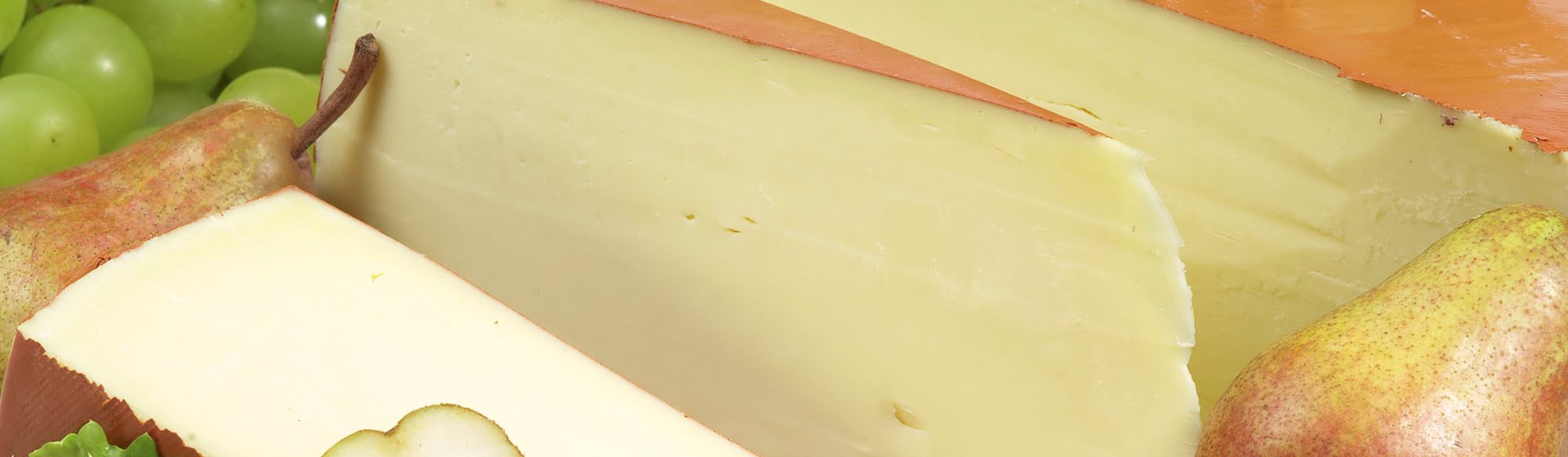
Also known as Toma Italiana, this cooked semi-hard cheese made from cow's milk is produced in the Aosta Valley in the Piedmont region of northwestern Italy, and it is one of the oldest Italian cheese varieties, dating as far back as the Roman Empire. In Italian, the word Toma is attributed to a specific style of cheesemaking, and it means cheese made by the farmer himself. There are two main varieties of Toma cheese produced; the first is produced entirely from whole milk, while the other is made from skimmed milk. Depending on its size, it is matured for a period of 20 to 45 days, or even 60 days for the Toma d'Alpeggio mountain variety. During the ripening phase, the cheeses are sprinkled with salt, washed and frequently turned. Toma Piemontese is a very rich and buttery cheese, with a smooth pale to yellow colored rind, and has many of the characteristics that most mountain cheeses are famous for: a slightly sweet and mild flavor in less matured versions, and a full and nutty flavor as the cheese ages. While the whole-fat variety is mostly used for gnocchi, risotto and pasta sauces, the semi-fat Toma tastes best with jams and honey or baked with potatoes and quiches, and used in fondues. As for wine, aged Toma is wonderfully complemented by Dolcetto, Carema, and Barolo while younger cheese makes a better pairing with light white wines.

Best producers
05
Porridge

Polenta concia

3.8 ·

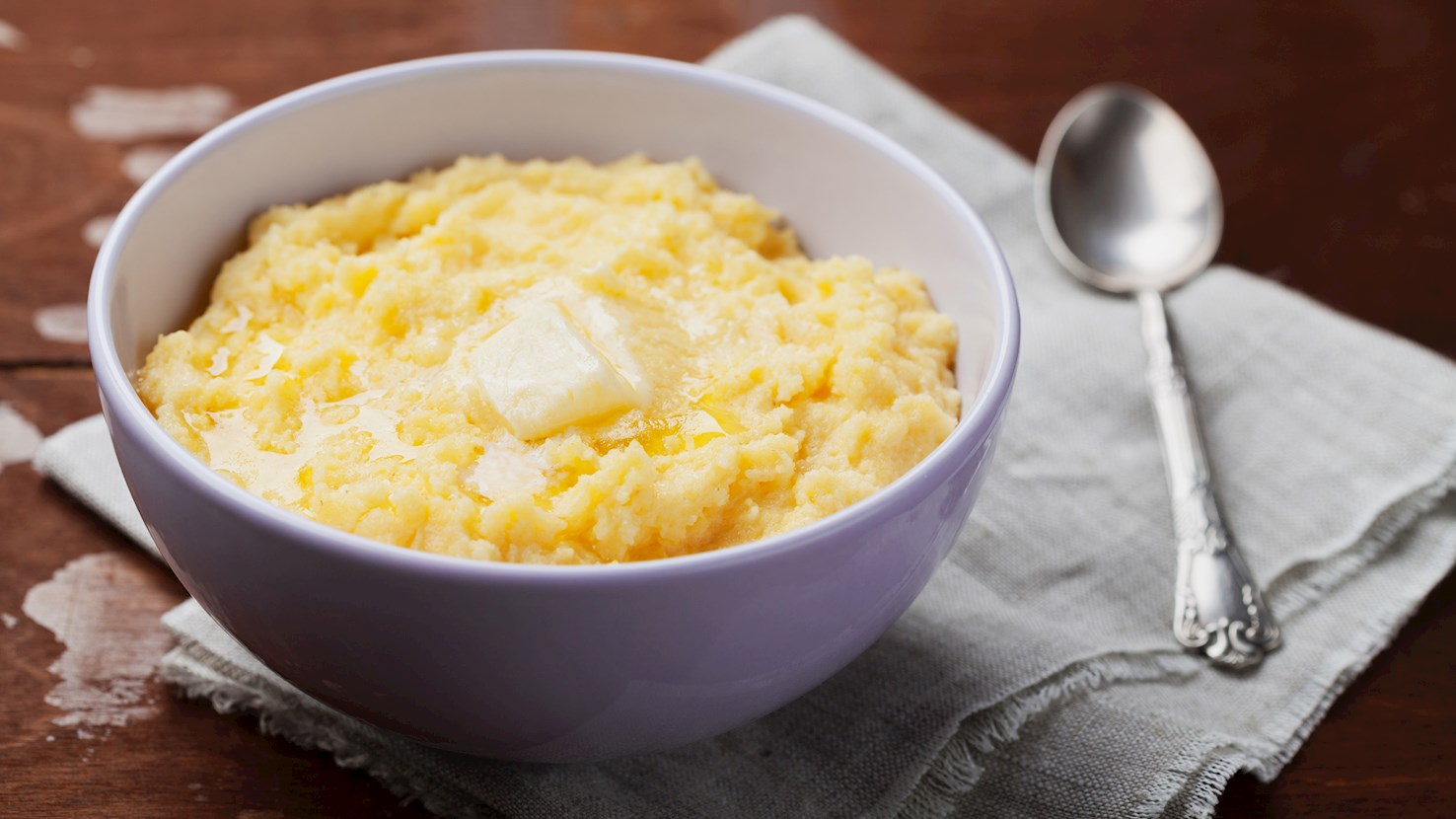
Polenta concia (or cunsa in local dialect) is a rich, creamy version of polenta that is traditionally prepared in a copper pot. The list of ingredients explains why it is also known as polenta grassa, meaning fat polenta: the dish consists of cooked polenta and Fontina Valdostana cheese (or similar Alpine cheeses) that are topped with sizzling melted butter. Just like many other mountain dishes, polenta concia definitely isn’t low on calories, but it is a perfect comfort food for cold winter days, especially when paired with a glass of full-bodied local red wine such as Enfer d'Arvier.

06
Stew

Carbonade Valdostana

3.1 ·

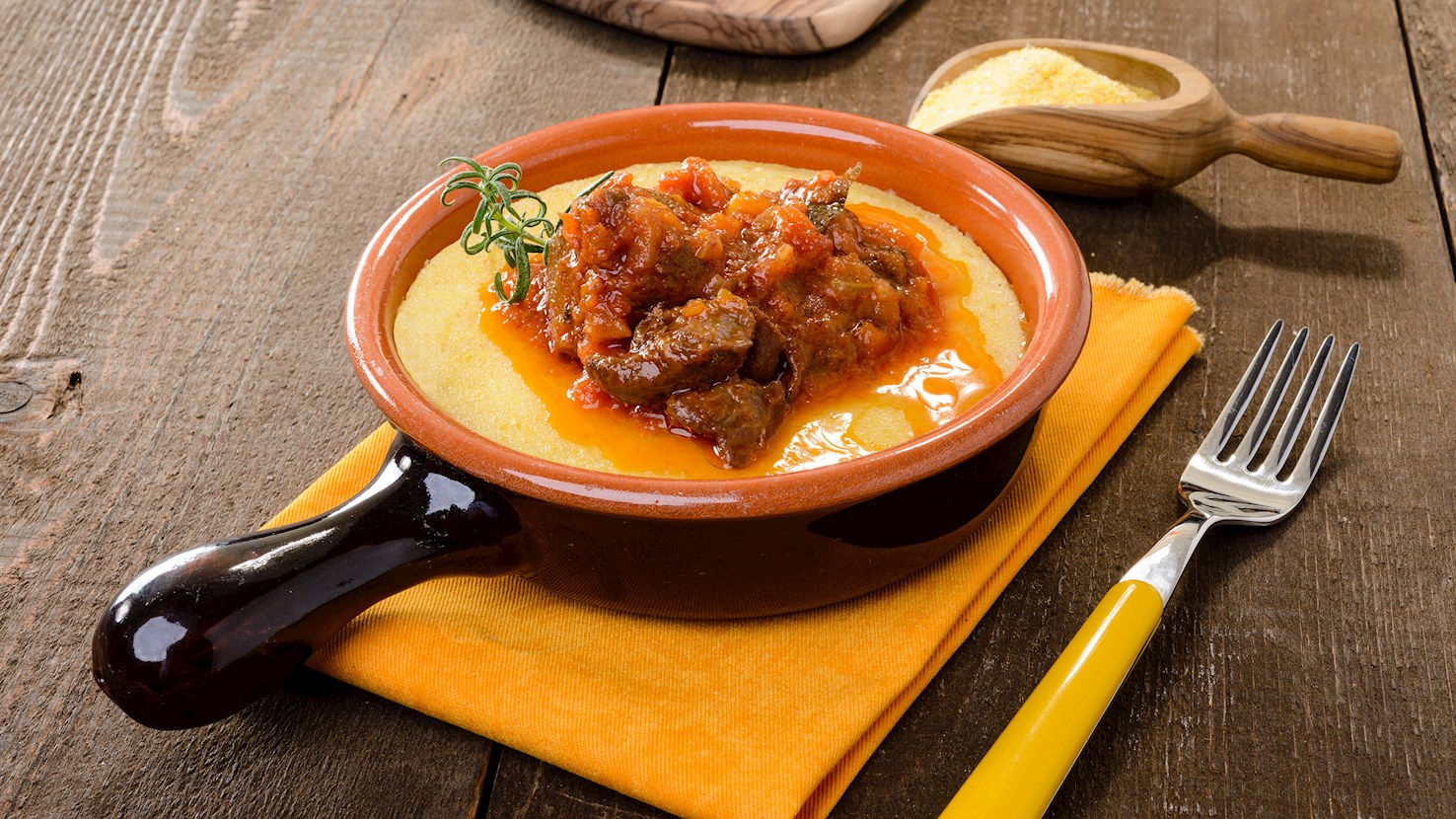
Carbonade valdostana is a rich Italian beef stew originating from the Aosta valley. It is prepared with a combination of beef (cut into cubes or strips), onions, flour, butter, red wine, and herbs and spices such as cloves, cinnamon, nutmeg, orange peel, and bay leaves. Once the stew has been prepared, it is traditionally served piping hot over polenta, but it can also be served with garlic mashed potatoes or pappardelle pasta. Originally, the dish was prepared with beef that was preserved in salt, but nowadays regular beef is more often used in the preparation of carbonade. It is recommended to serve this stew with full-bodied red wines such as Barbaresco, Brunello di Montalcino, or Barolo.

07
Rice Dish

Risotto alla Valdostana

3.6 ·

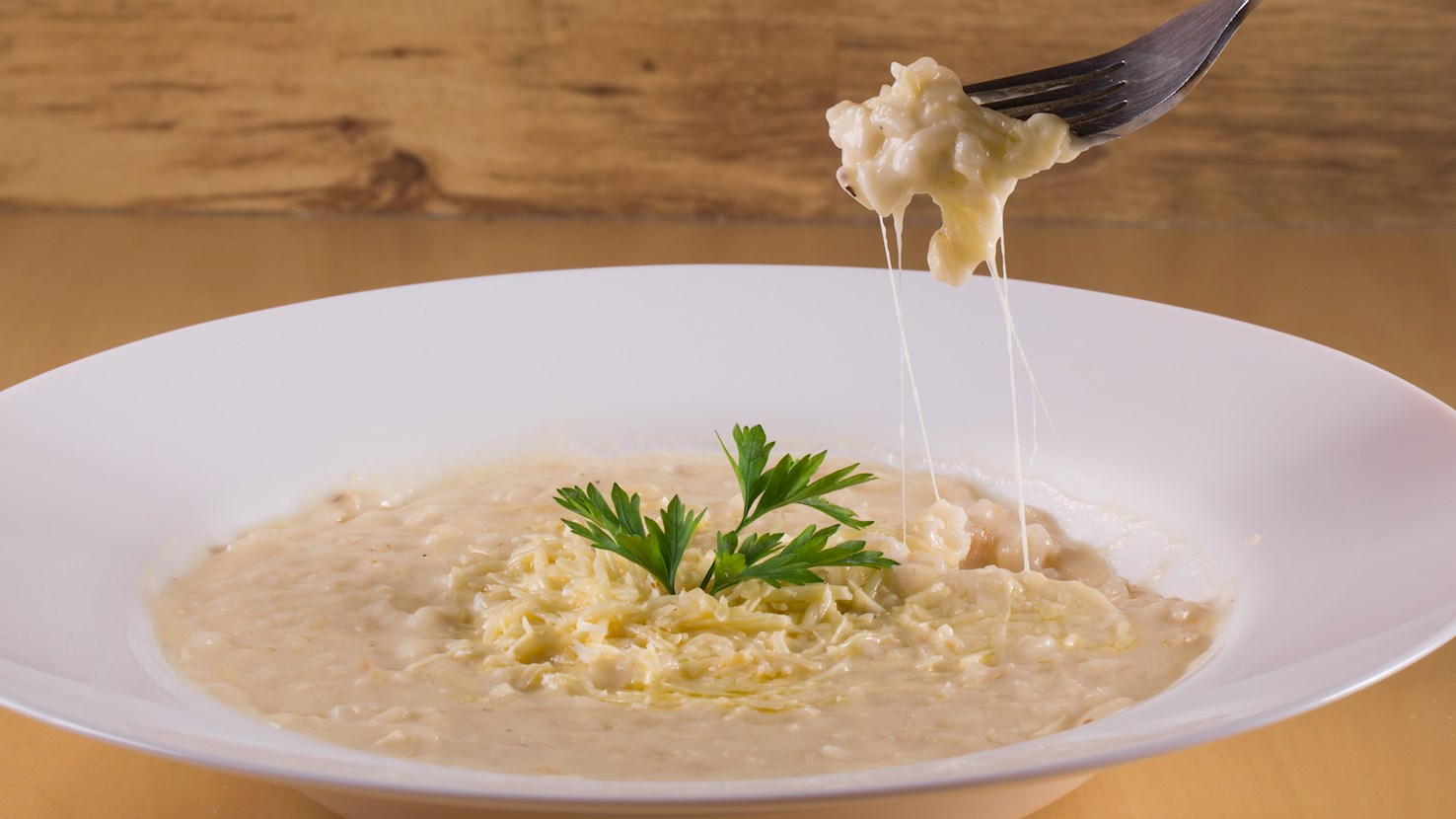
Risotto alla valdostana is a rich, creamy risotto prepared in the Aosta Valley since medieval times. It is made with simple ingredients: rice, butter, fontina valdostana cheese, milk, meat broth, and white wine, sometimes additionally enriched with onions or egg yolks. The preparation is simple, but it takes some time because fontina should first be macerated in milk for a few hours or overnight, in order to soak up the milk and develop a silky texture. This flavorful, comforting risotto may be served as a side dish, but it is also delicious enough to be enjoyed on its own.

08
Veal Dish

Costoletta alla valdostana

3.6 ·

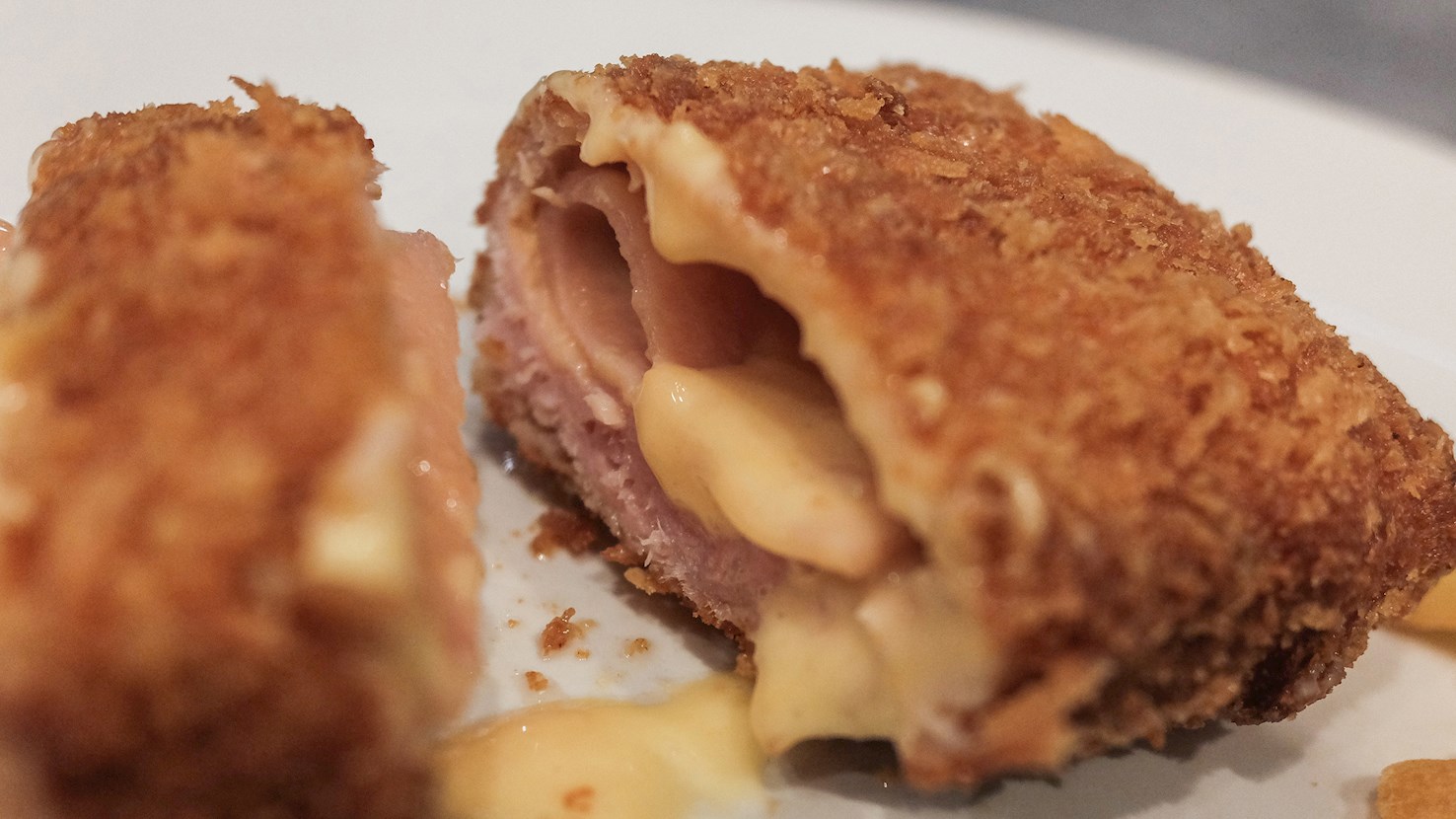
Costoletta alla valdostana is a traditional meat dish originating from the Aosta Valley. The dish is usually made with a combination of veal chops, prosciutto cotto, Fontina cheese, eggs, breadcrumbs, butter, salt, and pepper. The veal chops are tenderized with a mallet and stuffed with prosciutto cotto and slices of Fontina cheese. Once assembled, the cutlets are dipped in beaten eggs, rolled in breadcrumbs, and fried in butter on both sides until golden. The dish is served immediately, while still warm. It’s also possible to prepare the dish in the oven instead of the frying pan.

09
Stew

Capriolo alla Valdostana

3.5 ·

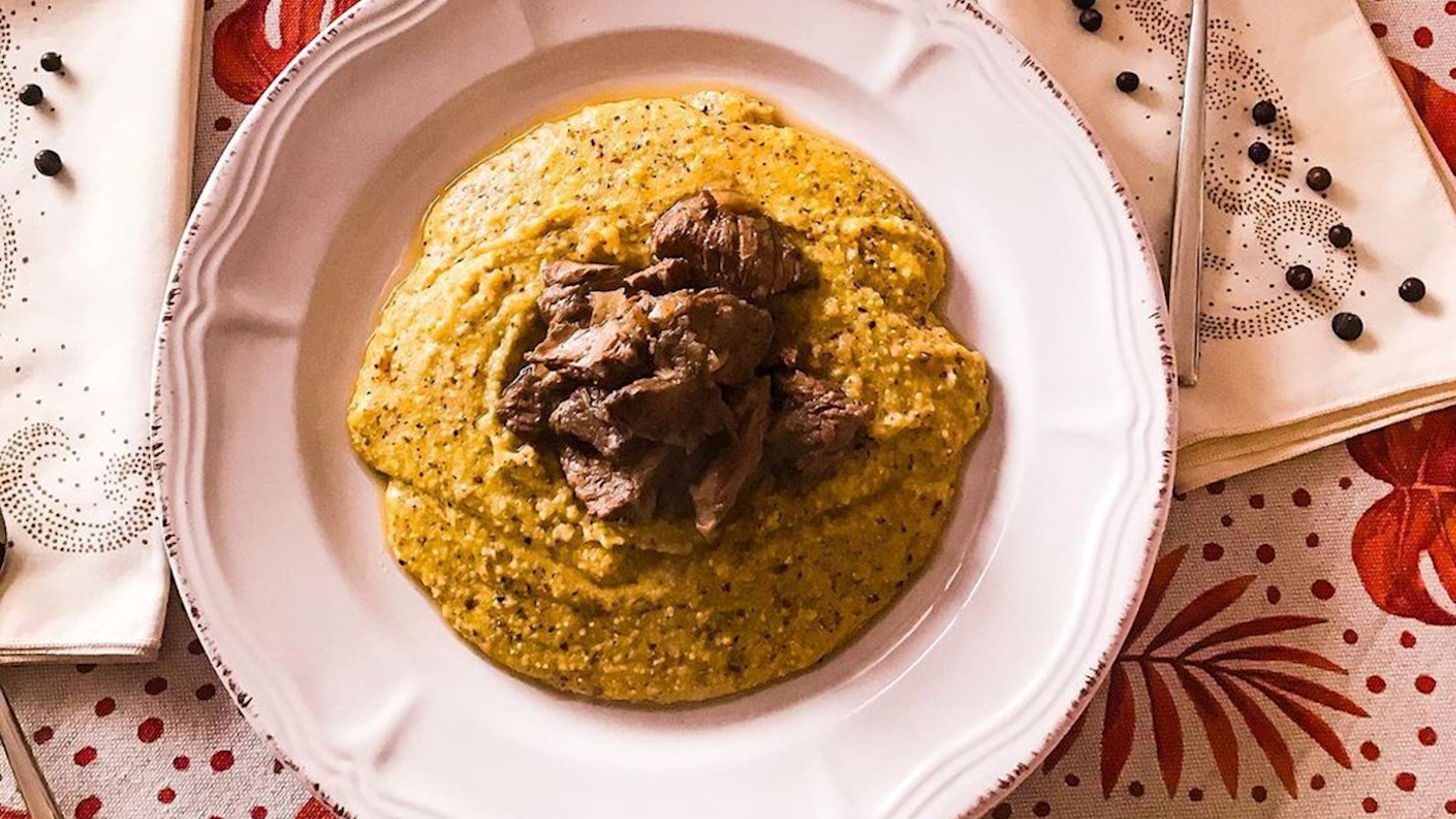
Capriolo alla valdostana is a rich venison stew from Aosta Valley. To prepare this hearty dish, venison must be marinated in vinegar and pepper for at least 12 hours, and it is then slowly simmered with lard, vegetables, grappa, red wine, and spices such as garlic, cloves, and cinnamon. Due to the long preparation process and the fact that venison wasn't easy to obtain, this winter dish used to be reserved only for festive occasions, but nowadays it is often prepared for Sunday lunch, paired with homemade polenta or pasta all’uovo.

10
Dry-cured Ham

Prosciutto crudo Saint Marcel

3.5 ·

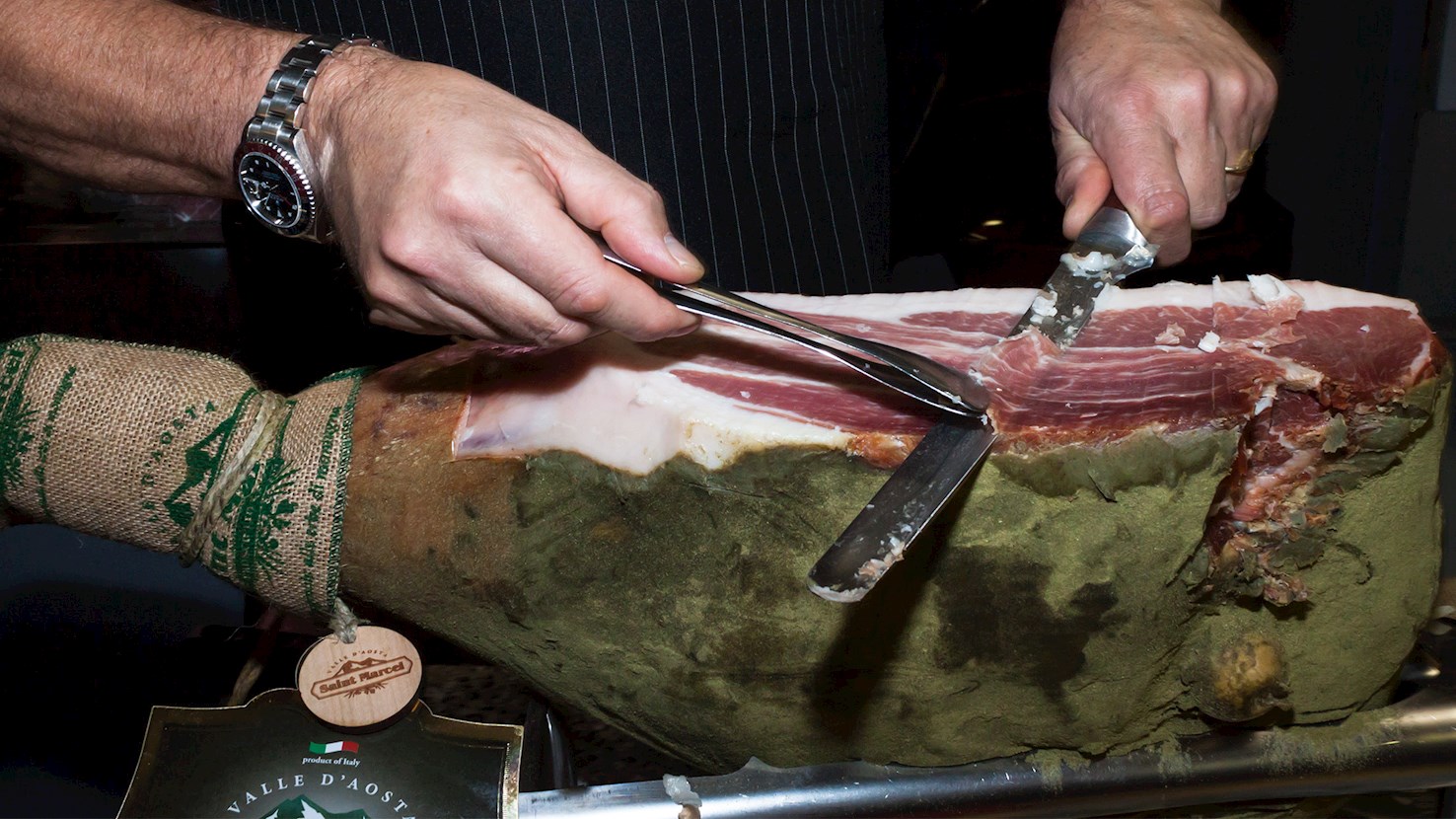
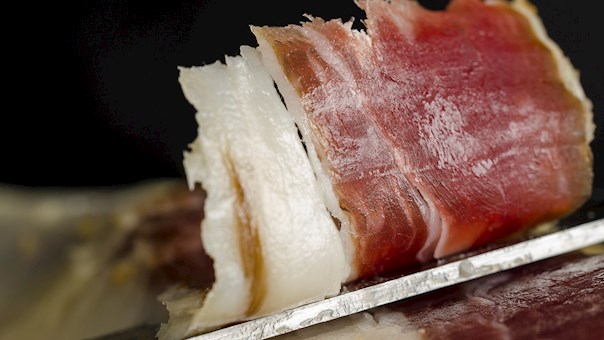
Prosciutto crudo Saint Marcel is a type of raw Italian ham that is infused with mountain herbs. It originates from the small village of Saint Marcel, where the local population has been traditionally preparing it following an age-old method of production. Carefully selected high-quality pork thighs (obtained exclusively from pigs that are born and raised in Italy) are first dry-cured with salt and various aromatic mountain herbs before they are air-dried in the pure mountain air and allowed to mature for about 18 to 24 months. The process yields a highly aromatic meat specialty that is distinguished by a unique, rich flavor with herbal notes. Thin slices of this raw ham pair perfectly with a glass of Maley cider or any of the seven Grand St. Bernard beers, but they are also commonly enjoyed with a wide range of local specialties. Prosciutto crudo Saint Marcel has been exclusively produced by La Valdôtaine since 1985, and the local population’s love for this ham is reflected in the annual festival Prosciuttiamo, which celebrates this local specialty.

Read more
View all
View map
About this ranking

TasteAtlas food rankings are based on the ratings of the TasteAtlas audience, with a series of mechanisms that recognize real users and that ignore bot, nationalist or local patriotic ratings, and give additional value to the ratings of users that the system recognizes as knowledgeable. For the “Top 19 Aostan Foods” list until June 24, 2026, 481 ratings were recorded, of which 418 were recognized by the system as legitimate. TasteAtlas Rankings should not be seen as the final global conclusion about food. Their purpose is to promote excellent local foods, instill pride in traditional dishes, and arouse curiosity about dishes you haven’t tried.

The initial list of top producers was compiled based on available reviews, awards, local recommendations, media and blog coverage, and consumer reviews. The list will be updated with ratings from TasteAtlas local ambassadors and TasteAtlas users.

Similar lists