shutterstock

Top 48 Traditional Foods
in Buenos Aires Province

Last updated on June 17, 2026

Best Buenos Aires Province food products
01
Spirit

Merle

5 ·
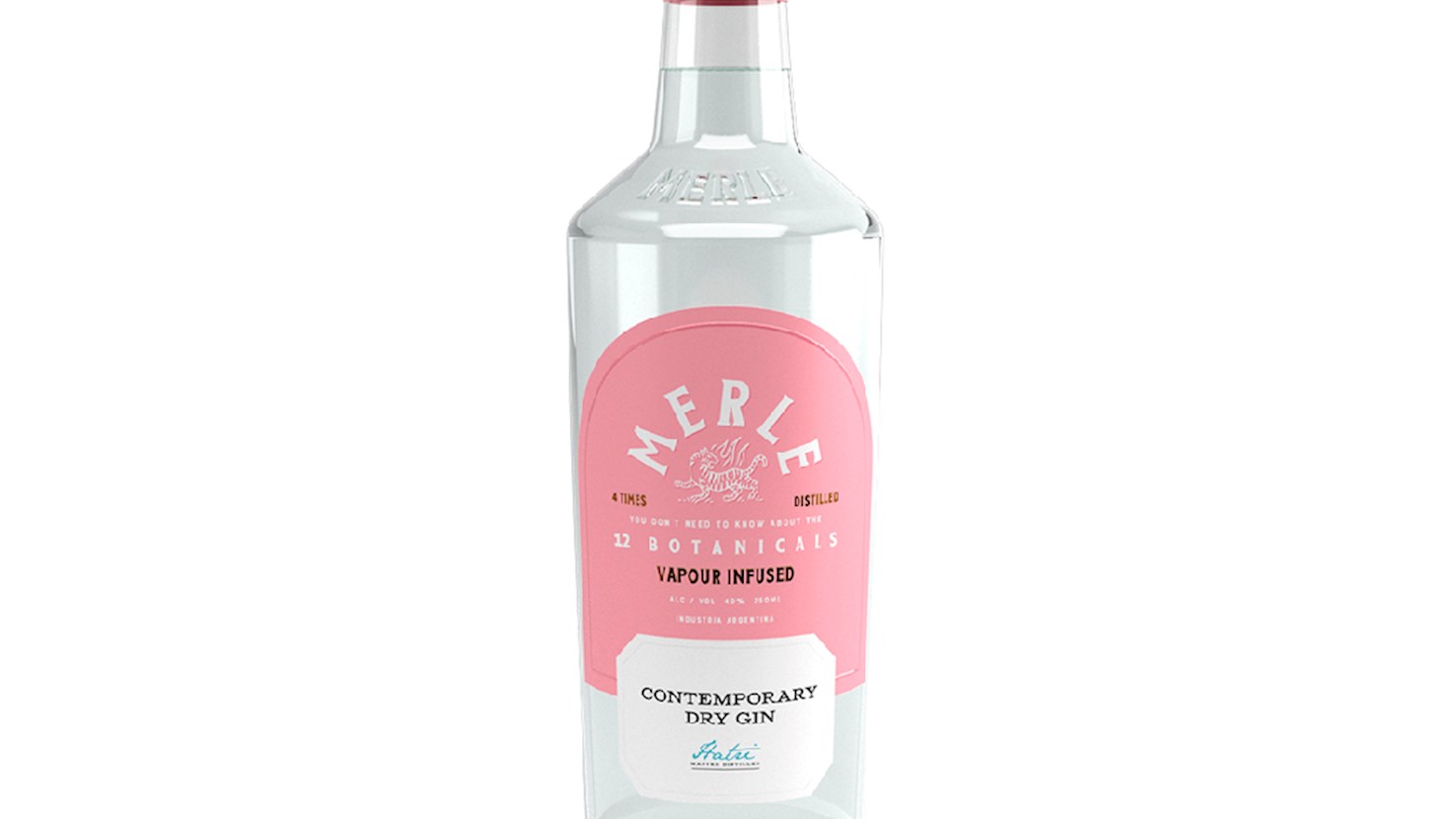
Merle Gin is an Argentine distillery founded in 2020 by four friends: Rafael Ferrari Ostry, Martin Ferro, Ricardo Saracca, and Luciano Carmona. Their goal was to create a gin that reflects a youthful spirit and innovation, using 12 carefully selected botanicals. The distillery is located in the PITEC Industrial Park in Florencio Varela, Buenos Aires, with a production capacity of over 200,000 liters of gin per month. Merle Gin is recognized for its quality and unique flavor, as evidenced by winning a silver medal at the 2022 London Spirits Competition. In addition to their classic gin, the company has expanded its lineup to include Merle Pink Gin, Spectre Vodka, and Annika Mixers, with plans for further international expansion into markets like Spain, Brazil, Panama, Chile, and Uruguay.
Awards
NYWSC - New York World Spirits Competition - Double Gold (2024)
02
Dessert

Señor Alfajor

4.9 ·
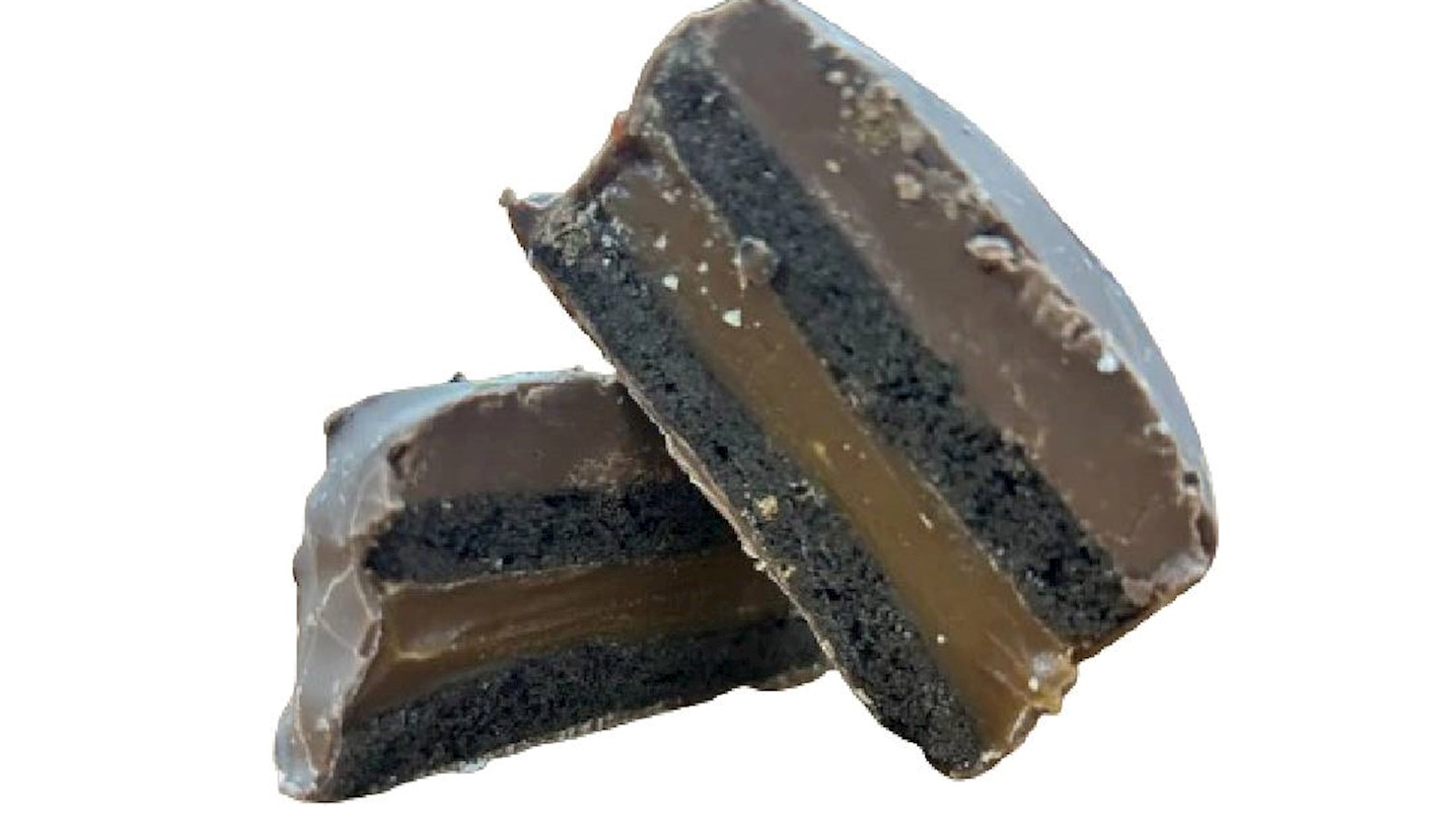
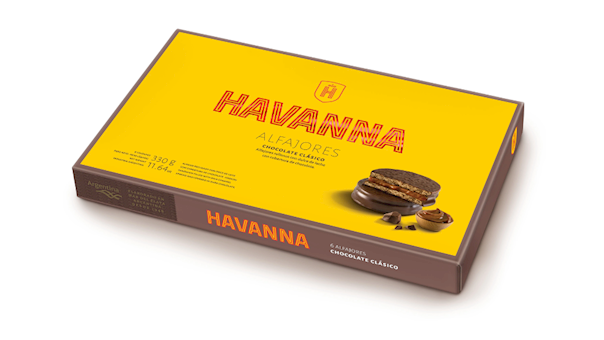
Señor Alfajor was born from a simple idea—to transform a traditional treat into a memorable experience. Every batch is crafted with care, focusing on quality, texture, and balance of flavor. These handmade sandwich cookies are thoughtfully filled and beautifully presented, offering delight not just in taste, but in every detail. Behind each alfajor is a commitment to craftsmanship and the desire to create a moment of pure enjoyment. Whether given as a gift or savored personally, they bring warmth, authenticity, and a touch of something special to everyday life.
Awards
Campeonato Mundial del Alfajor - Mejor Alfajor del Mundo (2024)
Campeonato Mundial del Alfajor - ORO (2025)
03
Dessert

Alfajores Malfatti

4.9 ·
Alfajores Malfatti originate from the port city of Mar del Plata and began as a family-run artisanal venture inspired by a love for sweets and traditional chocolate making. The name “Malfatti”, which in Italian means “badly made”, was chosen as a symbol of honesty and authenticity, emphasizing that while the products may be imperfect in shape, they are flawless in quality. Each alfajor is handmade with carefully selected premium ingredients, preserving its natural character and distinctive, authentic flavor. On the market, they stand out for their generous, oversized format, significantly larger than the standard alfajor, making them unique and instantly recognizable. The brand was founded by the Di Meglio family - Orlando and Susana -who first started this project as a family story and hobby. Their dedication and original homemade alfajor recipe eventually led to the establishment of the company in 2017, transforming Alfajores Malfatti into a brand that seamlessly combines tradition, craftsmanship, and modern identity.
04
Meat Product

Las Dinas

4.9 ·
Las Dinas is a renowned Argentine producer of cured meats, known for its exceptional quality and dedication to preserving traditional production methods. Based in Tandil, a region famous for its artisanal charcuterie, Las Dinas has built a strong reputation by selecting the finest ingredients and expertly crafting meats to deliver rich and balanced flavors. Their product range includes premium bondiolas, hams, cured pork loins, salamis, and longanizas. Their stores (Dinas Salumeria) in Martinez and San Isidro serve as a haven for food lovers, offering an immersive experience where visitors can enjoy top-tier products and discover flavors that seamlessly blend tradition with modern craftsmanship. With a passion for excellence and a deep respect for gastronomic heritage, Las Dinas remains a symbol of authentic flavors and superior quality in the world of Argentine charcuterie.
05
Olive Oil

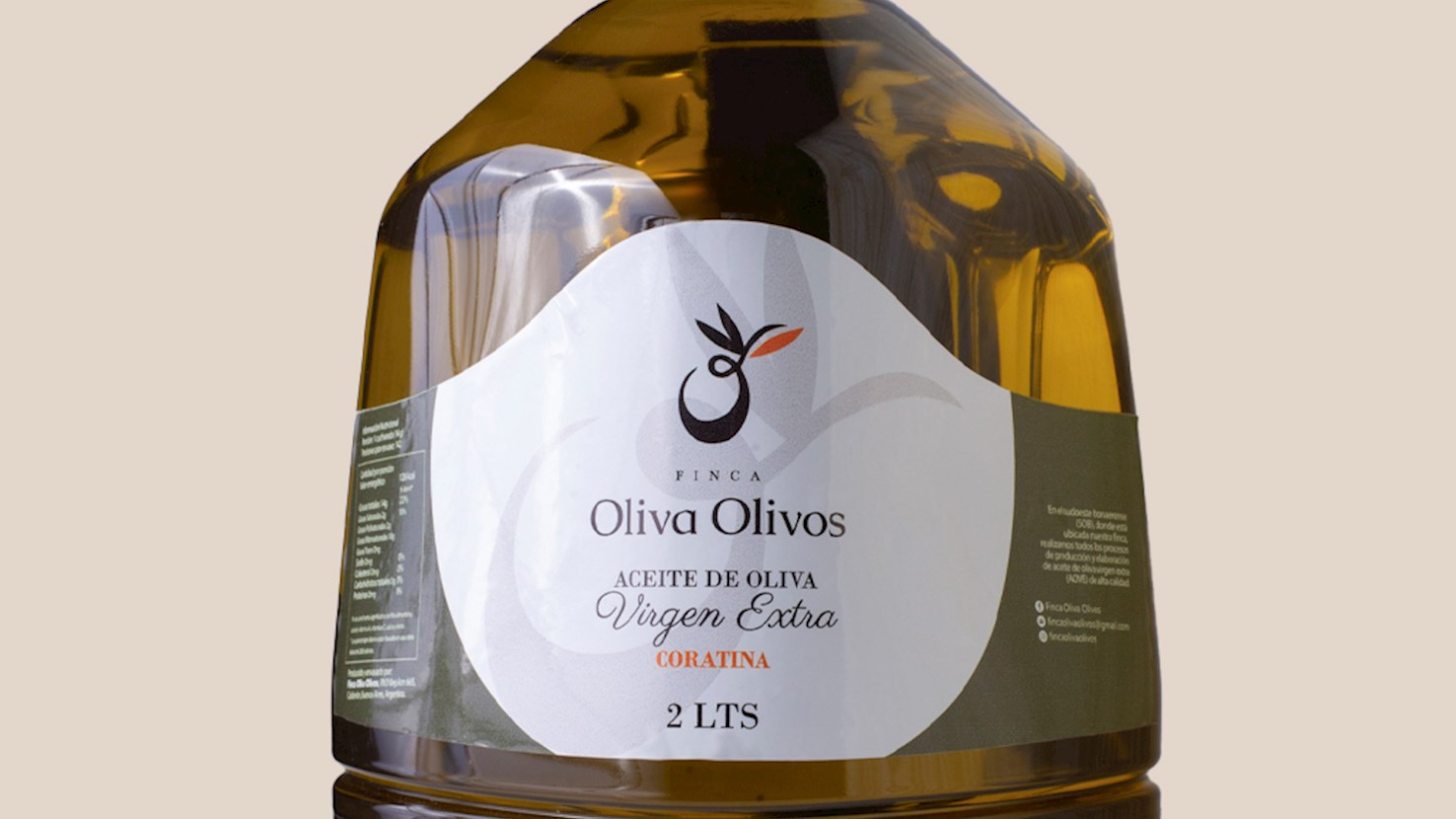
Finca Oliva Olivos

4.9 ·
Awards
OLIVINUS - Gran Prestigio Oro (2023)
OLIVINUS - Prestigio Oro (2023)
06
Cheese

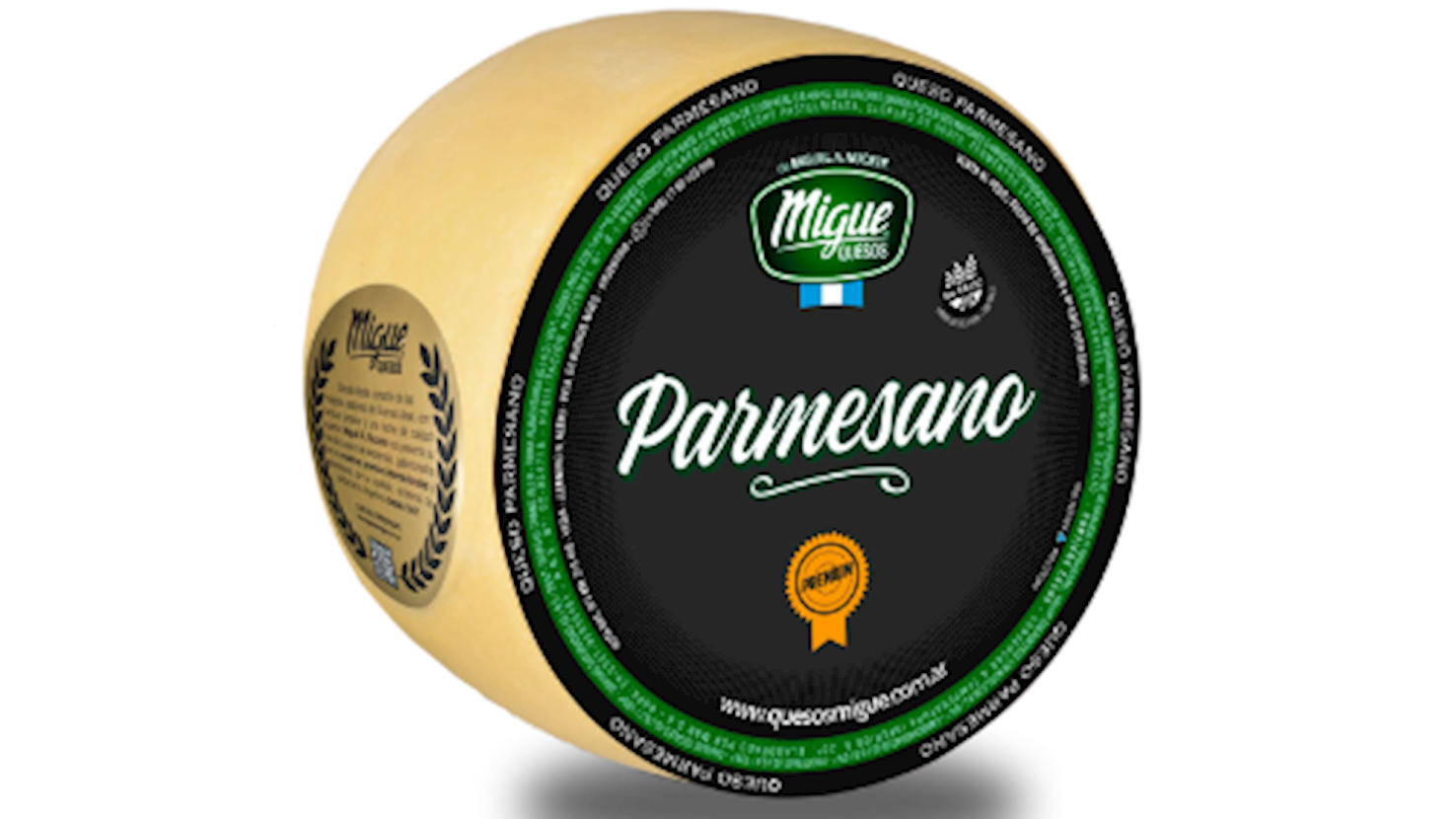
Quesos Migue

4.9 ·
Awards
World Cheese Awards - Gold (2024)
07
Dessert

Camboya

4.9 ·
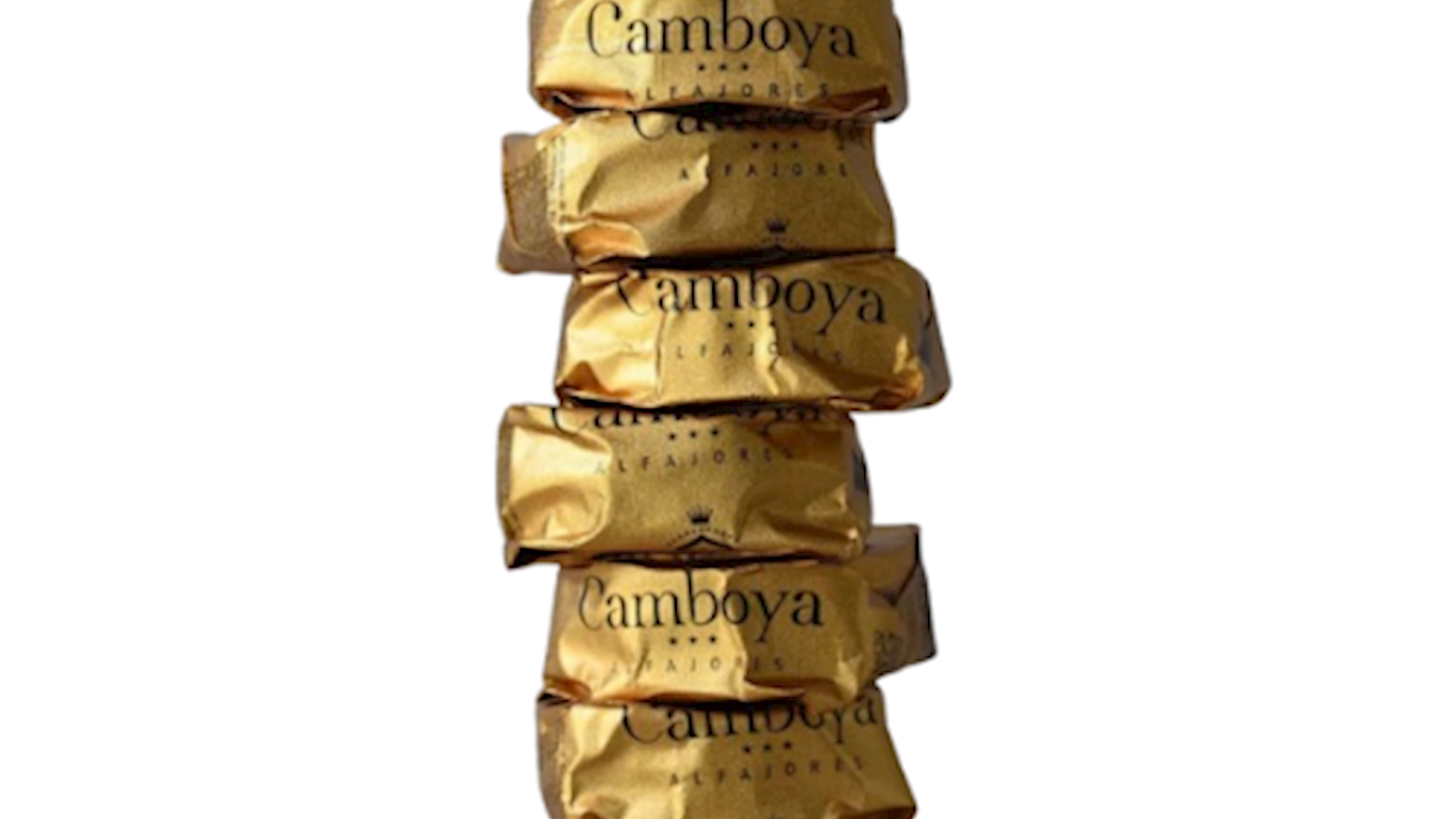
Camboya is a brand of alfajores from Mar del Plata that, since its founding in 2012, has built a reputation as one of the most recognized producers of premium Argentine confections. Their range includes a wide variety of flavors - from classic versions filled with rich dulce de leche, to indulgent coatings of dark and white chocolate, as well as modern interpretations featuring Nutella or pistachios. A highlight of their offer are the tasting boxes, designed to give customers the opportunity to experience different styles and flavor profiles in a single package. The brand’s philosophy is rooted in a balance of tradition and innovation: while staying true to authentic Argentine recipes, they present and promote their products in a modern and creative way. Thanks to carefully selected ingredients and consistent quality, Camboya has quickly earned a reputation as a producer that pushes the boundaries of alfajores making, while remaining committed to preserving the original identity of this iconic Argentine confectionery tradition.
Awards
Campeonato Mundial del Alfajor - Bronce (2024)
08
Dessert

La Olla de Cobre

4.8 ·
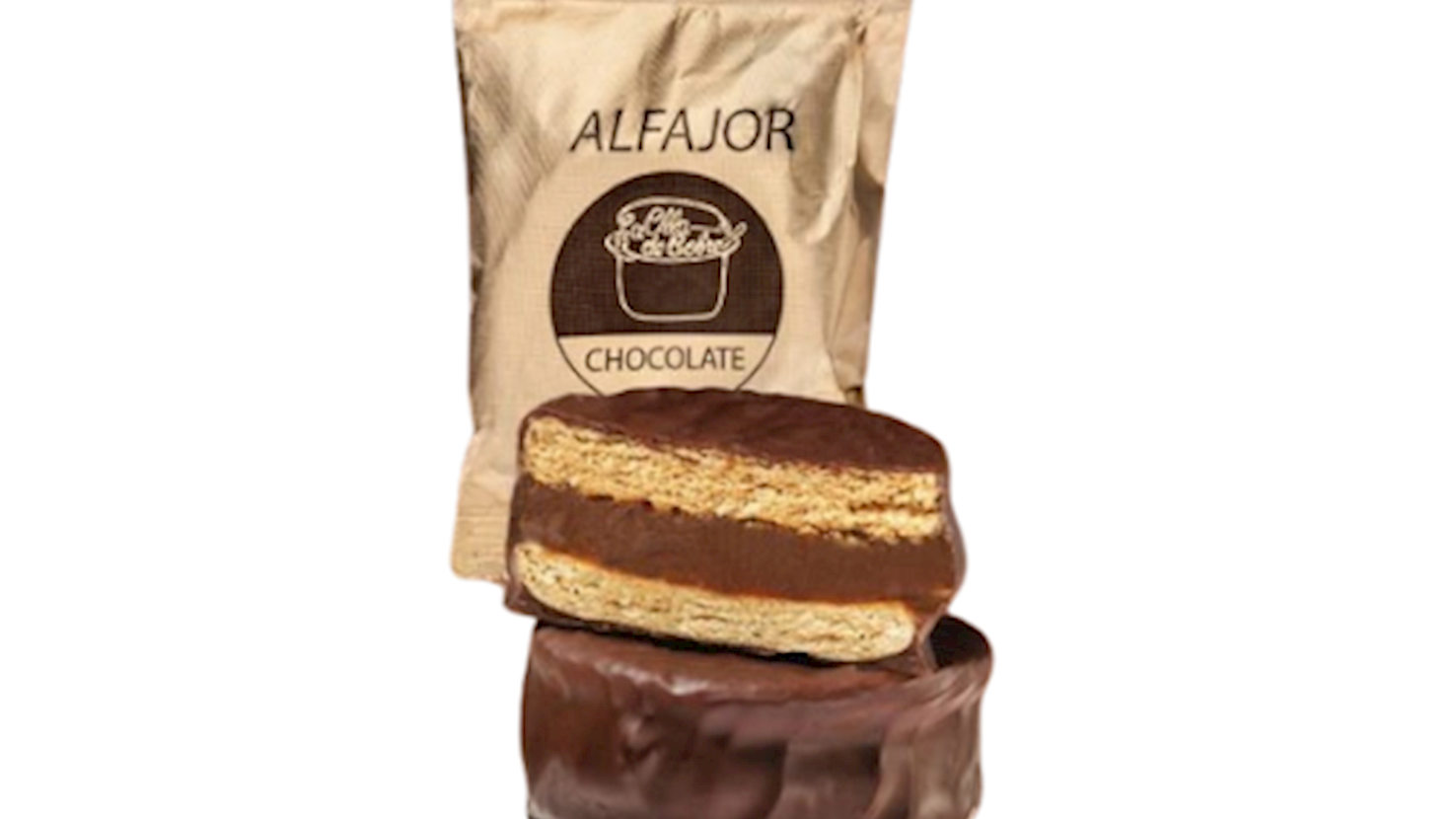
La Olla de Cobre is a family-owned chocolate shop and alfajor factory located in San Antonio de Areco, Argentina. It was founded in the late 1970s by Carlos and Teresa Gabba, who aimed to offer tourists an authentic and high-quality souvenir from their hometown. Their commitment to quality and handcrafted production quickly made La Olla de Cobre a well-known name in the region. Before starting the factory, Carlos Gabba spent 16 years distributing sweets in nearby towns, which connected him with the chocolate and alfajor industry. Noticing the growth of tourism in San Antonio de Areco, Carlos and Teresa decided to create a product that visitors could take home as a souvenir. This led to the idea of producing alfajores, a traditional Argentine pastry. Their goal was to make the best possible alfajor, regardless of cost, by focusing on premium ingredients and artisanal craftsmanship. La Olla de Cobre offers a wide variety of handmade chocolates and alfajores. The alfajores are known for their rich dulce de leche filling and coating of high-quality chocolate. Everything is made by hand, using traditional methods and carefully selected ingredients.
09
Dessert

Alfajores Orense

4.8 ·
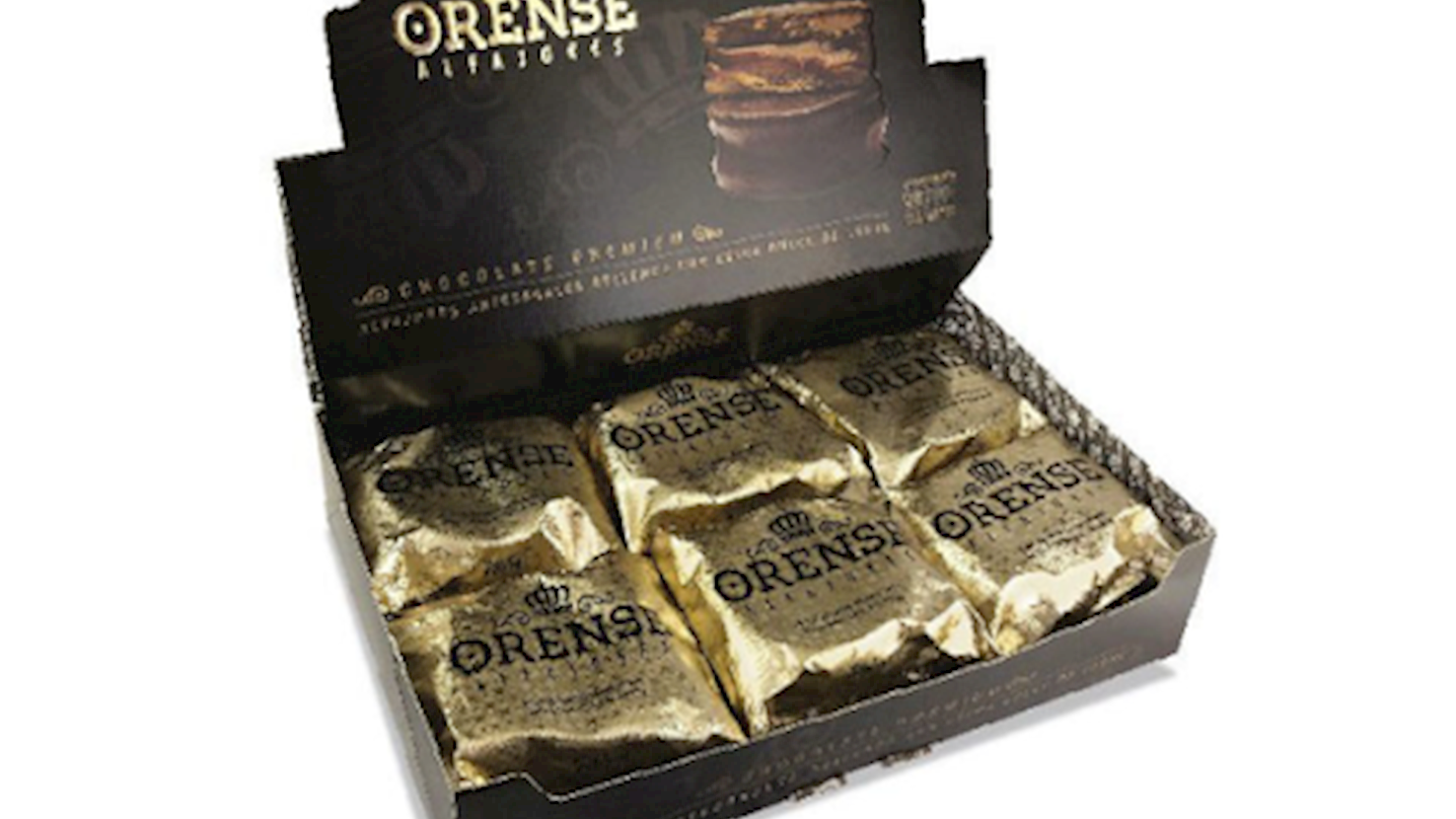
Alfajores Orense is a family-owned confectionery based in Bernal, Argentina, founded in 2013. The brand’s name is a tribute to the Spanish city of Orense, the birthplace of the founder’s grandfather. Since then, Orense has become a recognized producer of premium alfajores in Argentina, known for their quality and traditional craftsmanship. Orense offers a wide variety of sweets, including alfajores in different versions - coated in dark or white chocolate and filled with a generous layer of dulce de leche - as well as mini alfajores. What sets Alfajores Orense apart is the handmade production process, use of high-quality ingredients, and attention to detail.
Awards
Campeonato Argentino del Alfajor - ORO (2024)
10
Cooked Sausage

Chorify

4.8 ·
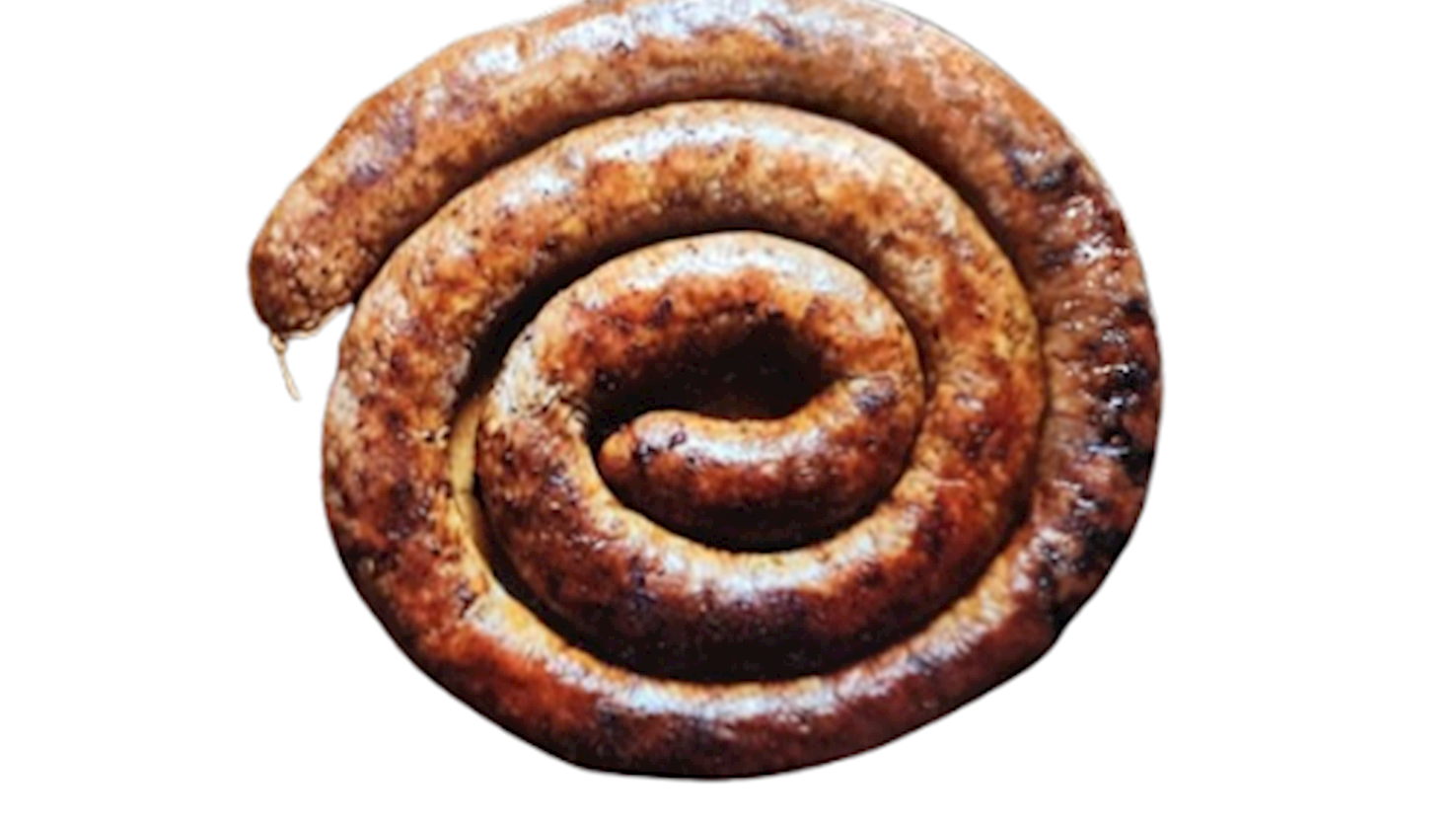
Chorify is an Argentinian producer specializing in barbecue products, with a particular focus on chorizo, morcilla, and provolone. Their rich selection includes a wide variety of chorizos – from classic, traditional recipes to innovative stuffed versions filled with cheeses like provolone, cheddar, and mozzarella, as well as more unique combinations featuring fig, walnut, and pancetta. What sets Chorify apart is their carefully selected high-quality ingredients and artisan-style production, which guarantees authentic flavor and a distinctive character in every product. In addition to chorizo, they offer a range of morcillas – from traditional to those enriched with dried fruits, vegetables, or cheese – as well as provolone, perfect for melting on the grill and enjoying as part of any asado.

Best Buenos Aires Province foods
01
Cake

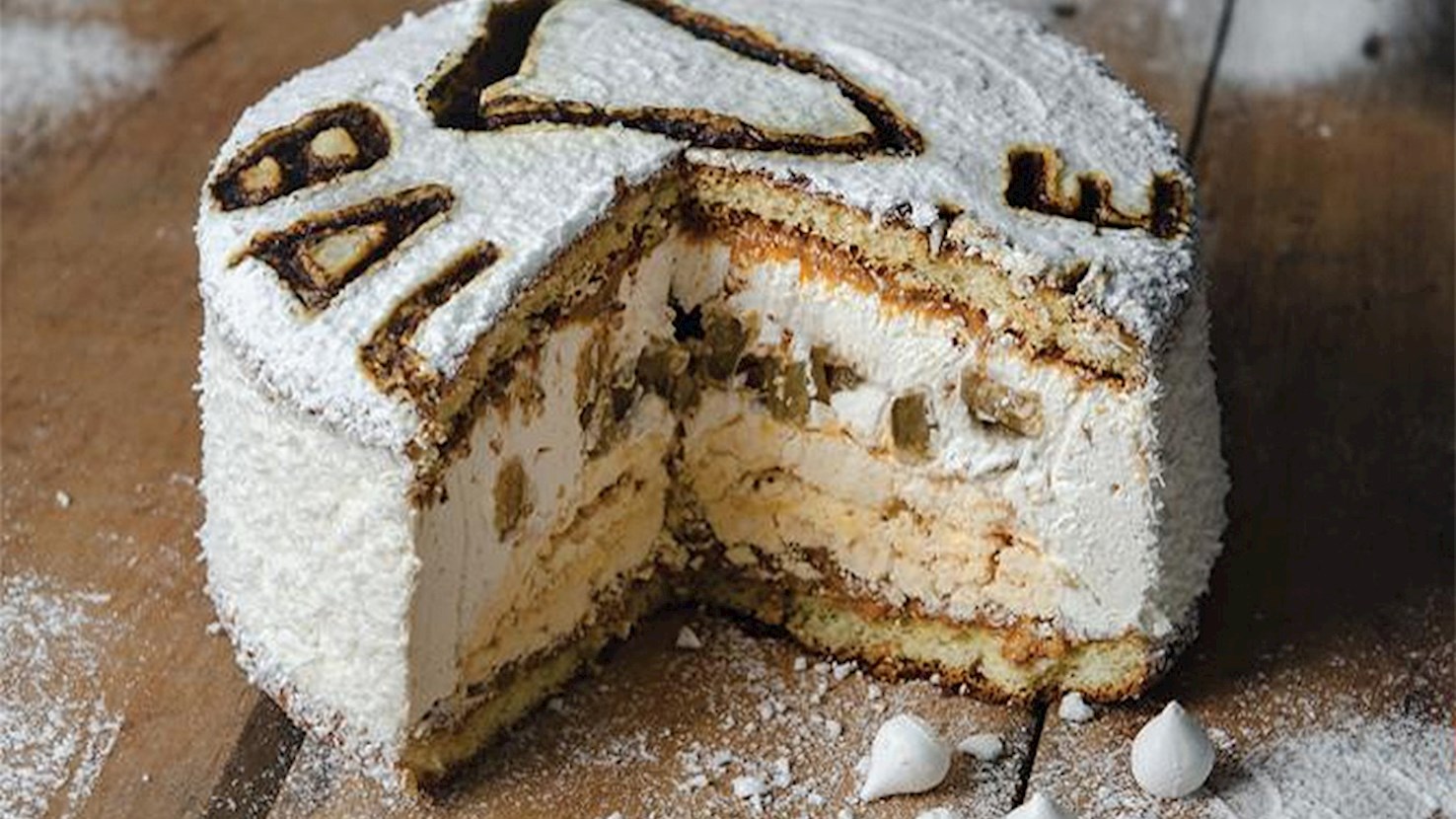
Postre Balcarce

3.6 ·

This Argentinian dessert is a luscious combination of sponge cake, whipped cream, almond paste, dulce de leche, meringue, walnuts, and candied chestnuts, while the top is dusted with powdered sugar and coconut. Created in 1958, the cake was invented by a pastry chef at a small pastry shop in Balcarce. The owner Guillermo Talou eventually opened Comoantes – another pastry shop which still operates and sells this traditional cake following the original recipe. Interestingly, Talou sold the recipe to a pastry shop from Mar del Plata, where they gave the cake its current name.

02
Cookie

Alfajores de maicena

3.4 ·

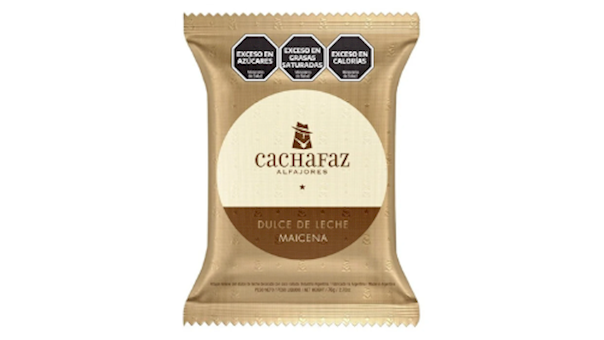
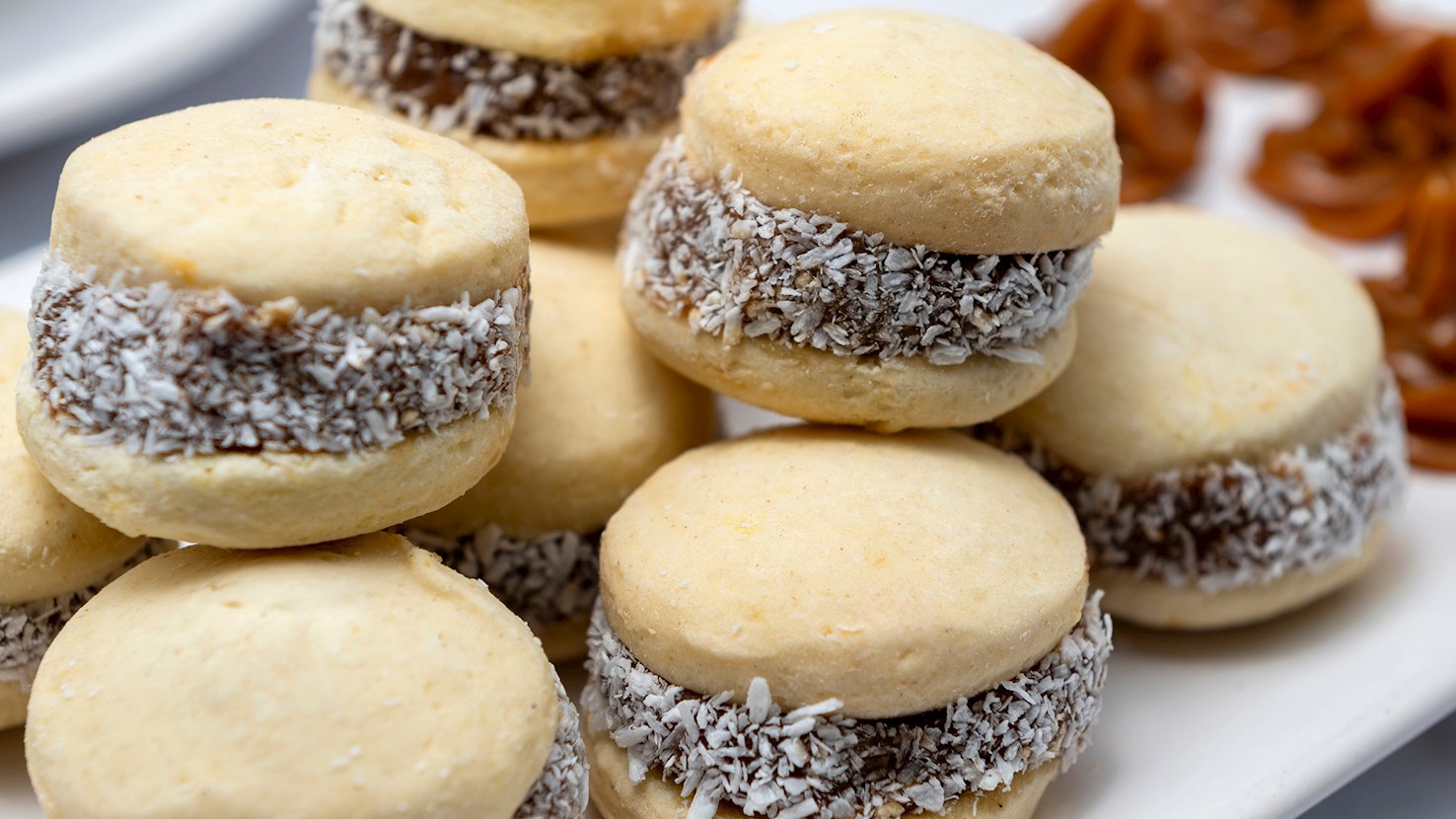
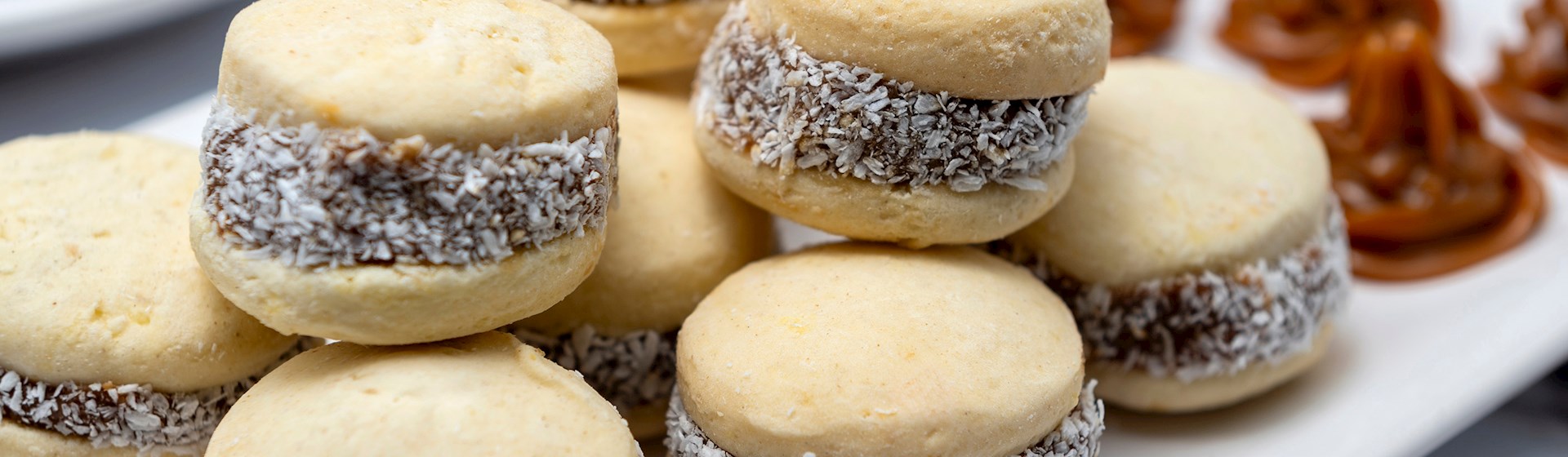
Alfajores de maicena are cookies composed of two delicate cookies made largely of cornstarch (maicena) joined by dulce de leche, with the joint often rolled in shredded coconut. As the idea of the alfajor evolved in the southern cone, bakers experimented with lighter doughs and fillings, and the corn starch version became one of the most popular because of its gentle texture and broad appeal. Buenos Aires province is considered the birthplace of this type of alfajores, but it's enjoyed all around Argentina. In preparing these alfajores, the dough is made by combining butter, sugar, eggs, baking powder, baking soda, and a large proportion of cornstarch (often mixed with a smaller amount of wheat flour), and is usually seasoned with cognac, lemon zest, and vanilla; it is then chilled, rolled thin, and cut into rounds. The rounds are baked at moderate temperatures until just set, remaining pale and tender rather than deeply browned. After cooling, dulce de leche is spread or piped between pairs of cookies, then the exposed edges are often coated in finely shredded coconut, which adheres to the dulce de leche and provides a subtle contrast in texture. The result is a sweet that dissolves gently in the mouth, the mild cookie giving way to creamy caramel, while the coconut adds a faint crunch. What distinguishes these alfajores is precisely this lightness: many varieties focus on more robust fillings or firmer shells, but here the cornstarch content tilts the balance toward delicacy, making them unusually fragile compared with denser cookies. These sweets are most commonly eaten as snacks or desserts, especially during afternoon tea or mate time, and are found in home kitchens, local bakeries, and gift boxes across Argentina. Because of their sweetness and softness, they are often paired with coffee, hot chocolate, mate, or herbal infusions—drinks that gently accompany rather than overshadow the flavor of dulce de leche.

03
Salami

Salame de Tandil

n/a ·

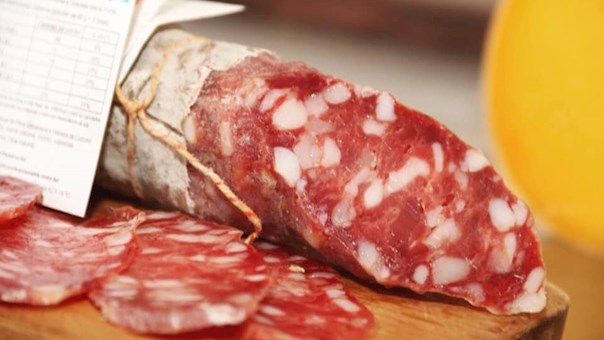
Salame de Tandil is one of Argentina’s most renowned and beloved cured sausages, deeply rooted in the country’s European-inspired charcuterie traditions. Produced in the Tandil region of Buenos Aires Province, this dry-fermented salami is famous for its rich, complex flavor, artisanal craftsmanship, and perfect balance of textures. The origins of salame de Tandil date back to the 19th century, when Italian and Spanish immigrants brought their charcuterie-making skills to Argentina. The region’s mild climate and low humidity, combined with its abundant livestock industry, made it an ideal location for producing high-quality cured meats. Over time, local producers refined the process, creating a uniquely Argentine salami while maintaining Old World techniques of dry-curing and natural fermentation. What sets salame de Tandil apart is its carefully selected ingredients and artisanal production process. The salami is made from a precise blend of pork and beef, seasoned with garlic, black pepper, nutmeg, and other spices, then stuffed into natural casings. The sausages are then hung to slowly cure in controlled conditions, allowing them to develop their signature texture and deep, slightly tangy flavor. Unlike mass-produced salamis, salame de Tandil undergoes a long, natural fermentation process, which enhances its umami depth, mild acidity, and complex aroma. The final product has a firm yet tender bite, with an ideal balance of fat and lean meat, making it a true delicacy among Argentina’s charcuterie offerings. Salame de Tandil is traditionally enjoyed thinly sliced, allowing its bold flavors and smooth texture to shine. It is a staple of Argentine picadas—charcuterie platters typically served with cheeses, olives, rustic bread, and red wine. Some of the best pairings include queso Tandilero, a semi-hard cheese from the same region, and Malbec or Syrah wines, which complement the salami’s richness and spice. Fresh or pickled vegetables also provide a contrast of acidity and freshness. It can also be used in sandwiches, tapas, and gourmet recipes, offering a savory, slightly tangy bite that elevates any dish.

About this ranking

TasteAtlas food rankings are based on the ratings of the TasteAtlas audience, with a series of mechanisms that recognize real users and that ignore bot, nationalist or local patriotic ratings, and give additional value to the ratings of users that the system recognizes as knowledgeable. For the “Top 48 Traditional Foods in Buenos Aires Province” list until June 17, 2026, 92 ratings were recorded, of which 53 were recognized by the system as legitimate. TasteAtlas Rankings should not be seen as the final global conclusion about food. Their purpose is to promote excellent local foods, instill pride in traditional dishes, and arouse curiosity about dishes you haven’t tried.

The initial list of top producers was compiled based on available reviews, awards, local recommendations, media and blog coverage, and consumer reviews. The list will be updated with ratings from TasteAtlas local ambassadors and TasteAtlas users.

Similar lists