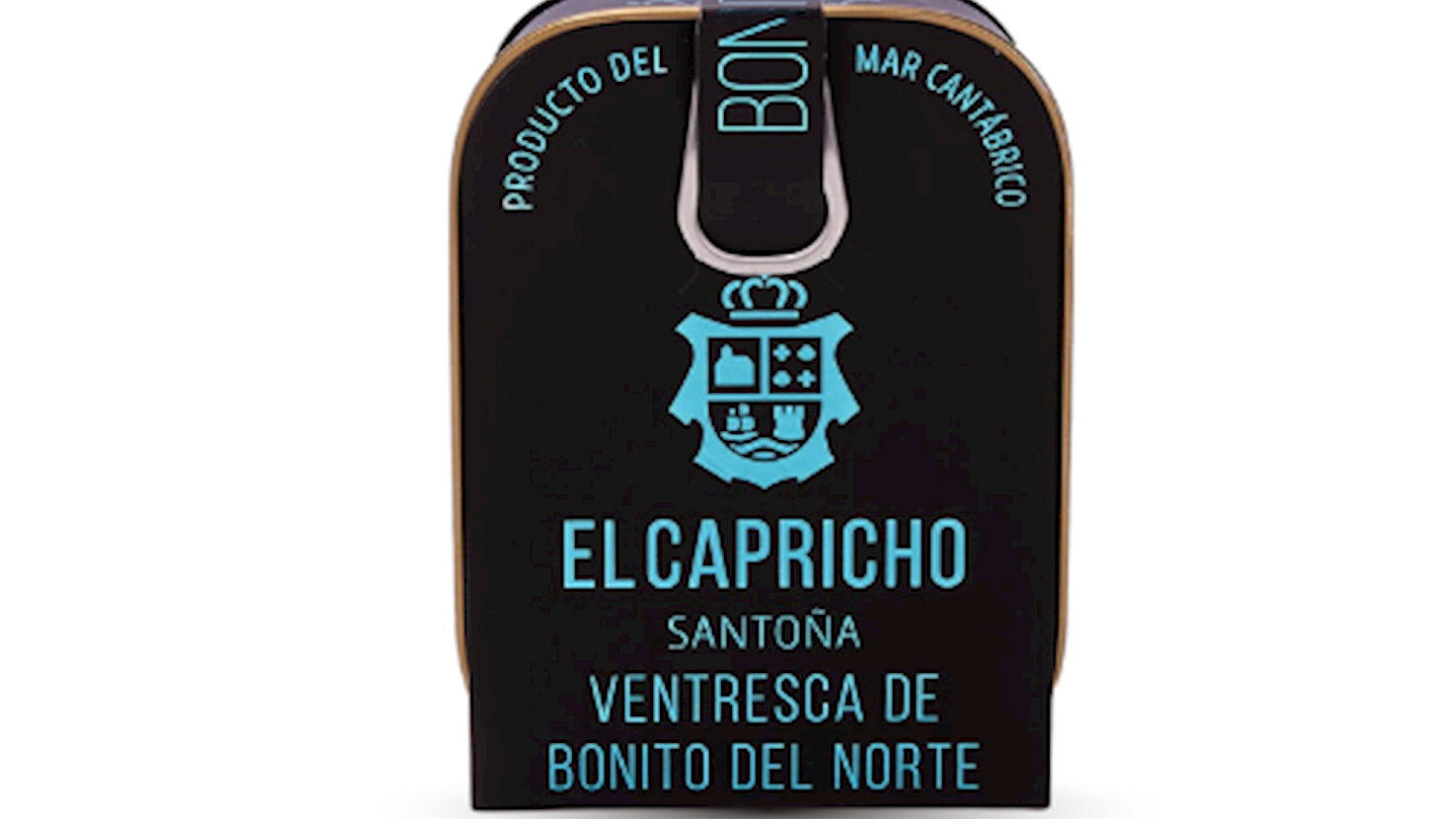
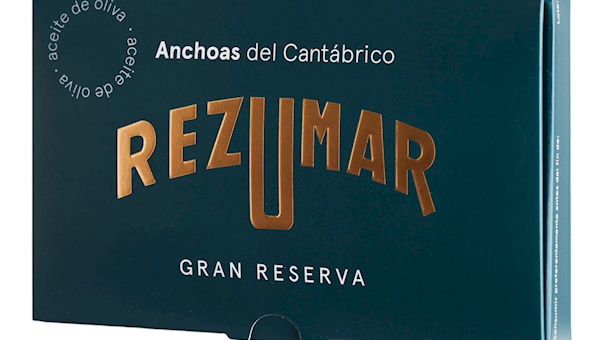
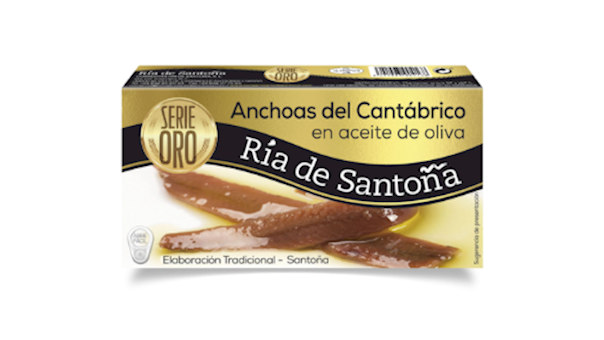
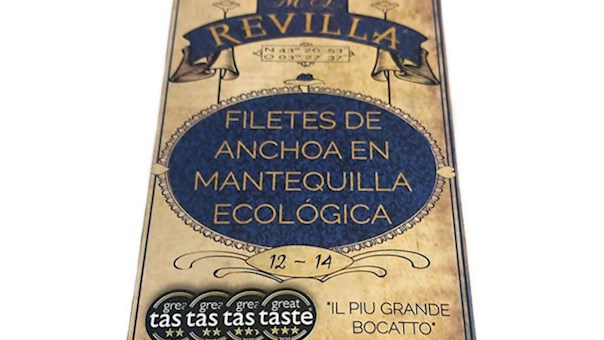
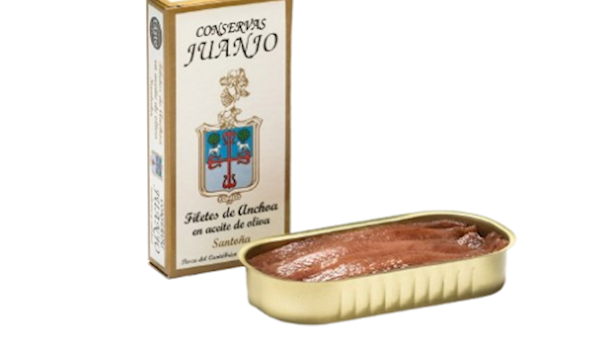
Conservas El Capricho, based in Cantabria, Spain, is renowned for producing some of the world's finest canned anchovies, noted for their premium quality and artisanal processing. This family-owned company is highly selective about its raw ingredients, using only fresh anchovies from the Cantabrian Sea, which are processed by hand to ensure optimal taste and texture.
They emphasize traditional methods, aging the anchovies in sea salt for over a year, which enhances flavor depth. El Capricho’s products are praised for their delicate, melt-in-your-mouth texture and balanced saltiness, making them a gourmet favorite.
Awards
World's 101 Best Canned Products from the Sea - Top 10 Anchovies
(2024)
World's 101 Best Canned Products from the Sea - Top 10 Tuna
(2024)
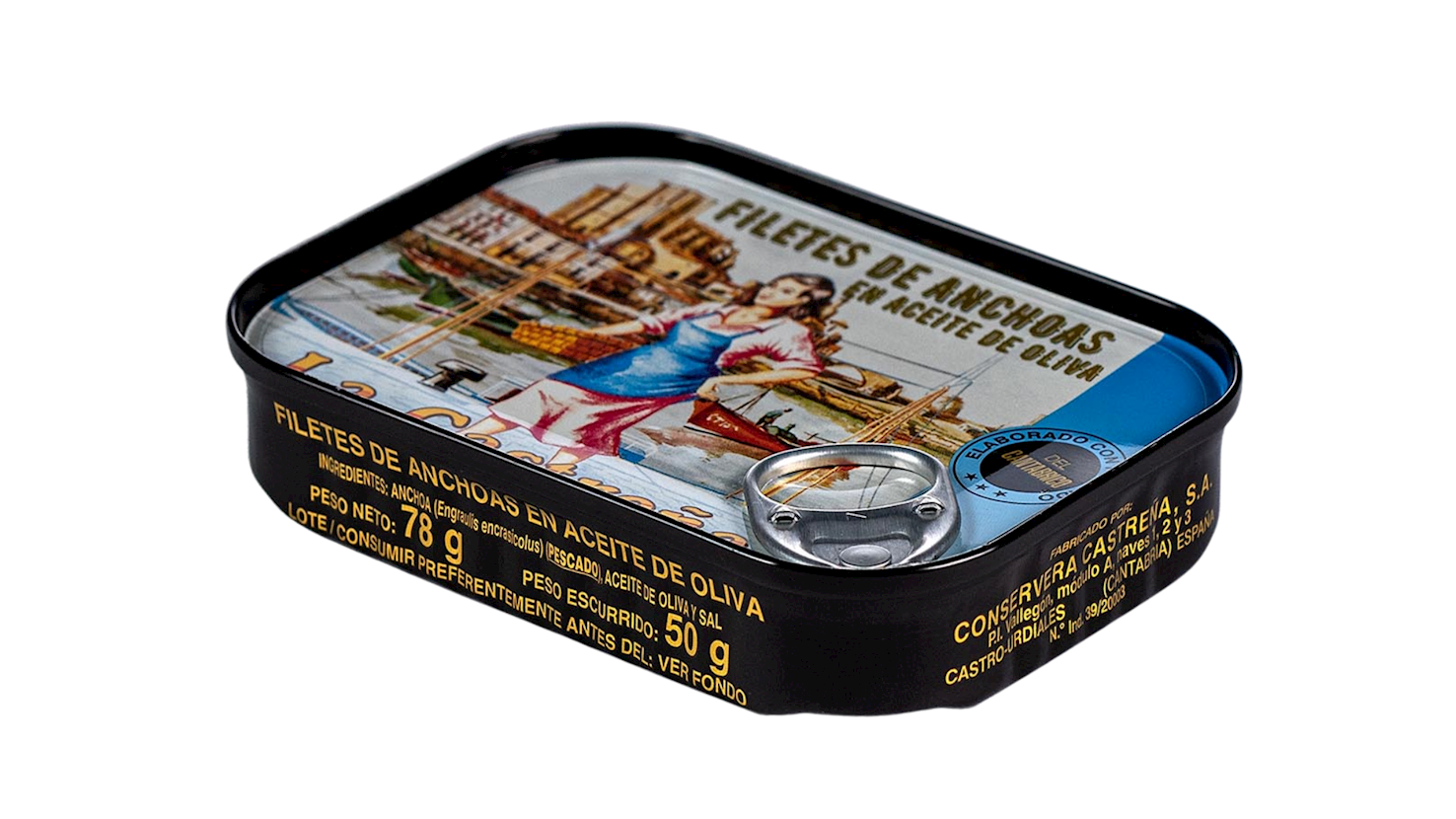
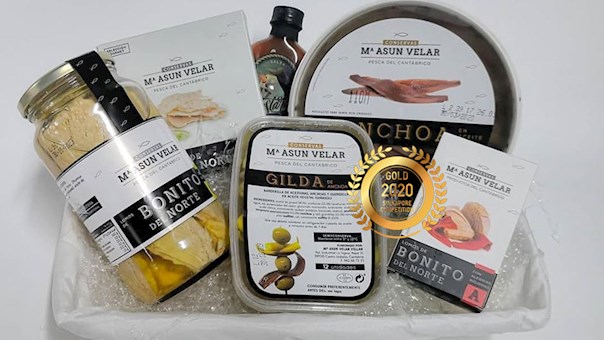
La Castreña is a Spanish family-owned brand specializing in premium canned seafood and traditional salted fish products from the Cantabrian Sea. The brand operates under Conservera Castreña, a company founded in 1986 in the autonomous region of Cantabria in northern Spain. Since its establishment, the company has remained committed to traditional fish processing methods, with all production carried out in its own facilities under strict quality control. Particular emphasis is placed on using fresh seafood sourced from sustainable fisheries, without artificial additives and with only natural ingredients. Its best-known products include Cantabrian anchovy fillets in olive oil, as well as Bonito del Norte, sardines, and other canned seafood specialties typical of Spain's northern coast. The anchovies undergo a traditional salting and maturation process lasting at least six months before being hand-filleted and packed in olive oil, resulting in their distinctive intense flavor and firm texture. The company's philosophy is based on preserving artisanal production, using high-quality local ingredients, and showcasing the authentic flavors of the Cantabrian Sea.
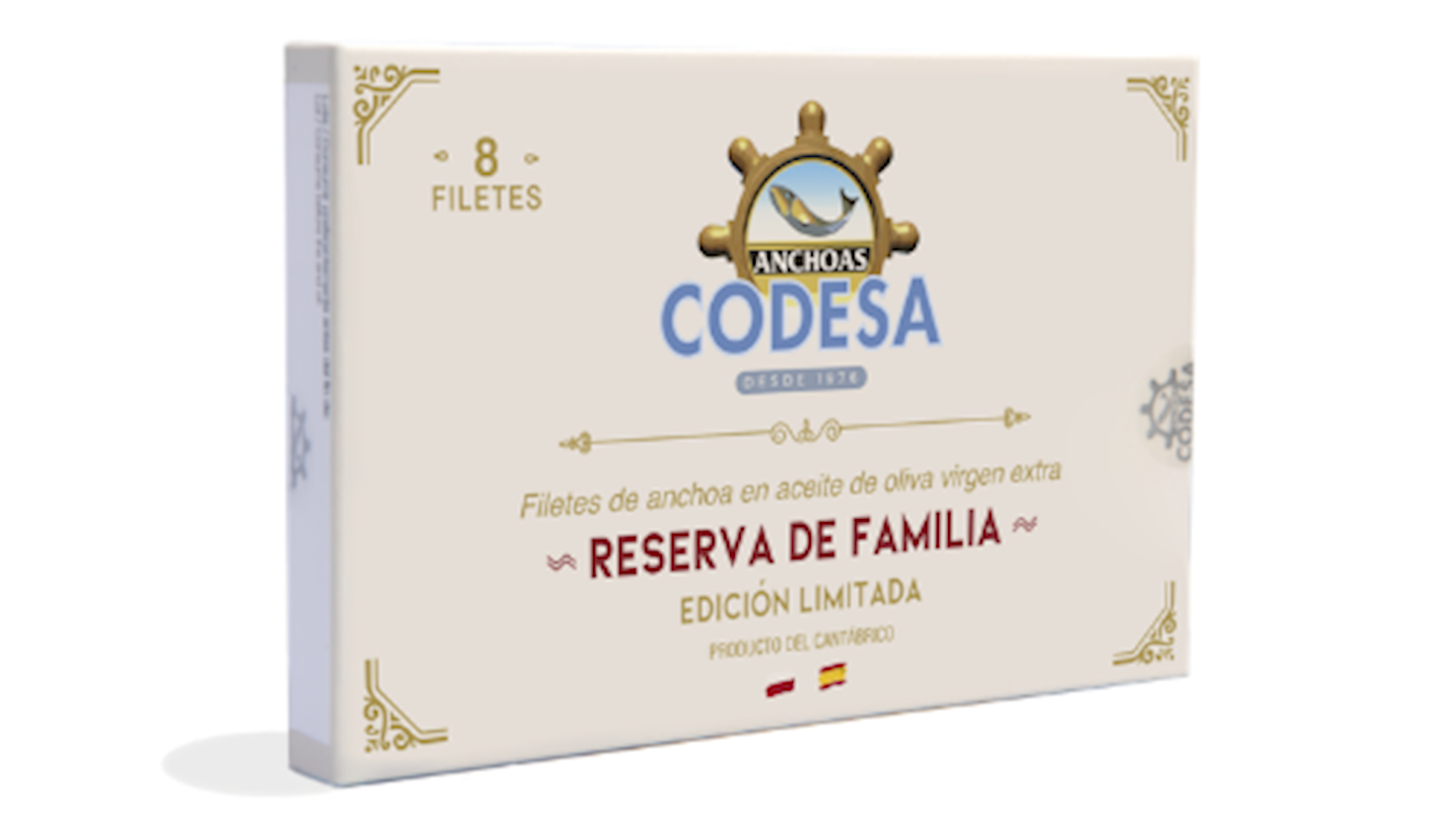
Codesa is a Spanish family-owned producer of premium preserved seafood based in Laredo, Cantabria, a region renowned for its long tradition of anchovy processing. Founded in 1976, the company specializes in Cantabrian anchovies and has built its reputation on meticulous craftsmanship and strict quality standards.
Codesa works primarily with Engraulis encrasicolus, the European anchovy, sourced from the Cantabrian Sea during the spring fishing season when the fish is considered to be at its finest. After harvesting, the anchovies undergo a traditional curing process in salt that can last for many months before being carefully hand-filleted and packed.
The company remains committed to artisanal production methods, with much of the processing still carried out manually to ensure consistency and preserve the texture of the fish. In addition to anchovies, Codesa produces a selection of gourmet seafood specialties, including gildas and other preserved delicacies.
Its products are known for their balanced salinity, clean flavor, and tender texture, qualities that have made the brand popular among chefs, specialty retailers, and gourmet food enthusiasts. By combining traditional Cantabrian techniques with careful sourcing and quality control, Codesa has established itself as one of Spain’s most respected producers of premium preserved seafood.
Awards
World's 101 Best Canned Products from the Sea - Top 10 Anchovies
(2024)
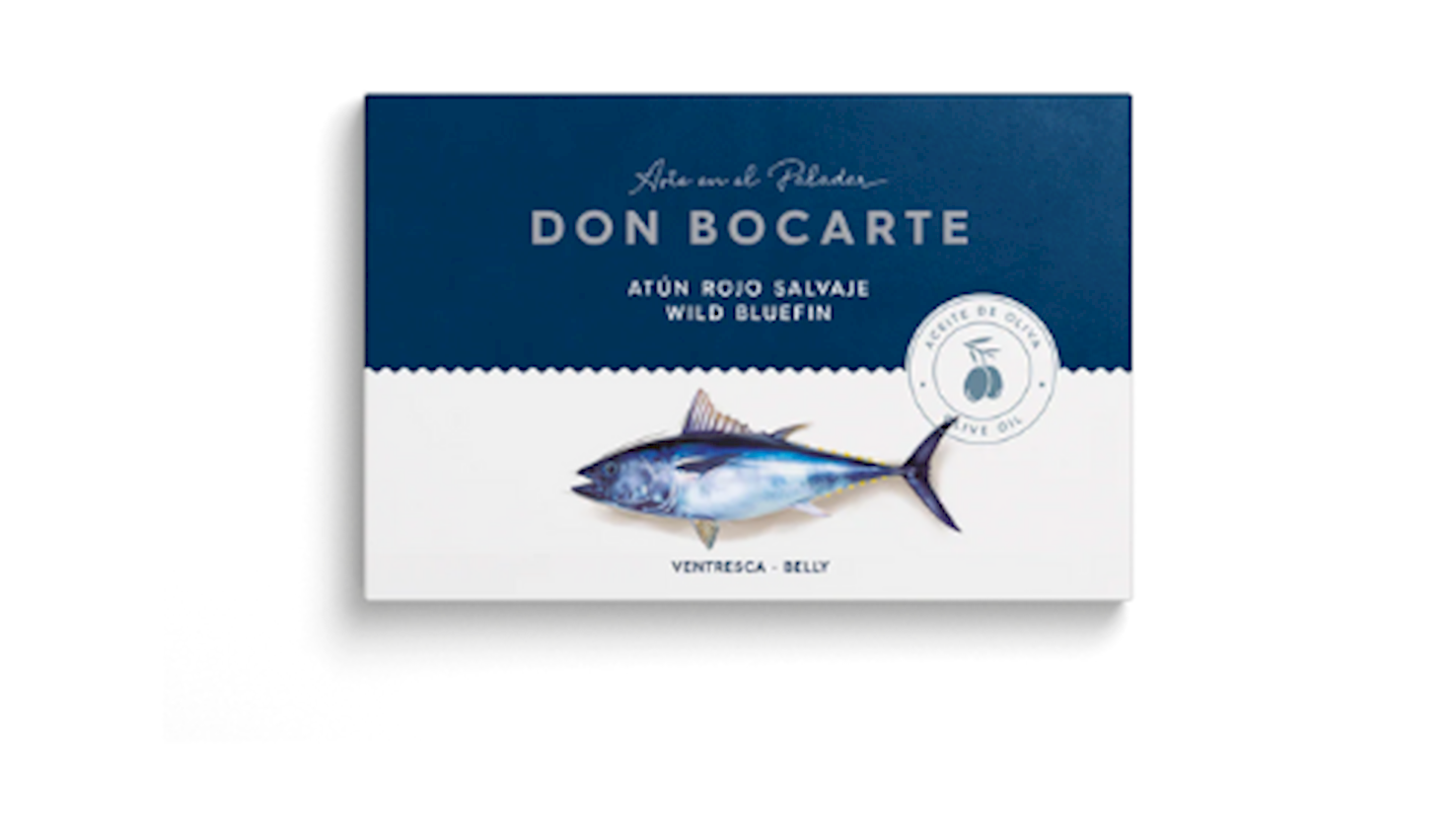
Don Bocarte is a producer from Santoña, a coastal town in Cantabria considered one of the reference points for the highest-quality anchovies from the Cantabrian Sea. The company was founded in 1997 with a clear focus on the premium segment of preserved seafood, particularly on anchovy fillets prepared using the traditional method of long salting and meticulous hand-cleaning.
Raw fish is sourced exclusively from the spring catch, when anchovies have the optimal balance of fat and firmness, which directly influences the texture and flavor intensity of the final product. In addition to anchovies, the brand produces bluefin tuna, octopus, and various shellfish, as well as ready-to-serve products.
Their production process combines local tradition with modern quality-control standards, without accelerating maturation or using industrial shortcuts. What sets the brand apart is its continuous development of new formats while maintaining strong roots in artisanal methods.
Don Bocarte has positioned itself as an example of how a seafood product can retain purity and simplicity of ingredients while achieving high gastronomic value. The result is a range of products that reflect the terroir of the Cantabrian Sea and highlight the precision of hand craftsmanship as the brand’s core value.
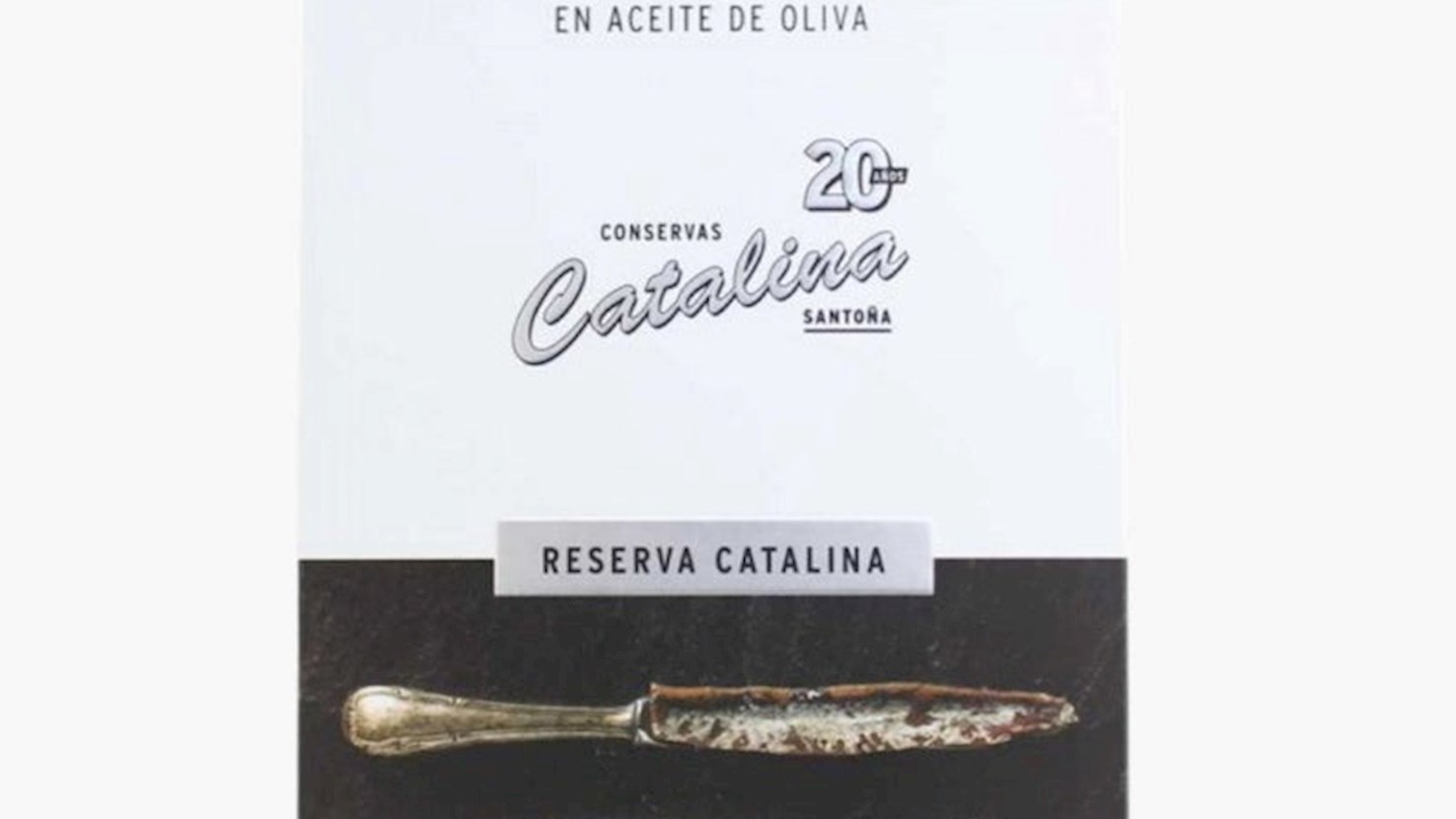
Conservas Catalina is a Spanish family-owned producer of premium canned seafood and semi-preserved fish products based in Santoña, Cantabria. Founded in 1999, the company specializes in handcrafted Cantabrian anchovies, which have become its flagship product. Production follows traditional methods of salting, maturation, and hand-filleting, using carefully selected anchovies caught during the spring fishing season in the Cantabrian Sea. In addition to anchovies preserved in olive oil, the company's portfolio includes smoked anchovies, anchovies in butter, Bonito del Norte, and other seafood specialties typical of northern Spain. Conservas Catalina is recognized for its artisanal approach, small-batch production, and strong emphasis on the quality of raw materials, texture, and balanced flavor. Its exclusive Reserva Catalina range, produced from carefully selected anchovies aged for an extended period, represents the company's highest-quality offering for the gourmet market. Today, Conservas Catalina is regarded as one of the leading representatives of modern Cantabrian anchovy production, combining local fishing traditions with meticulous handcraftsmanship and a commitment to exceptional quality.
Awards
Great Taste Awards - 3 Stars
(2025, 2024, 2023, 2021)
Great Taste Awards - 2 Stars
(2024, 2023, 2022, 2021)
Quesería Lafuente is a Spanish cheese producer, established in 1919, located in the Cantabria region. The company specializes in producing a variety of cheeses, including the famous Queso Fresco Burgos.
Quesería Lafuente is known for using traditional methods combined with modern technology to ensure high-quality cheese production.
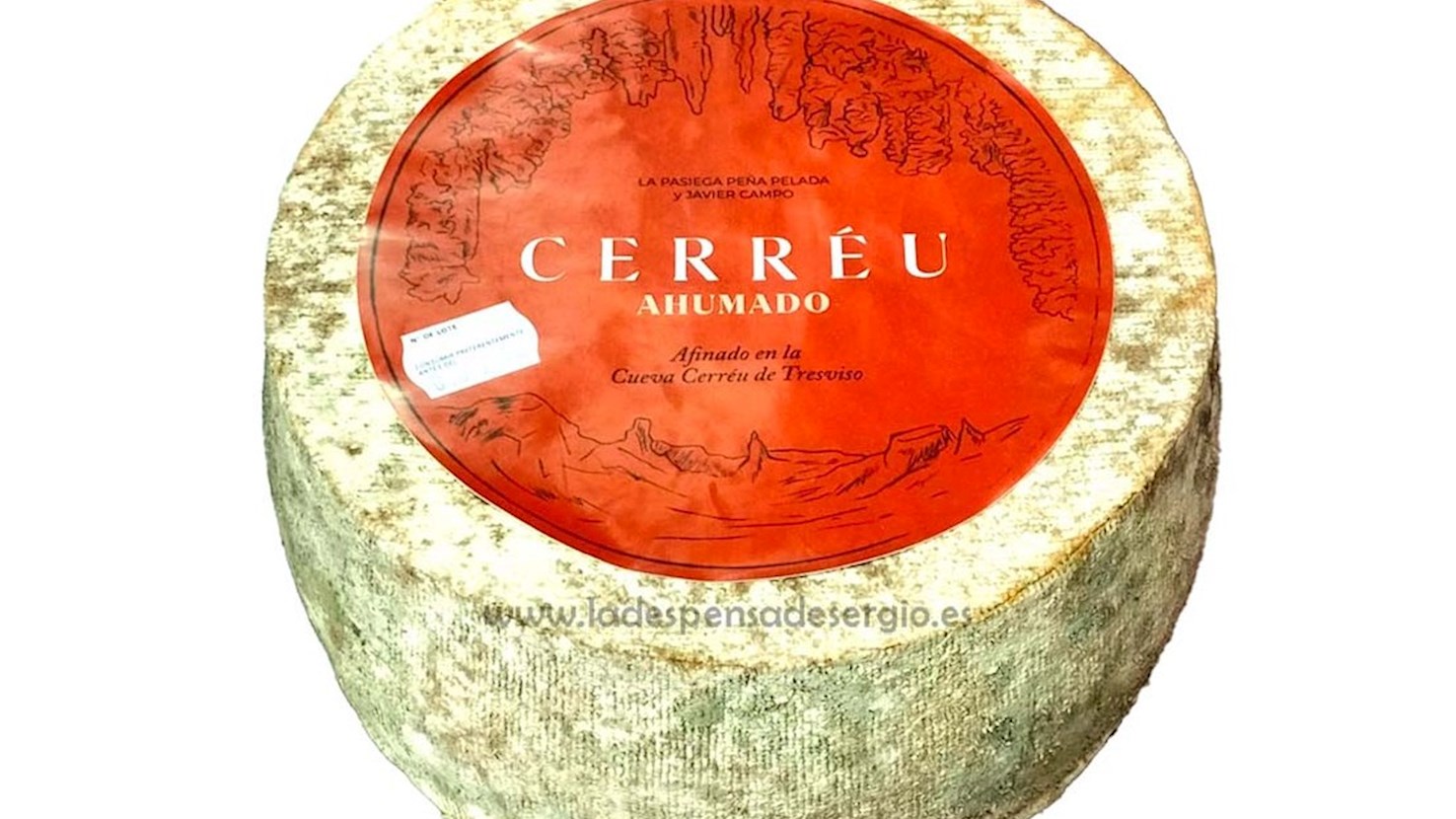
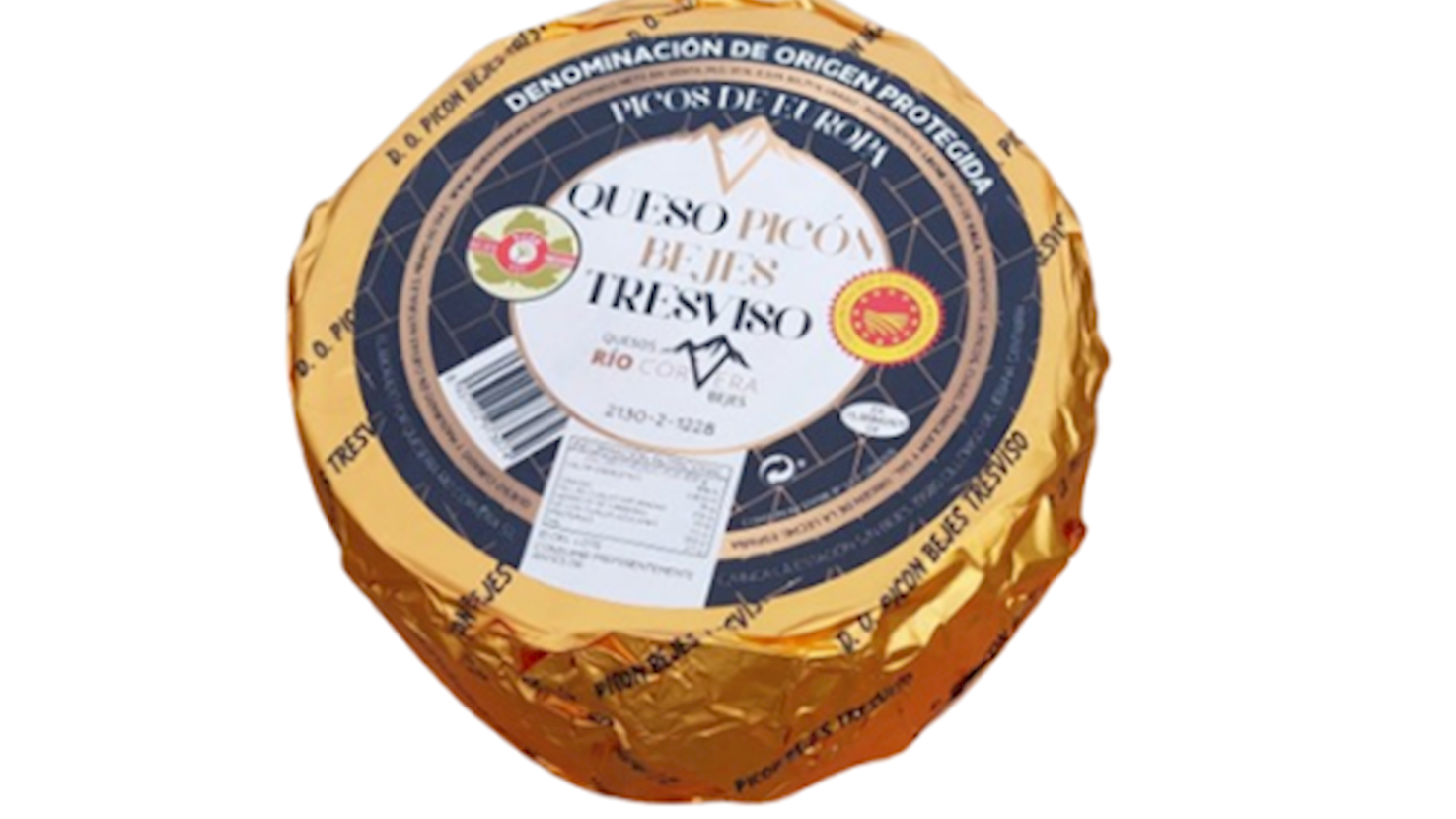
Javier Campo Queso de Tresviso is a cheese producer located in Tresviso, a village in the Cantabria region of Spain. The company is known for producing traditional blue cheeses, including Queso Picón Bejes-Tresviso, which has a Protected Designation of Origin (PDO) status.
This cheese is made from a mix of cow, goat, and sheep milk and aged in natural limestone caves. Javier Campo continues to adhere to traditional cheesemaking methods, maintaining the rich history of artisanal cheese production in the region.
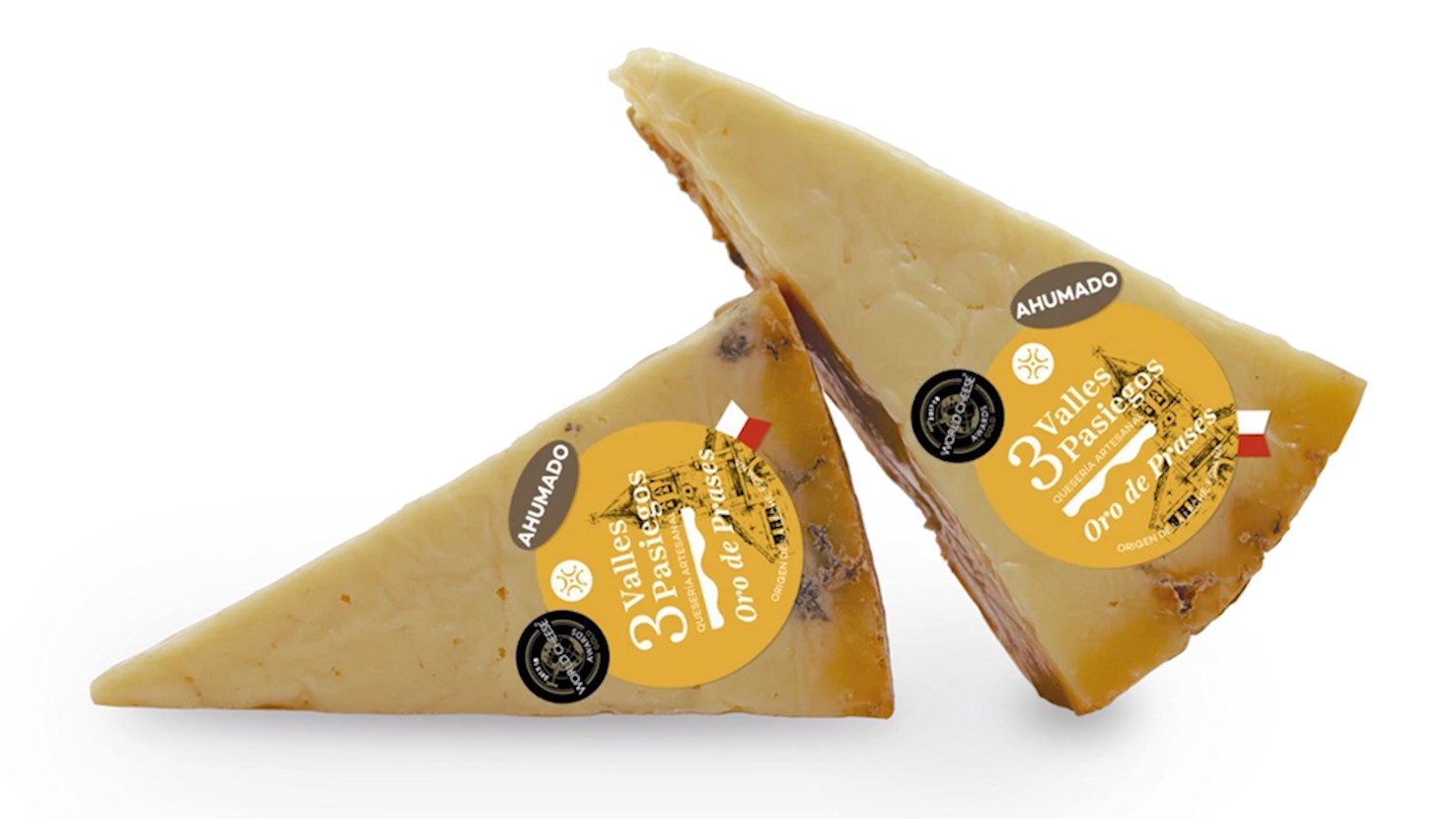
Queseria Artesanal Tres Valles Pasiegos is a small-scale cheese producer located in the Pasiego valleys of Cantabria, Spain. They specialize in artisanal cheeses, using traditional methods and local milk sourced from the region.
Their product range primarily includes varieties of fresh and matured cheeses, reflecting the unique flavors of the Pasiego region.
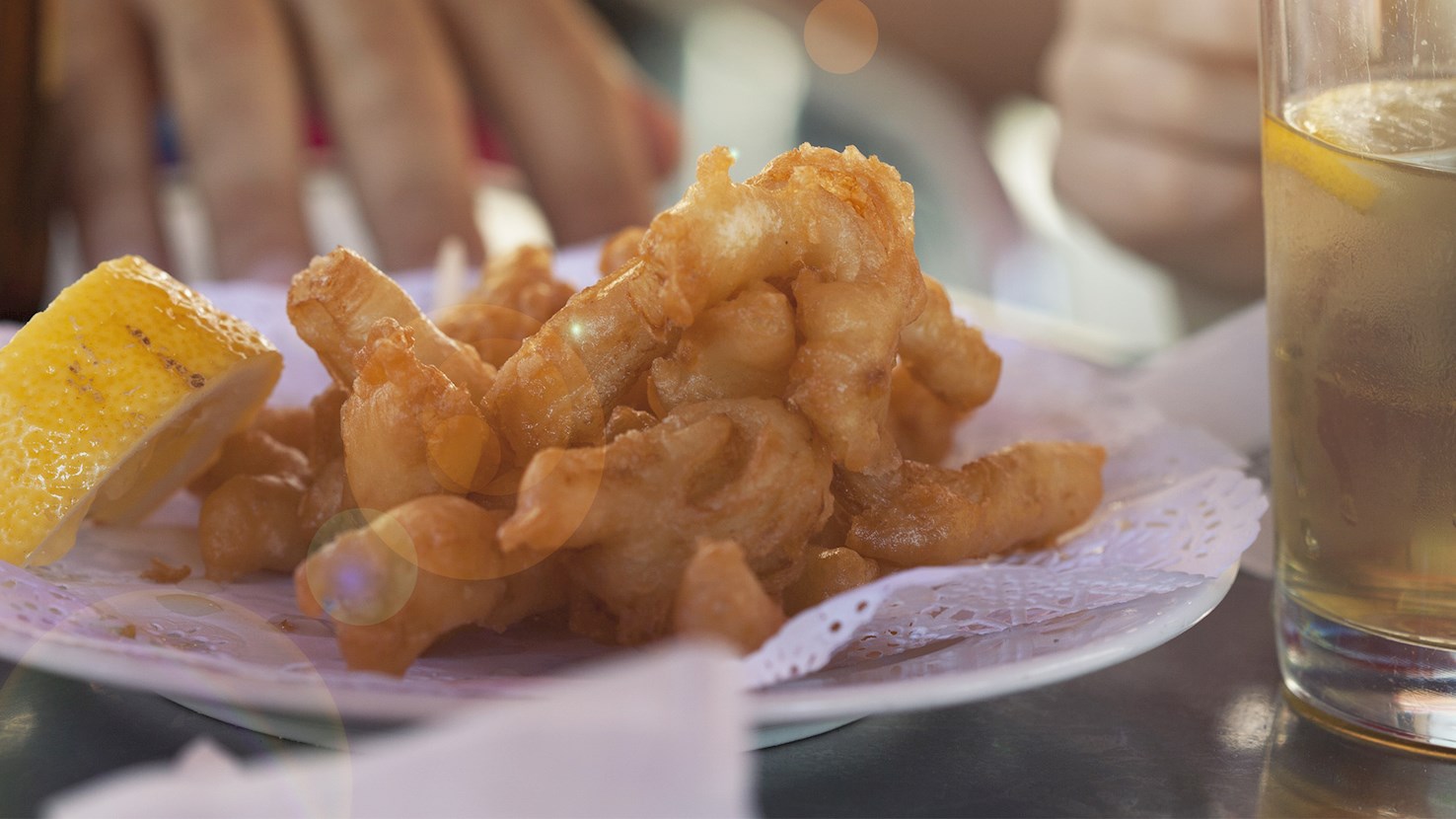
Rabas or fried squid is the quintessential seafood tapa of the Cantabrian coast. Made with sliced squid strips or rings that are lightly battered or breaded before they are fried to crispy perfection, this dish is best savored when lightly seasoned with salt and with an optional drizzle of fresh lemon juice. There are numerous variations on the dish depending on the species of squid, the type of flour, or the oil used in the preparation, as well as the preferred version of cutting the squid (strips, rings, or other shapes). The best rabas are, nevertheless, those made with fresh squid, defined by a firm consistency, thin coating, tender bite, and natural seawater flavor. This Spanish appetizer pairs well with a glass of dry white wine or a cold beer and is available in almost any bar and restaurant throughout the region.
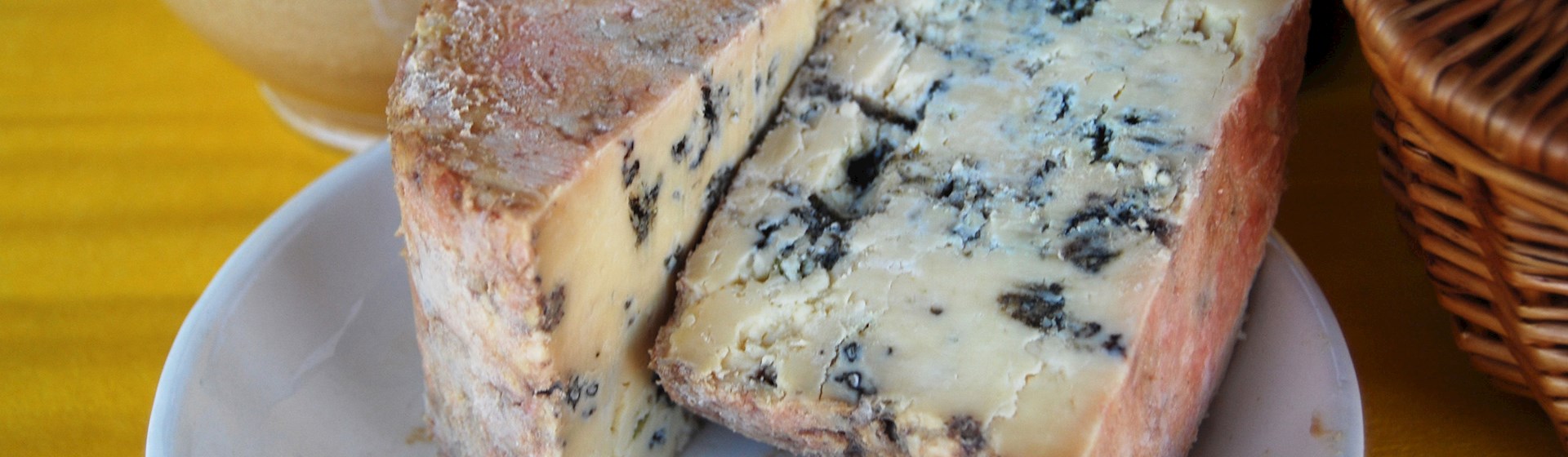
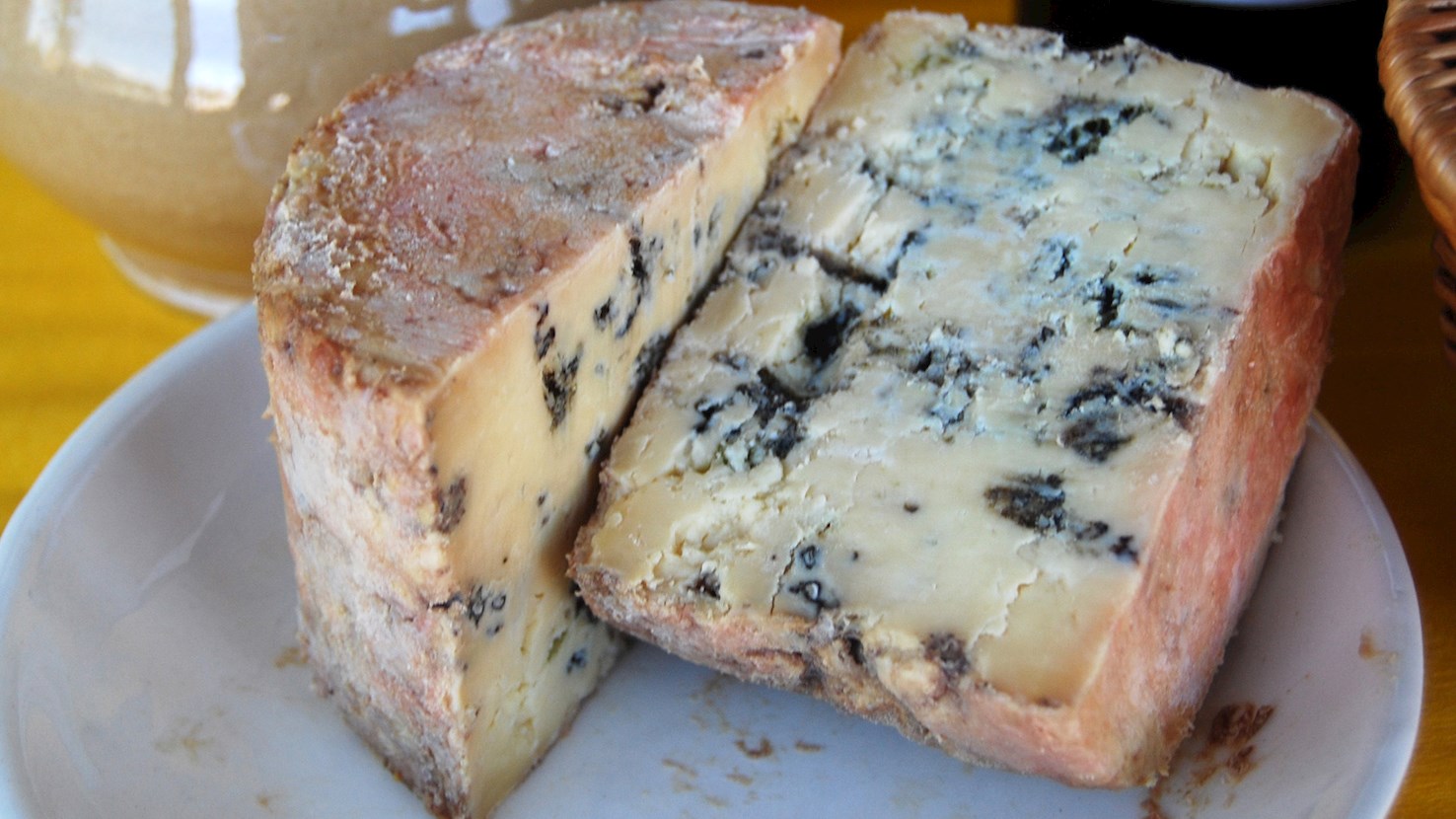
Picón Bejes-Tresviso is a blue cheese made with cow's, sheep's and goat's milk, produced in Cantabria, in the north of Spain. It is made by loosely placing hazelnut-sized curds in the mould, allowing sufficient air to circulate and start the growth of Penicillium mould. The cheese is then salted and dried for 12 and 18 days, at a temperature between 15 and 18 °C (59 and 64 °F). Picón Bejes-Tresviso has a thin, grey to yellow-green rind and is white, smooth and compact on the inside. It has teal-colored veins and a powerful, slightly spicy and tart flavor.
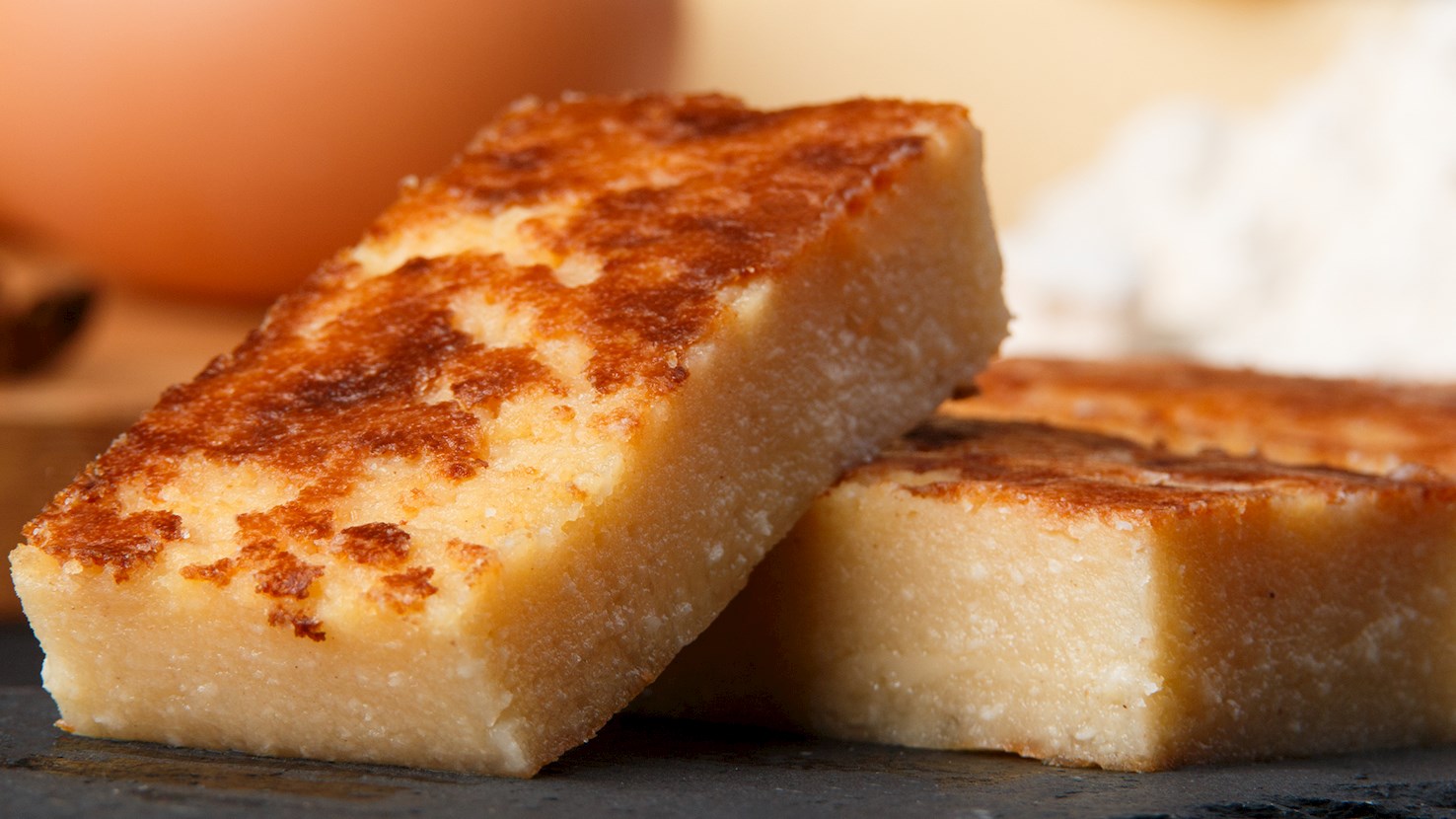
Reminiscent of a cheesecake, quesada pasiega is a traditional Cantabrian creamy cake made with a combination of butter, sugar, milk, flour, eggs, and either ricotta or cheese curds. It is typically flavored with cinnamon and lemon zest. The texture of quesada pasiega is similar to that of a dense pudding. When baked, it can be served hot or cold. It is recommended to top it with fruit jams in order to make it even more delicious.
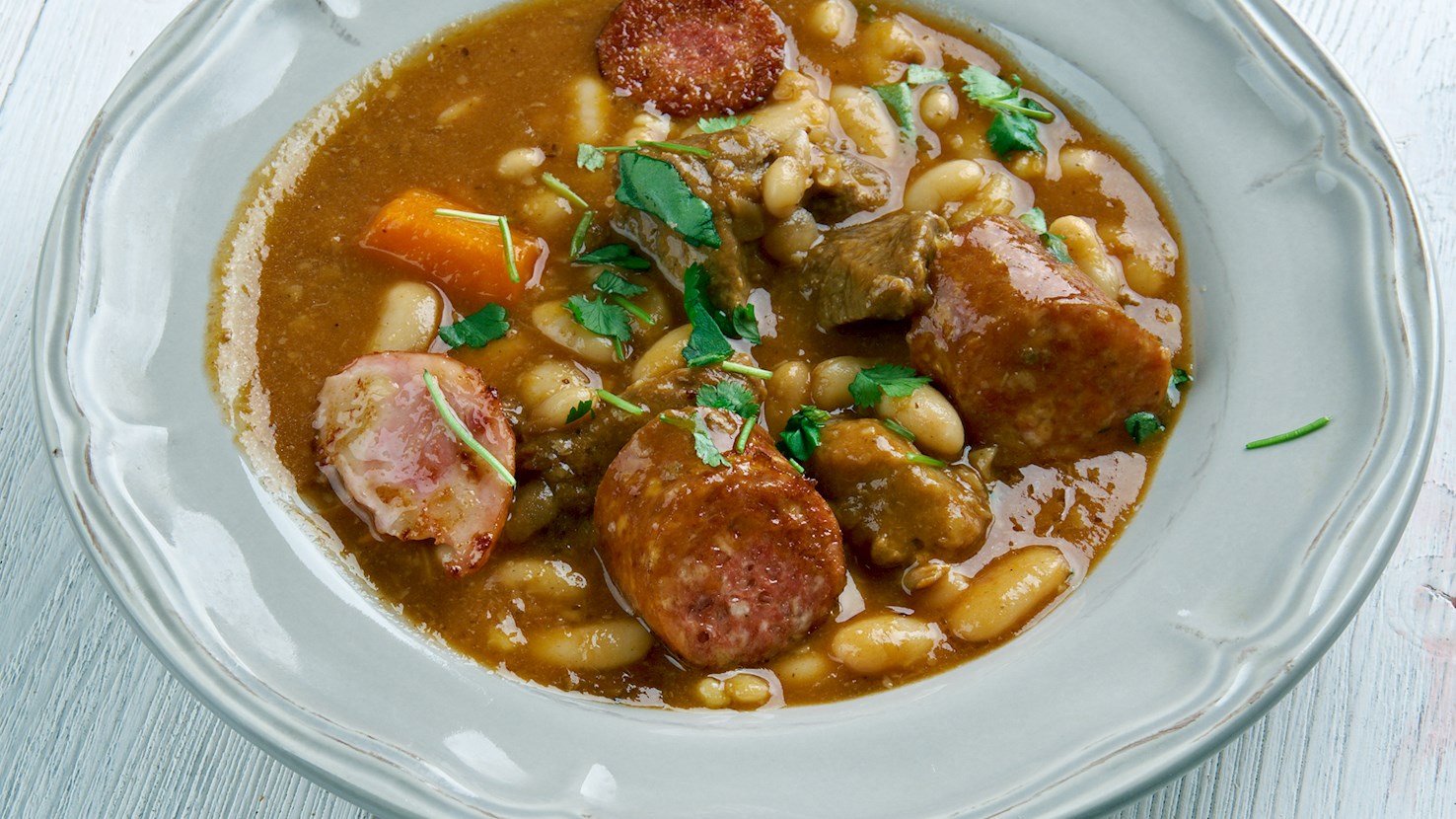
The essential ingredients in this hearty Cantabrian stew include white beans and collard greens (berza), but the dish is commonly enriched with chorizo (pork sausage) and morcilla (blood sausage), pork ribs, and bacon. It is believed that the stew was invented in the 17th century, but it was given its current name in the 1960s. Unlike many other types of Spanish stews where the broth is served separately, cocido montañés is typically enjoyed as a one-course meal.
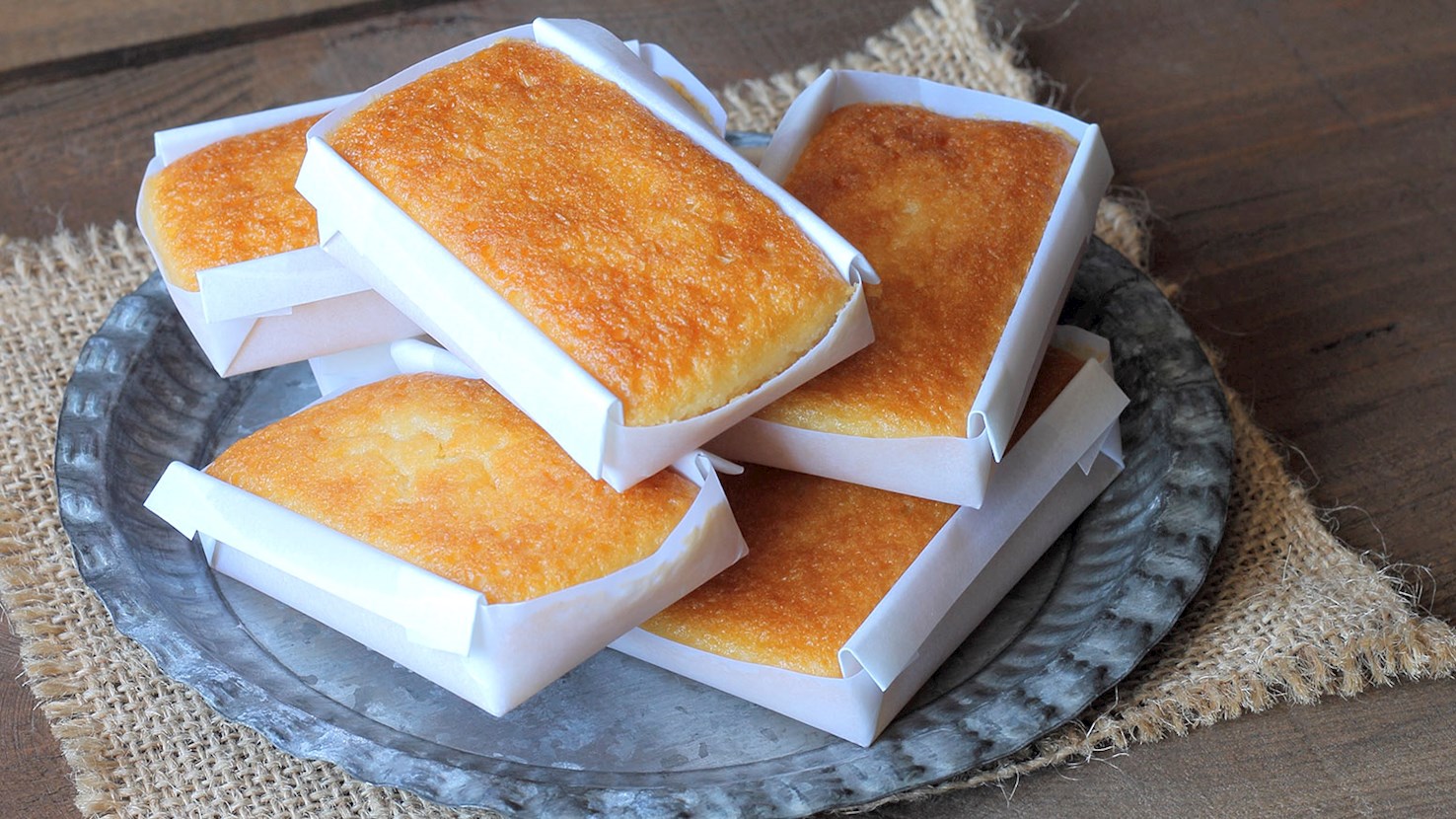
Sobao pasiego, a popular sponge cake from Cantabria, is made from yeasted dough that is typically flavored with lemon zest and either anise liquor or rum. Originally, the cake was made from leftover bread dough, but near the end of the 19th century, it has been modified into its present-day form. The tradition of preparing it and the simplicity of ingredients used in the preparation helped sobao pasiego gain PGI status in 2004.
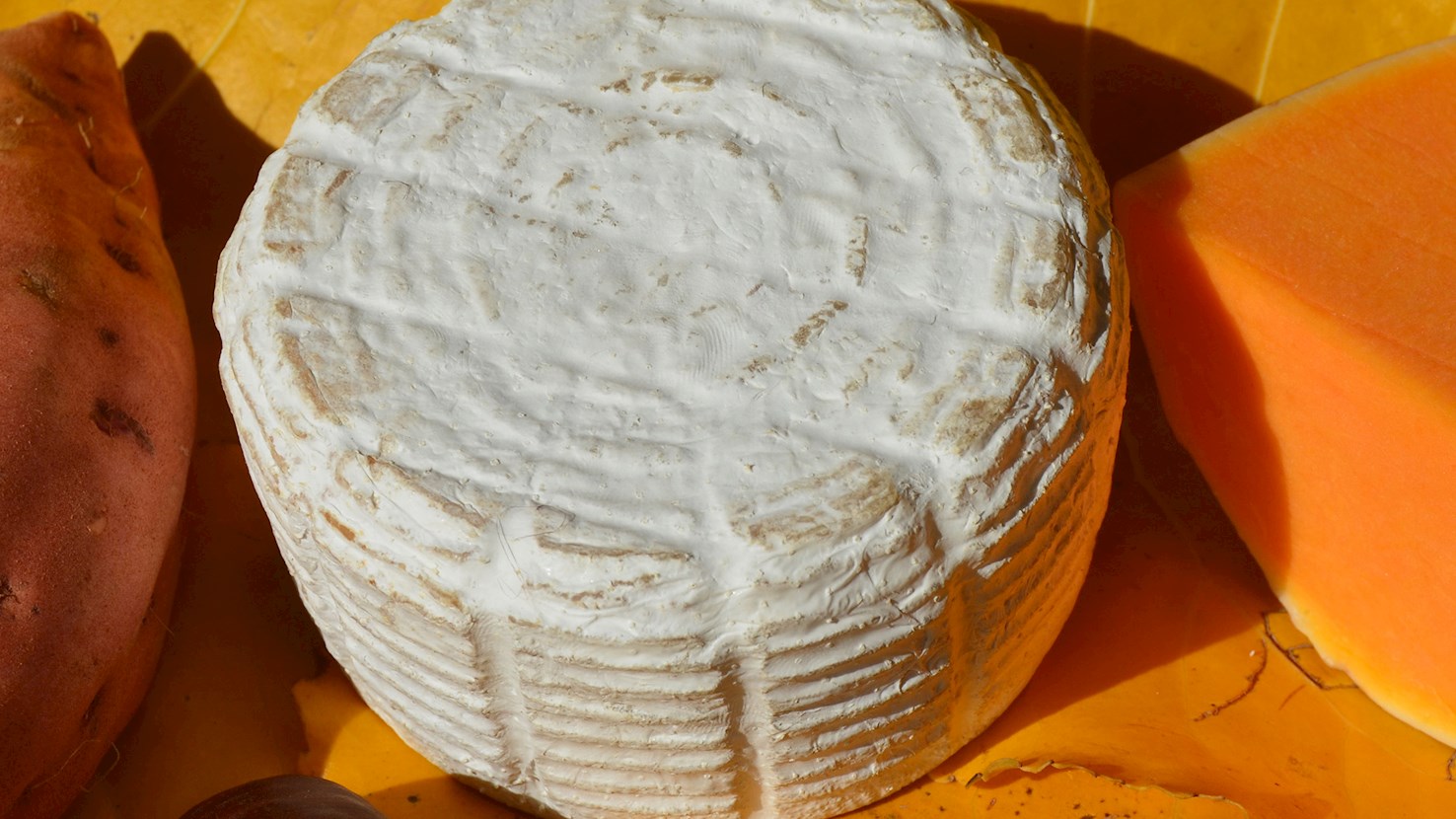
Quesucos de Liebana is a semi-hard cheese made with full-fat milk from Tudanca, Swiss Brown and Friesian cows, sometimes combined with goat or sheep milk. It has been traditionally produced the municipalities in the district of Liébana, in Cantabria. The cheese is packed into self-draining molds, giving the cheese its characteristic wheel shape. It is matured for at least fifteen days, after which it can be smoked using juniper branches to intensify the flavor and give it a deep, smoky aroma. Quesucos de Liebana has a mild, buttery flavor and a characteristic, mellow aroma.
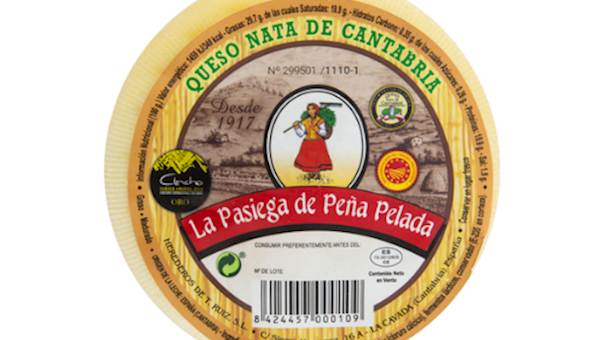
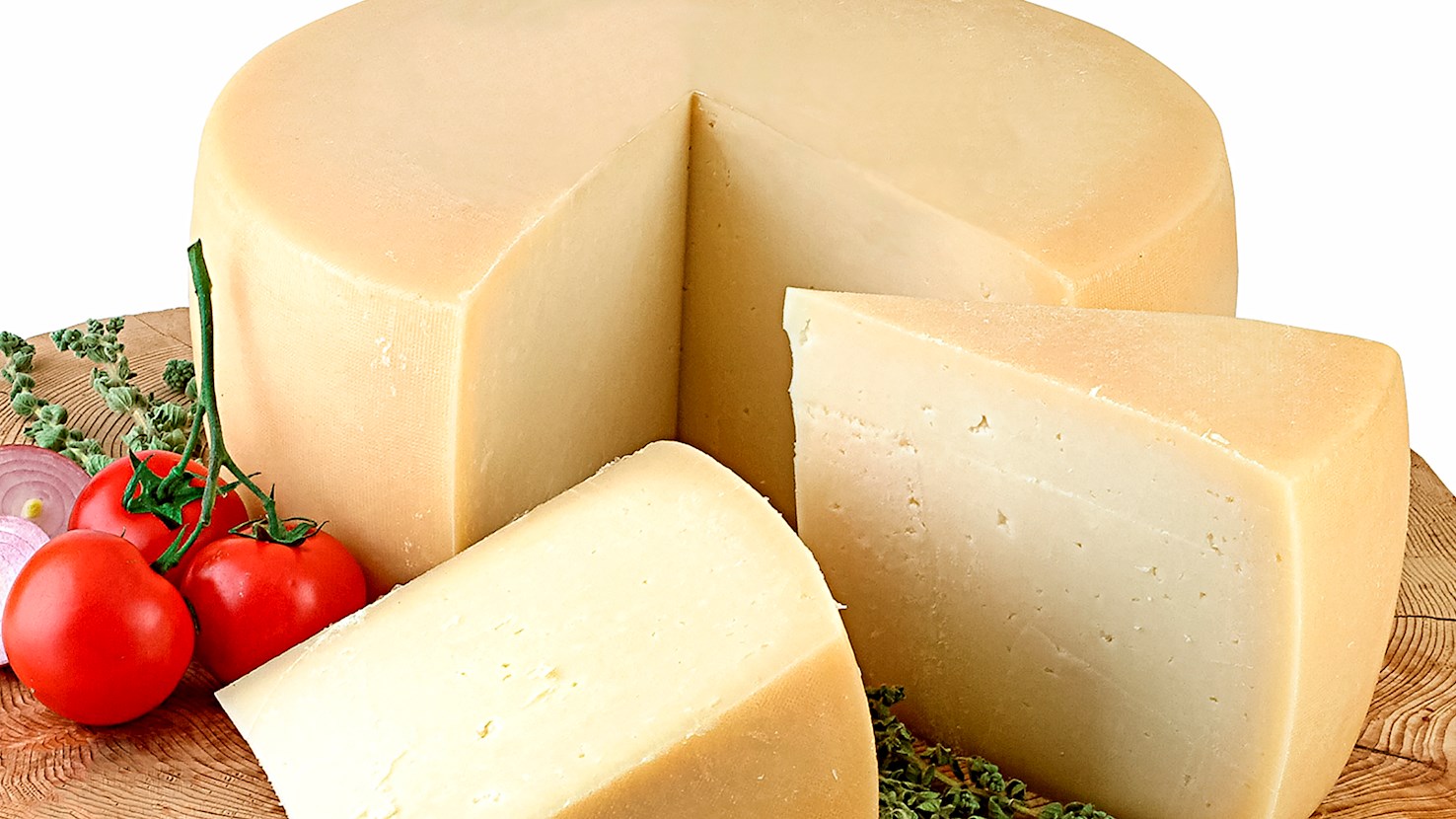
Queso Nata de Cantabria is a hard cheese produced in the region of Cantabria and in the basins of the rivers Urdón and Cervera. It is made from unpasteurized milk of Friesian cows reared in the area. The cheese is aged for at least 7 days, and usually between 14 days and two months. It is regularly turned and cleaned during the period of maturation. The flavor of Queso Nata de Cantabria is quite mild, with a nice balance of bitter and sweet. Its texture is firm, smooth, and buttery, which makes it melt in the mouth quite easily.
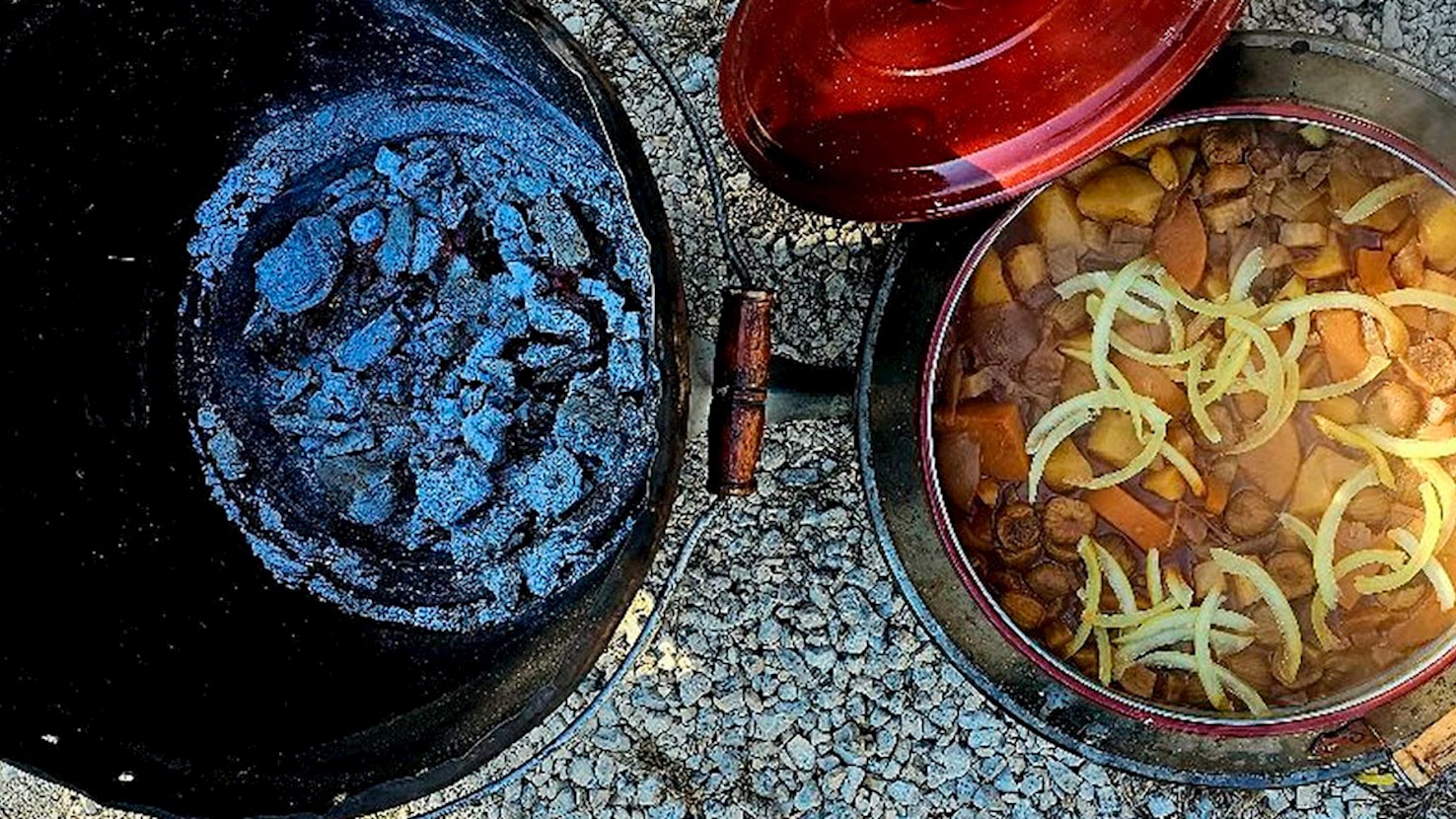
Olla ferroviaria is a slow-cooked potato and beef stew prepared inside a specialized, portable charcoal-fired metal cooking apparatus, originating from the mountainous railway towns along the La Robla train line in northern Spain, particularly within the provinces of Palencia, Burgos, and Cantabria. The creation of this dish and its unique cooking vessel dates back to the late nineteenth century, specifically following the 1894 inauguration of the Hullero railway line built to transport coal from León to Biscay. Locomotive drivers, firemen, and guards on these steam trains faced long, grueling shifts of up to sixteen hours in freezing temperatures, with no onboard catering, which prompted railway workers to design a custom heating unit using the very fuel that powered their engines. They constructed a double-walled metal cylinder, or outer casing, with a firebox at the bottom to hold burning coal embers or charcoal, into which a fitted porcelain or clay cooking pot was suspended, allowing a meal to simmer steadily right inside the train cabin or on the brake platform while the locomotive was in motion. Making the dish involves slicing white or yellow onions and garlic cloves into thin julienne strips, which are then placed into the inner pot to soften slowly over the glowing embers in a generous measure of olive oil. Once translucent, cubed beef chuck or aguja cuts, seasoned directly with salt and black pepper, enter the pot to sear thoroughly alongside the aromatics. Thinly sliced carrots, chopped leeks, green bell pepper strips, a dried bay leaf, and a glass of dry white wine are then incorporated into the mixture to simmer until the vegetables begin to soften. At that stage, peeled and coarsely chopped potatoes are added to the pot and entirely submerged in water, allowing the ingredients to bubble steadily until the meat is tender and the starches dissolve to thicken the liquid. A defining structural characteristic of this specific culinary item is its absolute reliance on indirect, enclosed heat and the continuous vibration of the moving train, which historically helped to emulsify the fats and starches into a perfectly unified, velvety sauce without requiring constant manual stirring. The hot stew is ladled directly from the portable apparatus into deep bowls, ensuring it is consumed at a high temperature. Today, the dish is primarily eaten at outdoor culinary competitions, town festivals, and rustic mountain taverns throughout the northern railway corridor during the autumn and winter months, accompanied by a thick, crusty bread.
Caricos de Trasmiera is a thick red bean stew cooked with a local variety of small, round, dark-colored beans, originating from the coastal lowlands and river valleys of the Trasmiera comarca in eastern Cantabria. Early documentation notes that the unique regional name derived from the French word haricots, entering the local vernacular when specialized Walloon and Belgian ironworkers migrated to the area to operate the royal artillery foundries of Liérganes and La Cavada. Preparing the stew involves soaking the dried, dark-red beans in cold water for twelve hours before placing them in a deep pot with fresh water, a whole white onion, a green bell pepper, a head of garlic, and a dried choricero pepper. The pot is brought to a boil and repeatedly subjected to the cooking technique known as "asustar las alubias," where small amounts of cold water are poured into the boiling liquid three or four times to lower the temperature, preventing the thin, delicate skins of the legumes from bursting. Once the beans soften after approximately three hours, the cooked vegetables are removed, pureed with a ladle of the broth, and mixed back into the pot alongside a refrito of olive oil, fried garlic, and sweet Spanish paprika to bind the liquid. A distinct physical characteristic of this variety is its high natural starch and protein content, which allows the stew to achieve a dense, creamy, velvety texture without the addition of flour or cured pork products that typically define northern Spanish bean dishes. The finished stew is portioned directly into deep earthenware bowls and allowed to rest briefly so the reddish-brown sauce thickens further. Consumption mainly occurs at household tables and rustic taverns throughout towns like Bareyo, Argoños, and Santoña during the cold autumn and winter months. The hot stew is eaten with thick slices of dense, wood-fired white bread to absorb the rich sauce, while pouring small glasses of tart, naturally carbonated Cantabrian apple cider or a young, unaged red wine best complements it.
Guisao de romería is a thick beef stew cooked with potatoes, carrots, peas, and mushrooms in a white wine broth, originating from the central valleys and mountainous areas of Cantabria. The stew is directly linked to the historical development of romerías, extensive outdoor religious celebrations and countryside festivals in which farming communities traveled long distances to local shrines and prepared large quantities of food in the open fields. To sustain hundreds of festival attendees simultaneously, massive communal iron pots were used over open timber bonfires, combining easily transportable root vegetables with locally raised cattle cuts to create a unified, nutrient-dense meal that could simmer unsupervised for several hours. Preparation involves dicing an aromatic foundation of white onions, fresh garlic cloves, red and green bell peppers, and whole carrots, which soften in a base of unrefined olive oil. Cubed beef flank or shoulder is added next, searing with the vegetables before a generous measure of dry white wine is added to boil away the volatile alcohols. The entire vessel is then covered with beef stock and gently simmered for several hours until the muscle fibers have completely softened, at which point sliced mushrooms, green garden peas, and cubed roasting potatoes are incorporated to absorb the savory juices during the final forty minutes of simmering. This hot food is served in deep bowls and eaten with large spoons to manage the thick pieces of beef and softened root crops. Consumption occurs almost exclusively outdoors on grassy fields during seasonal spring and summer festivals, or inside rural mountain taverns throughout the Pasiego territory. Dense, wood-fired country bread accompanies the meal to clear the gravy from the bowl, while small pitchers of tart, naturally carbonated northern Spanish cider or poured glasses of young, unaged red wine.
TasteAtlas food rankings are based on the ratings of the TasteAtlas audience, with a series of mechanisms that recognize real users and that ignore bot,
nationalist or local patriotic ratings, and give additional value to the ratings of users that the system recognizes as knowledgeable.
For the “Top 30 Cantabrian Foods” list until July 22, 2026, 298 ratings were recorded, of which 240 were recognized by the system as legitimate.
TasteAtlas Rankings should not be seen as the final global conclusion about food. Their purpose is to promote excellent local foods,
instill pride in traditional dishes, and arouse curiosity about dishes you haven’t tried.
The initial list of top producers was compiled based on available reviews, awards, local recommendations, media and blog coverage, and consumer reviews.
The list will be updated with ratings from TasteAtlas local ambassadors and TasteAtlas users.