



shutterstock

Top 30 Traditional Foods
in Eastern Switzerland

Last updated on June 07, 2026

Best foods

01
Cheese

Appenzeller

4.1 ·

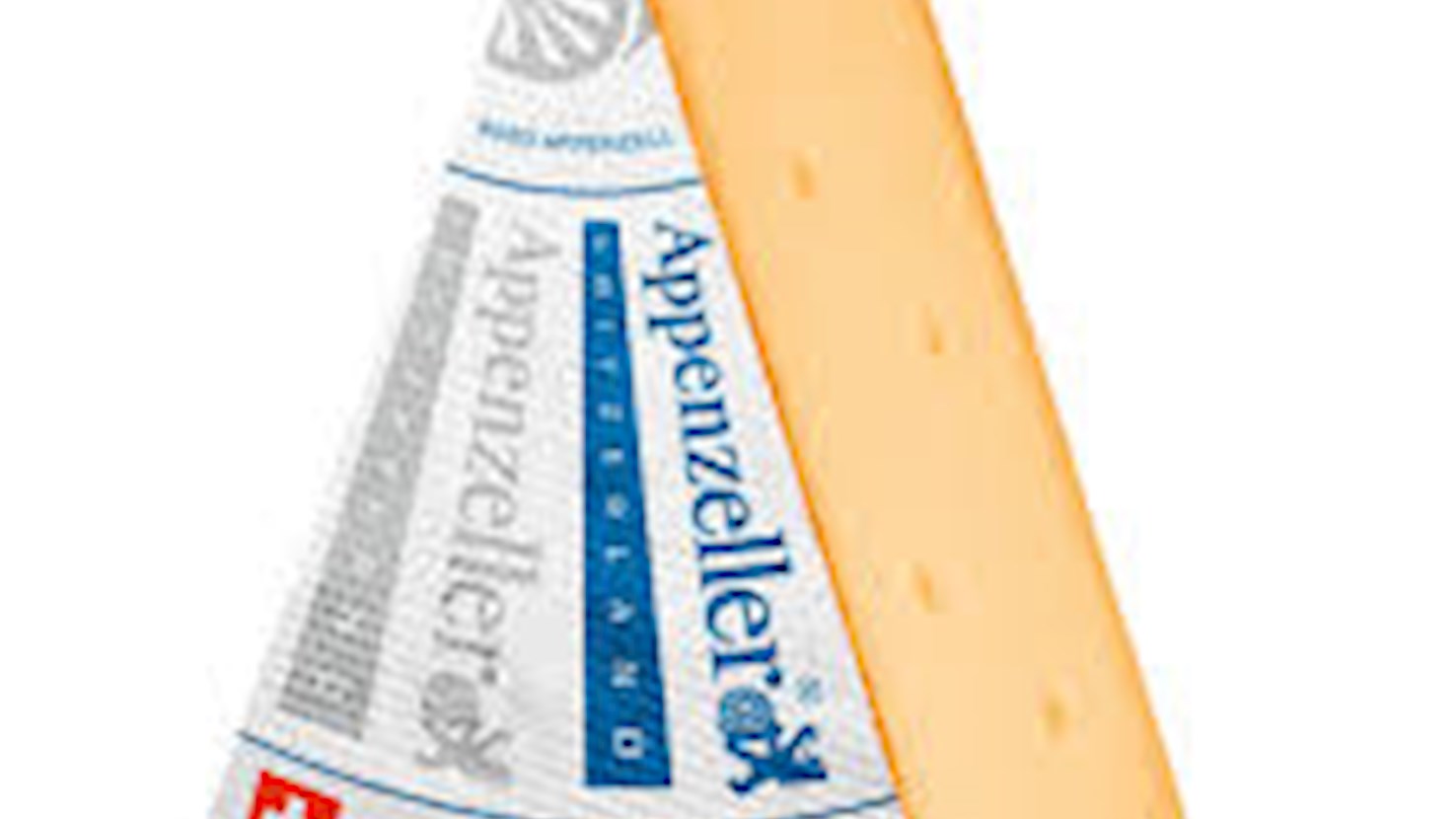
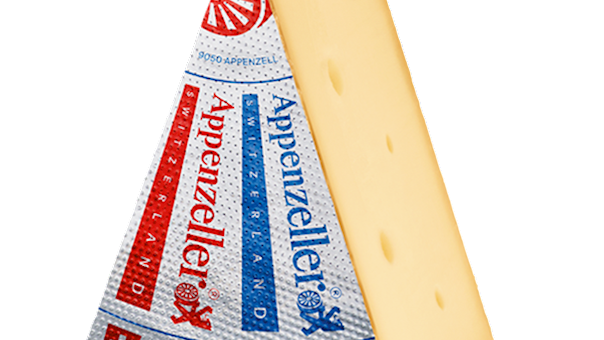
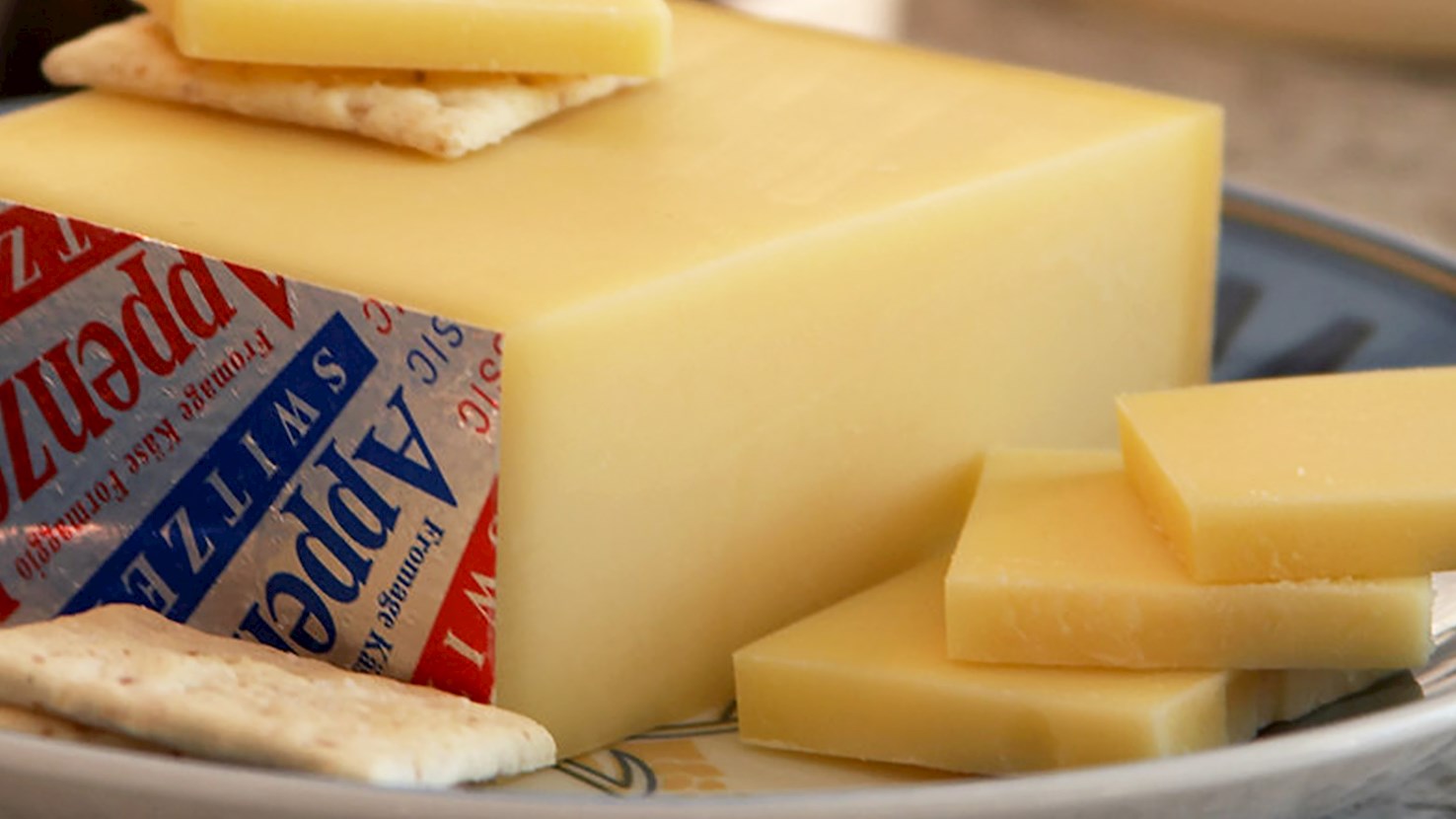
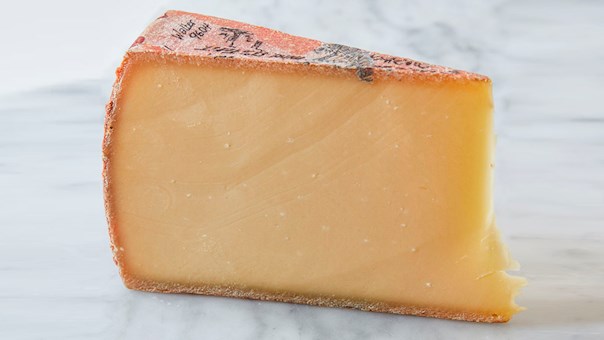
Appenzeller is a Swiss cheese from Appenzell. It's made from raw cow's milk, and while the cheese is maturing, it's regularly washed with a secret herbal brine. After 3 months, it's ready for consumption, and the longer it matures, the spicier it will become. This hard cheese has a firm, open, and smooth texture, while the flavors are tangy, spicy, and fruity. There are three types of Appenzeller: Classic, aged 3 to 4 months, Surchoix, aged 4 to 6 months, and Extra, aged 6 months or longer.

02
Cooked Sausage

St. Galler Bratwurst

3.9 ·

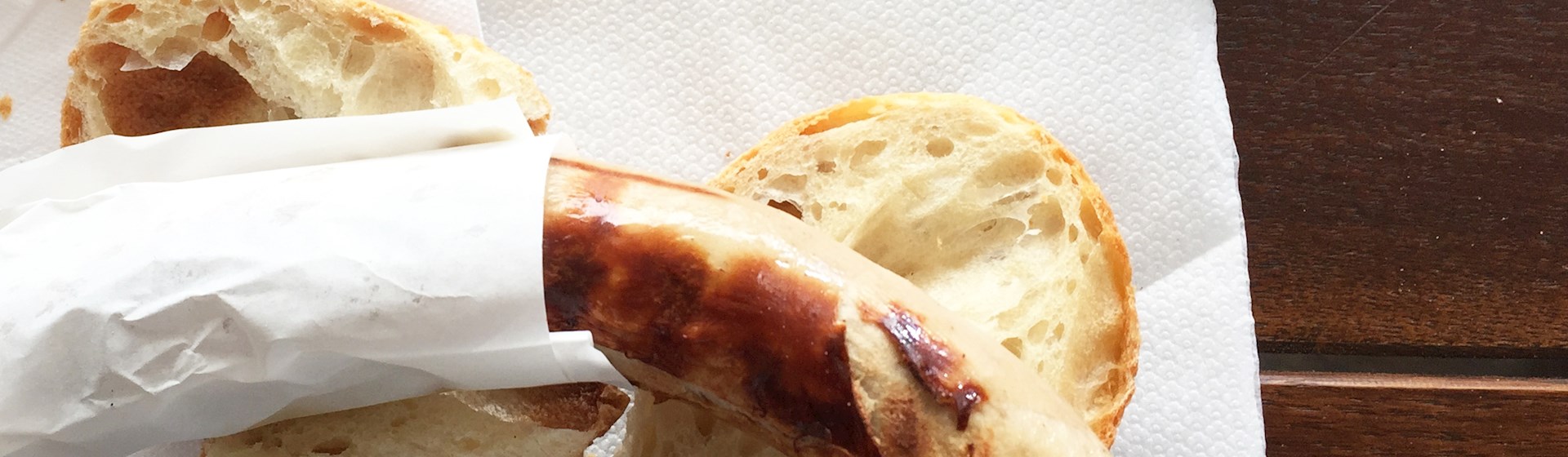
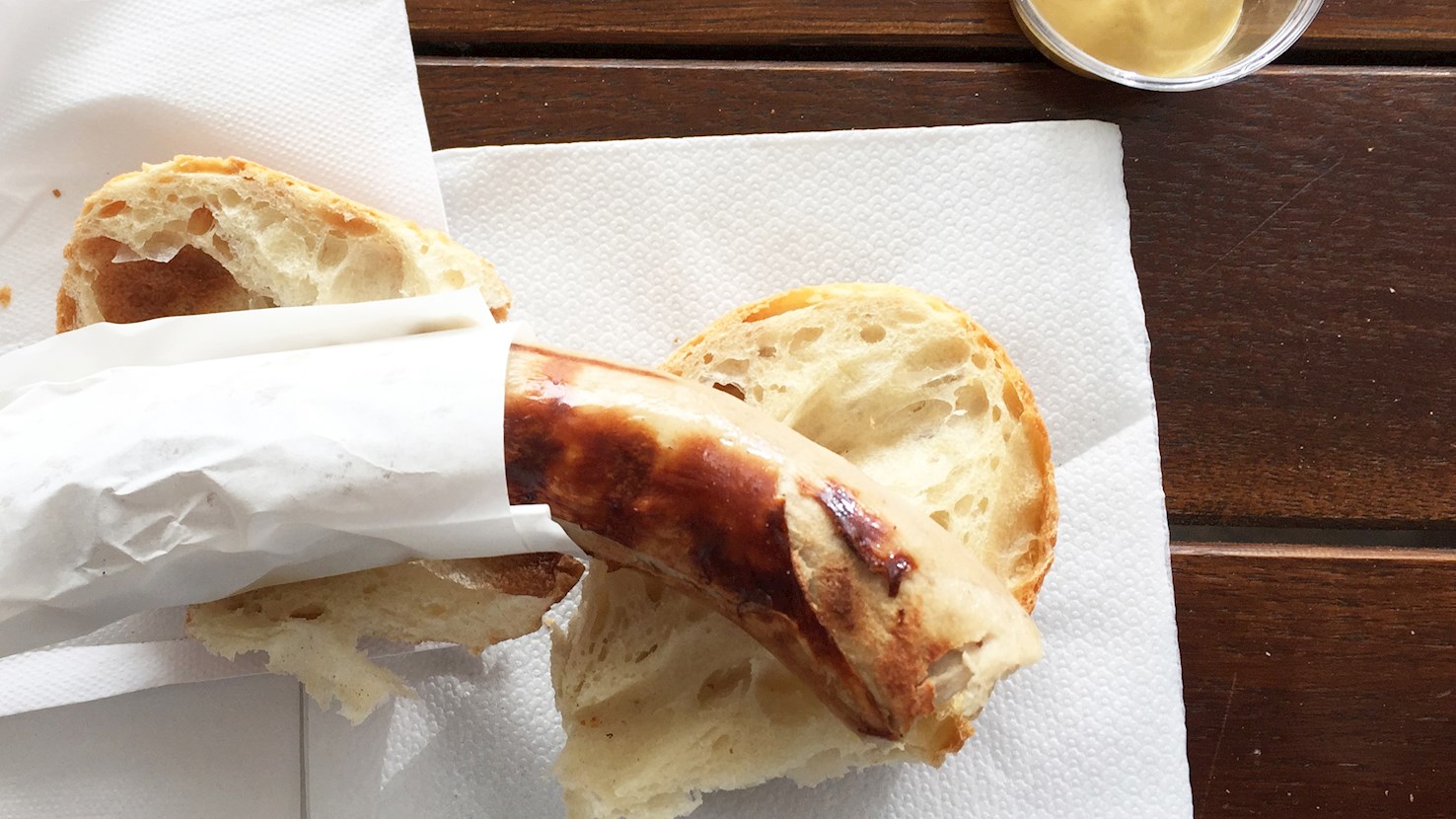
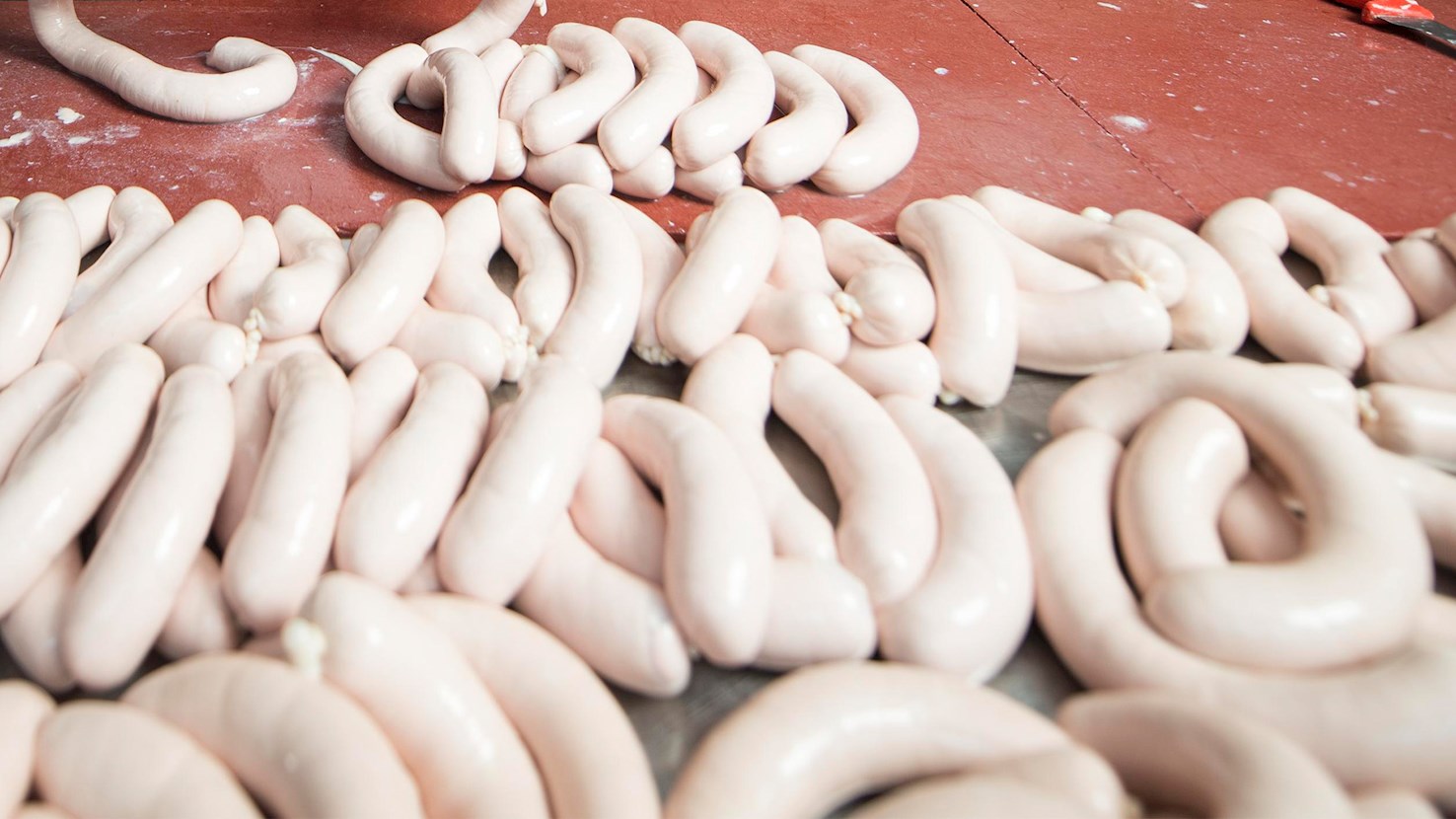
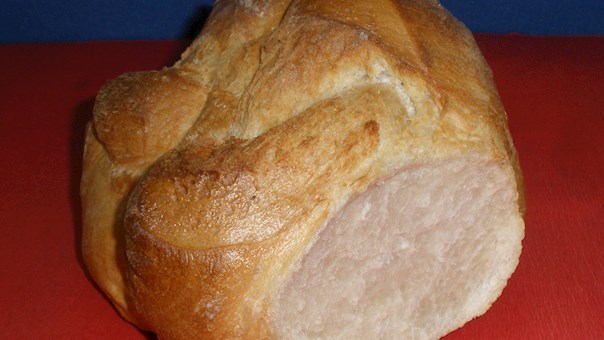
St. Galler bratwurst is a traditional sausage that's eaten throughout the country, but it's especially popular in the city of St. Gallen. The sausage is made with a combination of veal, pork, milk, salt, white pepper, and mace. The combination can be enriched with celery, ginger, cardamom, lemon, onion, and coriander, but it's not mandatory. It is stuffed into pig intenstines, cooked (not smoked), then grilled or pan-fried. These sausages date back to the 15th century, and nowadays there are four distinctive types – the classic version, the one made with more than 50% veal, the OLMA (agricultural trade fair) version, and the largest one, called St. Galler Kinderfest-Bratwurst. Once grilled or fried, the sausage is often accompanied by St. Galler-Bürli, a crusty roll that's baked in pairs, or an onion sauce and rösti in the summertime. Just don't pair it with mustard, as locals insist that their bratwurst is good enough on its own.

03
Tart

Bündner Nusstorte

3.5 ·

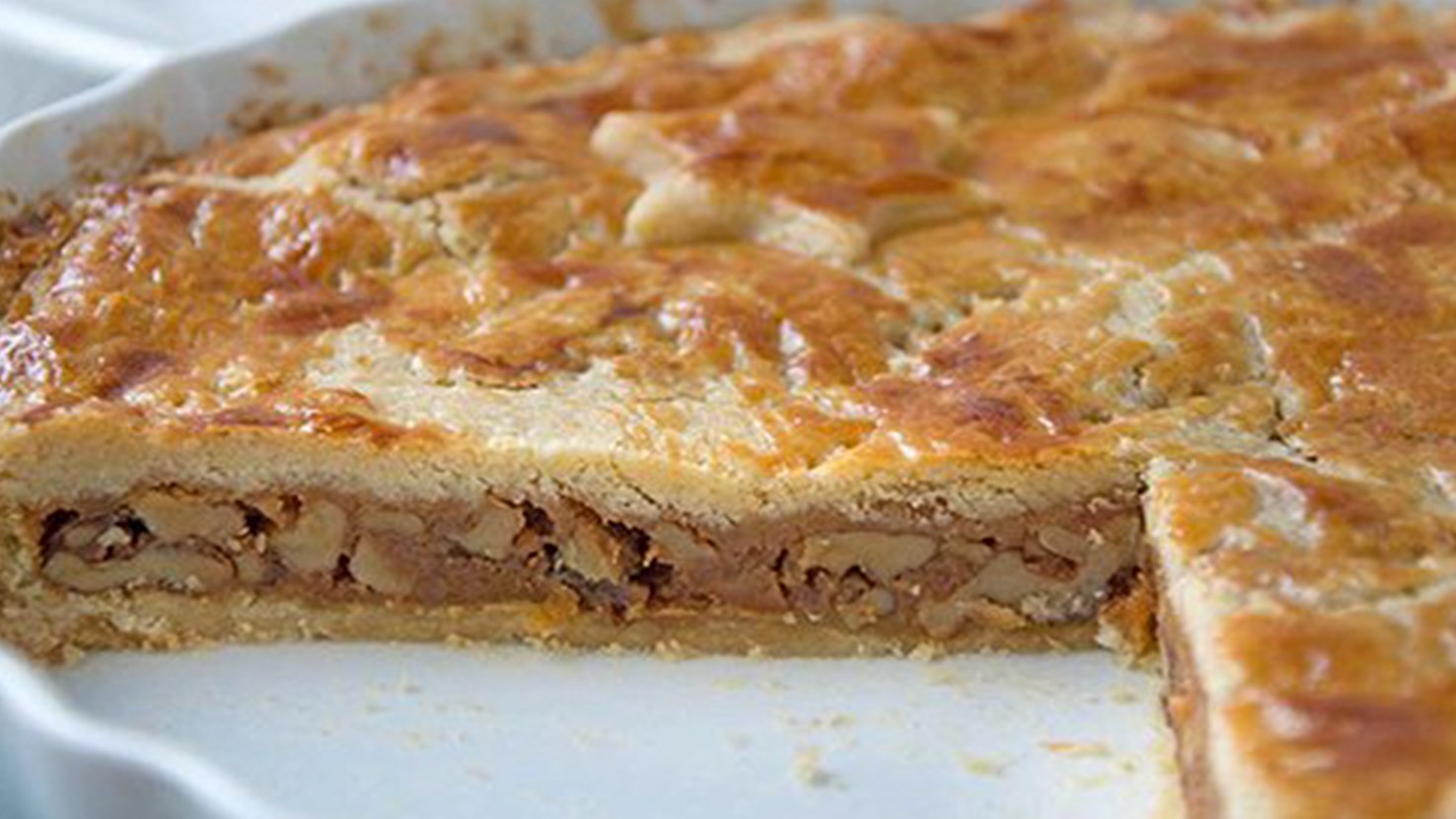
Originating from Graubünden in Switzerland, this dish is a traditional tart consisting of a shortbread pastry filled with nuts and caramel. Walnuts are typically used for the filling, but other nuts may also be used, although very rarely. The oldest known recipe dates back to 1900, and in 1934, a confectioner named Fausto Pult presented the cake to the public at the Swiss Sample Fair in Basel. Nowadays, the cake is usually served cut into slices and paired with coffee or tea on the side.

04
Cheese

Scharfe Maxx

3.4 ·

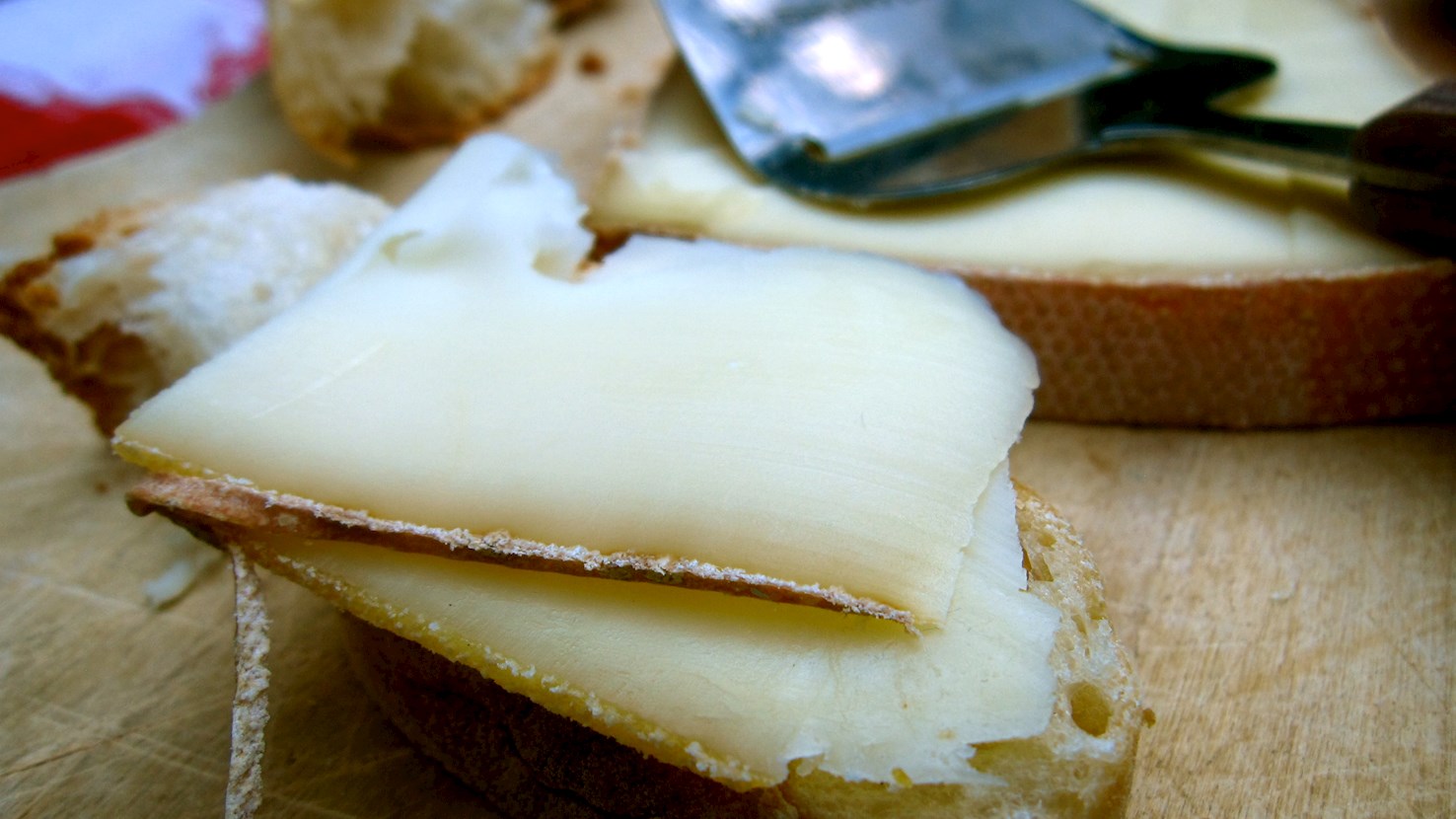
Scharfe Maxx is a Swiss cheese hailing from Thurgau. The cheese is made from raw cow's milk that's been thermized, and it's left to age for 5-6 months. It has a washed rind that hides a semi-soft texture of the cheese. Although it can be mild at first taste, Scharfe Maxx also has a sharp and nutty finish with hints of barnyard. During the production process, cream is added to the cheese, resulting in a silkiness that balances the savory notes of beef broth and sautéed onions. There are also Maxx Extra, aged to 9 months, and Maxx 365, aged up to a year. In spite of its range of complex flavors, Scharfe Maxx is quite versatile, so it can be paired with mustard, rye bread, pickles, potatoes, berry jams, eggs, sandwiches, and asparagus, among others. The name of the cheese means sharp Maxx or spicy Maxx, referring to its sharp finish.

05
Soup

Bündner Gerstensuppe (Swiss Barley Soup)

3.2 ·

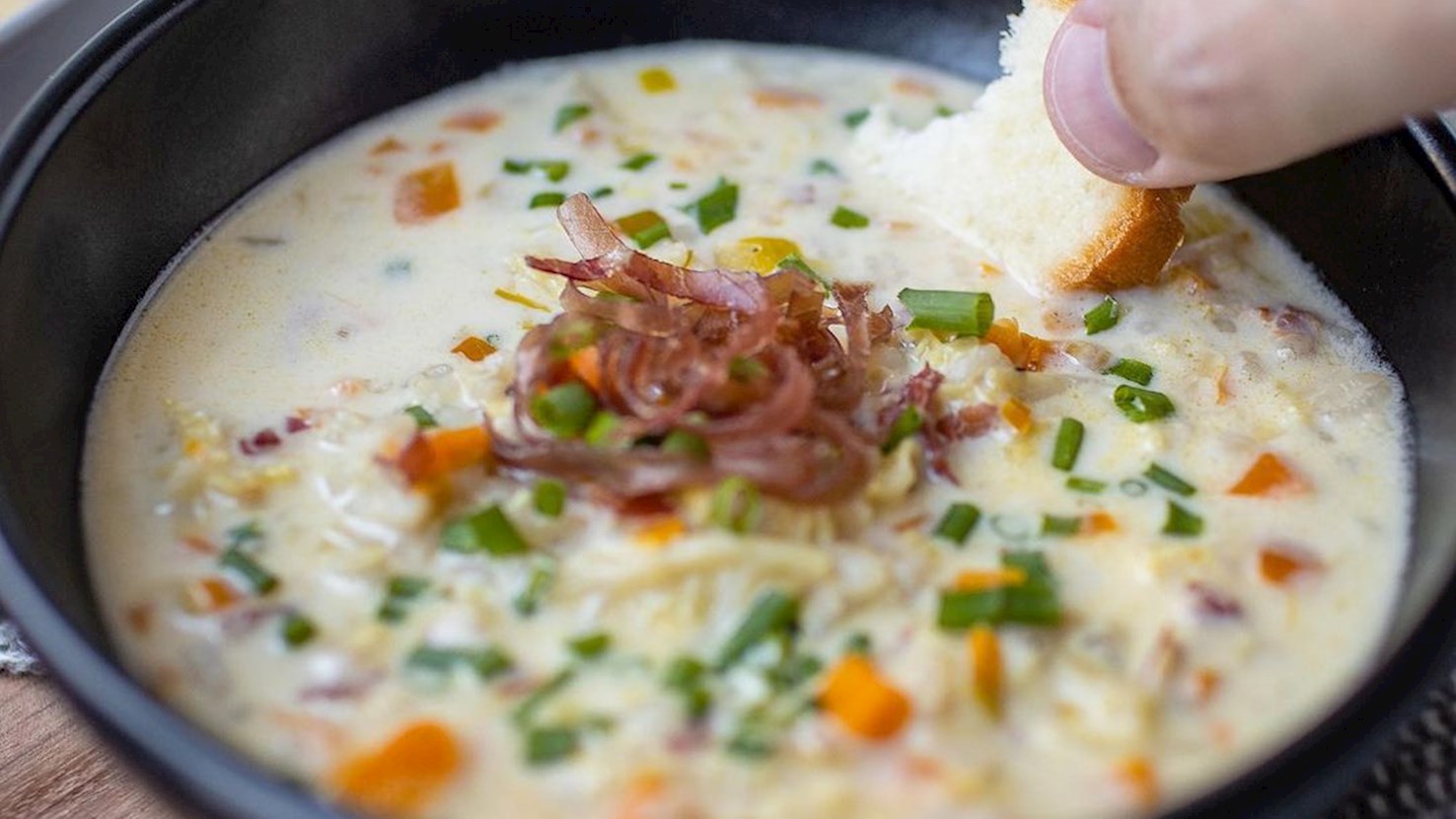
This nourishing Swiss barley soup has origins in the alpine Canton of Graubünden. Traditionally, it is made with pearl barley, stock, carrots, potatoes, celery, white cabbage, leeks, dried or smoked meat, and cream. Although the soup is not difficult to prepare, it is quite time-consuming in order to bring out all of the flavors. This thick soup is especially popular as a lunch option while skiing in the Alps.

06
Cooked Sausage

Schüblig

3.2 ·

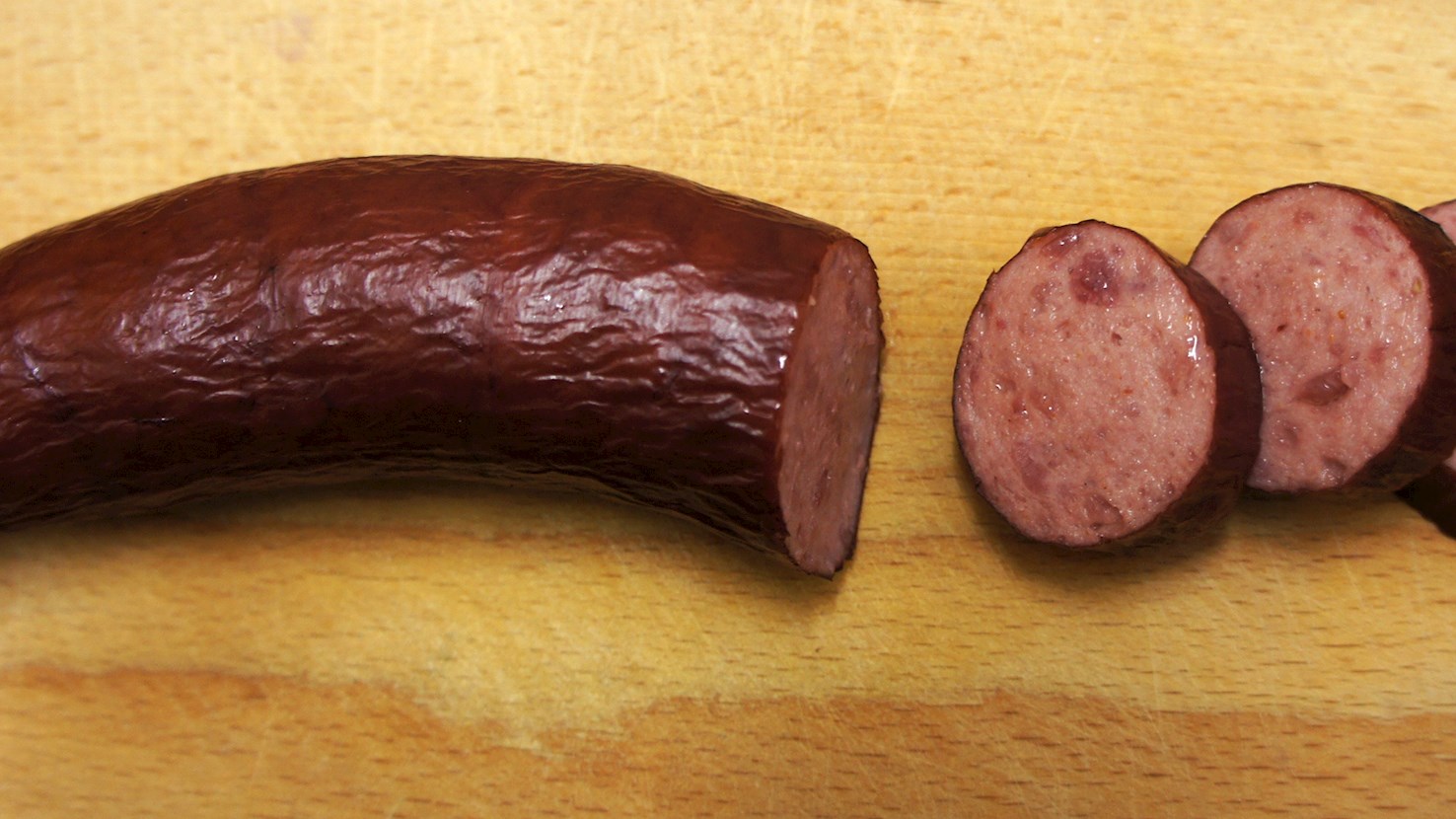
Schüblig is a popular Swiss sausage made with pork or beef. It is usually prepared with nonfat milk, onions, and selected spices. The sausage is traditionally consumed raw and uncooked, but the local varieties are typically lightly smoked to add extra aroma. However, some people prefer them boiled or grilled.

07
Meat Dish

Capuns

3.1 ·

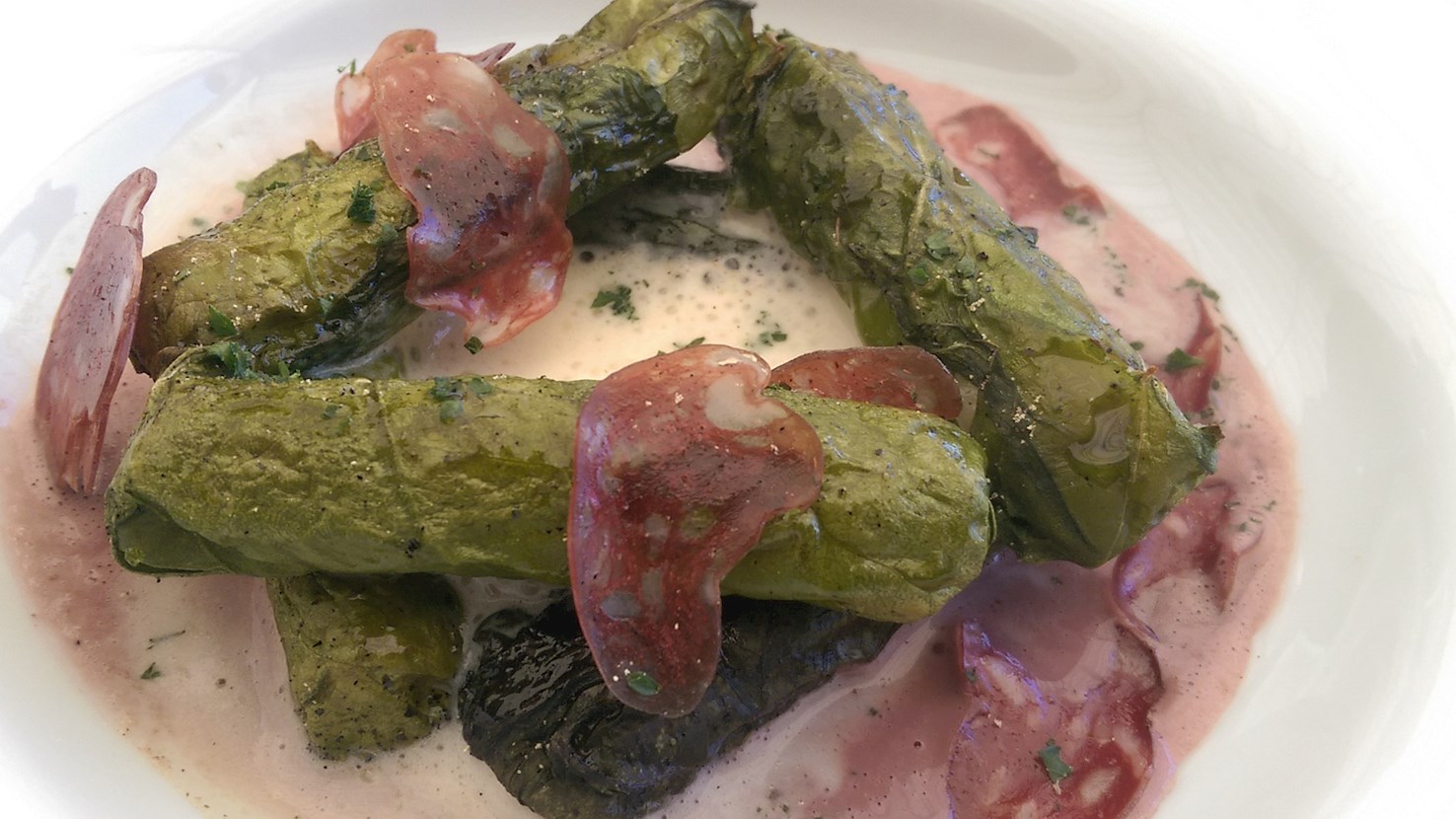
Capuns is a traditional dish originating from the canton of Graubünden. It is so popular that there is no fixed way of preparing it, and almost every family in the region has their own recipe, but it is usually made with a combination of dried meat and spätzle dough wrapped in chard leaves. The combination is cooked in butter, then slowly simmered in stock and cream. Once prepared, the dish is typically topped with fried bacon pieces and grated cheese.

Best restaurants
08
Cheese

Schabziger

3 ·

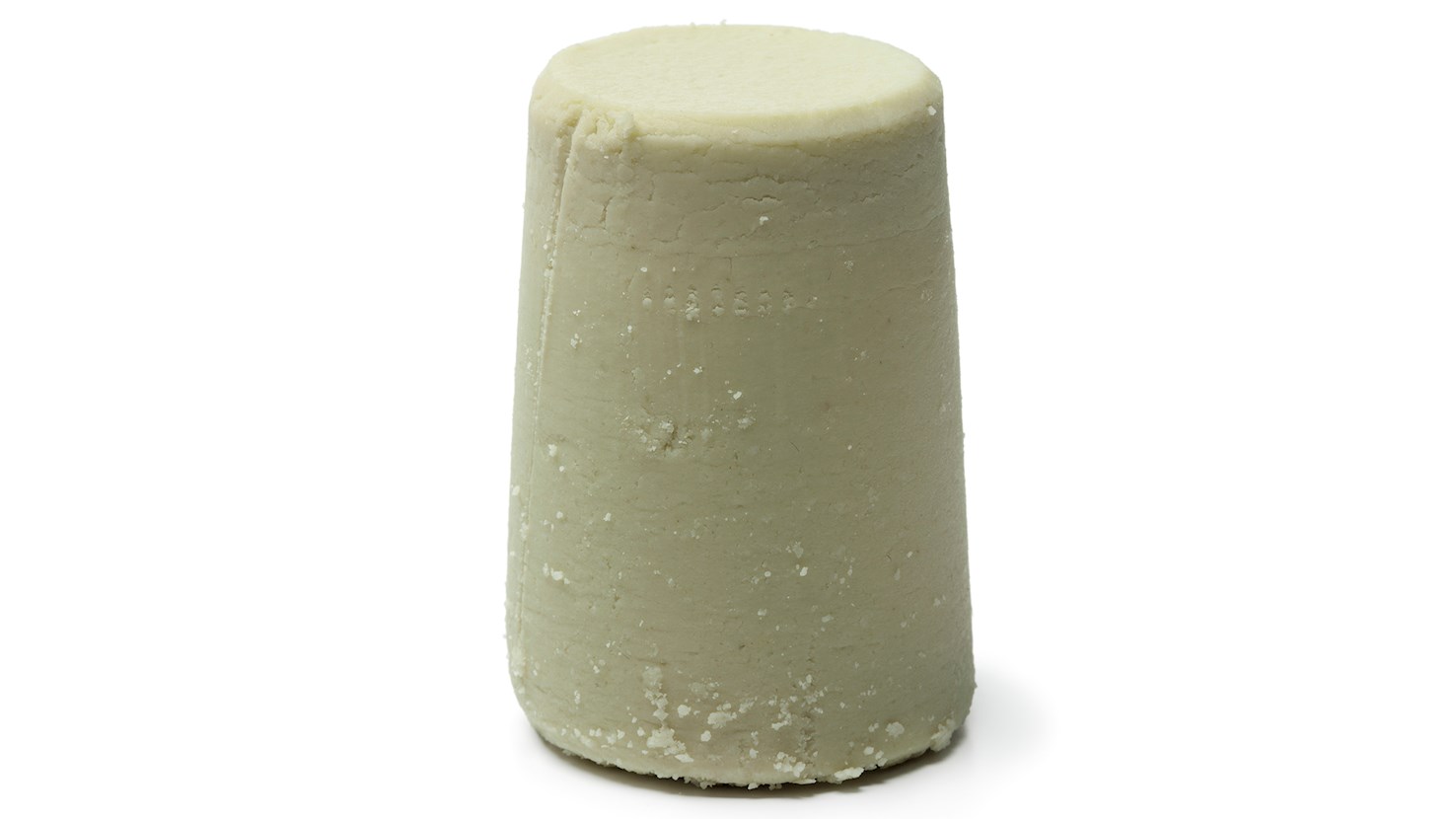
Schabziger is a traditional cheese produced in Glarus. It dates as far back as the 8th century when it was made in a monastery. The cheese is also Switzerland's oldest protected brand – in 1463, there was a council meeting and the locals had decided that the cheese should be stamped with a seal representing its authenticity – and the same seal is still being stamped on Schabziger today. This lime-green, zero-fat cheese is made from cow's milk and the skimmed milk curds are aged for 8 weeks, after which they're ground and combined with ground fenugreek seeds. The cheese is then pressed into a small cone called stockli, which is wrapped in silver foil. The texture is dry and hard, while the flavors are powerful, pungent, and spicy. In the US, it's known as Sap Sago. It is recommended to mix Schabziger with butter, then spread it over bread with onions or chives, but it can also be added to soups, fondues, and baked potatoes. Pair it with Pinot Noir or a glass of cider.

09
White Sausage

Kalberwurst

2.8 ·

Kalberwurst is a fresh Swiss sausage made with a combination of veal, ground crackers, and milk, although pork is sometimes also added to the combination. Its flavor is often described as mild and creamy. The sausage is typically cooked alongside onions and gravy, but it can also be grilled.

10
Cheese

Formaggella

n/a ·

Formaggella is a semi-hard, medium-sized cheese produced from goat's milk, cow's milk, or a mixture of both, with a texture that can range from fresh soft to semi-hard, depending on the production method and aging process. The name derives from formaggio (lit. cheese), with the diminutive "-ella" suggesting a traditionally lower status compared to long-aged alpine cheeses. A Swiss-Italian expression about strabismus (cross-eyed people) references "an eye that looks at the board of formaggella," referring to the wooden boards in kitchens where the cheese was stored to dry and kept safe from mice. Formaggella has a cylindrical shape, with a diameter of 10-20 cm, a height of 3-5 cm, and a weight of 400g to 2kg. The paste varies in color from white (if made with more goat’s milk) to straw yellow (if made with more cow’s milk), while the rind is thin, soft, and gray, sometimes covered with molds called mucor, similar to those found on Tomme de Savoie. Its ingredients include goat’s or cow’s milk, direct thermophilic ferment, rennet, sometimes mold, and salt. Historically, formaggella has been produced since at least the 13th century, in the pre- and post-alpine grazing periods (spring and winter). Originally intended for household consumption, it was not as highly regarded as long-matured alpine cheeses. Production begins with thermizing the milk at 65°C for 15 minutes to improve health safety while preserving flavor. The milk is then cooled to 35°C, and thermophilic ferments and sometimes molds are added. After coagulating for 30-40 minutes with rennet, the curd is cut first with a curd cutter (lyre/harp) into thin slices, then further reduced with a spannarola until hazelnut-sized pieces are obtained. Some whey may be removed and replaced with water to reduce acidity, though this practice is rare due to contamination risks. The mixture is heated again to 38°C before being placed in perforated baskets or molds. The cheese is turned multiple times within 24 hours, then brined for 4-6 hours or dry-salted. Aging occurs in cellars at 12-14°C with 70-90% humidity for at least three weeks. Traditionally a domestic product, formaggella was consumed as a side dish, in recipes, or even for breakfast. Today, it is widely available in markets, shops, and restaurants in the Ticino region and is highly sought after in its various fat-content variations (full-fat, semi-fat, lean). Depending on the region, formaggella is known by different names: chiasörin in Leventina, crenga in Val di Blenio, maioca in Biasca, mota or motign in Valmaggia, and fromagela in Verzasca. Some varieties develop a gray moldy rind with fine hairs, known as "cat hair" or "pei da ratt," due to mucor molds. These characteristics highlight formaggella’s deep roots in Swiss alpine dairy traditions. Today, it remains a cherished cheese due to its delicate flavor, artisanal craftsmanship, and versatility in various culinary applications.

Best food products

01
Chocolate Confectionery

Läderach

5 ·
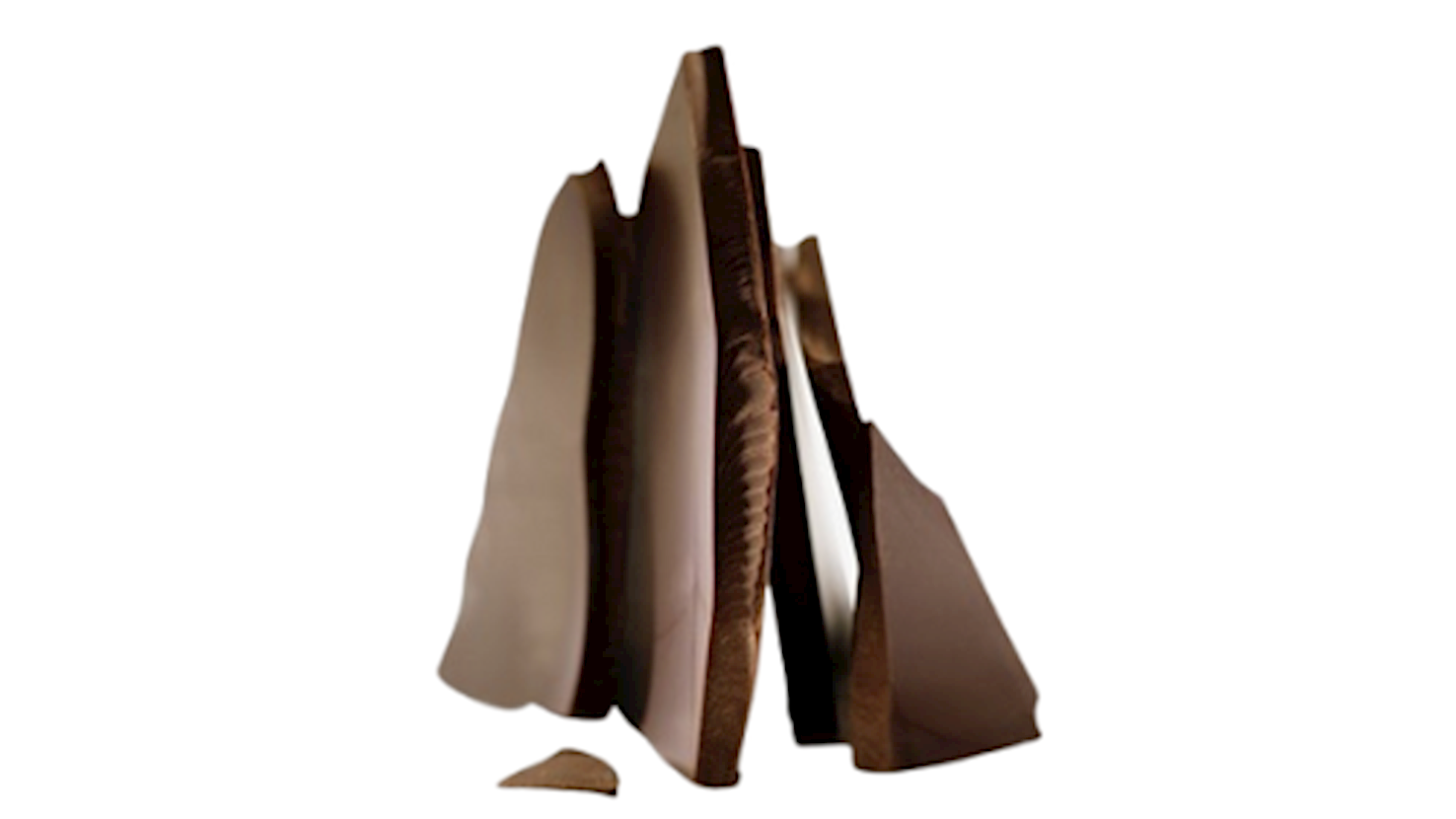
Läderach is a Swiss premium chocolate manufacturer founded in 1962 in Glarus, renowned for combining artisanal tradition, innovation, and exceptional freshness. Its business philosophy is based on complete control of the entire process - from the selection of cocoa beans to the final production in its own facilities in Switzerland. The brand’s signature line, FrischSchoggi, features handcrafted chocolate with a delicate, breakable texture and rich flavor, sold in large slabs and cut to the customer’s preference. Läderach uses only Swiss milk from the Thurgau region, natural ingredients, and carefully selected cocoa varieties, free from artificial additives and palm oil. The brand is also famous for its handcrafted pralines and truffles, where each piece reflects meticulous craftsmanship and attention to detail. The combination of Swiss precision, creativity, and deep respect for raw materials has made Läderach a synonym for authentic, fresh chocolate.
02
Cheese

Chascharia Val Müstair

5 ·
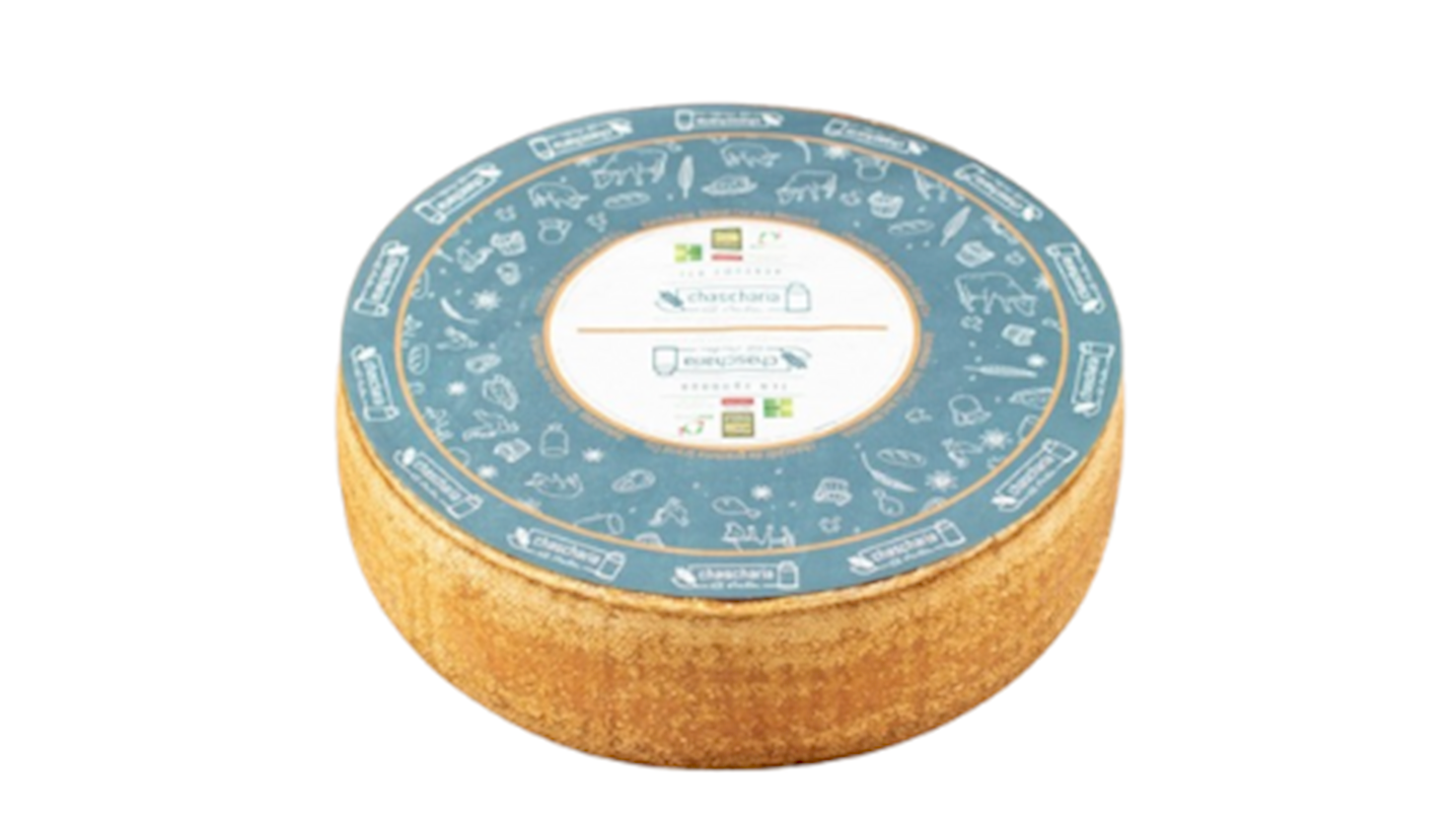
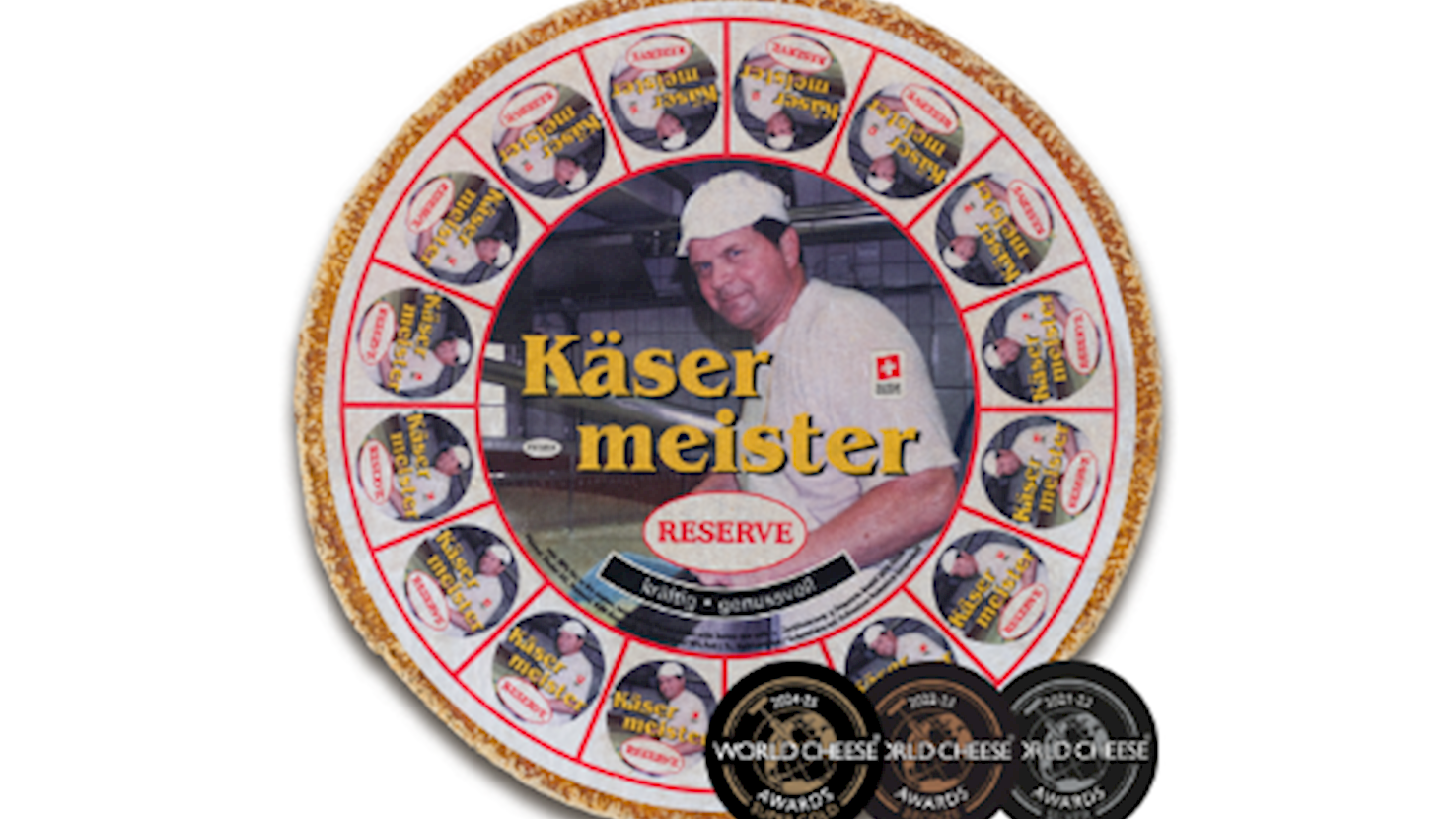
Chascharia Val Müstair is a cooperative cheese dairy located in the Val Müstair valley, in the Swiss canton of Graubünden, near the Italian border. It was founded in 1987 with the aim of uniting local farmers and preserving the region’s alpine cheesemaking tradition. Production is based exclusively on organic hay milk, free from silage, supplied by local farms and certified according to Bio-Suisse standards. The dairy operates as a central element of the Agricultura Val Müstair network and the Biosfera Val Müstair brand, highlighting the close relationship between agriculture, nature, and the local economy. Its range includes semi-hard and hard cheeses, as well as specialties made from both cow’s and goat’s milk, all shaped by seasonality and alpine terroir. Cheesemaking follows traditional alpine techniques supported by modern quality control and careful maturation. Chascharia Val Müstair has received multiple international awards, reflecting the technical precision and distinct character of its cheeses. In addition to production, the dairy serves an educational role, welcoming visitors for tours and tastings and actively contributing to the cultural and gastronomic identity of the Val Müstair region.
Awards
World Cheese Awards - Super Gold (2024)
World Cheese Awards - Gold (2024, 2022, 2021)
03
Cheese

Appenzeller Käse

4.9 ·
Appenzeller Käse is located in Appenzell, Switzerland, and specializes in producing Appenzeller cheese, a traditional Swiss cheese made from cow's milk. The cheese is known for its distinct flavor, which is developed through a unique aging process that involves regularly rubbing the cheese with a herbal brine. This company plays a significant role in maintaining the authenticity and quality standards of Appenzeller cheese under the Appellation d'Origine Protégée (AOP) guidelines, ensuring the cheese is produced using traditional methods and locally sourced ingredients.
Awards
World Championship Cheese Contest - Best of Class (2024, 2020, 2018, 2016, 2014, 2012)
04
Cheese

Güntensperger Käse

4.9 ·
Güntensperger Käse is a Swiss family-owned cheese dairy based in Bütschwil in the Toggenburg region of the canton of St. Gallen, with a cheese-making tradition that spans more than a century. The company began as a small local dairy and gradually developed into a producer specializing in high-quality artisanal Swiss cheeses. Their cheeses are made using milk sourced from farms in the Toggenburg region and surrounding Alpine areas, where natural pastures and mountain conditions contribute to the rich and aromatic character of the milk. The company combines traditional cheesemaking methods with modern production standards in order to maintain consistent quality and preserve the authentic character of its cheeses. Particular attention is given to the maturation process, during which the cheeses are carefully cared for and regularly monitored in dedicated ageing cellars. Their portfolio includes a variety of semi-hard and hard cheeses, often characterized by complex aromatic profiles and extended ageing. Some of their cheeses are known for pronounced spicy notes, nutty flavors and the crystalline texture that develops during maturation. Although a portion of the production is exported to international markets, the company remains strongly connected to local farmers and the regional origin of the milk. This combination of Alpine terroir, long-standing tradition and a contemporary approach to production has positioned Güntensperger Käse as a recognized producer within modern Swiss cheesemaking.
Awards
World Cheese Awards - Super Gold (2021)
World Cheese Awards - Gold (2025, 2021, 2017)
05
Cheese

Bodensee Käse

4.9 ·
Bodensee Käse is a Swiss cheese producer located near Lake Constance. The company specializes in the production of high-quality cheese varieties, focusing on using traditional methods and local ingredients. Bodensee Käse sources its milk from regional farms to ensure freshness and quality. The company offers a range of products, including organic cheese options.
Awards
World Cheese Awards - Super Gold (2024)
World Cheese Awards - Gold (2024, 2023)
06
Cheese

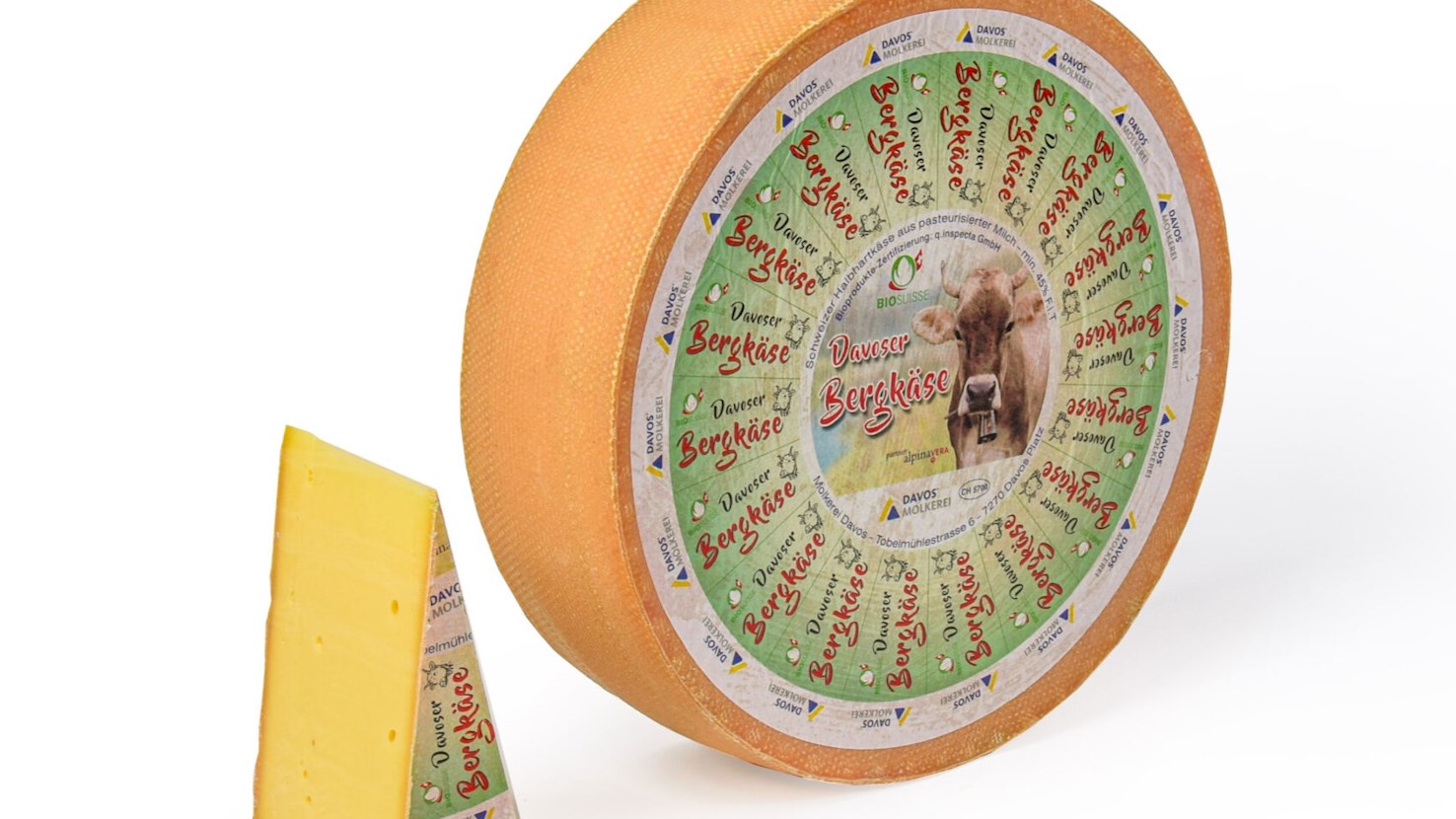
Molkerei Davos

4.9 ·
Molkerei Davos is a dairy company based in Davos, Switzerland, that specializes in the production of cheese and other dairy products. Established to support local agriculture, the company focuses on utilizing milk from regional farms to create its products, emphasizing sustainable practices and the promotion of local economic development.
Awards
World Cheese Awards - Super Gold (2021)
World Cheese Awards - Gold (2024, 2022, 2021)
07
Cheese

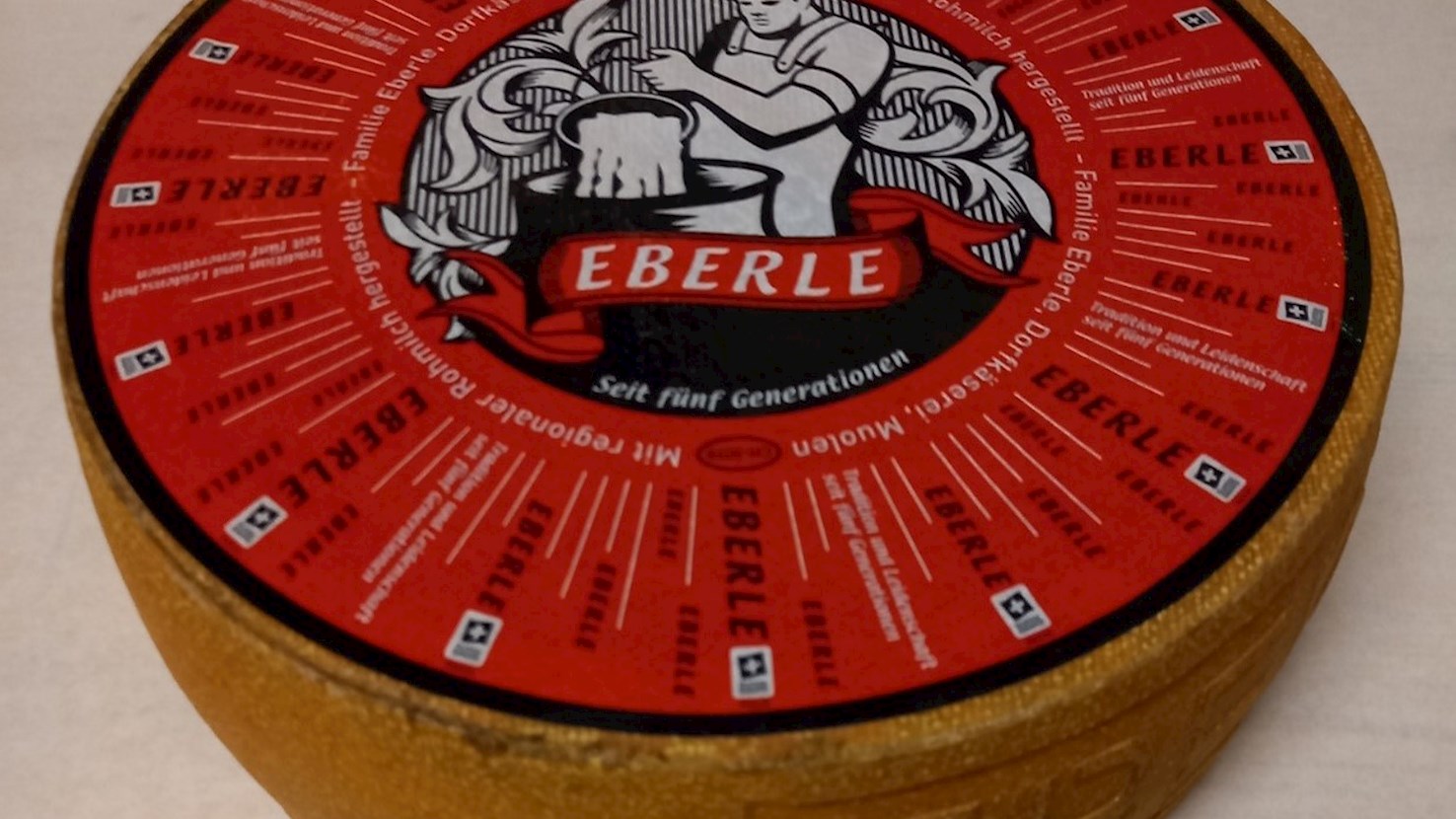
Dorfkäserei Muolen

4.9 ·
Dorfkäserei Muolen is a cheese producer based in Muolen, Switzerland. Specializing in artisanal dairy products, they are known for their adherence to traditional cheese-making methods. The dairy offers a variety of cheeses, which include both raw and pasteurized options made from cow's milk.
Awards
World Cheese Awards - Super Gold (2023)
World Cheese Awards - Gold (2024, 2022)
08
Cheese

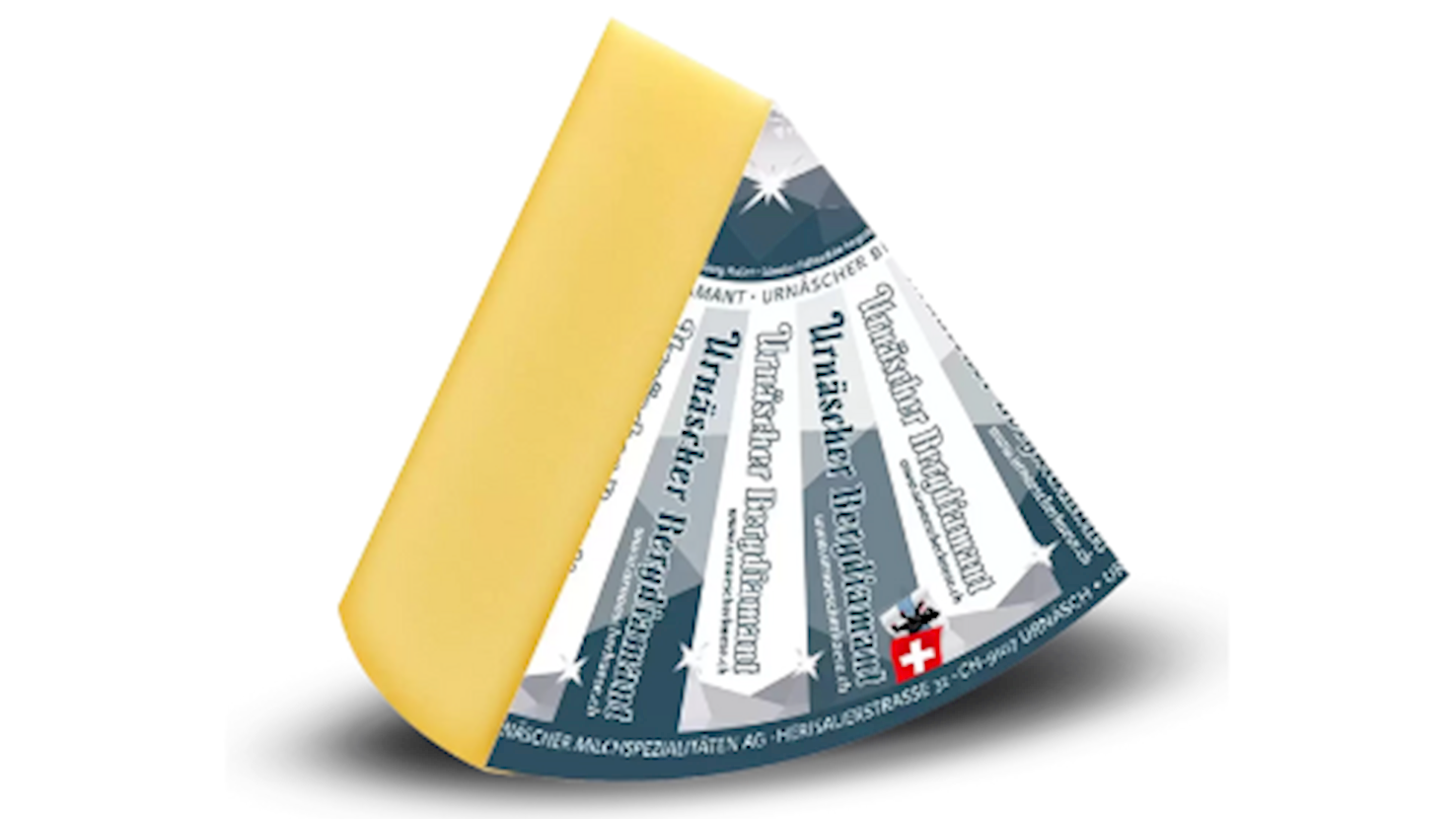
Urnäscher Milchspezialitäten

4.9 ·
Urnäscher Milchspezialitäten is a cheese producer located in Urnäsch, Switzerland. They specialize in producing a variety of dairy products, including traditional Swiss cheeses. The company utilizes milk from local farms to ensure the quality and authenticity of their products.
Awards
World Cheese Awards - Gold (2024, 2023, 2022, 2021)
World Championship Cheese Contest - Best of Class (2016, 2014, 2012)
09
Cheese

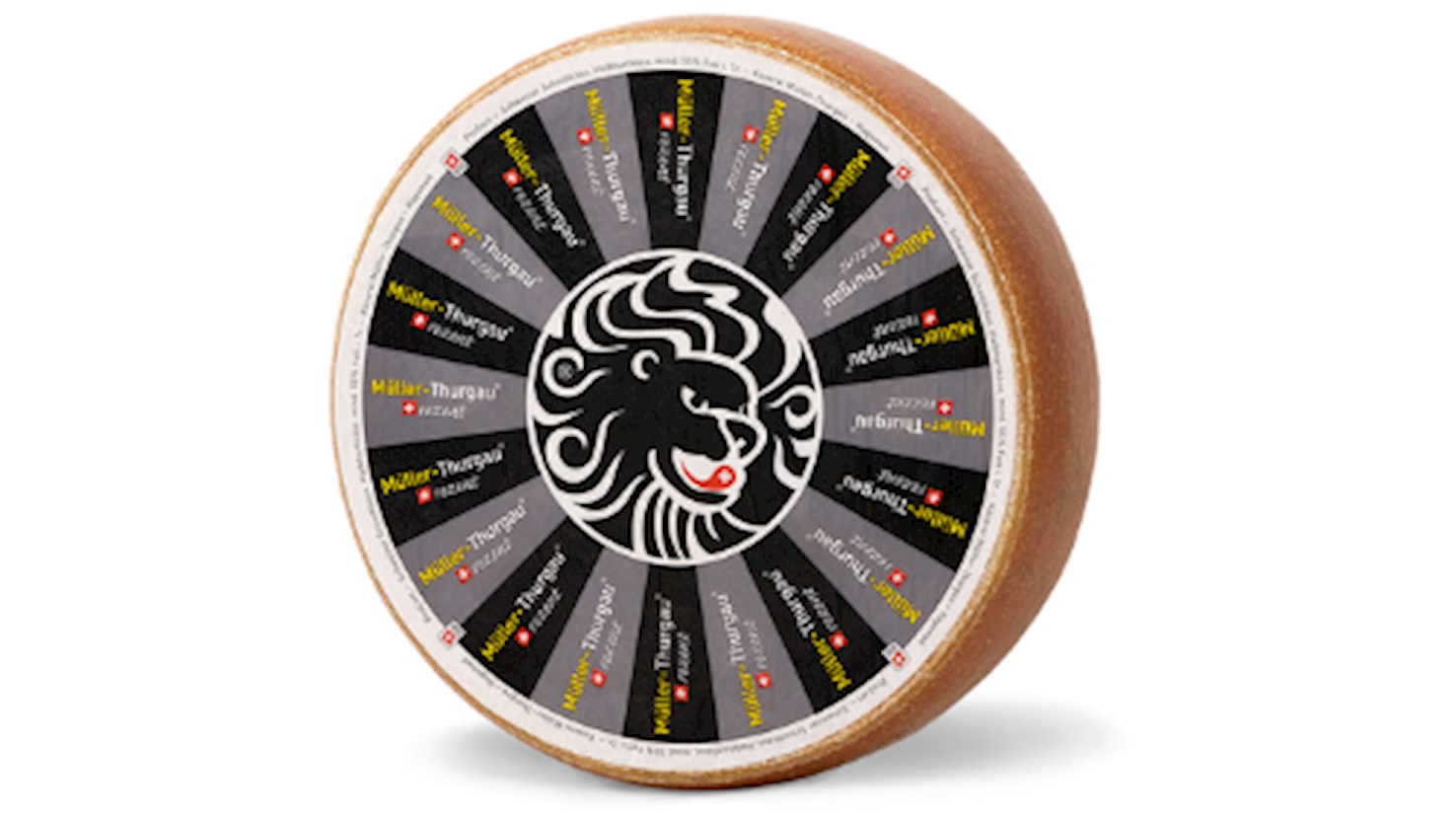
Käserei Müller Thurgau

4.9 ·
Käserei Müller Thurgau operates in Switzerland, specializing in the production of Swiss cheeses using local ingredients. The company utilizes traditional cheese-making techniques that have been passed down through generations. Additionally, Käserei Müller Thurgau places a strong emphasis on sustainability, implementing eco-friendly practices throughout its production processes.
Awards
World Cheese Awards - Super Gold (2023)
World Cheese Awards - Gold (2024)
10
Cheese

Käserei Studer

4.8 ·
Awards
World Cheese Awards - Super Gold (2024)
About this ranking

TasteAtlas food rankings are based on the ratings of the TasteAtlas audience, with a series of mechanisms that recognize real users and that ignore bot, nationalist or local patriotic ratings, and give additional value to the ratings of users that the system recognizes as knowledgeable. For the “Top 30 Traditional Foods in Eastern Switzerland” list until June 07, 2026, 192 ratings were recorded, of which 151 were recognized by the system as legitimate. TasteAtlas Rankings should not be seen as the final global conclusion about food. Their purpose is to promote excellent local foods, instill pride in traditional dishes, and arouse curiosity about dishes you haven’t tried.

The initial list of top producers was compiled based on available reviews, awards, local recommendations, media and blog coverage, and consumer reviews. The list will be updated with ratings from TasteAtlas local ambassadors and TasteAtlas users.

Similar lists