Top 7 Northwestern Argentinian Foods

Last updated on June 02, 2026

Best Northwestern Argentinian food products

01
Wine

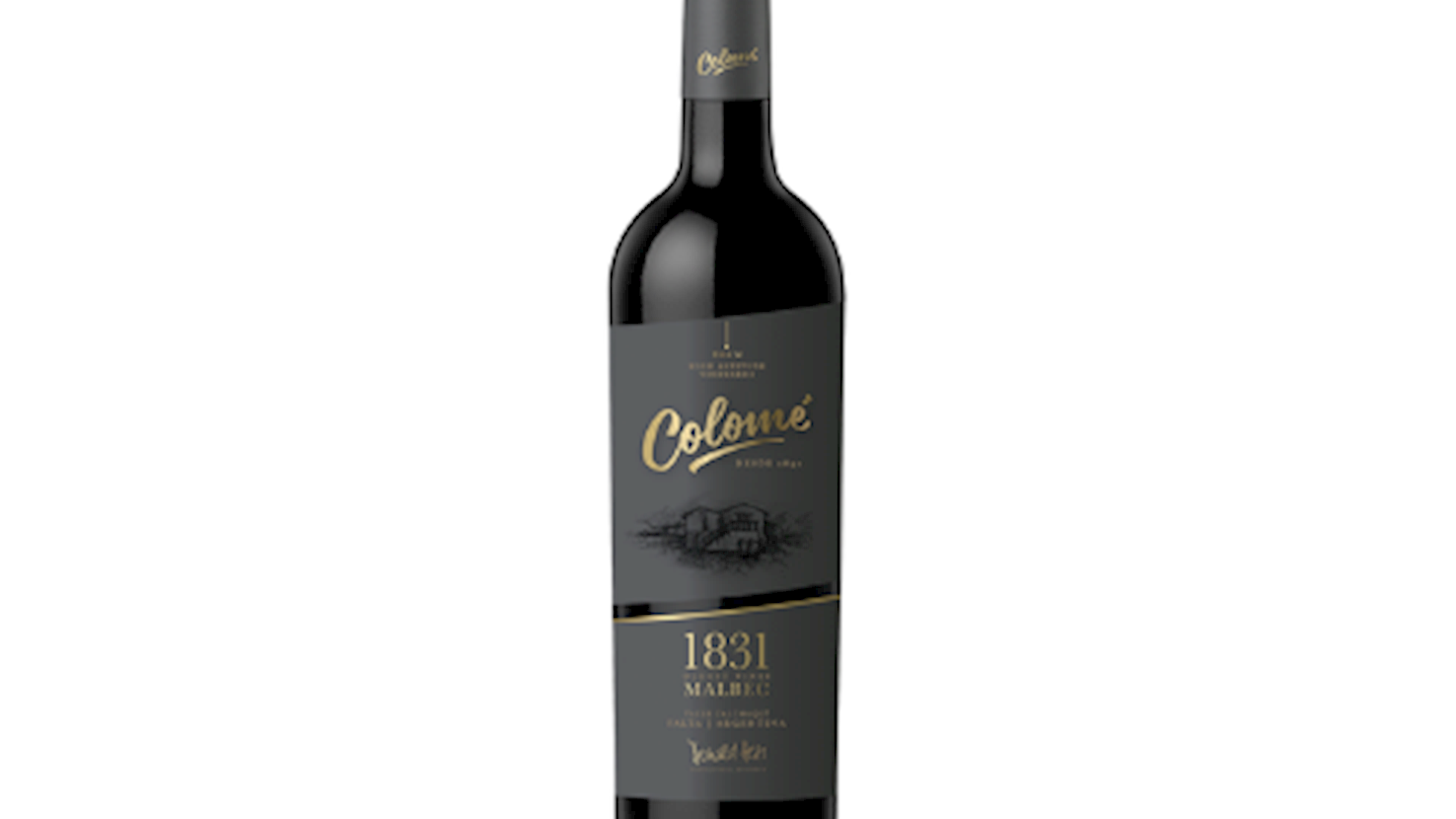
Bodega Colomé

4.8 ·
Bodega Colomé is one of the oldest wineries in Argentina, founded in 1831 in the Calchaquí Valley in Salta, and is renowned for its vineyards located at extreme altitudes ranging from approximately 2,300 to 3,111 meters above sea level. These conditions - intense solar radiation, significant diurnal temperature variation, and a dry climate - allow for the production of wines with remarkable concentration, freshness, and structure. The winery preserves its historical legacy through old Malbec and Cabernet Sauvignon vines, while its modern development began in the early 2000s when the Hess family acquired and revitalized the estate. The focus is on wines that clearly express the high-altitude terroir, particularly Malbec, along with Torrontés and other international varieties. The wines are characterized by intense fruit profiles, pronounced minerality, and firm yet refined tannins. Sustainable practices, including elements of organic and biodynamic farming, are an integral part of production, reinforcing the authenticity of the wines. Today, Bodega Colomé represents a balance between tradition and modern winemaking, with a distinct identity shaped by the unique landscape of the Andes.
Awards
Decanter World Wine Awards - Platinum (2021)
Decanter World Wine Awards - Best in Show (2020)
02
Wine

Amalaya

4.7 ·
Awards
Decanter World Wine Awards - Platinum (2020)
Decanter World Wine Awards - Best in Show (2017)
03
Wine

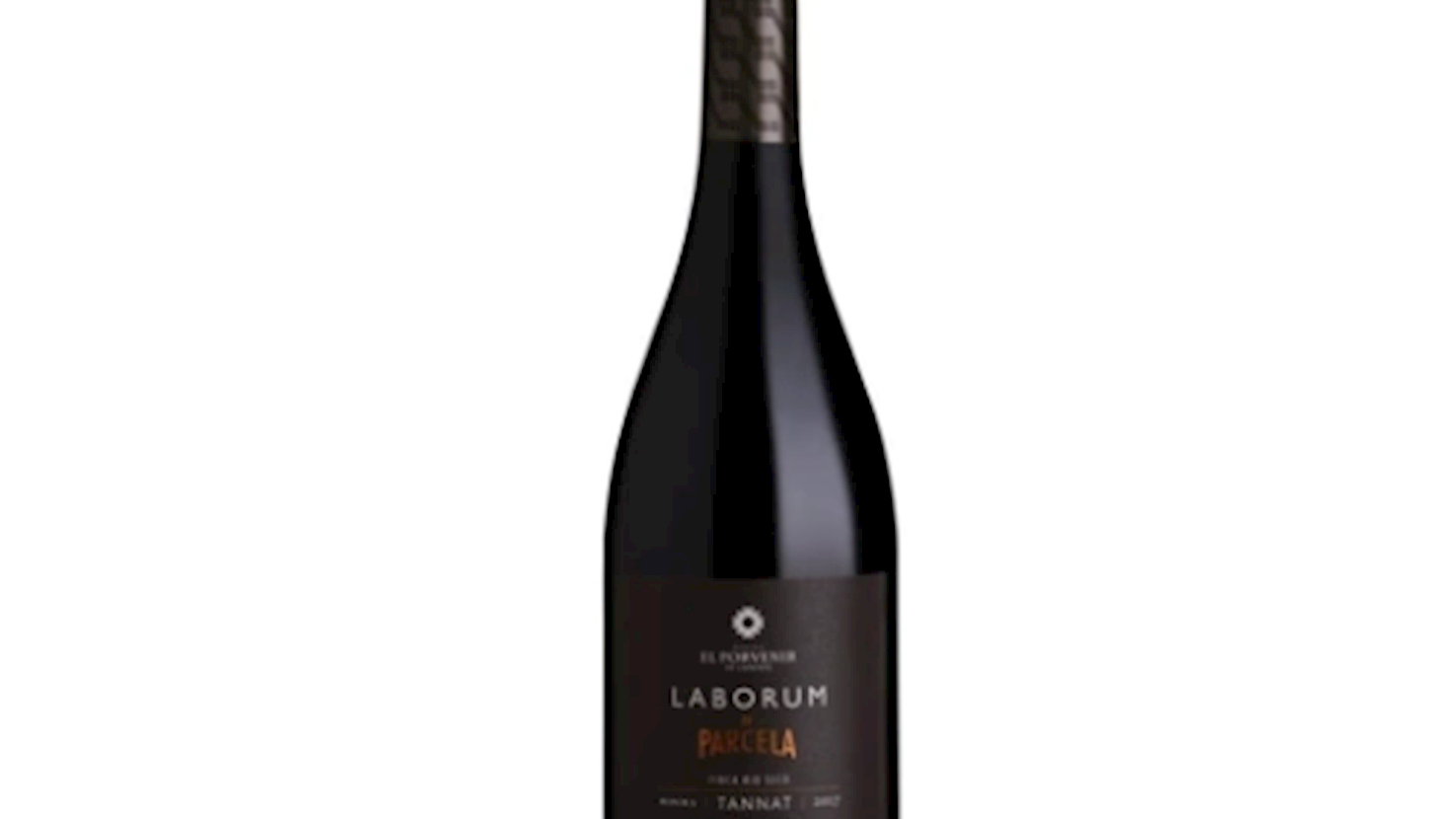
El Porvenir de Cafayate

4.7 ·
El Porvenir de Cafayate is a family-owned winery located in Cafayate, in the Salta province of northwestern Argentina, and is considered one of the leading contemporary producers in the Valles Calchaquíes region. The project was established in the early 2000s as a continuation of the Romero Marcuzzi family’s long-standing viticultural tradition, and is now led by Lucía Romero Marcuzzi, who introduced a modern, precise, and terroir-driven approach to winemaking. The vineyards are planted at extreme altitudes, ranging from approximately 1,650 to over 2,000 meters above sea level, on poor, sandy soils with strong day–night temperature variation, resulting in wines with marked freshness, aromatic clarity, and structure. The winery focuses on varieties that best express the local terroir, such as Torrontés, Malbec, and Tannat, with hand harvesting and careful grape selection. Winemaking is restrained and site-focused, aiming to preserve varietal identity and sense of place rather than impose heavy intervention. Today, El Porvenir de Cafayate is regarded as a benchmark winery of northwestern Argentina, known for authentic, precise, and age-worthy wines that clearly reflect the character of Cafayate.
Awards
Decanter World Wine Awards - Platinum (2021)
Vivino - 4.2
04
Wine

Puna

4.6 ·
Awards
Decanter World Wine Awards - Platinum (2022)
05
Wine

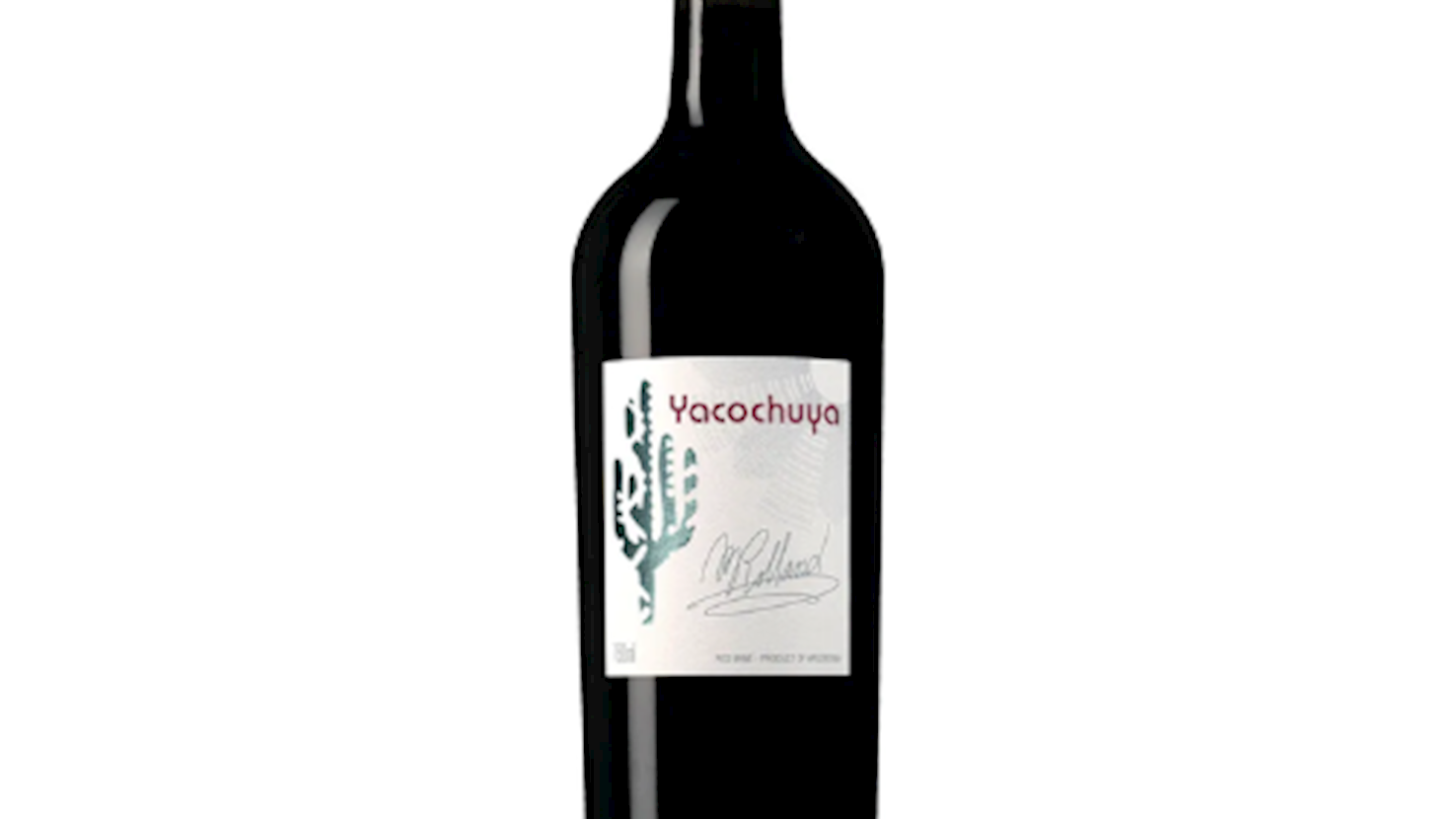
Bodega Yacochuya

4.5 ·
Bodega Yacochuya is an Argentine winery located in the Cafayate, within the Calchaquí Valleys, and is recognized as one of the country’s leading high-altitude wine projects. Developed through a collaboration between the Etchart family and renowned French oenologist Michel Rolland, the modern winery began production in 1999. The vineyards are situated at around 2,000 meters above sea level, where extreme conditions - intense sunlight, low humidity, and significant temperature variation - contribute to highly concentrated and expressive grapes. Some vines date back to the early 20th century, adding depth and complexity to the wines. The estate focuses primarily on Malbec and Cabernet Sauvignon, which thrive in this environment and produce structured, full-bodied wines. Winemaking emphasizes low yields, careful grape selection, and aging in French oak to enhance texture and aromatic complexity. The wines typically show ripe black fruit, spice, cocoa, and mineral notes, with firm yet refined tannins and long finishes. Overall, Bodega Yacochuya represents a distinctive expression of extreme-altitude terroir, combining international expertise with the unique conditions of northwestern Argentina.
Awards
Vivino - 4.4
Wine-Searcher - 91/100
06
Wine

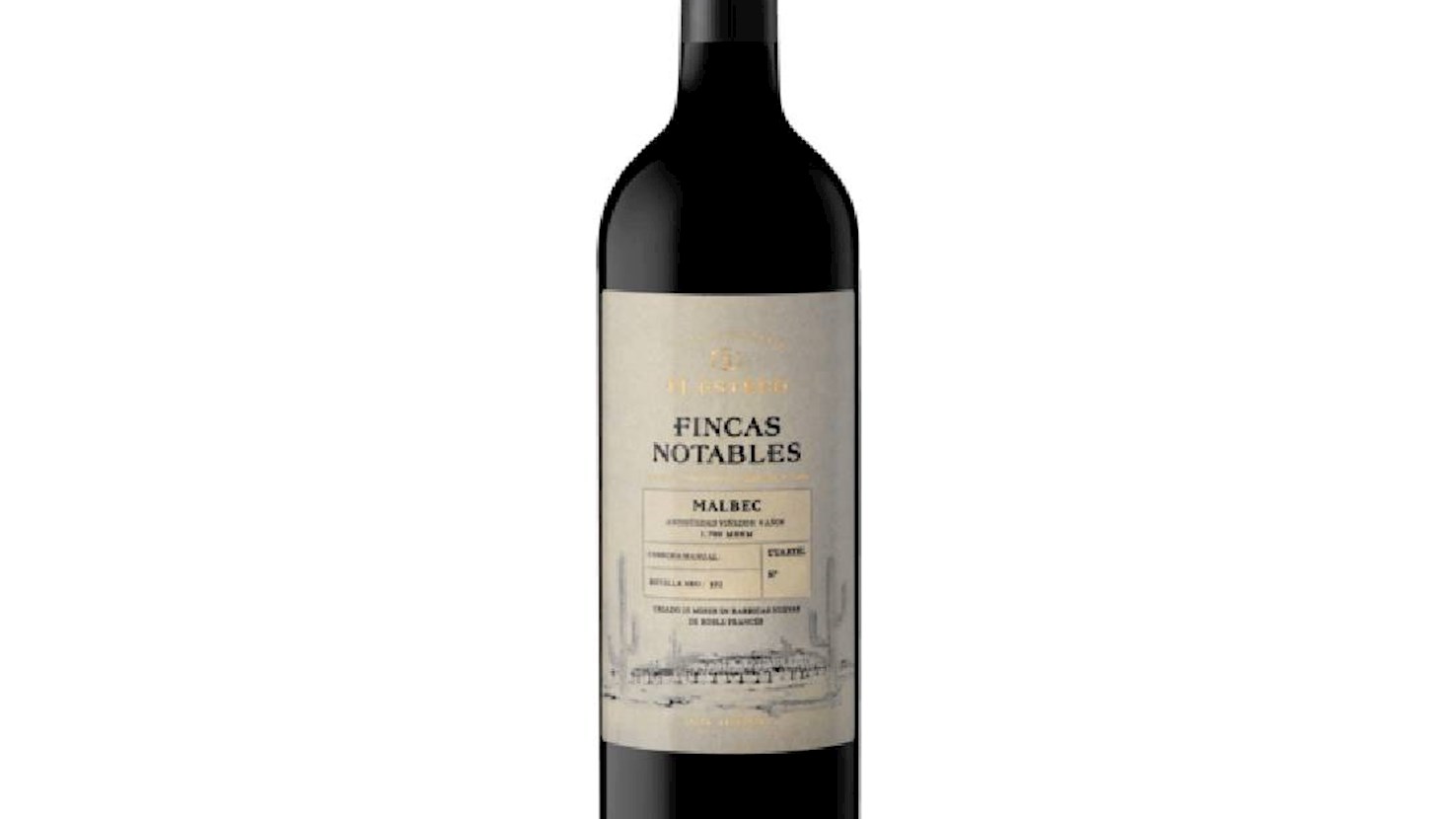
El Esteco

4.3 ·
Bodega El Esteco is a winery located in the heart of the Calchaquí Valley, in Cafayate, Salta Province, Argentina, at an altitude of 1,700 meters above sea level. It was founded in 1892 by French brothers David and Salvador Michel, along with David's wife, Italian Gabriela Torino. Today, El Esteco is one of the most important wineries in the Calchaquí Valley, with approximately 1,000 hectares of vineyards. The high altitude, abundant sunny days, and significant temperature variation between day and night create ideal conditions for growing high-quality grapes. The winery produces a wide range of wines, including red, white, rosé, and sparkling wines. Their "Don David" line is dedicated to one of the pioneers of winemaking in Cafayate and features wines such as Malbec Reserva, Cabernet Sauvignon Reserva, and Torrontés Reserva.
Awards
James Suckling - 95 points (2023)
Vivino - 4.1
07
Dessert

El Rodeo

4.2 ·
Alfajores El Rodeo was born in 1979 in the heart of Catamarca, out of the love and dedication of Deodoro Salado and his wife Toti Greco. Their vision was simple—to create a confection that carried the spirit of homemade tradition, and the result was alfajores that still embody warmth and authenticity today. Over the decades, El Rodeo has grown into a symbol of artisanal craftsmanship and flavor diversity. Their selection includes more than ten varieties, from classics filled with dulce de leche or made with cornstarch cookies, to unique creations with cayote, quince, fig, peach, or strawberry fillings. Each bite tells the story of its region and celebrates the richness of local ingredients. What sets El Rodeo apart is its ability to honor tradition while embracing innovation. They remain faithful to artisanal methods while also reaching new horizons—their alfajores are now enjoyed not only in Catamarca and across Argentina, but also on international markets. Alfajores El Rodeo are more than just sweets; they are part of a family story, a reminder of childhood, and proof that when tradition and love come together, the result is a confection capable of conquering the world.
Awards
Campeonato Mundial del Alfajor - Plata (2025)
Campeonato Mundial del Alfajor - Bronce (2025)

Best Northwestern Argentinian foods

01
Savory Pastry

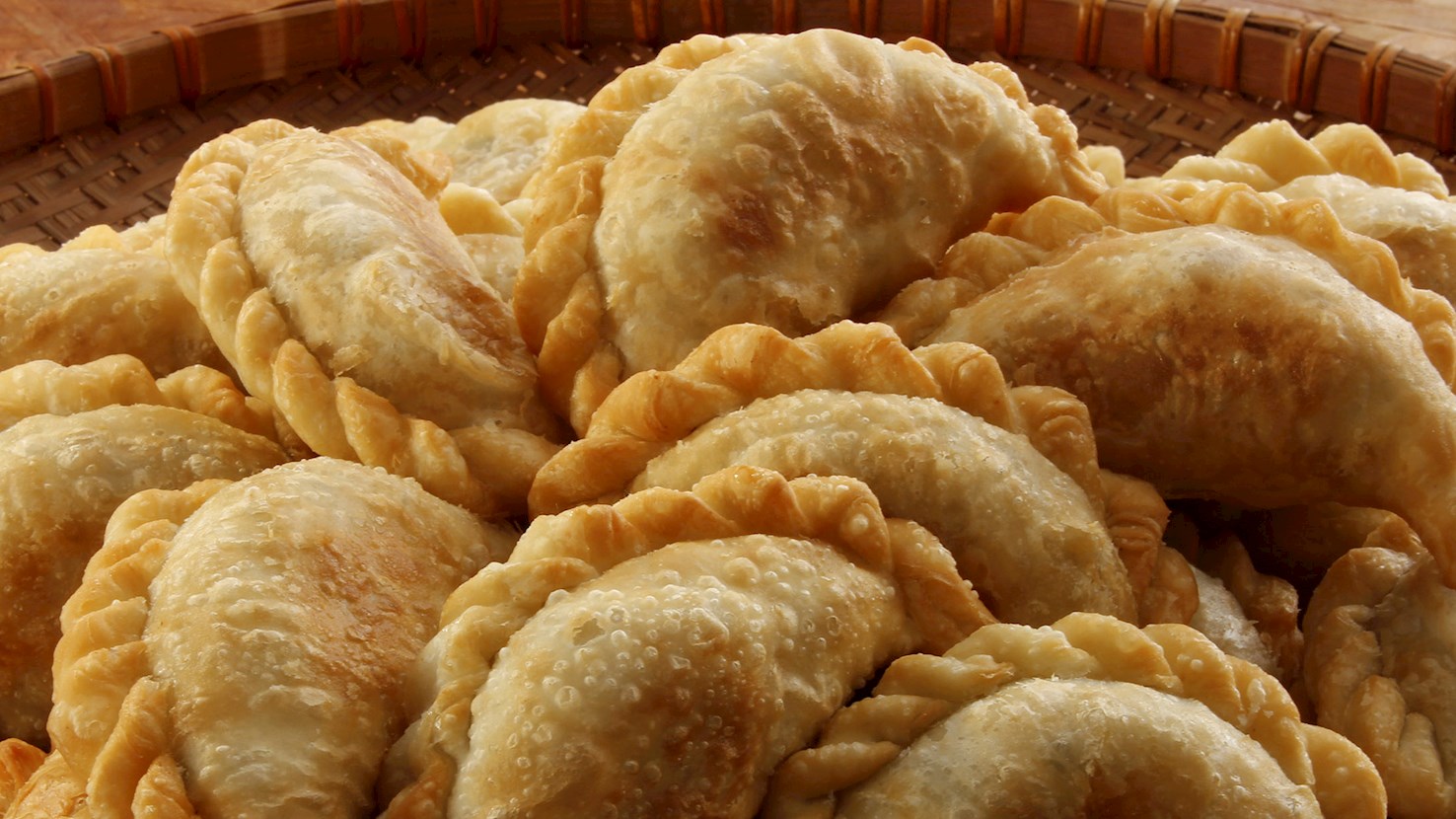
Empanadas Tucumanas

4.4 ·

These empanadas are a specialty of the region of Tucumán, and they are quite different than numerous empanadas found in Buenos Aires. Tucumanas are typically handmade according to old, traditional recipes, and are characterized by a crispy dough and ideal proportions of dough and fillings. The dough is made with wheat flour and beef fat, and it is then usually filled with beef, chicken, or tripe, along with other ingredients such as onions, hard-boiled eggs, paprika, and cumin. Authentic Tucumanas should be baked in a clay oven, and it is best to enjoy them with a glass of local wine on the side.

02
Sandwich

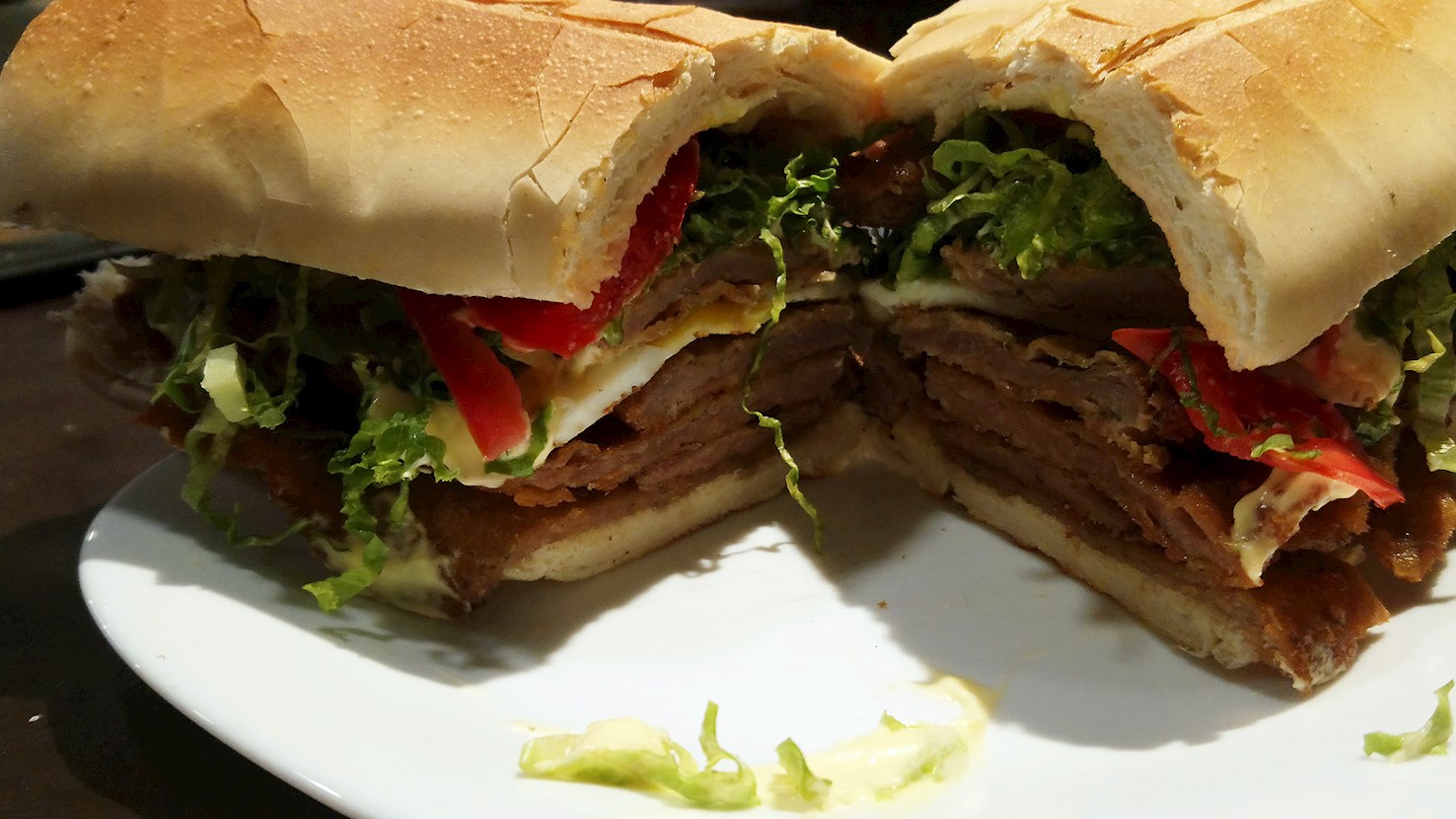
Sánguche de milanesa

4.3 ·

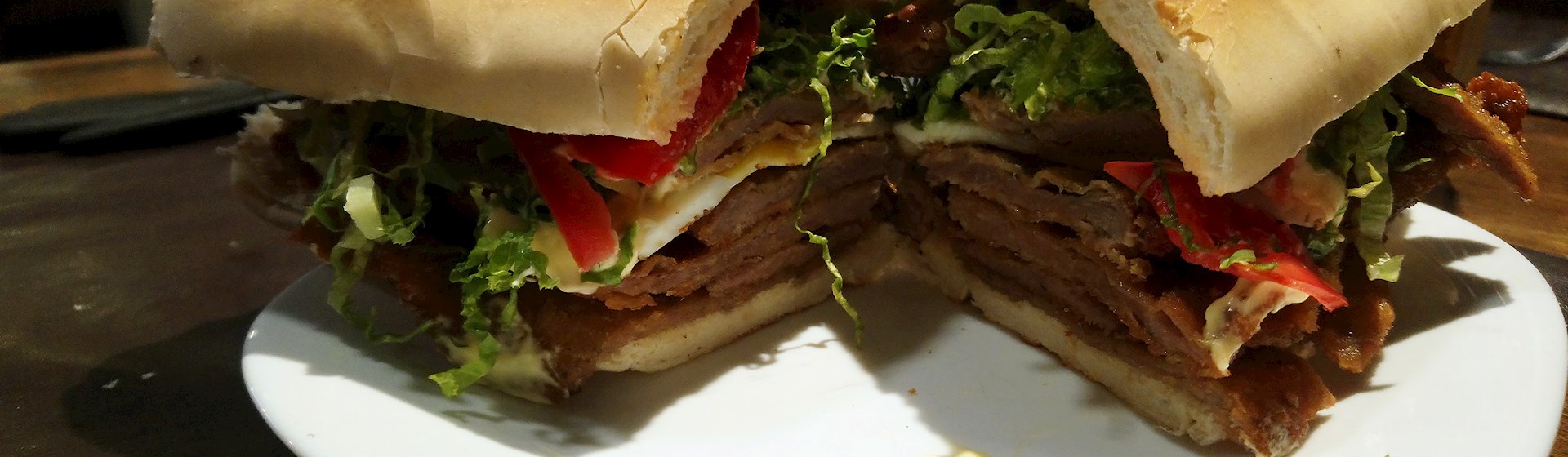
Sánguche de milanesa is a popular sandwich hailing from Argentina, although it's also popular in Uruguay. The sandwich typically consists of a split baguette or long bread roll that's filled with milanesa, mayonnaise, tomatoes, onions, and shredded lettuce. Additional ingredients might include mustard, chimichurri, ham, or cheese. This sandwich is especially popular in the province of Tucumán, where it's sold in mostly family-owned sangucherías. In some eateries, sánguche de milanesa is accompanied by mashed potatoes or fries on the side.

03
Meat Dish

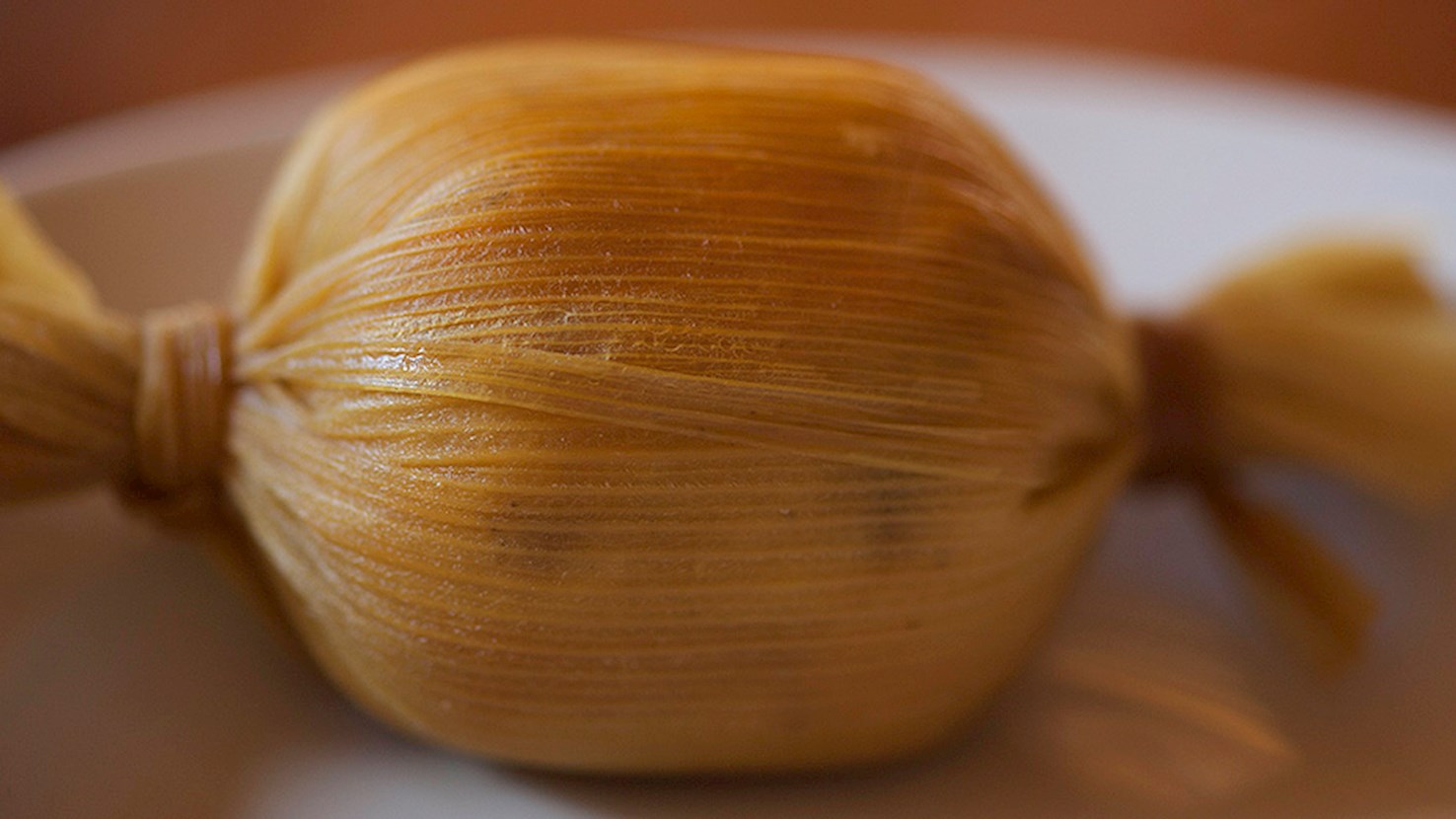
Tamales Salteños

3.7 ·

This tamale variety originates from the town of Salta in Argentina, hence the name. Fresh corn husks called chalas are filled with a delicious mixture of corn flour and shredded meat – either from boiled lamb or pork head. These tamales are often enriched with the addition of onions, pimentón, and ají peppers. When assembled, tamales salteños are boiled, then removed from the husks and consumed warm.

04
Stew

Cazuela de llama

n/a ·

Llama meat is the star of this traditional stew which is commonly consumed throughout northern Argentina. The dish is typically made by simmering pieces of llama meat with ingredients such as carrots, rice, and colorful Andean potatoes (papas andinas). The combination is cooked until the meat and vegetables become tender, and it is then served while still warm. Cazuela de llama may also come in the form of thin llama meat slices that are combined with potato halves and smothered in creamy sauces. Specialties prepared with llama meat such as this one can be found in numerous local restaurants in the region.

05
Meat Dish

Lomo de llama

2.7 ·

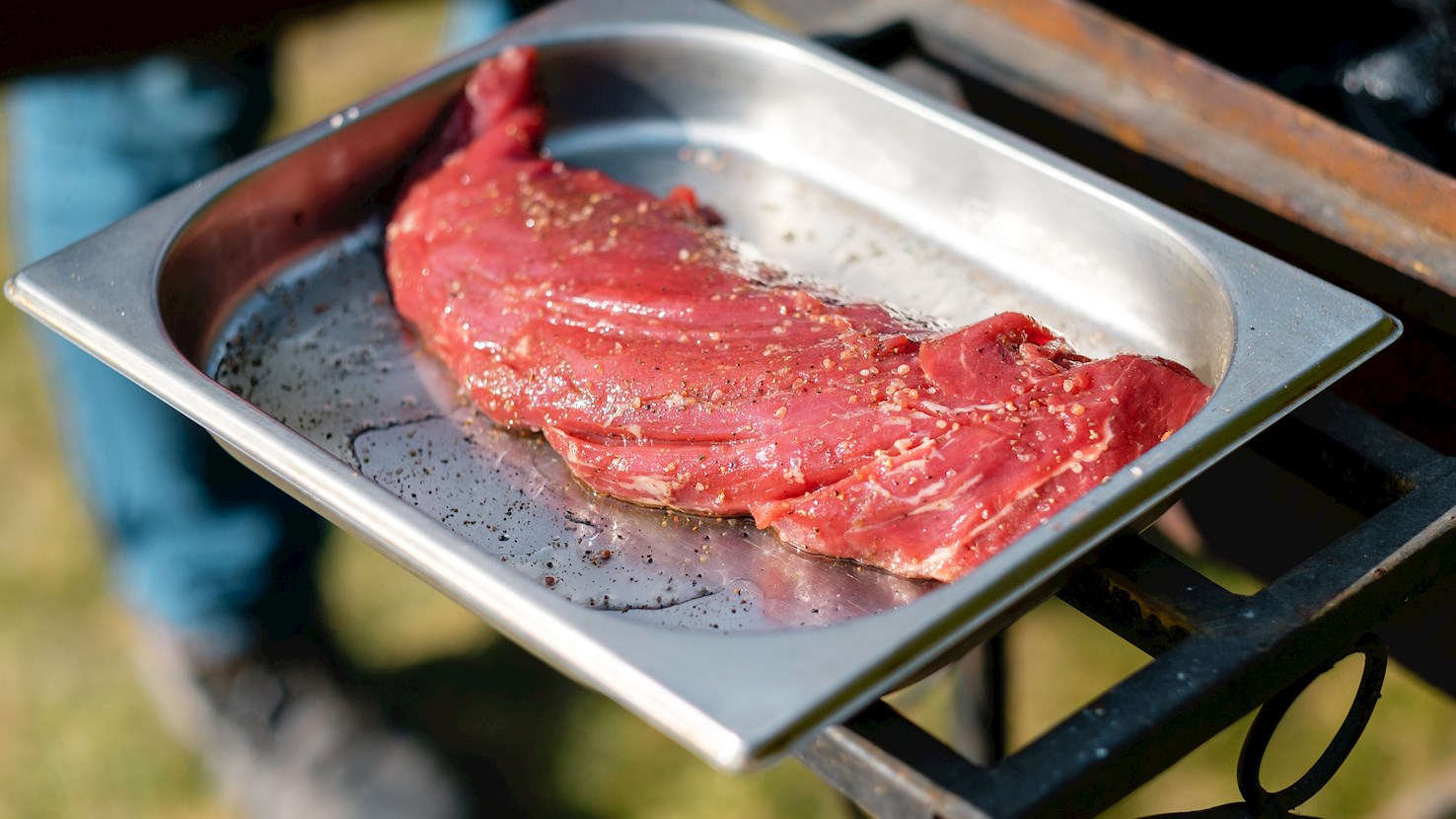
Lomo de llama is llama tenderloin, a prized cut from the loin of a llama. This cut is incredibly tender, succulent, and juicy, and it can be prepared similarly to beef tenderloin - as steaks, fillets, or fillet medallions. Llama meat is, however, much leaner than beef and higher in proteins, while flavor-wise, it is said to be similar to beef but slightly more intense, with hints of lamb and gaminess. Llama tenderloin is used to prepare a vast variety of specialties, and it's commonly fried, baked, stuffed, or braised in wine sauces. Typical accompaniments to dishes made with this cut of meat include mashed or boiled papas andinas (Andean potatoes), raw or cooked vegetables, quinoa salads, risottos, and chimichurri sauces.

06
Snack

Panchuker

n/a ·

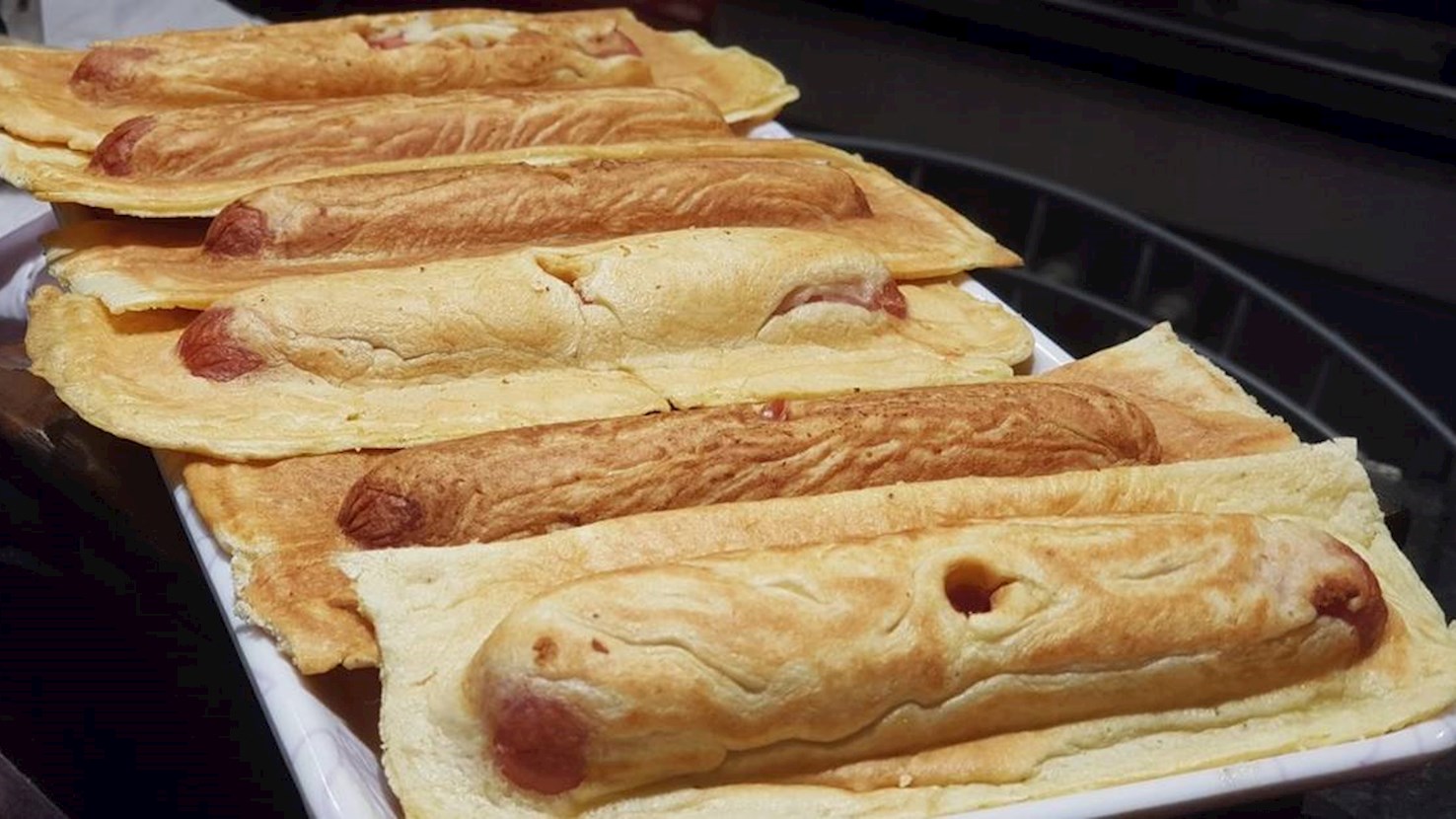
Panchuker is a popular snack originating from Argentina. It can be found at numerous street food stalls in the country and consists of a sausage that's covered with a waffle-like coating. The snack is served on a stick for easier consumption, just like a corn dog. There are many versions of panchuker and some of them contain cheese, while others are accompanied by sauces. Panchuker can also be found in Uruguay and other South American countries, but it's the most popular in the Argentine province of Tucumán. Interestingly, the snack is so popular that there are special stoves called panchukeras which make only these snacks.

07
Cookie

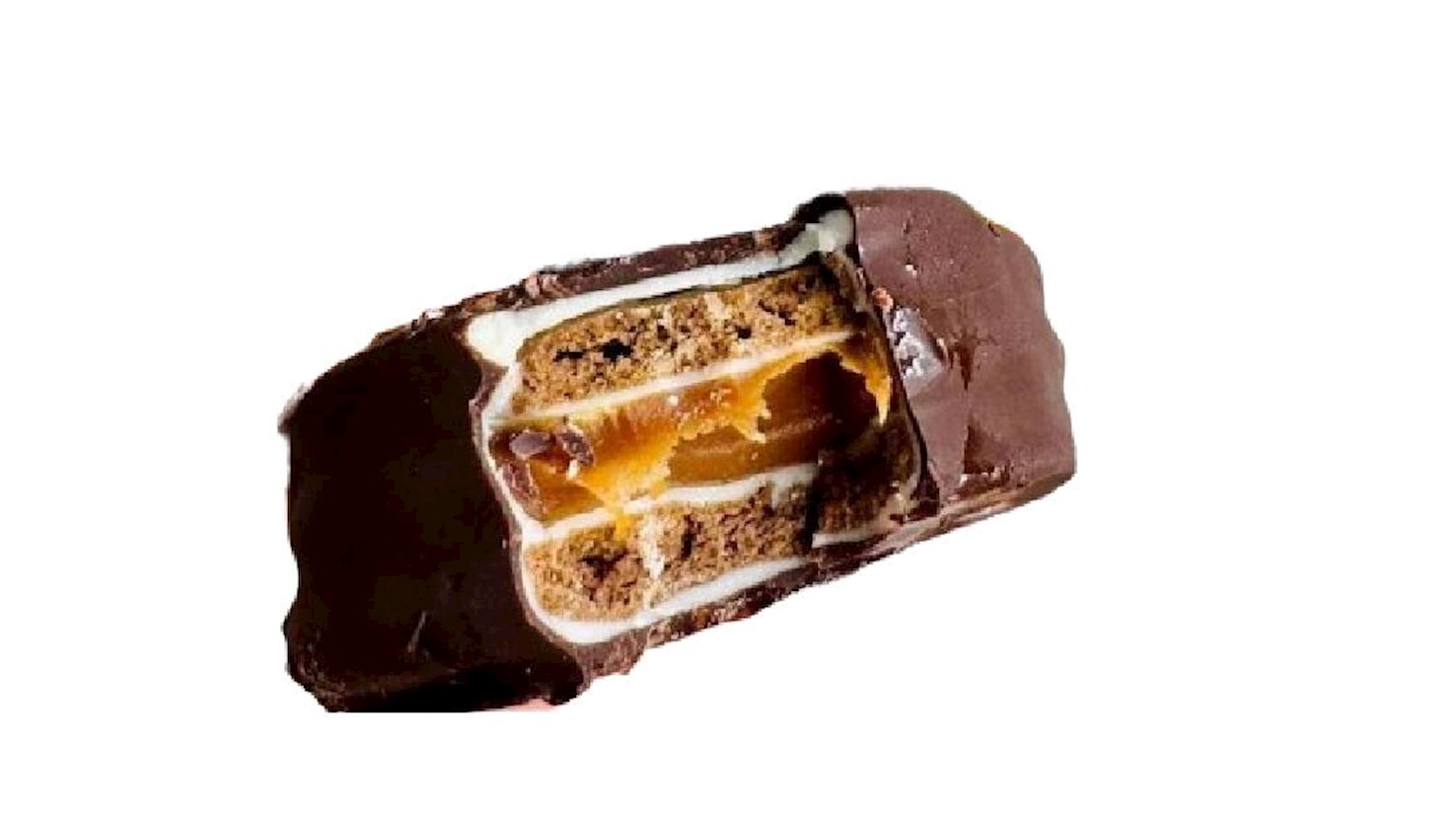
Alfajores de miel de cana

n/a ·

Alfajores de miel de caña are a distinctive alfajores variation, originating from provinces Tucumán, Jujuy, and Salta. Unlike other types that rely on fruit pastes or dulce de leche for their filling, this version uses miel de caña, a thick, dark syrup derived from sugarcane juice (molasses), which gives the sweet both its name and its characteristic flavor. The dough for alfajores de miel de caña is made with flour, baking powder, egg yolks, pork or beef fat, a splash of vinegar, and a little cognac, forming a soft dough that is rolled out, cut into small rounds, and baked until lightly golden. The filling is prepared by boiling miel de caña (molasses), honey, and sugar together, then slowly pouring this hot mixture into whipped egg whites while beating to create a light, airy turrón-style cream. Once cooled, two baked cookies are sandwiched together with this sweet filling to form the finished alfajor. Alfajores de miel de caña are usually enjoyed as a snack or dessert, often accompanied by mate, coffee, or tea. They are a common feature of local fairs, markets, and family gatherings, and they are frequently purchased as edible souvenirs by travelers exploring the sugarcane-producing areas of northern Argentina.

Read more
View all
View map
About this ranking

TasteAtlas food rankings are based on the ratings of the TasteAtlas audience, with a series of mechanisms that recognize real users and that ignore bot, nationalist or local patriotic ratings, and give additional value to the ratings of users that the system recognizes as knowledgeable. For the “Top 7 Northwestern Argentinian Foods” list until June 02, 2026, 410 ratings were recorded, of which 247 were recognized by the system as legitimate. TasteAtlas Rankings should not be seen as the final global conclusion about food. Their purpose is to promote excellent local foods, instill pride in traditional dishes, and arouse curiosity about dishes you haven’t tried.

The initial list of top producers was compiled based on available reviews, awards, local recommendations, media and blog coverage, and consumer reviews. The list will be updated with ratings from TasteAtlas local ambassadors and TasteAtlas users.

Similar lists