shutterstock

Top 90 Traditional Foods
in Gironde

Last updated on June 02, 2026

Best Gironde food products

01
Wine

Château Margaux

5 ·
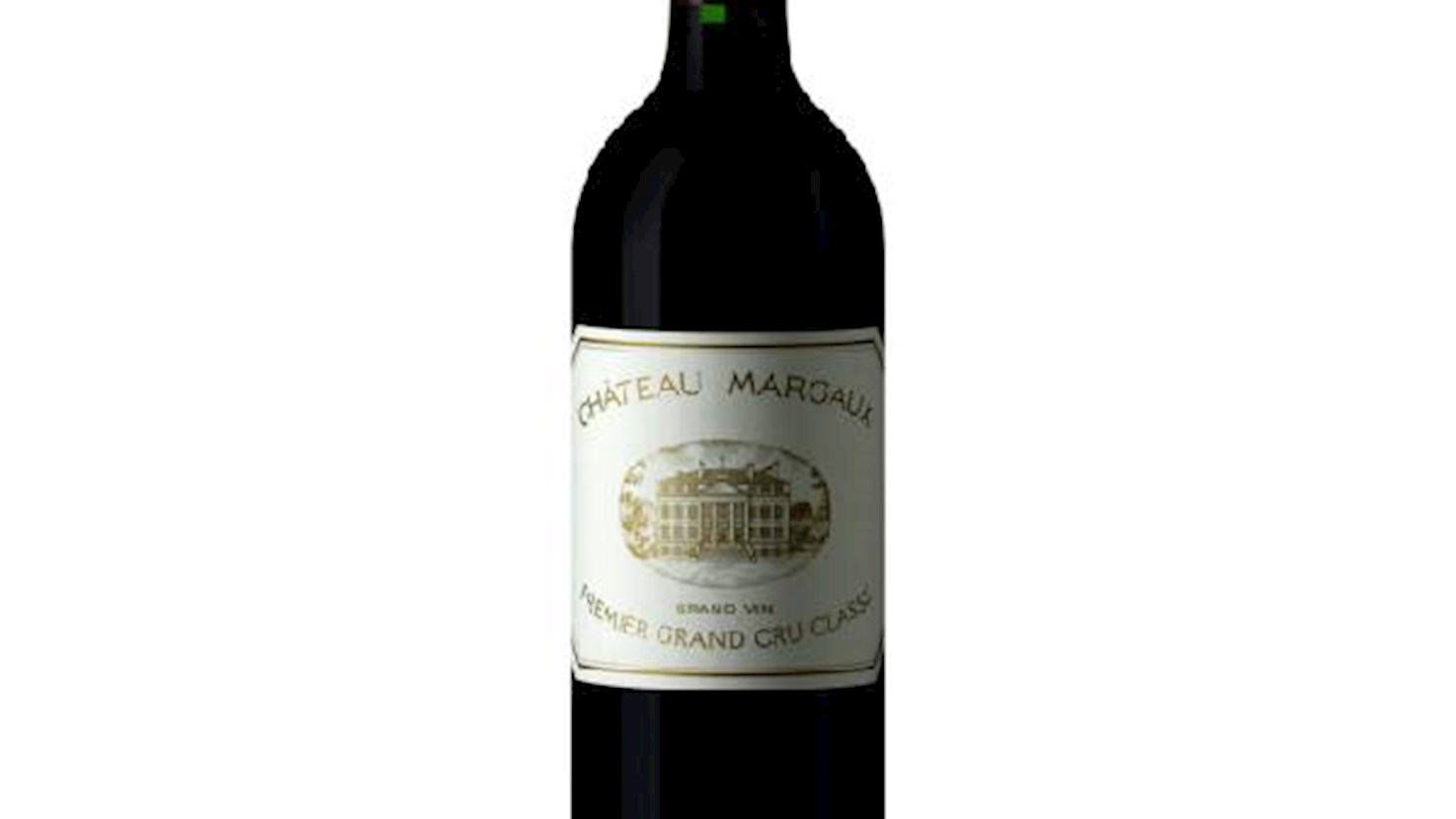
Château Margaux is one of the most respected and renowned names in the world of wine. With a long-standing tradition, the estate has become a symbol of elegance, dedication, and exceptional craftsmanship. Located in the heart of the Margaux appellation, the property includes over 80 hectares of vineyards planted on gravel and clay-rich soils. Carefully cultivated vines yield grapes that allow for the production of wines known for their complexity, depth, and aging potential. Under the leadership of the Mentzelopoulos family, the estate has been revitalized and elevated in every aspect. A thoughtful balance of modern winemaking and traditional methods defines a signature style recognized around the globe. The estate’s flagship wine, Château Margaux, is celebrated for its finesse, structure, and longevity. In addition to the Grand Vin, the estate also produces Pavillon Rouge, Pavillon Blanc, and Margaux de Château Margaux, each reflecting the same philosophy of purity and precision. Château Margaux is more than a winery. It is a cultural landmark, where land, heritage, and human skill come together in every bottle.
Awards
Falstaff - 100
Falstaff - 99
02
Wine

Château d'Yquem

5 ·
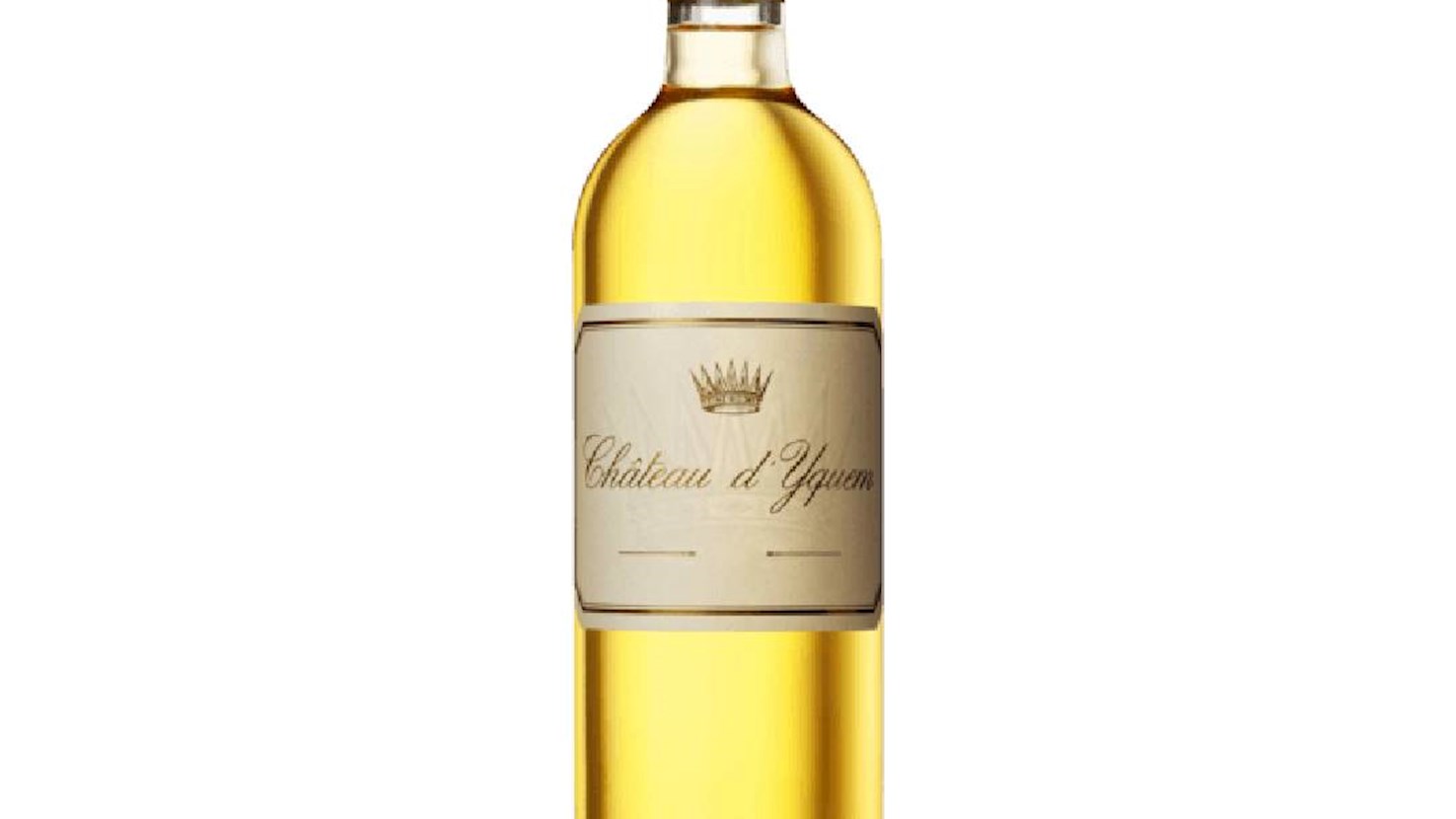
Château d’Yquem stands as one of the most revered names in the world of wine - a symbol of timeless dedication, patience, and craftsmanship passed down through generations. Its wines are not simply made; they are created through a meticulous process where nature and human expertise work in perfect harmony. Each harvest begins with careful observation of the vineyards, where grapes are handpicked over several passes, selecting only the finest berries touched by noble rot. This rigorous selection results in extremely low yields, yet every drop of wine carries an extraordinary concentration of flavor and aroma. In the glass, Yquem captivates with remarkable depth and complexity: layers of honey, dried fruits, and exotic spices intertwine with a fresh, vibrant acidity that grants it exceptional longevity. Its ability to evolve and shine for decades - sometimes even centuries - makes it a wine like no other. What truly sets Château d’Yquem apart is its uncompromising pursuit of perfection. In years when the grapes do not meet the highest standards, the wine simply isn’t produced. This rare dedication to excellence turns each bottle into more than a wine - it is an experience, a memory, and a masterpiece in liquid form.
Awards
James Suckling - 100 points (2024)
Falstaff - 100
03
Wine

Château Lafite Rothschild

5 ·
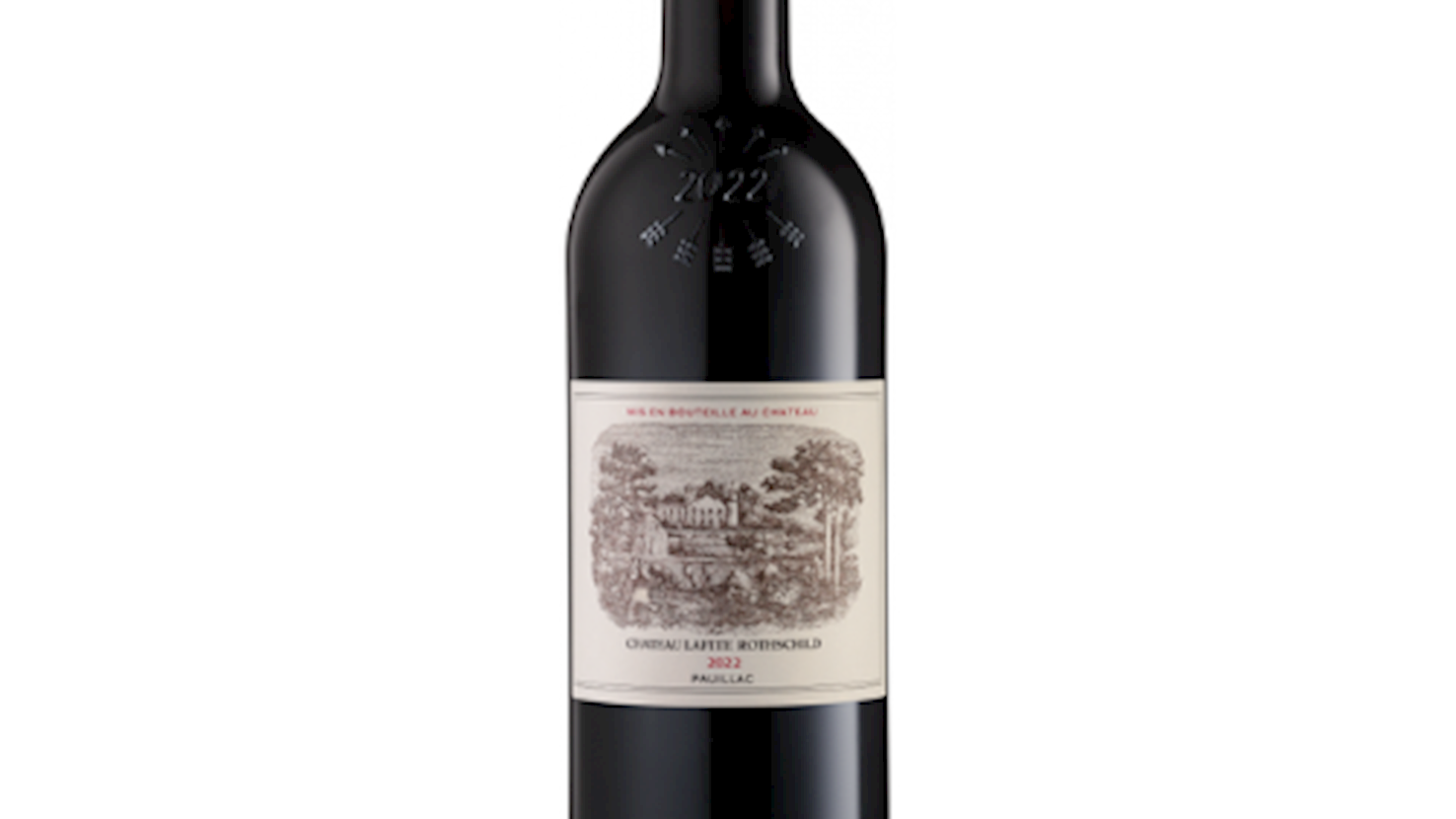
Château Lafite Rothschild is a name that represents the highest expression of elegance, precision, and consistency in the world of fine wine. The estate follows a distinctive philosophy rooted in deep respect for the land, the vine, and every detail of the winemaking process. The vineyards are cultivated with thoughtful care, aiming to reveal the purest expression of their origin. Every decision - from grape selection to aging - is guided by a pursuit of balance, clarity, and refinement. Whether it is the Grand Vin, Carruades de Lafite, or Anseillan, the house style remains unmistakable: understated, harmonious, and enduring. Château Lafite Rothschild does not seek to impress - it seeks to achieve quiet excellence that is felt and remembered.
Awards
Falstaff - 100
Falstaff - 99
04
Wine

Château Mouton Rothschild

5 ·
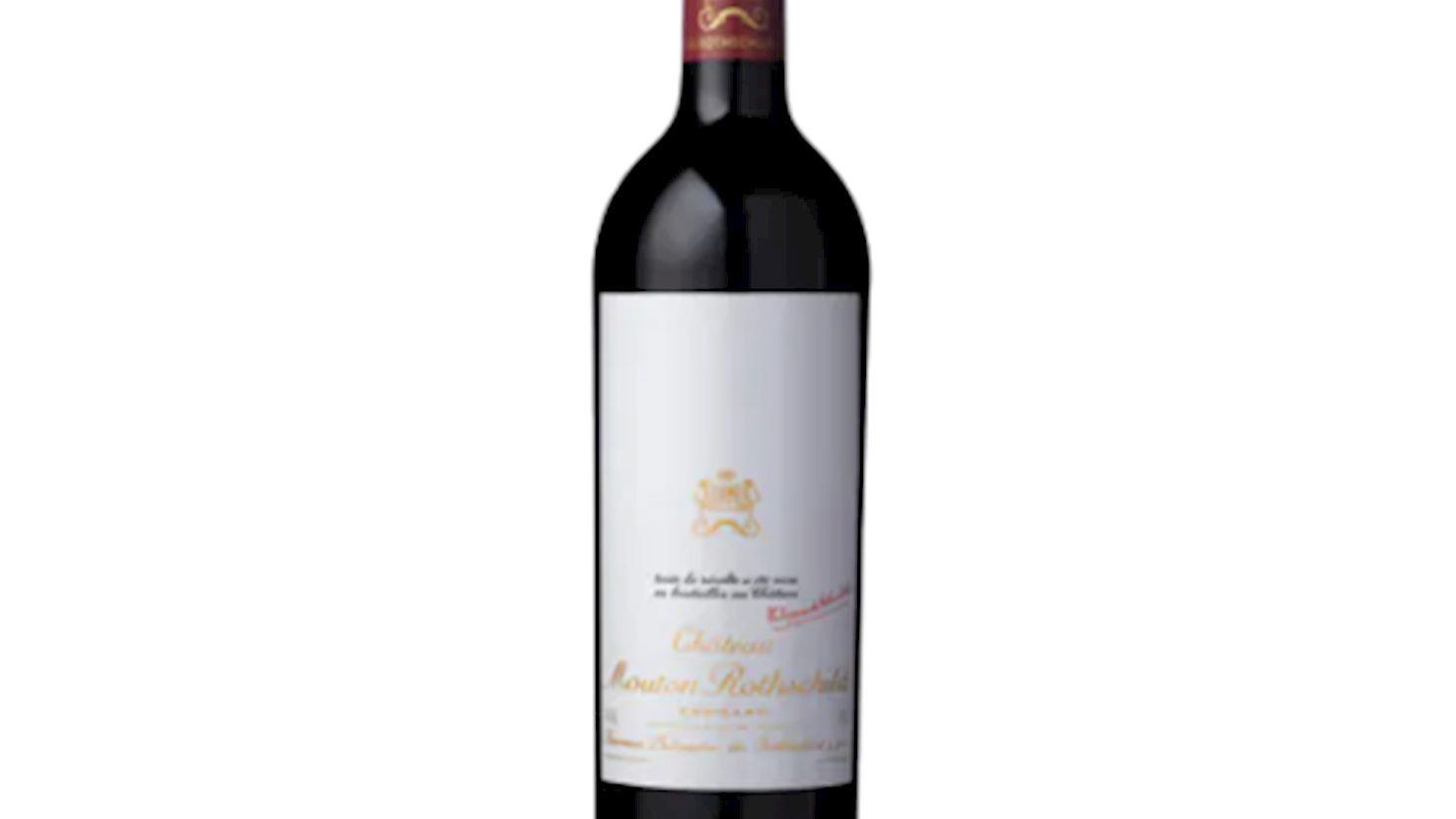
Château Mouton Rothschild stands as a symbol of heritage, artistry, and excellence in winemaking. Nestled in the heart of Pauillac, this legendary estate has been under the stewardship of the Rothschild family since 1853, when it was acquired by Baron Nathaniel de Rothschild. Over the decades, Mouton has become a beacon of innovation and prestige within Bordeaux. In 1924, Baron Philippe de Rothschild made a bold move by deciding to bottle the entire vintage at the château - an unprecedented decision at the time that redefined estate bottling in Bordeaux. After decades of consistent excellence, Château Mouton Rothschild was elevated in 1973 to the highly coveted status of First Growth, becoming the only estate in history to rise within the official 1855 classification. The wines, anchored in Cabernet Sauvignon, are known for their depth, power, and remarkable aging potential. But beyond the wine itself, Mouton is renowned for its intimate connection with the world of art. Since 1945, each vintage has featured a bespoke label created by a prominent artist - names such as Picasso, Miró, Chagall, Warhol, and Hockney - transforming each bottle into a unique piece of collectible art. Still family-owned and passionately led, Château Mouton Rothschild continues to honor its legacy while embracing modernity, uniting the worlds of fine wine and fine art in one extraordinary expression of culture and craftsmanship.
Awards
Falstaff - 100
Falstaff - 99
05
Wine

Château Ausone

5 ·
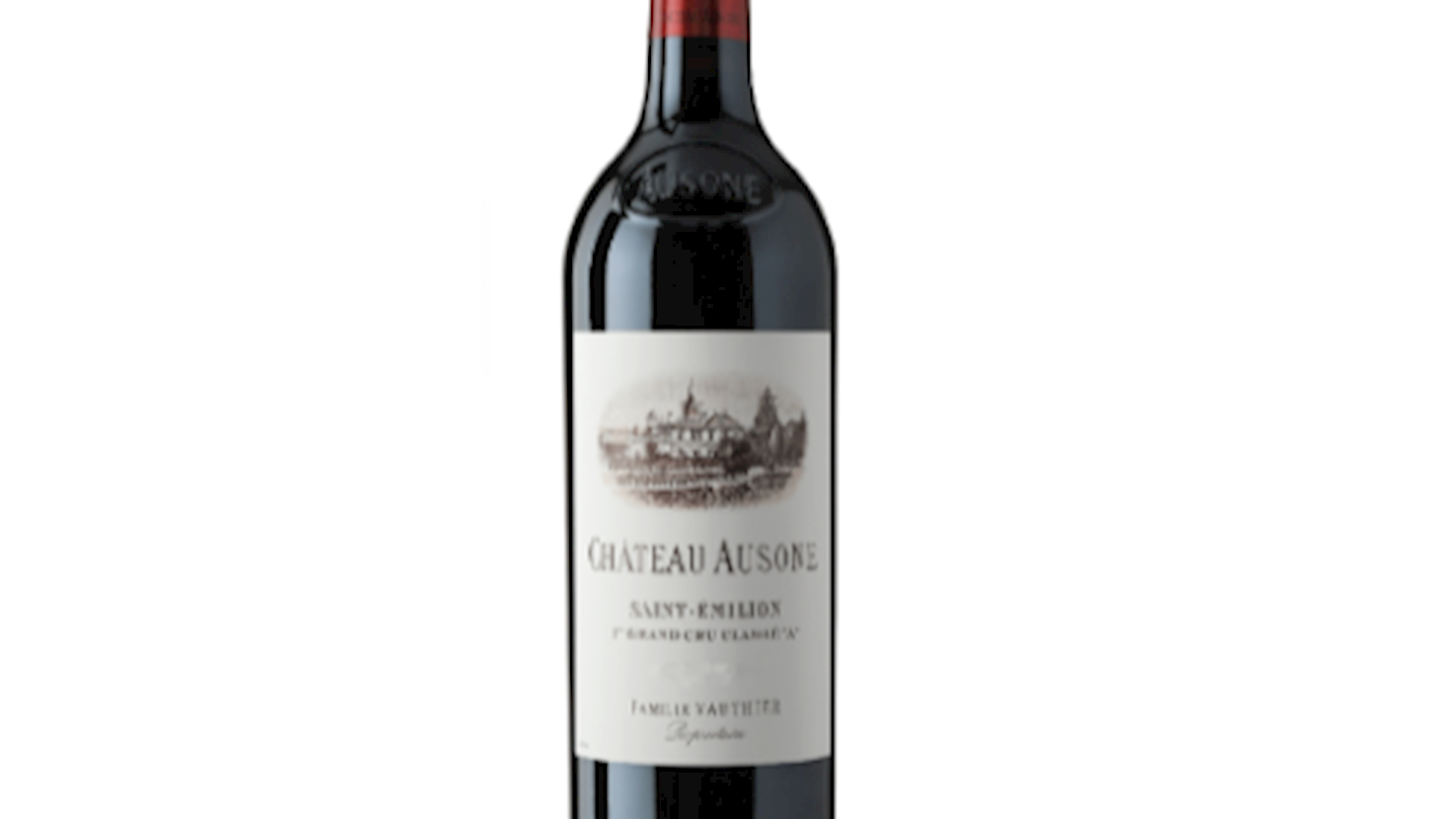
Château Ausone is one of the most renowned and rare estates in Saint-Émilion, situated on a steep limestone plateau overlooking the medieval town and offering ideal conditions for growing vines. The vineyard spans only about seven hectares, yet this small surface contains an exceptional mix of old-vine Cabernet Franc and Merlot planted on soils rich in limestone, clay, and gravel. This terroir gives the wines pronounced minerality, precise structure, and a fine, elegant tannic texture. The style of Château Ausone is known for its concentration and depth, while always maintaining subtlety and balance, with aromas of red and black fruit, graphite, licorice, and the distinctive freshness of limestone. During aging, the wines develop layers of leather, tobacco, spice, and earthy nuances, further enhancing their complexity. Vinification takes place in small batches, with strict grape selection and minimal intervention to highlight the pure expression of the terroir. Annual production is very limited, making the wines highly sought after by collectors and rarely available on the market. Château Ausone’s wines are among the most long-lived on Bordeaux’s Right Bank, capable of maturing for several decades. Despite modern equipment, the approach remains deeply traditional, prioritizing precision and purity of expression. For this reason, Ausone is synonymous with refinement, authenticity, and one of the clearest interpretations of the Saint-Émilion terroir.
Awards
Falstaff - 100
Falstaff - 99
06
Spirit

Old Nick

5 ·
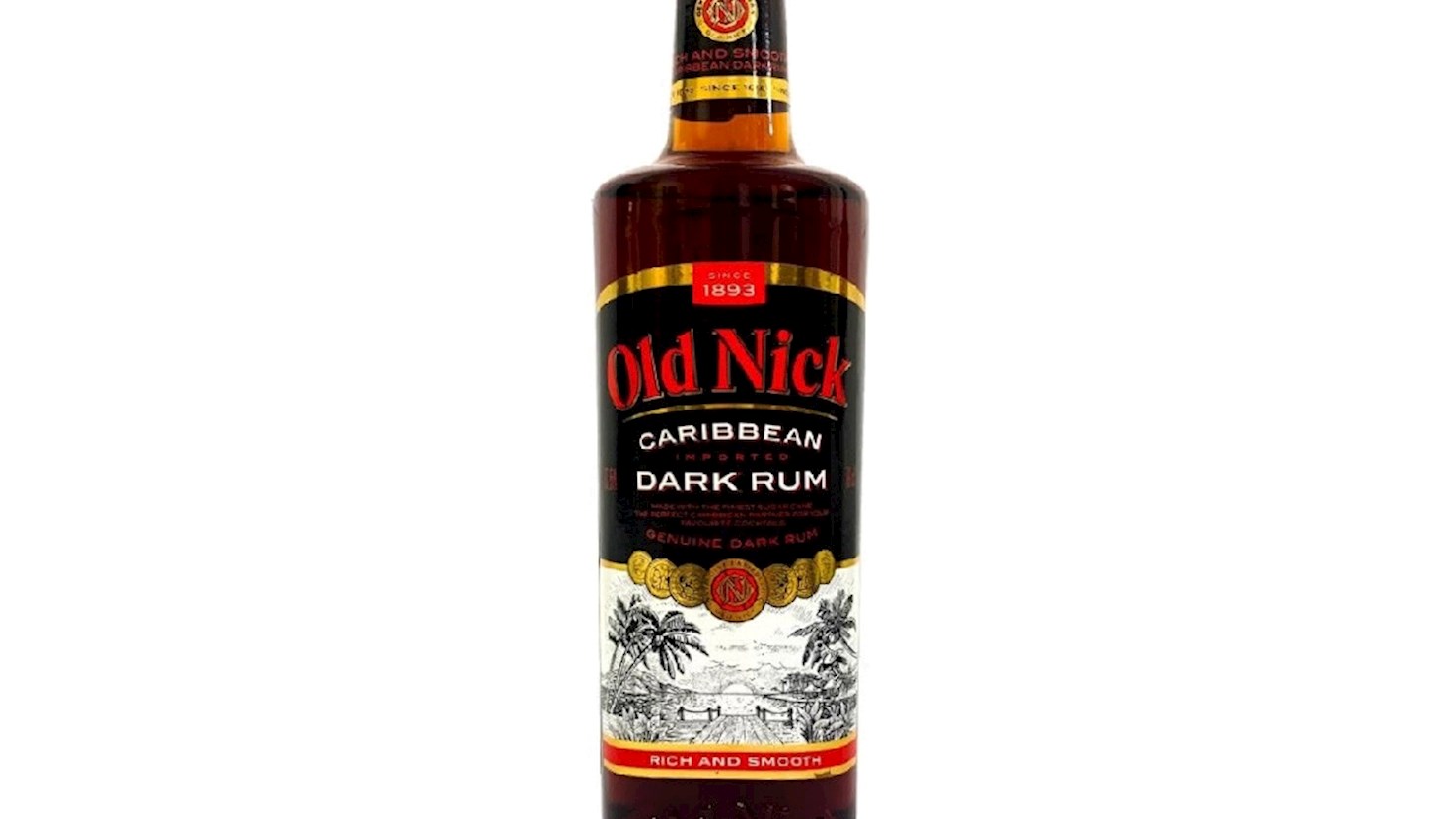
Old Nick is a rum brand produced by Bardinet, part of the La Martiniquaise-Bardinet group, one of the largest spirits companies in France. Established in 1893, Old Nick is known for its Caribbean-inspired rums, using high-quality sugarcane from regions such as Martinique, Guadeloupe, and Marie-Galante. The brand emphasizes traditional production methods, creating a range of white and amber rums that capture the authentic taste of the French Antilles. Bardinet's expertise and commitment to quality make Old Nick a popular choice for cocktails and punches in both France and international markets.
Awards
The Rum & Cachaça Masters - Master (2023)
The Rum & Cachaça Masters - Gold (2022)
07
Wine

Château Pétrus

5 ·
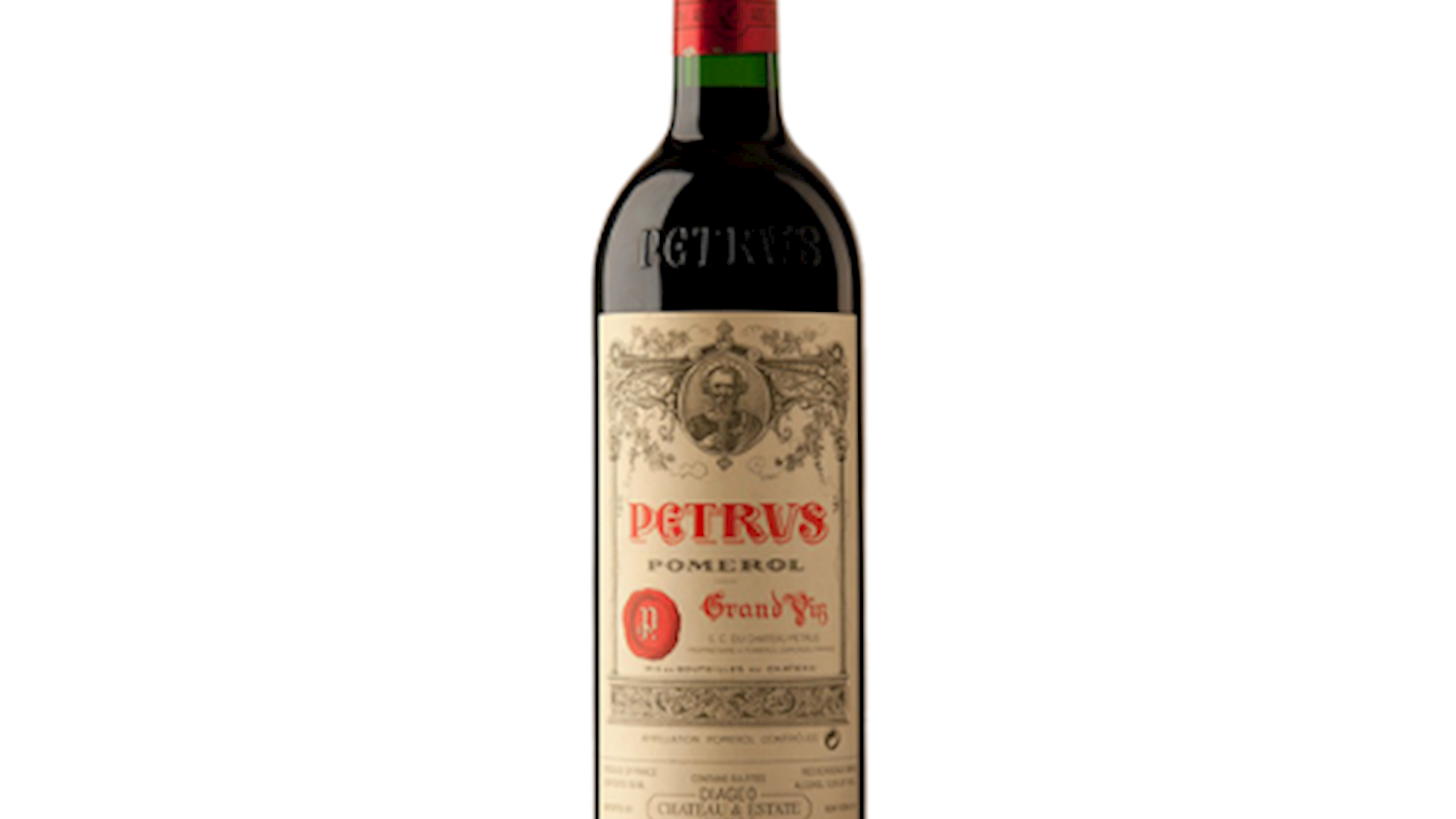
Château Pétrus stands as one of the most prestigious and exclusive wineries in the world. Located in the heart of the Pomerol appellation, it is renowned for its unique vineyard, rooted in a rare blue clay soil rich in iron. This distinctive terroir imparts exceptional depth, structure, and aging potential to the wine. The vineyard is planted exclusively with Merlot, and the annual production is extremely limited. The winery produces only a single cuvée, crafted through a meticulous process — hand-harvesting, strict grape selection, fermentation in concrete vats, and aging in the finest French oak barrels. Château Pétrus follows a philosophy of uncompromising dedication to quality. Each vintage reflects the character of the year and the vineyard, shaped by a constant pursuit of excellence. The wine is celebrated for its aromatic complexity, velvety texture, and remarkable elegance, making it one of the most sought-after labels among collectors and connoisseurs.
Awards
Vivino - 4.7
08
Wine

Château Cheval Blanc

5 ·
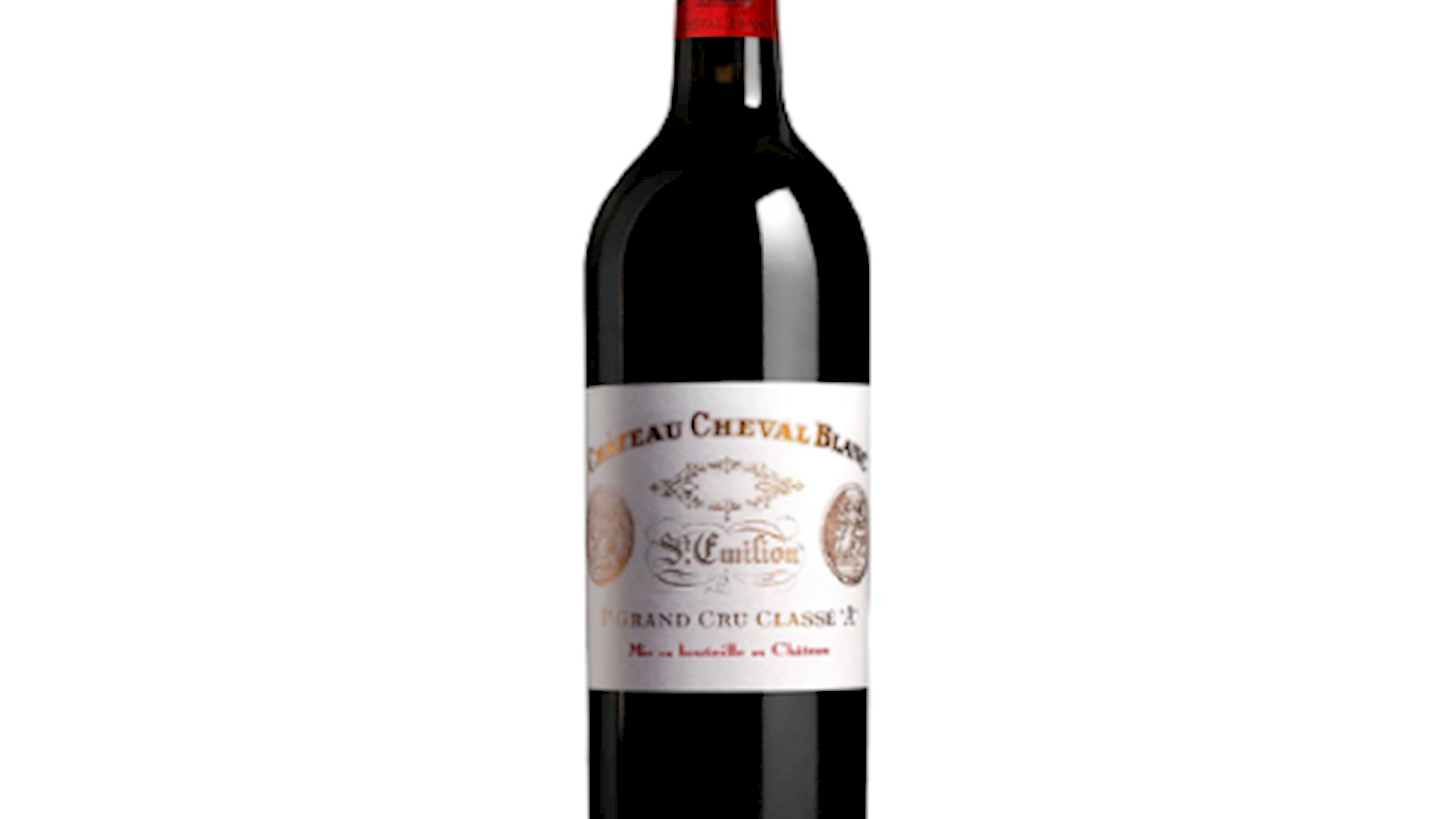
Château Cheval Blanc is one of Bordeaux’s most prestigious and respected wineries, located in the renowned Saint-Émilion appellation, right on the border with Pomerol. Its winemaking tradition stretches back for centuries, with today’s vineyards forming a mosaic of 55 carefully tended plots covering around 40 hectares. The estate’s uniqueness lies in its exceptional terroir - a blend of gravel and clay soils that allows for the perfect balance between Cabernet Franc, the variety for which Cheval Blanc is celebrated, and Merlot, which adds richness and softness to the wines. This combination produces exceptional wines that marry power and elegance, with remarkable aging potential. For decades, Cheval Blanc held the highest classification of Premier Grand Cru Classé A, and today, even outside the official ranking, it retains its reputation as a symbol of excellence and prestige. Owned by the LVMH group and guided by top-level winemakers, the estate blends tradition with modern techniques to create wines that rank among the most sought-after in the world.
Awards
Falstaff - 100
Falstaff - 99
09
Wine

Château Latour

5 ·
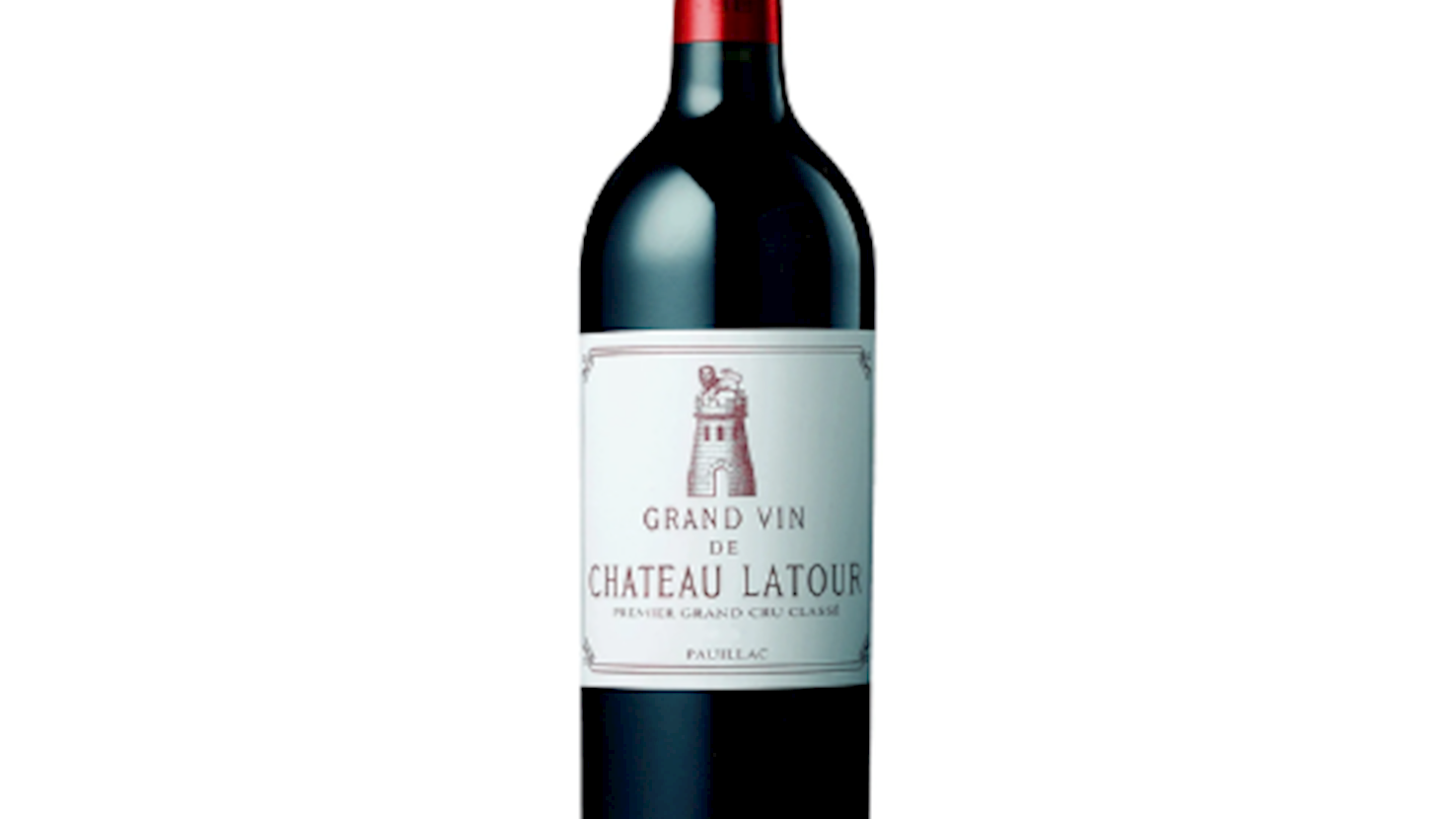
Château Latour is one of the most iconic names in the world of wine and a benchmark for enduring excellence. The estate is known for its precision, longevity, and the ability to bring out the full potential of each vintage. Grapes for the Grand Vin come exclusively from the central vineyard, L’Enclos, where old vines are carefully cultivated to produce fruit of exceptional depth and concentration. Every step of production, from hand harvesting to fermentation and aging in French oak, is designed to preserve the character of the soil and the authenticity of the grape variety. The wine reveals complex aromas of dark fruit, cedar, earth, spice, and refined minerality. On the palate, it shows power, elegance, and a firm structure that allows it to evolve beautifully over time. Château Latour does not rely on flamboyance but earns admiration through consistency and quiet confidence. It is a winery that honors tradition while embracing modern refinement, always staying true to its identity. Each bottle reflects a philosophy where time, expertise, and nature work in perfect harmony.
Awards
Falstaff - 100
Falstaff - 99
10
Wine

Château Pavie

5 ·
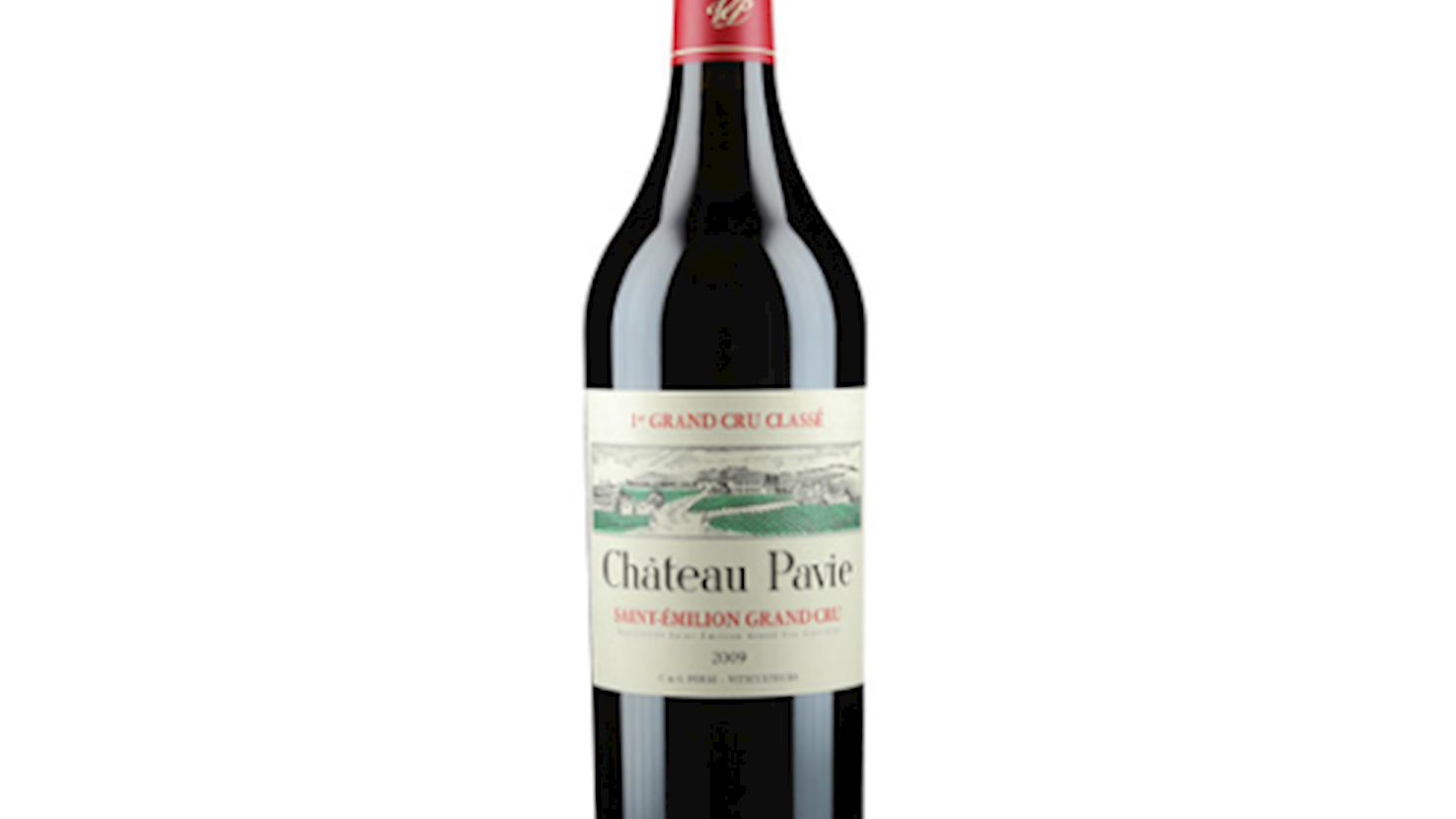
Château Pavie is a leading estate in Saint-Émilion, whose modern reputation was shaped after its acquisition by Gérard Perse in 1998. Its vineyards stretch across steep, south-facing slopes composed of limestone, clay-limestone, and sandy soils, enabling a layered and complex expression of the terroir. The plantings are dominated by Merlot, complemented by Cabernet Franc and a smaller share of Cabernet Sauvignon, with careful vineyard management focused on low yields and optimal ripeness. Winemaking is carried out with a high level of precision, including parcel-by-parcel vinification and aging in a significant proportion of new French oak, which contributes to the wine’s structure and aging capacity. Château Pavie wines are known for their concentration, firm tannic backbone, and depth, often requiring extended cellaring to fully integrate their elements. The aromatic profile typically reveals ripe black fruit, such as blackberry and black cherry, alongside notes of cocoa, spice, tobacco, and a pronounced mineral character. While earlier vintages leaned toward a more powerful and extracted style, recent years show a greater emphasis on balance, freshness, and finesse. Its promotion to Premier Grand Cru Classé A status in 2012 confirmed its place among the most prestigious estates in Bordeaux.
Awards
Falstaff - 100
Falstaff - 99

Best Gironde foods

01
Saltwater Fish Dish

Poisson à la bordelaise (Bordeaux-style fish)

3.9 ·

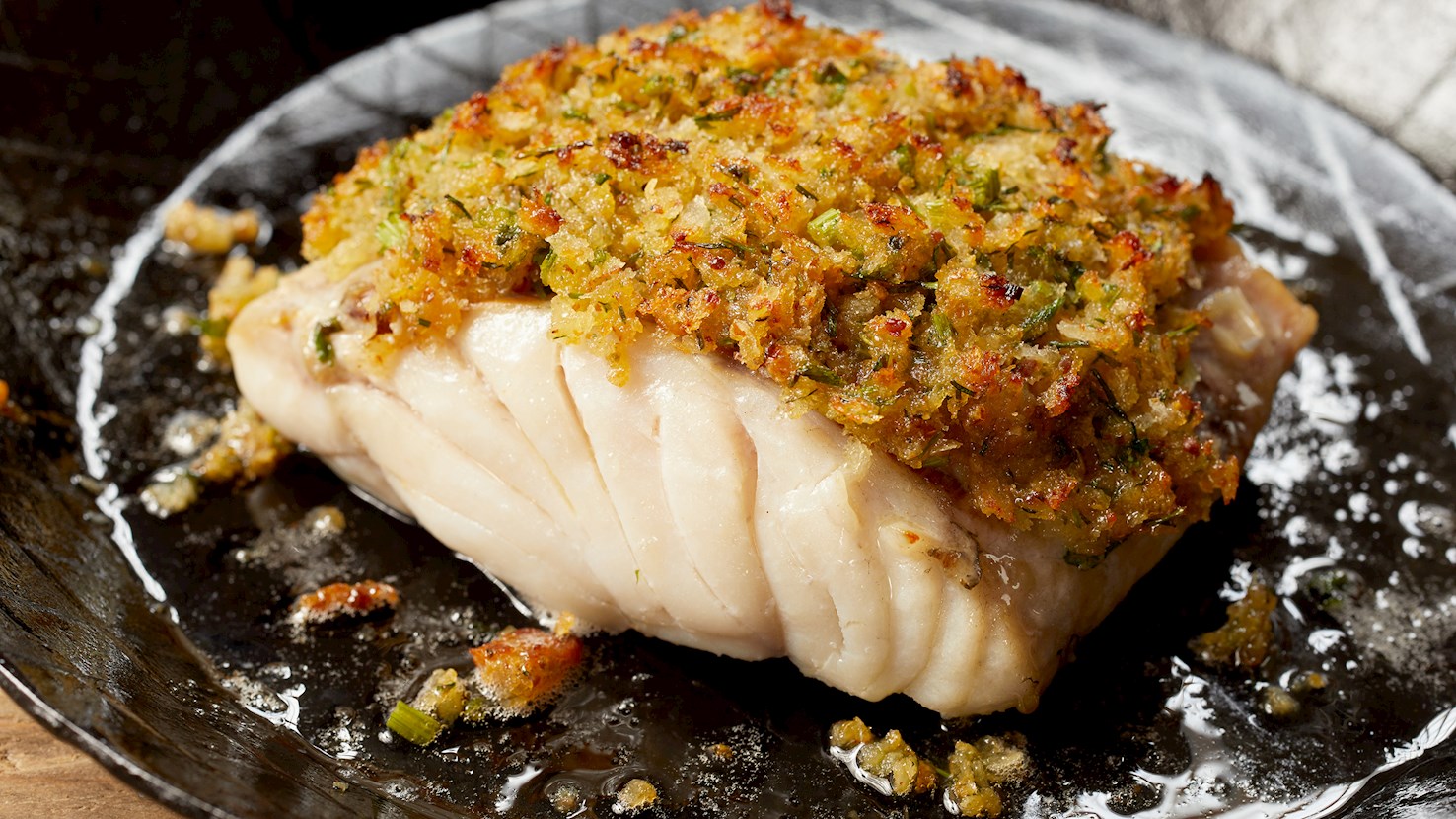
Poisson à la bordelaise is a traditional fish dish originating from Bordeaux. The dish is usually made with a combination of hake, cod or halibut, breadcrumbs, butter, white wine, lemon juice, garlic, shallots, olive oil, salt, and black pepper. The garlic and shallots are chopped and sautéed in butter. White wine, breadcrumbs, lemon juice, salt, and pepper are added to the pan and simmered over low heat. The fish is placed into an ovenproof pan, and the fillets are covered with the mixture from the other pan and drizzled with olive oil. The dish is baked in the oven until everything is fully cooked, and it's then ready to be enjoyed.

02
Sweet Pastry

Canelé

3.8 ·

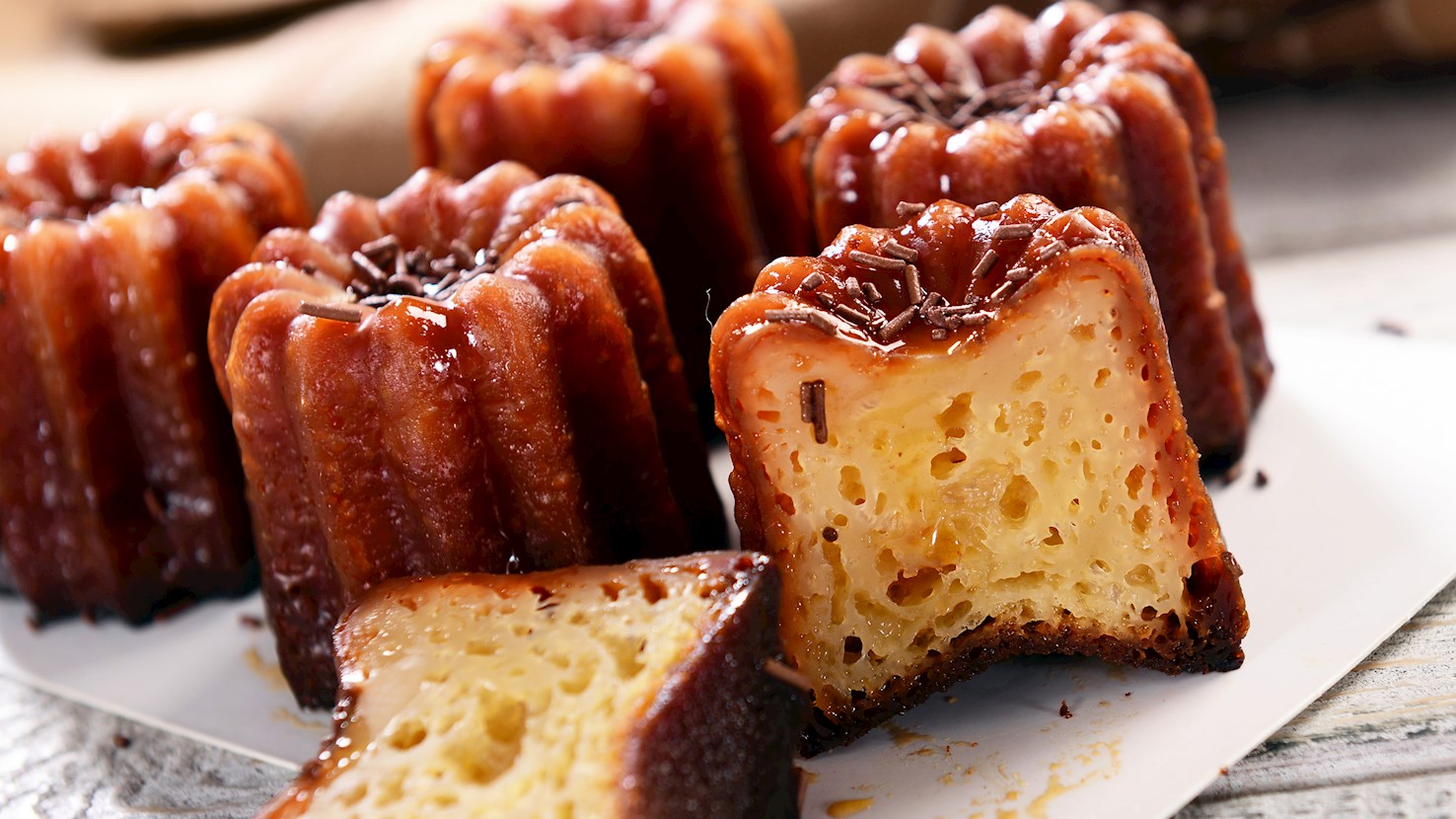
Canelé is a little cake with a rich, custardy interior, and a thin, caramelized exterior, invented by an anonymous cook from Bordeaux in France. There is a theory that the dessert originated in the convent of the Annunciation in Bordeaux, specializing in the production of candied nuts and sweet sticks known as canelets. Canelets were traditionally made by the nuns and given to the poor. In 1790, the nuns left their convent, but the recipe was rediscovered and improved by Bordeaux cooks in 1830. Today, canelé is an emblematic symbol of the city of Bordeaux, kept as the city's specialty, but it can also be found in numerous Parisian pâtisseries. Canelé is usually accompanied by cocktails, champagne, tea, and many types of wine.

03
Beef Dish

Entrecôte à la bordelaise

n/a ·

Entrecôte à la bordelaise is a classic French dish consisting of a seared steak and a rich, wine-infused sauce. Traditionally, entrecôte is a cut from between the ribs which roughly corresponds to rib, ribeye, club, Scotch fillet, or Delmonico cuts. The steak is shortly seared on both sides, while the sauce typically includes a combination of sautéed shallots, butter, dry red wine (preferably red Bordeaux), spices, and thyme. The sauce is reduced until it becomes thick and smooth, and it is then usually drizzled over the steak. The dish is garnished with parsley, and it's traditionally served with french fries, mashed or pan-fried potatoes, green beans, or mushrooms. Renowned red Bordeaux wines are the perfect accompaniment to entrecôte à la bordelaise.

04
Salad

Salade Rachel

n/a ·

Salade Rachel is a French salad made with a combination of celery, truffles, artichokes, boiled potatoes, asparagus, and mayonnaise. The celery is blanched in salted water, then julienned. The truffles are thinly sliced, then combined with other ingredients. Before serving, mayonnaise (or mayonnaise and mustard) is added to the salad for a touch of creaminess.

05
Beef Dish

Tournedos à la bordelaise

n/a ·

Tournedos à la bordelaise is a French delicacy consisting of thick and round pan-seared or grilled steaks of beef tenderloin that are accompanied by a red wine sauce on the side. Named after the French wine-producing region of Bordeaux, the bordelaise sauce is typically made with a combination of finely chopped shallots, butter, and spices such as thyme, bay leaves, salt, and pepper, which is reduced in dry red wine (traditionally a red Bordeaux wine) until thickened and smooth in consistency. The sauce can alternatively be enhanced with the addition of a demi-glace consisting of broth and bone marrow. Once cooked, the tournedos are transferred to a serving platter and served with the flavor-packed wine sauce drizzled on top. The tender steaks are often garnished with chopped parsley on top, and they are usually paired with a side of french fries and a glass of medium to full-bodied wine such as Cabernet Sauvignon or red Bordeaux wine.

06
Stew

Lamproie à la bordelaise (Lamprey à la bordelaise)

n/a ·

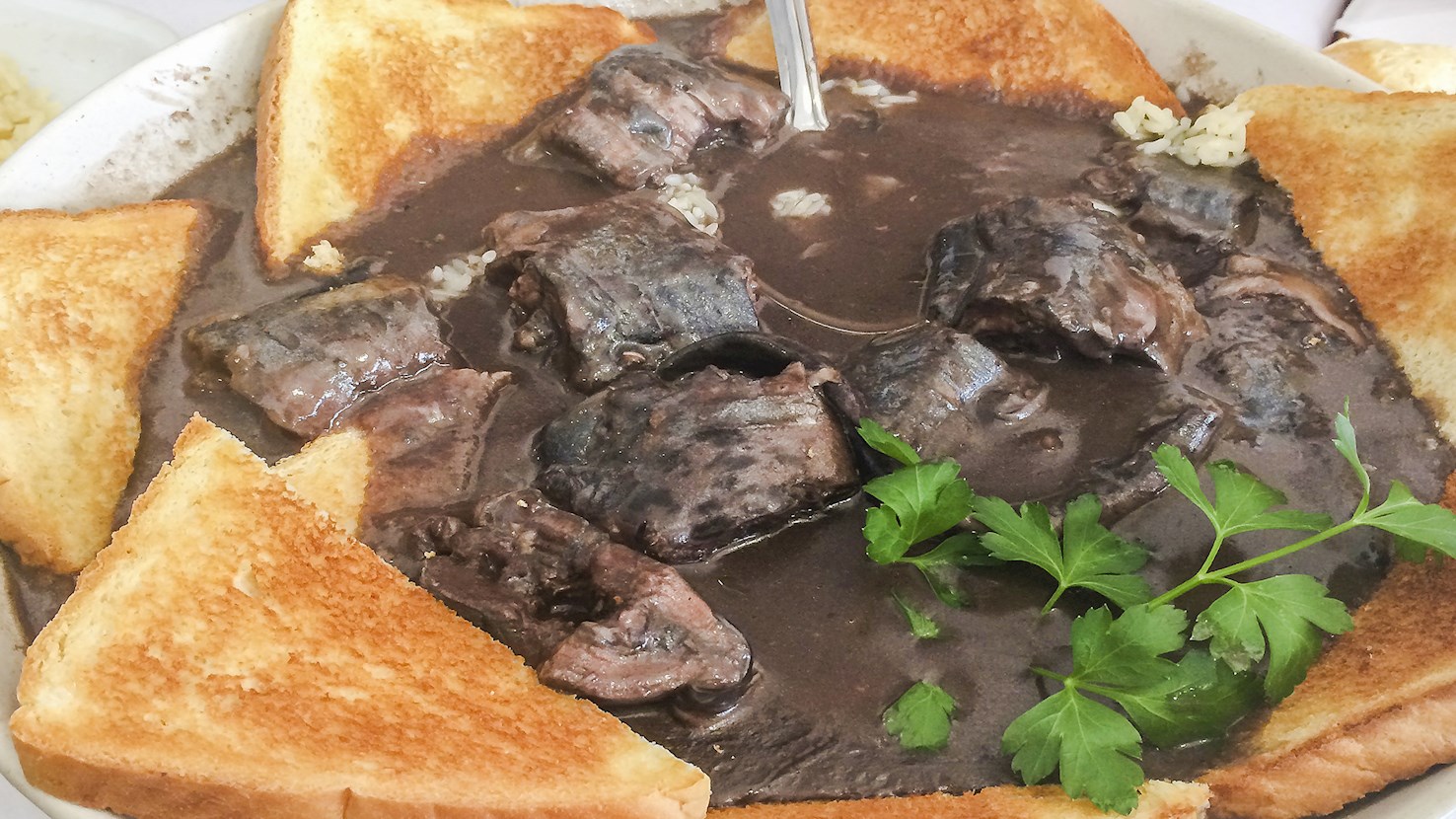
Once reserved only for the wealthy people, today the lamprey is a popular delicacy in the Bordeaux region, caught between December and May in the Dordogne and the Gironde estuary. The dish consists of lamprey stewed with cured ham, red wine, various fresh herbs, and vegetables such as leeks, onions, and garlic. While preparing the dish, one must be careful to first hang the lamprey by the head before cutting its tail, in order to collect the blood. The blood is used in combination with Armagnac and wine sauce, and the lamprey is briefly flambéed in the mixture before being served, usually accompanied with garlic bread croutons and a glass of local red wine. Today, there is even an annual lamprey festival held in Libournais in April, filled with cookery workshops, gourmet dishes, and a variety of other activities.

Best restaurants
07
Sourdough Bread

Couronne Bordelaise

n/a ·
The couronne Bordelaise is a ring-shaped sourdough loaf made from a blend of white wheat and a small amount of milled rye flours, originating in Bordeaux. Baking practices in the Gironde estuary area during early rural expansion led to the engineering of this specific circular structure, primarily designed so families and merchants could thread the baked rings onto long wooden dowels suspended from ceiling rafters, effectively protecting their food supply from ground-level rodents and damp floors. Creating the dough requires combining a mature levain culture with water, salt, a dominant portion of refined wheat flour, and a minor amount of rye to introduce a darker hue and deeper acidity. The distinct physical form is achieved through a highly specific assembly method rather than simple molding. Six to eight equally sized dough spheres are arranged closely together in a circle on a proofing surface, while a separate, thin disc of dough is placed flat in the center of the ring. A sharp blade is used to slice this central disc outward into a star pattern, creating triangular flaps that are subsequently folded up and backward over the adjacent dough spheres to lock the ring together. High-heat baking on a stone hearth causes these stretched flaps to pull back and lift slightly, forming a rigid, elevated crest that drastically increases the overall crust-to-crumb ratio. Once the loaf leaves the oven with a deeply caramelized exterior and cools completely on wire racks, it is ready for consumption. People residing in Bordeaux and the broader Gironde department regularly acquire this bread for communal dining. Instead of slicing the loaf with a knife, individuals typically tear the ring apart by hand along the natural seams dividing the individual spheres. The highly textured, crunchy crust and mildly sour, airy interior serve as an optimal vehicle for rich local dishes such as Entrecôte à la Bordelaise cooked over grapevine coals. The bread frequently serves as a base for salted butter, accompanying fresh Arcachon basin oysters, while standard beverage accompaniments lean heavily on the robust, tannin-rich red wines produced by the surrounding Left Bank châteaux, using Cabernet Sauvignon blends to balance the sour notes of the fermented dough.
08
Sweet Pastry

Jésuite

n/a ·

Jésuite is a triangular French pastry that originated in the region around Bordeaux and is made from layers of flaky, puff pastry filled with almond-based frangipane cream, topped with sliced almonds and powdered sugar. The pastry developed in French baking houses where puff pastry and almond creams were well established, and the name of the pastry refers to its shape resembling the historical hat worn by members of the Society of Jesus, reflecting a long association between learned orders and European culinary naming practices. Preparation of jésuites begins with high-quality puff pastry that is rolled thin and cut into triangular shapes, a filling of frangipane made by creaming ground almonds with sugar, butter and eggs is spread or piped onto one layer, a second layer of dough is placed over the filling and crimped at the edges, the assembled pastries are topped with sliced almonds and a dusting of powdered sugar and then baked at moderate heat until the pastry is crisp and the filling is fully set, creating clear separation of layers. Common variations adjust the amount of almond or introduce a small amount of vanilla or citrus zest into the frangipane, and some bakers use a fondant glaze instead of or in addition to powdered sugar to add a more pronounced sweetness on the surface. Jésuites are eaten as a sweet item in the morning, at coffee breaks, or in the afternoon in bakeries and cafés across France, and they pair well with light black coffee, espresso, or a mild tea that balances the sweetness of the almonds and the rich, flaky texture of the pastry.

09
Cookie

Macarons de Saint-Émilion

n/a ·

Macarons de Saint-Émilion are small, round, almond cookies with a cracked, lightly crisp exterior and a soft, moist interior, offering a pronounced almond flavor and gentle sweetness made from ground almonds, sugar, egg whites, and, occasionally, honey. Their origin dates back to the seventeenth century, when Ursuline nuns settled in Saint-Émilion and brought with them a simple almond-based cookie recipe that gradually became associated with the town and passed into local pastry culture after the convent period ended. Preparation relies on finely grinding almonds, combining them with sugar, then folding the mixture into beaten egg whites to form a dense yet supple batter, which is portioned into small rounds and baked at a moderate heat so the surface sets and cracks slightly while the center remains tender and chewy. Variations are limited and usually concern texture rather than ingredients, with some versions baked slightly drier for a firmer bite or softer for a more moist center, while the defining feature remains the absence of filling, the rustic cracked surface, and the direct expression of almond flavor rather than decorative refinement. Macarons de Saint-Émilion are eaten at room temperature as a dessert or small sweet, often enjoyed with coffee or tea, and they pair naturally with dessert wines from Saint-Émilion, sweet whites, or lightly oxidized wines that complement their almond richness without overpowering their simple structure.

10
Offal Dish

Foie de veau à la bordelaise

n/a ·
Foie de veau à la bordelaise is a liver dish from France, originating in the Bordeaux region and known for its rich combination of calf’s liver, ham, shallots, and wine. The dish reflects the culinary identity of Bordeaux, where the abundance of vineyards and access to quality meats inspired dishes that balance depth and refinement. Historically, it was a favorite of bistro and household cooking alike, appreciated for its use of fresh, local produce and wines that defined the area’s gastronomy. Liver is first sliced into even portions, then lightly floured and seared in butter or olive oil to form a golden crust while remaining tender inside. Separately, finely chopped shallots are softened in the same pan, often with a knob of butter, then deglazed with dry white wine from Bordeaux to form a fragrant sauce. Thin slices of ham are sometimes placed in the pan with the liver to enrich the flavor and add a delicate saltiness. The liver pieces are then returned to the pan, coated with the wine-and-shallot mixture, and allowed to finish cooking briefly so the sauce thickens and clings to the meat. In another version, the liver is baked whole, wrapped in caul fat and layered with ham, shallots, and mushrooms, then basted with wine during slow cooking. The dish’s balance relies on precision—avoiding overcooking to preserve the liver’s softness and keeping the sauce bright and savory rather than heavy. Foie de veau à la bordelaise is typically served hot with potatoes sautéed in duck fat, mashed potatoes, or green beans. It pairs naturally with a red or white Bordeaux wine, whose acidity complements the richness of the liver and the savory undertones of ham and shallots.
About this ranking

TasteAtlas food rankings are based on the ratings of the TasteAtlas audience, with a series of mechanisms that recognize real users and that ignore bot, nationalist or local patriotic ratings, and give additional value to the ratings of users that the system recognizes as knowledgeable. For the “Top 90 Traditional Foods in Gironde” list until June 02, 2026, 324 ratings were recorded, of which 293 were recognized by the system as legitimate. TasteAtlas Rankings should not be seen as the final global conclusion about food. Their purpose is to promote excellent local foods, instill pride in traditional dishes, and arouse curiosity about dishes you haven’t tried.

The initial list of top producers was compiled based on available reviews, awards, local recommendations, media and blog coverage, and consumer reviews. The list will be updated with ratings from TasteAtlas local ambassadors and TasteAtlas users.

Similar lists