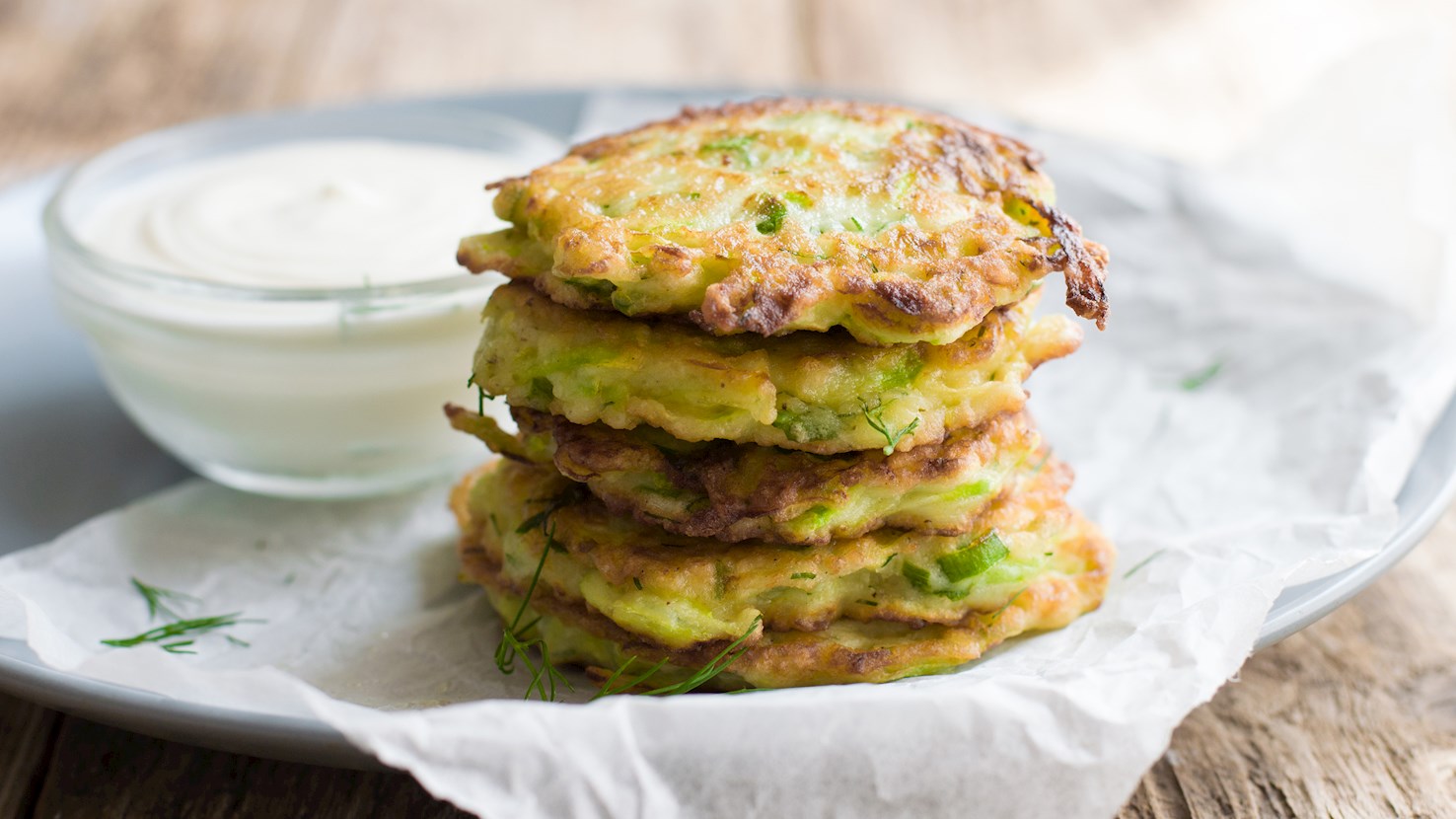
Paillassons de courgettes is a traditional pancake or fritter that's especially popular in the south of the country, especially in Languedoc. It's usually made with a combination of zucchini, onions, eggs, flour, oil, salt, and pepper. The zucchinis are grated, salted, drained, and rinsed, while the onions are sautéed in oil until tender, and then mixed with the zucchinis. A mixture of eggs, flour, salt, and black pepper is whisked into a batter that's mixed with the onions and zucchinis, and it's then dropped by spoonfuls into a large pan with heated oil in it. The pancakes are flattened with a spoon and fried over medium heat on both sides until golden, but not brown. It's recommended to serve paillassons de courgettes with lamb cutlets or on their own a fresh green salad on the side.
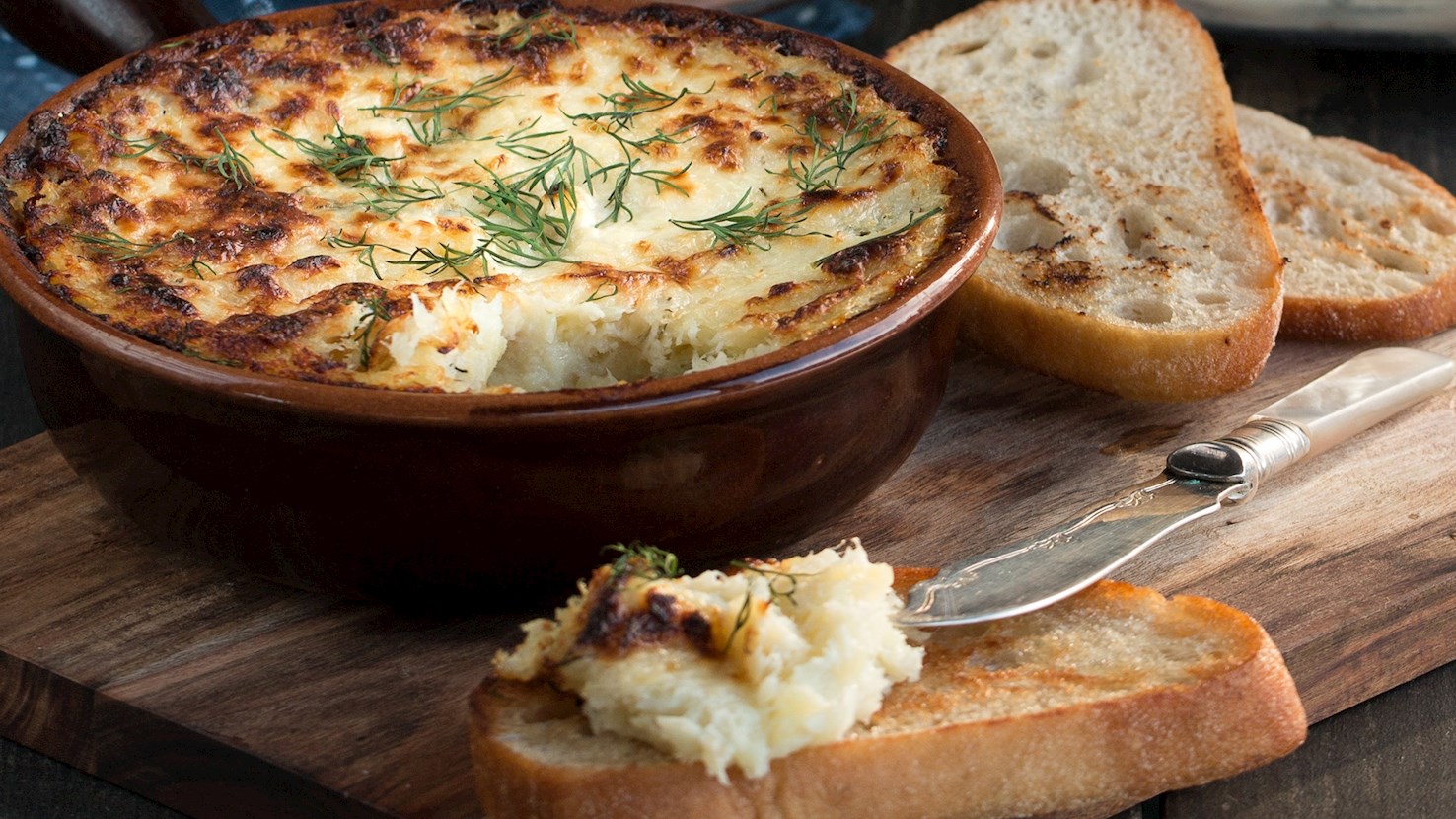
Brandade de morue is a velvety, whipped spread or paste of rehydrated Atlantic salt cod, warm olive oil, milk, and occasionally potatoes, originating in the city of Nîmes and present in the Roussillon, Languedoc, and Provence regions. The creation of this seafood spread stems directly from the region's historic geographic position within Mediterranean trade networks, where massive cargoes of heavily salted cod from the Grand Banks of Newfoundland were exchanged for the prized, high-quality sea salt extracted from the nearby coastal marshes of Aigues-Mortes. The first recipe dates from 1786, when imported salted cod flesh was first mashed with garlic, local olive oil, and a touch of milk to create the original regional preparation. The name derives directly from the Occitan verb brandar, signifying the vigorous shaking and continuous stirring required to mechanically bind the ingredients together. The Occitan specialty achieved massive success from 1830 onwards after being introduced and popularized within Parisian aristocratic circles by the celebrated chef Charles Durand, cementing the preparation into the broader canon of classical French gastronomy. Variations incorporating boiled and mashed potatoes emerged concurrently during this period as a widespread Parmentier modification designed to increase the yield and mellow the intense maritime salinity. Furthermore, this exact method of preparing emulsified cod is formally classified as Margot de morue within Alcide Bontou's seminal text, Traité de cuisine bourgeoise bordelaise. The recipe begins by submerging the rigid salt cod in cold water for twenty-four to forty-eight hours. Frequent water replacements are executed to aggressively extract the harsh curing minerals from the flesh. The rehydrated fish is gently poached in a bath of water or milk until perfectly tender, and all extraneous skin, cartilage, and pin bones are meticulously discarded. The hot, purified cod is transferred into a heavy stone mortar and pounded aggressively into a coarse paste with a wooden pestle. While maintaining a steady, vigorous agitation, warm extra-virgin olive oil and heated whole milk are introduced in alternating, slow streams. This continuous mechanical force causes the animal proteins, fats, and liquids to emulsify thoroughly, yielding a dense, airy paste structurally identical to a stiff mayonnaise. Flavoring components are strictly limited to the pounded garlic, freshly grated nutmeg, ground white pepper, and an occasional splash of citrus juice. The hot, savory mixture is served predominantly as a rich appetizer, spread generously over garlic-rubbed croutons, scooped with fried bread, or piped elegantly into baked puff pastry vol-au-vent shells. For opulent banquets and extravagant holiday feasts, fresh black truffle shavings are folded directly into the warm emulsion to elevate the aromatic profile. The heavy, calorie-dense paste is consumed in large quantities throughout the cold winter months. Due to strict Catholic dietary mandates that forbid meat on specific holy days, the seafood emulsion serves as an indispensable nutritional pillar during the somber fasting period of Lent and as a mandatory meatless centerpiece for the traditional Provençal Christmas Eve supper.
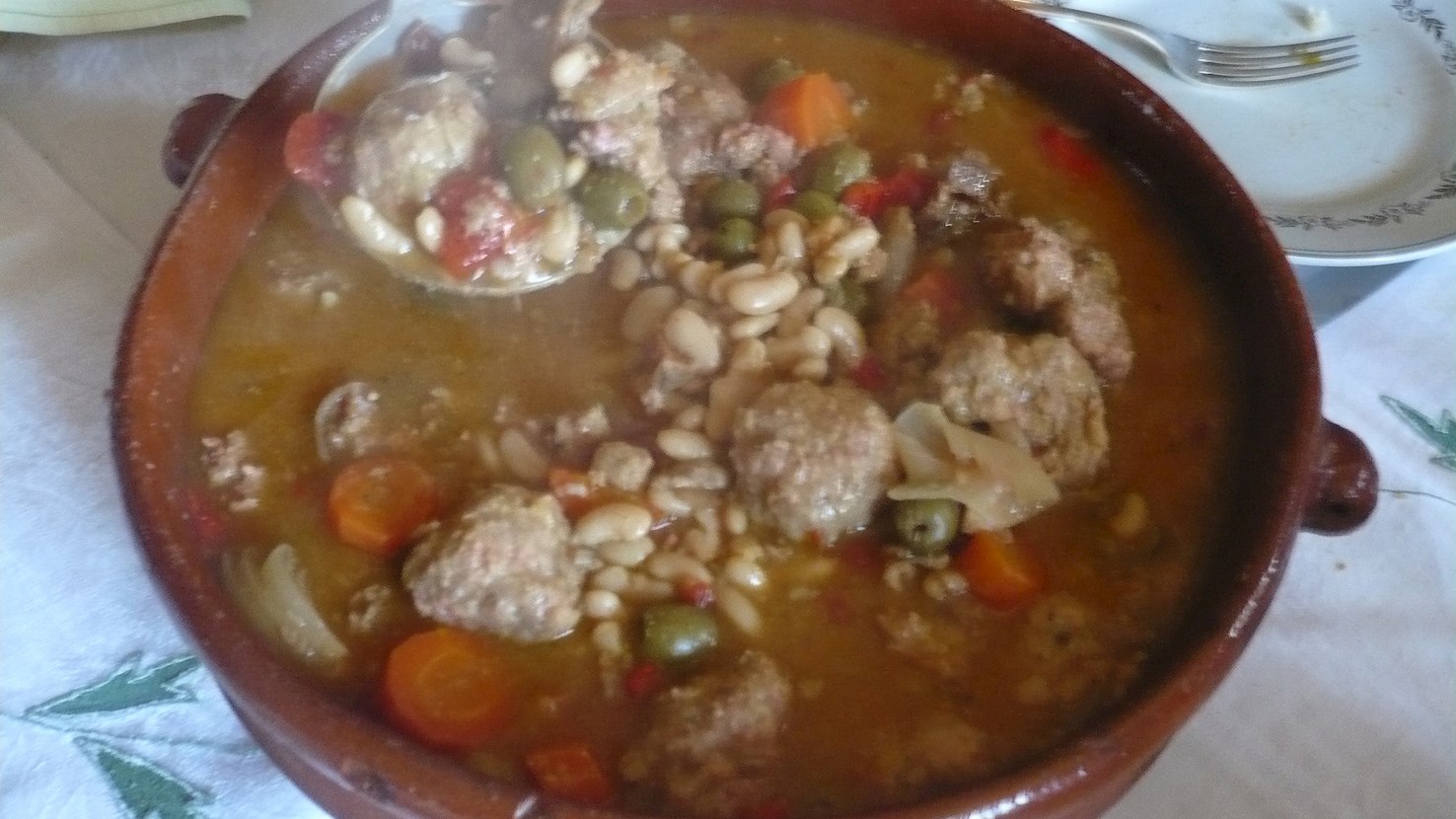
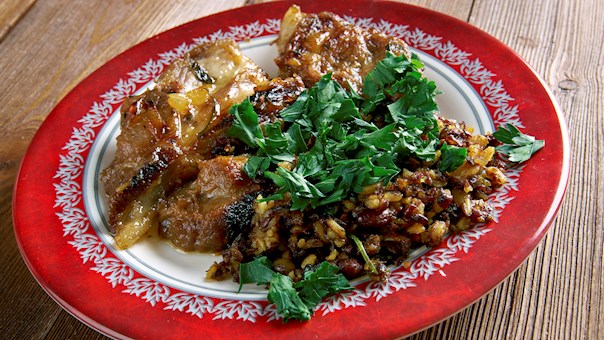
Boles de picolat is a traditional Catalan dish in which meatballs and olives are simmered in a rich sauce. Other ingredients include carrots, garlic, cepes mushrooms, tomato purée, and olive oil. The meatballs are often prepared with a combination of pork and beef mince, flour, eggs, and onions. They're fried in olive oil, then combined with the sauce. Once prepared, the dish is served with white beans, chickpeas, or rice on the side. It's important to note that the dish and some of the ingredients vary from restaurant to restaurant.
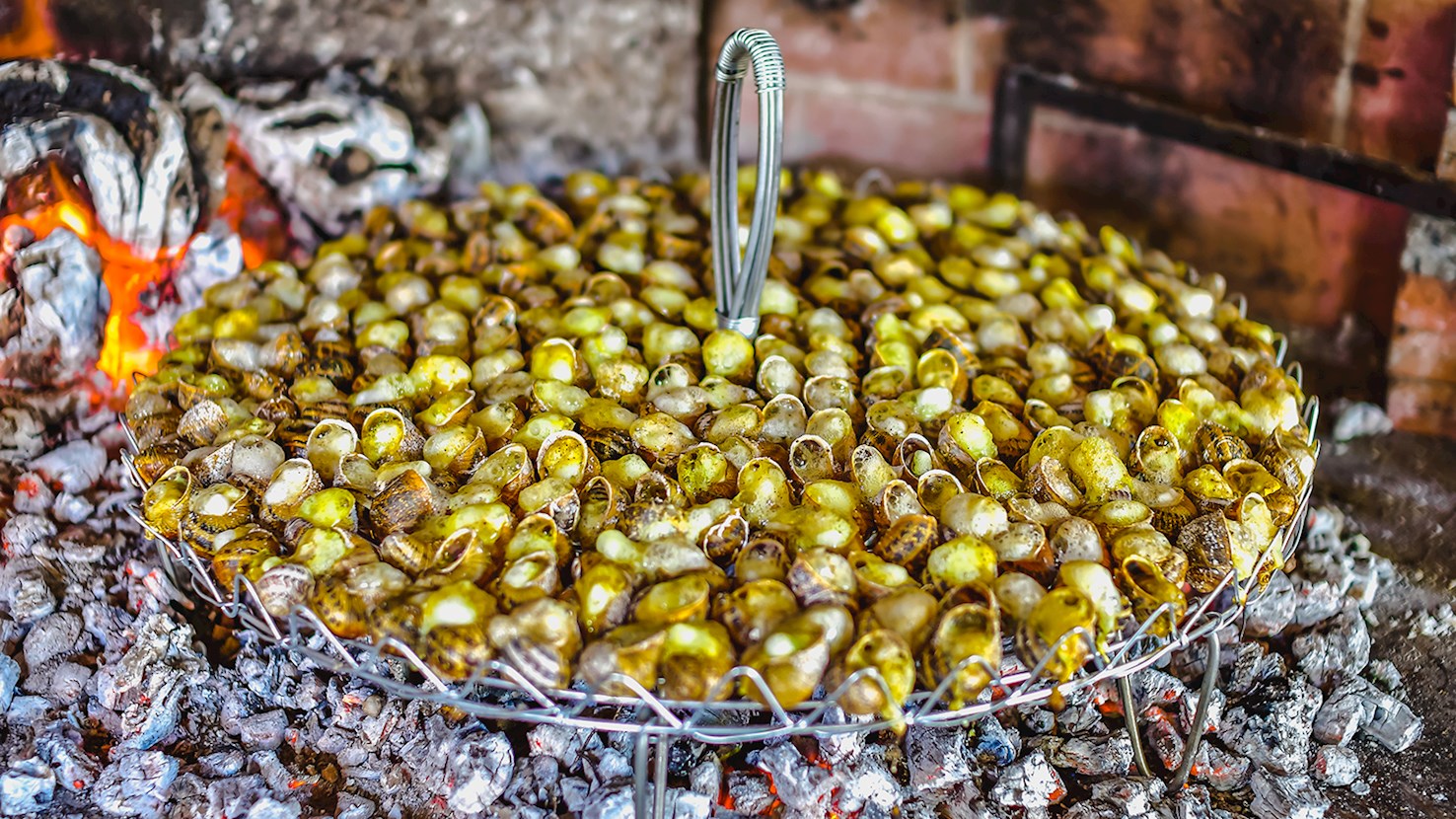
Cargolade is a traditional northern Catalan specialty that's popular in Occitanie as well. The dish is prepared with the local variety of snails that are cooked in their shells, often outdoors and over vine wood. The name of the dish is derived from cargols, Catalan for snails, and the suffix -ade, denoting a meal that's based on a single ingredient. The snails are stuffed with a combination of lard, garlic, and parsley, then seasoned with paprika and salt before they're placed on the grill. When they start to whistle, they're fully cooked. Cargolade is traditionally eaten piping hot while standing up and it's usually accompanied by aioli. There's also a second method of preparing the snails in the Aude, where they are flambéed with salt, herbs, piment d'Espelette, and rendered lard.
Poivrons a la tomate is a traditional dish originating from Languedoc. It's usually made with a combination of bell peppers (red, yellow, or both), onions, garlic, tomatoes, basil, bay leaves, olive oil, salt, and black pepper. The peppers are roasted in the oven, skinned, and the core and seeds are removed. It's then cut into strips and set aside. The onions are sautéed in olive oil until almost caramelized, and then mixed with the garlic and bay leaves. The peppers are placed into the pan with the tomatoes and the rest of the ingredients, and the dish is seasoned and simmered until everything is tender. Before serving, poivrons a la tomate is sprinkled with chopped basil. The dish can be served hot as an accompaniment to grilled fish or roasted lamb, and if it's served cold, it goes well with cold chicken or sliced jambon.
Salade de figues is a traditional salad originating from the region of Languedoc. The salad is usually made with a combination of ripe figs, endive, onions, lemon juice, olive oil, red wine vinegar, salt, pepper, and sugar. The figs are cut into quarters, and then eighths. The endive is shredded and arranged on a plate. The fig slices are placed on top, followed by sliced onions. As a final touch, the bittersweet salad is dressed with a mixture of olive oil, lemon juice, red wine vinegar, and sugar. It's then seasoned with salt and pepper and served at room temperature or slightly chilled.
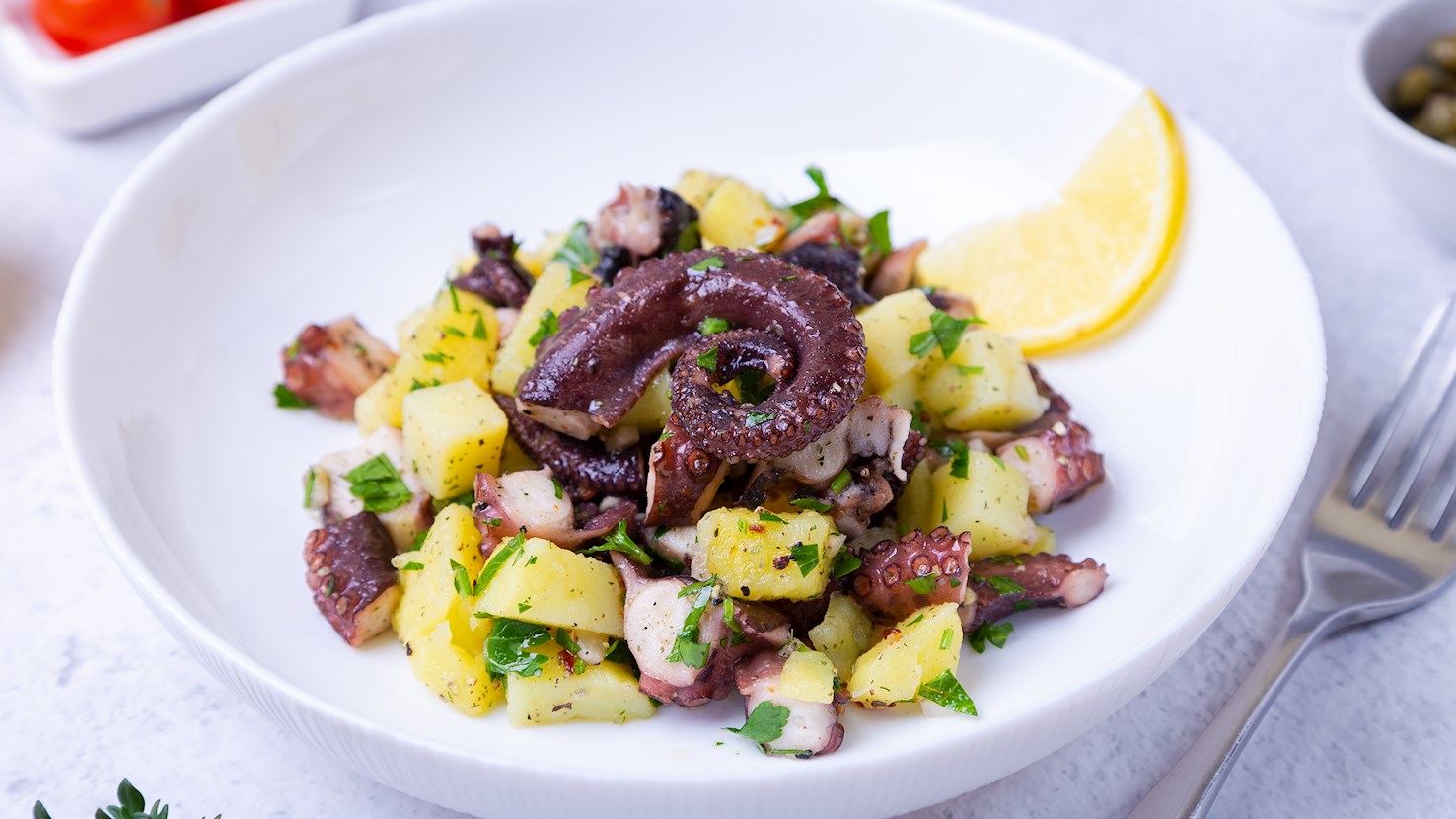
Salade de poulpe is a traditional octopus salad originating from Languedoc. The salad is usually made with a combination of tenderized octopus, potatoes, white wine, onions, fennel, capers, parsley, paprika, salt, pepper, olive oil, and lemon juice. The octopus is cut into pieces, boiled in a mixture of oil, wine, salt, and water until tender, and then drained. The potatoes are boiled, skinned, sliced, and mixed with the octopus. The onions, fennel, and capers are placed on top and the salad is then dressed with a mixture of olive oil, lemon juice, vinegar, salt, and pepper. The salad is sprinkled with parsley and paprika and it's then typically served with aïoli.
Caviar d'aubergines de Gruissan is a traditional appetizer originating from the coastal village of Gruissan. It's usually made with a combination of eggplants, dried and crumbled hot peppers, lemon juice, olive oil, thyme, and salt. The eggplants are pierced with a knife and baked until tender. The skin is peeled off and the flesh is finely chopped or puréed. The oil and lemon are mixed in gradually, followed by the hot peppers and thyme. Once seasoned with salt to taste, this tasty dip is served as an appetizer.
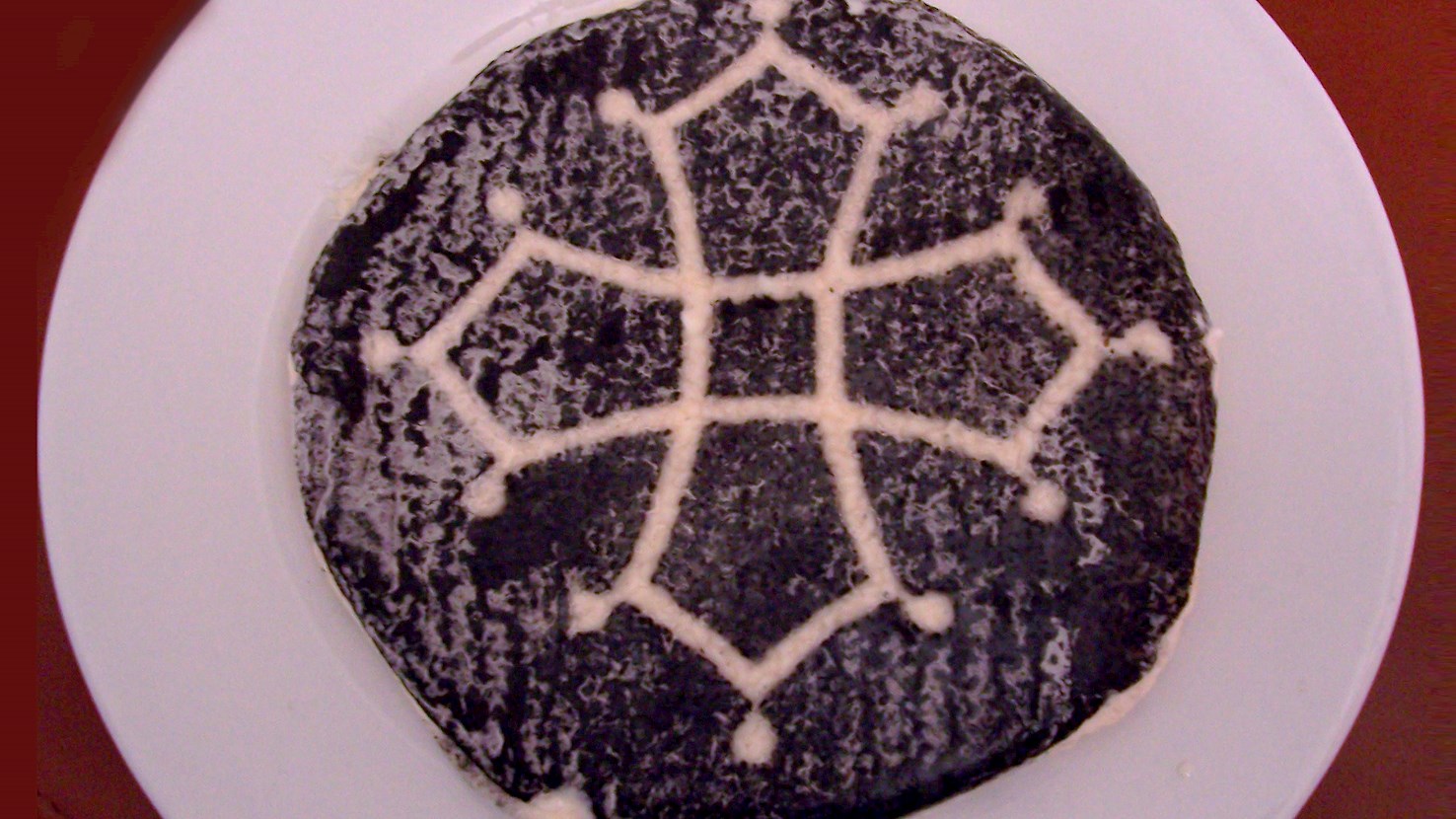
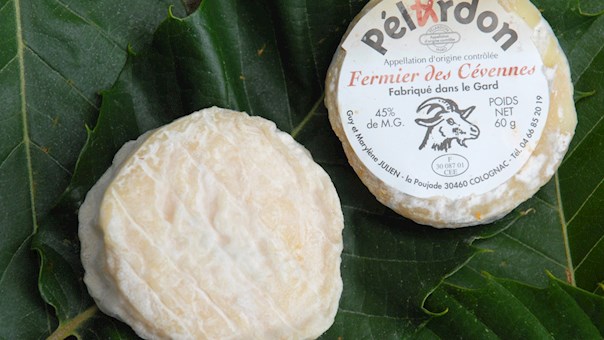
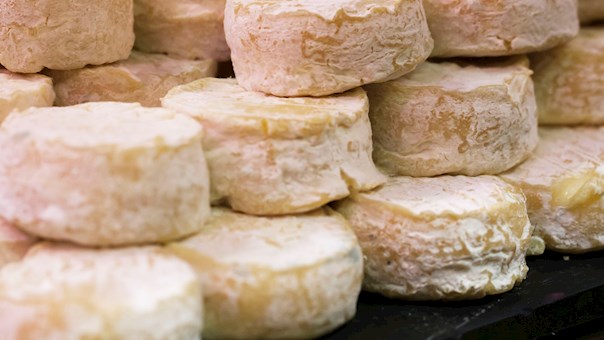
Cathare is a French cheese originating from the region of Languedoc-Roussillon. It is made from raw goat’s milk which is curdled, placed into molds, dried, then salted. The cheese matures from 2 to 4 weeks and is characterized by its shape of a flat disk that is covered with charcoal and imprinted with the Occitan cross on its rind. The flavor of Cathare is mild and light. It is recommended to pair it with a glass of dry white wine such as Meursault.
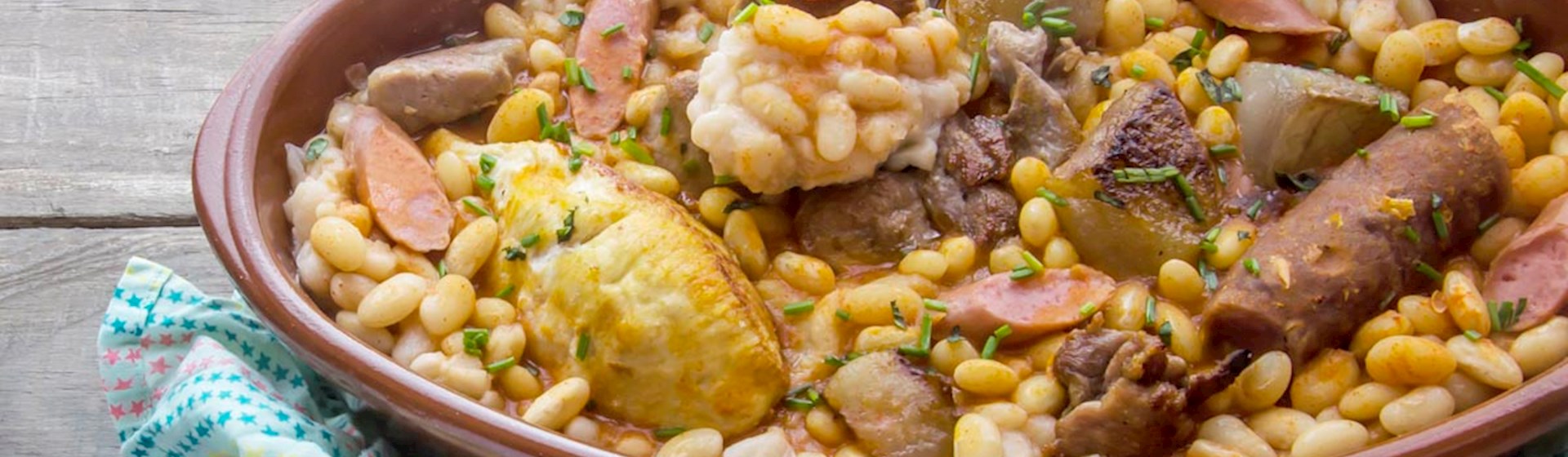
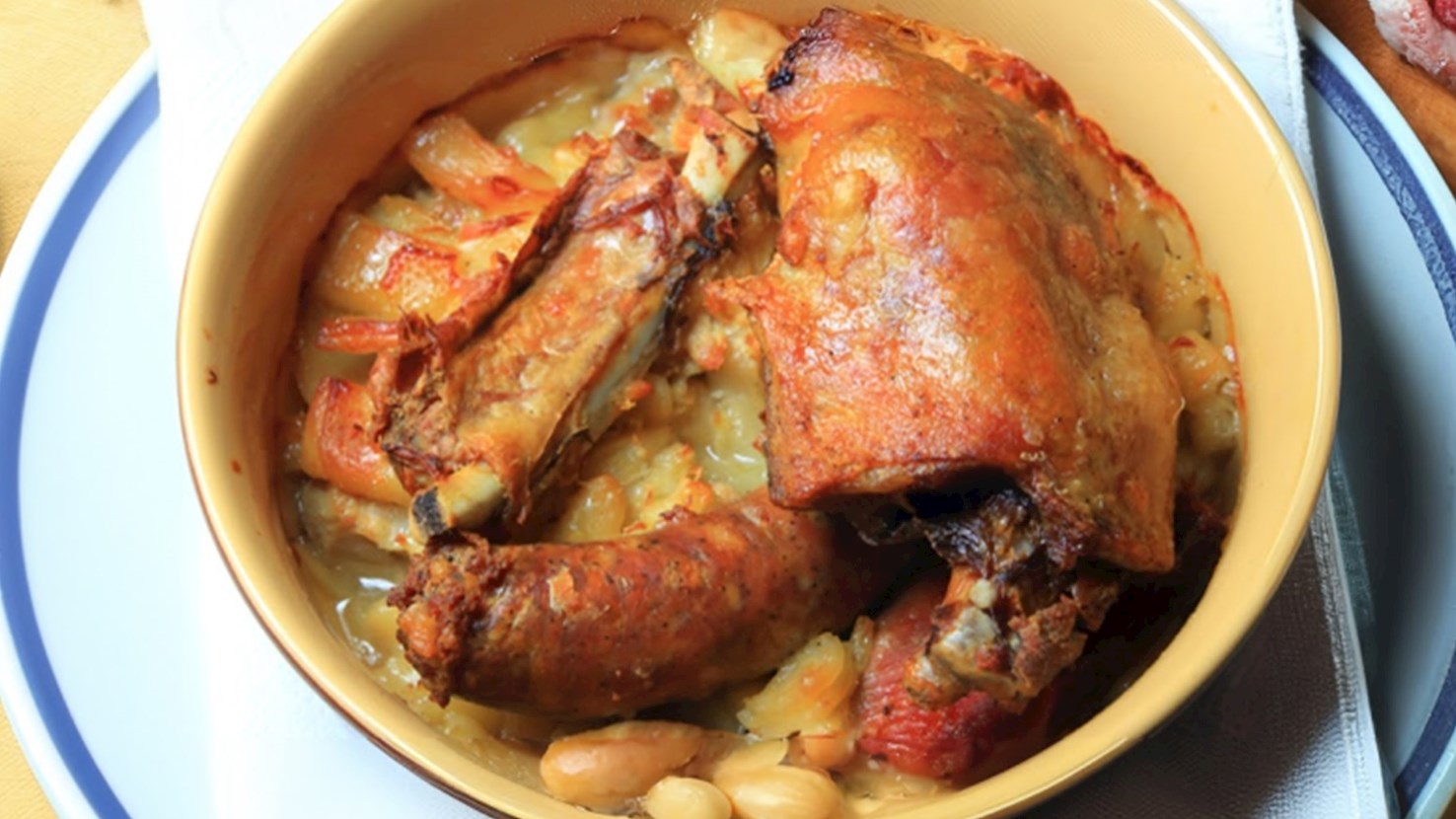
Cassoulet de Castelnaudary is a traditional casserole originating from the town of Castelnaudary in the Languedoc region. This iconic dish is primarily made from white beans sourced from Lauragais. The key meats used in this cassoulet include goose confit, pork shank or shoulder, sausages, and pork rind. Additionally, a poultry carcass or pork bones are used to create a rich broth, along with onions and carrots, although these vegetables are not present in the final dish. The preparation of cassoulet de Castelnaudary involves several steps. The white beans are first cooked separately. The meats are browned to enhance their flavor before being combined with the beans in a large, deep earthenware pot known as a "cassole." The dish is then slow-cooked, allowing the flavors to meld together. Traditionally, the final cooking stage takes place in a baker's oven fueled by gorse from the Montagne Noire, which imparts a unique flavor to the dish. Cassoulet de Castelnaudary is known for its simplicity and hearty nature. In addition to the goose confit, it is often referred to as "pure pork" due to its use of pork shank or shoulder, sausages, and pork rind. The slow-cooking process results in a rich, flavorful casserole with a creamy texture, topped with a crispy crust that forms during the final baking. This dish is a symbol of the region's culinary heritage, reflecting the rustic and resourceful cooking traditions of rural France. Cassoulet de Castelnaudary is best enjoyed hot, often accompanied by a crusty baguette and a glass of robust red wine from the Languedoc region, making it a deeply satisfying and comforting meal.
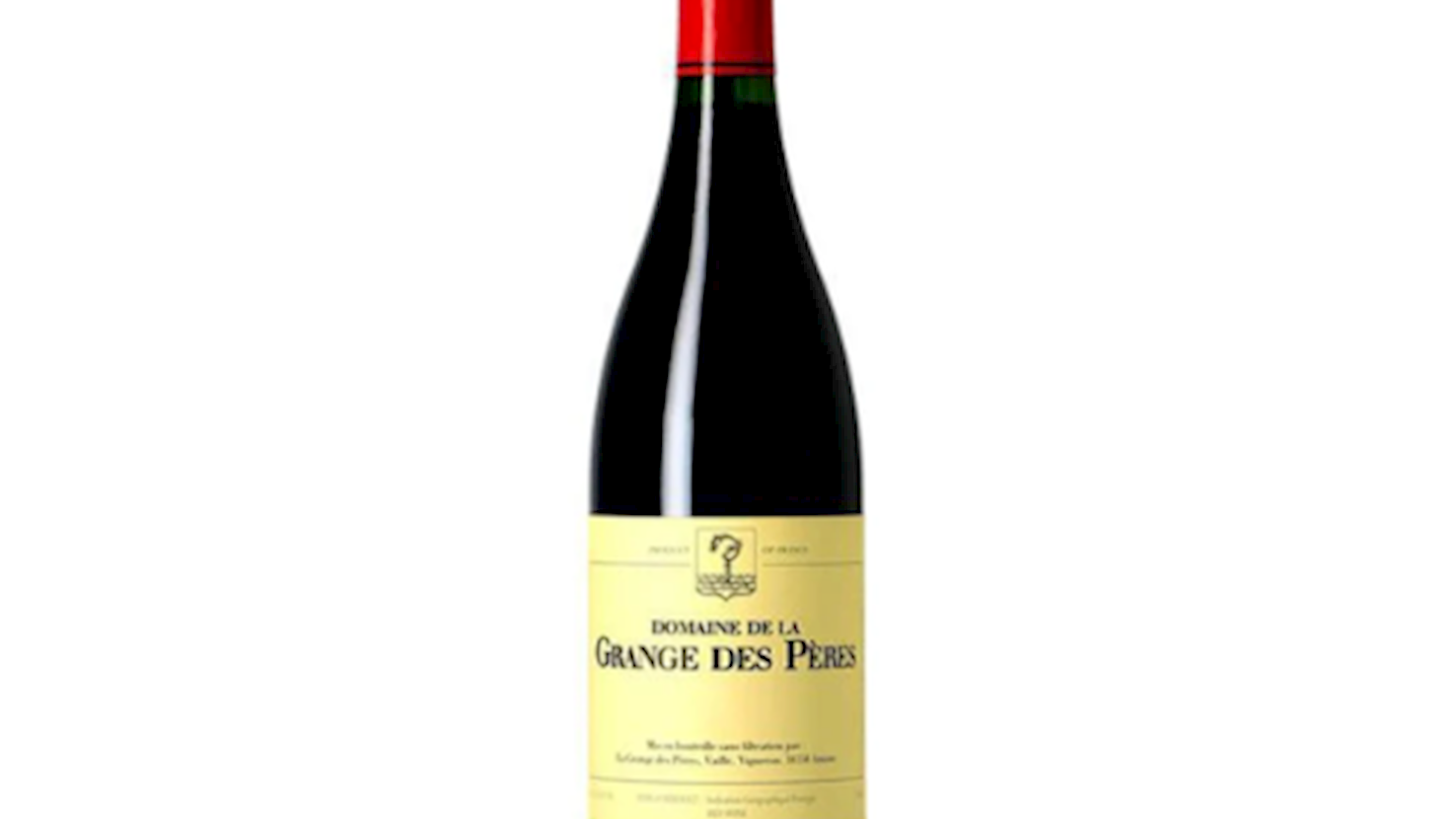
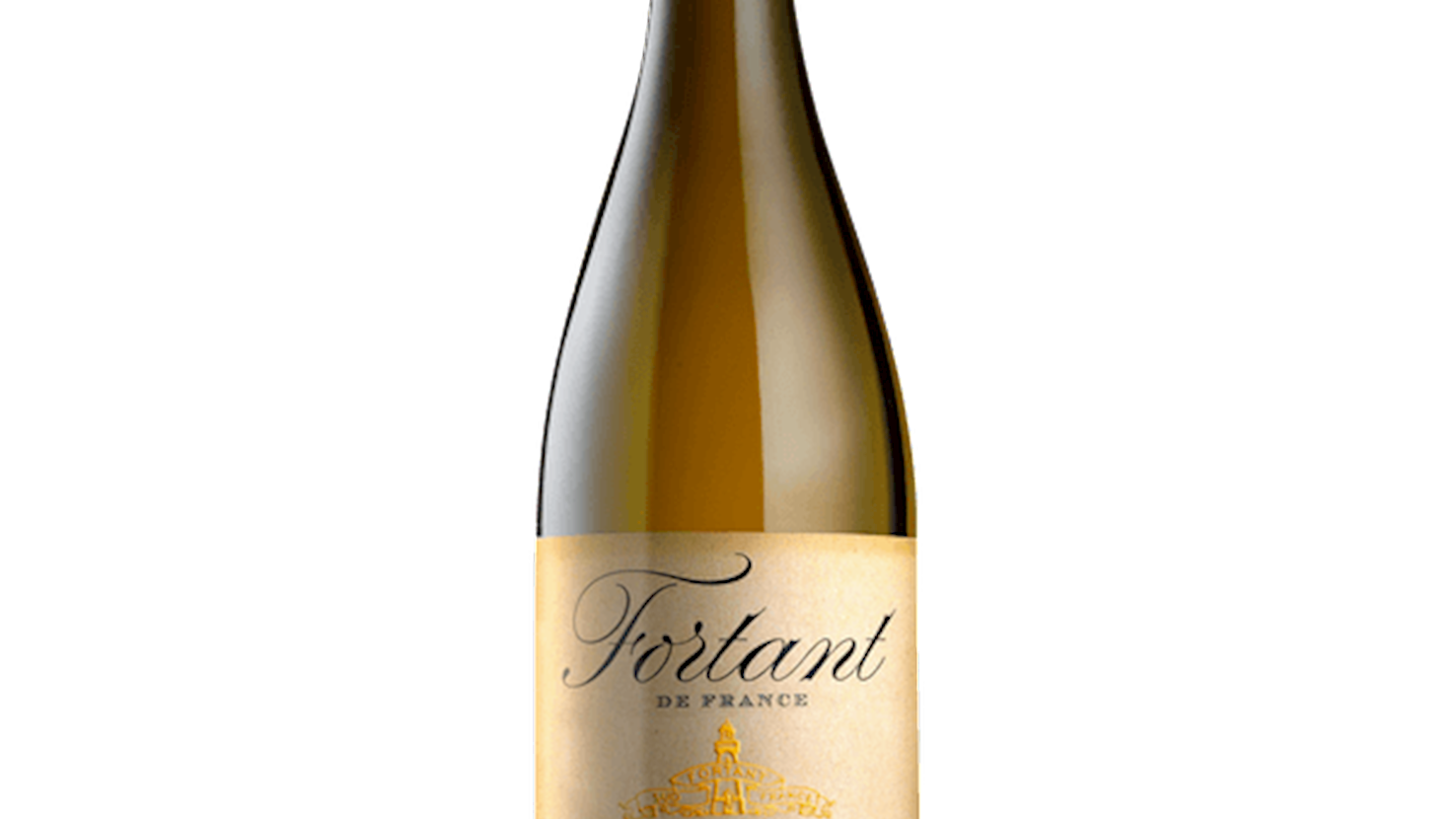
Domaine de la Grange des Pères is one of the most influential and highly regarded estates in Languedoc, located in Aniane on parcels that Laurent Vaillé carefully selected for their stony, limestone-rich soils and naturally cooler conditions. Founded in the early 1990s, the estate has followed a philosophy of low yields, hand harvesting and minimal intervention in the cellar, placing full emphasis on terroir expression.
The vineyards cover roughly 11 hectares and are planted with Syrah, Mourvèdre, Cabernet Sauvignon and Counoise for the red wine, while the white cuvée is built around Roussanne, Marsanne and Gros Manseng. The limestone-heavy soils enable slow, even ripening and pronounced minerality, while the site’s elevation and contours contribute to freshness and aromatic precision.
Due to limited production and its cult reputation, the wines are allocated strictly and rarely reach the broader market. The estate has thus become a symbol of independent, highly ambitious winemaking that has elevated the standing of the entire region.
Domaine de la Grange des Pères remains a rare combination of authenticity, vision and longevity - wines that make a lasting impression and continue to evolve gracefully over many years.
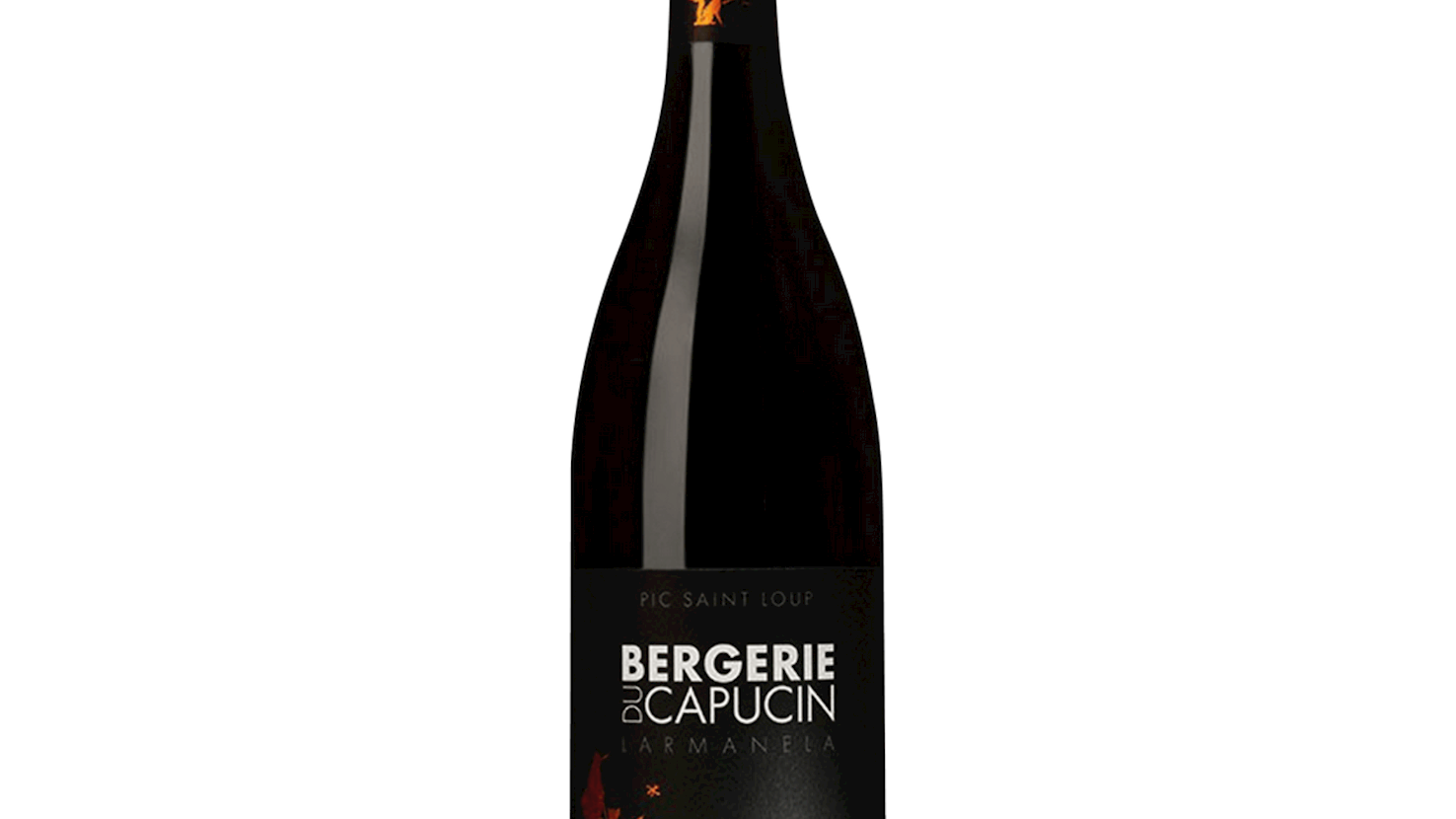
Bergerie du Capucin is a family-owned winery located in the village of Lauret in the Pic Saint-Loup appellation, one of the most respected wine-growing areas of the Languedoc region in southern France. The estate was founded in 2008 by winemaker Guilhem Viau, whose goal was to create wines that faithfully reflect the character of the local terroir while respecting the natural environment.
The vineyard covers more than 15 hectares across the communes of Lauret and Valflaunès, where clay-limestone soils and a Mediterranean climate contribute to the elegance and complexity of the wines. Significant day-to-night temperature variations help preserve freshness and aromatic intensity in the grapes.
Since 2023, the estate has been certified organic and follows sustainable viticultural practices focused on biodiversity and environmental stewardship.
Awards
Decanter World Wine Awards - Best in Show
(2026, 2019)
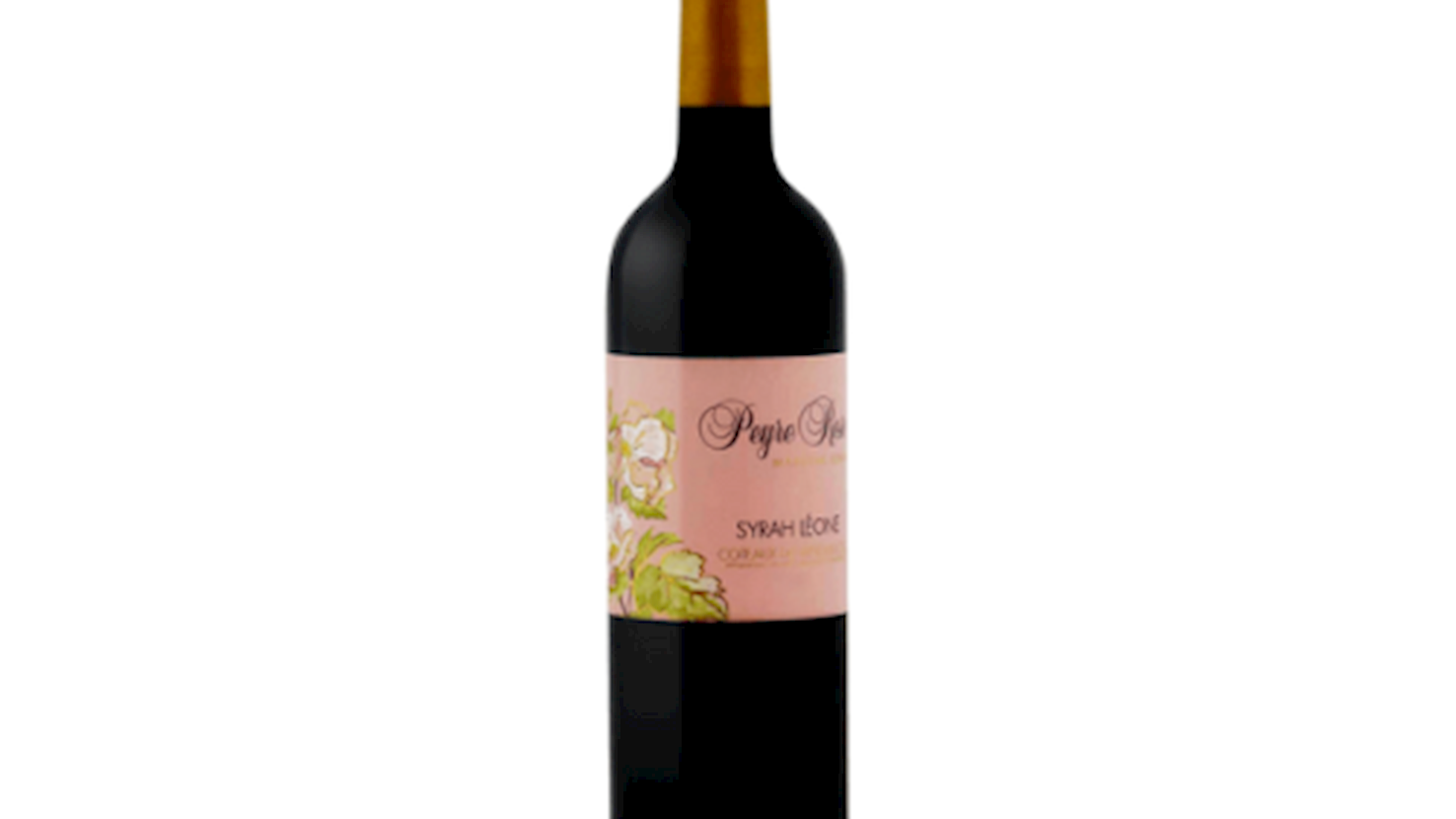
Domaine Peyre Rose is a cult, remarkably secluded estate in the Languedoc region, founded by Marlène Soria in the early 1990s after she left her real-estate career to devote herself to vineyards on isolated parcels around Saint-Pargoire. The vineyards lie on rocky, limestone-rich, arid soils at about 300 meters of elevation, conditions that encourage slow ripening and pronounced mineral expression.
The estate covers roughly 20 hectares, yet production remains small because yields are intentionally kept extremely low, while vinification is slow and marked by long aging in stainless steel and oak. The red wines are built primarily on Syrah, Mourvèdre, and Grenache, while Viognier and Roussanne form the backbone of the white cuvées.
Signature wines such as Clos des Cistes and Syrah Léone are known for their striking concentration, dark fruit, powerful structure, and long aging potential. Stylistically, Domaine Peyre Rose unites southern richness with surprising freshness and vibrant acidity, giving the wines a distinctive identity compared to the broader Languedoc profile.
Marlène Soria insists on minimal intervention, hand harvesting, and slow, natural processes, with some wines released only after more than a decade of maturation. Because of this singular approach, the estate is considered one of the most unusual and authentic producers in southern France.
Eristoff is a vodka brand with Georgian origins, known for its production of high-quality vodka made from 100% pure grain. It is triple-distilled for smoothness and is filtered using charcoal for a clean finish.
The brand offers a range of flavored vodkas in addition to the classic version, and it is popular across Europe and other markets. Eristoff's heritage dates back to 1806, and the brand carries a wolf symbol, referencing the legend of its Georgian roots.
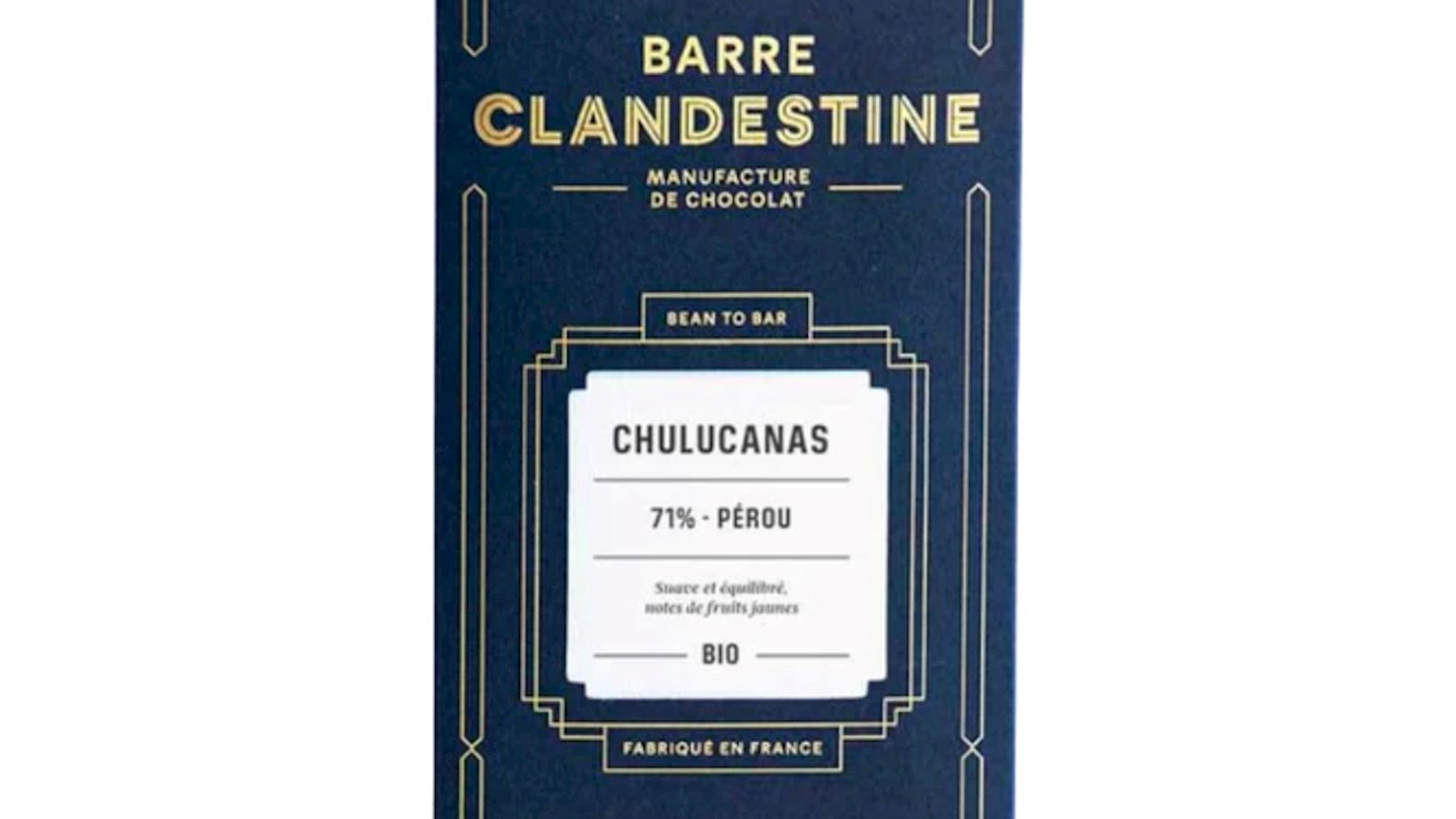
Barre Clandestine is an artisanal bean-to-bar chocolate maker known for its dedication to quality, sustainability, and ethical sourcing. Using carefully selected cacao beans, they craft unique and flavorful chocolate bars with a focus on pure ingredients and craftsmanship.
Their small-batch approach ensures rich, authentic taste experiences, appealing to true chocolate enthusiasts.
TasteAtlas food rankings are based on the ratings of the TasteAtlas audience, with a series of mechanisms that recognize real users and that ignore bot,
nationalist or local patriotic ratings, and give additional value to the ratings of users that the system recognizes as knowledgeable.
TasteAtlas Rankings should not be seen as the final global conclusion about food. Their purpose is to promote excellent local foods,
instill pride in traditional dishes, and arouse curiosity about dishes you haven’t tried.
The initial list of top producers was compiled based on available reviews, awards, local recommendations, media and blog coverage, and consumer reviews.
The list will be updated with ratings from TasteAtlas local ambassadors and TasteAtlas users.










What People Say