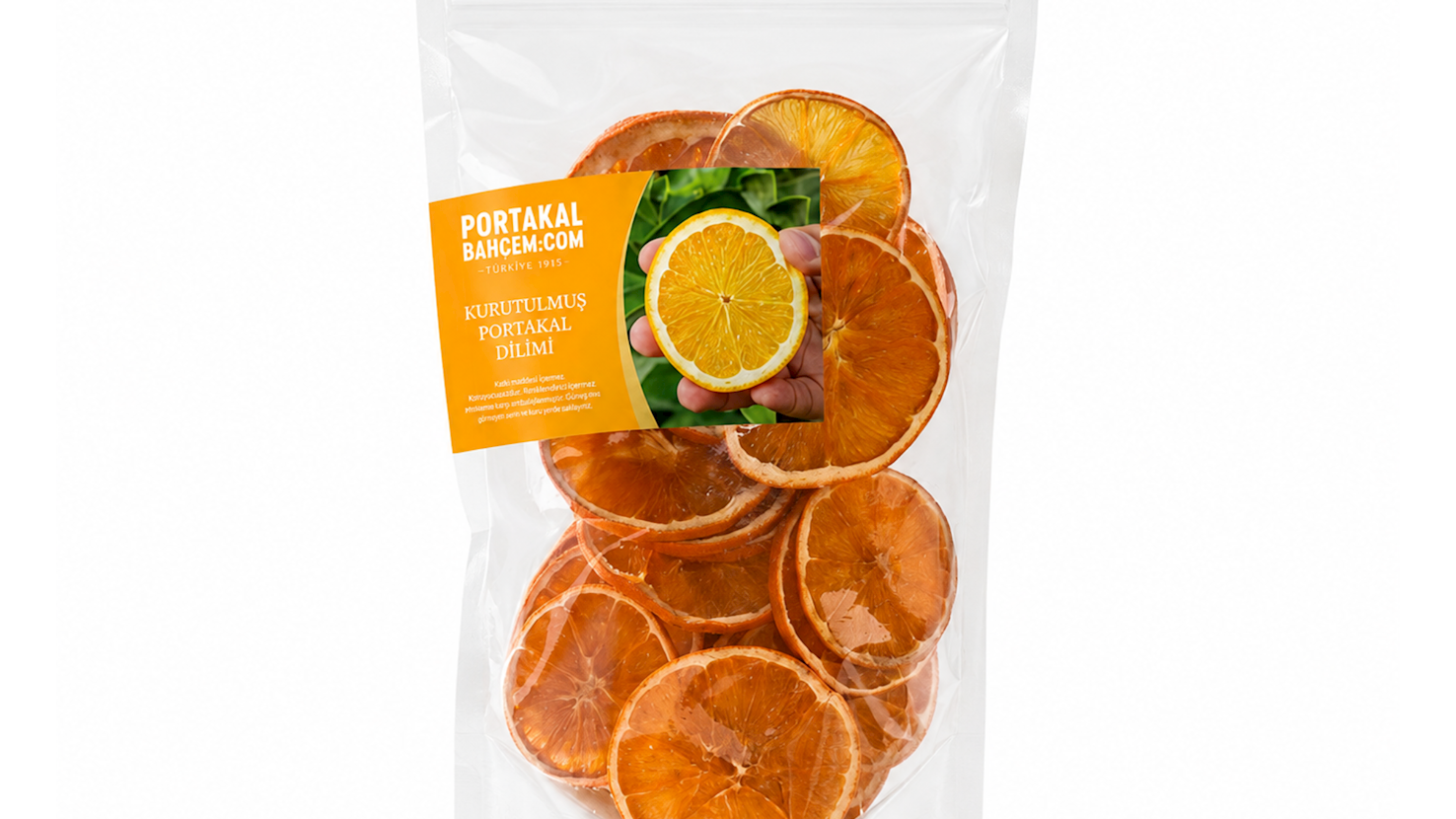
Portakal Bahçem is a Turkish agricultural company and brand based in Finike in Antalya Province. It was founded by Mete Apaydın, Zahit Murat Apaydın, and Akın Veziroğlu as a continuation of a family farming tradition spanning more than a century. Its online shop was launched in January 2013 after approximately four years of preparation. Although the company initially focused on selling fresh Finike oranges, dried fruit now represents a significant part of its range. Most of the raw materials come from orchards in Finike that are managed directly by the producer. The selection includes dried slices of orange, mandarin, lemon, lime, red grapefruit, and several varieties of blood orange. The company also produces dried bergamot peel, kaffir lime leaves, and powders made by drying and grinding different citrus fruits. The fruits are harvested at an appropriate stage of ripeness, cut into slices, and dried without added ingredients. Removing most of their moisture concentrates the flavour, acidity, and aroma of the citrus fruits while giving the slices a firmer and slightly crisp texture. The dried slices can be eaten as a snack or added to teas, beverages, desserts, and plated dishes. Dried peels, leaves, and citrus powders are primarily used to flavour food and drinks. In addition to dried fruit, the company offers fresh citrus fruits, pressed juices, jams, and marmalades.
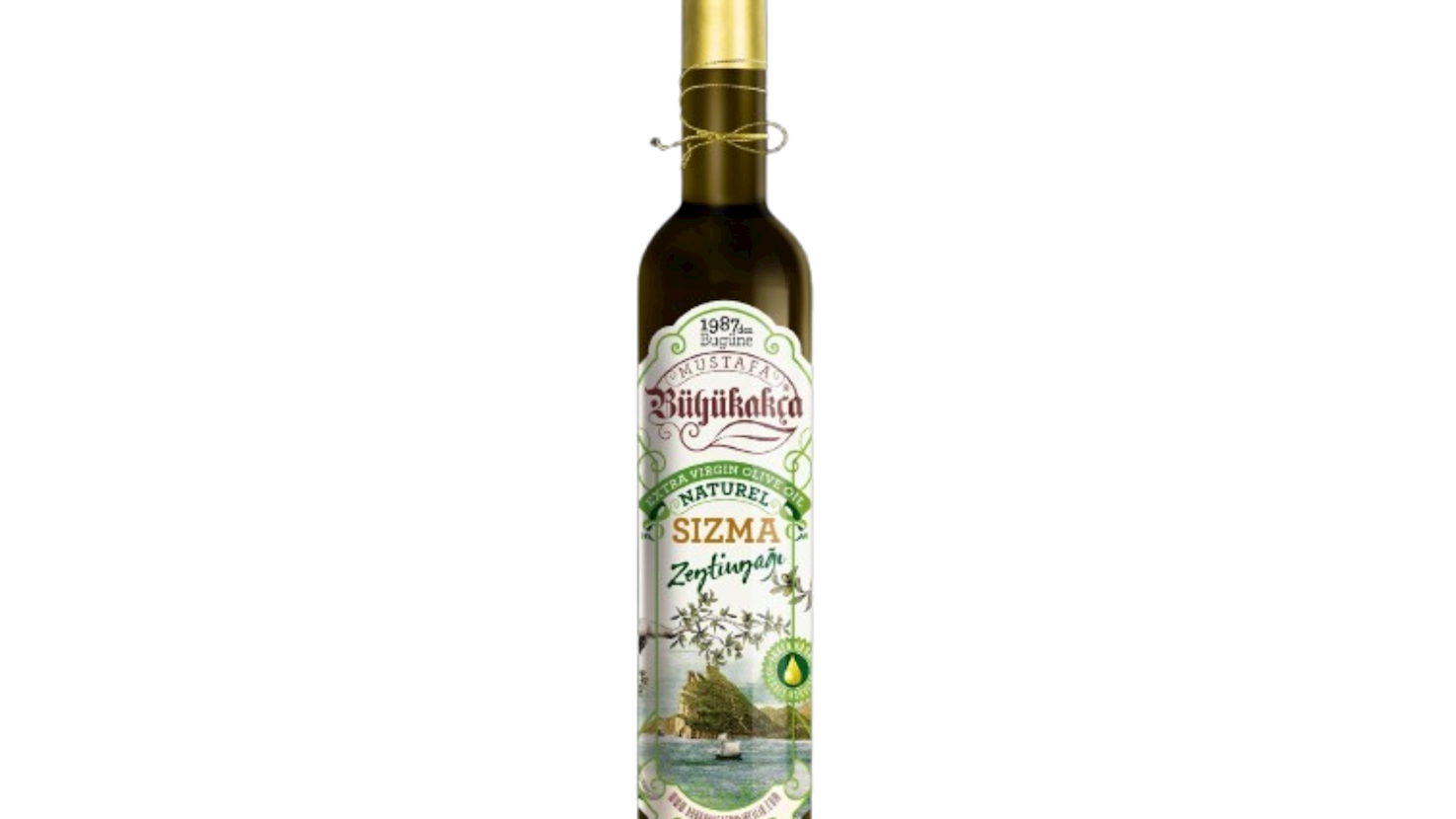
Büyükakça Zeytincilik is a Turkish company specialising in the production of olives and olive oil. It is based in Gazipaşa in Antalya Province. The company has operated for more than three decades and is owned and represented by Zafer Tan. Its production facility is located in the Çobanlar neighbourhood where olives from its own groves and local growers are processed. The factory was renovated and equipped with a more modern processing line before the 2024-2025 season. Its product range includes table olives, virgin olive oil, olive oil soap, and cosmetic products. Particular attention is given to the local Tavşan Yüreği, Beylik, and Memecik varieties which form part of Antalya’s olive-growing heritage. The company also processes Arbequina, Ayvalık, and Gemlik olives. Its products are marketed under the Büyükakça and Mustafa Büyükakça names.
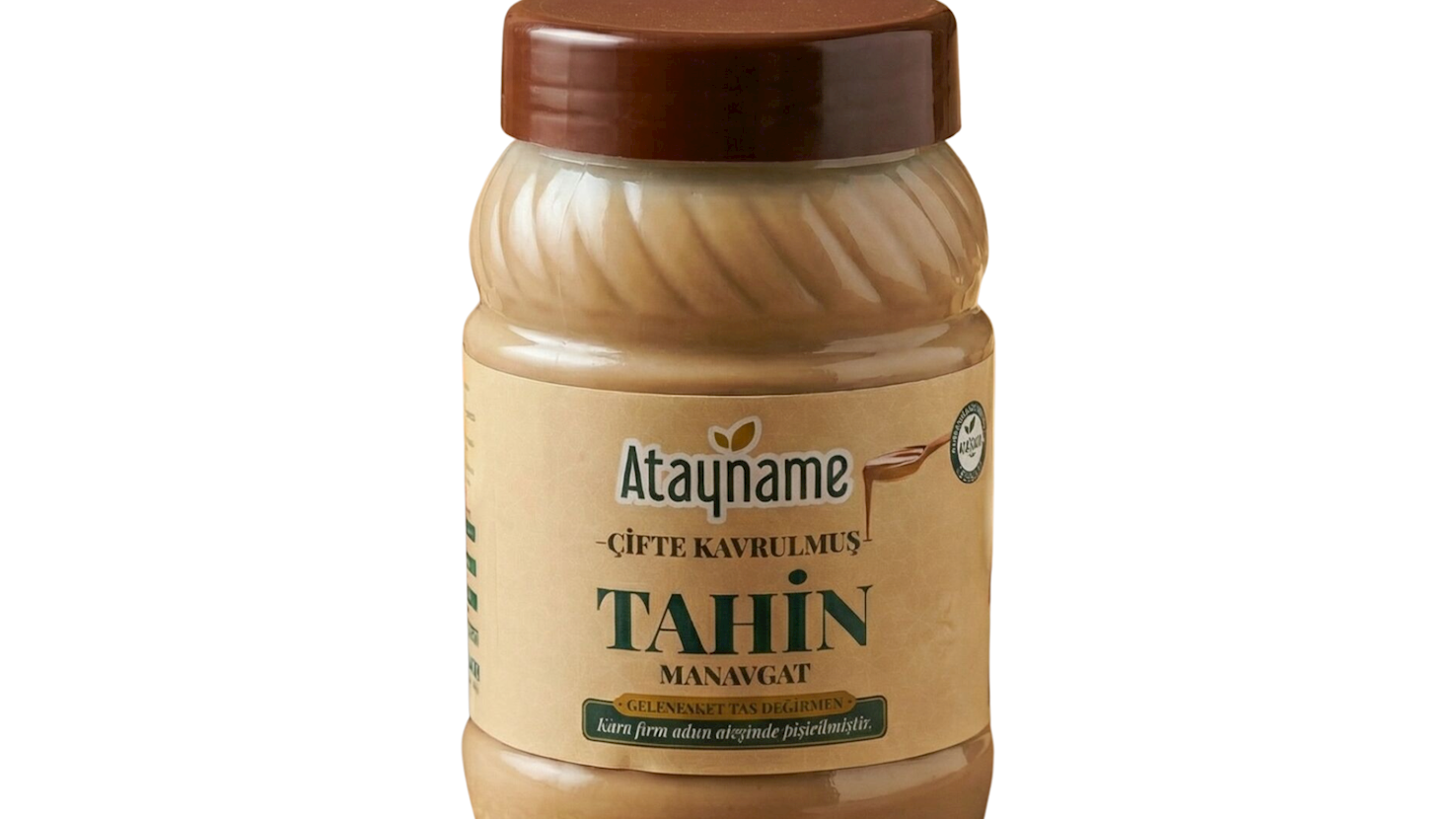
Atayname is a Turkish food company and brand based in Antalya that specializes in tahini and traditional food products. It was founded by Murat Atay in the Varsak district in 2021. The founder comes from a family with three generations of culinary experience and developed his knowledge by researching regional foods from different parts of Turkey. The company’s main activity is the production of tahini from Manavgat golden sesame. This local sesame from the Manavgat district is protected in Turkey by a designation of origin. It is distinguished by its high oil content, thin hull and pronounced aroma. The sesame seeds are roasted over a juniper wood fire at a low temperature for an extended period. After roasting, they are slowly ground in a stone mill to produce a smooth and thick paste. Atayname produces single-roasted and double-roasted tahini, which differ in color, aromatic intensity and degree of roasting. The company also uses its tahini to make several varieties of halva, including versions with grape molasses and pistachios. Its range also includes molasses, honey, jams, fruit concentrates, vinegar, pomegranate sauce, dried fruit, Turkish delight, coffee and herbal teas.
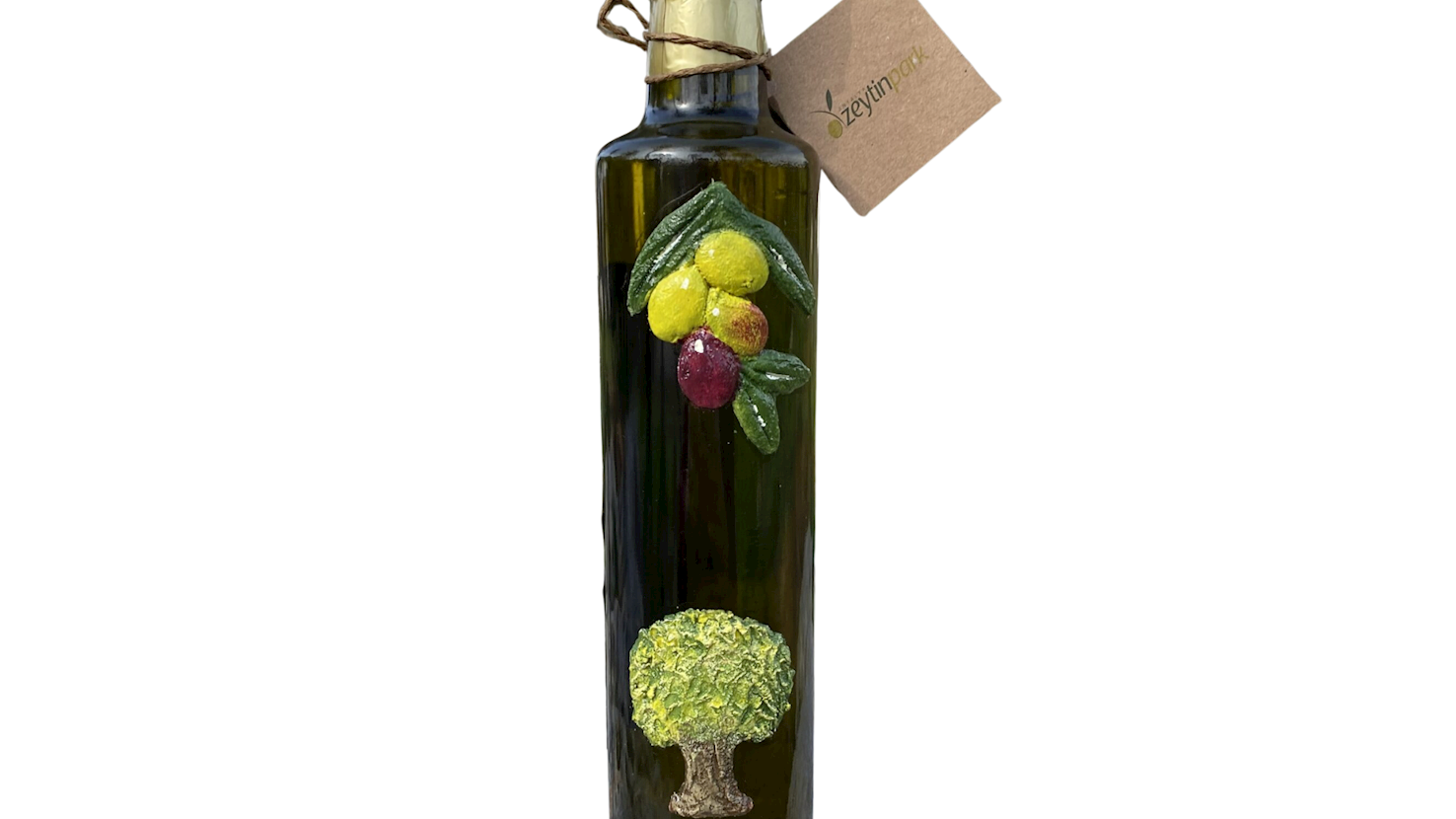
Zeytinpark is a protected olive grove, agricultural estate and publicly accessible natural area in Antalya. The project was established to preserve and restore the former Muratpaşa Vakıf Olive Grove which represents one of the last large green areas within the city. The enterprise operates as a non-profit initiative focused on preserving the land’s natural environment and agricultural purpose. Zeytinpark covers approximately 2.63 million square meters and contains around 25,000 trees, including approximately 20,000 olive trees. Several olive varieties are cultivated in the grove, including Tavşan Yüreği, Memecik, Ayvalık and Manzanilla. Tavşan Yüreği is particularly important as a local variety associated with the Antalya region. Olives harvested on the estate are processed into table olives and extra virgin olive oil sold under the Zeytinpark name.
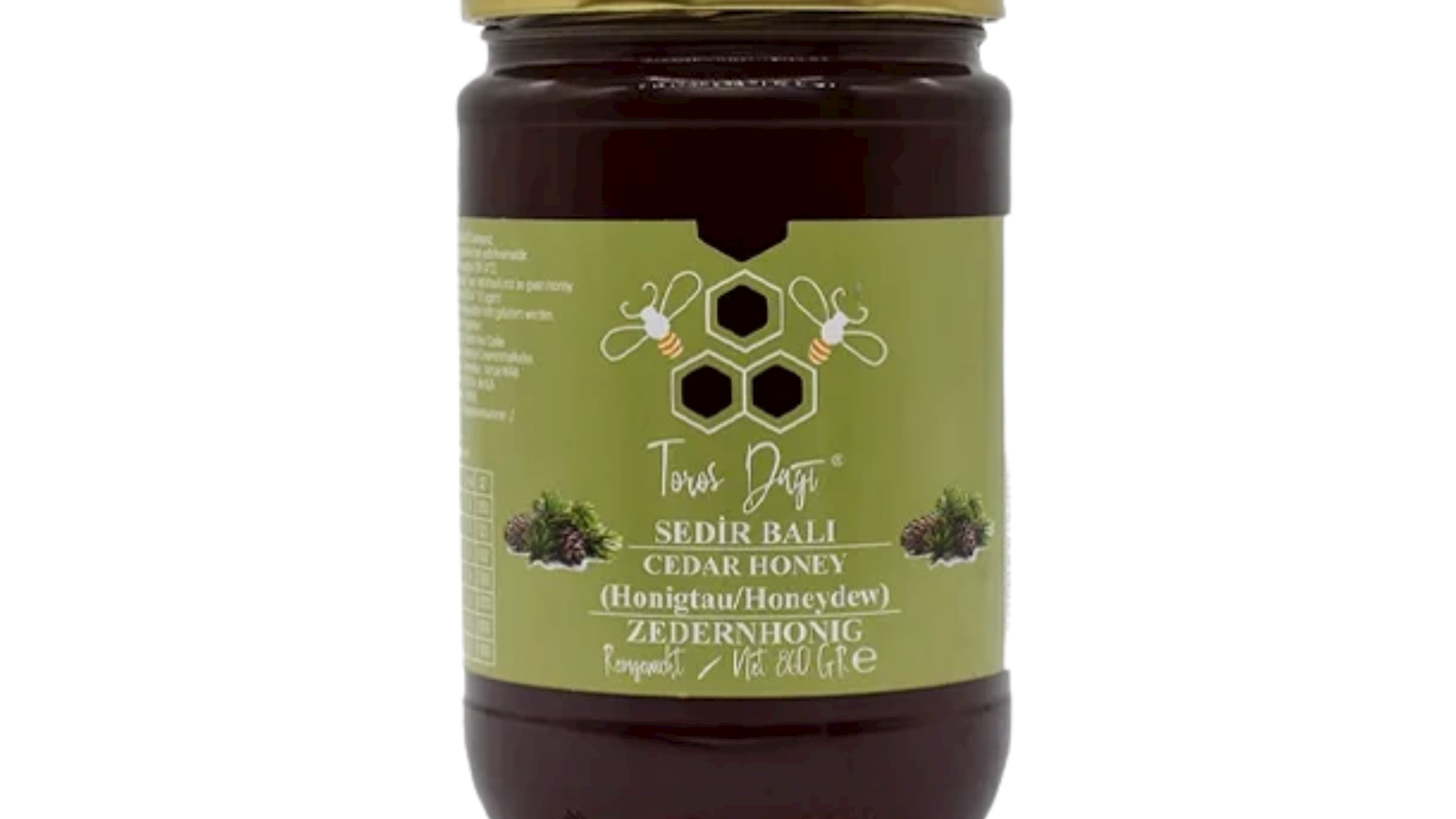
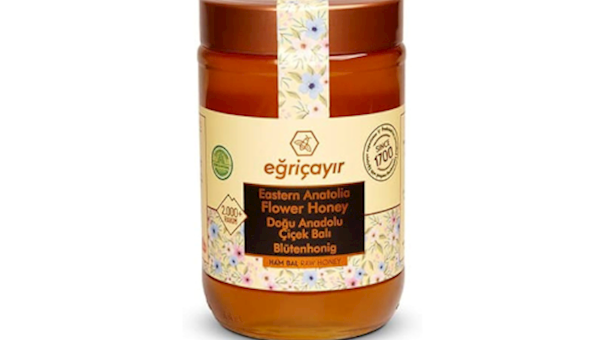
Toros Dağı Bal is a Turkish brand of honey and other bee products based in the Toroslar district of Mersin. Its main activities include beekeeping, honey processing and the packaging of various hive products. According to the producer, some of its beehives are placed on plateaus in the Taurus Mountains at elevations ranging from 2,000 to 2,500 meters. These locations are selected for their distance from large settlements and agricultural areas, as well as their diverse mountain flora. After harvesting, the honey is strained to remove pieces of wax and other solid particles. The company states that its products undergo laboratory testing and publishes analyses of selected honey varieties and valid food safety certificates on its website. The range includes strained honey, comb honey and honey produced in traditional hives. Available varieties include flower, pine, cedar, chestnut, thyme, citrus blossom, lavender and highland honey. The product range also includes pollen, propolis, bee bread, blends containing royal jelly and other bee-derived products.
Kemer Pastanesi is a family-run pastry shop and dining establishment based in Kemer in the Turkish province of Antalya. Its history began in Istanbul in 1952. The development of the business is associated with pastry chef Turhan Büyükkapucu who passed his knowledge and family recipes on to the next generation. The business later moved to Kemer where it became a well-established local dining destination. It is currently operated by the Büyükkapucu family while available sources identify Halil Büyükkapucu as its owner. Its selection includes freshly made cakes, pastries, baklava, cookies and various baked goods. Products available for ordering include chocolate and fruit cakes, walnut and pistachio baklava, homemade-style baklava and desserts prepared for special occasions. In addition to sweet products, the establishment serves bread, savory pastries, sandwiches, breakfast dishes and several cooked meals. Its extensive selection means that Kemer Pastanesi operates as a restaurant and bakery rather than exclusively as a traditional pastry shop. In 2016, Kemer Pastanesi received an award recognizing it as the best pastry shop in Antalya.
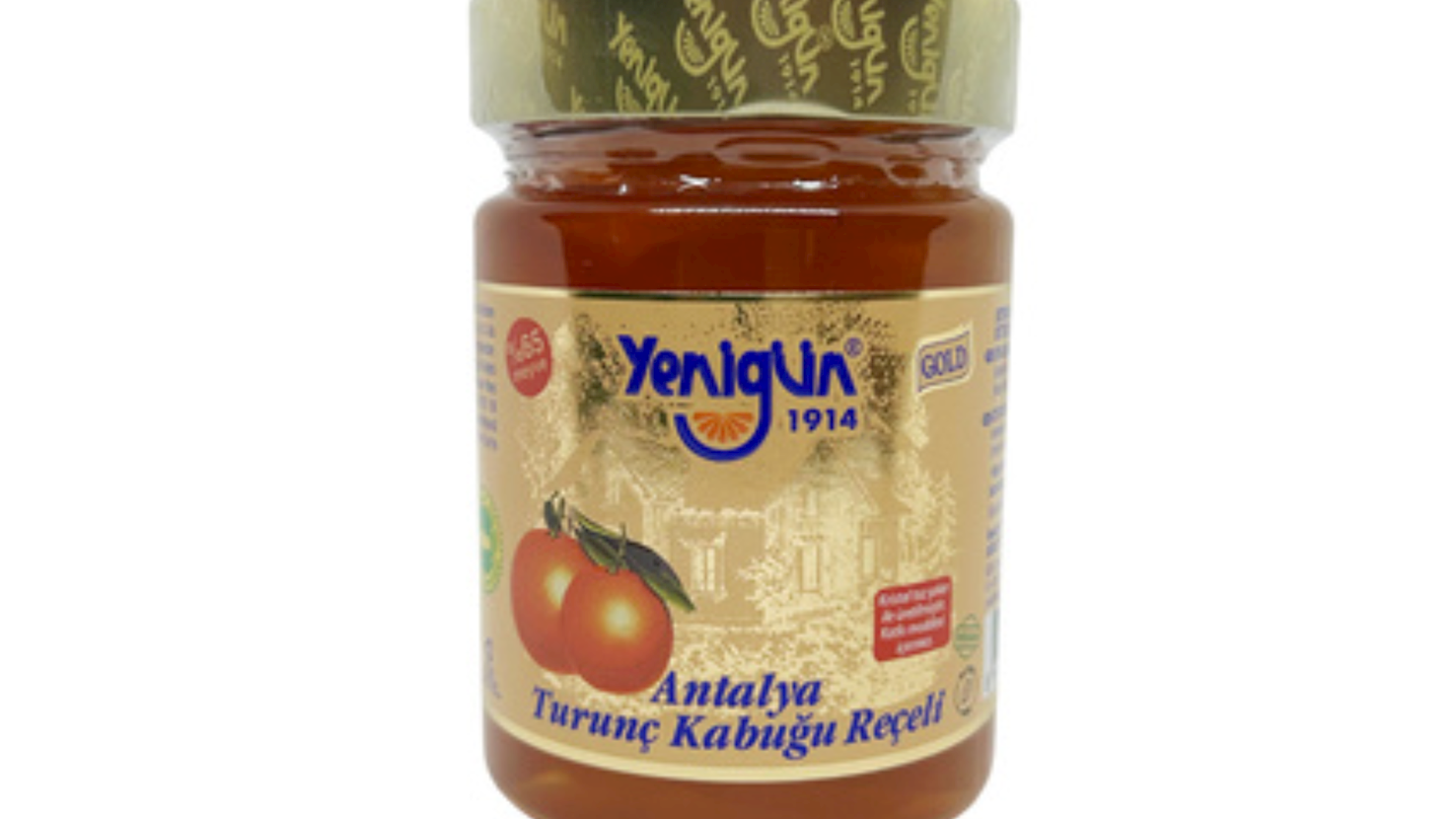
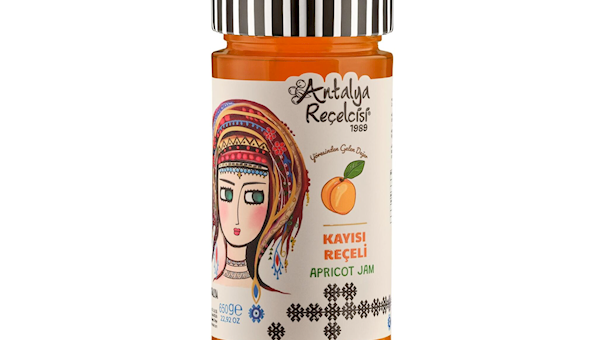
Yenigün Gıda is a family-owned food company from Antalya whose documented history began in 1914. It was founded by Mahmut Yağcılar in the city’s historic commercial district known as Kalekapısı. Its original production included halva, tahini, hard candy and traditional sugar confectionery. The company is now managed by the fourth generation of the founding family. Yenigün is particularly known for jams made from fruits and other ingredients associated with the Antalya region. Its range includes bitter orange, bergamot, eggplant, fig, watermelon and sour cherry jams. The company also produces molasses, honey, tahini, halva, Turkish delight, pickled vegetables and powdered drink mixes. Its portfolio includes organic products and varieties made without added sugar. The jams are cooked in vacuum kettles under the supervision of food specialists to achieve a consistent texture while preserving the characteristics of the ingredients. Production has taken place at an industrial facility in Antalya since 1998 while the company later opened a second plant in the city’s organized industrial zone. Its annual output comprises several thousand tonnes of jams, molasses, pickled vegetables, confectionery and powdered beverages. Yenigün sells its products throughout Türkiye and exports to approximately 35 countries across Europe, North America, the Middle East, Asia and Australia. Its long production history and focus on regional jam varieties have made Yenigün one of the better-known producers of traditional food products from Antalya.
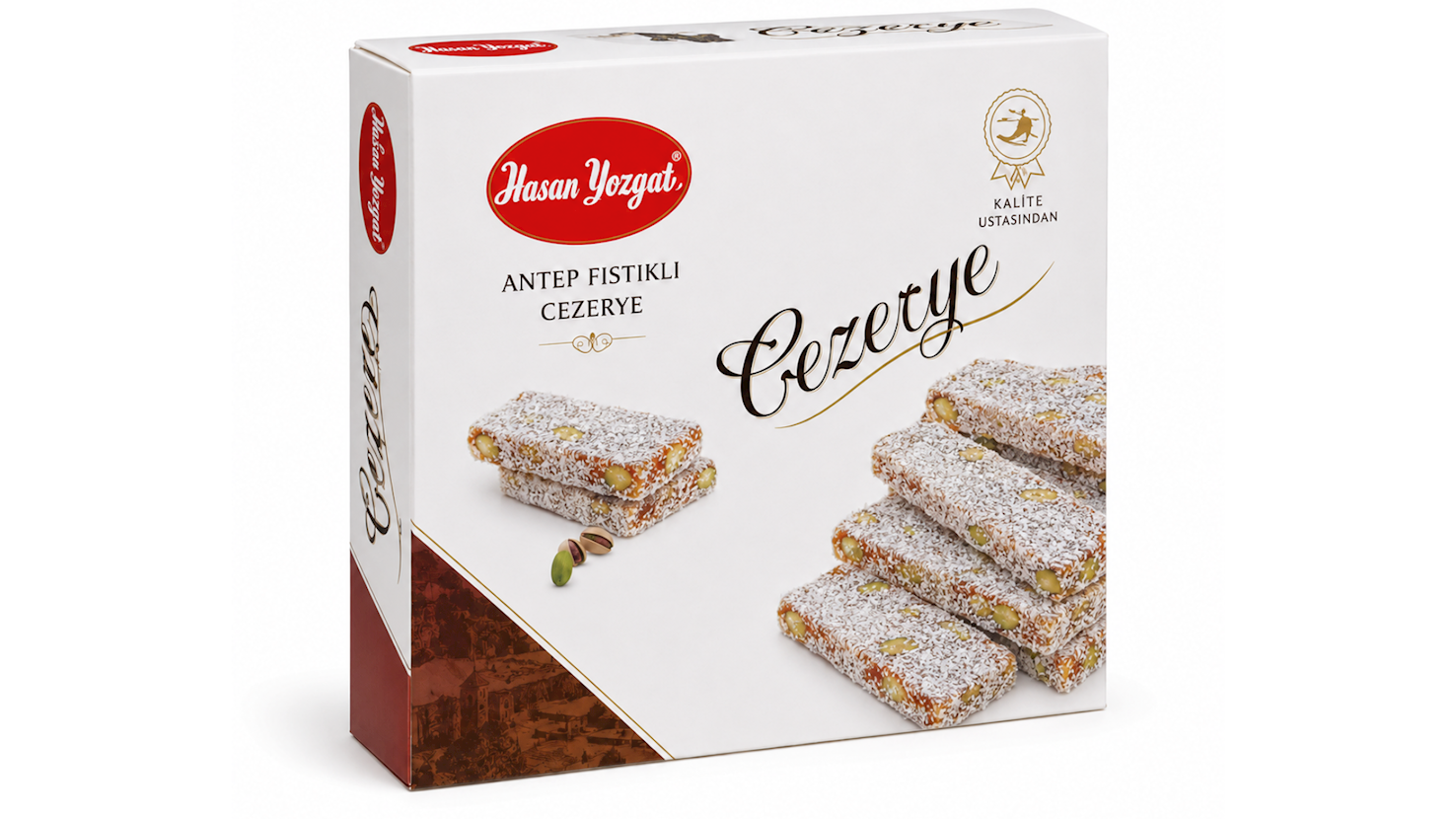
Şekerci Hasan Yozgat is a Turkish producer of traditional confectionery founded in Mersin in 1963. The brand was established by Hasan Yozgat, who began production in a small workshop using traditional methods. Today, it operates under the company Şeksan Pazarlama. Its best-known product is Mersin cezeryesi, a regional confection made from cooked carrots, sugar, spices and nuts and usually coated with coconut. Hasan Yozgat produces cezerye with pistachios, hazelnuts and walnuts, including classic, mini, extra and nut-rich atom varieties. Turkish delight represents another important part of the range and is available in plain, rose-flavored, fruit-flavored, hazelnut and pistachio varieties, as well as double-roasted and sultan-style versions. Growing demand eventually led the company to transfer production from its original workshop to a larger facility in the organized industrial zone in Tarsus.
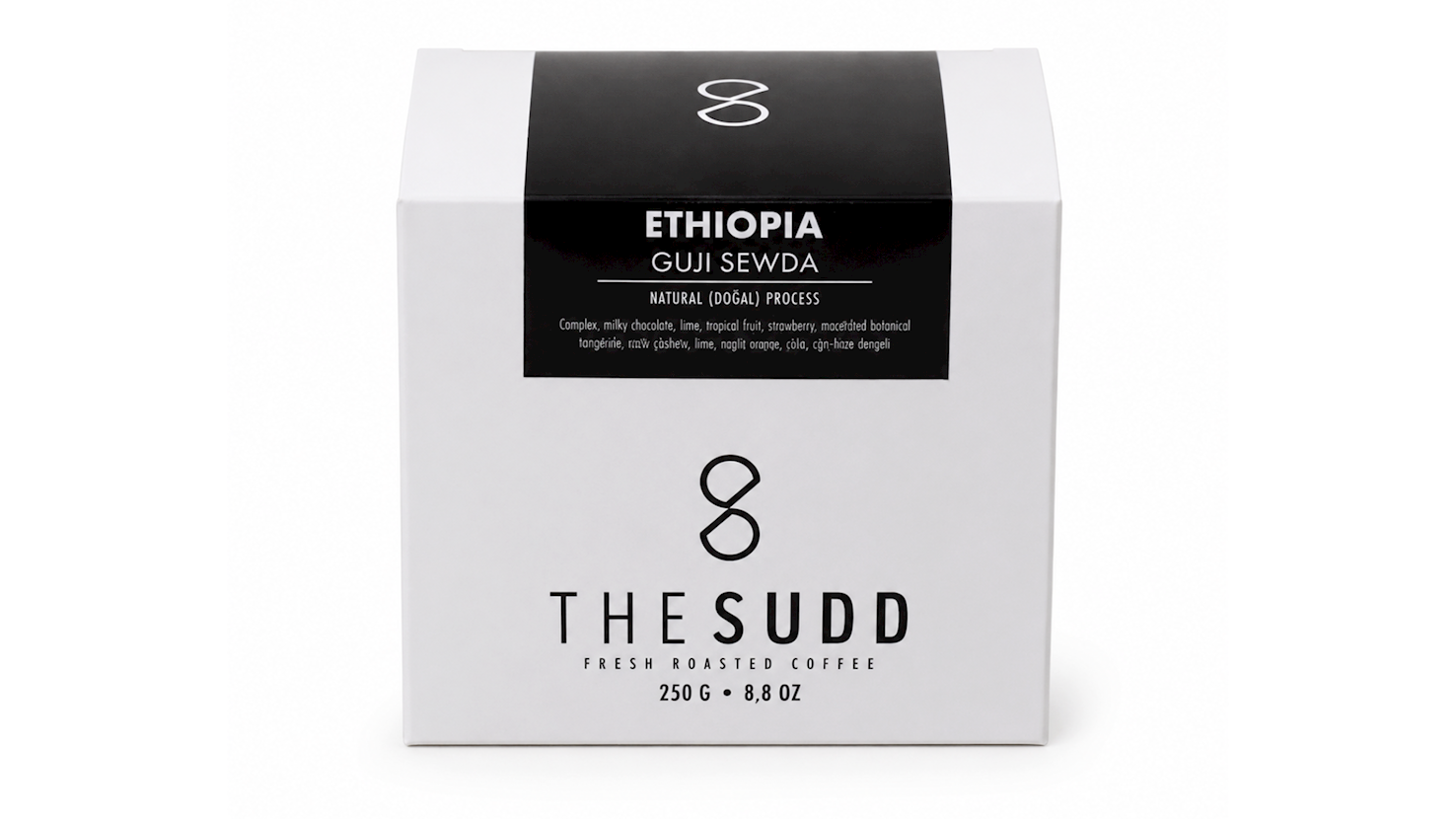
The Sudd Coffee is a Turkish specialty coffee roastery and café chain based in Antalya. The brand was founded by Emin Öztürk in 2017 following three years of research into green coffee beans, roasting methods, flavour profiles, and interior design. Its first café opened in the Lara district of Antalya. The name was inspired by the Sudd wetlands in South Sudan which the company associates with patience, resilience, and the importance of water. Öztürk transferred the business to chef and restaurant operator Mehmet Akdağ in 2020. The Sudd Coffee subsequently became part of the business group associated with the well-known Antalya restaurant 7 Mehmet. The company established its own coffee research and development centre in 2022. It sources green coffee beans of known origin and seeks to maintain transparency and traceability throughout the supply chain. The beans are roasted according to proprietary profiles developed through training provided by the Specialty Coffee Association. Its selection includes coffees from Ethiopia and Brazil as well as lots associated with producers and estates such as Monteblanco and La Riviera. The coffees are prepared as espresso or with different manual brewing and filtering methods. Particular attention is given to the purity and mineral composition of the water because these factors affect extraction and the final flavour of the beverage. In addition to coffee, the cafés serve sandwiches, pastries, cakes, and other items from the company’s kitchen programme. The Sudd Coffee currently operates at TerraCity, Setur Marina, and Kaleiçi in Antalya.
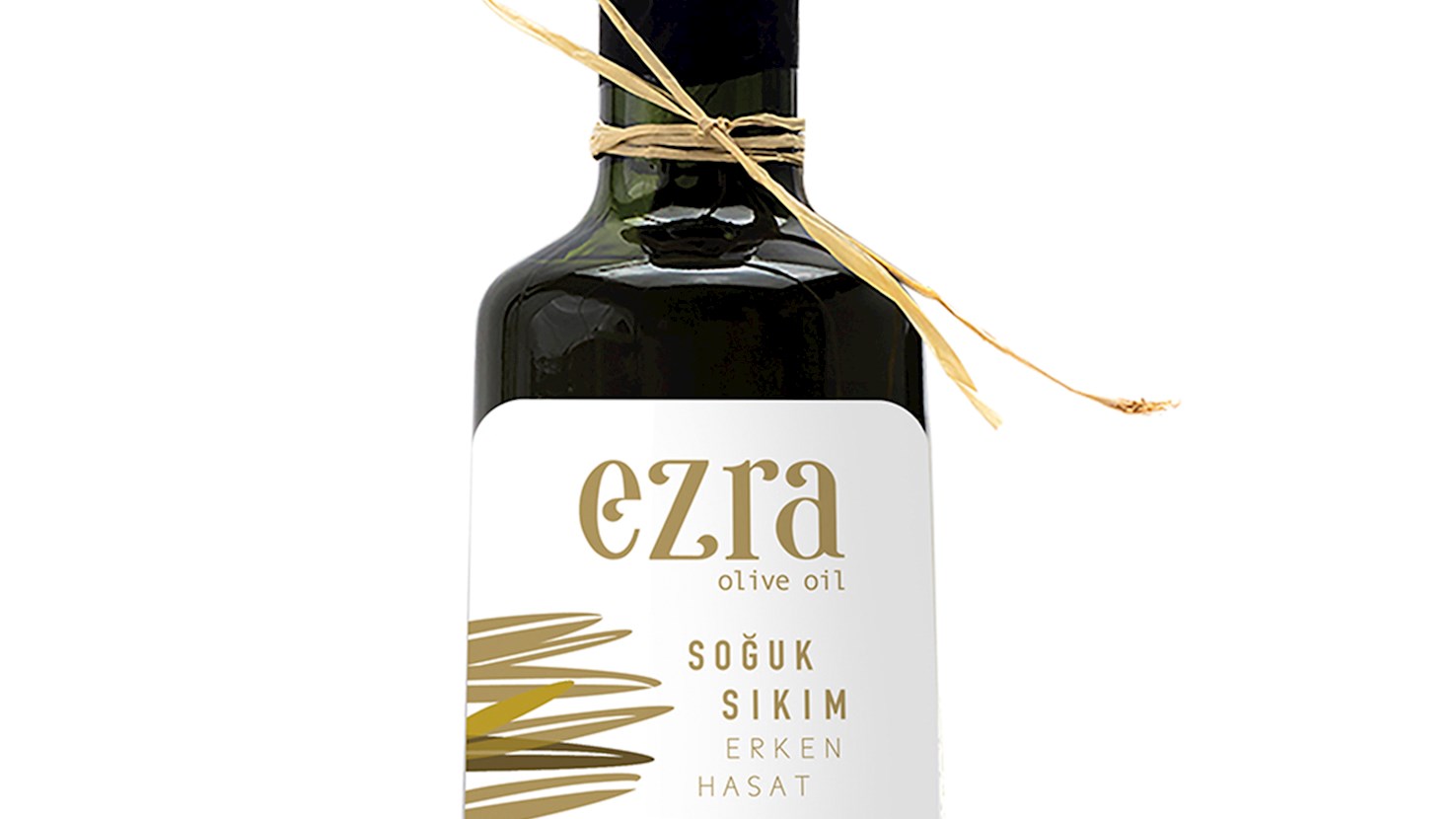
Ezra Olive Oil is a producer based in Mersin, Turkey. The company specializes in the production of high-quality extra virgin olive oil.
They utilize traditional methods combined with modern technology to ensure the purity and flavor of their olive oil. The olives are sourced from local groves, and the production process emphasizes sustainability and environmental responsibility.
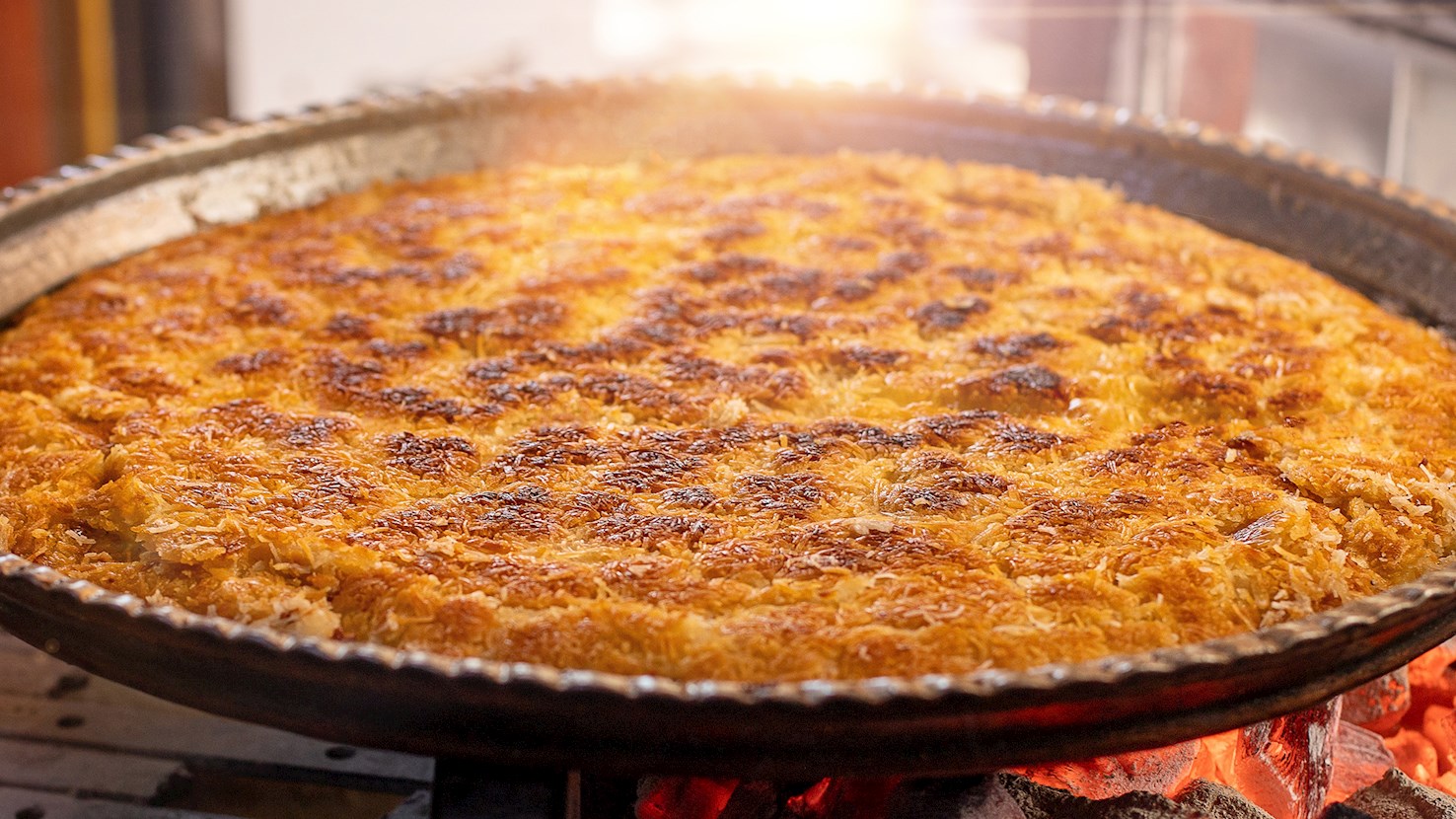
Antakya künefesi is a traditional kunāfah variety hailing from the ancient Turkish city of Antakya, made from shredded phyllo pastry filled with creamy unsalted cheese. The origins of this dish can be traced back to the Ottoman Empire, and to this day, it has remained one of the authentic representatives of Antakyan culinary heritage and traditions. To make Antakya künefesi, the pastry is first prepared by shredding phyllo dough into thin strips and placing it into a flat, round tray. The dough, in this form known as kadayıfın, is then topped with a mixture of unsalted cheese, traditionally Hatay peyniri, and another layer of shredded phyllo dough. After the concoction is baked on both sides (a step that makes this kunāfah variety unique), it is soaked with hot, sweet syrup made with sugar, water, and lemon juice. Antakya künefesi is served warm and garnished with chopped pistachios, walnuts, or hazelnuts. In 2006, this delicious dessert received the Protected Geographical Indication certificate.
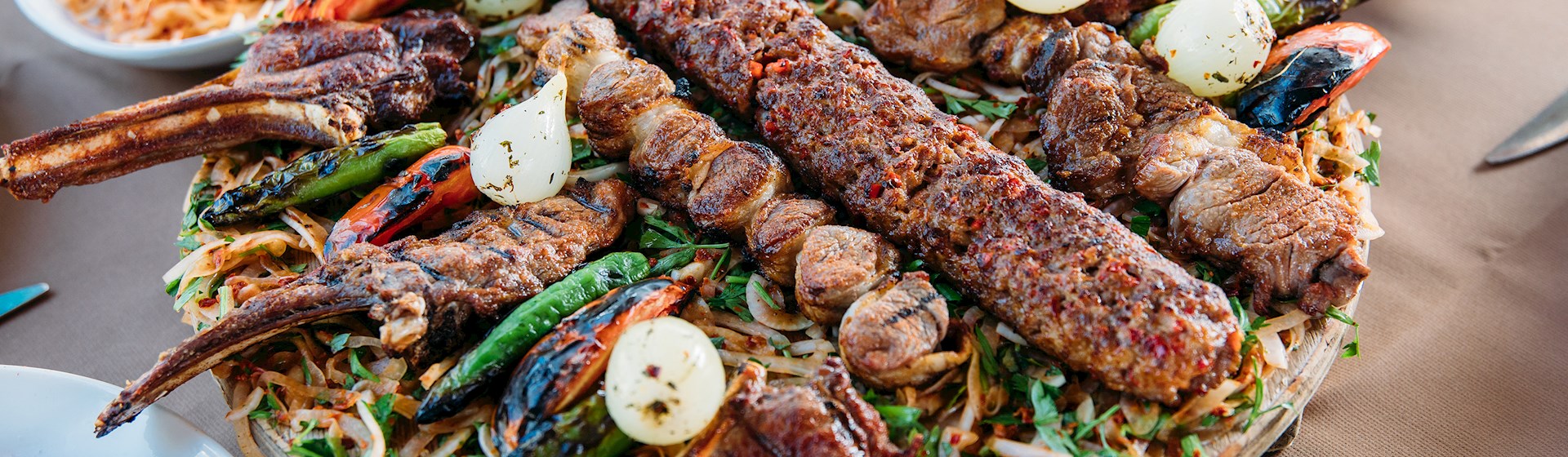
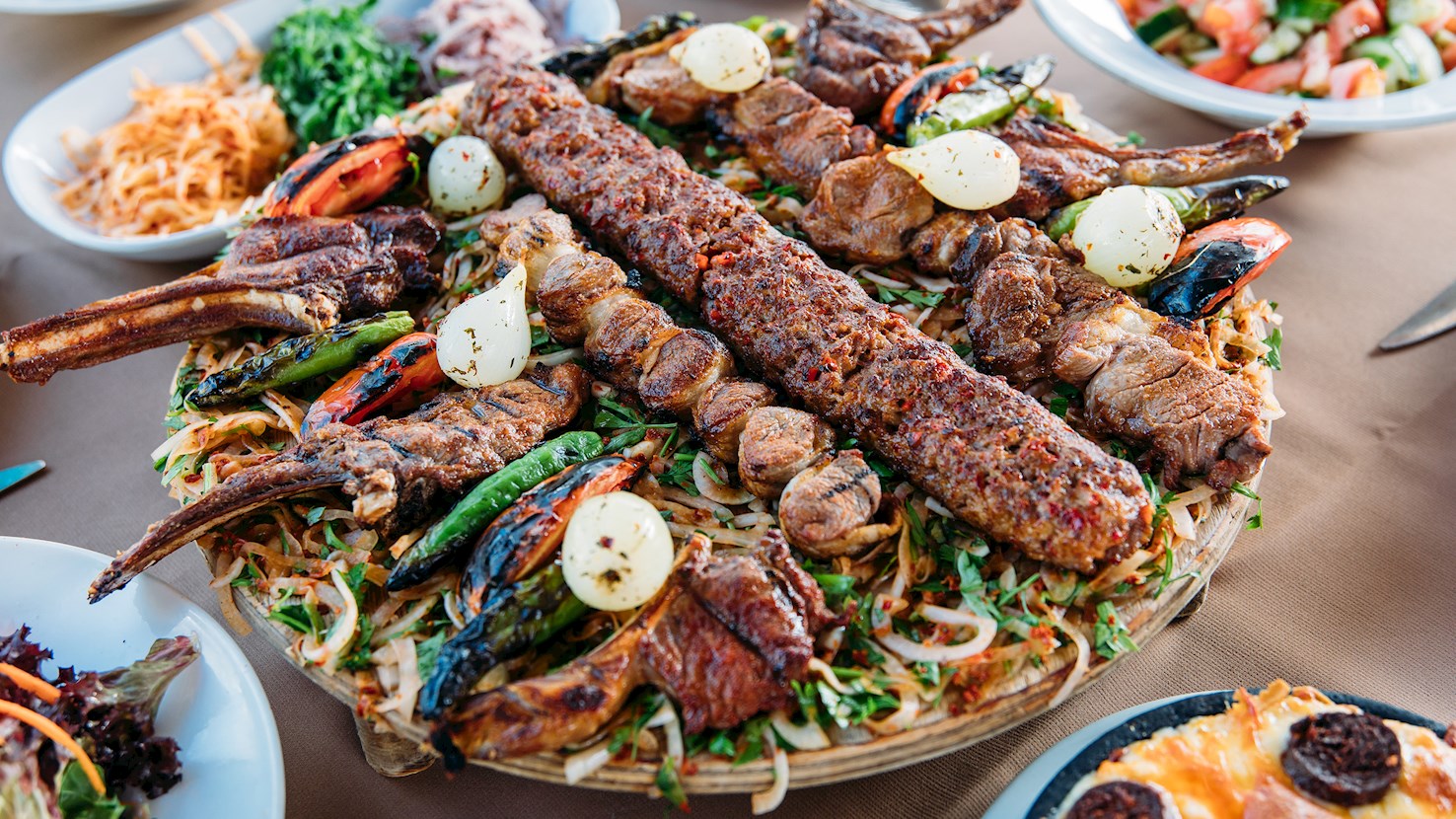
Adana kebap is a popular skewered meat dish named after one of the most famous kebab cities in the country, Adana. This kebab is made with ground lamb and tail fat that are kneaded together with garlic, onion, paprika, and hot red pepper flakes, giving it a deep red color and a spicy flavor. The whole concoction is typically placed around large and flat metal skewers, then grilled. Once it's done, the grilled meat is traditionally served on a platter over flatbreads, peppers, and tomatoes, or stuffed into pita bread along with a salad consisting of parsley and red onions. Before the pita is rolled, the meat is usually topped with roasted chilies, salt, cumin, and sumac. It is recommended to pair Adana kebap with ayran – a slightly salty, yogurt-based beverage or şalgam, a non-alcoholic fermented beverage made from vegetables and red carrots.
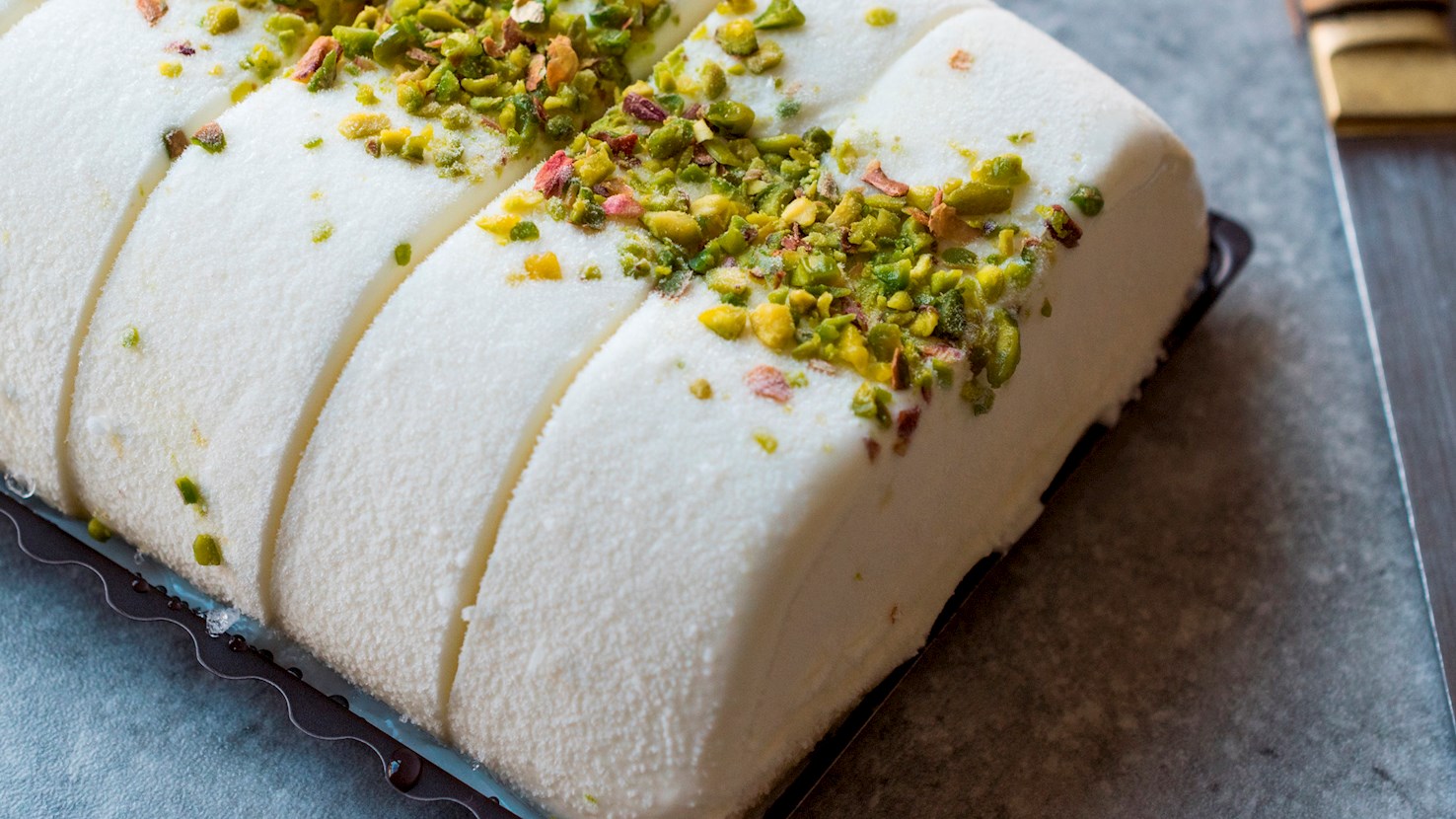
Turkish ice cream is believed to originate from the city of Maraş—hence the name—and what really sets it apart from other varieties is its resistance to melting and a particularly dense, chewy texture. These qualities are brought by adding two thickening agents to the basic milk and sugar mixture: Arab gum, also known as mastic resin, and salep—a type of flour made from the root of the early purple orchid. In fact, in the Kahramanmaraş region, ice cream typically contains distinctly more salep than usual, which is why it is sometimes called kesme dondurma—from the Turkish kesmek, meaning to cut—which is the reason why this ice cream variety is usually eaten with a knife and fork. In Türkiye, ice cream is commonly sold in the streets but also in specialized dondurması shops, whose owners will often go out of their way by producing their own salep, apart from using exclusively natural flavorings and milk from goats fed only with thyme, orchid flowers, and milkvetch.
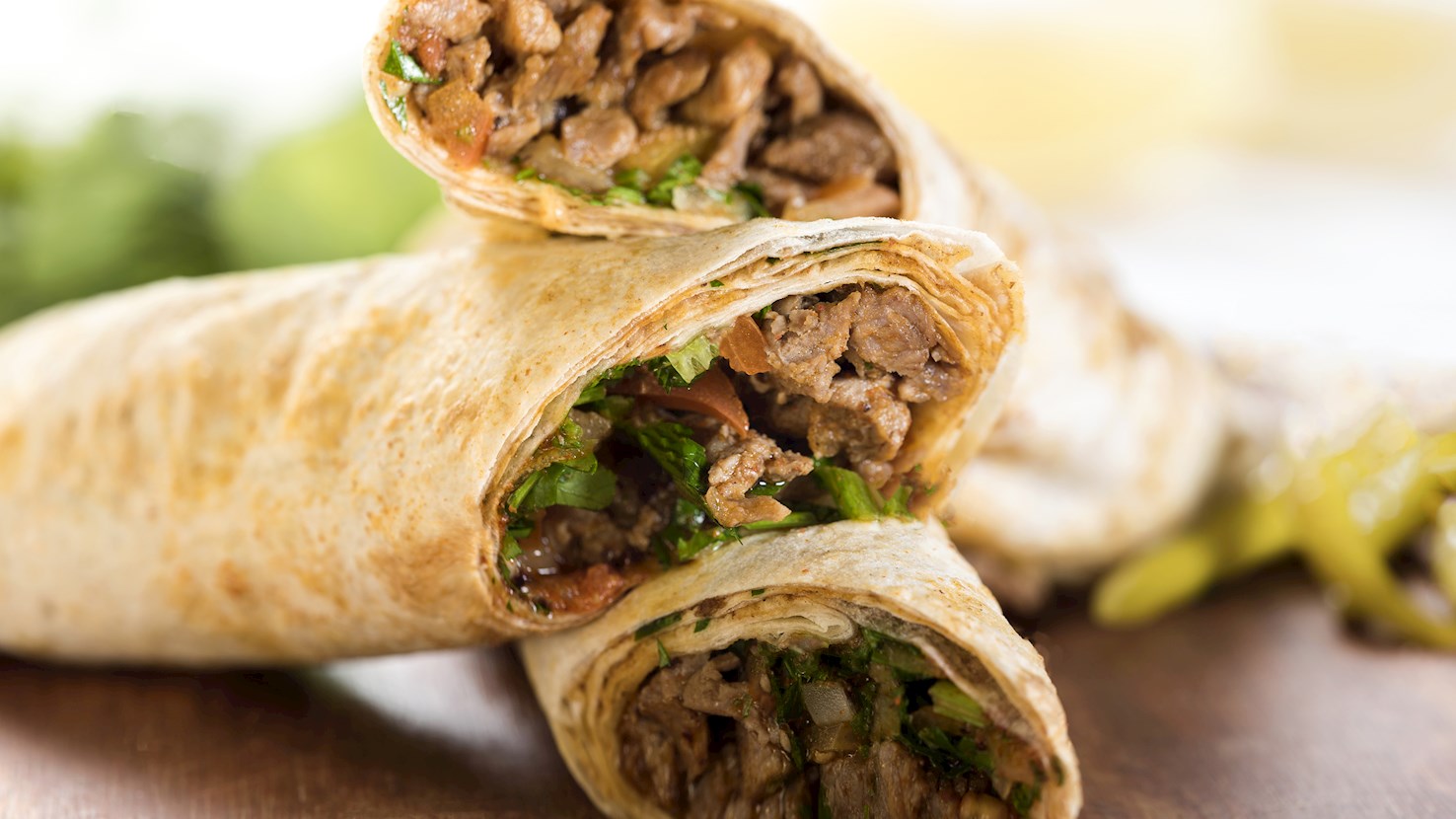
Tantuni is a traditional street food dish from Mersin, consisting of thinly sliced beef or lamb that is seasoned with Turkish spices and herbs, usually cooked with onions and tomatoes. The combination is cooked in specially designed tantuni pans. Traditionally, the dish is served rolled in lavash, with ground sumac and a lemon wedge on the side. Since every tantuni chef has his own method and secret technique of preparing the dish, it is said that the flavors of tantuni are never the same. Tantuni was originally created as a poor man's dish - it's very nutritious because it consists of meat with a lot of fat stuffed into bread. Some believe that the name of the dish refers to the sound that the meat and spices make when they are brought from the rim of the pan to its center.
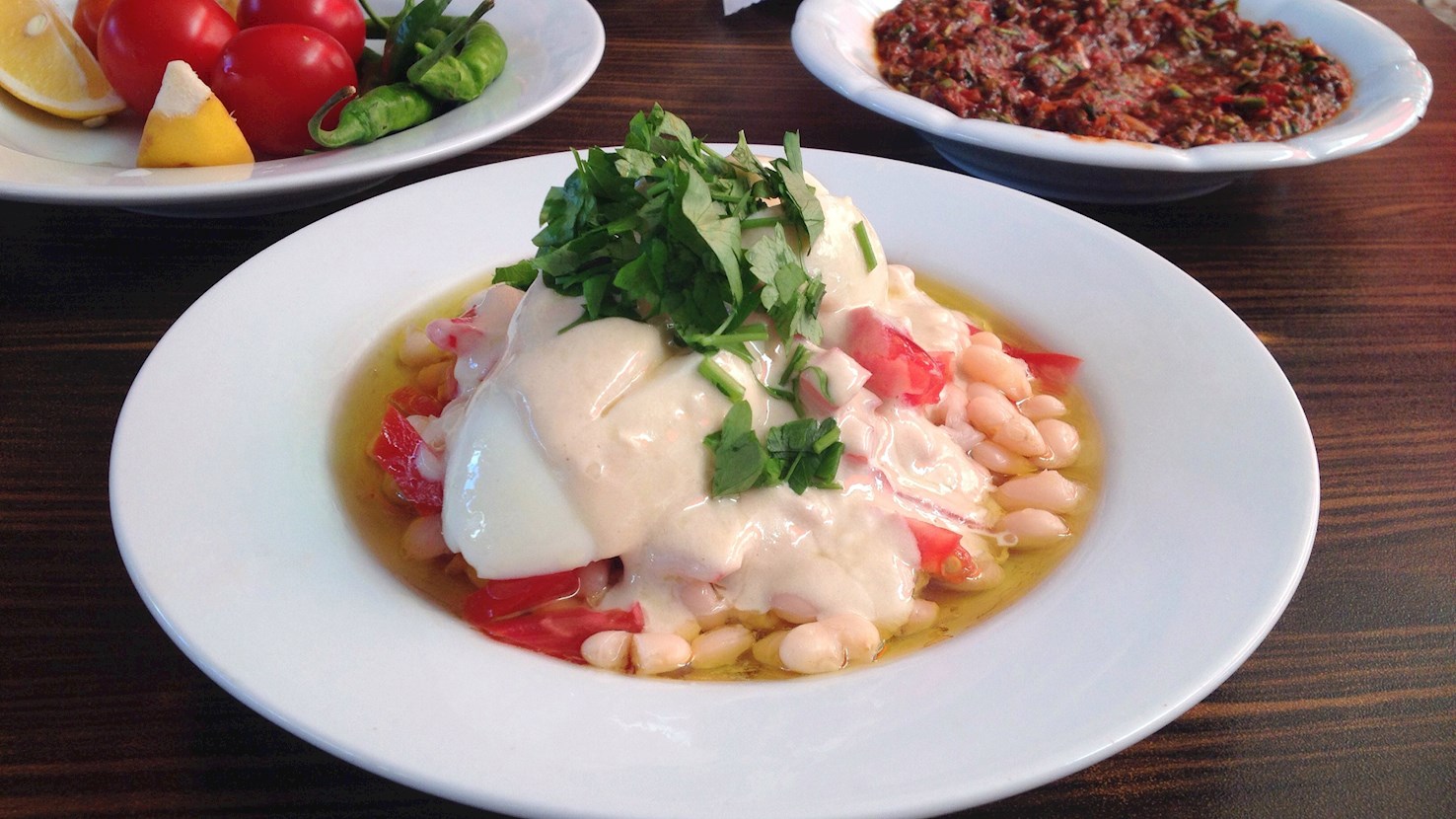
Piyaz is a traditional salad. In most of the country, it's a general term for a dish of dried beans, parsley, onions, and sumac. In Antalya, however, piyaz also contains a rich and smooth sauce consisting of tahini, lemon juice, and vinegar. The beans are topped with the sauce, and the dish is usually dressed with chopped tomatoes, sliced onions, hard-boiled eggs, olive oil, and parsley. Piyaz is often eaten as an accompaniment to köfte and similar grilled meats, but it can also be included in a meze selection.
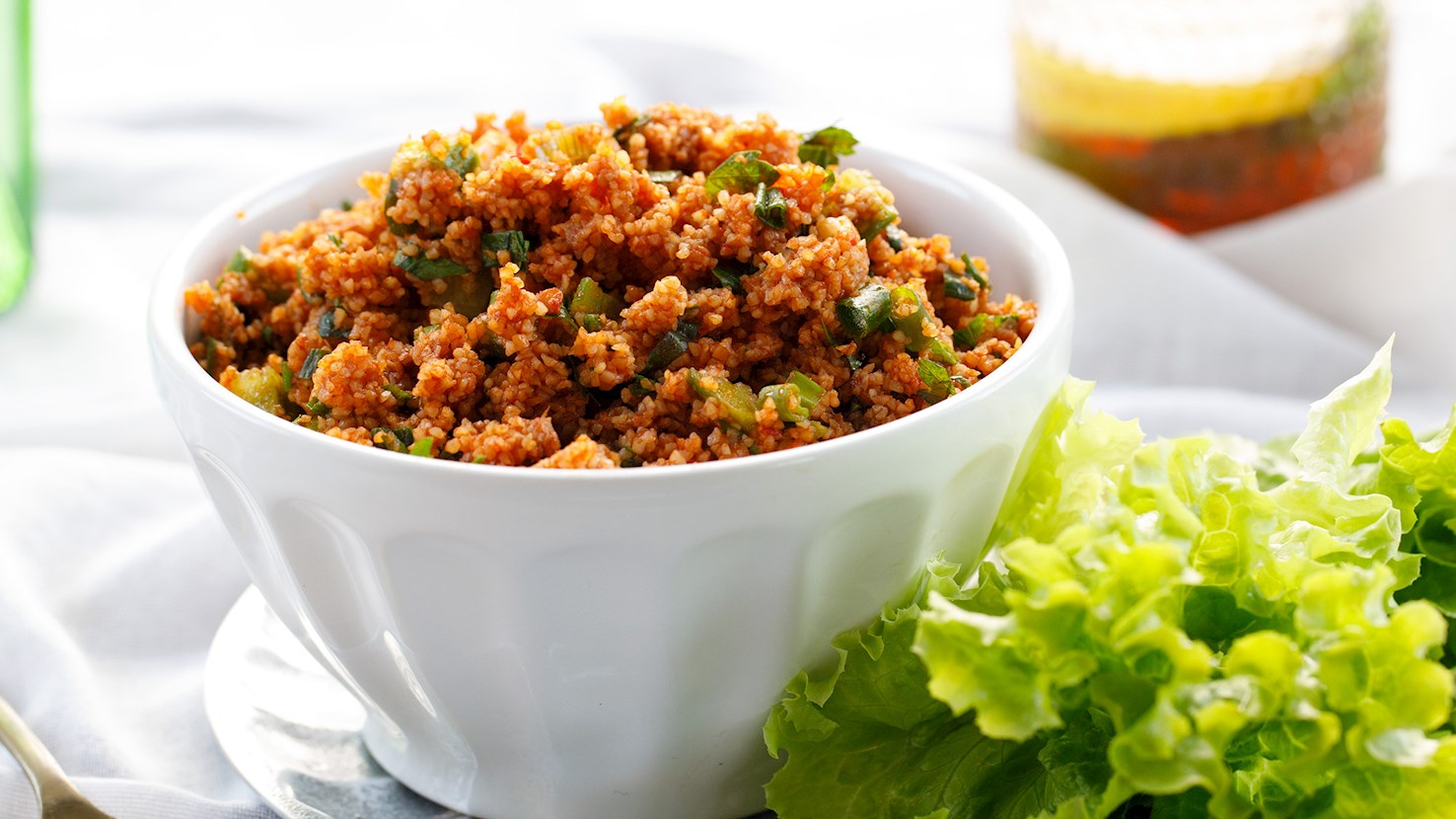
Kısır is a classic Turkish salad made with thin bulgur wheat, tomatoes, mint, garlic, parsley, and either lemon juice or sour pomegranate molasses. Red pepper flakes are often added to the salad to make it spicier. Lemon juice is typically used in northwestern Türkiye, while pomegranate molasses is more commonly used in the southeast of the country. The salad is ideal for buffets and meze, but it is also often used as a side dish for a variety of barbecued meat dishes. It is traditionally served cold or at room temperature.
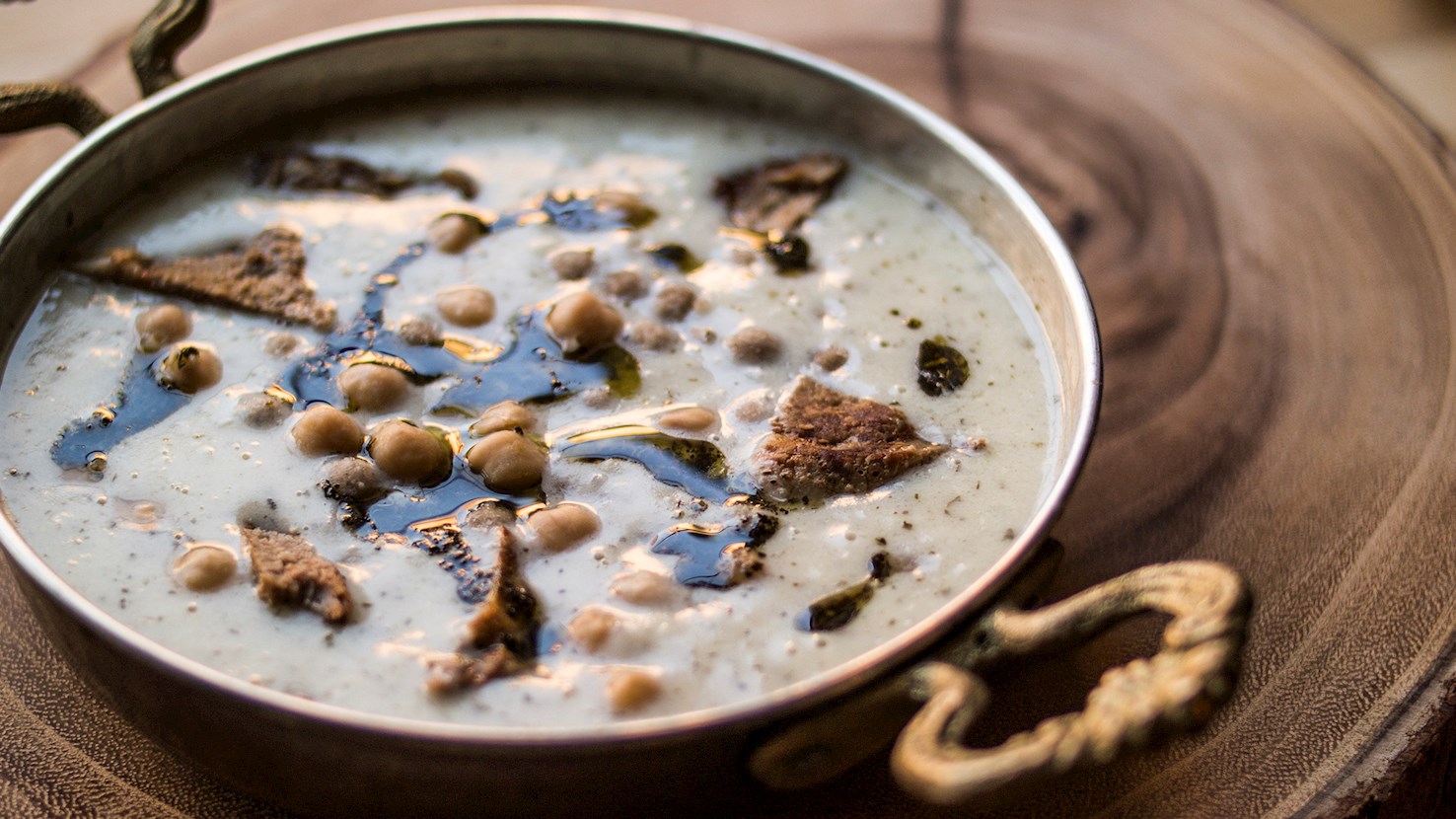
Arguably the most laborious Turkish soup and one of Gaziantep's favorites, yuvarlama çorbası is made with spiced meatballs, chickpeas, yogurt broth, olive oil, and other optional ingredients. The soup is traditionally prepared for the three-day celebration of the fast-breaking Ramazan Bayramı, and it is served in virtually every Anatolian home. The preparation of this festive soup is a time-consuming process, and everyone is involved, as often both family members and neighbors get together to share the work and joy of rolling hundreds of tiny yuvarlama köfte. These spiced meatballs are typically made with lean beef mince, and either rice or bulgur flour, but they can also be made without meat. Köfte are then steamed and, together with pre-cooked chickpeas, added to the warm süzme or strained yogurt broth drizzled with minty olive oil. Yuvarlama soup can even include stewed chunks of beef, lamb, or chicken, and it is most often accompanied by rice pilaf, which altogether makes not only for quite a nutritious meal but also an amazing combination of different flavors and textures.
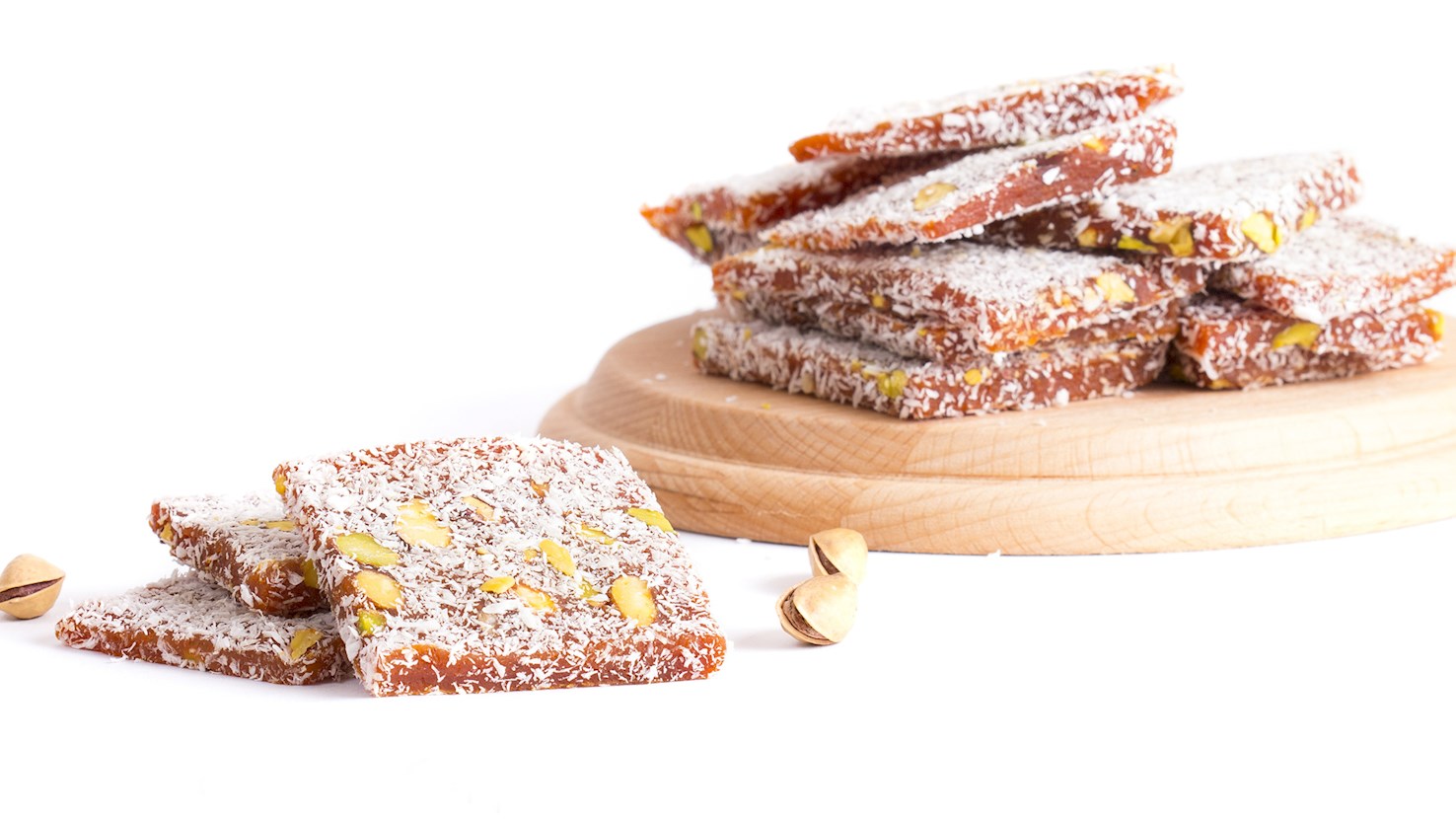
Cezerye is a dessert made by slowly cooking carrots with sugar until they form a thick, chewy paste, usually enriched with nuts and coated with shredded coconut. It originates from Mersin on Türkiye’s Mediterranean coast, where it is one of the city’s best-known sweets. The name is Arabic in origin and relates to the Arabic word jazar, meaning carrot. Cezerye belongs to a broader Eastern Mediterranean tradition of dense fruit and vegetable confections, but its exact place and date of origin are not documented. Mersin became particularly famous for its production, and Mersin Cezeryesi has had protected geographical indication status in Türkiye since 2003. The traditional preparation begins with carrots that are cleaned, boiled until completely tender, and then finely ground or puréed. The carrot pulp is cooked with sugar over steady heat, stirring constantly, until much of the moisture evaporates and the mixture becomes very thick and sticky. A small amount of citric acid or lemon can balance the sweetness, and cinnamon is a characteristic flavoring. Once the carrot mixture reaches the right consistency, roasted walnuts, hazelnuts, or pistachios are mixed through it. The hot mixture is spread onto trays and left to cool and set. Once firm, it is cut into rectangular pieces or other shapes and commonly rolled in finely shredded coconut, which prevents the sticky pieces from adhering to one another and adds another layer of flavor and texture. Proper cezerye is dense and chewy, not gelatinous. The carrot should provide natural sweetness and a subtle earthy flavor, while the nuts give the confection a noticeable crunch. Its texture comes largely from concentrating the carrot and sugar through prolonged cooking, not from gelatin. Cezerye keeps well at room temperature when properly prepared and stored, making it particularly suitable as a confection that can be produced in batches and kept for extended periods. Confectioners in Mersin commonly sell it in boxes or by weight, and people often buy it as a local specialty to take home. Different nuts and shapes are used, but the traditional character remains straightforward: carrots are cooked with sugar until thick, flavored lightly with cinnamon, combined with nuts, allowed to set, and usually finished with a coating of coconut. Cezerye is eaten in small pieces as a sweet snack or dessert and is commonly served with Turkish tea or coffee. Its concentrated sweetness and chewy texture mean that only a few pieces are usually served at a time.
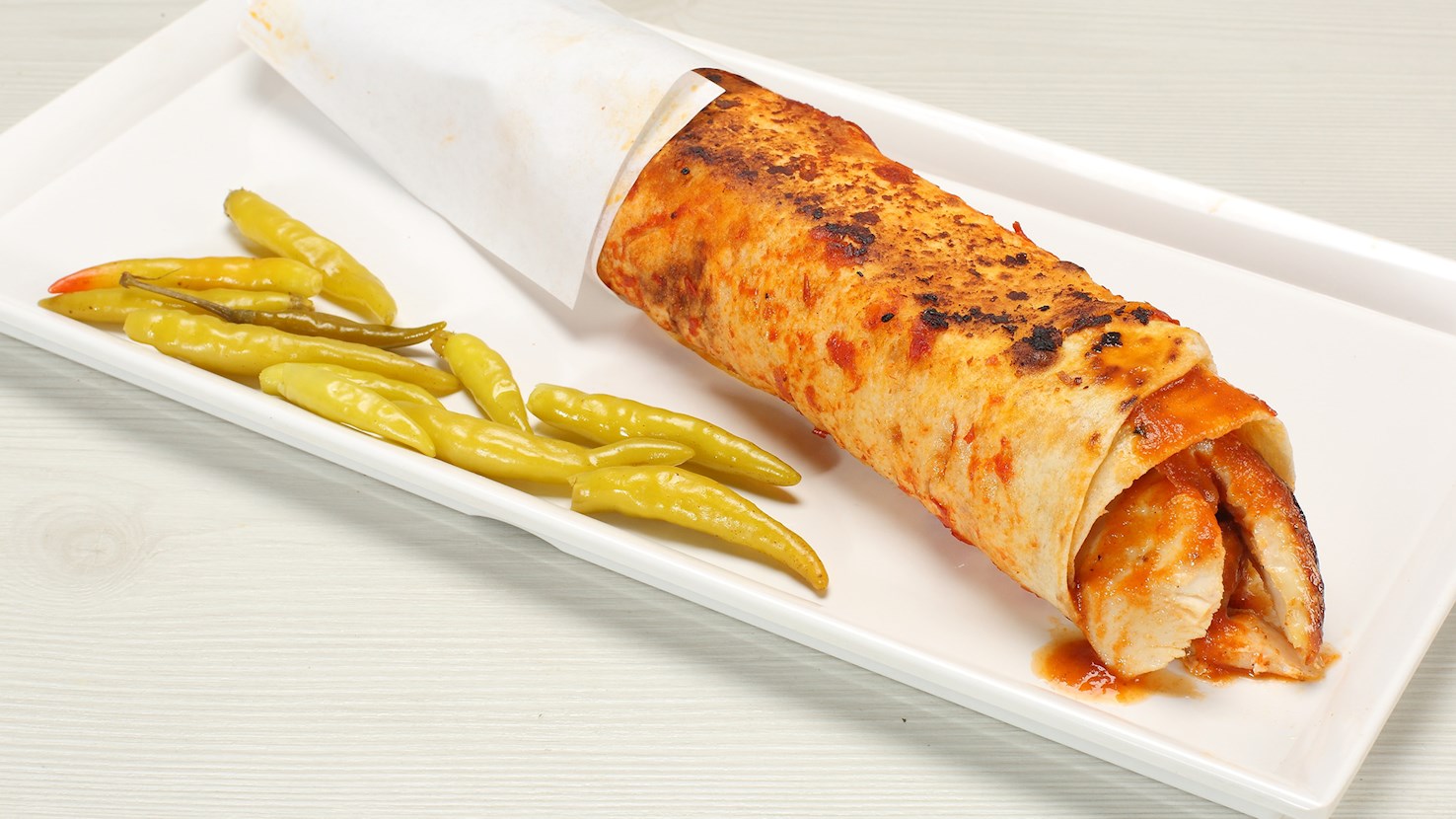
Soslu döner, particularly in the style of Hatay, is a Turkish dish where marinated and cooked meat, often chicken, is combined with a flavorful sauce and wrapped in flatbread. The preparation involves marinating thinly sliced chicken breasts in a mixture of tomato paste, yogurt, and spices such as cumin, black pepper, mint, red pepper flakes, and salt. After allowing the meat to marinate for a few hours, it is spit-roasted and cooked on a vertical rotisserie or, for at-home preparation, sautéed until fully cooked. A sauce is prepared by sautéing pepper paste in oil, then adding water and spices like thyme, cumin, mint, and red pepper powder, simmering briefly. Lavaş bread is dipped into this sauce to absorb the flavors. The cooked chicken is then placed onto the sauced bread, along with additions like fried potatoes, lettuce, tomatoes, and onions.
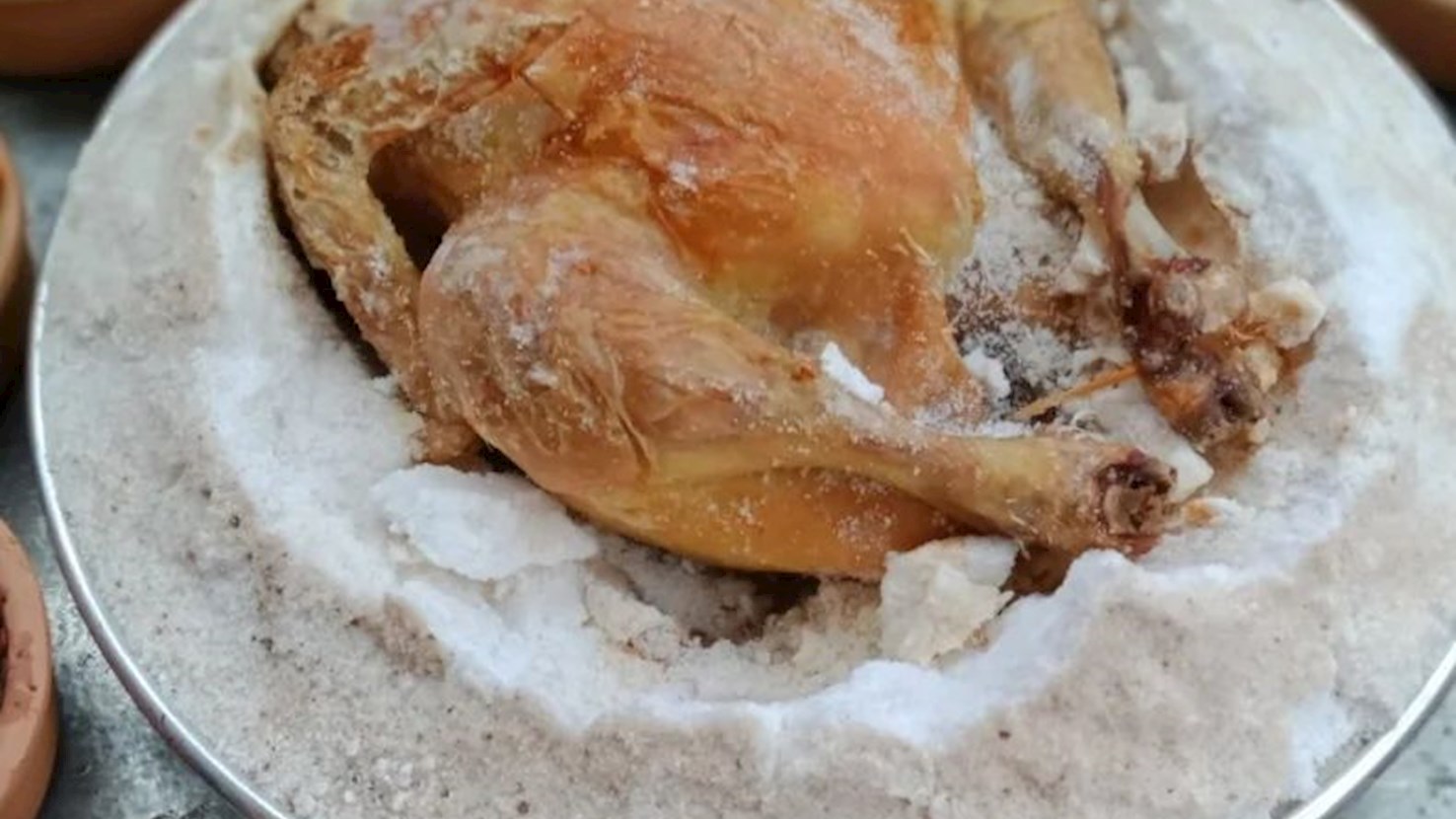
Tuzda tavuk is a traditional dish originating from the Hatay region. The dish is made by stuffing a whole chicken with a combination of rice and selected spices and seasonings, depending on the cook. Once stuffed, the whole bird is covered with wet salt so that it forms a crust. It is then placed into a wood-fired oven or a furnace and baked for up to two hours until fully cooked and tender. Once taken out of the furnace, the salt crust is cracked with a hammer in front of the patrons, making it a visually attractive dish that's nowadays prepared in restaurants across the region and outside of it.
TasteAtlas food rankings are based on the ratings of the TasteAtlas audience, with a series of mechanisms that recognize real users and that ignore bot,
nationalist or local patriotic ratings, and give additional value to the ratings of users that the system recognizes as knowledgeable.
For the “Top 14 Mediterranean Turkish Foods” list until September 30, 2026, 3,228 ratings were recorded, of which 1,635 were recognized by the system as legitimate.
TasteAtlas Rankings should not be seen as the final global conclusion about food. Their purpose is to promote excellent local foods,
instill pride in traditional dishes, and arouse curiosity about dishes you haven’t tried.
The initial list of top producers was compiled based on available reviews, awards, local recommendations, media and blog coverage, and consumer reviews.
The list will be updated with ratings from TasteAtlas local ambassadors and TasteAtlas users.






What People Say