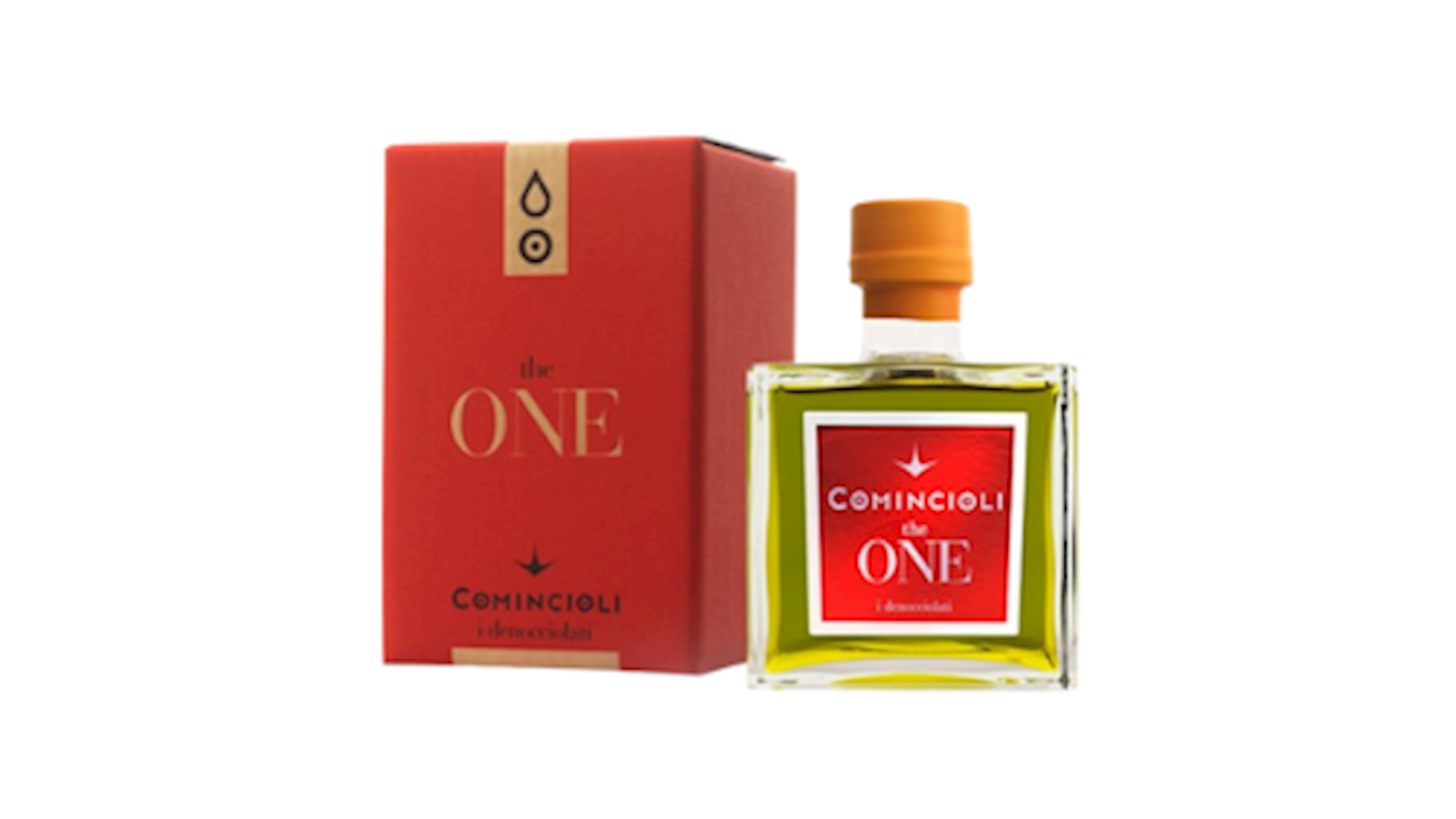
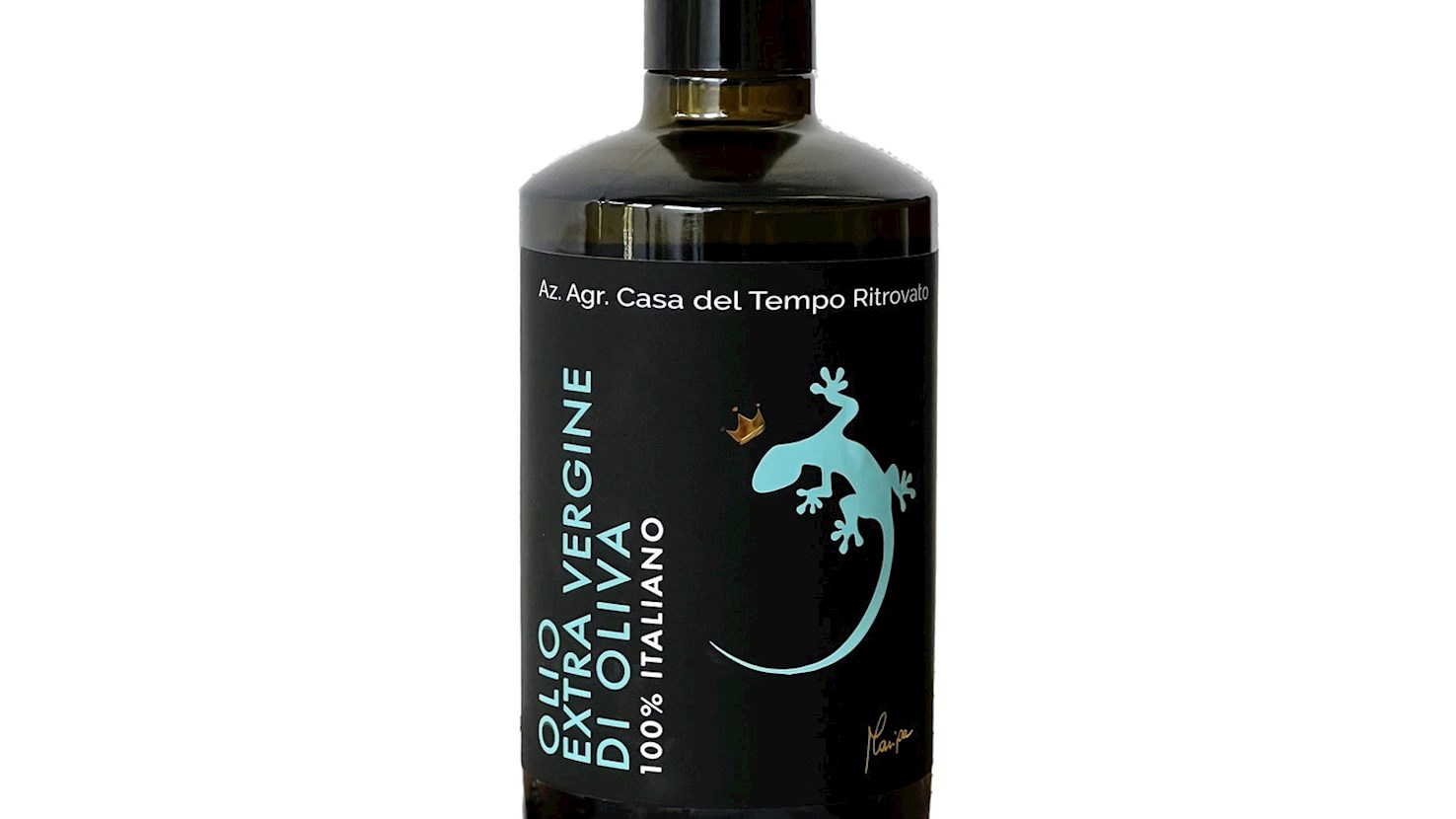
Azienda Comincioli is a family-owned winery and olive oil producer from Puegnago del Garda, on the western shore of Lake Garda. Today it is run by the Comincioli family, who combine tradition and innovation in the production of wines and extra virgin olive oils. Their wines are made from local grape varieties, with hand harvesting and careful aging. They are also known for their innovation “Paraluce” – a protective cover for wine bottles that shields the contents from light and preserves aromatic qualities.
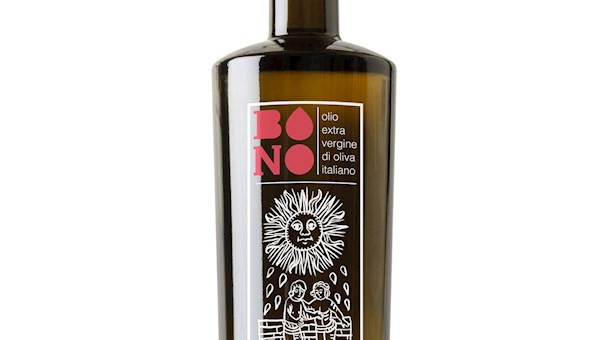
In addition to wines, Comincioli is internationally recognized for its olive oils produced exclusively from the pulp of the fruit, without pits and without contact with air, which preserves polyphenols, vitamins, and a rich aromatic profile. This innovative approach has earned them numerous awards and the status of one of the most highly regarded producers in Italy.
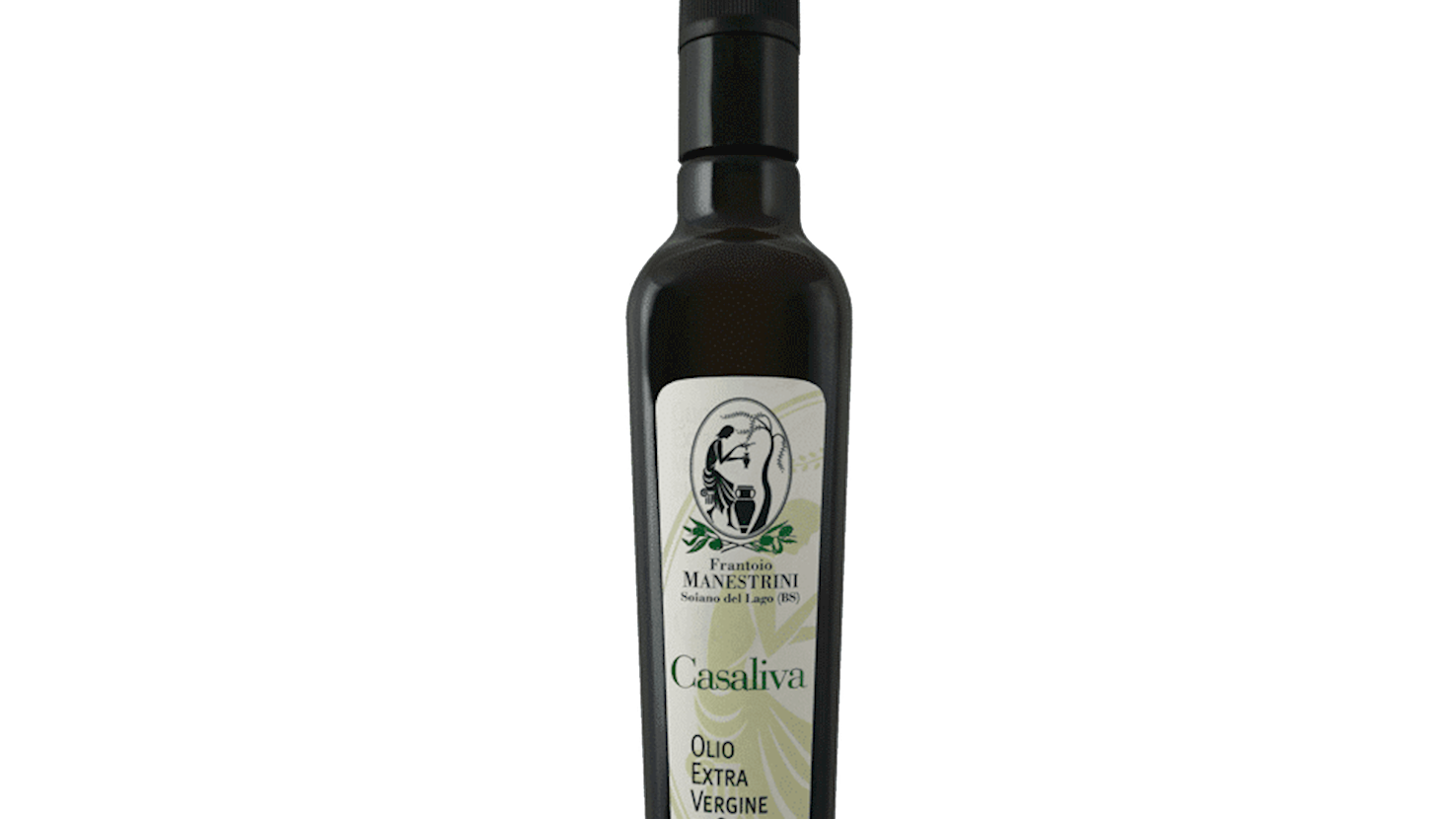
Frantoio Manestrini is a producer of high-quality olive oil located in Soiano del Lago in the province of Brescia, Italy. The company specializes in producing extra virgin olive oil, drawing from local olive varieties like Casaliva, Leccino, and Pendolino. The olive oil is crafted through a careful process that includes hand-picking the olives and cold pressing them to preserve their natural flavors and nutrients. Frantoio Manestrini also engages in sustainable agricultural practices to ensure the quality and longevity of their olive groves.
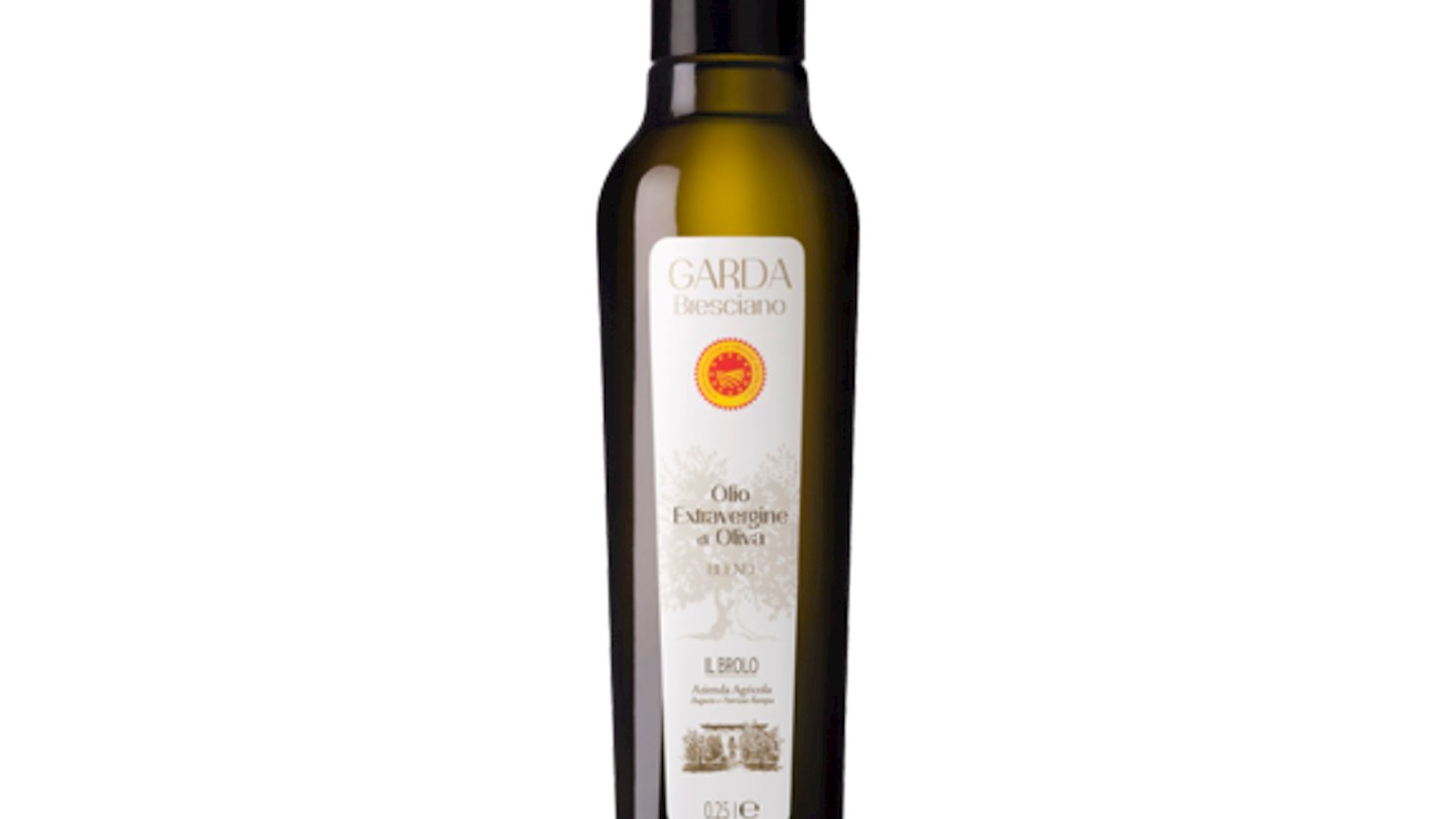
Azienda Agricola Il Brolo is an agricultural company located in the Garda Bresciano area of Italy. Specializing in the production of extra virgin olive oil, the farm also cultivates vineyards for wine production. Known for producing high-quality olive oil, it uses traditional methods to create products with distinctive flavors.
Ca’ dei Frati is a historic family winery located on the southern shores of Lake Garda, in the heart of the Lugana DOC. Its origins date back to the 18th century, with the modern estate shaped by the Dal Cero family, who recognized early on the exceptional potential of this terroir for producing age-worthy white wines. The vineyards are planted mainly on clay-rich soils of glacial origin, which play a key role in defining the structure, salinity, and longevity of the wines. Ca’ dei Frati is best known for its interpretations of Turbiana, the local expression of Trebbiano, vinified with precision to highlight freshness, mineral tension, and aromatic clarity. The flagship Lugana wines combine floral and stone-fruit aromas with vibrant acidity and a distinctive savory character that evolves beautifully with time. Vinification emphasizes parcel-by-parcel work, careful temperature control, and extended lees contact to build complexity without sacrificing balance. Beyond Lugana, the estate also produces rosé, sparkling, and red wines, reflecting a broad yet coherent vision. Ca’ dei Frati has played a central role in establishing Lugana as one of Italy’s most respected white wine appellations, combining historical depth with a confident, modern style.
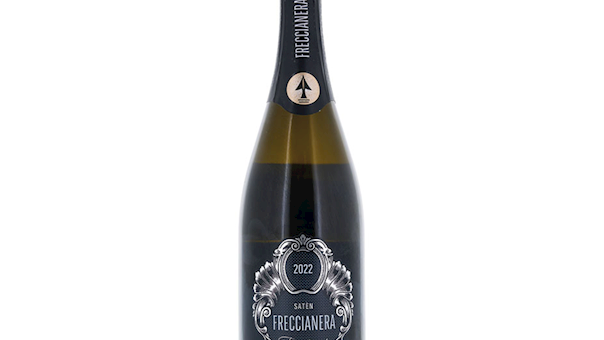
Ca' del Bosco is a distinguished Italian winery renowned for its exceptional sparkling wines. Founded in 1968, the winery has become synonymous with innovation and quality in the world of viticulture. Their commitment to organic viticulture, established in 2014, reflects a deep respect for nature and sustainability. Ca' del Bosco produces a diverse range of wines, including eight types of Franciacorta DOCG, such as Cuvée Prestige, Cuvée Prestige Rosé, Vintage Collection Brut, Vintage Collection Satèn, Vintage Collection Dosage Zéro, Vintage Collection Dosage Zéro Noir, Cuvée Annamaria Clementi, and Cuvée Annamaria Clementi Rosé. Their production philosophy, known as the "Ca' del Bosco Method," emphasizes meticulous attention to detail at every stage of the winemaking process, resulting in wines of exceptional harmony and balance. Over the decades, Ca' del Bosco has garnered international acclaim, becoming a symbol of Italian wine excellence. Their wines have received numerous awards, including 41 "Tre Bicchieri" recognitions from Gambero Rosso since 1998, making them the second most awarded winery in the history of this publication.
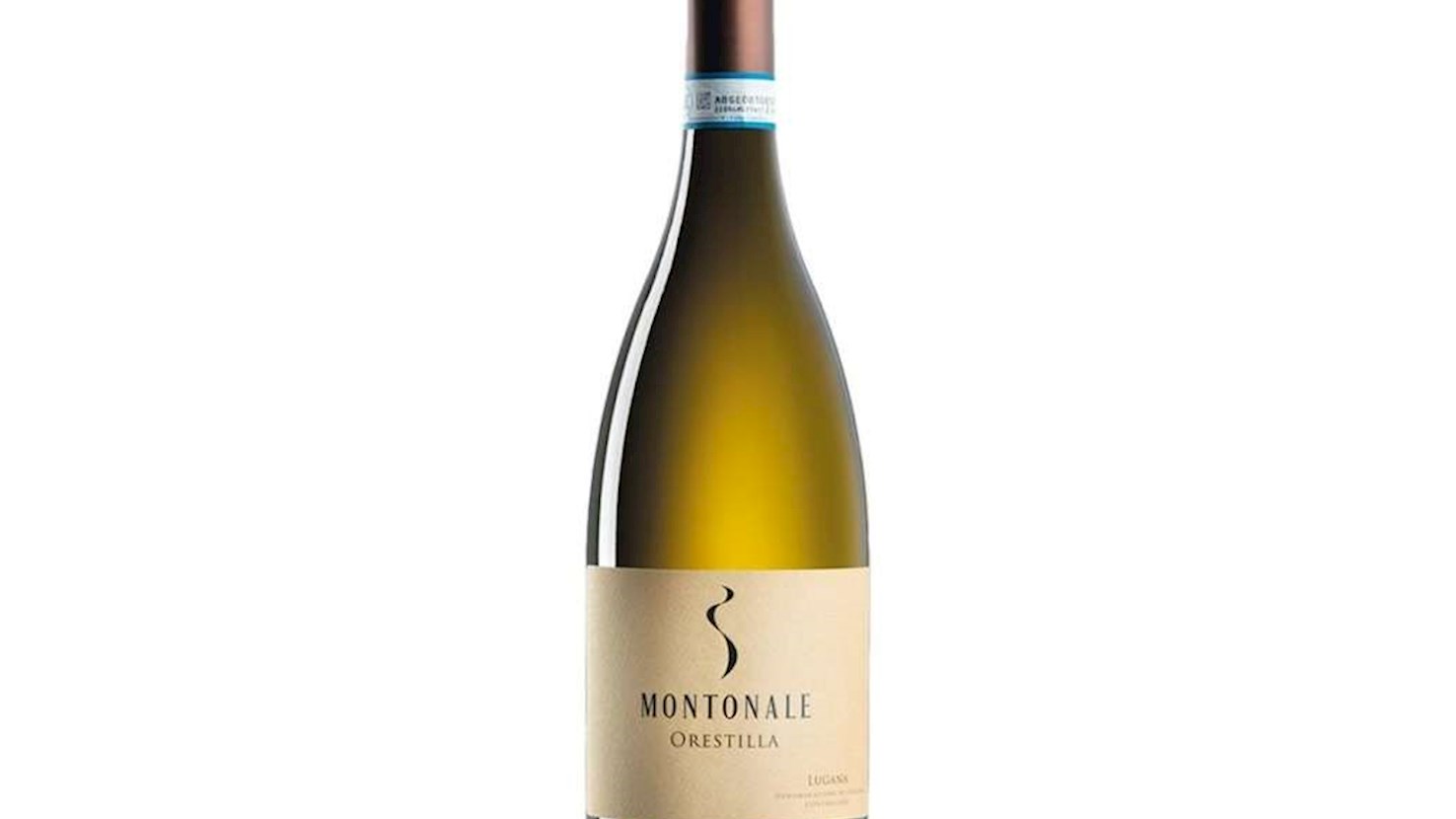
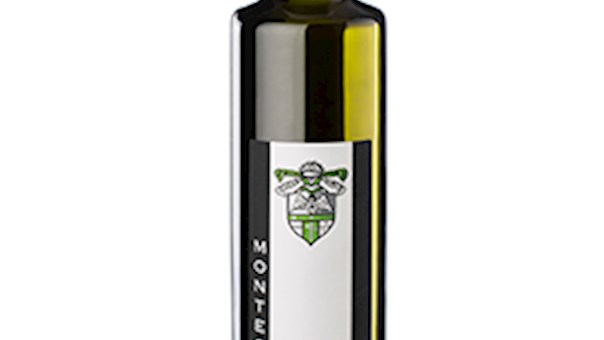
Montonale is a family-owned winery located in the Lugana area, near Desenzano del Garda, on the southern shores of Lake Garda in northern Italy. While the estate has a long history of viticulture, its modern development has been shaped by the Girelli family, who have focused on expressing the unique terroir of the region. The vineyards are planted on clay-rich, mineral soils particularly suited to the Turbiana grape (also known as Trebbiano di Lugana), which forms the foundation of Lugana DOC wines. Montonale is known for a precise and clean winemaking style, emphasizing freshness, minerality, and balance, influenced by the moderating effect of the lake’s microclimate. The portfolio is centered on white wines, especially Lugana DOC expressions, including more structured and age-worthy selections, alongside smaller productions of red wines from varieties such as Merlot and Cabernet Sauvignon. Winemaking combines careful vineyard management with minimal intervention in the cellar, supported by modern technology to preserve varietal purity. The wines typically display notes of citrus, white flowers, almond, and a distinct mineral character, with a refined structure and long finish. In addition to production, the winery has developed an enotourism experience, offering tastings and visits that highlight the identity of the Lugana region.
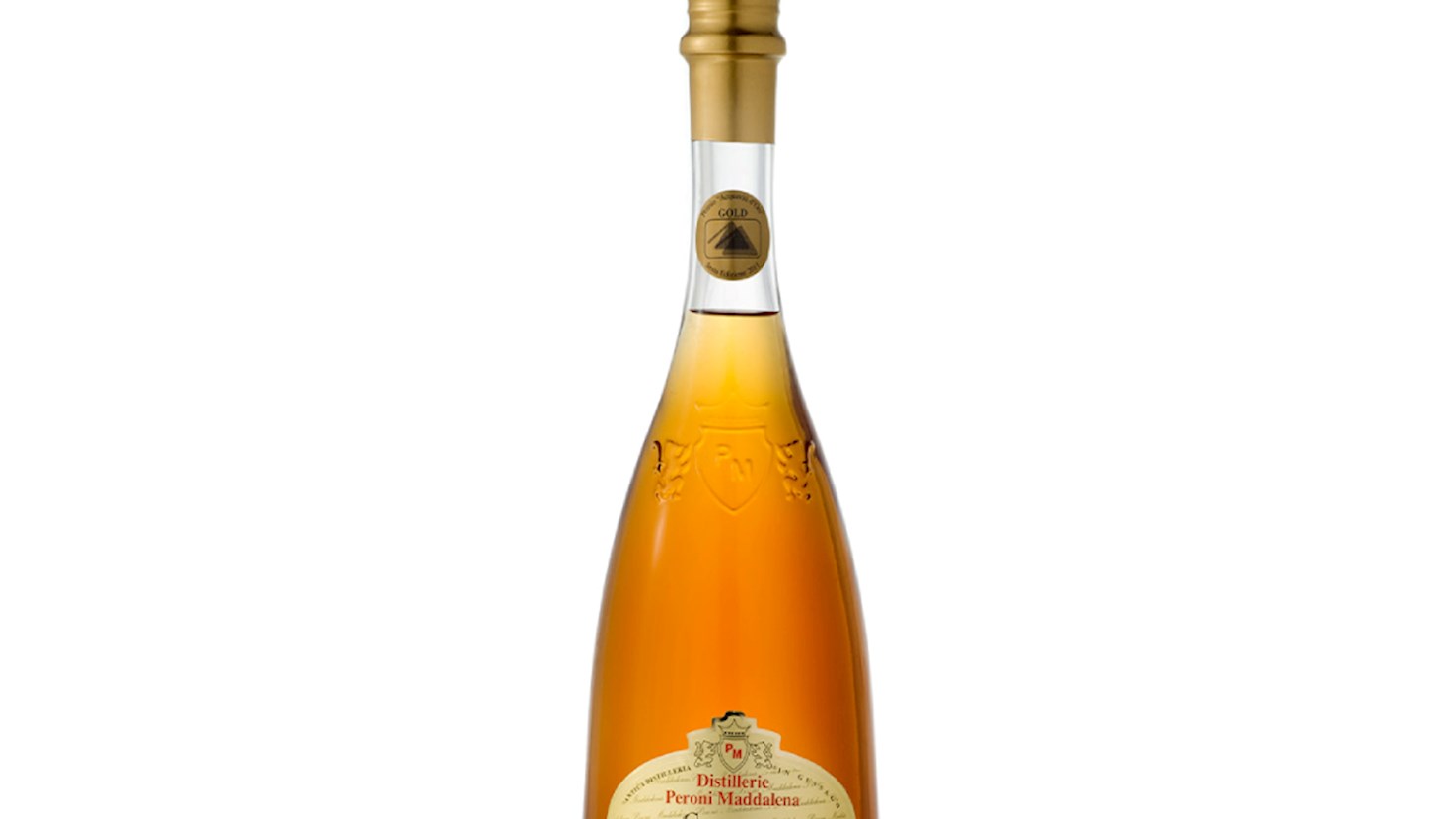
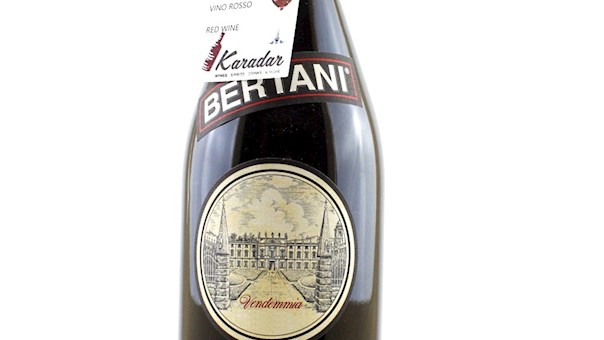
Distillerie Peroni Maddalena is an Italian distillery known for producing high-quality spirits with a strong emphasis on traditional methods and the use of local ingredients. Located in the region of Lombardy, Italy, this distillery specializes in the production of grappa and other distilled beverages, often crafted from locally grown grapes. The distillery's products are celebrated for their refined and smooth flavors, reflecting the rich agricultural heritage of the region.
The distillery has earned a reputation for producing artisanal spirits, with each batch carefully crafted to preserve the essence of the raw materials. Their grappa, made from the pomace of premium Italian wines, is particularly well-regarded, showcasing complex aromas and a smooth finish. Distillerie Peroni Maddalena is committed to maintaining traditional distillation techniques while integrating modern advancements to ensure the highest quality of spirits.
Awards
World Grappa Awards - Best Aged Grappa
(2024, 2023)
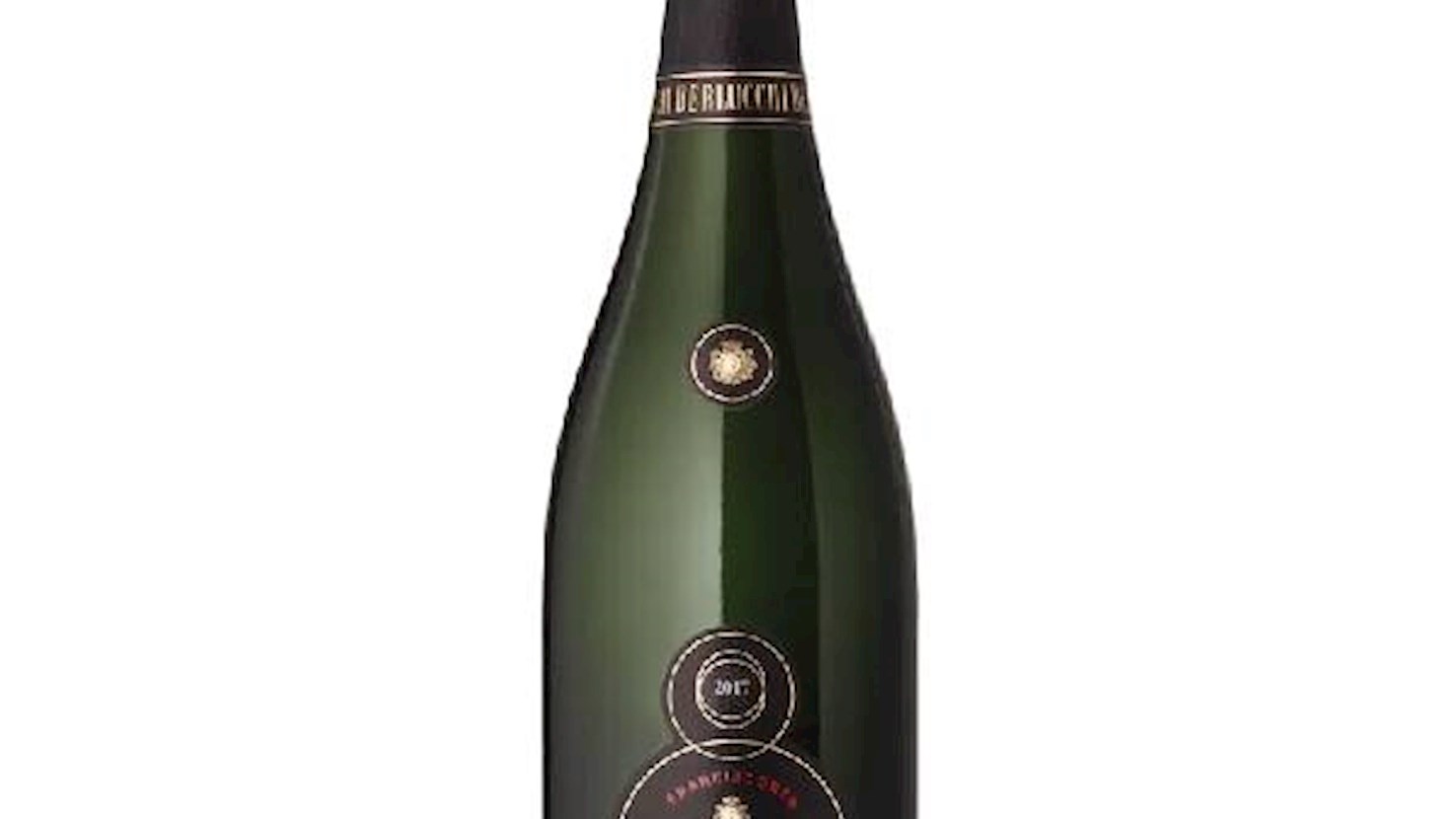
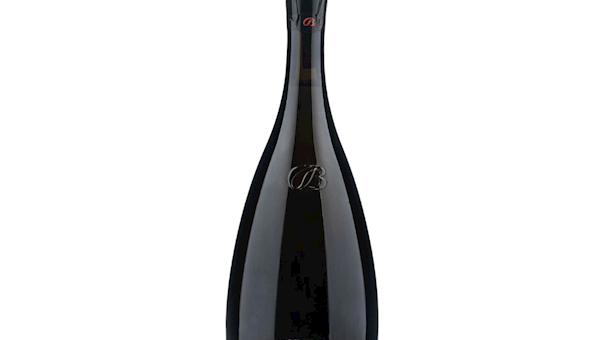
Berlucchi is a prestigious Italian winery, renowned as the pioneer of sparkling wine production in the Franciacorta region. Founded in 1955 in the heart of Lombardy, the winery gained worldwide recognition thanks to its founder, Franco Ziliani, who was the first to produce sparkling wine in the area using the traditional bottle fermentation method.
Berlucchi wines are synonymous with excellence, elegance, and innovation. The winery masterfully blends modern technology with traditional winemaking techniques to create wines with rich flavors, remarkable freshness, and a fine, persistent perlage.
Their portfolio includes various styles of Franciacorta wines, such as Berlucchi ’61, Palazzo Lana, and Cuvée Imperiale, each distinguished by its unique character and aroma profile. With an unwavering commitment to quality and a passion for viticulture, Berlucchi has established itself as one of the most esteemed producers of sparkling wines in Italy and beyond.
Caseificio Cissva is located in Iseo, Italy, and specializes in producing traditional Italian cheeses adhering to local cheese-making heritage. No further specific data is available.
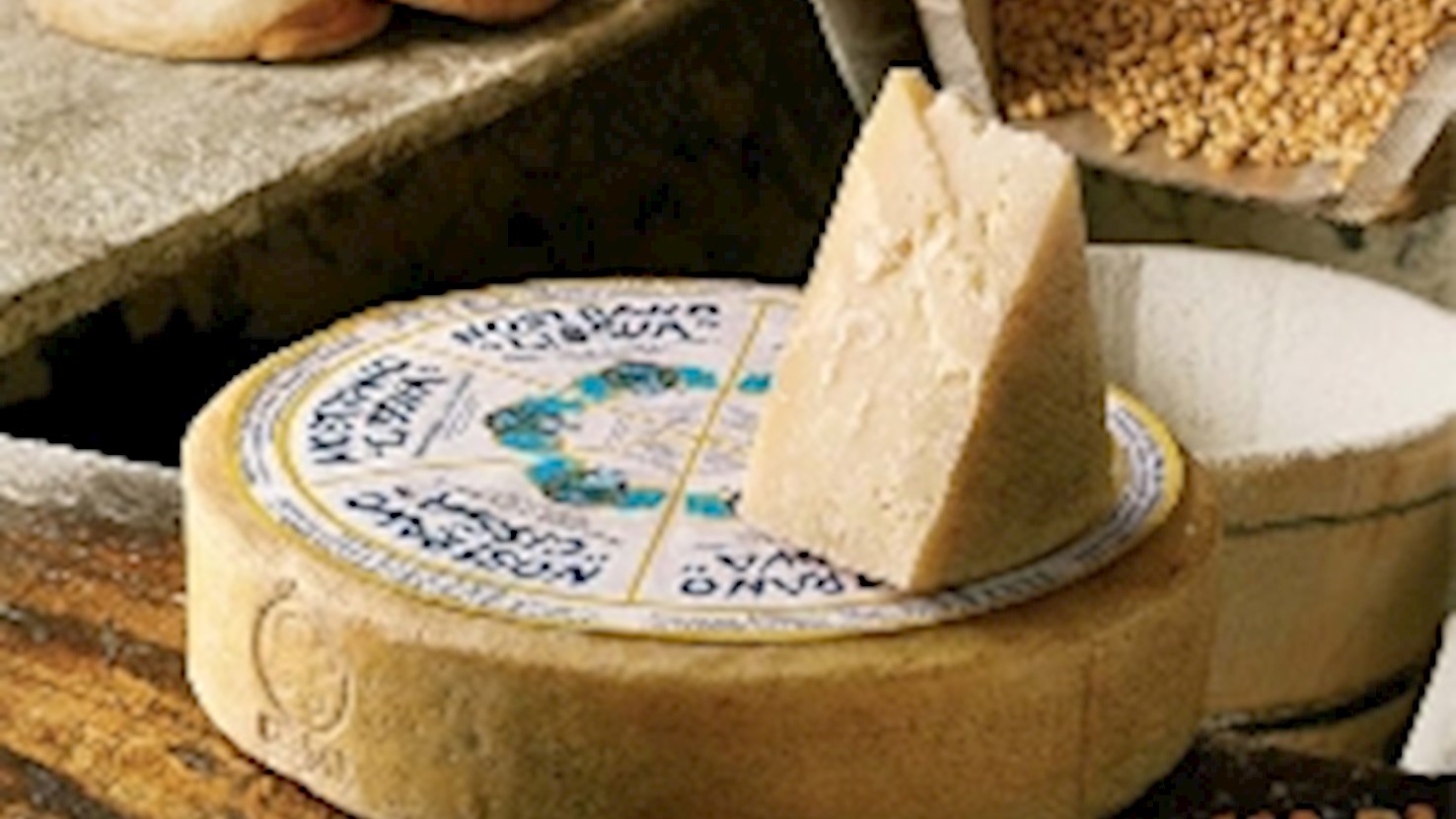
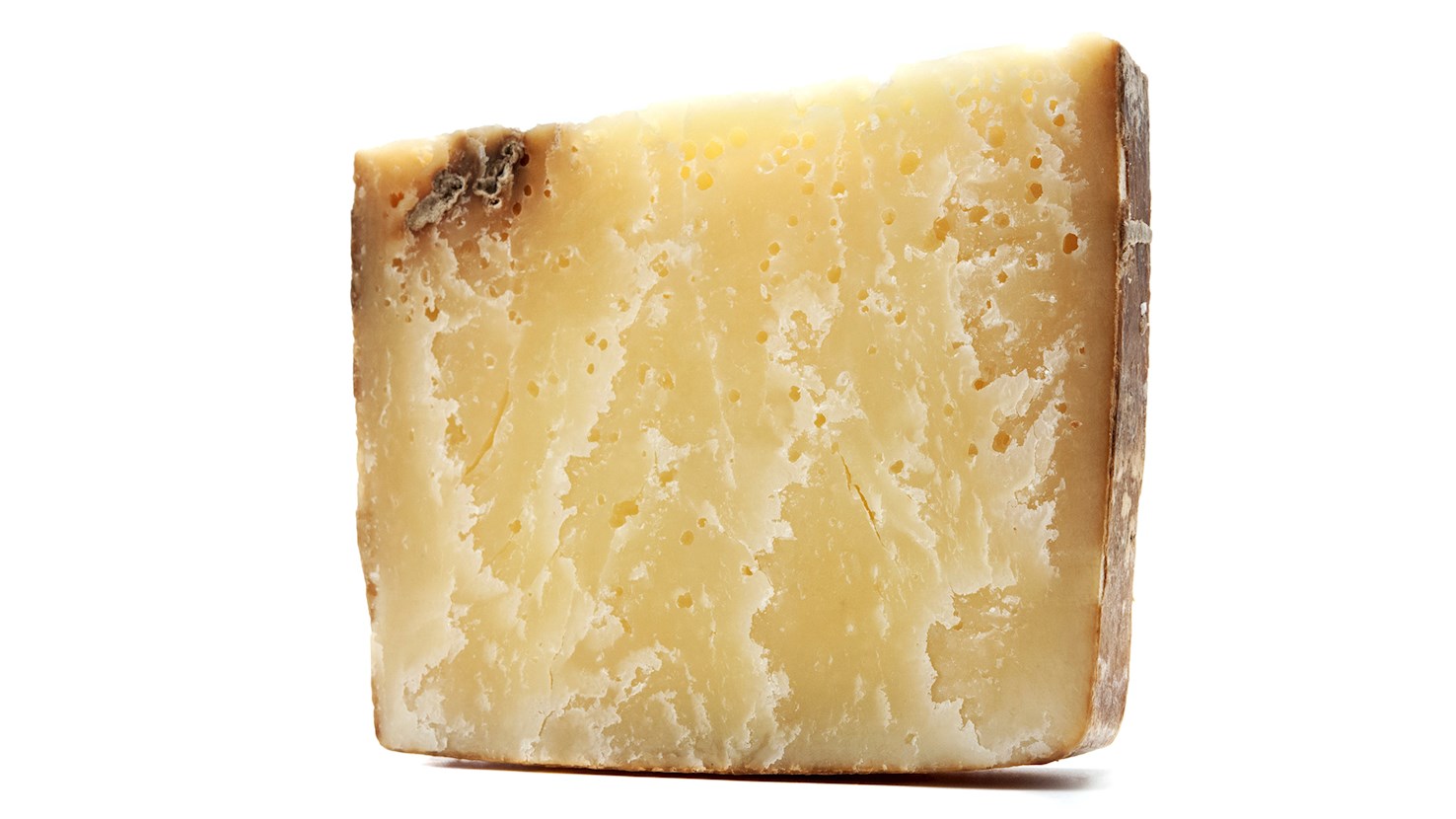
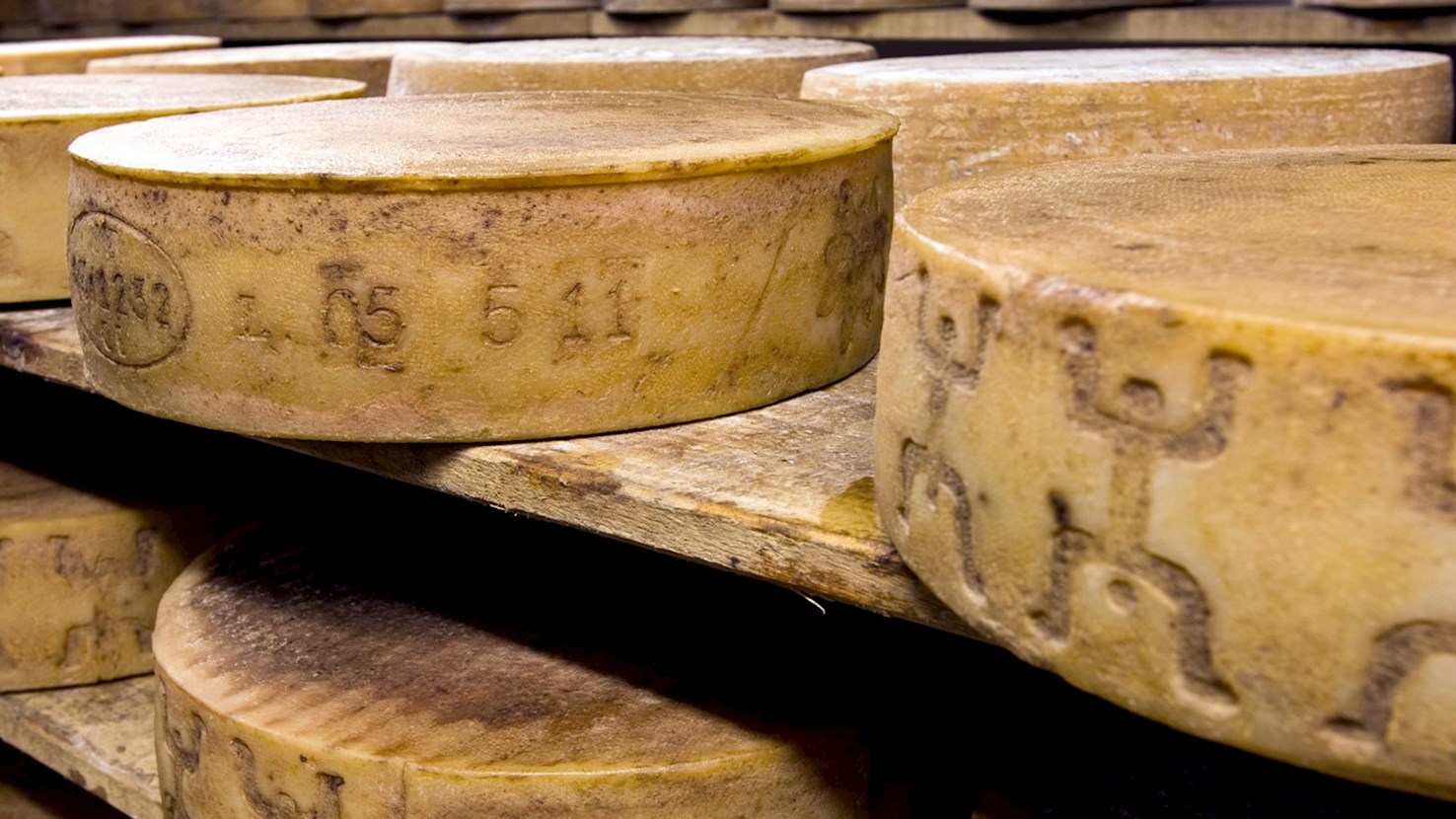
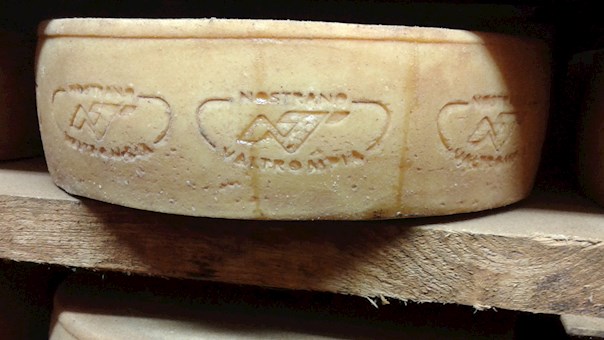
Bagoss is a unique Italian cheese produced in a small village called Bagolino. It is made from the Bruna Alpina cow's milk, and during the curd breaking, saffron is added to the cheese, resulting in typical straw yellow color of the body. The cheese is aged for at least 12 months, but it can be left to mature for up to 3 years. Its rind is smooth, while the aromas are reminiscent of freshly cut grass. The flavor is savory, slightly spicy, and piquant. Bagoss should always be consumed at room temperature so that the hints of chestnuts and walnuts can be fully experienced and appreciated. It's recommended to pair the cheese with full-bodied aged red wines and young sparkling wines. Bagoss is often used as a filling for savory dishes, but it can also be grated over pasta, soups, or risottos. For the best experience, let it slowly melt over a slice of piping hot polenta.
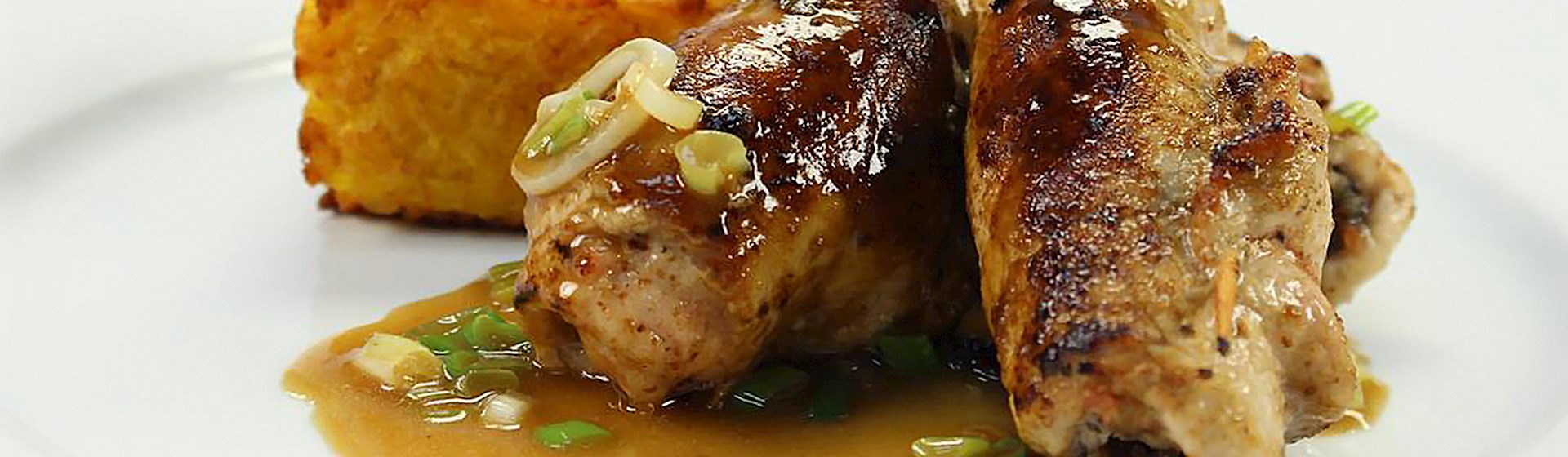
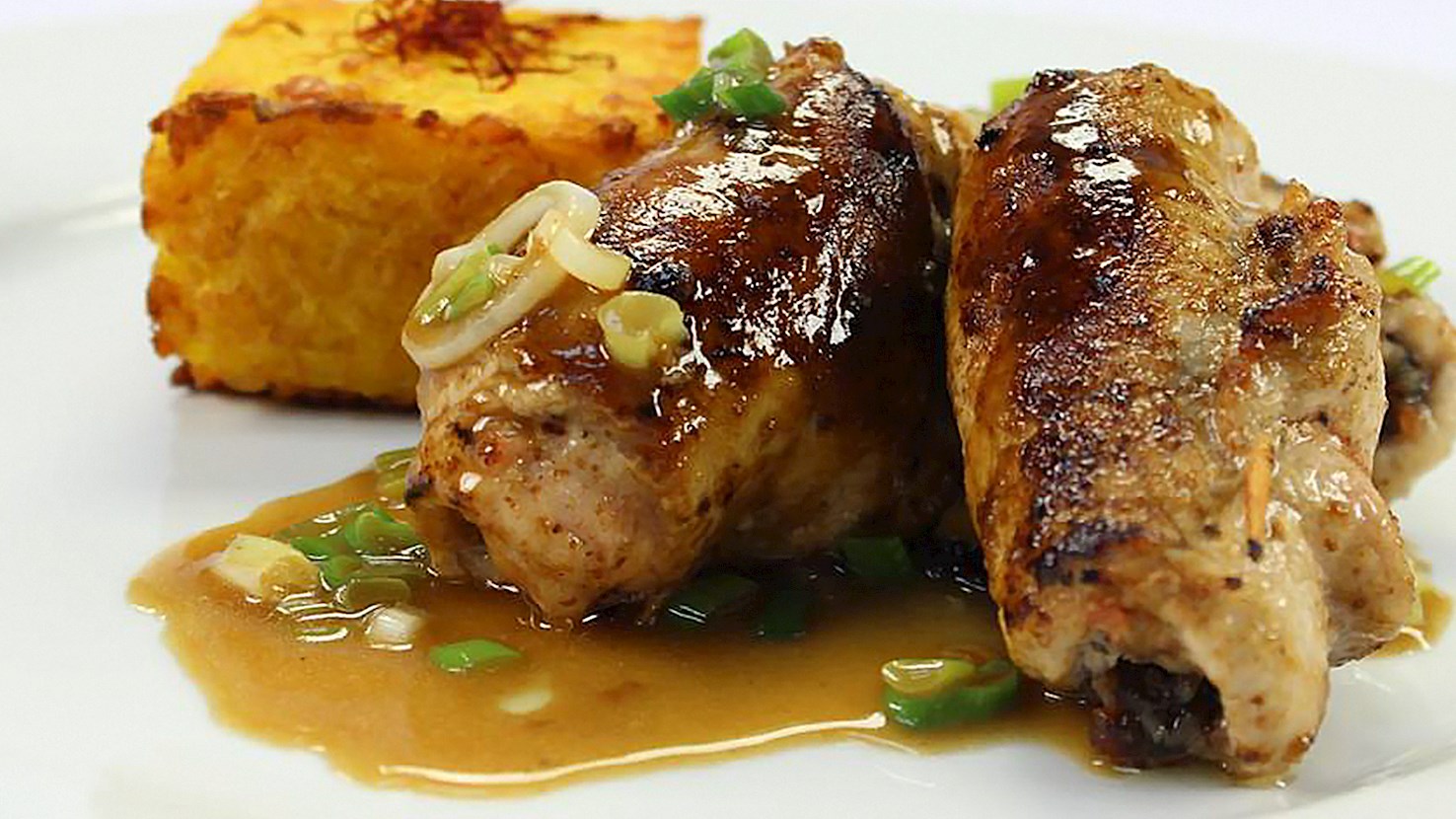
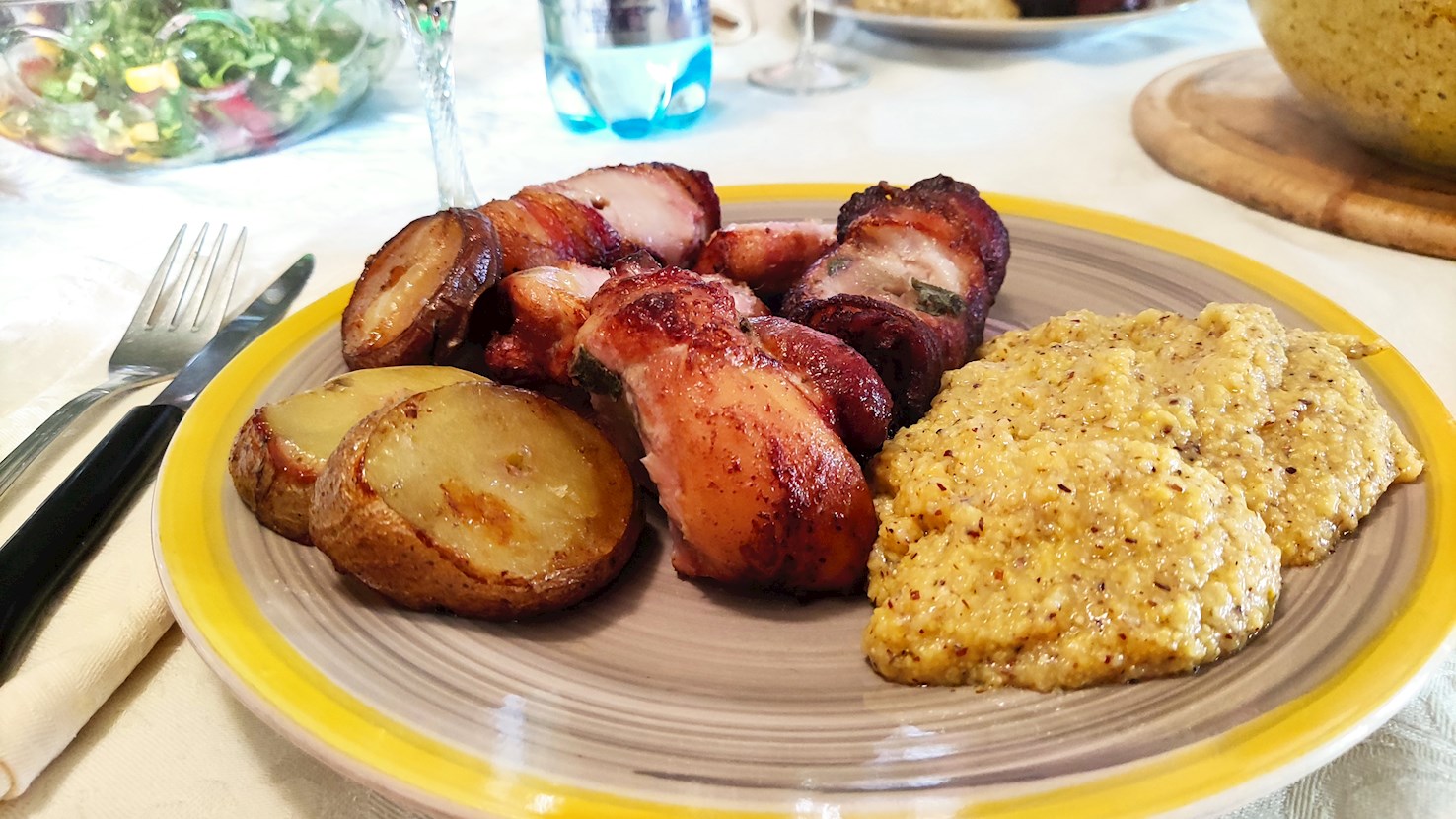
Uccelli scappati is an Italian dish that is especially popular in Lombardy and the province of Brescia. Traditionally, pork or veal is rolled in pancetta, seasoned with sage, then skewered. The combination is then sautéed in butter and cooked in white wine. When served, the dish is always accompanied by polenta on the side. The name of this dish translates to escaped birds, referring to the facts that it is made with ingredients which were typically used to stuff game birds, and that the hunters had an unsuccessful bird hunt, so they prepared meat rolls which were shaped similarly to the birds that didn’t make it to the plate.
Minestra sporca (lit. dirty soup) is a traditional soup originating from the Brescia area. It consists of a chicken broth with minced liver, rice, and vegetables such as onions, carrots, and potatoes. The soup is typically served with grated cheese before the main meal – the famous Brescian skewers with birds (uccelli scappati).
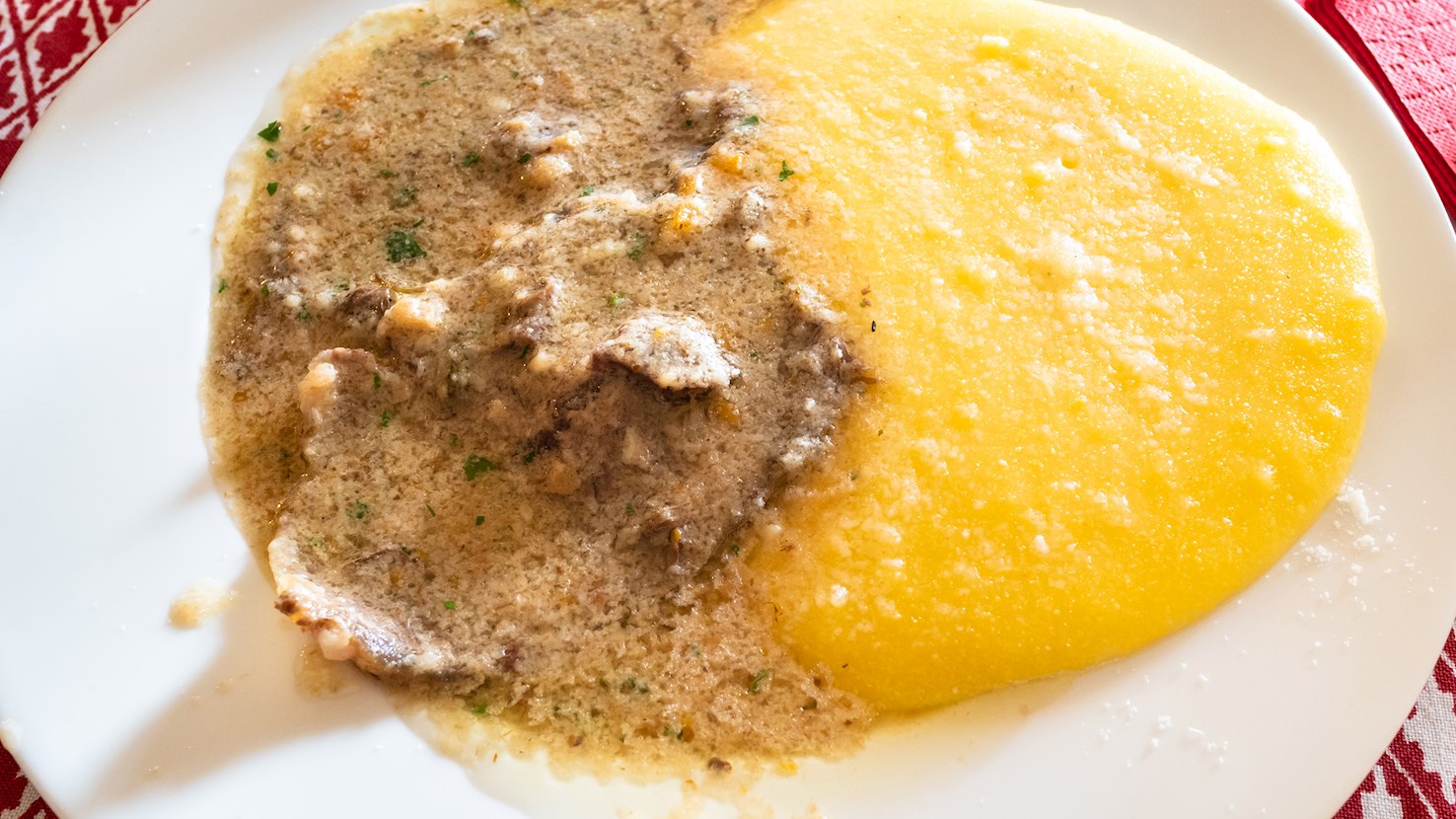
Manzo all'olio (lit. beef in oil) is an ancient Italian dish hailing from the city of Rovato. It consists of beef (rump or priest's hat), olive oil, breadcrumbs, white wine, garlic, parsley, rosemary, anchovies, and vegetables. The dish is highly prized and there are many variations, from cook to cook and family to family. What's important is that the meat should be quickly seared first in order to trap the juices on the inside, and it's then slowly cooked to remain tender. Manzo all'olio dates back to the 16th century, when the recipe was noted down by Donna Veronica Porcellaga, a noblewoman. It's recommended to serve the dish with polenta on the side.
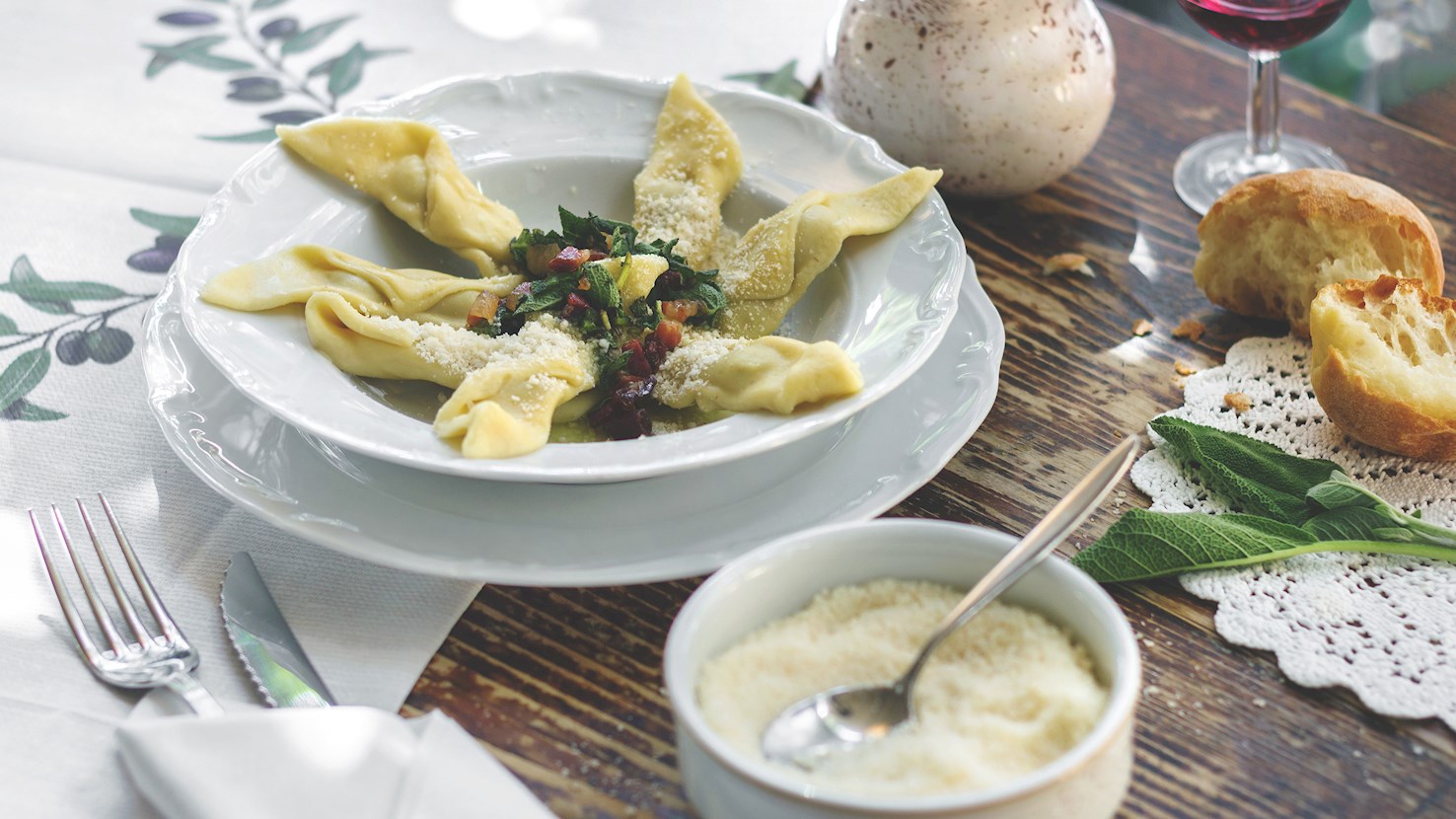
Casoncelli di Barbariga is a traditional Brescian type of stuffed pasta and a subvariety of casoncelli bresciani. The dish originates from Barbariga, hence the name. The thin and pliable dough is hand-made with a combination of 00 flour, salt, eggs, and water. It's cut into rectangles and the filling is placed in the middle. The filling usually consists of breadcrumbs, Parmigiano-Reggiano, Grana Padano, ham, spinach, stock, nutmeg, garlic, sage, parsley, and butter. The dough is then folded and sealed by hand into a candy-wrap shape. Once boiled, the pasta is typically served in sugo burro e salvia (butter and sage sauce). Interestingly, an event called Fiera del Casoncello (Casoncelli festival) is held annually in September in Barbariga.
Spiedo is a traditional dish originating from the province of Brescia, and it is especially popular in the Lake Garda area. It consists of different types of meat such as pork, beef, chicken, and rabbit, skewered with potato sliced and sage leaves. In the past, the dish was made with small birds such as finches and meadow larks, but there are new laws that don’t allow hunting them anymore. The meat and potatoes are seasoned with salt, then drizzled with butter before they are slowly cooked on the revolving spit (often up to 5 hours).
First mentioned in the 1600s, this Lombardian cheese comes from Val Camonica - one of the largest valleys of the central Alps, and the east side of Lake Iseo, both located in the province of Brescia. Silter is a semi-fat, hard cheese made with the milk of Brown Swiss or Bruna Alpina cow breeds, and matured for at least 6 months, while aged versions need 12 months or even two years. The rind is smooth but hard, pale yellow, almost brown as it matures, and the inside is pale to dark yellow, also depending on the age. Seasoned with saffron, Silter has quite a delicate, sweet taste of milk and herbs and an intense aroma of fodder. This excellent table cheese is often used for grating but it can be served as an appetizer, and goes particularly well with Slinzega Vallecamonica, a cured meat product.
Gnoc de la cüa is a variety of green gnocchi originating from the town of Ponte di Legno and the upper Valle Camonica in the Lombardy region of northern Italy, composed of a mixture of wild mountain herbs or spinach, ricotta, stale breadcrumbs, flour, and eggs. The name translates from the local Camunian dialect as "gnocchi with a tail," a descriptor of the elongated, irregular shape formed during the manual shaping process. This preparation belongs to the alpine family of "gnocchi verdi" and is specific to the high-altitude pastoral communities of the Rhaetian Alps. The development of this dish is rooted in the subsistence economy of the upper Valle Camonica, where residents relied on gathered wild greens, such as Silene vulgaris or mountain spinach, to supplement a diet primarily based on dairy and preserved grains. In the local mountain dwellings known as baitite, these gnocchi were a practical solution for utilizing leftover bread and the abundant wild vegetation available during the summer transhumance. While similar to the better-known Malfatti or Strangolapreti, the version from Ponte di Legno is distinguished by its high ratio of greens and its specific tapered geometry. Preparation begins by blanching the wild herbs or spinach, squeezing them to remove all moisture, and chopping them finely. This green mass is combined with fresh cow’s milk ricotta, grated Grana Padano, eggs, and breadcrumbs that have been soaked in milk or water. A small amount of nutmeg and salt is added for seasoning. The dough is shaped by hand using two spoons or the palms to create a cylindrical body that tapers off at one end, forming the characteristic tail. These are then poached in simmering salted water until they rise to the surface, indicating the proteins in the egg have coagulated and the starch has hydrated. The serving method follows a specific regional logic intended to provide high caloric intake for the alpine climate; the gnocchi are drained and placed in a dish where they are smothered in "burro nocciola," which is butter cooked until the milk solids brown and develop a toasted aroma. Sage leaves are fried in this butter until crisp, and a final, heavy grating of local alpine cheese, such as Silter DOP or aged Casolet, is applied. The dish is primarily consumed during local festivals in Ponte di Legno and in mountain refuges as a primary course for lunch or dinner. It is typically paired with structured red wines from the nearby Valtellina or the lower Valle Camonica, such as a Valtellina Superiore or an IGT Valcamonica Rosso, as the tannins and acidity are necessary to cut through the richness of the browned butter and aged cheese. Non-alcoholic pairings often involve local sparkling mineral water or cold infusions of mountain herbs.
Rane alla Camuna is a traditional dish originating from the Camonica Valley in Brescia. The dish is usually made with a combination of frogs, milk, butter, flour, egg yolks, onions, salt, and pepper. The frogs are fried in butter with thinly sliced onions, milk, salt, and pepper. The pan is covered, and after about fifteen minutes, the frogs are removed and the flour is added to the sauce with the remaining butter. The sauce is cooked over low heat, and the frogs are placed back into the pot and simmered until fully tender. Before serving, beaten egg yolks are poured over the frogs, and the dish is then stirred with a wooden spoon. It's recommended to serve the dish with polenta on the side.
Rosa Camuna is a semi-hard, fat cheese produced from whole cow’s milk in the Val Camonica region, located in the central Alps of the Lombardy province in northern Italy. It is physically identified by its thin, light-grey or ochre rind and a compact, ivory-colored paste with small, sparse eyes. It possesses a mild, buttery flavor profile with subtle notes of alpine grasses and a characteristic elastic texture that softens significantly upon heating. The cheese is typically produced in small wheels, but its most recognizable commercial form is a stylized, four-lobed shape that mimics a specific petroglyph found in the local valley. The development of the cheese is intrinsically linked to the dairy cooperatives of the Camunian territory, particularly in the towns of Breno and Esine, where the collection of high-altitude milk required a standardized method for producing a versatile, medium-aged table cheese. While dairy production in the Alps is documented back to pre-Roman eras, the specific branding and geometry of Rosa Camuna were formalized in the late 20th century to create a clear geographic link between the local agricultural output and the UNESCO World Heritage rock drawings of the Val Camonica. The "Camunian Rose" symbol, which serves as the official logo of the Lombardy region, was integrated into the molding process of the cheese, ensuring that the physical item serves as a cultural signifier of the Orobic Alps. Preparation begins with the coagulation of raw or pasteurized cow’s milk using bovine rennet at a temperature between 30°C and 34°C. Once the curd reaches the desired consistency, it is broken down into small granules and placed into the specialized four-lobed molds. The cheese undergoes a pressing phase to expel excess whey, followed by brining in a salt solution to develop the rind and enhance the flavor. The maturation process occurs in temperature and humidity-controlled cellars for a period ranging from 30 to 45 days. This relatively short aging cycle preserves the high moisture content of the milk, resulting in a product that remains pliable and has a delicate, milky aroma without the sharpness found in longer-aged alpine cheeses. The unique characteristic of Rosa Camuna is its physical structure; the four-lobed shape is not merely aesthetic but increases the surface area of the rind relative to the paste, which influences the oxygen exchange during the short ripening period. This geometry allows the cheese to age uniformly from the edges to the center within a few weeks. The cheese is eaten as a table component, often sliced into segments that follow the curves of the lobes, or melted over local starch-based dishes. It is a frequent ingredient in Polenta Taragna, where it is whisked into a mixture of buckwheat and cornmeal to provide a creamy, stringy consistency. Regarding beverage pairings, it is served with light-bodied red wines from the Valtellina or Franciacorta sparkling wines, as the acidity and carbonation effectively cut through the buttery fats of the cheese. For non-alcoholic alternatives, chilled pear nectar or sparkling mineral water with a twist of lemon provides a refreshing contrast to the mild, nutty finish of the paste.
TasteAtlas food rankings are based on the ratings of the TasteAtlas audience, with a series of mechanisms that recognize real users and that ignore bot,
nationalist or local patriotic ratings, and give additional value to the ratings of users that the system recognizes as knowledgeable.
For the “Top 20 Traditional Foods in the Province of Brescia” list until June 24, 2026, 43 ratings were recorded, of which 25 were recognized by the system as legitimate.
TasteAtlas Rankings should not be seen as the final global conclusion about food. Their purpose is to promote excellent local foods,
instill pride in traditional dishes, and arouse curiosity about dishes you haven’t tried.
The initial list of top producers was compiled based on available reviews, awards, local recommendations, media and blog coverage, and consumer reviews.
The list will be updated with ratings from TasteAtlas local ambassadors and TasteAtlas users.