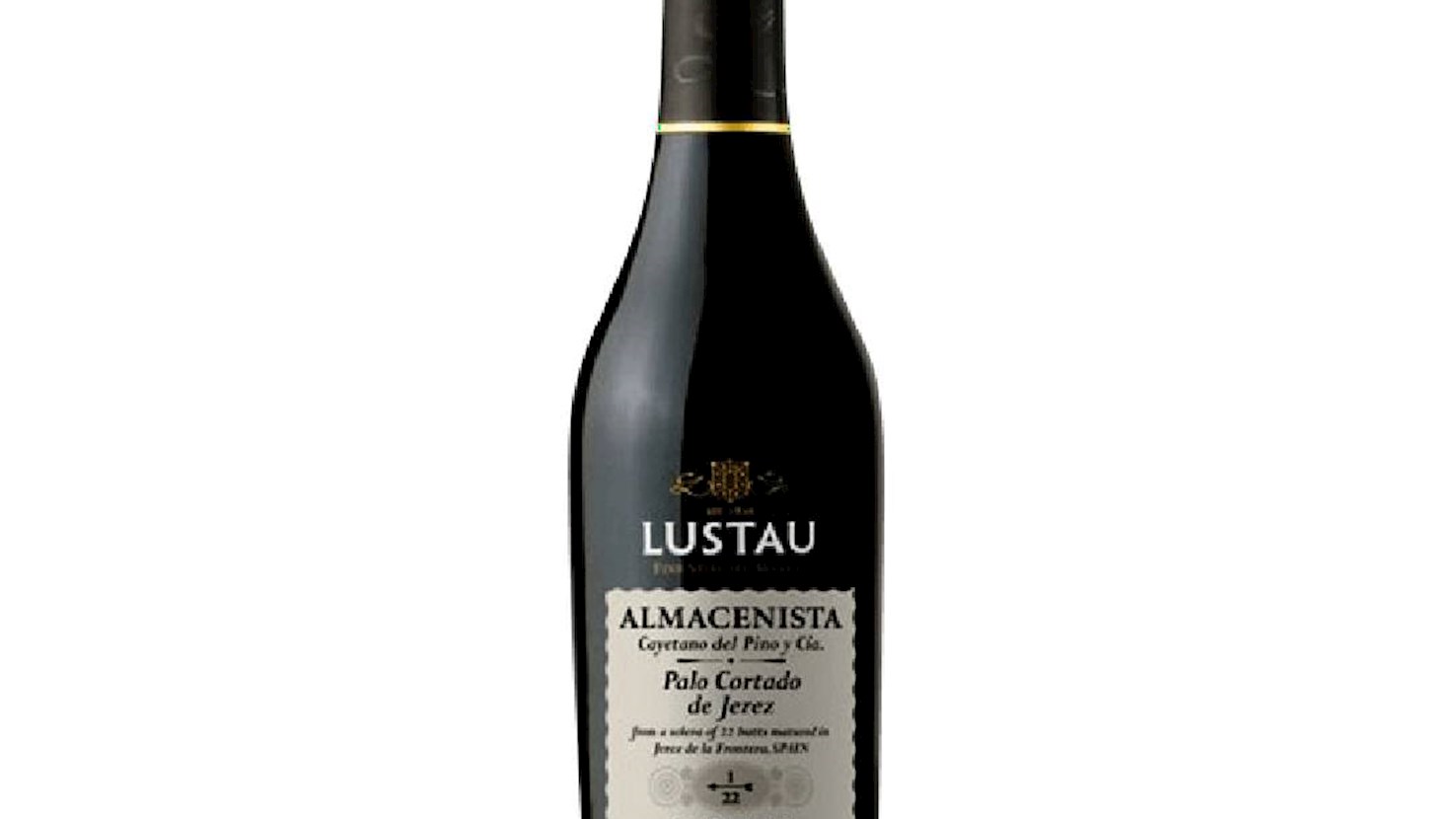
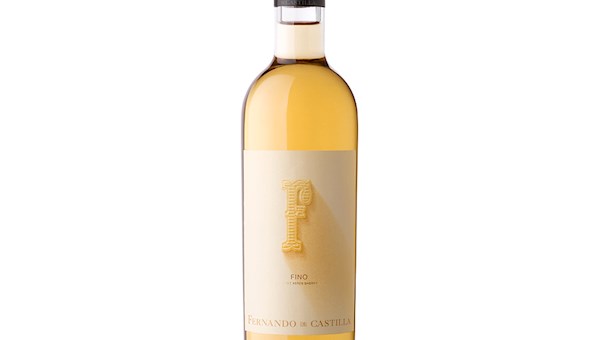
Bodegas Lustau is one of the most important and influential wineries in the world of Sherry, based in Jerez de la Frontera, with a tradition that dates back to the late 19th century. It was founded in 1896 as a small family bodega and has grown over the decades into a global reference for both quality and stylistic diversity in Jerez wines.
Lustau is especially known for being among the first to systematically highlight the origin of its wines from different parts of the Marco de Jerez, including Jerez, El Puerto de Santa María, and Sanlúcar de Barrameda, thereby emphasizing the role of microclimate and local character. Its portfolio covers almost every style of Sherry, from Fino and Manzanilla to Amontillado and Palo Cortado, as well as deep Oloroso and sweet styles such as Pedro Ximénez.
In Lustau’s cellars, soleras of different ages are carefully maintained, with a strong focus on long aging and the preservation of traditional methods. The winery is also known for its precise selection of wines, often working with small, historic producers whose soleras are integrated into its own system.
The house style is defined by a balance between authenticity and accessibility, without the need to follow short-lived trends. Over the years, Lustau has received numerous international awards and has been repeatedly named the world’s best Sherry producer, yet its reputation rests above all on consistent quality.
Awards
Decanter World Wine Awards - Best in Show
(2026, 2023, 2022, 2020, 2019, 2018)
Fundador is a distinguished Spanish brandy producer, renowned for crafting the first Brandy de Jerez. Established in 1730, it stands as the oldest bodega in Jerez, Spain, with a rich history spanning nearly three centuries.
The brand's legacy began in 1874 when it introduced Fundador, the inaugural Spanish brandy, marking a significant milestone in the spirits industry. Over the years, Fundador has maintained its commitment to quality and tradition, producing brandies aged in Sherry Casks that previously held some of the finest sherry wines. Today, Fundador continues to be a leader in the production and exportation of Brandy de Jerez, offering a diverse range of products that honor its storied heritage while embracing innovation.
Awards
SFWSC - San Francisco World Spirits Competition - Double Gold
(2024, 2023)
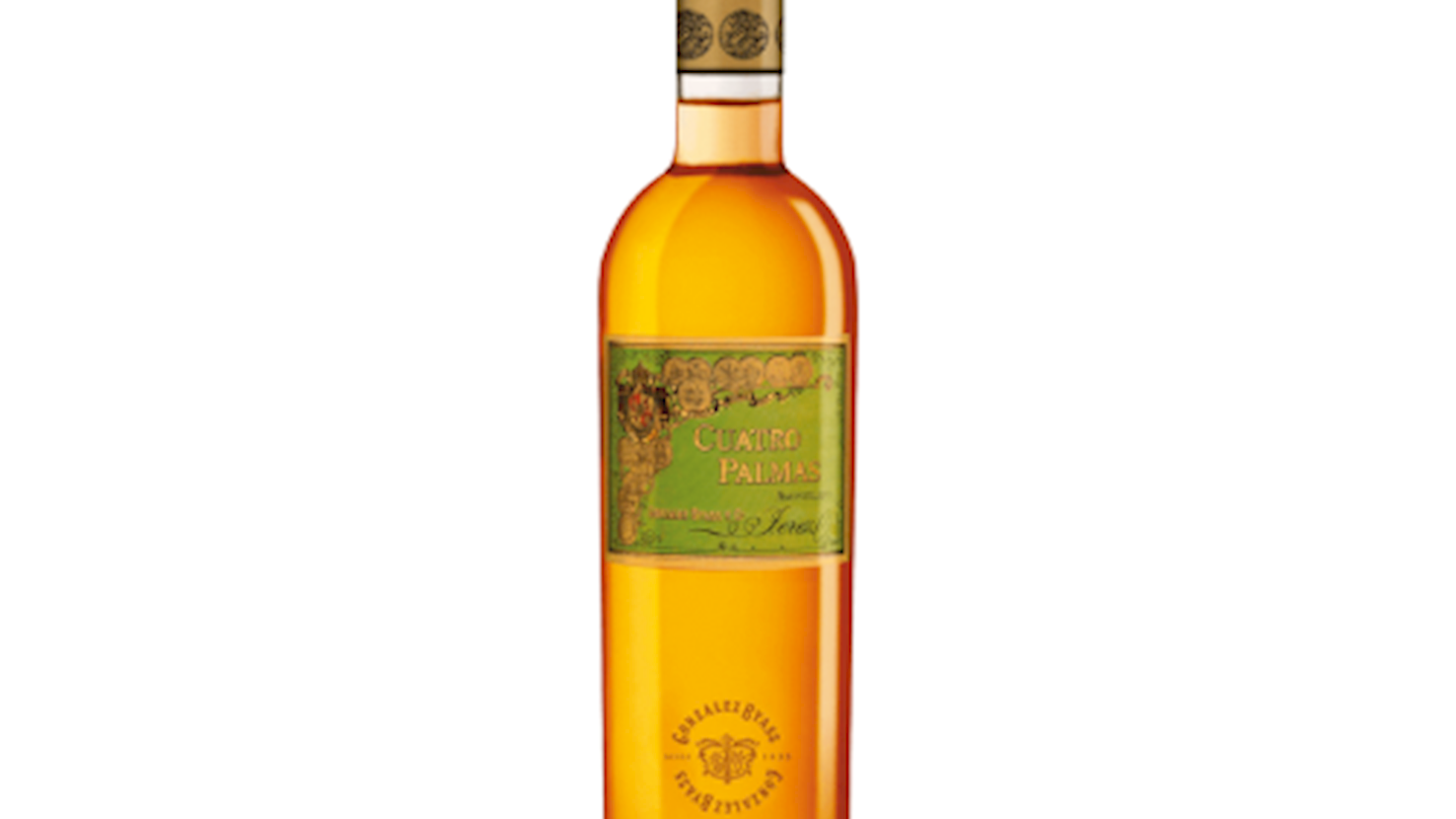
González Byass is one of the most important and influential wine houses in Spain, founded in 1835 in Jerez de la Frontera, with a strong identity built on the tradition of Sherry production. Over nearly two centuries, this family-owned company has preserved stylistic continuity while growing into an international group whose portfolio now includes wines, vermouths, and spirits from several Spanish regions.
The best-known symbol of the house is Tío Pepe, one of the most recognizable Fino Sherries in the world, which has largely shaped the global perception of Sherry. González Byass is renowned for its long-standing solera systems, some of which have been operating for more than a century, ensuring consistency of quality and clarity of style across generations.
Its cellars in Jerez, Sanlúcar de Barrameda, and El Puerto de Santa María represent key reference points for understanding the diversity of Sherry, from Fino and Manzanilla to Amontillado, Oloroso, and Pedro Ximénez. The philosophy of the house is based on a balance between respect for tradition and openness to innovation, without compromising the identity of its wines.
Special emphasis is placed on preserving cultural heritage, visible in the architecture of the bodegas and the historical archives that trace the brand’s development. Today, González Byass is seen not only as a wine producer but as an institution of Spanish wine culture.
Its role in the internationalization of Sherry has made the house one of the main ambassadors of Jerez around the world.
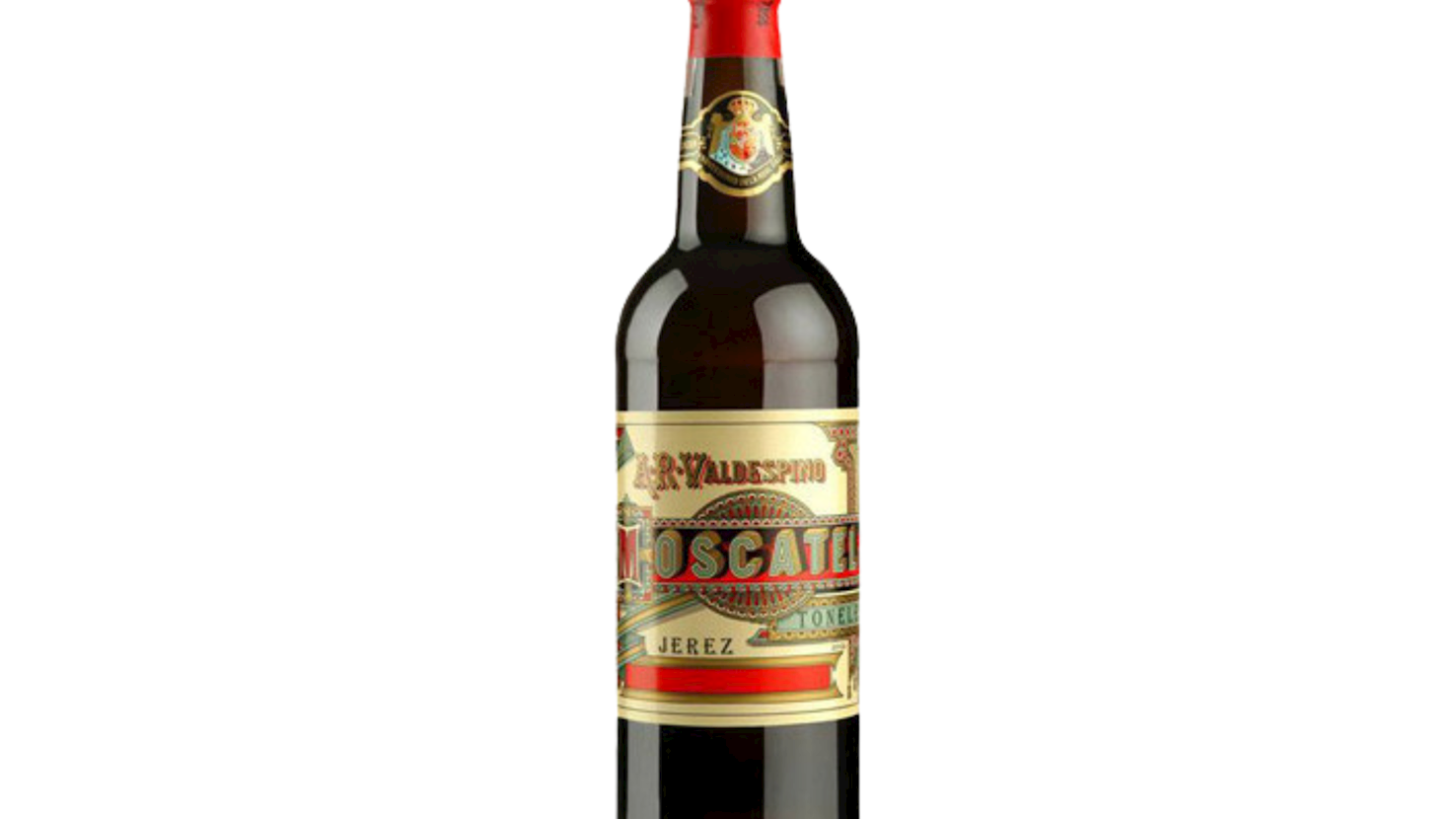
Valdespino is one of the oldest and most prestigious wineries in the Jerez de la Frontera region of Spain, with a sherry-making tradition dating back to the 13th century. The winery is unique for producing wines from the renowned Pago de Macharnudo Alto vineyard, the most important "cru" in Jerez and one of the most esteemed in the world.
Valdespino is known for its commitment to traditional production methods, including fermentation in oak barrels and long aging processes, resulting in sherry wines of exceptional complexity and character.
Their collection includes various styles of sherry, such as Fino, Manzanilla, Amontillado, Oloroso, and Palo Cortado, each with its own distinctive characteristics.
Awards
Decanter World Wine Awards - Best in Show
(2026)
Decanter World Wine Awards - Platinum
(2022, 2020)
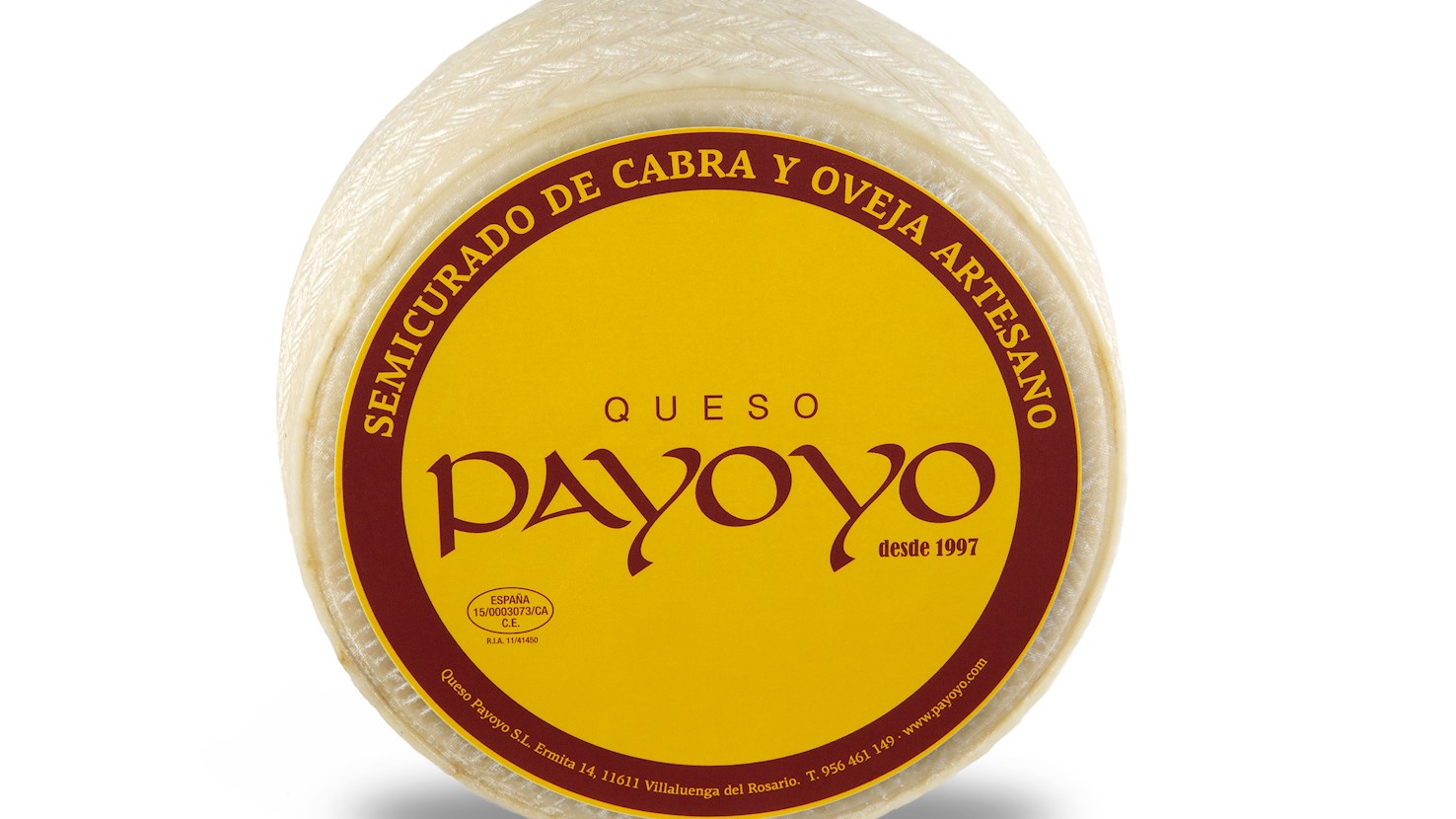
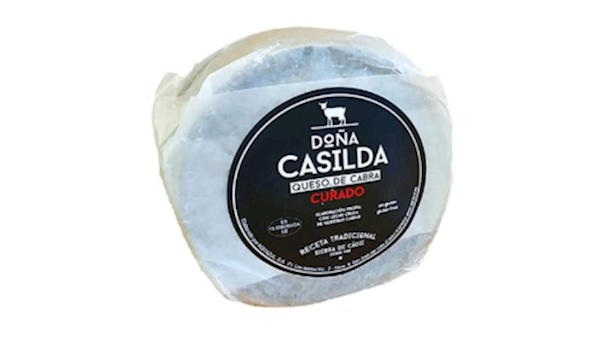
Queso Payoyo is a producer of premium, handcrafted cheeses made in the heart of the Sierra de Grazalema Natural Park, in the small Spanish village of Villaluenga del Rosario. The company was founded in 1997 and has since won numerous awards for the quality of its cheeses.
Payoyo produces cheeses made from goat, sheep, and mixed milk, all of which are characterized by rich flavors and authentic production techniques. The Payoyo brand was registered in 1995 and has since become a recognizable name in the cheese market.
Their product range includes various types of cheeses, including curado, fresco, and semicurado varieties, as well as creamy products and small roll cheeses. The production process follows sustainable practices, and visitors can enjoy guided tastings and tours of their farms to experience the cheese-making process and enjoy the natural surroundings.
Dos Maderas is a distinguished rum brand that uniquely combines Caribbean and Spanish aging traditions. Their rums begin their journey in the Caribbean, where they age for five years in American oak casks.
They are then transported to Jerez, Spain, to undergo additional aging in sherry casks at Bodegas Williams & Humbert, one of the world's most prestigious wine and spirits producers. This dual aging process imparts a rich and complex flavor profile to their rums.
For instance, the Dos Maderas 5+5 rum offers fig and raisin notes, leading to rich, ripe fruit on the palate, seasoned by tropical spice and wrapped in sherry notes, with wisps of smoky oak and a touch of tobacco leaf.
Awards
NYWSC - New York World Spirits Competition - Double Gold
(2024)
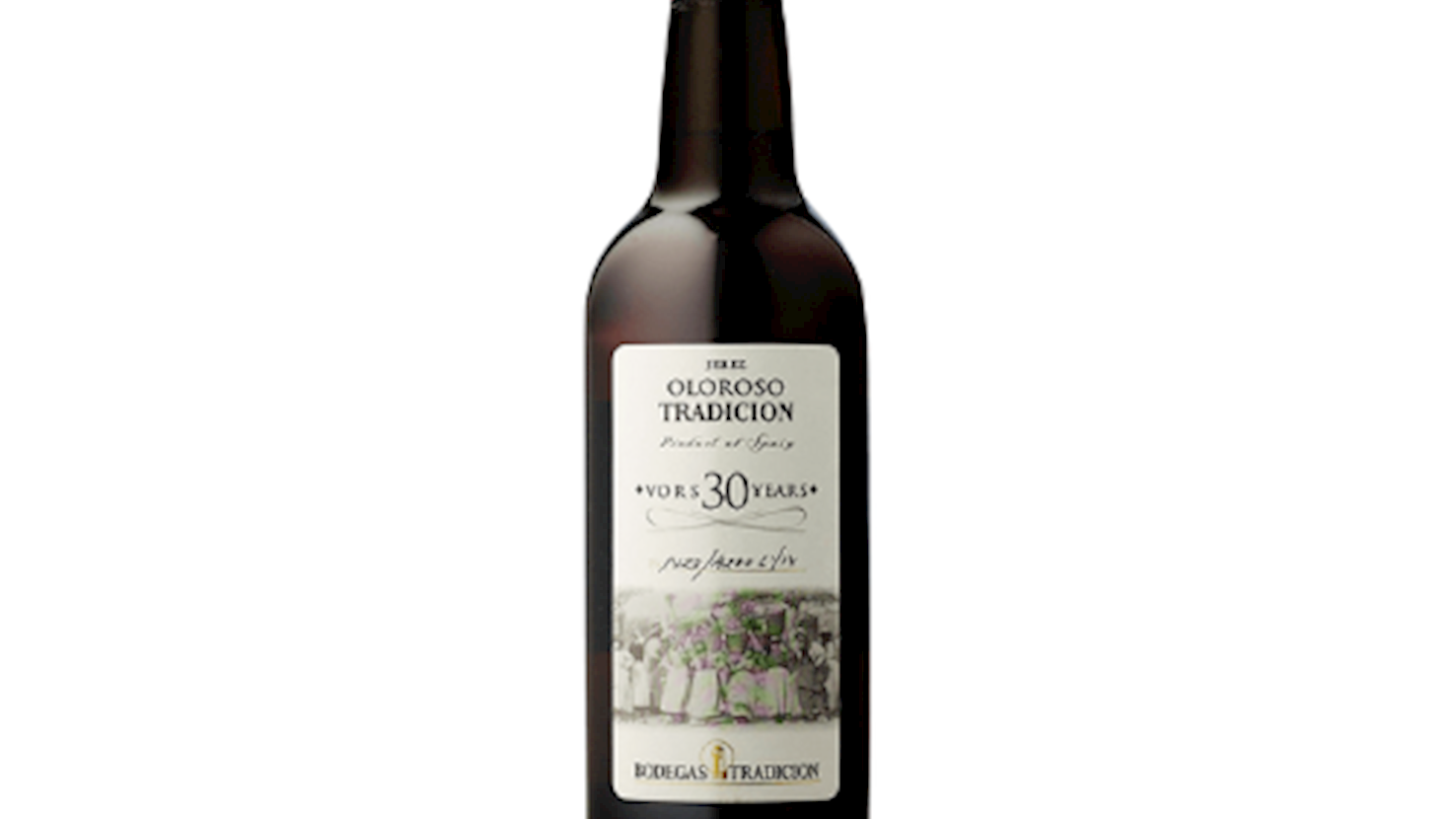
Bodegas Tradición is a specialized winery based in Jerez de la Frontera, fully dedicated to preserving and interpreting the oldest styles of Sherry, with a clear focus on long aging and the traditional solera system. It was founded in 1998 with the aim of safeguarding exceptionally old and rare soleras that had almost disappeared from modern production, and its work is now regarded as a true guardian of Jerez’s wine heritage.
The winery does not engage in large-scale production, but instead focuses exclusively on the selection and maturation of wines that average between twenty and over thirty years of age. The bottling process is carried out with great care and minimal intervention in order to preserve the wines’ original character.
The winery is also unique in housing an important collection of Spanish art within its premises, further linking the cultural and winemaking traditions of Andalusia. The house style does not seek to modernize flavors, but rather to remain faithful to the historical expressions of Sherry.
Awards
Decanter World Wine Awards - Best in Show
(2026, 2024)
Williams & Humbert is a historic producer based in Jerez de la Frontera, founded in 1877 by Sir Alexander Williams and Arthur Humbert, and today recognized as one of the key houses within the D.O. Jerez-Xérès-Sherry.
From its inception, the winery has relied on the traditional criaderas y solera aging system, maintaining extensive stocks of sherry and brandy in American oak casks to ensure stylistic consistency and depth. Its portfolio spans the full spectrum of sherry styles, from dry Fino and Amontillado to structured Oloroso and sweet Pedro Ximénez, alongside internationally known labels such as Dry Sack.
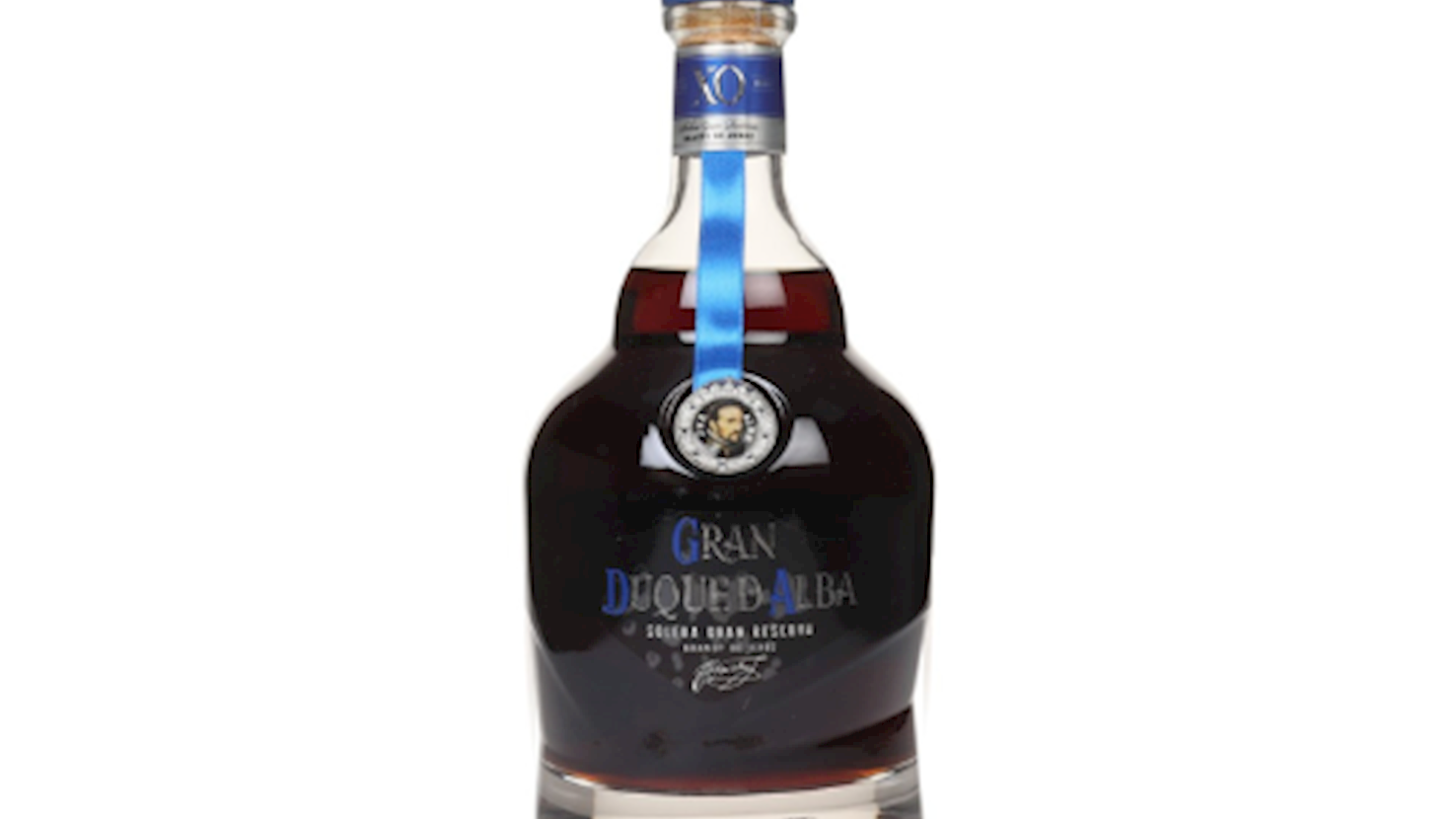
The house is equally respected for its Brandies de Jerez, particularly Gran Duque de Alba, which reflects long aging and careful blending. In addition to fortified wines, the company produces other spirits, including Dos Maderas rum, matured partly in the Caribbean and finished in former sherry casks.
Williams & Humbert manages significant vineyard holdings in the albariza soils of the Jerez area, cultivating varieties such as Palomino and Pedro Ximénez. Still family-owned, the winery combines traditional production methods with a modern export orientation, distributing its products to numerous international markets while preserving its historic identity within the Jerez region.
Bodegas Sánchez Romate is a historic winery founded in 1781 in Jerez de la Frontera, at the heart of Spain’s Sherry region in Andalusia, and remains one of the few houses still family-owned after more than two centuries. The estate specializes in wines produced under the traditional criaderas y solera system, where gradual blending and aging in American oak ensure stylistic consistency and complexity.
Its portfolio is based on the classic grape varieties Palomino, Pedro Ximénez, and Moscatel, covering styles from dry Fino and Amontillado to structured Oloroso and rich sweet PX. The Atlantic influence and the region’s distinctive albariza chalk soils contribute to the wines’ saline edge, nutty nuances, and depth.
Beyond Sherry, the house is internationally recognized for Cardenal Mendoza Solera Gran Reserva, a Brandy de Jerez aged for extended periods within the solera system. Production balances long-established methods with modern quality control, maintaining a strong sense of origin and continuity.
Today, the range includes traditional Sherry wines, premium brandies, and Sherry vinegar, reinforcing the winery’s position as a benchmark producer in Jerez.
Awards
SFWSC - San Francisco World Spirits Competition - Double Gold
(2024)
Bodegas Osborne are premium sherries produced in the Jerez region of Spain, with a rich tradition dating back to 1772. These wines are renowned for their exceptional complexity and depth, achieved through an extensive aging process.
Osborne produces two main lines of sherries: V.O.R.S. (Very Old Rare Sherry) and Rare Sherries. Rare Sherries are crafted in very limited quantities and represent the pinnacle of Osborne's production.
These wines are made from the finest grapes and aged in American oak casks, which enhance their character and unique flavor profile.Drawing on traditional production methods while embracing innovation, Osborne wines embody the essence of Andalusian heritage and craftsmanship. They are a perfect choice for sherry enthusiasts and collectors worldwide.
Awards
Decanter World Wine Awards - Platinum
(2022, 2018)
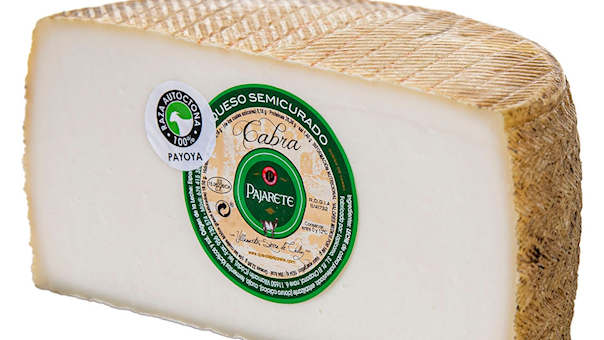
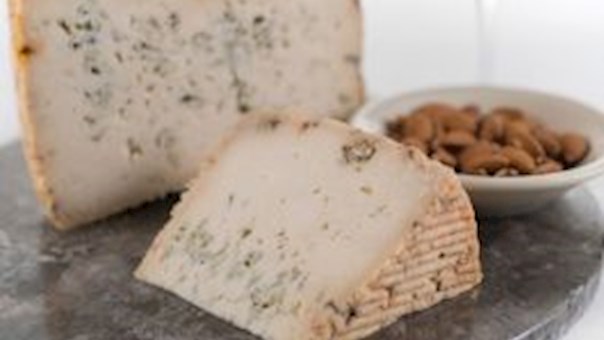
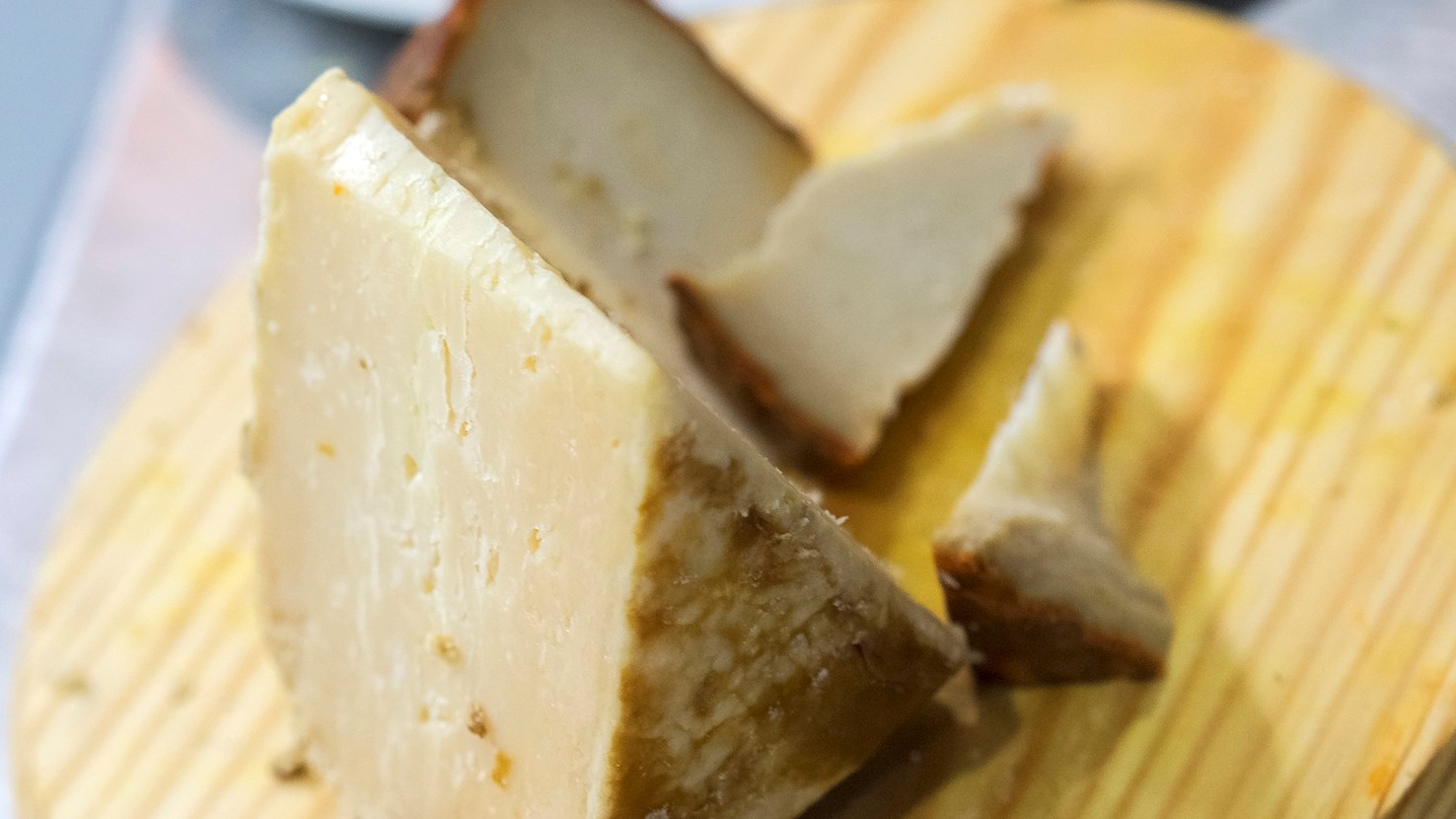
Queso Payoyo is a Spanish cheese made with a mixture of goat's and sheep's milk from local Payoyo goats and Grazalema sheep. Its flavor is rich and tangy, the rind is cross-hatched, while the texture is creamier and softer than Manchego, which it somewhat resembles. Payoyo's aroma has hints of butter and herbs. It is recommended to serve it with crusty bread and a glass of dry sherry or red wine. The Spanish Ministry of Agriculture awarded it with the title of Spain's Best Cheese in 2013, and in 2014, it won a bronze medal at the World's Best Cheese awards.
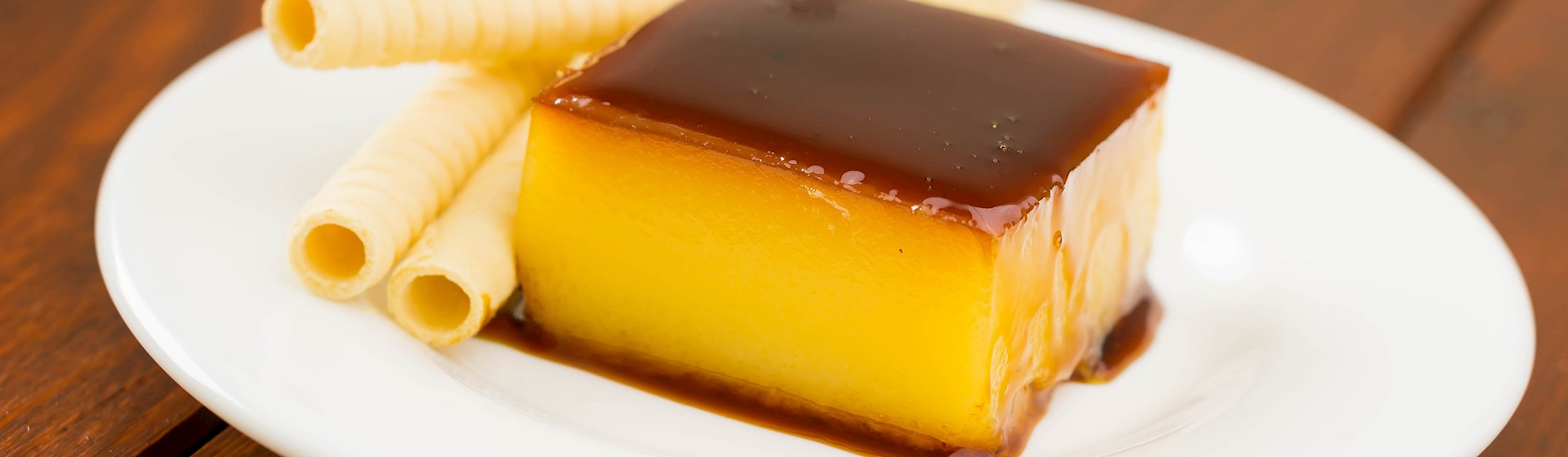
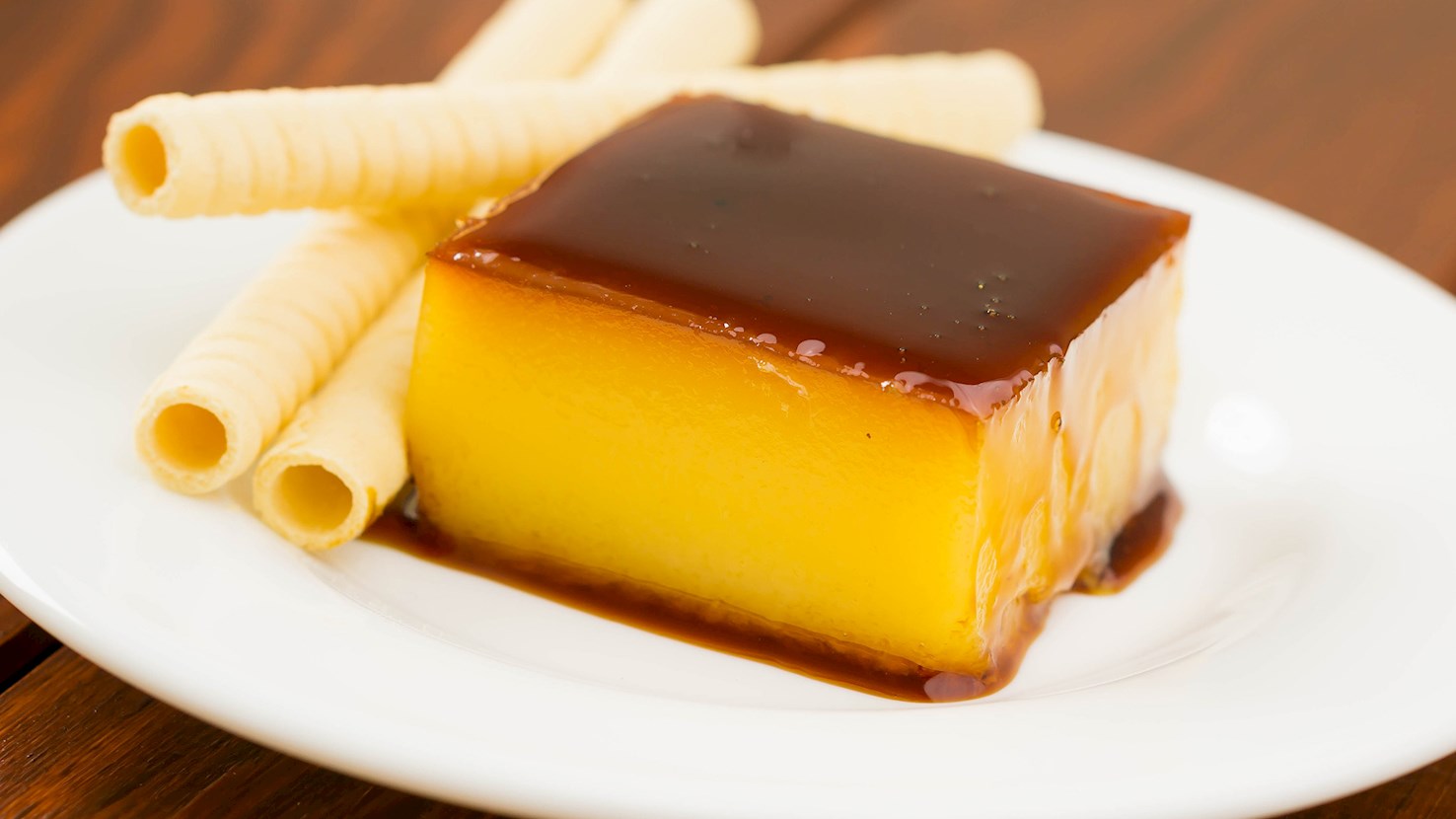
Tocino de cielo is a traditional dessert that originated in the monasteries of Jerez de la Frontera and Montilla-Moriles in the 19th century. The dessert is made with water, sugar, and eggs, while the caramel part is made with only sugar and water. The beaten eggs are combined with warm sugar syrup, then poured into the caramel-coated molds and baked until the custard has set. When done, the dessert is chilled in the refrigerator for a few hours or overnight. Tocino de cielo is served turned upside down, with all of the caramel sauce drizzling out underneath it, so the dish should be deep enough to collect it. The name of this very sweet dessert means heavenly bacon, referring to its conventual origins, and the texture varies depending on the ratio of sugar to egg yolks.
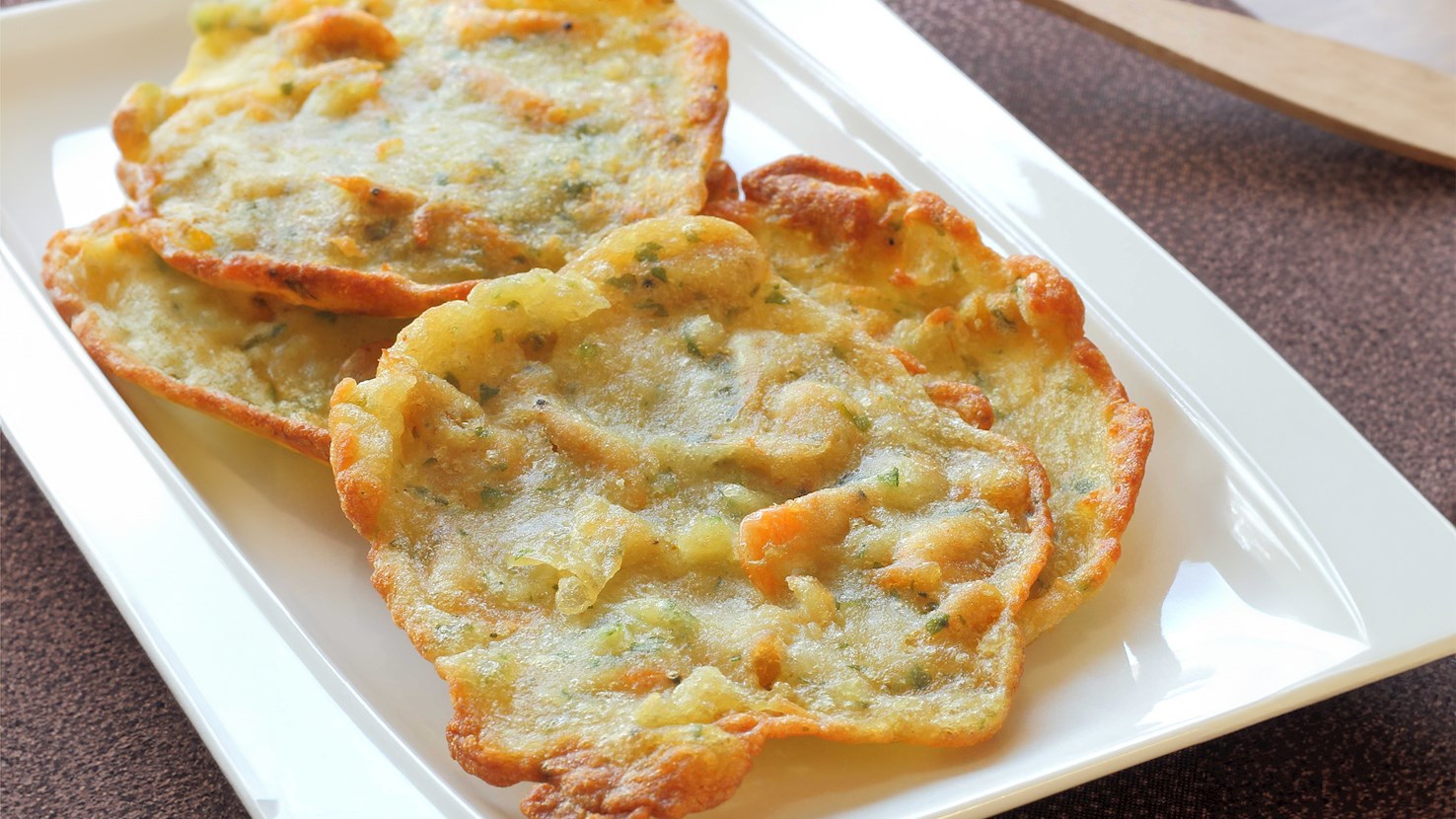
Tortillitas de camarones are a traditional Spanish dish particularly popular in the province of Cadiz and especially associated with the city of San Fernando. These are fritters made with a batter of chickpea flour (though sometimes a mix of wheat and chickpea flour is used), water, fresh shrimp, onion, and parsley. The mixture is fried in olive oil until crisp. The shrimp used in this dish are often tiny, and they are used whole, including the shell. The result is a thin, crispy pancake loaded with small shrimps, traditionally served as a tapa. It's a simple dish, but it's packed with flavor and has a unique texture due to the crispness of the pancake combined with the shrimp. It's a typical dish you might find in fried fish shops or freidurias throughout Andalusia, particularly in coastal towns and cities.
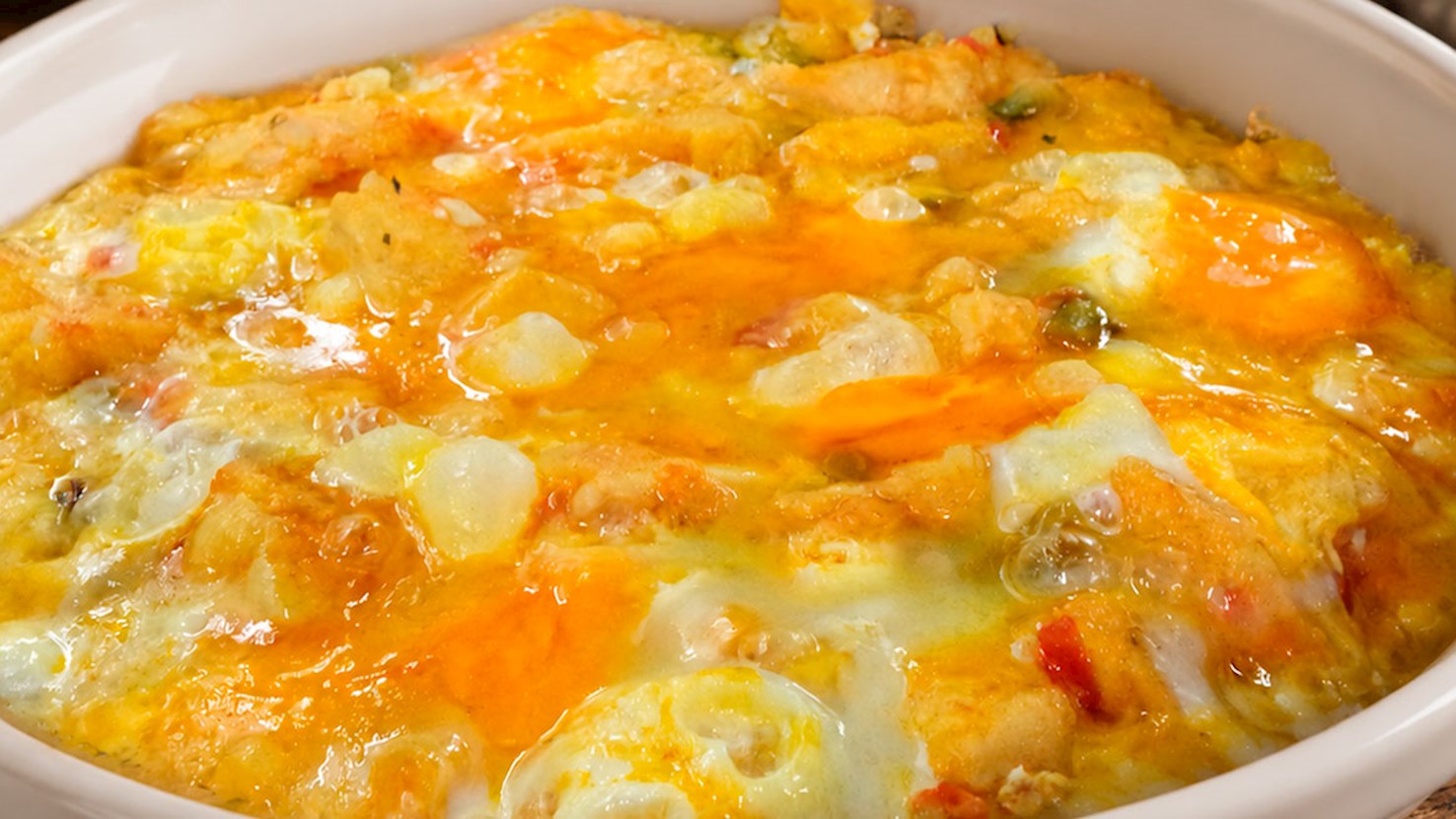
Abajao is a traditional soup originating from Arcos de la Frontera. This thick soup is usually made with a combination of asparagus, onions, tomatoes, bell peppers, garlic, bread from the previous day, and olive oil. The garlic and onions are sautéed in olive oil and mixed with chopped tomatoes, bell peppers, and asparagus. The mixture is sautéed, covered with water, and brought to a boil. After some simmering, the bread is cut into slices and added to the pan until it's well blended with the rest of the ingredients. Abajao is typically served warm.
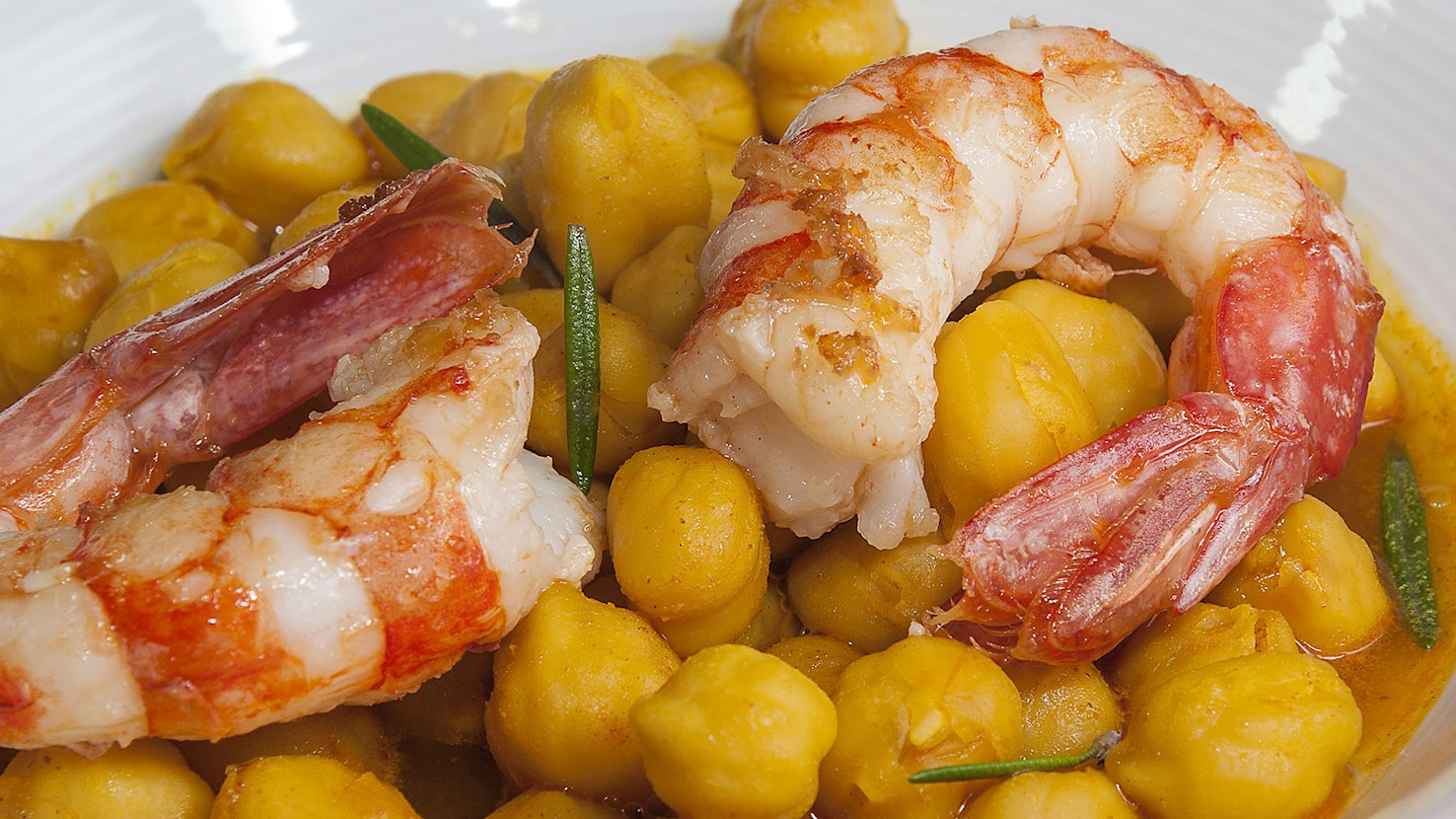
Garbanzos con langostinos is a chickpea and prawn stew, most closely associated with the Province of Cádiz and the wider coastal cooking of southern Spain. It is made with cooked chickpeas, langostinos, olive oil, vegetables, paprika, wine, and seafood stock, with prawn shells providing the broth's main marine flavor. The dish sits between a legume stew and a seafood potaje: substantial enough to serve as a main course, but lighter than pork-based chickpea stews because the richness comes from shellfish, sofrito, and olive oil rather than cured meat. Chickpeas are one of the region’s basic pantry legumes, while langostinos are common along the Atlantic and Mediterranean sides of southern Spain. The dish became especially visible in Andalusian restaurants and home kitchens during the late 20th century, with Cádiz province often named as its strongest reference point. It is not a tightly codified dish with one official recipe. Some versions are brothier, some are thicker, some use dried chickpeas cooked from scratch, and others use good jarred or canned chickpeas for a faster meal. The common structure stays the same: chickpeas, prawns, a vegetable sofrito, paprika, and a stock that clearly tastes of shellfish. In that sense, the dish is defined more by technique and balance than by exact measurements. A good garbanzos con langostinos starts with the prawns. Raw langostinos are peeled, and the heads and shells are not thrown away. They are sautéed in olive oil, often with a little salt, until they release their juices and deepen in aroma. Water, fish stock, or a combination of both is then added, and the mixture is simmered briefly before being strained. A cook may press the shells lightly while straining to capture more flavor, but overcooking them can bring harshness, so the stock is usually kept short and clean. This fumet is what separates a careful version from a quick pot of chickpeas with prawns dropped in at the end. The sofrito provides the base. Onion and garlic are standard, with green pepper, red pepper, tomato, or grated tomato often added. The vegetables are cooked slowly in olive oil until they lose their raw edge and begin to concentrate. Sweet paprika is common, sometimes with a little hot paprika, cayenne, or dried guindilla for a sharper finish. White wine, especially a dry Andalusian wine, can be poured in and reduced before the chickpeas and stock are added. Bay leaf, black pepper, cumin, parsley, or saffron appear in some recipes, but they should support the stew rather than cover the prawn flavor. The chickpeas need to be tender before the seafood stock is added. Dried chickpeas are soaked overnight, then cooked with water until soft, sometimes with a bay leaf or vegetables. Faster versions use already-cooked chickpeas, which makes the dish possible on a weekday, but they should be firm enough not to fall apart when simmered in the sauce. Once the chickpeas are in the pot with the sofrito and fumet, the stew is left to settle into itself for a short time. Some cooks mash a spoonful of chickpeas or blend part of the sofrito to thicken the broth. Others leave it looser, closer to a soup-stew. The peeled langostino tails go in near the end. This timing is important. Prawns cook quickly, and if they stay in the pot too long, they turn tough and dry. They only need a few minutes in the hot broth, just enough to become opaque and warm through. The final texture should be spoonable, with chickpeas that hold their shape, a broth that is savory but not muddy, and prawns that still feel juicy. A little chopped parsley or a thread of olive oil can finish the dish, but heavy garnishing is unnecessary. Garbanzos con langostinos is usually served hot in a shallow bowl or deep plate. It is not meant to be dry, so bread is useful, especially a plain white loaf or a rustic country bread that can take up the broth. In restaurants, it may appear as a starter for sharing or as a first course before grilled fish, fried seafood, or a simple meat dish. At home, it can stand alone as lunch, especially in cooler months, although it is not limited to winter because the seafood base keeps it lighter than many legume stews. The best versions avoid two common mistakes: boiling the prawn tails until they lose their texture, and making the paprika or tomato so dominant that the shellfish disappears. It works well with dry white wines from Cádiz, including young Palomino-based wines, manzanilla from Sanlúcar, or fino from Jerez. A cold lager is also practical, especially if the stew has a little heat from cayenne or guindilla. For food pairings, it needs simple company: green salad with vinegar, fried green peppers, grilled artichokes, tomato salad, crusty bread, or a plate of marinated olives. If it is served as part of a larger meal, follow it with grilled hake, fried puntillitas, roasted vegetables, or a citrus dessert rather than another heavy stew.
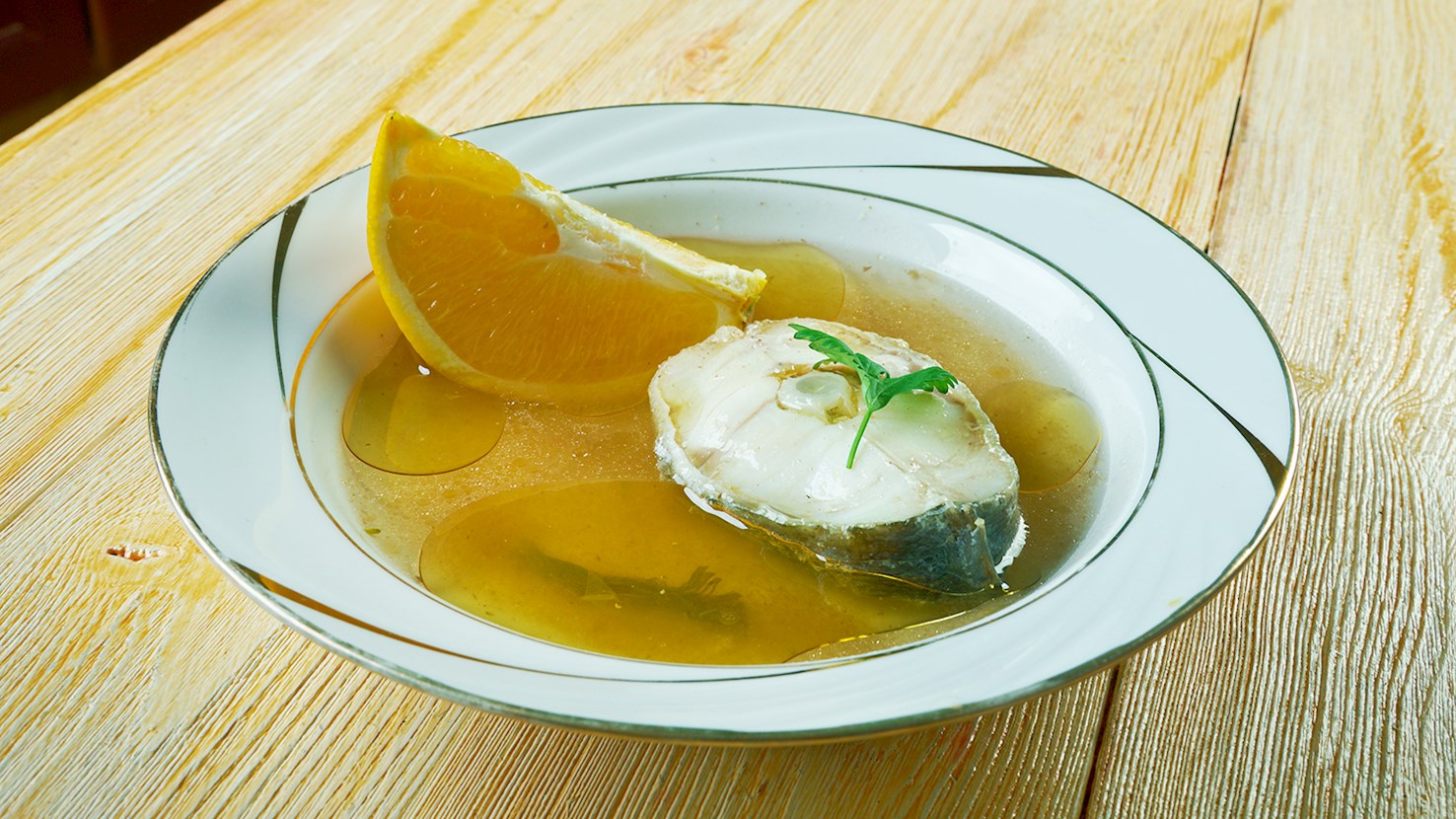
Caldillo de perro (lit. dog soup) is a traditional Andalusian soup originating from El Puerto de Santa María. The soup is usually made with a combination of fresh hake, olive oil, onions, Seville oranges, garlic, and stale bread. The garlic is fried in oil, then discarded. The onions are fried in the same oil, then mixed with water and cooked until soft. The pieces of hake are added to the pot and boiled, and near the end of cooking the juice of Seville oranges is mixed in, along with bits of bread. This soup is traditionally served warm in an earthenware plate called cazuela de barro. If desired, bell peppers, saffron, and parsley can also be incorporated into the soup.
First things first: despite its name, sopa de gato (lit. cat soup) is not made with cats. It's a thick Spanish soup originating from the city of Cádiz. The soup is made with just a few basic ingredients – garlic, oil, salt, and stale bread. Cloves of garlic are fried in plenty of oil, then combined with water and salt. The concoction is poured over stale bread, and it is then shortly baked in the oven until the bread develops a golden hue. Cat soup is traditionally prepared and consumed in winter, and it is always served hot. Originally, it was invented out of necessity because Cádiz was looted and raided by pirates in the 16th century.
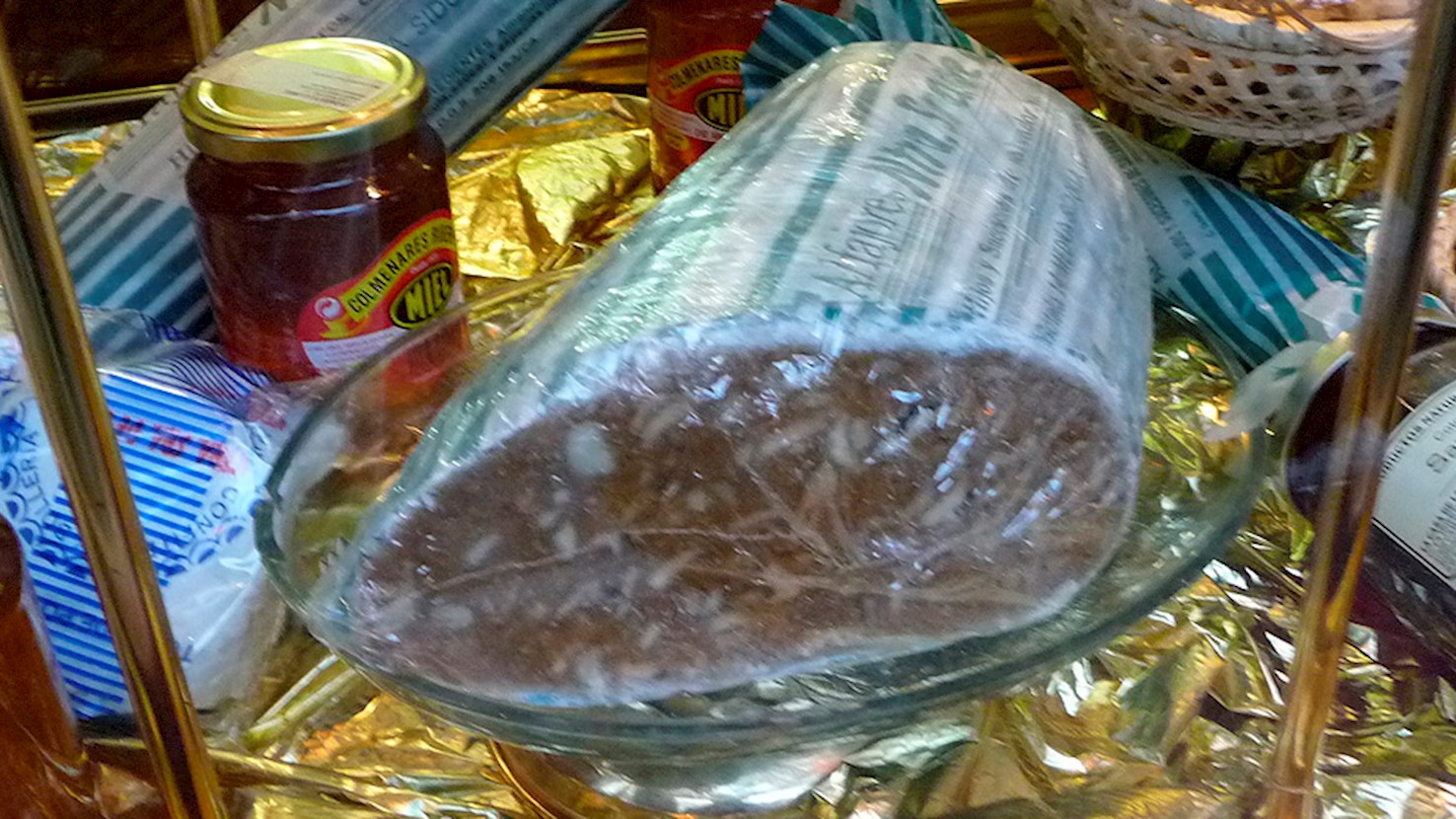
Alfajor de Medina Sidonia is a sweet gingerbread traditionally produced for centuries in the Municipality of Medina Sidonia. The original recipe dating back to the Arab period has remained unchanged, and to this day consists of honey, nuts, breadcrumbs and spices. Alfajor de Medina Sidonia is made by adding all the ingredients into warm honey and shaping the mixture into cylinders which are then cooled and dipped in syrup before they are coated with sugar and cinnamon powder. This gingerbread owns its characteristic taste to the traditional spice blend of coriander, cloves, aniseed, sesame and cinnamon.
TasteAtlas food rankings are based on the ratings of the TasteAtlas audience, with a series of mechanisms that recognize real users and that ignore bot,
nationalist or local patriotic ratings, and give additional value to the ratings of users that the system recognizes as knowledgeable.
For the “Top 33 Traditional Foods in the Province of Cádiz” list until July 22, 2026, 106 ratings were recorded, of which 84 were recognized by the system as legitimate.
TasteAtlas Rankings should not be seen as the final global conclusion about food. Their purpose is to promote excellent local foods,
instill pride in traditional dishes, and arouse curiosity about dishes you haven’t tried.
The initial list of top producers was compiled based on available reviews, awards, local recommendations, media and blog coverage, and consumer reviews.
The list will be updated with ratings from TasteAtlas local ambassadors and TasteAtlas users.