shutterstock

Top 29 Sul-riograndense Foods

Last updated on June 02, 2026

Best Sul-riograndense food products
01
Olive Oil

Prosperato

5 ·
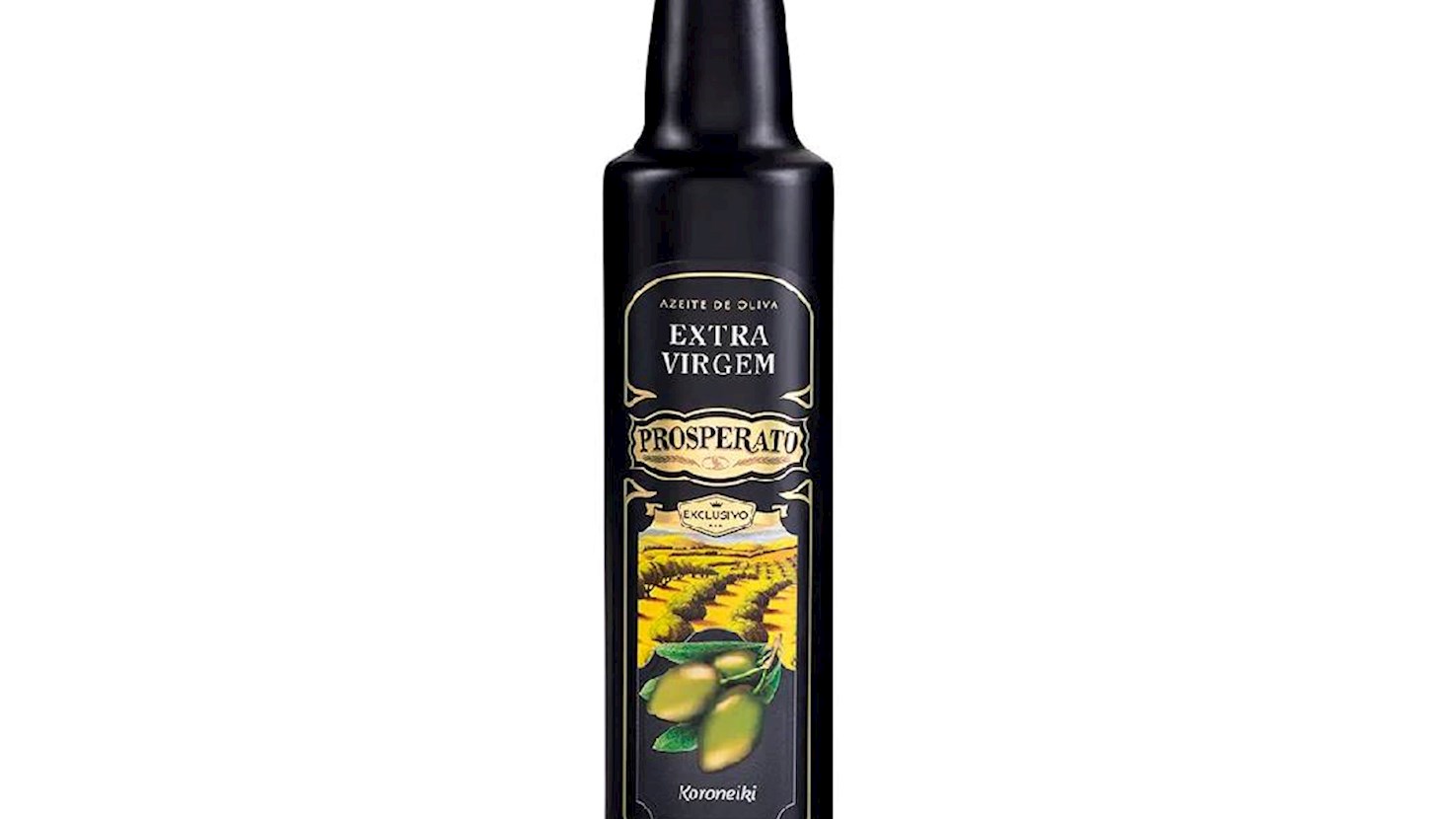
Prosperato is a pioneer and the most awarded producer of extra virgin olive oil in Brazil, born from the vision of creating world-class oils in the southern lands of Rio Grande do Sul. From the first seedlings to the final bottle, every stage of production is carefully overseen, ensuring absolute freshness, low acidity, and a rich spectrum of natural aromas. The olives are harvested at the perfect point of ripeness and processed within just one hour, preserving valuable polyphenols and the distinctive character of each variety. This blend of passion, expertise, and modern technology has earned Prosperato numerous international awards and positioned it as the producer that elevated Brazilian olive oil to global recognition. More than a culinary ingredient, Prosperato oils are a true expression of dedication, excellence, and respect for nature.
Awards
Flos Olei - The Best (2023)
ATHENA IOOC - Double Gold (2024, 2021)
02
Olive Oil

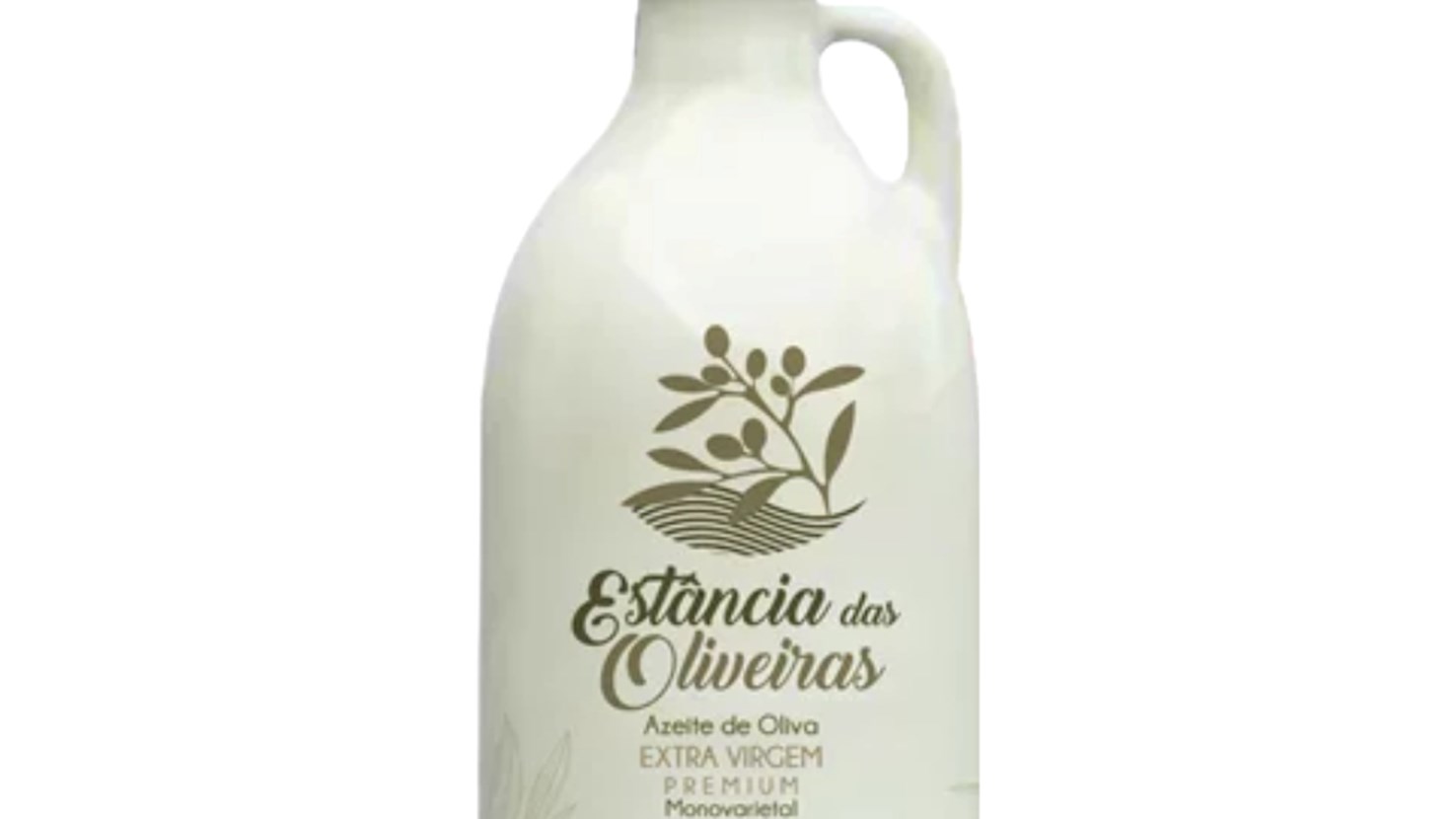
Estância Das Oliveiras

5 ·
Estância das Oliveiras is a Brazilian producer of extra virgin olive oil located in the southern state of Rio Grande do Sul. The farm focuses on sustainable agricultural practices and integrates livestock with olive cultivation to maintain soil health. The company also offers guided tours and tastings for visitors to learn more about their production process.
Awards
ATHENA IOOC - Double Gold (2024, 2023)
London IOOC - Platinum (2023)
03
Olive Oil

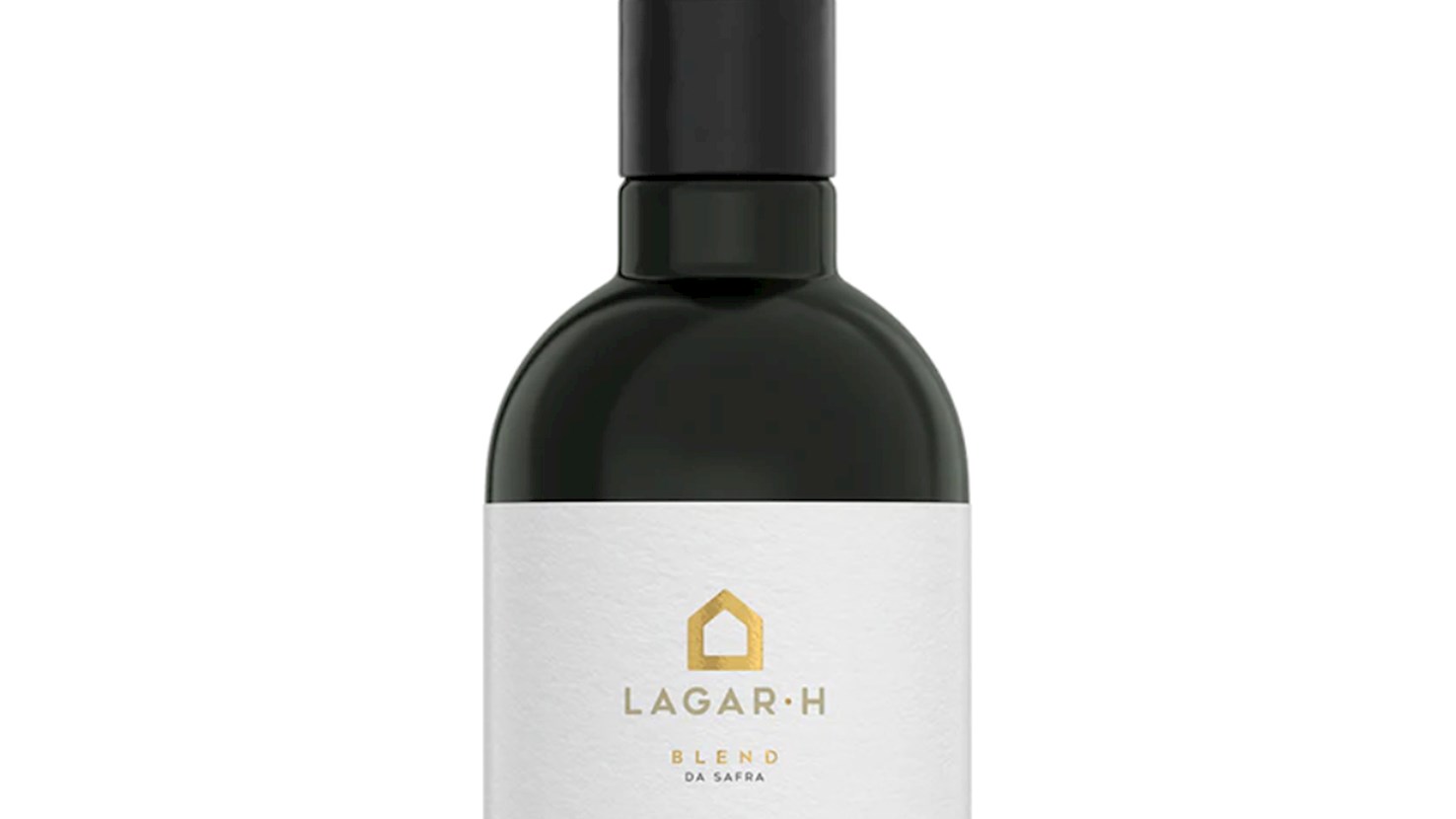
Lagar H Agroindústria

4.9 ·
Lagar H Agroindústria is an olive oil producer located in Cachoeira do Sul, Brazil. The company specializes in the cultivation and processing of olives for the production of high-quality olive oil. It operates advanced facilities and employs modern techniques to ensure superior oil extraction.
Awards
EVO IOOC - Special Award (2023)
EVO IOOC - Gold Medal (2023, 2022, 2021, 2020)
04
Olive Oil

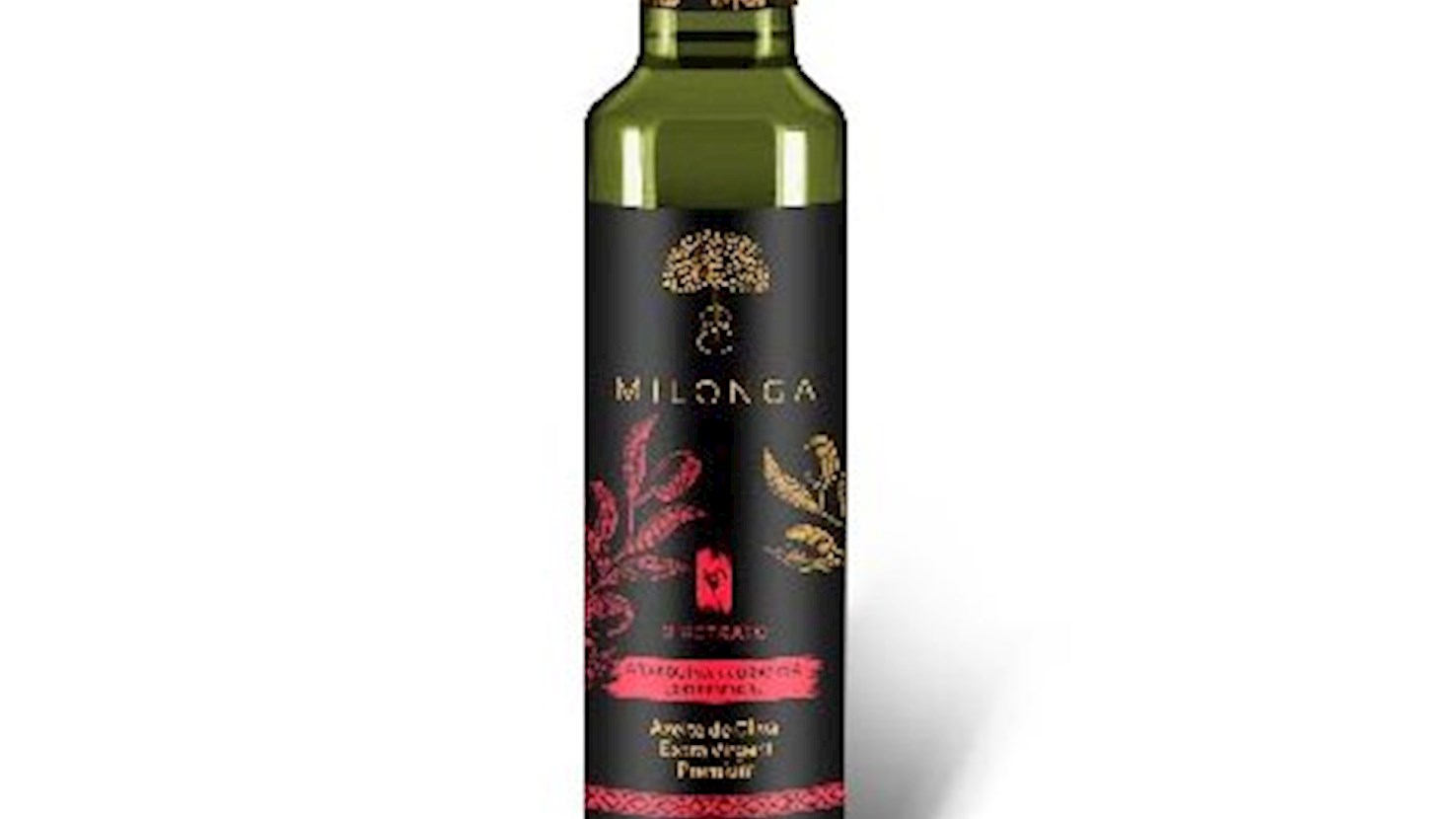
Azeite Milonga

4.9 ·
AZEITE MILONGA is an olive oil producer based in Rio Grande do Sul, Brazil. The company specializes in the cultivation of olive trees and the production of high-quality extra virgin olive oil. They focus on sustainable farming practices and careful processing to maintain the integrity and flavor of their oil. Their product range includes various types of olive oil, each with distinct flavor profiles.
Awards
EVO IOOC - Gold Medal (2023, 2022)
EVO IOOC - Best International in Class (2022)
05
Olive Oil

Oliva Agroindustrial

4.9 ·
Awards
OLIVINUS - Prestigio Oro (2023, 2022)
OLIVINUS - Medalla de Oro (2023)
06
Olive Oil

Casa Gabriel Rodrigues

4.9 ·
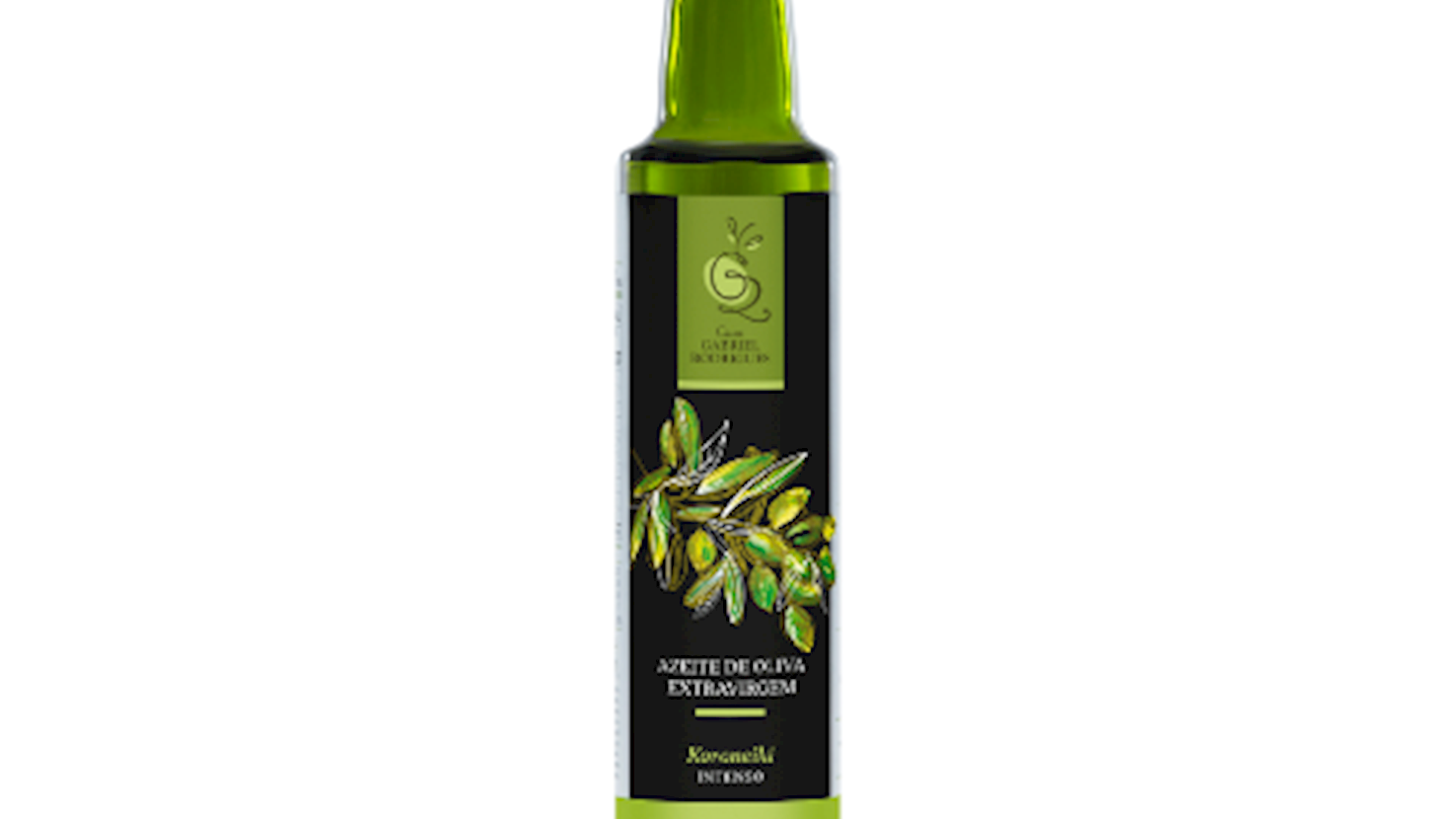
Casa Gabriel Rodrigues is a family estate and producer of extra virgin olive oil from Brazil, located in São Gabriel, in the state of Rio Grande do Sul. Founded in 2010, the mill continues the tradition of the Rodrigues da Cunha family, with their ancestor Gabriel José Rodriguez serving as the inspiration for the brand’s name. The olive groves are situated on the Fazenda Passo do Jacaré estate, where varieties such as Arbequina, Koroneiki, and Picual are cultivated. Harvesting is carried out by hand, using vibrating rakes to preserve the quality of each fruit. The milling process takes place in a modern two-phase system, which ensures the preservation of the oil’s aromatic and nutritional richness. Casa Gabriel Rodrigues also invests in the development of additional products such as soaps, candles, and essential oils, making use of olive by-products. The brand’s philosophy is based on combining tradition and innovation, with the goal of expanding production while maintaining its family identity. Beyond the Brazilian market, the brand is increasingly oriented toward international customers. Through its commitment to quality, sustainability, and innovation, Casa Gabriel Rodrigues has established itself as one of the leading olive oil producers not only in Brazil but also beyond.
Awards
EVO IOOC - Best in Class (2023)
EVO IOOC - Gold Medal (2023, 2022)
07
Olive Oil

Azeites Costa Doce

4.8 ·
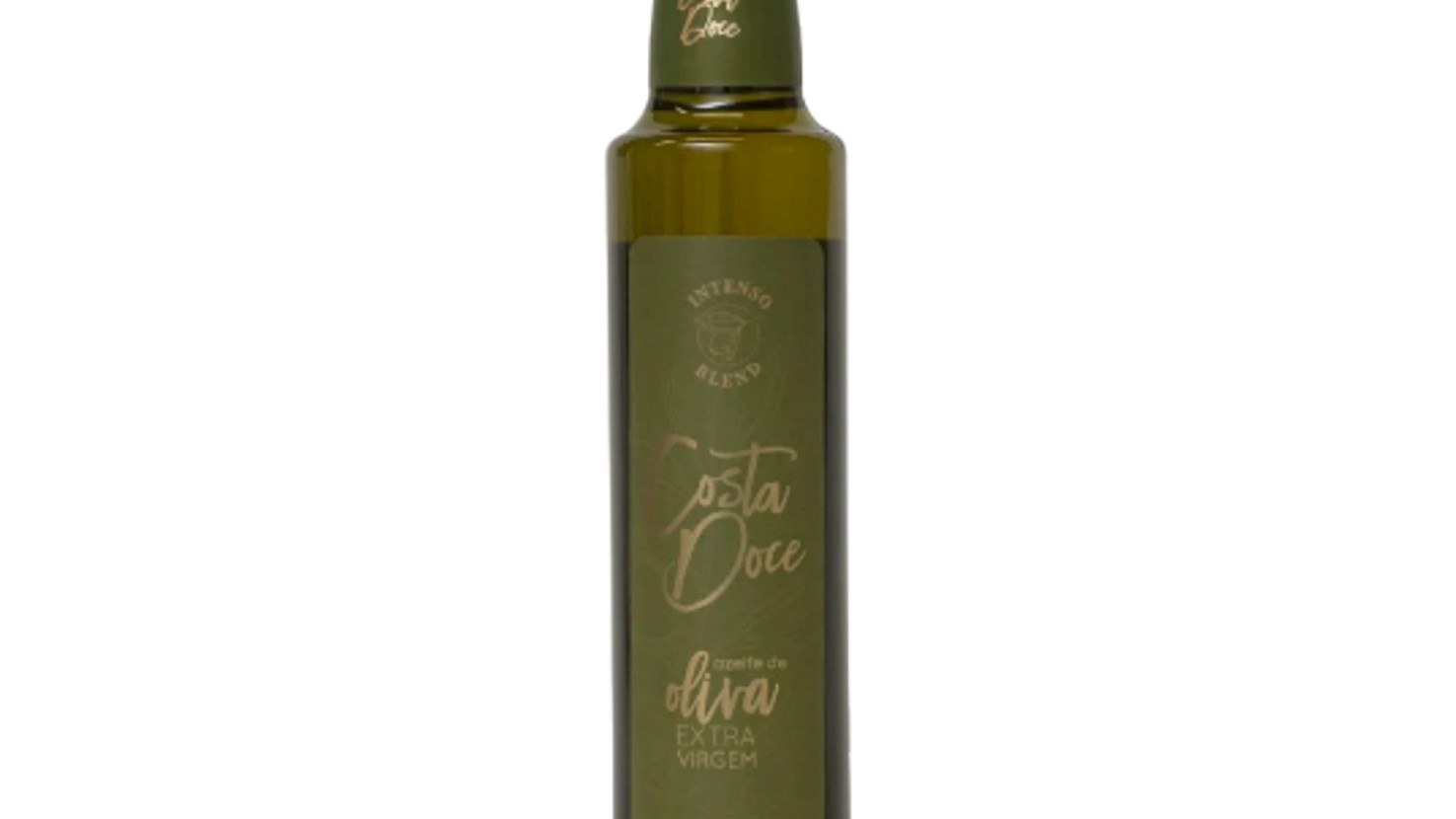
Azeites Costa Doce, operated by Vignatti Agroindustrial, is a Brazilian company actively involved in the production of olive oil. Based in the southern region of Brazil, their operations leverage the unique terroir to cultivate and produce premium quality olive oil. The company focuses on sustainable agricultural practices and aims to meet high standards of product excellence.
Awards
EVO IOOC - Gold Medal (2023, 2019, 2018)
Terraolivo IOOC - Grand Prestige Gold (2019, 2018)
08
Olive Oil

Olivas Do Brasil

4.8 ·
Olivas Do Brasil Ltda. is an olive oil producer based in Rio Grande do Sul, Brazil. The company specializes in cultivating and producing high-quality extra virgin olive oil. Olivas Do Brasil is noted for utilizing sustainable practices in their olive groves, ensuring environmentally-friendly production methods. The company has contributed to the development of the olive oil industry within Brazil, a country traditionally not known for its olive oil production.
Awards
OLIVINUS - Gran Prestigio Oro (2023)
OLIVINUS - Prestigio Oro (2023)
09
Fruit Product

Casa Madeira

4.8 ·
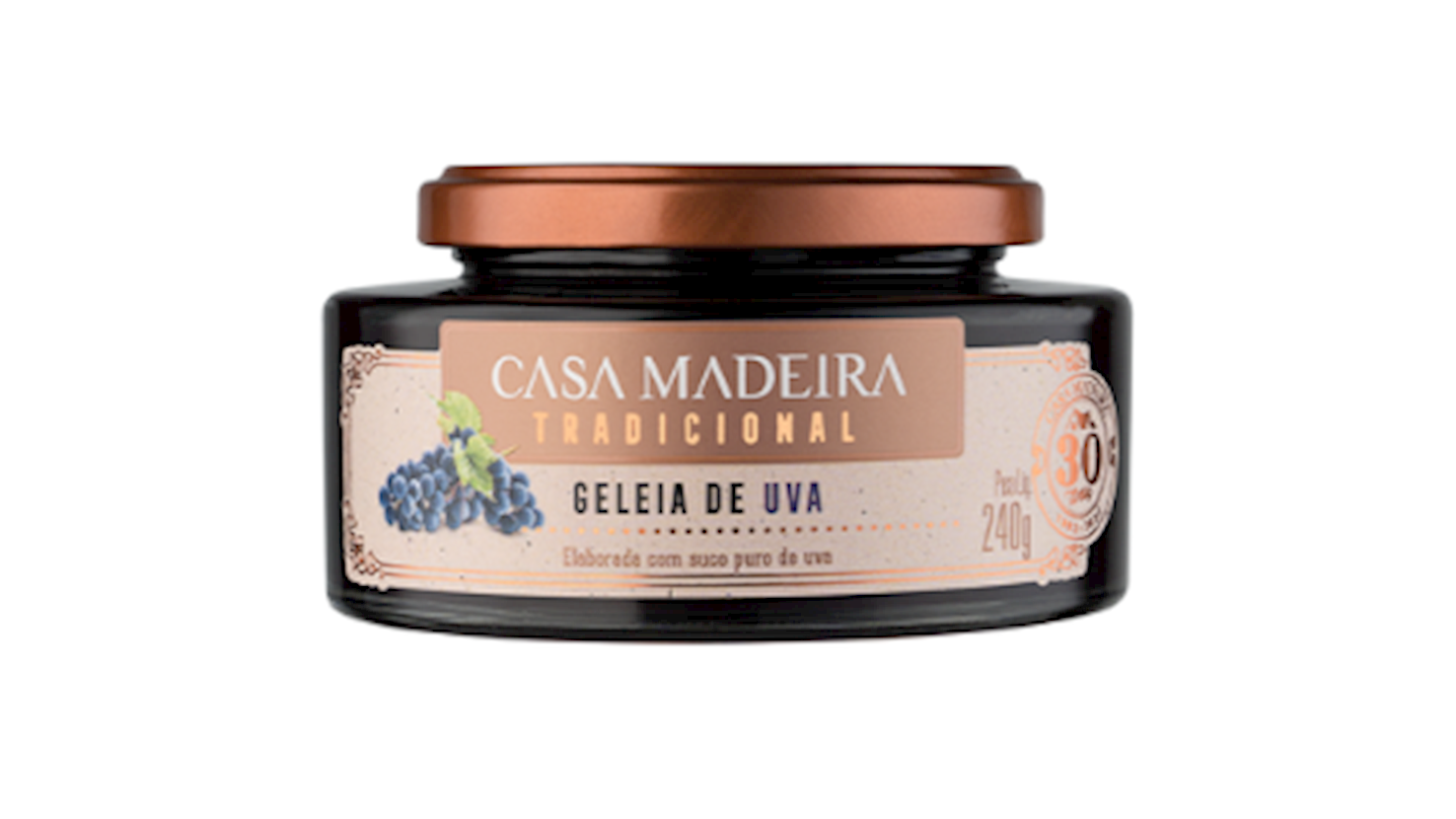
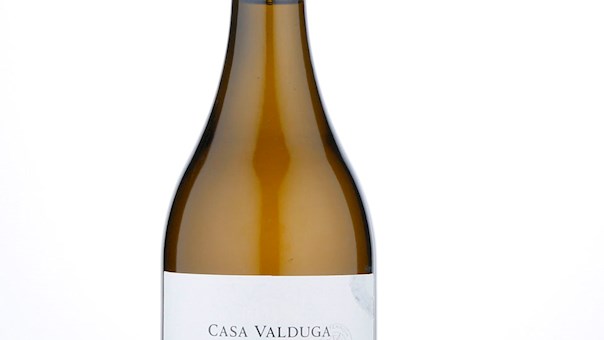
Casa Madeira is a Brazilian brand from the wine-growing region of Vale dos Vinhedos in Rio Grande do Sul, known for its premium grape juices, jams, balsamic creams, and gourmet products that highlight the terroir of this viticultural area. Founded in 1992 as part of the Famiglia Valduga group, the brand has built its identity on clean formulations without added water, sugar, or preservatives, especially in its “whole grape juice” line, which uses only natural grape juice. The assortment includes nearly 80 products, ranging from handcrafted jams and organic juice varieties to flavored versions, balsamic creams, and gourmet condiments inspired by local gastronomy. Production is carried out in small batches, with an emphasis on preserving the natural aroma, freshness, and nutritional value of the fruit. Casa Madeira combines the winemaking heritage of Vale dos Vinhedos with a modern gourmet approach, making it relevant for markets that value authenticity, sustainability, and high-quality ingredients. Thanks to clear ingredient provenance and careful product design, the brand holds a notable position in the premium food segment in Brazil.
10
Olive Oil

Capolivo Comercio De Azeite
4.7 ·
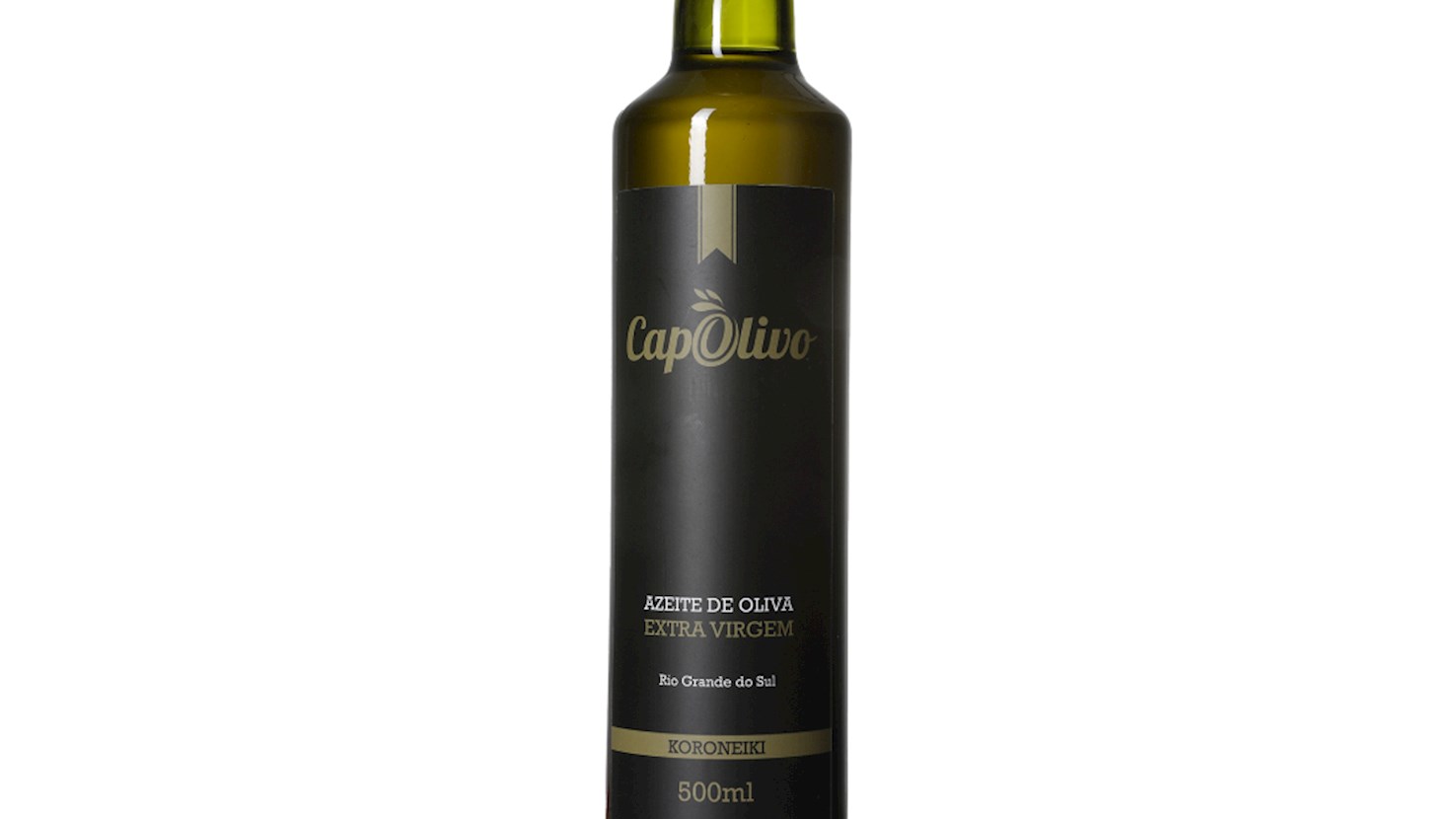
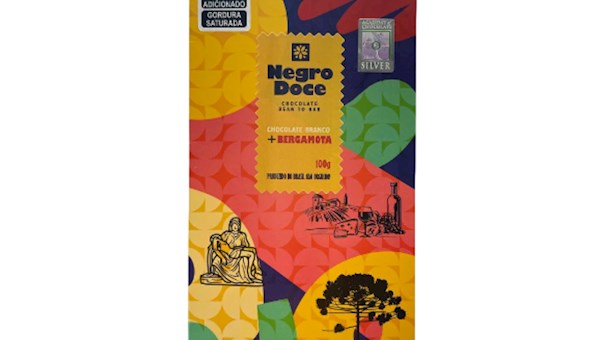
Capolivo Comercio De Azeite is an olive oil producer based in Brazil. They focus on producing high-quality olive oils using olives cultivated in Brazilian olive groves. They emphasize sustainable agricultural practices and prioritize quality in their production process. Capolivo caters to both local and international markets.
Awards
London IOOC - Platinum (2023)
London IOOC - Gold (2023)

Best Sul-riograndense foods

01
Barbecue

Churrasco

4.4 ·

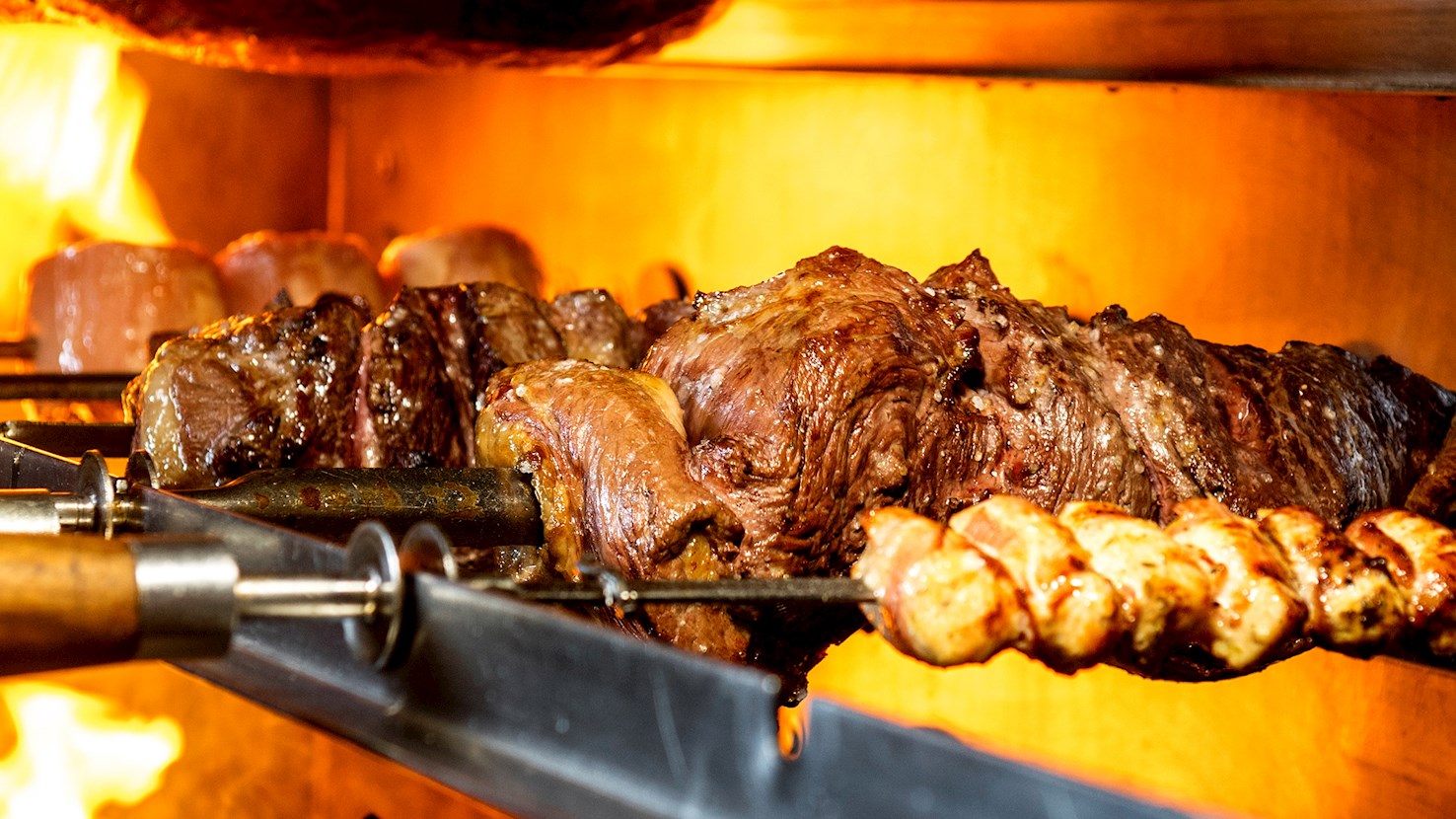
Churrasco is a Brazilian barbecue method where juicy pieces, slices, steaks, and chops of beef, veal, lamb, pork, and chicken are placed on big skewers and grilled over wood fire. It started in the early 1800s when the Gauchos (European immigrants that settled in the Rio Grade do Sul area) would get together and start a fire, adding large portions of meat on skewers and slowly grilling the meat. In the restaurants, known as churrascarias, the skewers are paraded across the restaurant in a flashy manner, and the waiters circulate among the tables in order to show off the succulent meat to hungry diners. After the customers have chosen their preferred type of meat, it is sliced off the skewers to the dining plates. Also known as rodízio, the theme of this barbecue experience is all you can eat, so the customers should know to come with an empty stomach. Beef is the most popular option, although livers and hearts are especially rich and chewy. In Brazil, the meat will often be from the zebu, a succulent, lean breed of cattle with a hump that's especially popular in churrasco as a cut of meat called cupim. Churrasco starts with appetizers and a variety of salads offered from a big buffet, as a preview of things to come. The usual accompaniments for the meat include farofa grains, rice, fried potatoes, potato salad, steamed greens, black beans, onions, fried bananas, and numerous chili-based sauces. After the big meal, it is typical to consume grilled pineapple slices, serving as a palate cleanser as well as a tasty dessert. Churrasco (lit. barbecue) is also popular as a cooking method in countries such as Nicaragua, Puerto Rico, Argentina, Uruguay, Ecuador, Guatemala, and Chile, and each country has their own favorite cuts of meat and accompaniments for this popular barbecue style.

02
Salad

Salada de maionese

3.6 ·

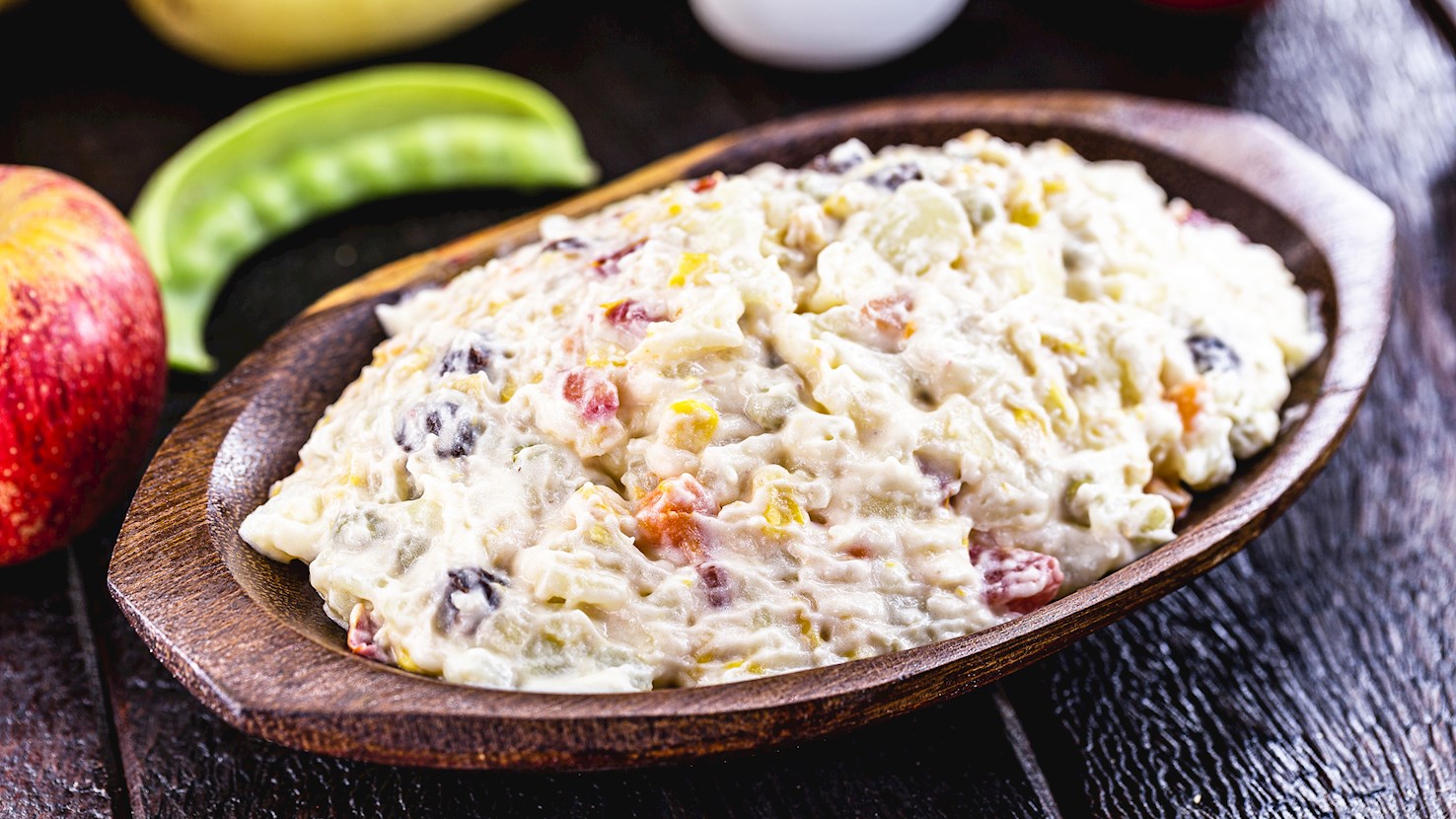
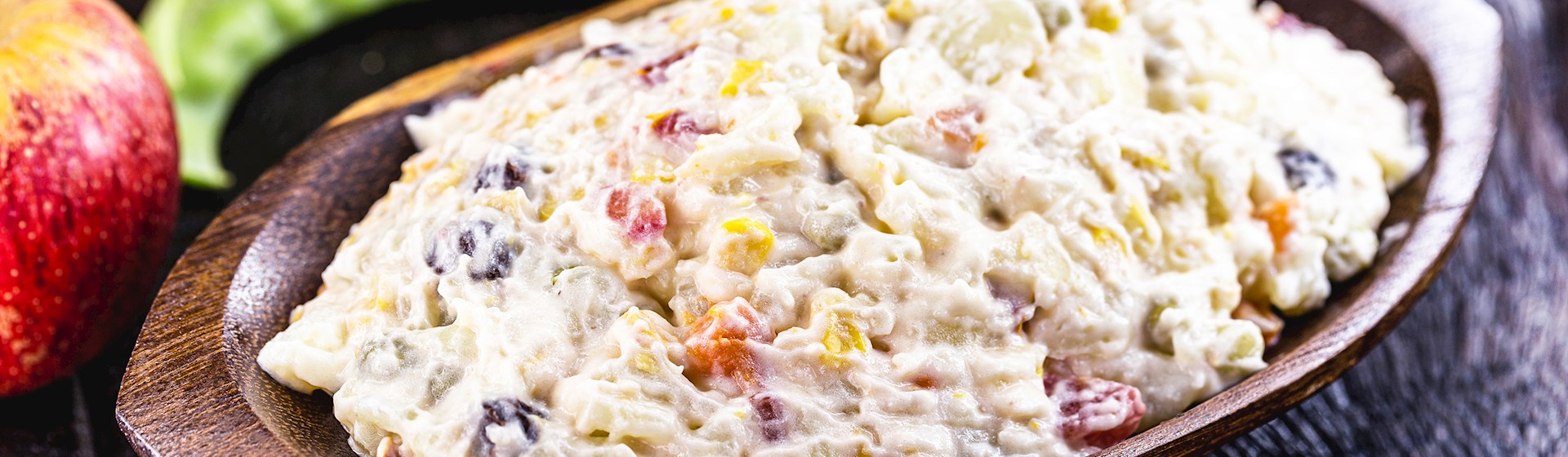
Salada de maionese is a Brazilian salad that's traditionally served with churrasco barbecue. It's also known as Gaúcho potato salad since it was invented by Gaúchos, Brazilian cowboys. The salad is made with a combination of potatoes, carrots, peas, corn on the cob, thinly sliced green apples, raisins, and mayonnaise. The potatoes, carrots, and corn are cooked until soft, yet firm. The carrots and potatoes are cut into cubes, while the corn kernels are sliced from the cob and the peas are simply blanched in boiling water. The ingredients are mixed with apples, raisins, and mayonnaise until well combined, and the salad is ready to be served alongside nicely barbecued pieces of churrasco meat.

03
Sandwich type

Xis gaúcho

n/a ·

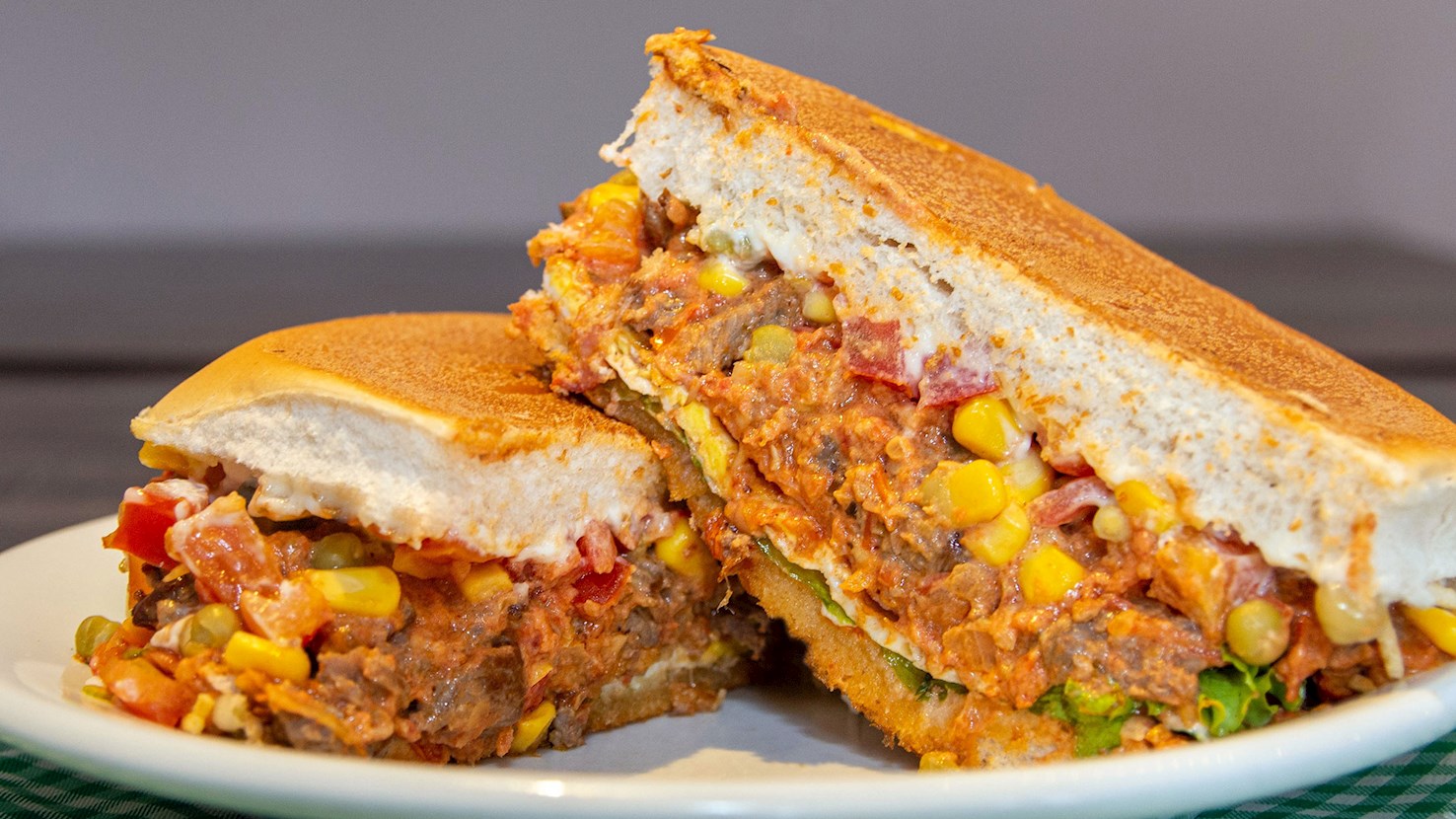
Xis gaúcho is an oversized, pressed sandwich originating from the state of Rio Grande do Sul in southern Brazil. It is physically distinguished by its large scale, typically measuring between 15 and 20 centimeters in diameter, and the use of a specific soft, slightly sweet bread roll known as "pão de xis." Unlike standard cheeseburgers, the xis gaúcho contains a wide variety of integrated fillings including meat, corn, peas, mayonnaise, lettuce, tomato, and a fried egg, all of which are compacted into a flat, circular disc through a mechanical pressing process. It serves as a central element of the urban food culture in cities like Porto Alegre, Caxias do Sul, and Santa Maria, functioning as a complete, high-calorie meal rather than a light snack. The emergence of the xis gaúcho is linked to the evolution of fast food in southern Brazil during the 1970s and 1980s, where local snack bars, or "lancherias," adapted the North American cheeseburger to suit regional appetites and the availability of local ingredients. The phonetic name "xis" is a Portuguese transliteration of the English word "cheese," but the preparation diverged from its source material by expanding the diameter of the bun and increasing the volume of cold and hot fillings. This adaptation was driven by a logistical need to provide a portable yet substantial meal for the working populations of expanding Gaúcho cities. By 2026, the xis has remained a stable cultural staple, resisting the trend of smaller, standardized "gourmet" burgers in favor of its established regional dimensions and specific assembly methods. Preparation begins with the selection of a protein base, which can range from a ground beef patty to chopped steak, chicken, or "coração de galinha" (chicken hearts). The meat is grilled on a large flat-top griddle alongside a fried egg and often a slice of ham. The pão de xis is halved and layered with a significant quantity of mayonnaise, followed by canned corn, canned peas, shredded lettuce, and tomato slices. Once the hot proteins and melted cheese are added, the entire sandwich is closed and placed inside a heavy industrial sandwich press, or "prensa." The heat and pressure from the press toast the exterior of the bun while fusing the internal ingredients into a singular, cohesive layer that prevents the fillings from falling out during consumption. The sandwich is eaten by hand, often wrapped in a thin paper sleeve or plastic bag to manage the residual heat and mayonnaise. It is a dominant choice for late-night dining and is almost exclusively paired with chilled Fruki Guaraná, a regional soda, or a cold lager beer, both of which provide a carbonated contrast to the dense, savory fats of the sandwich. For a non-carbonated option, freshly squeezed orange juice is a common accompaniment. In the northern parts of the state, it is occasionally consumed alongside chimarrão (yerba mate), though the temperature difference between the hot tea and the hot sandwich usually dictates they are consumed sequentially rather than simultaneously.

Read more
View all
View map
About this ranking

TasteAtlas food rankings are based on the ratings of the TasteAtlas audience, with a series of mechanisms that recognize real users and that ignore bot, nationalist or local patriotic ratings, and give additional value to the ratings of users that the system recognizes as knowledgeable. For the “Top 29 Sul-riograndense Foods” list until June 02, 2026, 908 ratings were recorded, of which 626 were recognized by the system as legitimate. TasteAtlas Rankings should not be seen as the final global conclusion about food. Their purpose is to promote excellent local foods, instill pride in traditional dishes, and arouse curiosity about dishes you haven’t tried.

The initial list of top producers was compiled based on available reviews, awards, local recommendations, media and blog coverage, and consumer reviews. The list will be updated with ratings from TasteAtlas local ambassadors and TasteAtlas users.

Similar lists