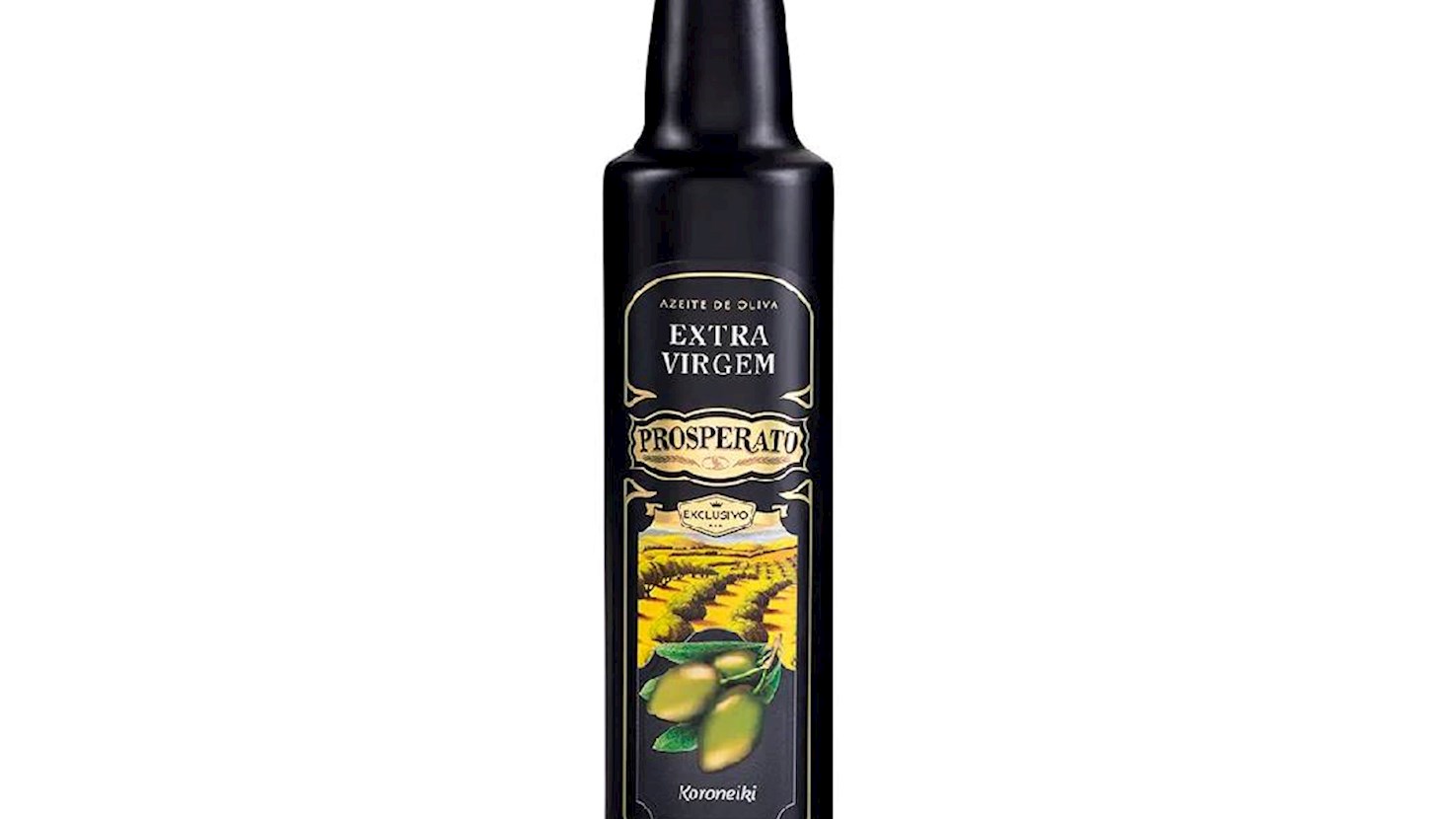
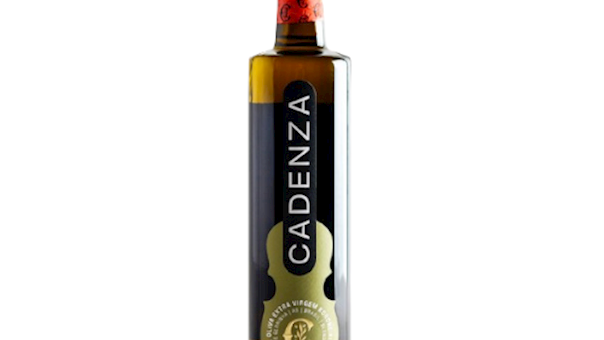
Prosperato is a pioneer and the most awarded producer of extra virgin olive oil in Brazil, born from the vision of creating world-class oils in the southern lands of Rio Grande do Sul. From the first seedlings to the final bottle, every stage of production is carefully overseen, ensuring absolute freshness, low acidity, and a rich spectrum of natural aromas.
The olives are harvested at the perfect point of ripeness and processed within just one hour, preserving valuable polyphenols and the distinctive character of each variety.
This blend of passion, expertise, and modern technology has earned Prosperato numerous international awards and positioned it as the producer that elevated Brazilian olive oil to global recognition.
More than a culinary ingredient, Prosperato oils are a true expression of dedication, excellence, and respect for nature.
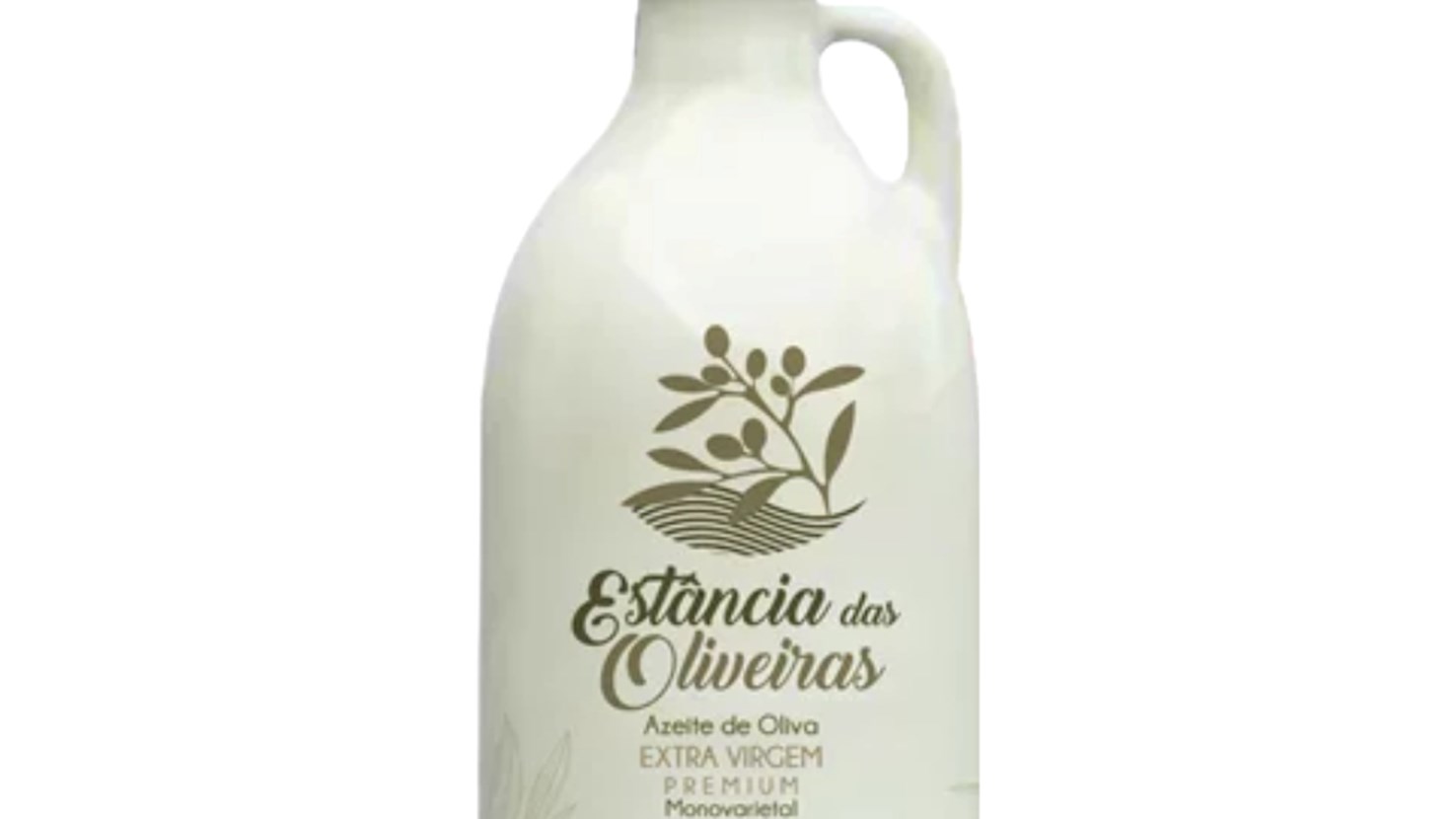
Estância das Oliveiras is a Brazilian producer of extra virgin olive oil located in the southern state of Rio Grande do Sul. The farm focuses on sustainable agricultural practices and integrates livestock with olive cultivation to maintain soil health.
The company also offers guided tours and tastings for visitors to learn more about their production process.
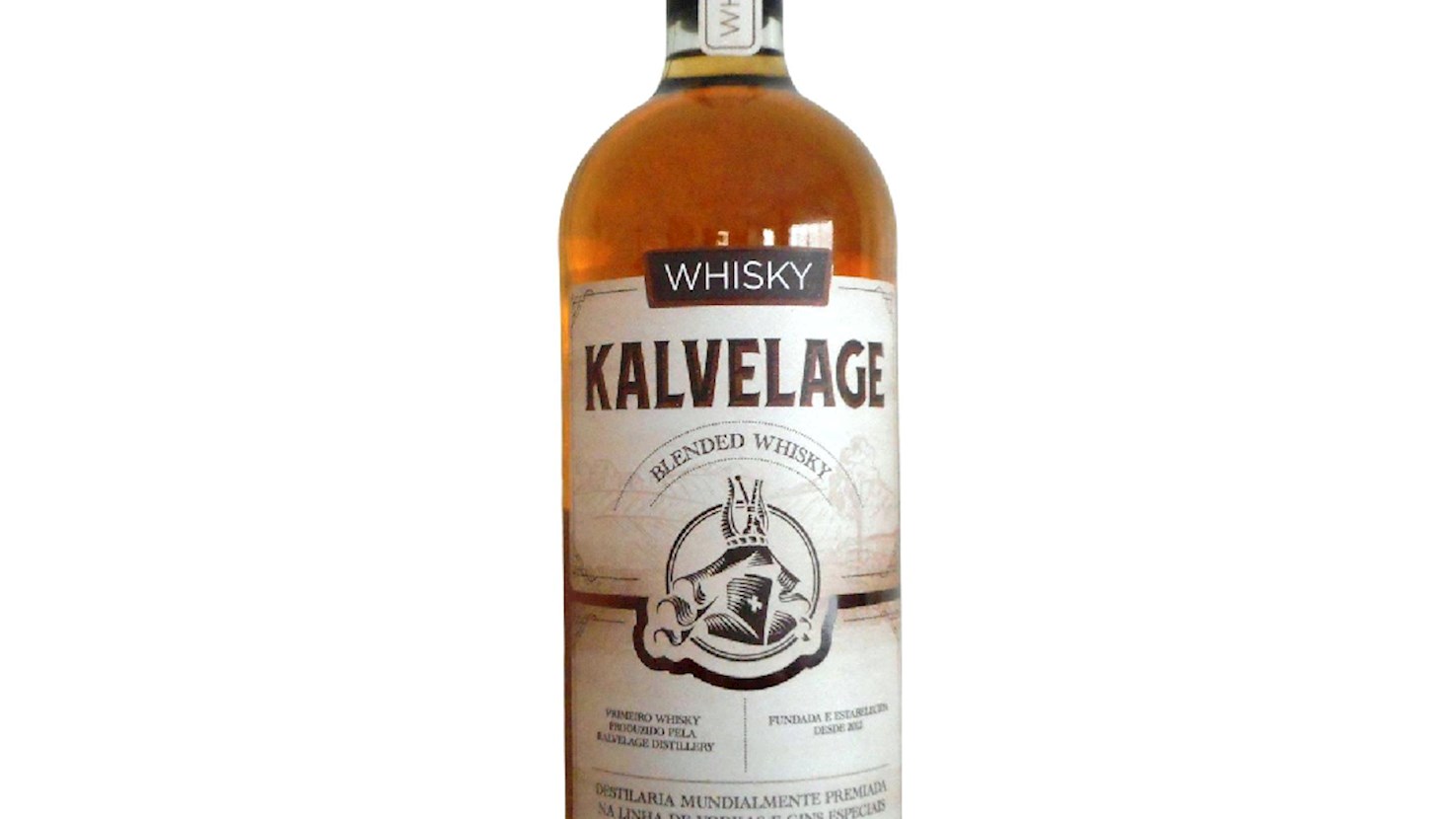
Kalvelage Distillery, founded in 2012 by brothers Marcos and Maurício Kalvelage in Blumenau, Santa Catarina, Brazil, is renowned for producing high-quality spirits. Their product line includes premium vodkas, such as Kalvelage Vodka, Kalvelage Oak Vodka, and Kalvelage Vibe, along with a London Dry Gin.
The distillery uses 100% grains in their production, implementing custom distillation and advanced filtration techniques to ensure top quality. Kalvelage was also the first in Brazil to produce vodka with American oak extract and to introduce a 5-liter Bag-in-Box packaging option.
Awards
NYWSC - New York World Spirits Competition - Double Gold
(2023)
SFWSC - San Francisco World Spirits Competition - Double Gold
(2023)
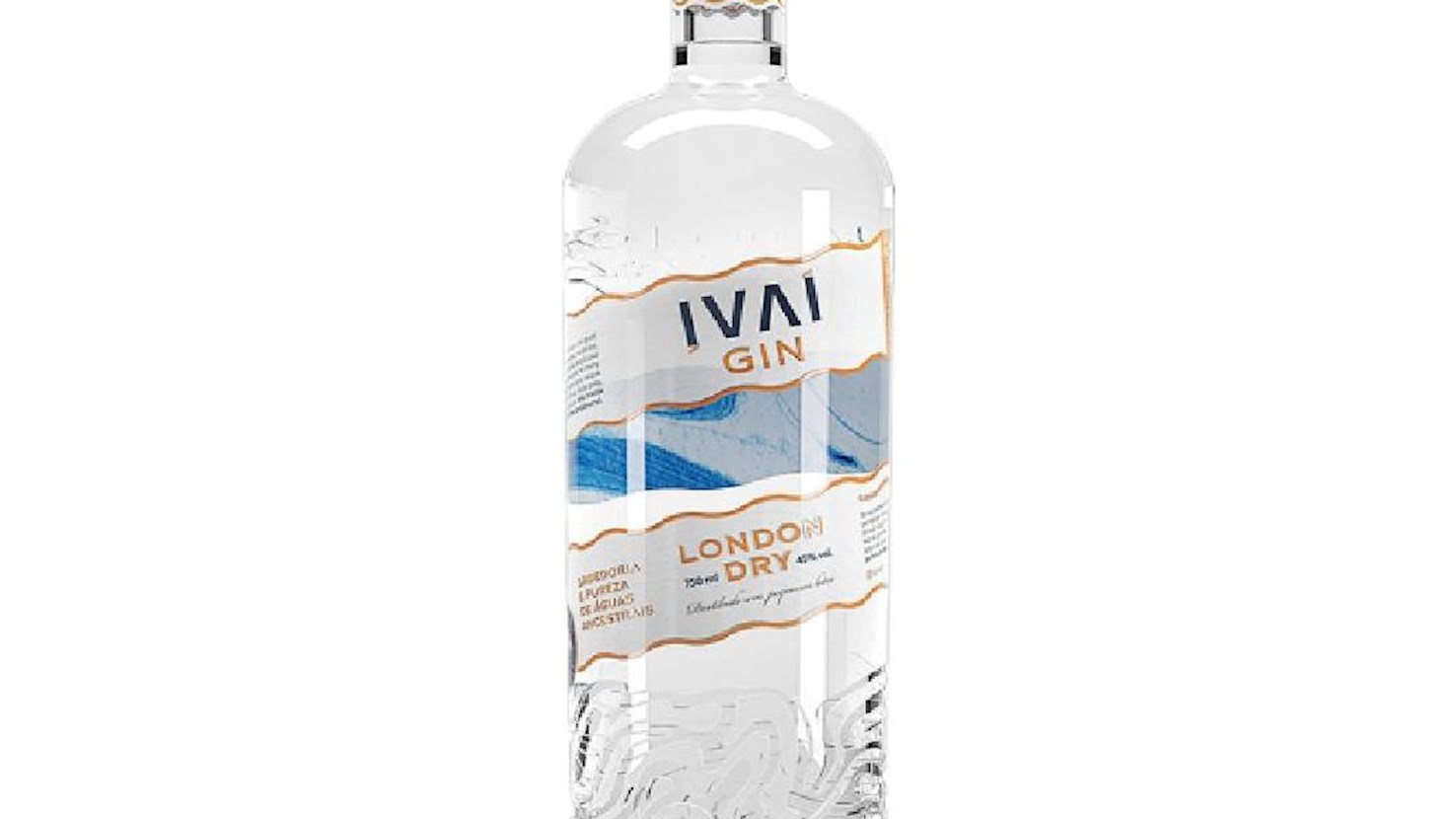
Ivaí Gin is an artisanal Brazilian gin that harmoniously blends traditional London Dry Gin characteristics with native Brazilian botanicals, capturing the essence of the Ivaí River's ancestral waters. Produced by Destilaria Água da Glória, located in São João do Ivaí, Paraná, this gin is crafted using a state-of-the-art distillery designed to maximize efficiency and sustainability, while preserving the best aspects of traditional distillation methods.
The distillery is notable for being Brazil's first carbon-negative gin producer, utilizing 100% renewable energy and employing fully recyclable materials for bottling and packaging.
Awards
SFWSC - San Francisco World Spirits Competition - Double Gold
(2023)
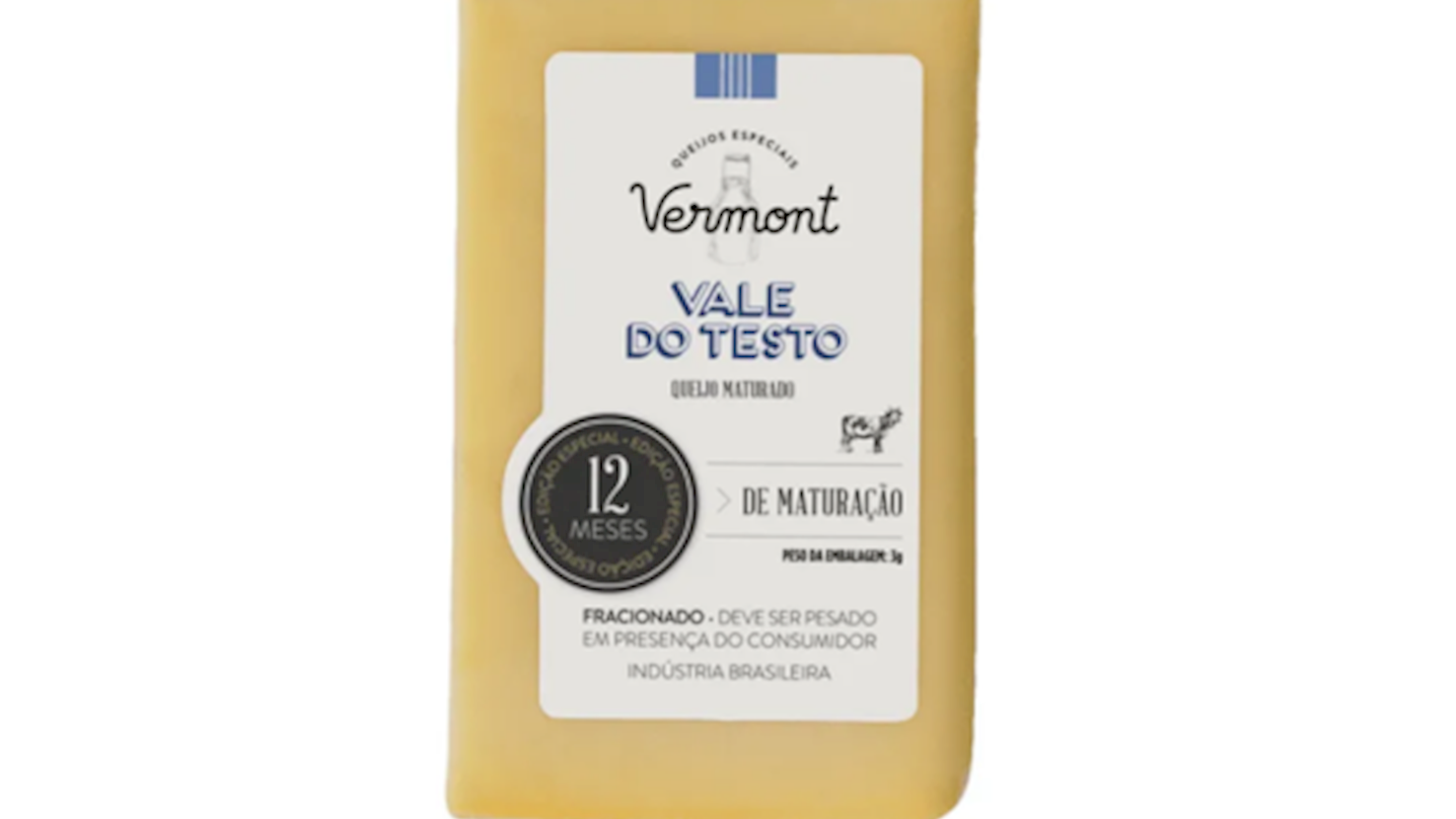
Pomerode Alimentos is a food producer located in Pomerode, Brazil, known for its focus on dairy products, including cheese. The company emphasizes the use of traditional German techniques, reflecting the strong German heritage of the region.
Pomerode Alimentos operates within the regulatory frameworks of Brazilian food safety and quality standards.
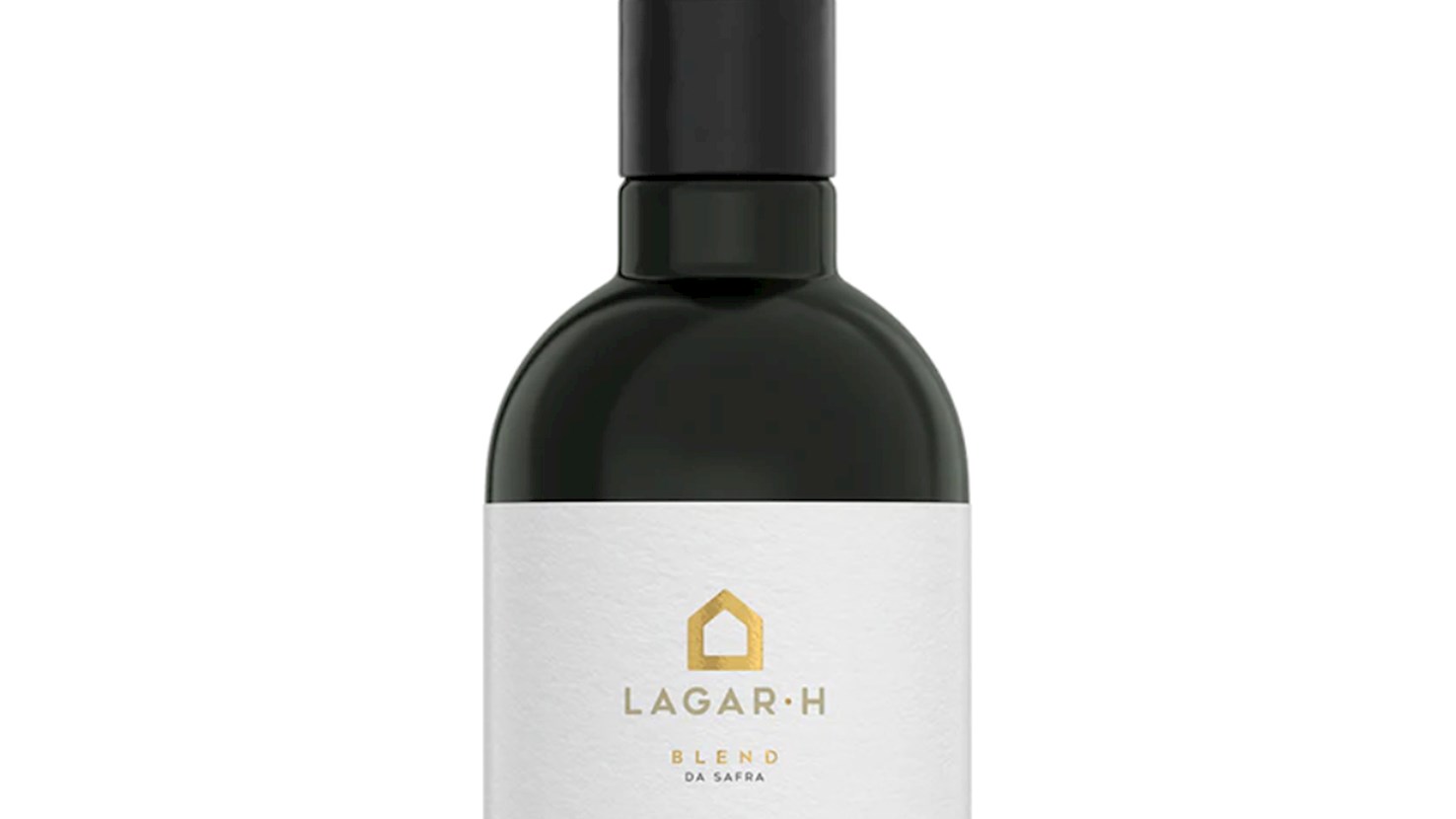
Lagar H Agroindústria is an olive oil producer located in Cachoeira do Sul, Brazil. The company specializes in the cultivation and processing of olives for the production of high-quality olive oil.
It operates advanced facilities and employs modern techniques to ensure superior oil extraction.
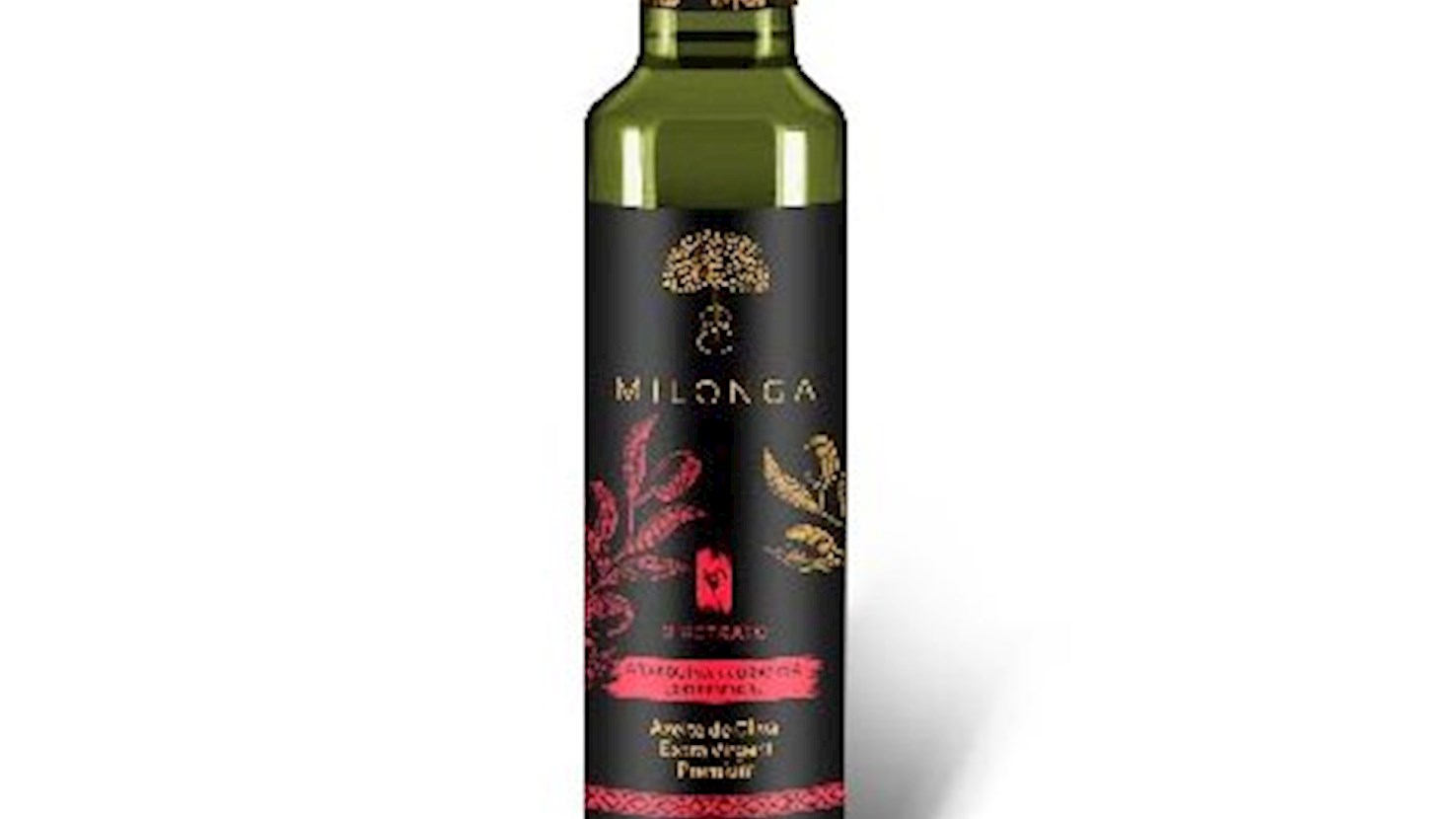
AZEITE MILONGA is an olive oil producer based in Rio Grande do Sul, Brazil. The company specializes in the cultivation of olive trees and the production of high-quality extra virgin olive oil.
They focus on sustainable farming practices and careful processing to maintain the integrity and flavor of their oil. Their product range includes various types of olive oil, each with distinct flavor profiles.
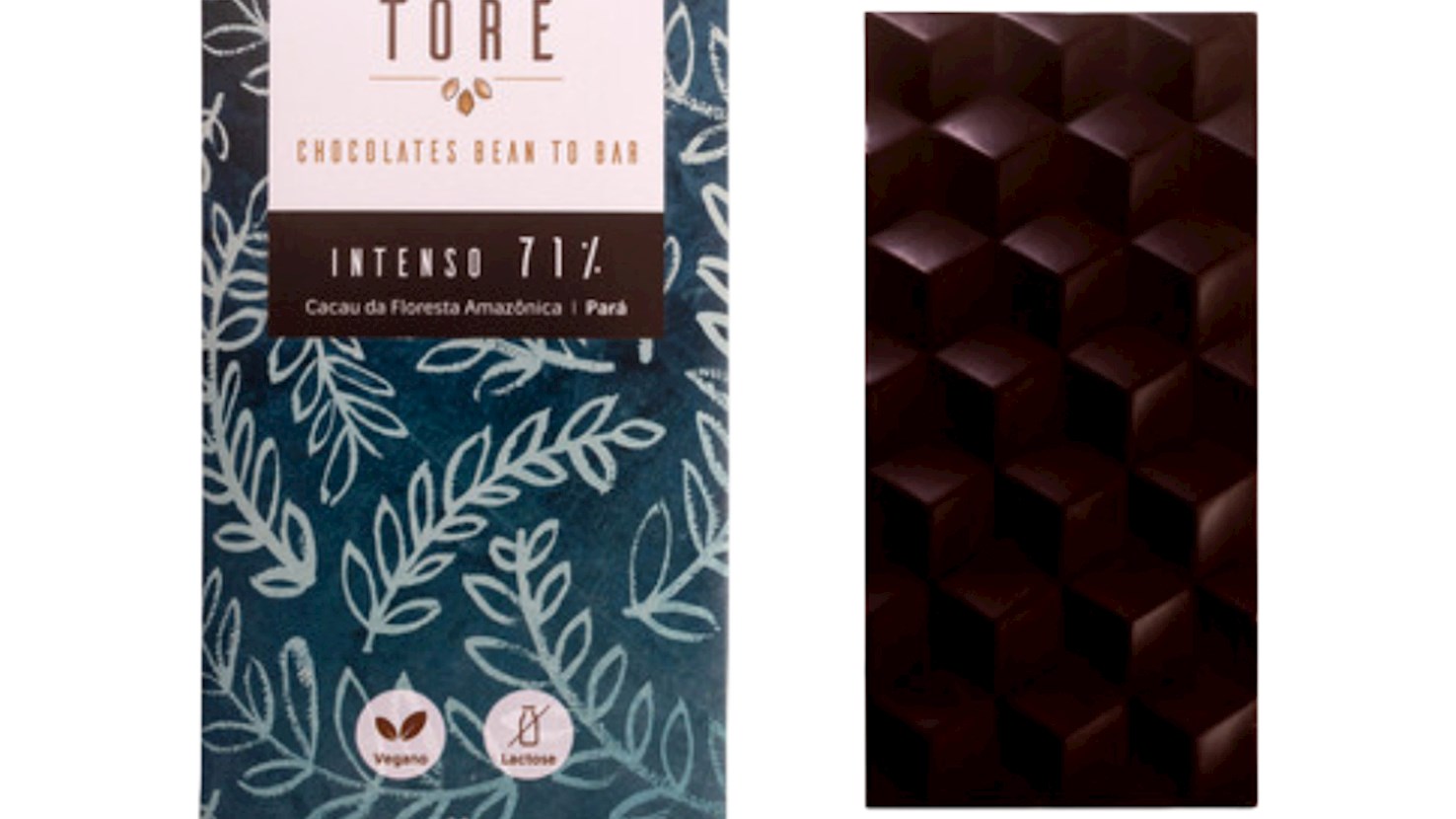
Toré Chocolates is a chocolate producer based in Florianópolis, Brazil. The company focuses on creating high-quality, artisanal chocolates using locally sourced ingredients.
Toré Chocolates is known for its commitment to sustainable practices and supports local farming communities. The product line includes a variety of dark, milk, and specialty chocolates, often highlighting unique Brazilian flavors.
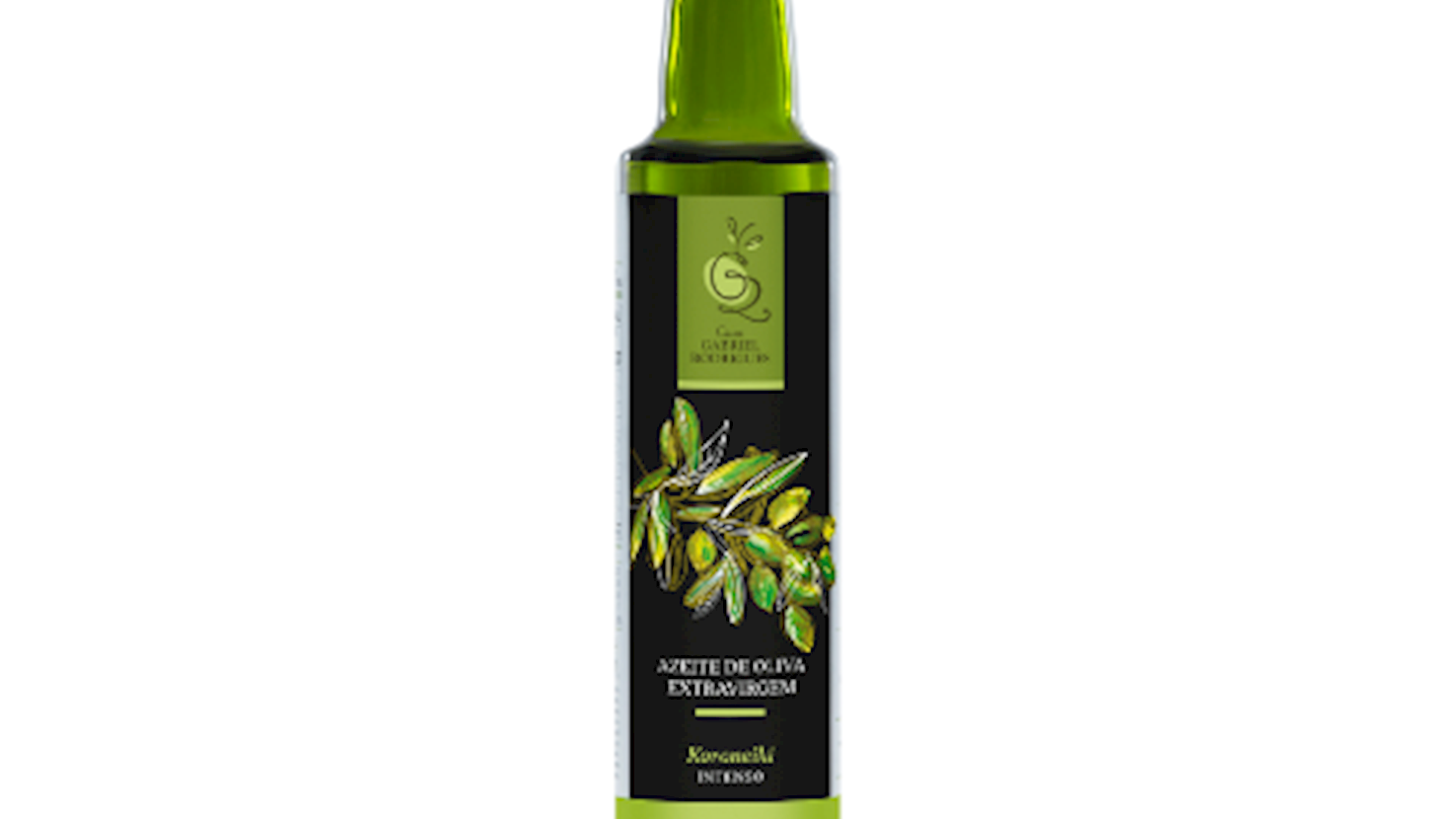
Casa Gabriel Rodrigues is a family estate and producer of extra virgin olive oil from Brazil, located in São Gabriel, in the state of Rio Grande do Sul. Founded in 2010, the mill continues the tradition of the Rodrigues da Cunha family, with their ancestor Gabriel José Rodriguez serving as the inspiration for the brand’s name.
The olive groves are situated on the Fazenda Passo do Jacaré estate, where varieties such as Arbequina, Koroneiki, and Picual are cultivated. Harvesting is carried out by hand, using vibrating rakes to preserve the quality of each fruit.
The milling process takes place in a modern two-phase system, which ensures the preservation of the oil’s aromatic and nutritional richness. Casa Gabriel Rodrigues also invests in the development of additional products such as soaps, candles, and essential oils, making use of olive by-products.
The brand’s philosophy is based on combining tradition and innovation, with the goal of expanding production while maintaining its family identity. Beyond the Brazilian market, the brand is increasingly oriented toward international customers.
Through its commitment to quality, sustainability, and innovation, Casa Gabriel Rodrigues has established itself as one of the leading olive oil producers not only in Brazil but also beyond.
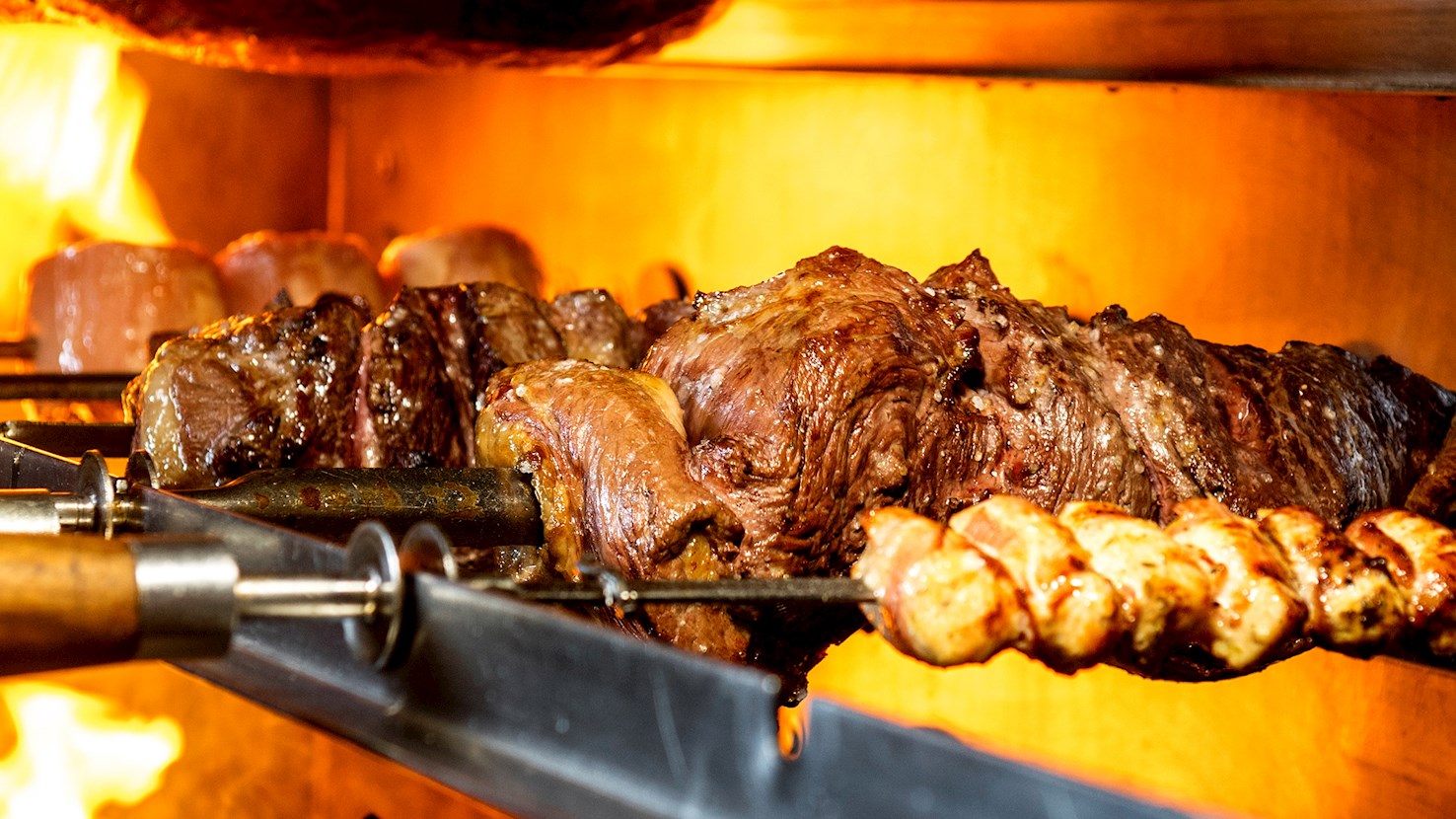
Churrasco is a Brazilian barbecue method where juicy pieces, slices, steaks, and chops of beef, veal, lamb, pork, and chicken are placed on big skewers and grilled over wood fire. It started in the early 1800s when the Gauchos (European immigrants that settled in the Rio Grade do Sul area) would get together and start a fire, adding large portions of meat on skewers and slowly grilling the meat. In the restaurants, known as churrascarias, the skewers are paraded across the restaurant in a flashy manner, and the waiters circulate among the tables in order to show off the succulent meat to hungry diners. After the customers have chosen their preferred type of meat, it is sliced off the skewers to the dining plates. Also known as rodízio, the theme of this barbecue experience is all you can eat, so the customers should know to come with an empty stomach. Beef is the most popular option, although livers and hearts are especially rich and chewy. In Brazil, the meat will often be from the zebu, a succulent, lean breed of cattle with a hump that's especially popular in churrasco as a cut of meat called cupim. Churrasco starts with appetizers and a variety of salads offered from a big buffet, as a preview of things to come. The usual accompaniments for the meat include farofa grains, rice, fried potatoes, potato salad, steamed greens, black beans, onions, fried bananas, and numerous chili-based sauces. After the big meal, it is typical to consume grilled pineapple slices, serving as a palate cleanser as well as a tasty dessert. Churrasco (lit. barbecue) is also popular as a cooking method in countries such as Nicaragua, Puerto Rico, Argentina, Uruguay, Ecuador, Guatemala, and Chile, and each country has their own favorite cuts of meat and accompaniments for this popular barbecue style.
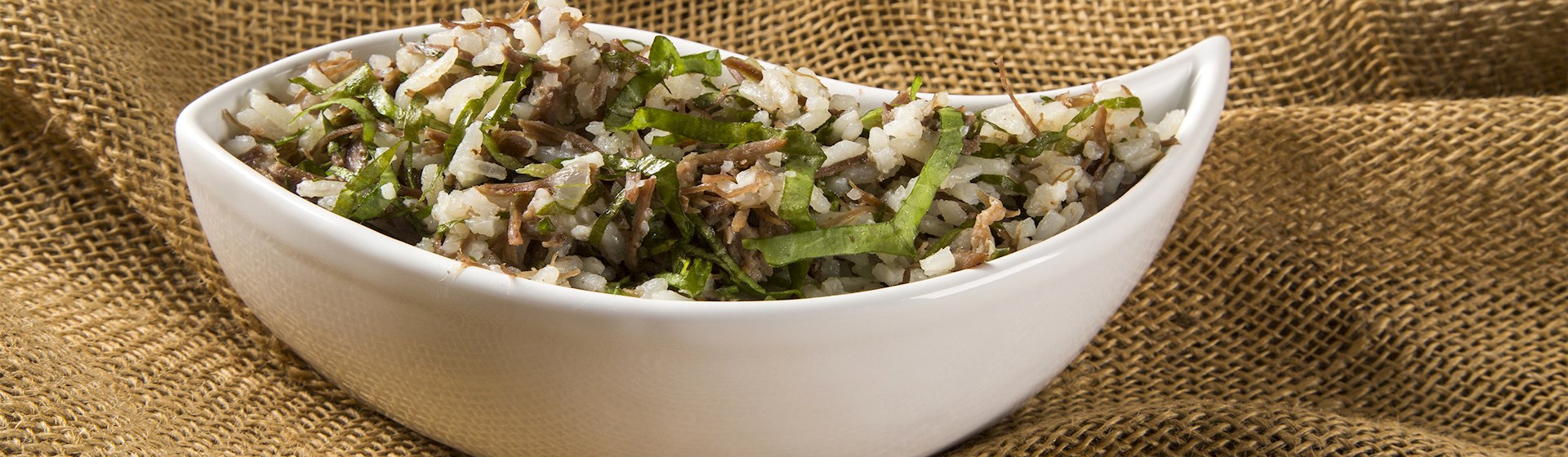
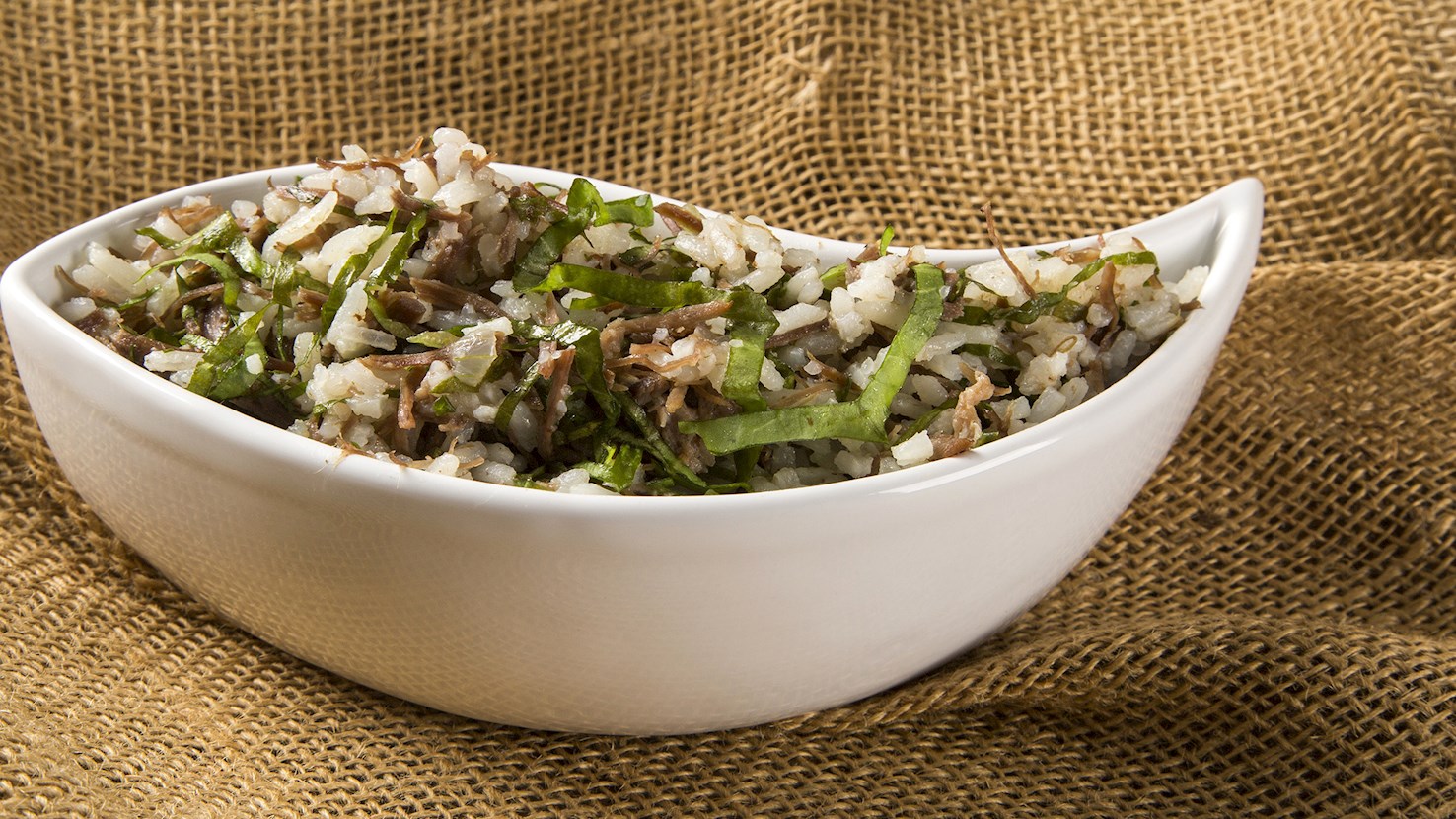
Arroz carreteiro or wagoner's rice is a hearty rice and meat dish hailing from the south of Brazil. Originally, it was prepared by gauchos who needed a nutritious meal on their travels. Back then, arroz carreteiro was made with dried beef, but today it can be made with either charqui or leftovers from barbecues. Other ingredients include onions, sausages, bell peppers, garlic, oil, and parsley. When served, arroz carreteiro is often topped with grated parmesan.
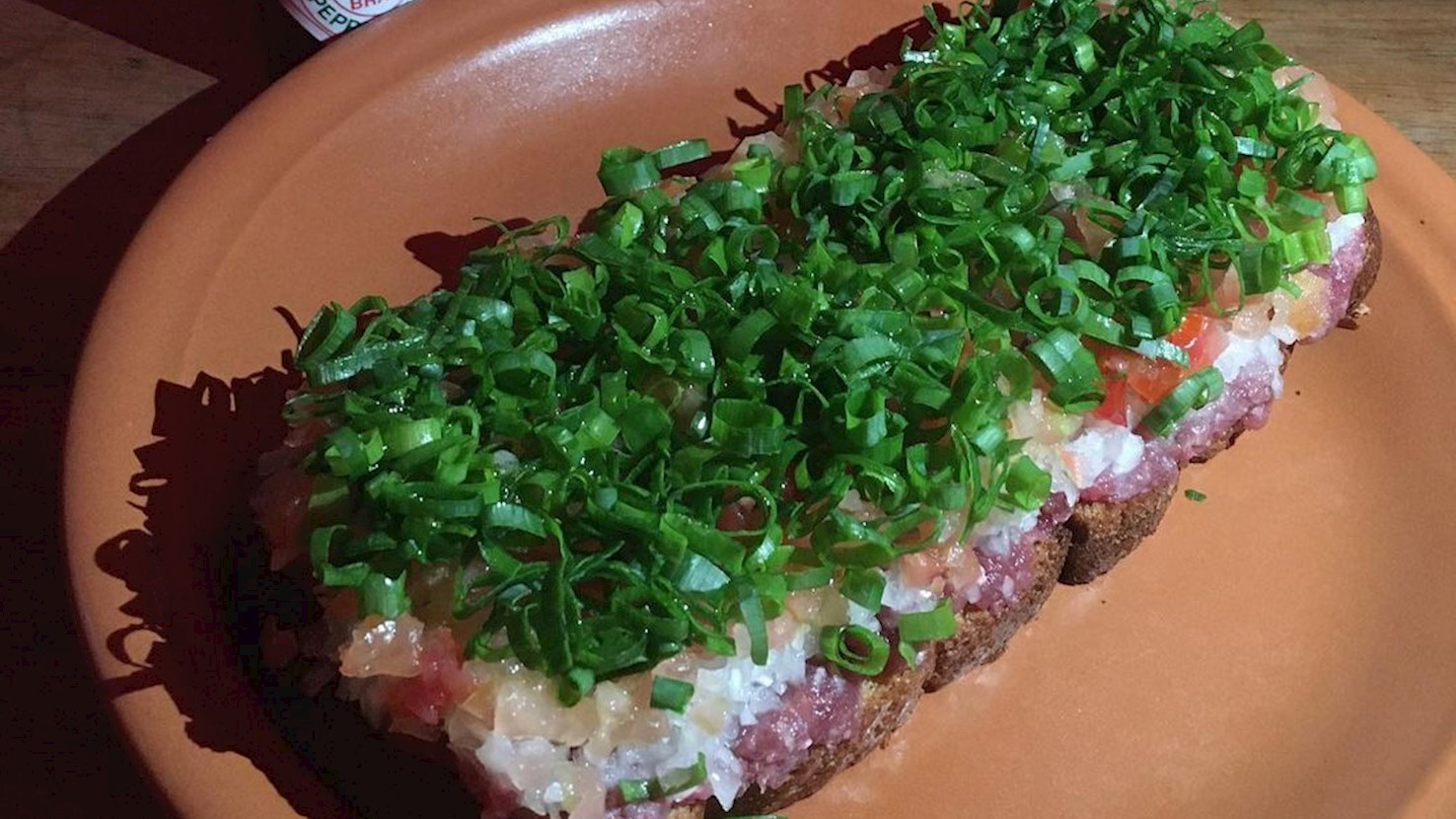
Carne de onça is a traditional dish originating from Curitiba, where it's been served since 1953. It's also the town's official dish, a type of beef tartare made with a combination of minced beef, garlic, onions, chives, olive oil, Cognac, chili powder, and sweet paprika powder. The minced beef is flattened, drizzled with Cognac, seasoned, and mixed with the remaining ingredients. Once done, the resulting mixture is usually shaped into a flat rectangle, and it's then served with toasted bread, mustard, and butter. The name of the dish means jaguar meat, referring to the Brazilian cat known as onça, because it's said that after eating the dish, you'll have the breath of the onça, a reference to the pungent ingredients used to prepare it.
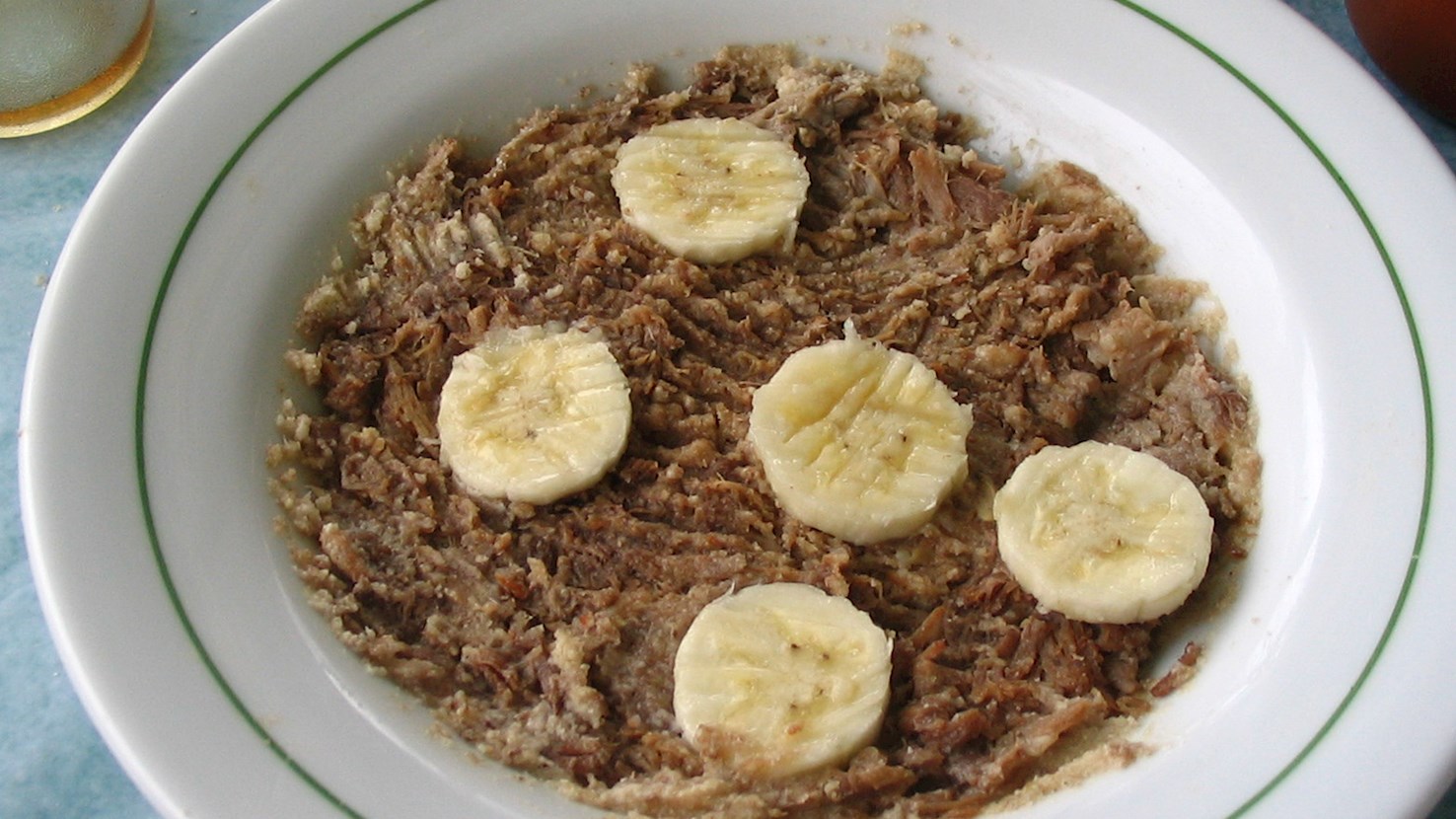
Barreado is a Brazilian Carnival staple dish originating from the state of Paraná. This hearty stew is made with beef (usually second-grade cuts of tougher meat with lots of fat), onions, tomatoes, beef bouillon, cumin, bay leaves, and fried bacon. The ingredients are placed in a clay pot, and then water is added until all the ingredients are covered. The clay pot is traditionally sealed with a ring of dough made from manioc flour and wheat flour. Once prepared, the stew is left to simmer over a low flame anywhere from 12 to 48 hours, resulting in extremely tender meat that falls apart. The name of the dish means covered in mud, referring to the seal of dough on the clay pot. Barreado is usually served over manioc flour to form a gravy, and it is accompanied by rice and sliced bananas.
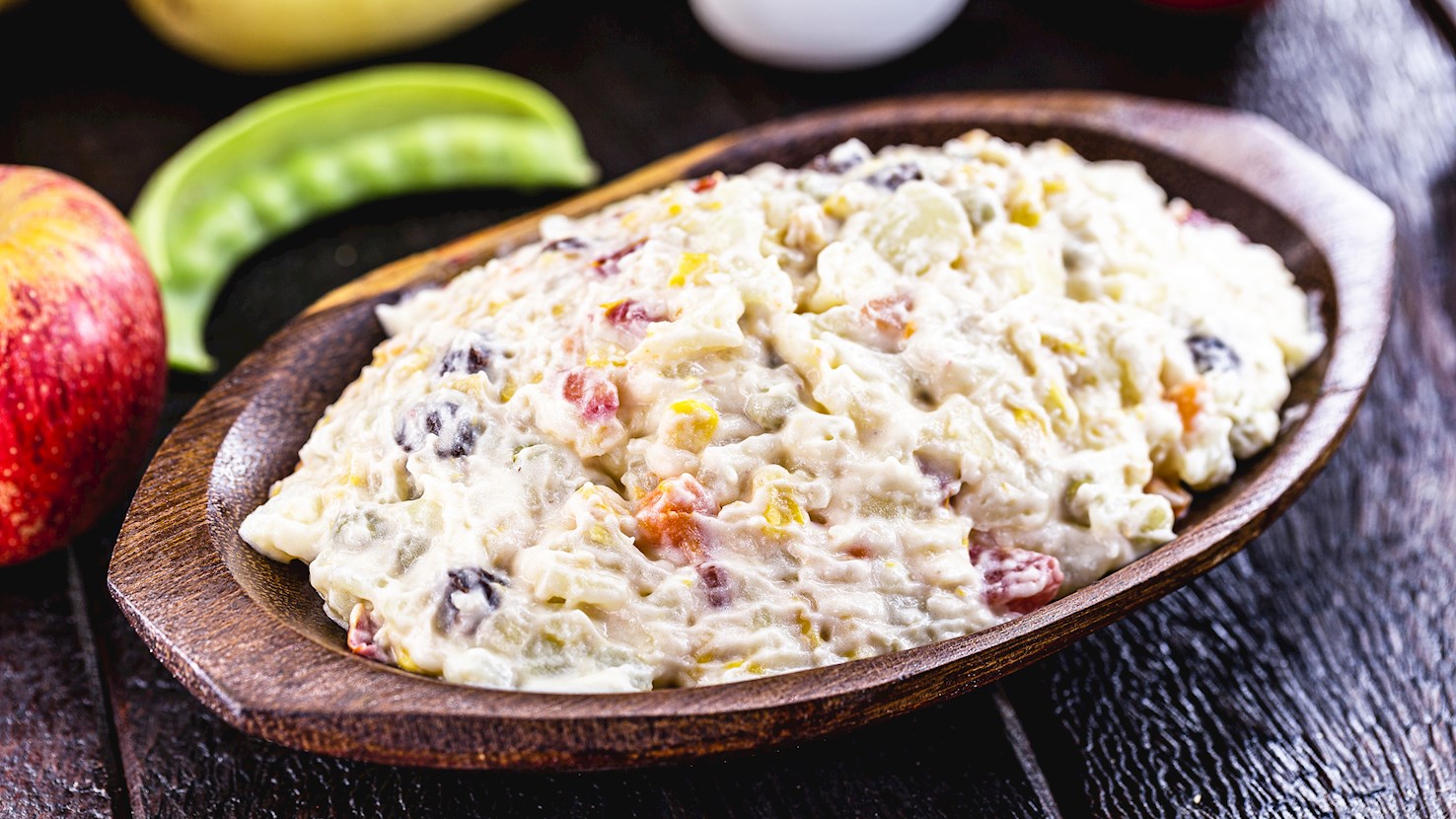
Salada de maionese is a Brazilian salad that's traditionally served with churrasco barbecue. It's also known as Gaúcho potato salad since it was invented by Gaúchos, Brazilian cowboys. The salad is made with a combination of potatoes, carrots, peas, corn on the cob, thinly sliced green apples, raisins, and mayonnaise. The potatoes, carrots, and corn are cooked until soft, yet firm. The carrots and potatoes are cut into cubes, while the corn kernels are sliced from the cob and the peas are simply blanched in boiling water. The ingredients are mixed with apples, raisins, and mayonnaise until well combined, and the salad is ready to be served alongside nicely barbecued pieces of churrasco meat.
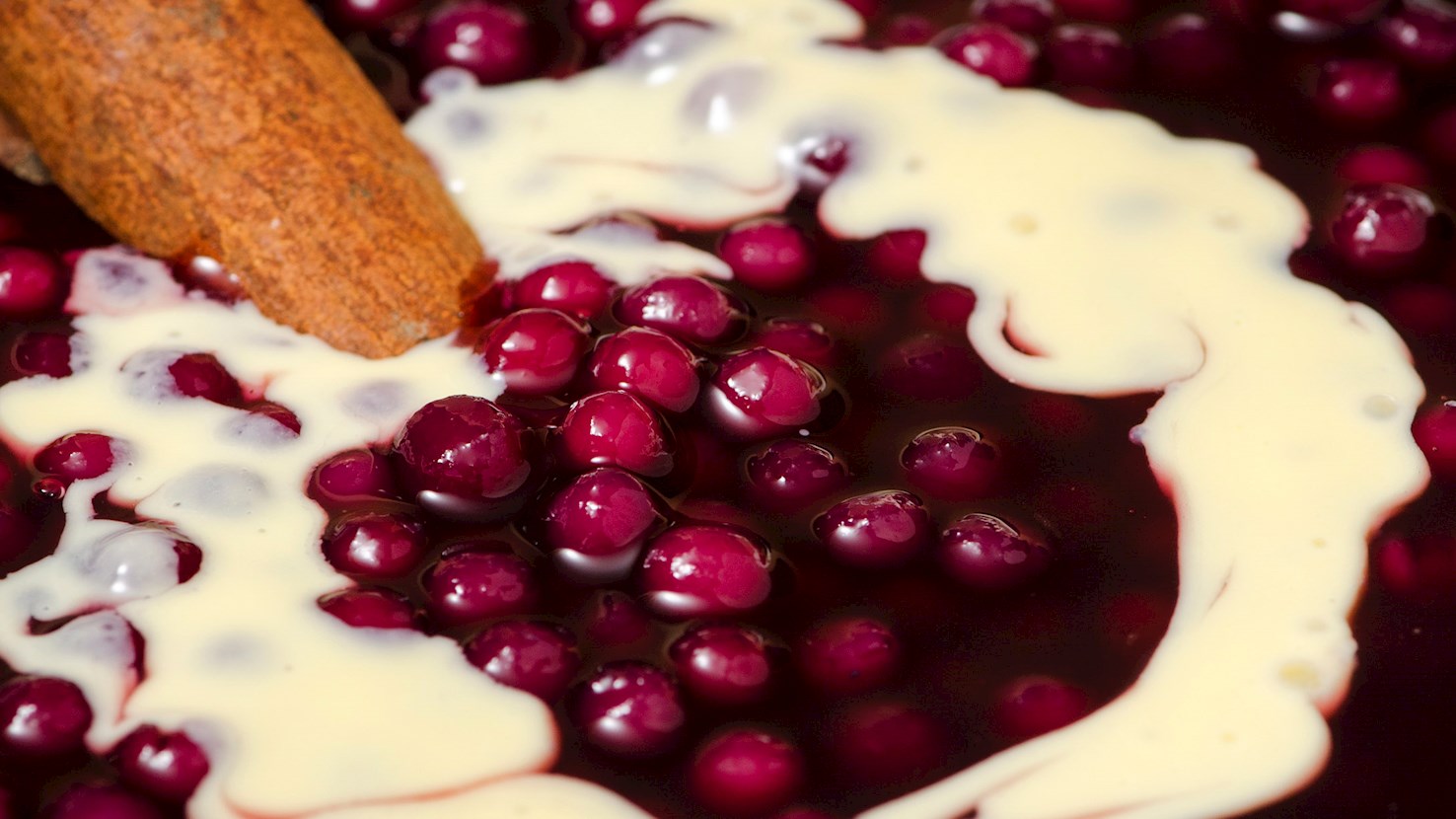
Sagu is an unusual Brazilian alcohol-infused dessert made with cassava, one of the oldest starch sources found in South America. This sweet concoction is made with tapioca pearls – round-shaped, chewy ingredients gained from tapioca starch. To prepare sagu, the pearls are cooked in wine until all of the liquid is absorbed and the pearls turn dark red. Occasionally, wine is mixed with an equal amount of grape juice, which makes this interesting dessert sweeter and less alcoholic. The wine is usually infused with cinnamon and cloves in order to add extra flavor to the dish. Most commonly, sagu is consumed plain and served in individual portions. However, it is also a perfect complement to creamy desserts such as cheesecake or vanilla custards. Although tapioca pearls can be made at home, sagu is most commonly prepared with the store-bought variety.
Bijajica is a traditional cookie with indigenous origins, and it's especially popular in Santa Catarina. It's made with a combination of peanuts, cassava, sugar, cloves, fennel, and cinnamon. Traditionally, the Guarani people grind the peanuts in wooden pestles and dry the cassava in tipiti, a braided straw vessel. After the ingredients have been mixed together, the concoction is wrapped in banana leaves and steamed or roasted over flames.
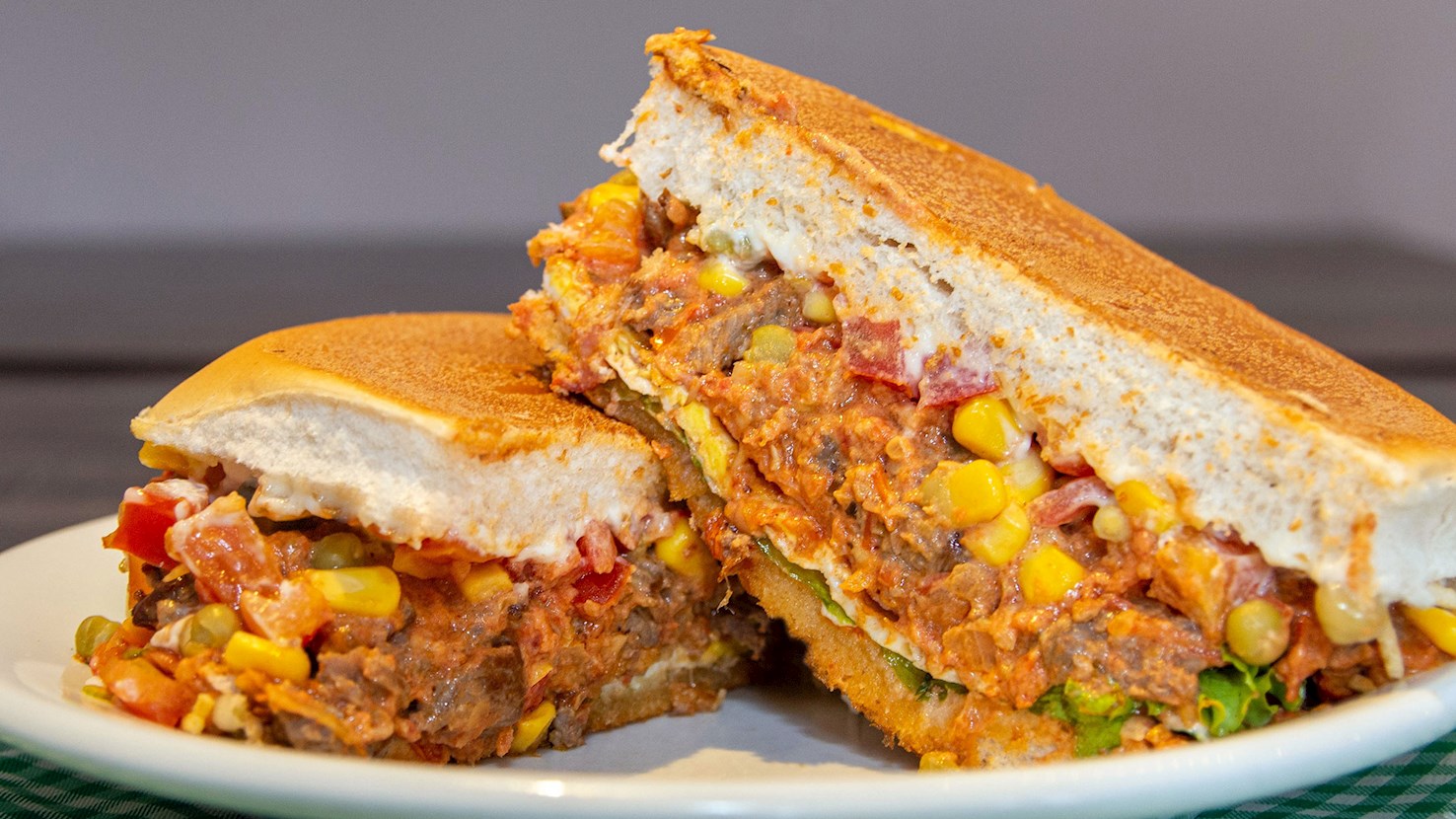
Xis gaúcho is an oversized, pressed sandwich originating from the state of Rio Grande do Sul in southern Brazil. It is physically distinguished by its large scale, typically measuring between 15 and 20 centimeters in diameter, and the use of a specific soft, slightly sweet bread roll known as "pão de xis." Unlike standard cheeseburgers, the xis gaúcho contains a wide variety of integrated fillings including meat, corn, peas, mayonnaise, lettuce, tomato, and a fried egg, all of which are compacted into a flat, circular disc through a mechanical pressing process. It serves as a central element of the urban food culture in cities like Porto Alegre, Caxias do Sul, and Santa Maria, functioning as a complete, high-calorie meal rather than a light snack. The emergence of the xis gaúcho is linked to the evolution of fast food in southern Brazil during the 1970s and 1980s, where local snack bars, or "lancherias," adapted the North American cheeseburger to suit regional appetites and the availability of local ingredients. The phonetic name "xis" is a Portuguese transliteration of the English word "cheese," but the preparation diverged from its source material by expanding the diameter of the bun and increasing the volume of cold and hot fillings. This adaptation was driven by a logistical need to provide a portable yet substantial meal for the working populations of expanding Gaúcho cities. By 2026, the xis has remained a stable cultural staple, resisting the trend of smaller, standardized "gourmet" burgers in favor of its established regional dimensions and specific assembly methods. Preparation begins with the selection of a protein base, which can range from a ground beef patty to chopped steak, chicken, or "coração de galinha" (chicken hearts). The meat is grilled on a large flat-top griddle alongside a fried egg and often a slice of ham. The pão de xis is halved and layered with a significant quantity of mayonnaise, followed by canned corn, canned peas, shredded lettuce, and tomato slices. Once the hot proteins and melted cheese are added, the entire sandwich is closed and placed inside a heavy industrial sandwich press, or "prensa." The heat and pressure from the press toast the exterior of the bun while fusing the internal ingredients into a singular, cohesive layer that prevents the fillings from falling out during consumption. The sandwich is eaten by hand, often wrapped in a thin paper sleeve or plastic bag to manage the residual heat and mayonnaise. It is a dominant choice for late-night dining and is almost exclusively paired with chilled Fruki Guaraná, a regional soda, or a cold lager beer, both of which provide a carbonated contrast to the dense, savory fats of the sandwich. For a non-carbonated option, freshly squeezed orange juice is a common accompaniment. In the northern parts of the state, it is occasionally consumed alongside chimarrão (yerba mate), though the temperature difference between the hot tea and the hot sandwich usually dictates they are consumed sequentially rather than simultaneously.
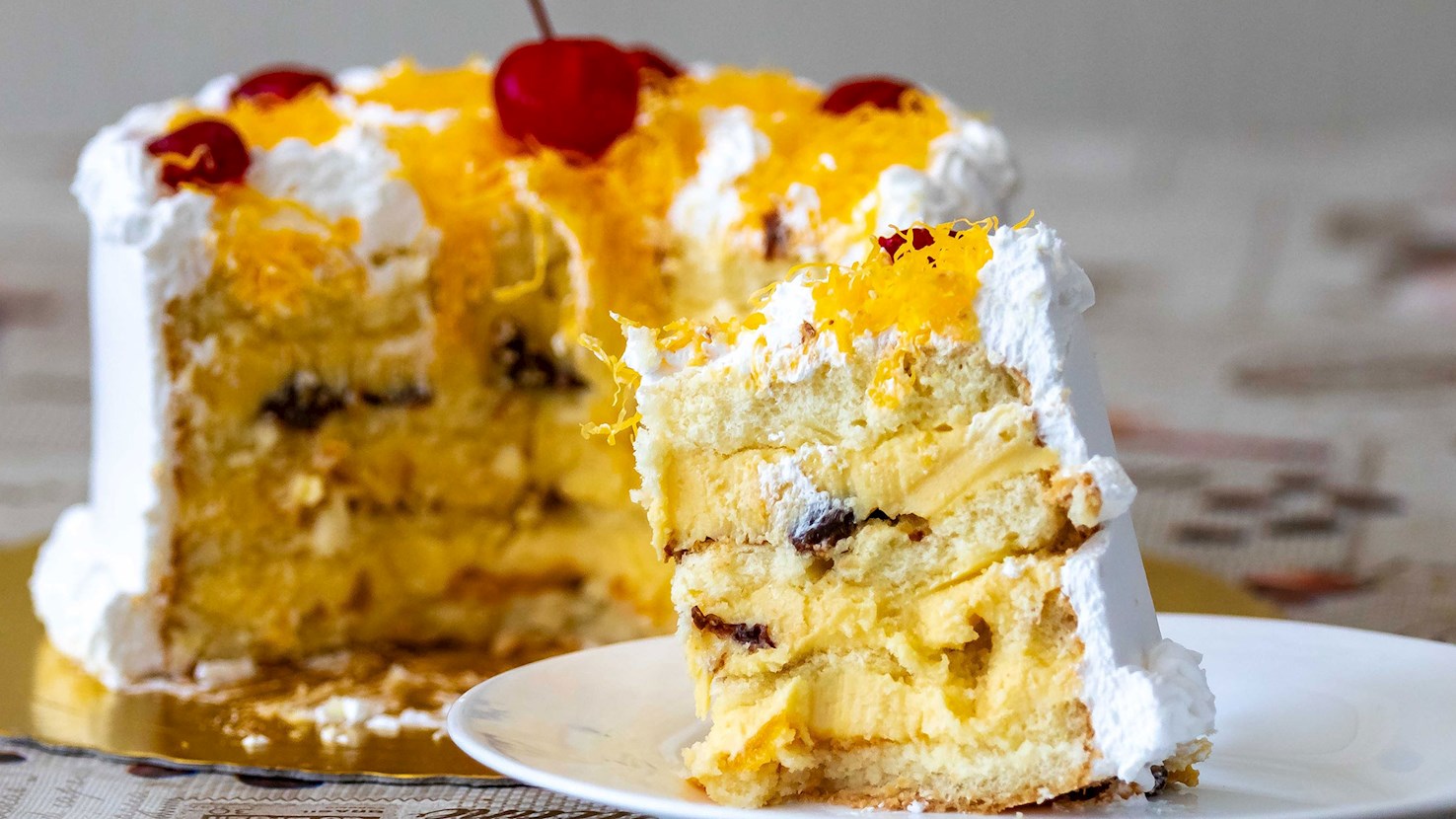
Marta Rocha, also known as Bolo Marta Rocha, is a complex, multi-layered sponge cake originating from the state of Paraná. It is defined by its substantial height and a structured internal composition consisting of alternating layers of vanilla and chocolate sponge cake, egg-yolk cream, crushed nut praline, and a distinct layer of baked meringue. The ca was developed in the city of Curitiba during the mid-1950s by Dair da Costa Terzado, a local confectioner. Its creation served as a tribute to Maria Martha Hacker Rocha, the first winner of the Miss Brazil pageant in 1954, who famously lost the Miss Universe title that same year. Preparation requires the separate baking of two distinct sponge cakes (pão de ló): one flavored with vanilla and the other with cocoa powder. Between these bases, several specific fillings are integrated. The first is baba de moça, a dense, velvety cream made from egg yolks, sugar syrup, and coconut milk, which reflects the Portuguese influence on Brazilian confectionery. A second layer consists of a crunchy nut brittle, typically made by caramelizing granulated sugar and incorporating chopped walnuts. A unique structural element is the inclusion of a whole disc of baked meringue (suspiro), which provides a dry, airy contrast to the moist cake layers.A unique characteristic of the cake is its height, which was designed to represent the "two extra inches" on the hips of Martha Rocha that reportedly cost her the Miss Universe crown in a tie-breaker with Miss USA. To maintain this vertical stability, the cake is often assembled within an acetate collar and chilled for several hours before the final exterior coating of whipped cream is applied. The topping is frequently finished with fios de ovos (delicate, golden threads of egg yolk cooked in sugar syrup) and additional walnut halves. Marta Rocha is served at room temperature or slightly chilled and is a staple of celebratory events, particularly weddings and birthday parties in Southern Brazil. It is most frequently paired with a strong espresso or a cafezinho, as the bitterness of the coffee balances the high sugar concentration of the meringue and egg cream. In formal settings, it is also paired with Espumante, a Brazilian sparkling wine, which provides the necessary acidity to cut through the richness of the walnut praline and whipped cream.
TasteAtlas food rankings are based on the ratings of the TasteAtlas audience, with a series of mechanisms that recognize real users and that ignore bot,
nationalist or local patriotic ratings, and give additional value to the ratings of users that the system recognizes as knowledgeable.
For the “Top 39 Southern Brazilian Foods” list until October 21, 2026, 1,336 ratings were recorded, of which 918 were recognized by the system as legitimate.
TasteAtlas Rankings should not be seen as the final global conclusion about food. Their purpose is to promote excellent local foods,
instill pride in traditional dishes, and arouse curiosity about dishes you haven’t tried.
The initial list of top producers was compiled based on available reviews, awards, local recommendations, media and blog coverage, and consumer reviews.
The list will be updated with ratings from TasteAtlas local ambassadors and TasteAtlas users.







What People Say