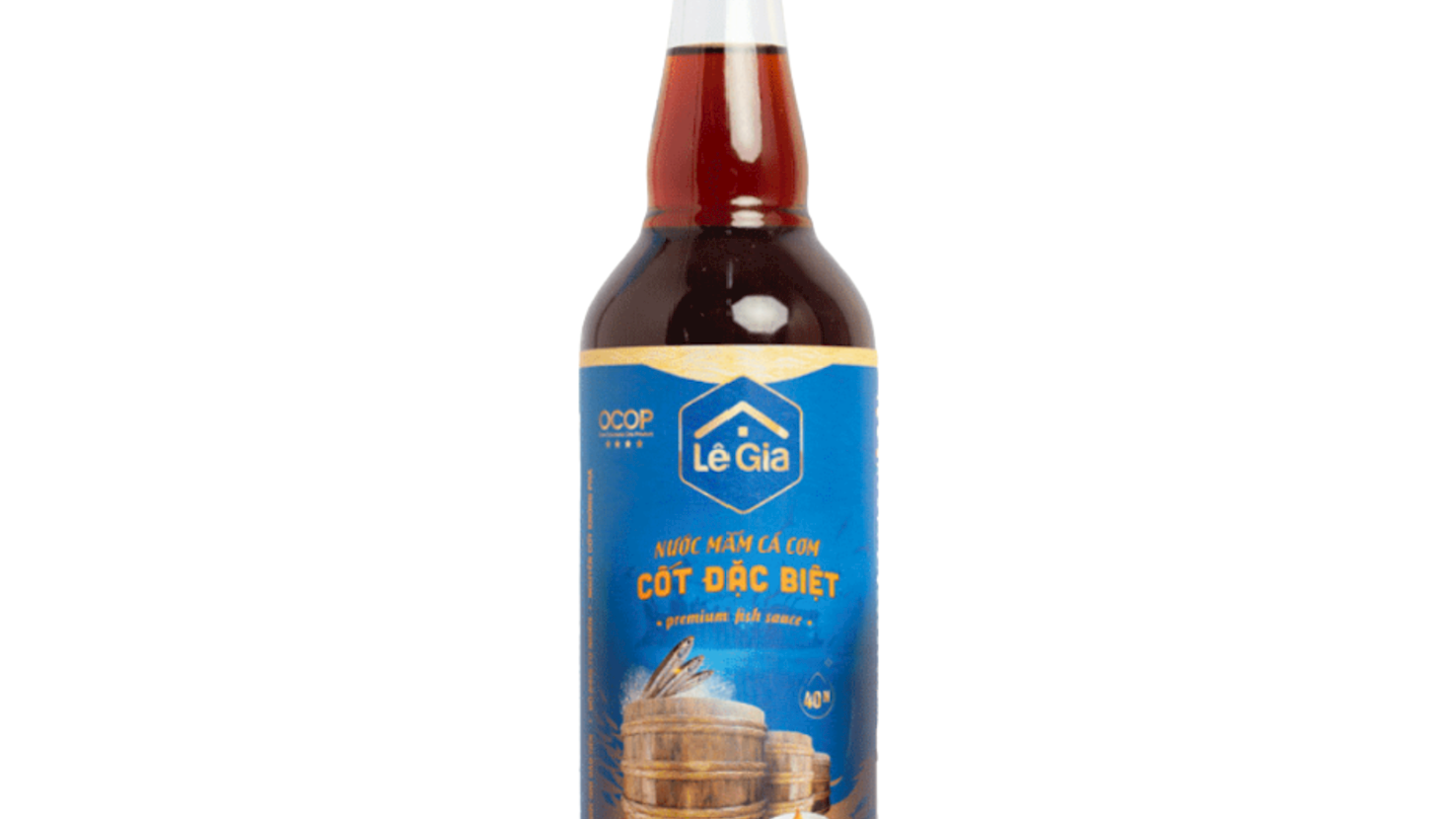
Lê Gia is a Vietnamese producer of traditional fermented condiments based in the coastal district of Hoằng Hóa in Thanh Hóa Province. The brand was founded in 2015 by Lê Ngọc Anh with the aim of preserving the heritage of Khúc Phụ village which has been associated with fish sauce production for more than two centuries. Its core product is fish sauce made from fresh anchovies and pure sea salt without added water, flavor enhancers or preservatives. The fish are salted immediately after being caught to preserve their natural quality. The mixture is then matured in large traditional wooden barrels for 18 to 24 months. After fermentation the first-press sauce is extracted and develops a clear amber color, a pronounced umami character and a mildly sweet finish. The producer also blends liquid from several barrels to achieve a consistent flavor in the finished product. In addition to fish sauce the range includes fermented krill paste, shrimp sauce, fermented fish products and other condiments characteristic of Vietnamese cuisine. The company works with local fishermen and salt producers which helps preserve the traditional livelihoods of the coastal community. Since 2024 the Lê Gia production complex has also been recognized as a tourist destination where visitors can learn about the history and production of traditional fermented sauces.
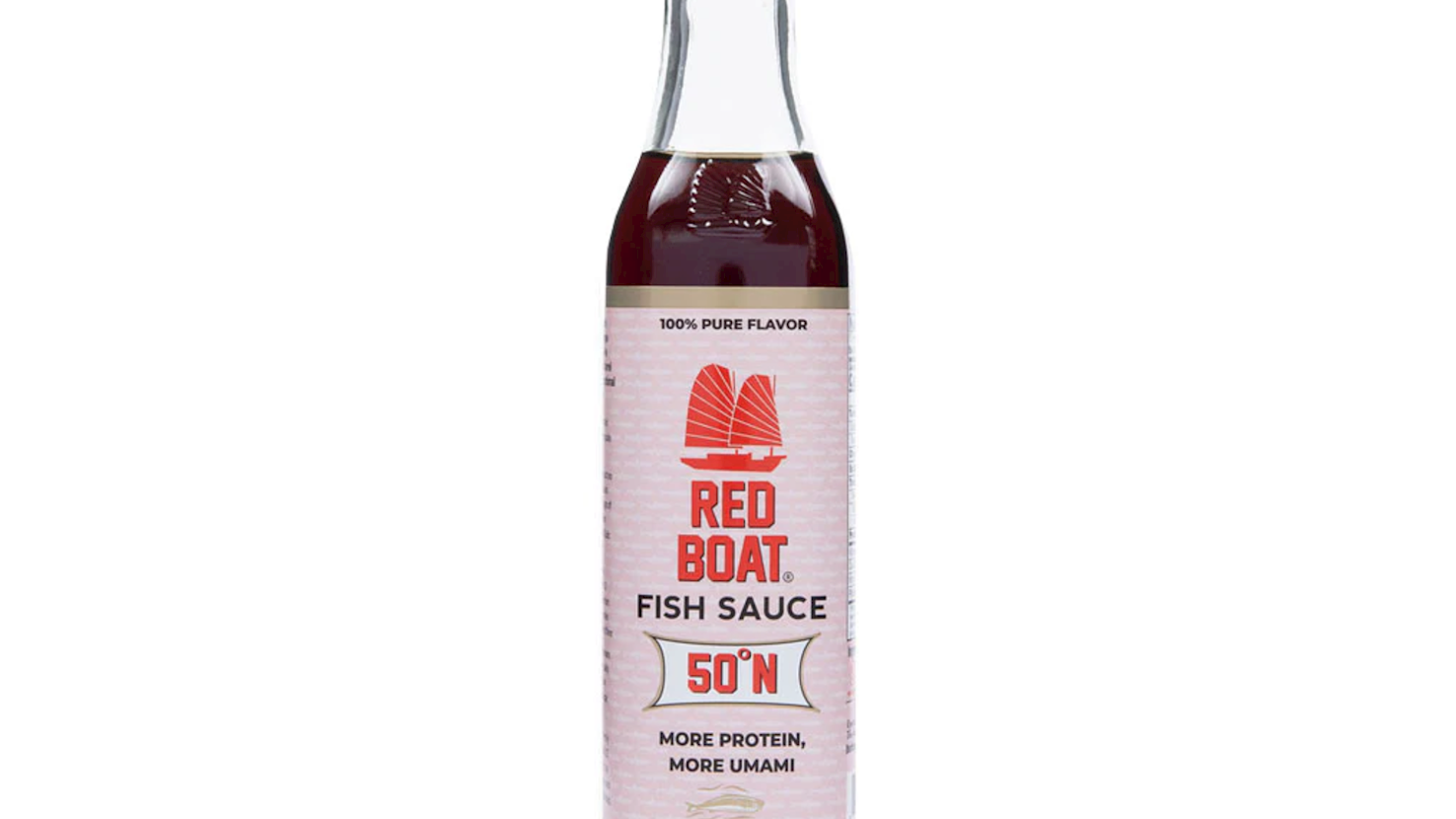
Red Boat is a family-owned Vietnamese-American producer of traditional fish sauce with production facilities on Phú Quốc Island in Vietnam. The company was founded in 2011 by Cường Phạm who grew up in Saigon and later worked as an engineer in the United States. He established the brand because he could not find a fish sauce on the American market that resembled the traditional Vietnamese sauce he remembered from childhood. Production follows the method traditionally used by fish sauce barrel houses on Phú Quốc Island. The principal raw material is wild-caught black anchovies harvested from the waters surrounding the island. The fish are mixed with sea salt immediately after being caught to preserve their freshness. Anchovies and salt are combined in an approximate ratio of three to one. The mixture then undergoes natural fermentation for about one year in large wooden barrels. Red Boat has gained international recognition among chefs and consumers and is regarded as one of the best-known contemporary producers of premium fish sauce from Phú Quốc Island.
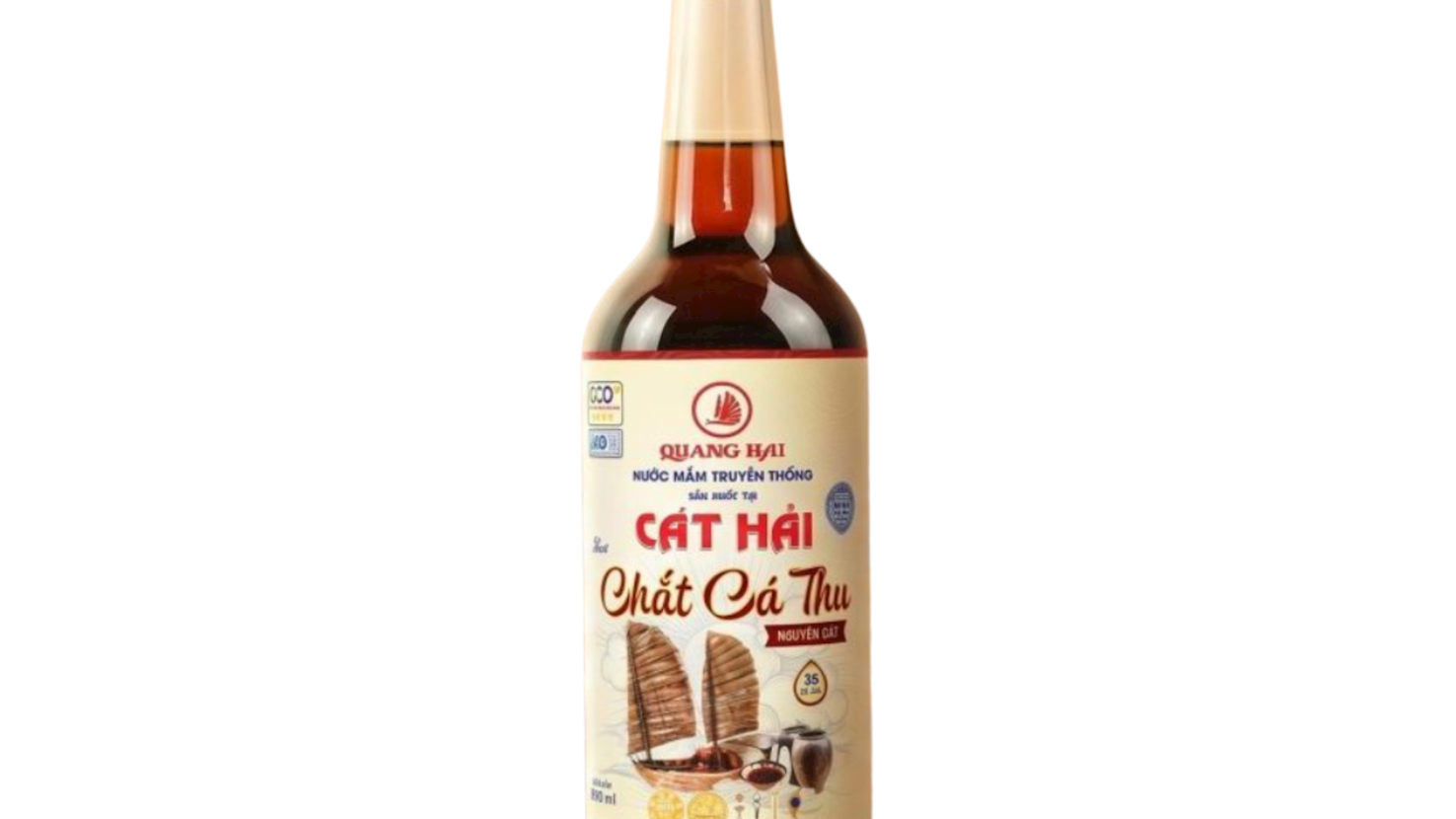
Quang Hải is a Vietnamese producer of traditional fish sauces and fermented seafood products based on Cát Hải Island in Hải Phòng. The company was established in 1993 by Bùi Đức Tiềm together with a group of former managers and workers from a local fish sauce factory. Tiềm began learning the craft of fish fermentation during childhood and the company traces its expertise to a family tradition spanning more than 70 years. In 2008 management of the business passed to his son Bùi Đức Vinh. Production takes place in Lục Độ village on Cát Hải Island which is known for its long tradition of fish processing and fermented condiments. The company’s fish sauces are made primarily from fresh fish and sea salt sourced from the Cát Hải area. The ingredients ferment naturally according to a local method traditionally carried out in ceramic vessels or large tanks. During maturation the fish proteins gradually break down into amino acids that give the sauces their pronounced umami character and mild sweetness in the finish. The company states that its fish sauces contain no preservatives, chemical additives or flavour enhancers. Its range includes sauces made from anchovies, mackerel, tuna, herring and other fish species with natural nitrogen concentrations ranging from 13 to 56 grams per litre. In addition to fish sauce Quang Hải produces both thick and liquid shrimp pastes as well as fermented paste made from small shrimp.
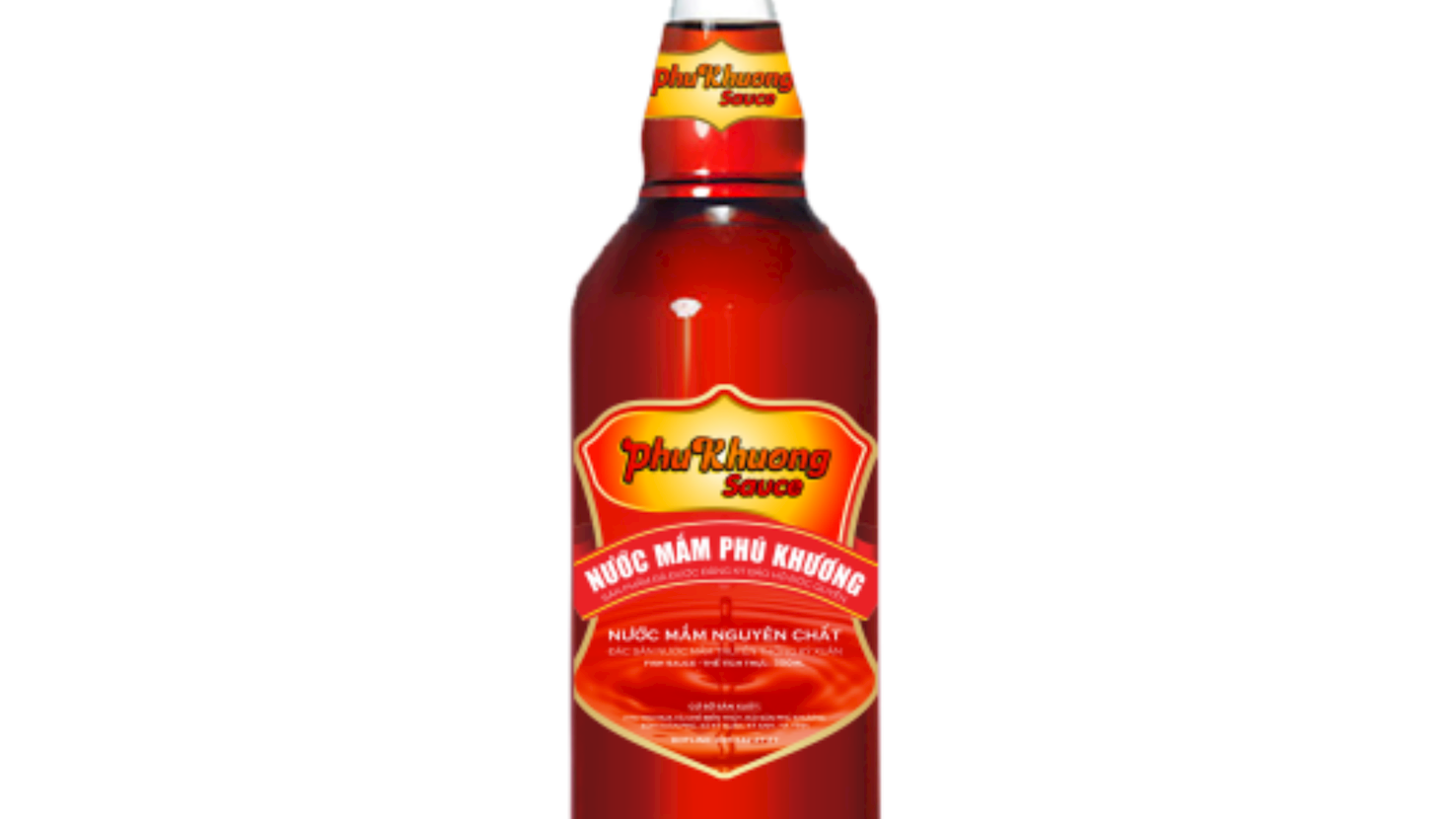
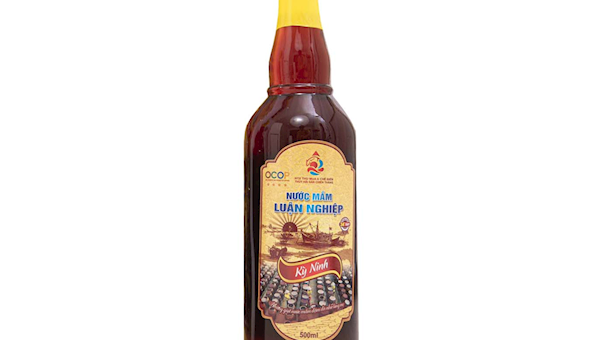
Phú Khương is a Vietnamese cooperative specializing in the processing of fish and other seafood products. It is located in Xuân Phú village in Kỳ Xuân commune in Hà Tĩnh province. Its origins can be traced to a group of eight members who began processing seafood together in 2012. In 2015, the organization was restructured as the Phú Khương Seafood Processing Cooperative. Its development continues the local tradition of fish sauce production that has existed in the Kỳ Xuân area for more than ninety years. The cooperative was founded and is managed by Lê Thị Khương while the brand name combines the name of Kỳ Phú village with her given name. Its most important product is traditional fish sauce made from fresh marine fish, salt, and toasted rice powder. The salt is aged for at least two years before use to reduce its harshness and remove undesirable compounds. The production process incorporates a solar-powered heating and circulation system that shortens processing time without completely abandoning traditional methods. During its first year, the cooperative produced approximately 9,000 liters of fish sauce while its annual output subsequently increased several times over. In addition to fish sauce, its range includes fermented small-shrimp paste, dried fish, dried shrimp, squid, and other products characteristic of the Kỳ Anh coastal area.
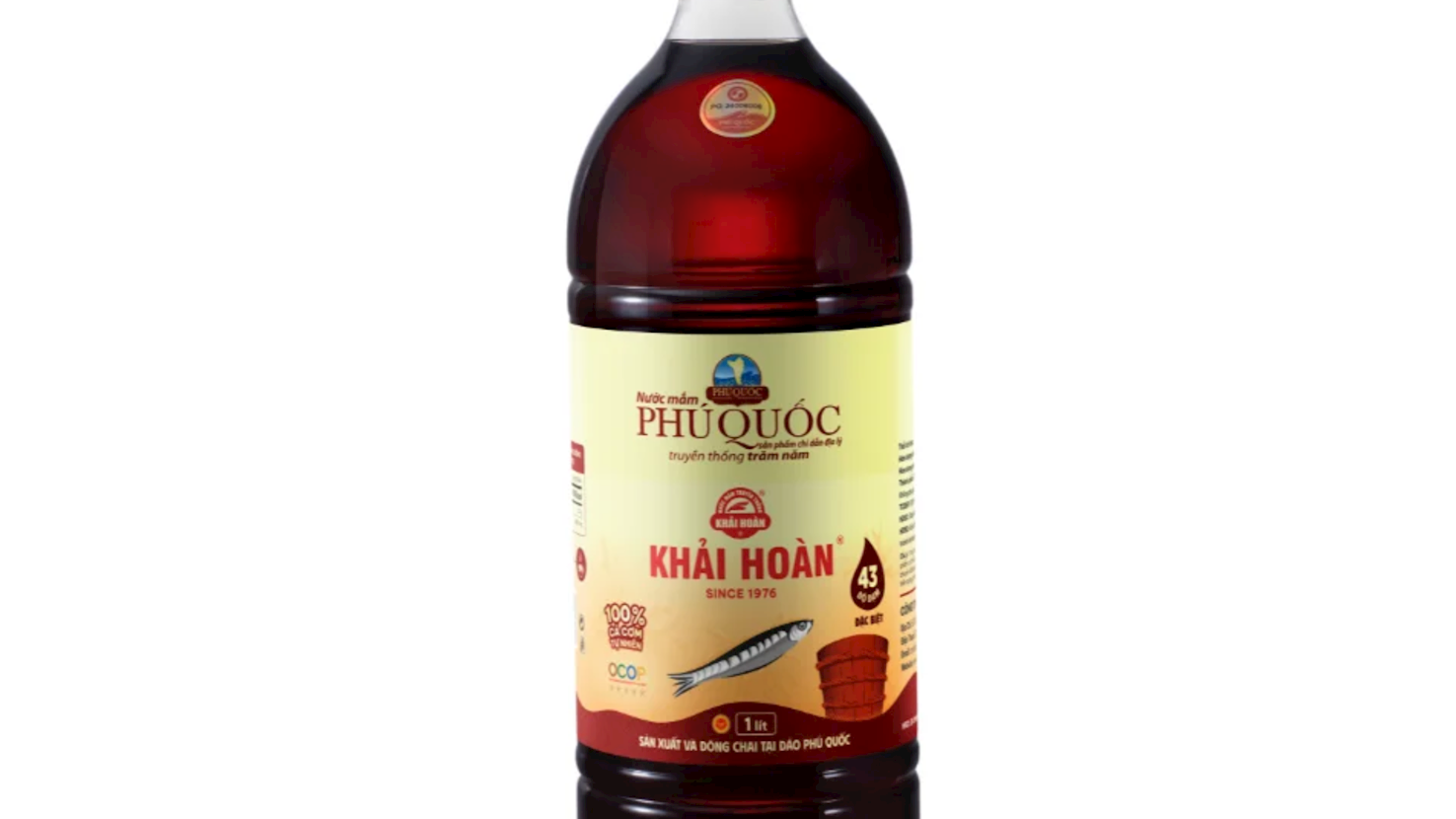
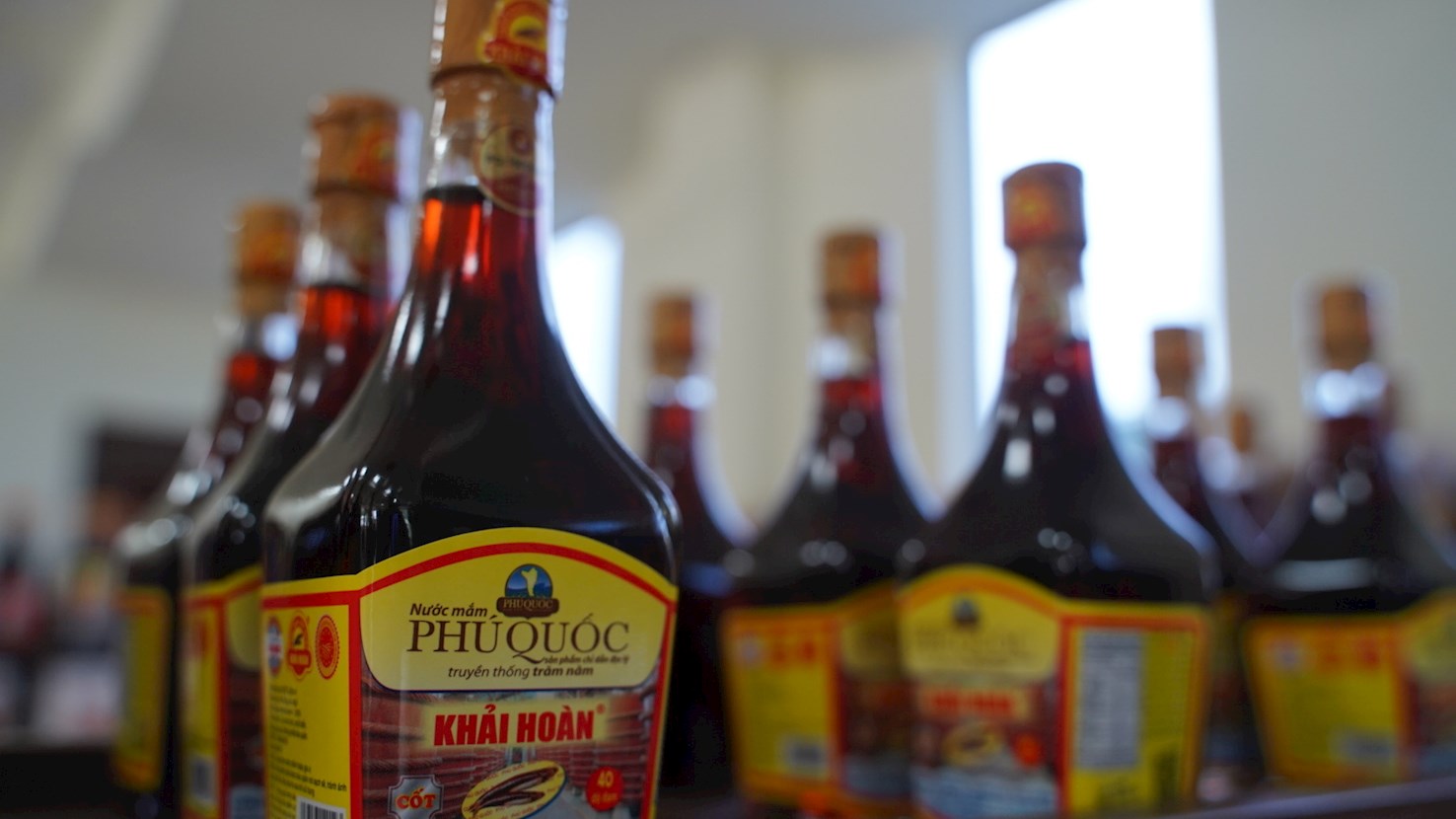
Khải Hoàn is a family-owned Vietnamese producer of traditional fish sauce from Phú Quốc Island. The production facility was established by Trần Thị Ba in 1975 with 12 large wooden barrels and an initial annual capacity of approximately 72,000 liters. The family craft has continued through three generations while Khải Hoàn Trading Joint Stock Company was established in 2007. Hồ Kim Liên played an important role in developing the business after leaving her medical career to revive and expand her family’s production. Black anchovies caught in the waters surrounding Phú Quốc Island are used as the principal raw material. The company operates its own fleet of fishing boats where the catch is selected and salted immediately after being taken from the sea. The fish and salt then undergo natural fermentation in large traditional wooden barrels. The producer operates more than 900 barrels with an average capacity of approximately 12 metric tons. The process includes control over fishing, transportation, fermentation, sauce extraction and automated bottling. The finished fish sauce has a dark amber color, a mild aroma of fermented anchovies and a pronounced savory-sweet flavor with a natural umami finish. The range includes several lines with different natural nitrogen levels from standard products to limited varieties graded at 45N and 49N. With annual production of approximately five to six million liters Khải Hoàn ranks among the largest producers of traditional fish sauce on Phú Quốc Island.
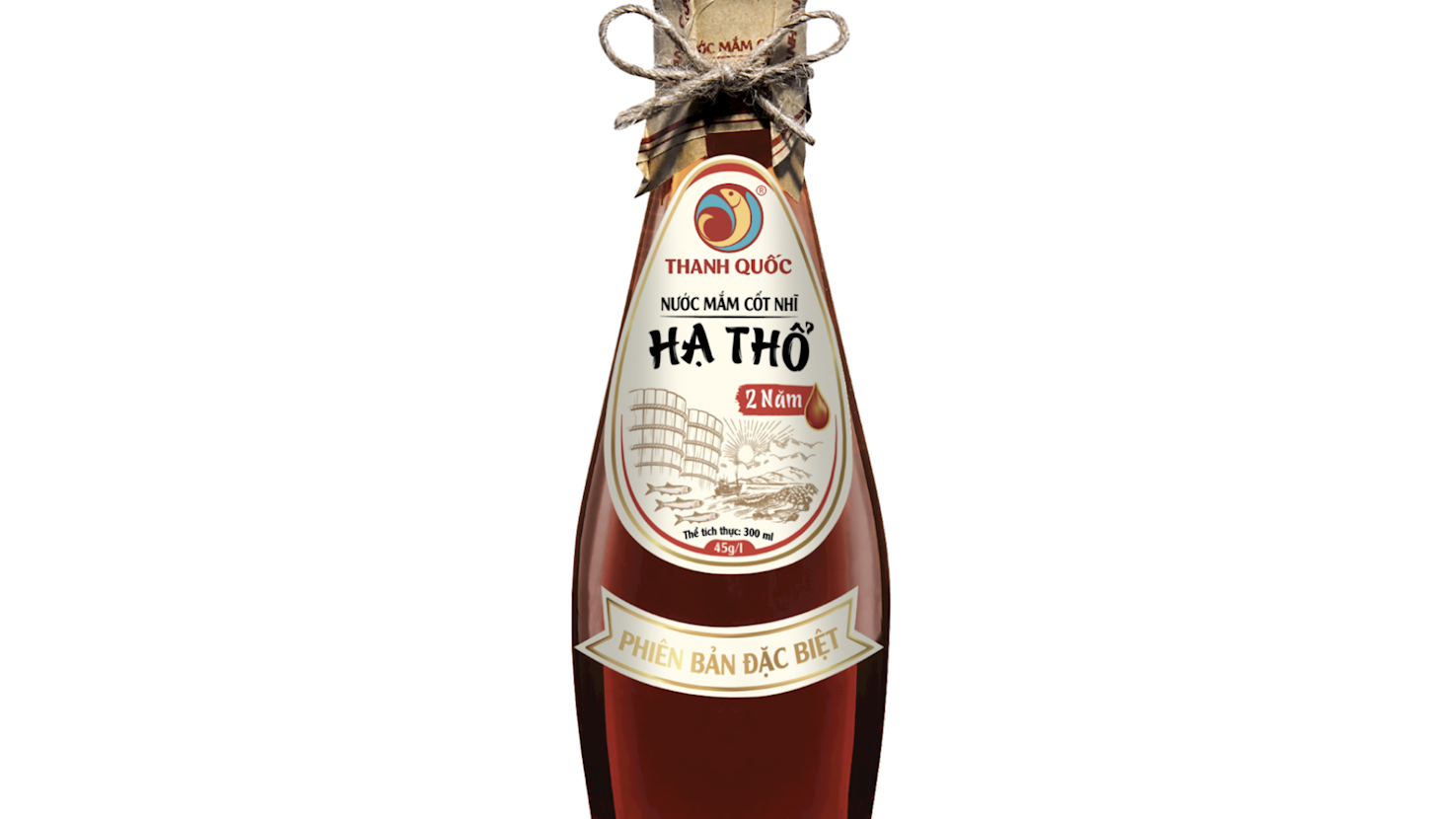
Thanh Quốc is a family-owned Vietnamese producer of traditional fish sauce from Phú Quốc Island. The family’s experience in the craft has been passed down through at least three generations, while the Thanh Quốc production facility was officially established in 1993. The business is currently operated by Thanh Quốc Fish Sauce Production and Trading Company Limited. Its owner, Nguyễn Thị Tịnh, has played an important role in preserving and promoting the island’s traditional fish sauce. From 2000 to 2015, she served three terms as president of the Phú Quốc Fish Sauce Association. She also participated in the international protection of the Phú Quốc name, which is registered as a protected designation of origin in the European Union. The principal ingredients are anchovies caught in the waters surrounding Phú Quốc and sea salt from the Bà Rịa–Vũng Tàu region. The fish is combined with salt and naturally fermented in large traditional wooden barrels. Production, extraction of the matured sauce and bottling are all carried out on the island to meet the requirements of the Phú Quốc geographical indication. The range includes several fish sauces distinguished by their natural nitrogen content and the concentration of compounds produced through the breakdown of fish proteins. The finished sauce has a clear amber to reddish-brown colour, a pronounced umami character and the savoury-sweet finish typical of traditional Phú Quốc fish sauce.
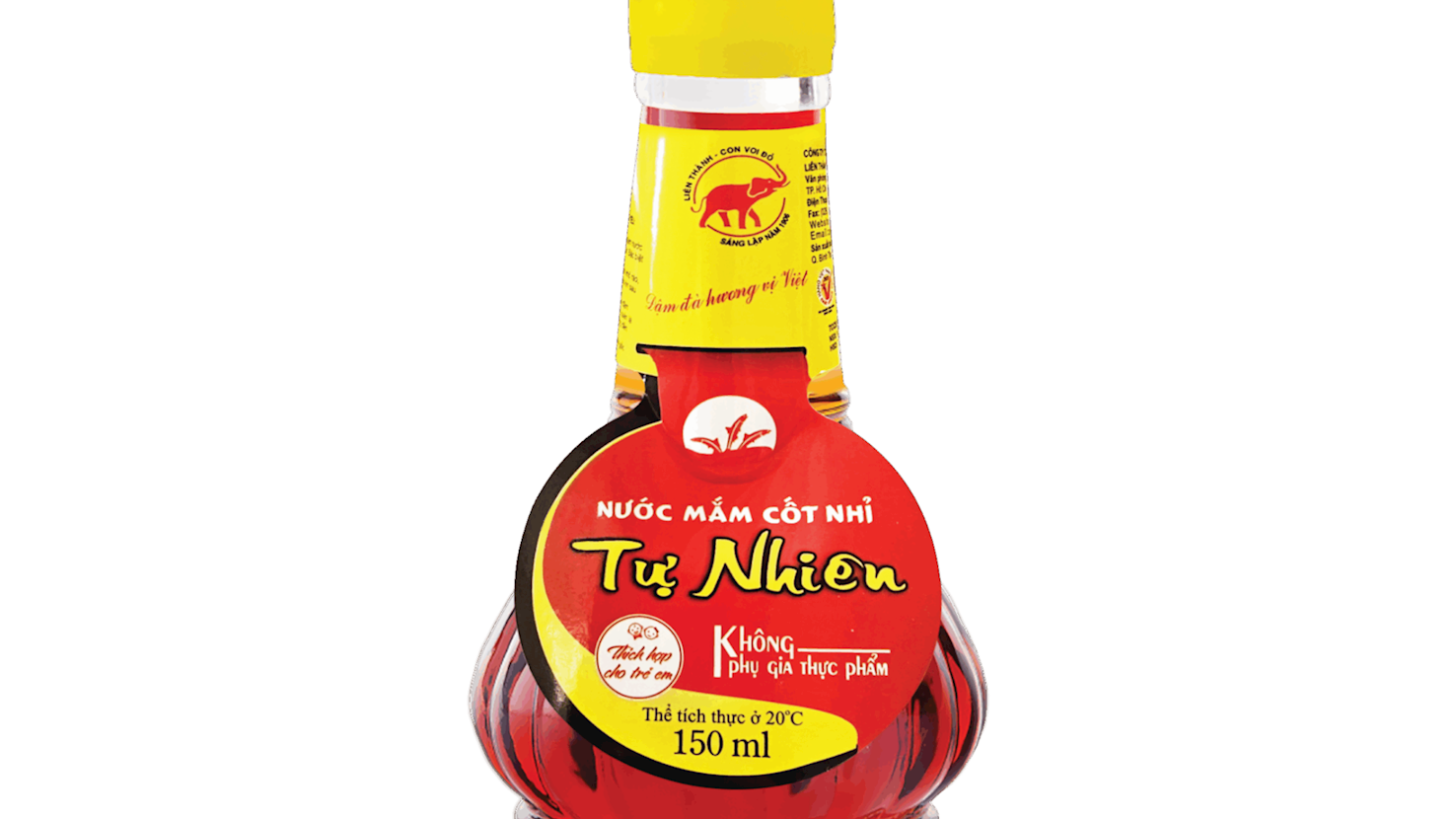
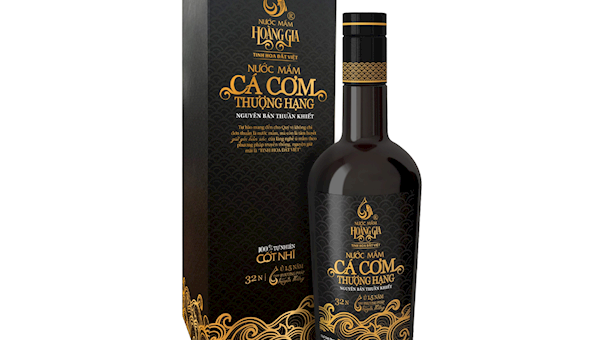
Liên Thành is one of the oldest active fish sauce producers in Vietnam. The company was founded on June 6, 1906, in Phan Thiết by six Vietnamese intellectuals and patriots from Bình Thuận province. It originally operated under the name Liên Thành Thương Quán and represented the commercial branch of the reform movement led by Phan Châu Trinh. It was established to support the development of domestic trade and production at a time when foreign merchants controlled a large part of the Vietnamese market. Liên Thành was connected with Dục Thanh School where Nguyễn Tất Thành, later known as Hồ Chí Minh, worked as a teacher. From the beginning, the company focused on producing fish sauce based on the long-established tradition of the Phan Thiết coastal area. Fish is traditionally mixed with salt in a three-to-one ratio while salting begins near the fishing grounds to preserve the freshness of the raw material. During its development, the company expanded its sourcing and production to other established fishing areas including Phú Quốc Island. Its range includes traditional fish sauces with different total nitrogen levels such as Nhãn Ngọc, Nhãn Vàng, Nhãn Bạc, and the natural first-press concentrate Cốt Nhỉ Tự Nhiên. The company also produces milder seasoning sauces and plant-based varieties fermented from pineapple and salt.
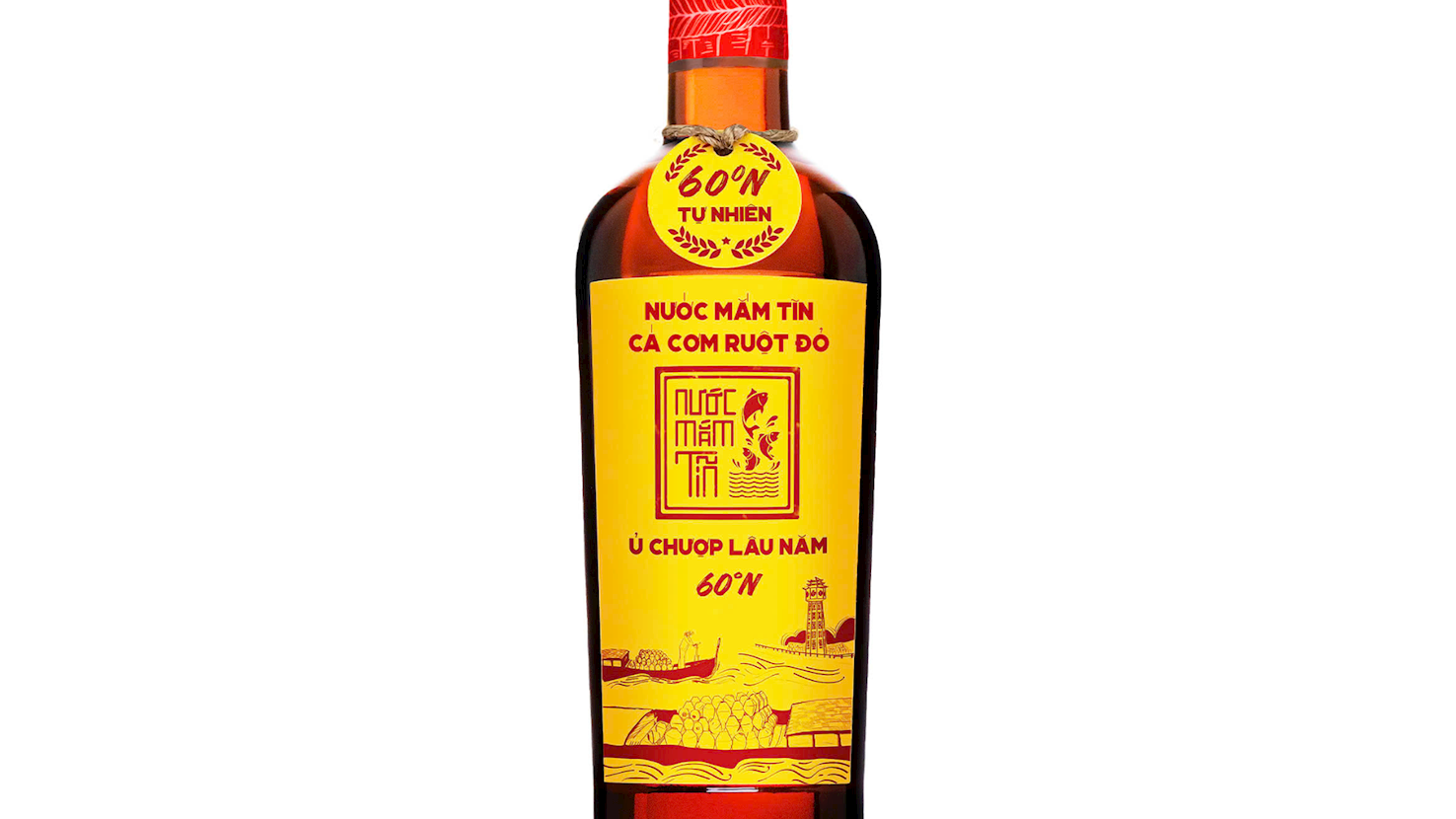
Tĩn is a Vietnamese traditional fish sauce brand from Phan Thiết in Bình Thuận Province. The brand operates under Seagull Company which was registered in 2016. It was developed as part of the Làng Chài Xưa project dedicated to presenting the history of fishing communities and fish sauce production in the Phan Thiết area. Its name comes from the local word tĩn which refers to a ceramic vessel once used to store and transport finished fish sauce. Fresh black anchovies and pure sea salt are used as the principal ingredients. The fish and salt are combined in an approximate ratio of three to one. The mixture undergoes natural fermentation for 12 to 24 months in large wooden barrels using a traditional compression method. After maturation the undiluted first-press sauce is extracted. The range includes sauces with natural nitrogen levels of approximately 40N to 60N as well as special varieties intended for different culinary uses. Tĩn is associated with the Làng Chài Xưa Fish Sauce Museum in Phan Thiết which presents the history of the local craft and its traditional production methods.
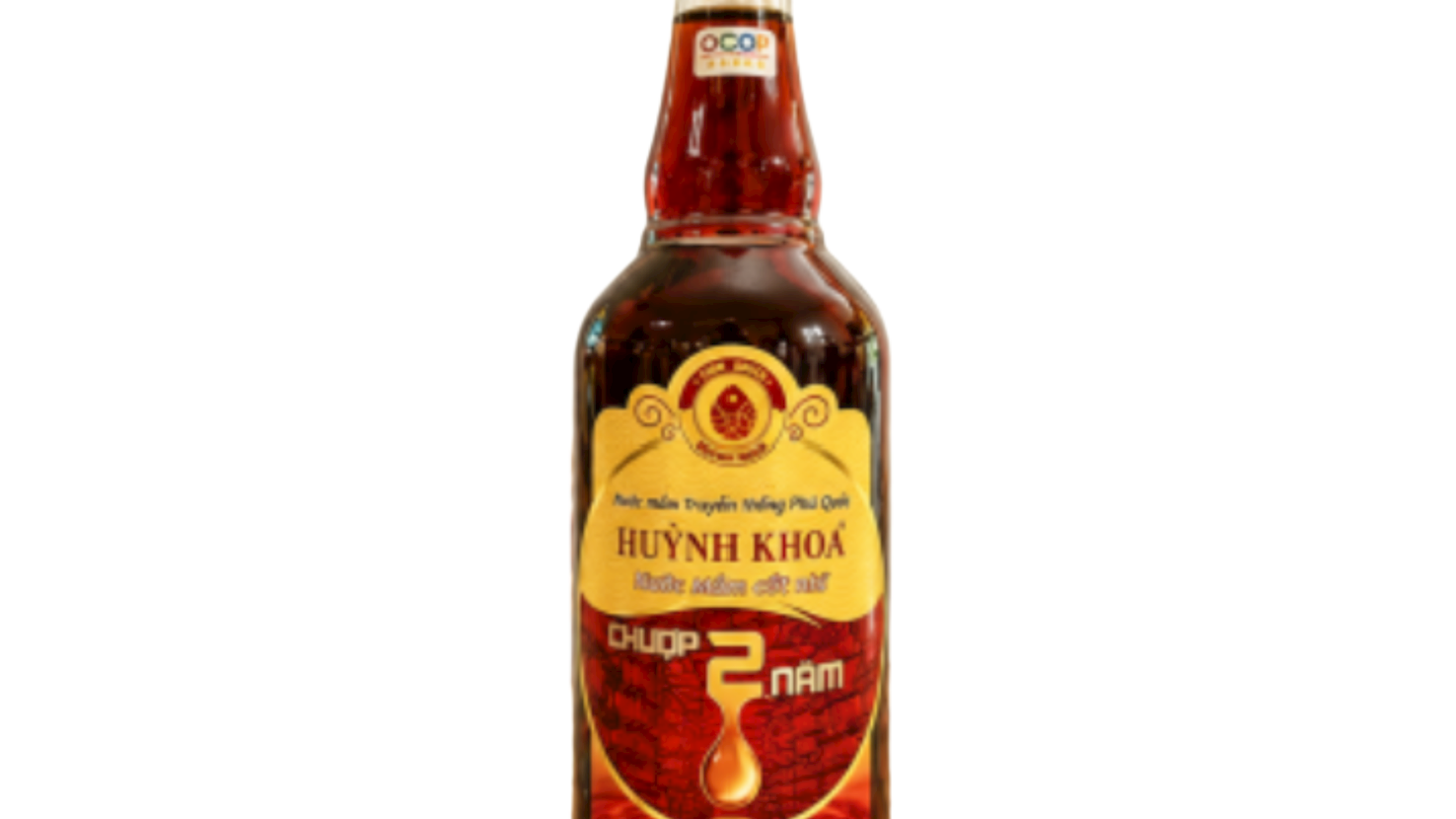
Huỳnh Khoa is a family-owned Vietnamese producer of traditional fish sauce from Phú Quốc Island. Its production history can be traced to the grandparents of the current owner who made fish sauce in small wooden barrels for family use and local trade before 1980. The next generation gradually expanded production and established the private enterprise Huỳnh Khoa in 1995 with approximately 50 fermentation barrels. The current director, Nguyễn Huỳnh Anh Khoa, represents the third generation of the family involved in the craft. After returning to Phú Quốc, he established Huỳnh Khoa Fish Sauce Trading Company Limited on June 9, 2017. The production complex is located in Suối Đá village in the Dương Tơ area. Today, it contains more than 200 large wooden fermentation barrels spread across an area of over 5,000 square meters. The fish sauce is made from fresh anchovies caught in the waters surrounding the island and sea salt according to the traditional Phú Quốc method. The fish and salt ferment for more than 12 months before the matured concentrate is gradually extracted from the wooden barrels. Production encompasses raw-material inspection, fermentation, filtration, and bottling in a closed system. The range includes traditional fish sauces with total nitrogen concentrations of 35, 40, 43, and 45 grams per liter. Production follows recognized food-safety standards while the fish sauce meets the requirements for using the protected Phú Quốc geographical indication.
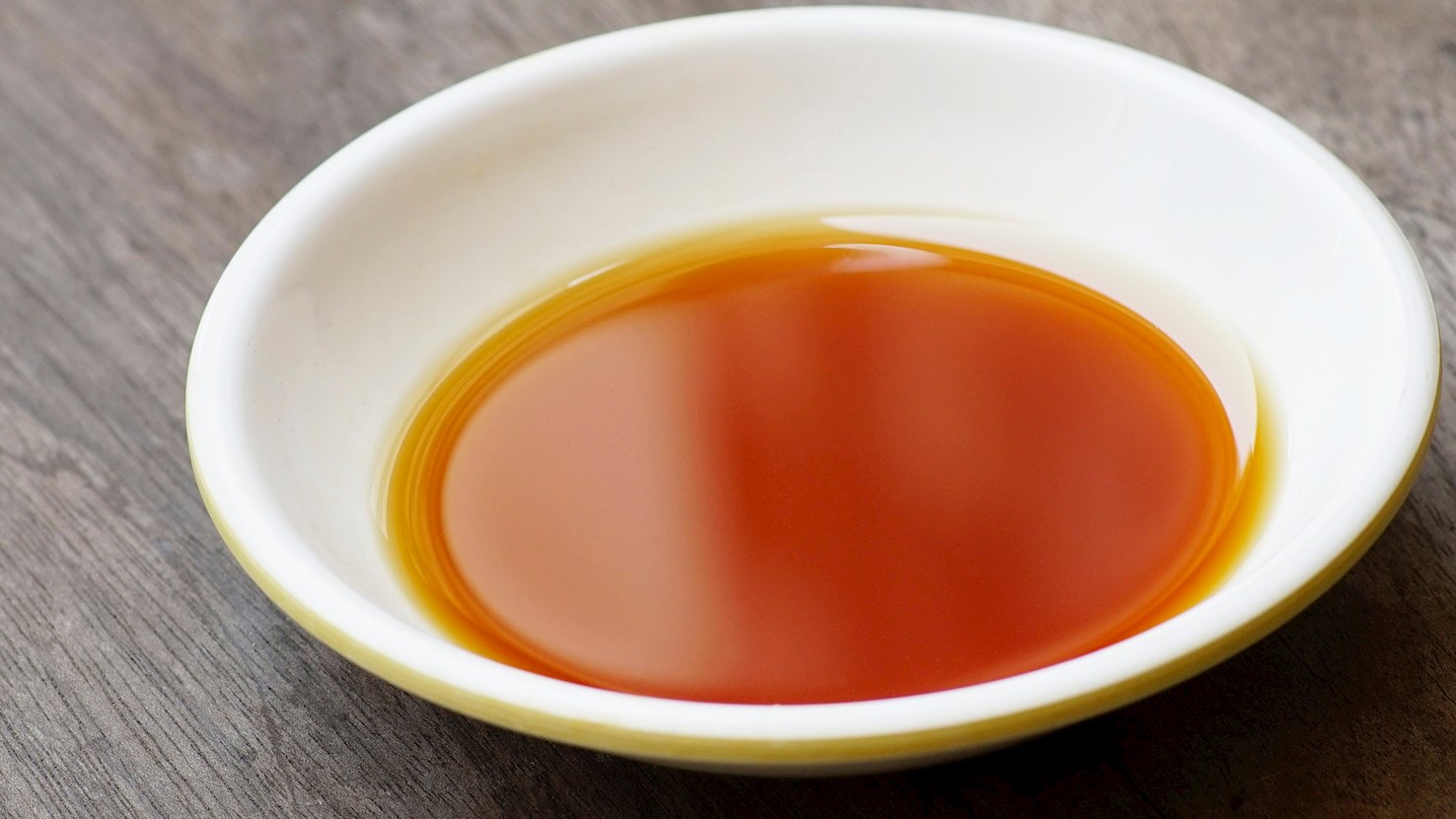
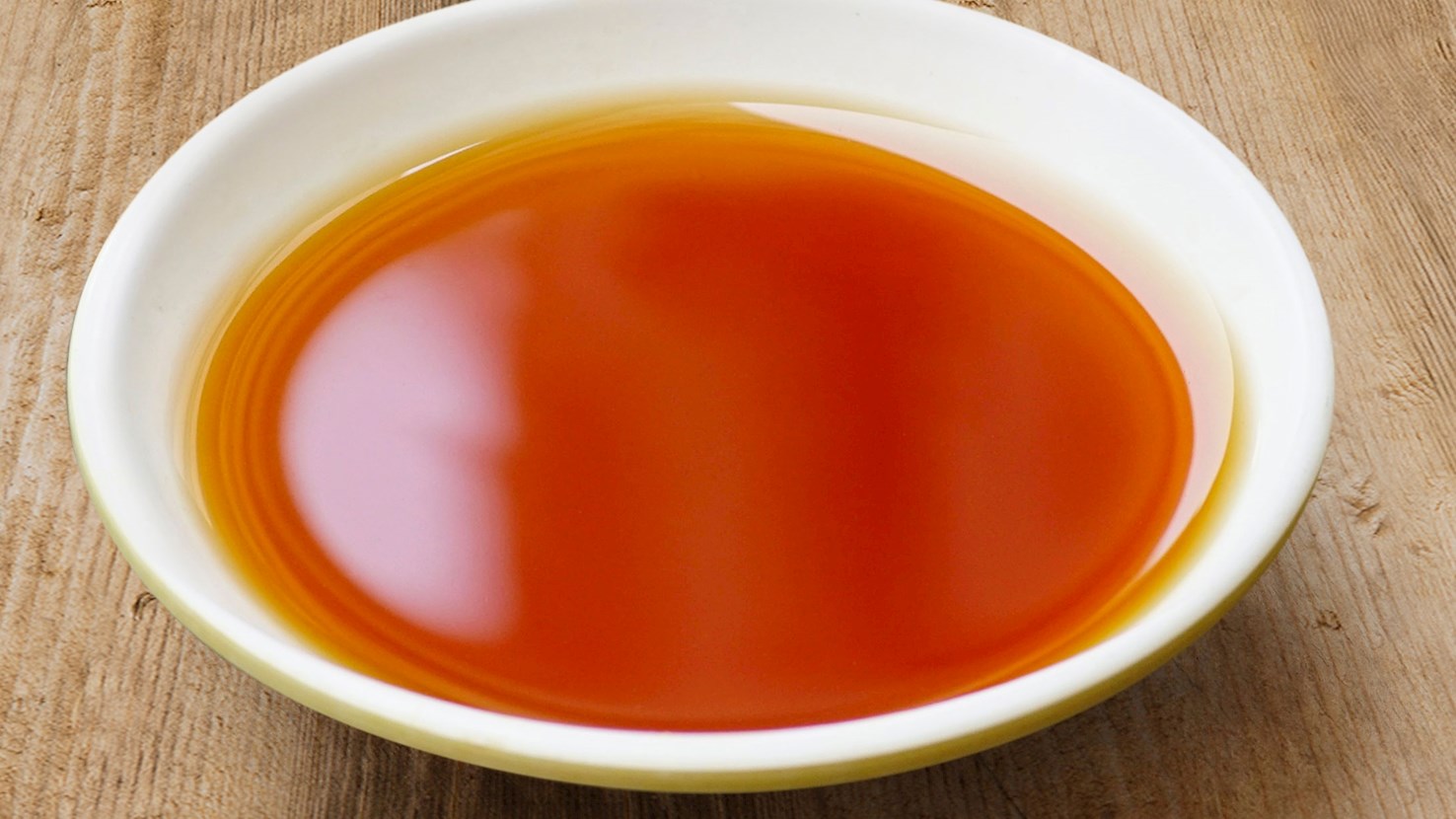
Phú Quốc is a unique fish sauce extracted by long time fermentation of anchovies' flesh at a high temperature, in West Vietnam. The fish extract / sauce has a delicate smell without unusual ammonia tones because of long time fermentation in wooden barrels. It is dark red to brown and tastes rich and complex, intensely sweet and salty, with a distinctive fatty taste and a sweet aftertaste. Once the final product is made, it is then bottled in plastic or glass containers. It can be used in soups and marinades or act as an accompaniment to noodle dishes and spring rolls.
Patis is a traditional fish sauce, widely used in Philippine cuisine as a seasoning or condiment. It is made by fermenting fish and salt together, resulting in a clear, amber-colored liquid that imparts a distinct umami flavor to dishes. The process of making patis involves allowing the fish mixture to ferment for several months, during which the fish breaks down, and the liquid that forms is then strained and bottled. Patis is used to enhance the taste of many Filipino dishes, including soups, stews, and marinades, adding depth and a salty, savory flavor profile. It's comparable to other fish sauces used in Southeast Asian cooking, such as Thai nam pla and Vietnamese nuoc mam, though each has its unique taste characteristics. Given its strong flavor, patis is typically used in moderation, often as a dipping sauce mixed with calamansi juice (a type of citrus) and chili, or added during the cooking process to season dishes.
This Vietnamese fish sauce originates from Phan Thiết, a place famous for fish sauce production. The sauce is made from fermented salted anchovies. They're placed into high, cylindrical-shaped wooden crated and left to ferment. The flavor is savory, earthy, full of umami, complex, and rich. At first it tastes salty, but there's also a sweet aftertaste. The sauce is graded by color – the darkest ones are from the first extraction of the liquid, while the other ones come from subsequent extractions with the addition of water, and those ones are usually used for cooking.
Kecap ikan is Indonesia's version of fish sauce, a salty and umami-rich condiment made from fermented fish and salt. It is less commonly used in Indonesian cuisine compared to kecap manis (sweet soy sauce) or terasi (shrimp paste) but is still found in certain coastal and seafood-based dishes. The process of making kecap ikan involves small fish, such as anchovies or mackerel, being mixed with salt and left to ferment for several months, usually between six to twelve months, in large wooden barrels or clay pots. During fermentation, the natural enzymes break down the fish, releasing liquid that is later filtered and bottled as fish sauce. The resulting product is a thin, amber-colored liquid with a strong aroma and deep umami flavor. Kecap ikan is mostly used in seafood dishes, soups, and sambal to enhance their savory taste. It is more commonly found in coastal areas like Bali, Manado, and Sumatra, where seafood is a staple. While Indonesia produces its own fish sauce, Thai and Vietnamese fish sauces are often used as substitutes due to their wider availability.
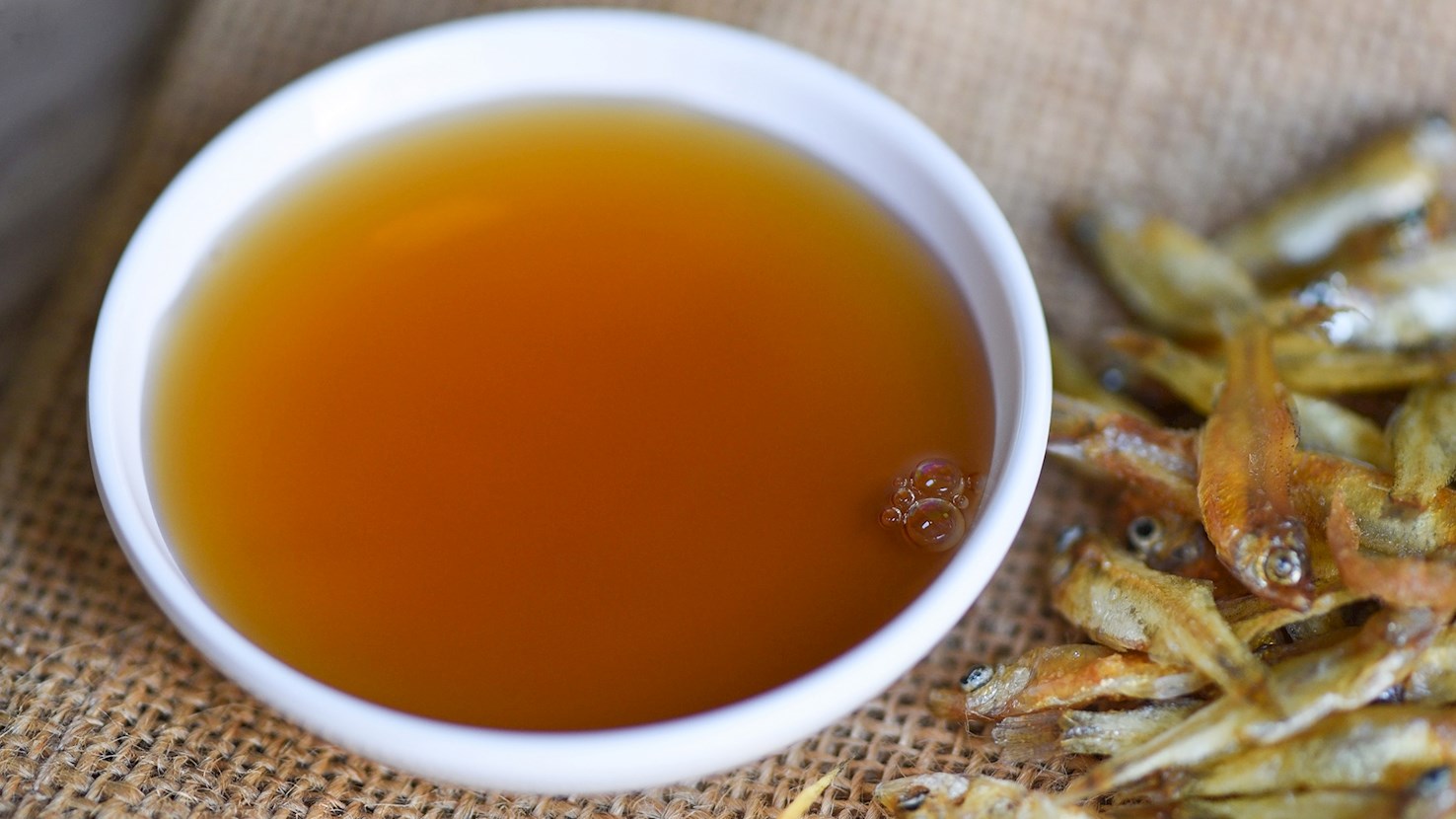
Nam pla is a clear, amber-colored liquid condiment produced through the enzymatic fermentation of salted small fish, originating from the coastal regions of Thailand along the Gulf of Thailand and the Andaman Sea. Coastal fishing communities developed the production process as a preservation technique for massive seasonal catches of anchovies, evolving from localized coastal fish processing into standardized commercial fermentation operations along maritime ports in provinces like Rayong, Chonburi, and Samut Prakan. Production begins by layering freshly caught whole anchovies with coarse sea salt at a ratio of two-to-one or three-to-one by weight inside concrete or wooden fermentation vats. The containers are sealed and aged in sunlight for twelve to eighteen months, allowing naturally occurring proteolytic enzymes within the fish viscera to digest muscle tissue and reduce the mass into a liquid hydrolysate. The resulting liquid is drawn off from the bottom tap of the vat, filtered through fine mesh, aged in glass or ceramic vessels to clarify, and bottled directly as first-press grade sauce. In cooking, nam pla is added directly to hot pans during stir-frying, boiled into curry bases, or whisked with lime juice and sugar for salad dressings, while table service frequently features nam pla phrik, a raw condiment made by steeping sliced bird's eye chilies, garlic, and lime juice directly in the liquid. Distinct from soy sauces or grain-derived seasonings, pure nam pla contains no carbohydrates, wheat, or fungal starters, relying entirely on endogenous digestive enzymes from the fish digestive tract and ambient heat to catalyze protein breakdown, which yields high concentrations of free glutamic acid and organic sodium salts. Nam pla is consumed daily across all seventy-seven provinces of Thailand at street stalls, family tables, and formal dining establishments as the primary liquid salt constituent in Thai culinary chemistry. Diners spoon nam pla phrik over fried rice, stir-fried basil meats (phat krapao), and fried eggs (khai dao), pairing the meals with cold pale lagers, iced Thai tea, lime juice, or cold coconut water to mitigate the high salinity.
TasteAtlas food rankings are based on the ratings of the TasteAtlas audience, with a series of mechanisms that recognize real users and that ignore bot,
nationalist or local patriotic ratings, and give additional value to the ratings of users that the system recognizes as knowledgeable.
TasteAtlas Rankings should not be seen as the final global conclusion about food. Their purpose is to promote excellent local foods,
instill pride in traditional dishes, and arouse curiosity about dishes you haven’t tried.
The initial list of top producers was compiled based on available reviews, awards, local recommendations, media and blog coverage, and consumer reviews.
The list will be updated with ratings from TasteAtlas local ambassadors and TasteAtlas users.














What People Say