Noemía is a boutique winery located in Mainqué, in Argentina’s Río Negro Valley in Patagonia, known for its focus on old-vine Malbec and minimal-intervention winemaking. Founded in the early 2000s by Noemí Marone Cinzano and now led by winemaker Hans Vinding-Diers, the project is built around some of Argentina’s oldest Malbec vineyards, planted in the 1930s and farmed organically and biodynamically. The estate emphasizes gentle extraction, native yeast fermentations and aging in large, neutral oak to preserve purity and site expression. The desert climate, strong diurnal temperature shifts and alluvial soils contribute to wines of freshness, precision and restrained power. Bodega Noemía is internationally recognized for producing elegant, terroir-driven Malbecs that reflect the distinctive character of Patagonian viticulture.
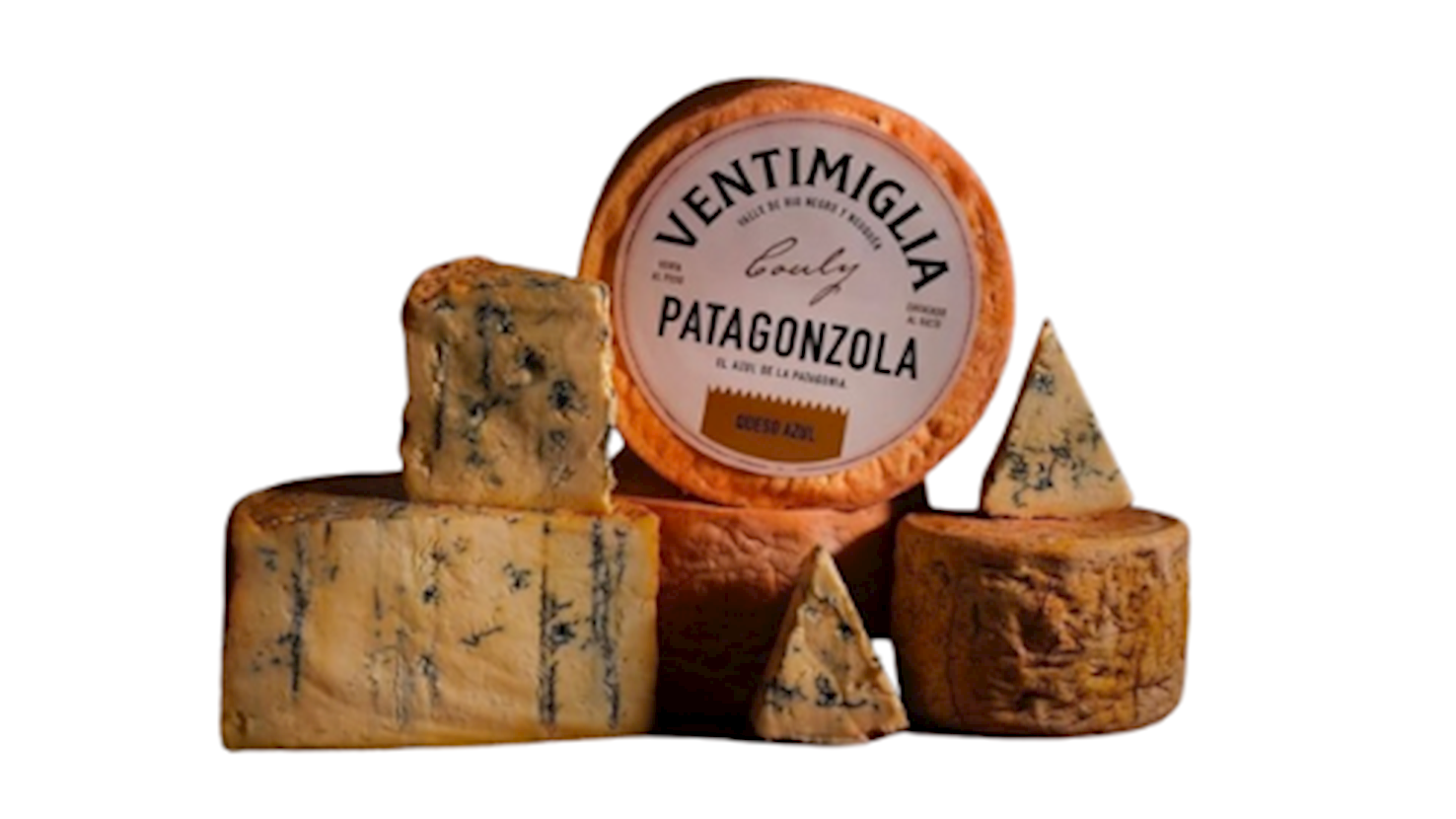
Quesería Ventimiglia is an artisan cheese producer located in Argentina, known for producing a variety of cheeses using traditional methods. The company emphasizes the use of local ingredients and sustainable practices in their cheese-making process. Quesería Ventimiglia offers cheeses that are aged to develop unique flavors and textures, catering to both local and potentially international markets.
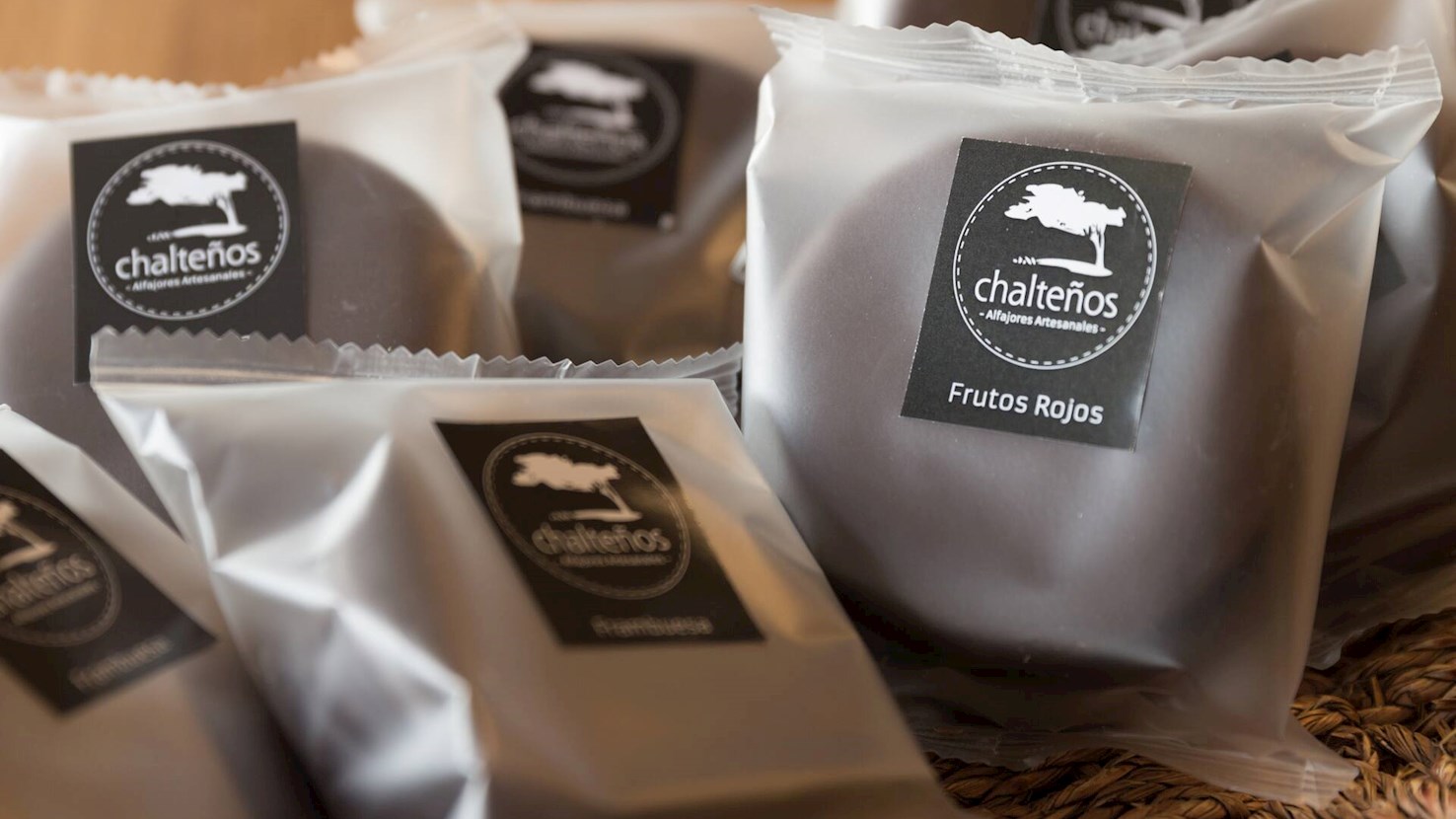
Chalteños is a charming shop located in the heart of El Chaltén, a small mountain town in Patagonia, known as Argentina's "national hiking capital." This family-run brand specializes in handcrafted alfajores and other sweets, creating authentic flavors that reflect the region's rich culinary heritage. Chalteños offers a variety of treats, with a special emphasis on alfajores. In addition to alfajores, the shop also offers jams made from local fruits such as calafate and raspberry, often used as fillings or additions to their sweets. Visitors praise the friendliness of the staff, the quality of the products, and the authenticity of the flavors, highlighting that Chalteños is the perfect place to enjoy sweet delights.
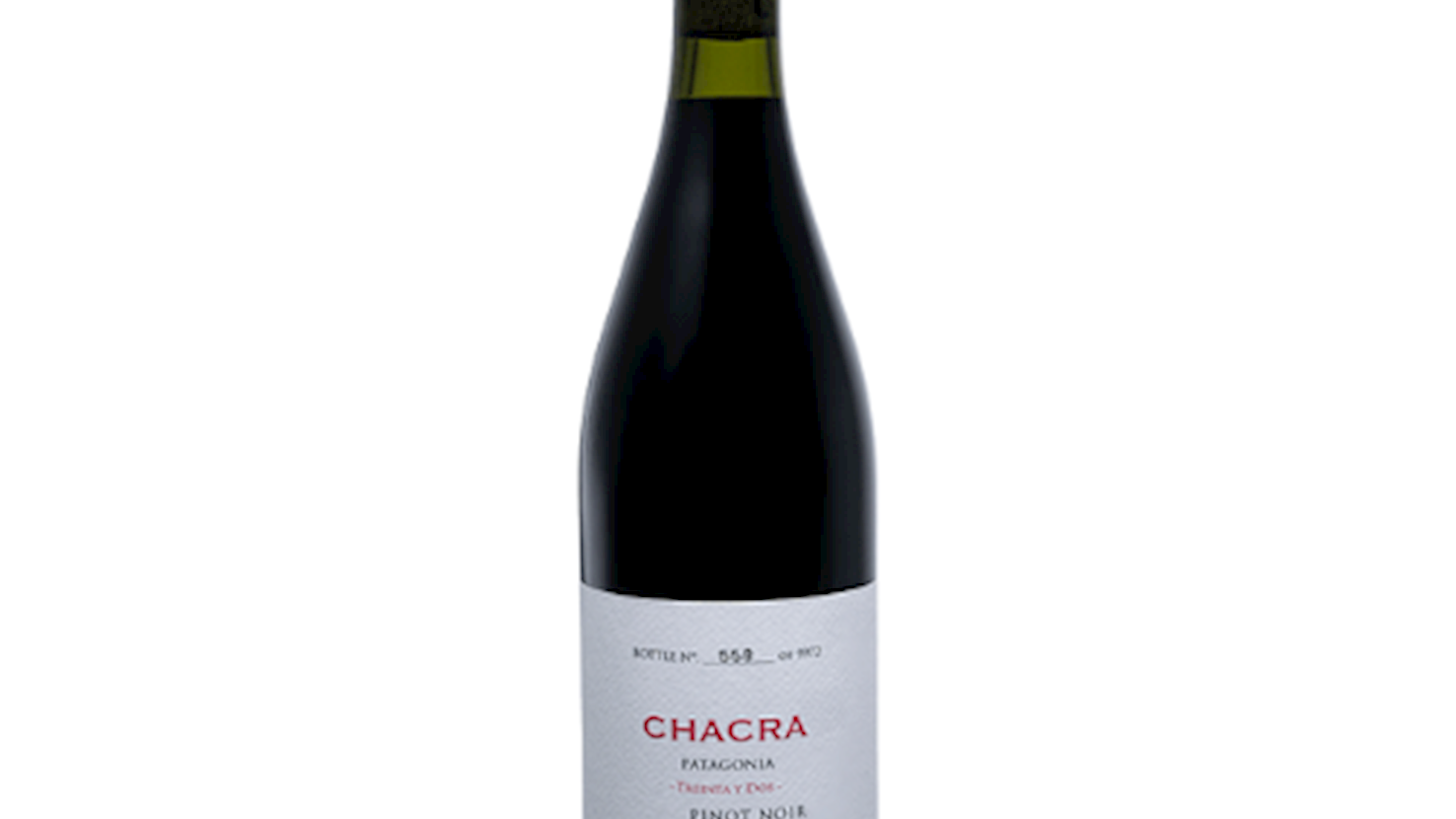
Bodega Chacra is a boutique winery located in the Río Negro Valley of Argentine Patagonia, founded in the early 2000s by Piero Incisa della Rocchetta, a member of the family behind Sassicaia. The project was conceived with the clear aim of expressing the potential of Patagonia for world-class Pinot Noir through old, ungrafted vineyards. Its core parcels were planted in 1932 and 1955 near the village of Mainqué, producing grapes of notable concentration balanced by natural freshness. The region’s dry, cool climate and pronounced day–night temperature shifts allow for slow ripening and excellent acid retention. Vineyards are farmed organically and biodynamically, with a strong emphasis on manual work and low yields. In the cellar, spontaneous fermentations and minimal intervention are used to preserve purity and site expression. Today, Bodega Chacra is regarded as one of the most influential estates in redefining Patagonia as a region for refined, terroir-driven wines.
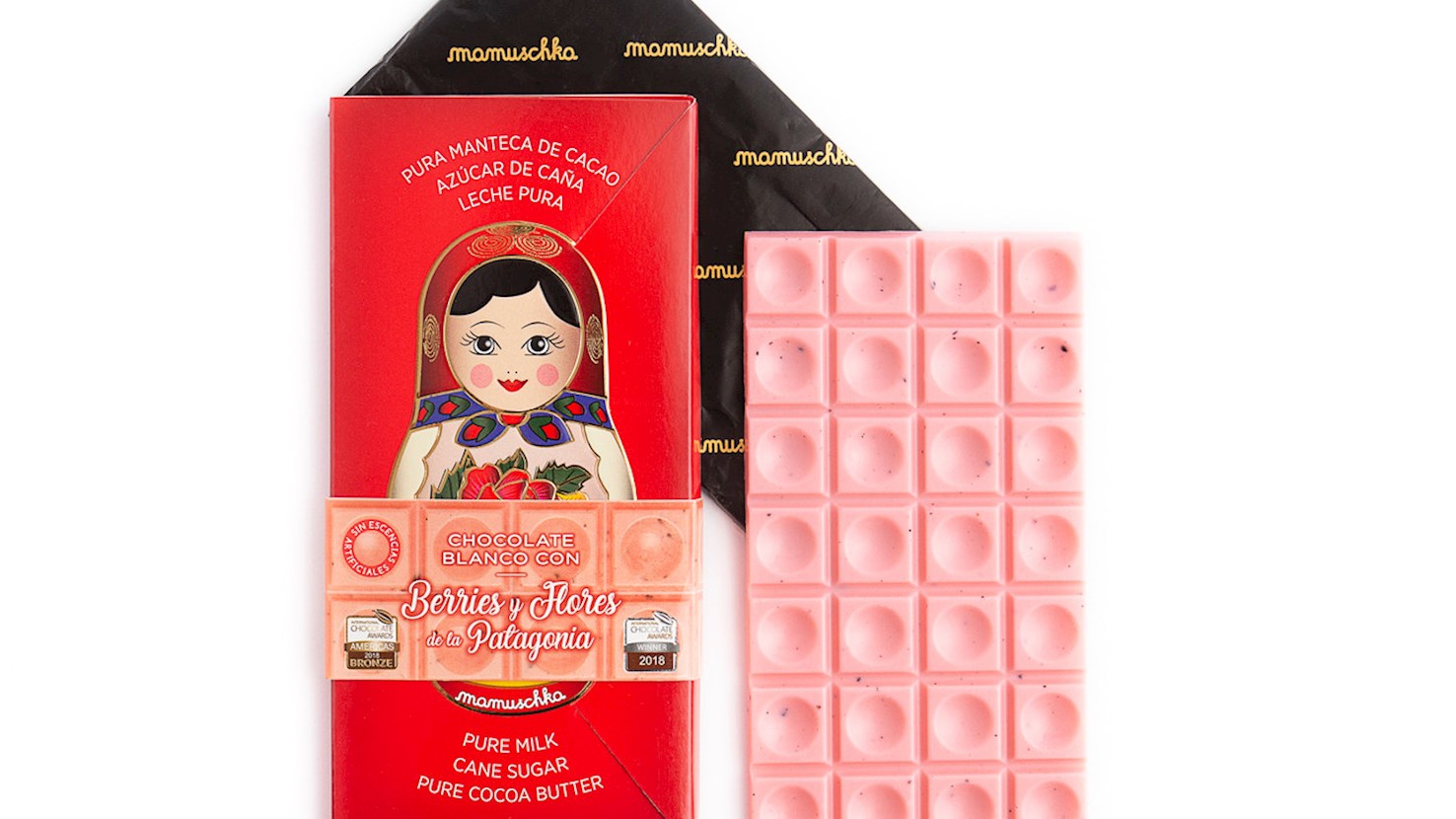
Mamuschka is a chocolate producer based in San Carlos de Bariloche, Argentina. The company is known for its high-quality artisanal chocolates, featuring a wide range of products including bars, truffles, and other confections. Additionally, Mamuschka uses distinctive, colorful packaging that often incorporates traditional Russian motifs, reflecting the heritage of its founders. The company also operates a cafe in Bariloche where visitors can sample and purchase their chocolates.
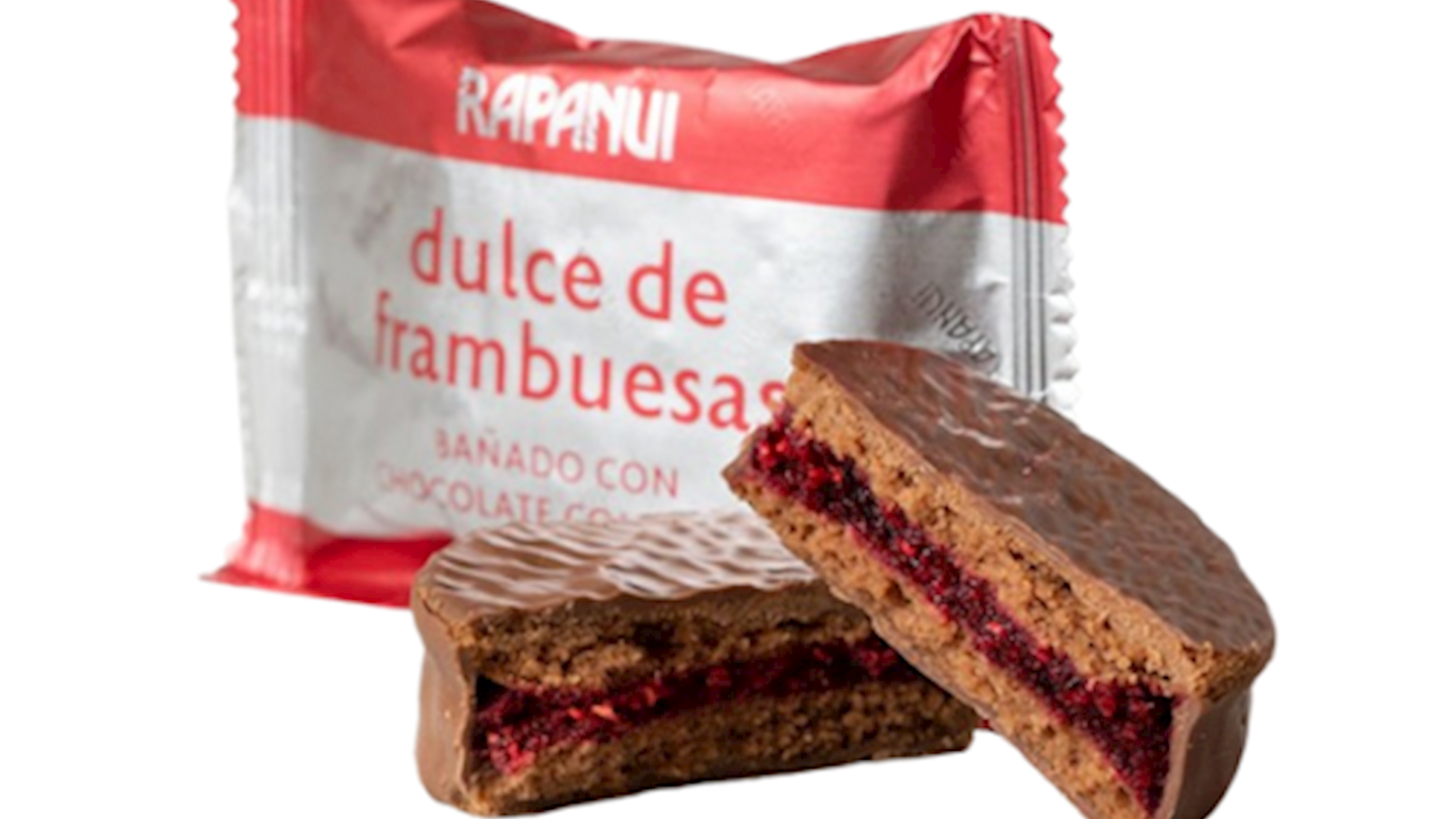
Rapanui is one of the most renowned Argentine producers of alfajores, with a tradition that originates in Bariloche, Patagonia, and builds on its established reputation in crafting premium chocolates. Their assortment includes a wide range of flavors - from classic alfajores filled with dulce de leche and coated in milk or dark chocolate, to more modern varieties with raspberry, glaze, or nut-based additions. One of their signature products is the chocolate mousse alfajor, covered in a semi-bitter layer, which stands out for its rich yet balanced texture. Consumer reviews highlight the natural flavor and authentic texture of the fillings, while the chocolate coating is thin but full of taste. This refinement in layering sets Rapanui apart from mass production and positions them in the premium segment. Their alfajores represent a fusion of family tradition, as the brand has existed since 1948, and contemporary gourmet trends. Such a philosophy ensures that their products are not just sweets, but a true tasting experience. Beyond the domestic market, Rapanui alfajores also reach international consumers, further solidifying their status as ambassadors of Argentina’s sweet heritage.
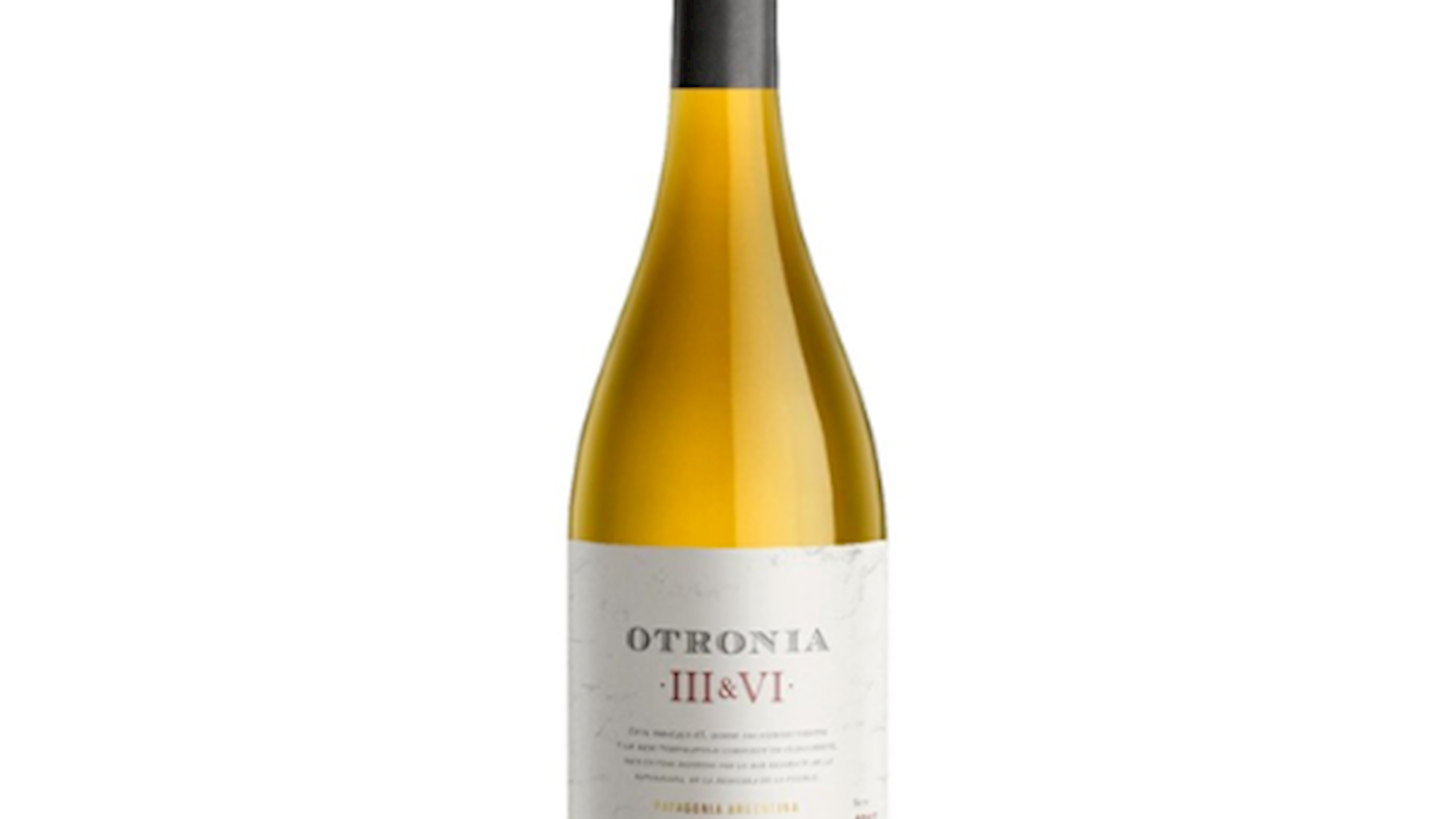
Otronia is a contemporary winery located in Sarmiento, in the province of Chubut in Argentine Patagonia, positioned at the 45th parallel south, making it one of the southernmost vineyard projects in the world. The vineyards are planted in an exceptionally harsh and cold environment marked by strong winds, low temperatures, and very long summer daylight hours, conditions that strongly shape the style of the wines. This extreme climate allows for very slow ripening, resulting in high natural acidity and remarkable aromatic precision. Otronia is part of the Avinea Group and practices organic viticulture, with a strong focus on sustainability and minimal intervention in the cellar. The estate works with a diverse range of varieties, including Pinot Noir, Chardonnay, Gewürztraminer, Pinot Gris, Riesling, Malbec, and Torrontés, each vinified to clearly express the character of the site. The wines are taut, pure, and intensely fresh, with pronounced minerality and a linear structure. Their style differs significantly from that of warmer Argentine regions, offering a more restrained, precise expression. Today, Otronia is recognized as a benchmark project for understanding the potential of extreme Patagonia and cool-climate winemaking in South America.
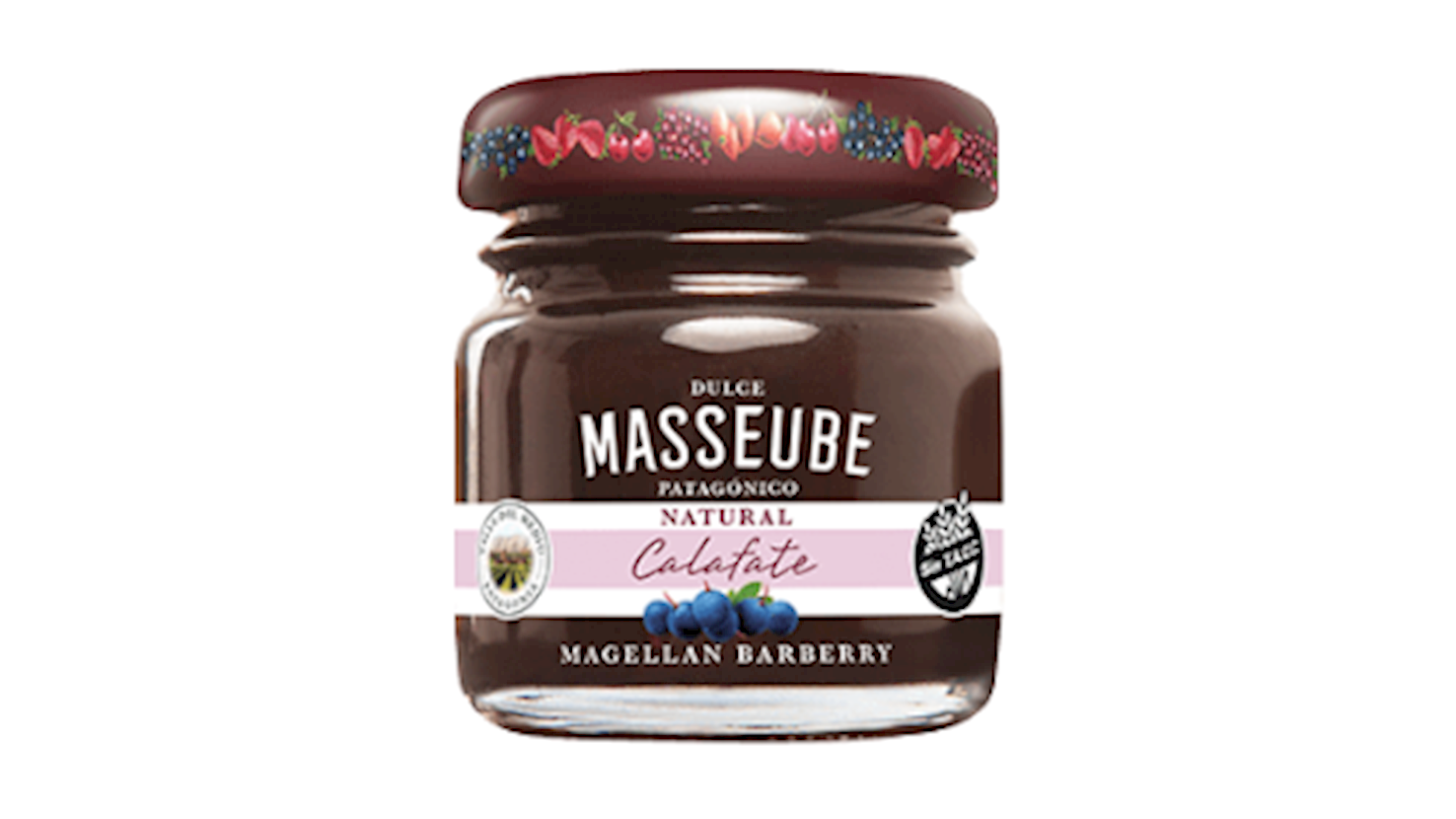
Dulces Masseube is a Patagonian brand from Argentina’s Chubut province that produces organic jams made from whole fruit sourced from local, environmentally managed farms in the Valle del Medio region. The brand’s philosophy centers on clean-label principles - no artificial additives, preservatives, or gluten - combined with a high fruit content and the use of organic sugar. Their most recognized range features wild berry jams, including raspberry, blackberry, red currant, black currant, and elderberry, offering an intense aromatic profile and the natural tart freshness characteristic of Patagonian berries. Production is carried out in small batches with an emphasis on preserving texture and depth of flavor, resulting in dense, fruit-forward jams with a concentrated character. Dulces Masseube highlights its organic certifications, ingredient transparency, and sustainable practices, positioning the brand as a trusted source of premium products for consumers seeking authenticity and natural ingredients. Thanks to the unique terroir of Patagonia and careful processing, Masseube has become one of the region’s most respected makers of high-quality jams.
Del Montañés is a family-owned artisanal producer located in the picturesque village of Villa Traful, in the Neuquén Province, Argentina. Founded in 1992, Del Montañés began by producing alfajores filled with a generous layer of dulce de leche, which remains the signature of their products to this day. Del Montañés takes pride in crafting their products by hand in small batches, using only local and natural ingredients. Their offerings include a variety of alfajores, ranging from the classic ones filled with dulce de leche cream to those with fruit jams and various marmalades. Their dedication to preserving local flavors and artisanal production has made them well-known and beloved among lovers of Argentine sweets.
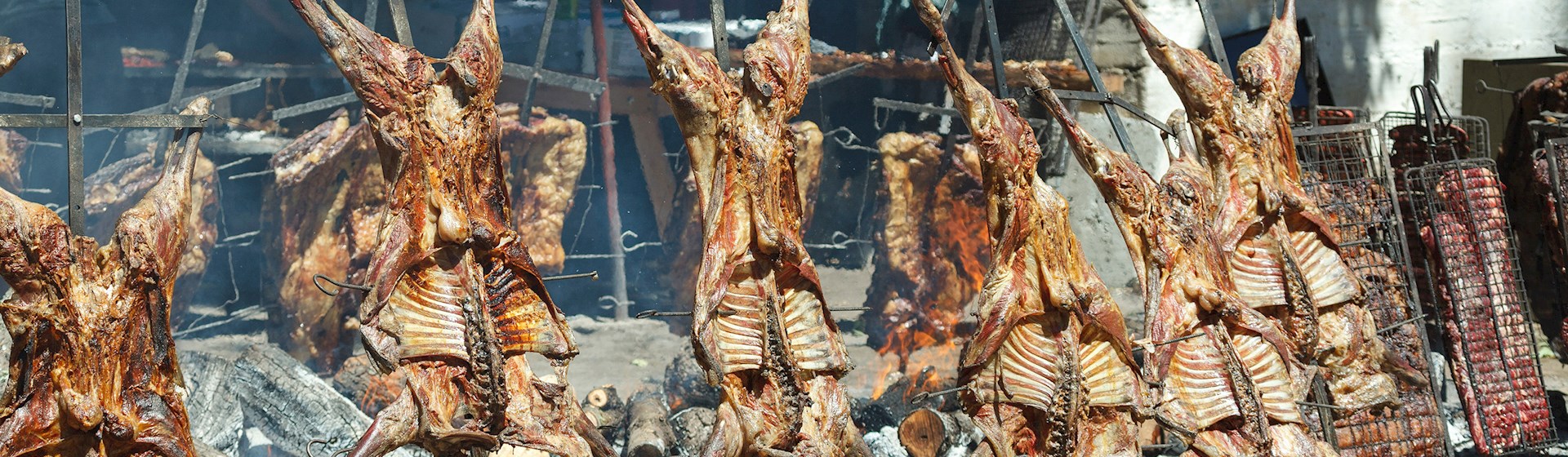
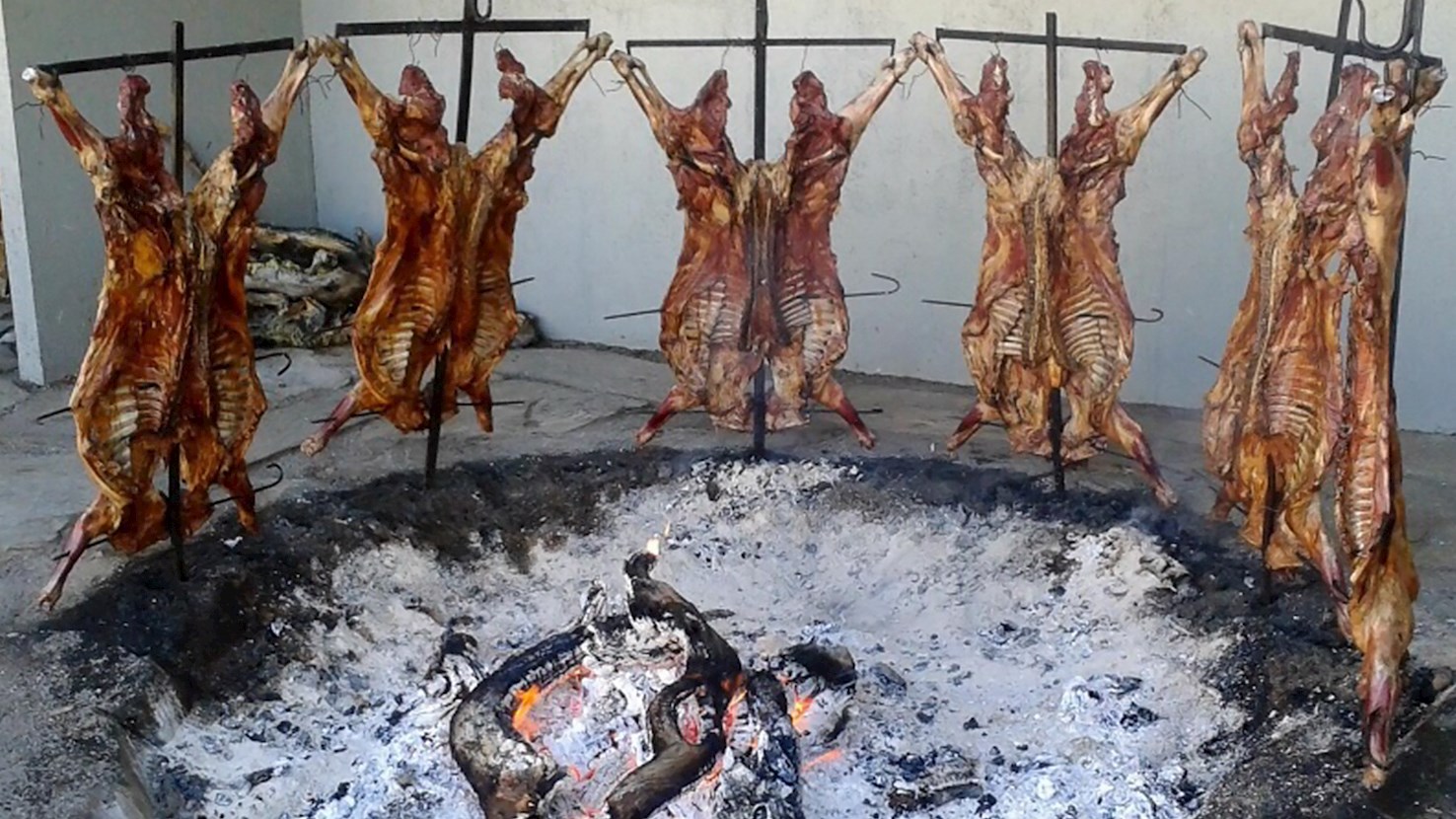
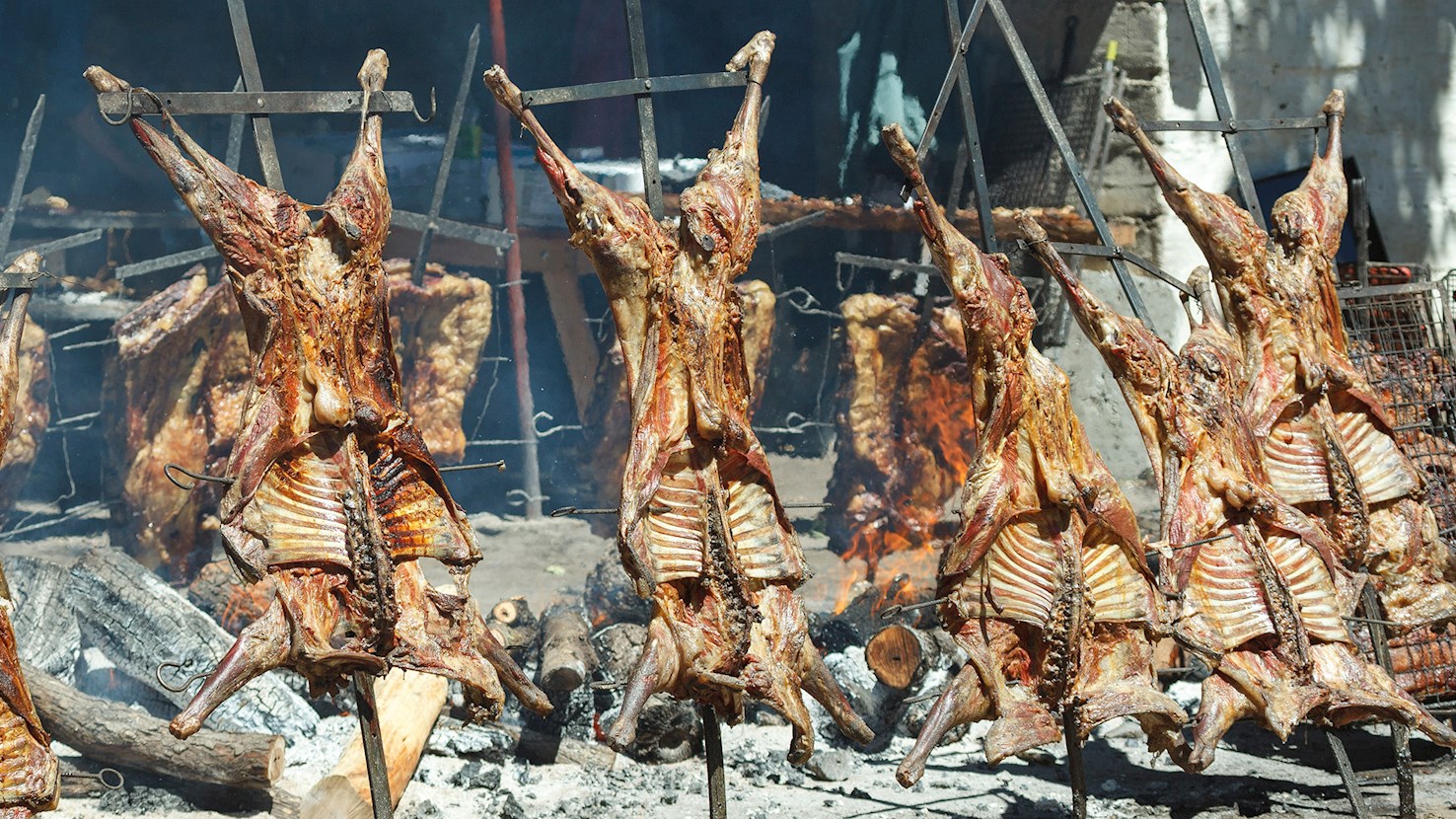
Cordero al palo is a traditional lamb specialty that involves roasting a whole lamb on a spit, a cooking technique which has long been practiced in Chile and Argentina (especially Patagonia). The lamb is slowly cooked for several hours over a wood fire, all the while basting in its own juices and fat, resulting in succulent and tender meat surrounded by crispy skin. While cooking, the meat is often enhanced with a mixture of warm water, salt, and garlic. The dish can be found on the menus of numerous restaurants throughout the region, and it is typically served with pebre, a popular Chilean condiment. Other typical accompaniments to this dish include boiled potatoes, fresh salads, bread, and lots of fine red wine. This spit-roasted lamb delicacy is nowadays usually prepared on special occasions and for holidays.
Cordero patagónico al asador is a Patagonian meat delicacy consisting of a whole, opened, and butterflied lamb roasted over an open fire. The lamb is attached to an iron cross, and it is then placed near the fire, slightly angled in order to slowly cook to perfection. A mixture of water, salt, garlic, and aromatic herbs and spices such as oregano, rosemary, and bay leaves is used for basting the meat while it is roasting. After several hours of cooking, the meat comes off the cross with a nice, crispy exterior and a succulent, tender interior. Slices of roasted lamb are typically accompanied by roasted vegetables, other meats, potatoes, fresh salads, and sauces, and they are usually washed down with full-bodied red wines such as Malbec, Merlot, or Cabernet Sauvignon.
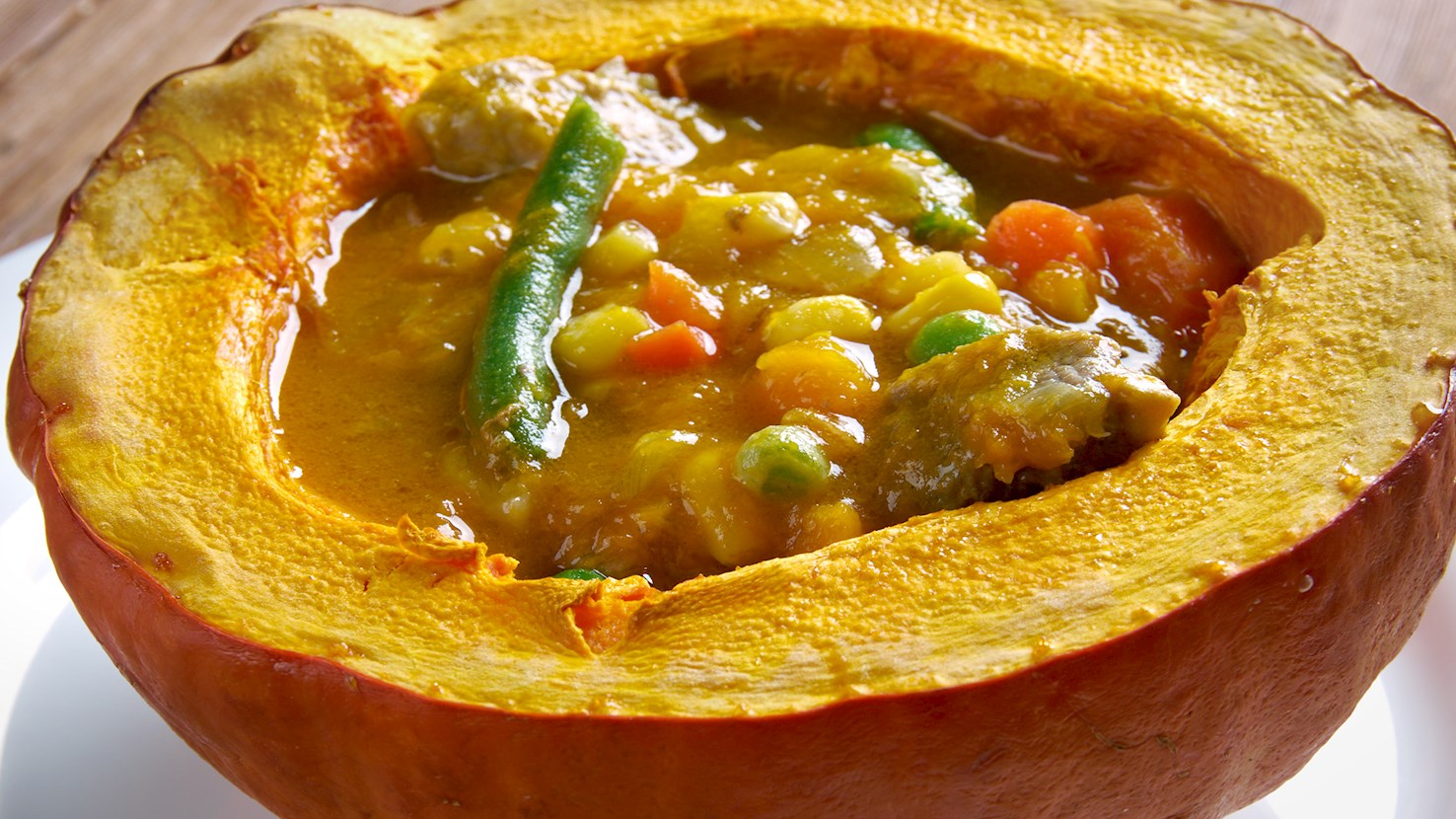
Hailing from Patagonia, this hearty meat stew is usually prepared with chunks of beef, potatoes, squash, sweet potatoes, corn, and tomatoes. It is typically enriched with dried or fresh fruit, usually apricots or raisins, and it is sometimes placed inside a whole pumpkin before it is finished off in the oven. Carbonada criolla is a wintertime staple that is also enjoyed in neighboring Uruguay.
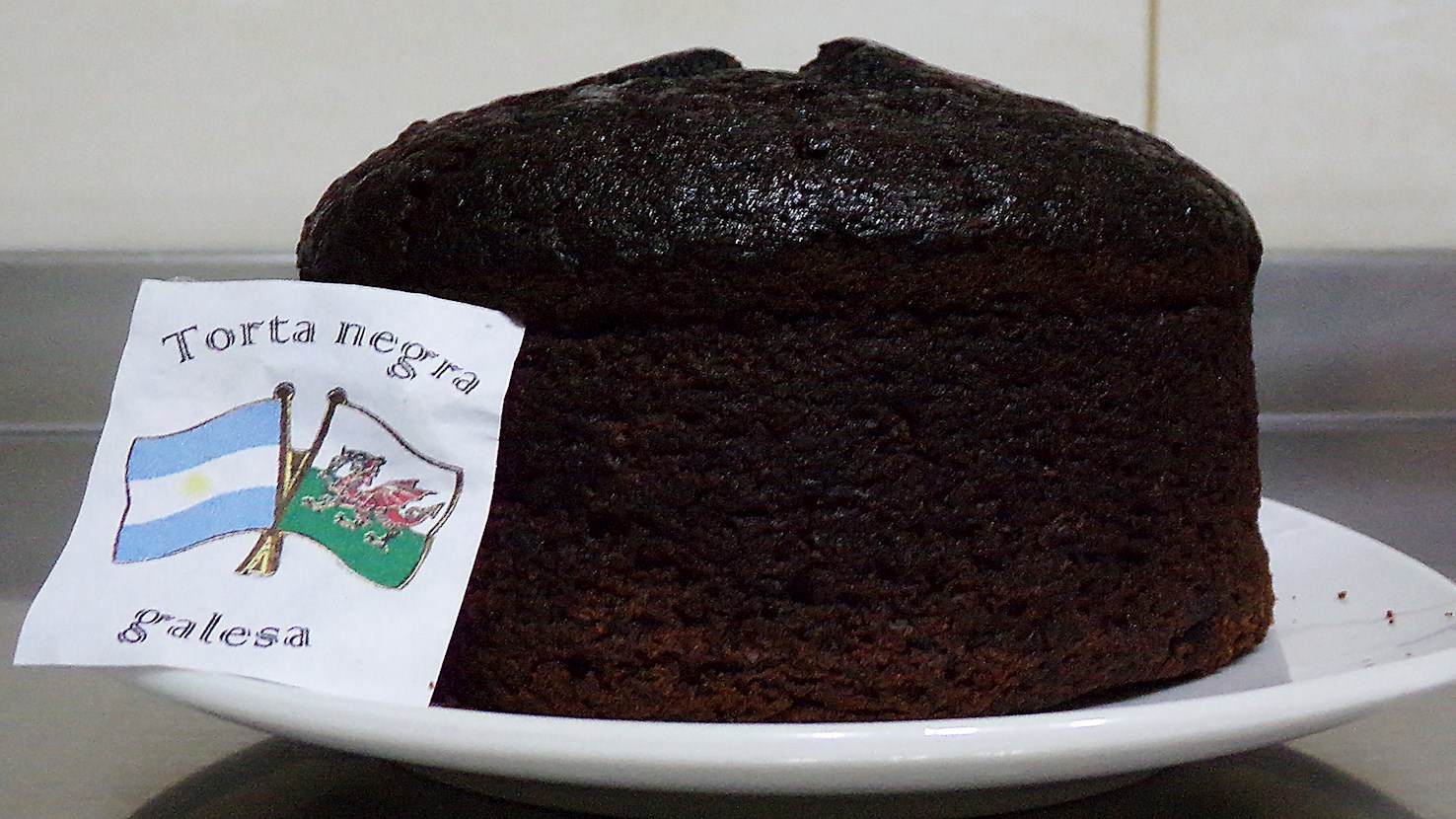
Torta negra galesa (or black Welsh cake) is a Patagonian fruitcake invented by Welsh settlers in the Chubut River region in the late 18th century. The settlers wanted to make a cake that would remind them of home and would keep well for weeks or months. It consists of flour, sugar, butter, almonds, walnuts, candied fruit, and a generous serving of rum. In the region, the fruitcake is typically served as a part of afternoon tea, which is another Welsh tradition.
Alfajores patagónicos are filled sandwich cookies from Argentina made in the southern region of Patagonia, known for their chocolate-covered shells and fillings based on dulce de leche, Patagonian berry jams, or a combination of both. They emerged in the confectionery workshops established in the Andean towns that developed strong chocolate-making traditions alongside berry cultivation, which shaped the types of fillings that became associated with the area. The preparation begins with a dough enriched with butter, sugar, eggs, cornstarch, wheat flour, baking powder, and sometimes cocoa, producing a soft and crumbly cookie once baked. The filling varies by locality and producer: the most widespread version uses a thick layer of dulce de leche, while artisanal bakeries often add a second layer of raspberry, elderberry, strawberry, blackberry, or calafate jam made from fruit harvested in the surrounding valleys. Some bakeries produce a version filled only with berry jam, but the duo of dulce de leche plus a thin layer of fruit jam is one of the signatures of small-scale Patagonian producers. After assembly, the alfajores are coated in tempered chocolate—either dark, milk, or white—creating a firm shell that contrasts with the soft interior. Once set, they are packaged individually, often featuring local motifs that highlight the Patagonian identity of chocolate making and wild fruit production. Variations include alfajores made entirely with chocolate-flavored dough for an intense cocoa profile, cookies made with added honey for a deeper aroma, or versions using nuts in the dough. A few producers omit chocolate entirely and dust the alfajor in cocoa or powdered sugar, though the coated chocolate style remains the hallmark associated with the region. A distinctive feature of the Patagonian style is the integration of local fruit preserves, which distinguishes it from alfajores of the central provinces. Another unique element is the widespread use of thick, high-quality chocolate shells, linked to the well-developed chocolate industry of Bariloche and the mountain towns. Alfajores patagónicos are eaten year-round as a snack, dessert, or souvenir brought home by travelers crossing the Andean route. They pair well with coffee, hot chocolate, or herbal teas common in the region, and they are frequently enjoyed alongside mate, whose bitterness balances the sweetness of the filling and chocolate coating.
TasteAtlas food rankings are based on the ratings of the TasteAtlas audience, with a series of mechanisms that recognize real users and that ignore bot,
nationalist or local patriotic ratings, and give additional value to the ratings of users that the system recognizes as knowledgeable.
For the “Top 12 Patagonian Foods” list until June 10, 2026, 194 ratings were recorded, of which 106 were recognized by the system as legitimate.
TasteAtlas Rankings should not be seen as the final global conclusion about food. Their purpose is to promote excellent local foods,
instill pride in traditional dishes, and arouse curiosity about dishes you haven’t tried.
The initial list of top producers was compiled based on available reviews, awards, local recommendations, media and blog coverage, and consumer reviews.
The list will be updated with ratings from TasteAtlas local ambassadors and TasteAtlas users.