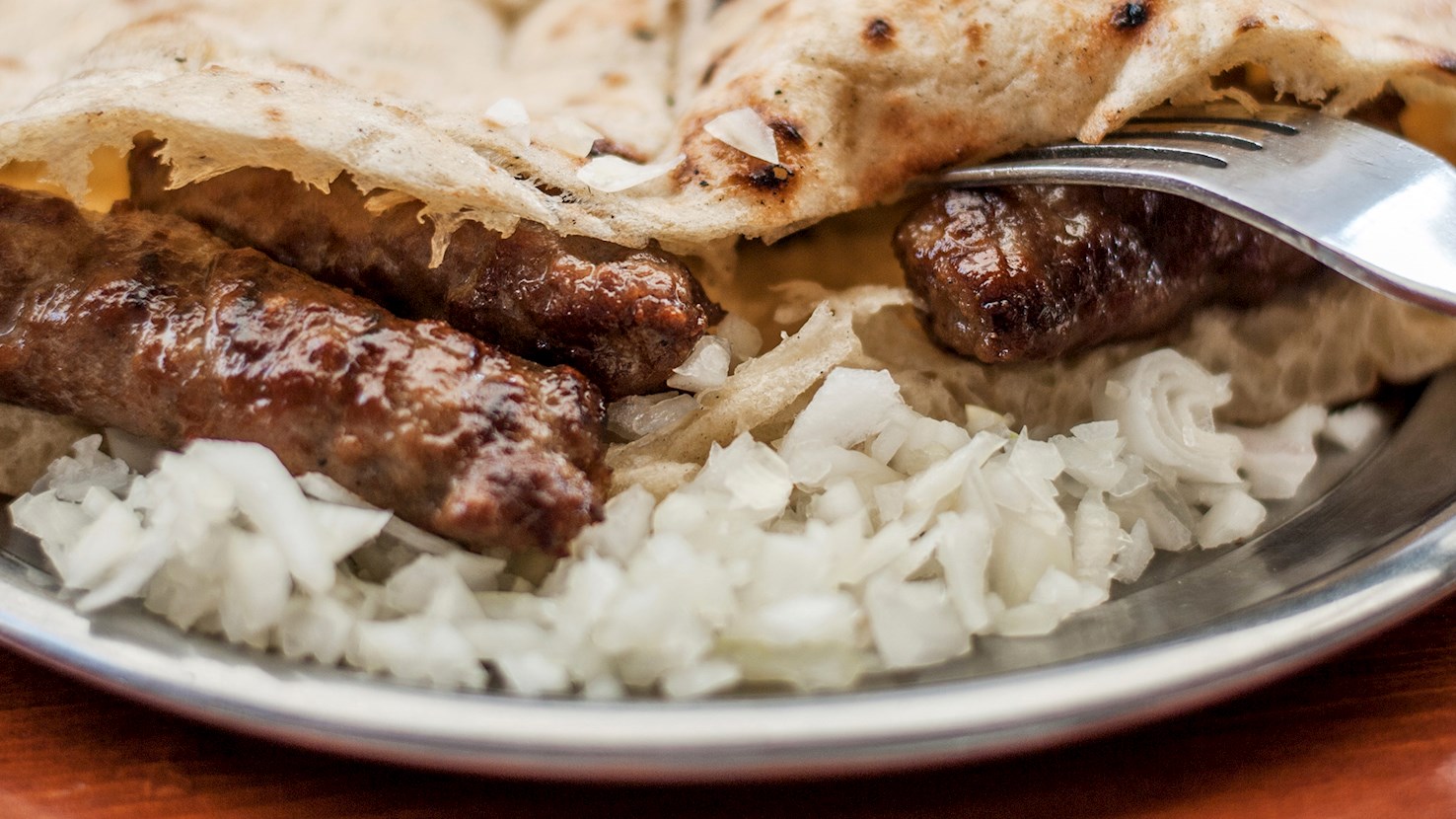
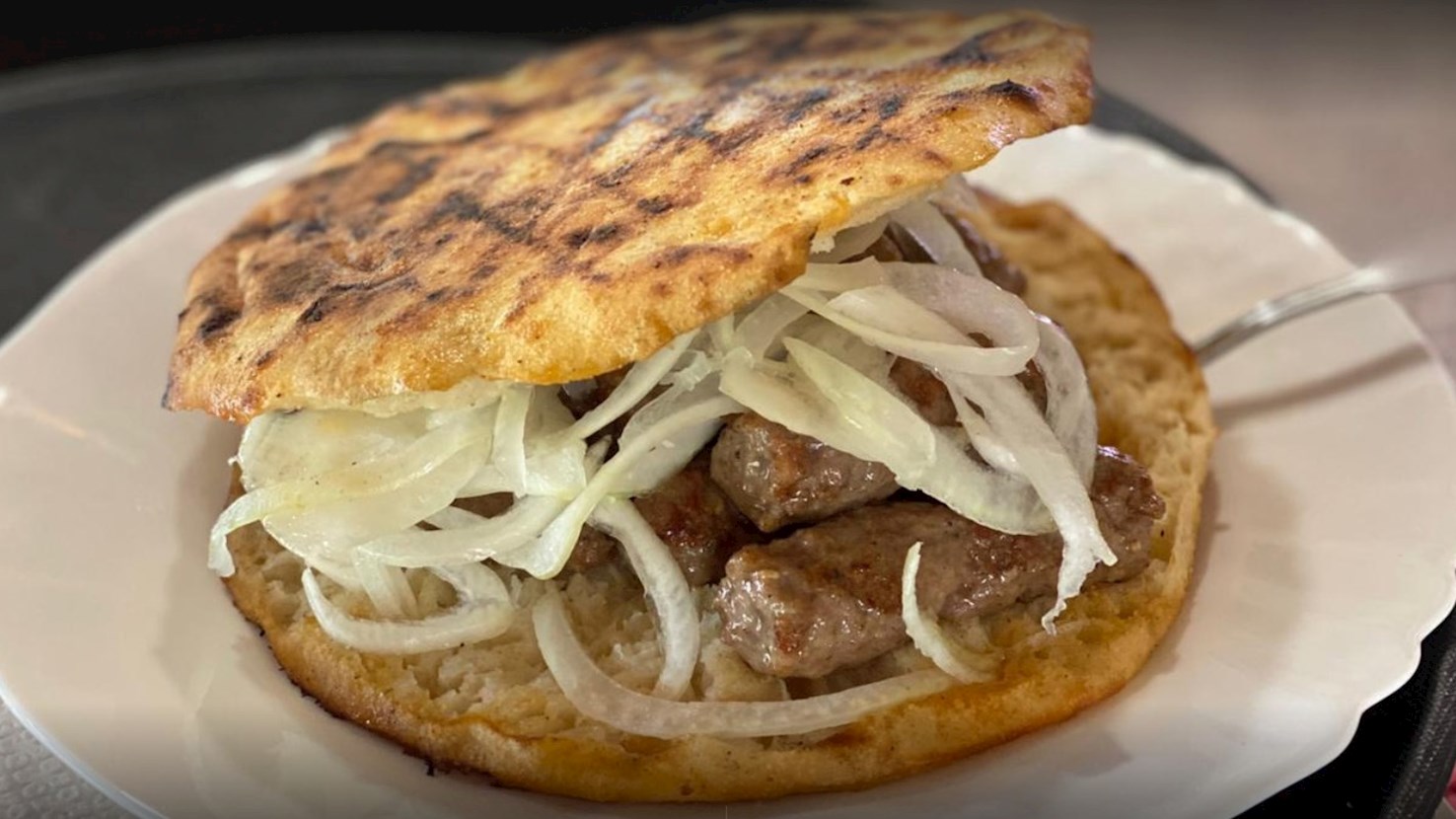
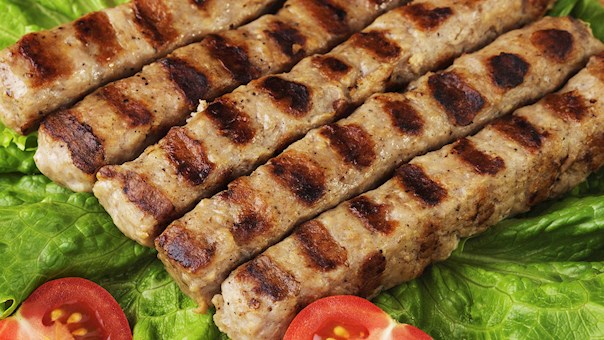
Sarajevski ćevapi (or Sarajevo-style ćevapi) are a traditional Bosnian dish of small, grilled minced meat sausages, typically made from baby beef, served in a soft, slightly crispy somun (a type of Bosnian flatbread) together with chopped onions. The meat is twice ground and seasoned simply with salt, and the mixture is left to rest (typically for 24 hours or more) before being grilled over charcoal or wood fire, giving it a distinct smoky, juicy taste. Sarajevo-style ćevapi are typically served in portions of 5, 10, or 15 pieces and paired with a cold yogurt or sour milk.
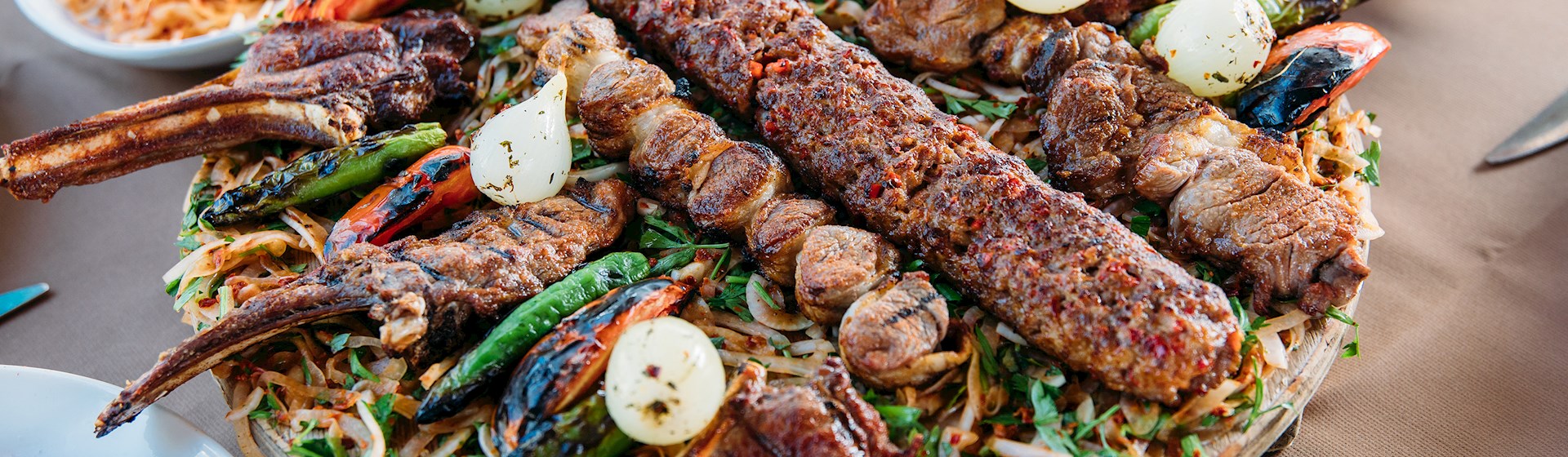
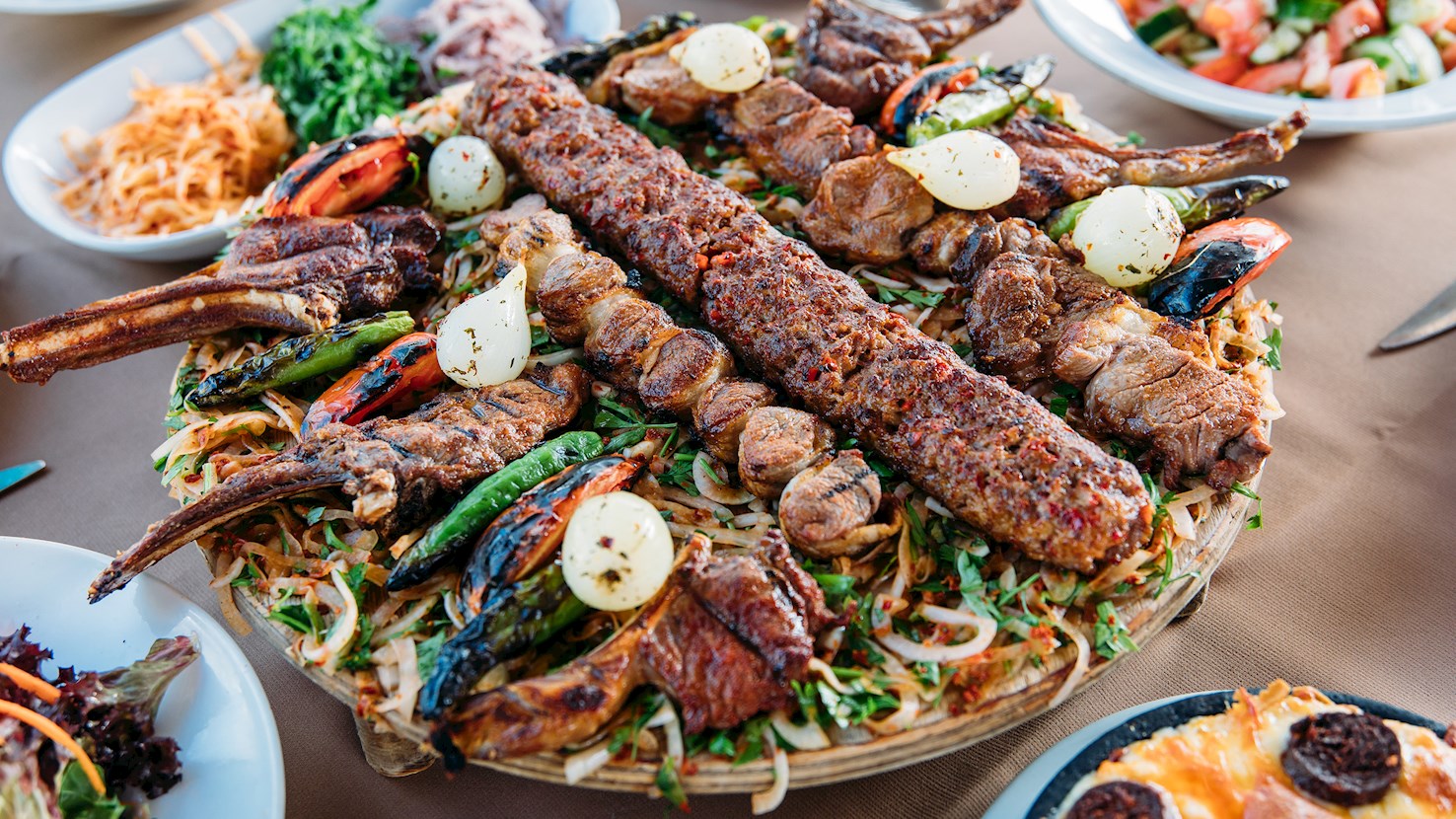
Adana kebab, colloquially known as Kıyma kebabı, is a famous skewered meat dish originating from the southeastern Turkish province of Adana. Traditionally, Adana kebab is made with hand-minced lamb meat and tail fat that have been mixed, then seasoned with salt, red chili powder, and finely chopped sweet red pepper - a unique crescent cleaver is used for mincing the ingredients, called zirh. The meat is supposed to come from a male lamb not older than 12 months and be cleansed of its nerves, silverskin, and internal fat. Once seasoned, kneaded, and left to rest, the meat is divided into several portions and placed on long and thin iron-cast skewers on which it is barbecued for several minutes. Adana kebabs are roasted on an open mangal (flameless barbecue) filled with burning oak wood charcoal. While roasting, kebabs are frequently turned, and their dripping fat is collected with a traditional lavaş flatbread or pita bread, with which the kebabs are served later on. Once roasted, the kebabs are served with grilled tomatoes, red or green peppers, and julienned onions mixed with freshly chopped parsley and sumac. Typically, Adana kebabs are served wrapped in flatbread (dürüm) or on top of the bread with different sides (porsiyon). In 2005, Adana kebab was certified by the Adana Chamber of Commerce; thus, only vendors who have passed the chamber’s inspection have the right to sell the traditional Turkish delicacy.
This recipe for Banjalučki ćevapi is in line with how they're usually prepared these days. It calls for a mix of baby beef and veal, plus all the traditional seasonings: garlic, salt, and pepper. The recipe states that you should refrigerate the meat for 12 hours, but if you're in no hurry, 24 hours is ideal, as the meat has more time to ferment and develop flavor.
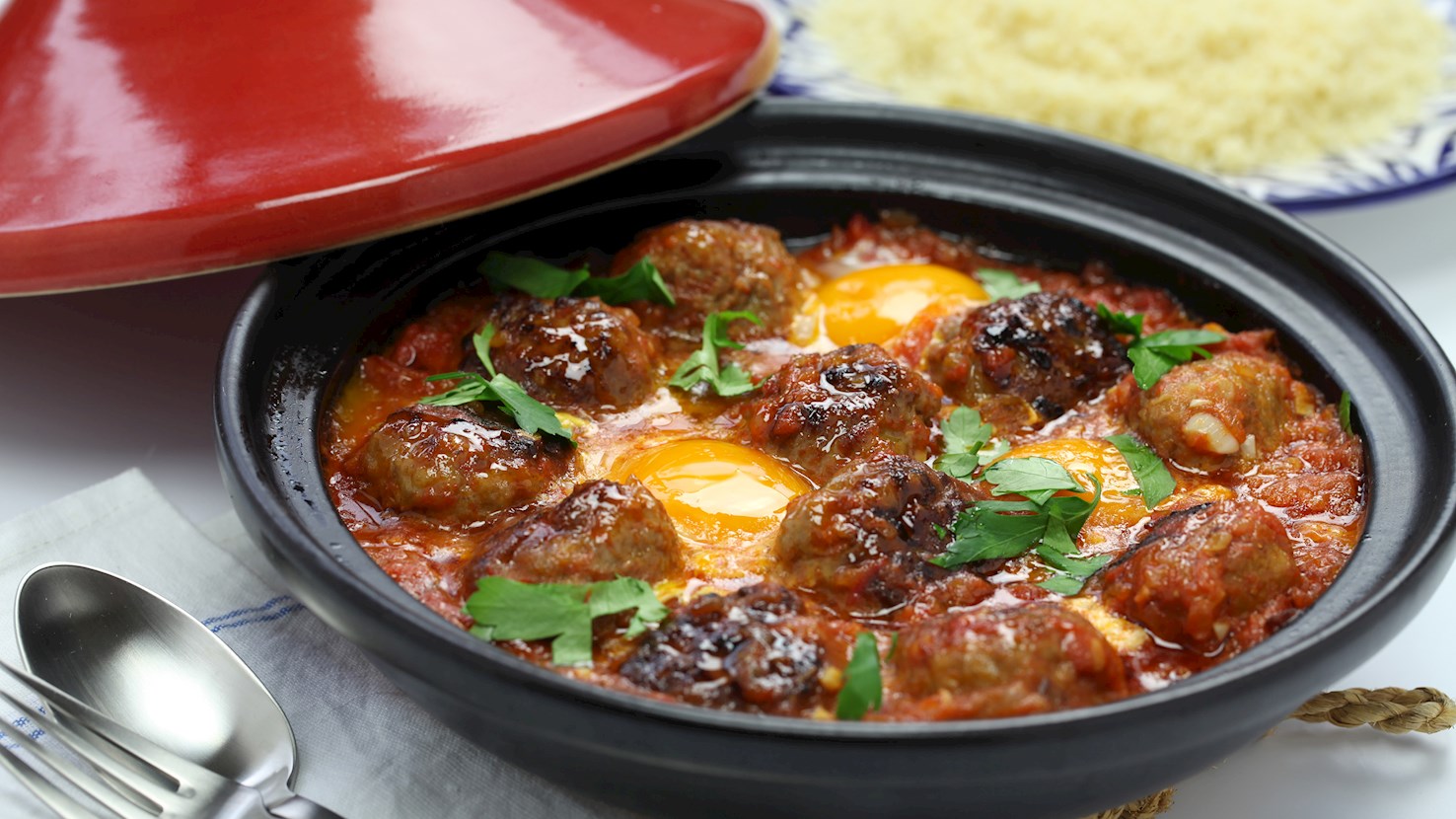
Kefta tagine is a dish of small spiced meatballs simmered gently in a slow-cooked tomato sauce, often finished with eggs cooked directly in the sauce, and is widely prepared in homes, markets, and restaurants throughout Morocco, considered an everyday staple rather than a ceremonial dish. Preparation begins with kefta, made from ground beef, lamb, or a combination of the two. The meat is mixed with finely grated or chopped onion, fresh parsley and cilantro, warm spices such as cumin and paprika, and salt and pepper. The tomato sauce is what defines kefta tagine and sets it apart from other meatball dishes. Traditionally, only fresh, ripe tomatoes are used. They are peeled, seeded, and chopped or grated to create a fresh pulp. In a tagine or shallow pan, oil is gently heated, and onions, green pepper, and garlic are slowly softened. Spices are added early to bloom in the oil, followed by the tomatoes and herbs. The sauce is then left to simmer slowly, allowing excess liquid to evaporate and the flavors to concentrate naturally into a thick, rich consistency. Once the sauce has reduced and deepened in flavor, the meatballs are nestled into it and simmered gently until just cooked through. Eggs are a common but optional addition; when used, they are cracked directly over the sauce and gently poached until the whites set, and the yolks remain slightly soft. Some variations also include olives or a touch of chili, depending on regional preferences or household tradition. Kefta tagine is traditionally served straight from the cooking vessel and placed at the center of the table. It is eaten communally, using Moroccan bread to scoop up the meatballs, sauce, and eggs. No side dishes are necessary, as the tagine itself is considered a complete meal, though it may occasionally be accompanied by simple salads or olives.
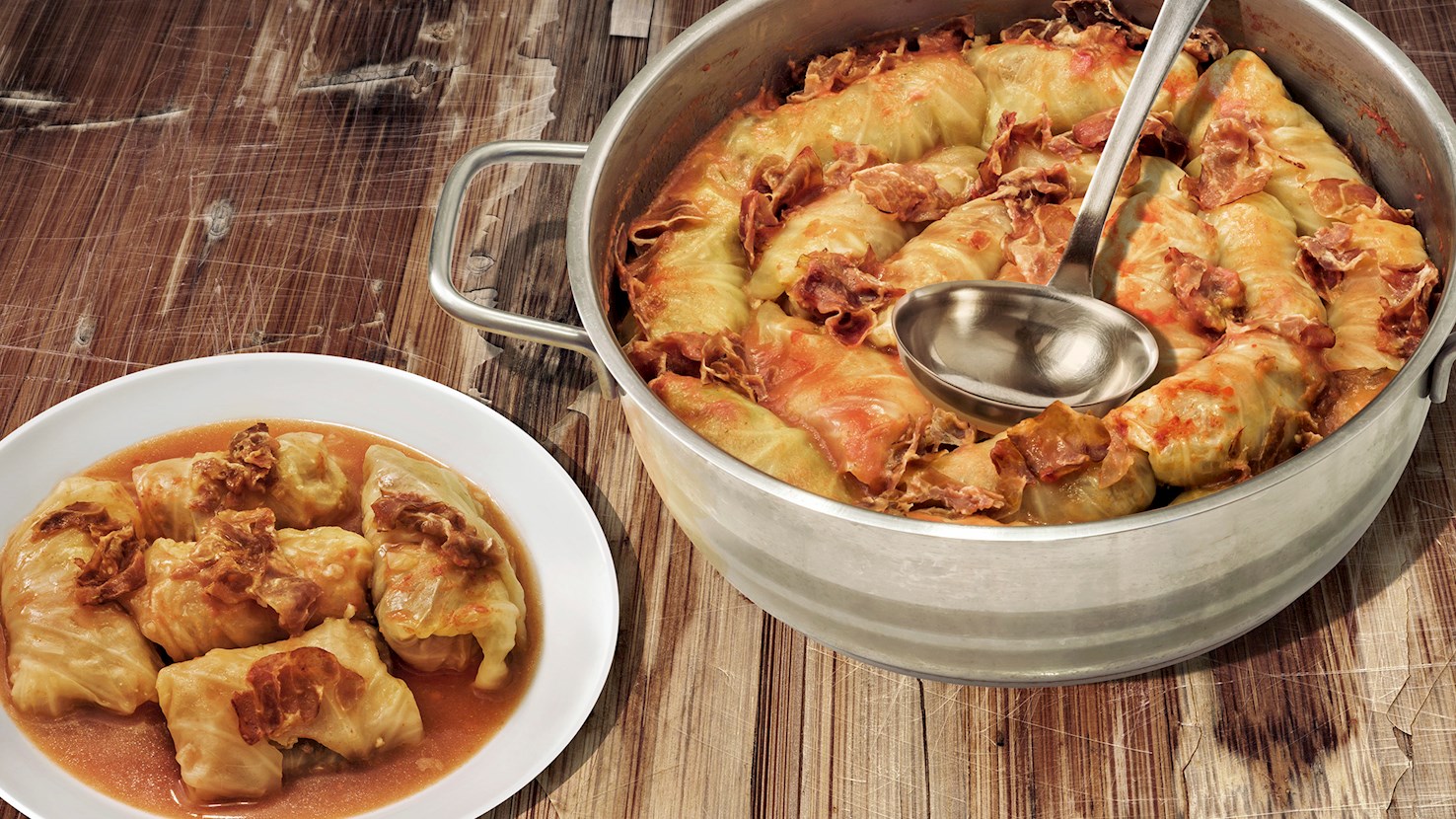
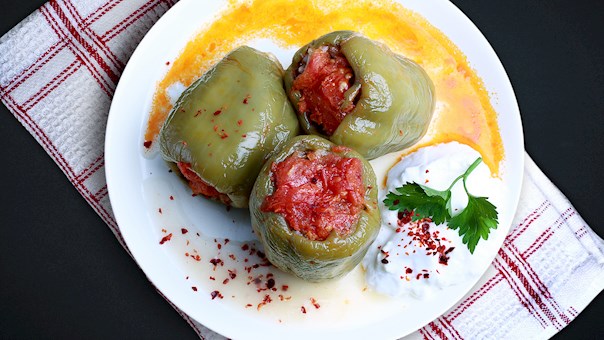
Sarma is a Turkish dish belonging to the dolma food family, primarily found in the cuisines of the former Ottoman Empire countries, from the Middle East to the Balkans and Central Europe. It is a very versatile dish, with many variations created across the centuries. A filling typically made with minced meat and rice, barley, or bulgur is wrapped in grape leaves, cabbage, chard, or monk's rhubarb. Turkish recipes use lamb or beef, while European versions often incorporate pork as well, seasoned with onion, garlic, and spices. After stuffing, the rolls are simmered, baked, or steamed in a lidded pot. The dish is usually served warm, with mashed potatoes and bread. It is especially popular in the winter months as a lunch or dinner and is commonly served during the holidays and for special occasions. A multitude of variations includes the Romanian sarmale with ground pork and caramelized onions, the Polish gołąbki, consisting of cabbage leaves and mixed pork and beef, and the Hungarian töltött káposzta, which is made with sweet or sauerkraut cabbage leaves and a mixture of pork, eggs, and rice. Yaprak sarmasi, or vine leaf rolls, are common in Western Asia and some European countries. This meatless version of the dish consists of vine leaves filled with rice seasoned with numerous spices, such as currants, mint, and pine nuts. The vegetarian variety is usually served cold, topped with some yogurt, and served as an appetizer or a side dish.
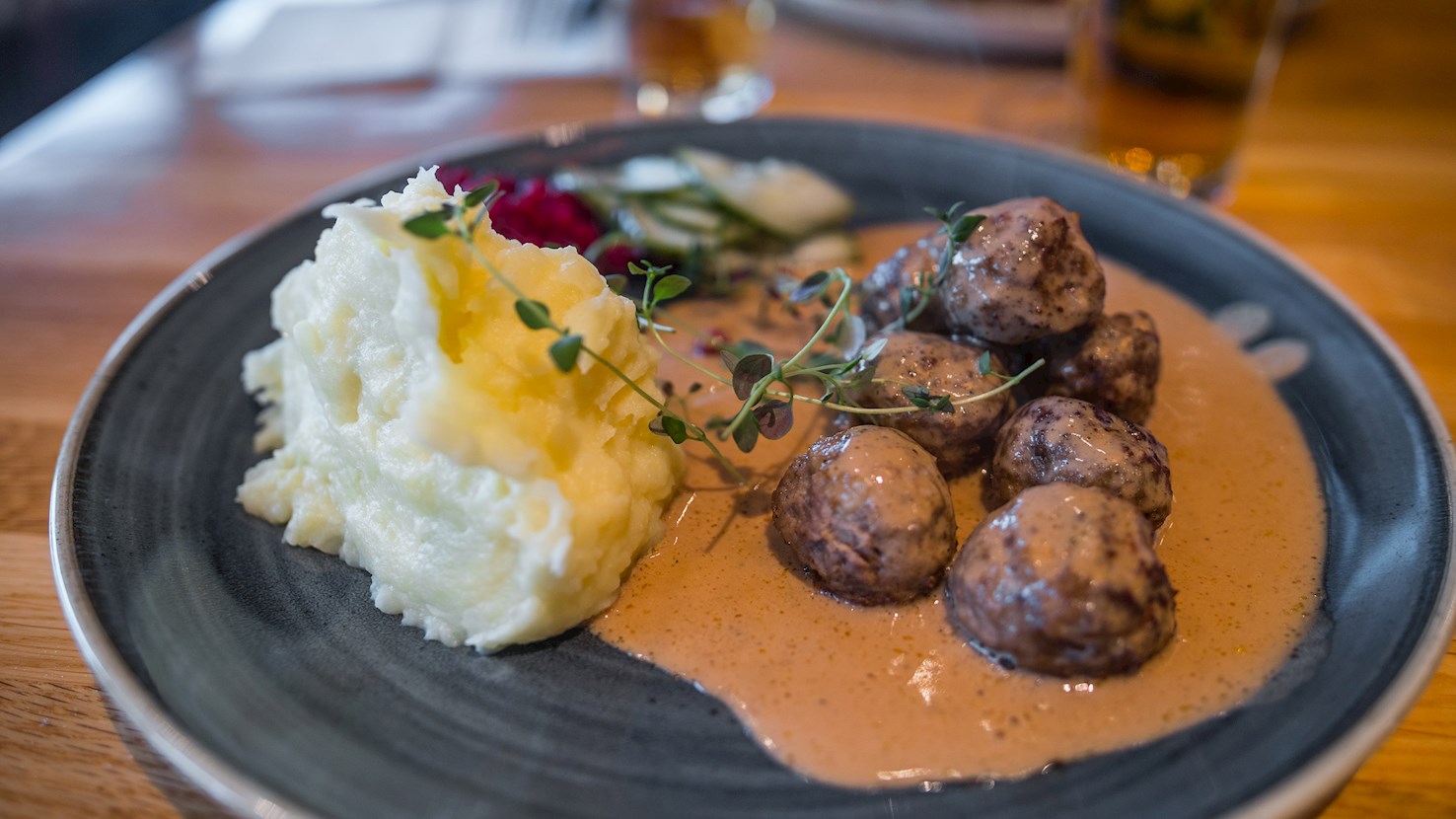
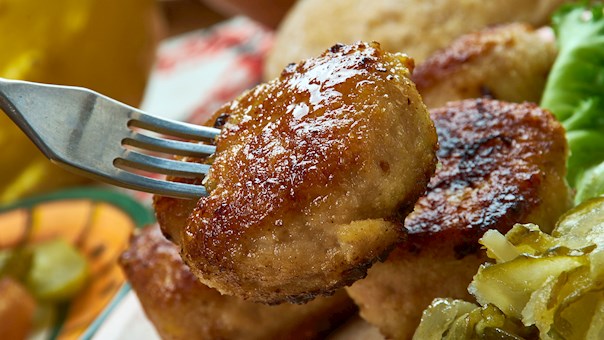
This traditional recipe for köttbullar emphasizes a no-frills approach, calling for only the ingredients traditionally used to make the dish. Onions are gently softened for sweetness, and breadcrumbs soaked in milk keep the meatballs light and tender. The mixture is blended until smooth, then shaped into small, even portions — they should never be too large. Frying them in butter once it stops sizzling ensures a golden crust, and a simple cream-based sauce completes the dish. The recipe is adapted from Sweden.se, the official website of Sweden, run by the Swedish Institute (SI) — a government agency that promotes Sweden worldwide.
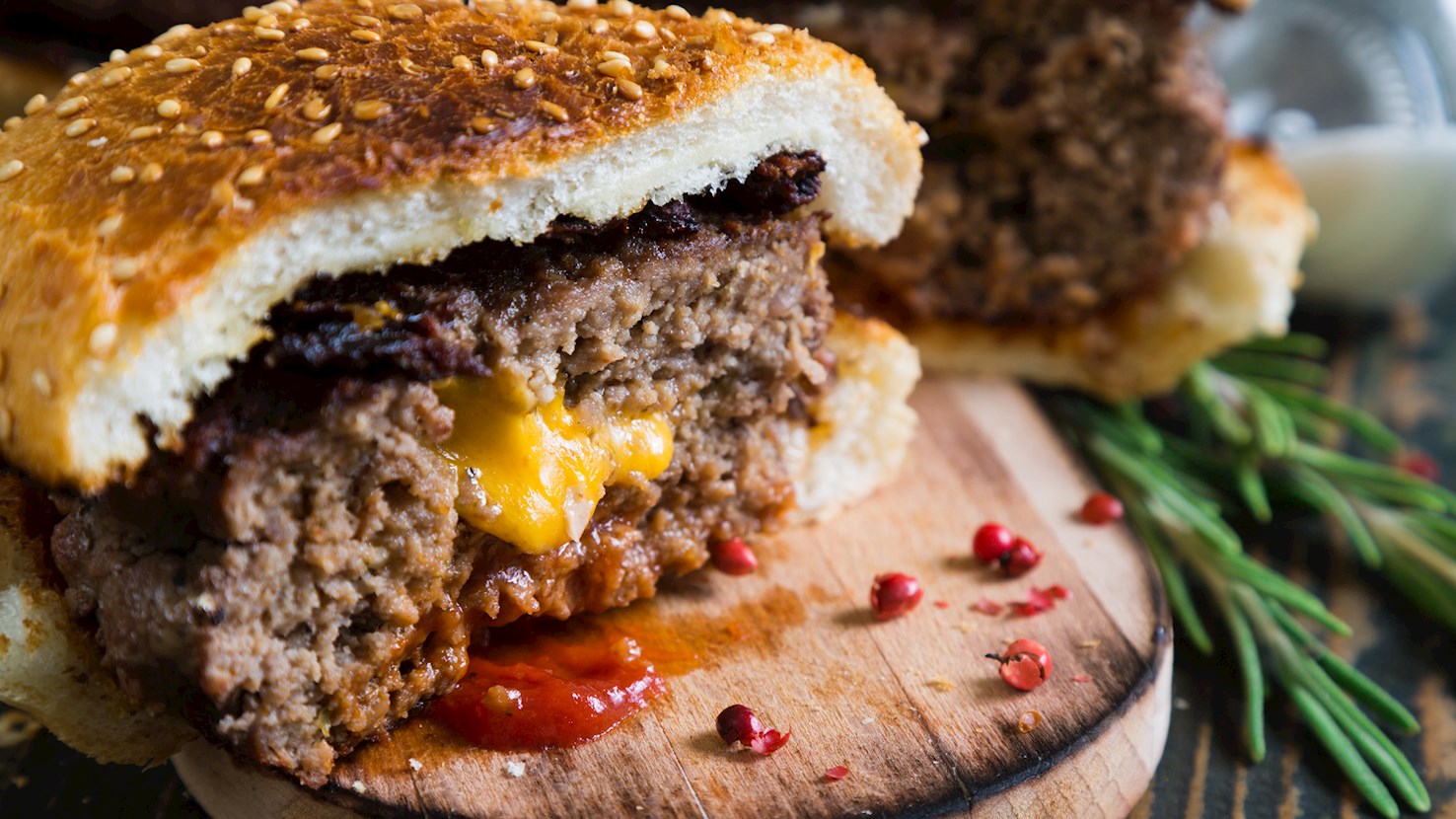
The Juicy Lucy is a cheeseburger with a twist. Slices of American cheese are tucked between two four-ounce patties, which are sealed to form a single beef patty with a pocket of cheese in the middle. Once grilled, the patties are served on a hamburger bun with a topping of either sliced pickles or onions. When you bite into one of these, melted cheese should ooze from the patty, so make sure to let your Juicy Lucy cool a bit before taking a bite.
This recipe for Tuzlanski ćevapi is the closest to the real thing. It calls for beef, lamb, and mutton, as is tradition. The onions add flavor and sweetness, but if you want to make ćevapi as authentic as possible, leave them out. Additionally, the preparation method is on par. Once ground, you need to let the meat rest for 24 hours, which means it will have enough time to ferment and develop flavor. Also, if you'd like, you can make the broth using a bouillon cube if you do not have beef broth on hand.
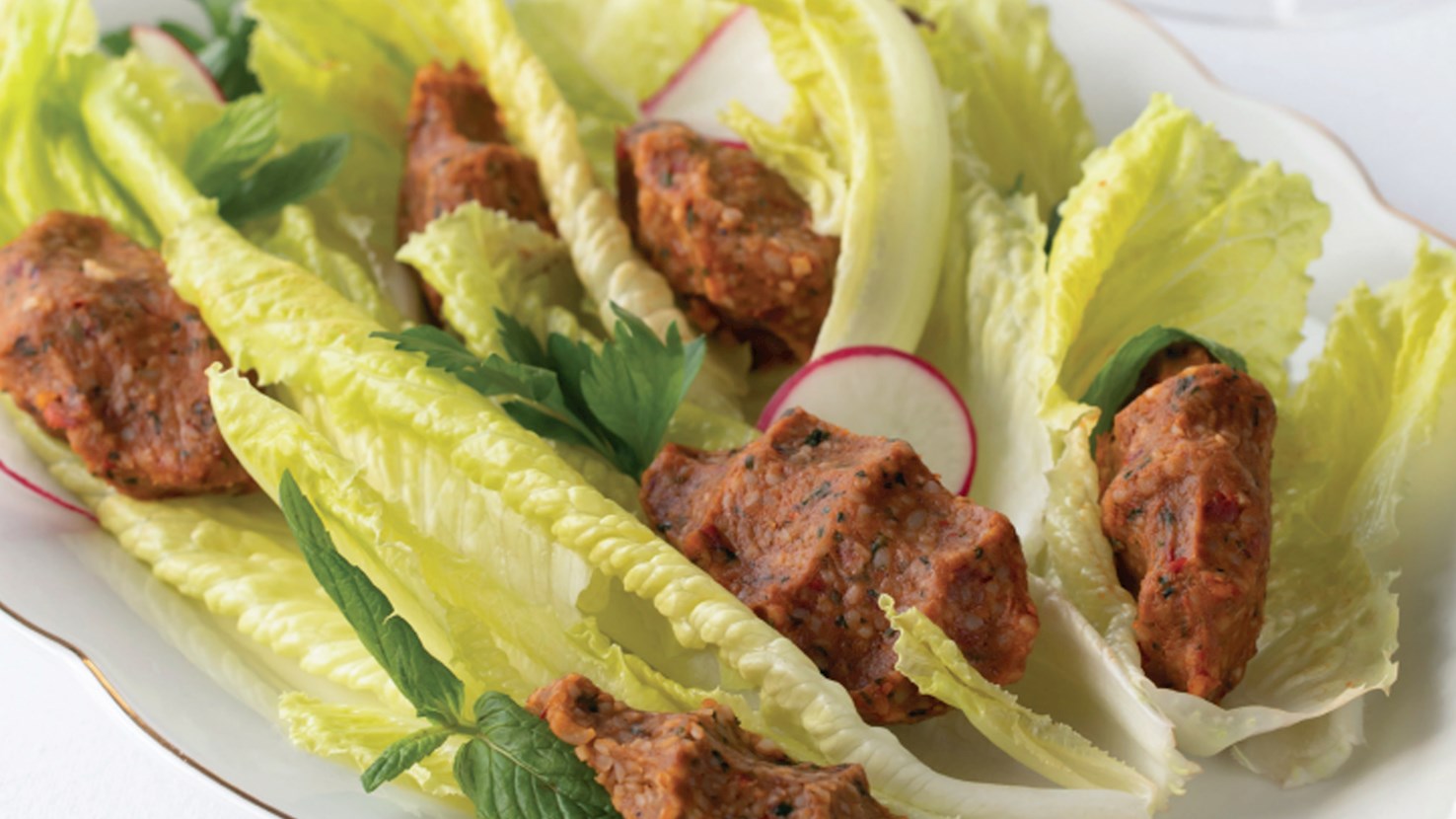
Made with finely minced veal, bulgur, onions, garlic, and select Turkish spices like red pepper flakes, pepper, and tomato paste, the traditional çiğ köfte is the Turkish version of steak tartare. No cooking is required, but the mixture will need a lengthy kneading to get the right texture. The recipe is adapted from the gastronomy book Turkish Cuisine with Timeless Recipes.
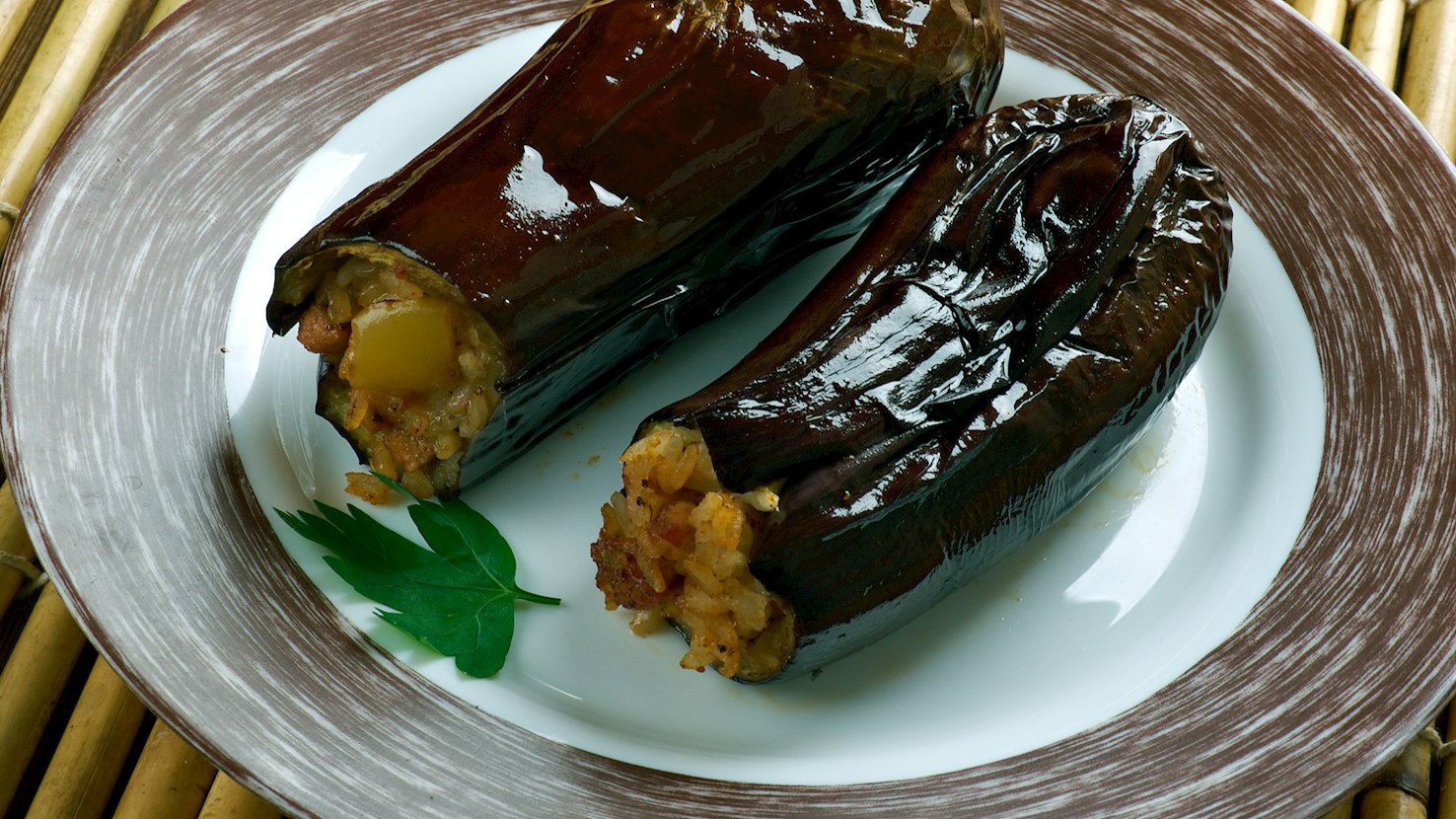
Adapted from the gastronomy book Turkish Cuisine With Timeless Recipes, this recipe shows how to prepare patlıcan dolmasi or stuffed eggplants. In this variant, the sun-dried eggplants are soaked in sumac-flavored water to soften, then stuffed with a mixture of lamb or mutton, rice, garlic, onion, red pepper paste, herbs, and spices. Once stuffed, they are placed in a saucepan and arranged atop veal ribs and poured over with the sumac juice and olive oil, and cooked on the stove. Instead of ribs, you can also use a mixture of sliced carrots and onions for the saucepan base.
TasteAtlas food rankings are based on the ratings of the TasteAtlas audience, with a series of mechanisms that recognize real users and that ignore bot,
nationalist or local patriotic ratings, and give additional value to the ratings of users that the system recognizes as knowledgeable.
For the “Top 23 Ground Meat Dish Recipes” list until October 17, 2026, 32,956 ratings were recorded, of which 18,190 were recognized by the system as legitimate.
TasteAtlas Rankings should not be seen as the final global conclusion about food. Their purpose is to promote excellent local foods,
instill pride in traditional dishes, and arouse curiosity about dishes you haven’t tried.





What People Say