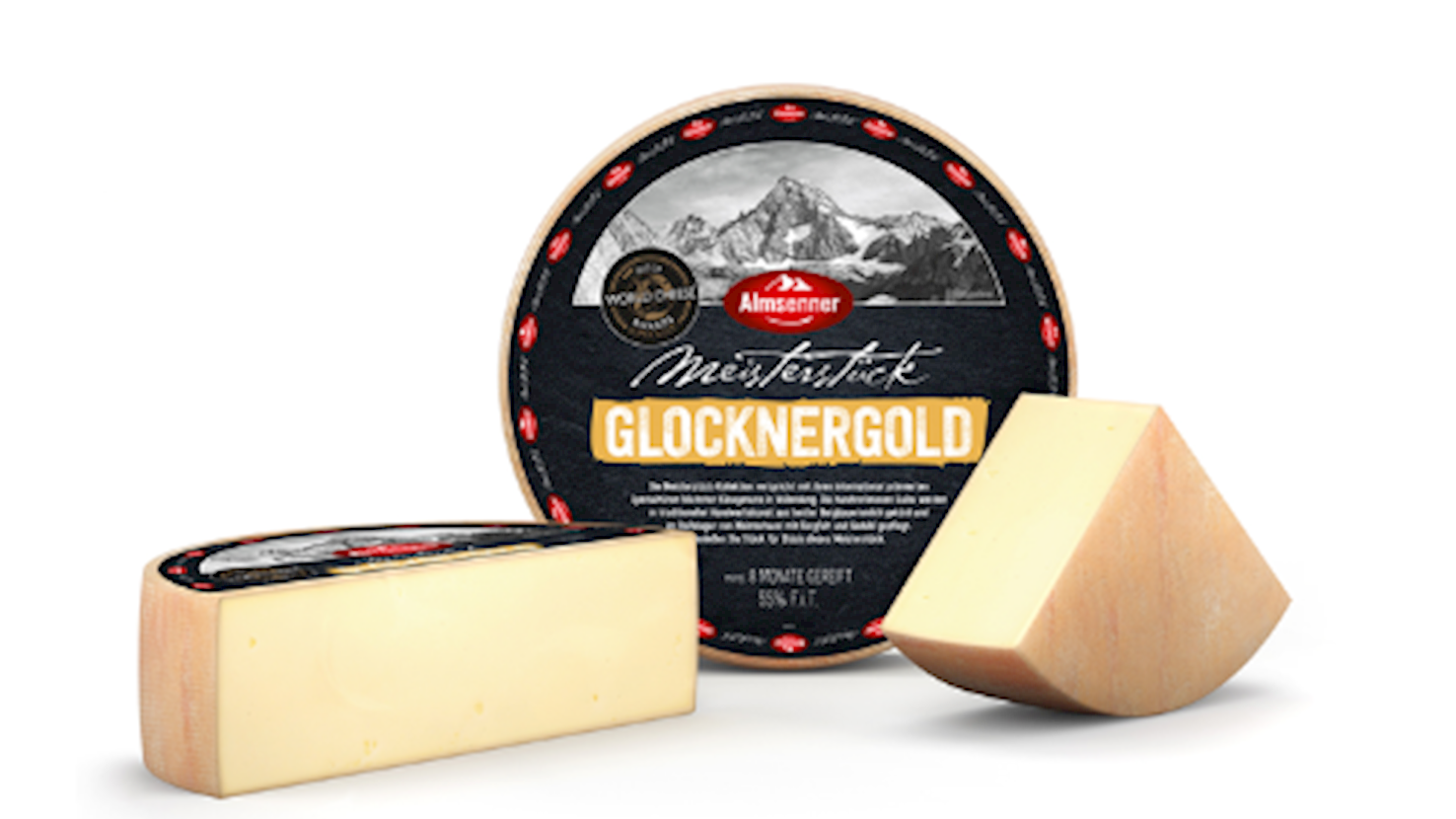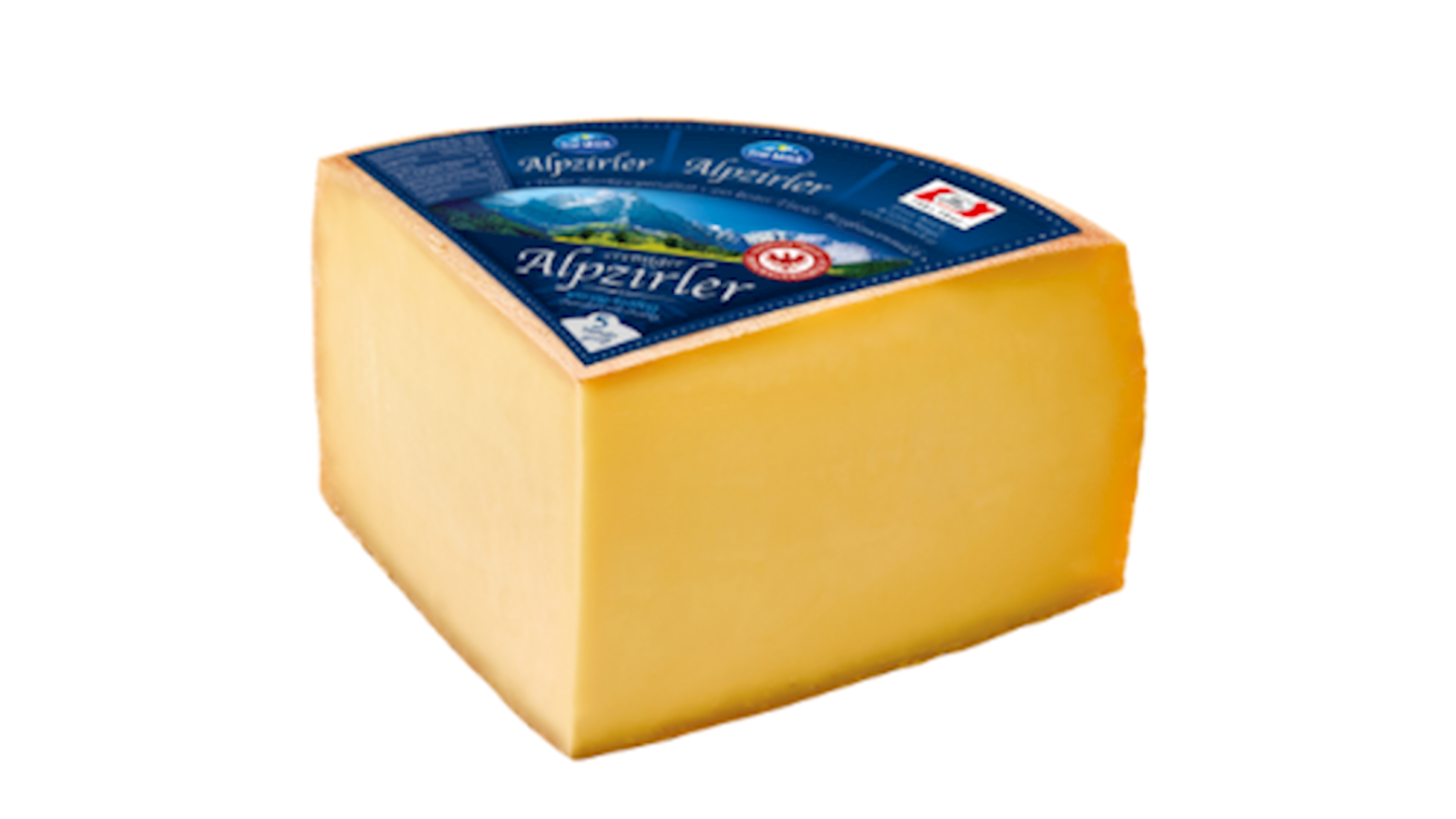
Pinzgau Milch is an Austrian dairy company based in Maishofen in the Pinzgau region, bringing together numerous mountain farms and processing milk sourced from Alpine pastures. The raw milk comes from cows fed primarily on grass and hay from high-altitude meadows, which contributes to the clean, full-bodied character of its dairy products. The company originated from local dairy cooperatives established in the 1930s and has since developed into a modern processing facility that combines traditional craftsmanship with advanced technology. Its portfolio includes fresh milk, yogurt, butter, cream, and a broad range of cheeses, particularly Alpine semi-hard and hard varieties. Products made from hay-fed and organically certified milk play an important role within the assortment, reflecting Austrian quality standards. Beyond classic dairy lines, Pinzgau Milch also produces milk-based beverages, protein drinks, iced coffee, and specialized nutritional formulas, expanding its presence beyond conventional dairy segments. A significant share of production is exported, underlining its stable position in international markets. The company operates in accordance with strict food safety and environmental management standards, including responsible energy use and packaging practices. Close cooperation with regional farmers ensures traceability and consistent quality from farm to finished product. Pinzgau Milch represents a model in which mountain agriculture and modern dairy processing are integrated into a sustainable and competitive system.
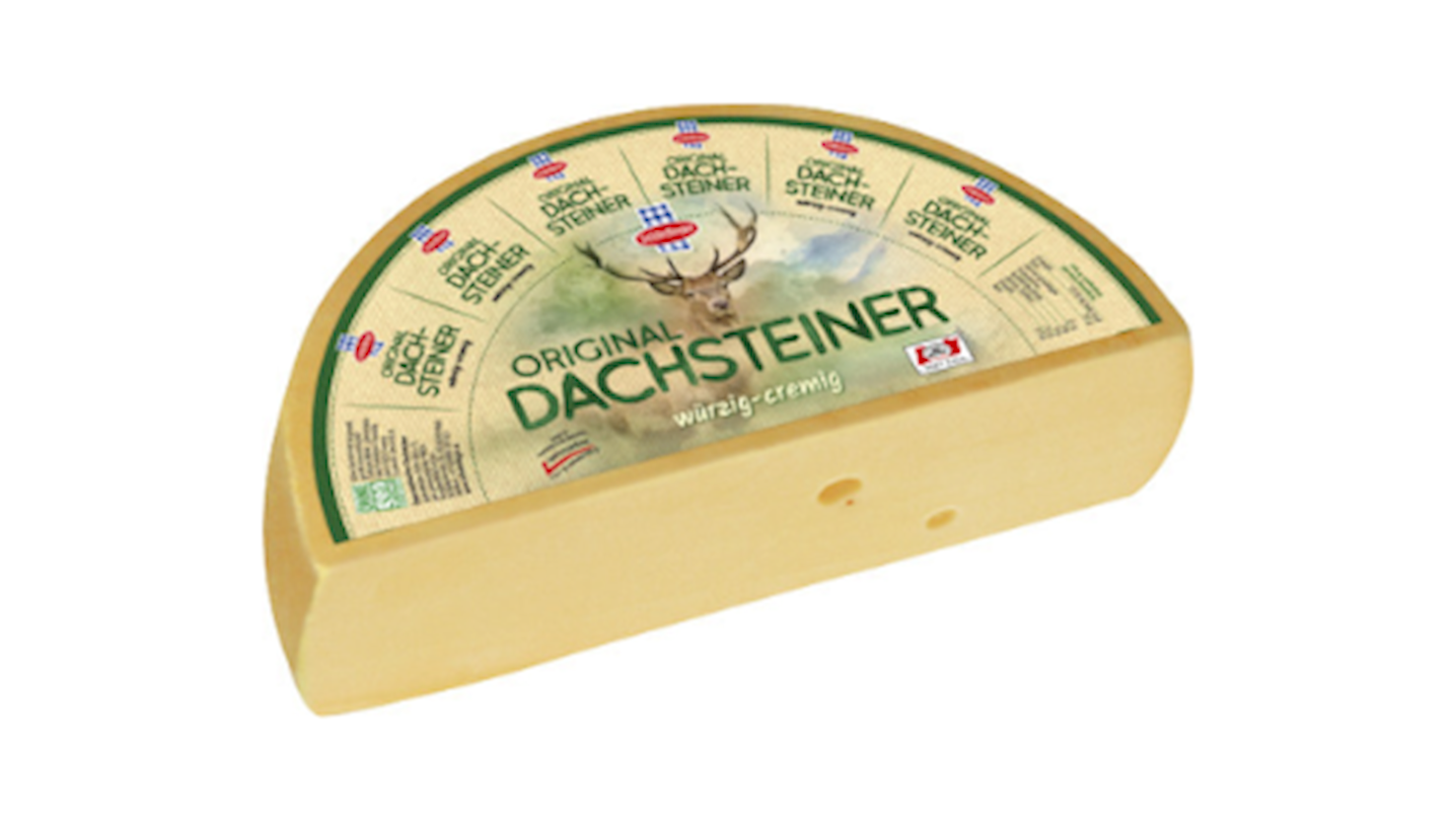
Dorfsennerei Schlins-Röns und Umgebung is a cooperative cheese producer located in Austria, specifically serving the Schlins and Röns region. The cooperative focuses on producing traditional Austrian cheeses using milk sourced from local dairy farmers. They employ methods that combine both modern and traditional cheese-making techniques to preserve the artisanal quality of their products.
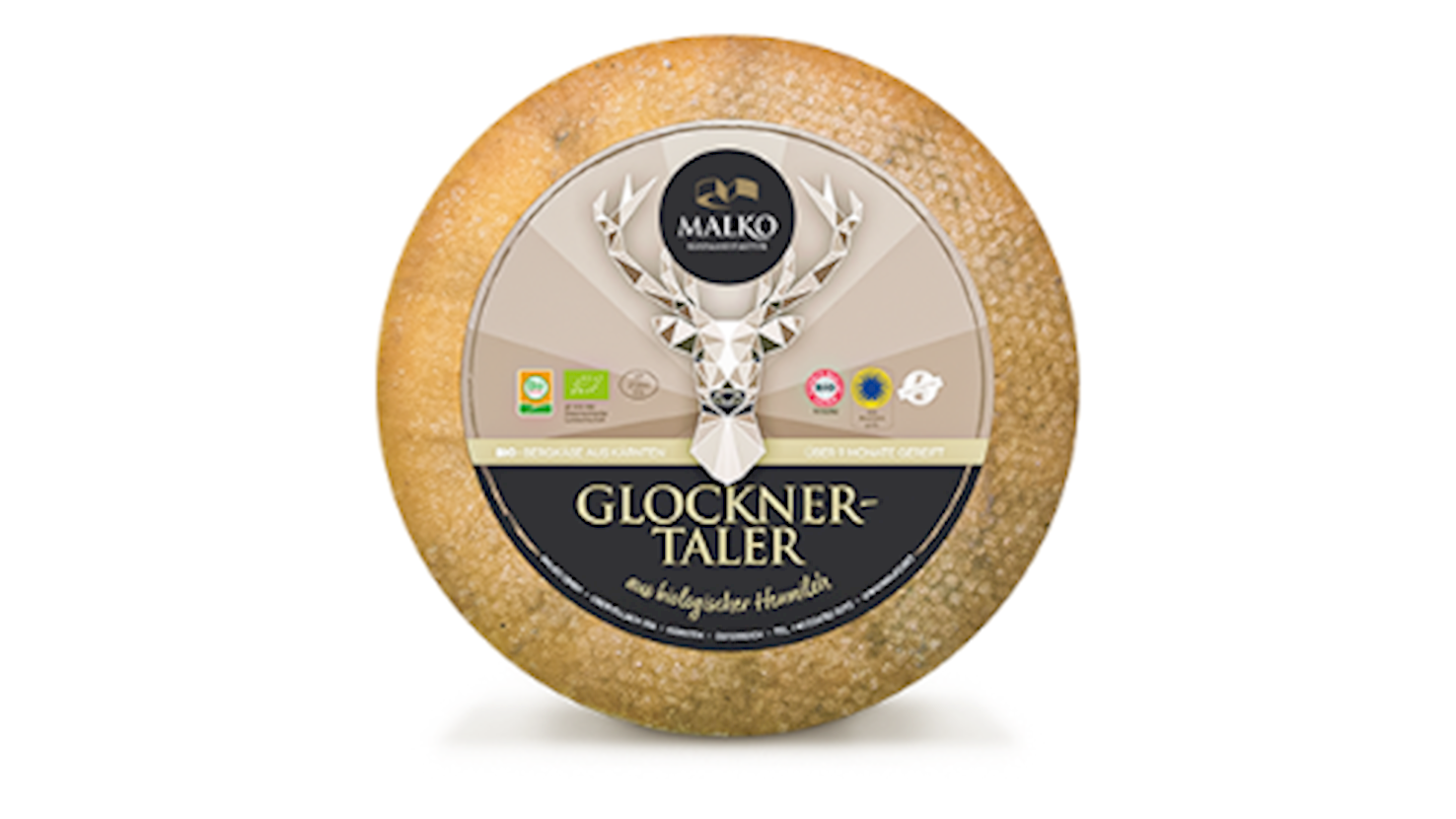
Malko Käsemanufaktur is a cheese producer located in Austria, specializing in crafting a variety of cheeses using traditional Austrian methods. They focus on using local ingredients to maintain the authenticity and quality of their products. Malko Käsemanufaktur also emphasizes sustainable practices in their production processes to minimize environmental impact.
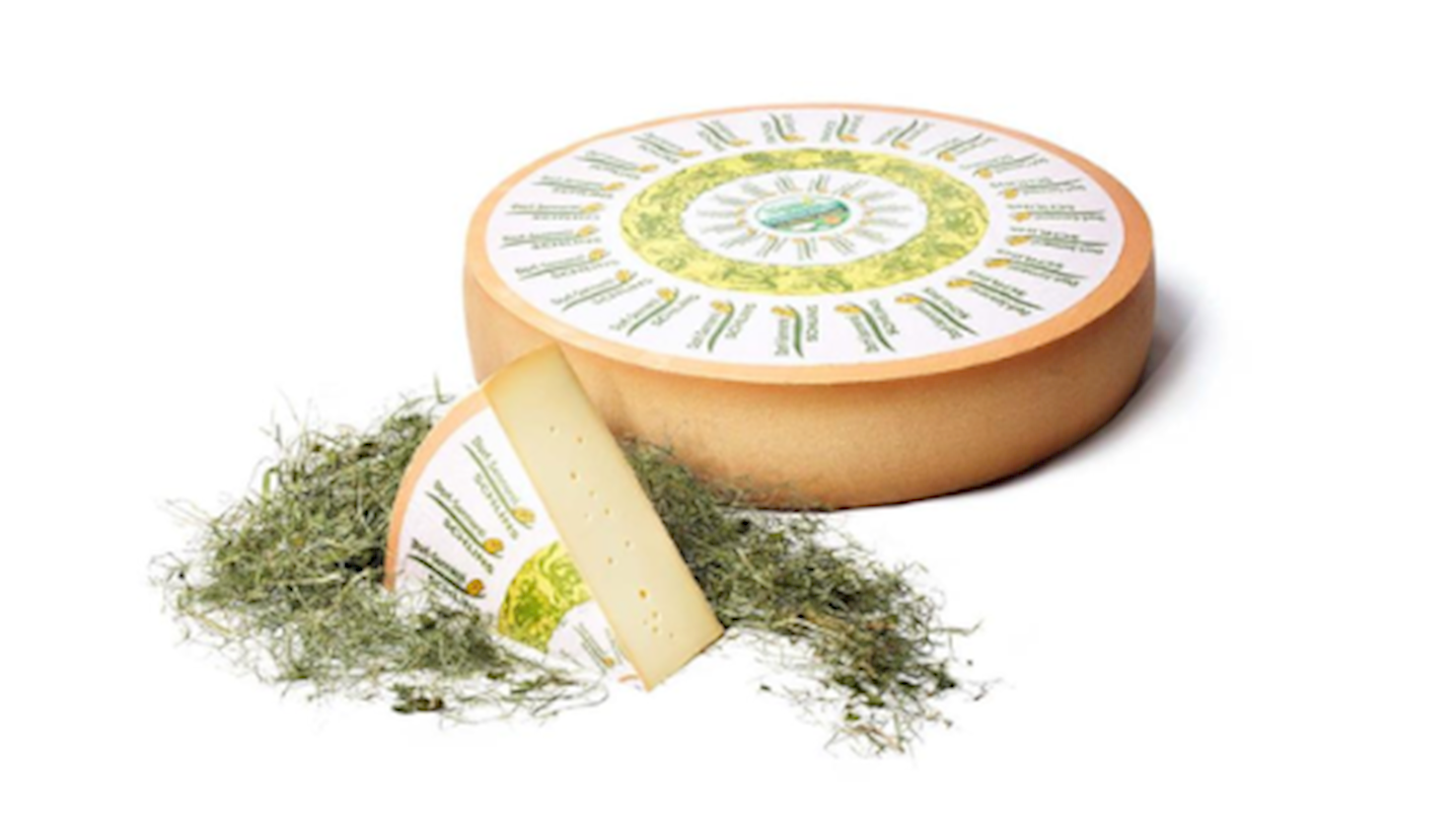
Kärntnermilch is a dairy cooperative based in Spittal an der Drau, Austria, specializing in the production of a variety of dairy products, including milk, cheese, yogurt, and butter. The cooperative is owned by local farmers in the state of Carinthia and emphasizes the use of milk from cows that are predominantly fed grass and hay. Kärntnermilch is known for its adherence to sustainable practices and regionally sourced ingredients.
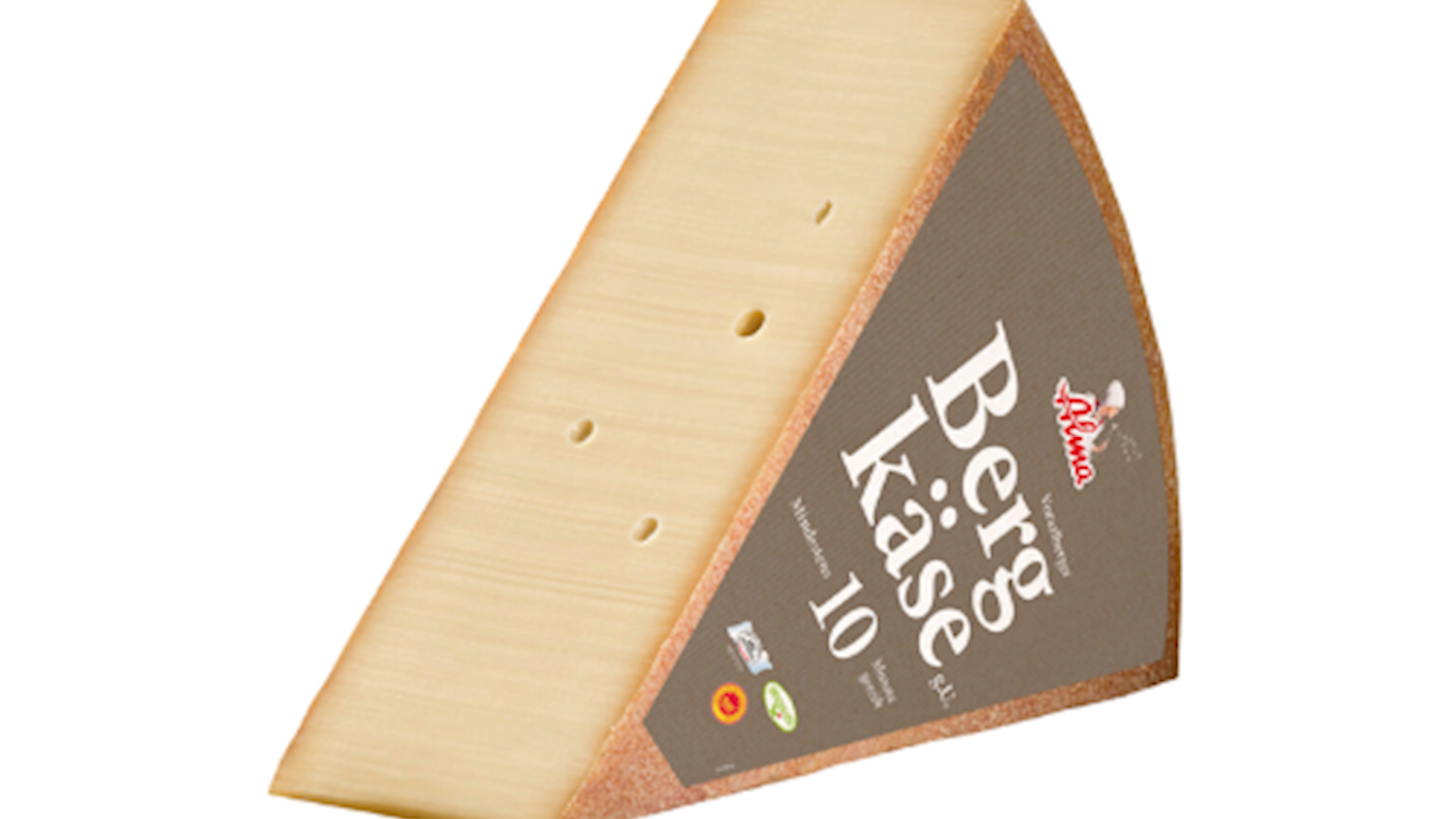
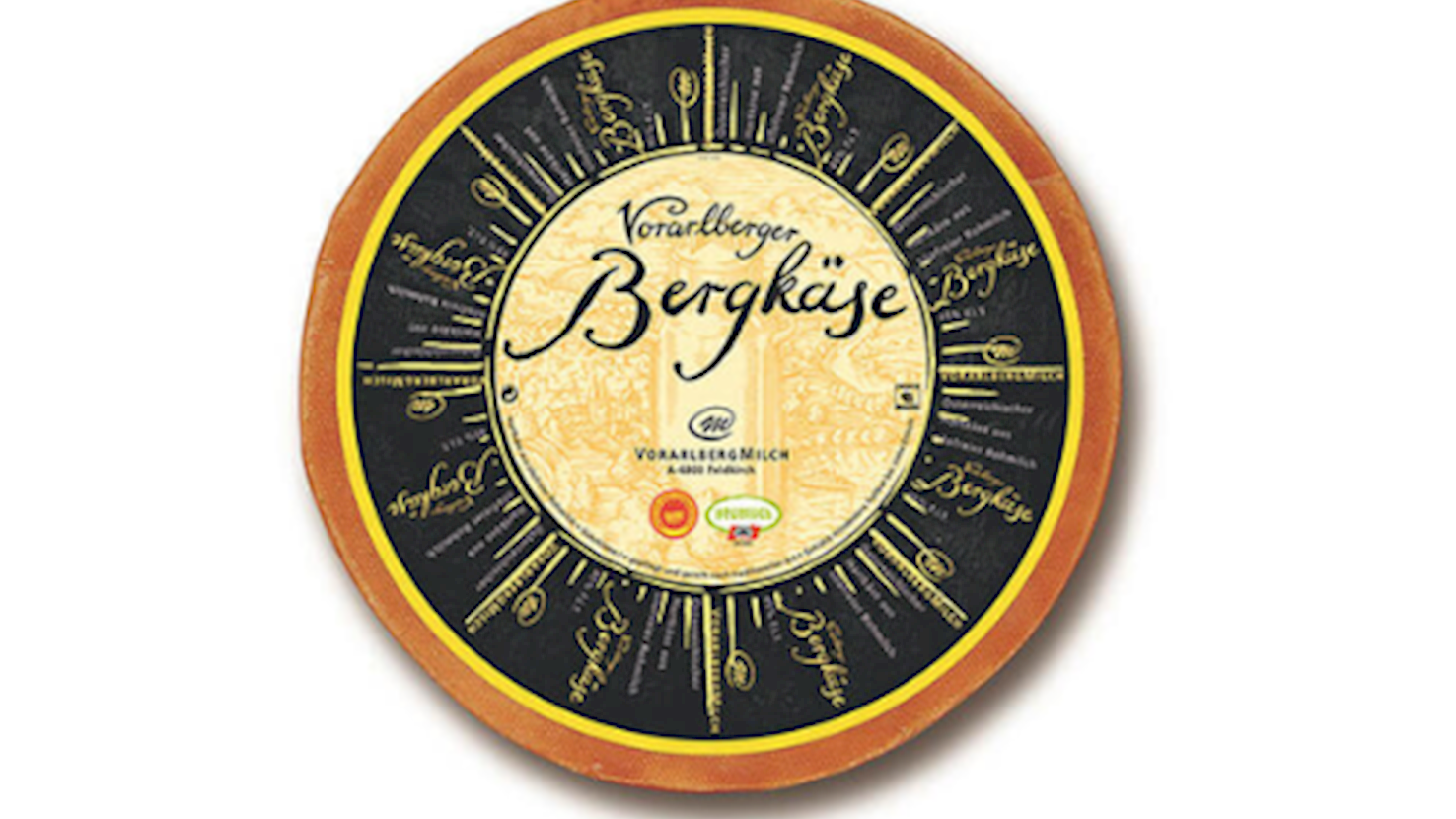
The Vorarlberger mountain cheese is yet another specialty originating from the Alpine Bregenz Forest which is located in Vorarlberg, Austria’s westernmost province. It is produced using centuries-old methods, made with either whole or skimmed raw cow's milk. The cheese is aged for up to two years. Here on the lush Alpine pastures, the farmers are encouraged to keep the amount of concentrated feed at an absolute minimum, so the animals are almost entirely fed on fresh grass, herbs and hay, which provides both the milk and the Vorarlberger cheese with an intense aroma and quite a tangy flavor. Vorarlberger Bergkäse is an essential ingredient of Käsespätzle, the Austrian take on mac and cheese.
This Austrian hard cheese is made from raw cow's milk obtained exclusively from cows feeding on green fodder and hay. The milk must be free of any additives, which is what gives this Tyrolean cheese its distinctively intense natural flavor. Tiroler Bergkäse has a hard rind, while the paste is somewhat softer, ivory to light yellow in color and it has evenly distributed pea-sized eyes. The flavor of this Alpine delicacy ranges from mildly aromatic to slightly piquant. It's recommended to pair it with light dry white wines.
Even though the basis for the production process of Vorarlberger Alpkäse was established during the Thirty Years' War (1618-1648), its name has been in use only since the 1700s. This Alpine cheese originates from Bregenzerwald, a forested Bregenzer Ach river basin nestled in Voralberg, Austria's westernmost region. Produced only during summer months, Vorarlberger Alpkäse is a hard cheese made from raw milk collected from cows that graze on a variety of herbs and grass on Alpine pastures. During the ripening stage, the cheese wheels are periodically hand-rubbed with salt and aged on pine boards for three to five months. Vorarlberger Alpkäse has a distinctive Alpine milk aroma and a tangy flavor.
This hard Alpine cheese is made from raw cow's milk, and has been produced in the Tyrolean Alps at least since the late Middle Ages, when cheesemaking was the only effective way to preserve the precious Alpine milk. The milk for Tiroler Alpkäse is obtained exclusively during summer from cows kept on the Tyrolean pastures where they feed on fresh grass and aromatic Alpine herbs. Usually available from October to March, the fully ripened Alpkäse has a brownish rind, and a firm ivory to yellow paste. It is known for an intense aroma and quite a strong, spicy flavor.
Produced in accordance with the same time tested tradition dating back to the 14th century, Gailtaler Almkäse is a multiple award-winning hard cheese made with raw cow’s milk to which up to 10% of goat's milk can be added. The delectable Gailtal mountain cheese is produced in the Gailtal Alps during summer months and made exclusively using milk from Alpine pastures. It is matured for at least 7 weeks and has an ivory-white to straw-yellow paste sparsely dotted with small holes. Characterized by a rich, spicy flavor, and a pleasant aroma reminiscent of mountain herbs, Gailtaler Almkäse is typically enjoyed as an appetizer, most often accompanied with charcuterie.
Lüneberg is an Austrian Alp-style cheese originating from Vorarlberg. The cheese is made from cow's milk with added saffron, giving it a yellowish color and a distinct flavor. The milk is warmed, and the curd is then cut into smaller pieces that are heated while stirring. After the press, the cheeses are turned and taken to a cellar to mature. The rind is salted, rubbed, and washed during the maturation process. Once ripe, Lüneberg is usually described as a cross between Emmental and Limburger. When cut, it is characterized by numerous irregular eyes dispersed throughout its body.
Bregenzerwälder Bergkäse is a hard, alpine cheese produced in the Bregenzerwald region of Vorarlberg, the westernmost province of Austria. It is manufactured exclusively from raw cow’s milk sourced from farms located within this specific mountainous geography. The systemic production of this cheese evolved through a land-use pattern known as Alpine transhumance, where livestock are moved between different altitudes depending on the season. By the eighteenth century, the region transitioned from a focus on flax cultivation and weaving to large-scale dairy farming, necessitated by the high yield of nutritious grasses in the Bregenzerwald mountains. This shift led to the development of specialized alpine dairies, or Sennalpen, situated at high elevations where milk was processed immediately into large wheels to facilitate long-term storage and transportation down the mountain slopes. The preparation of Bregenzerwälder Bergkäse begins with the heating of raw milk in copper vats, to which natural rennet and starter cultures are added to initiate curdling. The resulting curd is cut into grain-sized pieces using a cheese harp and then heated to temperatures between 50 and 54 degrees Celsius, a process that determines the cheese’s final moisture content and texture. Once the curd is separated from the whey, it is pressed into circular molds and subsequently immersed in a brine bath for approximately two days to develop the rind and enhance flavor. The maturation process takes place in specialized cellars with high humidity, lasting anywhere from three to eighteen months or longer. During this time, the rinds are regularly rubbed with salt water. A unique aspect of the production is the strict prohibition of fermented fodder, which ensures the milk has a specific bacterial composition that allows for long aging without the risk of unwanted gas formation. In culinary applications, the cheese is often featured as the primary ingredient in Vorarlberger Kässpätzle, where it is layered with fresh flour dumplings and fried onions. It is also served as a central component of a Brettljause, a selection of cold meats and bread served on a wooden board. The flavor profile, which ranges from mild and nutty in younger wheels to sharp and spicy in older ones, pairs effectively with regional beverages such as dry white wines, particularly Grüner Veltliner, or full-bodied red wines like Blaufränkisch. It is also frequently consumed alongside naturally cloudy apple juice or local craft beers that provide a malty contrast to the saltiness of the aged cheese.
Cave Rebel is an Austrian cheese hailing from Sulzberg, where it’s produced by Sulzberger Käserebellen Sennerei. The cheese is made from raw milk of cows that feed on a diet of dried hay, grains of corn, and herbs. Underneath its black natural rind, the texture is hard, crumbly, firm, compact, and open. The aromas are intense and nutty, reminiscent of malt and dark caramel, while the flavors are grassy, creamy, and floral.
TasteAtlas food rankings are based on the ratings of the TasteAtlas audience, with a series of mechanisms that recognize real users and that ignore bot,
nationalist or local patriotic ratings, and give additional value to the ratings of users that the system recognizes as knowledgeable.
For the “Top 9 Austrian Hard Cheeses” list until June 05, 2026, 124 ratings were recorded, of which 94 were recognized by the system as legitimate.
TasteAtlas Rankings should not be seen as the final global conclusion about food. Their purpose is to promote excellent local foods,
instill pride in traditional dishes, and arouse curiosity about dishes you haven’t tried.
The initial list of top producers was compiled based on available reviews, awards, local recommendations, media and blog coverage, and consumer reviews.
The list will be updated with ratings from TasteAtlas local ambassadors and TasteAtlas users.