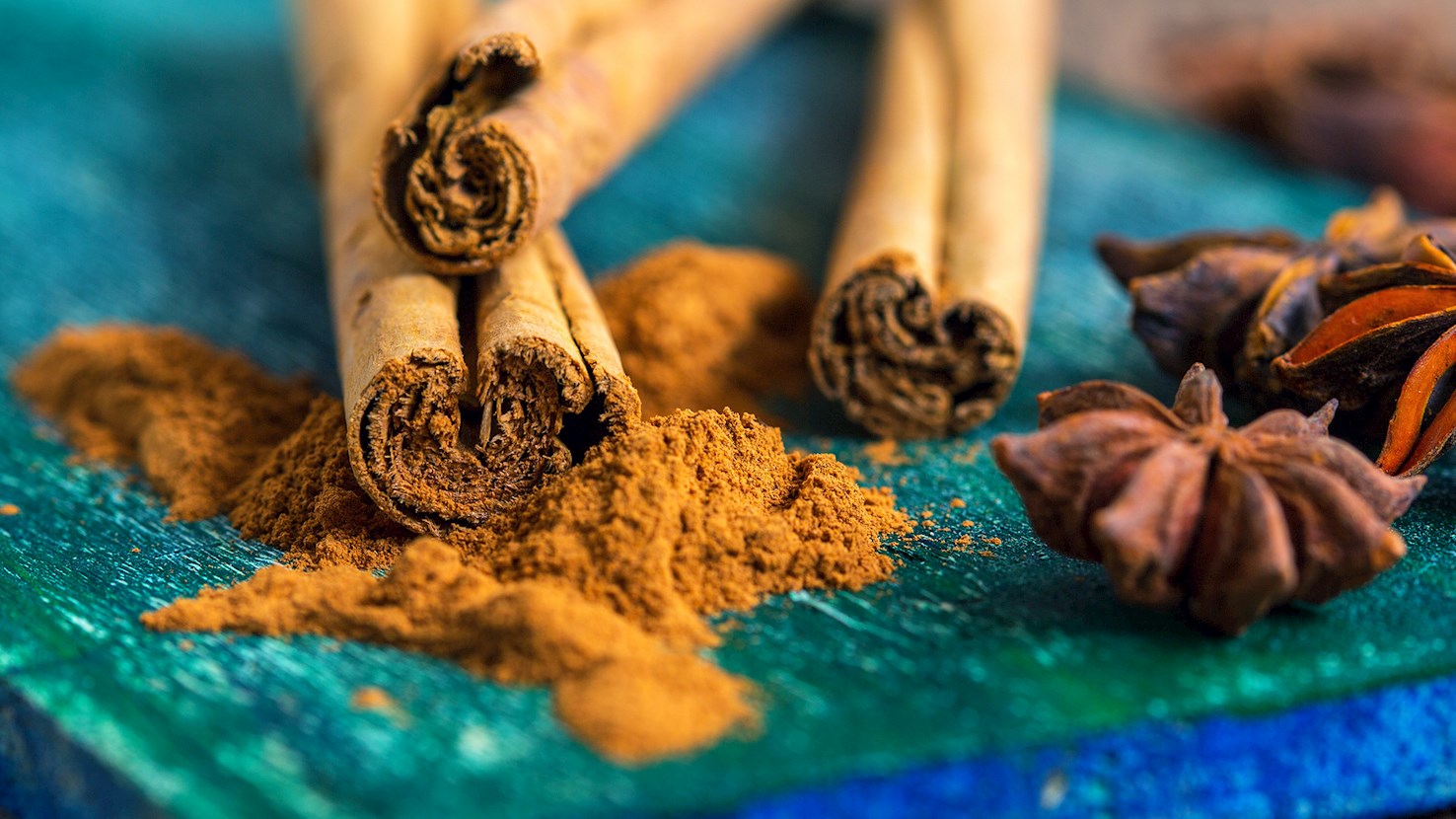
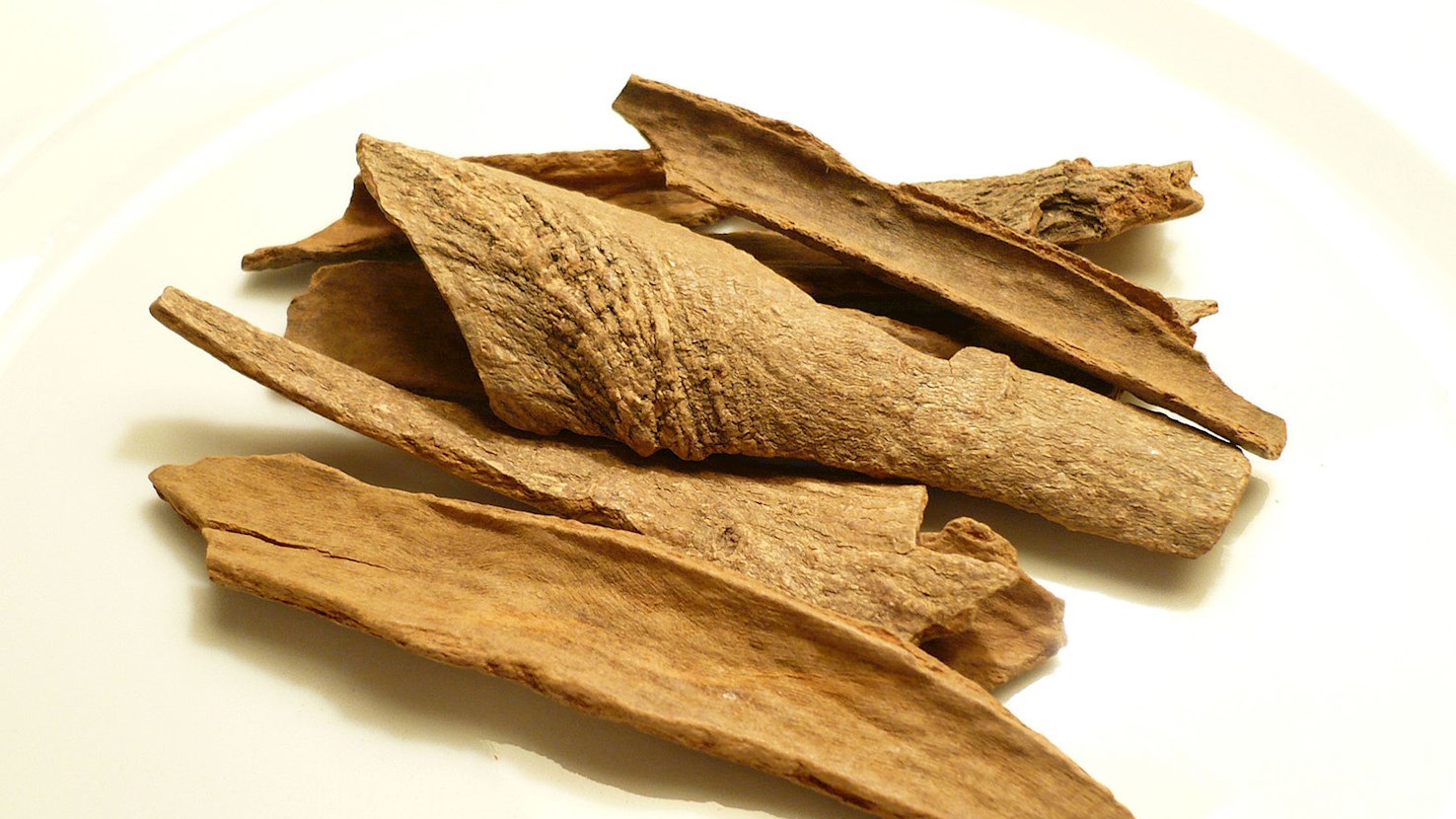
Ceylon cinnamon is traditionally harvested from a tree that is native to Sri Lanka, formerly known as Ceylon, hence the botanical name of this health-beneficial spice. This cinnamon type is sweeter and more delicate than cinnamon cassia, the other main type of cinnamon. It has a beneficial effect on glucose metabolism and body weight, and contains antioxidants called proanthocyanidins, which are also found in grapes and green tea. Unlike cinnamon cassia, Ceylon cinnamon does not contain coumarin – a natural plant chemical that is toxic to the kidneys and liver, and it might also be carcinogenic. If you can find it, always opt for Ceylon cinnamon, even though it is more expensive than the cassia variety. After all, it’s called true cinnamon for a reason.
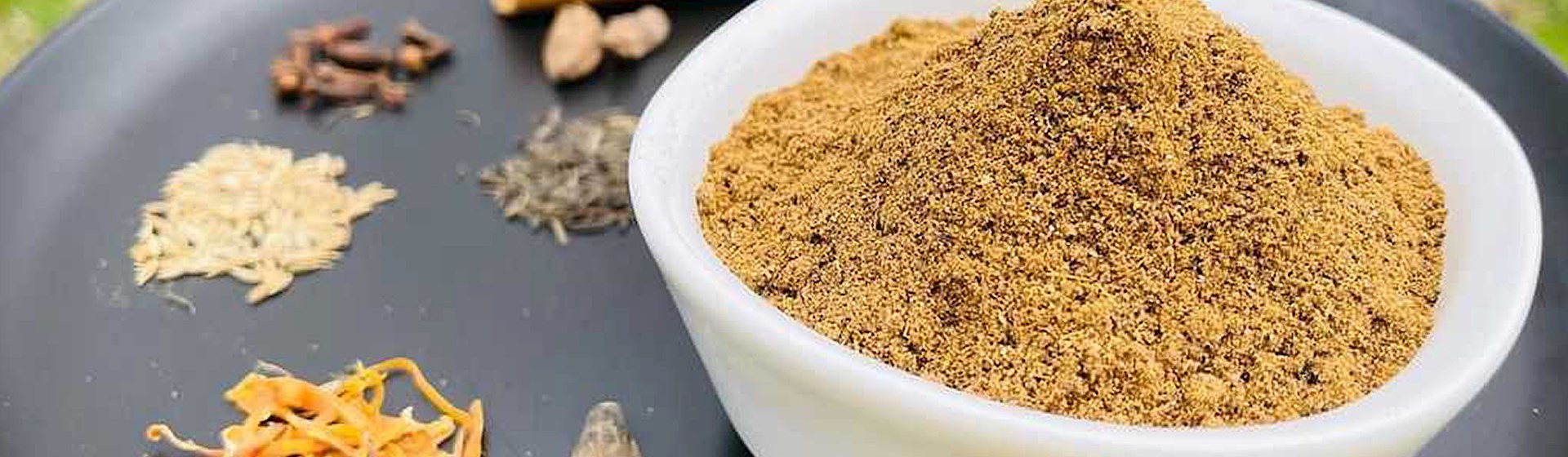
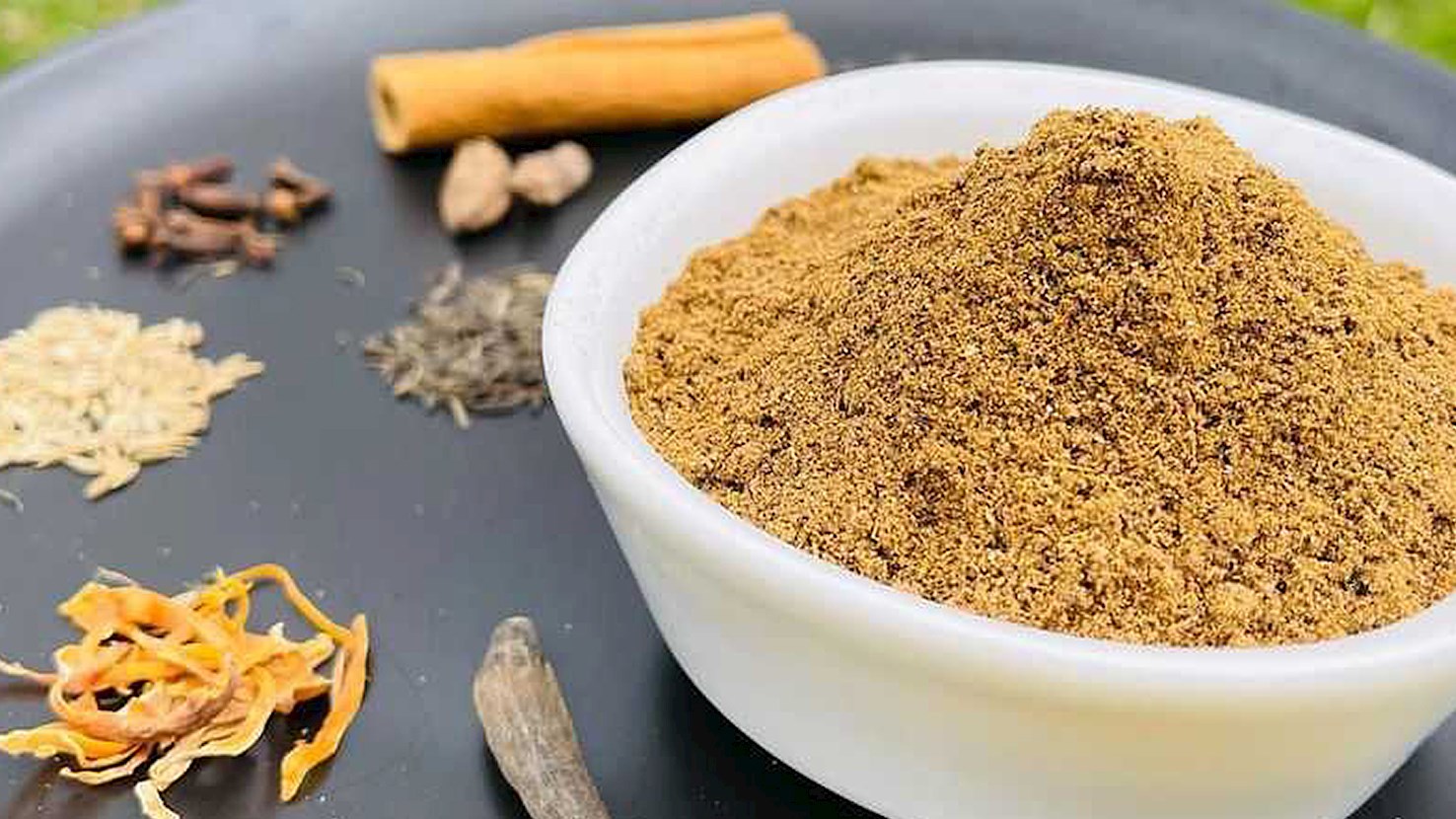
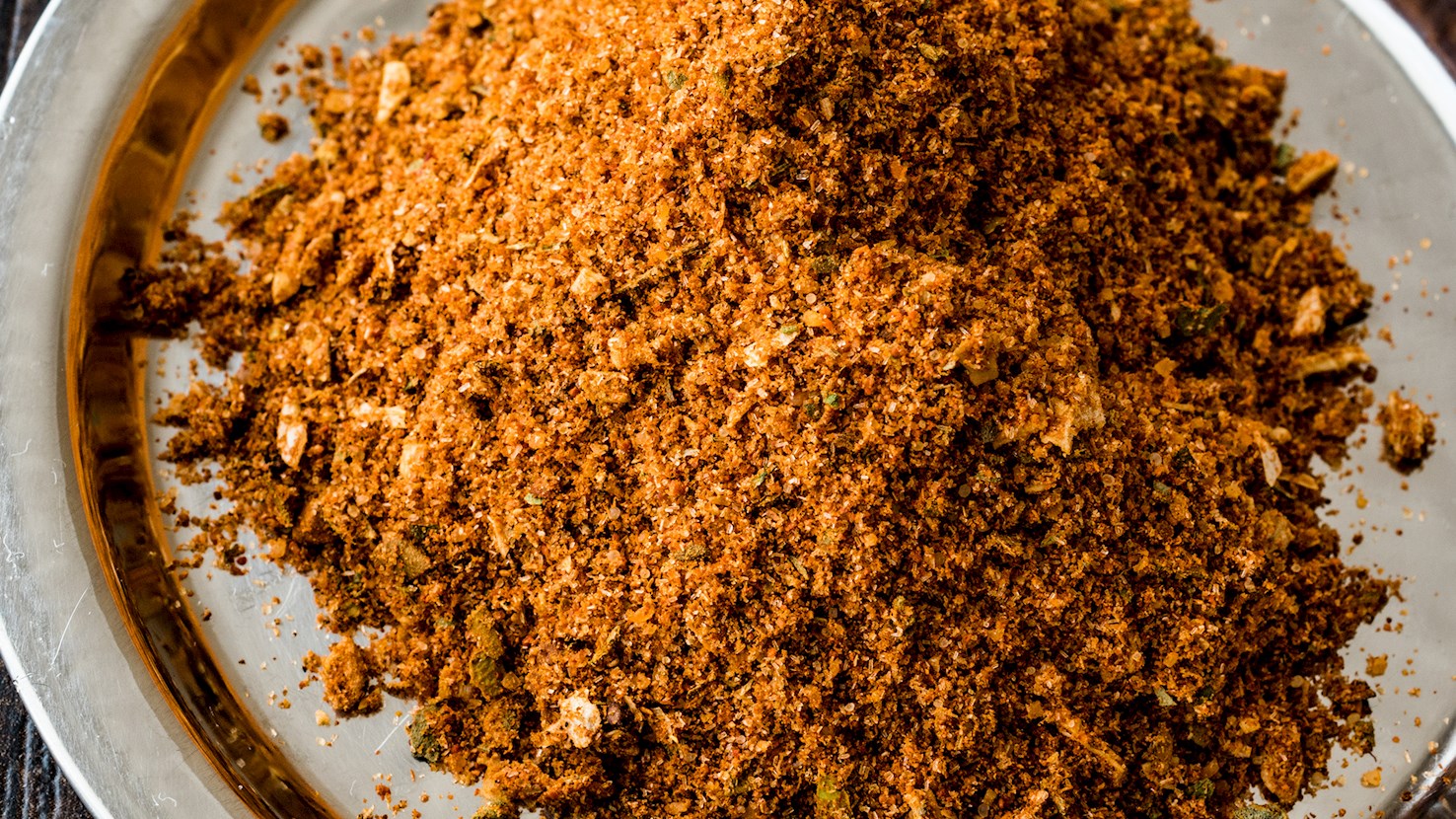
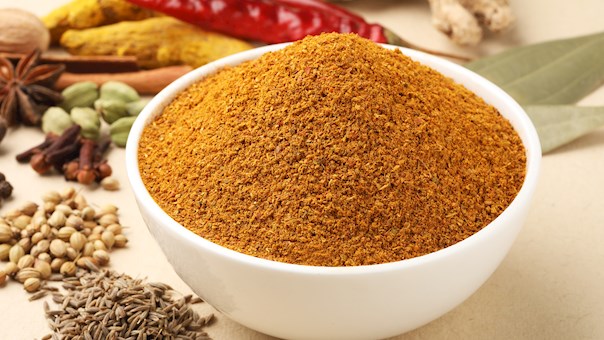
Garam masala is an intensely aromatic blend of ground spices such as cinnamon, cumin, cardamom, cloves, and peppercorns. Its name can be literally translated as hot ingredients, and is sometimes described as an aromatic blend that is meant to heat the body. This spice blend has origins in Northern India, where winters are typically colder than in the rest of the country. The spices used in garam masala vary from region to region, but no combination of spices is believed to be more authentic than another. It is recommended to use the spice blend at the end of the cooking process in order to achieve the best flavor, although it can also be used at the beginning of cooking, when it's usually added to ghee or cooking oil in order to provide a more pungent flavor. Garam masala is often used in the preparation of popular dishes such as rogan josh, a Kashmiri specialty, pulao, a Pakistani pilaf, or murgh kari.
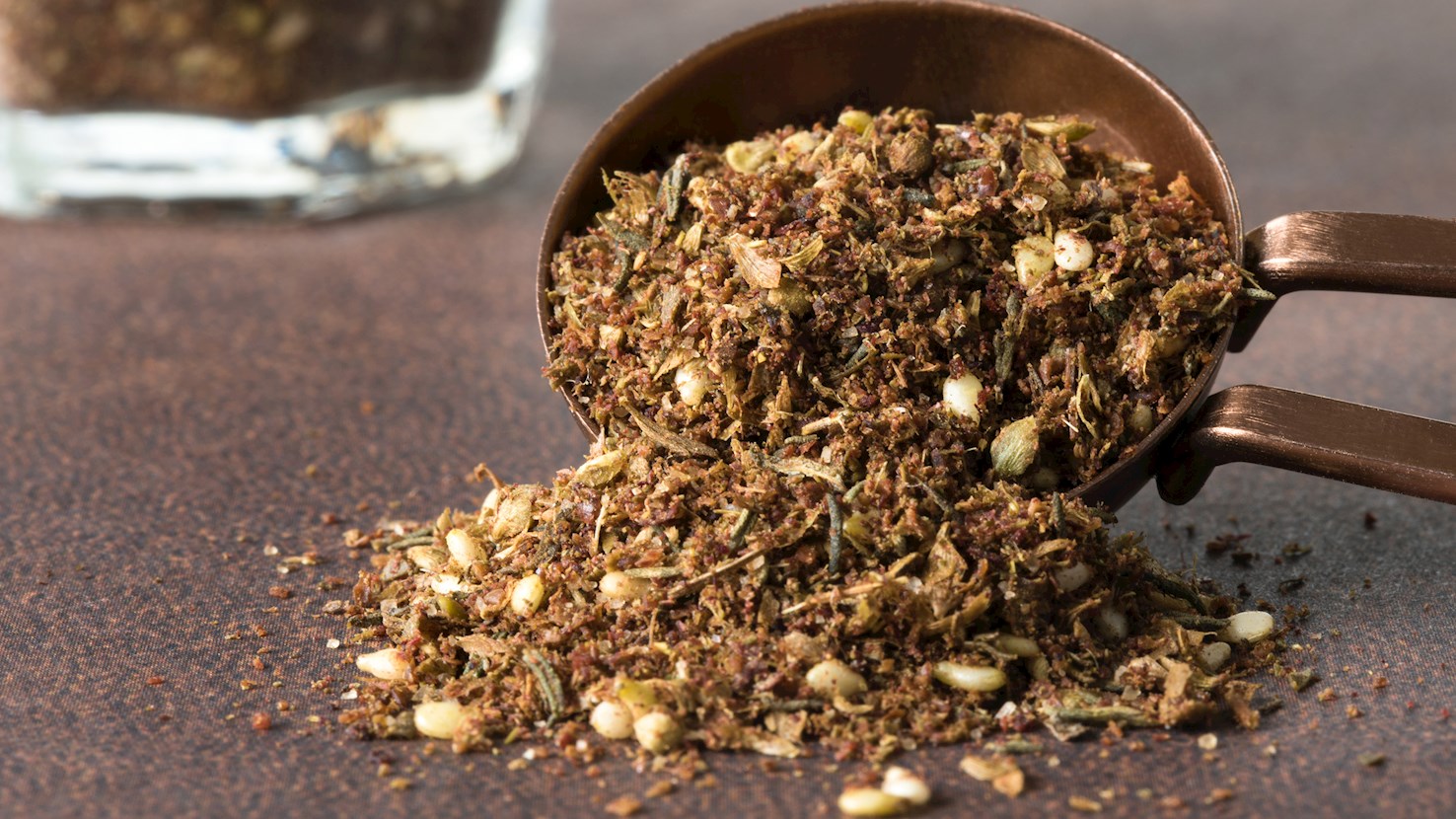
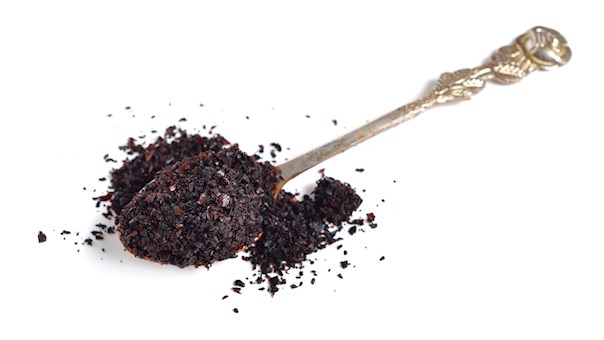
Za’atar is a herb and spice blend that comes from the Levant region, especially associated with Lebanon, Syria, Jordan, and Palestine, though its use extends across much of the Middle East. It is recognized by its earthy, tangy, and slightly nutty flavor, often made with a base of dried thyme or other herbs, combined with sumac, sesame seeds, and salt. Its name in Arabic refers both to the herb thyme itself and to the mixture that has become a defining element of Levantine cooking. References to za’atar go back to ancient times, with mentions of similar herb mixtures found in texts from the Eastern Mediterranean. For centuries it has been linked not just to culinary use but also to medicinal and cultural practices, as thyme and sumac were valued for both flavor and health properties. Families often developed their own preferred balance of ingredients, leading to variations from one region to another. In village markets, it became a product sold by weight, ground fresh and mixed with sesame, sumac, or other herbs like oregano and marjoram depending on local preferences. Preparation of za’atar starts with drying the chosen herbs until they can be crumbled into a fine texture. These are then blended with ground sumac, which adds acidity and a deep reddish hue, and sesame seeds, which are usually toasted to highlight their nutty aroma. Salt is added to preserve the mixture and balance the flavors. In some cases, other spices or wild herbs are included, reflecting regional differences. Za’atar is not eaten as a dish on its own but as a seasoning, yet its importance in daily meals is substantial. It pairs particularly well with fresh bread, labneh, roasted vegetables, and grilled meats. Its flavor stands out when combined with olive oil from the same regions, emphasizing the agricultural ties between land, spice, and table.
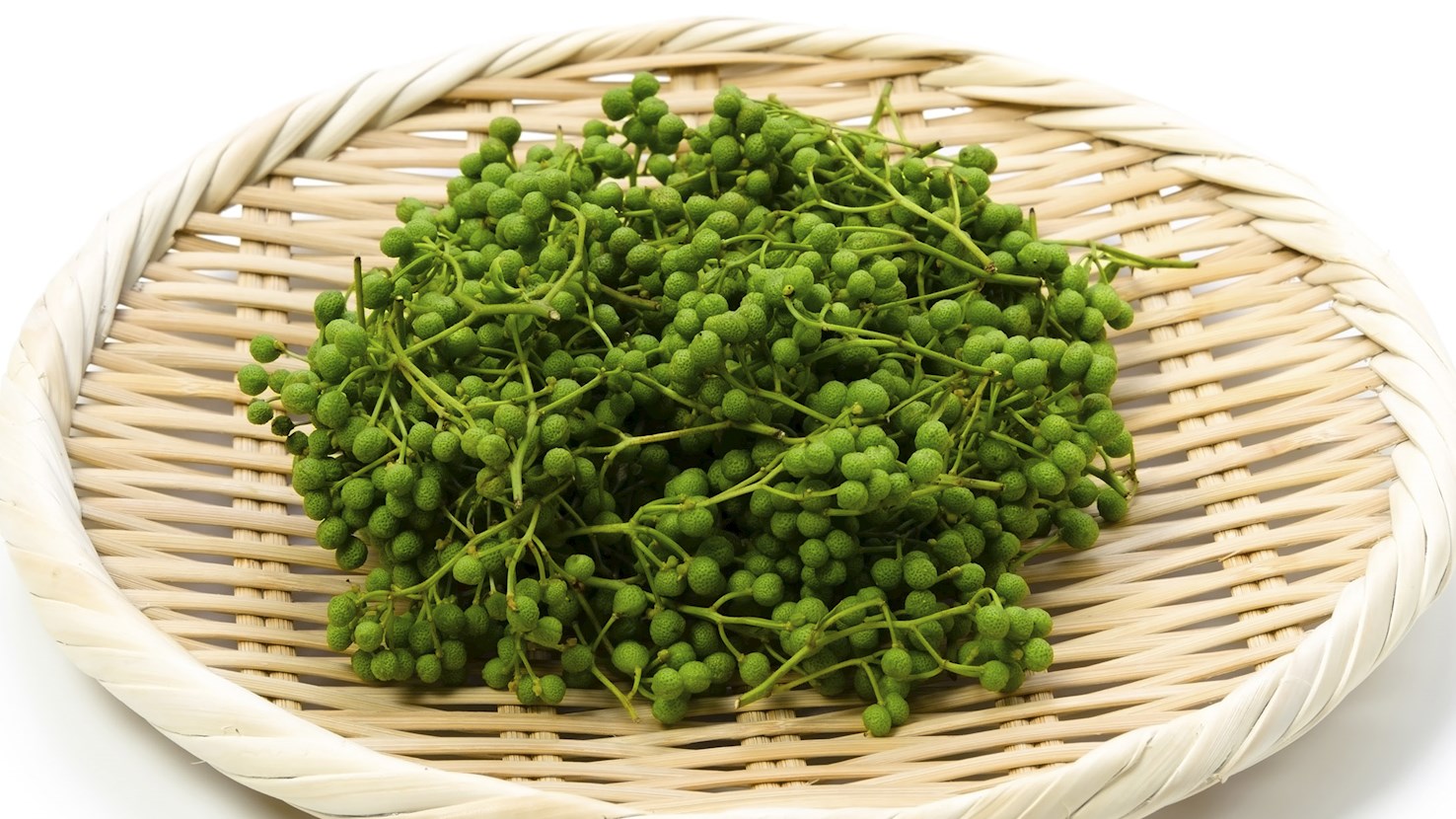
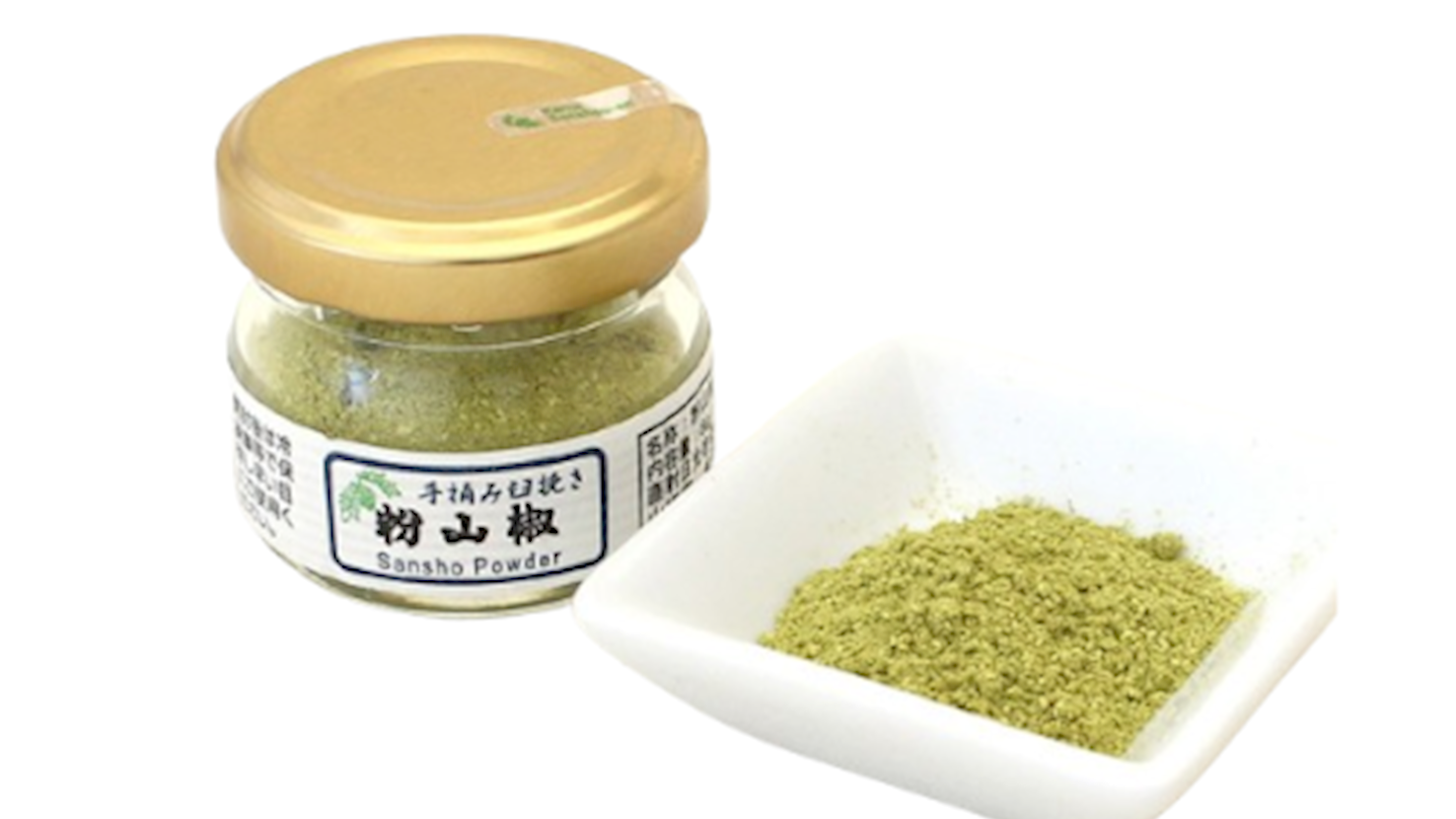
Sansho pepper is a Japanese spice characterized by its prized aromatic peppercorns, green color, and a floral, tangy, lemon-like flavor. It is a part of the famous seven Japanese spices and is closely related to Sichuan pepper. The shrub is grown in Japan, but also in China and North Korea. Traditionally, sansho is used as a seasoning for fish and barbecue dishes, or sprinkled over unagi grilled eel. It pairs extremely well with other spices such as sesame and ginger.
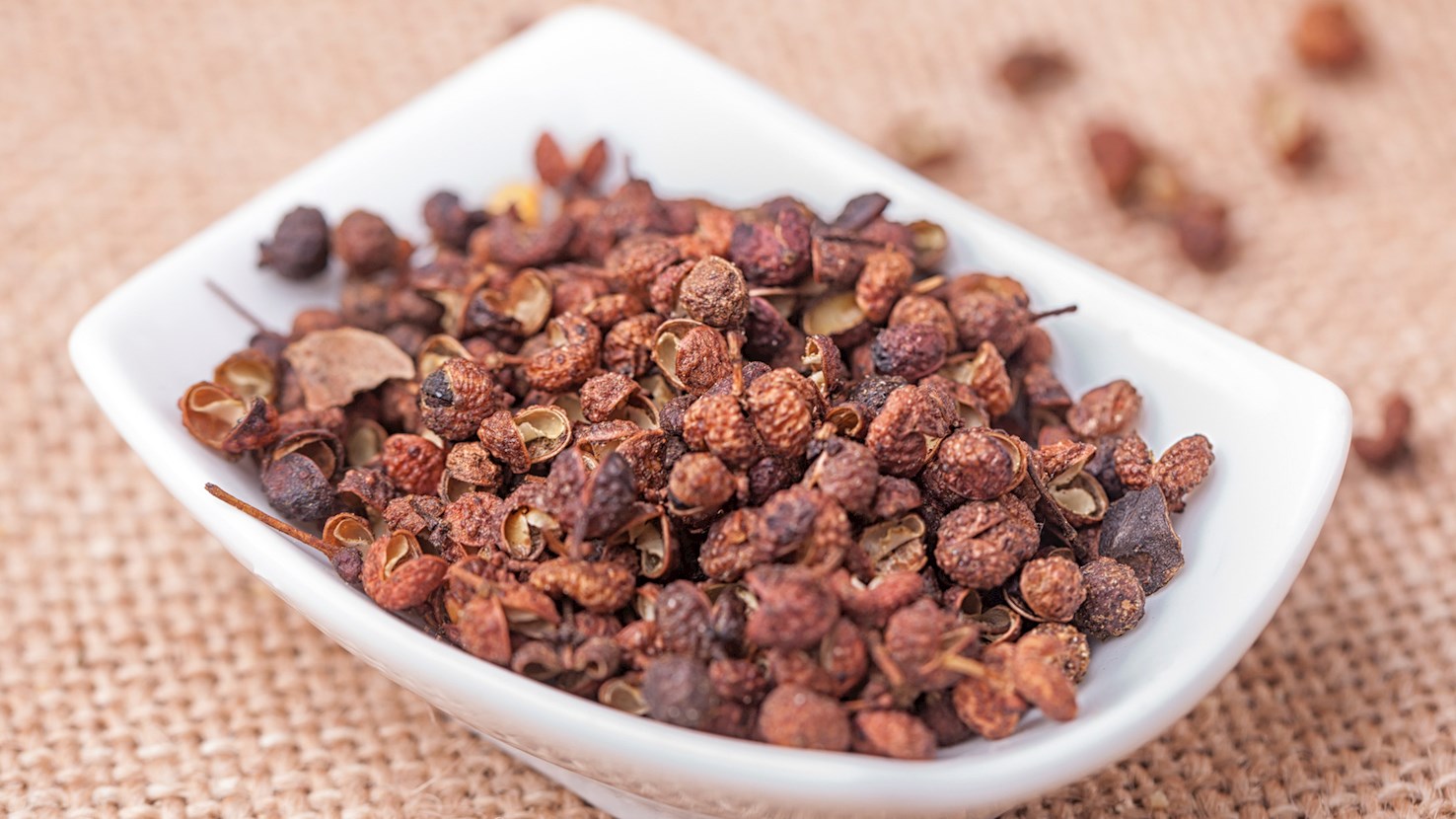
Huājiāo, known in English as Sichuan pepper, is a spice that comes from the prickly ash tree, most famously associated with Sichuan province. It is not a chili pepper or black pepper but the dried husk of the seedpod from the Zanthoxylum plant, valued for the numbing and tingling sensation it produces on the tongue. The spice is central to Sichuan cuisine and defines many of its flavor profiles, particularly the well-known málà combination of numbing and spicy. Its use dates back more than a thousand years, with records from early Chinese texts describing how the husks were collected and prized both as a seasoning and for medicinal purposes. In ancient times, huājiāo was used in court cuisine as well as in folk cooking, valued for its ability to stimulate the palate and enhance appetite. Over centuries, cooks in Sichuan developed methods of pairing it with chili peppers, which arrived later from the Americas, creating the defining spicy-numbing flavor that has become globally associated with the region’s food. In preparation, the husks are dried after harvesting and sometimes roasted lightly before use to bring out their fragrance. They are rarely eaten whole; instead, they are ground into powders, infused into oils, or added directly to dishes during cooking. Huājiāo oil, made by heating the husks in hot oil, is drizzled over noodles, dumplings, and salads for a numbing finish. In braised dishes and hot pots, whole husks are simmered in broth to release their flavor gradually. Ground huājiāo is also used as a finishing spice in stir-fries and cold dishes. The most common is red Sichuan pepper, known for its warm aroma and slightly woody undertones, which is often used in hot pot and braised dishes. Green Sichuan pepper has a fresher, more floral quality with sharper citrus notes, making it popular in lighter broths, chicken dishes, and dipping sauces. In some areas, both are combined to create layered complexity, with red providing depth and green delivering brightness.Today, huājiāo is eaten widely across China but remains most closely tied to Sichuan, where it is a cornerstone of everyday cooking as well as banquet dishes. It appears in hot pot bases, dry stir-fries, braised meats, dipping sauces, and snacks. Its influence has spread beyond China, as chefs around the world use it to add depth and novelty to modern dishes. In Sichuan itself, it continues to be harvested, sold in markets, and used in homes and restaurants.
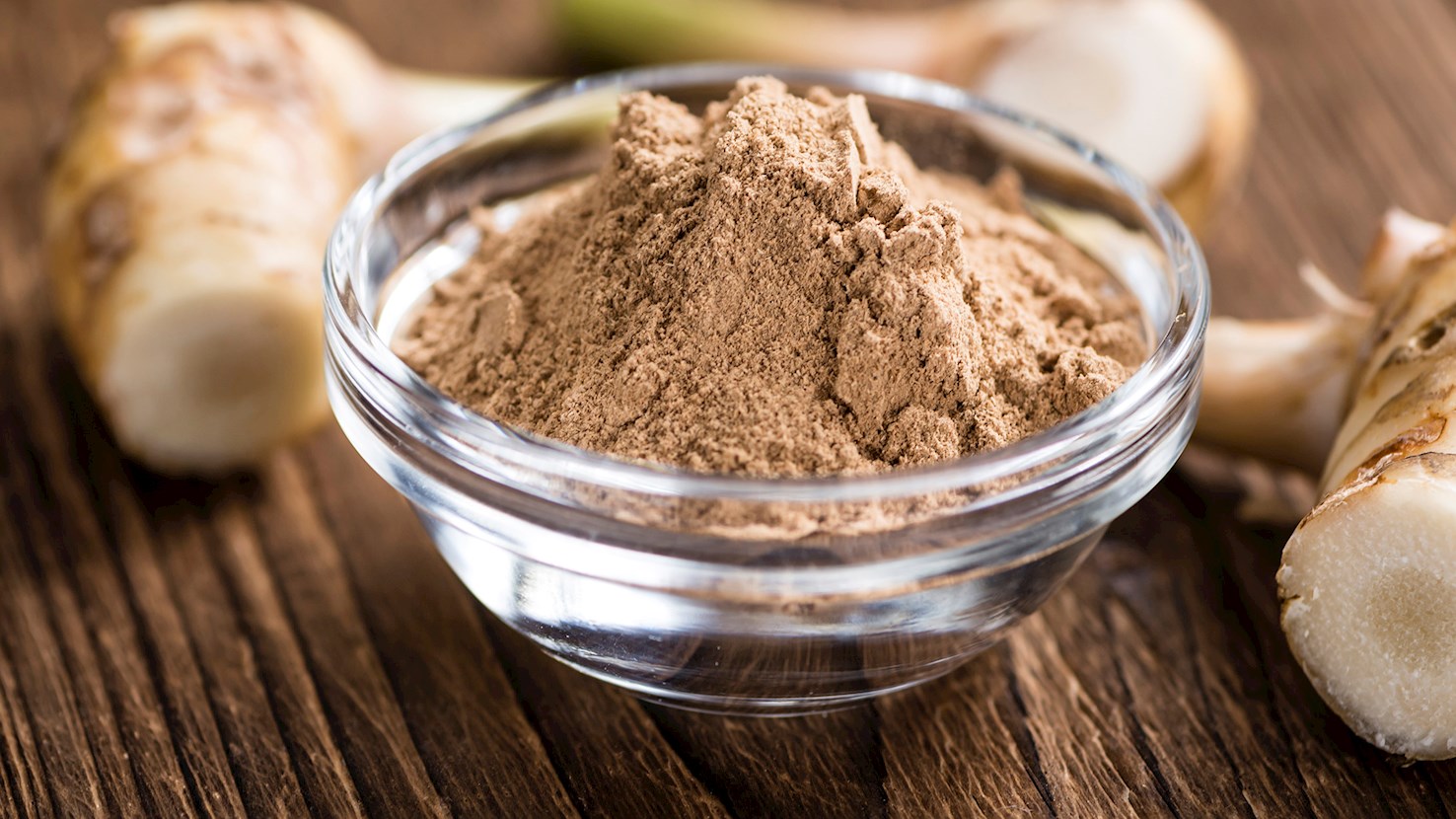
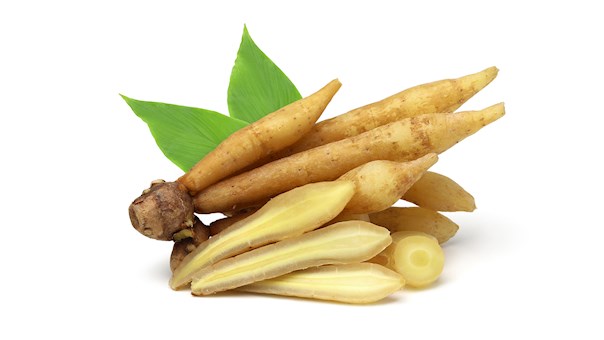
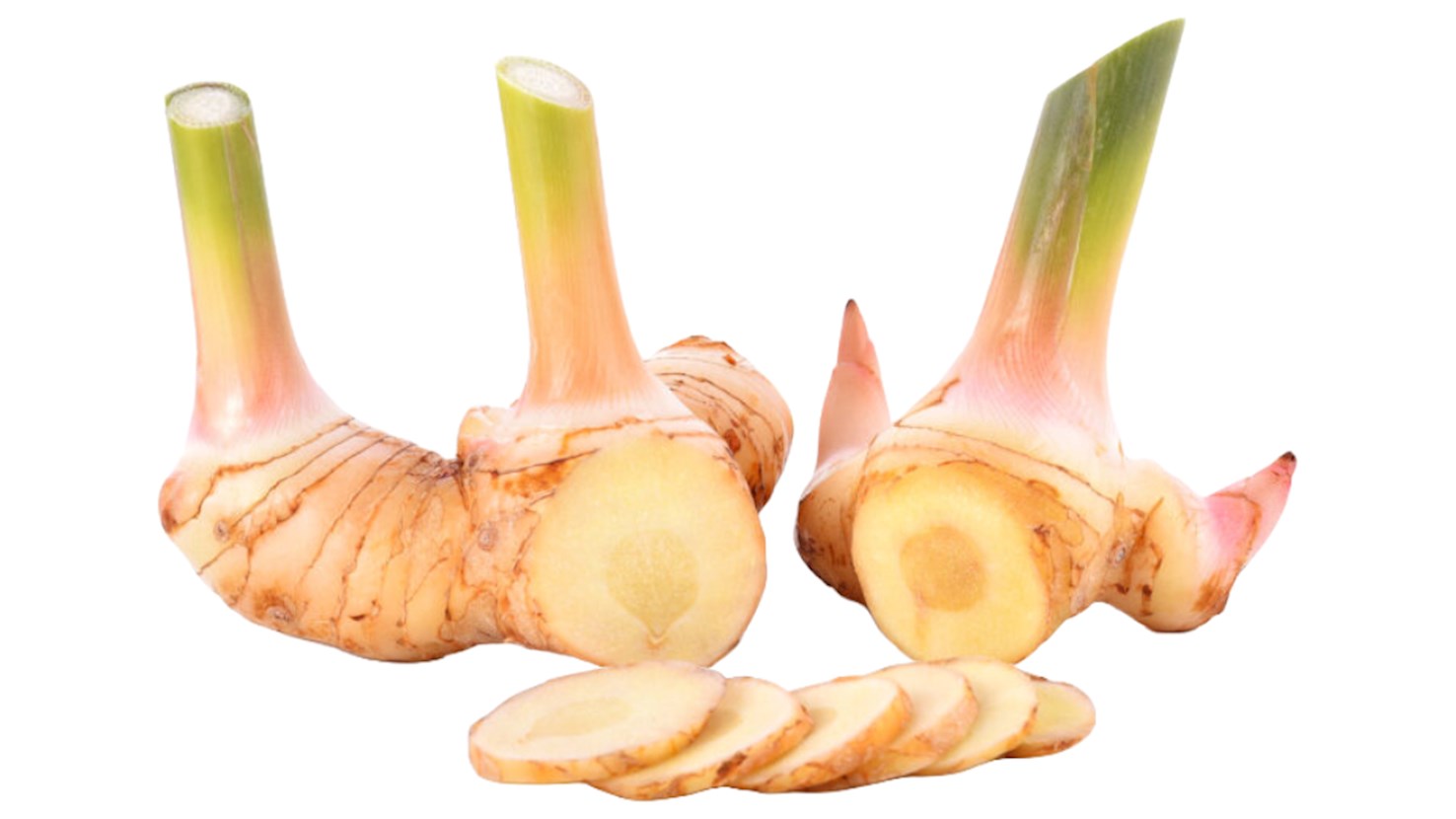
Galangal is a ginger-like root that is widely used in Thai and Indonesian cuisine as a flavoring or a spice, characterized by its pungent aroma. There are two varieties of galangal: greater galangal, which is lighter in color and with a more subtle aroma, used mostly in Thai cooking, and lesser galangal, which is native to China. Galangal is hard and woody on the exterior, with a strong citrus scent on the inside. It gives a citrus note to numerous dishes, and it is an important ingredient in Thai curry pastes. Galangal can come in many forms: as fresh root, dried root, or ground into a fine powder. It also has many medicinal properties - it settles the stomach, eases nausea, reduces cramps, and removes toxins from the body.
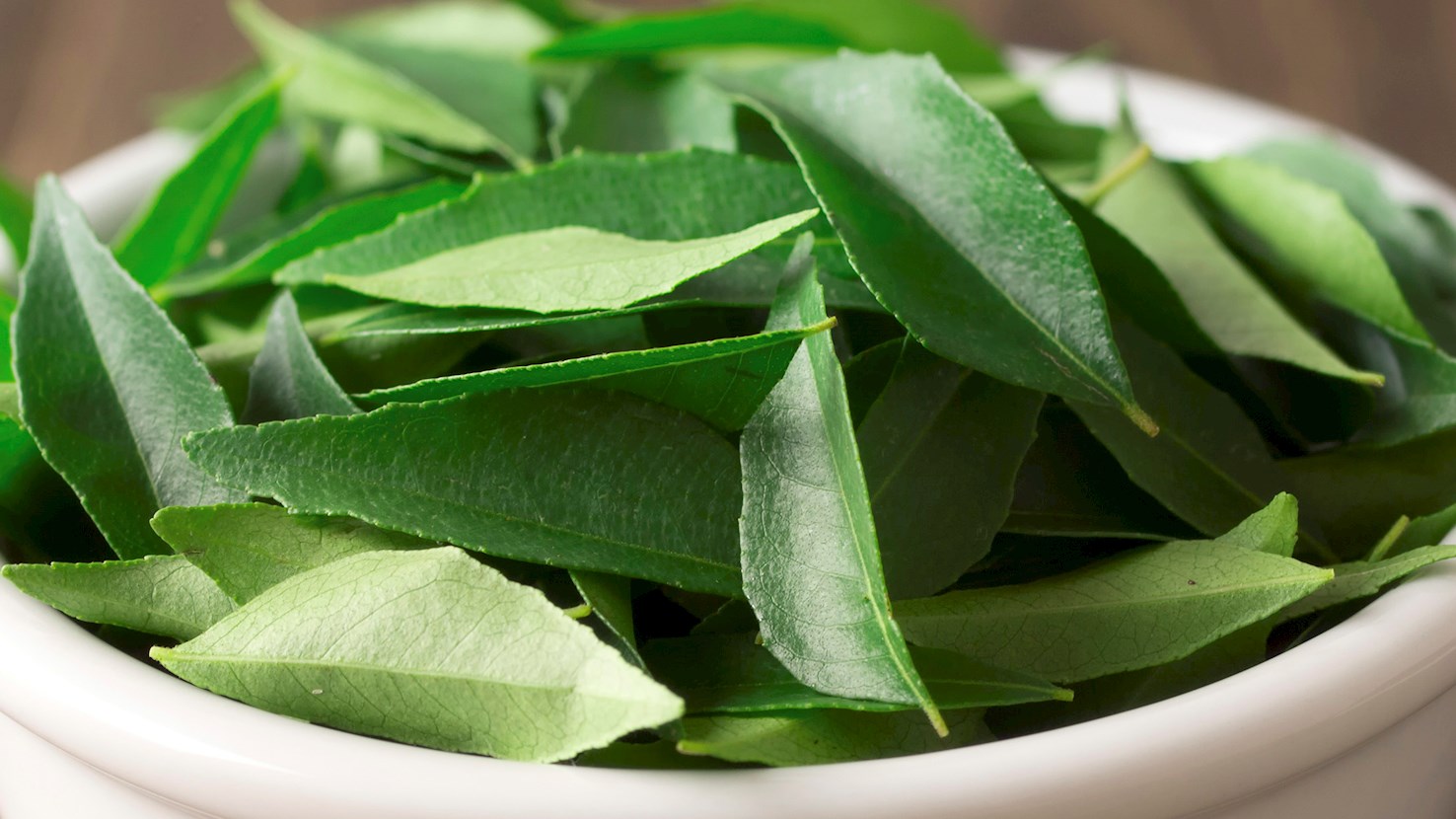
Curry leaves are leaves of the curry tree, which is native to India and Sri Lanka. The leaves are dark green in color, shiny, and aromatic, releasing a unique, nutty aroma when fried in oil. They are a staple of South Indian cuisine, used in the same way as bay leaves are used in Western cuisines. The leaves soften significantly when cooked and are usually used as a flavoring to rice, chutneys, dals, soups, and stews. They are such a staple of Indian cuisine that the Tamil word for them is karibeppilai, which is literally translated to the leaf that is used to make curry. Found in most Indian groceries, the leaves can be frozen or kept in an airtight container to keep their flavors for a longer period of time.
Saigon cinnamon or Vietnamese cinnamon is a type of cinnamon coming from the Cinnamomum loureiroi tree. This type of cinnamon has the strongest flavor of them all, and it's the essential oils in the bark that give it its unique aroma and flavor. However, all the cassia varieties, such as this one, have higher levels of coumarin, a compound which can damage the liver if consumed in large amounts. Saigon cinnamon is often used in baked goods, curries, and pho.
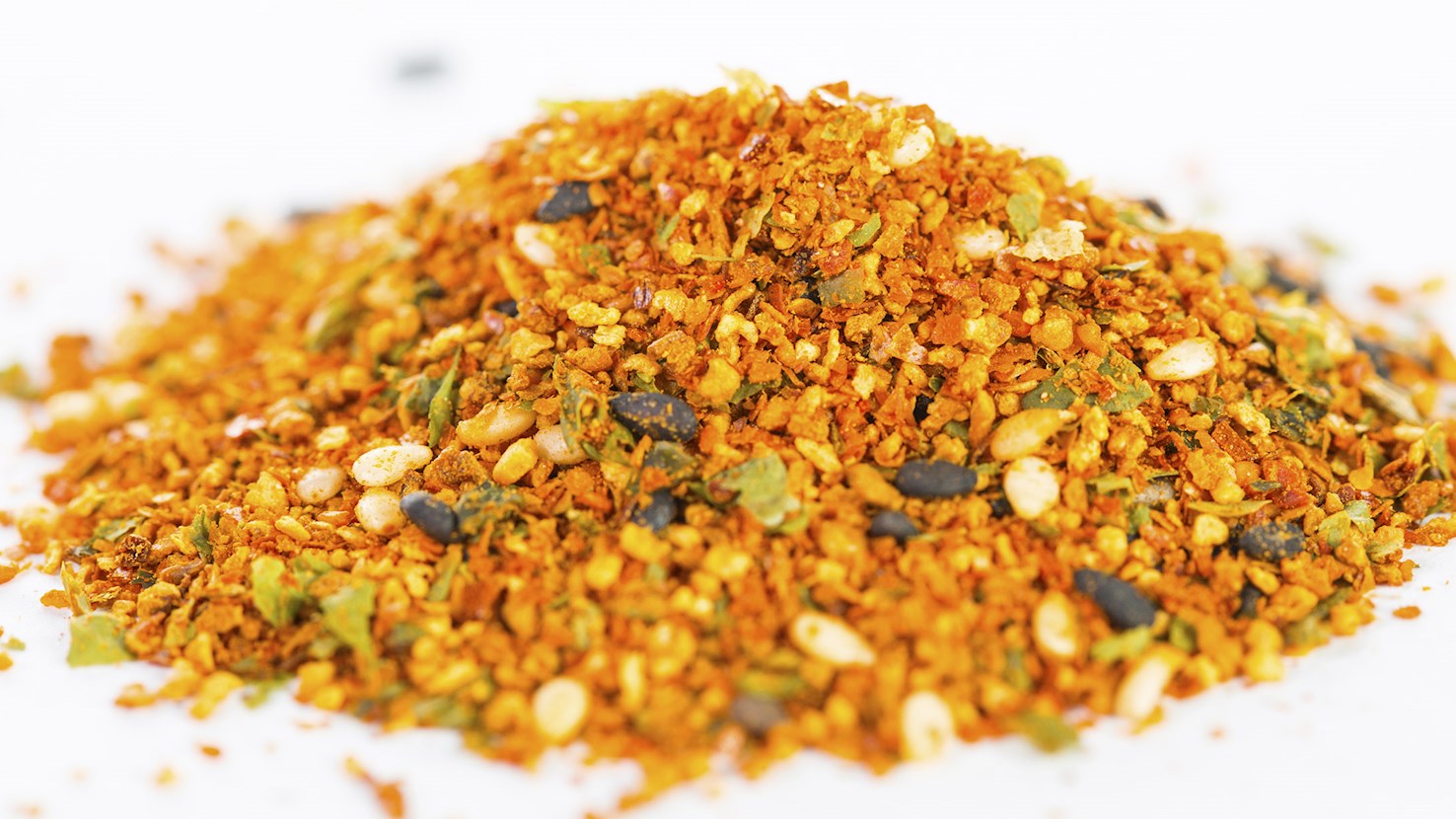
Sometimes referred to as the seven-spice powder, shichimi togarashi is a spice blend widely used in Japanese cuisine for imparting a nice smoky-sweet heat to a variety of dishes, from a steaming bowl of soba noodles to grilled fish. The origin of shichimi togarashi dates back at least to the 17th century when it was produced by local herb dealers in what was then a small, little-known fishing village of Edo, currently known as Tokyo. Its Japanese name literally translates to seven-flavor chili pepper, which is a reference to the usual seven ingredients that are used to make it: ground chili pepper, sansho or Japanese pepper, roasted satsuma mandarin peel, black or white sesame seeds, hemp seeds or hearts, ground ginger, and nori seaweed. Despite its name, the blend can also add or substitute other ingredients, including poppy seeds, yuzu citrus peel, shiso mint, and rapeseed, while the primary ingredient is always ground chili pepper. Shichimi togarashi is usually simply sprinkled on top of cooked dishes, but it also makes for an excellent rub or marinade for various meats and seafood. Also, while the selection of shichimi togarashi tends to be fairly limited in Western markets, in Japan, these flavorful spice blends are readily available in specialty stores such as the famous Yagenbori, which was established in 1625 and hasn't changed the manufacturing process since.
Translated from Arabian as spice, bahārāt is an aromatic blend of spices native to the Middle East. Although it is hard to pinpoint the exact spices used in the mix, the most common ingredients include black peppercorns, allspice, cassia bark, coriander, cardamom, chili peppers or paprika, cinnamon, cloves, and cumin. The amount of added spices influences the final aroma, which is typically smoky, sweet, and spicy. Bahārāt can be used as a seasoning for fish and meat, it is commonly added to soups and stews, but it also works well in marinades or as a dry rub.
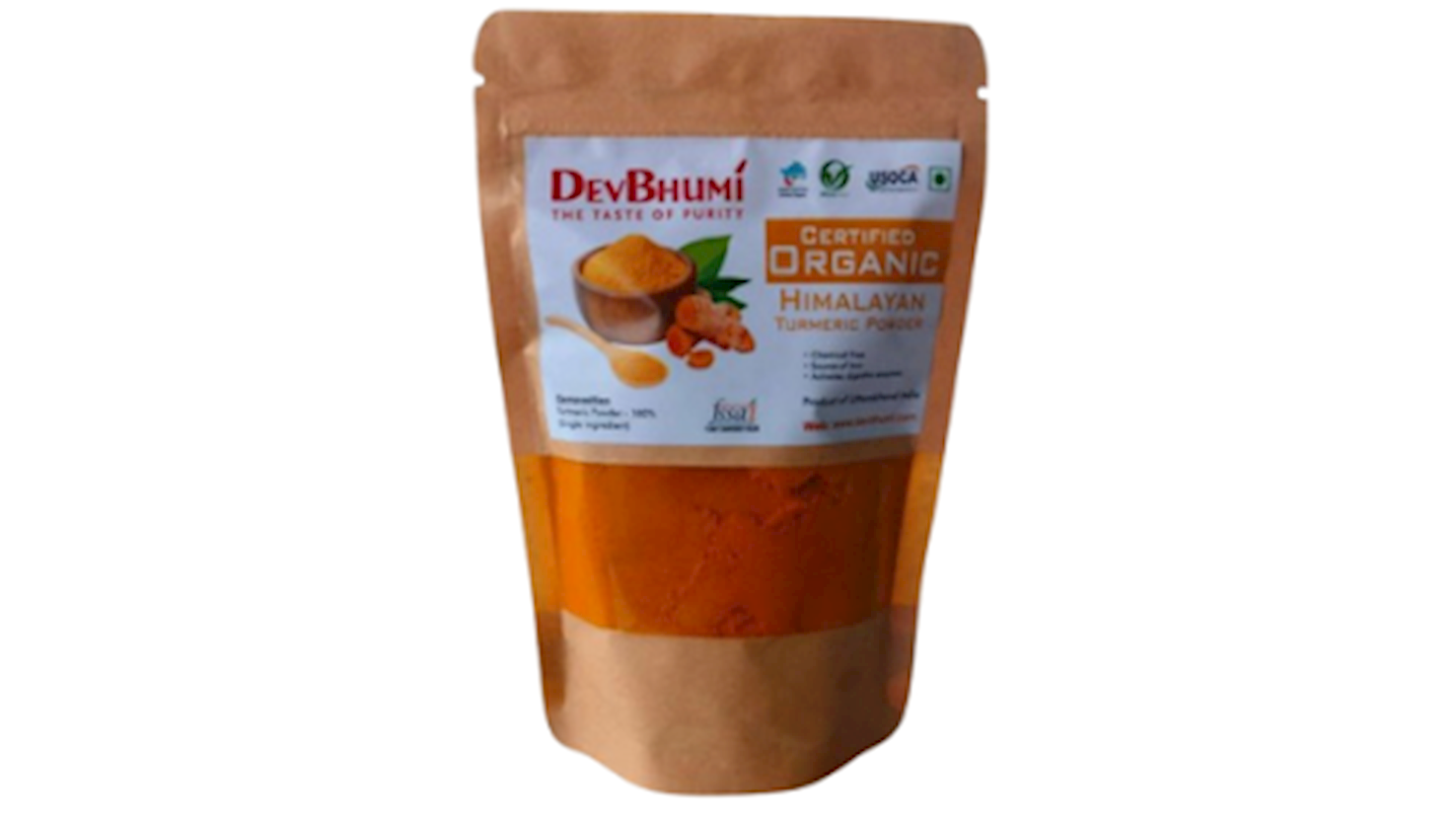
Devbhumi is a producer organization from the Indian state of Uttarakhand that brings together local beekeepers and small farmers to market natural, minimally processed products characteristic of the Himalayan region. Their range includes high-purity honey, traditional spices, ghee and herbal products, with a strong emphasis on preserving authentic origin and traditional production methods.
Devbhumi operates as a farmer-producer collective, meaning the producers themselves are the owners, ensuring fair pricing, transparency and direct support for the local rural economy. Thanks to the mountain terroir and diverse Himalayan flora, their honeys and spices carry distinctive aromatic profiles and natural purity, free from additives or industrial processing.
Devbhumi represents a sustainable model that combines traditional practices, social responsibility and high-quality products for consumers seeking authentic, natural and organically produced items.
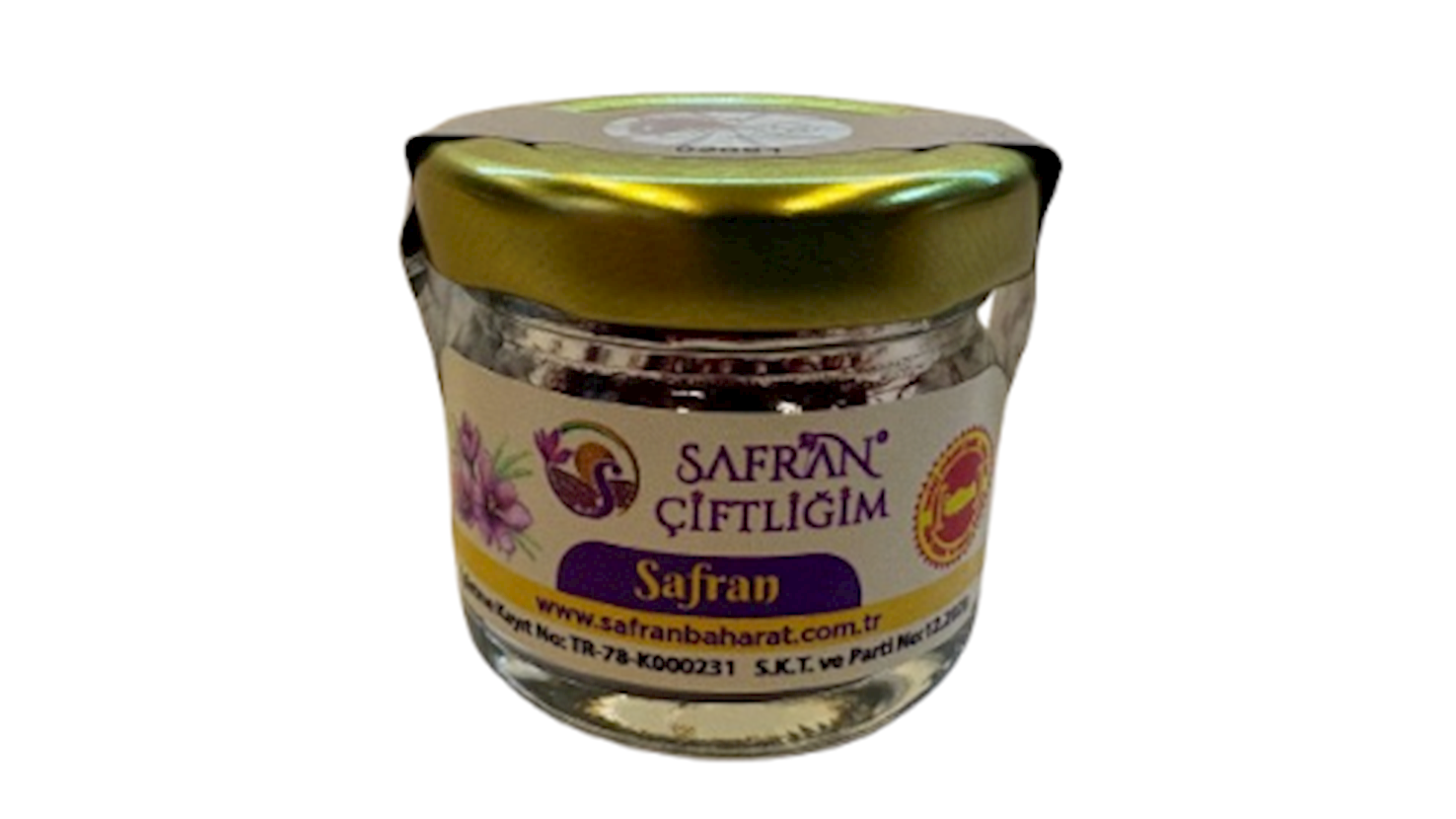
Safran Üretim Çiftliği is a family-run farm from Safranbolu specializing in the cultivation of authentic Turkish saffron, with a focus on small-scale, controlled production and hand-picking of the flowers. The saffron is grown on fields that turn purple in autumn, when crocus blossoms cover the terrain, and the stigmas are carefully separated and dried to preserve their intense aroma and high levels of safranal, picrocrocin, and crocin.
The farm offers saffron in various package sizes, with clearly stated origin and traditional cultivation methods that position it within the premium spice segment. In addition to pure saffron, the farm produces a range of related items - teas, spice blends, dried fruits, jams, soaps, and other natural products based on local ingredients.
Visitors can tour the plantation during the flowering season to observe the harvesting and processing steps, highlighting the transparent and handcrafted nature of the production. Through the combination of traditional know-how, limited quantities, and direct sales, Safran Üretim Çiftliği stands as a representative example of a regional agricultural producer whose identity is deeply rooted in the terroir of Safranbolu.
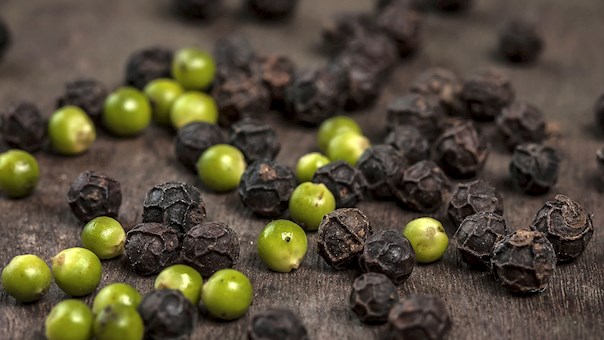
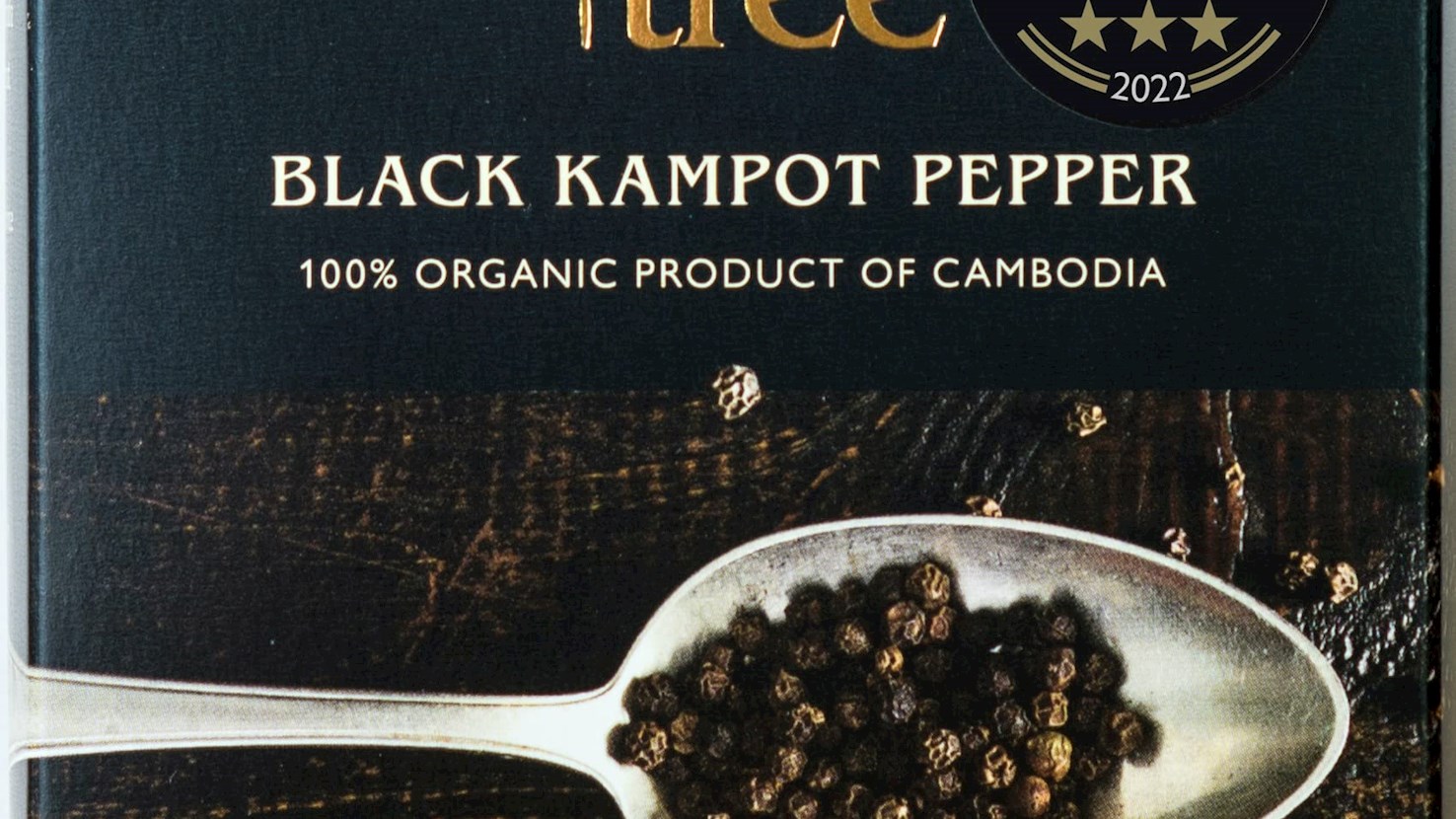
Bo Tree Farm is a spice blend and seasoning producer located in Cambodia. The company specializes in cultivating organic Kampot pepper, a variety highly prized within the culinary world.
Bo Tree Farm emphasizes sustainable farming practices and works closely with local communities to ensure ethical production. They export their pepper globally, and it is known for its distinct flavor profile and high quality.
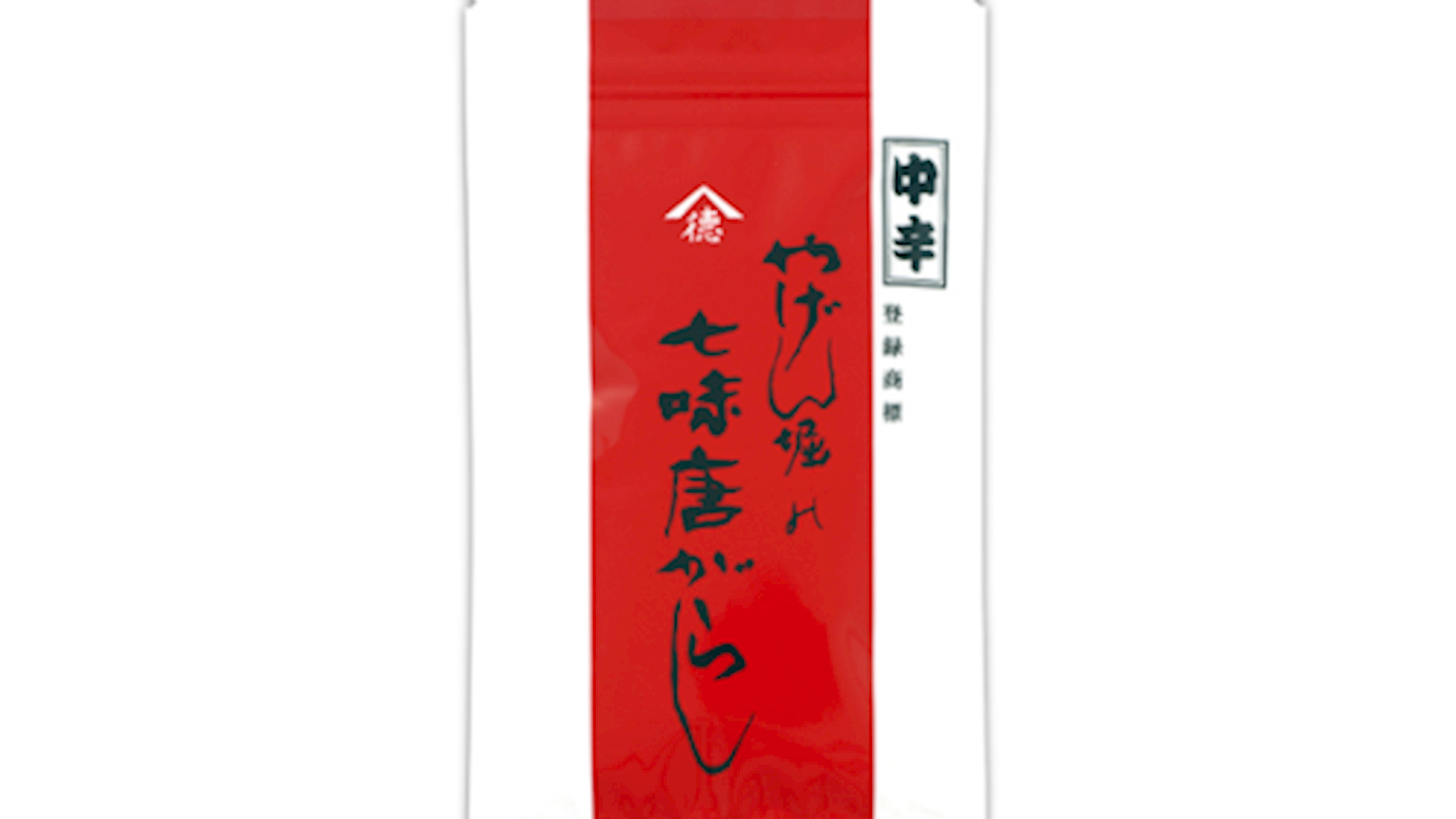
Yagenbori Shichimi Togarashi is a historic Japanese spice brand founded in 1625 during the Edo period, recognized as one of Tokyo’s oldest producers of the traditional seven-spice blend. The brand built its reputation on a carefully balanced mixture of red chili pepper, sansho (Japanese pepper), sesame seeds, poppy seeds, hemp seeds, and dried citrus peel, creating a layered profile of heat and aroma.
Rather than delivering simple spiciness, Yagenbori emphasizes complexity and controlled warmth that enhances rather than overwhelms dishes. Production continues to rely on traditional hand-blending techniques and strict ingredient selection.
For more than three centuries, the brand has remained closely tied to Tokyo’s culinary identity, particularly as a finishing spice for soba and udon noodles, soups, rice dishes, and grilled foods. Its distinctive packaging and availability in different levels of spiciness further reinforce its status as an authentic gastronomic emblem of the Japanese capital.
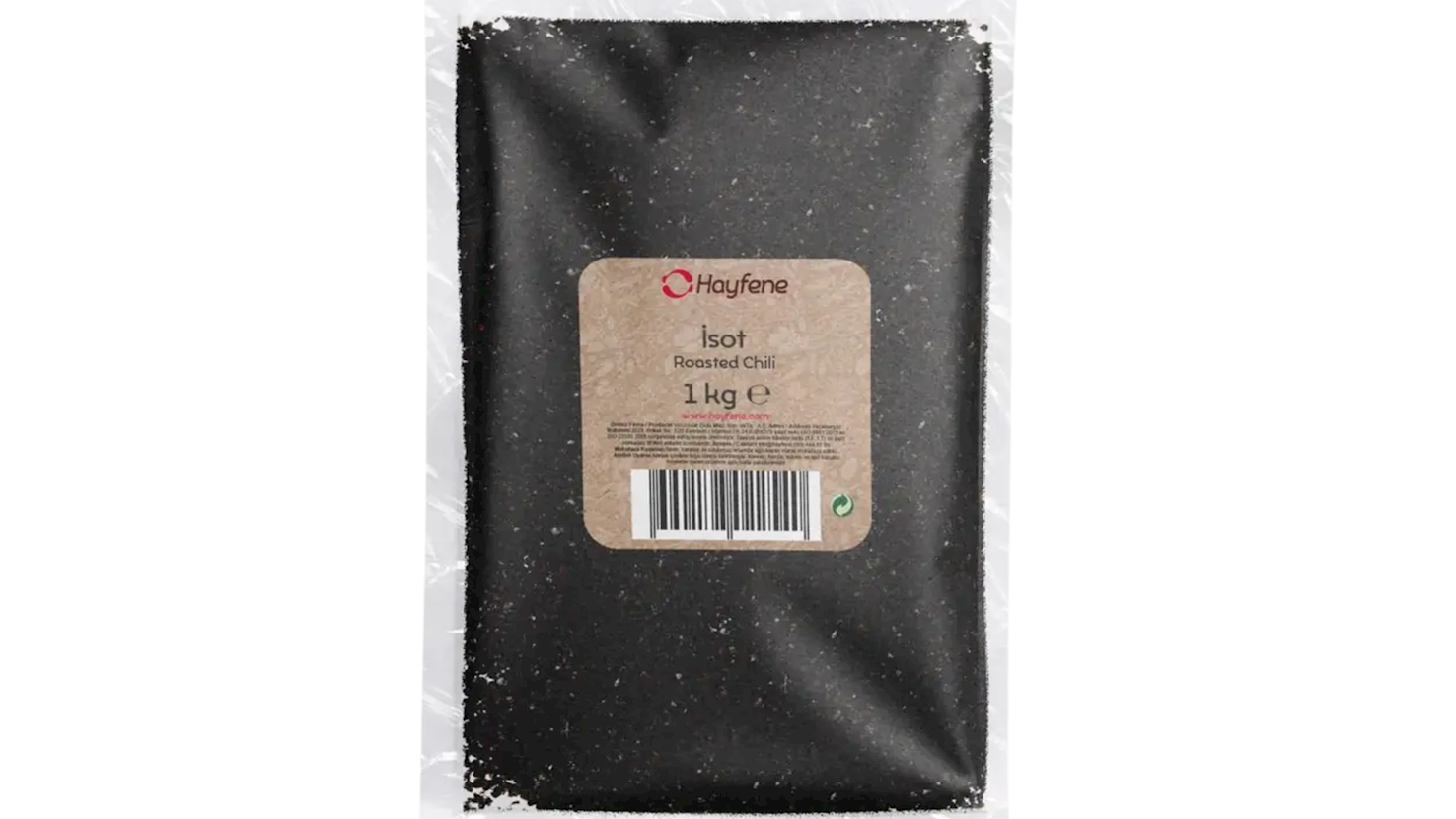
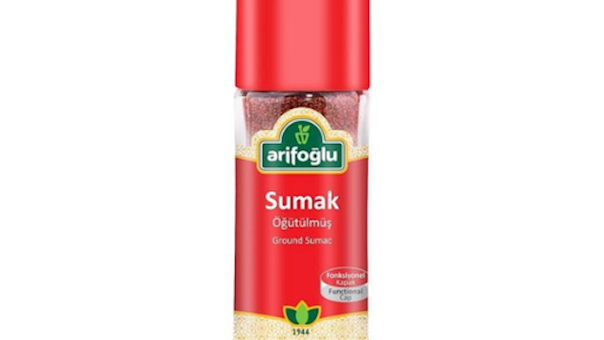
Ucuzcular Baharat is a historic Turkish spice merchant and producer based in Istanbul’s Spice Bazaar. The family business was officially established in 1886 when Hacı Ali Efendi began trading spices and other food products. Over time, Ucuzcular became known for selling loose spices, herbal teas, dried herbs, nuts, dried fruits, and various oils. The business has remained under the ownership of the Kadıoğlu family and has developed across five generations. Ucuzcular operates as more than a retailer since the company also cleans, processes, blends, packages, and distributes its products. In addition to retail customers, it has supplied restaurants, hotels, and other businesses in the hospitality sector. The modern continuation of this family enterprise is represented by Hayfene, the brand under which most of its packaged products are now sold. The name Ucuzcular is primarily retained as the historical name of the company and its traditional shop in the Spice Bazaar. Hayfene’s range includes individual spices, spice blends, herbal teas, sauces, oils, seeds, and dried food products. Owing to its long history and prominent location, Ucuzcular occupies a notable place in Istanbul’s spice-trading tradition.
Kanja Sansyou is a Japanese producer specializing in products made from sansho (Japanese pepper) and related herbs, cultivated in Wakayama Prefecture. The company offers high-quality seasonings, sauces, and ingredients that highlight the distinct aromatic and spicy flavors of sansho.
With a commitment to traditional farming and production methods, Sansyou-en aims to promote the culinary heritage of Japan.
Mayta Jaya Mandiri is an Indonesian company engaged in the production and distribution of various food products. Specializing in traditional Indonesian snacks and ingredients, the company is known for offering high-quality products such as fried shallots, spices, and other culinary essentials.
Mayta Jaya Mandiri focuses on providing authentic flavors, aiming to deliver a premium experience of Indonesian cuisine to its customers. With a commitment to quality and excellence, the company has become a trusted name in the food industry.
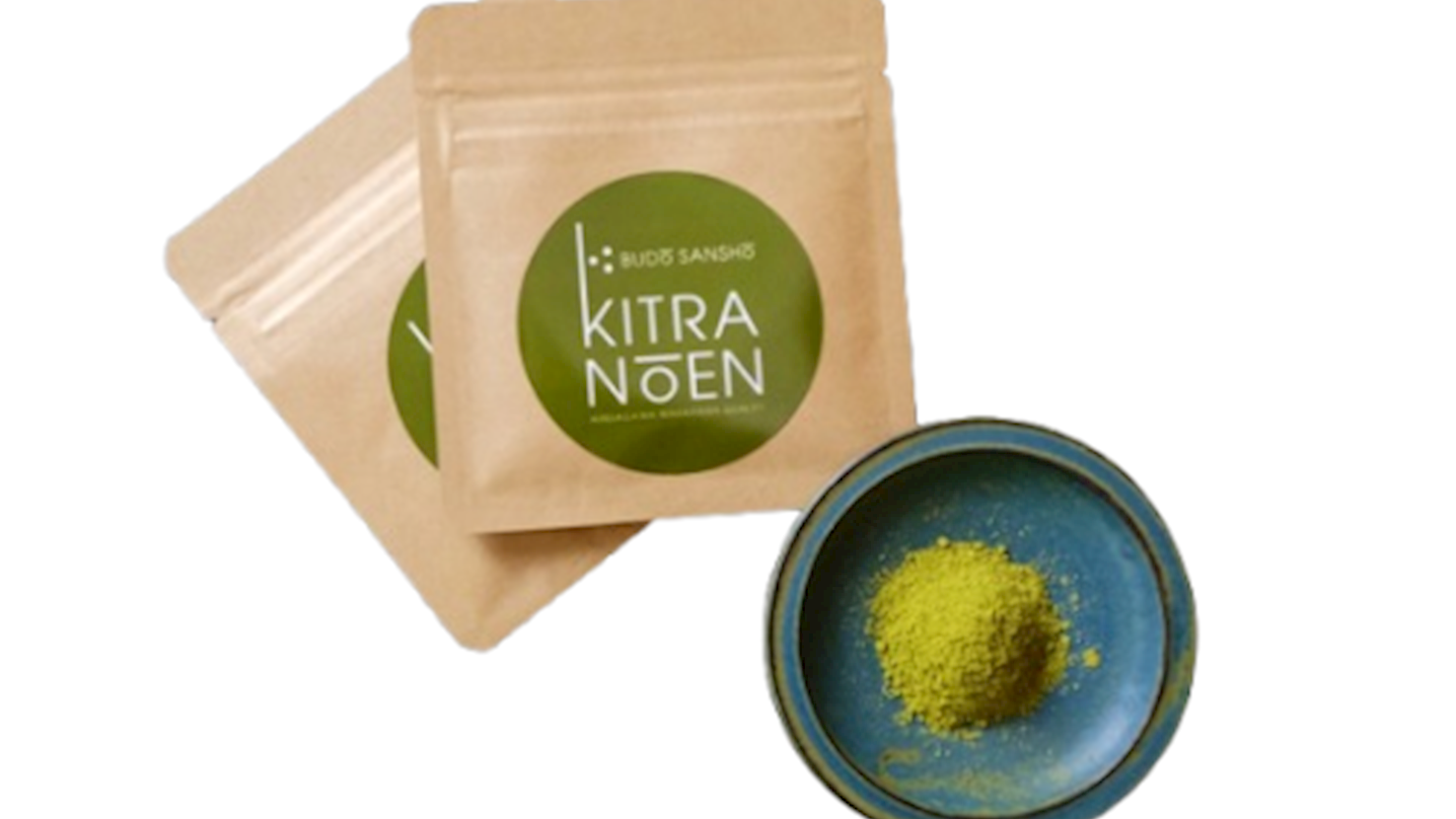
Kitora Nouen is a Japanese agricultural producer located in Wakayama Prefecture. The company specializes in cultivating high-quality fruits and spices, with a strong focus on sansho (Japanese pepper).
Their products emphasize natural flavors and are grown with care to preserve traditional farming practices. Kitora Nouen offers fresh produce and value-added products like seasonings, highlighting the rich agricultural heritage of the region.
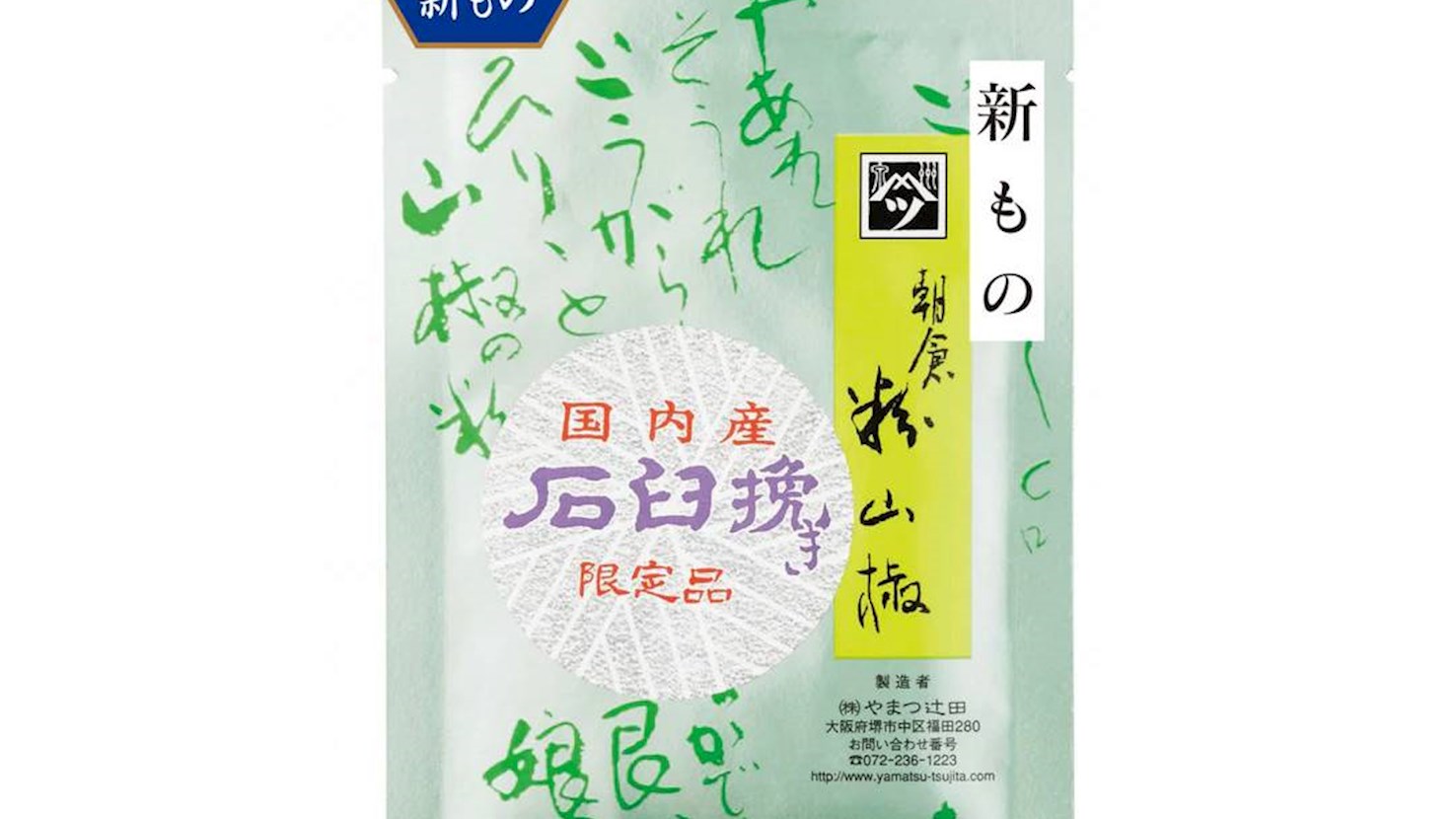
Yamatsu Tsujita is a Japanese company specializing in the production and sale of high-quality spices, particularly focusing on domestically grown chili peppers and ground sansho (Japanese pepper). With a history spanning over 120 years, the company has preserved and passed down traditional techniques and varieties, such as the purebred "Taka no Tsume" chili pepper.
In 2021, this particular chili was recognized as a "Naniwa Traditional Vegetable" under the name "Sakai Taka no Tsume," highlighting its cultural and historical significance. Yamatsu Tsujita's commitment to quality and tradition has established them as a reputable producer of authentic Japanese spices.
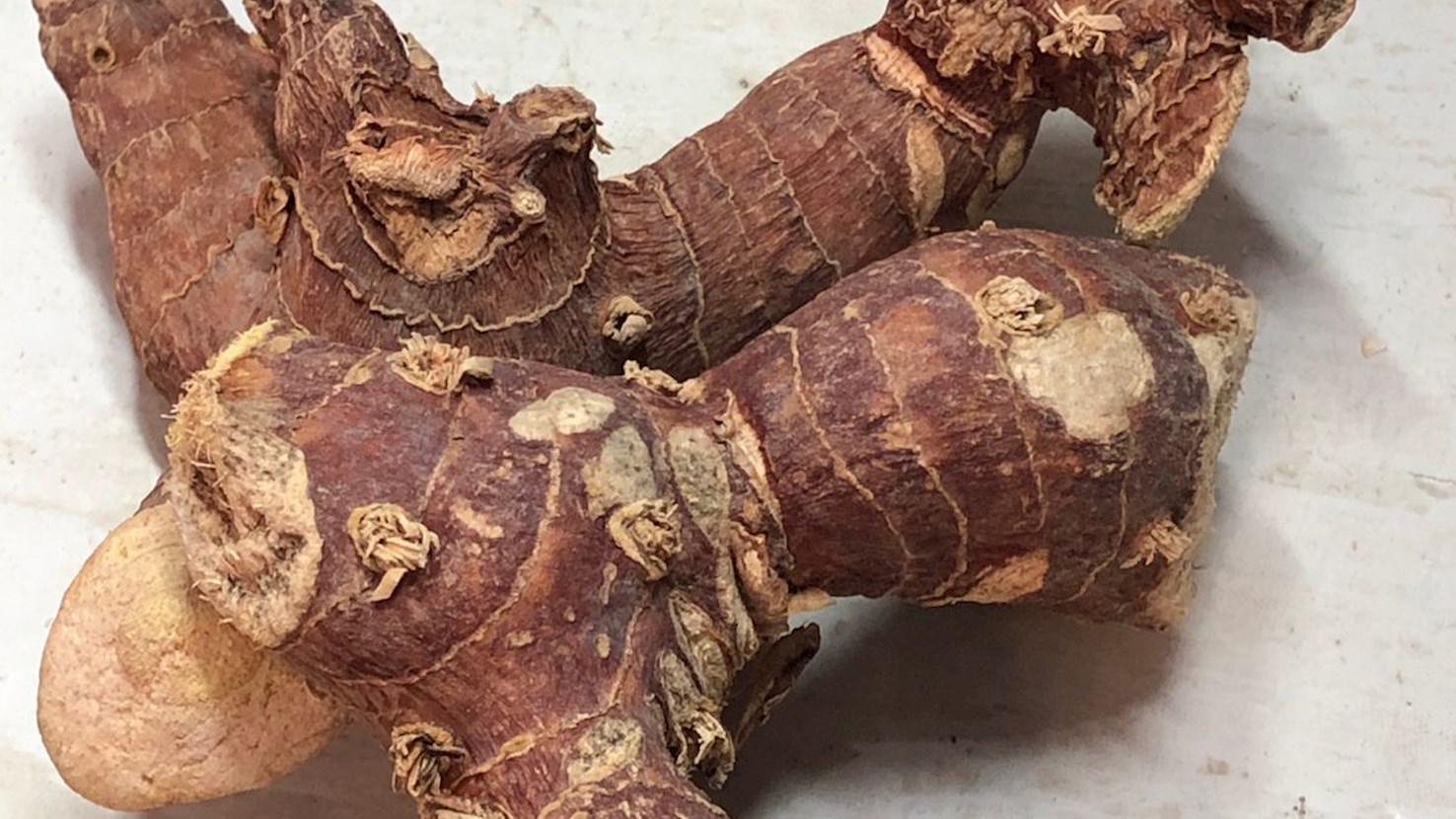
Argo Pandan Wangi is a premier Indonesian company specializing in the production and export of high-quality dried galangal. Their flagship product is meticulously harvested and processed to preserve its distinctive flavor and aroma, ensuring an unparalleled culinary experience.
The company is committed to sustainable farming practices and supports local farmers, reflecting their dedication to social responsibility. By choosing Argo Pandan Wangi, customers receive top-quality galangal while contributing to the well-being of local communities and the environment.
TasteAtlas food rankings are based on the ratings of the TasteAtlas audience, with a series of mechanisms that recognize real users and that ignore bot,
nationalist or local patriotic ratings, and give additional value to the ratings of users that the system recognizes as knowledgeable.
For the “Top 51 Asian Herbs and Spices” list until September 15, 2026, 2,329 ratings were recorded, of which 1,215 were recognized by the system as legitimate.
TasteAtlas Rankings should not be seen as the final global conclusion about food. Their purpose is to promote excellent local foods,
instill pride in traditional dishes, and arouse curiosity about dishes you haven’t tried.
The initial list of top producers was compiled based on available reviews, awards, local recommendations, media and blog coverage, and consumer reviews.
The list will be updated with ratings from TasteAtlas local ambassadors and TasteAtlas users.










What People Say