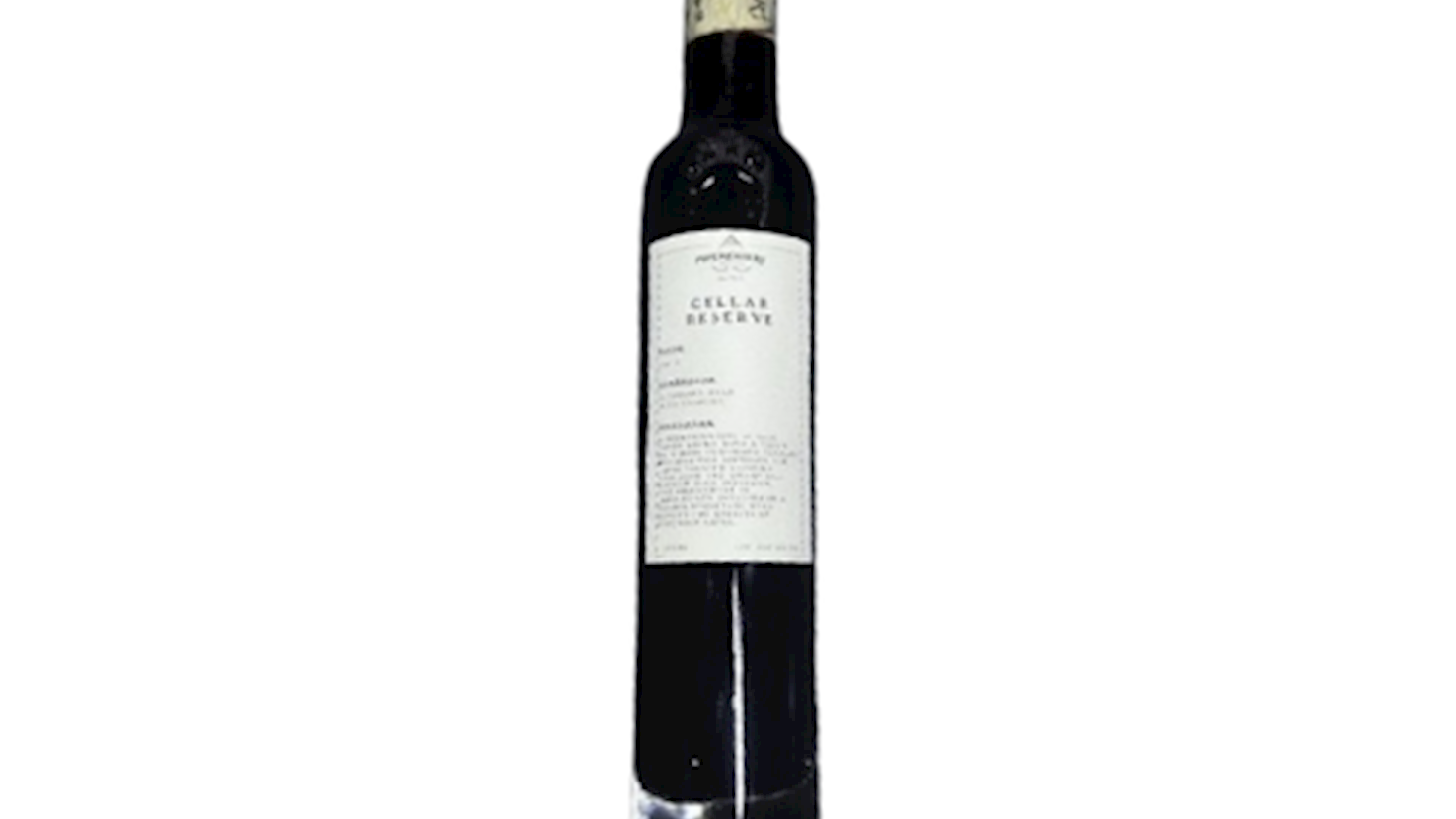
Pips Meadery is a family-owned meadery based in Gurnee, Illinois, recognized for its innovative approach to mead production. Their philosophy lies in blending traditional methods with modern techniques and creative experimentation with ingredients.
The founders emphasize that the name “Pips” carries layered meanings, referring to fruit seeds, game symbols, and most importantly, a personal dedication to their son Parker, which gives the brand authenticity and emotional depth. Their production focuses on rich, often dessert-style meads made from honey combined with fruits, spices, nuts, or even aged in barrels.
The products are known for their higher alcohol content and full-bodied flavors, yet remain well-balanced and approachable. Their goal is not only to craft unique drinks but also to continuously improve and connect with the community through tastings and events at their Gurnee location.
The brand has positioned itself as one of the most exciting players on the American mead scene, successfully merging tradition, innovation, and a deeply personal touch. Pips Meadery stands as an example of how artisanal production can be both creative and intimate, while always remaining focused on exceptional quality.
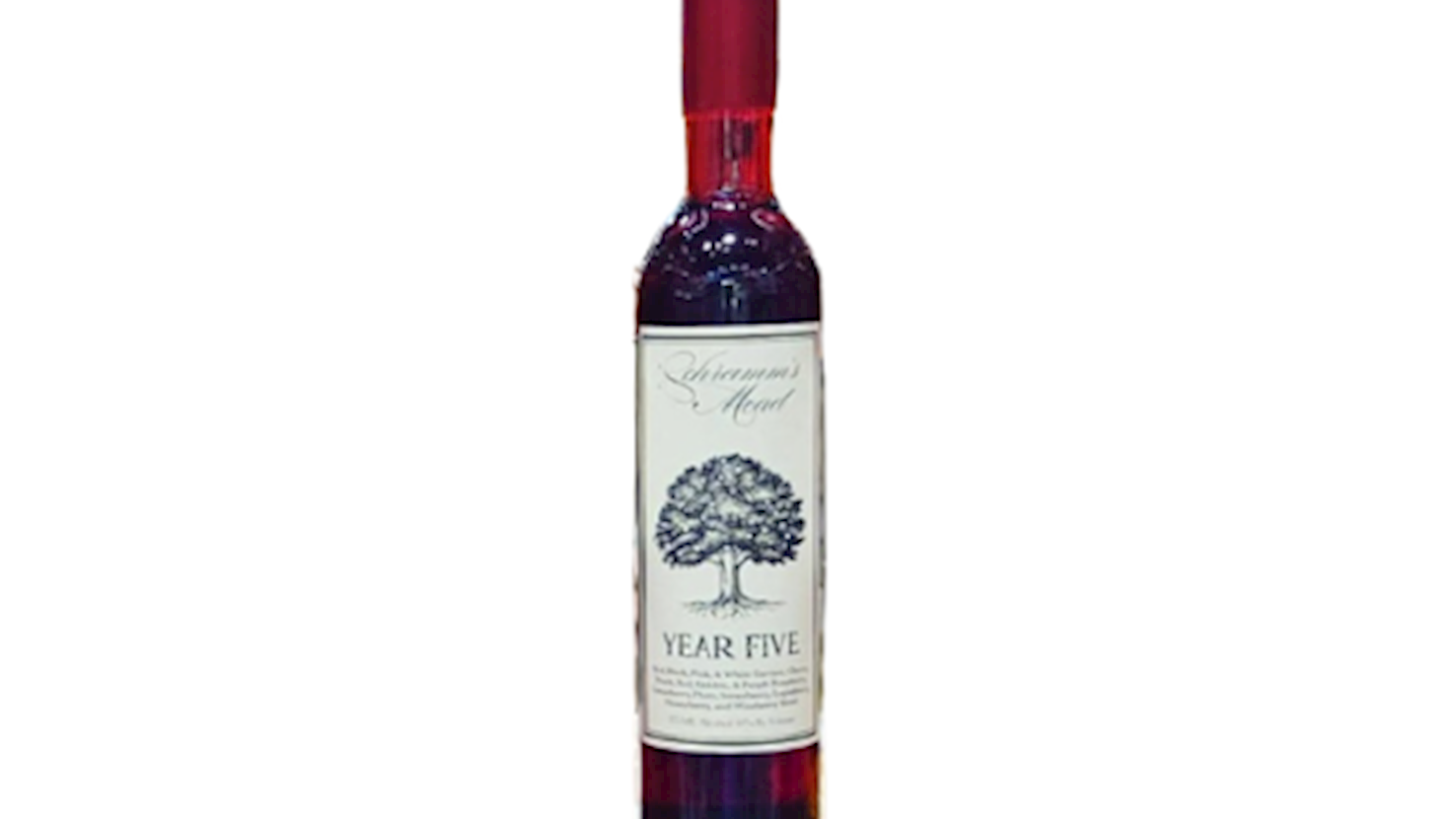
Schramm’s Mead is a craft meadery from Ferndale, Michigan, led by Ken Schramm, one of the most renowned authors and practitioners in the world of mead production. Their approach is based on the use of carefully selected honey, such as orange blossom honey, and large quantities of high-quality fruit, with some releases using more than 10 pounds of fruit per gallon of mead.
The range includes melomels, fruit-forward meads, and metheglins with spices, all reflecting a strong dedication to authentic and full-bodied flavors. The first meadery and tasting room opened in 2013 in Ferndale, where visitors can sample both core offerings and experimental editions.
Their portfolio features drinks with distinctive character, from classic berry combinations to exotic releases made with rare honeys. The brand is built on the values of quality and fidelity to ingredients, with plans for cultivating their own fruit and producing honey to increase sustainability.
Today, Schramm’s Mead is regarded as one of the most respected meaderies in the world, recognized for its commitment to excellence and authenticity.
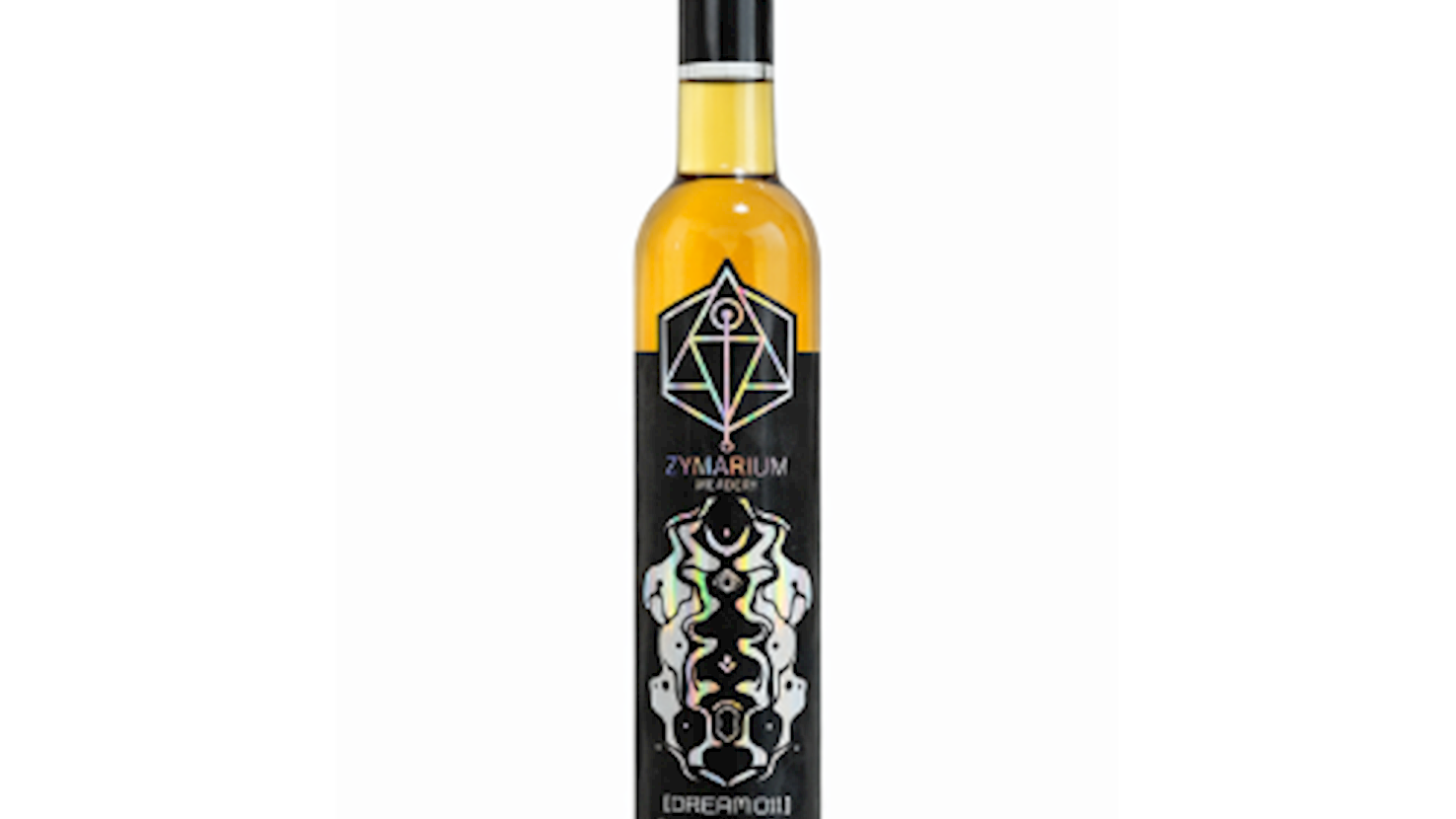
Zymarium Meadery from Orlando, Florida, is the city’s first meadery, opened in August 2023 in the artistic Mills 50 district. It was founded by Joe Leigh and Ginger Leigh, a visual artist known as Synthestruct, who designed the brand identity and the interactive ambiance of the tasting room.
Their philosophy is based on using exclusively local, raw, and unfiltered honey, preserving natural enzymes, pollen, and the authentic aromatic profile. Production combines traditional and modern fermentation techniques, with a distinctive focus on creating so-called “water-less fruit meads” where only fruit and honey are used instead of water, resulting in exceptionally intense and complex flavors.
The lineup includes over twenty different meads on tap, ranging from dry and refreshing to sweet and rich, with part of the selection dedicated to experimental series. Their approach unites art, craftsmanship, and the science of fermentation, making Zymarium a new cultural and flavorful landmark in Orlando.
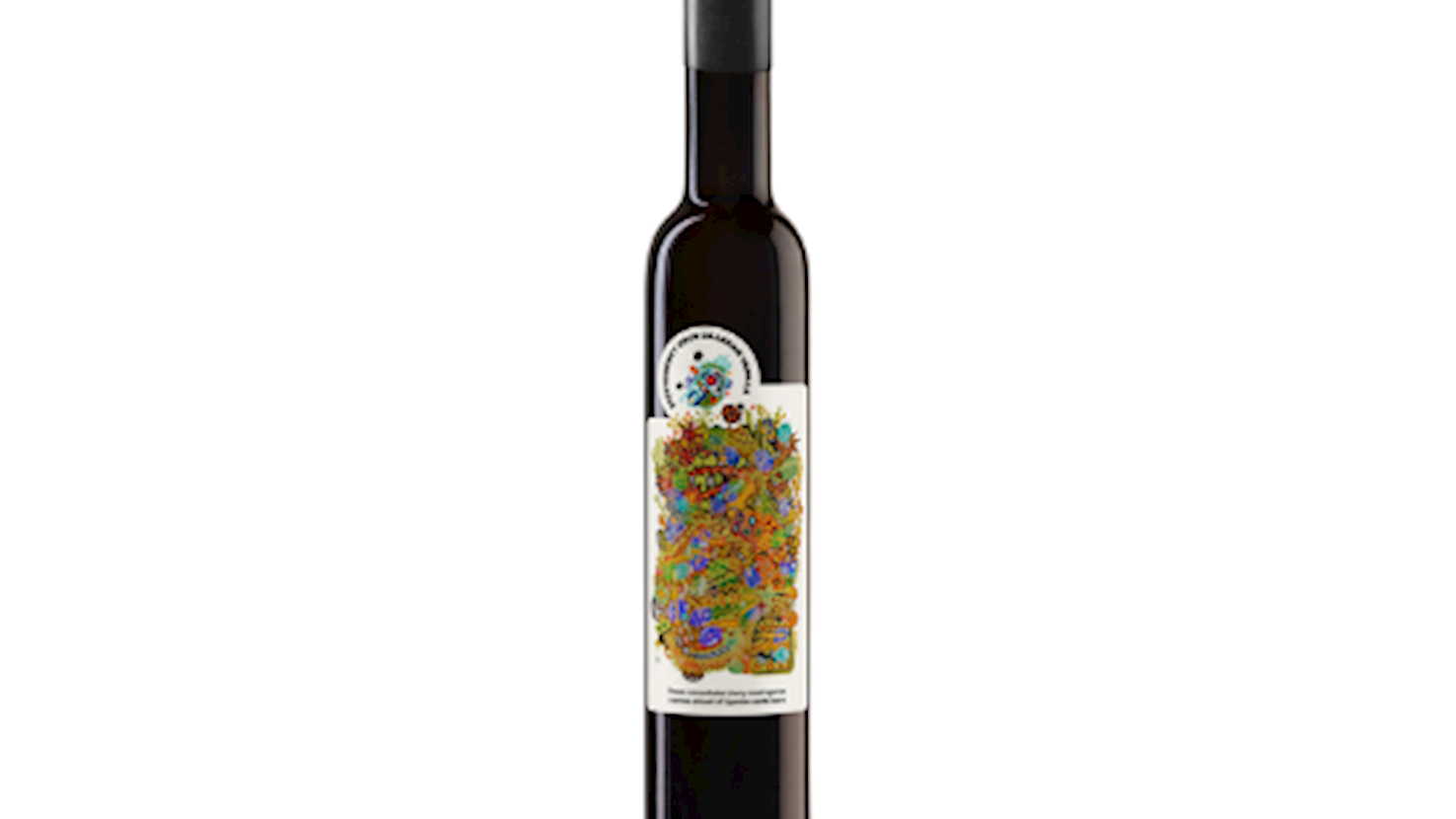
Marlobobo is a Norwegian craft meadery from Sande in the Vestfold region, founded in 2020, specializing in meads made from local fruit and honey. Their philosophy is based on minimal intervention in natural ingredients - water is often completely omitted, using only fruit and honey to achieve maximum concentration of flavors and aromas.
They place particular focus on berries and Stevnsbær cherries, also known as the “Nordic grape” which lend their meads a strong and distinctive character. The portfolio includes more than a hundred different releases, ranging from classic melomels with raspberry, currant, or cherry, to experimental series with cryo-concentrated fruit and barrel-aged variants.
Visually and aromatically, their drinks are rich and layered, while the palate combines fruit acidity, honeyed fullness, and the complexity of aging. Marlobobo has gained recognition beyond Norway - their products are available in specialty shops and bars across Europe.
In addition to mead, they also run a brewing program under the name Megabear, where barrels are often shared and exchanged between different projects to add further depth of flavor. Marlobobo represents a modern Nordic interpretation of mead - a fusion of tradition, local identity, and innovative fermentation techniques.
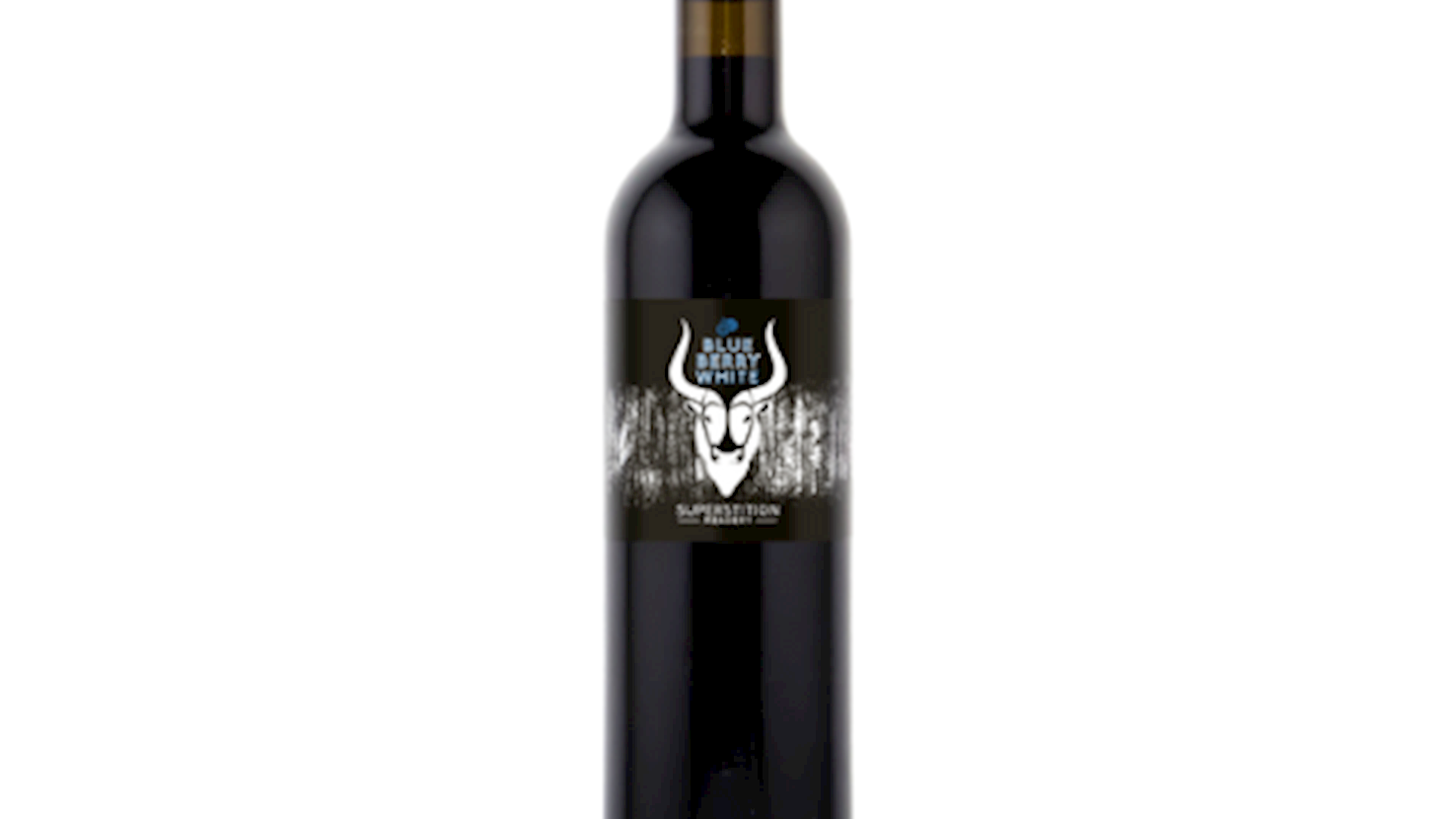
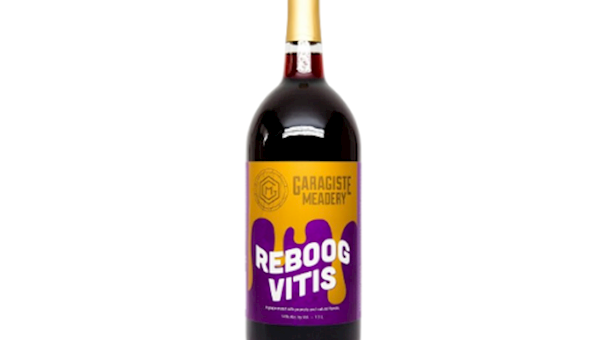
Superstition Meadery is a meadery from Prescott, Arizona, founded in 2012 by Jeff and Jen Herbert, and today recognized as one of the most innovative mead producers in the world. Their portfolio spans a wide range of styles - from traditional meads to melomels with berries, pyments with grapes, metheglins with spices, and experimental creations such as Peanut Butter Jelly Crime.
A distinctive hallmark of their production is barrel aging in bourbon, port, and wine casks, which imparts rich and layered flavor profiles. The tasting room is a place where visitors can sample dozens of different meads and ciders.
In their production, they use local Arizona honey, combining it with exotic ingredients, spices, and specialized fermentation techniques, creating unique beverages that push the boundaries of the craft.
Brewlihan is a modern meadery based in Oakland Park, Florida, established as one of the most intriguing mead producers in the United States. Their philosophy is rooted in the use of fresh, carefully selected ingredients and contemporary fermentation techniques, resulting in drinks with rich and layered character.
They place special emphasis on innovation and creative combinations of fruit, honey, and spices, which is why their releases are often described as modern, vibrant, and authentic expressions of this traditional beverage. The tasting room in Oakland Park has become a gathering place for the local community, where visitors can enjoy their core lineup as well as limited series and experimental releases.
Their meads strike a balance between sweetness and acidity, with pronounced fruity and aromatic profiles that appeal to a wide range of consumers. They are particularly known for their dessert and fruit-forward varieties, which deliver intense aromas and a long finish.
In this way, Brewlihan merges the tradition of mead with contemporary craft beverage trends, contributing to the growing popularity of this category on the American scene.
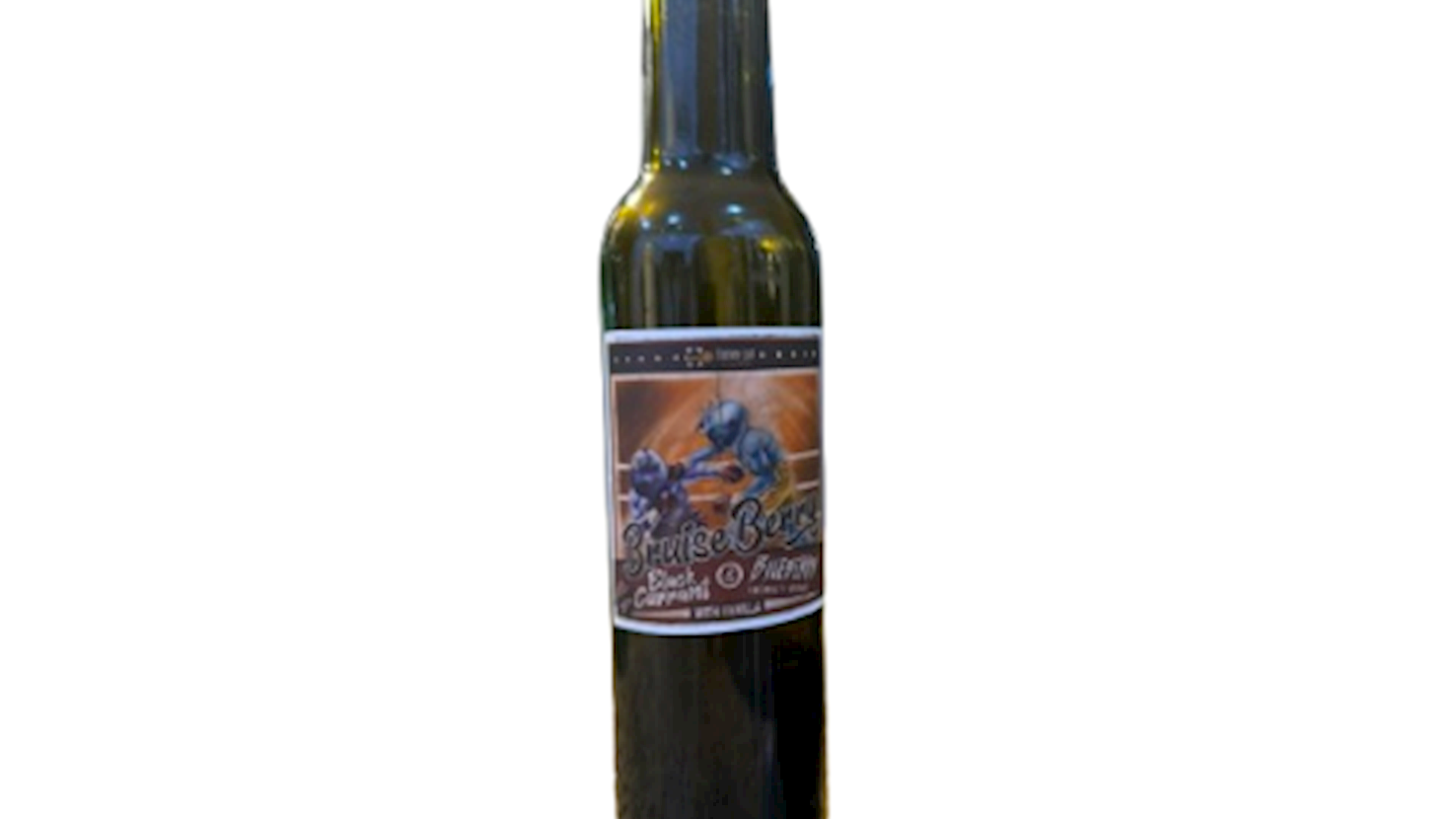
Standard Meadery is a modern craft meadery and cocktail lounge based in Villa Park, Illinois, combining mead production with a unique bar experience. Their philosophy is rooted in small-batch, carefully crafted meads that connect tradition with a contemporary approach to fermentation and presentation.
They place special emphasis on innovative flavors and experimental combinations, offering both classic fruit-based varieties and unusual releases inspired by desserts and cocktails. One of their standout products is For Grace, a melomel made with black currants and Madagascan vanilla, blending fruit acidity with creamy spice warmth.
The tasting room is designed as a cocktail lounge, where meads can be enjoyed “on tap” or as part of carefully curated cocktails, giving visitors a new way to experience this beverage. In this way, Standard Meadery has become a gathering place for the local community as well as a destination for those eager to explore the boundaries of mead.
Their drinks are characterized by complexity, rich aromas, and balanced profiles in which honey, fruit, spices, and experimental additions intertwine. Visually and sensorially, each release is crafted to leave a strong impression and offer something new.
Thanks to their high quality and originality, Standard Meadery has built a strong reputation on the American mead scene.
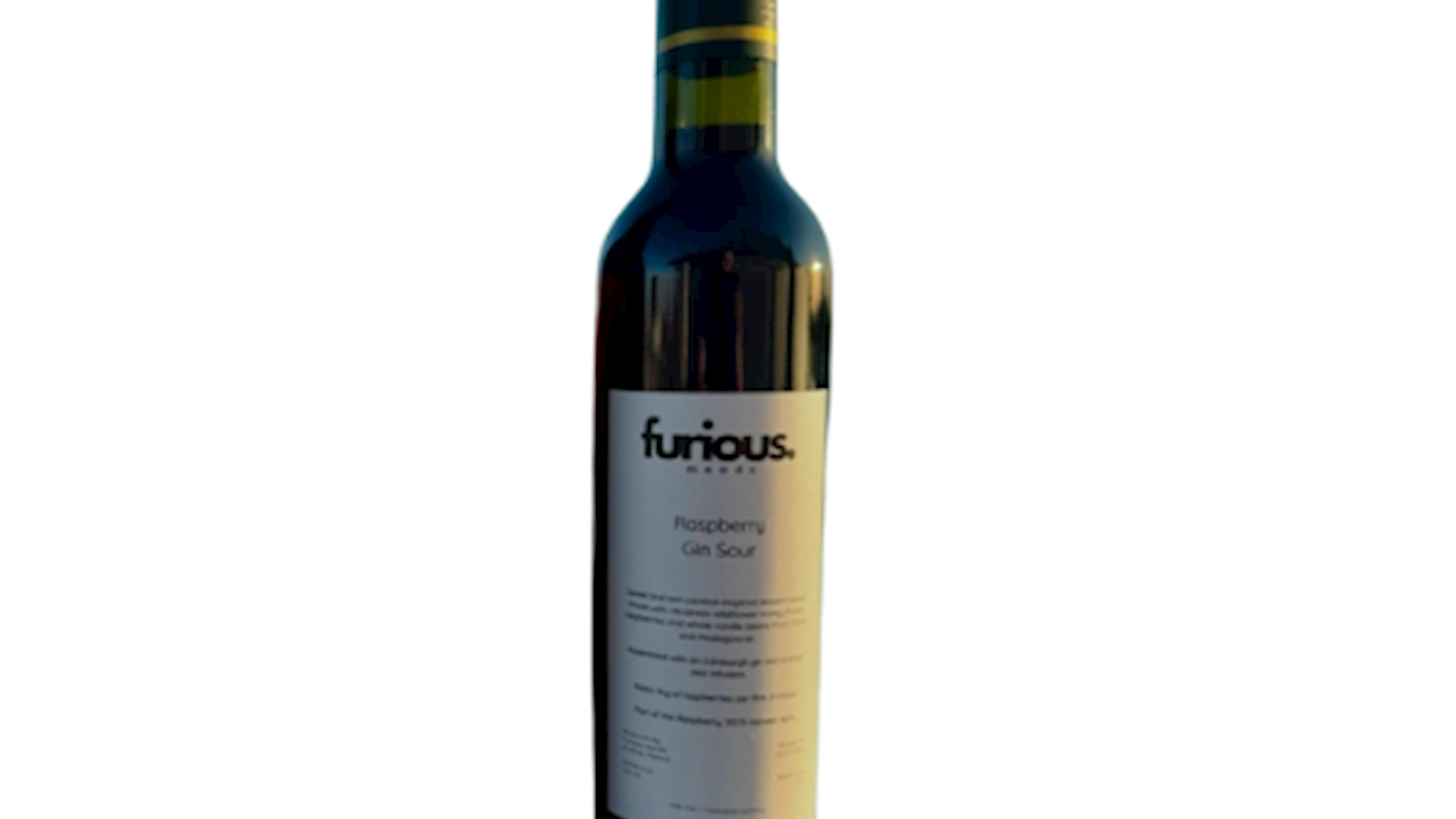
Furious Meads is a small craft meadery from Krakow, Poland, positioned as a producer of modern dessert-style meads with pronounced aromatic and layered profiles. Their philosophy is based on the use of high-quality honey and fruit, often combined with barrels that previously held fine wines or spirits to add extra complexity.
Their products frequently incorporate black currant, cranberry, strawberry, or chokeberry, along with spices and oak aging, resulting in a dessert-like, almost liqueur character. The texture of their meads is typically full, creamy, and intense, with a long finish where fruit, honey, and woody notes intertwine.
This brand represents a new generation of Polish producers who see mead as a space for creativity and innovation, but without compromising on quality.
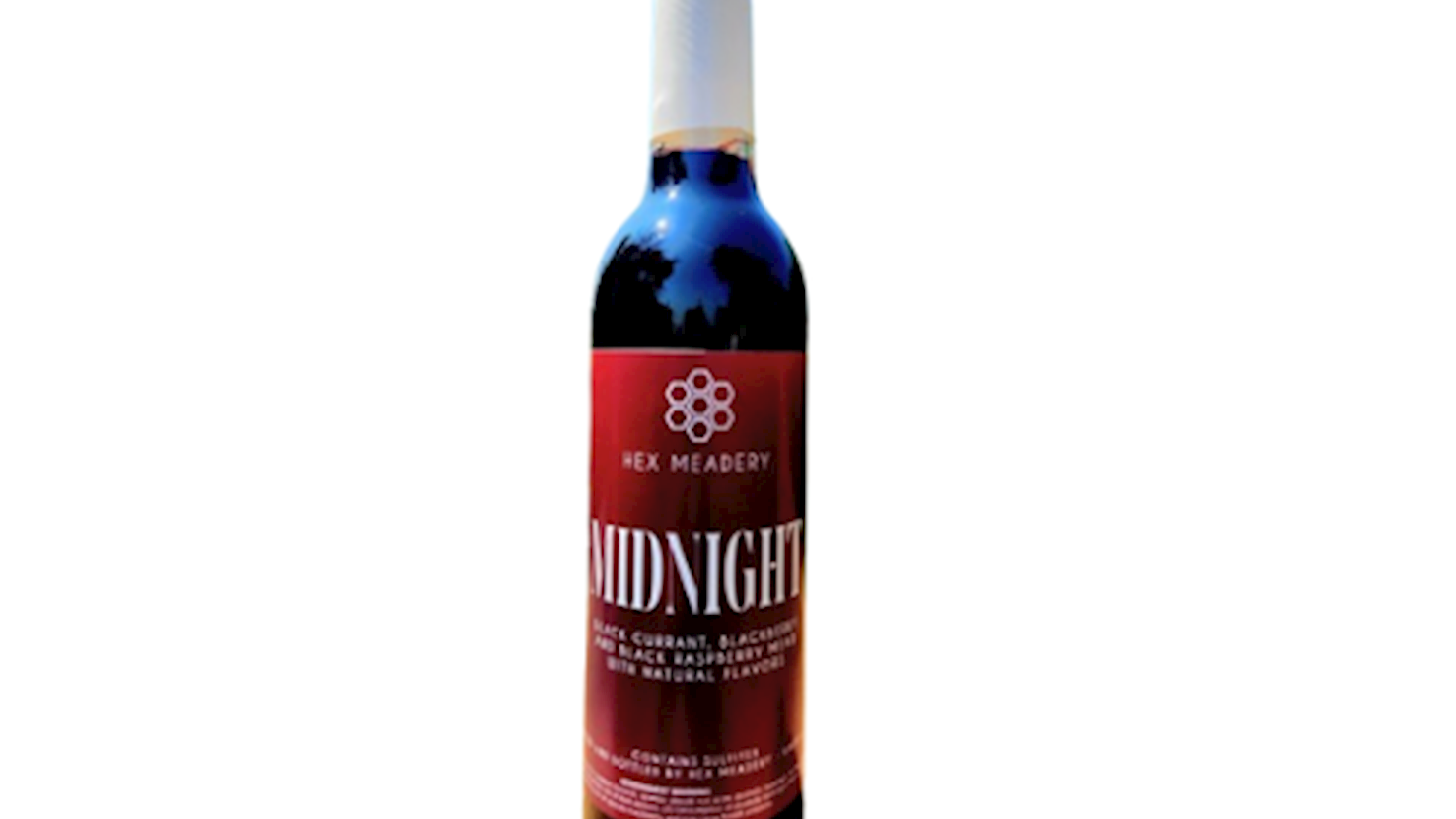
Hex Meadery from Kaukauna, Wisconsin, represents a modern approach to the ancient tradition of mead, combining honey with fruit, spices, and innovative techniques to create diverse styles and flavor profiles. Their portfolio ranges from classic meads, pure and focused on the aroma of honey, to melomels enriched with fruits such as raspberries, blueberries, blackberries, or peaches, as well as metheglins with the addition of vanilla, cinnamon, and other spices.
Particularly notable are the series aged in barrels, which develop complexity and depth of flavor, resulting in a longer and more elegant finish. With an average alcohol content of around 12-14%, their drinks balance between liqueur-like richness and refreshing fruity vibrancy.
The taproom in Kaukauna has become a central gathering place for craft mead enthusiasts and a space where visitors can explore the full breadth of styles. The visual identity of their drinks reflects the aromatic richness: from golden tones of traditional meads to deep ruby and dark purple hues of fruit-forward varieties.
Beyond the drinks, their focus is also on educating the public, as they aim to expand understanding of mead as a beverage that can be just as layered and relevant as wine or craft beer. This blend of creativity, local identity, and artisanal dedication makes Hex Meadery a brand well worth attention in the world of gourmet beverages.
Honey Pot Meadery from Anaheim, California, is a modern example of how the tradition of mead can merge with the dynamism of the craft beverage scene. Founded in 2014 as a hobby project by fermentation enthusiasts, it has since grown into a recognizable local brand.
Their philosophy is to offer a wide variety of mead styles and flavors to the community they serve, aiming to fill the gap in the Southern California market. Their lineup includes a broad range of meads - from dry and refreshing expressions, through fruity melomels, to rich dessert-style meads.
They experiment with different types of honey, fruits, and spices, creating drinks often compared to wines or craft beers in terms of complexity and distinctive aromas. Their taproom provides a space where visitors can sample current releases straight from the tap.
The atmosphere is designed as a blend of tasting and socializing, with the option to purchase bottles to take home. Special attention is given to presentation and consumer education, helping visitors understand the process of mead-making and its diverse styles.
The concept of combining craftsmanship, local ingredients, and creative experimentation makes them one of the most intriguing mead producers in the United States.
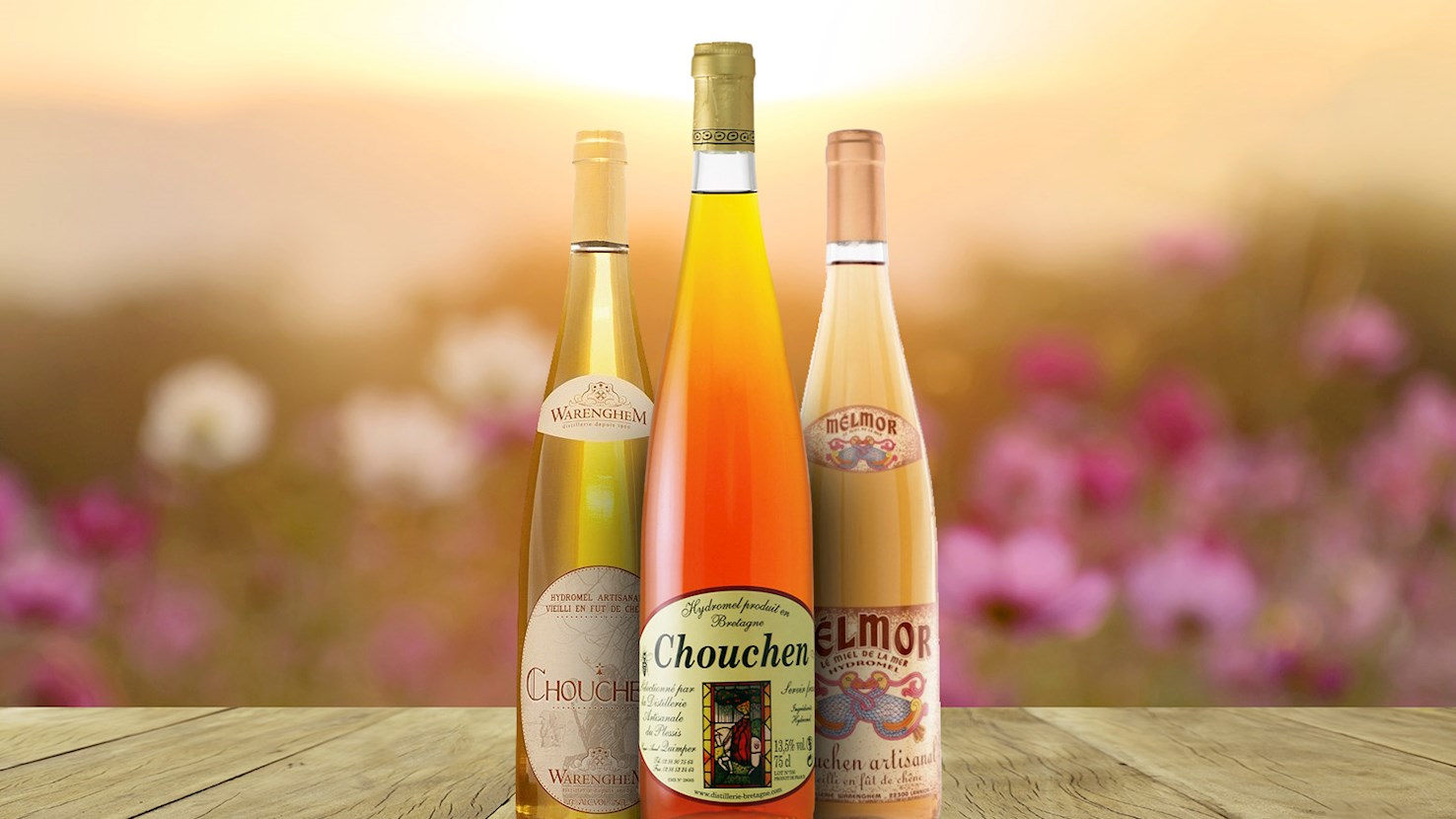
Chouchen is a variety of mead that hails from Brittany. It is usually made from fermented honey that is mixed with apple juice. The drink is matured for at least a year, and its alcohol content typically varies from 12 to 15% ABV. Chouchen is rich and dense with typical notes of honey, vanilla, and apples. The drink presumably has Celtic origin, and in the past it was usually made with buckwheat honey, which was commonly used in Brittany. Chouchen is traditionally enjoyed as an aperitif or a digestif, preferably served well-chilled, but it also works as a warm winter drink or a cooking ingredient.
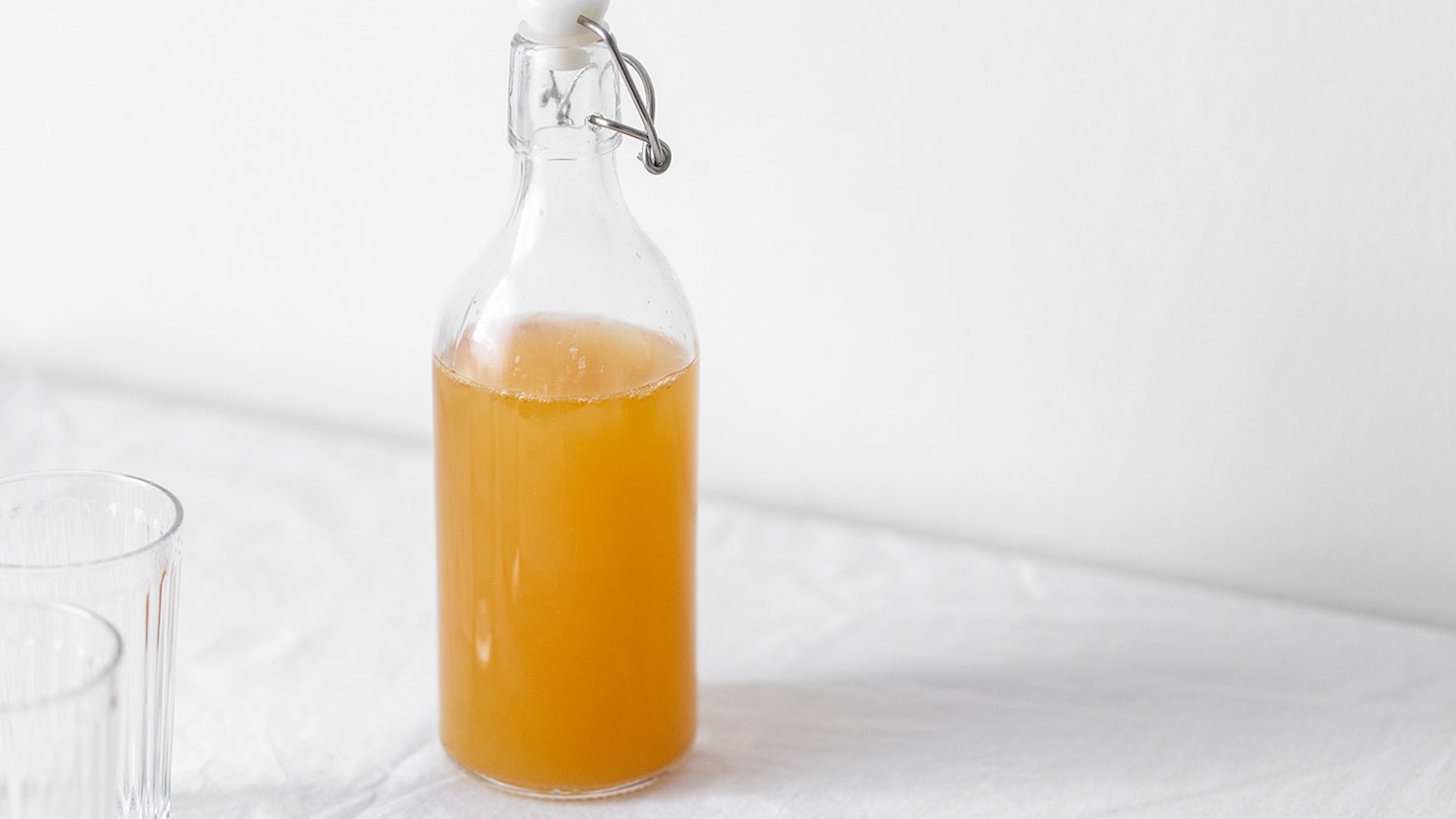
Sima is a fermented Finnish drink, often classified as a low alcoholic variety of mead. It is a fizzy drink with a sweet and citrusy flavor that comes in a non-alcoholic and alcoholic form, though the former is more common. Often called a fermented lemonade, sima is nowadays usually made with lemon, white and/or brown sugar, yeast, and raisins. In the original form, it was usually made with honey. The ingredients are usually fermented for several days before the drink is bottled and refrigerated. The longer it is left to ferment, it will become more effervescent and alcoholic. Sima is traditionally prepared and enjoyed during Vappu—Finnish celebration of May Day. It is best served chilled along with traditional Finnish pastries.
Tej is honey wine made by fermenting honey and water with gesho (lat. Rhamnus prinoides), a native shrub whose leaves and stems give the drink its characteristic bitterness and help shape its fermentation. In Eritrea and northern Ethiopia this drink is known as mies or mes. Usually golden to amber, lightly cloudy, and variably sweet, sour, or effervescent, tej occupies a distinctive position between mead and herbal fermented beverages because gesho is as important to its identity as the honey itself. Honey wine has deep roots in the Ethiopian highlands: Geʽez sources from the Aksumite era record honey-based alcoholic drinks at elite tables, although these early references cannot be equated with the exact modern formulation of tej. By the early modern period, honey wine was firmly associated with the Ethiopian royal court and ceremonial hospitality, and later accounts describe it as an important drink among political and social elites. Over time, production spread well beyond courtly settings, and tej became widely made in households and sold in specialized drinking establishments known as tej bet. Its manufacture begins by diluting honey with water, commonly at roughly one part honey to three or four parts water, although household proportions differ. The mixture is left to begin fermenting naturally, relying on microorganisms present in the ingredients, utensils, and surrounding environment rather than a standardized commercial yeast culture. After this first stage, gesho leaves or woody stems are introduced, sometimes after being boiled or otherwise treated, and fermentation continues for several more days or weeks. The finished liquid is filtered before serving. During fermentation, yeasts, particularly species of Saccharomyces, convert sugars into alcohol, while lactic acid bacteria contribute acidity and additional flavor compounds; studies of household tej show that both groups play important roles in the final beverage. Gesho contributes bitterness that balances the sweetness of honey and also influences which microorganisms thrive during fermentation. Because the process is spontaneous and producers vary the honey concentration, quantity of gesho, temperature, and fermentation time, tej has no single fixed alcohol level or flavor profile. A young batch may remain noticeably sweet and lively, while longer fermentation produces a drier, more acidic drink with higher alcohol content. The floral character also changes according to the honey used, so batches made from different nectar sources can taste markedly different even when the brewing method is similar. Tej is commonly served in a berele, a small round-bellied glass vessel with a narrow neck, which has become closely associated with the drink. It is consumed throughout Ethiopia at celebrations, weddings, holidays, family gatherings, restaurants, and tej bets, but it can also accompany an ordinary meal. Its sweetness and herbal bitterness work especially well with strongly seasoned foods such as doro wat, siga wat, tibs, and kitfo, while injera and vegetable dishes help balance both the alcohol and the richer meat preparations. Tej is generally served at the table rather than after the meal, particularly when it accompanies spicy meat dishes, while coffee may follow later as part of a separate social ritual.
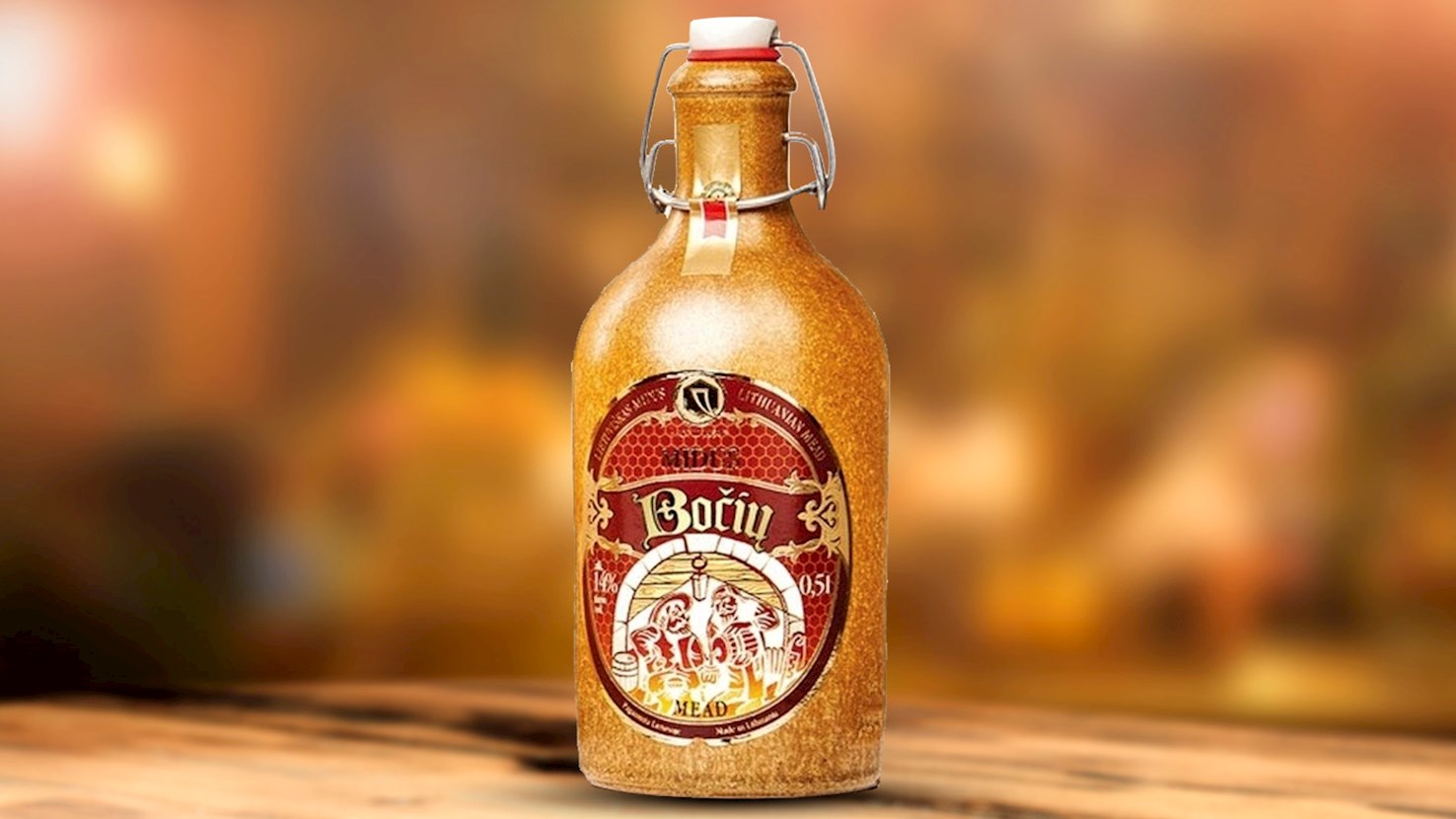
Midus is a Lithuanian term used for traditional mead that is made with honey and water. The mead is fermented and is often enriched with various botanicals. It can range from dark yellow to dark amber, and it varies in strength. The taste is pleasant, with a distinctive honey aroma and flavor. Mead production has a long and rich history in Lithuania, not surprising as it is probably the oldest drink in the world. Evidence suggests that it was already common during the Middle Ages, but the popularity declined in the 17th century when beekeeping and honey production became too costly, and the use of grains in the production of alcoholic drinks increased. Following the decline, mead production almost disappeared, but it regained its importance in the 20th century. It is now strongly promoted as a traditional Lithuanian product. Lithuanian mead comes in several varieties, and it often includes fruits, berries, and herbs. Lietuviškas midus is the biggest producer, but small-size production is also present. Stakliškės, named after the city where it originated, is a variety that holds a protected PGI status by the European Union.
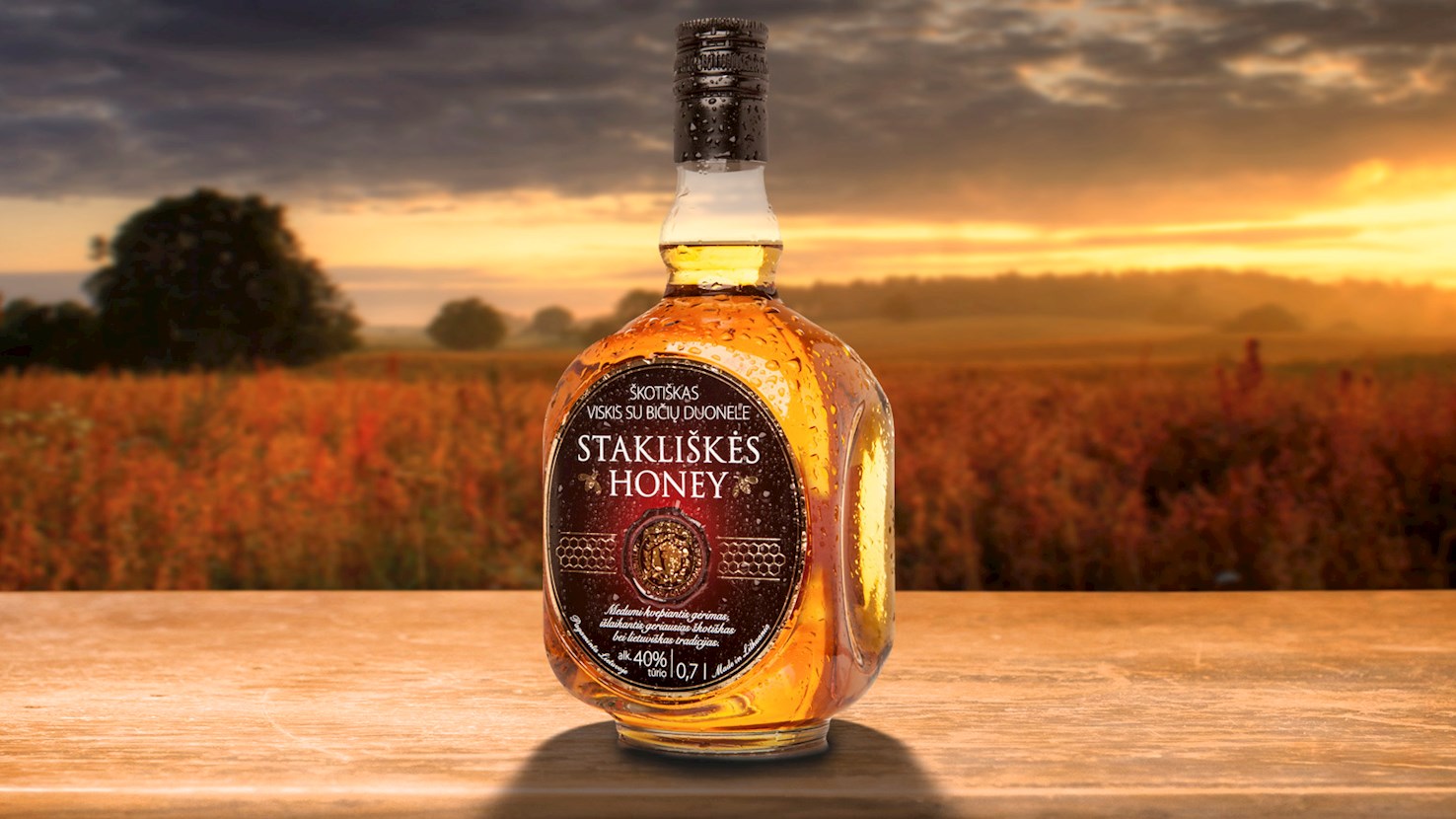
Stakliškės is a traditionally made mead product (an alcoholic drink made from fermented honey and water) produced in the city of Stakliškės in Lithuania. It is amber-colored and made with additives such as hops, juniper berries and lime blossom. Its taste is sweet and sour, with an intense aroma and a typical flavor of honey. The alcoholic content of the beverage is produced solely by natural fermentation, and ethanol addition is strictly forbidden. The mead must is produced by mixing equal parts of honey and water. Stakliškės is bottled in glass containers immediately after maturing and filtration to avoid exposure to air and reduce the risk of oxidisation which destroys its unique organoleptic properties. It is a highly popular product in Lithuania and is often brought home as a souvenir along with Šakotis - a traditional Lithuanian cake.
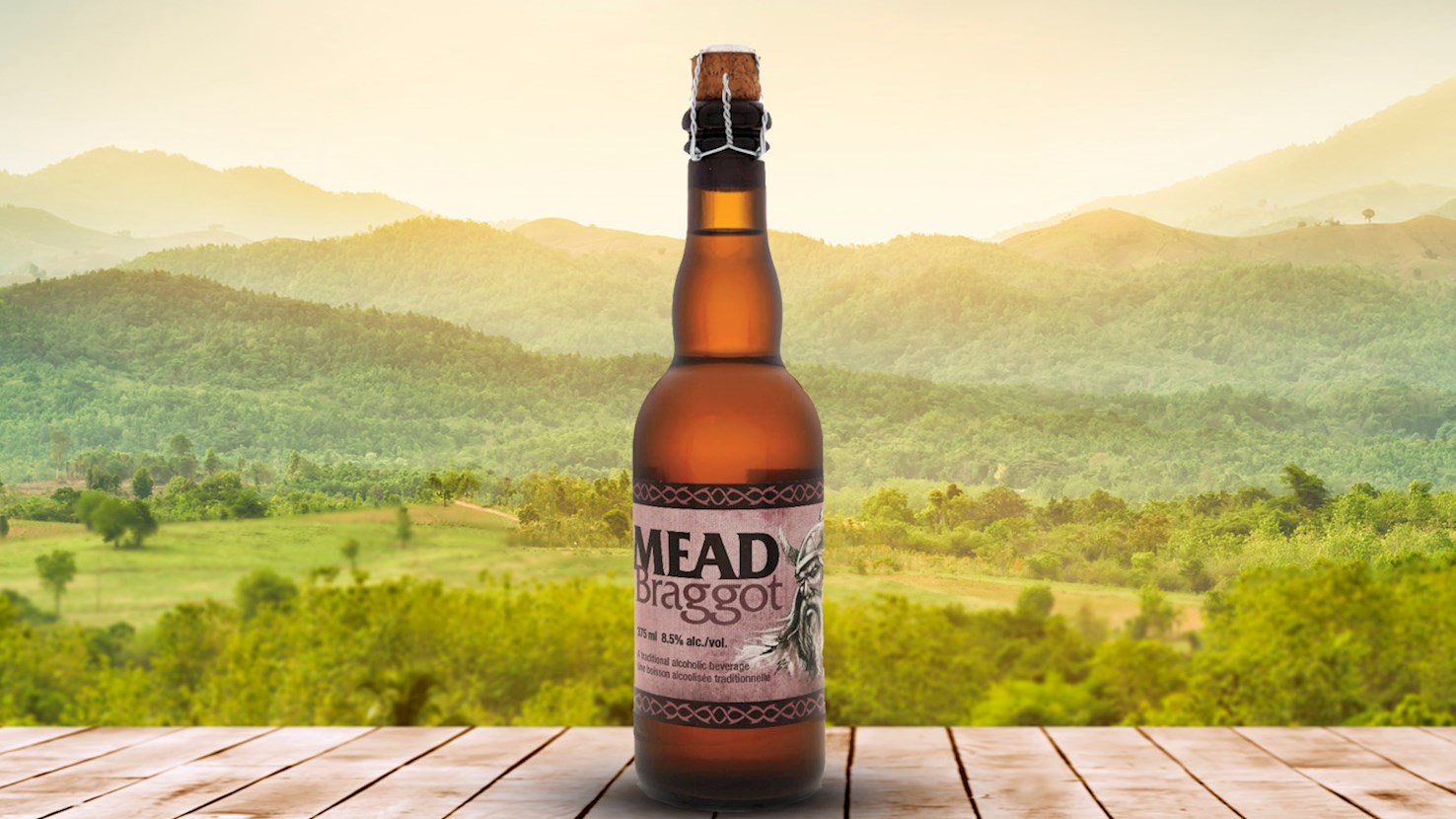
Braggot is an ancient mead variety - a cross between mead and beer. Some classify it as beer with mead, while others call it mead with hops and grains. It was already familiar in the Middle Ages, and it probably originated in the British Isles. Braggot was even mentioned in Chaucer’s The Canterbury Tales, but it is almost impossible to pinpoint the exact place and time when it first appeared. Braggot is a versatile drink usually made with equal amounts of malt and honey, though the exact proportions may vary. Color, alcohol content, the final profile of the brew heavily depend on the base ingredient. Their color can range from golden to dark brown, while the alcohol content typically falls between 7 and 13% ABV. Their character should include grain and honey notes, while the sweetness needs to be balanced with subtle bitterness from the hops. Although braggot is still rare, some (mainly craft) breweries have it as a seasonal label.
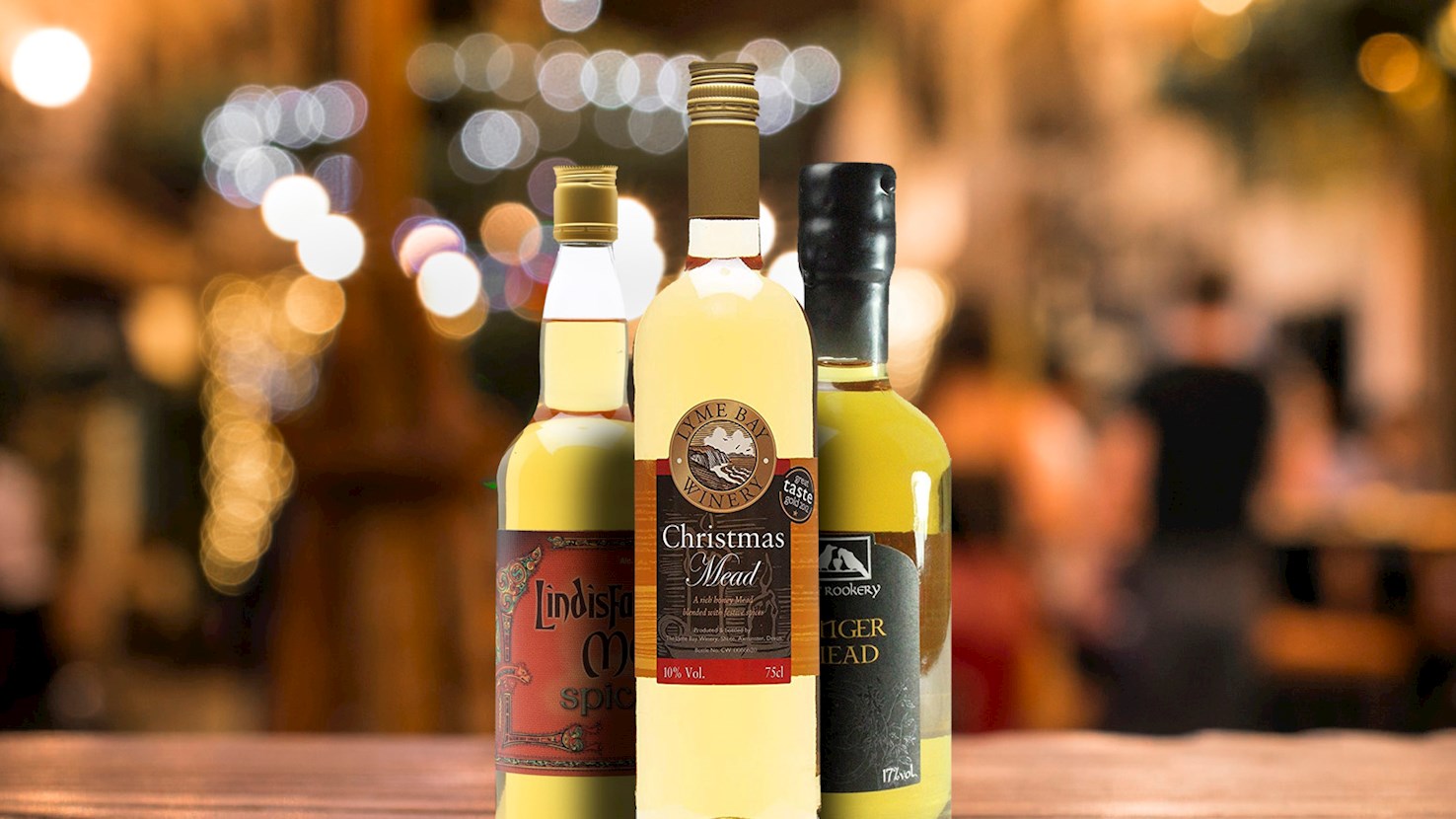
Metheglin is an ancient mead variety that was typically flavored with herbs and spices. The first written evidence of the name stems from the 16th-century Wales, but the drink was probably a mainstay in other regions as well. The honey-base of metheglin could have been spiced with many ingredients, but it usually included various herbs and plants such as fennel, marjoram, ferns, rosemary, liverwort, borage, and many more. Spices such as cinnamon, cloves, or nutmeg were also sometimes added. Metheglin was more expensive to produce than cider and beer, and it somewhat fell out of fashion. These days, people brew it at home, and a few producers make a contemporary version of this old beverage, though they often label it merely as mead or spiced mead. Nowadays, it is mostly made with spices, and it is commonly enjoyed during Christmastime.
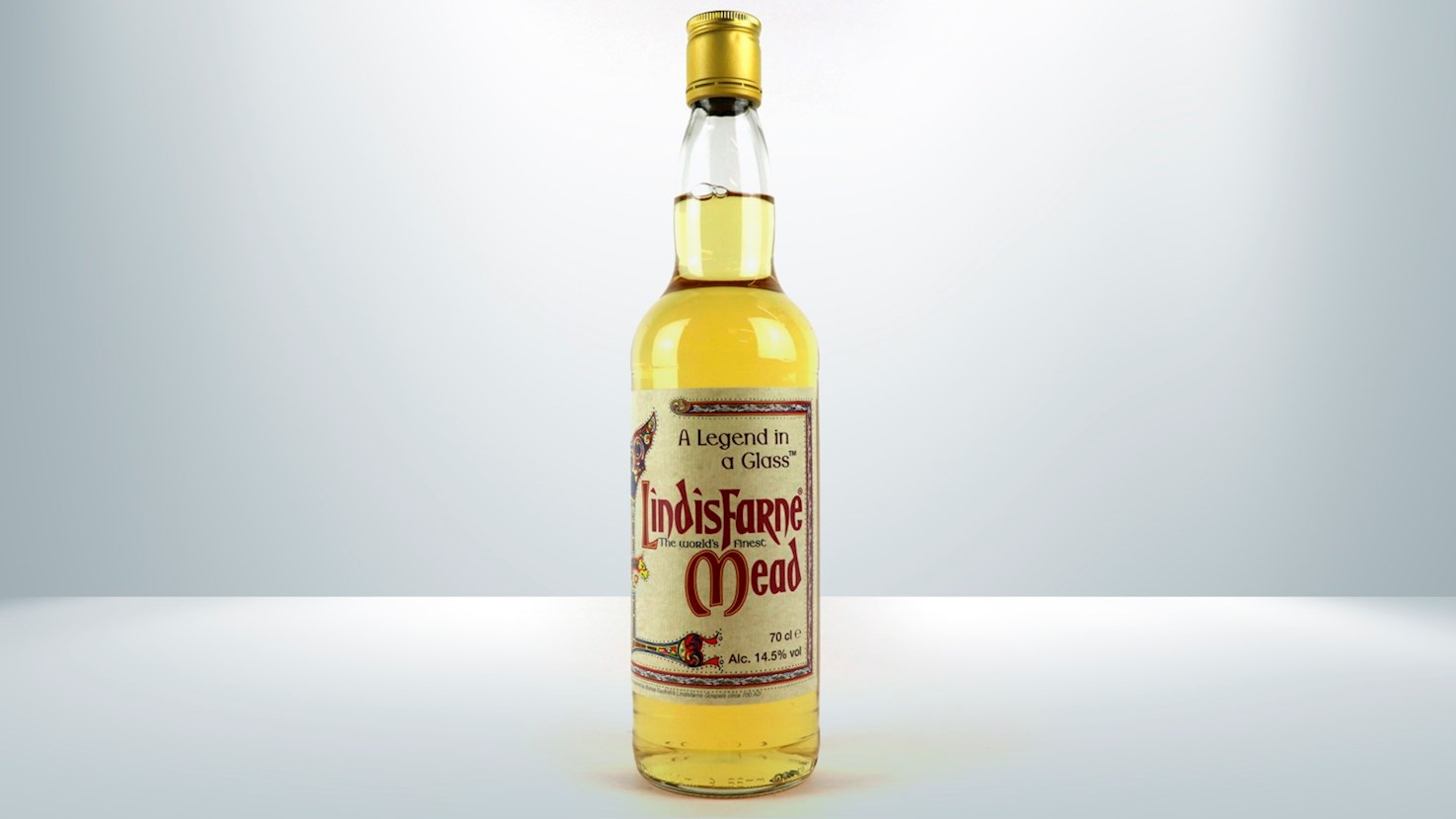
Lindisfarne is a type of mead from Northumberland, Northeast England. It is produced at St. Aidan's Winery on the Holy Island of Lindisfarne, located just off the coast of England. The base of the drink is made with fermented honey and fermented grape juice. It is enriched with herbs, adjusted with fresh water sourced from the local well, and then fortified with alcohol. This mead has a long and rich history that is mainly associated with the Middle Ages and Aidan of Lindisfarne, the founder of the Lindisfarne island monastery. Commercial production started in 1962. This mead is classified as a pyment—a type of mead made with fermented honey and grapes.
Gvirc is a traditional drink from the northwestern part of Croatia, especially popular in Samobor and the surrounding area. The name derives from the German word "gewürz," meaning spice, due to the fact that gvirc is, in fact, spiced mead. The key ingredients are quality water and chestnut honey. A bit of hops is added, serving as a preservative and imparting a distinct flavor. After fermenting for several months in barrels, the mixture is filtered and colored with caramelized sugar to achieve its signature yellow hue, and various spices are infused into gvirc for added aroma. It was produced by beekeepers and traditionally sold at pilgrimages and fairs. Gvirc is still available at events showcasing traditional crafts and is increasingly enjoyed as a dessert drink. Typically, it contains around 15% alcohol and is best served chilled with ice, though a non-alcoholic version also exists.
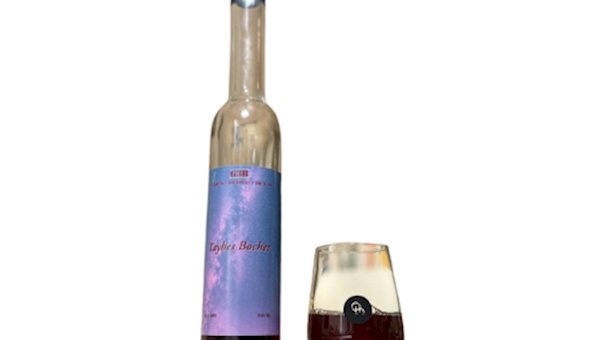
Bochet is a type of mead that comes from France and is defined by its use of caramelized honey, which sets it apart from other honey-based drinks. Unlike lighter meads that preserve honey’s natural floral qualities, bochet gains depth and richness from cooking the honey until it darkens, bringing out flavors reminiscent of toffee, caramel, and roasted sugar. This method has been documented as far back as the Middle Ages, when it appeared in brewing records and recipes that highlight how cooks and brewers sought to extend the versatility of honey by transforming it through heat. It became a favored drink in regions where honey was abundant but the desire for new flavor profiles pushed experimentation beyond the simple fermentation of raw honey. The process of making bochet begins with carefully heating honey until it turns a deep amber or even nearly black, depending on the desired intensity. This step is both delicate and decisive, as caramelizing the sugars changes not only the flavor but also the texture of the honey, making it more viscous and layered. Once cooled, the honey is diluted with water, yeast is added, and the mixture ferments in the same way as other meads. The result is a drink that retains the strength of honey’s sweetness but with notes that evoke burnt sugar, dried fruit, or even chocolate, depending on how far the caramelization goes. Some brewers add spices or fruit during fermentation to further enhance the richness, while others prefer to let the character of the darkened honey speak on its own. Today bochet is produced mostly in small batches by enthusiasts and meaderies that specialize in historic or experimental styles. It is typically served in small glasses, similar to dessert wines or strong ales, to allow its layered aroma and flavor to be appreciated slowly. It pairs well with robust cheeses, roasted meats, and sweet desserts that echo its caramelized profile, such as chocolate cake or crème brûlée.
TasteAtlas food rankings are based on the ratings of the TasteAtlas audience, with a series of mechanisms that recognize real users and that ignore bot,
nationalist or local patriotic ratings, and give additional value to the ratings of users that the system recognizes as knowledgeable.
TasteAtlas Rankings should not be seen as the final global conclusion about food. Their purpose is to promote excellent local foods,
instill pride in traditional dishes, and arouse curiosity about dishes you haven’t tried.
The initial list of top producers was compiled based on available reviews, awards, local recommendations, media and blog coverage, and consumer reviews.
The list will be updated with ratings from TasteAtlas local ambassadors and TasteAtlas users.

















What People Say