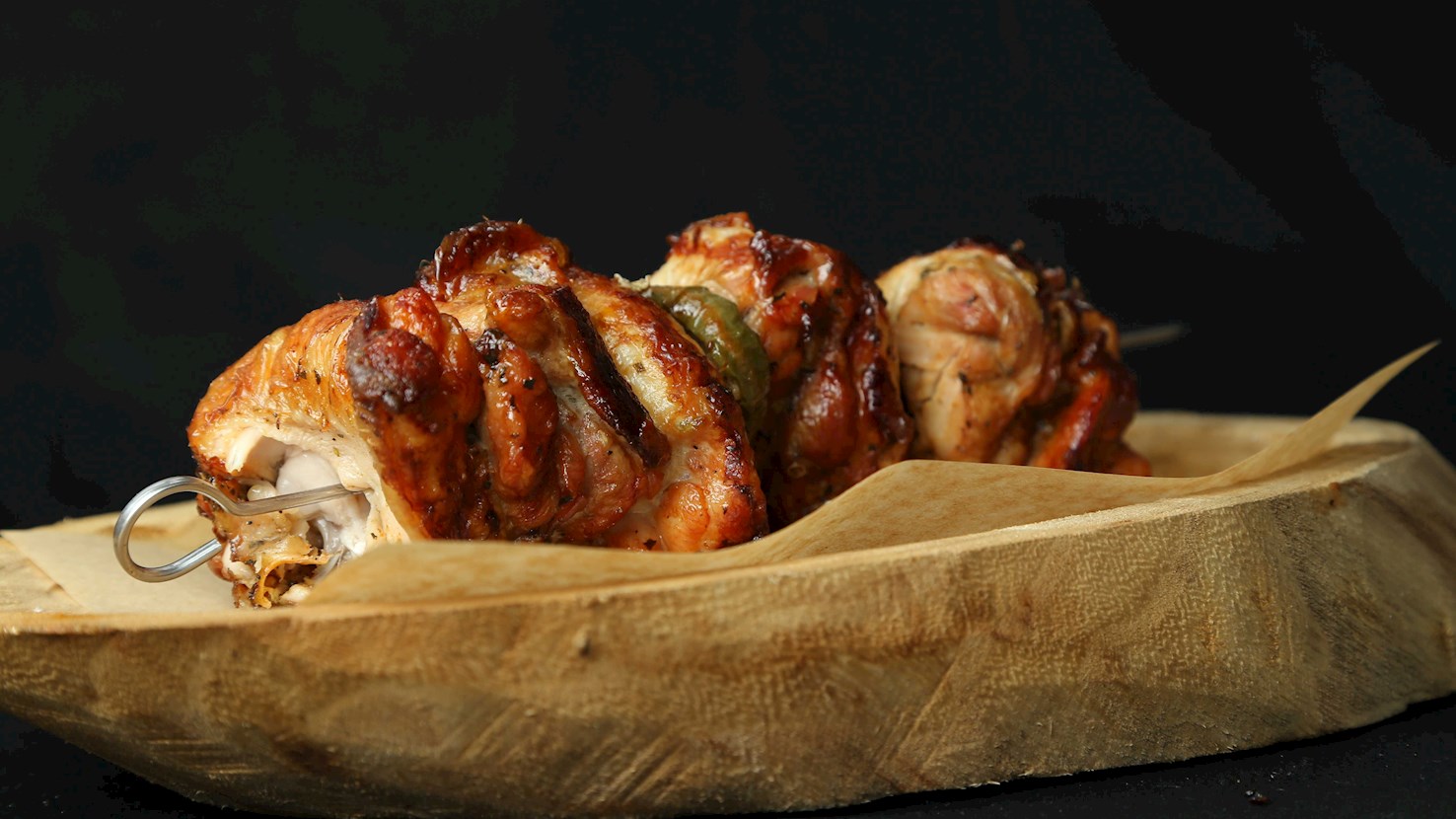
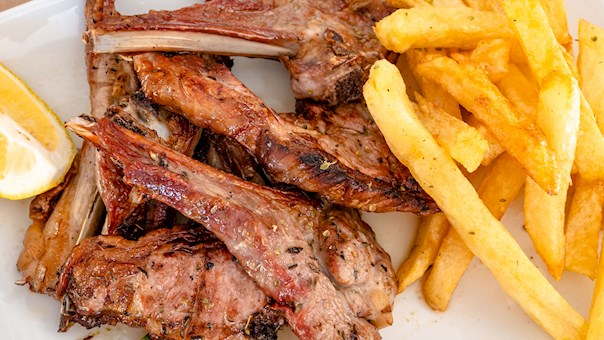
Kontosouvli is one of the most iconic forms of Greek outdoor cooking, rooted in rural gatherings, feasts, and weekend grilling traditions. It is essentially large pieces of meat, traditionally pork, but sometimes lamb, goat, or chicken, threaded onto a long metal skewer and roasted slowly over charcoal. Unlike souvlaki, where meat is cut into small cubes, kontosouvli uses substantial chunks that stay juicy during long, steady cooking. Its flavor depends less on complex seasoning and more on technique: the proper cut of meat, patient marinating, careful control of the coals, and slow rotation over an open fire. The preparation begins with choosing the appropriate cut. Pork shoulder, pork neck, or a section of the rump are the most common, as these cuts contain the right balance of fat and connective tissue. This fat renders as the meat cooks, keeping each piece moist. Lamb shoulder or rib sections can also be used, though these are more common in parts of Central Greece and the Peloponnese. Once the meat is selected, it is cut into large pieces, often 3 inches (8 cm) thick, so they hold up to prolonged exposure to heat without drying out. Seasoning is usually straightforward. Many households rely on a classic combination of salt, black pepper, oregano, garlic, olive oil, and sometimes paprika for color. Ingredients like grated onion, tomato, wine, or lemon juice are often used as well because they tenderize the meat. The marinade is mixed thoroughly, then worked well into the meat, which is left to rest in the refrigerator for several hours, ideally overnight. This long resting period allows the flavors to penetrate and helps the meat become more tender. Skewering the marinated meat is another essential step. A long, sturdy spit is used, strong enough to support the weight of the meat without bending. The pieces are arranged along the rod with enough space for heat to circulate, yet close enough so they roast as a single, coherent mass. Some people intersperse slices of onion, pepper, or tomato between the pieces, though many traditional cooks prefer only meat on the spit. Once assembled, metal clamps or hooks are tightened to secure the pieces and prevent them from rotating independently of the spit. The charcoal fire is at the heart of kontosouvli. Coals are lit well in advance to ensure they are glowing evenly by the time the meat goes on. The most traditional method is to place coals along the length of the grill, but not directly under the meat, especially during the first hour. This indirect heat prevents burning and allows the meat to cook slowly. The spit is positioned a hand’s distance above the coals and turned steadily. The meat is watched closely because too much heat too soon will char the outside while leaving the inside undercooked. As cooking continues, fresh coals are added gradually along the sides to maintain steady heat. After the first hour, many cooks remove any parchment or protective wrapping and lower the spit slightly so the meat can brown evenly. Occasional brushing with olive oil or a lemon-oil mixture helps the crust develop. Cooking time varies, but 2 to 3 hours is typical for pork kontosouvli, depending on the thickness of the pieces and the intensity of the embers. Lamb may cook slightly faster due to higher fat content. The meat is considered done when its internal temperature reaches about 165-175°F (75–80°C) and the exterior forms a well-browned crust. During the final stage, the spit is often moved closer to a hotter section of coals to crisp the outside. Once removed from the heat, the meat is tented loosely with foil for several minutes to allow the juices to redistribute. There are several traditional variations of kontosouvli across Greece. In Macedonia, it is common to add paprika or red pepper flakes to the marinade for a slight kick. In Thessaly and Central Greece, lemon and garlic dominate, and lamb versions appear more often. On the islands, some cooks marinate the meat in wine or add herbs such as thyme or savory. In Cyprus, a related preparation known as souvla uses even larger pieces of meat and a slower, more distant roasting method. Kontosouvli is typically served immediately after slicing. The meat is cut into smaller pieces, sprinkled with salt and dried oregano, and sometimes finished with a squeeze of lemon. It is commonly accompanied by flatbread or crusty bread, tzatziki, simple salads such as tomato-onion or cabbage-carrot, and roasted or fried potatoes. In many families, it appears at festive gatherings, Easter tables, or long Sunday lunches, where guests pick pieces off the platter as they are cut from the spit.
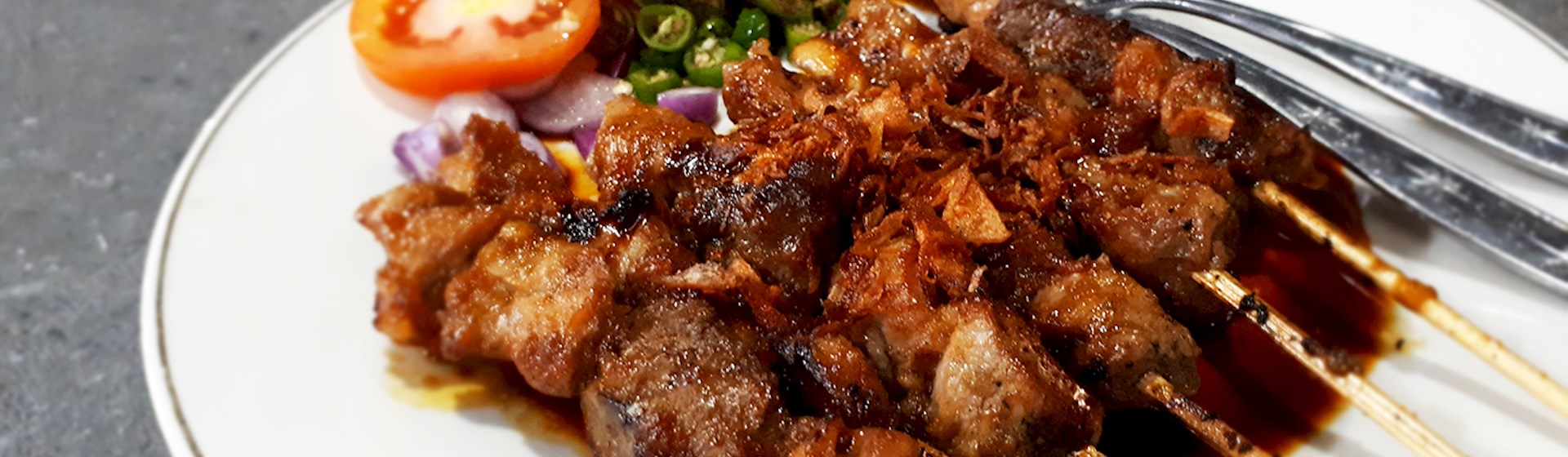
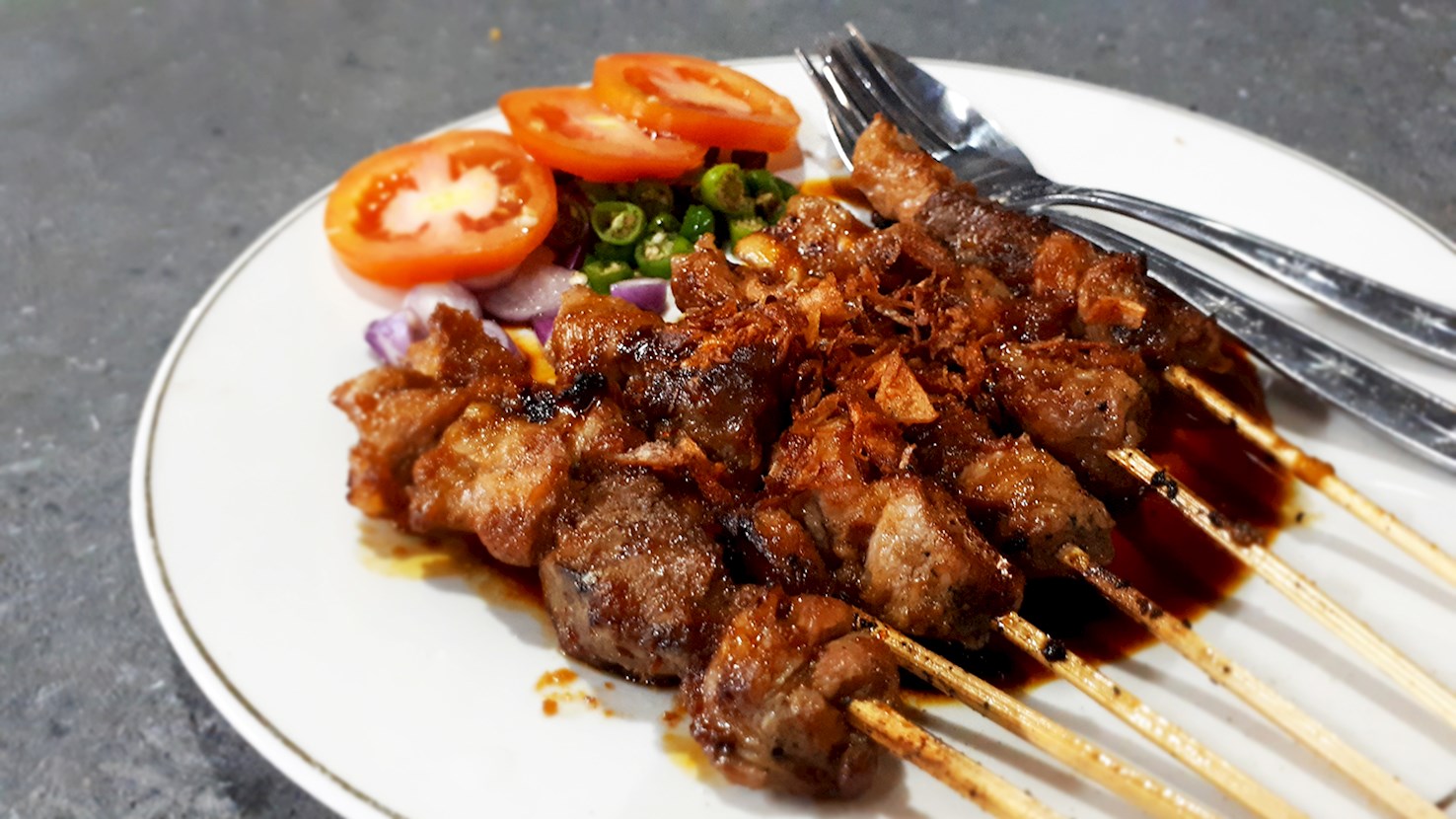
Sate kambing is one of Indonesia’s most recognizable grilled dishes, built around skewered pieces of goat or young lamb cooked over glowing charcoal. Although it appears across the archipelago, the foundations remain the same: small pieces of meat threaded onto bamboo skewers, lots of aromatic seasonings, and the unmistakable flavor of cooking directly over fire. The dish depends heavily on careful preparation and the quality of its ingredients, particularly the meat. Most traditional cooks prefer goat from younger animals because it is tender and less pungent, and the butcher is expected to provide lean pieces with minimal fat and connective tissue. Shallots, garlic, galangal, roasted coriander seeds, sweet soy sauce, and tamarind water form the backbone of typical marinades, creating a balance of sweetness, aroma, and acidity, while crushed pineapple or papaya leaf is briefly rubbed onto the meat to help soften it before applying the marinade; this step must be short so the meat retains its texture. Preparation begins with trimming the meat and applying a tenderizer, then slicing it against the grain into small cubes or thin pieces that fold easily onto skewers. Traditional sate kambing cuts are about 0.6–0.8 inches (1.5–2 cm), intentionally small so they grill quickly without drying out. A spice paste marinade is usually made by blending shallots, garlic, galangal, coriander seeds, and tamarind water, then mixing with sweet soy sauce, salt, pepper, and sometimes a bit of stock powder or chili peppers. The meat is marinated for 30 minutes to an hour. Bamboo skewers are soaked to prevent burning, and the meat is threaded loosely to allow even cooking. Grilling over charcoal is the defining step. The coals must be hot and glowing, and the skewers are turned constantly, often brushed with a mixture of sweet soy sauce and oil to promote caramelization. This fast, high-heat cooking seals the meat, minimizes any remaining gaminess, and produces the smoky edges characteristic of good sate kambing. In Yogyakarta’s Sate Klatak, iron skewers replace bamboo, and the seasoning is minimal—often just salt—with the satay served in a light broth. Madura versions use stronger seasoning and frequently include peanut sauce. Betawi (Jakarta) versions commonly incorporate kecap manis, garlic, coriander, and lime into the marinade and are served with kecap sambal, a sweet soy sauce-based condiment with chili, shallots, and tomato. Tegal is known for using extremely fresh young goat and lighter seasoning, while Solo’s style may include candlenut and palm sugar and is sometimes paired with gulai gravy. These regional differences keep the core technique intact while expressing local tastes. Sate kambing is always served hot from the grill. Two condiments are especially common: kecap sambal, a simple mixture of sweet soy sauce with sliced shallots, tomatoes, and fresh chilies, and peanut sauce, often thinned with a bit of water or lime for dipping. Many stalls offer both, allowing diners to choose or combine them. Thinly sliced cabbage or cucumber is usually provided for freshness and contrast, and the skewers are often eaten with lontong or ketupat, though plain rice is also typical. When prepared well, sate kambing delivers a combination of smoke, sweetness, spice, and acidity, with tender meat and caramelized edges. These defining qualities make it one of Indonesia’s most beloved grilled foods.
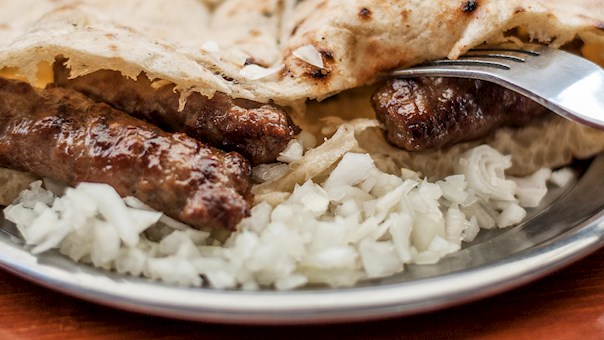
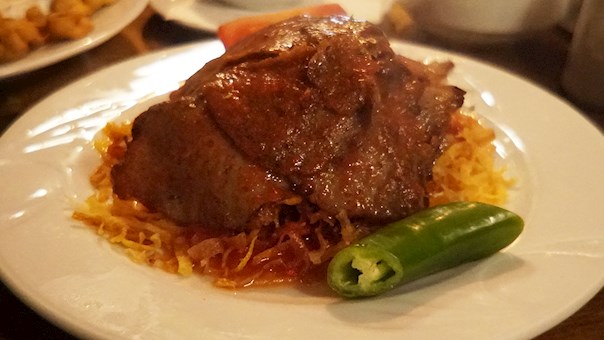
Oltu cağ kebabı, a pride of Oltu in the Erzurum province, unlike its more famous cousin, döner kebab, is traditionally prepared with marinated lamb (hogget, to be more precise) that is skewered on a long horizontal spit and slowly roasted over a wood fire. The meat is cleaned from nerves, veins, membranes, and excess fat and cut into 2 cm (¾") thick steaks, which are then marinated in a mixture of salt, pepper, and onion for 24 hours. The meats are threaded onto a large skewer and cooked over a wood fire. Pieces of meat are cut off with the help of a skewer pierced through the meat — the metal one is called cag (hence the name!), while the wooden one is called bico. The uncooked side of the meat is finished on the grill, and the skewers are served with either lavash bread or Turkish tandoor bread tandır ekmeği, grilled tomatoes and peppers, and onions. The drink ayran often accompanies the meal.
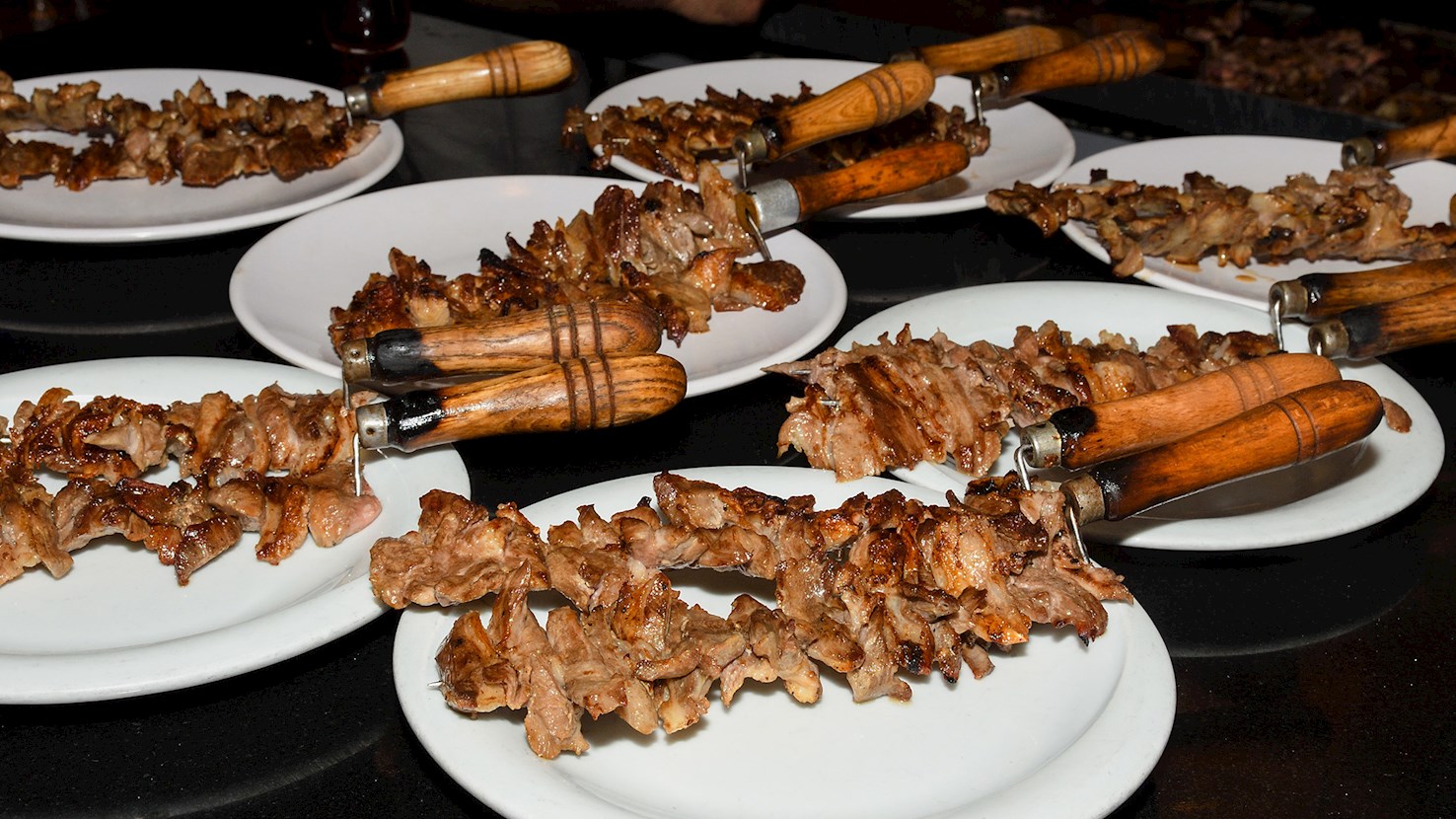
Fraldinha is one of the most important and respected cuts in Brazilian churrasco culture. Affordable, flavorful, and deeply traditional, it is prized not because it is easy, but because it rewards proper technique. Often compared to flank steak, fraldinha in Brazil is recognized by its long muscle fibers, uneven thickness, and a clear fat cap on one side. A whole piece usually weighs between 800 g and 1.2 kg (1.75 and 2.65 lbs), with one end thin and lean and the other thicker and protected by fat. This natural imbalance defines how fraldinha must be cooked. The fat cap is essential. When handled correctly, it renders slowly, bastes the meat, and protects the lean portion from drying out. For this reason, fraldinha is rarely trimmed aggressively for churrasco. Removing the fat is considered a variation rather than the standard approach. Traditional seasoning is deliberately minimal. The classic preparation uses only salt, allowing the beef's flavor to remain the focus. In professional churrascarias, salt is often dissolved in water, and the meat is briefly dipped rather than hand-salted. This technique ensures even seasoning across the entire surface, eliminates visible salt grains, and removes the risk of over-salting. At home, some cooks add black pepper or apply a thin layer of yellow mustard, especially in more rustic styles. When mustard is used, it is applied lightly and expected to darken during cooking; the darker color is characteristic, not a sign of burning. Heavy marinades, garlic pastes, or sweet sauces are traditionally avoided. Fraldinha is cooked over live charcoal, with strong, active embers and occasional flames. Rather than weakening the fire, heat is controlled by distance. The meat is positioned high above the coals, usually about 40 cm (16 inches) above the coals of medium to medium-high heat. This setup allows the fat to render properly without scorching and prevents flare-ups from ruining the meat. Heat is judged by feel and appearance rather than strict timing. In churrascarias, the accordion (sanfona) skewer method is the primary and preferred technique for cooking fraldinha. The meat is pierced in a zigzag pattern along its length, aligning the fibers and compensating for uneven thickness. As the skewer is rotated over the fire, each side cooks evenly, the fat renders gradually, and the meat stays juicy. This method also makes intuitive, correct slicing against the grain, which is critical for tenderness. Because of its consistency and efficiency, this is the method most commonly used in rodízio service. Other grilling methods exist as well. The folded method starts with the fat side down to render and brown; once the fat side is cooked, the meat is flipped, and the thin end is folded or rolled over the fat end so the underside of the fatty portion can cook without overcooking the thin section, then opened and finished evenly. The rolled, medallion-style method wraps the fraldinha with the fat on the outside before skewering, creating uniform thickness and even doneness, though with a slightly different texture. A leaner variation, sometimes called “fraldinha red,” removes the fat cap entirely and grills the meat hotter and faster, with salt added only at the table. Doneness is critical with fraldinha. Because it has long muscle fibers, it should be cooked only rare or, at most, medium-rare. Cooking it beyond that causes the fibers to tighten, making the meat stiff, dry, and overcooked. This is why churrascarias never serve fraldinha well done. It is also common for a single piece to offer slight variation in doneness, with the thicker section closer to medium-rare and the thinner section closer to rare, accommodating different preferences without sacrificing tenderness. Slicing is non-negotiable. Fraldinha must always be cut thinly and against the grain. Cutting with the grain will make even a perfectly cooked piece seem tough, while correct slicing transforms it into a tender, juicy bite. This discipline is one of the main reasons fraldinha served in churrascarias is consistently tender. Fraldinha is traditionally served immediately after slicing, often carved directly from the skewer and presented simply, without heavy sauces. Typical accompaniments include farofa, vinagrete, rice, beans, and pão de alho.
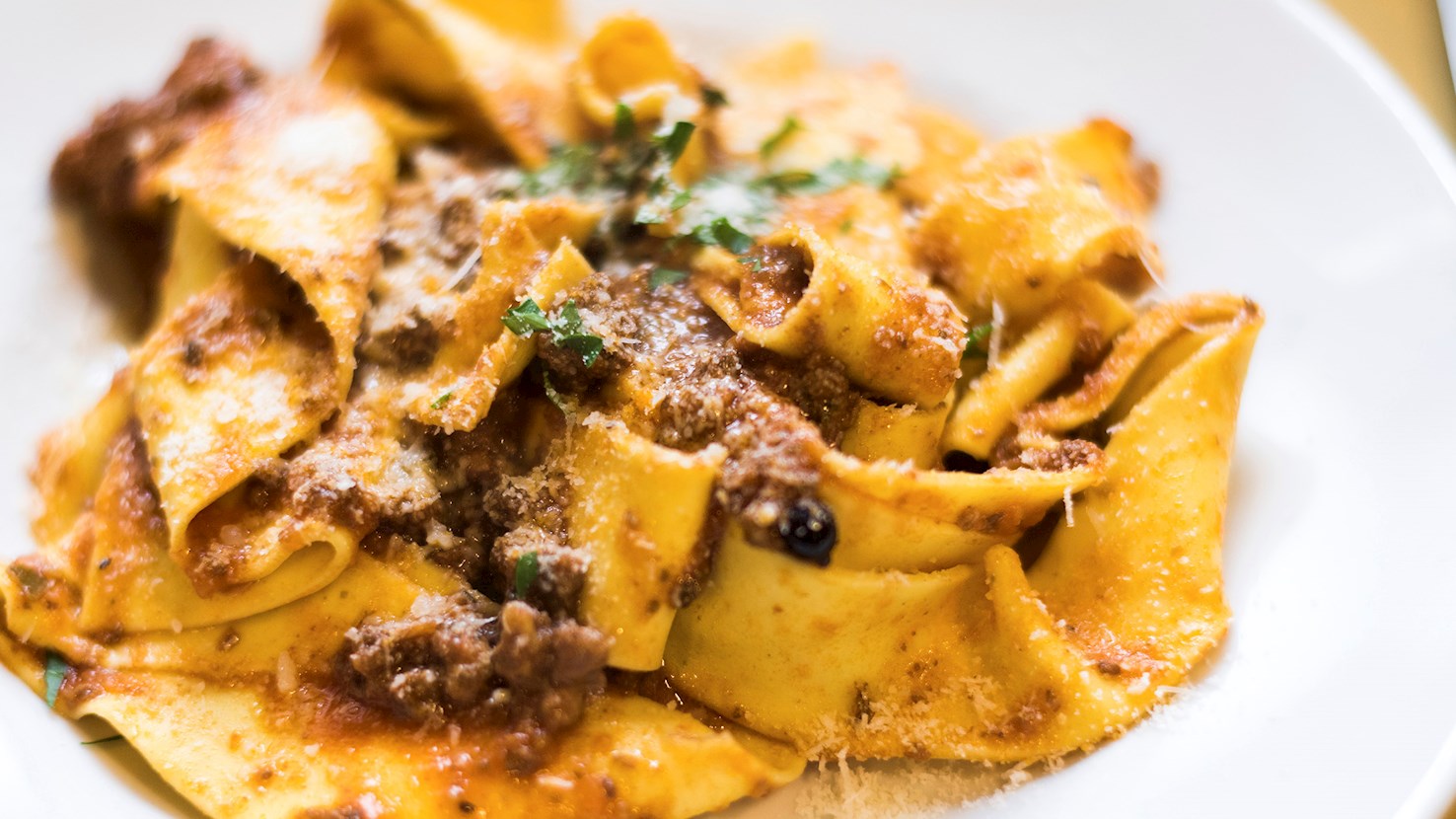
Pappardelle al cinghiale, a classic Italian primo piatto from the Tuscany region, features wide, flat pasta - pappardelle - served with a hearty wild boar (cinghiale) ragù. Preparing this dish involves marinating wild boar meat in red wine, garlic, carrots, onions, and celery for at least 12 hours or more. This process tenderizes the meat, removes the strong smell and flavor, and infuses it with flavors. After marinating, the meat is finely chopped and browned in a pan with chopped carrot, celery, and onion. It's then simmered with tomato puree, additional red wine, herbs, salt, and pepper for several hours to create a thick, savory sauce. The pappardelle pasta, known for its broad, flat shape, is perfectly suited for holding onto this robust sauce. Upon serving, the pasta and the rich boar sauce are often garnished with Parmesan cheese and fresh herbs, although some do not consider this traditional. In Umbria, the "bianco" (lit. white) version reigns supreme, which does not differ much from the Tuscan version, except that it foregoes tomatoes completely.
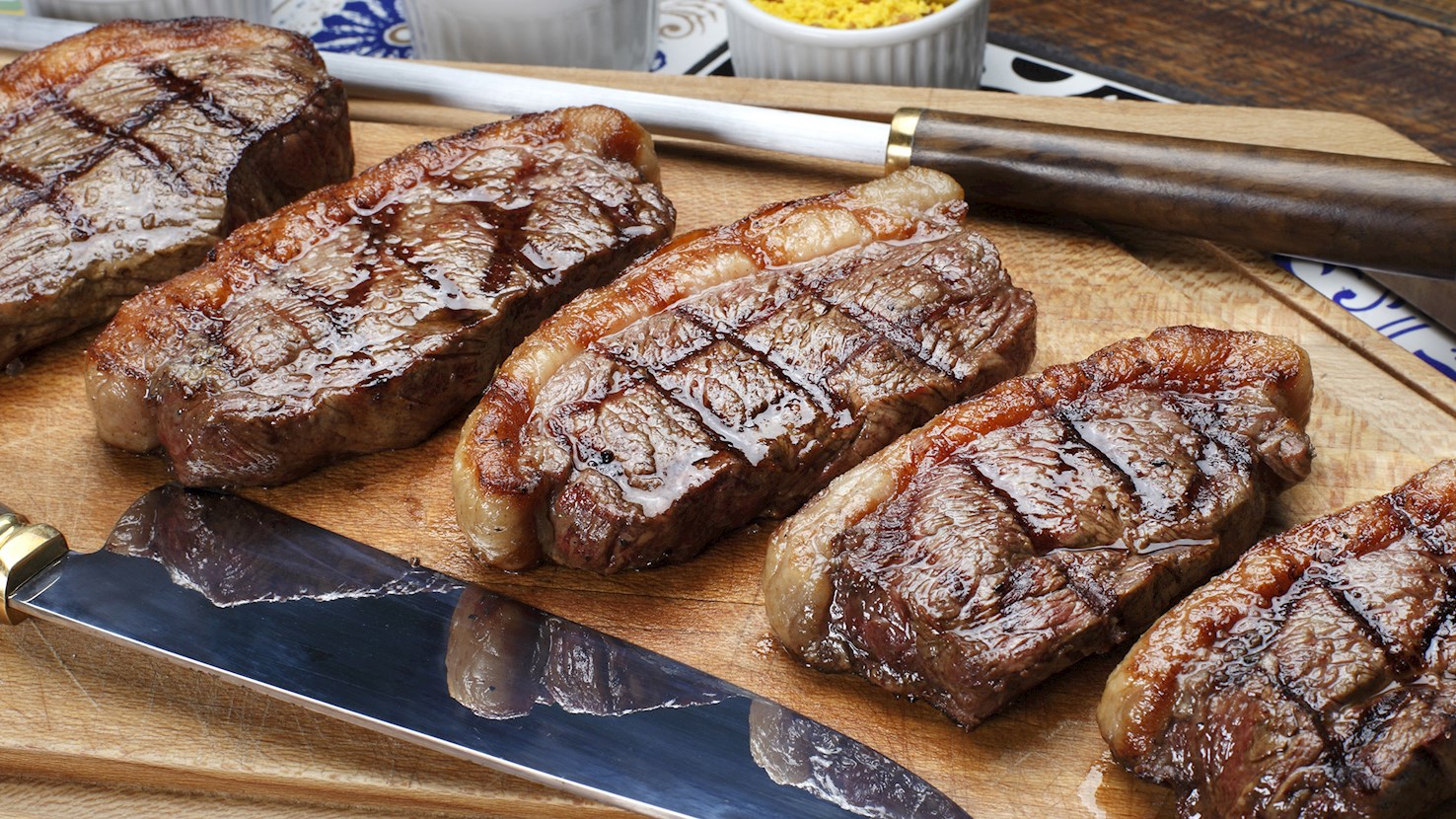
One of Brazil’s most loved grilled meats, the picanha is both the name of the dish and the name of the cut used to make the dish. The cut comes from the top back side of the animal and is located above the butt. The meat is cut into slices which are generously sprinkled, then skewered and cooked over embers. When done, the meat is carved, and the outside slices are served. The remaining picanha meat is salted again, then placed over the embers so the outsides can caramelize and be sliced again for another portion. It is a mainstay at Brazilian churrasqueiras (barbecue restaurants) where it’s served sided with dishes like farofa, rice and beans, and vinaigrette.
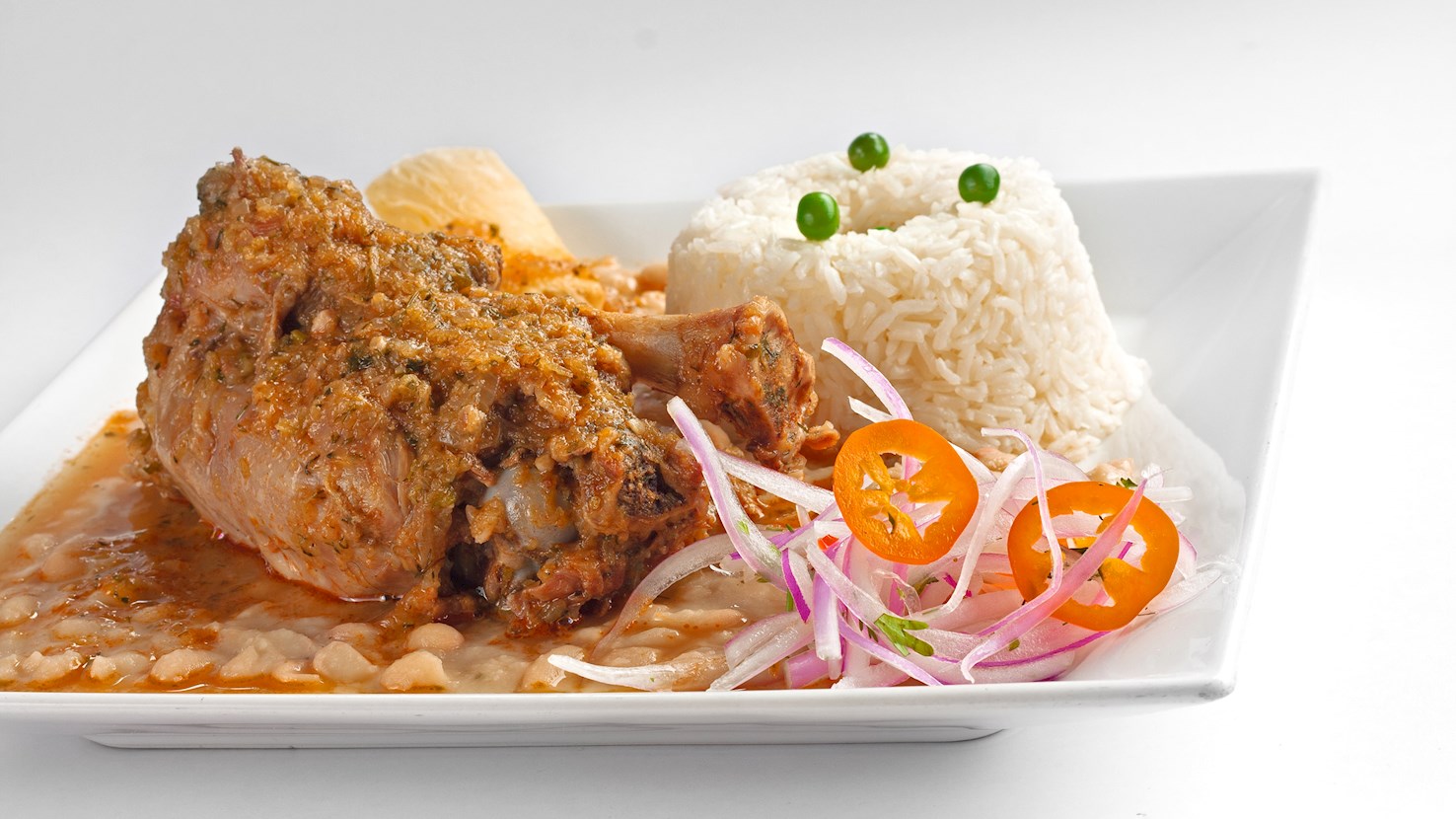
Seco de cabrito is a Peruvian goat stew most strongly associated with the country’s northern cooking, where the dish is defined by marinating young goat in chicha de jora and then simmering it in a cilantro-forward base until the meat turns tender and the sauce becomes concentrated. The flavor profile comes from a balance of fermented acidity and grain notes from the chicha de jora, herbal depth from culantro, and a gentle heat from ají amarillo, with the stew often gaining body and color from zapallo loche, a squash used in Lambayeque cuisine specifically to thicken and intensify stews like seco de cabrito. In the North, “seco” does not mean dry in the literal sense but refers to a slow, steady cooking approach that reduces and concentrates the liquid into a richer guiso-style sauce rather than a brothy soup. Preparation typically starts with portioned kid goat seasoned with salt, pepper, and garlic, then left to rest in chicha de jora so the fermented liquid penetrates and lightly tenderizes the meat before cooking. The pot work is built around an aderezo, first softening onion and garlic in oil, then adding ají amarillo and often tomato, followed by the goat and its marinade, and finally cilantro and loche, after which the stew cooks gently until the meat yields and the sauce tightens into a cohesive, greenish-gold gravy. The cooking time is commonly around forty to fifty minutes at a controlled simmer for tender cabrito, with seasoning adjusted near the end once the sauce has reduced. Variations mostly reflect local practice and ingredient availability across northern departments: some versions emphasize loche more heavily for thickness, others lean harder on cilantro for a greener sauce, some incorporate additional spices such as cumin and paprika, and heat level shifts depending on how much ají amarillo is used and whether it is blended or added in strips. Seco de cabrito is most often served as a complete plate rather than a standalone bowl: white rice is standard for absorbing sauce, yuca is commonly served boiled as a neutral starch, and beans are a defining companion in many northern renditions, frequently cooked to a creamy texture and sometimes enriched with pork cuts and skin for extra depth. The usual way to eat it is to alternate bites of tender goat with rice and beans, using the stew’s sauce to bind the plate together, and it is commonly presented at lunch as a hearty main course.
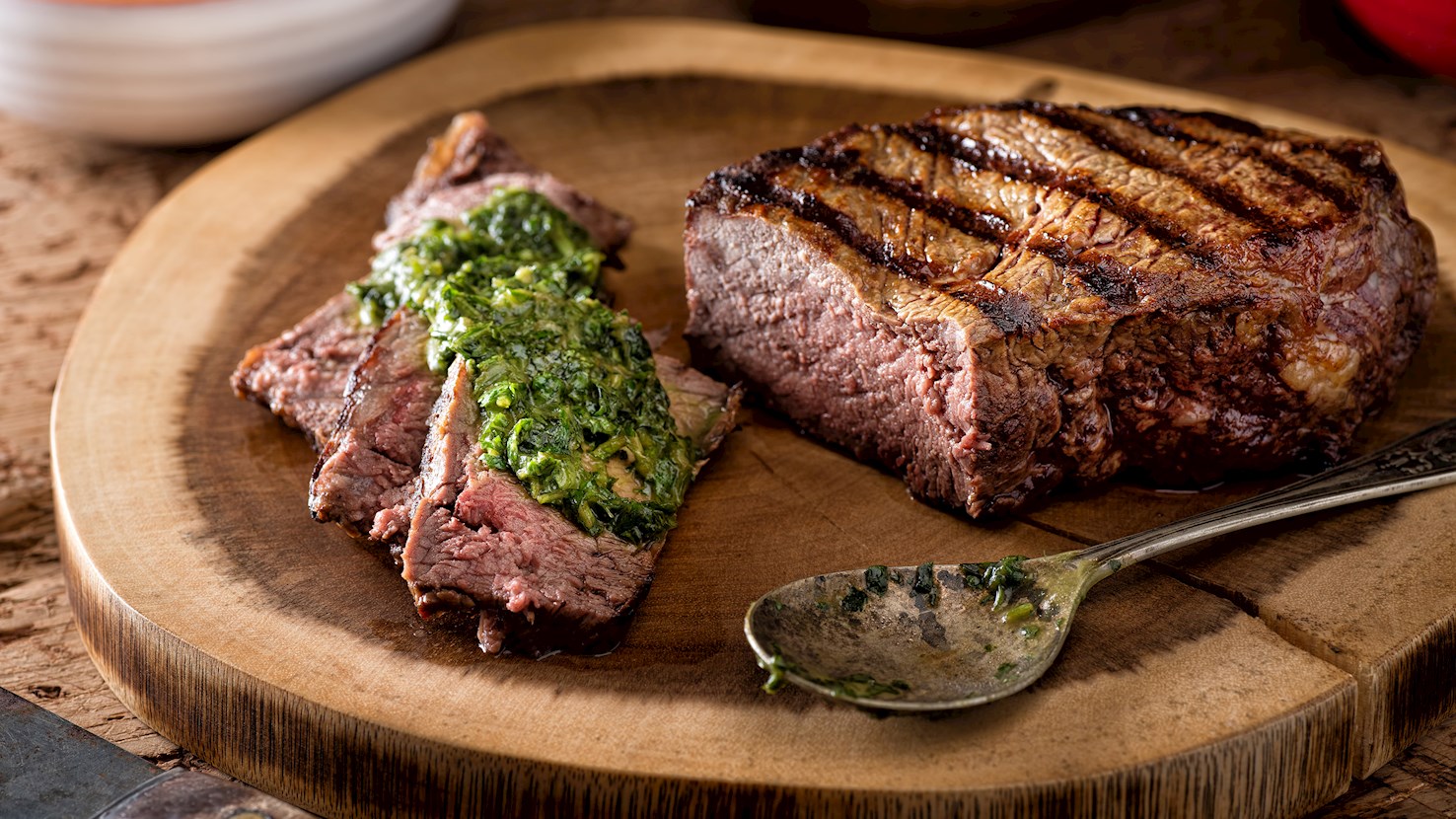
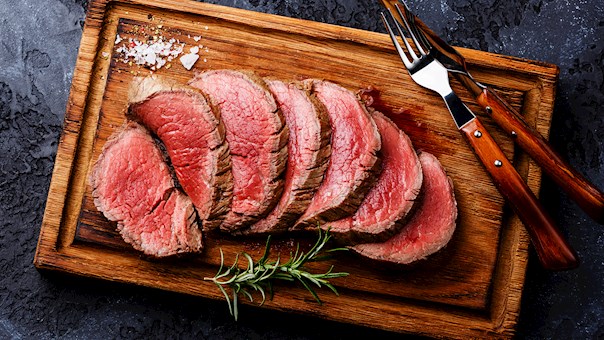
Bistecca alla Fiorentina is a renowned Italian steak traditionally sourced from the Chianina cattle breed, celebrated for its high quality. Originating from the Tuscany region, this dish is a culinary symbol of Florence. The steak is a thick-cut T-bone, usually weighing between 800 grams to 1.2 kilograms (2-3 lbs), and includes both the tenderloin and sirloin. It is grilled over a wood or charcoal fire, which imbues the meat with a distinctive smoky flavor. The cooking process is brief, typically only a few minutes per side, ensuring the steak is seared on the outside while remaining rare inside, often referred to as "al sangue" (bloody). True aficionados of the Fiorentina might even prefer it "blue" or extra rare. Seasoning is minimal, usually just a sprinkle of salt and sometimes black pepper, emphasizing the natural flavors of the high-quality beef. Bistecca alla Fiorentina is a simple yet luxurious dish that celebrates the art of grilling.
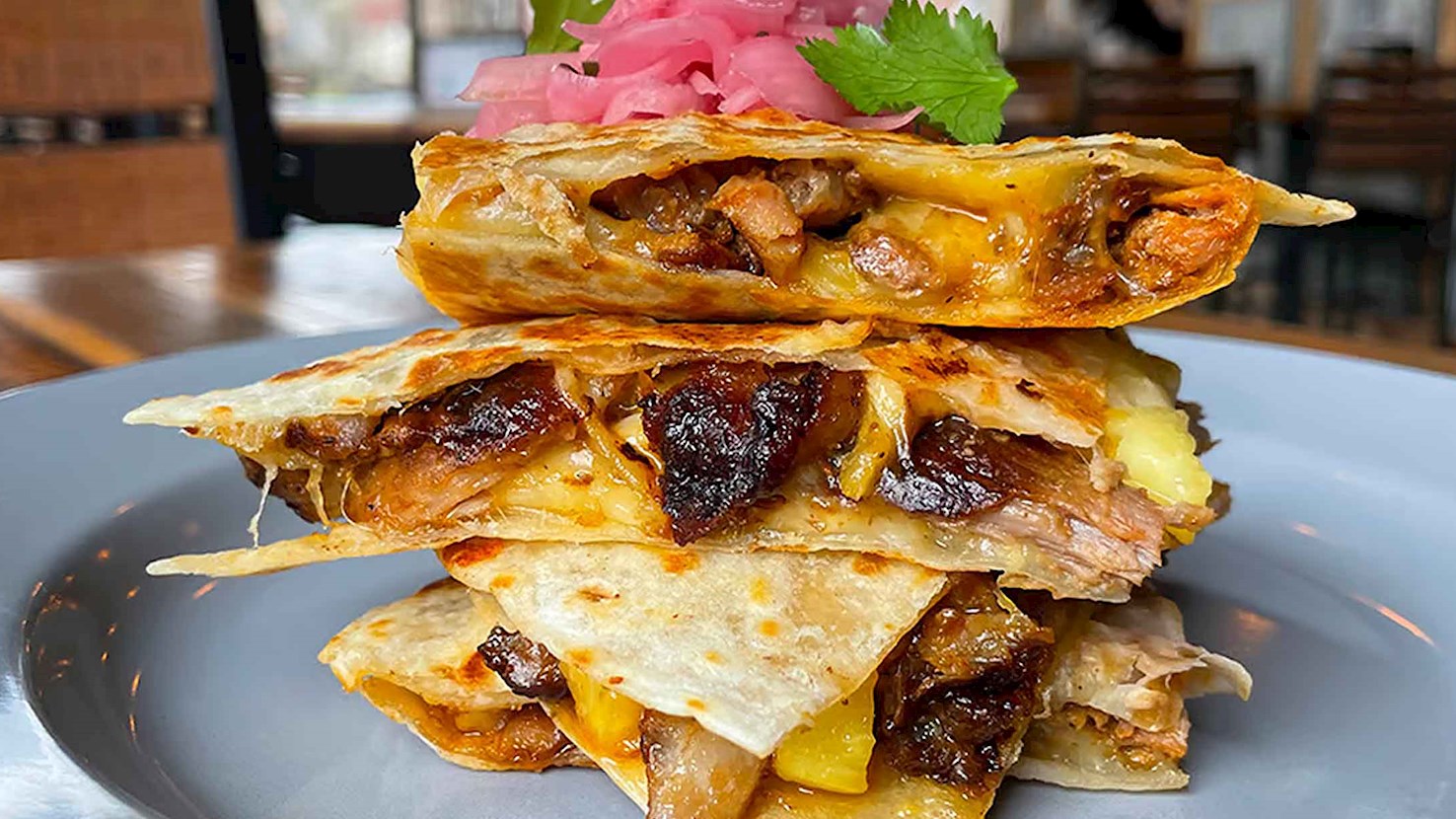
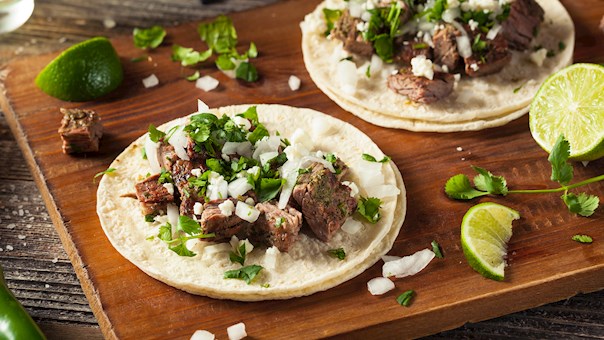
Gringas are a popular Mexican street food dish that is considered a type of quesadilla or a quesadilla-taco hybrid consisting of a flour tortilla filled with cheese, al pastor pork (a type of marinated, spit-roasted pork), and sometimes pineapple, white onions, and coriander. The filled tortilla is grilled or cooked on a comal (a flat griddle) until the cheese melts and the tortilla gets crispy and golden brown. There are two ways of making it. One is by using a single tortilla, which is folded over the filling, and the other is by placing the filling between two tortillas, kind of like a mulita or a sincronizada. In the latter's case, the gringa is often served cut into wedges. However, no matter the type, all gringas are accompanied by various salsas and garnishes such as chopped onions and cilantro.
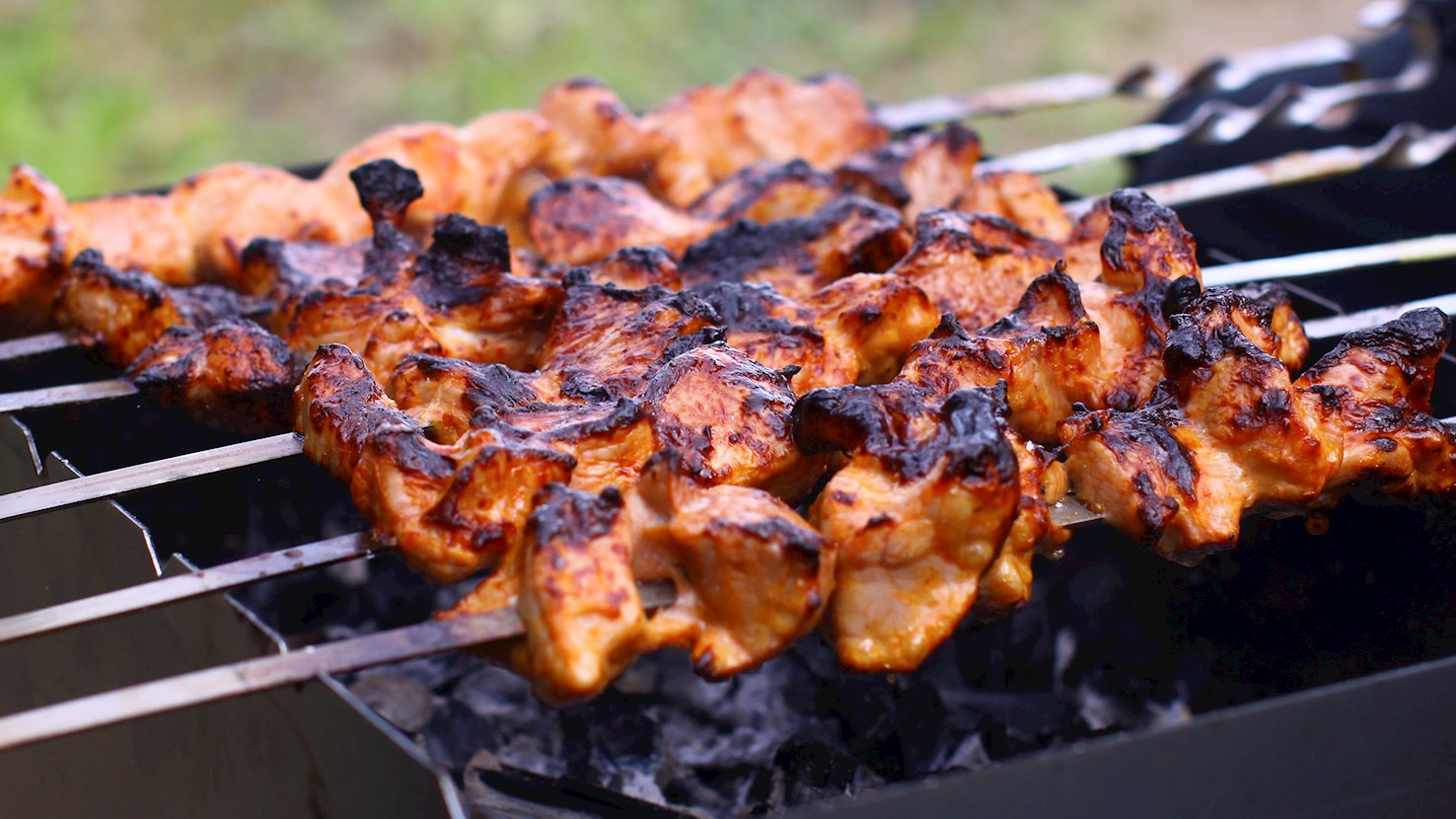
Shashlik is a type of barbecue present in countries of the Caucasus and Central Asia, and even countries like Poland and Lithuania. The traditional Russian version is made only with lamb, salt, pepper, and onion. Today, pork, beef, and fish like sturgeon are also used, and the marinade will include lots of additional ingredients, such as vinegar, wine, pomegranate juice, kefir, and even mayonnaise, depending on the country and the recipe. The meat is traditionally threaded onto wide metal skewers and barbecued over charcoal. The meat does not need any big side dishes; fresh and ripe vegetables cut into chunks are usually best. Sometimes, jacket potatoes and different sauces accompany the meat.
TasteAtlas food rankings are based on the ratings of the TasteAtlas audience, with a series of mechanisms that recognize real users and that ignore bot,
nationalist or local patriotic ratings, and give additional value to the ratings of users that the system recognizes as knowledgeable.
For the “Top 100 Meat Dish Recipes” list until July 17, 2026, 109,727 ratings were recorded, of which 65,702 were recognized by the system as legitimate.
TasteAtlas Rankings should not be seen as the final global conclusion about food. Their purpose is to promote excellent local foods,
instill pride in traditional dishes, and arouse curiosity about dishes you haven’t tried.








What People Say