shutterstock

Top 43 Western European Non-alcoholic Beverages

Last updated on June 15, 2026

Best Western European Non-alcoholic Beverage Types

01

Cappuccino

4.2 ·

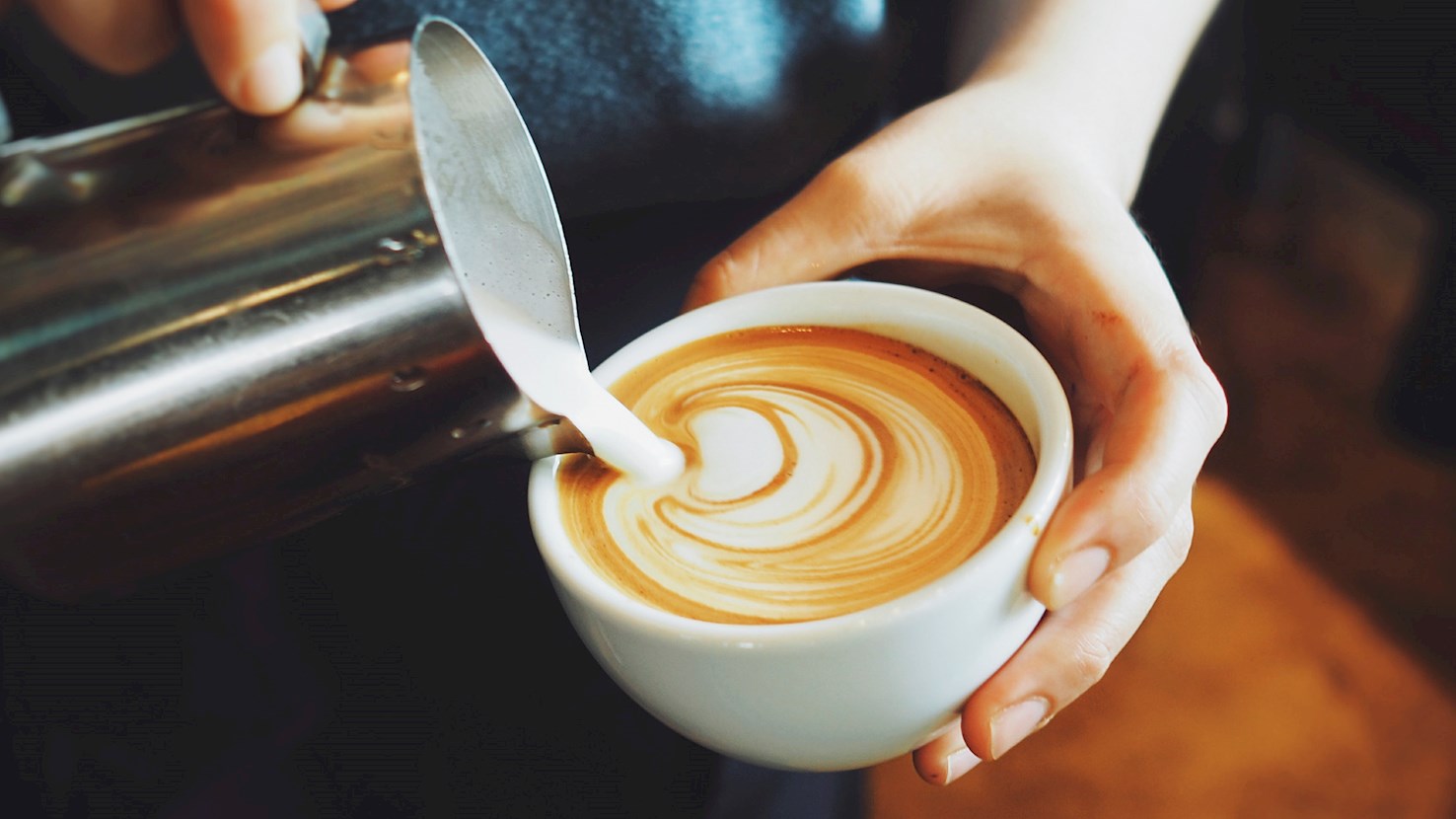
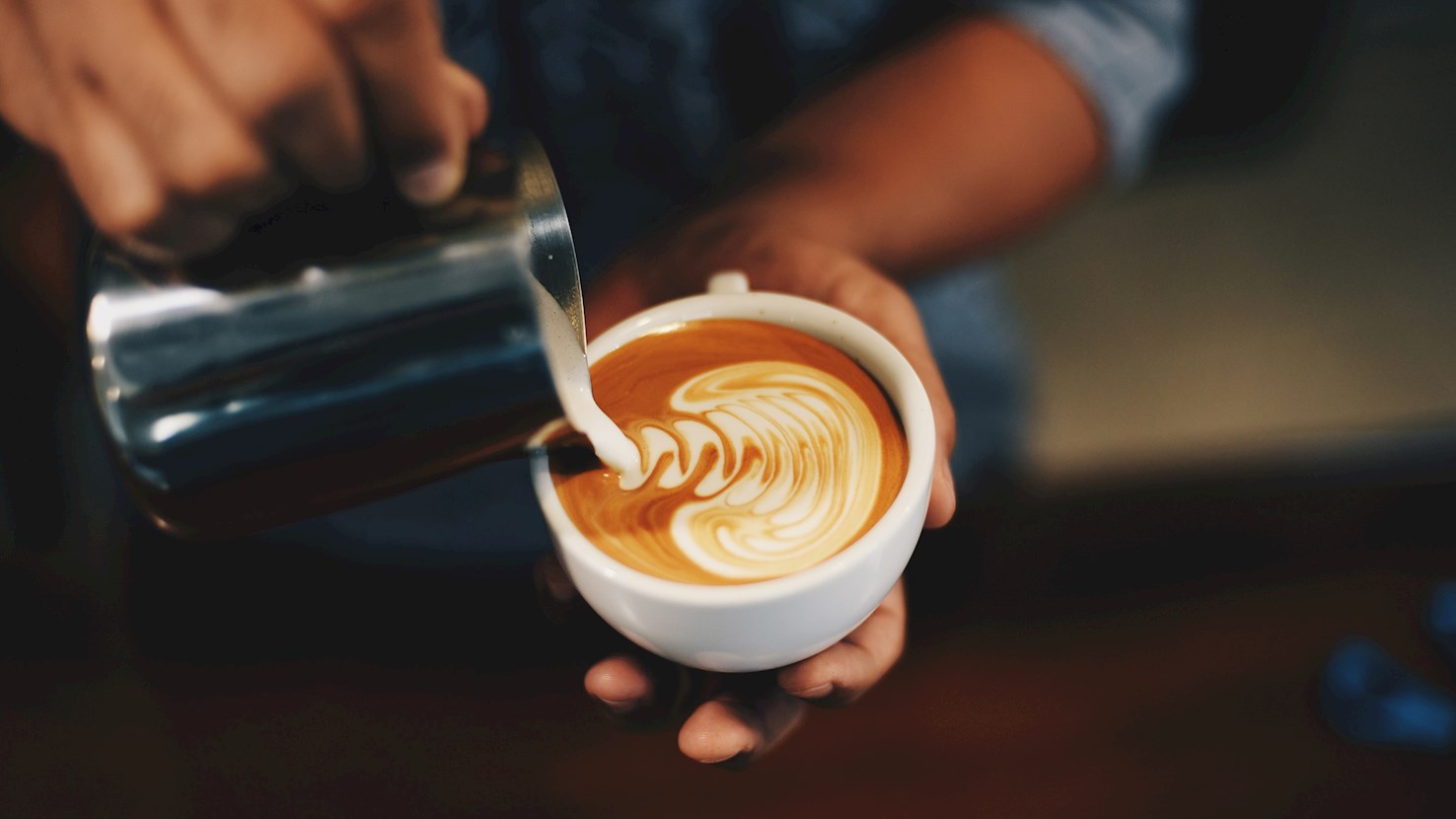
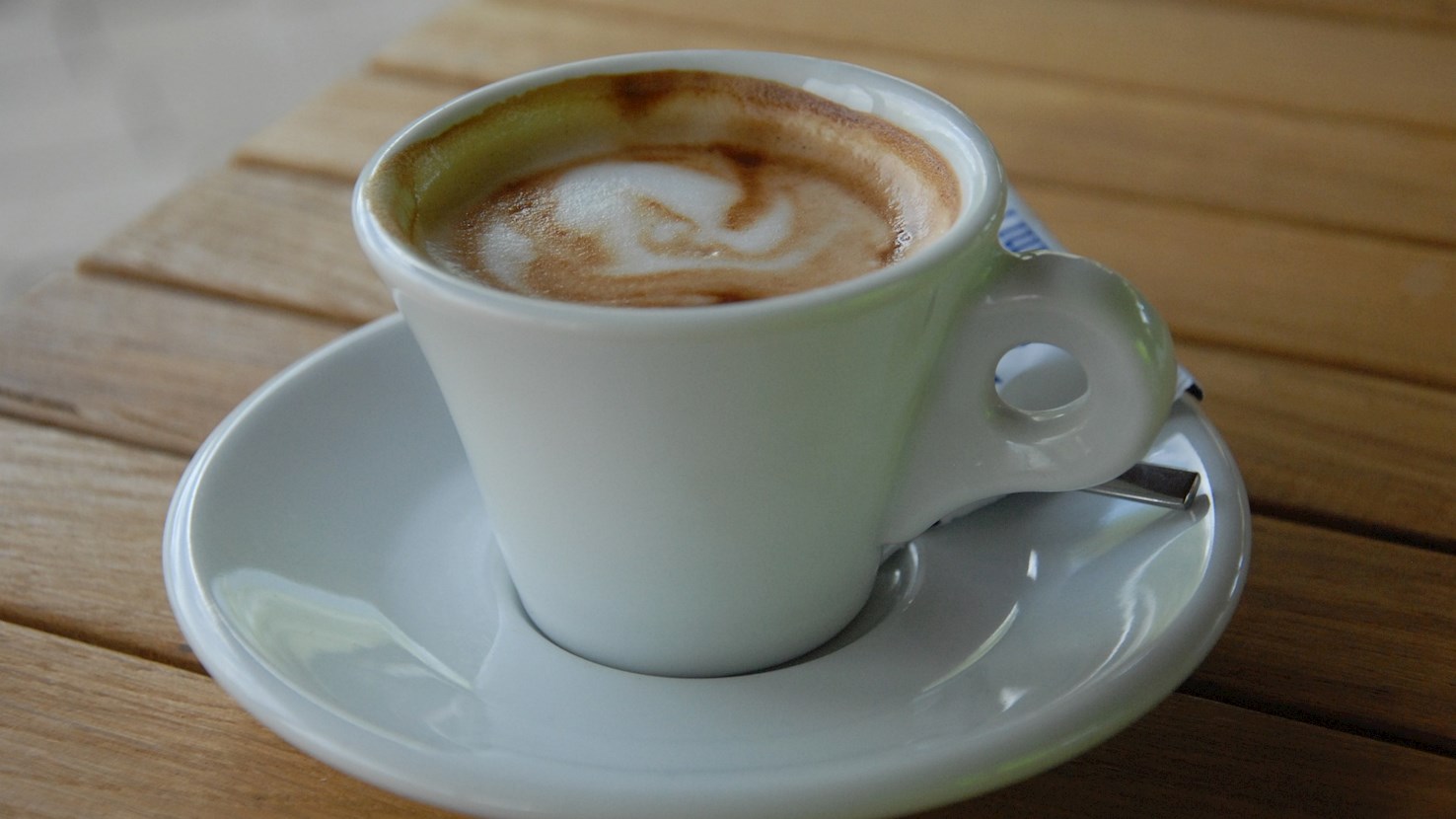
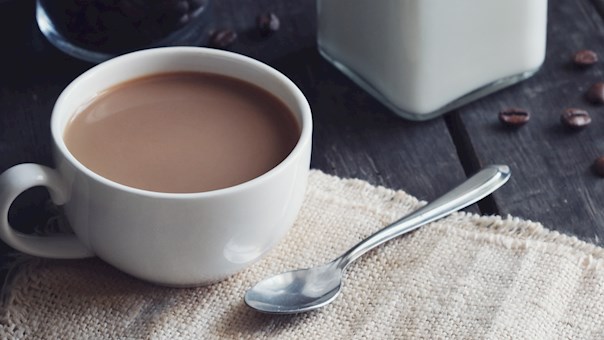
Cappuccino is an Italian coffee made with espresso and steam-foamed milk. It is believed that it developed from kapuziner—a coffee-based beverage that was enjoyed in Austrian coffee houses in the 18th century. The first mention of the word cappuccino in Italy dates back to the 1930s, but at the time the drink was topped with whipped cream, and later it gained its current form with the invention of the espresso machine. Traditional Italian cappuccino is always served in small cups, which are occasionally pre-heated, and it is prepared by pulling a single or a double shot of espresso which is then topped with a light and frothy steamed milk. The recommended ratio in Italy is to have more froth than liquid. Due to its popularity, outside of Italy, cappuccini can significantly differ from their original Italian version, and they can be enjoyed throughout the day, while the Italians would rarely drink them in the afternoon. Interestingly, it is said that the name cappuccino was inspired by the Capuchin friars, supposedly because the color combination of coffee and milk resembles those of Capuchin robes.

02

Chocolate caliente (Spain)

4.2 ·

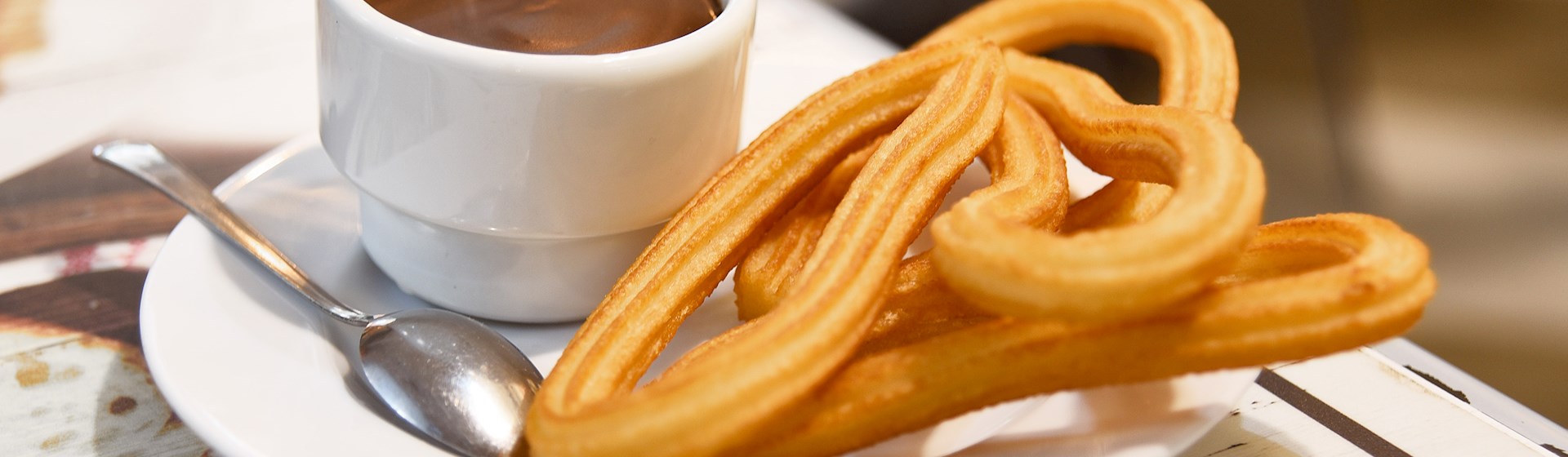
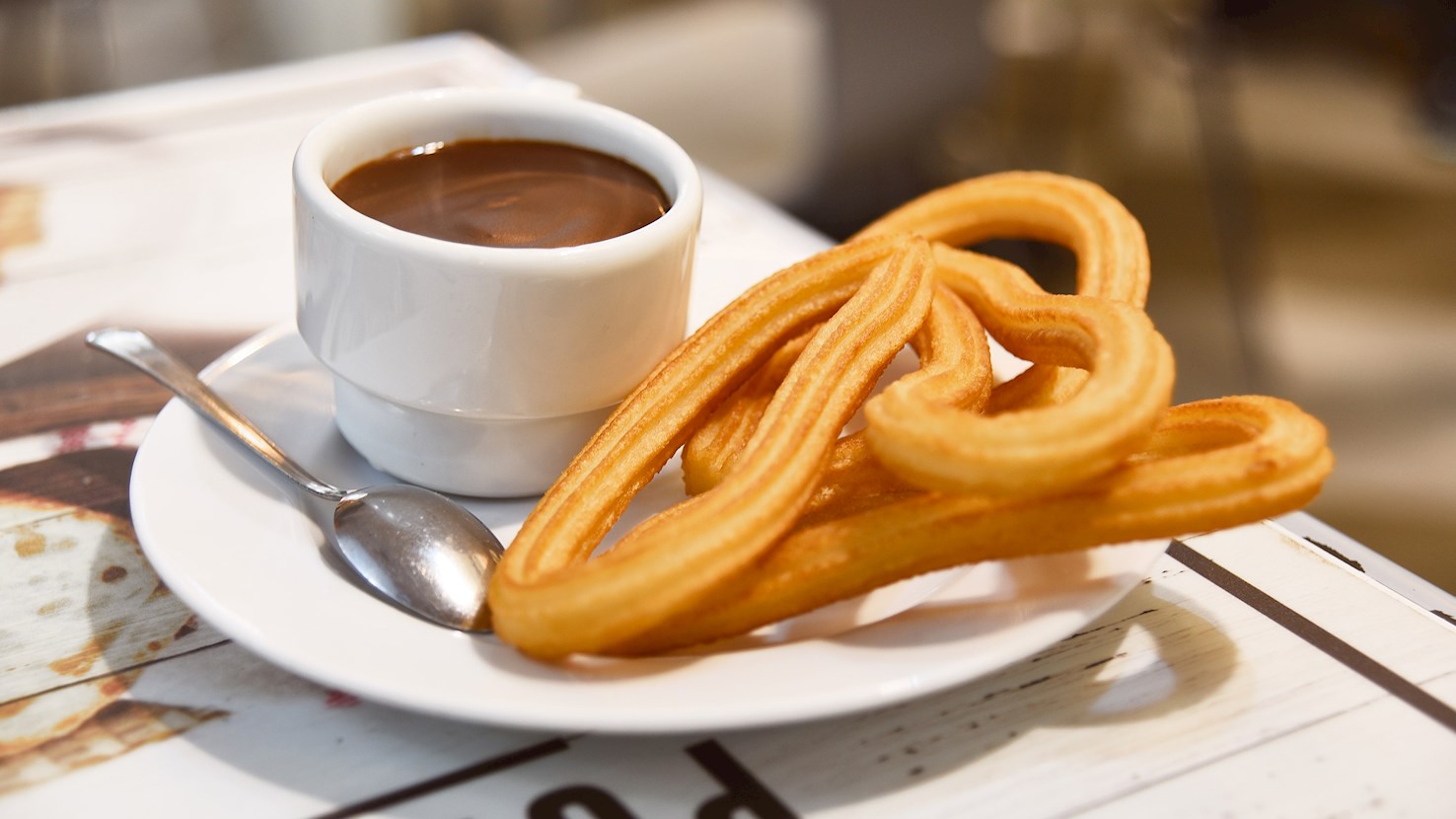
Although hot chocolate is an internationally-known beverage, this Spanish version stands out for its creamy and thick consistency. It is usually made with dark chocolate or cocoa powder, milk, sugar, and cornstarch—which is used to achieve the typical dense texture of the drink. Optionally, cinnamon and grated nutmeg can be used as flavorings. This type of hot chocolate is mainly served as an accompaniment to desserts, while the most traditional combination includes a cup of hot chocolate and freshly fried Spanish churros. Hot chocolate became a drink of choice of the Spanish aristocracy sometime in the 17th century, and when chocolate and cocoa became more available, it became a staple throughout the country. It should always be served hot, and the pastry is supposed to be dipped in the drink.

03

Caffè latte

4.1 ·

Caffè latte (caffè e latte) is an espresso-based coffee that has a somewhat vague origin. It consists of an espresso that is topped with steamed and sometimes lightly frothed milk. The usual ratio is 1:3 in favor of milk, but this often varies. The first mention of caffè latte dates back to 1867 when the term was mentioned in Italian Journeys, written by William Dean Howells. It is often claimed that it originated from cappuccino in order to make the drink more palatable for foreigners, but it belongs to a large group of European-style coffees that combine milk and coffee, such as the French caffe au lait or the Spanish café con leche. Although it has European origins, the international success of the modern caffè latte is often associated with the United States, where it became popular in the 1980s.

04

Ristretto

4.1 ·

Ristretto, which means restricted in Italian, is half of a single shot of espresso. It differs from a standard espresso not only in the amount of water used for its preparation, but also in flavor, which is less bitter than regular espresso. When prepared in an espresso machine, the regular amount of finely ground coffee is extracted with half the amount of water used for classic espresso. The result is a more concentrated beverage with a different balance of compounds than in standard espresso. The color of ristretto is reminiscent of dark chocolate, while the crema is much lighter than in regular espresso. Ristretto is typically served straight in a demitasse cup.

05

Espresso

4.1 ·

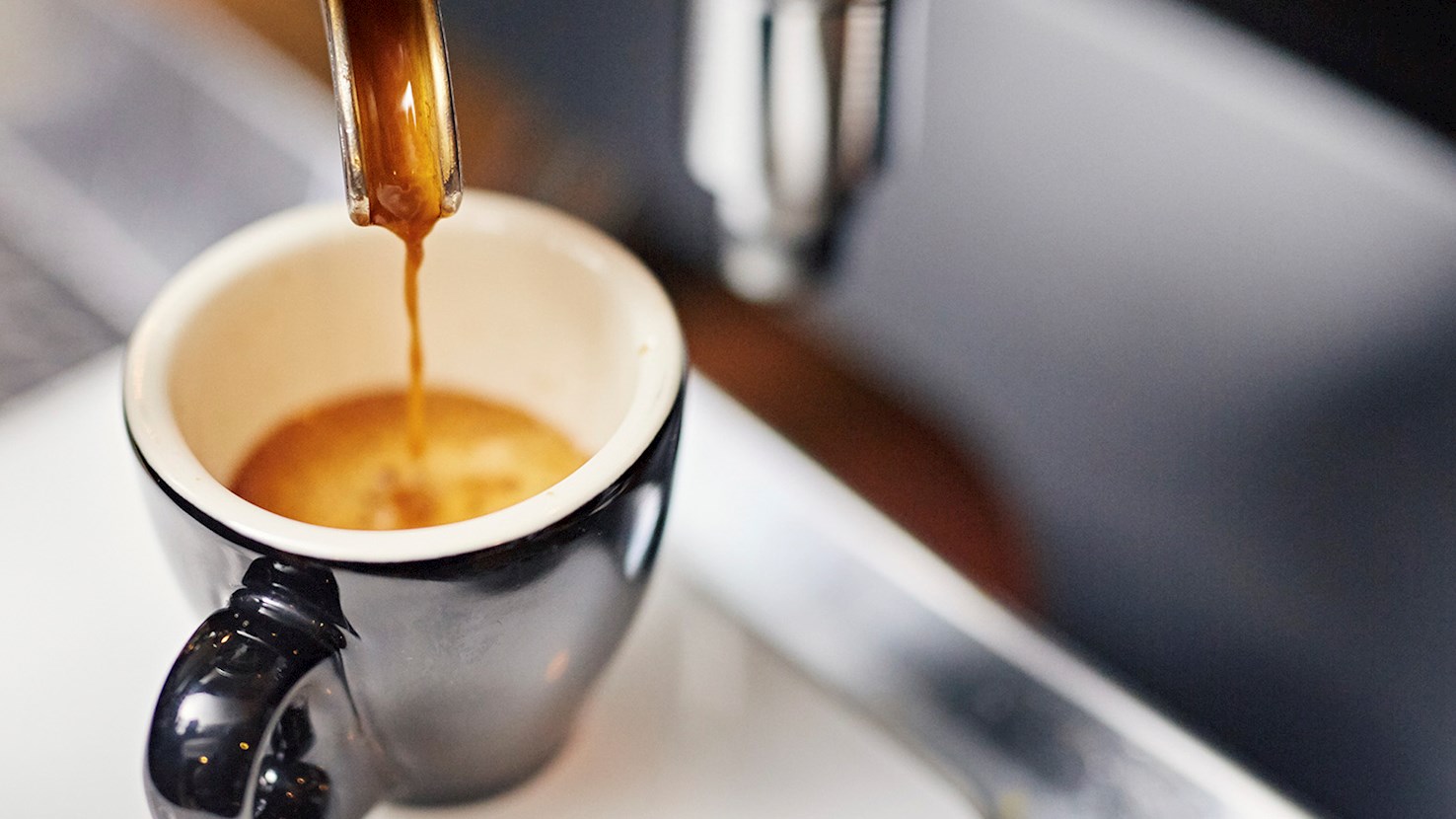
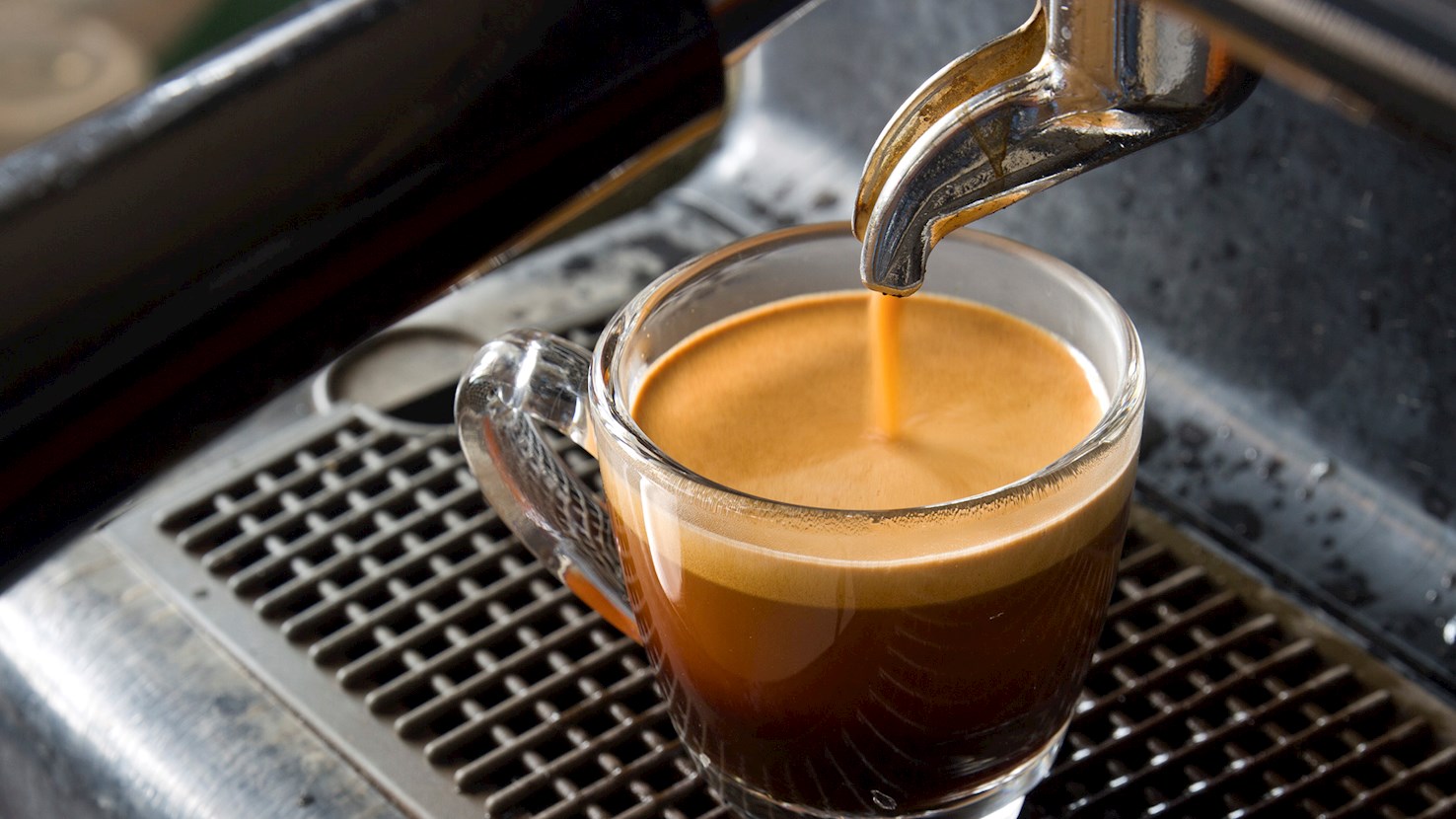
Espresso is both the name of a coffee beverage and the method of brewing coffee that originated in Italy. Nowadays it is prepared worldwide with the espresso machine - invented in Turin in 1884 by Angelo Moriondo - by forcing a small amount of hot water under high pressure through finely ground coffee beans. The coffee used for espresso is blended from several roasts and as a result of pressurized brewing, the flavors of the beverage are very concentrated, with thick and almost syrupy texture. Consequently, espresso has more caffeine than other coffee beverages, so it is traditionally served as a shot. On top of every well-made espresso is a frothy foam with a creamy consistency, known as crema. Besides the standardized shot, espresso can also be served as doppio, ristretto, and lungo. Furthermore, it can be mixed with milk or cream, so it is a base for many other coffee drinks such as caffè latte, caffè Americano, cappuccino or caffè macchiato.

06

Macchiato

4 ·

Original Italian macchiato is a coffee variety that is made by pulling a shot of espresso and topping it with only one or two teaspoons of steamed milk. The milk is only added to enhance the flavor of coffee, and should never be overpowering. The word translates as spotted or stained—referring to the small amount of milk that is meant only to stain the espresso. Unlike cappuccino that is mostly enjoyed in the morning, caffè macchiato was invented as an alternative to regular espresso, and Italians mainly enjoy it as an afternoon drink. The drink should not be confused with latte macchiato—a beverage that is made with the opposite ratio of coffee and milk.

07

Cortado

4 ·

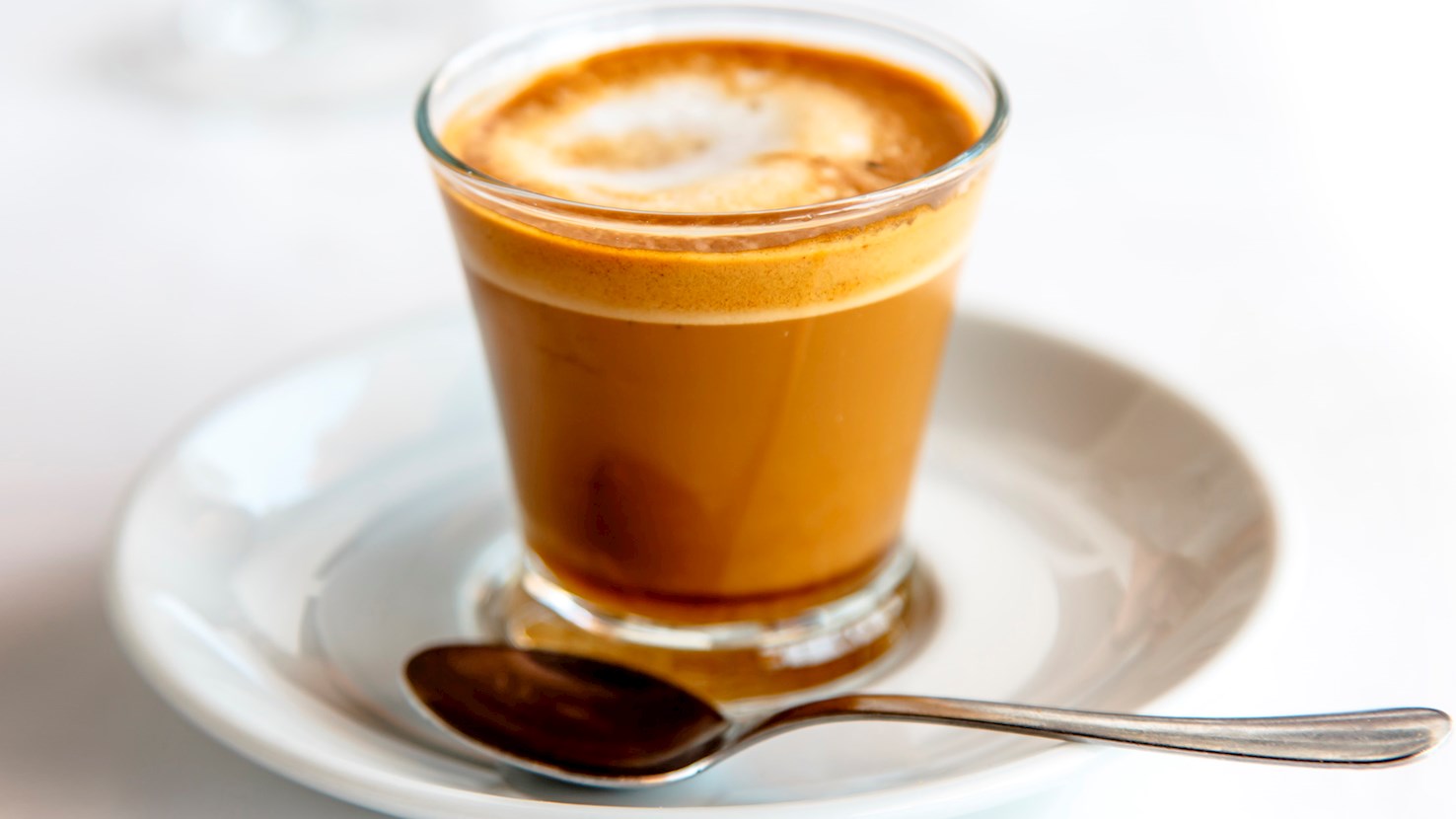
Cortado is a Spanish beverage made by pouring a small amount of espresso in a small glass cup, then cutting it with an equal amount of steamed milk in order to neutralize the bitterness. The name comes from the Spanish word cortar, meaning to cut, which refers to the preparation process. The ratio of espresso to milk gives a unique flavor where the robustness of the coffee comes through, while the finish is velvety due to steamed milk. Cortado is typically consumed in coffee bars as it is not intended to be taken on the go.

08

Galão

4 ·

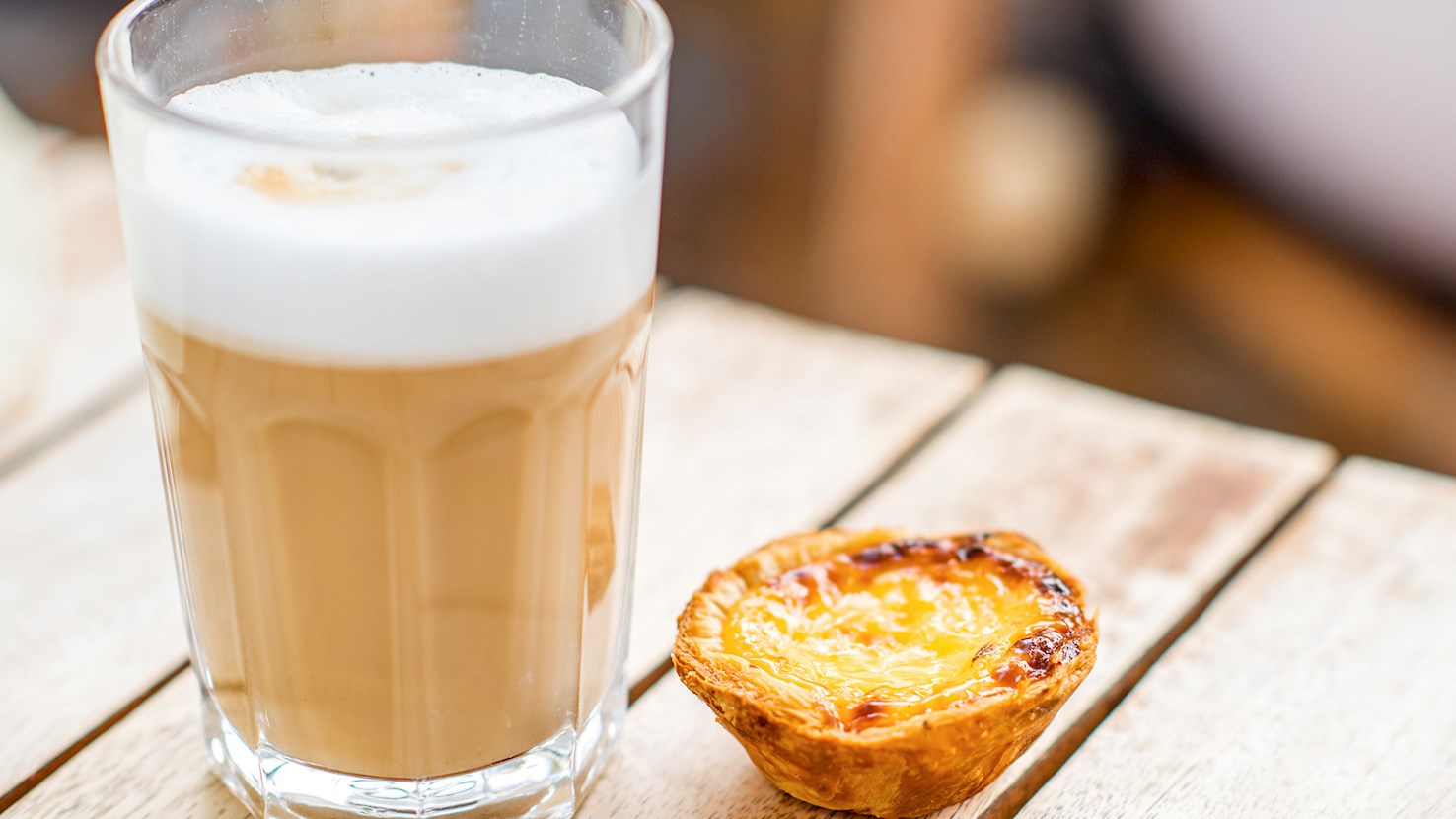
This Portuguese coffee combines 1/4 espresso with 3/4 of foamed or steamed milk and is typically served in a tall glass. Galão is rich and creamy, though the coffee flavor is not overpowering. A slightly stronger variety of galão is escuro, while a lighter version with more milk goes as galão claro. This coffee style is almost synonymous with breakfast and is best paired with classic Portuguese pastries.

09

Bicerin

4 ·

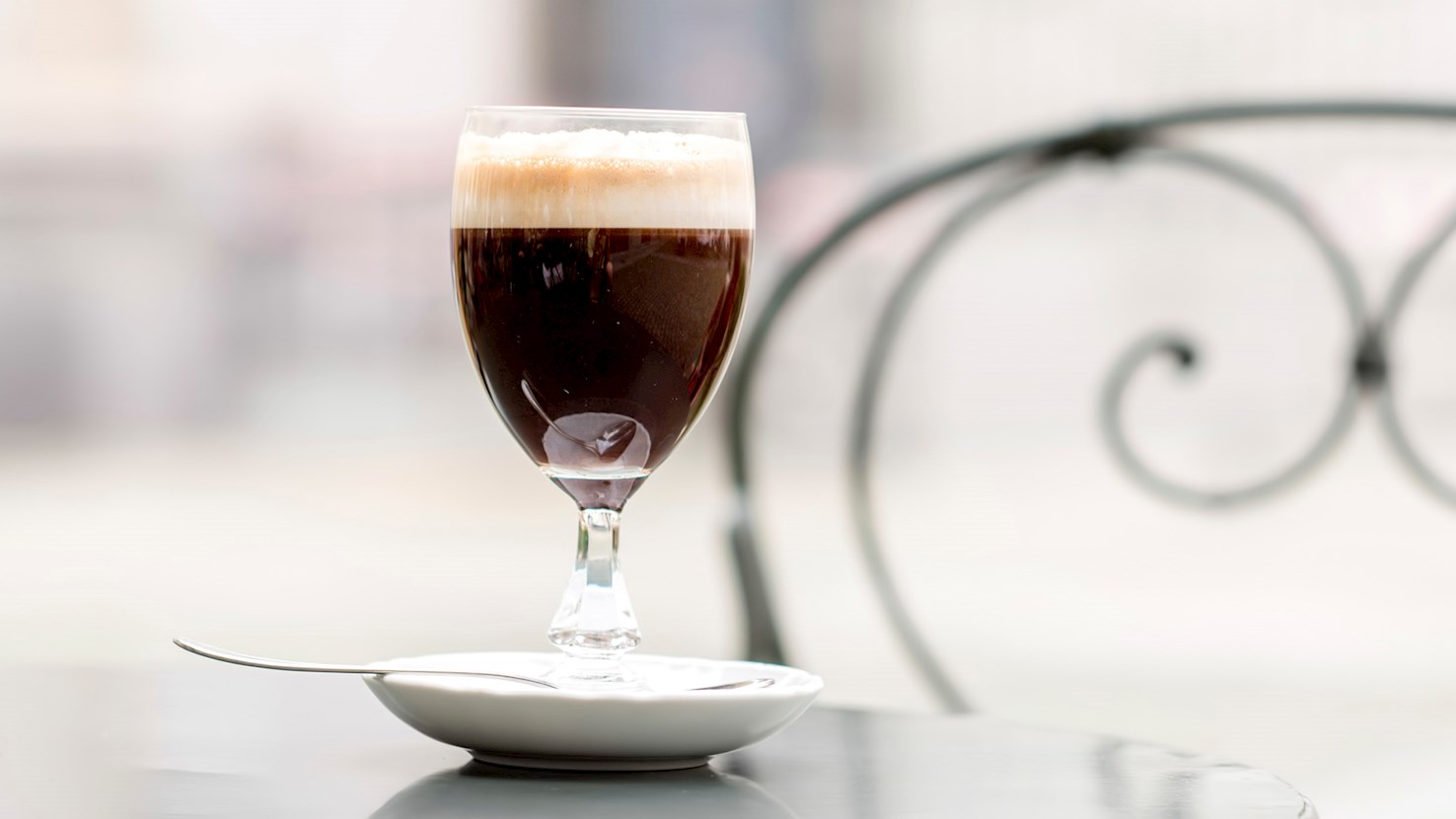
Dating back to the 18th century, this classic beverage from Turin consists of an espresso that is layered with hot chocolate, and then topped with whipped cream. It is traditionally prepared and served in tall, clear glasses, and all three layers should be visible. Although bicerin is enjoyed throughout Turin, Caffè Al Bicerin and Caffè Florio claim its origin. It is believed that its name stems from the term bicchierino, which is a diminutive of bicchiere (glass).

10

Café bombón

4 ·

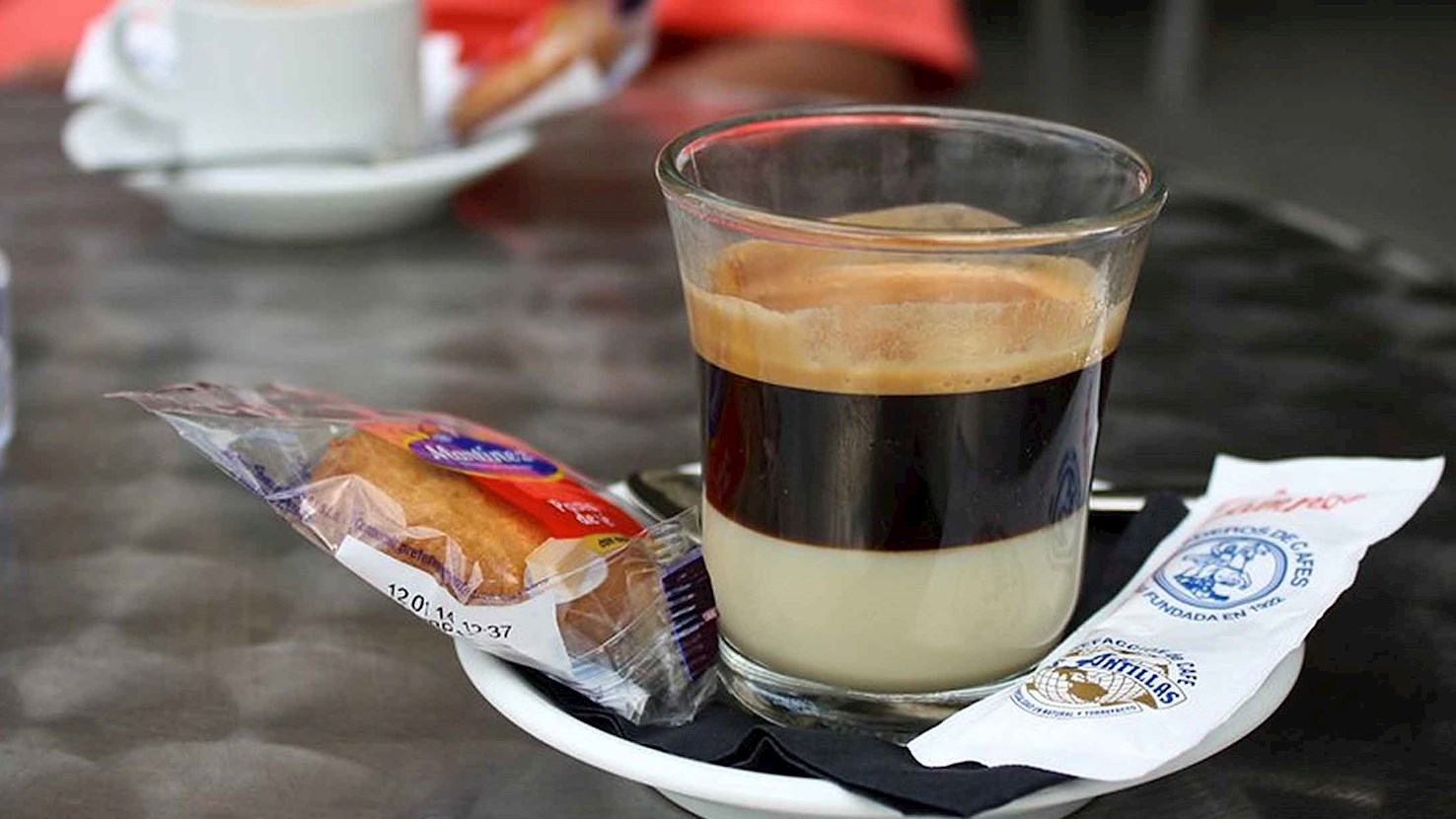
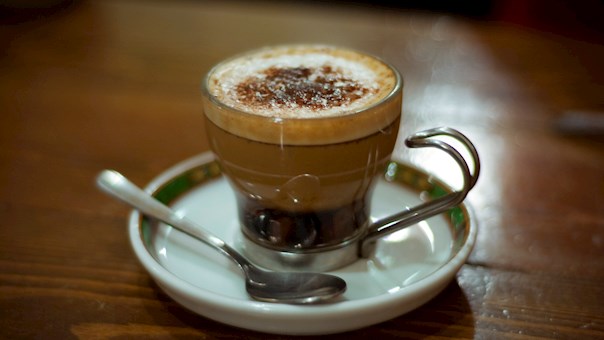
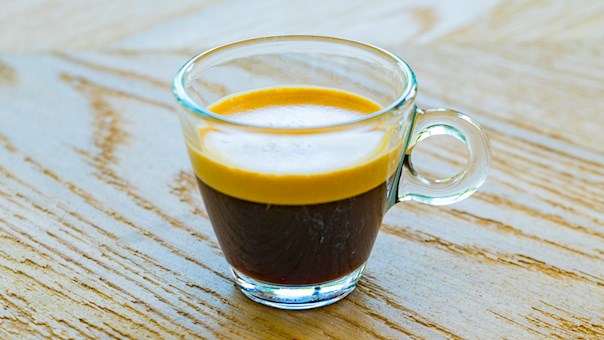
Bombón coffee is a Valencian specialty that combines coffee and condensed milk. The drink is usually made with espresso, and it is assembled by pouring condensed milk first and then topping it with espresso. Because there is a difference in density, the beverages do not mix, and bombón is usually served in a tumbler glass so the layers would be visible. Optionally, condensed milk can be swapped with creamy liqueurs such as Baileys. The drink is usually prepared with equal amounts of both beverages.

12

Caffè moka

3.9 ·
13

Shakerato

3.9 ·
14

Café au lait

3.8 ·
17

Leche merengada

3.7 ·
19

Lungo

3.6 ·
20

Café con miel

3.5 ·

Best Western European Non-alcoholic Beverages
01

Didier Goubet

4.8 ·
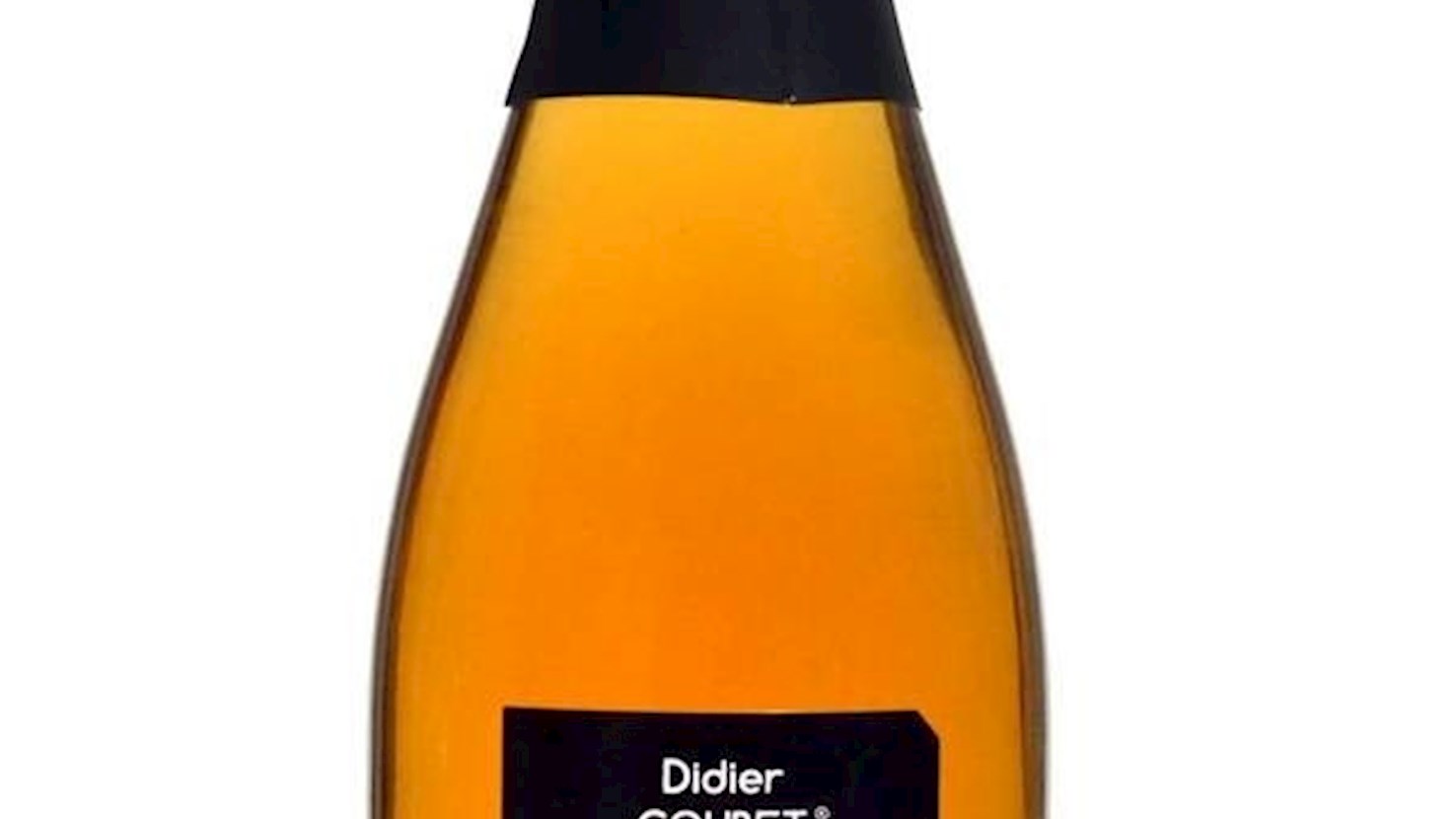
DIDIER GOUBET is a French soft drink producer that specializes in creating non-alcoholic fine beverages. The company is known for its focus on producing natural, organic juices and non-alcoholic wines. These products are made without added sugars, preservatives, or colorings, emphasizing pure fruit flavors.
Awards
Great Taste Awards - 3 Stars (2021)
Great Taste Awards - 2 Stars (2021)
02

Soalheiro

4.7 ·
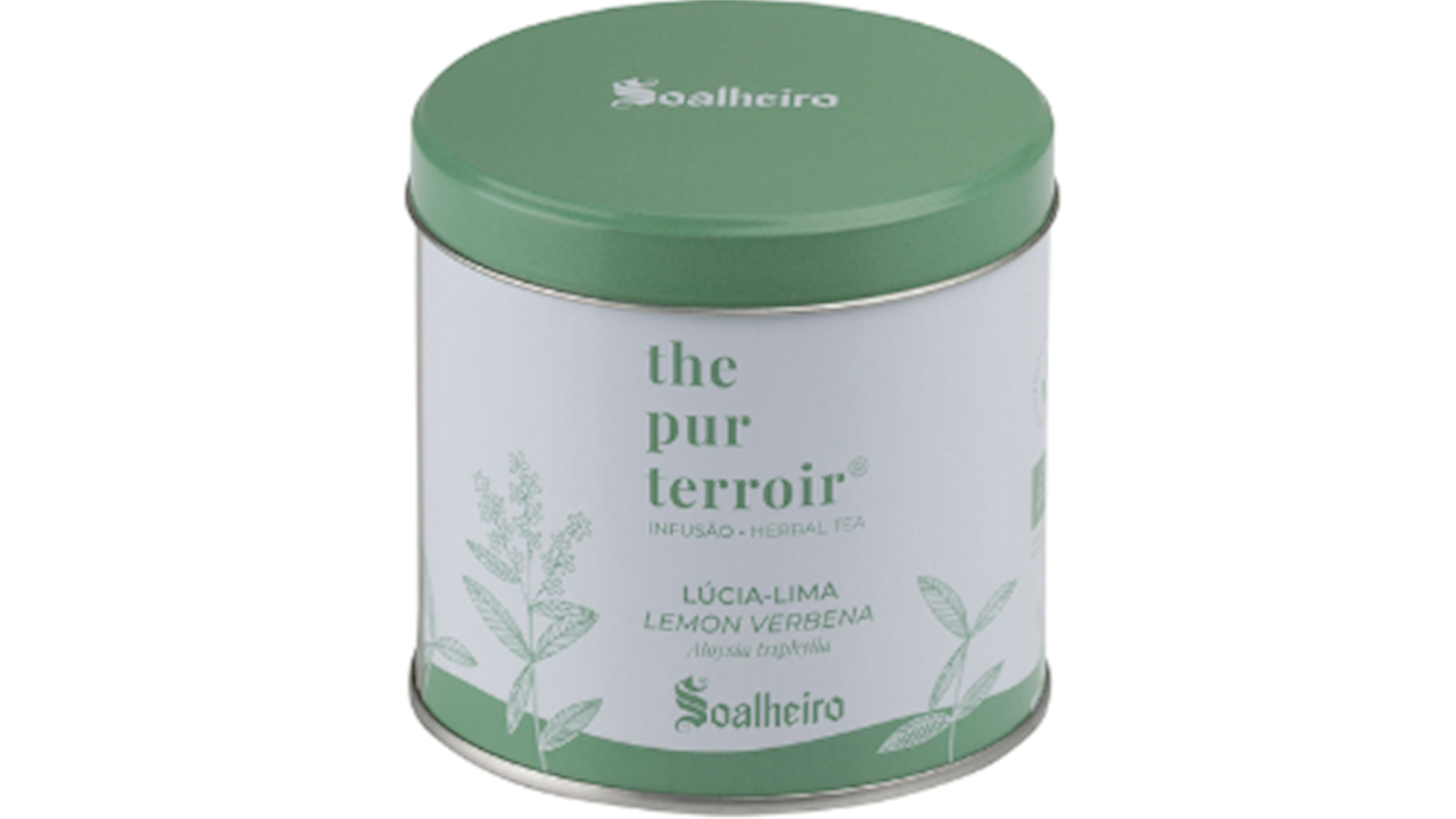
Soalheiro is a renowned winery located in the northern region of Portugal, particularly known for its exceptional Alvarinho wines. The winery has a strong tradition of innovation, with its origins tracing back to João António Cerdeira, who was the first to plant a full vineyard of Alvarinho in Melgaço. The family-run winery, now managed by the third generation, continues to embrace both tradition and innovation in its winemaking practices. In addition to its wines, Soalheiro also produces herbal teas, which are a part of the region's rich cultural heritage. They offer a variety of herbal infusions such as Lemon Verbena, Spearmint, and Rosemary, which are celebrated for their natural flavors and therapeutic benefits. Soalheiro places a strong emphasis on sustainability, with eco-friendly practices in both viticulture and packaging, and provides immersive experiences like wine and herbal tea tours, gastronomic journeys, and tastings to introduce visitors to the unique traditions of the Minho region.
Awards
Decanter World Wine Awards - Best in Show (2021)
Decanter World Wine Awards - Platinum (2017, 2016)
03

Angelina

4.7 ·
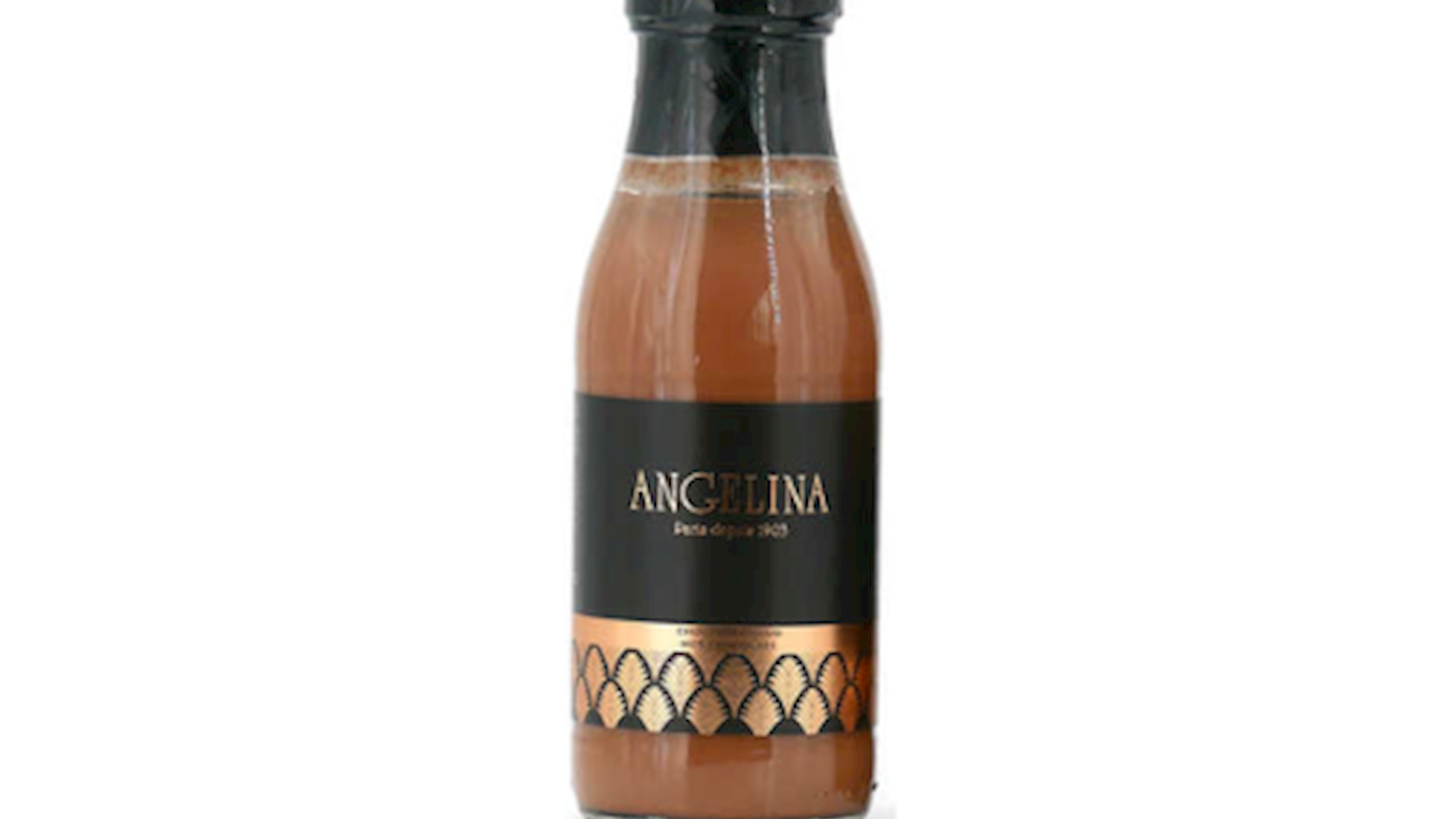
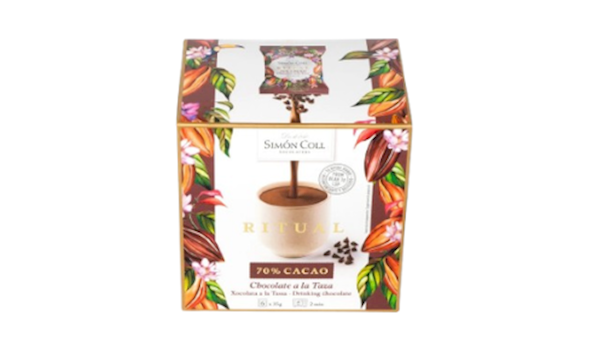
Angelina Paris is an iconic Parisian tea house and pâtisserie founded in 1903, widely regarded as a symbol of French elegance and gastronomic tradition. Established on Rue de Rivoli by pastry chef Antoine Rumpelmayer, Angelina quickly became a favored meeting place for artists, writers and the Parisian elite, shaping its reputation as a cultural and culinary landmark. The house is best known for its signature hot chocolate, Chocolat chaud l’Africain, celebrated for its exceptionally thick texture and intense cocoa depth, as well as for the Mont-Blanc dessert made with chestnut cream, whipped cream and meringue. Angelina’s identity is deeply rooted in the Belle Époque aesthetic, which remains a defining element of its flagship salons. Over time, the brand has expanded beyond its historic location, with multiple addresses across Paris and an international retail presence through gourmet food stores. Despite this expansion, Angelina continues to emphasize craftsmanship, consistency and classic French pastry savoir-faire. Today, it stands as a reference point for luxury confectionery and tea culture, blending heritage, indulgence and timeless Parisian style.
04

Mariage Frères

4.6 ·
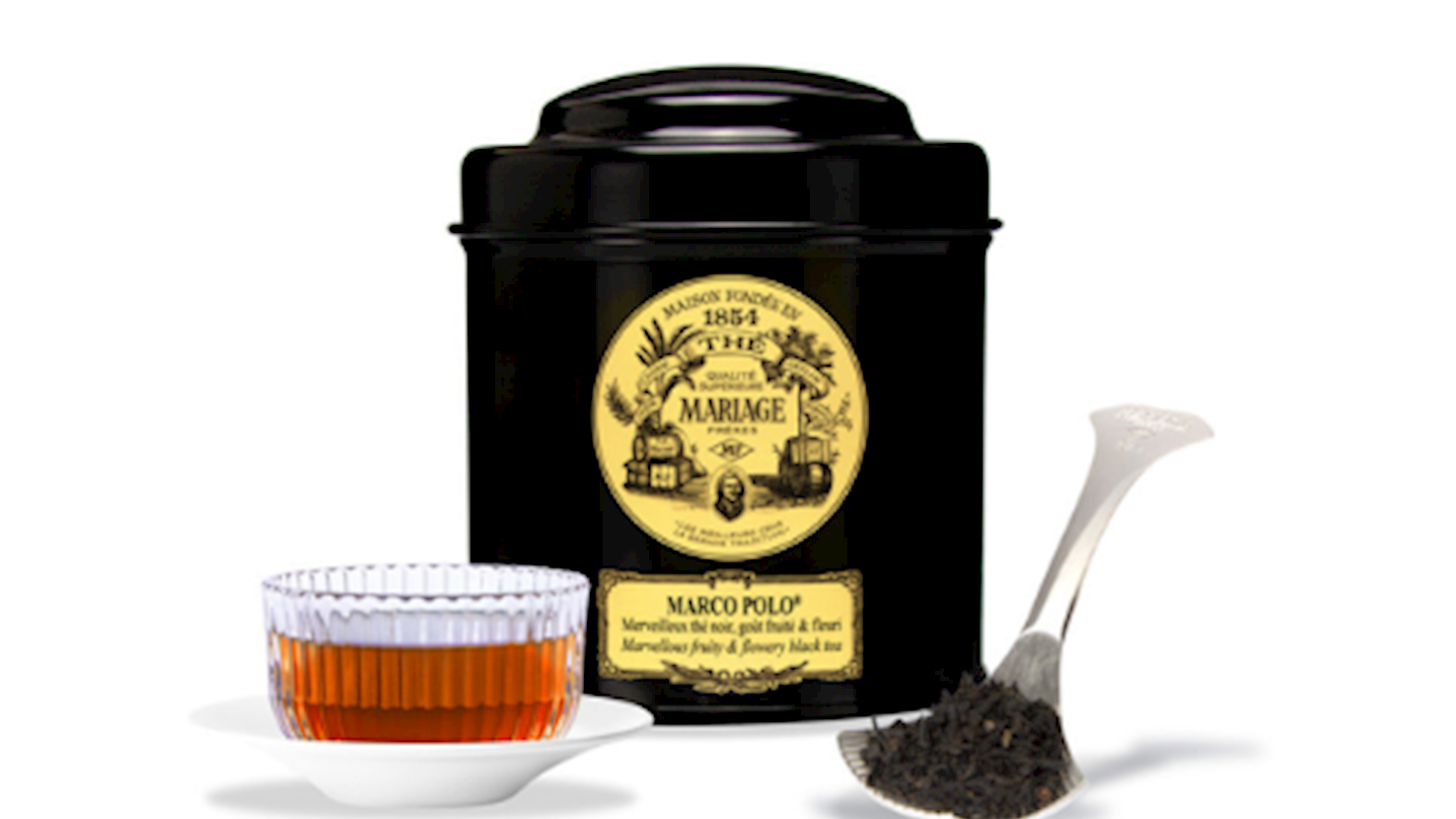
Mariage Frères is a prestigious French tea company founded in 1854 in Paris. It is renowned for its exceptional selection of fine teas and innovative blends. Mariage Frères has established itself as one of the premier tea brands in the world, offering an extensive range of products, from traditional black, green, and white teas to unique creations infused with flowers, spices, and fruits. Known for its elegant and luxurious approach, Mariage Frères combines history, expertise, and craftsmanship. Their famous "tea salons" in Paris offer an immersive experience where customers can enjoy a cup of tea alongside gourmet pastries. The company also prides itself on sustainable sourcing practices and high-quality ingredients. With a focus on refinement and the art of tea, Mariage Frères is beloved by tea enthusiasts and connoisseurs around the globe.
05

Kusmi Tea

4.6 ·
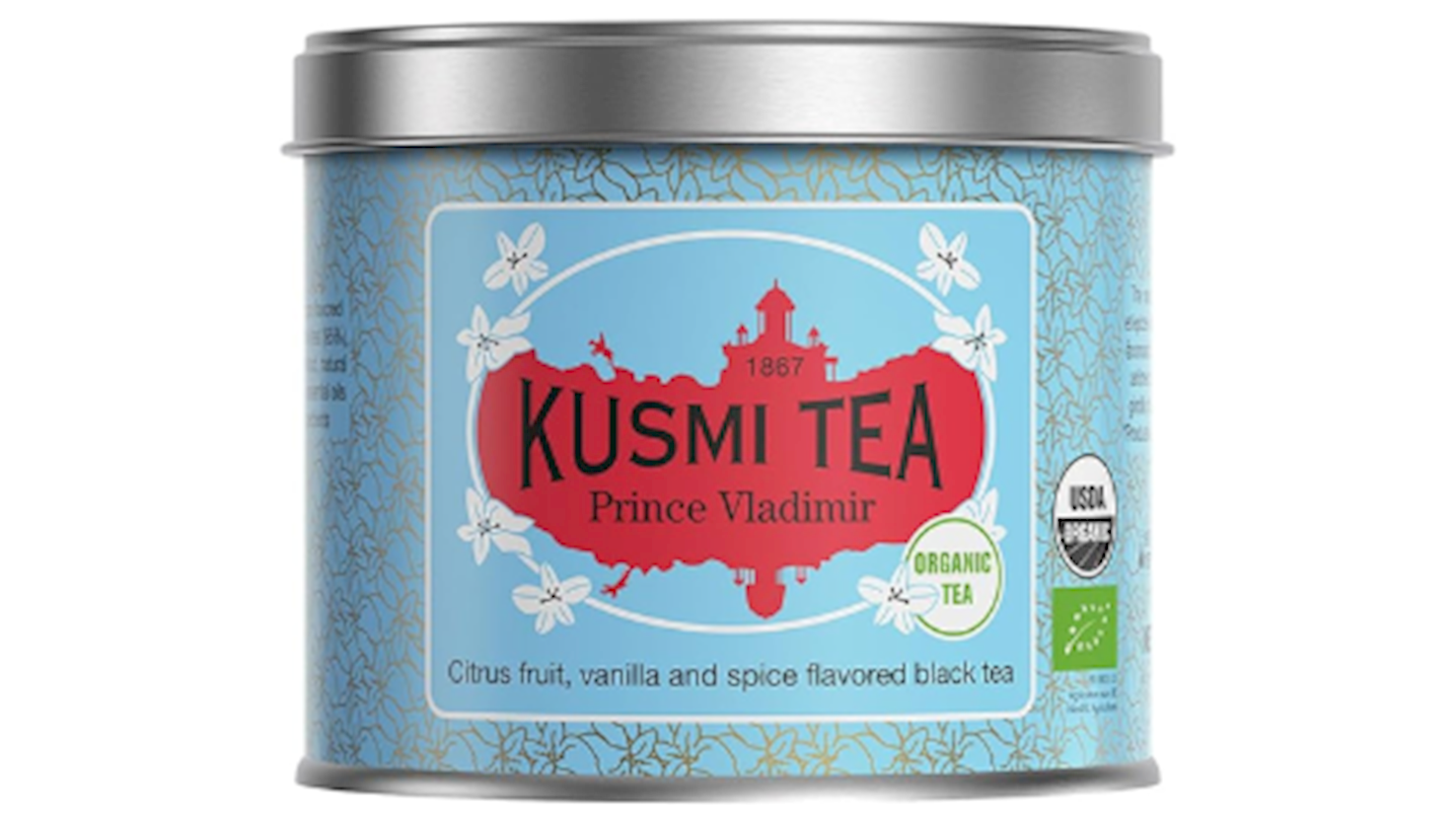
Kusmi Tea is a renowned French tea brand established in 1867, celebrated for its high-quality blends, innovative flavors, and beautiful packaging. With a rich history of over 150 years, Kusmi Tea has built a strong reputation for offering premium teas from around the world. The company was founded in St. Petersburg, Russia, by Pavel Kousmichoff, a Russian tea merchant, and later moved to Paris, where it became synonymous with sophistication and luxury. Kusmi Tea is known for its exceptional blends that combine traditional tea leaves with unique flavors, herbs, and spices, creating harmonious and aromatic profiles. Some of the brand’s most iconic blends include Prince Vladimir, Anastasia, and Detox, each offering distinct, high-quality flavors to suit every taste preference.
06

Mister Caffè
4.5 ·
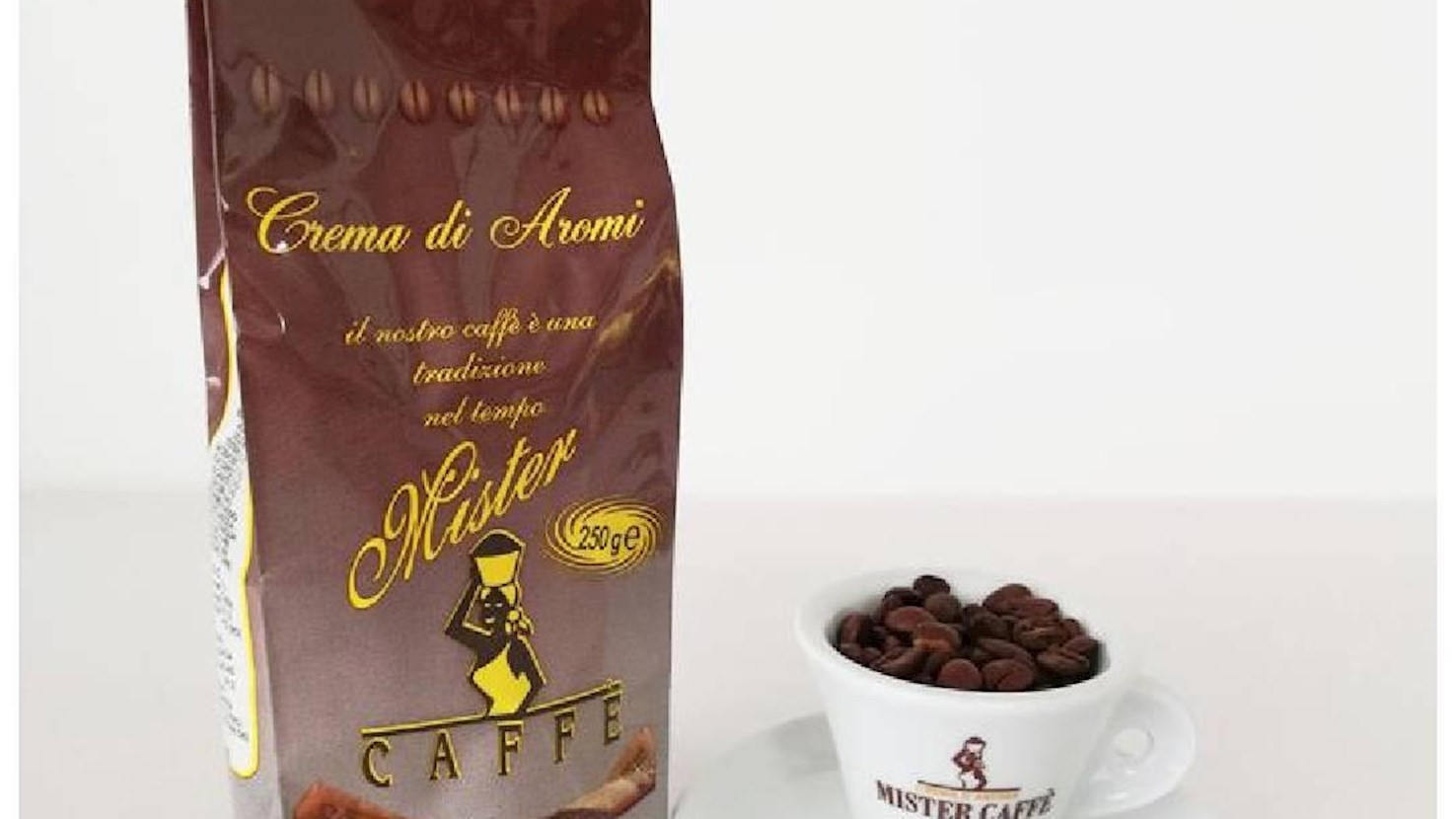
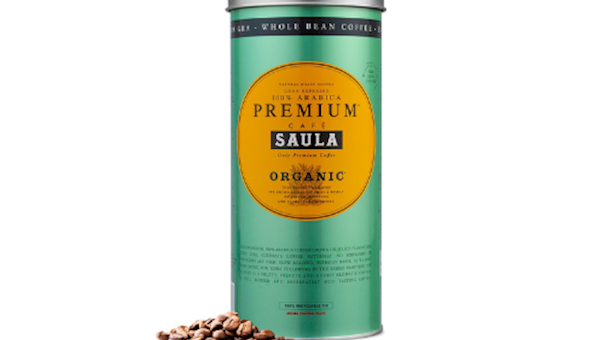
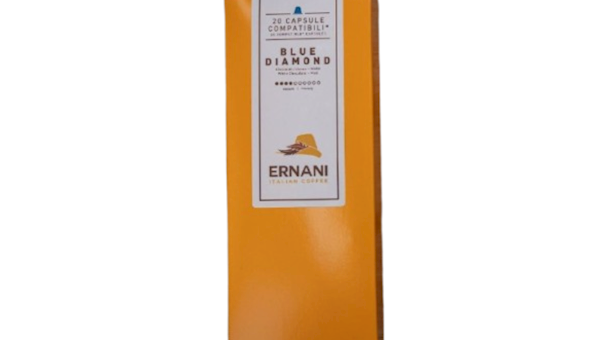
Mister Caffè is an Italian company specializing in the production and distribution of high-quality, hand-roasted coffees. Their product range includes a variety of options, such as whole bean coffee, ground coffee, and compatible capsules for different espresso machines, including Nespresso, Dolce Gusto, Lavazza A Modo Mio, Lavazza Blue, Lavazza Espresso Point, and Caffitaly systems. The company takes pride in carefully selecting the finest coffee beans, skillfully blending, and expertly roasting them to deliver a superior espresso experience. They pay special attention to capsule packaging to preserve the coffee’s aroma over time, ensuring that every sip remains as fresh as if it had just been crafted by their master roaster.
Awards
Crystal Taste Award - 3 stars (2023)
Great Taste Awards - 2 Stars (2021)
07

Palais des Thés

4.5 ·
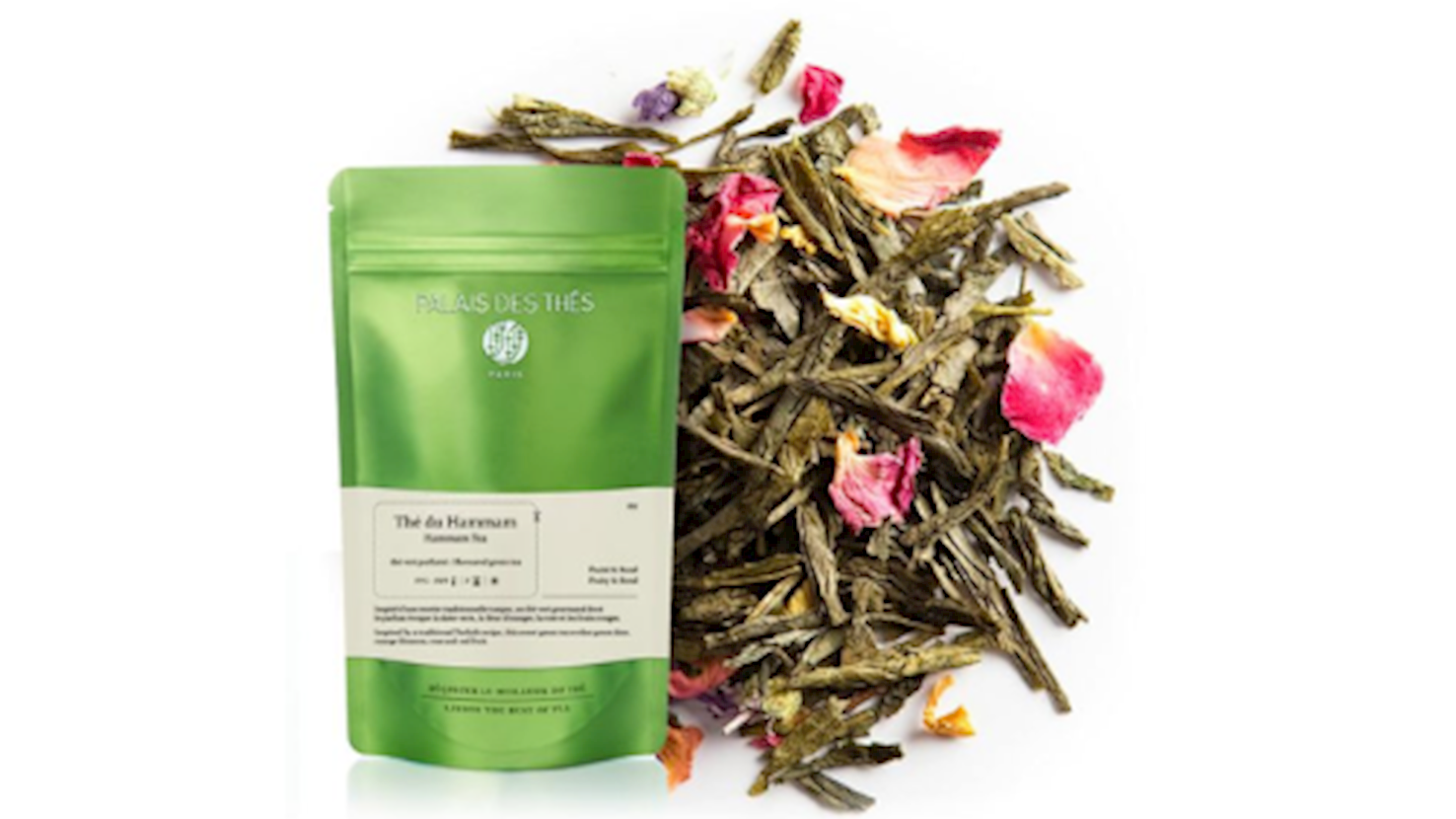
Palais des Thés is a French tea brand that has been sharing the finest selection of teas from around the world since 1986. With an emphasis on high-quality blends, Palais des Thés is known for its commitment to offering premium loose leaf and bagged teas, as well as an extensive selection of herbal teas. The company prioritizes sustainability, sourcing their products from the most renowned tea gardens while adhering to eco-friendly practices. The brand offers a wide range of teas, from classic green and black varieties to more specialized options like matcha, oolong, and flavored teas. Palais des Thés is not just about tea; it is about experiencing tea culture, with each blend reflecting the brand’s passion for quality, elegance, and a love for flavor exploration. Their beautifully designed packaging and commitment to quality make them a trusted name in the world of tea, whether you are looking for a refreshing herbal brew or a luxurious black tea to savor.
08

Dammann Frères

4.5 ·
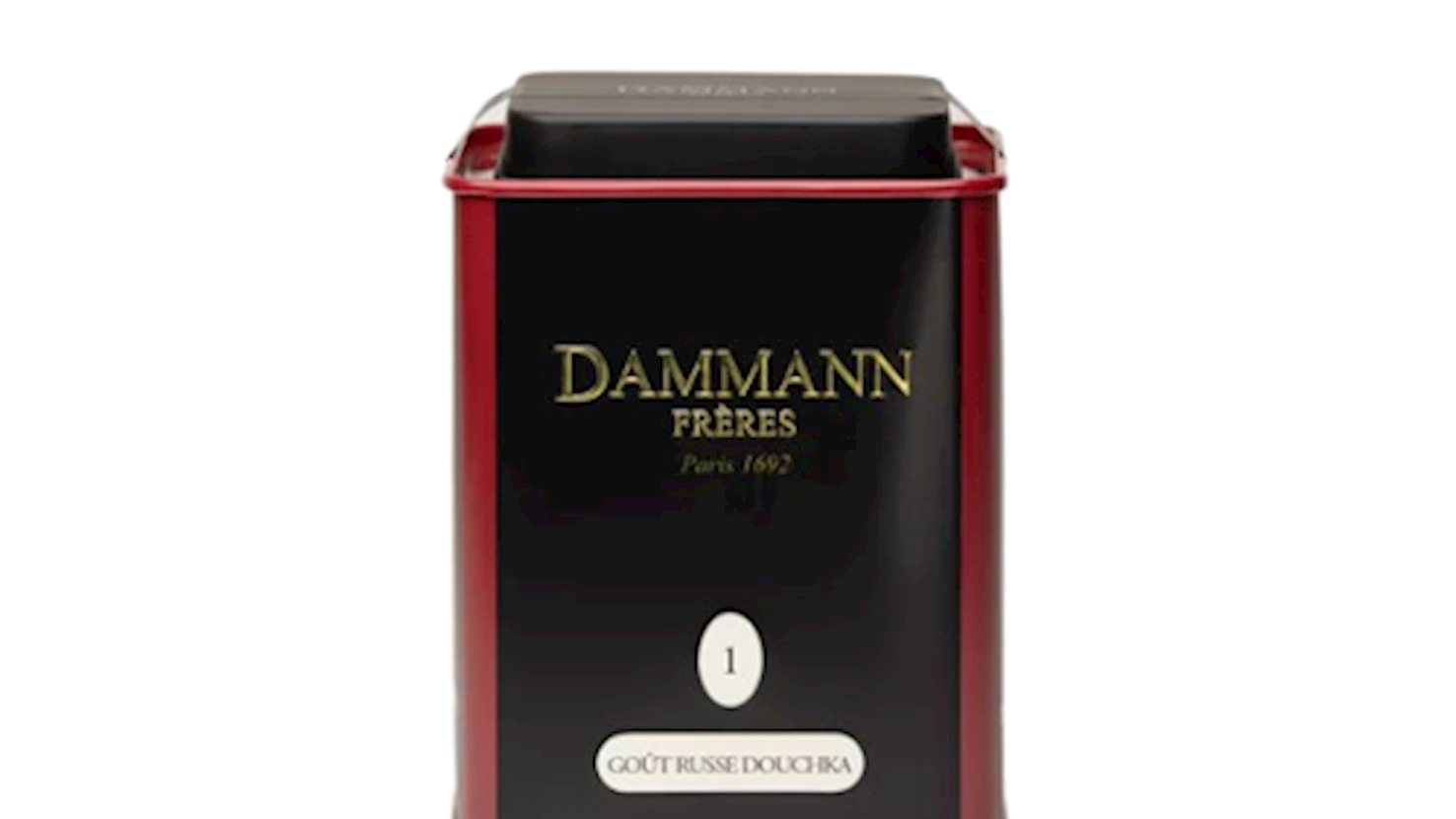
Dammann Frères is one of France’s most historic and respected tea houses, with origins dating back to 1692, making it a reference point in European tea culture. The company built its reputation on the careful selection of high-quality tea leaves sourced from renowned growing regions around the world, covering black, green, white, oolong and herbal teas. A defining element of Dammann Frères is its expertise in blending, where classic tea bases are combined with natural aromas, flowers, spices or fruit to create refined and balanced compositions. The style is elegant and precise, with a strong emphasis on aromatic clarity rather than overpowering flavour. Iconic blends such as Earl Grey French Blue illustrate the brand’s distinctive French approach to tea, combining tradition with subtle creativity. Alongside loose-leaf teas, Dammann Frères is known for its sophisticated packaging and gift collections, positioning tea as a cultural and gastronomic experience.
09

Verlet

4.5 ·
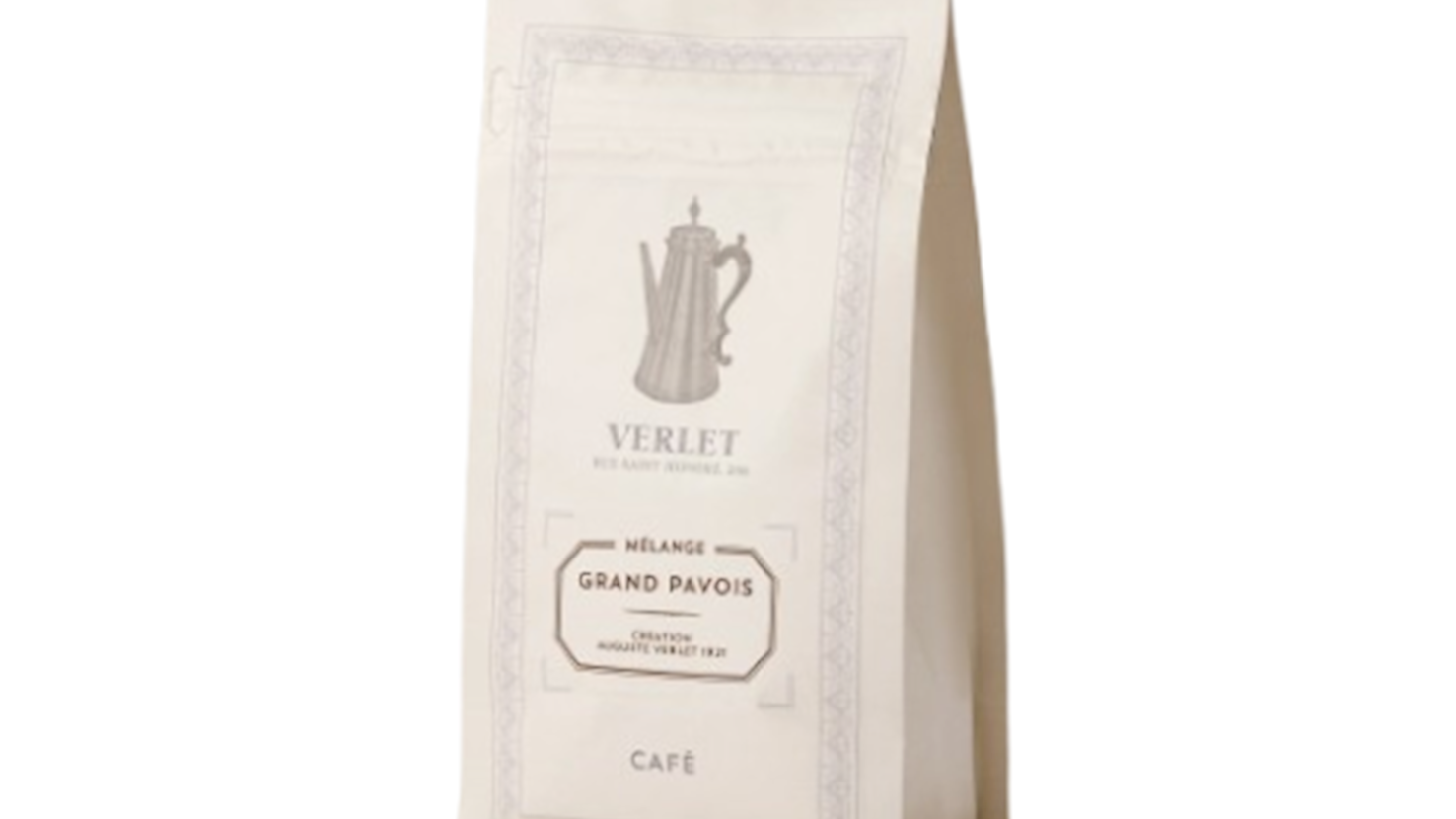
Verlet is one of the oldest and most established coffee and tea houses in Paris, with a continuous history dating back to 1880. Located on Rue Saint-Honoré near Palais-Royal, it built its reputation on the practice of roasting coffee on-site, which at the time marked a significant shift toward quality-focused production. Over time, Verlet developed into a specialized house for coffee, tea, and spices, combining retail with a tasting space that reflects a broader gastronomic approach. A key aspect of its identity is the early adoption of sourcing and presenting coffees by origin, highlighting differences in terroir long before this became standard in the specialty coffee sector. The range includes numerous single-origin coffees alongside curated teas and complementary gourmet products, all selected with a focus on raw material quality. Roasting continues to take place in Paris, maintaining a direct link between sourcing and final preparation. The brand emphasizes consistency and technique rather than large-scale production, preserving its artisanal positioning. Its interior and presentation reinforce a sense of continuity with Parisian café culture, where the experience extends beyond the product itself.
10

Cafés El Magnífico

4.5 ·

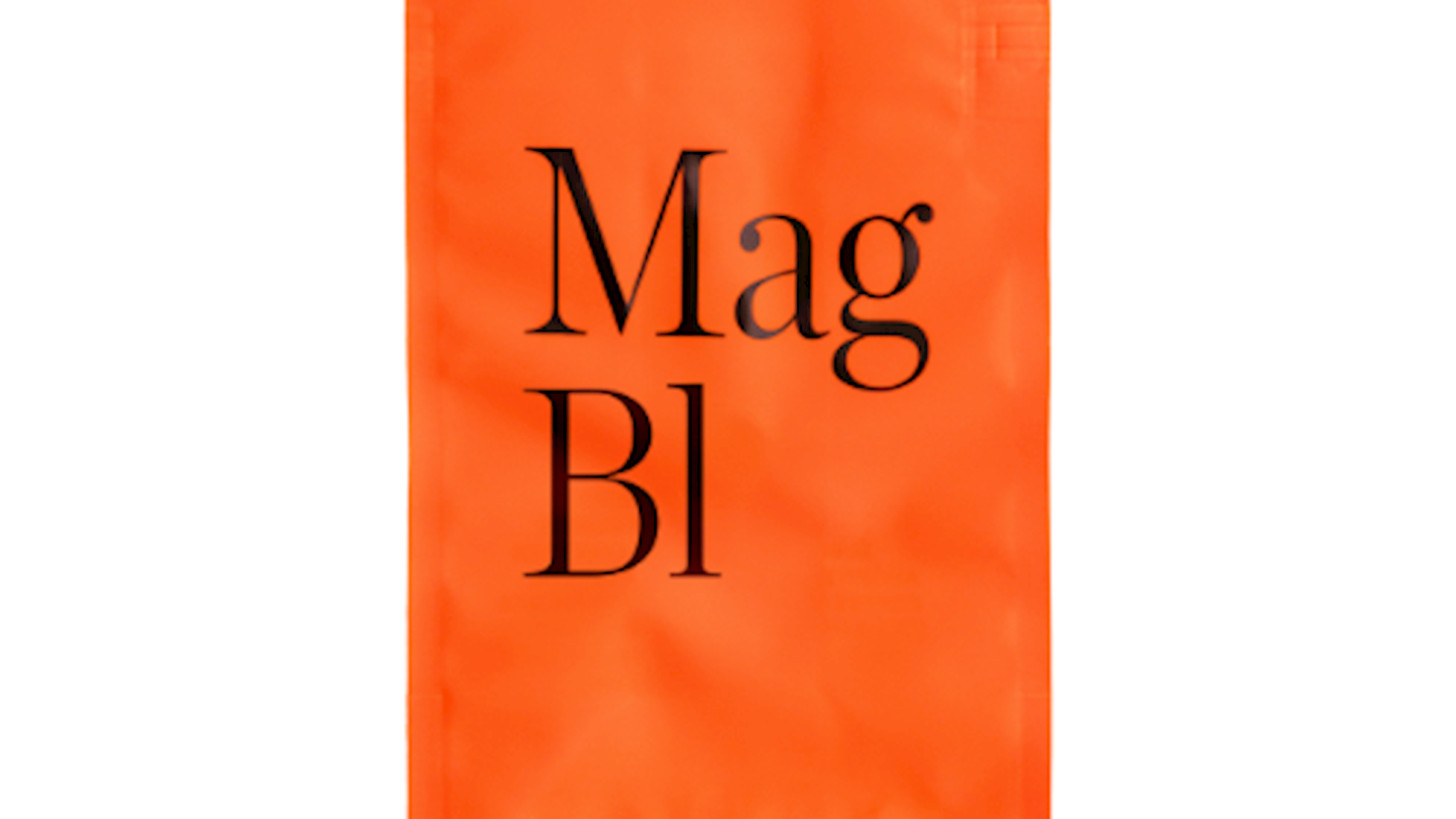
Cafés El Magnífico is a renowned Spanish specialty coffee roaster based in Barcelona, with roots tracing back to a family coffee business established in 1919 and the Cafés El Magnífico brand founded in 1962. Over the decades, the company has built a strong reputation for its commitment to quality, traceability, and excellence in coffee sourcing and roasting. Led by Salvador Sans, a respected figure in the specialty coffee industry, Cafés El Magnífico has played an important role in introducing Spanish consumers to single-origin coffees and a deeper appreciation of coffee provenance. The company carefully selects green coffee beans from some of the world's most respected coffee-growing regions, including Ethiopia, Colombia, Panama, Guatemala, and Nicaragua. Each coffee is roasted with a tailored profile designed to highlight the unique characteristics of its origin, variety, and processing method. In addition to roasting and retailing coffee, the company actively promotes coffee education through tastings, workshops, and training initiatives. Today, Cafés El Magnífico is recognized as one of Spain’s leading specialty coffee roasters, combining more than a century of family experience with a modern focus on craftsmanship, sustainability, and transparency.

Read more
View all
View map
About this ranking

TasteAtlas food rankings are based on the ratings of the TasteAtlas audience, with a series of mechanisms that recognize real users and that ignore bot, nationalist or local patriotic ratings, and give additional value to the ratings of users that the system recognizes as knowledgeable. For the “Top 43 Western European Non-alcoholic Beverages” list until June 15, 2026, 3,372 ratings were recorded, of which 2,776 were recognized by the system as legitimate. TasteAtlas Rankings should not be seen as the final global conclusion about food. Their purpose is to promote excellent local foods, instill pride in traditional dishes, and arouse curiosity about dishes you haven’t tried.

The initial list of top producers was compiled based on available reviews, awards, local recommendations, media and blog coverage, and consumer reviews. The list will be updated with ratings from TasteAtlas local ambassadors and TasteAtlas users.

Similar lists