Top 32 Campanian Olive Oils

Last updated on July 22, 2026

Best Campanian Olive Oils
01

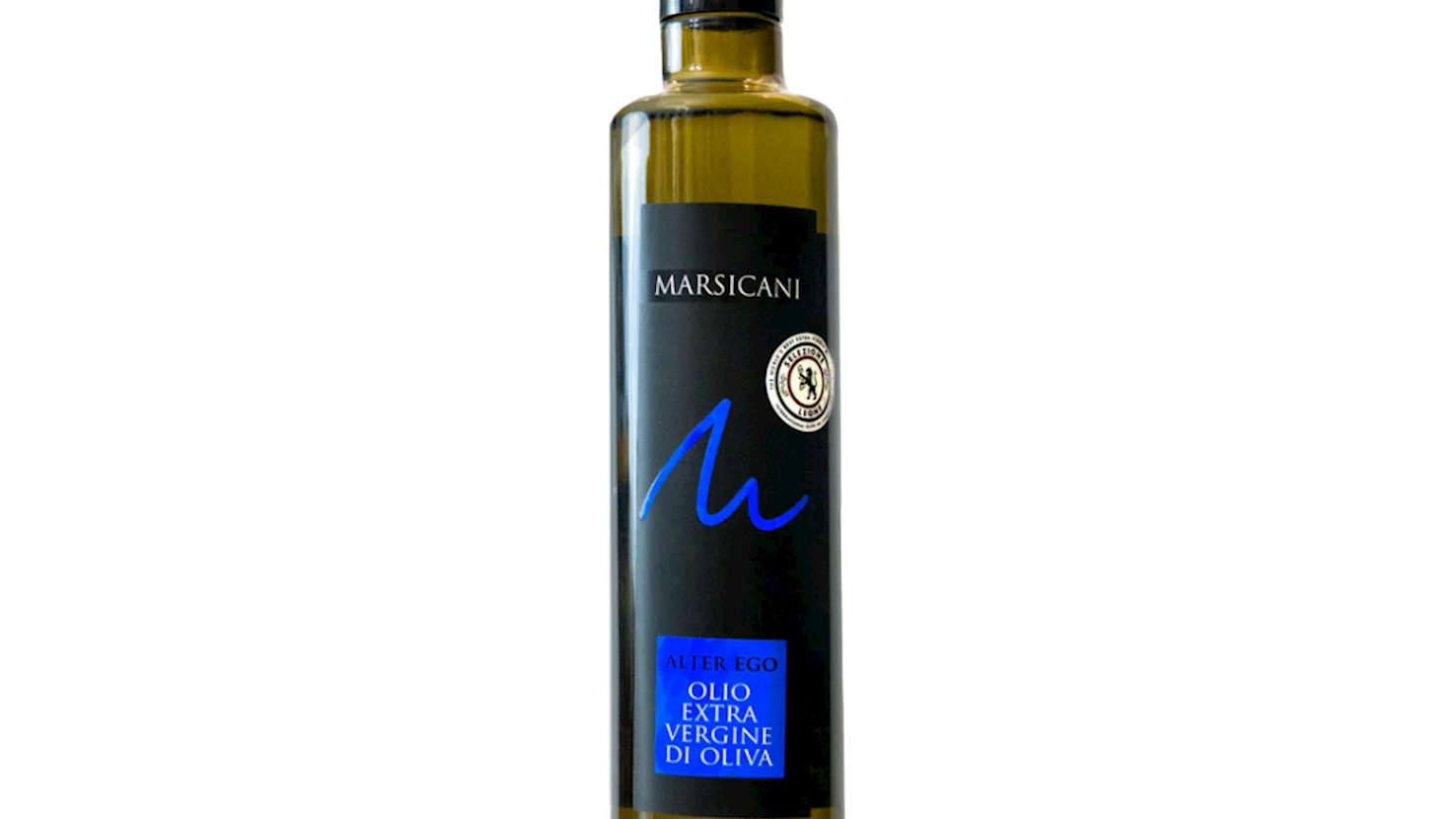
Marsicani

5.0 ·

Marsicani is a renowned Italian olive mill located in the heart of the Cilento National Park near Morigerati, currently led by Nicolangelo Marsicani. The family tradition of olive oil production dates back to the early 1900s, and today combines modern technology with local olive varieties such as Frantoio, Pisciottana, Rotondella, and Leccino.

Nicolangelo is also the founder of a local “school” for olive growers and actively contributes to improving production quality throughout the region through education and collaboration with other producers. The flavors of their oils combine pleasant bitterness and fresh pungency, with herbal and spicy notes that pair perfectly with fresh vegetables, salads, and even strongly flavored dishes such as tomatoes or game. They are committed to innovation in pressing, storage, and education of local farmers, which makes Marsicani one of the most respected and sustainable producers in the region.

Awards
EVO IOOC - Gold Medal (2023, 2022, 2021, 2019, 2017, 2016)
Terraolivo IOOC - Prestige Gold (2016, 2014)
02

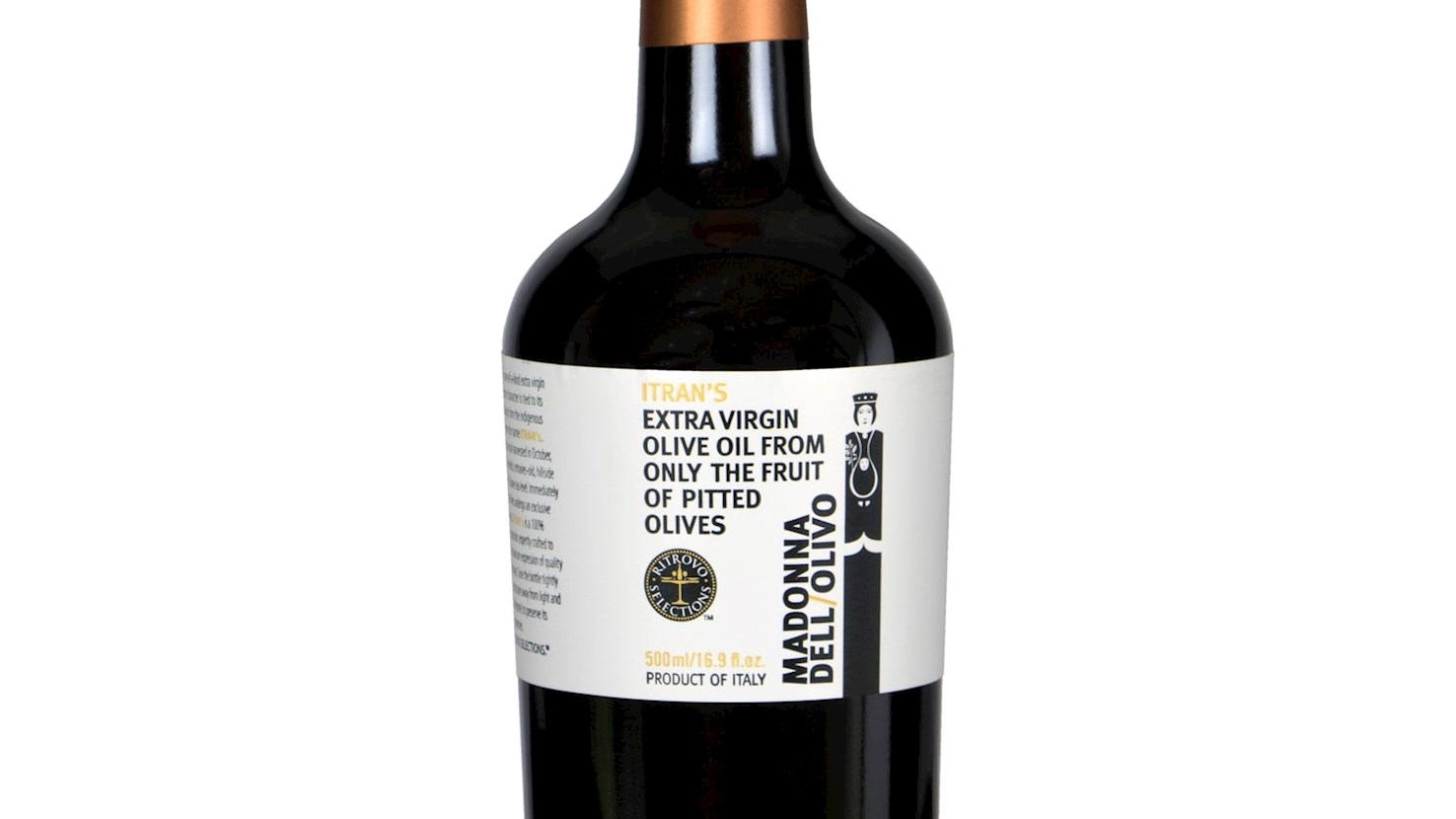
Madonna Dell’olivo

5.0 ·

Madonna dell’Olivo is an olive oil producer based in Salerno, Italy. They are known for their high-quality, extra virgin olive oil, produced using traditional methods.

The olives are often handpicked to ensure the best quality. Their production process emphasizes the freshness and purity of the oil.

Awards
Flos Olei - The Best (2022, 2021)
Olive Japan - Gold (2018)
03

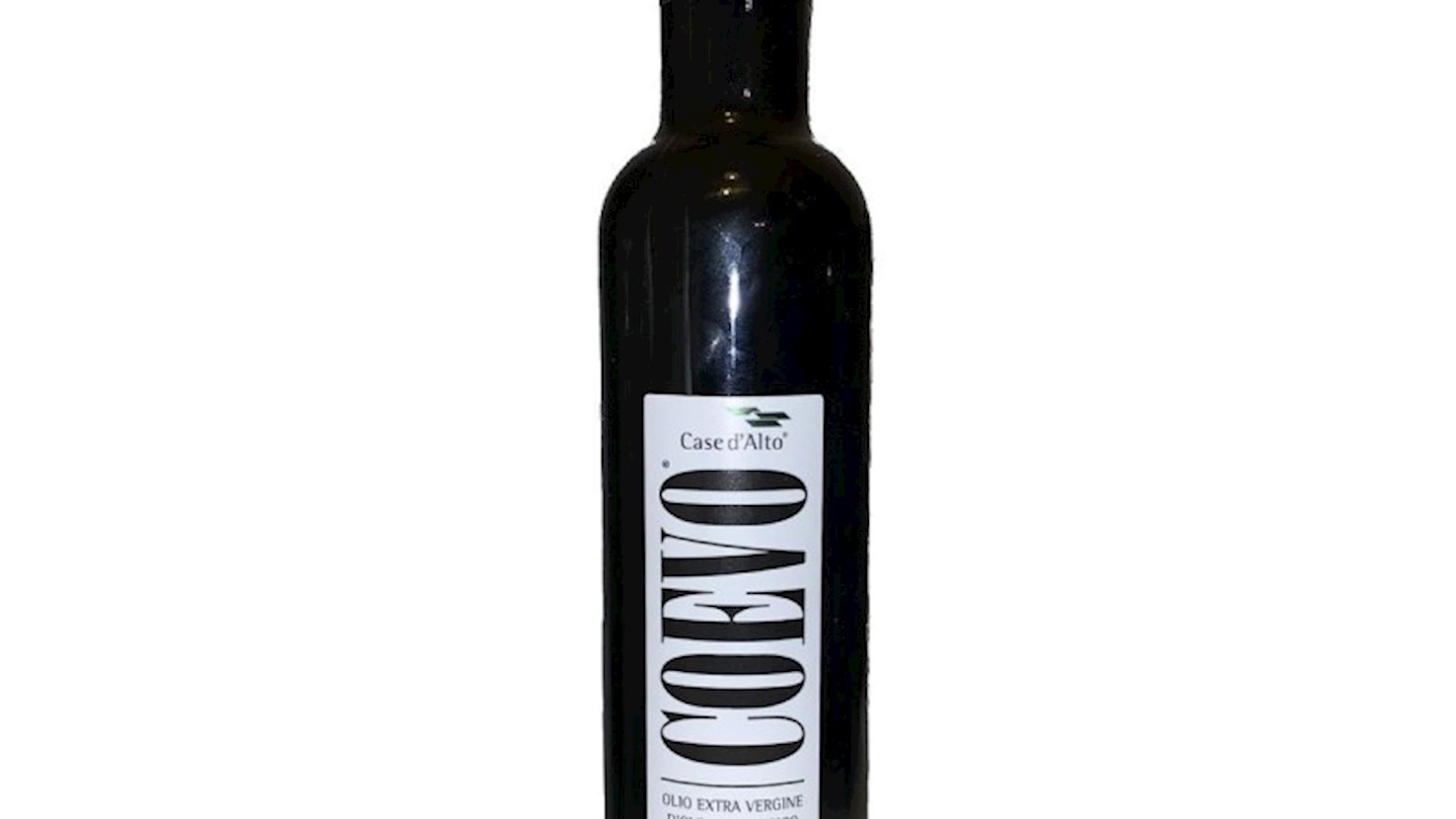
Az. Agr. Case D'alto

4.9 ·

Az. Agr.

Case d'Alto is an olive oil producer located in Avellino, Italy. The company focuses on traditional methods of cultivation and production to create high-quality olive oils.

They utilize local olive varieties, which contribute significantly to the distinct flavors of their oils. Their products have gained recognition in various national and international tasting competitions.

Awards
EVO IOOC - Gold Medal (2018, 2017, 2016)
NYIOOC - Gold (2023)
04

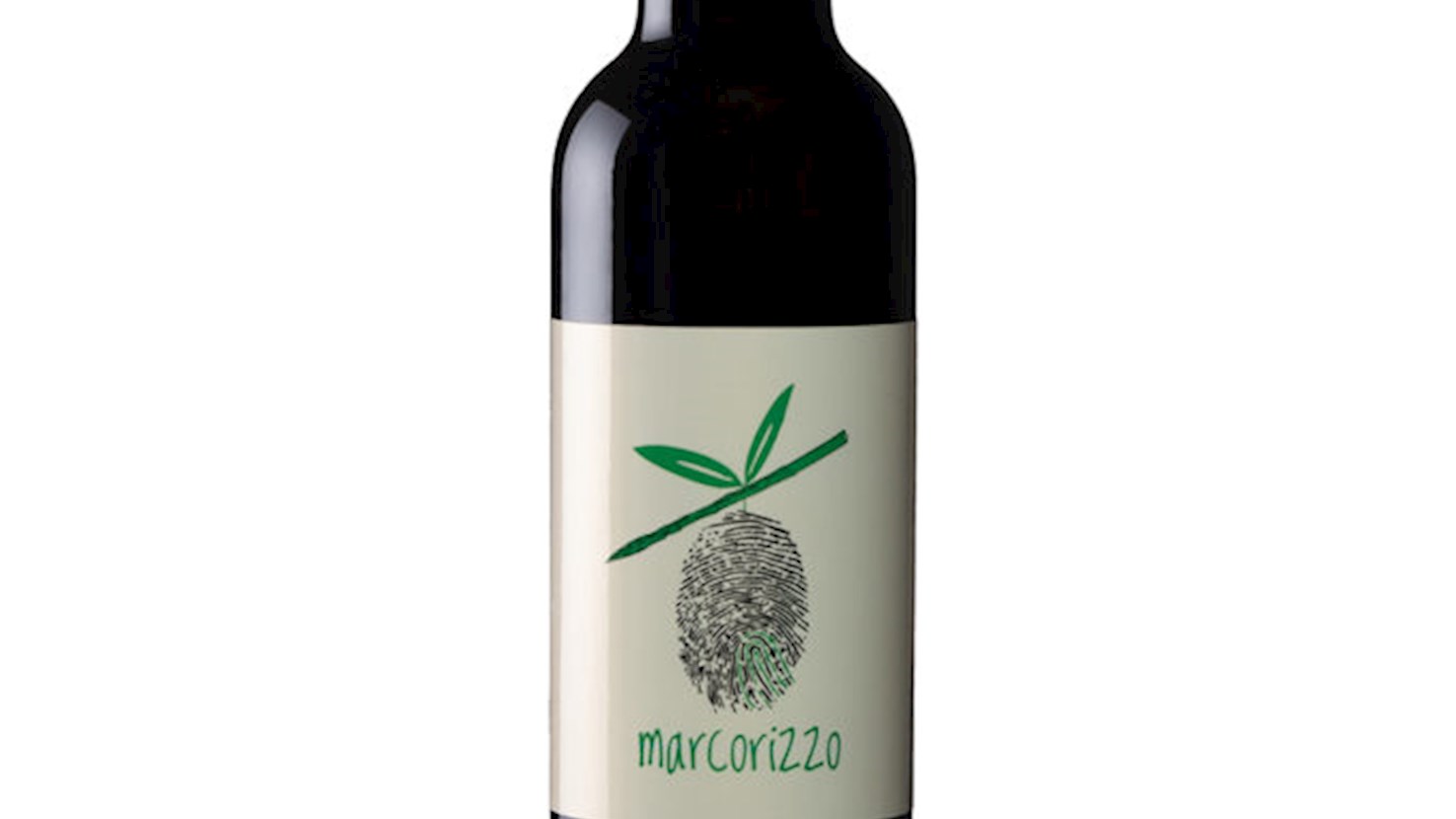
Azienda Agricola Marco Rizzo

4.9 ·
Awards
EVO IOOC - Gold Medal (2018)
05

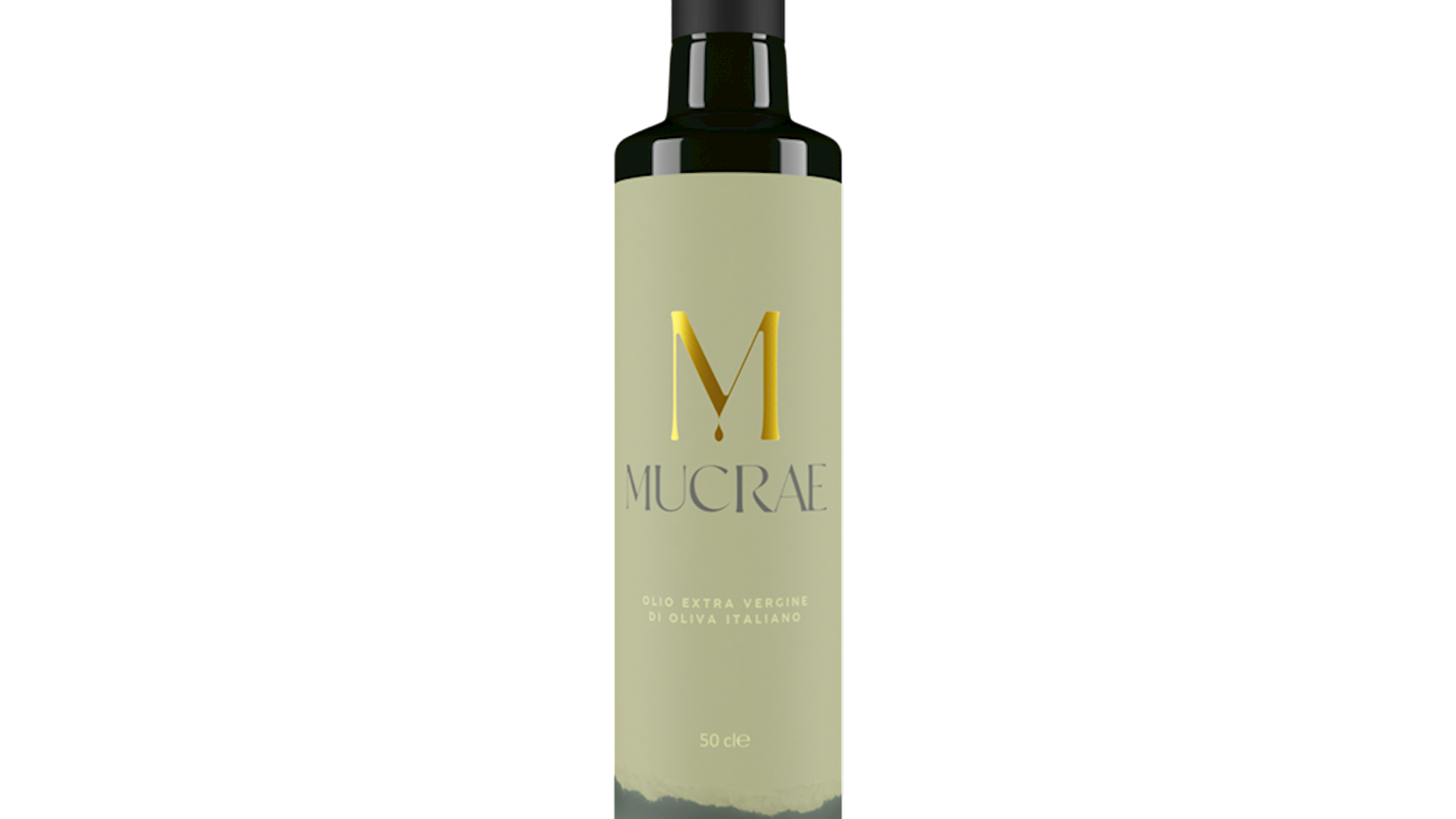
Mucrae

4.9 ·
Awards
EVO IOOC - Gold Medal (2023)
06

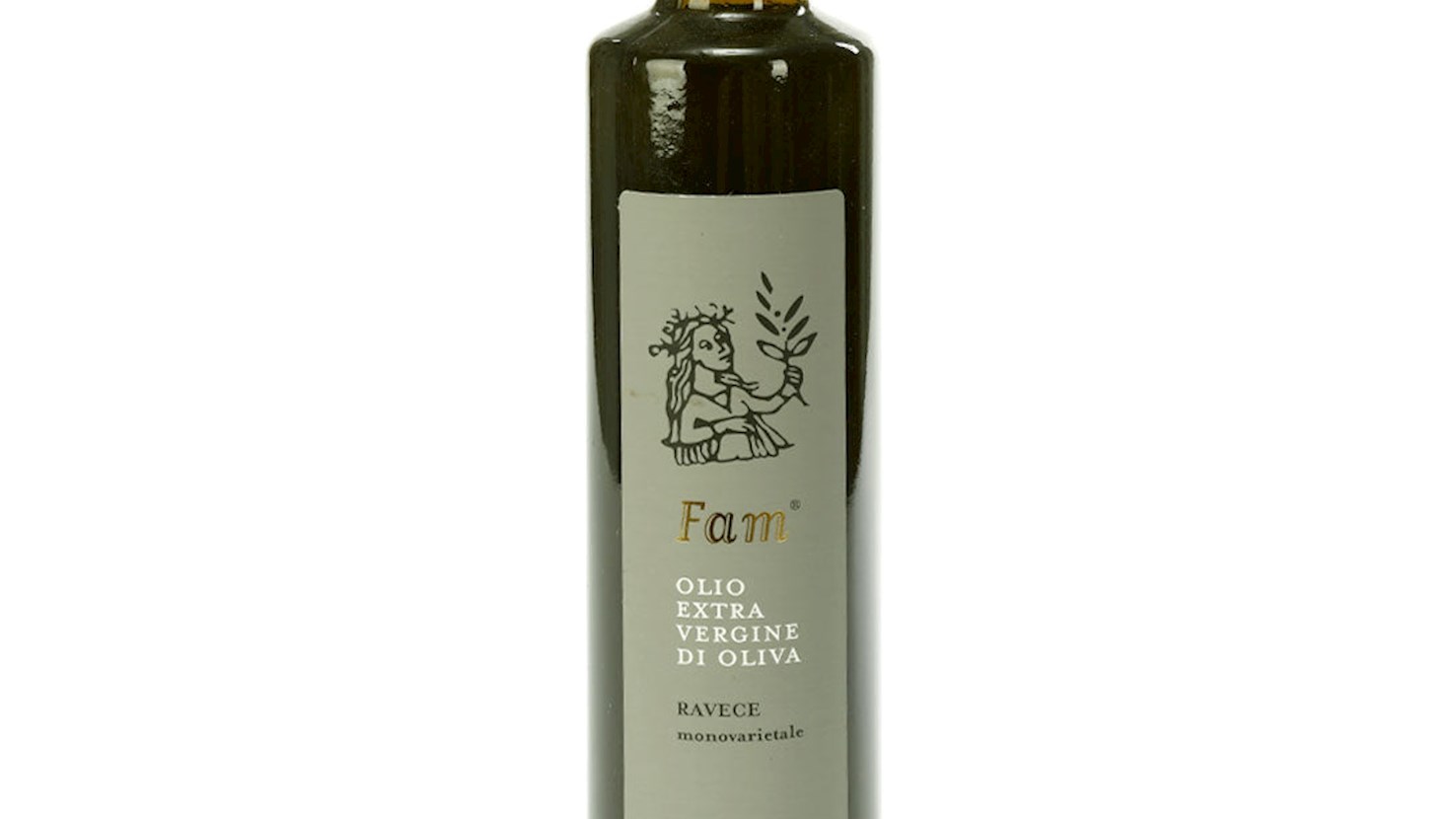
Oleificio Fam

4.9 ·
Awards
EVO IOOC - Gold Medal (2016)
07

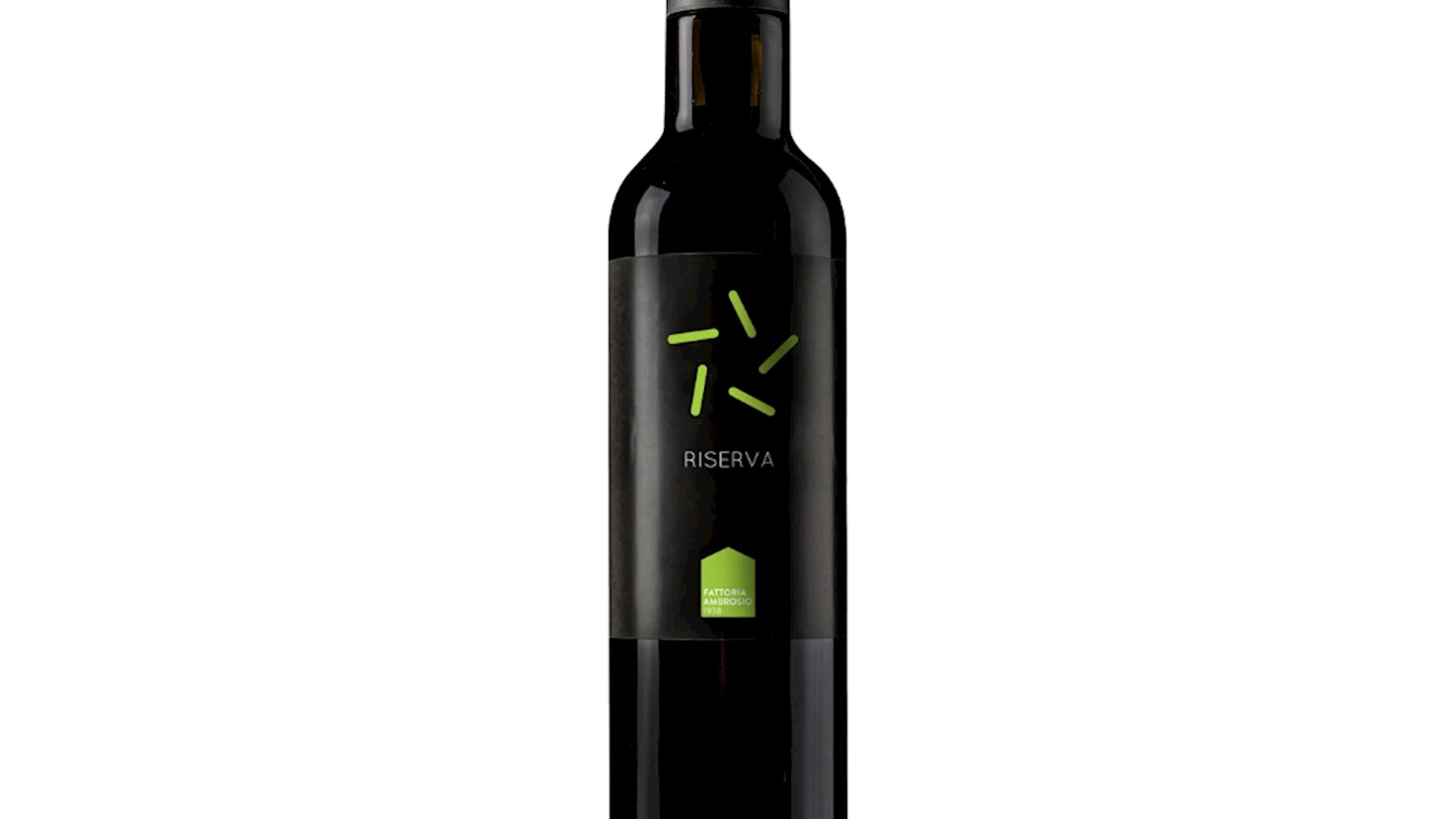
Fattoria Ambrosio

4.9 ·

Fattoria Ambrosio is a family estate in the province of Salerno, Campania, nestled within the protected landscape of the Cilento National Park. Since 1938, the Ambrosio family has cultivated olives with passion and respect for the land, blending long-standing tradition with a modern, sustainable approach. Across more than 30 hectares of olive groves, native varieties are carefully grown, harvested at the optimal moment, and pressed the very same day to preserve the authentic character of the fruit.

The result is a range of extra virgin olive oils with unique aromatic complexity, reflecting both the terroir of Campania and the heritage of the Ambrosio family. From balanced and elegant to bold and intense, their oils have earned international recognition and awards. Yet for the Ambrosio family, the greatest achievement remains honoring the land and creating oils that truly speak the language of nature.

Awards
Flos Olei - The Best (2021)
ATHENA IOOC - Double Gold (2018)
08

Az. Agr. Fierro Michele

4.9 ·

Az. Agr.

Fierro Michele is an olive oil producer based in Salerno, Italy. The business specializes in the cultivation and processing of olives to produce high-quality extra virgin olive oil.

The farm is known for its emphasis on traditional agricultural practices and sustainable farming methods. They offer a range of olive oil products that reflect the rich agricultural heritage of the Salerno region.

The company also engages in the local and international distribution of their olive oil products.

Awards
EVO IOOC - Gold Medal (2018)
09

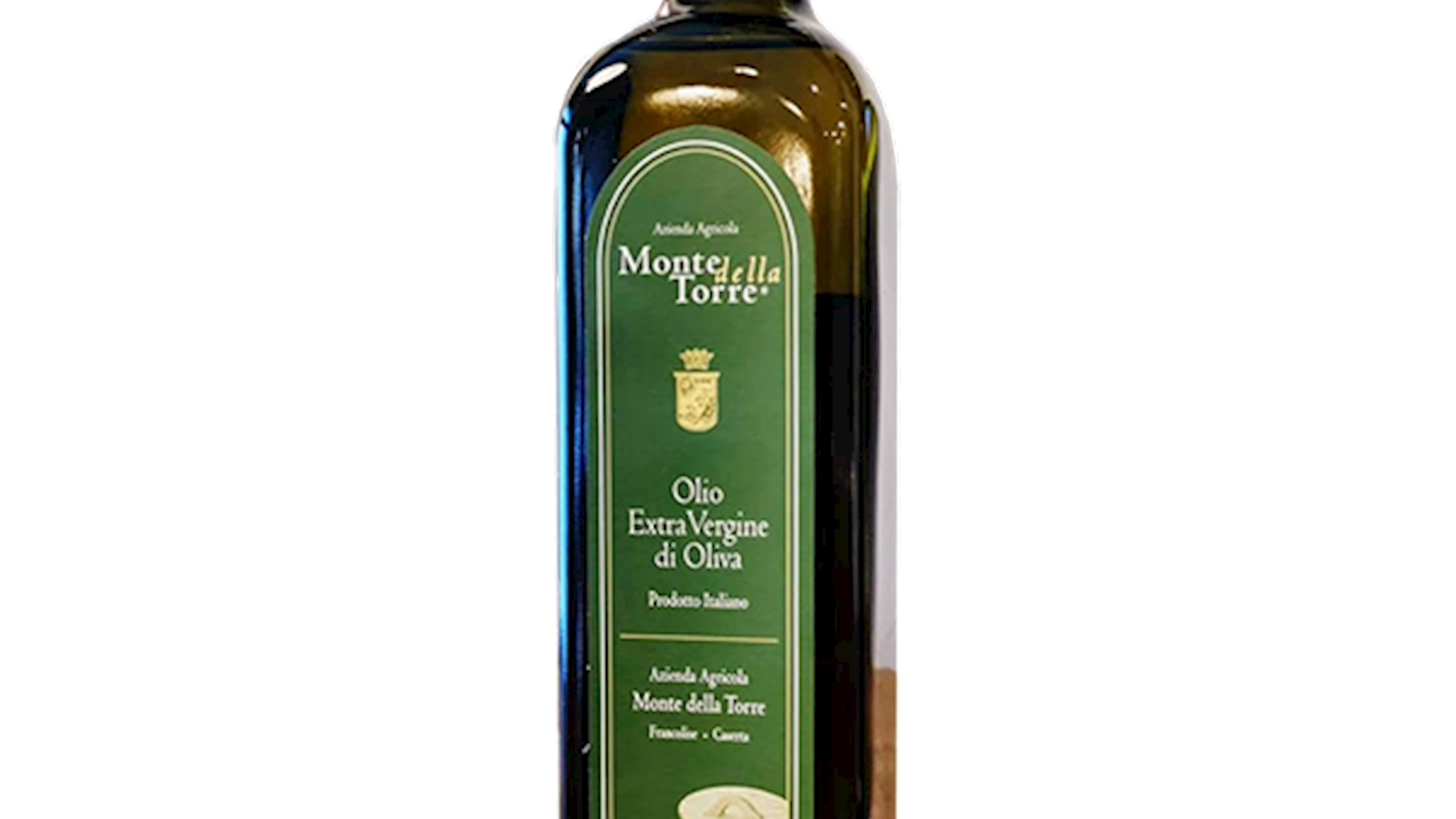
Az. Agricola Monte Della Torre

4.9 ·

Az. Agricola Monte della Torre is an olive oil producer based in Caserta, Italy.

The company specializes in extra virgin olive oil, priding itself on high-quality production standards. Their olive groves primarily feature local olive varieties, contributing to the distinct flavor profile of their oils.

Awards
EVO IOOC - Gold Medal (2020)
10

San Salvatore 1988

4.9 ·

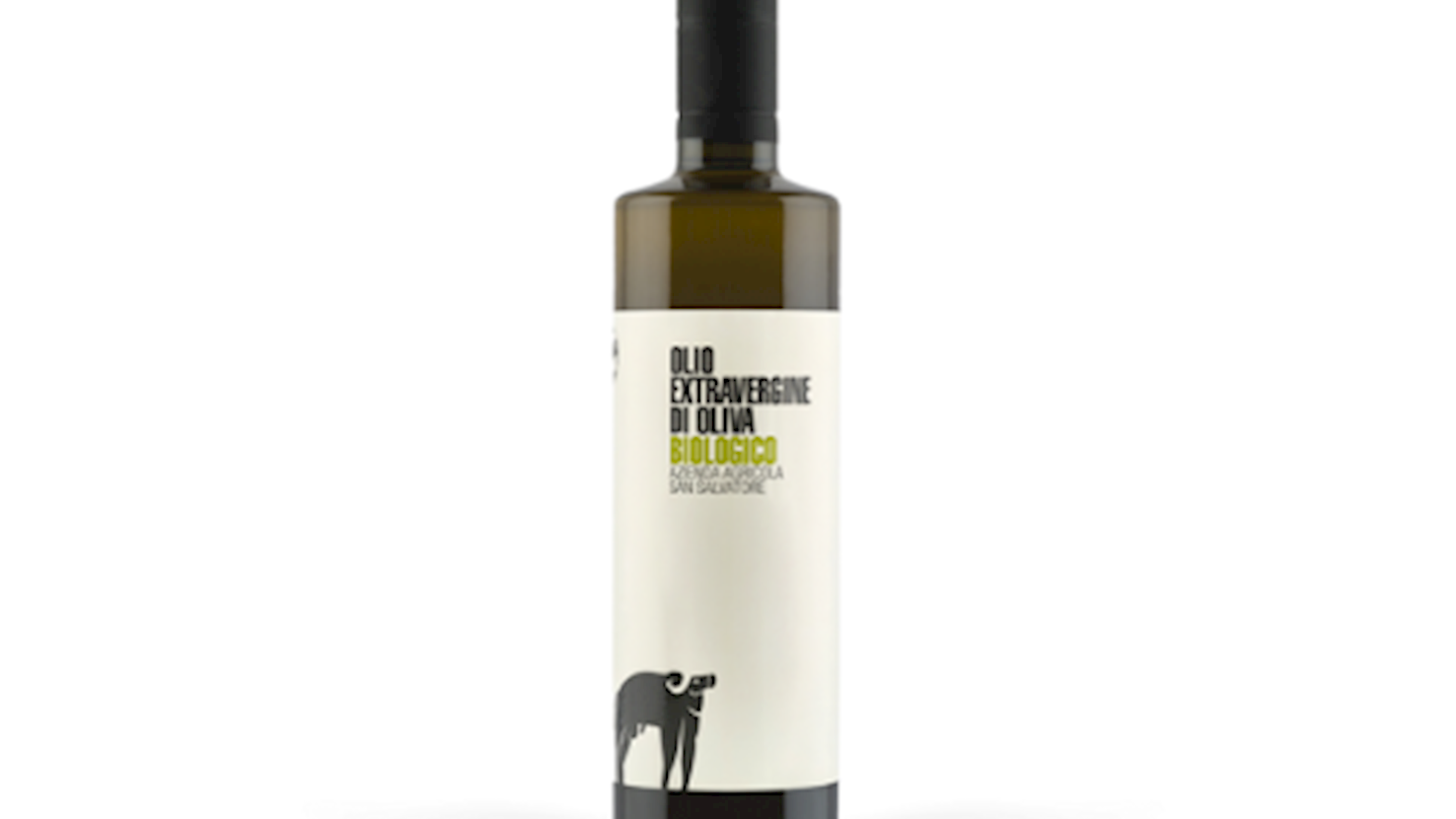
San Salvatore 1988 is a family-owned winery and agricultural estate located in the Cilento area of Campania, near Paestum, founded in 1988 by Giuseppe Pagano. The estate was created with the idea of a deep connection between nature, land and people, with a strong commitment to sustainable and organic farming, free from chemical pesticides and synthetic fertilizers.

Today, San Salvatore manages vineyards, olive groves and buffalo farms within the protected area of the Cilento National Park, which strongly shapes the identity of its products. The vineyards are planted at different altitudes and close to the sea, giving the wines distinctive freshness and mineral character.

In addition to wine, San Salvatore 1988 also produces olive oil as part of the same holistic and sustainable agricultural philosophy. Their extra virgin olive oil comes from estate-owned olive groves in the Cilento area and is made using organic methods without chemical treatments.

It is obtained through cold extraction and is characterized by fresh herbal aromas, notes of artichoke, and a gentle bitterness with a delicate peppery finish. As with their wines, the focus is on preserving the natural environment and expressing the authenticity of the terroir, making the olive oil a natural extension of their commitment to quality and sustainability.

Awards
Vivino - 4.1
EVO IOOC - Gold Medal (2018, 2017)

Best Campanian Olive Oil Types
01

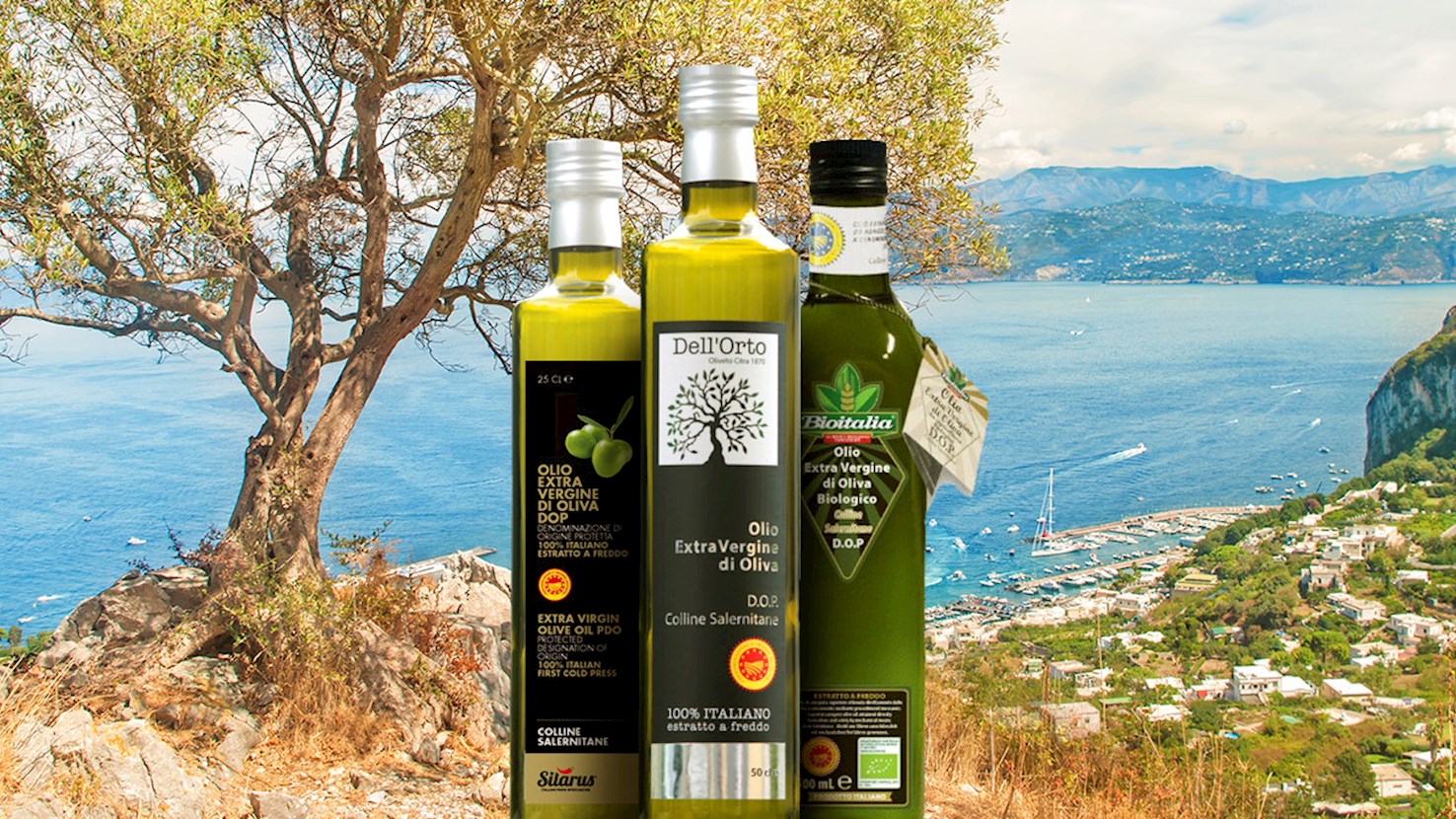
Colline Salernitane

n/a ·

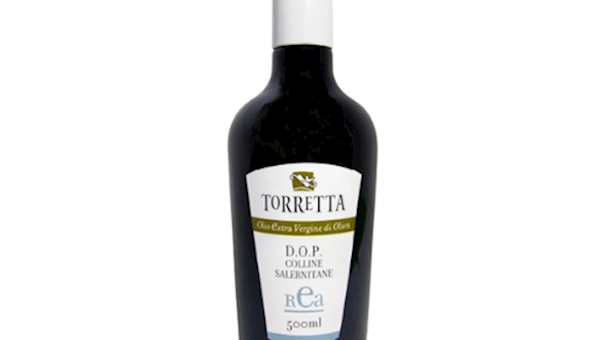
Colline Salernitane extra virgin olive oil is produced in the hills around the city of Salerno in Campania. The designated zone of production stretches from the Amalfi Coast to the Cilento National Park, and the microclimate of the area gives this extra-virgin olive oil an intense color and a unique fruity flavor. Colline Salernitane is made from at least 65% of Rotondella, Frantoio, Carapellese and Nostrale olive varieties, while the rest is obtained from Ogliarola, Leccino and other locally grown cultivars. The color of Colline Salernitane varies from yellow to green, and the taste has a pronounced bitter note. However, since the taste slightly changes over time, Colline Salernitane extra virgin olive oil is more prized when it's young. It is commonly used in vegetable soups and stews, traditional pasta dishes and with grilled fish.

02

Irpinia - Colline dell’Ufita

n/a ·

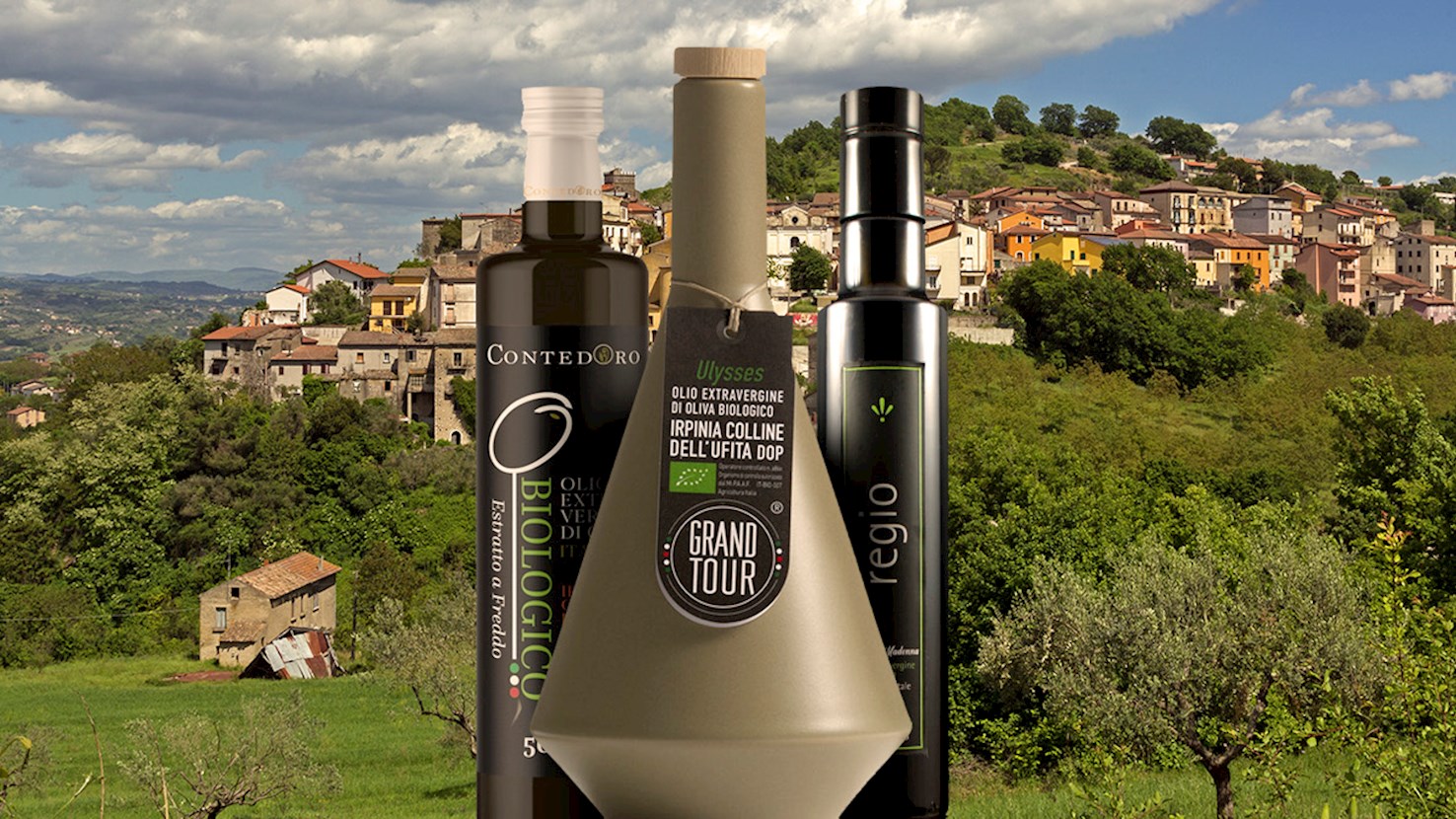
The Irpinia-Colline dell’Ufita extra virgin olive oil is produced in the province of Avellino and obtained predominantly from the Ravece cultivar (at least 60% of the groves), which is ideal for growing in this area thanks to its high resistance to frost and snow. Other varieties used for the Irpinia oil are Ogliarola, Marinese, Olivella, Ruveia and Vigna della Corte, individually or combined, and at times also Leccino and Frantoio. The olives must be picked by the end of December, either by hand or mechanically, and pressed within 48 hours of harvesting. Irpinia - Colline dell’Ufita extra virgin olive oil ranges from straw yellow to green in color, varies in intensity and has a pronounced aroma of fruits and grass, with a rather bitter and piquant taste. It is mainly used raw to complement various meat and vegetable-based dishes, including soups and minestrones, as well as salads and bruschettas.

03

Terre Aurunche

n/a ·

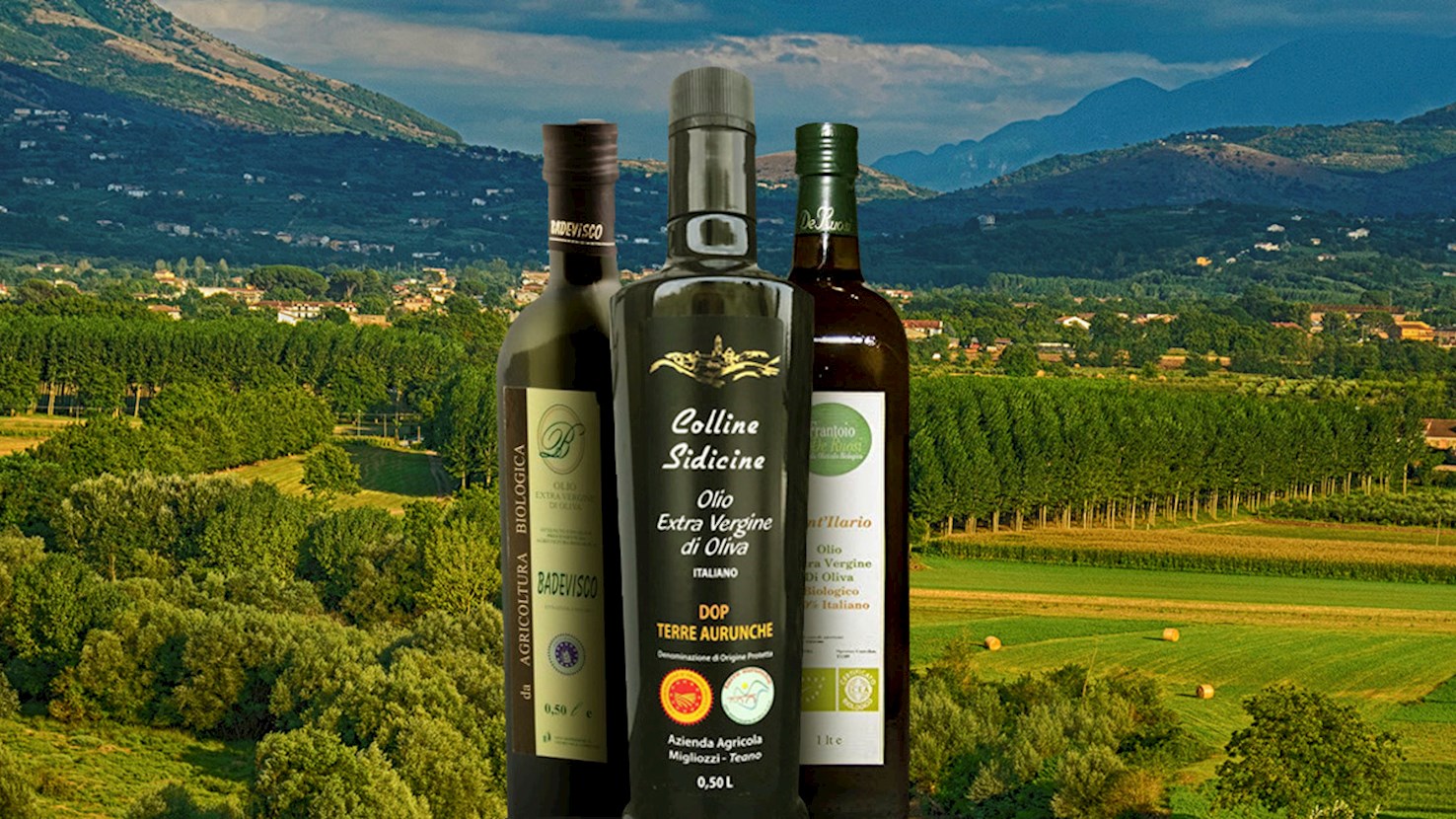
Terre Aurunche extra virgin olive oil is produced in the province of Caserta and predominantly obtained from the indigenous Sessana olive variety, which must make up at least 70% of the groves. Terre Aurunche has a mild to strong fruity aroma with hints of artichokes and almonds, typical of the Sessana olive variety, which must make up at least 70% of the groves. It has a mild to strong fruity aroma with hints of artichokes and almonds, and a well-balanced taste of bitterness and piquancy. The color of this olive oil ranges from straw yellow to green, varying in intensity. Because of its versatile flavor, this olive oil is used in many traditional dishes of Campania.

04

Penisola Sorrentina

n/a ·

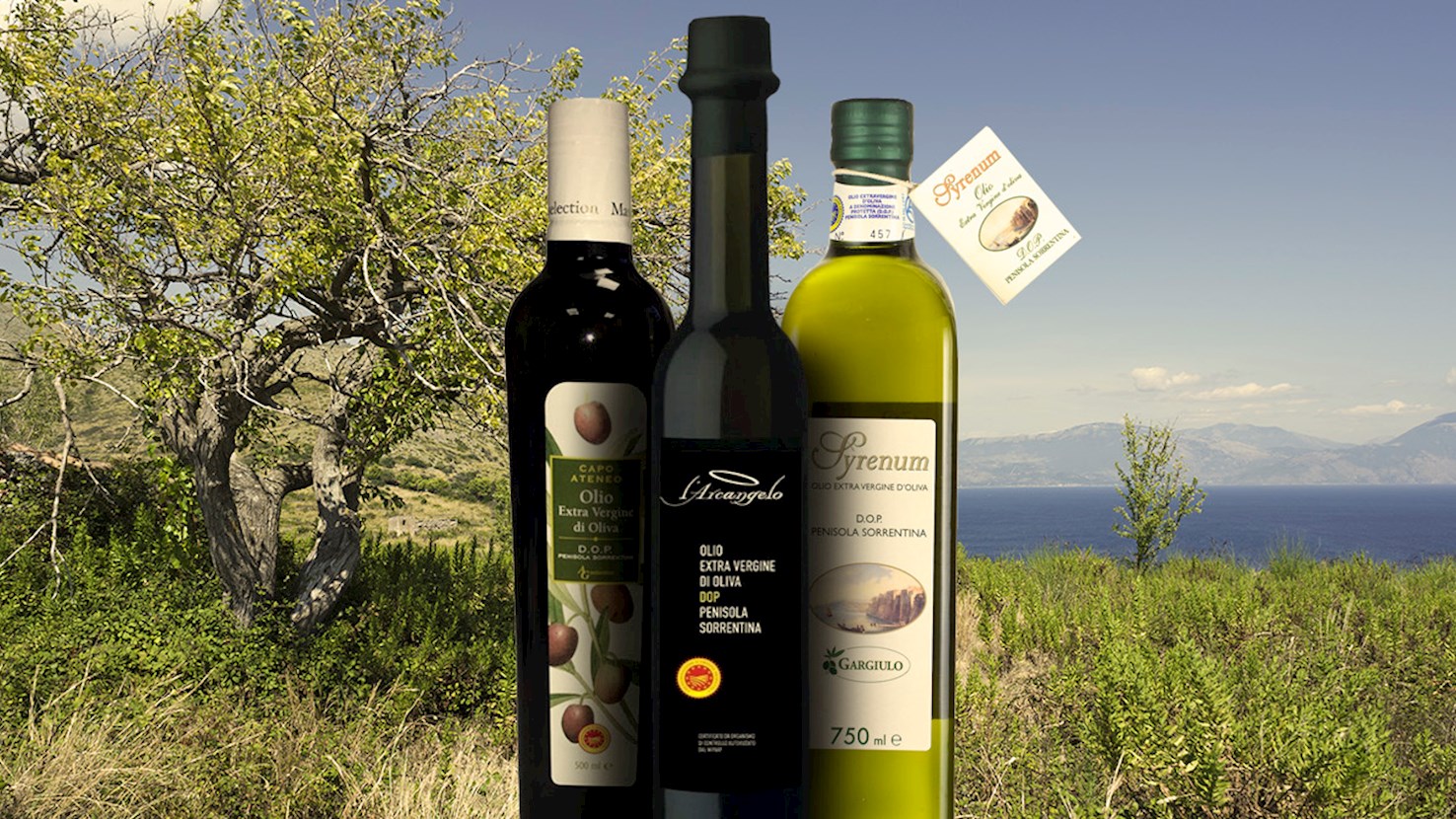
As it might be suggested by its name, Penisola Sorrentina extra virgin olive oil of is produced on the peninsula of Sorrentina, located in the province od Naples, where olive cultivation dates back to the era of Great Greece. The Sorrentina oil is obtained from the Ogliarola or Minucciola olive variety, which must make up at least 65% of the groves, while the Rotondella, Frantoio and Leccino varieties make up the remaining 35% of the groves. Penisola Sorrentina is straw yellow in color, and has a fruity aroma with herbal notes, especially those of rosemary and mint. The fruity taste of this oil is well balanced with the bitter and piquant aftertaste. Because of its strong aromatic flavor, Penisola Sorrentina is perfect for using in most typical dishes of the Campania region, including grilled fish and vegetables or even for preparing lemon sorbettos and other local desserts.

05

Cilento

n/a ·

This extra virgin olive oil is named after Cilento, a coastal strip in the province of Salerno, located further south than the fabled Amalfi Coast. Olive groves are one of the main features of this coastal town. The olives used for Cilento oil come from Pisciottana, the oldest local varietal, and also Rotondella, Ogliarola or Uogliarola, Frantoio, Salella and Leccino olive varieties. They must be picked before the end of December and pressed within two days of harvesting. Cilento is straw-yellow to green in color, with a maximum acidity of 0.70 percent. Cilento olive oil has a delicate yet pronounced fruity aroma and quite a pleasantly sharp and appetizing taste with hints of bitterness.

Read more
View all
View map
About this ranking

TasteAtlas food rankings are based on the ratings of the TasteAtlas audience, with a series of mechanisms that recognize real users and that ignore bot, nationalist or local patriotic ratings, and give additional value to the ratings of users that the system recognizes as knowledgeable. For the “Top 32 Campanian Olive Oils” list until July 22, 2026, 24 ratings were recorded, of which 10 were recognized by the system as legitimate. TasteAtlas Rankings should not be seen as the final global conclusion about food. Their purpose is to promote excellent local foods, instill pride in traditional dishes, and arouse curiosity about dishes you haven’t tried.

The initial list of top producers was compiled based on available reviews, awards, local recommendations, media and blog coverage, and consumer reviews. The list will be updated with ratings from TasteAtlas local ambassadors and TasteAtlas users.

Similar lists