shutterstock

Top 8 Roman Pasta

Last updated on May 15, 2026

Best Roman Pasta

01

Pastificio Secondi

4.8 ·
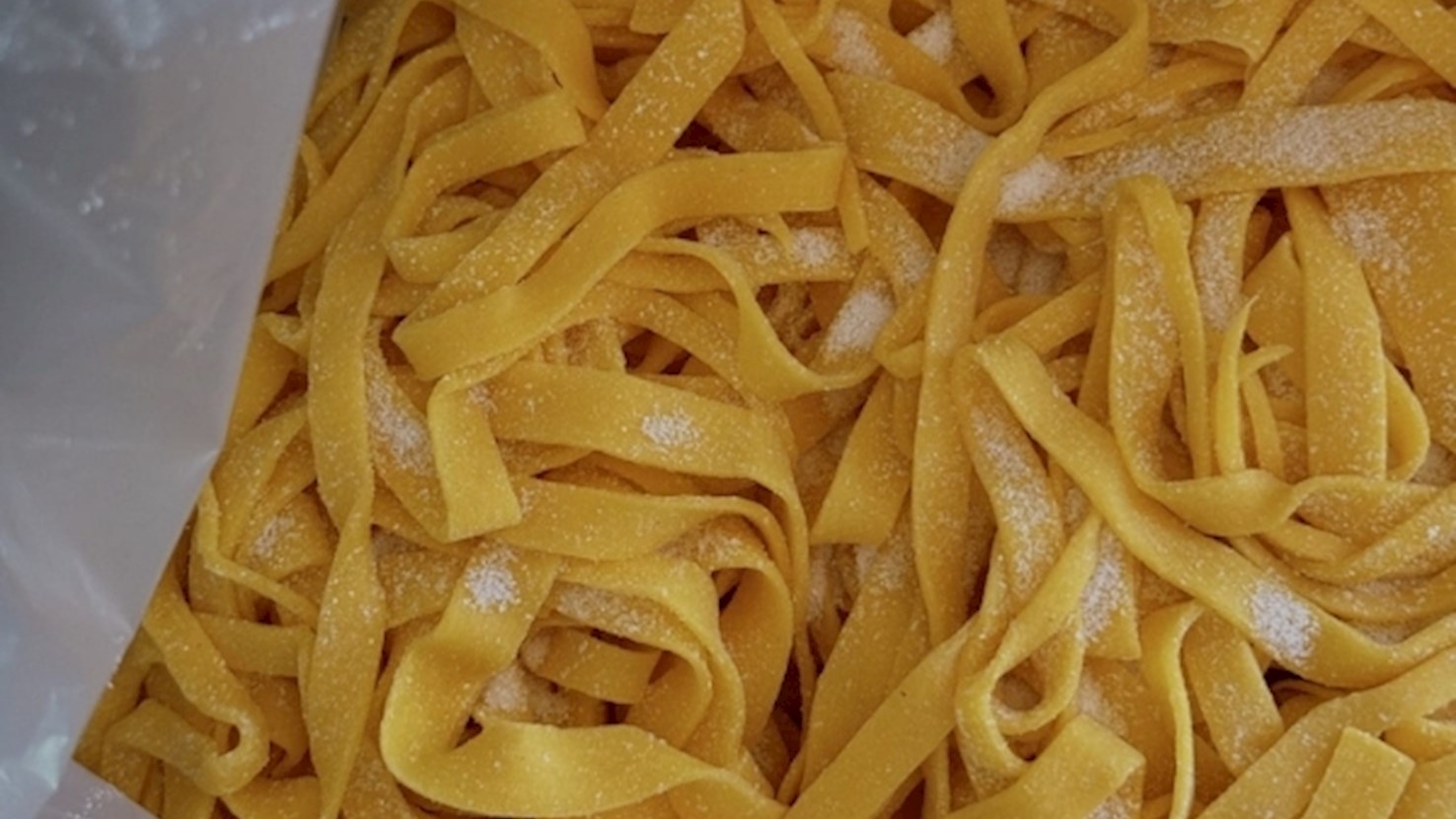
Pastificio Secondi is a family-run fresh pasta workshop based in Rome, founded in 1985, specializing in the artisanal production of traditional Italian pasta formats. The focus is on daily preparation of fresh pasta without preservatives or artificial additives, using carefully selected ingredients such as durum wheat flour, fresh eggs, ricotta, seasonal vegetables, and regional cheeses. The range includes classic shapes like tagliatelle, fettuccine, and gnocchi, as well as filled varieties such as ravioli and tortelli with diverse fillings. The dough is thinly rolled and elastic, delivering a defined texture once cooked, while the fillings are developed to maintain balance between pasta and stuffing. Production remains small-scale, emphasizing freshness and short distribution chains. Within the Roman culinary context, Pastificio Secondi is regarded as a reliable producer of fresh pasta for both home consumers and professional kitchens.
02

Pastificio Lagano

4.6 ·
Pastificio Lagano is a Rome-based producer of dried pasta focused on an artisanal approach and carefully controlled production methods. The foundation of its products is 100% Italian durum wheat semolina, while shaping is carried out using bronze dies (trafilatura al bronzo), resulting in a rough surface that allows sauces to adhere more effectively. The pasta is slowly dried at low temperatures to preserve gluten structure and maintain the natural flavor of the grain. The range includes traditional Italian formats such as rigatoni, paccheri, fettuccine, and other classic shapes suited to regional recipes. Once cooked, the texture is firm and elastic, delivering a clearly defined al dente bite. The ingredient list is simple, typically limited to semolina and water, without additives. Pastificio Lagano positions itself in the segment of high-quality artisanal pasta intended for both home cooking and professional gastronomy.
03

Pastificio Futuro

4.5 ·
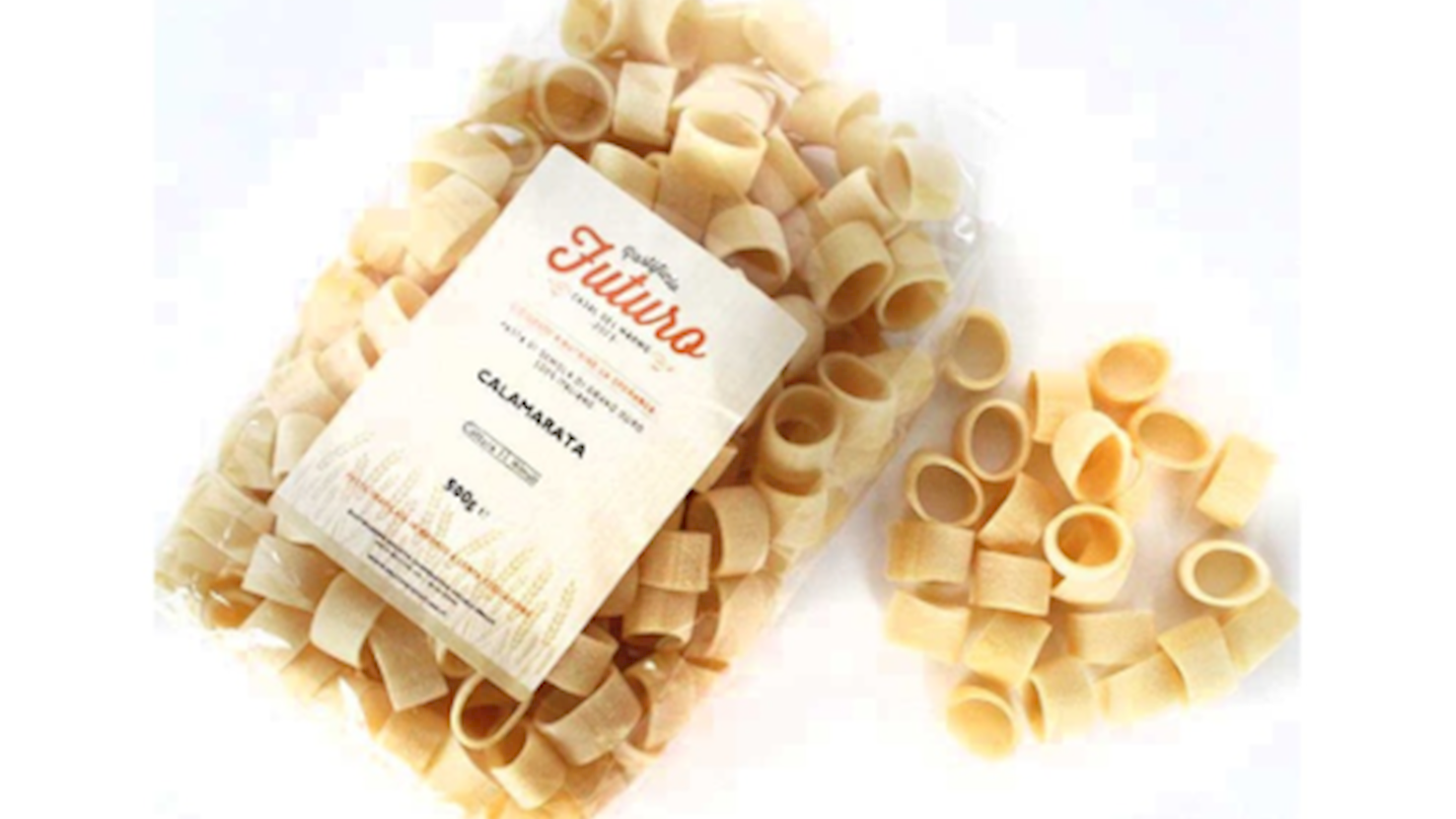
Pastificio Futuro is a pasta manufacturer that combines traditional Italian craftsmanship with modern innovations. Based in Italy, the company is dedicated to producing high-quality pasta, exploring new approaches to enhance the flavor, texture, and sustainability of its products. Using the finest semolina from durum wheat, Pastificio Futuro ensures that each product is of the highest quality. The company specializes in various pasta shapes, from classic favorites to unique, contemporary designs. Their products are made with deep respect for Italian culinary tradition, while also utilizing the latest technology in the production process. This allows the pasta to maintain excellent qualities during cooking, perfectly absorbing sauces while providing a delightful bite.
04

Molino Conti

4.4 ·
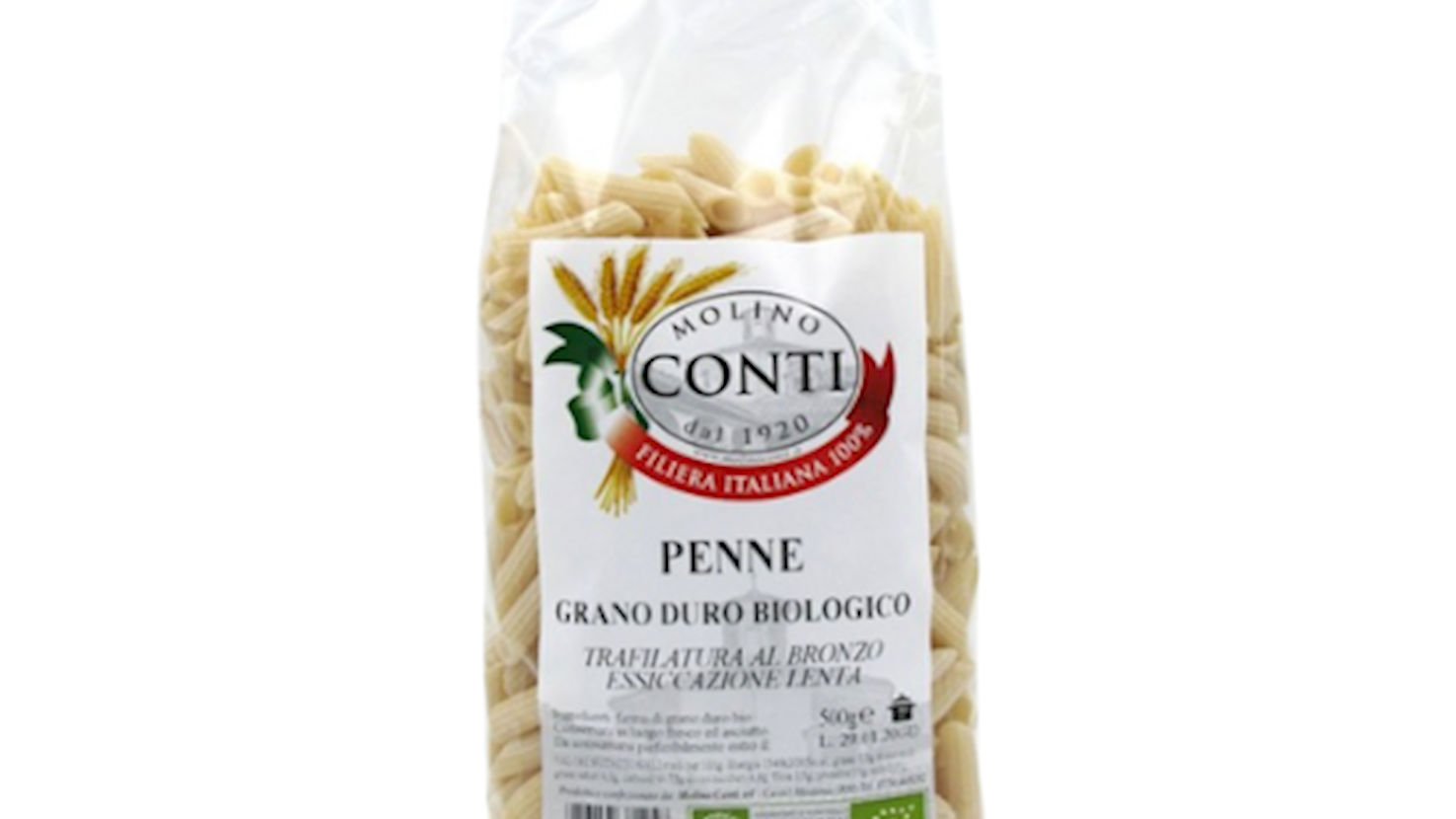
Molino Conti is a family-owned Italian company with a long-standing tradition, founded in 1920 and based in Castel Madama, near Rome. For over a century, the company has nurtured a unique synergy between tradition and innovation in the production of flour and pasta. At the heart of their process is the use of stone milling, an ancient technique that preserves the nutritional value of grains, particularly minerals and the aroma of the wheat germ. In addition, Molino Conti takes pride in operating a fully Italian supply chain, meaning all raw materials are sourced from Italy and every stage of production is controlled within the country. The company produces high-quality flours as well as both dried and fresh pasta. Their pasta is bronze-extruded and slow-dried at low temperatures for over 20 hours, resulting in a rough-textured product that perfectly captures and holds sauces. Thanks to the careful selection of ingredients, artisanal precision, and strict quality control, Molino Conti has earned a reputation as one of the leading small-scale producers of flour and pasta in the Lazio region and beyond.

Best Roman Pasta

01

Carbonara

4.3 ·

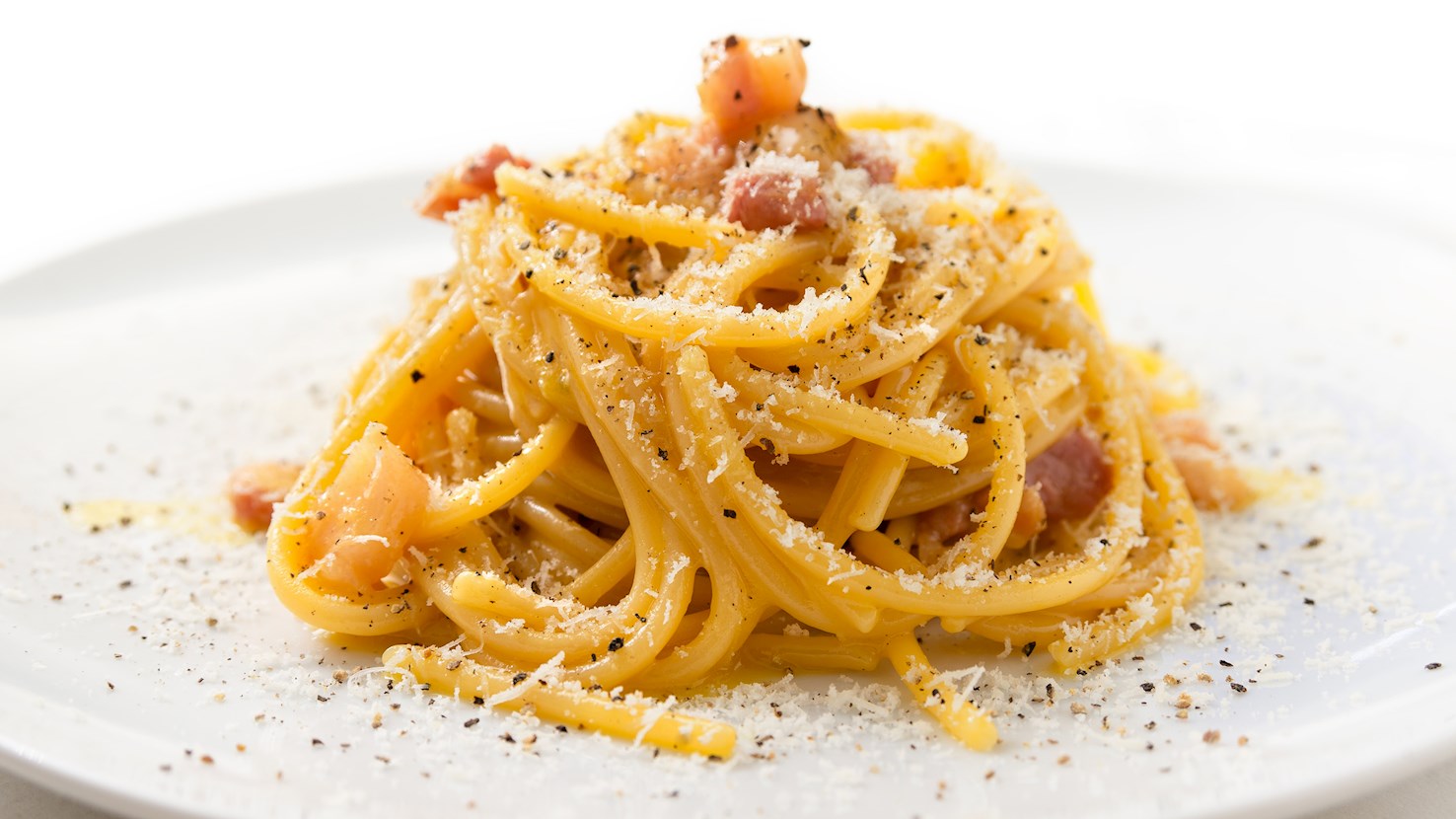
The carbonara we know today is prepared by simply tossing spaghetti with guanciale (cured pork jowl), egg yolks, and Pecorino Romano cheese. Despite its simplicity, this dish remains one of Rome's favorites, equally popular throughout the country. Even though carbonara is considered a typical Roman dish today, its origins are quite vague and often disputed. The name is said to have been derived from the carbonari, woodcutters and charcoal-makers who lived in the Appenine mountains northeast of Rome, and who supposedly cooked their pasta over a hardwood charcoal fire and tossed it with eggs and cheese. Another popular theory claims that carbonara was invented after the liberation of Rome in 1944, when food shortages were so severe that Allied troops distributed bacon and powdered eggs, which the local population would then mix with water to make pasta sauce.

02

Cacio e pepe

4.2 ·

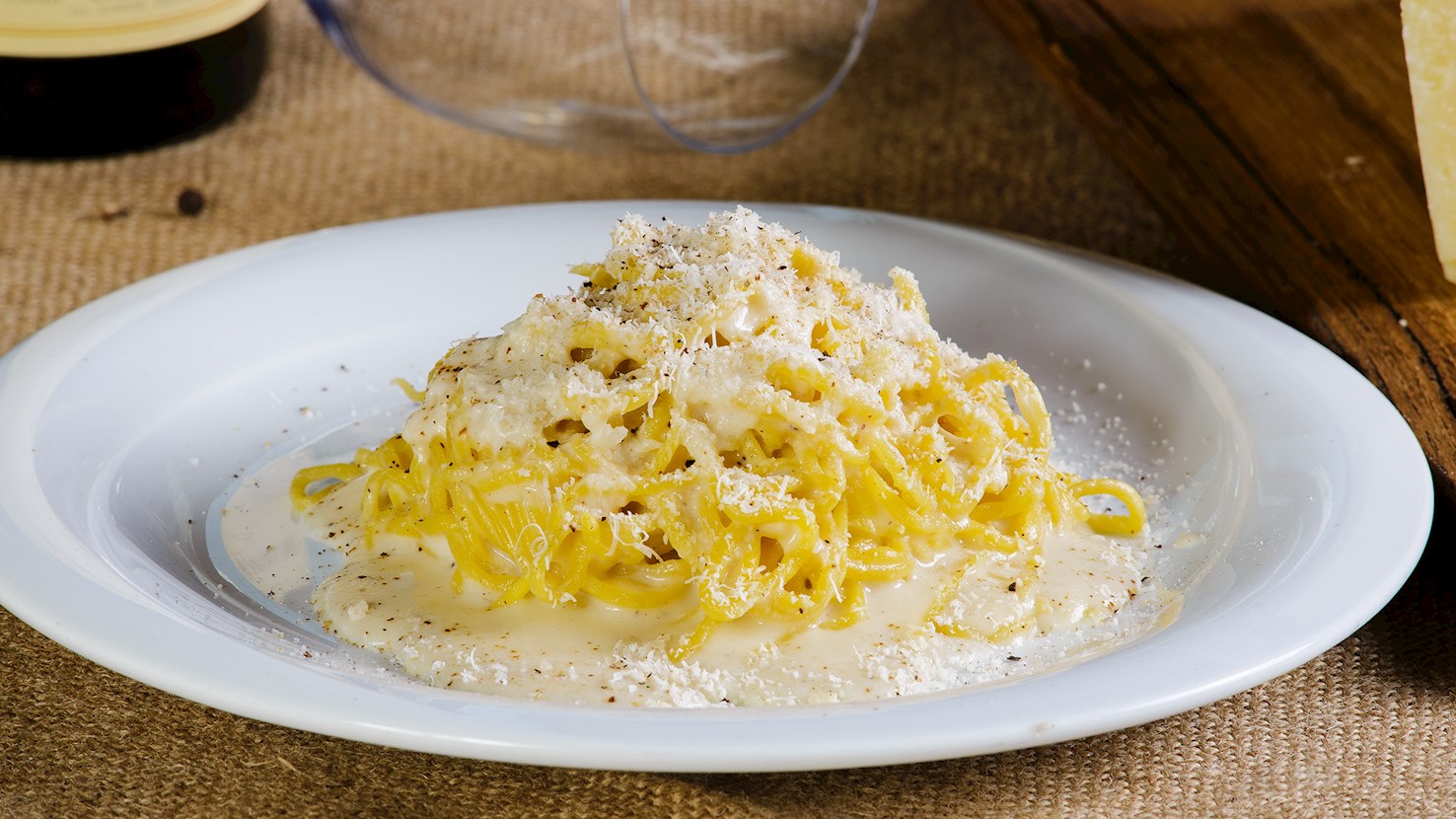
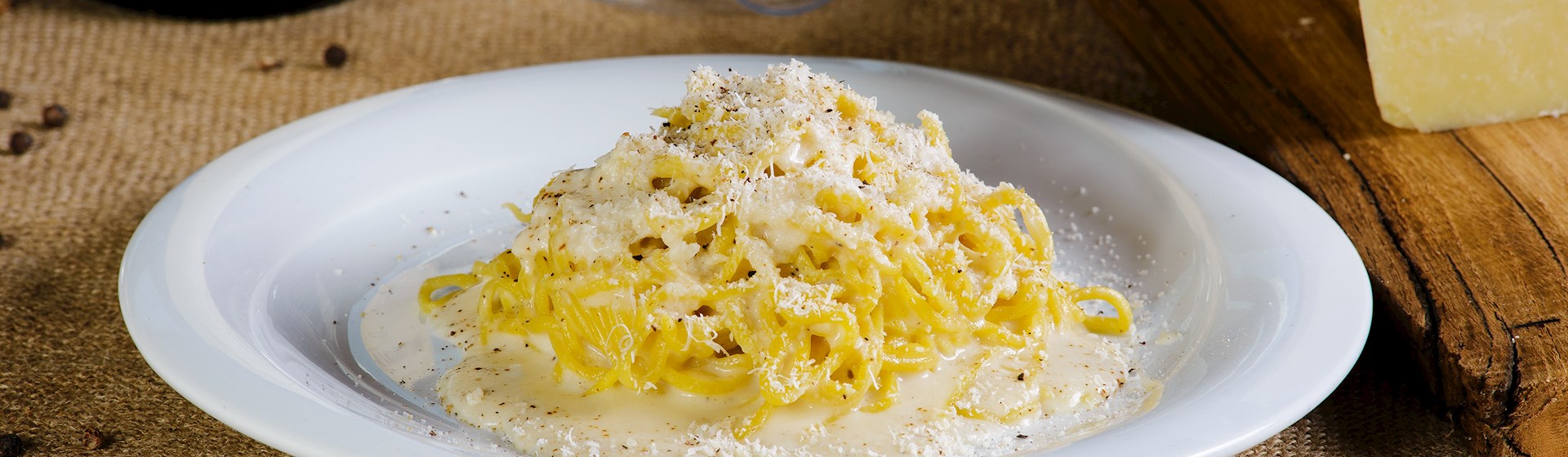
This ancient dish with Roman origins is regarded as one of the simplest and most satisfying Italian dishes. Cacio e pepe consists of pasta (usually spaghetti), aged Pecorino Romano cheese, salt, and lots of ground black pepper. Since the ingredients are easy to transport and do not spoil easily, it was once the favorite dish of Roman shepherds. The spicy pepper protected the shepherds from the effects of cold weather during the night, while the pasta provided them with the carbohydrates they needed to perform their back-breaking labor. However, this simple meal is so good that the famous chef and television personality Anthony Bourdain described it by saying it "could be the greatest thing in the history of the world."

03

Penne all'arrabbiata

4 ·

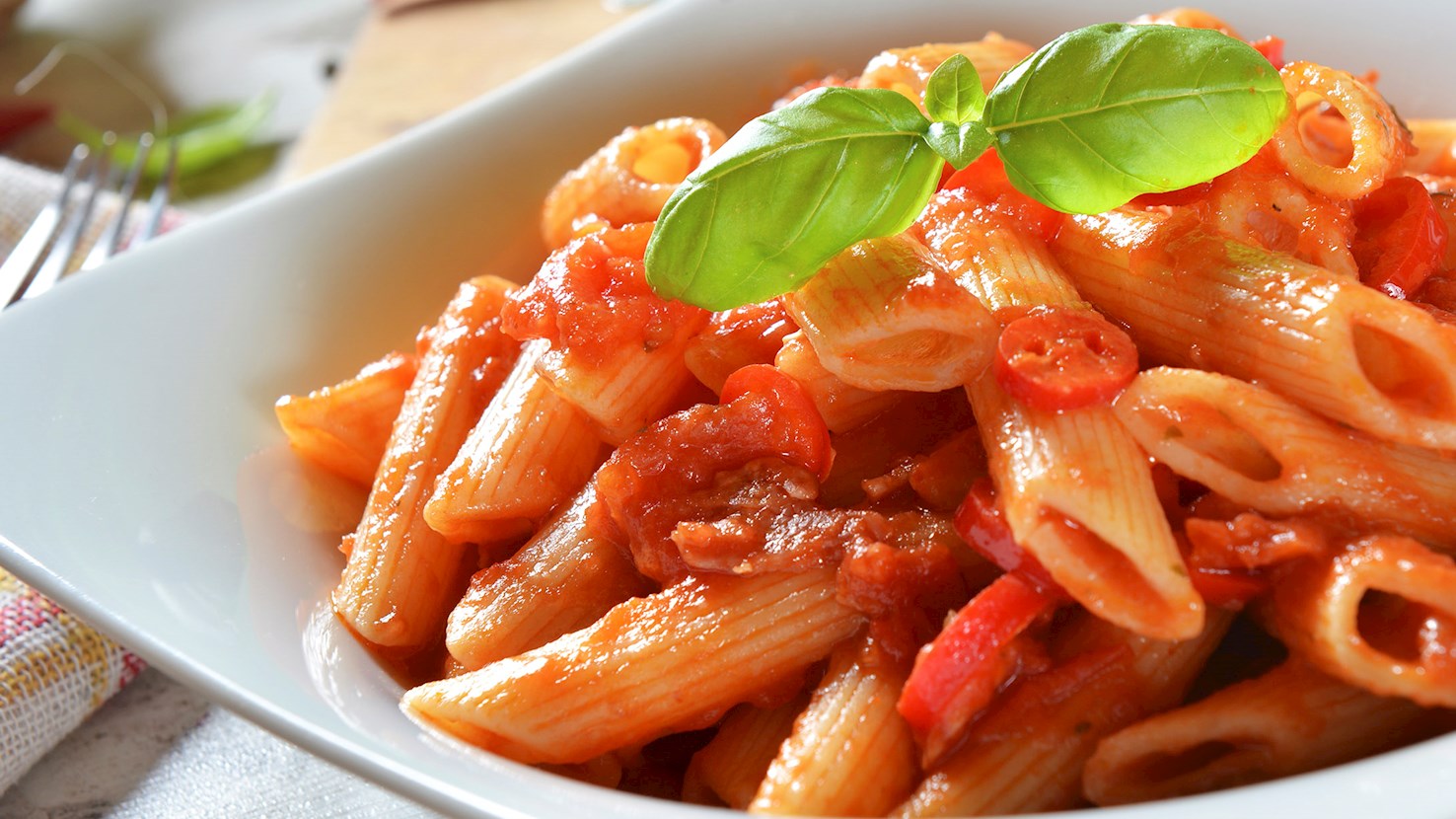
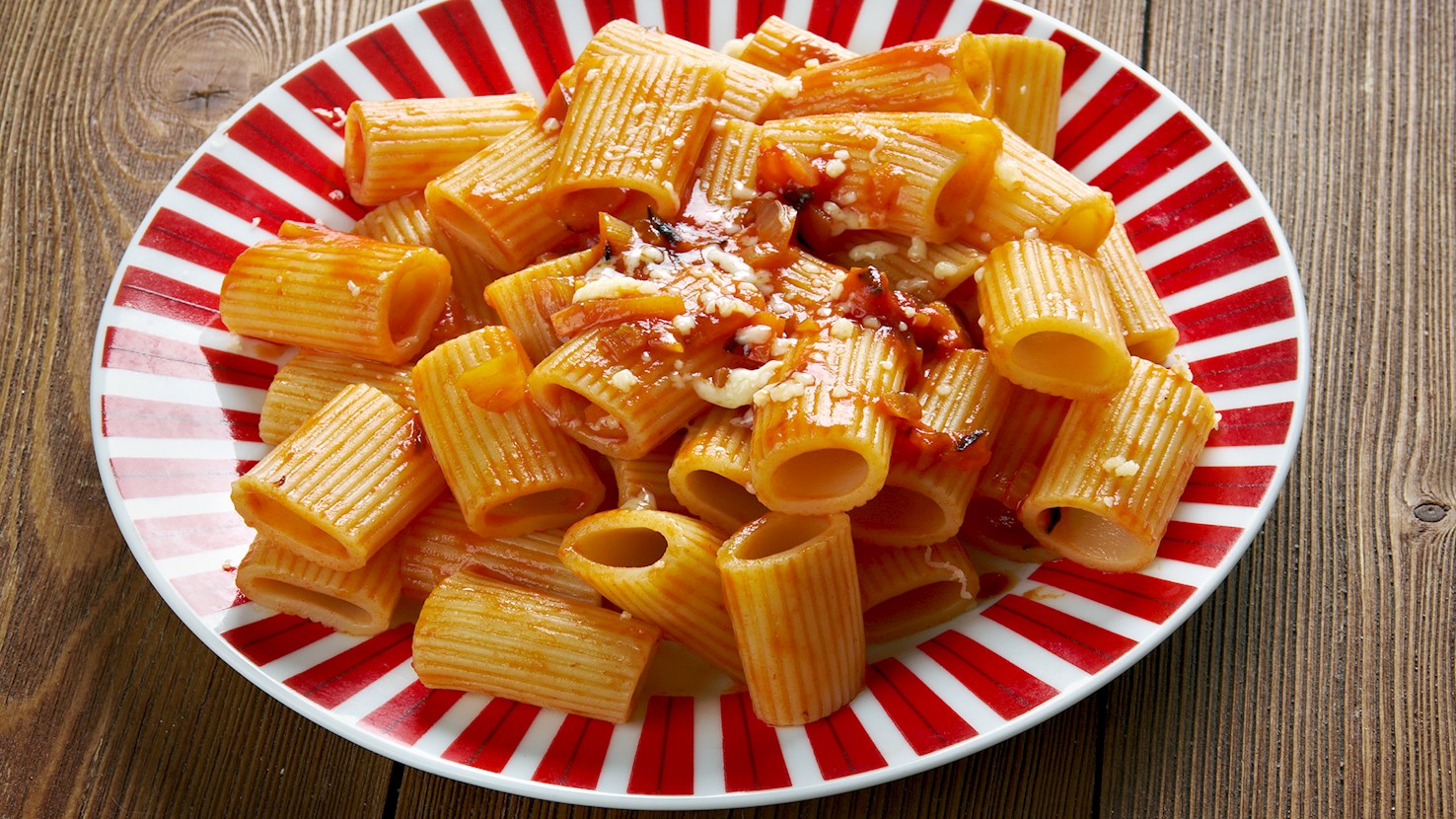
Another classic of Roman cuisine, penne all’arrabbiata is a pasta dish prepared with a fiery hot sauce made with tomatoes, olive oil, garlic, and red chili peppers. As the Italian word arrabbiata literally means angry, this meal is often mistranslated as angry pasta – the name, in fact, refers to the pasta’s intense, spicy sauce, which packs such a punch that it can easily make you red in the face. In the absence of penne, ziti rigati or rigatoni can also be used. Even though it is traditionally enjoyed as an entrée or primo piatto, this simple, yet flavorful pasta recipe certainly holds its own as more than a mere prelude to the main course. And while the history of penne all’arrabbiata remains uncertain, this iconic Italian dish has been immortalized in two famous 1970s films: Federico Fellini’s Roma and Marco Ferreri's La Grande Bouffe.

04

Pasta alla zozzona

3.9 ·

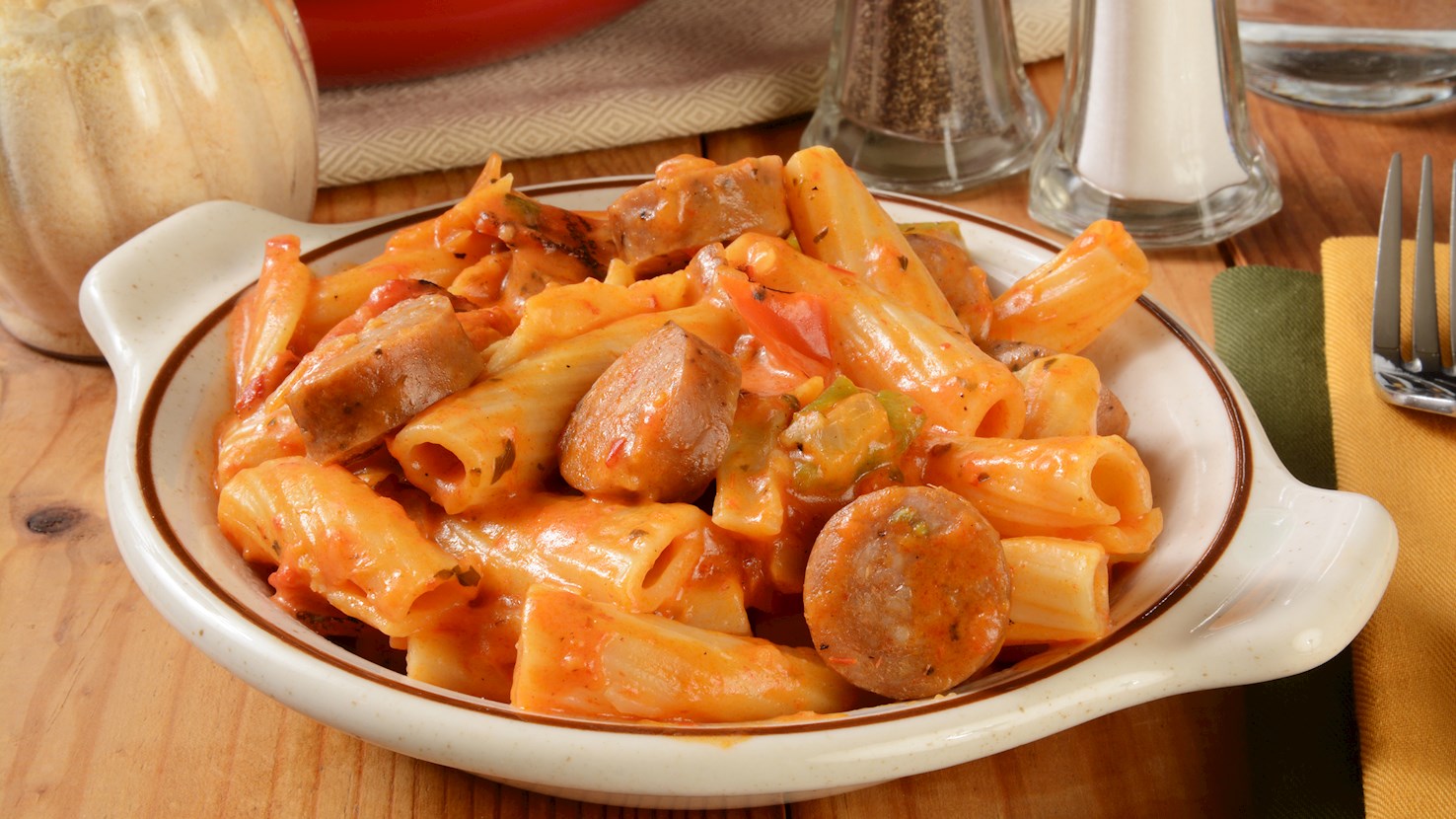
Pasta alla zozzona is a traditional pasta dish originating from Rome. The dish is made with a combination of short pasta such as penne or rigatoni, pork sausage, tomatoes, red wine, olive oil, and grated Pecorino Romano. The sauce is made with all of the ingredients except for the pasta. Once the pasta has been cooked, it’s mixed with the sauce, and the dish is then served with grated Pecorino cheese on top. The word zozzona in the name of the dish means that something is full of everything and it’s hard to describe, referring to the richness of the dish itself.

05

Fettuccine Alfredo

3.6 ·

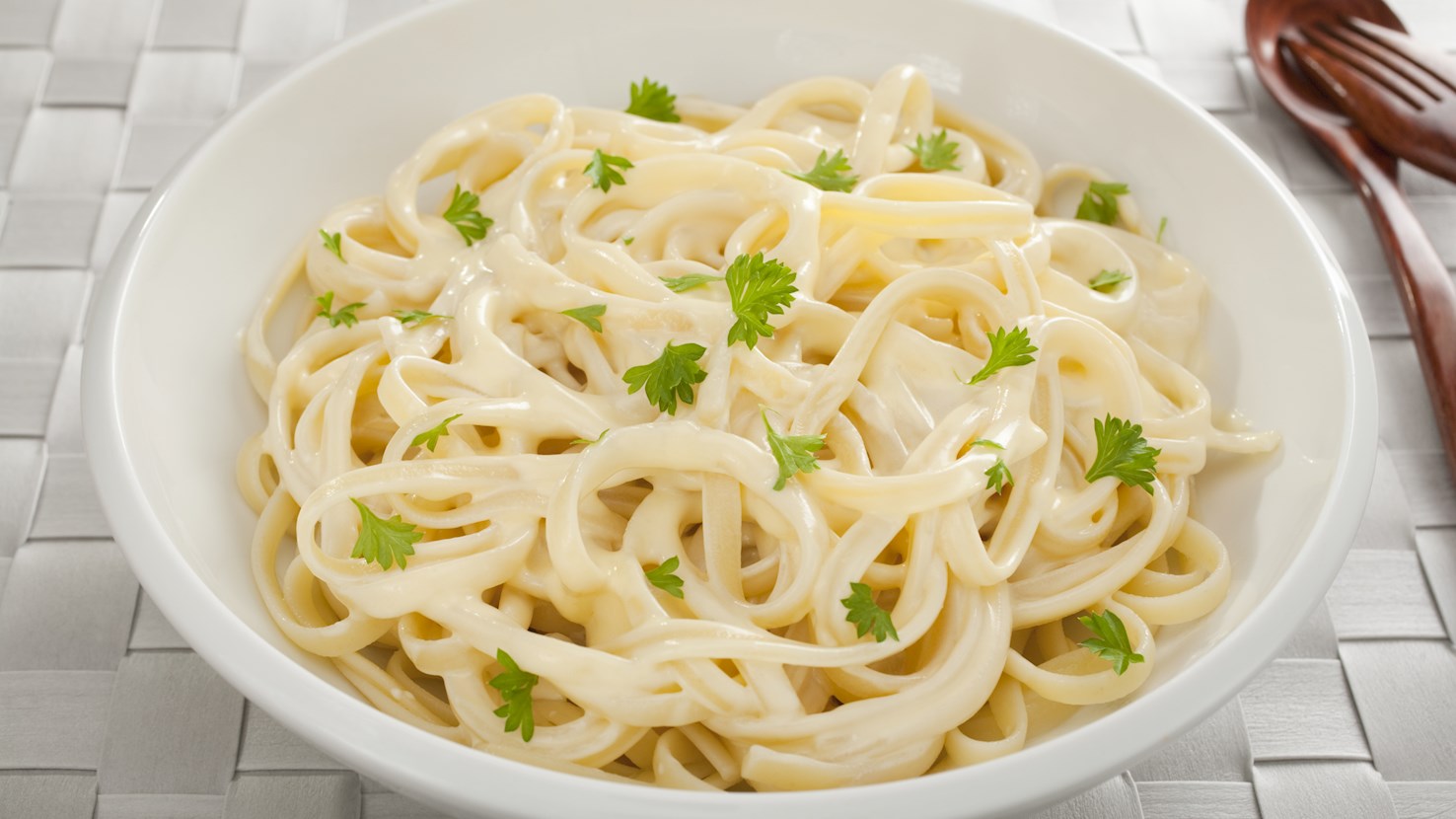
The dish that's known in the United States as fettuccine Alfredo is just an extra-buttery version of pasta al burro, an Italian classic made with fettuccine, butter, and Parmigiano-Reggiano cheese. The story of fettuccine Alfredo dates back to 1908 in Rome. Chef Alfredo Di Lelio first created this dish for his pregnant wife out of a desire to create something simple, yet tasty and nutritious, and he subsequently began serving it at his restaurant. He added more butter and cheese to the original recipe for pasta al doppio burro, and created a hearty triple butter sauce in the process. Legend has it that the American silent movie stars Mary Pickford and Douglas Fairbanks discovered this dish in the late 1920s during their honeymoon in Rome. They loved it so much that they started serving it to their friends upon returning to Hollywood. Soon afterward, fettuccine Alfredo was on its way to becoming an Italian-American classic, and it is incomparably more popular in the United States than in its homeland - it's served in Rome, but usually to tourists, while most Italians don't accept the dish as their own. The American version known as fettuccine Alfredo is usually much richer and heavier than its Italian counterpart (fettuccine al burro).

06

Rigatoni con la pajata

3.4 ·

Rigatoni con la pajata is a classic dish of the Roman cucina povera. La pajata is a term referring to intestines of calves who were only fed with their mothers' milk and have never eaten grass. The intestines are cleaned and skinned, but the milk they drank is left inside - when cooked, the combination of the heat and the enzymes coagulates it, thus creating a thick, creamy, ricotta-like sauce. Nowadays there are not many places that keep this dish on their menus, but those who do have their devotees, claiming that the pajata cooked with onions, celery, carrots, tomatoes, white wine, lardo, and spices served over rigatoni is a true delicacy. Traditionally in the past, each person was served two portions of boiled rigatoni with the sauce and grated pecorino.

07

Spaghetti alla checca

n/a ·

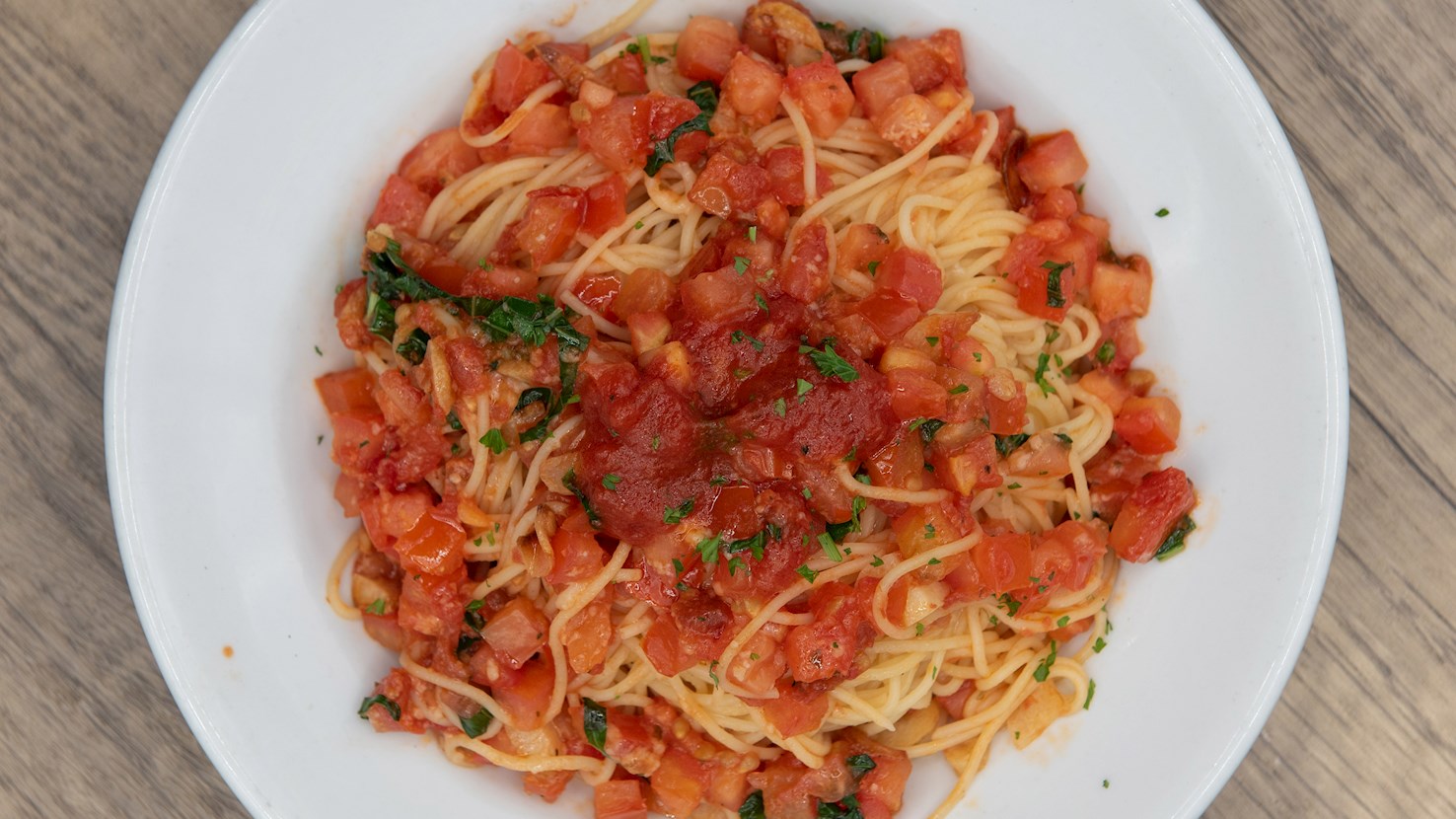
Spaghetti alla checca is a traditional dish originating from Rome. It consists of spaghetti and raw tomatoes sauce known as checca. The list of ingredients includes firm, not too ripe tomates, olive oil, salt, pepper, parsley, olives, basil, fennel seeds, and spaghetti. The tomatoes are sliced, dressed with the olive oil, seasoned with salt and pepper, then mixed with a combination of chopped parsley, olives, basil, and fennel seeds. The spaghetti are cooked al dente, then drained and tossed with the tomato mixture until the pasta cools down slightly and the dish is then ready to be served.

08

Spaghetti alla carrettiera (Rome)

n/a ·

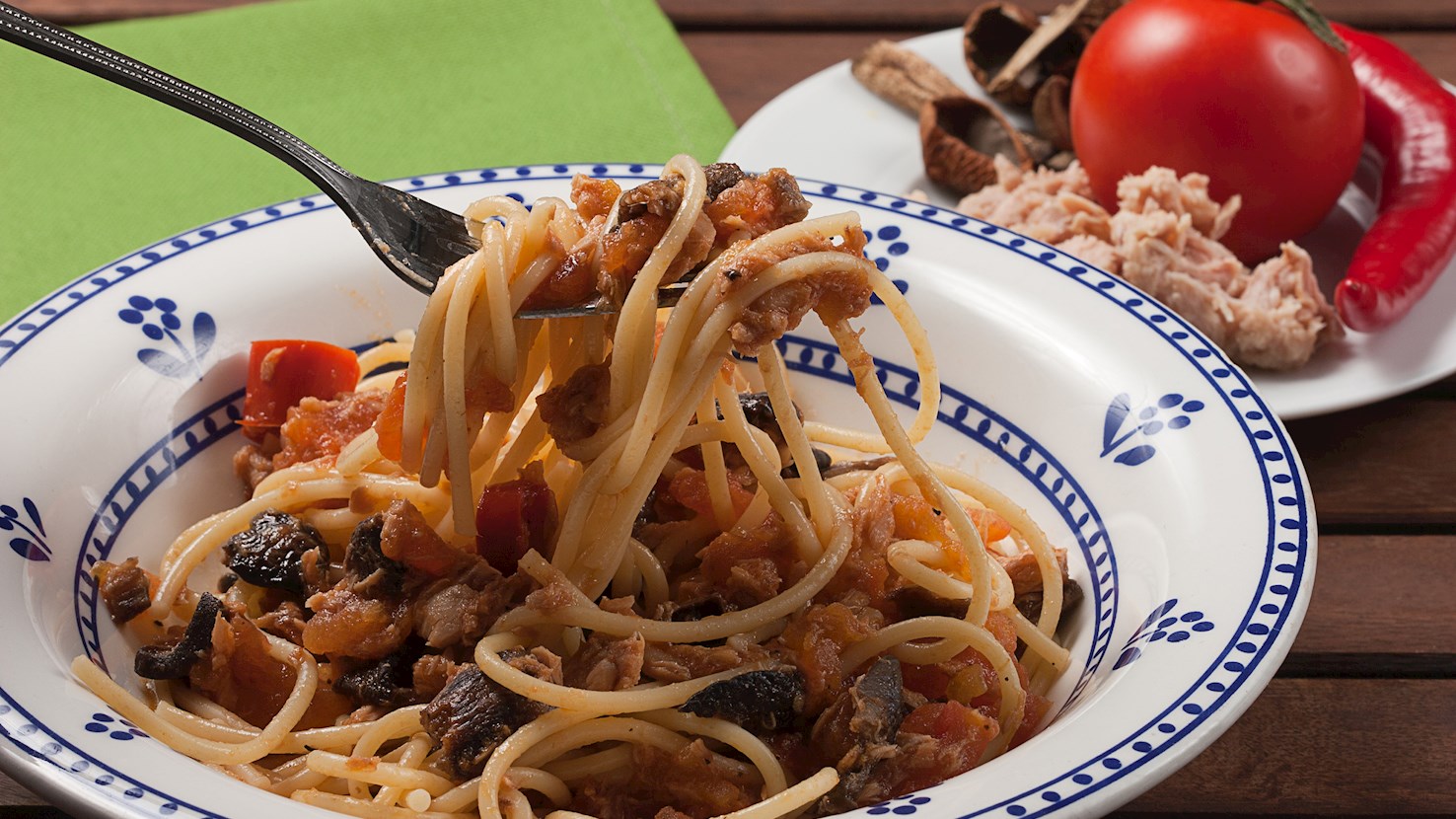
Pasta alla carrettiera is a traditional dish. It's usually made with spaghetti, parsley, tuna, chili peppers, garlic, and porcini mushrooms. On Sicily, a simpler eponymous dish is made with spaghetti, parsley, tomatoes, olive oil, garlic, chili peppers, and Pecorino cheese. Pasta alla carrettiera is believed to be what was prepared to cart riders who were carrying wine to Rome from the surrounding castles and took a break at the local osterias. It's recommended to serve the dish with a glass of good-structured white wine.

Read more
View all
View map
About this ranking

TasteAtlas food rankings are based on the ratings of the TasteAtlas audience, with a series of mechanisms that recognize real users and that ignore bot, nationalist or local patriotic ratings, and give additional value to the ratings of users that the system recognizes as knowledgeable. For the “Top 8 Roman Pasta” list until May 15, 2026, 3,426 ratings were recorded, of which 2,886 were recognized by the system as legitimate. TasteAtlas Rankings should not be seen as the final global conclusion about food. Their purpose is to promote excellent local foods, instill pride in traditional dishes, and arouse curiosity about dishes you haven’t tried.

The initial list of top producers was compiled based on available reviews, awards, local recommendations, media and blog coverage, and consumer reviews. The list will be updated with ratings from TasteAtlas local ambassadors and TasteAtlas users.

Similar lists