


shutterstock

Top 11 Venetian Pasta

Last updated on October 15, 2026

Best Venetian Pasta

01

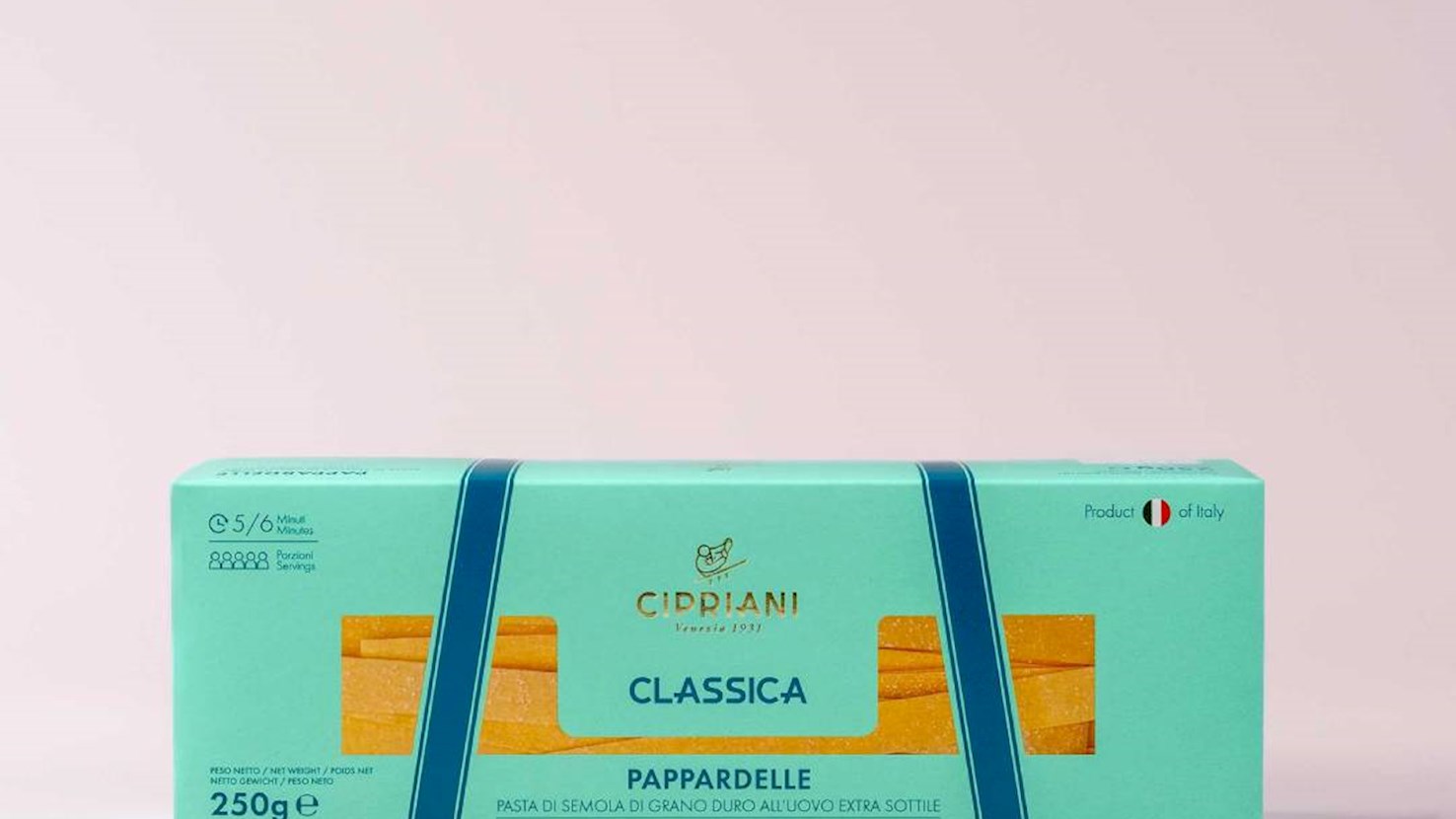
Cipriani

4.5 ·

Cipriani is a renowned Italian food producer, famous for its high-quality pasta, sauces, and gourmet products inspired by the iconic Harry’s Bar in Venice. Known for its signature egg pasta and indulgent ready-to-eat meals, Cipriani brings authentic Italian flavors to homes worldwide.

Their products are available in luxury food stores and online, maintaining the brand’s legacy of elegance and excellence in Italian cuisine.

02

Sgambaro

4.4 ·

Sgambaro is a family-run Italian company with a long-standing tradition, founded in 1947 and based in Castello di Godego, in the Veneto region. Originally a flour mill, the company later expanded into pasta production, combining craftsmanship with innovation.

Sgambaro was a pioneer in promoting the use of 100% Italian durum wheat semolina, setting high standards for quality and traceability. Their close collaboration with small local farmers ensures full control over the entire production chain.

The pasta is bronze-extruded, giving it a rough surface that holds sauces perfectly. With a strong commitment to sustainability, tradition, and food safety, Sgambaro has earned a respected place among Italy’s premium pasta producers.

03

Pastificio Mozzo

4.4 ·

Pastificio Mozzo is a family-run pasta workshop located in Villafontana, in the province of Verona, that has been successfully combining traditional craftsmanship with modern quality standards for over thirty years. Relying exclusively on 100% Italian durum wheat, Pastificio Mozzo places particular emphasis on varieties grown in the Veneto region, reaffirming its strong commitment to local agriculture and sustainable practices.

Their pasta is made using bronze extrusion, a technique that creates a rustic, porous texture ideal for absorbing sauces and enhancing flavor. The drying process is slow and carried out at low temperatures, preserving the pasta’s natural aroma, nutritional value, and digestibility.

The combination of carefully selected raw materials and a dedicated artisanal approach results in products that offer an authentic culinary experience - deeply rooted in Venetian tradition yet perfectly attuned to the needs of the modern consumer.

04

Pasta Dalla Costa

4.0 ·

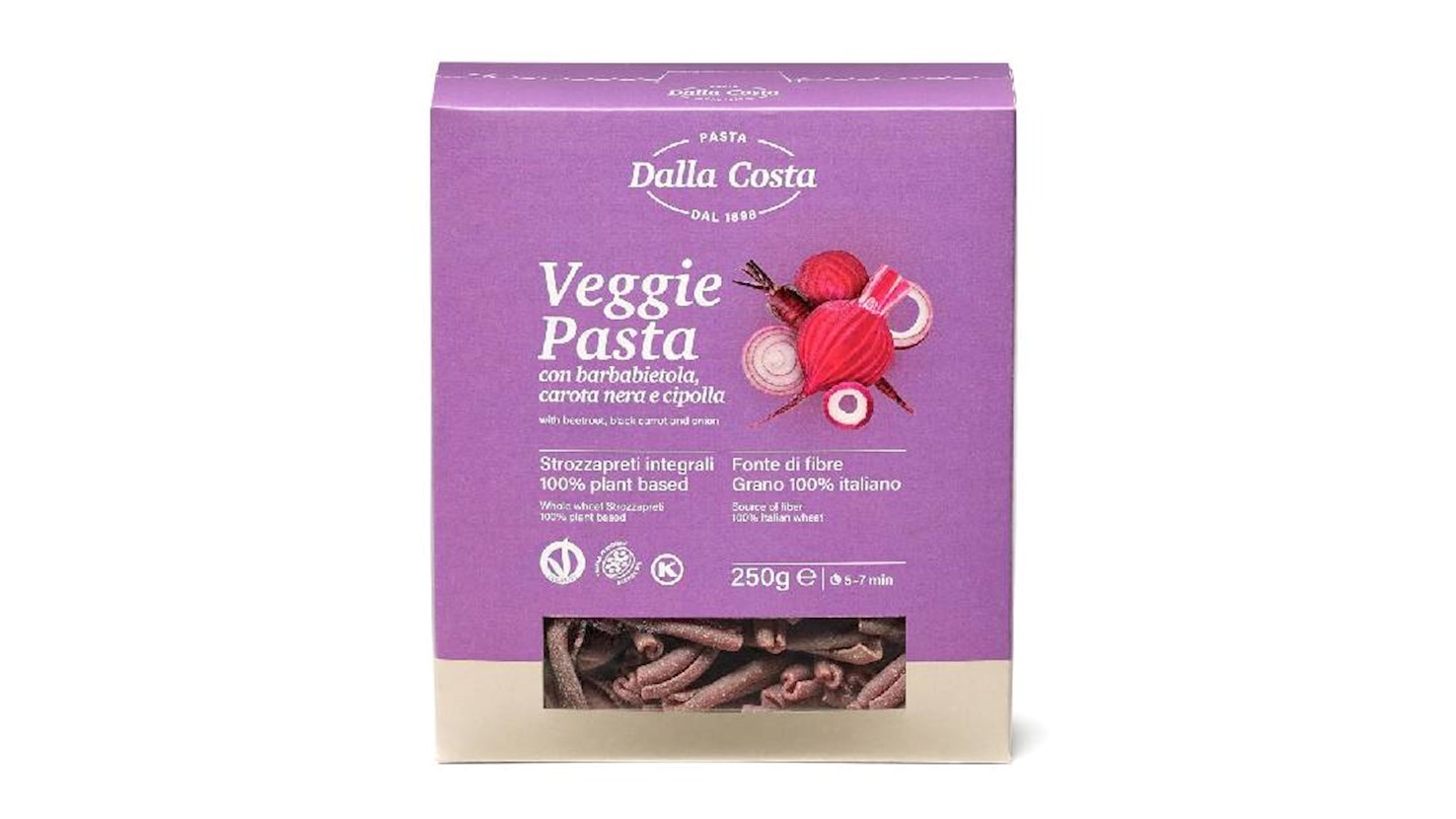
Pasta Dalla Costa is an esteemed Italian pasta manufacturer with a rich heritage dating back to 1898. Rooted in tradition, the company combines time-honored pasta-making techniques with modern innovation to produce a diverse range of high-quality pasta products.

Dalla Costa utilizes bronze-die extrusion methods and slow drying processes to preserve the pasta's organoleptic properties, ensuring authentic taste and texture. The company offers over 100 pasta varieties, including traditional durum wheat semolina pasta, organic options, gluten-free selections, and vegetable-infused pastas.

At Anuga 2023, Dalla Costa's Veggie Pasta line received the Italian Food Award in the Plant-Based category, highlighting their commitment to innovation and quality in the plant-based sector.

05

Giovanni Rana

4.0 ·

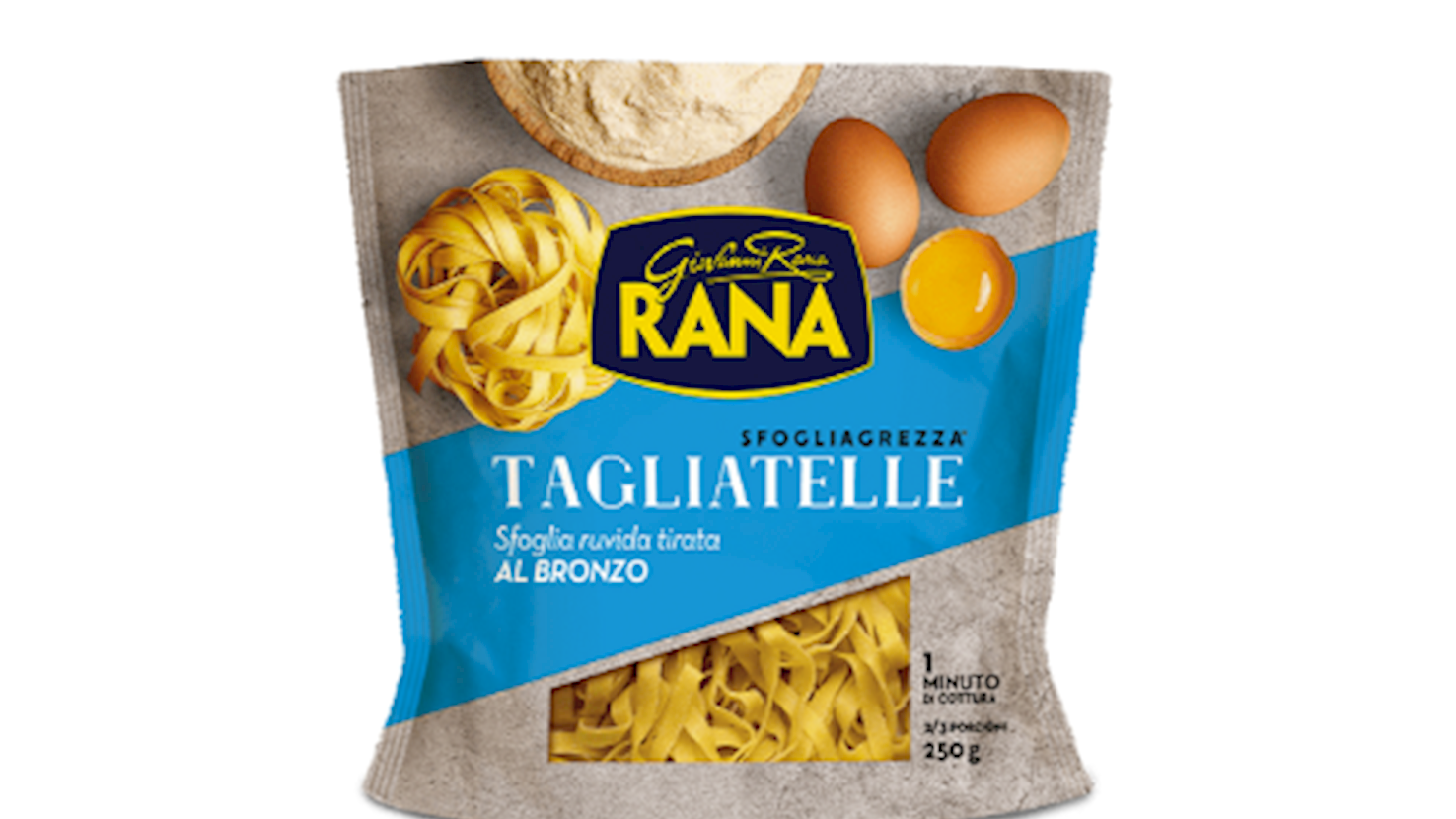
Giovanni Rana is an Italian family-owned pasta brand, founded in 1962 by Giovanni Rana in San Giovanni Lupatoto, near Verona. Today, it is one of the leading producers of fresh pasta in Italy and worldwide, known for its premium quality, innovation, and strong family identity.

The brand has built its reputation on traditional recipes, carefully selected ingredients, and a deep commitment to the authentic taste of homemade Italian cuisine. Giovanni Rana was a pioneer in popularizing fresh and filled pasta.

Rana pasta stands out for its combination of traditional craftsmanship and modern technology, with a focus on ease of preparation and flavor preservation. Today, the brand’s products can be found in over 38 countries, and Rana remains a symbol of fresh, delicious, and reliable Italian pasta.

Best Venetian Pasta

01

Bigoli con l'anatra

4.4 ·

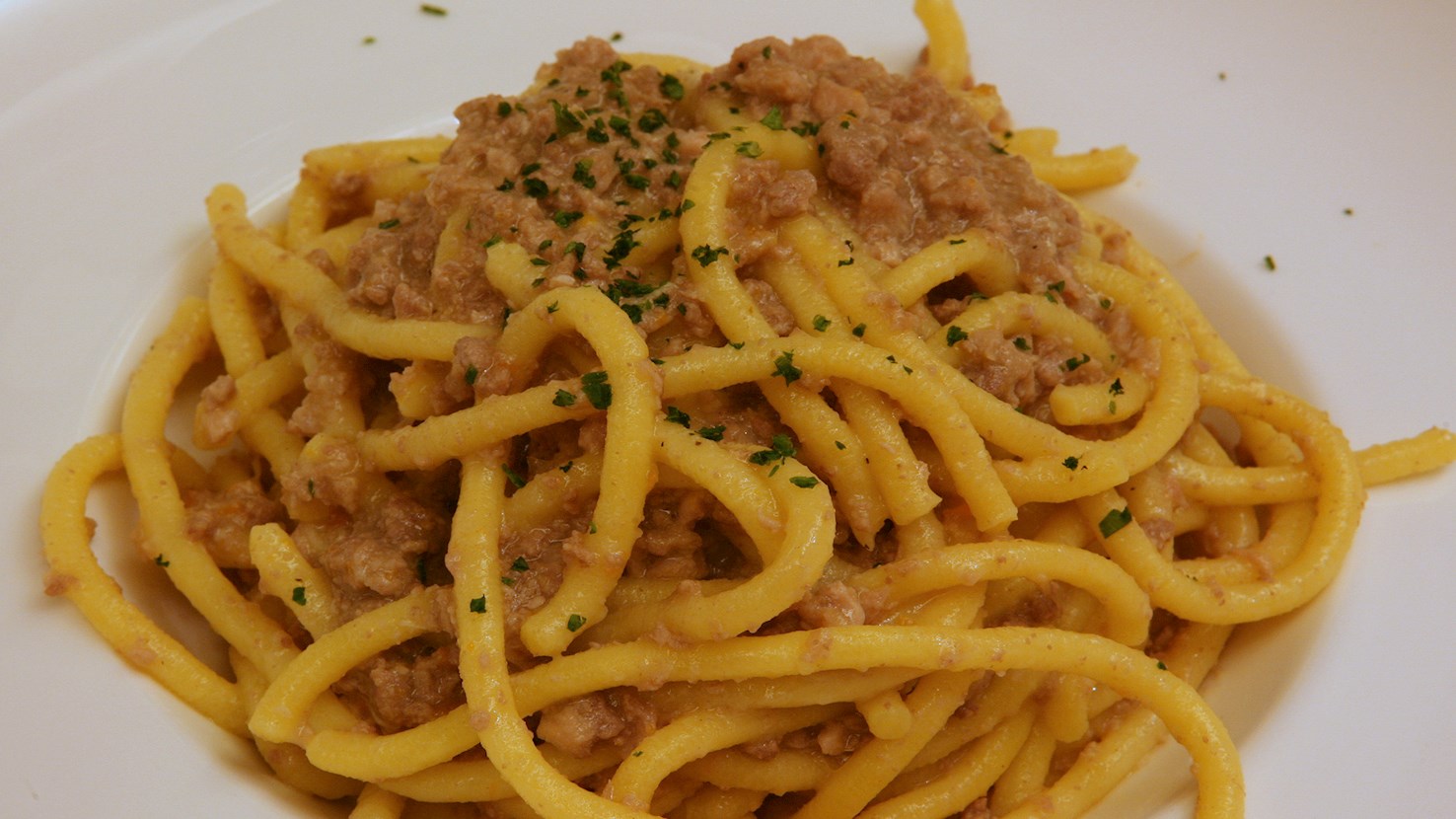
I bigoli con l'anatra, locally known as bigoi co' l'arna, is a traditional dish that originated in the city of Thiene, but over time it became very popular throughout the province of Vicenza. Bigoli is a thick, egg-based pasta variety whose size and texture make the perfect match for a rich duck ragú made with onions, carrots, celery, bay leaves, sage, and dry white wine. Originally, this dish used to be prepared with cleaned offals and duck fat, while duck meat was either used in other recipes or preserved in fat. Nowadays, only the best parts of meat and livers are used, while duck fat is substituted with butter and olive oil - the result is an equally delicious, yet much lighter dish. Served generously topped with freshly grated Parmigiano, this hearty dish is a perfect choice for cold winter days, especially when paired with a glass of local red wine such as Cabernet or Merlot.

02

Pappardelle al ragù bianco di anatra (Pappardelle with White Duck Ragù)

4.0 ·

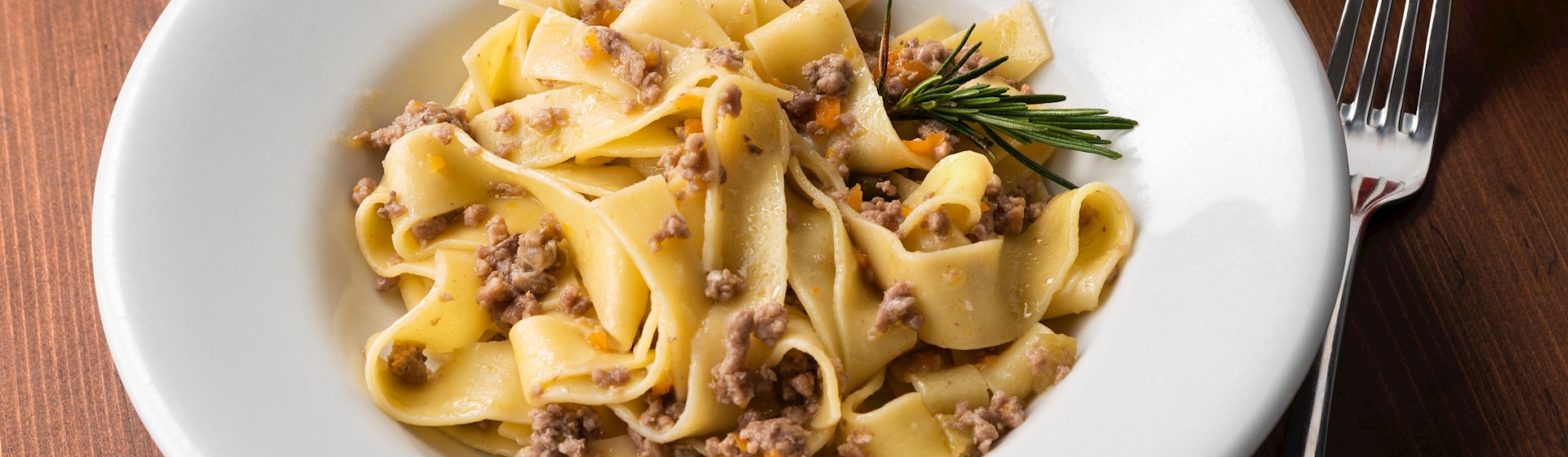
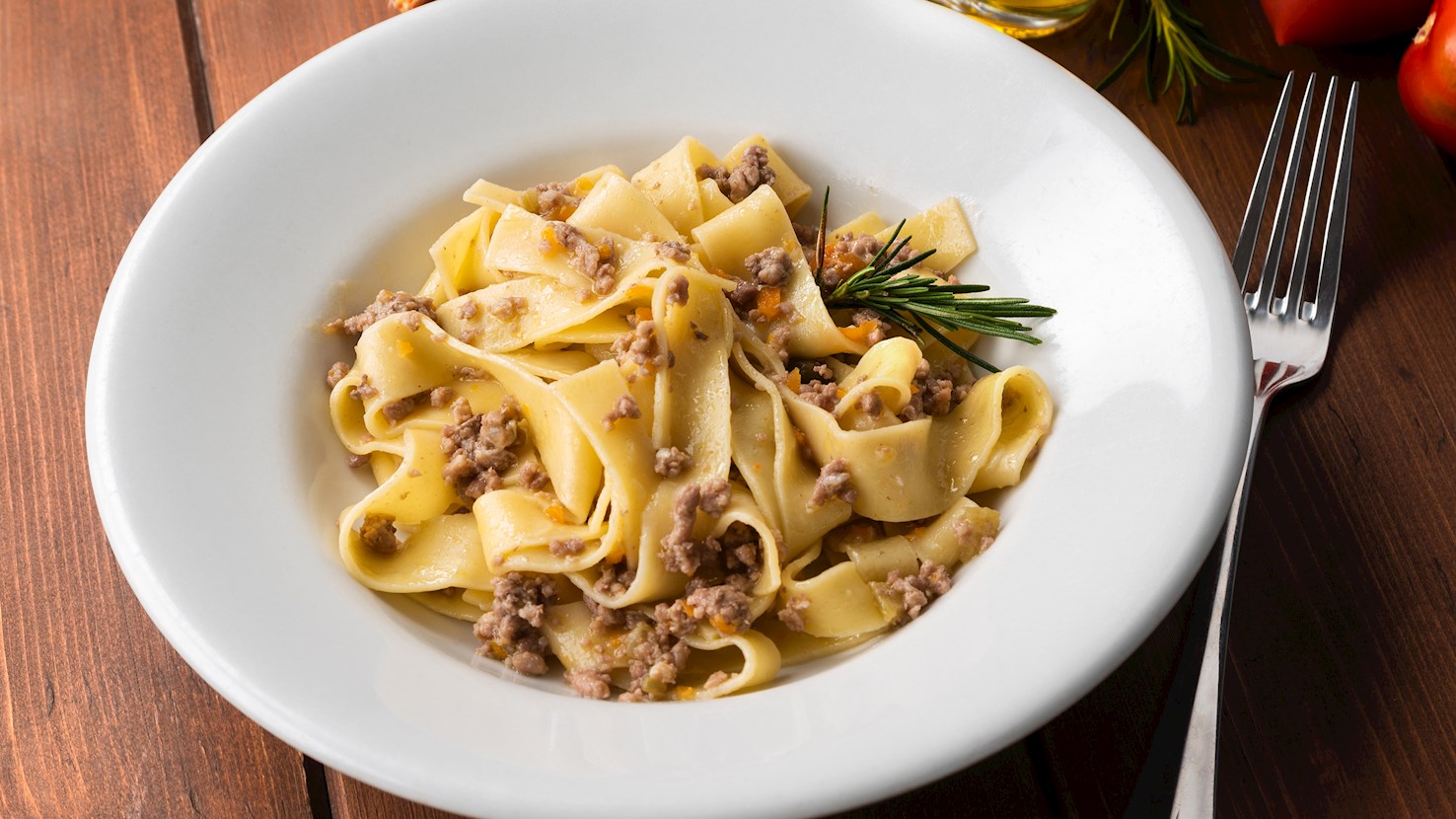
Pappardelle al ragù bianco di anatra is a traditional pasta dish that's especially popular in the Veneto and Friuli-Venezia Giulia area. The dish is usually made with a combination of pappardelle pasta, duck breasts, onions, garlic, carrots, celery, thyme, white wine, olive oil, salt, and pepper. The vegetables, thyme, and garlic are sautéed in olive oil, and then mixed with the duck meat that's cut into cubes. The combination is seasoned with salt and pepper, covered with white wine, and simmered until the alcohol evaporates. A bit of stock or tomato paste are added to the white ragù, while the pasta is cooked in boiling salted water until al dente. The pasta is mixed with the dry ragù, and the dish is sometimes garnished with a few tomatoes before serving. If pappardelle are unavailable, pasta such as tagliatelle can be used instead.

03

Bigoli in salsa

4.0 ·

Bigoli in salsa is a pasta dish from Venice, consisting of thick, whole wheat noodles tossed in a savory, umami-rich sauce made from slowly cooked onions and dissolved anchovies. It is one of the city's emblematic dishes, although beloved variations can be found throughout the Veneto region. The dish relies on the unique qualities of bigoli, a traditional Venetian pasta that is a bit thicker than spaghetti. Made with whole-wheat flour, it has a distinctly nutty flavor that pairs perfectly with the bold taste of anchovies. The magic of bigoli lies in its rough texture, which allows the sauce to be absorbed much more easily. This texture is achieved by forcing the dense dough through a special hand-cranked bronze press called a bigolaro, which dates back to 1604. The sauce itself is a masterclass in culinary minimalism, where thinly sliced onions are sweated down slowly in high-quality olive oil until meltingly soft, before the anchovies—or sometimes traditional, sharp-tasting salt-cured sardines known as sarde—are added. With gentle heat, the fish completely dissolves into the onions, often emulsified with a splash of dry white wine or starchy pasta water to create a creamy paste that coats every rough strand without a drop of dairy. Every local seems to have their own way of making the dish, and some cooks also add pine nuts and raisins to the sauce. This sweet, sour, and salty flavor profile serves as a culinary nod to the Venetian period of the Renaissance, an era when the Venetian Republic controlled the spice trade, and exotic ingredients like raisins and pine nuts first reached Venice's ports. Historically, Bigoli in salsa originated as a religious necessity and was originally consumed as a lean, meatless meal on fasting days such as Ash Wednesday, Good Friday, or Christmas Eve. Over the years, it evolved into a dish best consumed the night before a big feast; the combination of dense wheat pasta and rich olive oil is substantial and highly satisfying, yet light enough to leave some room for the heavy, meat-laden feasts of the following day. To cut through the fish's saltiness and the oil's richness, locals often pair it with a crisp, high-acid white wine native to the Veneto region, such as a chilled Soave or Garganega.

04

Spaghetti alla busara

4.0 ·

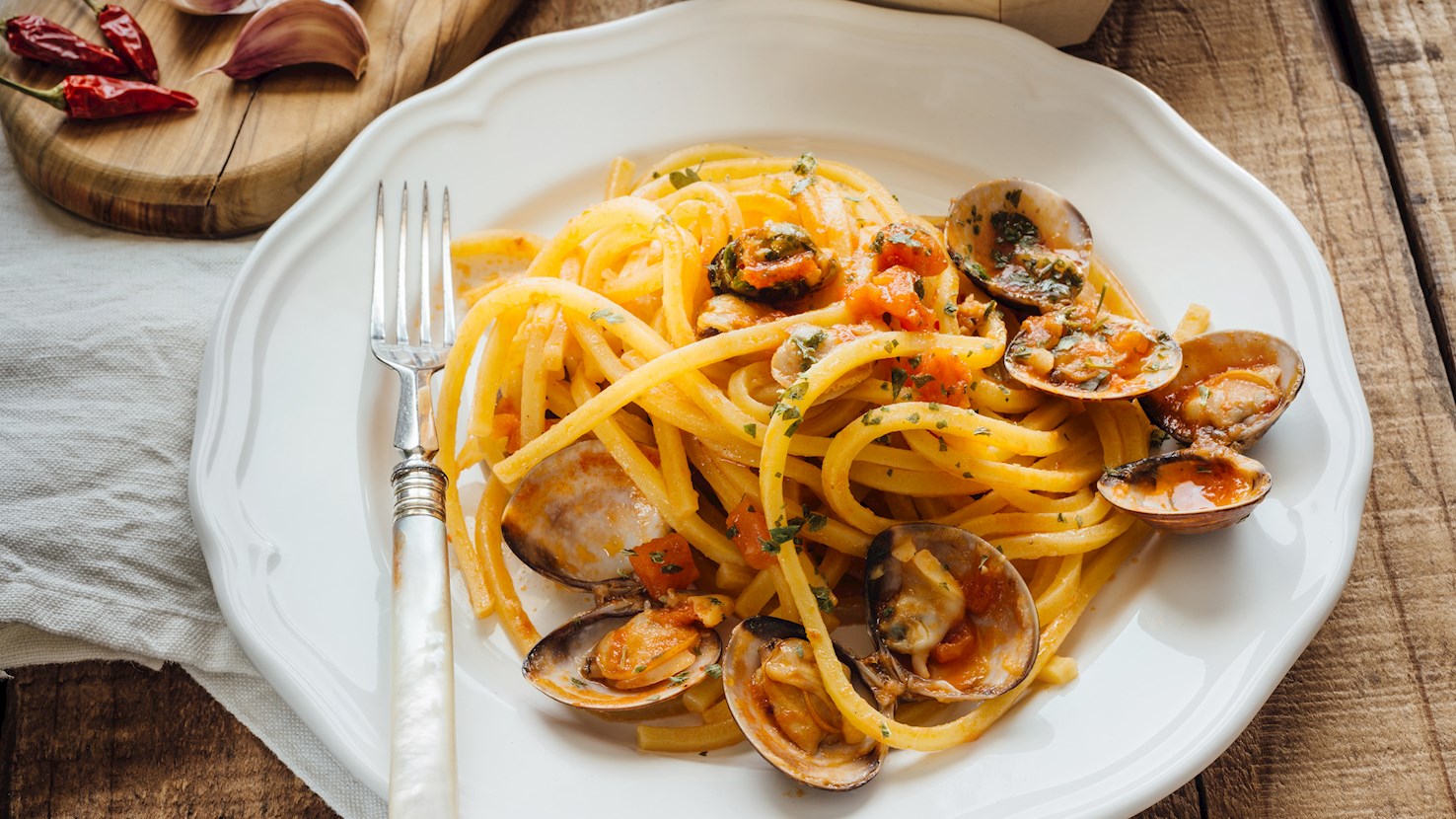
Spaghetti alla busara is a traditional dish originating from Venice and the surrounding area. The dish is usually made with a combination of scampi (langoustines or large prawns), spaghetti, olive oil, tomatoes, garlic, parsley, white wine, salt, and pepper. The garlic is sautéed in olive oil and removed from the pan. The scampi are added to the pan, seasoned with salt and pepper, and covered with white wine. The mixture is cooked until the alcohol evaporates and the dish is completed by adding chopped tomatoes and lowering the heat until the sauce thickens. The spaghetti are cooked until al dente, sautéed briefly in the sauce, and the dish is then garnished with chopped parsley before serving. It is believed that fresh langoustines from the nearby Croatian port city of Rijeka arrived to Venice daily and that the busara (buzara) sauce inspired Venetian cooks because there is a Croatian dish called scampi buzara that's the same as this one, but without the addition of spaghetti.

Best restaurants
05

Spaghetti al nero di seppie

3.9 ·

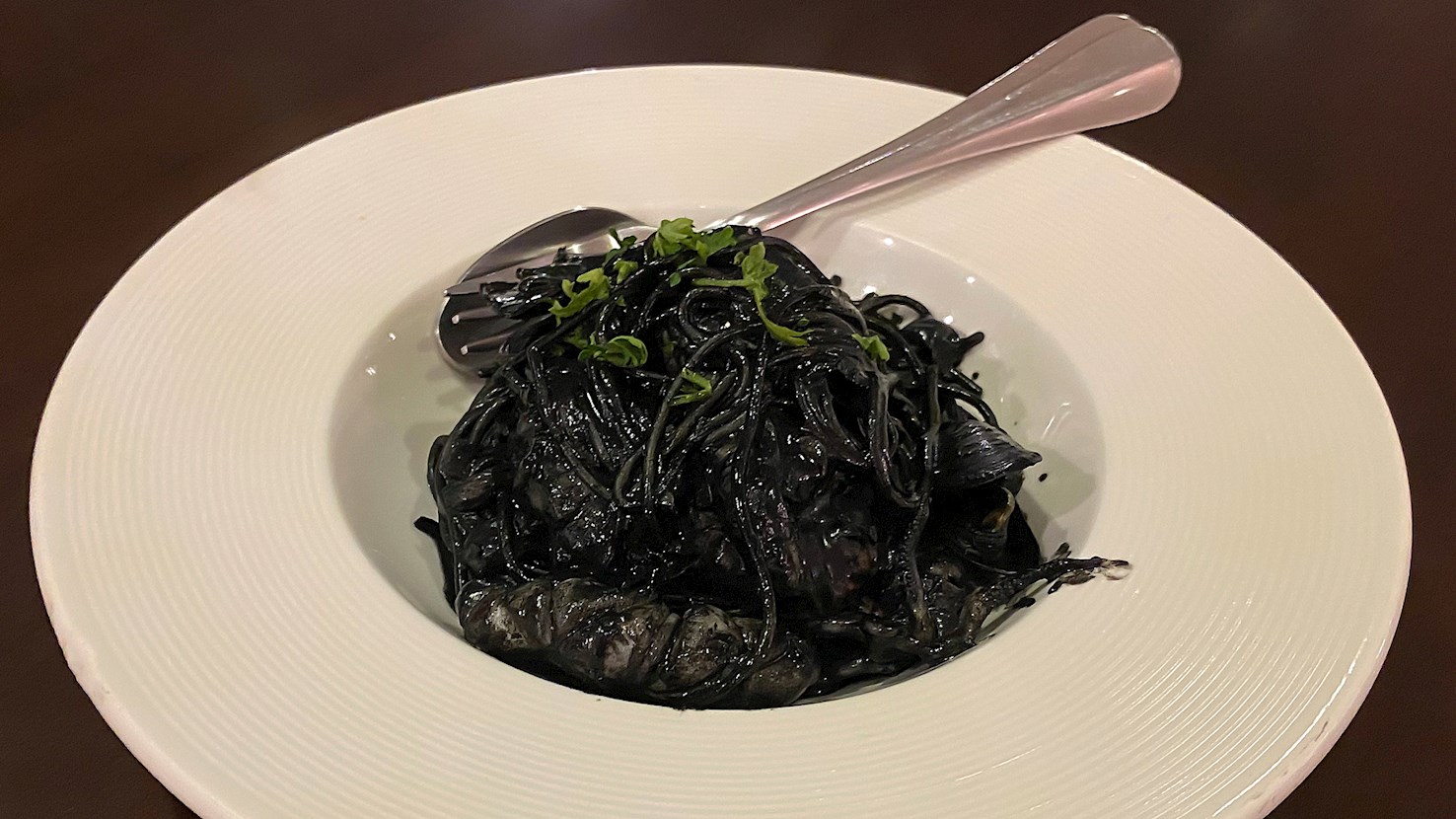
Spaghetti doused in a dark cuttlefish ink sauce is one of the classic Italian dishes whose origin is associated both with Sicily and the northern Veneto region. The sauce is usually composed out of sliced cuttlefish that is fried alongside garlic and olive oil and is later coupled with white wine and cuttlefish ink, with the occasional addition of tomatoes. Though spaghetti are the traditional choice, the sauce is commonly prepared with other pasta varieties such as linguine or bigoli. Pasta is tossed with the sauce until it is completely coated and the dish is traditionally garnished with parsley and enjoyed as a warm appetizer.

06

Lasagne radicchio e salsiccia

3.5 ·

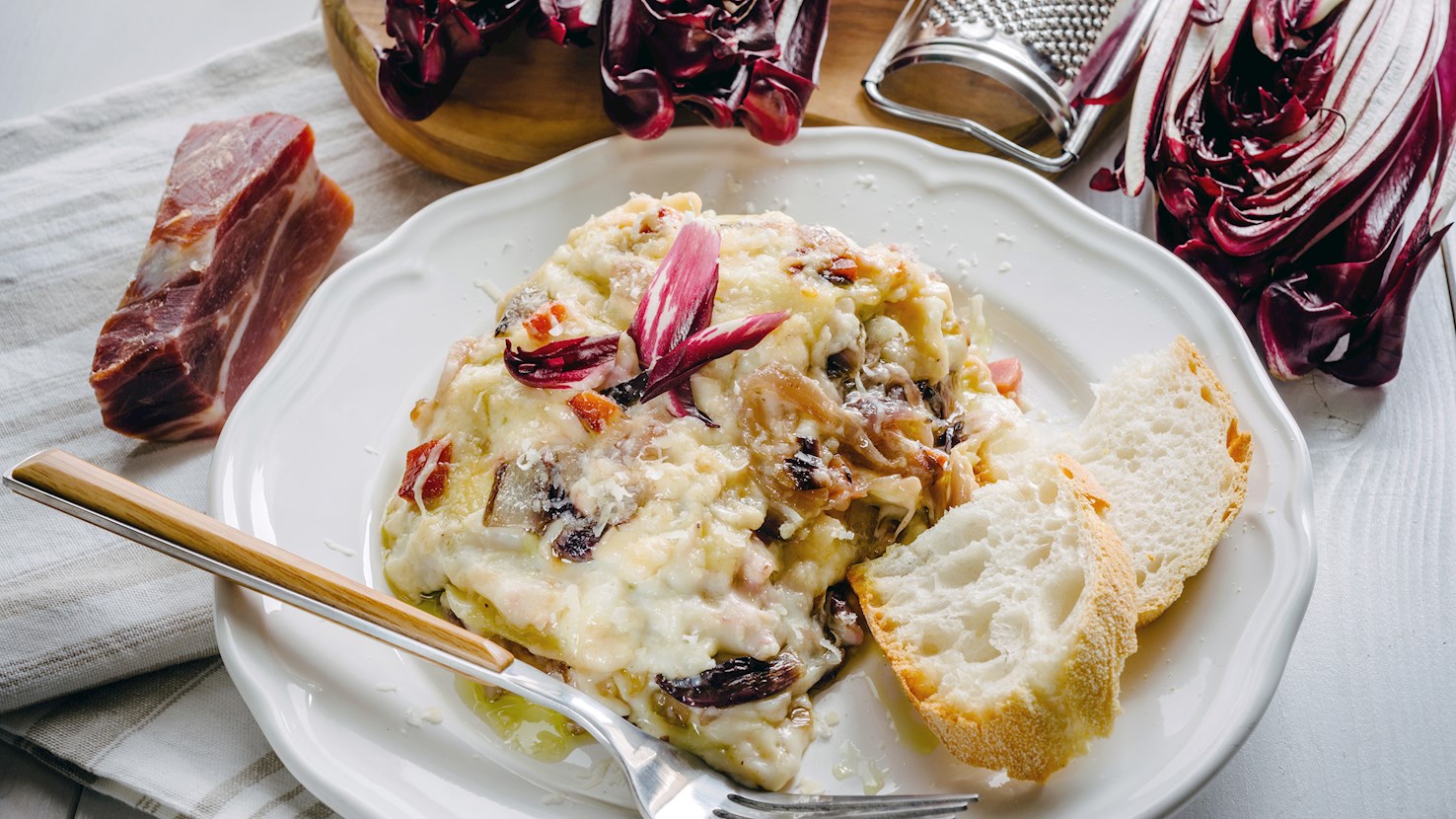
Lasagne radicchio e salsiccia is a traditional lasagna variety that's especially popular in Treviso. This strong-flavored lasagna is usually made with a combination of red radicchio from Treviso, lasagna pasta sheets, salsiccia sausage, garlic, scamorza cheese, olive oil, and béchamel sauce (flour, butter, nutmeg, milk, salt, and black pepper). The radicchio and the sausage are sautéed in olive oil with a clove of garlic, and the lasagna is made by alternating layers of pasta, scamorza cheese, radicchio and sausage mixture, and béchamel sauce. The casserole is baked until golden brown and bubbly, and it's then served immediately.

07

Lasagne al radicchio

3.3 ·

Lasagne al radicchio is a traditional variety of lasagne made with radicchio as the key ingredient. This type of lasagna is associated with northeastern Italy, and radicchio di Treviso, with its long shape, is the most common type of radicchio used in this lasagna variety. In Veneto, the dish is also called pasticcio di radicchio. There are many variations on radicchio lasagne – besides the crucial ingredients to make the dish such as lasagna sheets, béchamel sauce, salt, pepper, and often some garlic and parmesan, there are varieties made with the addition of salsiccia sausage, walnuts, speck, and cheeses such as Piave, Gorgonzola, Scamorza, and Fontina. Once assembled, radicchio lasagne are baked in the oven until golden and bubbling, and the dish is then ready to be enjoyed.

08

Bigoli in cassopipa

n/a ·

Bigoli in cassopipa is a traditional dish originating from Veneto, or more precisely Chioggia, a fishing port at the entrance to the lagoon. The dish is usually made with a combination of bigoli pasta, squid, mollusks and shellfish (mussels, clams, cockles), tomatoes, garlic, onions, carrots, celery, white wine, olive oil, salt, cloves, cinnamon, nutmeg, bay leaves, thyme, and parsley. The squid, mollusks, and shellfish are sautéed in olive oil with the onions, carrots, celery, garlic, and spices. White wine is added to the mix, and everything is simmered together until the sauce becomes syrupy. The pasta is cooked, drained, and dressed with the sauce, a tablespoon of tomato passata per person, a drizzle of olive oil, and chopped parsley before serving. The word cassopipa in the name of the dish is derived from pipare, meaning to simmer.

09

Tortellini di Valeggio

n/a ·

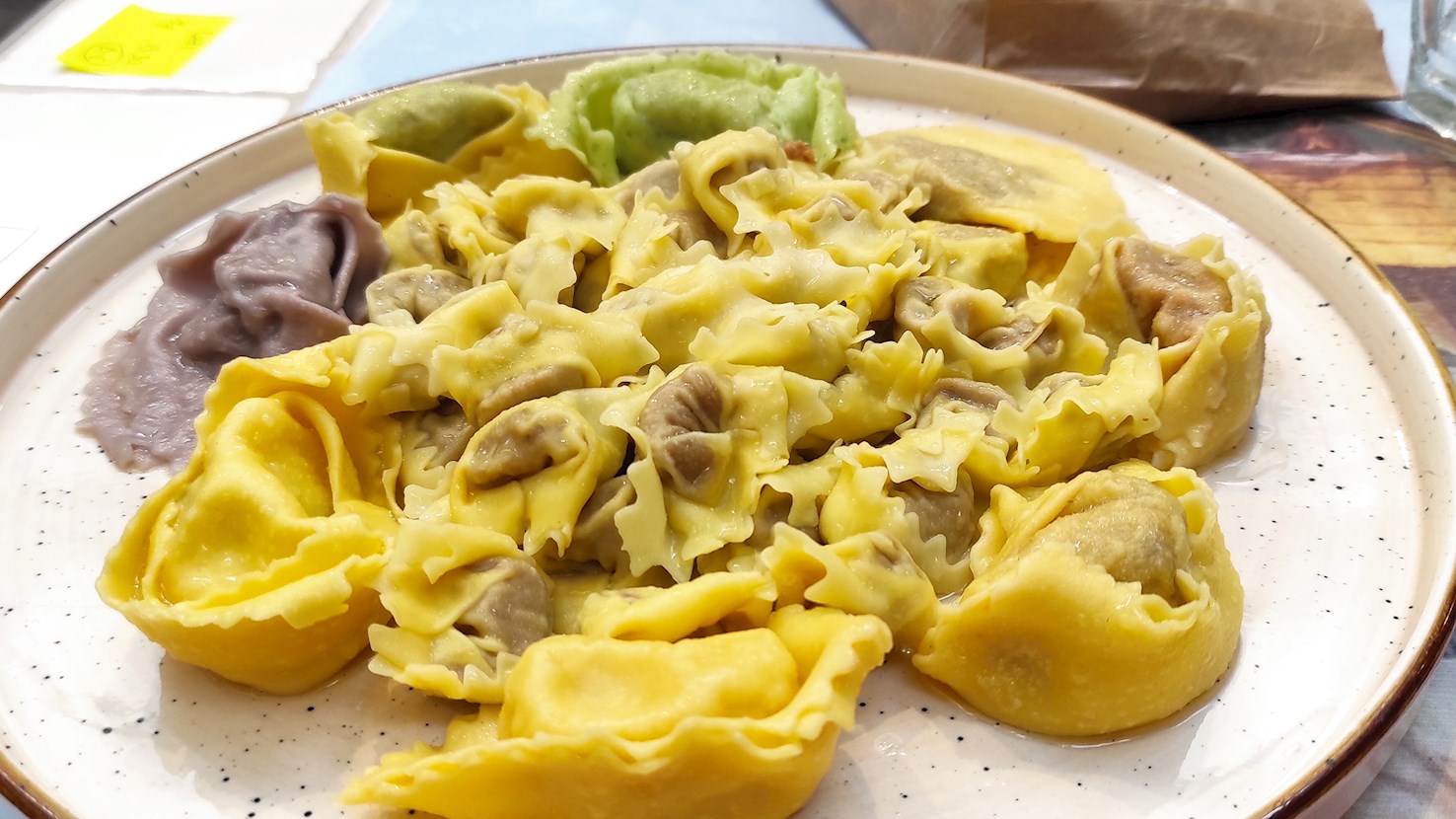
Tortellini di Valeggio is a special type of tortellini from Valeggio sul Mincio, a town near Verona in Italy’s Veneto region. Known for its paper-thin pasta dough, these tortellini are filled with a mixture of meats—typically veal, pork, beef and chicken—and additional ingredients like Grana Padano or Parmigiano Reggiano and herbs. The dough is so thin it’s almost transparent, earning it the nickname “love knot” (nodo d’amore) due to a local legend. The legend tells of a water nymph and a soldier who fell in love; before fleeing together, they tied a knot in a yellow silk handkerchief, symbolizing their love. In honor of this story, Valeggio’s tortellini are often knotted or twisted in a way that resembles a small love knot. These tortellini are traditionally served in a simple broth or with melted butter and sage to highlight the flavor of the filling without overpowering it. Tortellini di Valeggio is highly regarded and celebrated each year at a festival in Valeggio sul Mincio, where long tables are set up across the town’s Visconteo Bridge to serve this beloved dish.

10

Paparele e bisi

n/a ·

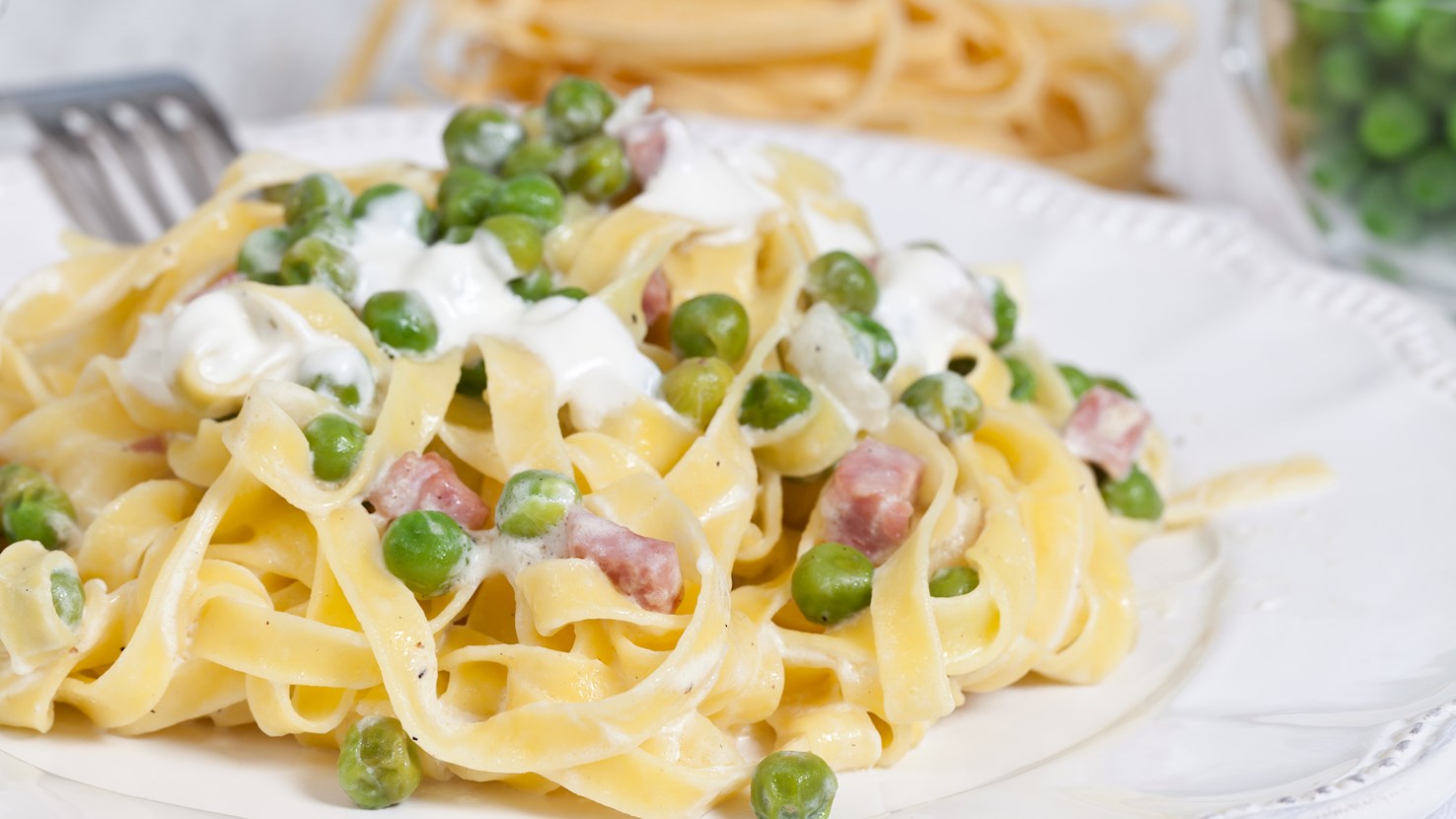
Paparele e bisi is a traditional pasta dish originating from Veneto. The name is a Venetian term for tagliatelle and peas. Other ingredients used in the dish include butter, pancetta, onions, parsley, chicken stock, salt, pepper, and grated Parmigiano-Reggiano. The pancetta and onions are sautéed in butter, then mixed with the stock, seasonings, peas, and parsley. The combination is cooked until the peas become tender and the sauce remains thin, and it's then mixed with cooked tagliatelle and finished off with grated cheese.

About this Ranking

TasteAtlas food rankings are based on the ratings of the TasteAtlas audience, with a series of mechanisms that recognize real users and that ignore bot, nationalist or local patriotic ratings, and give additional value to the ratings of users that the system recognizes as knowledgeable.

TasteAtlas Rankings should not be seen as the final global conclusion about food. Their purpose is to promote excellent local foods, instill pride in traditional dishes, and arouse curiosity about dishes you haven’t tried.

The initial list of top producers was compiled based on available reviews, awards, local recommendations, media and blog coverage, and consumer reviews. The list will be updated with ratings from TasteAtlas local ambassadors and TasteAtlas users.

What People Say

Similar Lists