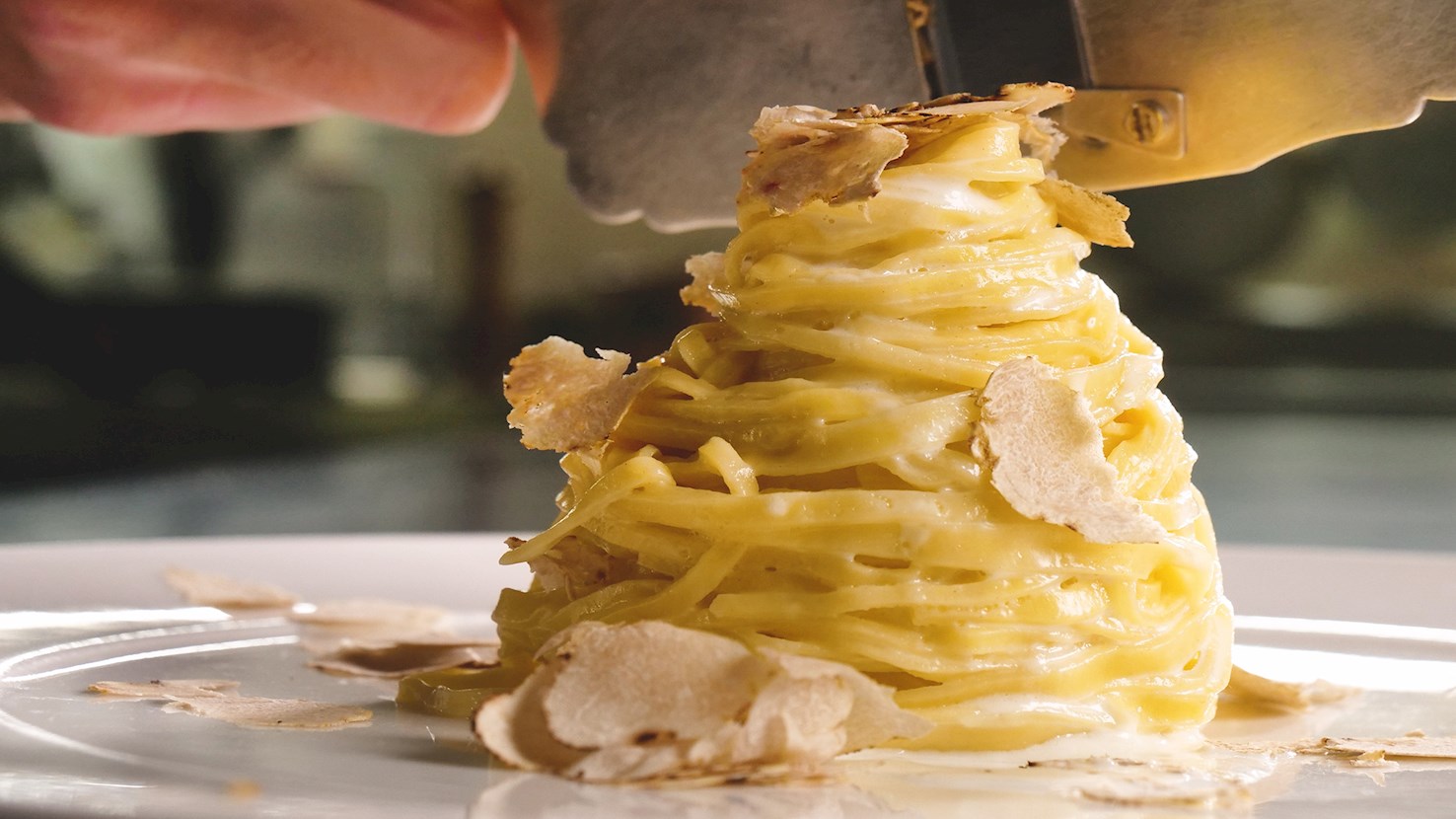
Tajarin al tartufo bianco d’Alba is one of Piedmont’s most restrained and technically exacting dishes, defined less by complexity than by precision in preparation, proportion, and timing. It originates in the hills surrounding Alba, where white truffle season shapes the autumn table and where tajarin—an egg-rich pasta cut finer than tagliatelle—has long been the preferred vehicle for showcasing aroma rather than sauce. At its core, the dish is about creating the quietest possible background for white truffle, allowing its perfume to emerge clearly and briefly, without interference. The foundation is the pasta itself. Tajarin dough is traditionally made with farina 00 and an unusually high proportion of egg yolks (or whole eggs), sometimes entirely yolks, with little or no added liquid. This yolk-heavy composition gives the dough its characteristic deep golden color and a firm, elastic structure that can be rolled extremely thin without tearing. When cooked, the pasta has a silky yet resilient bite and a natural richness that removes the need for elaborate sauces. After kneading, the dough is rested to relax the gluten, then rolled paper-thin and cut into narrow ribbons—typically 2–3 millimeters wide—so that the strands remain light, delicate, and receptive to aroma. Cooking is deliberately brief, often no more than one or two minutes, just long enough to set the pasta while preserving its tenderness. The dressing is minimal by design: unsalted butter melted gently and, if necessary, a spoonful of pasta water to help coat the strands. The butter is never browned and never assertive; it functions as a carrier, adding gloss and roundness without introducing competing flavors. White truffle is added only at the final moment, shaved thinly over the hot pasta, often directly at the table. This timing is essential. White truffle’s aromatic compounds are highly volatile: warmth releases them, but prolonged heat destroys them. Shaving the truffle over freshly plated pasta allows the residual heat to bloom its aroma fully without dulling it. For the same reason, the dish avoids ingredients that would interfere with that fragrance—strong herbs, garlic, pepper, or aggressive seasoning. The question of cheese, however, is more nuanced than modern simplifications often suggest. While many contemporary interpretations state that tajarin al tartufo bianco is served without cheese, Parmigiano-Reggiano does appear in some traditional and brasserie-style preparations. When used, it is never a finishing garnish and never applied generously. Instead, a very small amount of finely grated Parmesan may be melted gently into the butter before the pasta is added, where it dissolves completely and acts as a subtle seasoning and emulsifier rather than a dominant flavor. In this form, the cheese contributes depth and cohesion without overtly announcing itself or competing with the truffle. What remains consistent across traditions is not the total absence of Parmesan, but the insistence that it stay discreet, dissolved, and subordinate to aroma. Tajarin al tartufo bianco d’Alba is traditionally served immediately on warm plates, often as a primo, with restrained portions that respect the richness of the yolk-based pasta and the intensity of the truffle. Variations within tradition are subtle rather than dramatic—slight differences in pasta thickness, the use of pasta water versus light broth, or the optional, restrained inclusion of Parmesan. What does not change is the underlying philosophy: egg yolks for structure and color, butter for quiet richness, and truffle applied at the final moment as perfume rather than ingredient. When done properly, the dish is defined by clarity, immediacy, and the fleeting nature of white truffle at its peak.
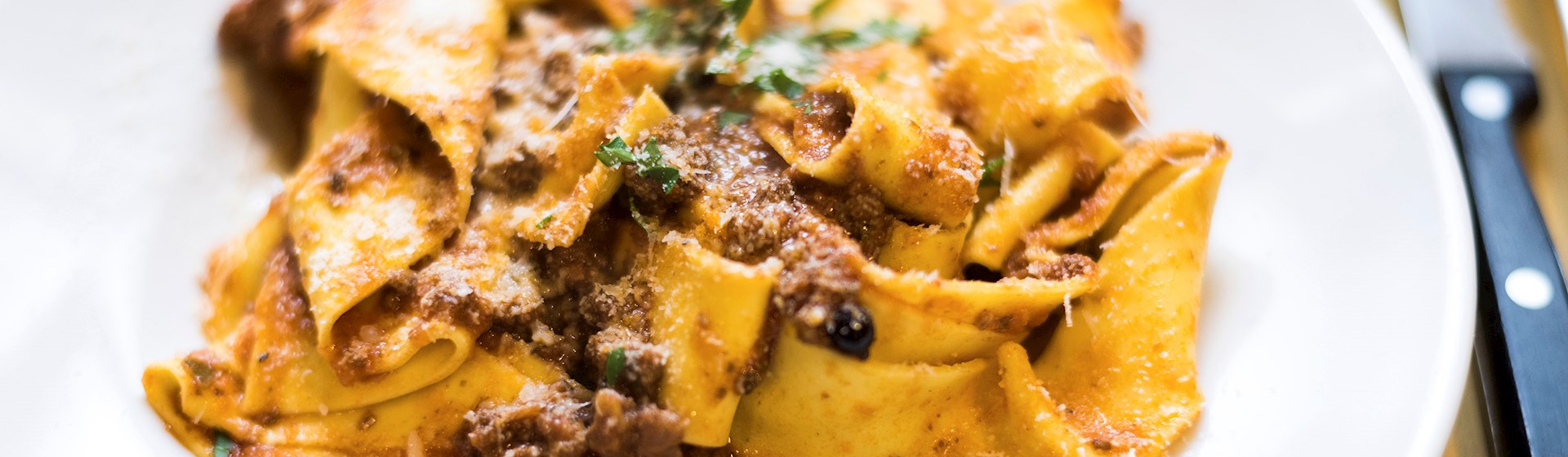
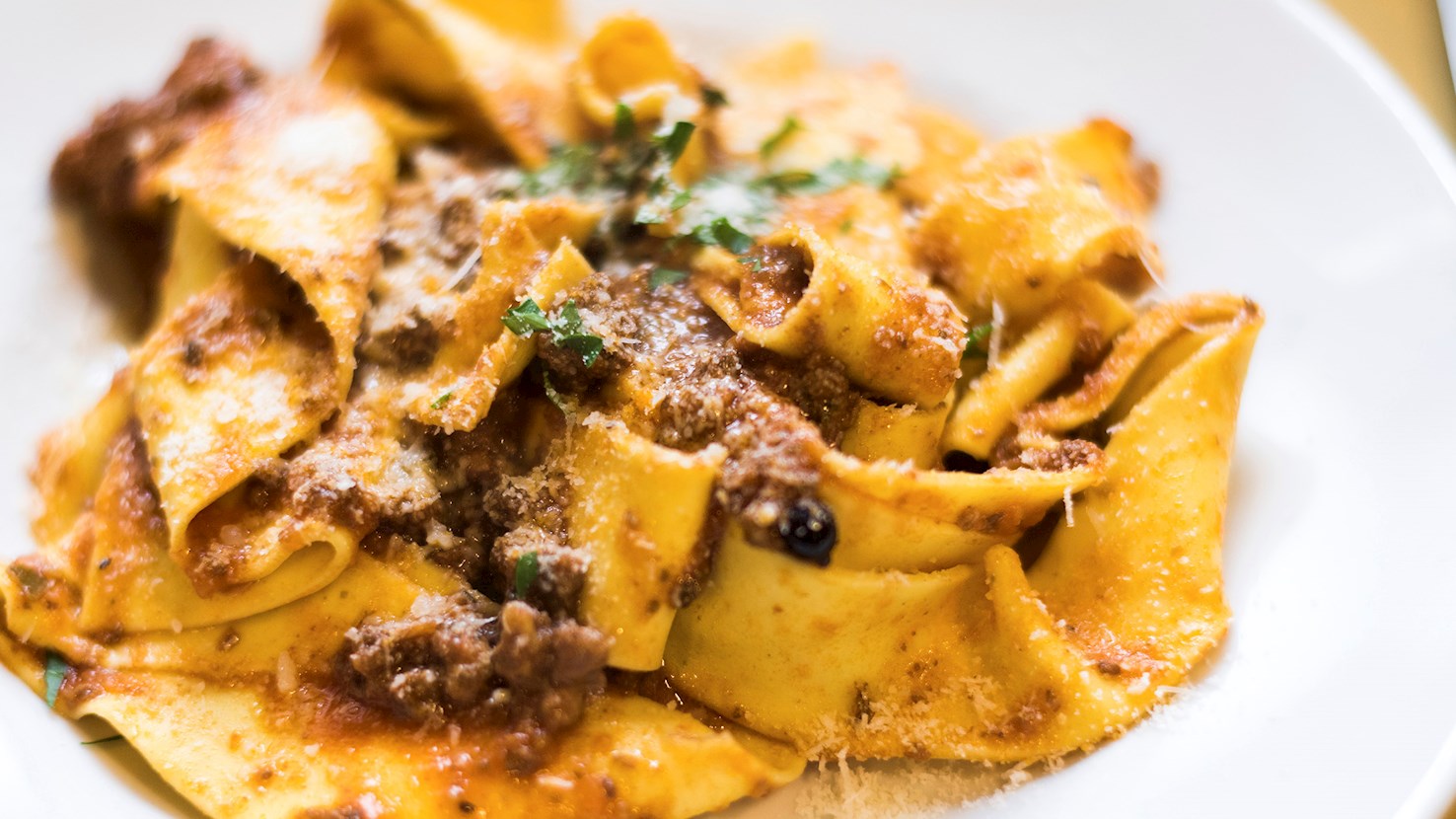
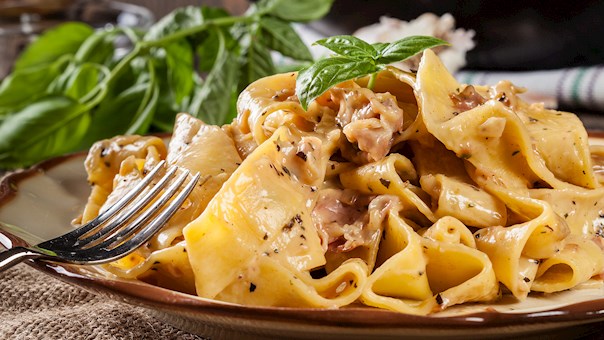
Pappardelle al cinghiale, a classic Italian primo piatto from the Tuscany region, features wide, flat pasta - pappardelle - served with a hearty wild boar (cinghiale) ragù. Preparing this dish involves marinating wild boar meat in red wine, garlic, carrots, onions, and celery for at least 12 hours or more. This process tenderizes the meat, removes the strong smell and flavor, and infuses it with flavors. After marinating, the meat is finely chopped and browned in a pan with chopped carrot, celery, and onion. It's then simmered with tomato puree, additional red wine, herbs, salt, and pepper for several hours to create a thick, savory sauce. The pappardelle pasta, known for its broad, flat shape, is perfectly suited for holding onto this robust sauce. Upon serving, the pasta and the rich boar sauce are often garnished with Parmesan cheese and fresh herbs, although some do not consider this traditional. In Umbria, the "bianco" (lit. white) version reigns supreme, which does not differ much from the Tuscan version, except that it foregoes tomatoes completely.
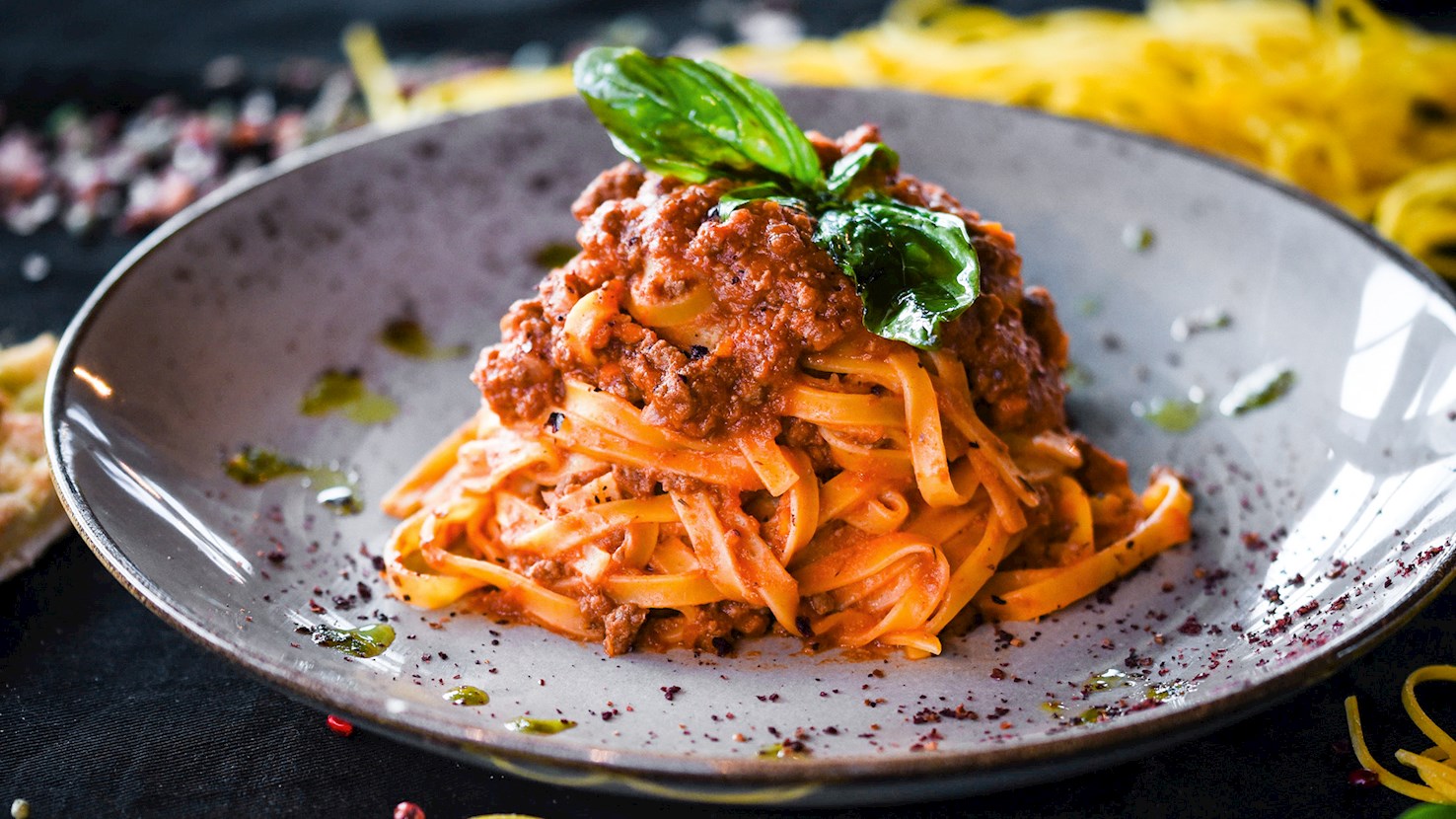
Ragù alla Bolognese is traditionally made with beef or, in some cases, a combination of pork and beef. In addition to beef, Italian fresh pork pancetta, dry white or red wine, tomato concentrate, and passata — strained tomatoes, plus soffritto — a flavorful mixture of celery, onions, and carrots are also on the list of ingredients of a traditional ragù alla Bolognese. Milk can be added halfway through the cooking, and the dish is usually, although not obligatory, served with freshly grated Parmigiano-Reggiano cheese. Also, what is to the rest of the world known as spaghetti Bolognese, practically doesn't exist in Italy, let alone in Bologna. Traditionally, ragù alla Bolognese is served either with tagliatelle or enjoyed in lasagne alla Bolognese. However, it also goes well with other types of fresh egg pasta, such as pappardelle, fettuccine, or homemade farfalle.
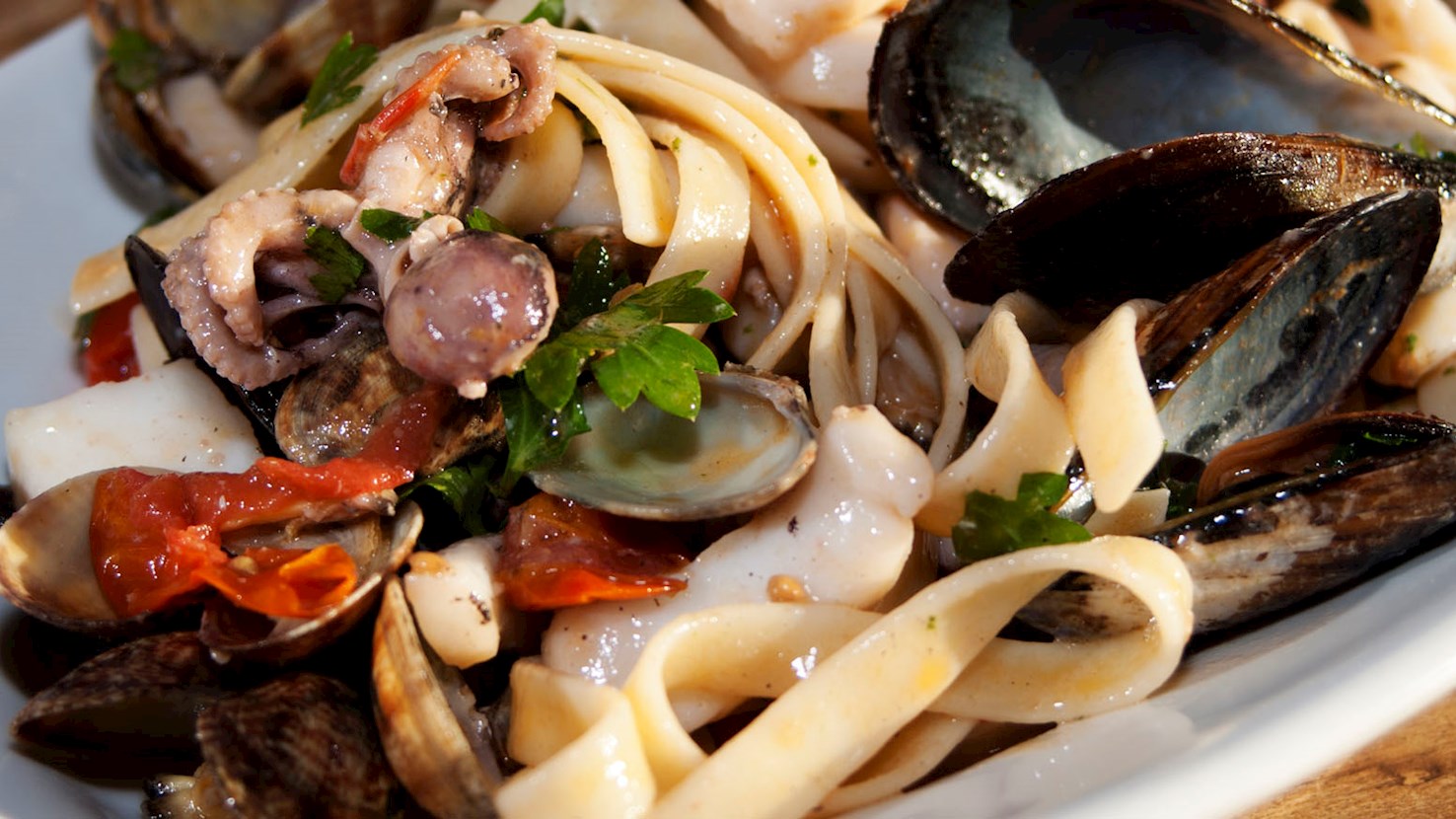
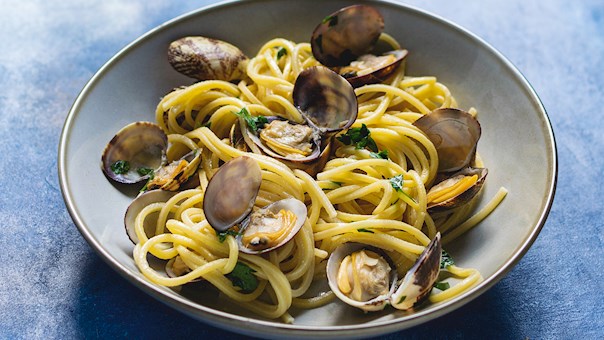
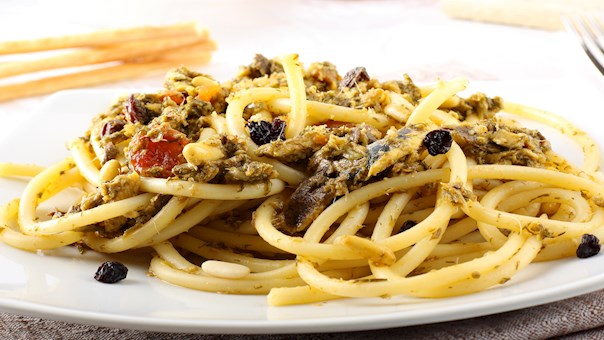
Spaghetti allo scoglio is a classic Italian seafood pasta dish popular in the coastal regions of Italy, especially in the south. This dish is known for its light, aromatic sauce and the variety of seafood it incorporates, reflecting the freshness and quality of the local catch. The dish typically features a mix of seafood such as clams, mussels, shrimp, and squid, but the exact combination can vary depending on what's fresh and available. When it comes to the choice of pasta, linguine and spaghetti are the traditional choices, but bucatini also works. Garlic and white wine are not-to-be-missed ingredients in allo scoglio recipes, while parsley rounds the dish in the end by adding color and a touch of freshness. Depending on the preference, this seafood pasta can be made "white" or "red", with red meaning it also includes tomatoes.
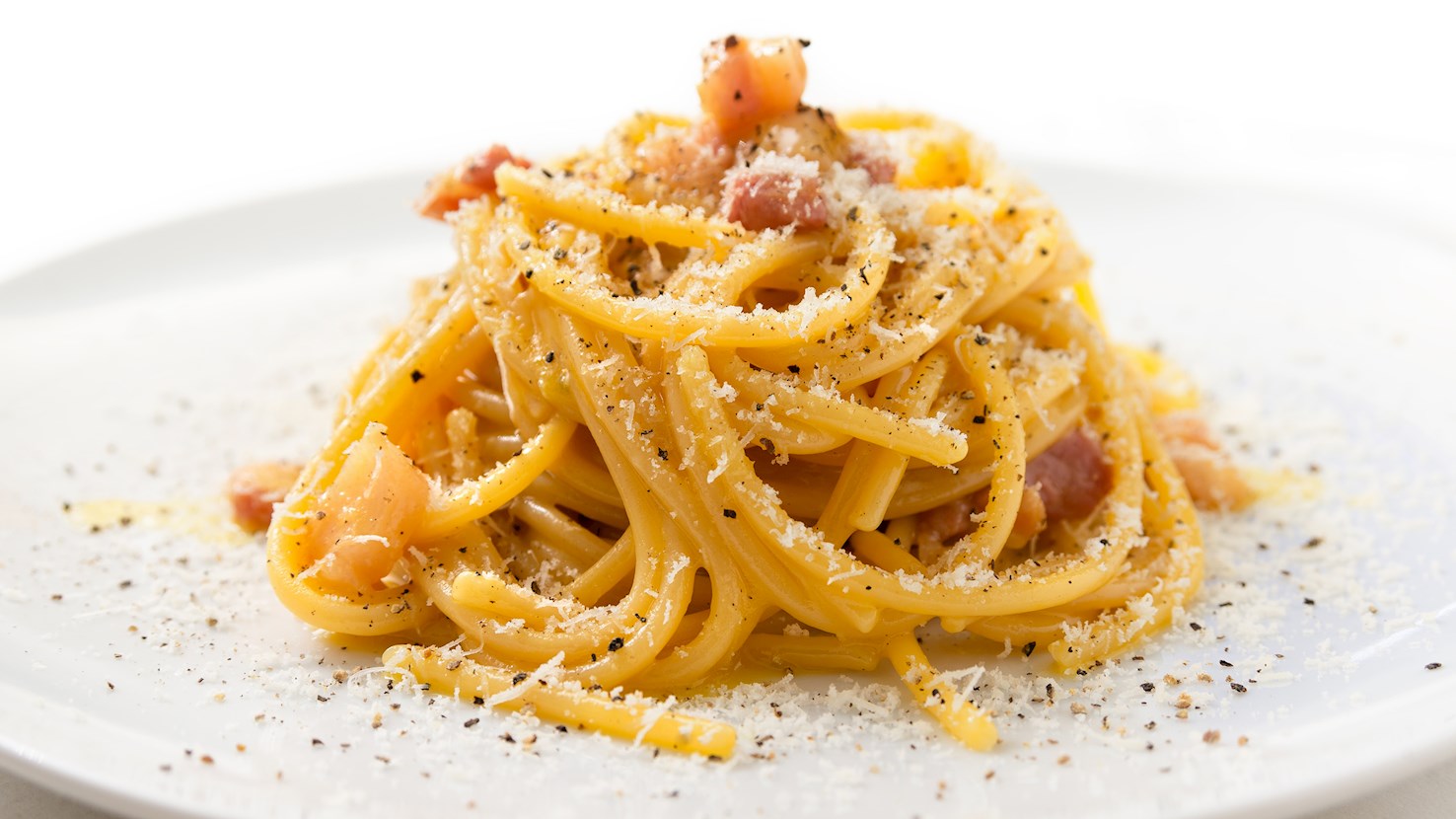
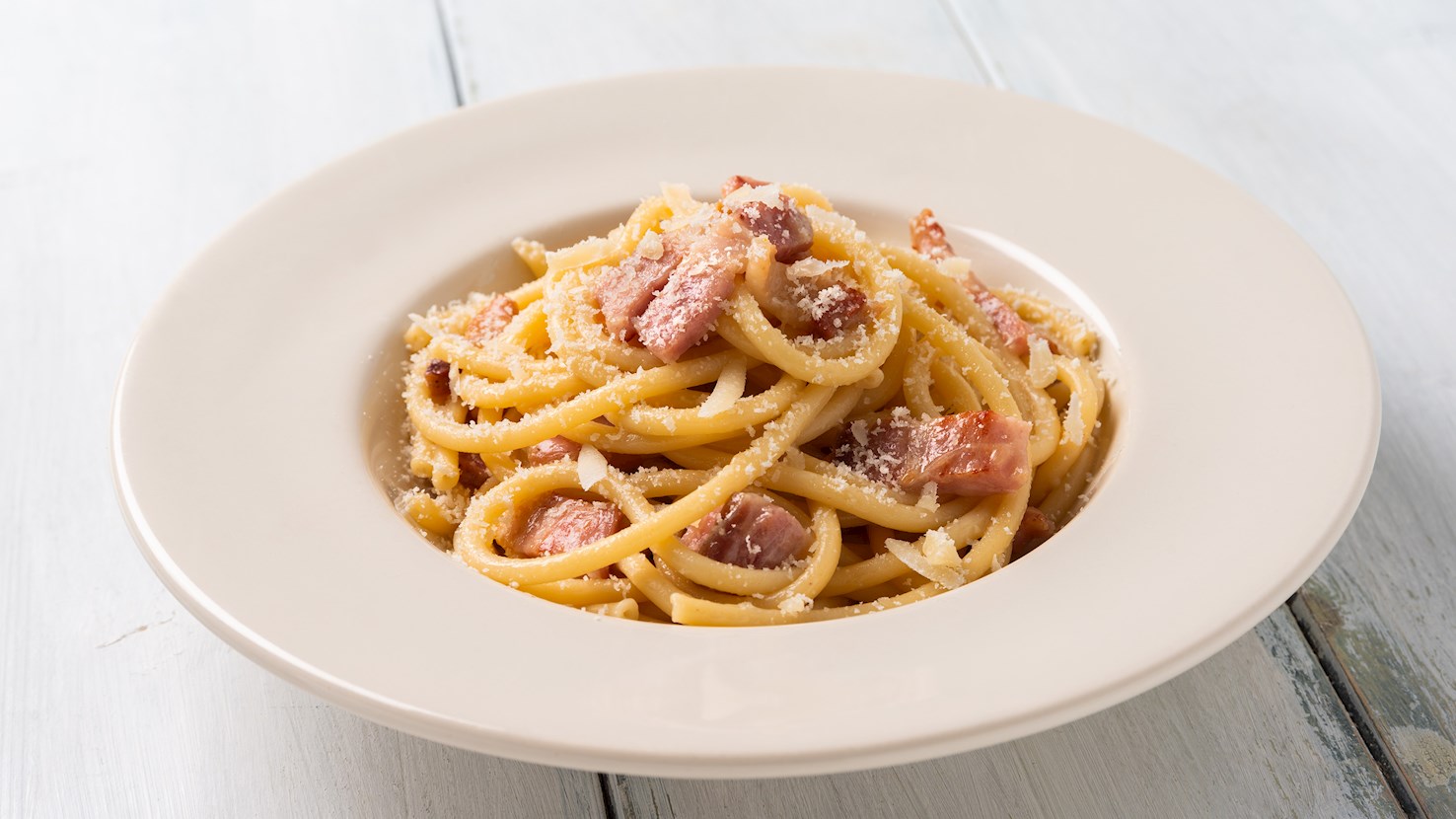
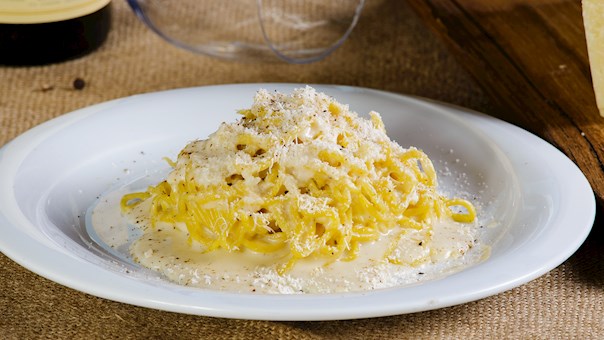
Carbonara sauce is traditionally prepared with only egg yolks, pecorino Romano cheese, black pepper, and guanciale, the latter being an essential part of the recipe. Pancetta or bacon are often suggested as a substitute in the absence of guanciale, and Parmigiano-Reggiano is recommended as a replacement for pecorino Romano. However, purists claim that any replacements will result in a carbonara sauce that falls flat in comparison to the original. Likewise, true carbonara aficionados consider the recent trend of adding cream to spaghetti alla carbonara tantamount to culinary sacrilege. However, early versions of spaghetti alla carbonara varied widely in both ingredients and technique. Mid-20th-century recipes often used pancetta instead of guanciale, Parmigiano or melting cheeses such as Gruyère in place of Pecorino Romano, and included butter, garlic, onion, parsley, or even white wine. Eggs were commonly beaten whole and allowed to partially set from the heat of the pasta, producing a lightly scrambled coating rather than the smooth emulsion expected today. Over time, these elements were discarded as Roman practice codified the dish into its modern, minimalist form. The secret to preparing a rich and silky carbonara sauce is in perfect timing and technique: it is crucial to work quickly, as the the egg-based sauce will only be cooked through by the heat from the hot spaghetti if it is added immediately after the pasta is strained. However, the pasta must also be taken off the heat before the eggs are stirred in, otherwise they might easily scramble or curdle.
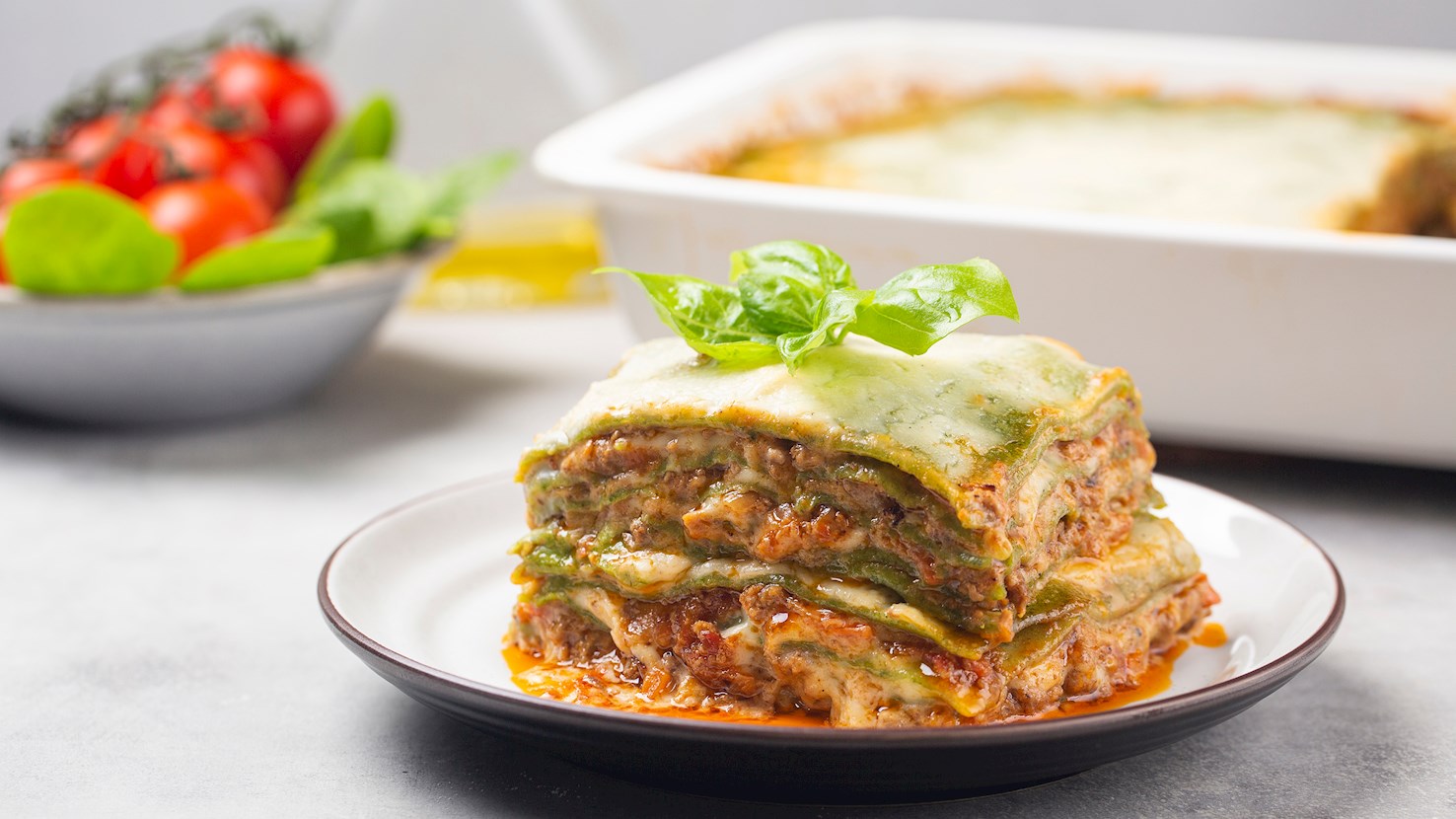
Lasagne alla Bolognese is a typical dish of the Italian region Emilia-Romagna, specifically of the city of Bologna. In many Italian families, this dish was and still is the symbol of Sunday lunch and family gatherings. To prepare the lasagne alla Bolognese, you will need pasta sheets, fresh or dried, slowly cooked ragù and béchamel sauce. The first step is to cook the ragù as it requires time; you'll need finely chopped onions, celery, carrots, minced meat (beef/veal and pork), some wine and tomato purée/paste. The second step is to make your green pasta sheets (if you're going to make them yourself); with eggs, flour, nettle or spinach and some olive oil and then to prepare the béchamel sauce; with butter, flour, milk, some nutmeg and grated Parmigiano-Reggiano cheese. The final step is to assemble your lasagne alla Bolognese and to bake them in the preheated oven. Traditionally, lasagne alla Bolognese have seven pasta sheet layers, but 3-5 pasta sheet layers is most commonly seen.
Pasta alla gricia, an iconic traditional Roman pasta dish, combines only a few simple ingredients, making it a tasty exercise in culinary minimalism. All it takes is guanciale (a traditional Italian salt-cured pork jowl/cheek bacon), Pecorino Romano (one of Italy's oldest cheeses, made of sheep's milk), black pepper, and pasta (preferably rigatoni or spaghetti). This simplicity does not result in scarcity when it comes to taste. In fact, it leaves plenty of space for the rich taste of guanciale to cut through, which is contrasted by the intensity of Pecorino Romano and black pepper. However, the short list of ingredients does not allow for much in terms of variation, especially with guanciale and Pecorino Romano. The former, guanciale, has a significantly more assertive and savory flavor than other pork products such as pancetta. Due to its high-fat ratio, its texture is more delicate and lends an irreplaceable lusty depth to the sauce. The latter, Pecorino Romano, is a sheep's milk cheese known for its distinct saltiness and piquant aroma. Combined together, these two ingredients bring to life pasta alla gricia's seemingly plain, but charming and disarming character.
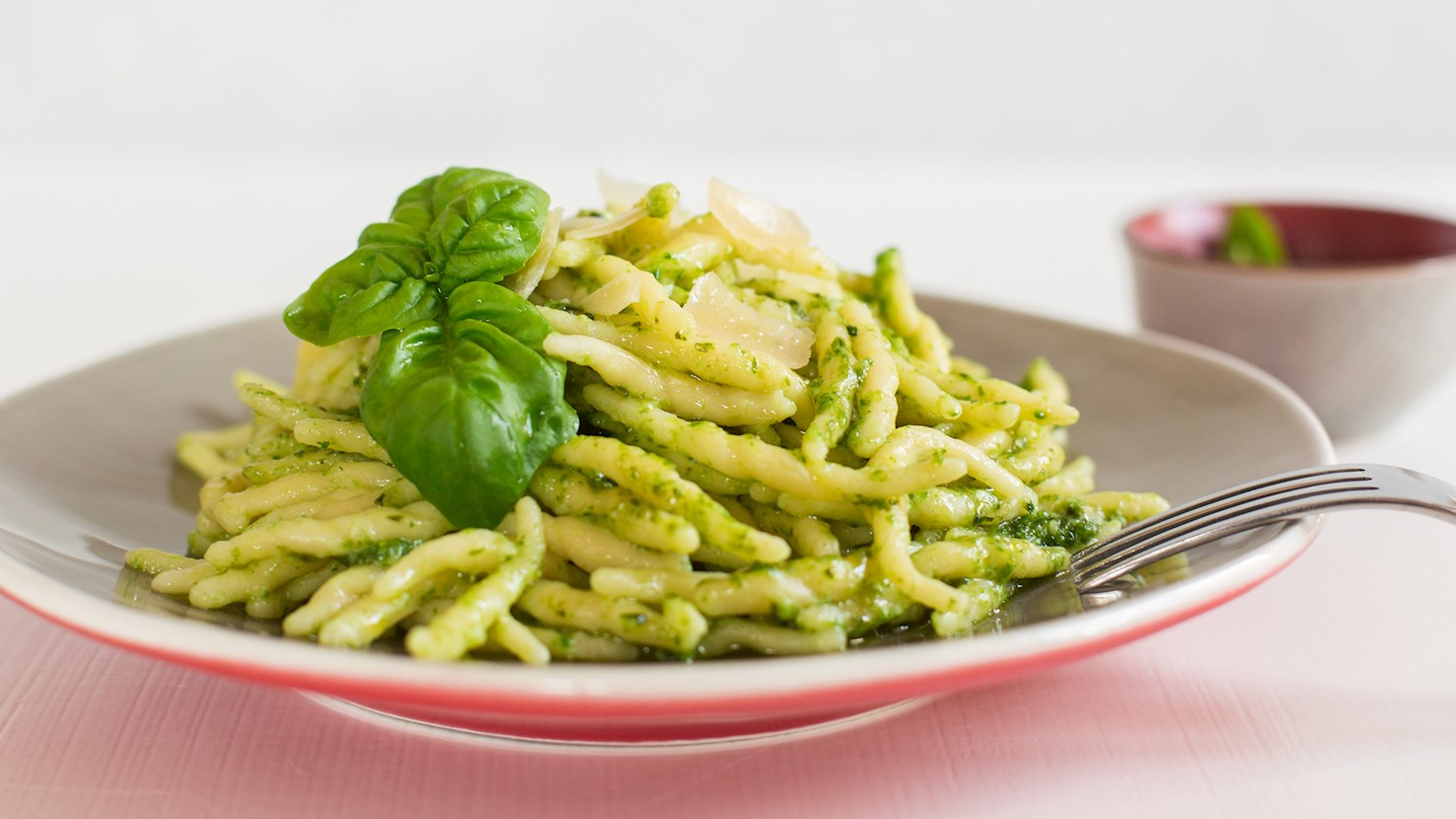
Trofie al pesto combines the hallmarks of the region's cuisine – trofie pasta and pesto – into a dish full of quintessentially rich Ligurian tastes. Trofie pasta, the short, twisty shaped noodles are made with only flour and water and traditionally, rolled by hand. Its swirly shape is a perfect complement to the steadiness of the pesto Genovese sauce, which is traditionally made with Basilico Genovese, Parmigiano Reggiano (or Grana Padano as a substitute), pine nuts, extra-virgin olive oil from the Ligurian Riviera, garlic (preferably from Vessalico), with an addition of one of the varieties of the pecorino cheese – Sardo, Romano, or Toscano. Diced potatoes and green beans are a common traditional addition, which makes for a more substantial and filling version of trofie al pesto. Some versions of the dish will include pancetta, and in some instances, the pesto is made with pistachio.
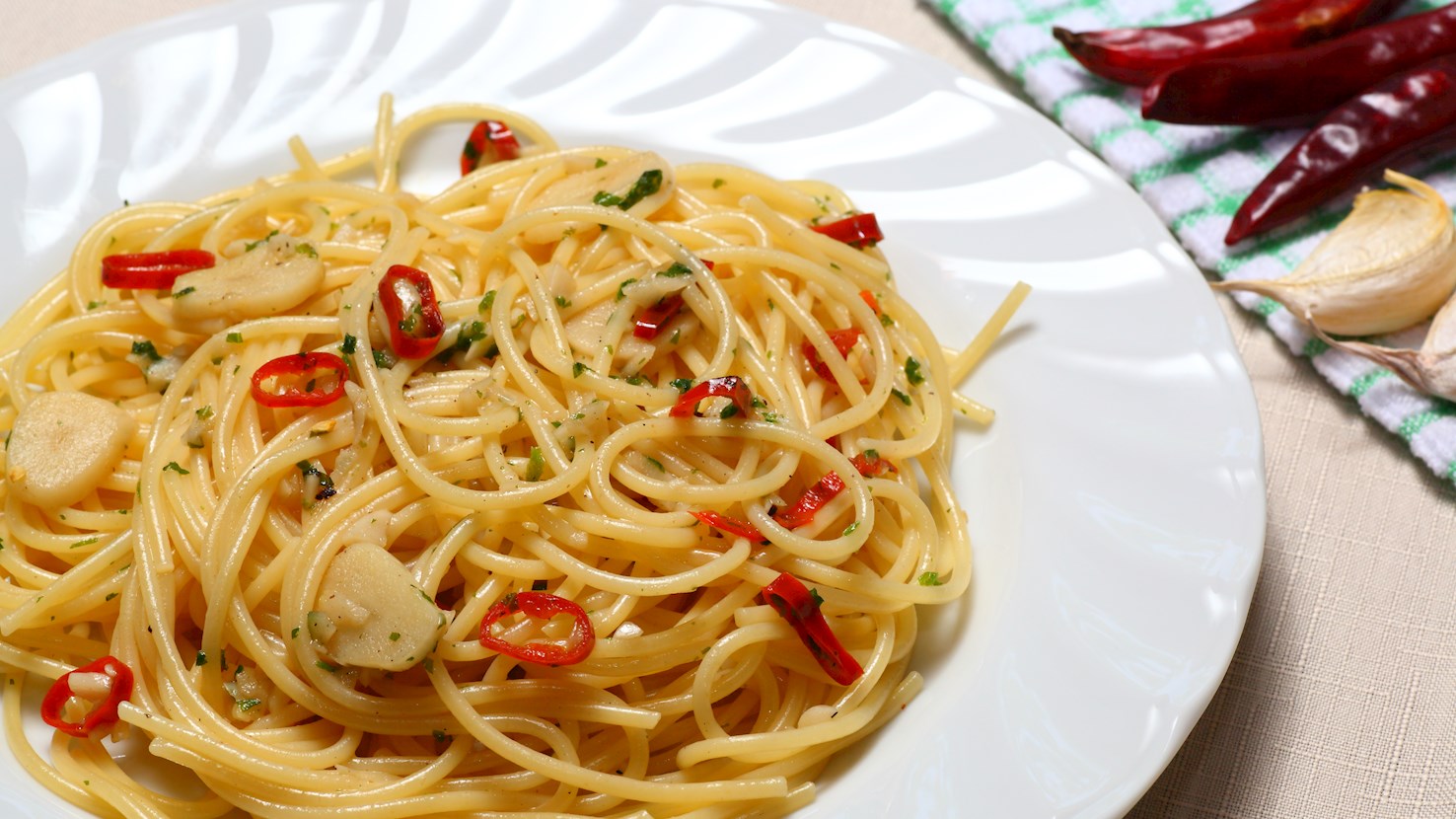
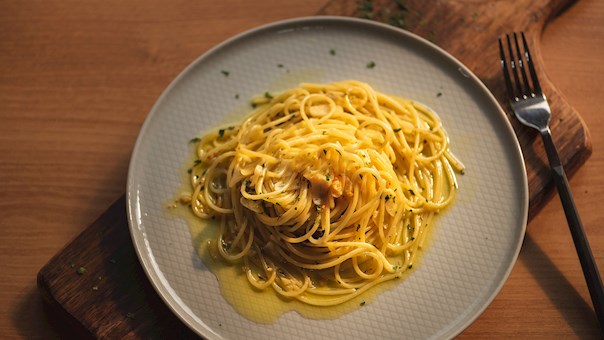
Just like the basic version of spaghetti aglio e olio, spaghetti aglio, olio e peperoncino is prepared much the same way — the spaghetti are cooked in generously salted water and then mixed with garlic and peperoncino which have been sautéed in lots of olive oil. The tiny red peperoncino rosso chili pepper, or the diavolillo (lit. little devil) as it is often affectionately called in some parts of Italy, is added to give the dish a spicy kick and a nice touch of warmth. This crimson-colored variety of hot pepper can be used fresh, but it is also preserved in oil or dried in enormous quantities every fall to be used throughout the year to add heat to various pasta sauces and various other dishes. After plating, the dish can be finished with an optional sprinkling of chopped parsley.
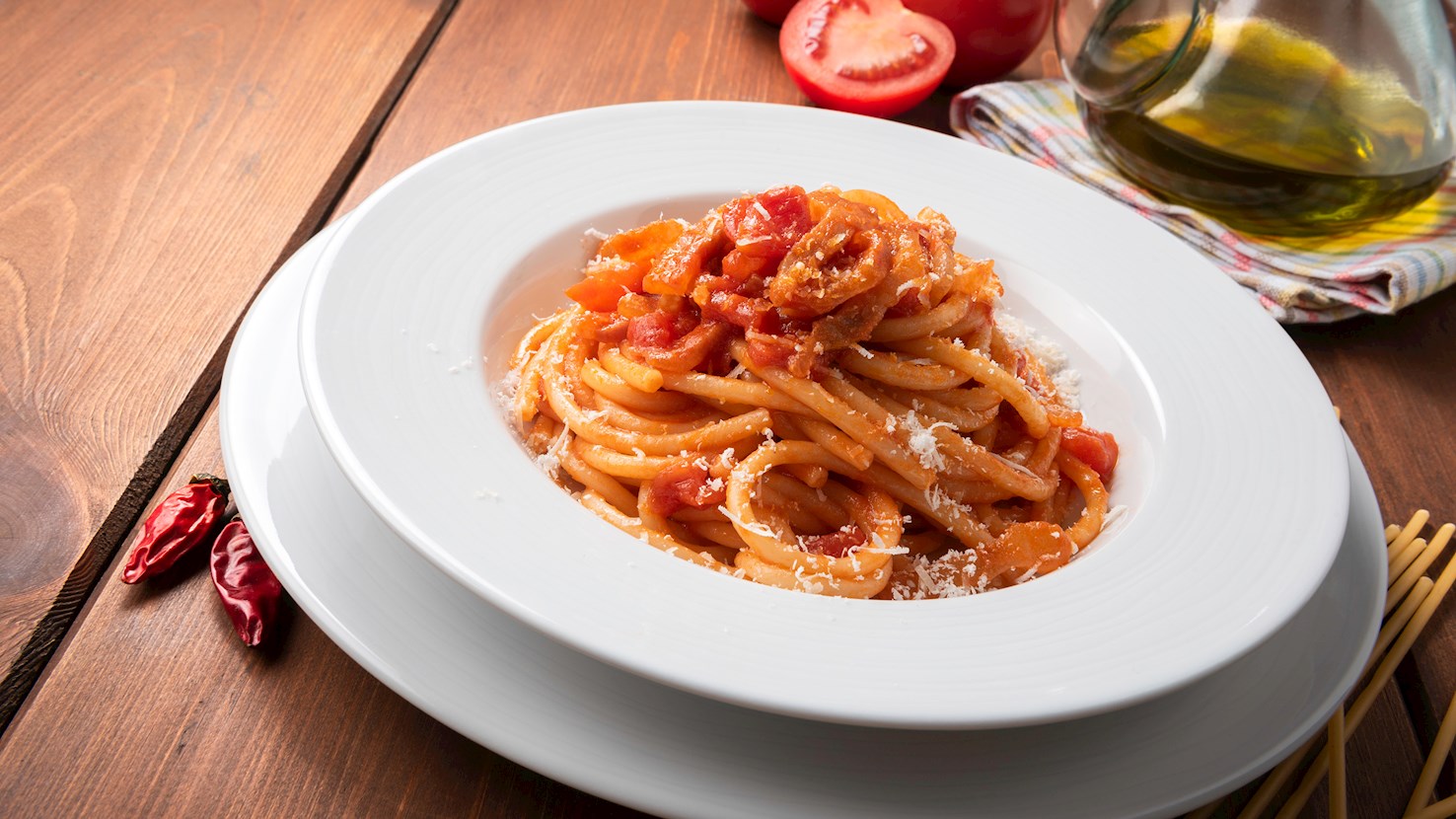
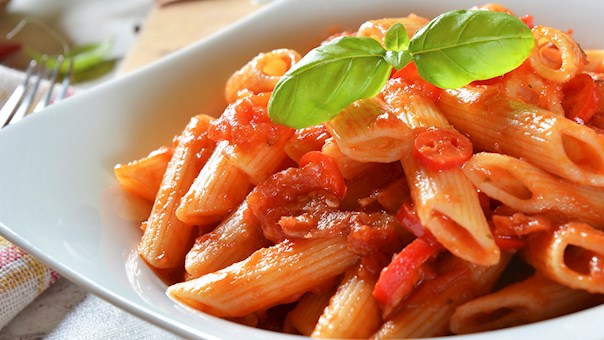
To prepare the famous Amatriciana pasta sauce, two ingredients are essential: pecorino cheese and a cured Italian pork jowl salami known as guanciale, a traditional ingredient for which there is considered to be no proper substitute. Guanciale is known to have a deeper, richer, sweet-savory pork flavor than both Italian pancetta or bacon, and due to its high fat-to-meat ratio, it has a meltingly tender texture. Some recipes also advise adding onion or even garlic to Amatriciana, which has become a fairly common practice both in Italy and abroad as it makes the sauce a little sweeter. However, locals from Amatrice, the birthplace of this pasta sauce, consider this a serious offense. In fact, every local chef, gourmet, and food enthusiast will insist that there are only six ingredients in a genuine Amatriciana sauce: guanciale, pecorino cheese, white wine, black pepper, peperoncino, and tomatoes, preferably from San Marzano.
TasteAtlas food rankings are based on the ratings of the TasteAtlas audience, with a series of mechanisms that recognize real users and that ignore bot,
nationalist or local patriotic ratings, and give additional value to the ratings of users that the system recognizes as knowledgeable.
For the “Top 28 Pasta Recipes” list until September 17, 2026, 22,923 ratings were recorded, of which 18,200 were recognized by the system as legitimate.
TasteAtlas Rankings should not be seen as the final global conclusion about food. Their purpose is to promote excellent local foods,
instill pride in traditional dishes, and arouse curiosity about dishes you haven’t tried.



What People Say